One Rainy Day in April

Today I decide to travel towards Matsumoto, into the middle of the Japanese Alps. At Kanazawa Station, I pay the premium ticket price of ¥8970 to travel just one hour on the Shinkansen to Nagano. There, I change to a local train, for local people. After a couple of hours of sitting around on trains, I finally step out into the clean, fresh mountain air. And it’s raining.
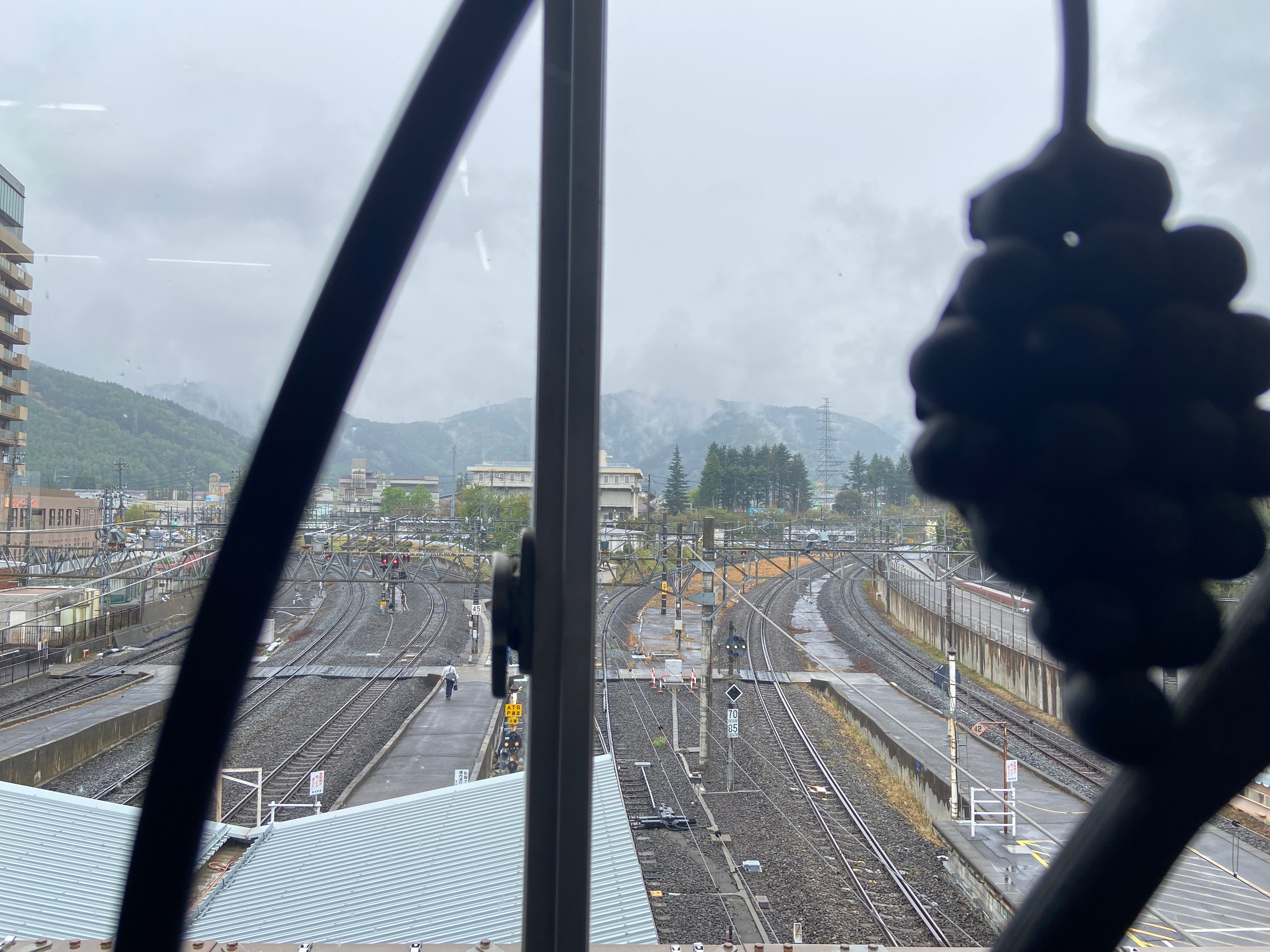
The mountains are gone, washed out in a white, ghostly fog, completely invisible today. But with better weather expected tomorrow, I tell myself this won’t have been a wasted trip. I put on a bright green poncho. It doesn’t suit me. I probably look like a large frog. Still better than an umbrella. I always forget those anyway.

Reservoir Frogs

I start exploring, and despite the rain hammering down, I’m drawn straight in. Matsumoto has a quiet, charming vibe. Flower beds and streams line the roads. Bars and restaurants that feel quietly inviting look to be from another time. The Metoba River snakes between buildings that look like they’ve been here for hundreds of years. It reminds me of a less crowded version of Asakusa. Not empty, though, as groups of tourists do drift past, tethered together by guides holding small flags like they’re leading expeditions.
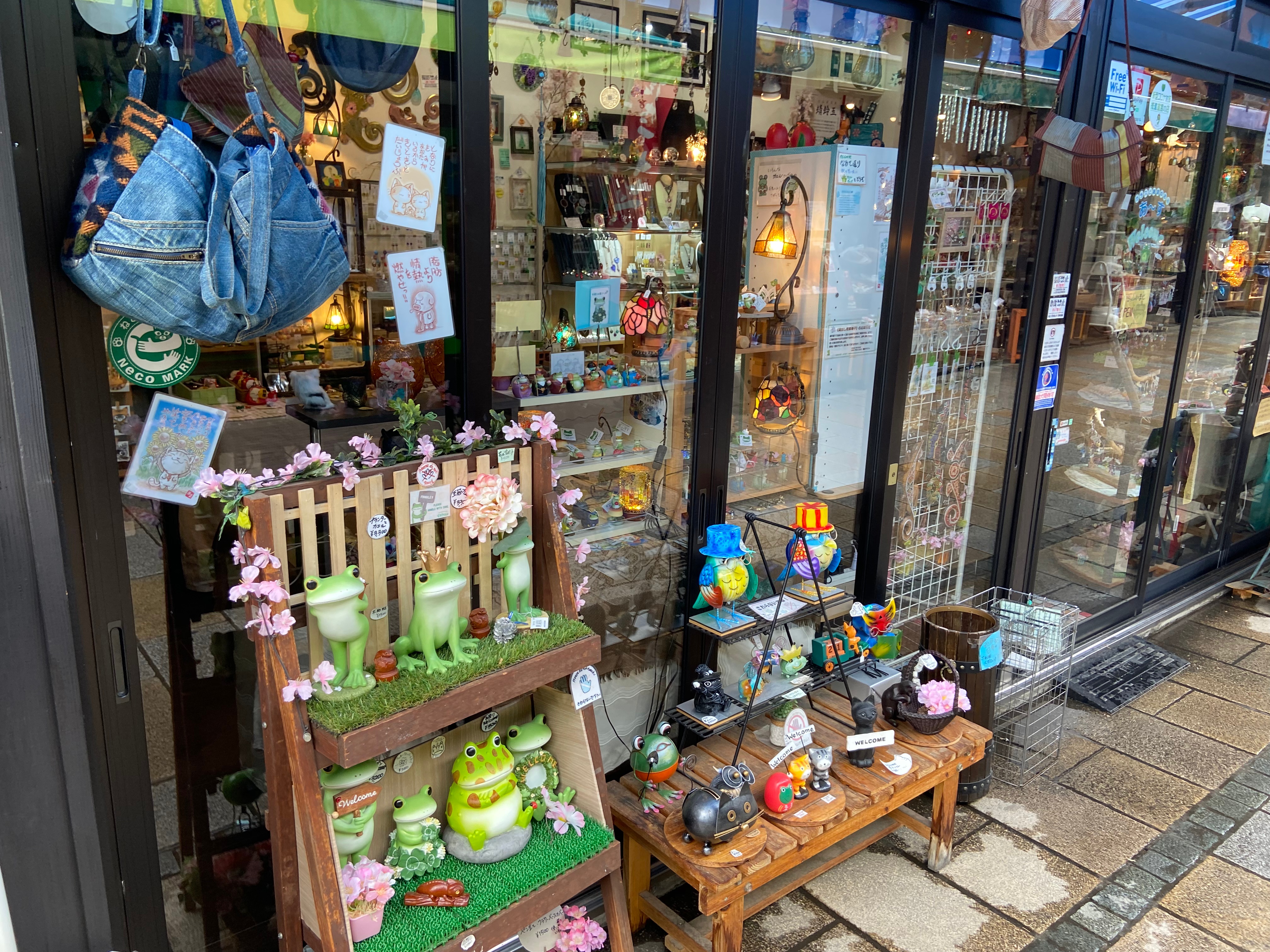
The main tourist street is Nawate Street, also known as Frog Street. It’s a pun I’ve mentioned before, tied to the Japanese word for frog, but essentially it means you’ll return home safely. The frogs will see to that. And there are frogs everywhere.

Decorations, statues, souvenirs, offerings. A shrine dedicated to a guardian frog. Amongst the frogs are about twenty freshwater wells, each one slightly different but æsthetically pleasing. They offer clear cold water for free, but I’ve had enough water today; it’s raining so hard I’m essentially covered in water.
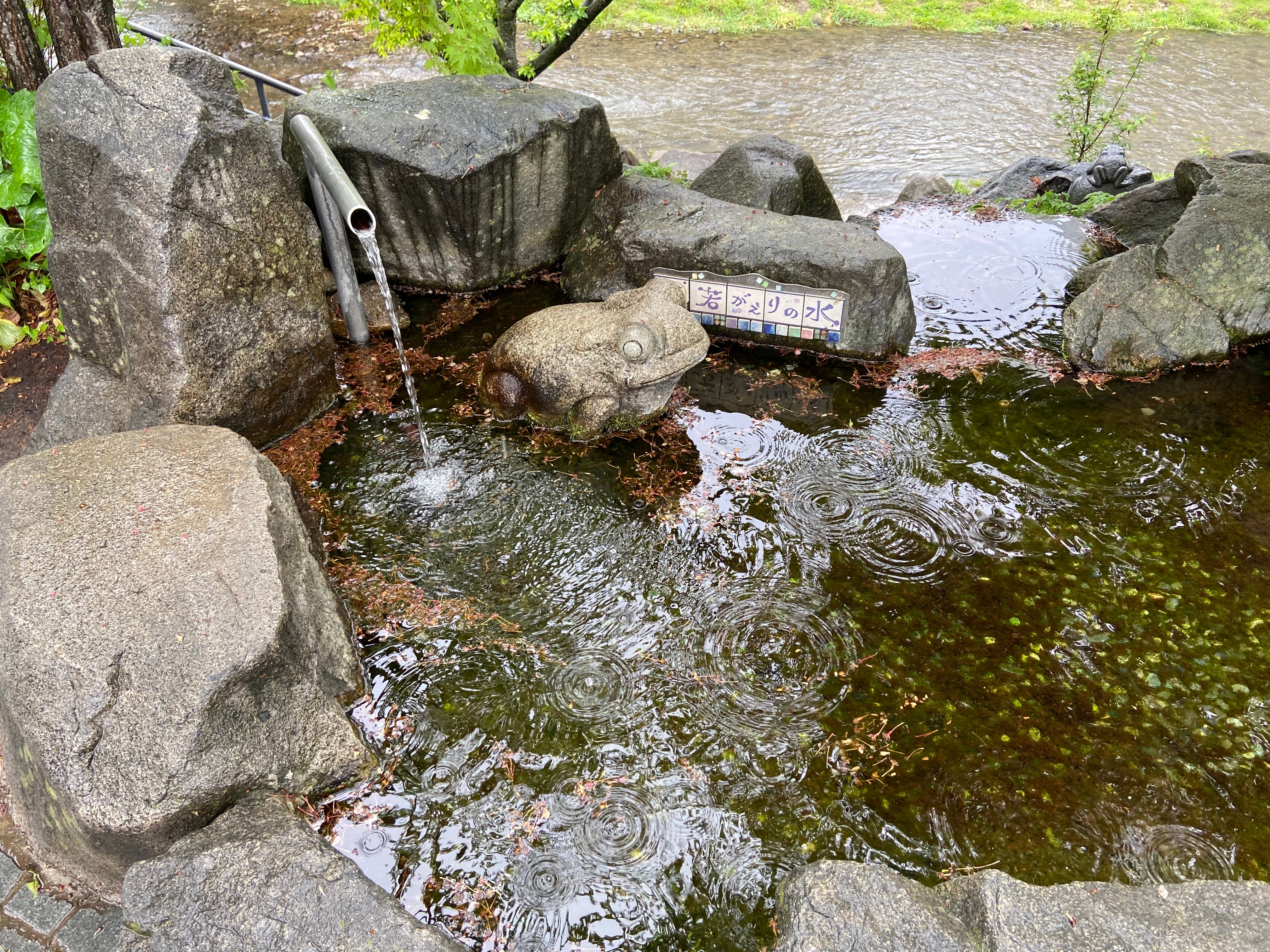
There’s a story written at the shrine which I’ll try to translate: Once, this narrow river was lined with festival stalls, and a dear river frog made a beautiful sound. There were unique emotions, such as the playing of the drums or the smell of acetylene lamps, the voices of stallholders, and fireworks, and the scooping of goldfish.

Then the river became dirty and the frog was pushed upstream. This caused the streets here to lose their vitality, and in 1972 the dear river frog was enshrined, in an attempt to make the river clean again. It worked, and the streets came back to life. Now it is a frog town. A place where mountains and city meet. A place where visitors can relax.
Keep Calm and Waffle On

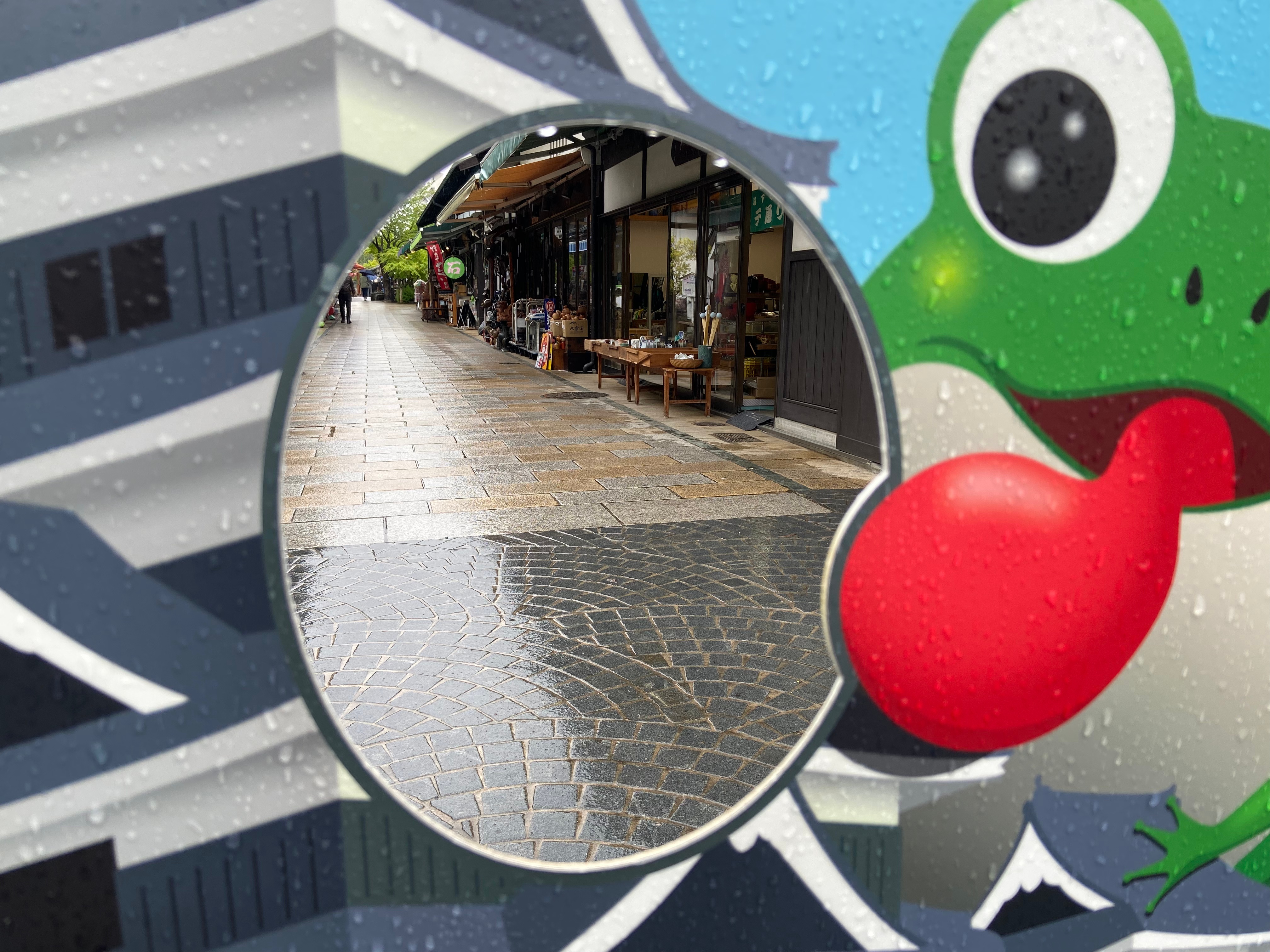
I decide to walk now in the direction of a local National Treasure: Matsumoto Castle. On the way I pass more art shops, craft shops, storehouses dotted around between the many small shrines and folk art stores. Plenty of town maps here too make it easy to keep track of where I am.

And if kimono rental shops are your thing, well forget that! Here you can rent a panoply of samurai armour for the day for the low price of ¥11,000. Not in this weather though, I’d look ridiculous as a samurai in a green poncho.
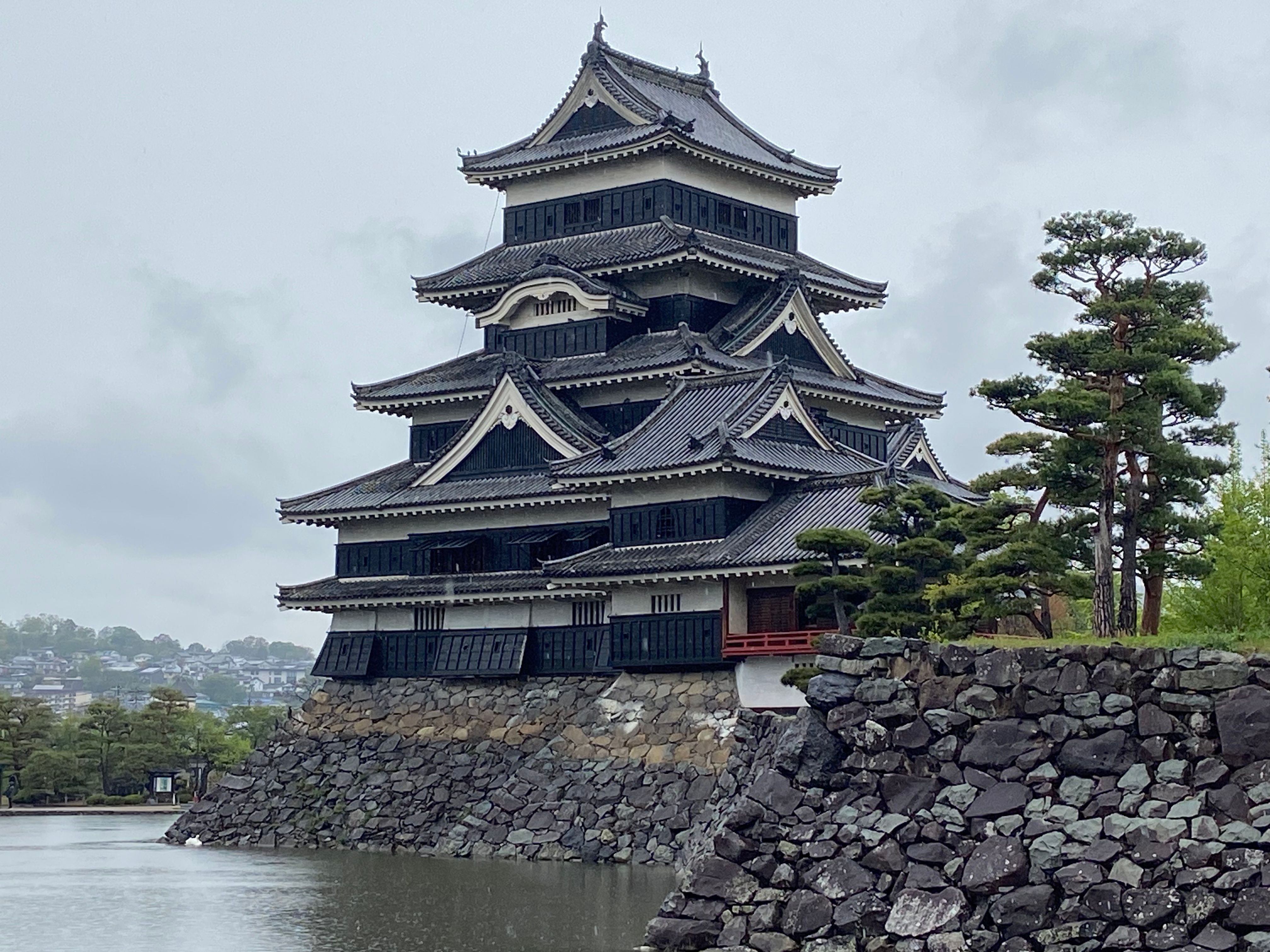
It’s not long before I arrive at the castle. Inside, the keep is so incredibly calm; there’s not a tourist in sight, probably put off by the weather. The castle is the oldest five-storey six-floor castle in Japan. A very specific metric, if you ask me. But it’s all because of a completely secret hidden floor. A castle bigger on the inside than on the outside. The castle is stunning to look at. The Northern Alps sit shrouded behind it, blending into the clouds, while the swamp-like stillness of the moat settles the scene.

Leaving the castle, it’s almost time to check into my hotel, but I’m feeling a little hungry so head back in the direction of Frog Street to see what’s on offer. I pass a shop selling traditional taiyaki, fish-shaped waffles. This store offers three normal flavoured fillings and one odd flavour. Sweet red bean, chocolate, custard cream, and sausage.
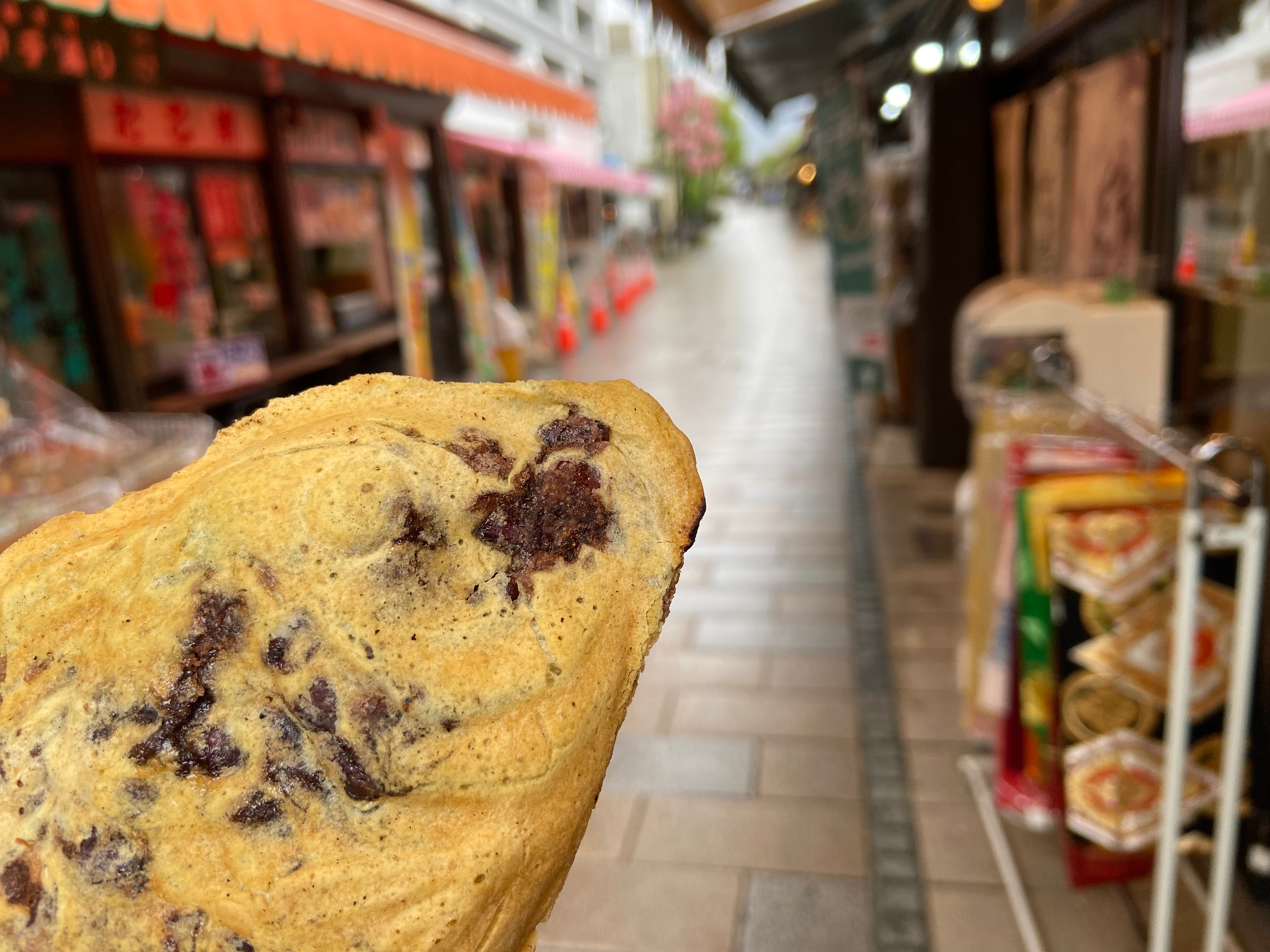
Obviously I go for sweet red bean paste as it’s my favourite. It’s cheap too. Only ¥250 and surprisingly massive. As I am handed the packet, I find the waffle to be red hot, and it smells so good. The batter sweet and soft and delicious. But the tail is the best part, a little crunchy and a little crispy. Luckily for me I’m staying near Frog Street for the next three nights, so I’ll be sure to return here frequently for more fish-shaped waffles; one of the best Japanese snacks.

The Grape Train Vinery

I head to my hotel to check in and dry my shoes with a hairdryer. I don’t need the poncho anymore, as the hotel is one minute from the train station, so I’ll be indoors the whole way. I hop on the train bound for Shiojiri Station, the journey takes 8 minutes. The under seat heating makes a mockery of my freshly dried shoes.
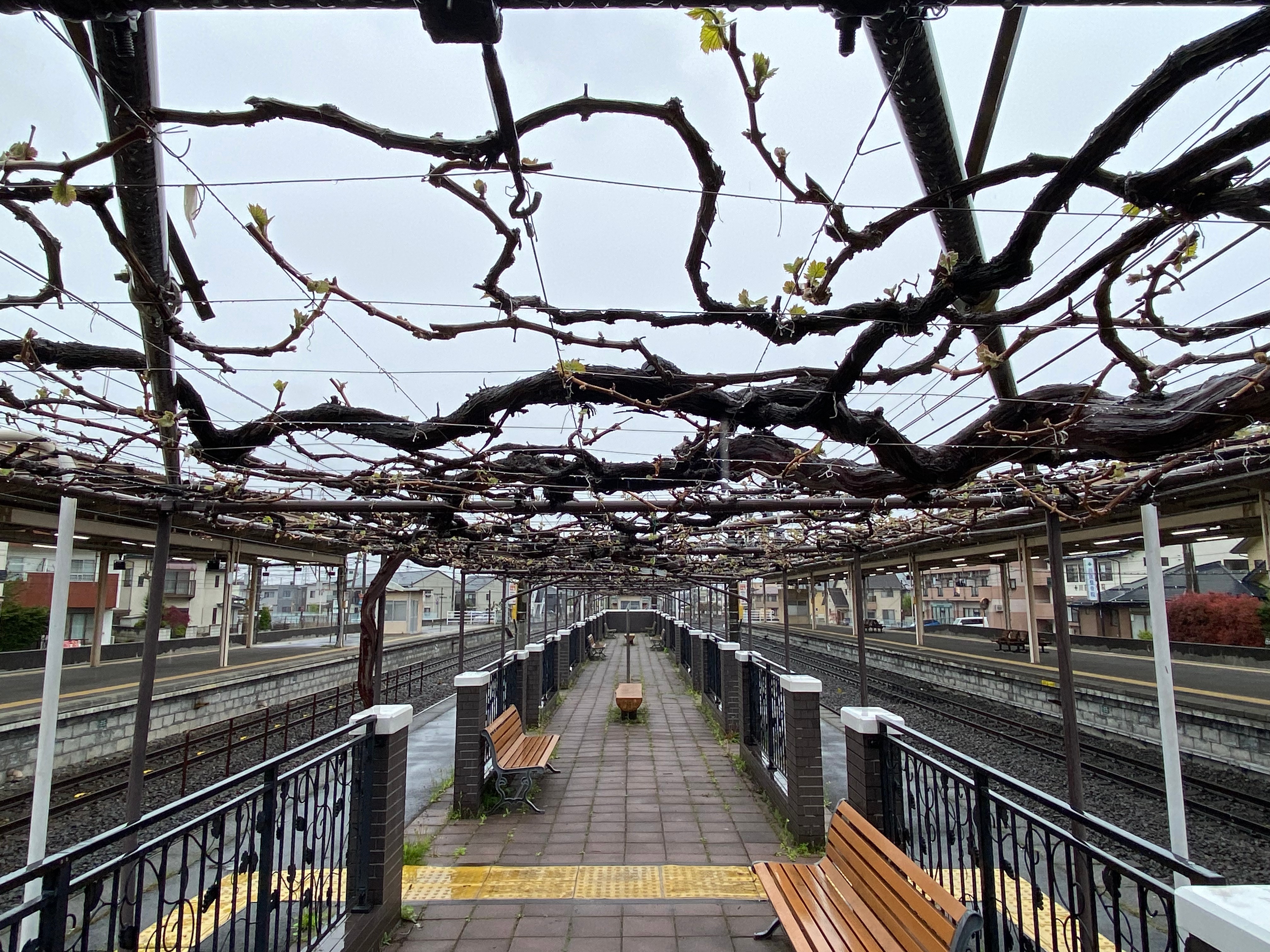
I exit the train into my destination. It’s actually the train platform I’m here to visit, as it has its own vineyard. That’s right, the grapes used to make Shiojiri Wine are grown right here on the train platform. The vines stretch along the platform, growing patiently beside passing trains. Obviously the grapes won’t be fully grown until the autumn, right now they are just small leaves on vines. I do notice that they have hung some plastic dragonflies around the vines, which I assume is to deter predators from eating the grapes.

Inside the station, there’s a small gift shop. I purchase a bottle of Black Queen red wine, made from platform grapes. Then it’s back on the train 8 minutes to Matsumoto Station.
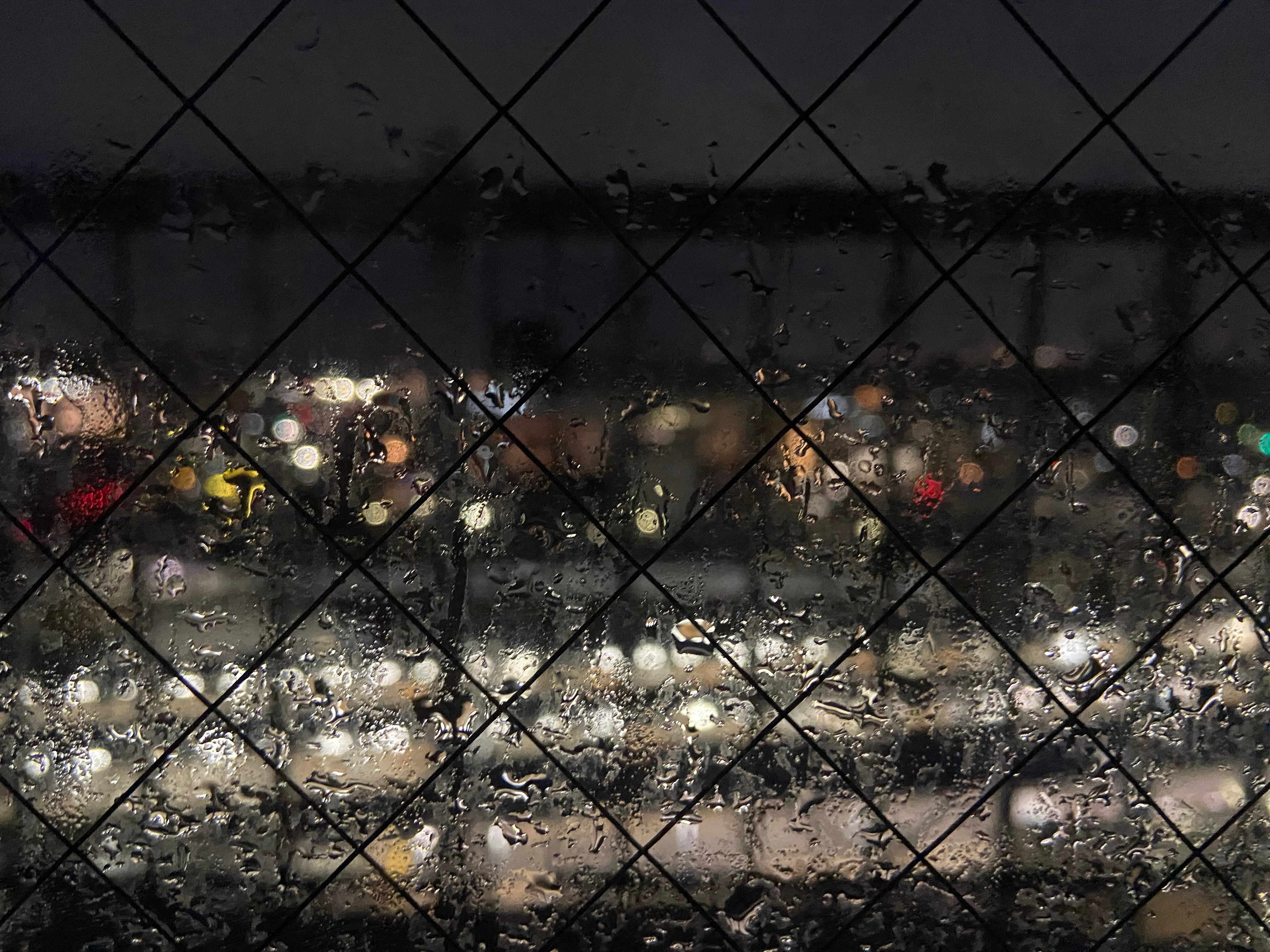
In my hotel room, I sit on the edge of the bed with a plastic cup of wine, its notes of cassis a little overpowering. I enjoy the sound of the rain as it taps softly against the window. The wine is bold, a little too certain of itself. And somewhere beyond the fog, the mountains are still there. Waiting for tomorrow.
The Unbearable Lightness of Being in Orbit

An announcement tells me that my train is significantly delayed by one minute as I wait patiently at Kanazawa Station. Today I’m travelling to a place in the remote countryside of Ishikawa; a seaside town said to have had the most UFO sightings in Japan.

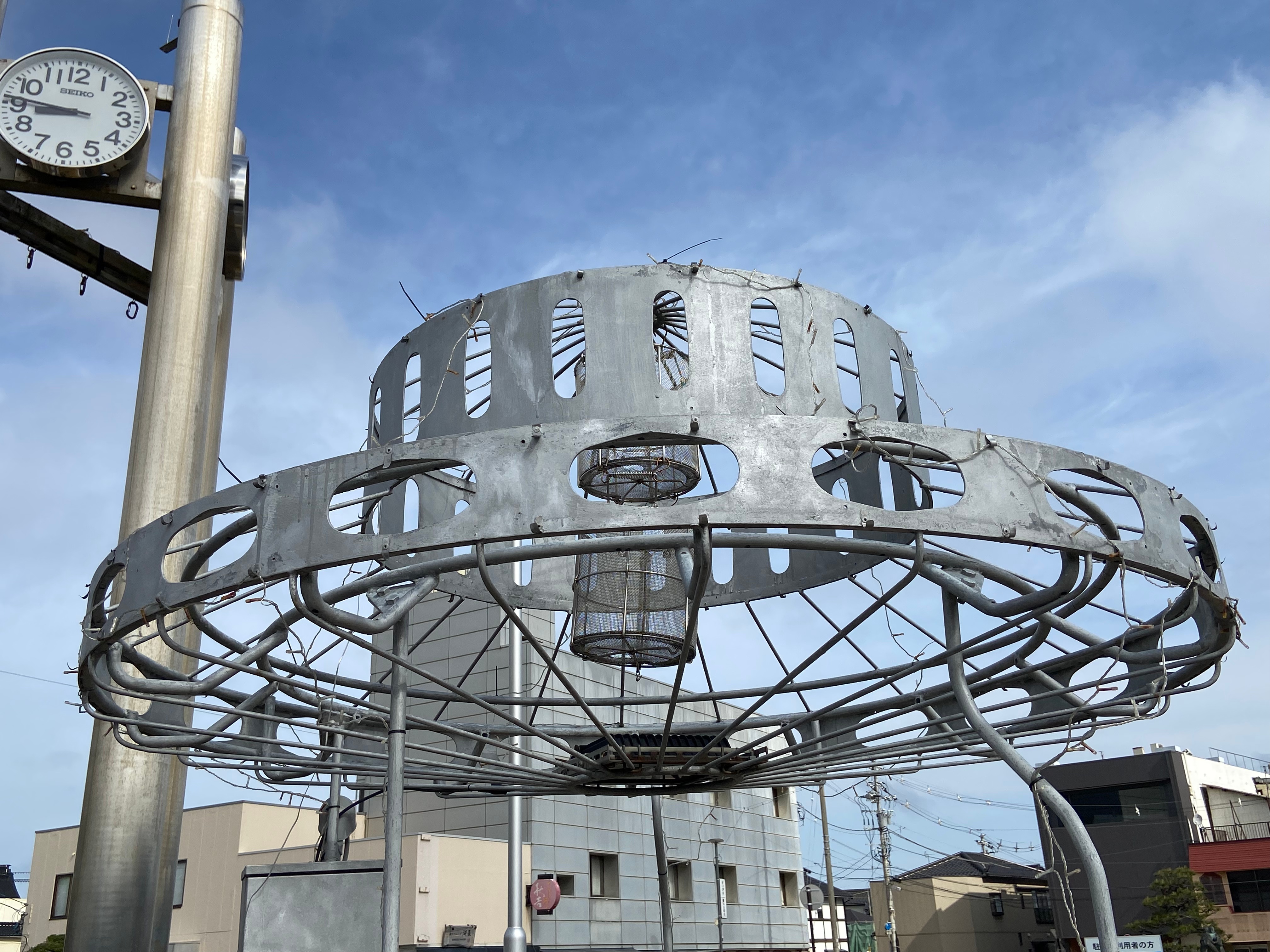
Outside Hakui Station, the morning sun is blazing. I immediately notice UFO-themed public artwork, spaceship sculptures, and a sign for the oddly named UFO Museum. Since the sightings, Hakui has fully embraced this alien identity, becoming a UFO hotspot, and now hosts the largest space collection in Japan.

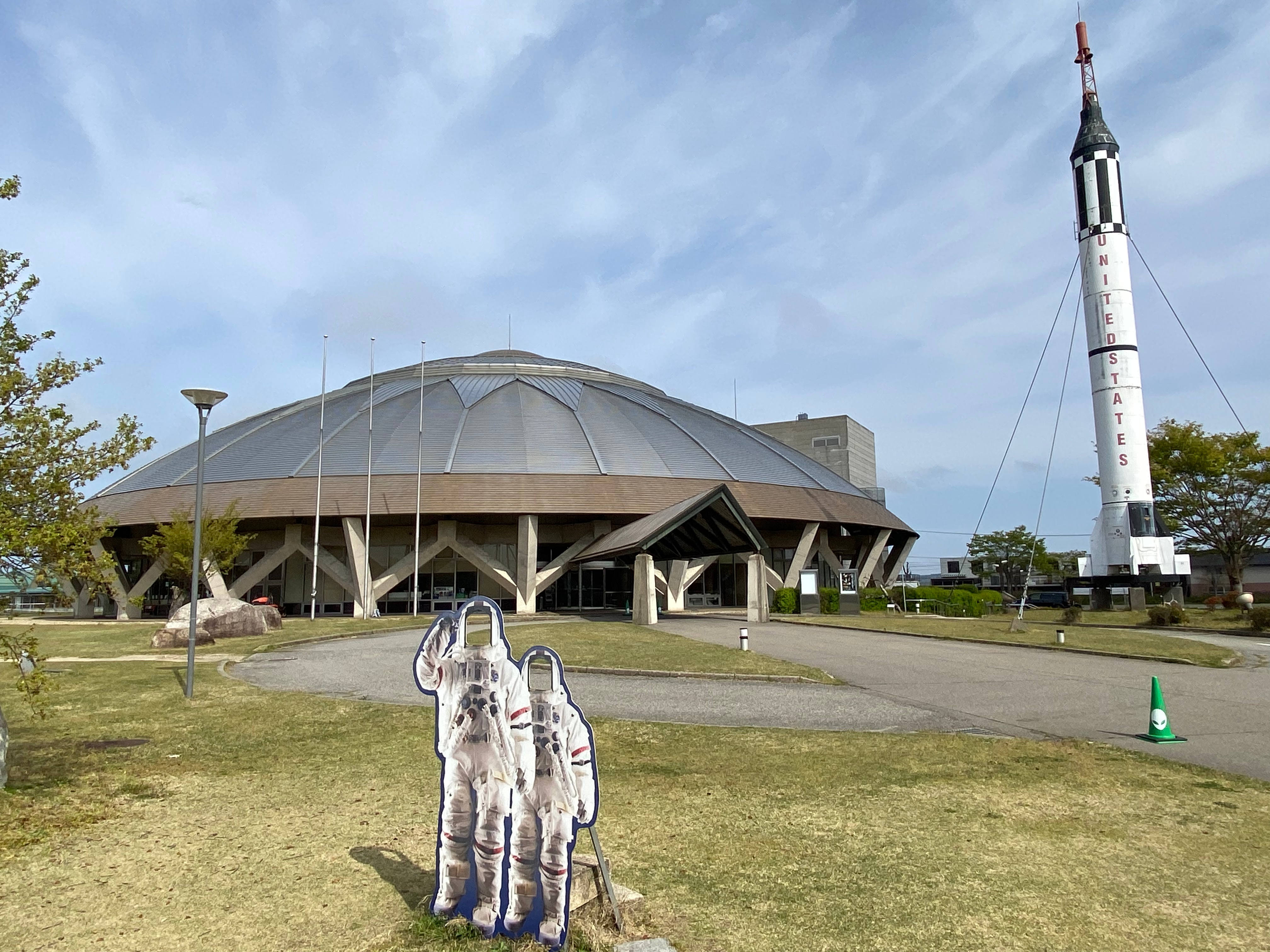
As I wander in the vague direction of the museum, I see a massive flying saucer-shaped building with a large American rocket beside it, and two Carnival Cutouts in spacesuits. I’m not entirely sure this is the museum, as there isn’t a single car in the car park; I do worry, briefly, that if it is, it might be closed today. Much like our deeper understanding of space, there are no signs of life anywhere.

My instinct was partially correct; it is the museum, but it isn’t closed, confirmed when I’m greeted by a woman in an alien mask. I purchase a ticket and hover past a replica Lunar Rover, which looks like it was assembled from spare shopping trolleys, then over to the lift and up to the exhibition floor. The lift features an illuminated planetarium and some faintly sepulchral music, which is nice.

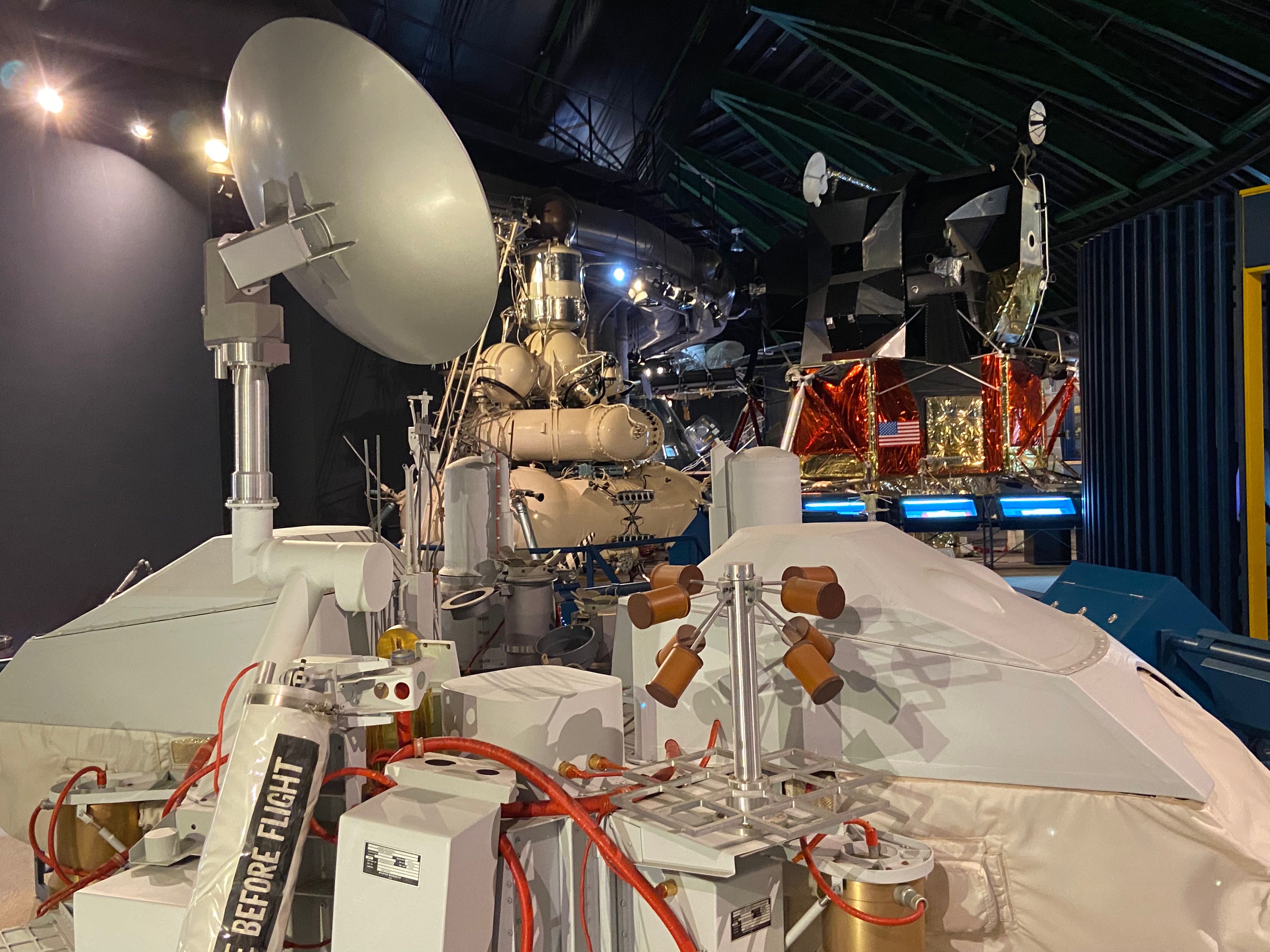
I’m giddy as I enter the exhibition, but somehow, as I see all these space relics, I wonder how most of these things even made it up there. The Vostok capsule, a scorched metal sphere, looks less like something that carried a human and more like something that returned one. I can amazingly take a single photograph capturing the Apollo Lunar Module, the Viking lander, and Luna 24; it makes me wonder how we actually did any of this.

I explore. There are Moon rocks that I can touch. Ripped clothing and Snoopy caps. There’s space food; macadamia, cauliflower cheese, smoked turkey, and tea with sugar, all purchasable at the end from the museum’s impressive gift shop.

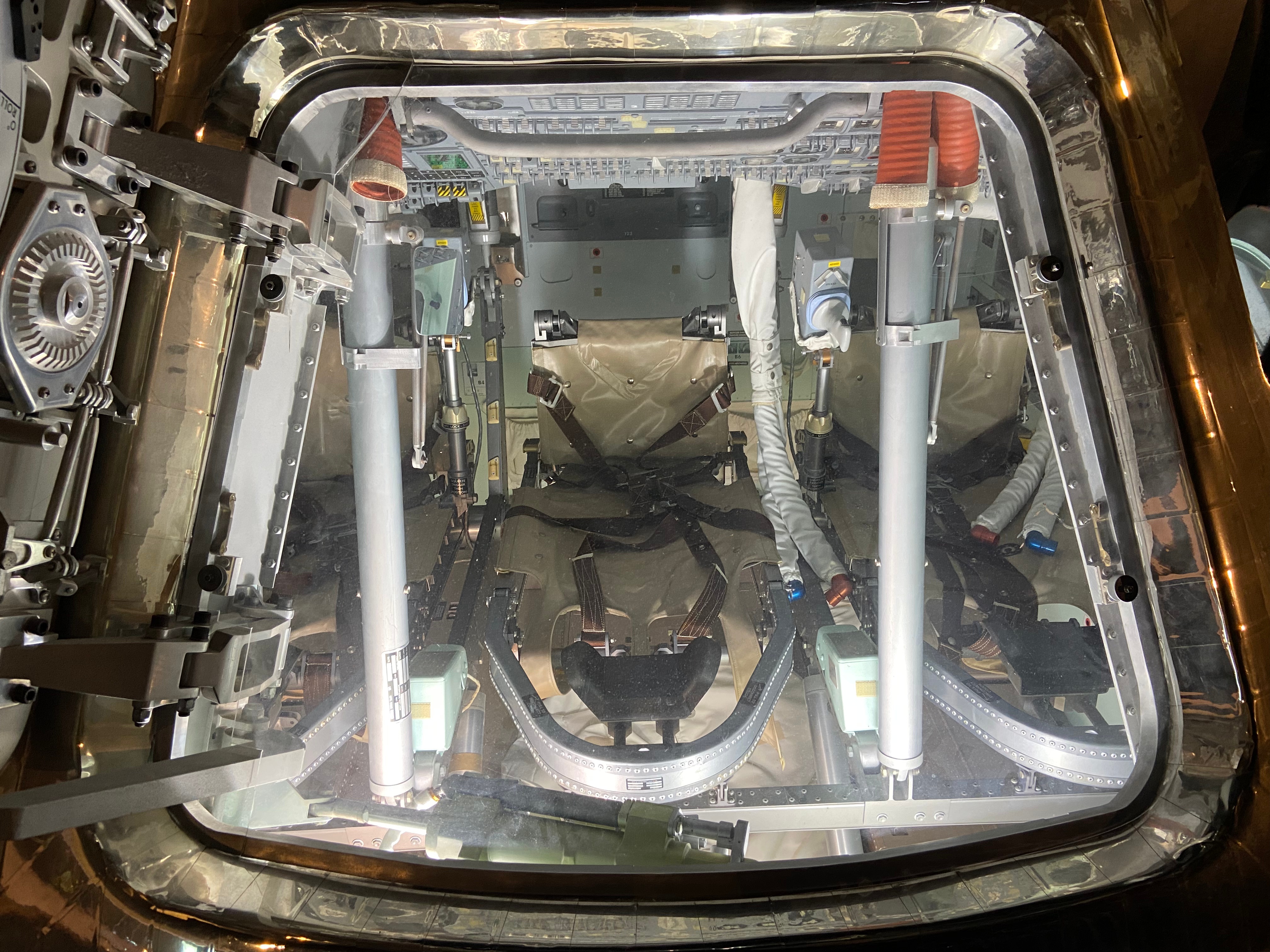
The very watch worn by Neil Armstrong as he pranced across the surface of the Moon back in 1969, an Omega Speedmaster, is on display. I suspect his was accurate to the microsecond, unlike my train this morning. I assess every detail of the Mars Rover, enjoy reading about SETI and the search for extra-terrestrial life, and peer deeper into the Apollo Command Module.

The one part of the exhibition that strikes me is Voyager. I move through the music and photographs we sent into space; solar system parameters, chemical definitions, DNA structure, nursing mothers, continental drift, Earth’s structure, diagrams of evolution, demonstrations of licking and eating, women in rush hour, telescopes and violins alongside music scores. A quiet catalogue of ourselves, cast outward. I can even play sounds recorded by Voyager. Real sounds taken in space; eerily empty and cold. Desolate. Something that feels like abandonment, drifting into the vastness of the void.

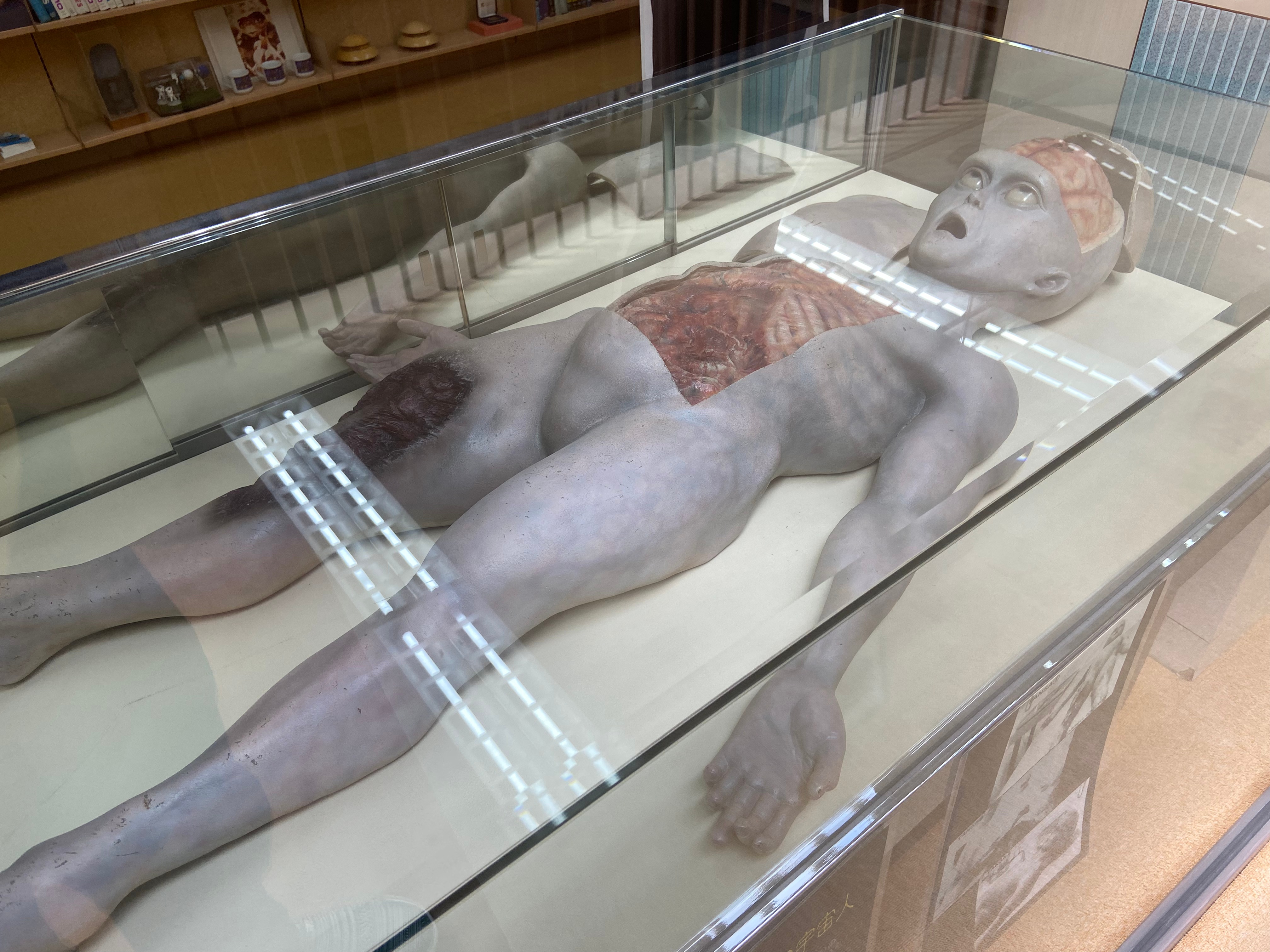
There is one final room filled with UFO paraphernalia, including photographs from Roswell depicting a dissected alien. However, this public library and exhibition hall appears to be closed today; as does the restaurant serving UFO-themed food, probably due to a staffing shortage.

Back at the station, I discover the trains back are just as infrequent, and that I’ve missed mine by one minute. So, with bad planning and two hours to kill, I head back through the Hakui heatwave. I’m not used to any form of pleasant weather in April, being from England, and so I haven’t even thought about bringing anything to protect my skin.

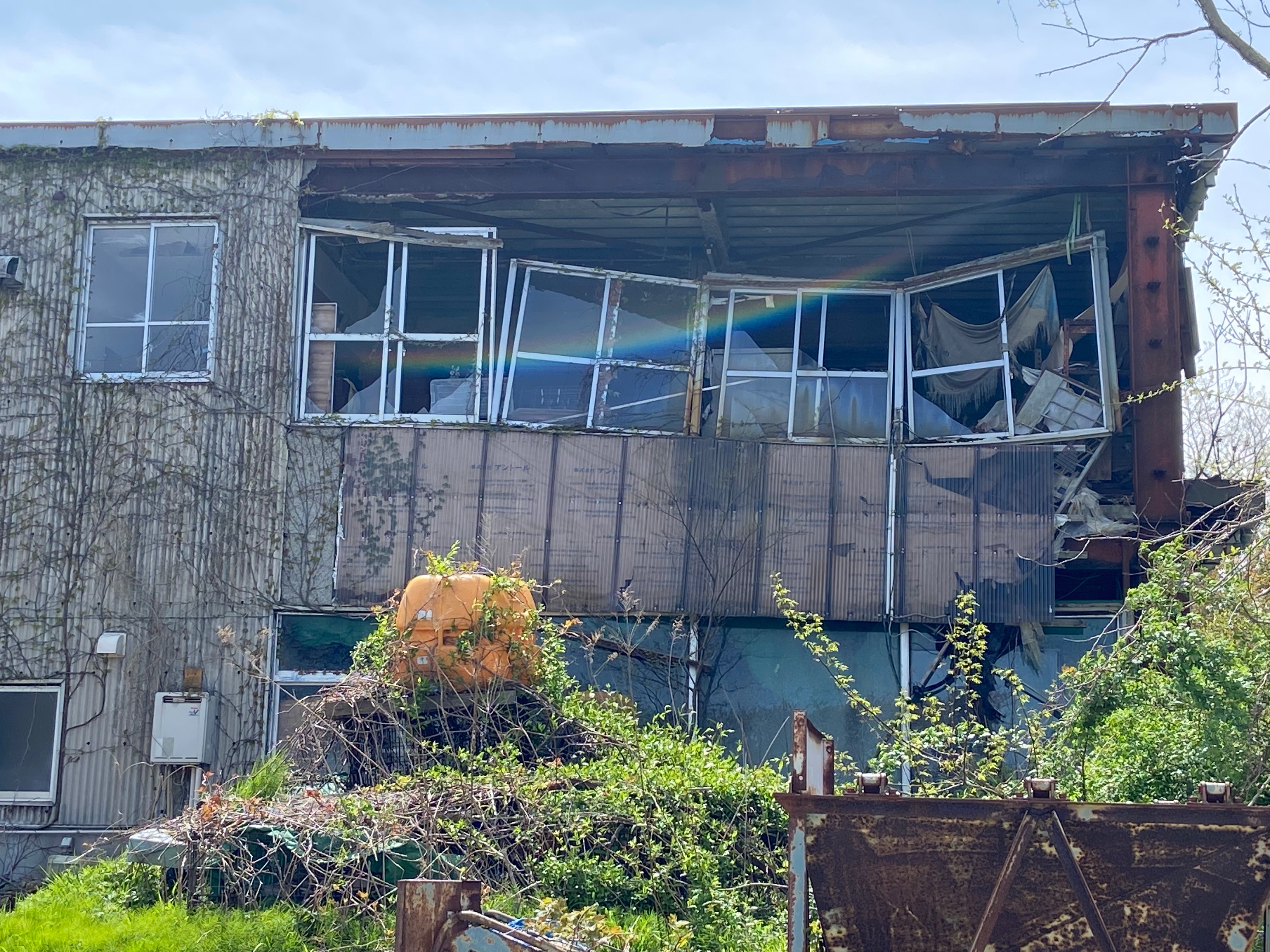
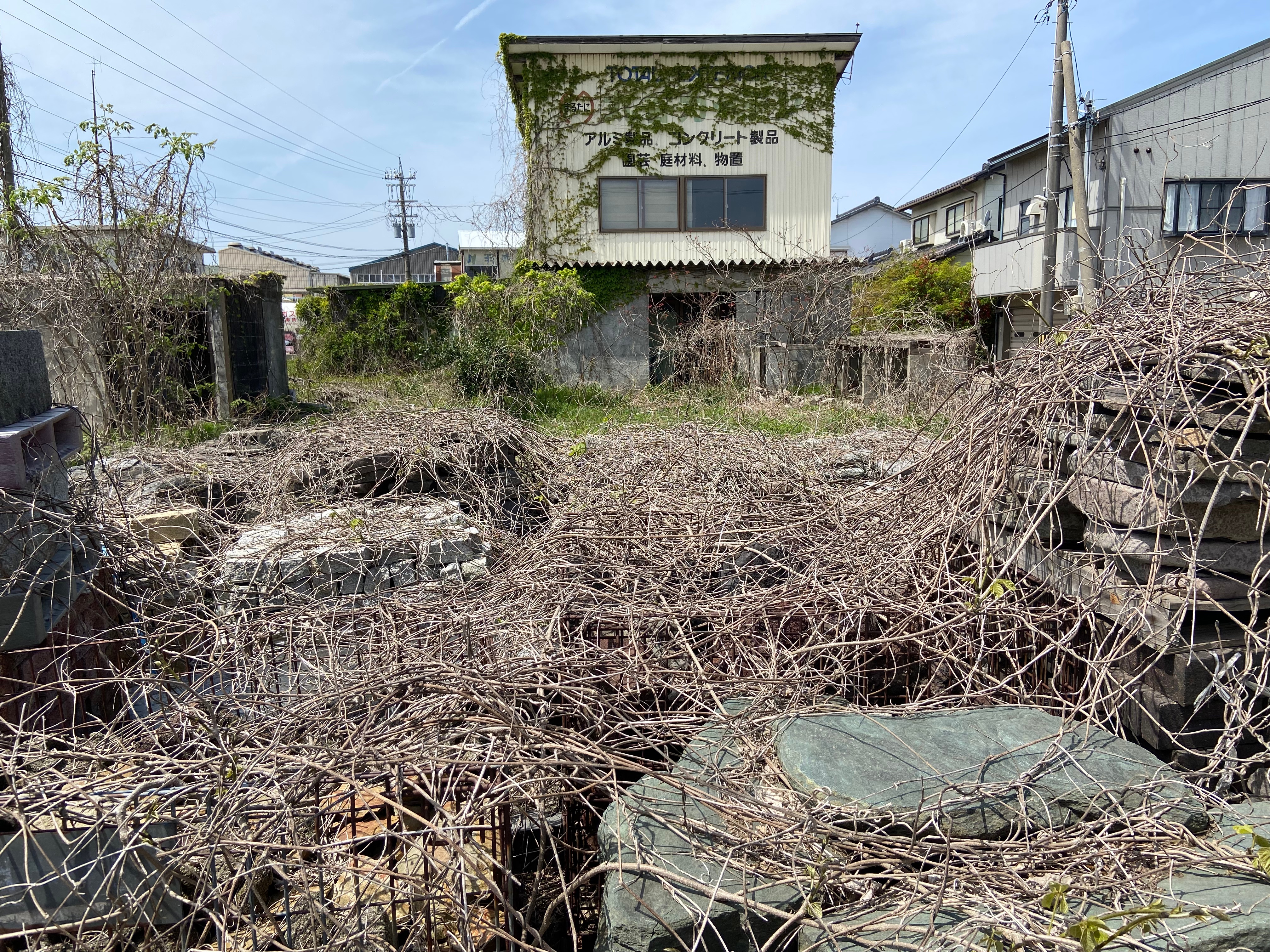
As I make my way toward the only other point of interest in the area, a nearby beach, I search desperately for a Family Mart or Seven Eleven. The only real building of note I do pass, however, is what looks to be an abandoned house.

As I wander, I’m surprised by just how completely empty the town is. I don’t find a convenience store. I don’t see another human on the entire walk. It’s as though they’ve been removed; abducted, lifted clean out of the day. Maybe they have. I pass empty galleries and closed bakeries, abandoned supermarkets and buildings in complete disrepair.

I was going to leave that point there, but as I get further from Hakui Station and closer to the beach, it becomes clear just how severe it is. I’ve remarked on abandoned villages before, but this is by far the worst I’ve seen; this feels like an entire abandoned city.

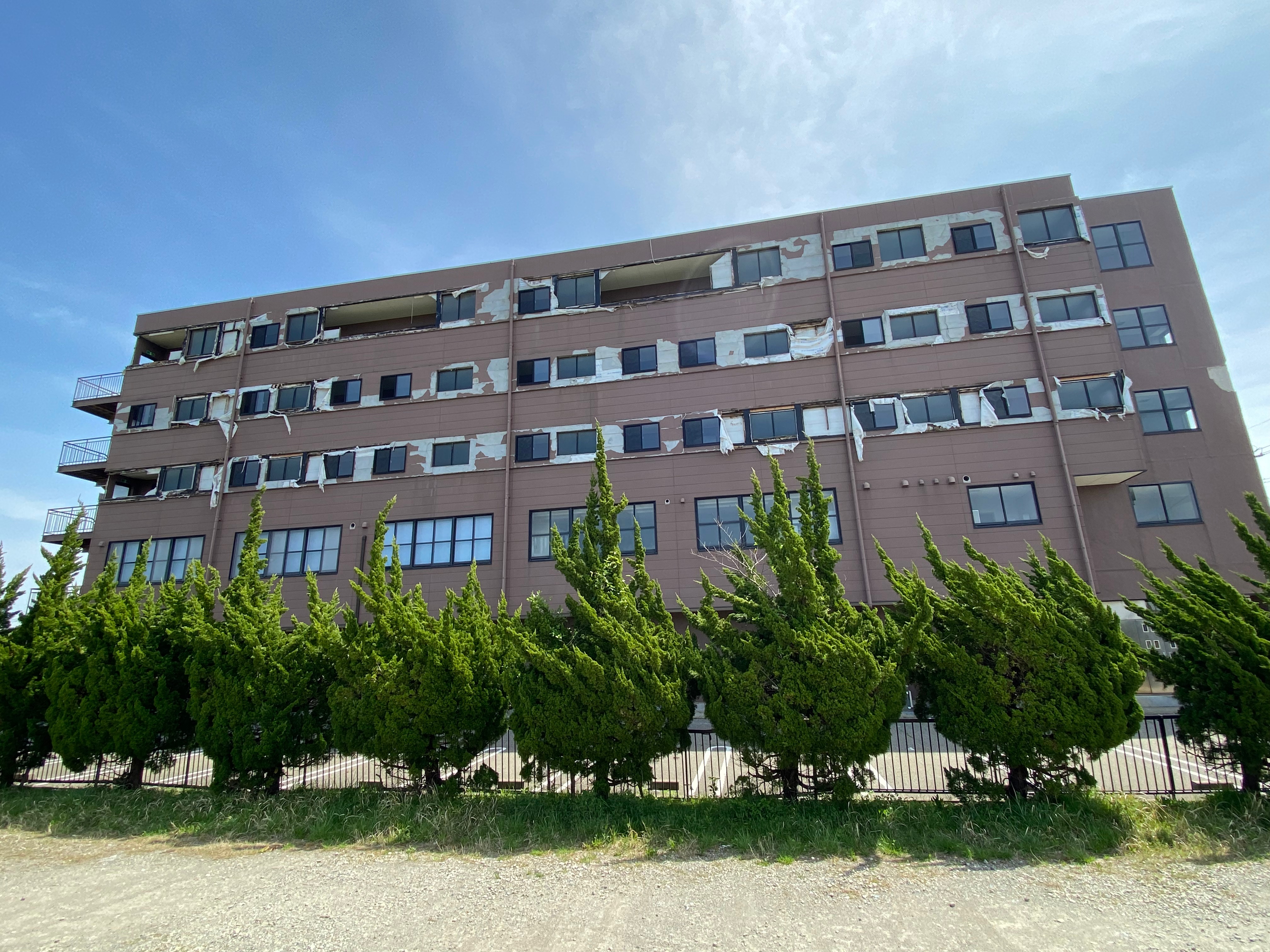
I pass a crumbling car wash, a house that seems to have collapsed mid-sigh, and a whole hotel on the main road just five hundred metres from the beach entrance, abandoned.

A sports centre sits empty. There is a closed-down supermarket crawling with vines. A crumbling old school. And a massive apartment block with collapsed balconies and rusted gates. Where are the people, I wonder. Some have died; some have moved on. A few, perhaps, simply vanished into quieter lives elsewhere. When they were here, at least they got to live near a beach.

The only upside I’ll add is that, as lonely and quiet as it is, at least it’s peaceful. Perhaps the same can be said about death; lonely and peaceful. No cars on the road. No chatter. Voids and emptiness. If there ever were to be an alien invasion, I doubt anyone around here would notice the aftermath.

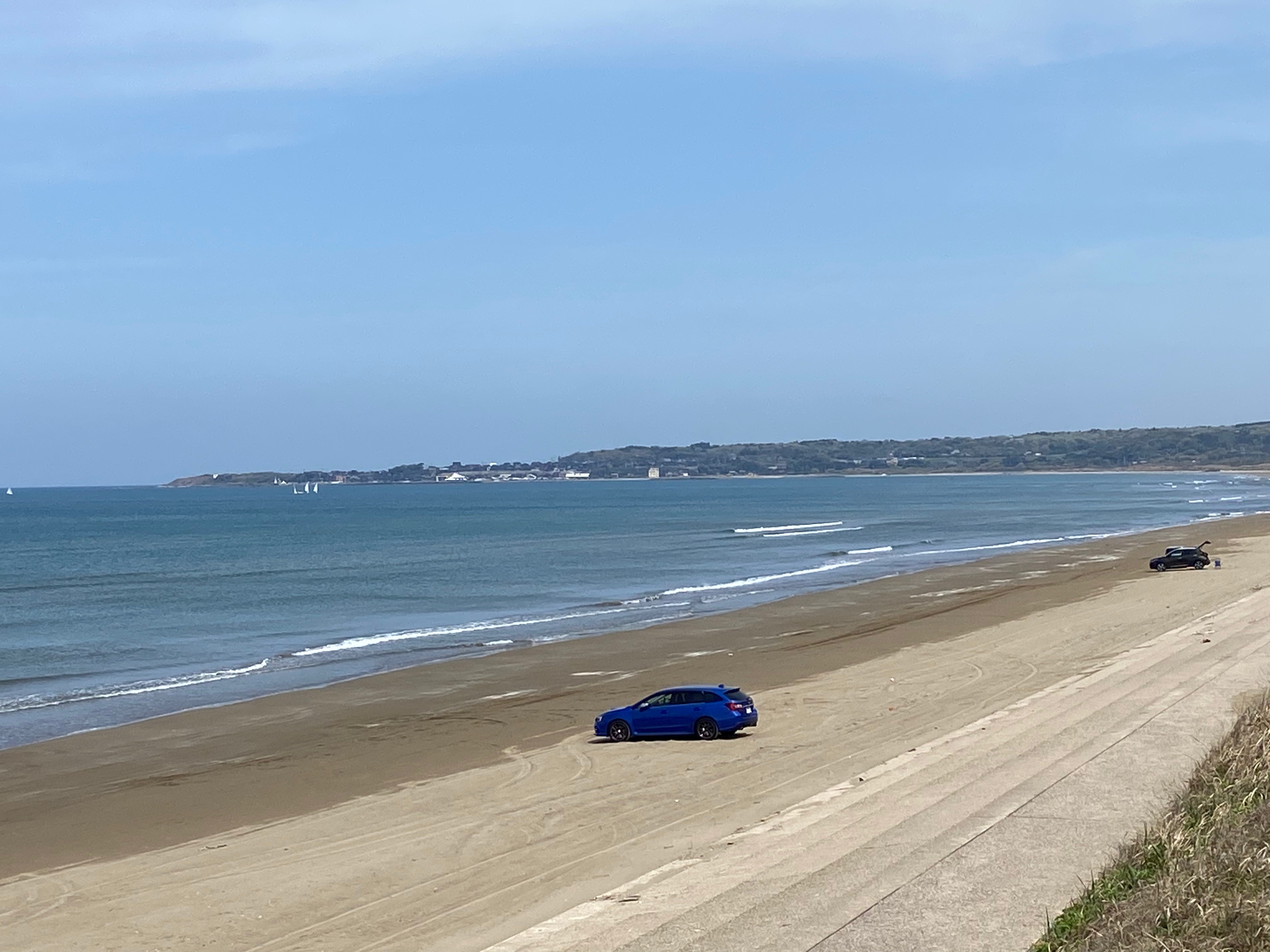
I do eventually arrive at Chirihama Beach. It’s nice. Beaches often are. This one is slightly different, though, as it allows motor vehicles to drive on the sand. Glancing over the horizon, I notice quite a few cars parked there. Hopefully, for the owners, the tide isn’t on its way.

As I walk along, enjoying the sound of the waves, hoping not to get any sand in my shoes, I can’t stop thinking about the abandonment; it really was a shock to see. I also think about the cosmological impact my sixty-second delay this morning has had on the causality of the day. I wouldn’t be on this beach thinking about this had everything aligned just slightly differently.

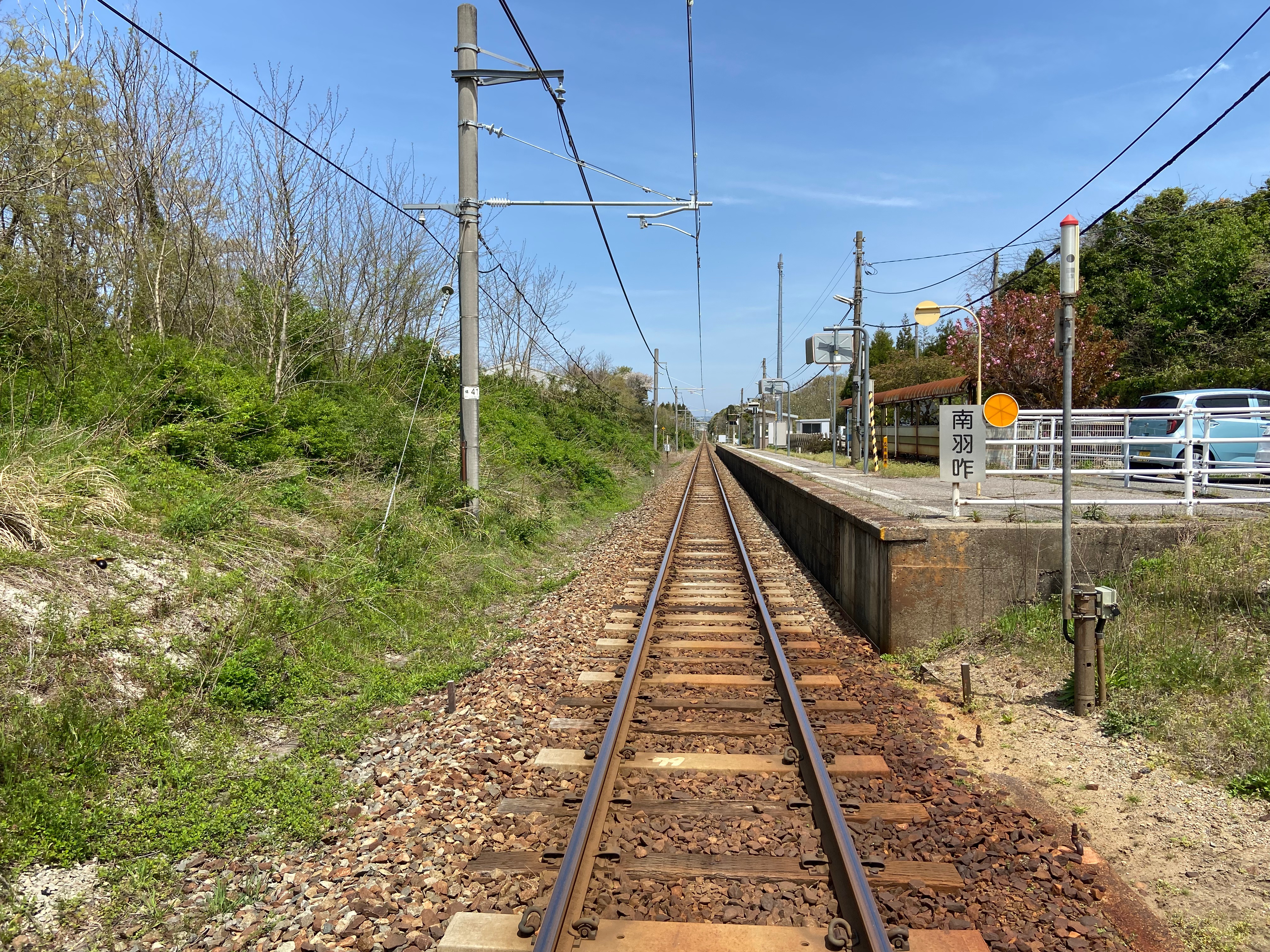
At Minami-Hakui Station, I’m burning from the lack of sunscreen. I was at least expecting a small shop and a toilet; instead there are no staff, no toilets, no ticket machines, no shops, just a single platform and a single track. A sign tells me not to litter or leave cleaning tools around, as this might attract bees and bears.

In the end, I didn’t see any real UFOs; not that I ever thought I would. I also didn’t see any bees or bears, and if I don’t include the woman in the alien mask from the museum, I didn’t see another human being all day.

Once Upon a Timeline

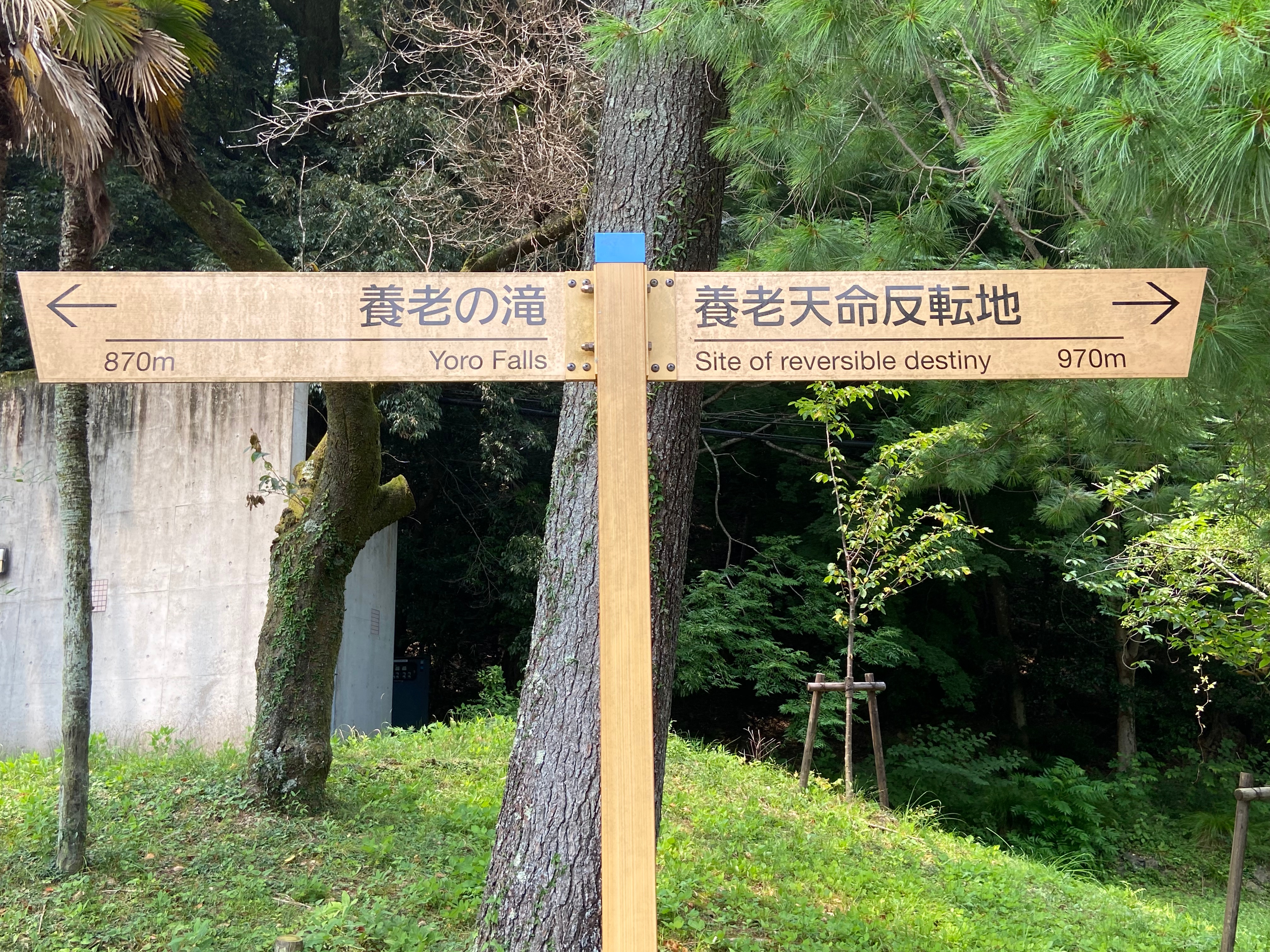
Today, I’m in Yoro, a town in Gifu Prefecture. I’m here to change my destiny.

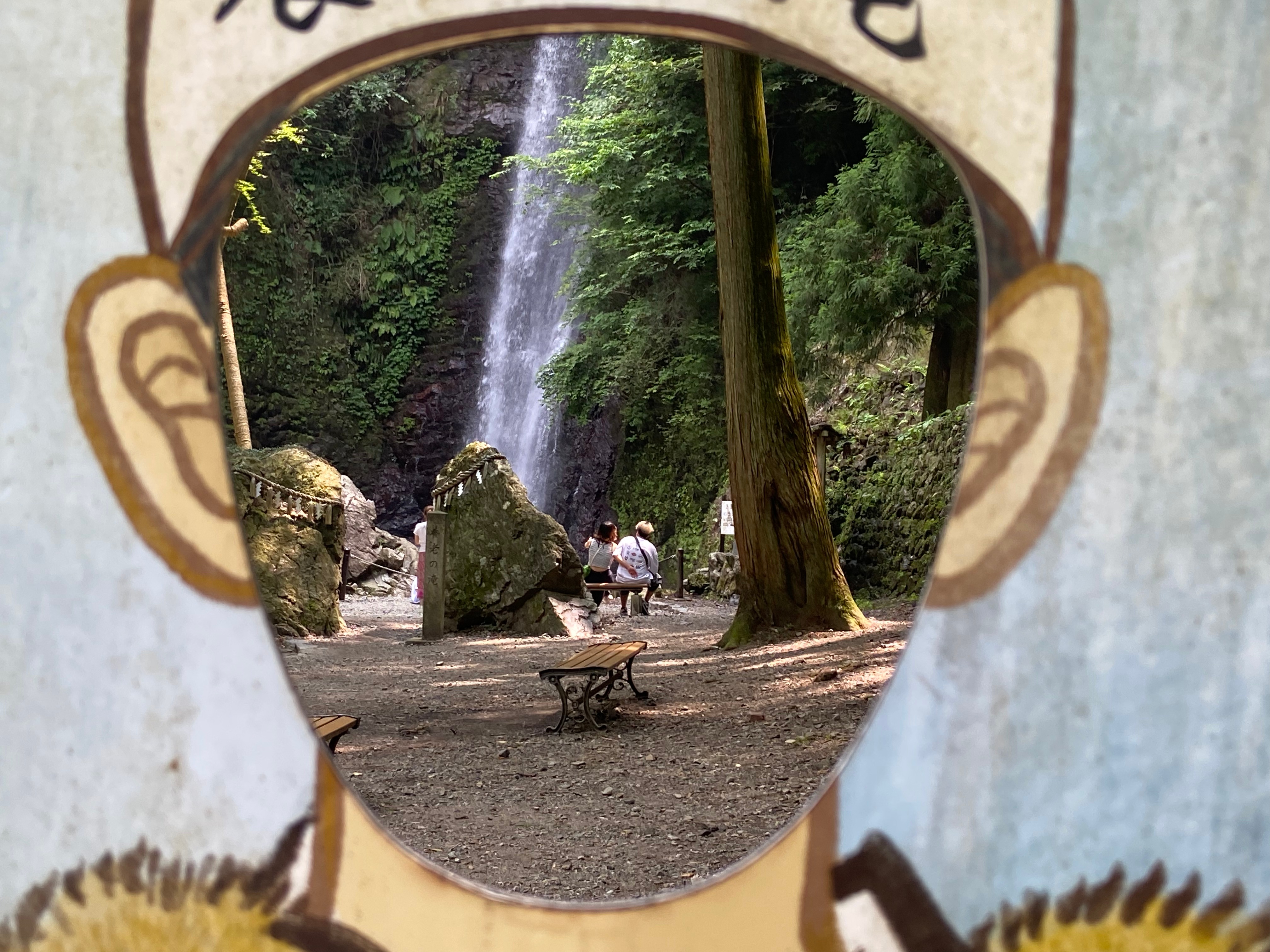
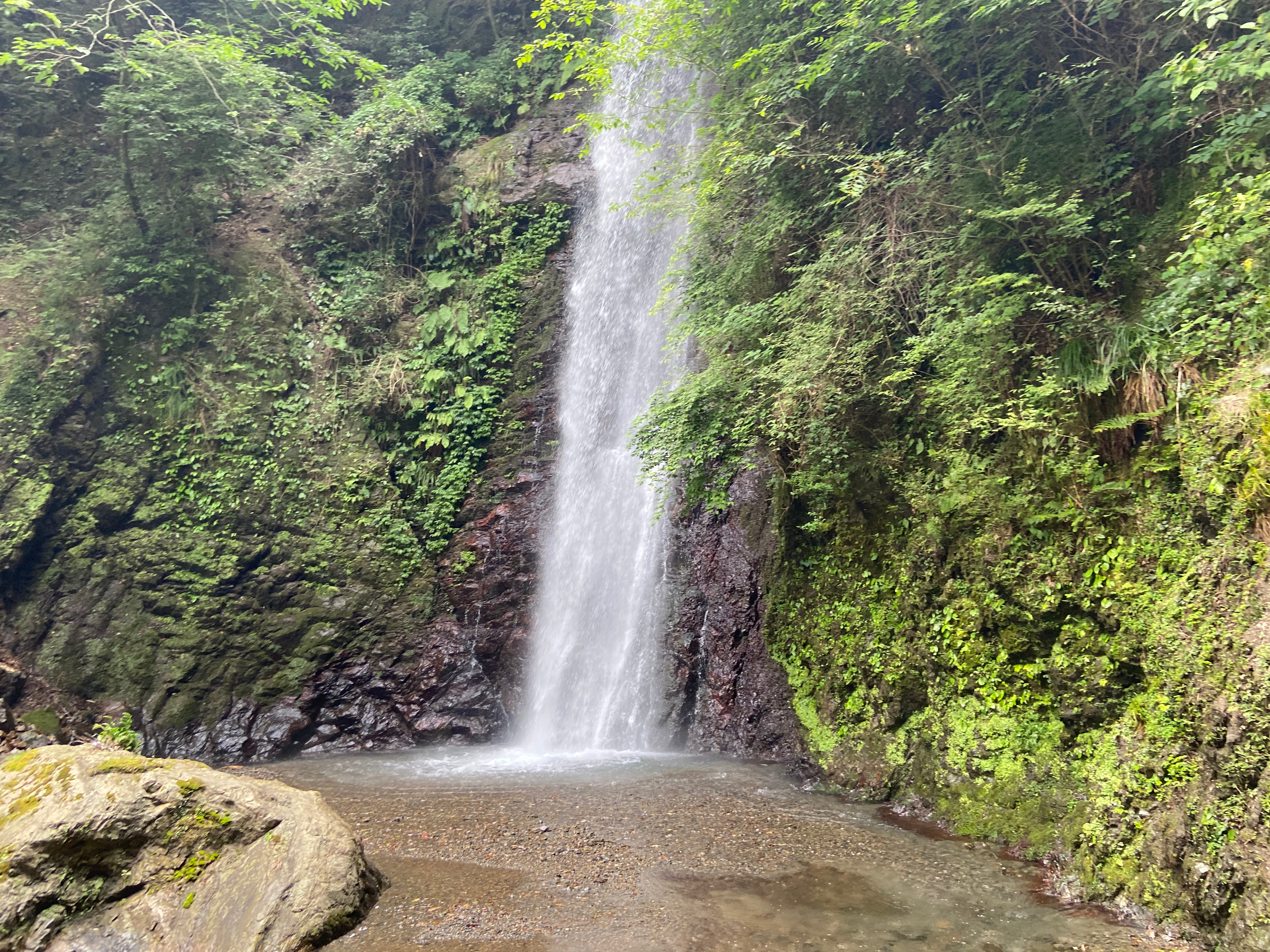
First, I decide to take a thirty-minute stroll along the edge of a cliff to visit a famous waterfall. This waterfall is said to be made entirely of flowing alcohol, specifically Japanese sake.

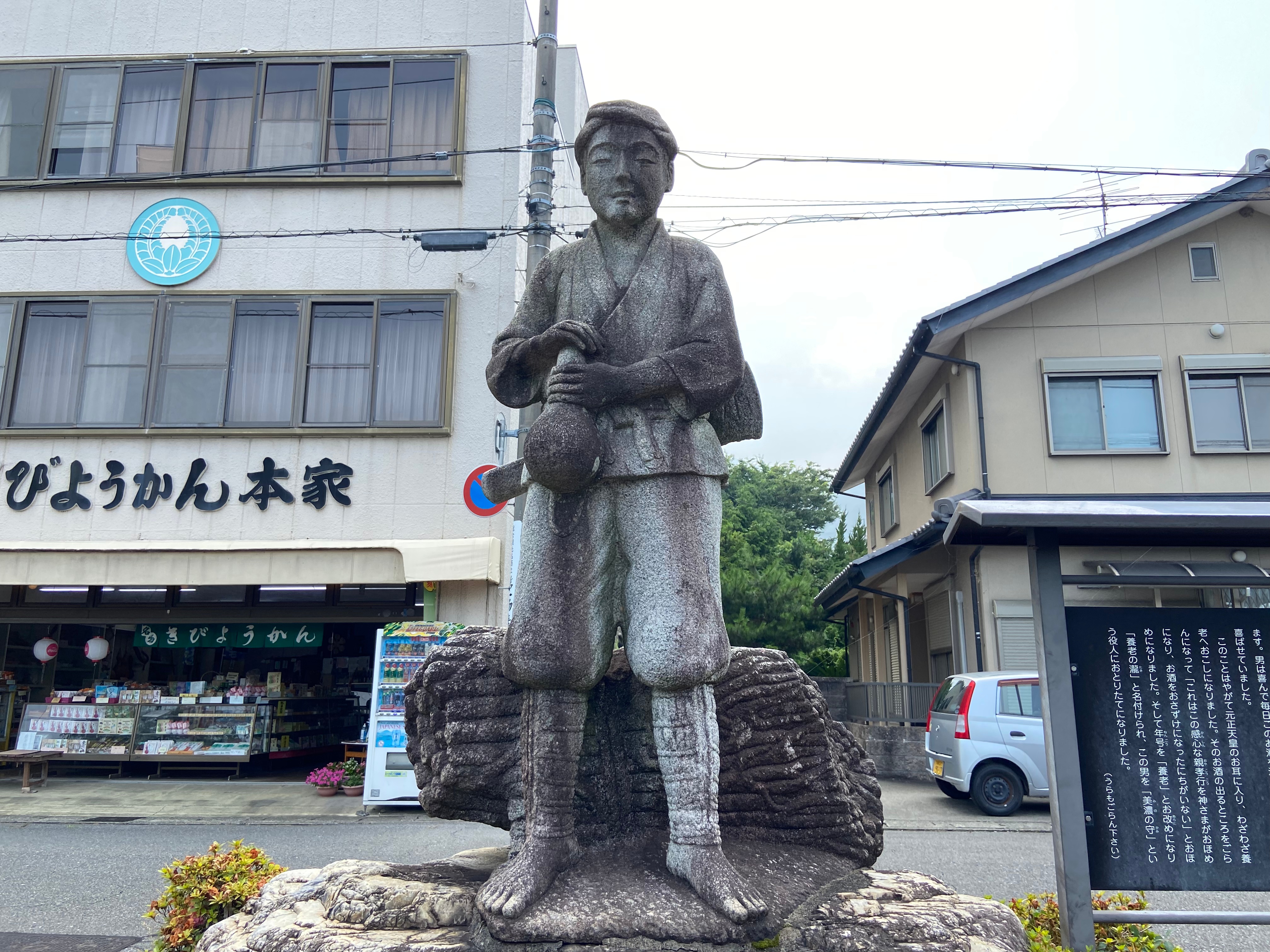
The story goes that there was once a poor lumberjack with a very old, ill father. On his deathbed, the father requested his favourite Japanese sake, but the lumberjack couldn’t afford it on his meagre income. One day, the son walked the treacherous path near the waterfall.

Some say he was out looking for wood for a fire, but he was a woodcutter, so any tree would have sufficed. Others say he was simply thirsty. Regardless, he fell in the woods and definitely made a sound, and after falling and lying on the dirty ground, the poor lumberjack could smell the sweet scent of sake.

It was here that he discovered the water from the waterfall was not water at all.

He returned home with a gourd full of sake, and his father drank it. The transformation was instant, and he miraculously became younger and healthier.

News of this reached the ancient capital of Nara, and Empress Gensho visited the waterfall herself. She was so impressed by the beauty of the area and the magical water that she declared it a sacred site and renamed the area Yoro, meaning elderly care.

It takes me about an hour to reach the waterfall despite it being advertised as a thirty-minute stroll. It’s a tough hike too, up a mountain. It’s humid; it feels like 40 degrees. I’ve probably sweated more water than I’ve seen flow down the falls. I can only imagine how hard it must have been for the lumberjack, carrying that gourd and heavy axe to the top.

Next to the waterfall, a faded poem engraved on stone in Japanese reads:

“Listening to the flow of Yoro Falls,
One’s heart is healed and refreshed,
Like the pure sake that rejuvenated the old man,
Flowing eternally, blessing those who visit.”

I stand looking at the waterfall for a time, enveloped in tranquillity. I think about water flowing down a river, following a predestined path. It cascades over the falls, flows further south, and meets a tributary, where its path diverges and its destination shifts, a choice not made but followed.

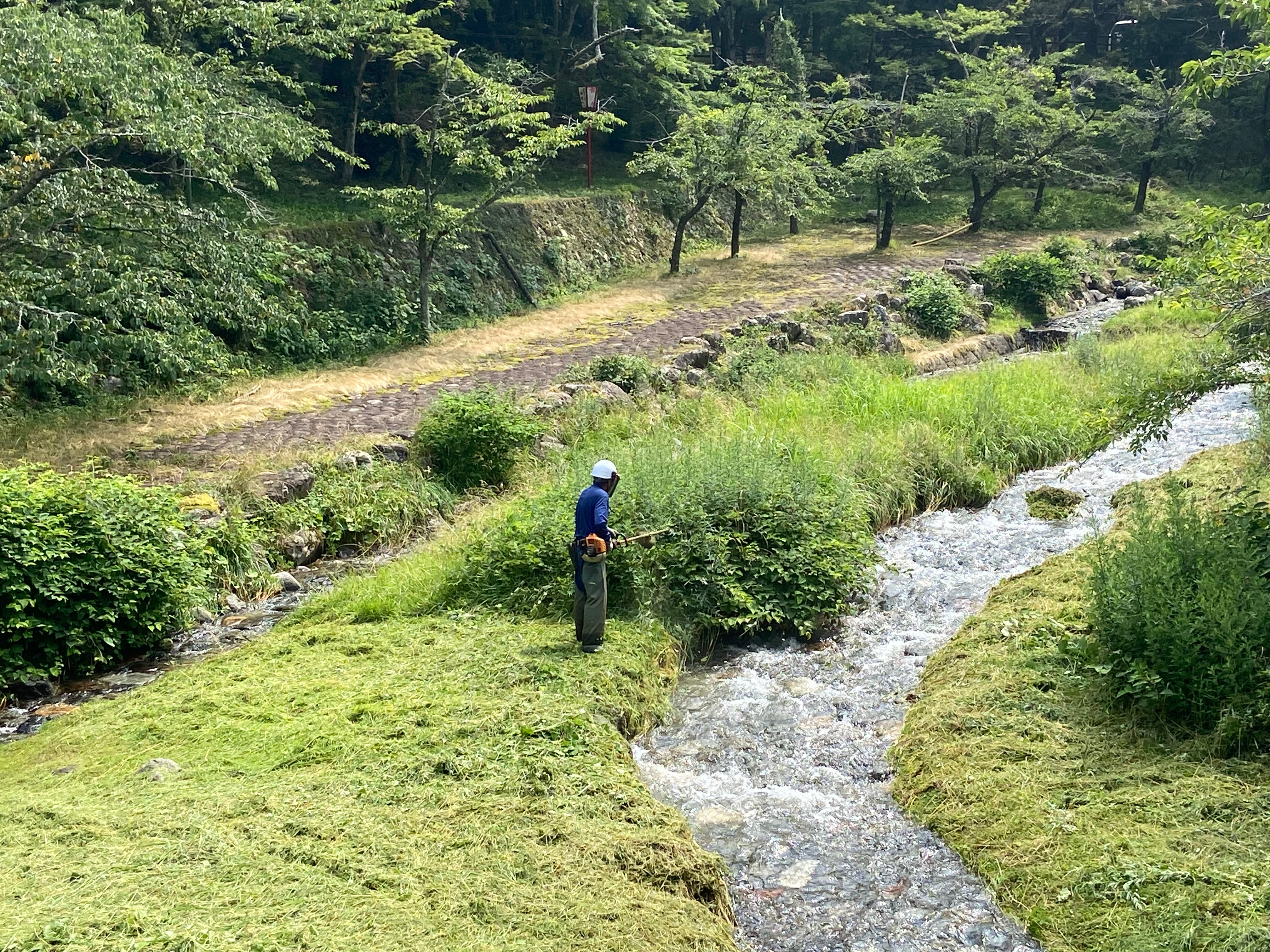
Somewhere, after leaving Yoro Falls, a butterfly shivers against the wind. At the bottom of the waterfall, the tranquillity ends and is swamped by the sound of a man with a grass strimmer.

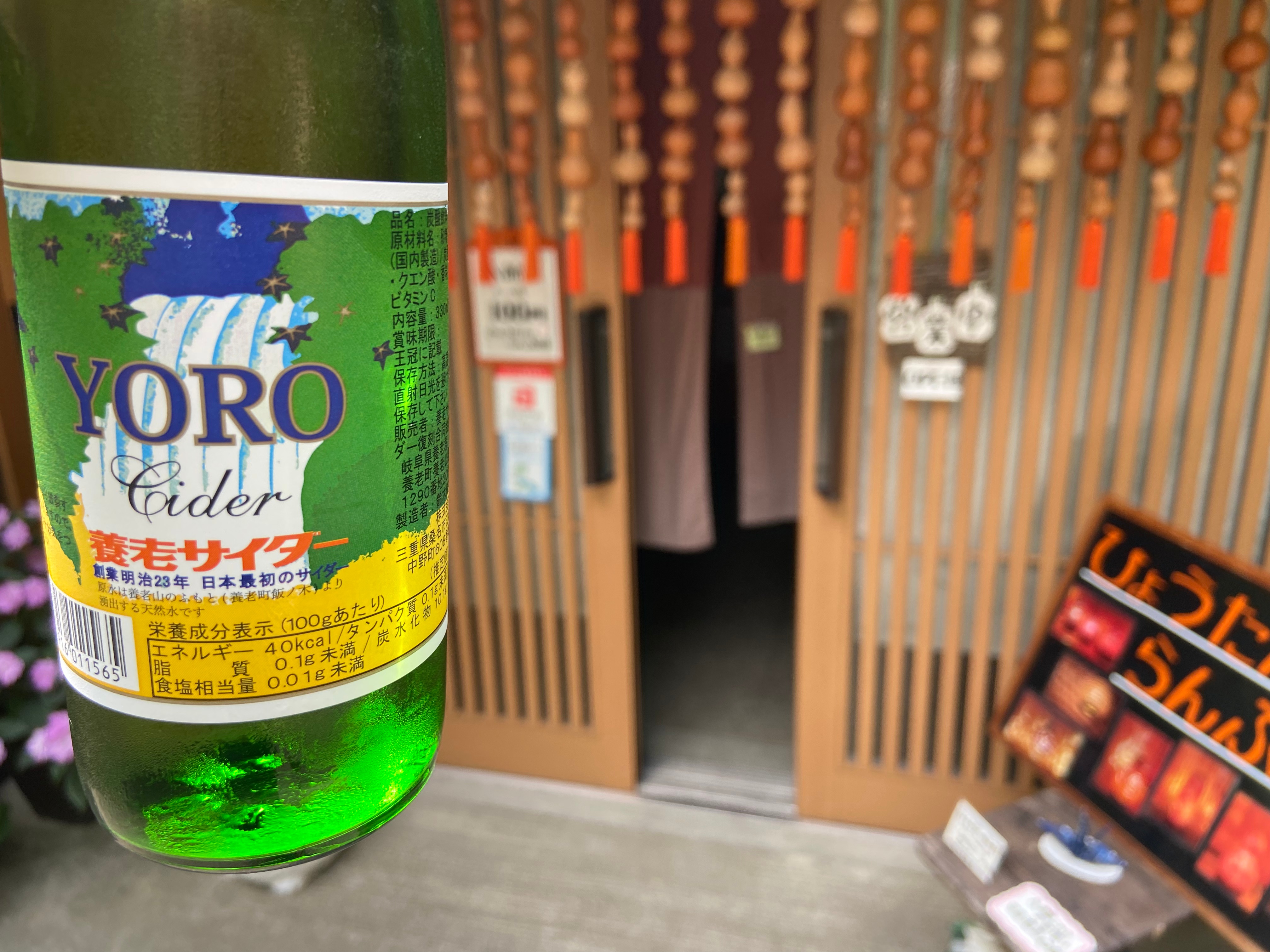
I stumble upon a small souvenir shop selling bottles of carbonated cider made with the magical sake water. The cider tastes delicious. Unlike in England, cider in Japan is a soft drink, so despite the falls apparently being made of alcohol, this drink somehow contains none.

I leave with a healed heart, feeling blessed. Eternally refreshed. Next to the small shop is the Yoro Gourd Museum. I look at a few gourds made into artwork and lamps before moving on.

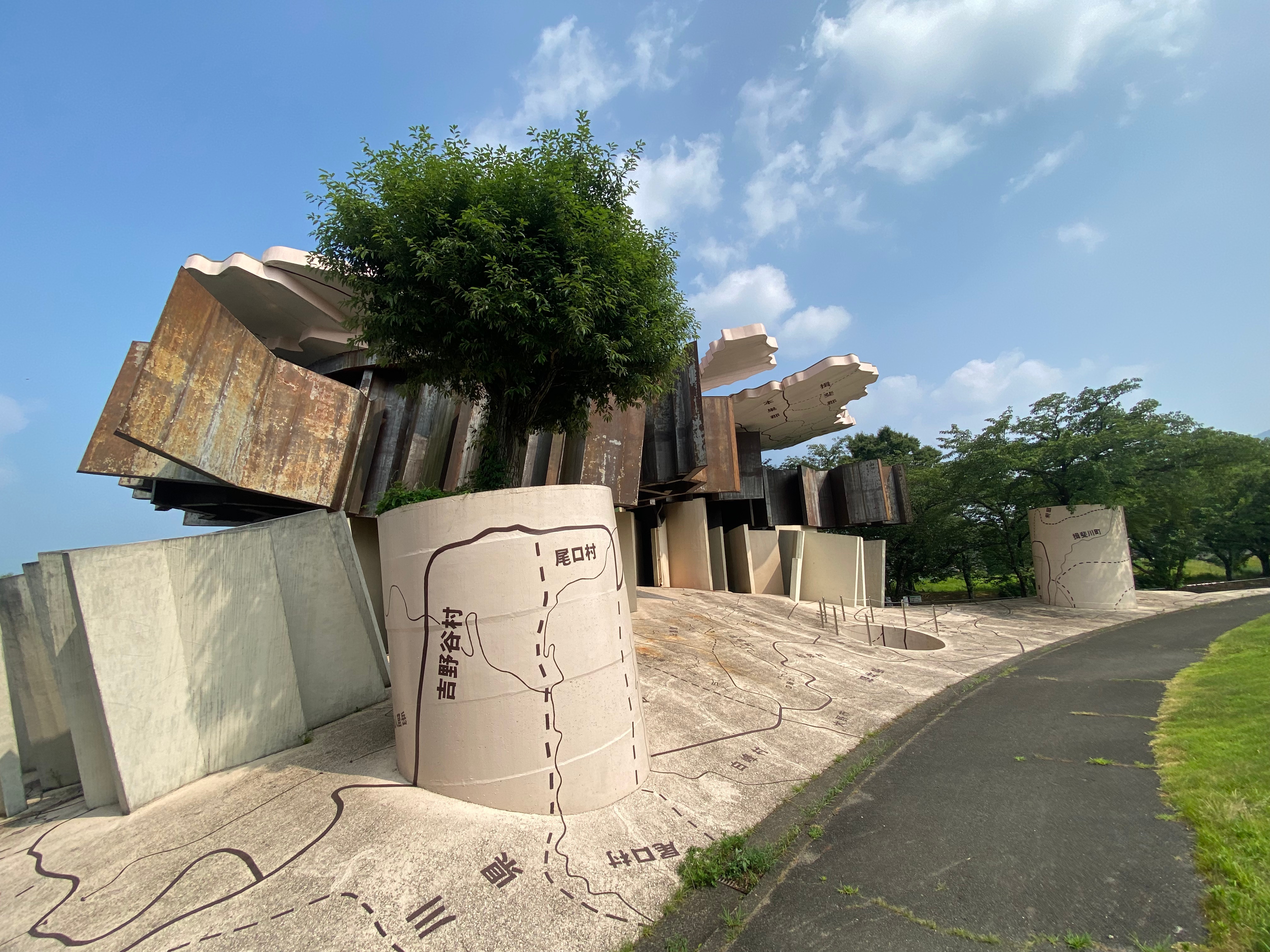
My final stop today is within Yoro Park, a place known as the Site of Reversible Destiny. A massive outdoor interactive art park dreamed up by Shusaku Arakawa.

It’s quite bizarre, funny, and downright unusual. There’s a house that is a road and a road that is a house. There’s a nostalgia generator, a few mazes, and some piles of things that I don’t even understand.

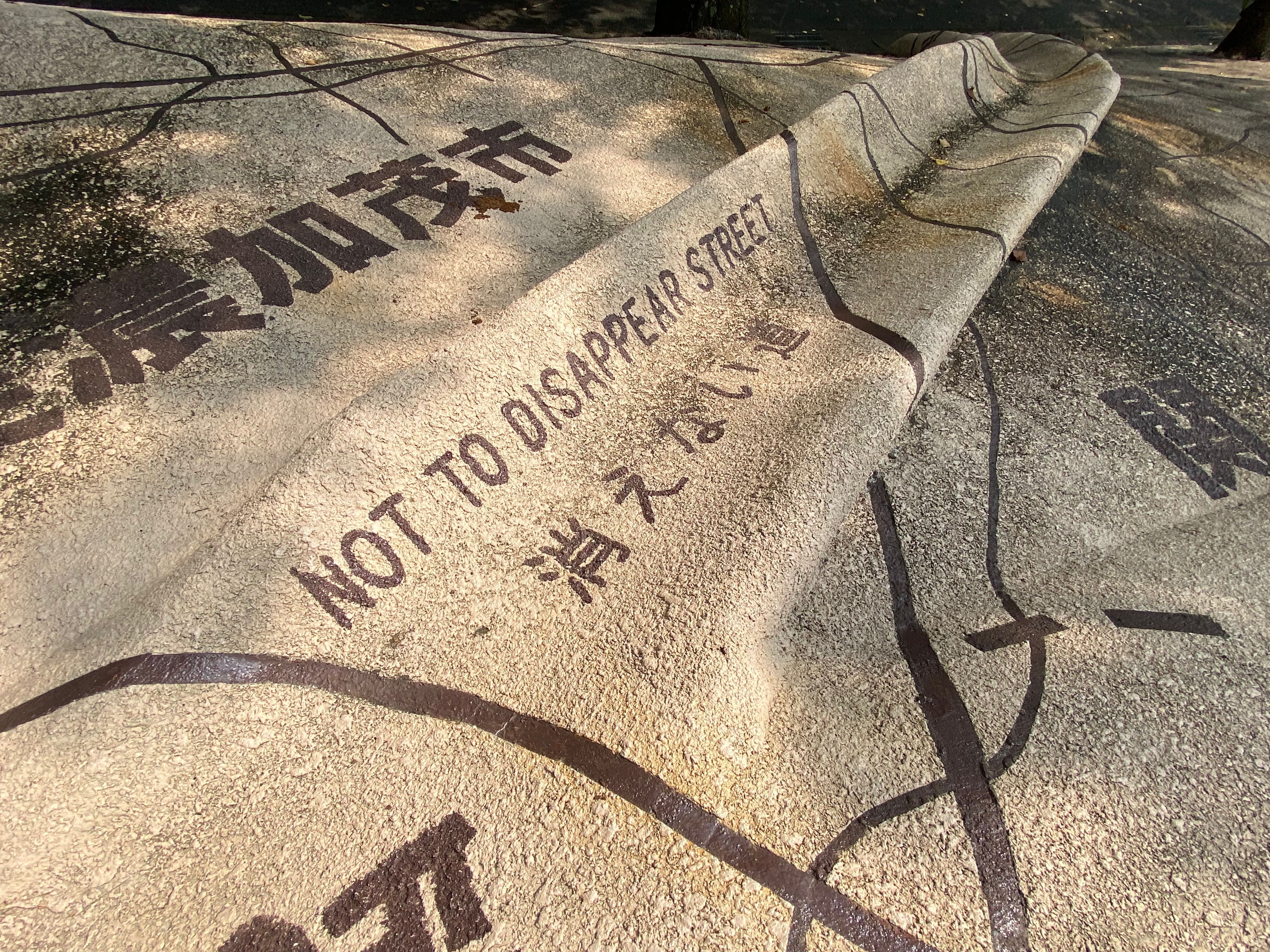
I pass Not To Disappear Street, the Gate of Non-Dying, and an area known as Geographic Ghost. I climb over the Zone of Clearest Confusion, leave through the Trajectory Membrane Gate, before getting lost in the multicolour of Destiny House.

Shusaku Arakawa was obsessed with the idea of death and destiny. He built this site with his wife, Madeline Gins, as a challenge to mortality itself. That’s the point of the Site of Reversible Destiny: to confuse your soul and reroute your path. When Arakawa died in 2010, his wife said, “This mortality thing is bad news.”

With fate as mutable as the weather, or the seeds of a dandelion, you blow away, only to take root in unexpected soil. My destiny begins to unravel. The sun still rises in the morning and sets in the west, but the days no longer feel the same. Each moment becomes a whispered echo of a choice that altered everything, carried on a timeless breeze.

The concept of a multiverse unfolds like a kaleidoscope of infinite reflections, where certainty and uncertainty intertwine like vines in an ancient forest, tangling into something that resembles fate.

Yet, if every possible outcome and path exists, there must also be a universe where the notion of such multiverses is impossible. It is here that we find ourselves staring into the paradoxical abyss.

Sweeping aside the contradiction of parallel worlds, it is on the train that I ponder the existence of a universe where I do not exist. As the train changes track to a branching line, the landscape blurs past, indifferent to my absence. My reflection in the window shimmers, quantum-thin.

For a moment, I am here and not here, observed and unobserved, a wave function waiting to collapse. I step off the train. I step into the world. And the world, impossibly, steps into me.

A Spiral, a Darkness, a Fever, and a Staircase

I wake up in pain. Cramp. My leg screams. I’m in Fukushima Prefecture, Aizu-Wakamatsu, an old samurai town with a historical past. I’ve been here for a few days. I feel oddly connected to this place in a way I’m really not sure how to describe. Aizu is famous for its samurai and a red cow named Akabeko (translated to mean red cow).

I leave my hotel. The sun is so bright that the sky isn’t blue, but white, yet there are no clouds. It’s like walking through a thick fog of heat. Imagine you’re a little tiny person the size of an ant, walking through an oven set to 180 degrees. That’s what it feels like. I walk across the sheet pan in the direction of the mountains, vaguely knowing that I will arrive somewhere spirally important.

In Aizu, the legendary red Akabeko cow can be rubbed and is said to heal illness or sickness. The thing I like about Akabeko is that they have bobbing heads, so every time I walk past one I push its head down and smile as it nods up and down.

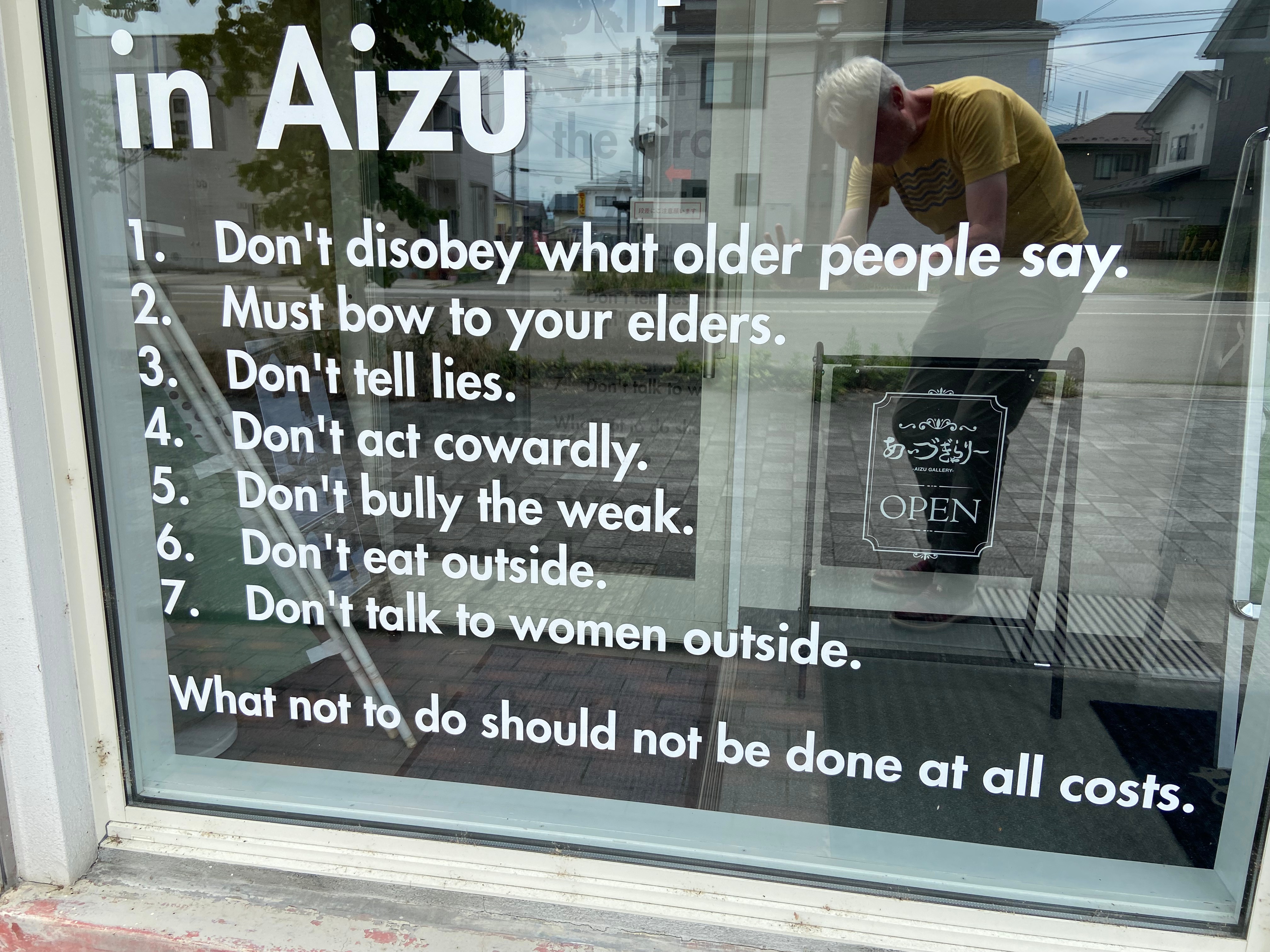
A little further up the road, Aizu-Wakamatsu is offering politeness lessons:

Don’t talk to women outside. Must bow to your elders. The two conflicting lines bother me, because as I photograph the sign, an elderly Japanese woman starts speaking to me in Japanese. Obeying the rules, I just bow my head and walk away.

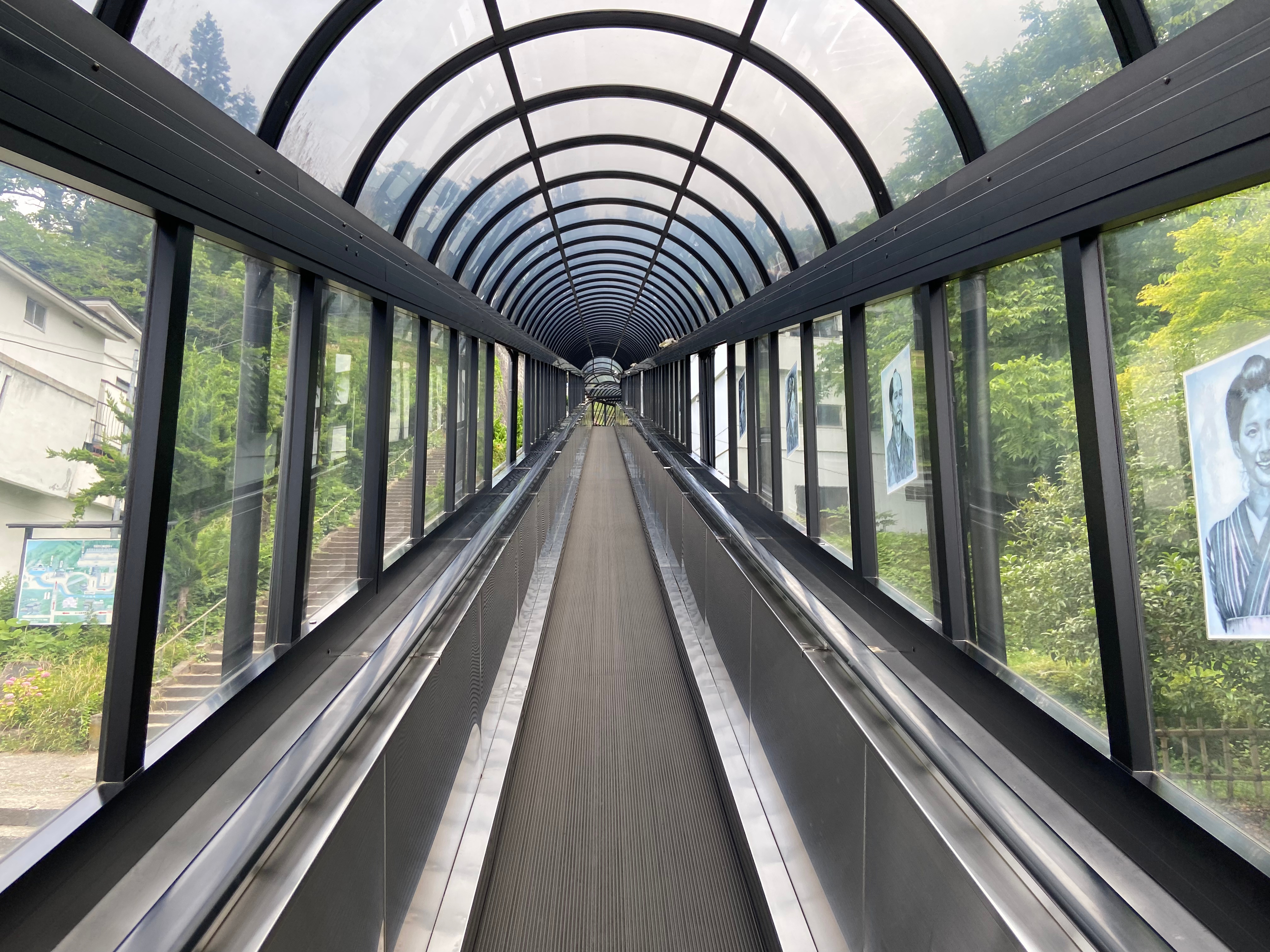
A black Seven Eleven with none of the usual green and red stripes greets me funereally; I’ll soon find out why it’s black. The cascading sunshine and the black stripes make me feel as though my eyes are glitching. Outside the entrance to Sazae-do Temple, there are sweeping steps that twist all the way up, but someone has placed an escalator to one side. You have to pay 250 yen to ride it, but the cramp is threatening to return.

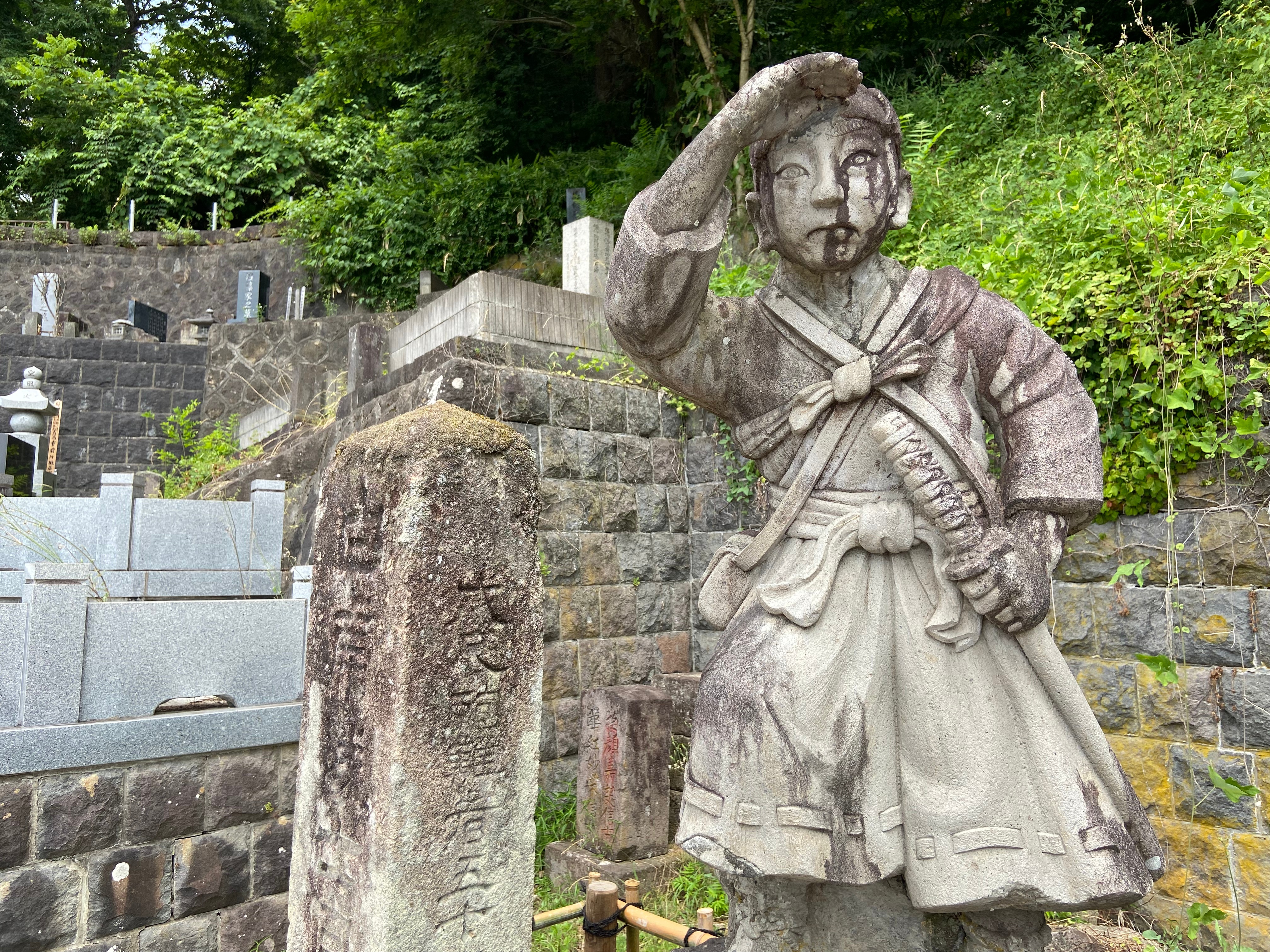
I don’t know what it is about today, but as soon as I step off the escalator and into an open area of monuments, the suddenness of place hits me, catching me off guard. To summarise what happened: on October 30, 1868, during the Battle of Aizu, the Byakkotai, a group of teenage samurai thought they had lost the civil war. They saw smoke in the distance, thought the castle had been sieged, so they killed themselves, not far from where I stand. Learning this, I become swallowed by sadness.

Their bodies were left outside for days, until a man, Isoji Yoshida, decided to take it upon himself to move the bodies of the dead children and bury them. For this, he was arrested. Katamori Matsudaira, the 9th lord of Aizu, wrote a poem in their honour. It goes:

“People will visit, and their tears will fall upon your graves. You will not be forgotten.”

There are monuments here for everyone involved. For the dead children, for all who died. The tomb of sixty-two fourteen- to seventeen-year-old samurai. It’s devastating. I try not to bring myself too much into these stories. But this place, these dead children, their story found its way in. I think what gets me is they don’t mention the word suicide, they explicitly state every time that they killed themselves.

I weep my way around a cemetery before turning toward the temple I originally came up this hill to see. There is a prayer wheel that, when you turn it, creates a mournful sound said to be heard in the underworld, comforting the spirits of the Byakkotai warriors. “Please turn it quietly with your heart.”

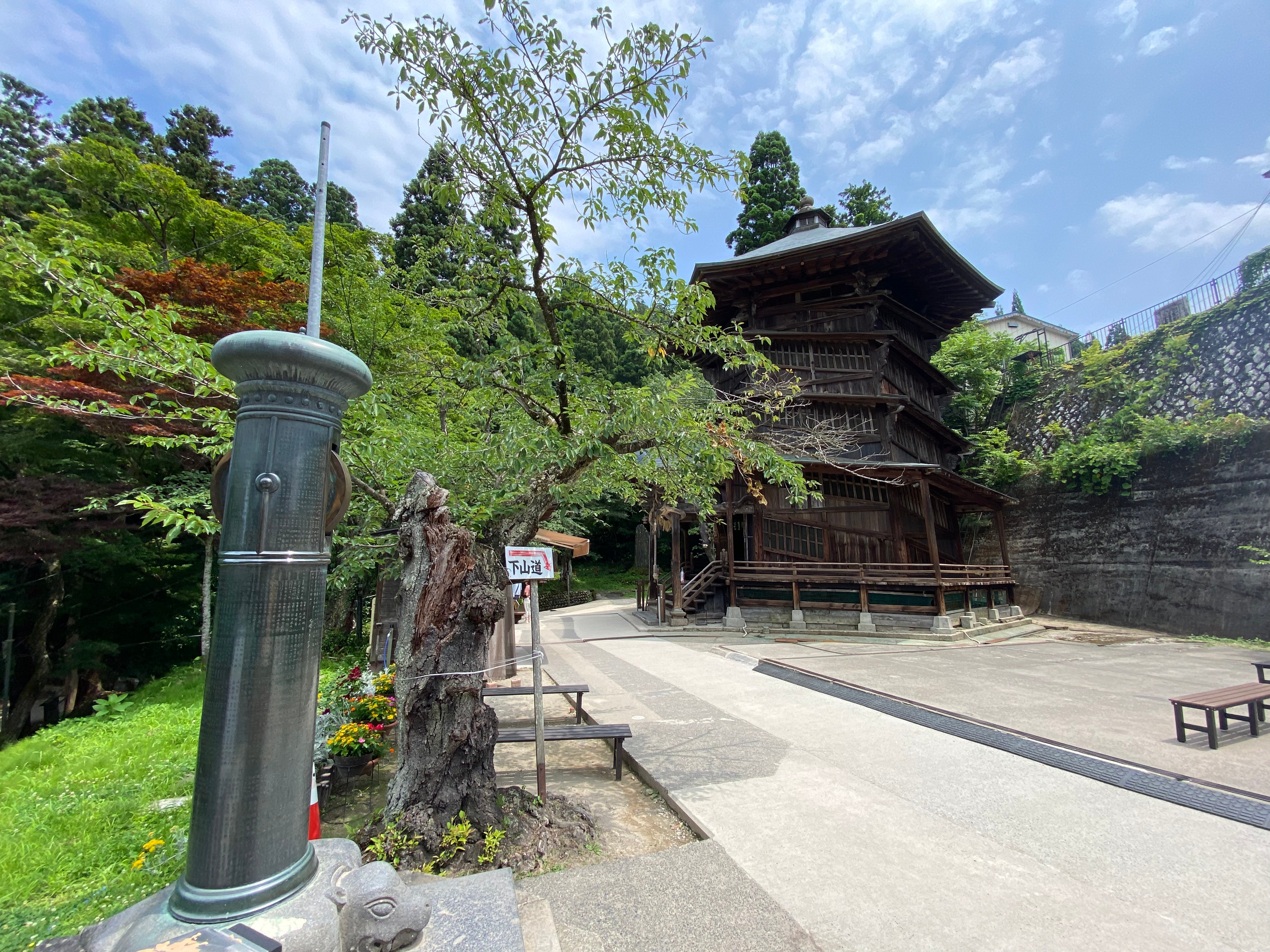
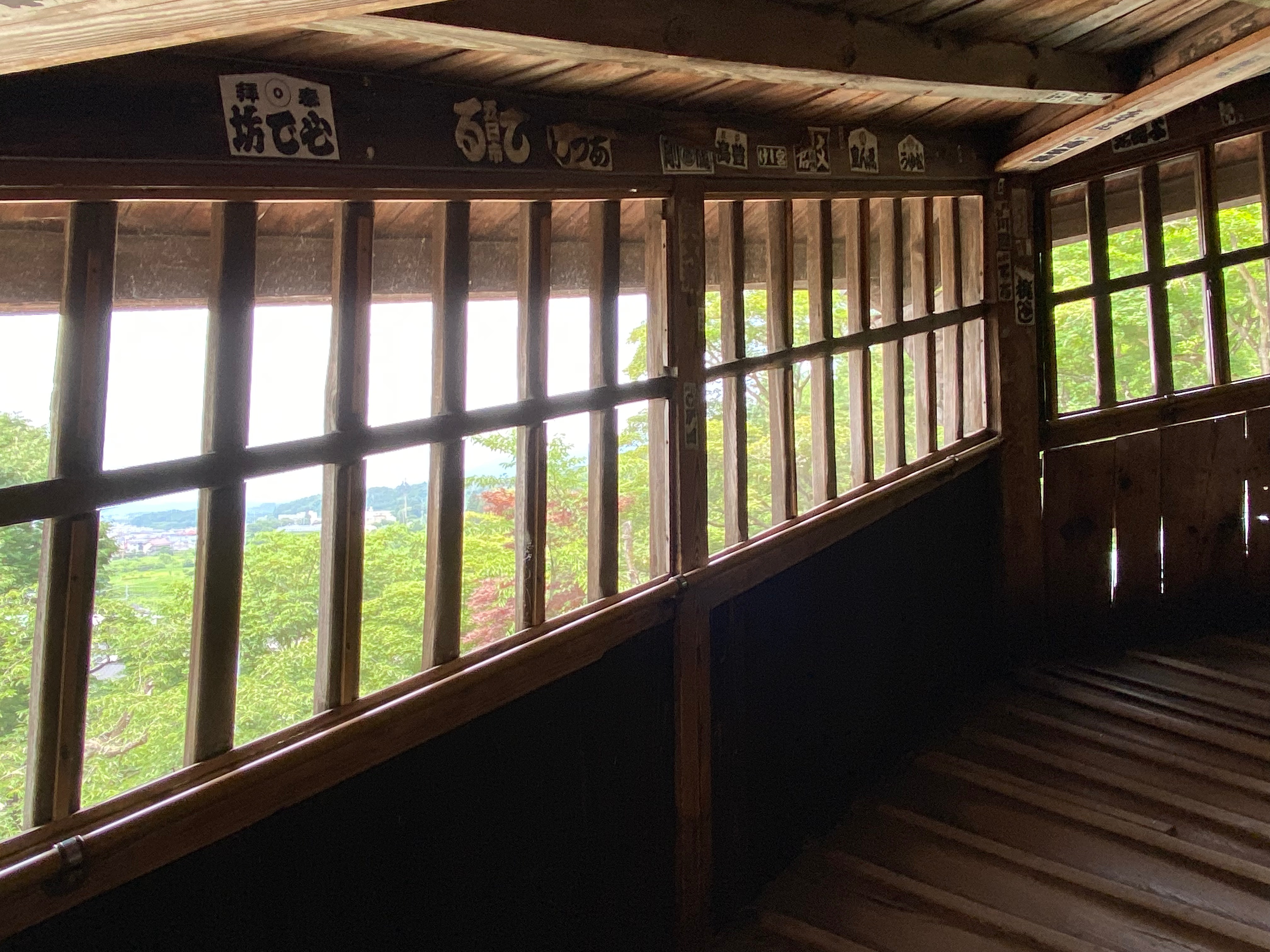
Sazae-do, a wooden Buddhist temple constructed in 1796, is famed for its distinctive spiral staircase that ascends and descends in an intricate, intertwining path. Encircling the ramp are 33 Kannon statues, each believed to grant the same spiritual merit as completing the entire Aizu Pilgrimage route to anyone who passes by them.

At 16.5 metres tall, three storeys, and shaped like a hexagon, you enter from the right side, climb the spiral staircase, and exit back down another way. You never see another soul. This valuable structure is the only wooden building of its kind from the mid-Edo period still standing in the world. It’s also the only known double-helix-shaped wooden structure in existence.

I breathe a heavy sigh before exiting through the gift shop and buying a shirt featuring Akabeko. I think about people, those loved and lost, on days when we exist together, and days when we don’t. At five o’clock, Yuyake Koyake starts playing, the song that tells the children to go back home. It elevates my sadness.

I head to a steak restaurant for dinner. I eat the red cow’s bleeding heart.

Before the Wind Blows It All Away

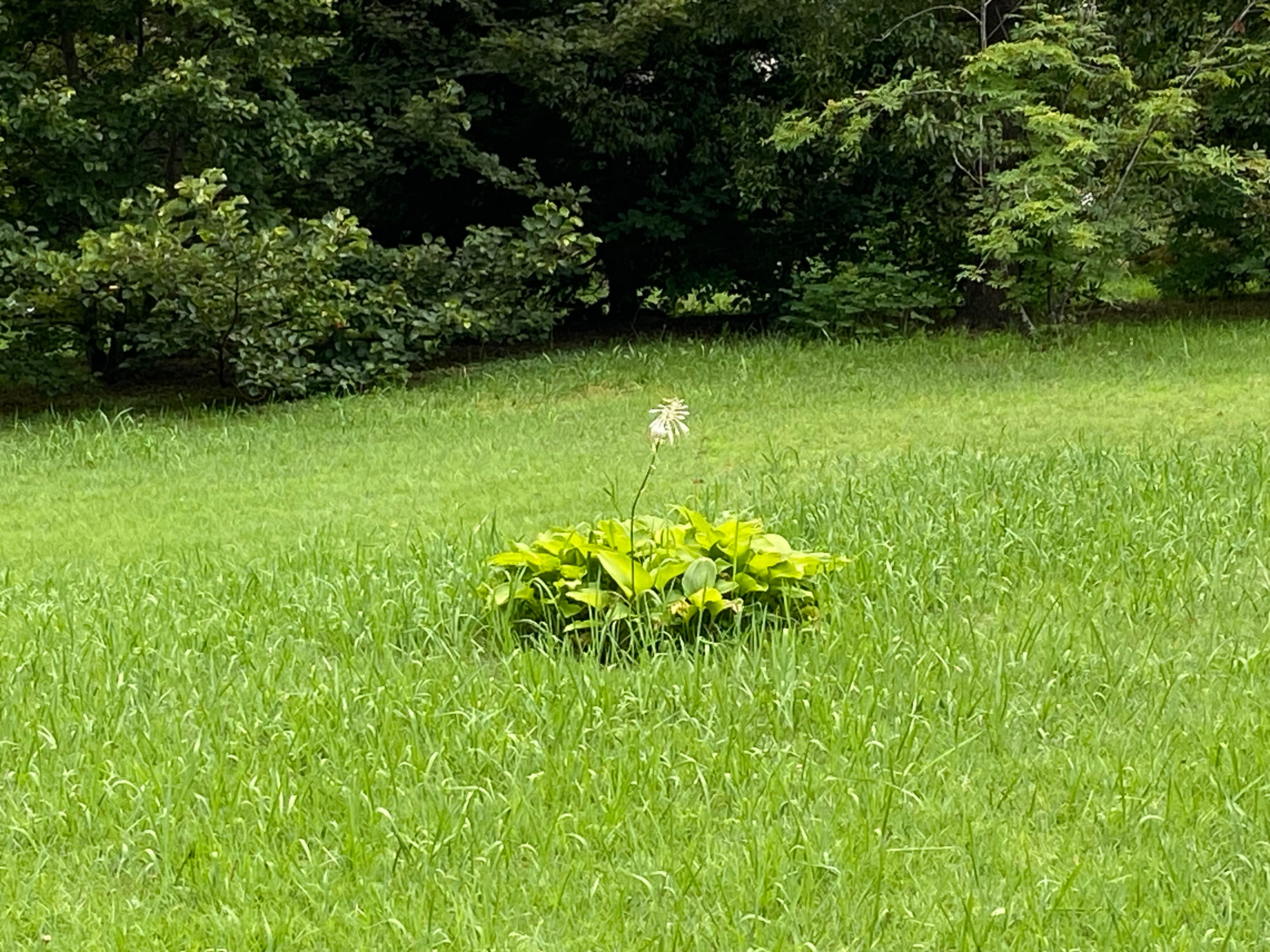
Today I’m travelling back in time, specifically, 20,000 years in time. I’m in Miyagi Prefecture to see the Museum of the Forest of Depths of the Earth. I don’t really know what to expect. When I arrive, there’s a small outdoor garden of evergreens and summergreens. There’s a single flower in the middle of the lawn, with a sign before it stating: Be careful not to step on the flowers. The sign uses the plural form flowers, and it bothers me slightly.

I believe the single flower is a panicled hydrangea. The garden has been recreated. “Let’s go into the grass and observe,” says another sign. The whole point of the place is to compare the vegetation of the Ice Age with that of present-day Sendai.

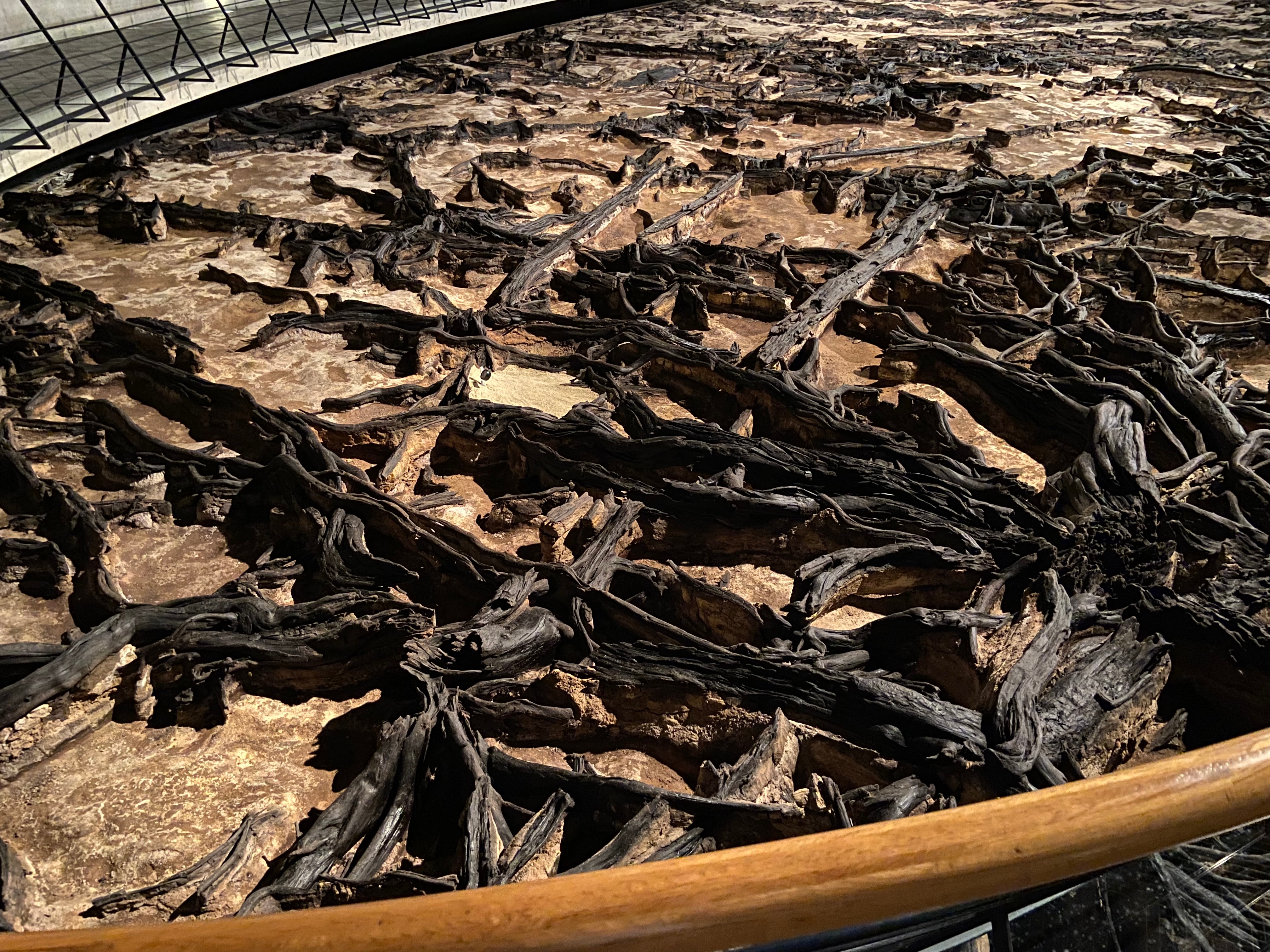
There’s an architecturally stunning structure in the gardens. It’s the only one of its kind in the world. Inside are the 20,000-year-old remains of a wetland coniferous forest. It might not sound very impressive, but when I walk through the doors of the museum and see the sheer size of the trees, it causes me to stagger.

The museum is fascinating. In 1987, an archæological dig found, just five metres below the ground, the preserved remains of fossilised trees, along with artefacts from the same era. There’s a separate tree root I’m encouraged to touch and smell, and it carries some weight.

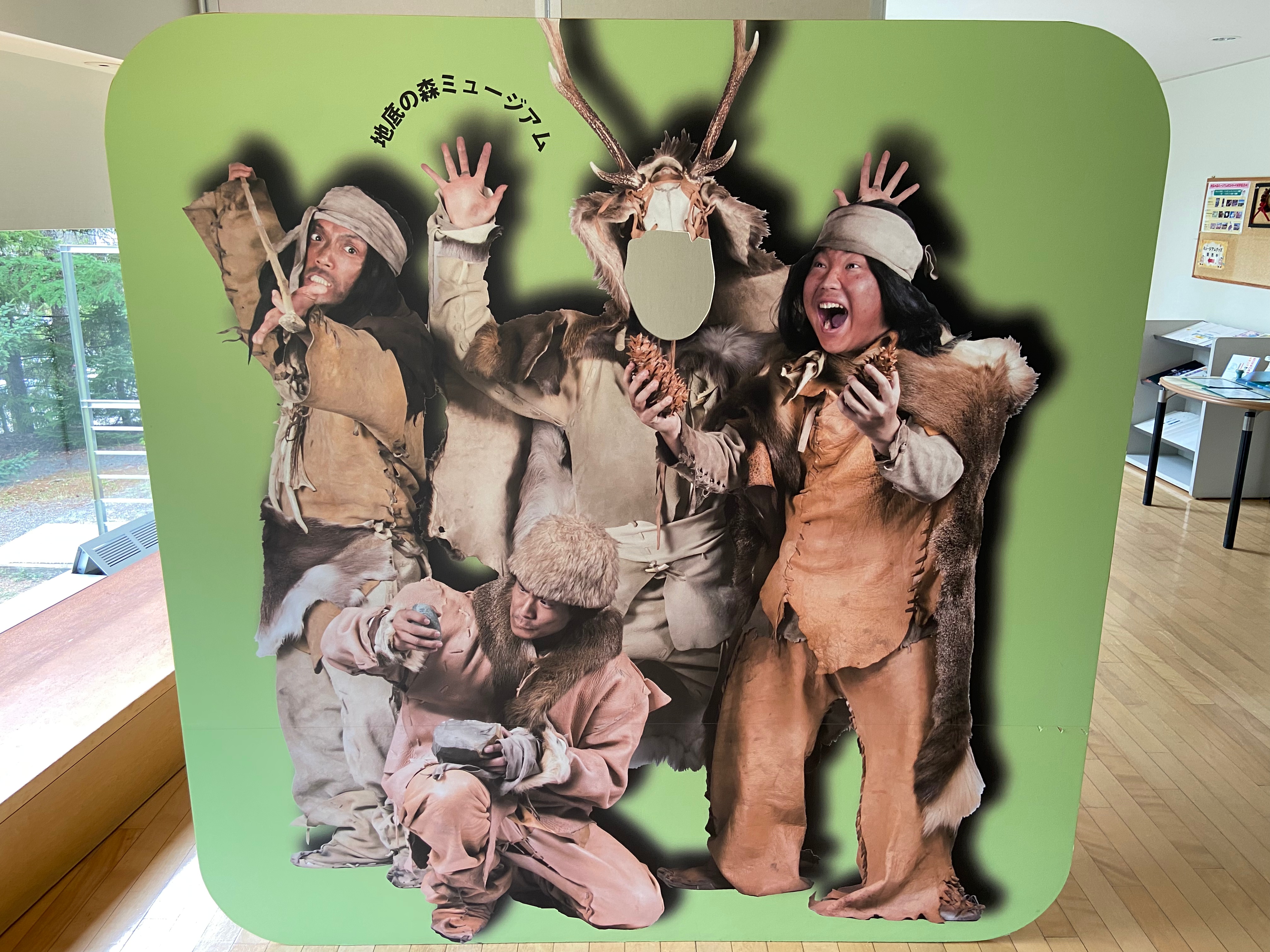
Aside from the trees, I can also learn about the Paleolithic Age. There are the remains of a campfire that was excavated here. Bits of broken pottery. Deer fæces. Arrowheads. Glass boxes of skulls. Carnival Cutouts: the breath of ancient times.

Having touched a 20,000-year-old tree root, the only thing left to do later is visit a mountain, so I decide to walk to the coastline. Along the way, I pass a tsunami evacuation tower made from steel. It can safely evacuate 300 people to a height of at least six metres.

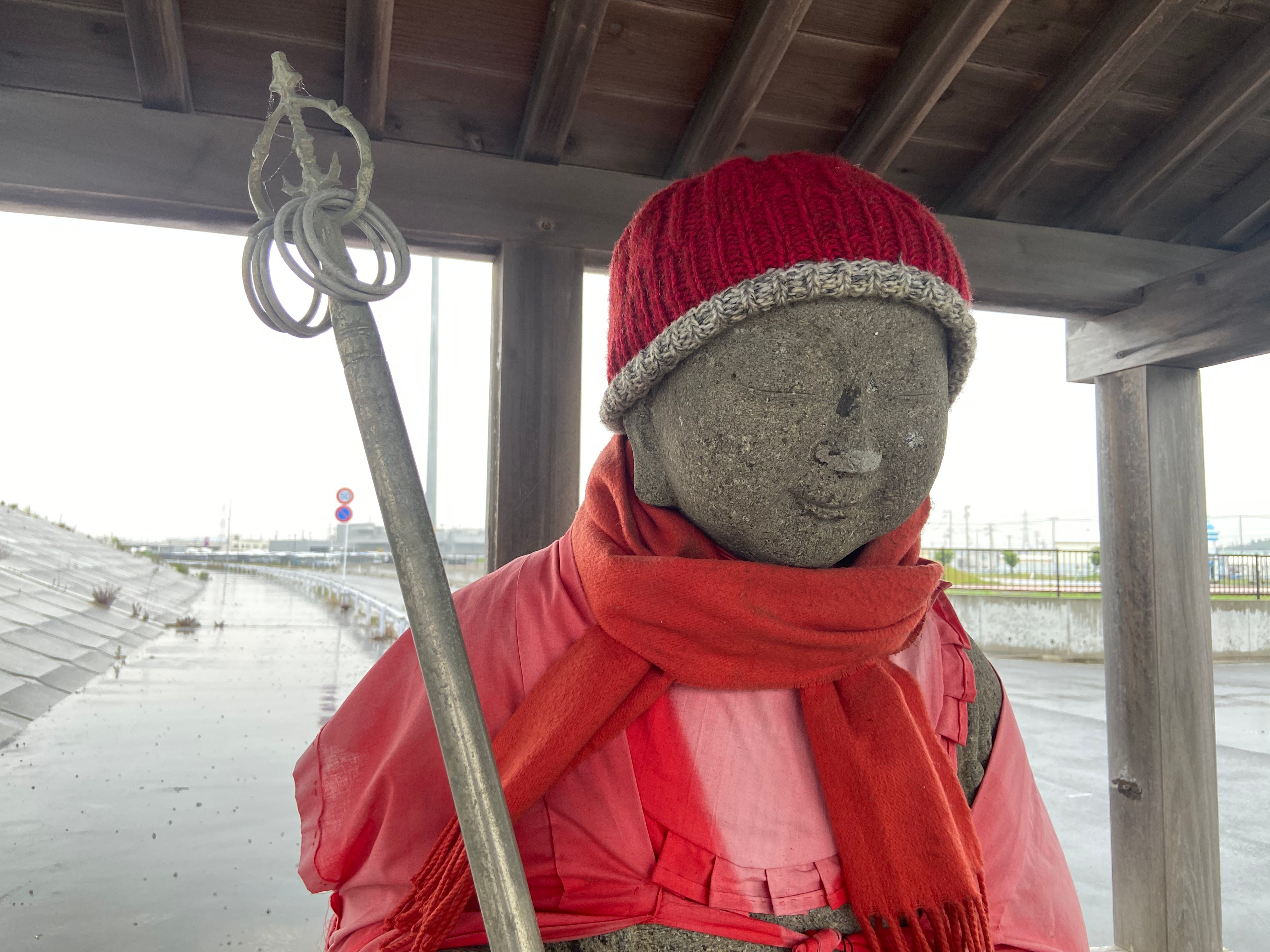
As I stare at the tower, the sky suddenly fills with grey cloud, and it begins to pour. I run into a nearby park but find nowhere to hide, eventually sheltering beneath a small Jizo statue. The smug Jizo is smiling and holding a rain wand.

Behind the statue is an embankment highway that runs along the Nanakita River and Sendai Bay, designed to help prevent tsunami waves. The tides must get pretty high here anyway, as on my side of the barrier are dozens of dead crabs, seemingly washed over the wall and cracked open on the concrete below. The Jizo shares his little shelter with the stench from the Sendai Gamo Biomass Power Plant. It stinks.

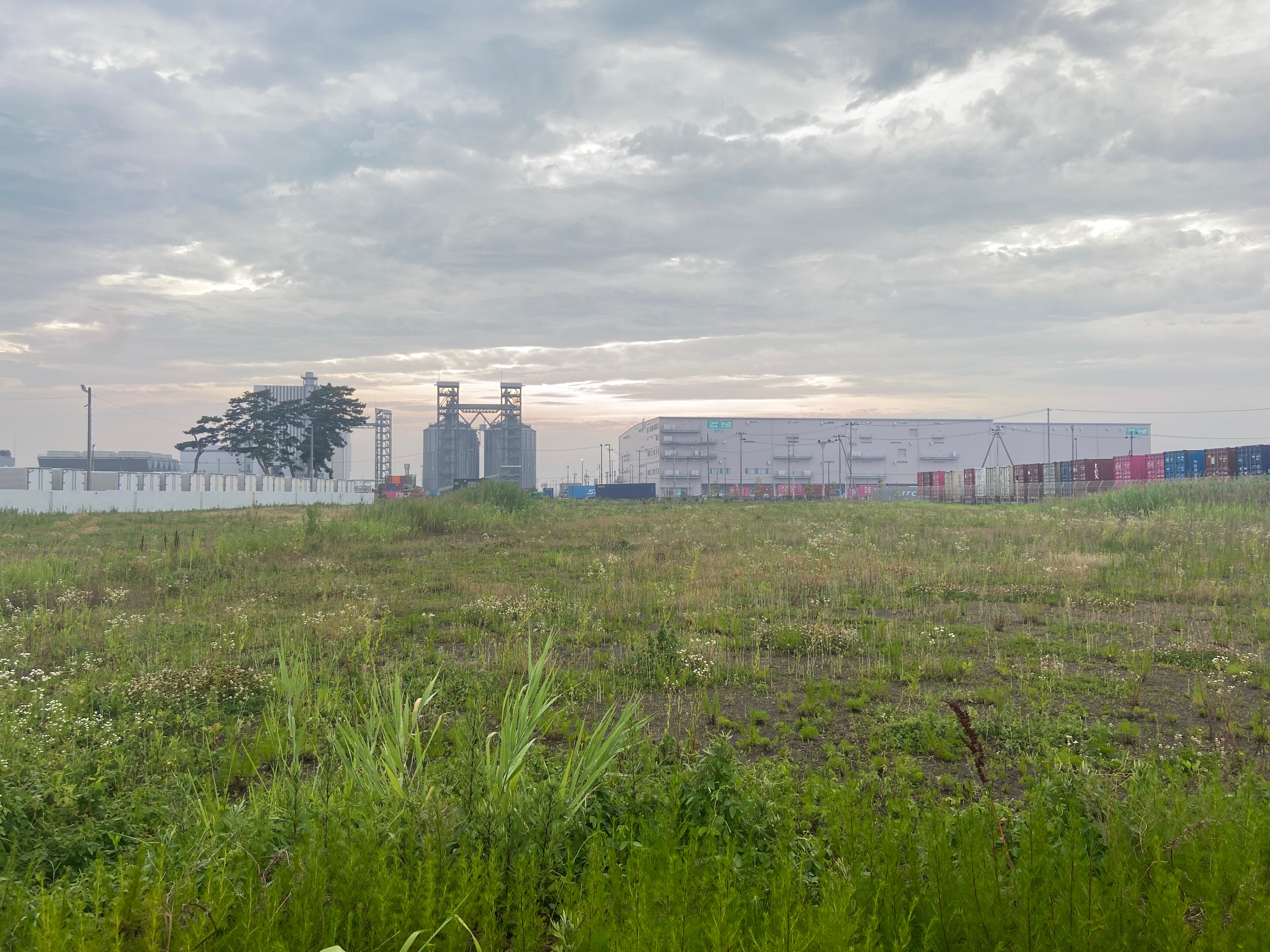
A little further up the coastline, I try to find what I’m really looking for. Usually, it’s pretty easy to find a mountain. But when you’re searching for what’s recognised as the smallest mountain in Japan, it gets trickier. I eventually do find it, half-hidden behind a factory car park.

I climb Mount Hiyori, Japan’s smallest mountain. Well, I don’t actually climb it. I just stand next to it. It looms at three metres now. Smaller than it once was. The 2011 Tohoku earthquake and tsunami took most of it. But still, someone left a summit marker. Still, it has a name. And I’m glad for that.

Around me, the wind starts to rise. I think about the ancient forest floor, perfectly preserved in silence. The looming shadow of a tree long gone. I think about how we keep naming things, even after they’ve almost disappeared. I think about how some things vanish slowly, and some things vanish all at once.

I walk away, back into the storm, careful not to step on the mountains.