One Rainy Day in April

Today I decide to travel towards Matsumoto, into the middle of the Japanese Alps. At Kanazawa Station, I pay the premium ticket price of ¥8970 to travel just one hour on the Shinkansen to Nagano. There, I change to a local train, for local people. After a couple of hours of sitting around on trains, I finally step out into the clean, fresh mountain air. And it’s raining.
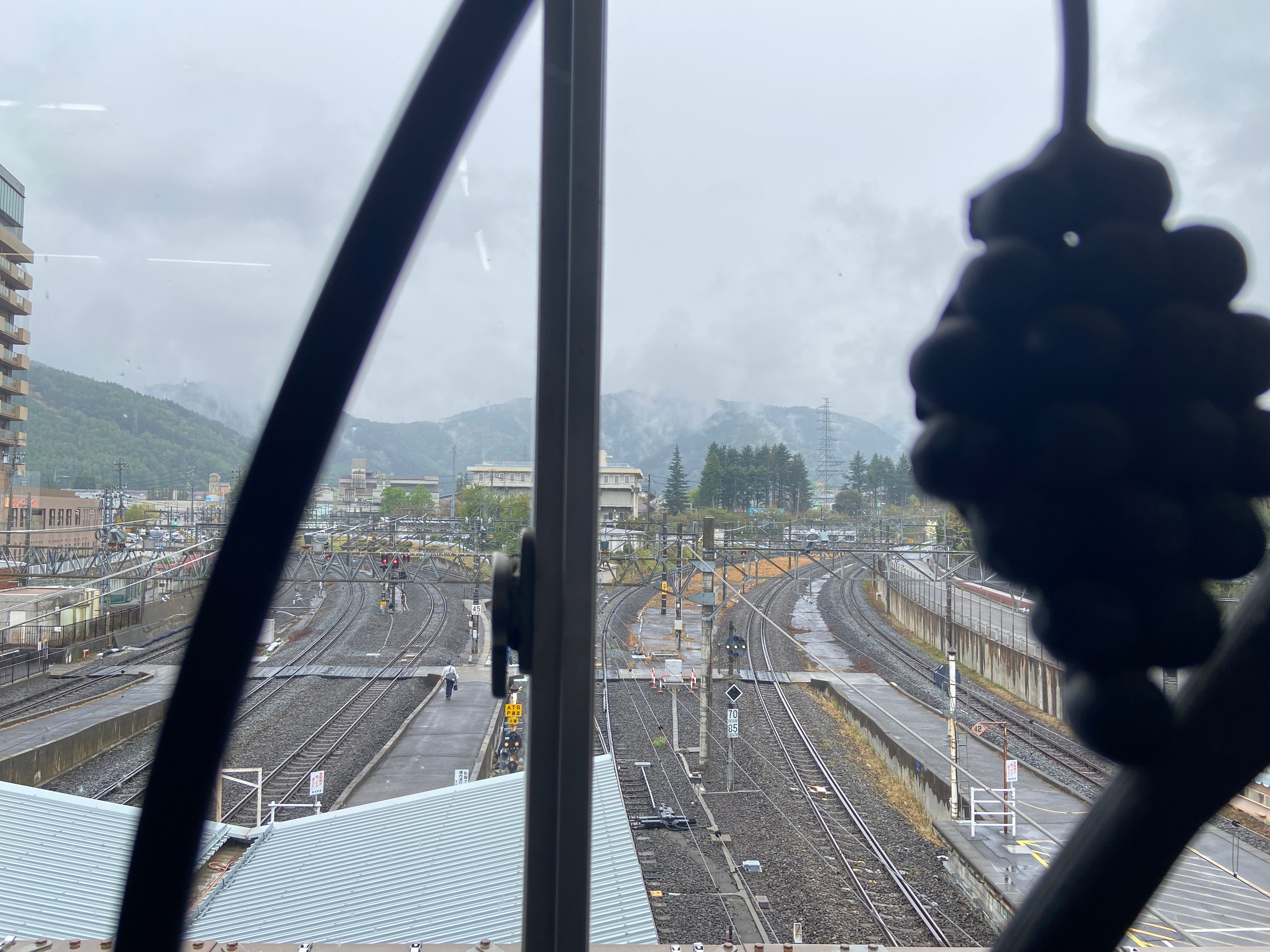
The mountains are gone, washed out in a white, ghostly fog, completely invisible today. But with better weather expected tomorrow, I tell myself this won’t have been a wasted trip. I put on a bright green poncho. It doesn’t suit me. I probably look like a large frog. Still better than an umbrella. I always forget those anyway.

Reservoir Frogs

I start exploring, and despite the rain hammering down, I’m drawn straight in. Matsumoto has a quiet, charming vibe. Flower beds and streams line the roads. Bars and restaurants that feel quietly inviting look to be from another time. The Metoba River snakes between buildings that look like they’ve been here for hundreds of years. It reminds me of a less crowded version of Asakusa. Not empty, though, as groups of tourists do drift past, tethered together by guides holding small flags like they’re leading expeditions.
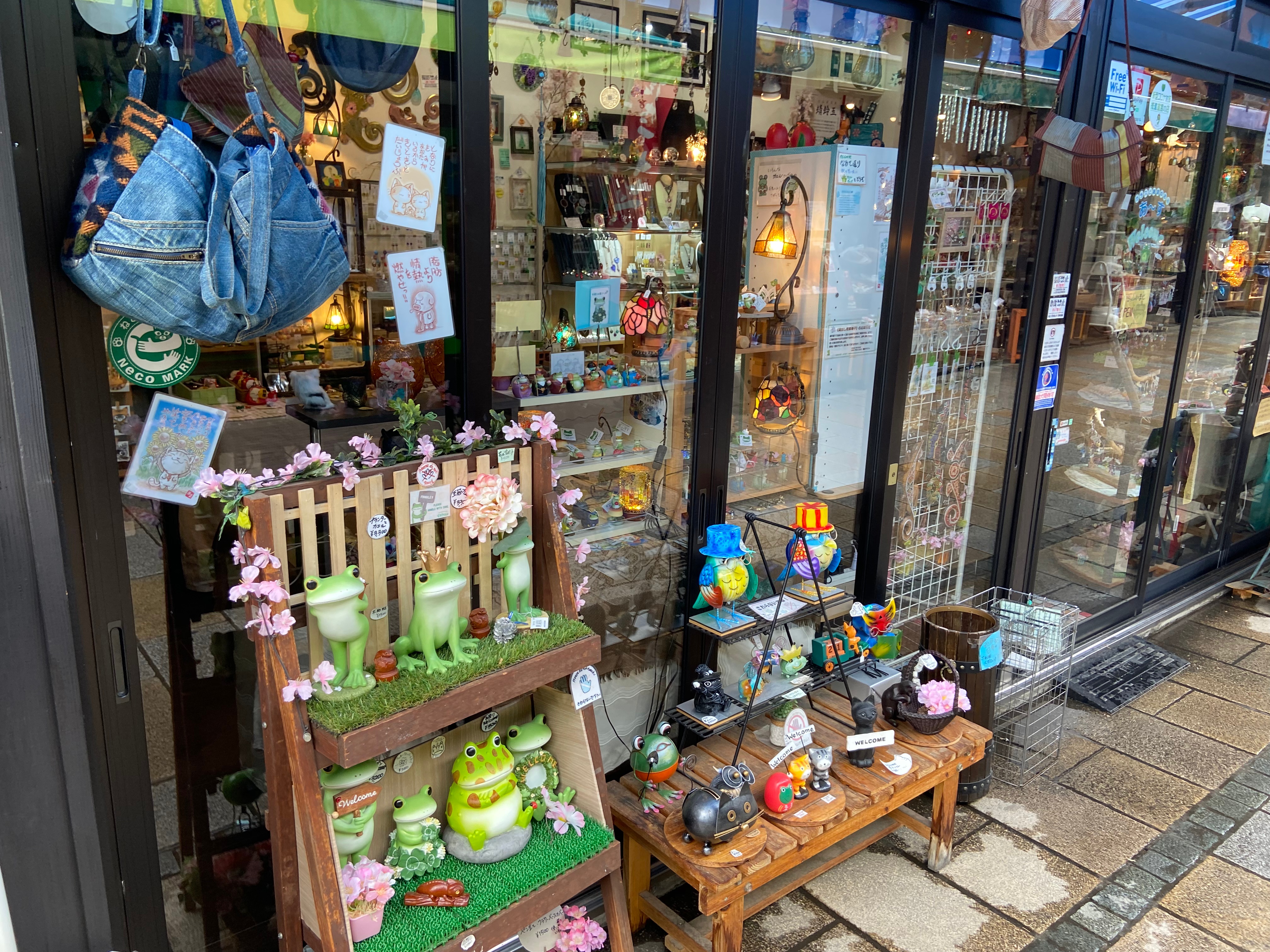
The main tourist street is Nawate Street, also known as Frog Street. It’s a pun I’ve mentioned before, tied to the Japanese word for frog, but essentially it means you’ll return home safely. The frogs will see to that. And there are frogs everywhere.

Decorations, statues, souvenirs, offerings. A shrine dedicated to a guardian frog. Amongst the frogs are about twenty freshwater wells, each one slightly different but æsthetically pleasing. They offer clear cold water for free, but I’ve had enough water today; it’s raining so hard I’m essentially covered in water.
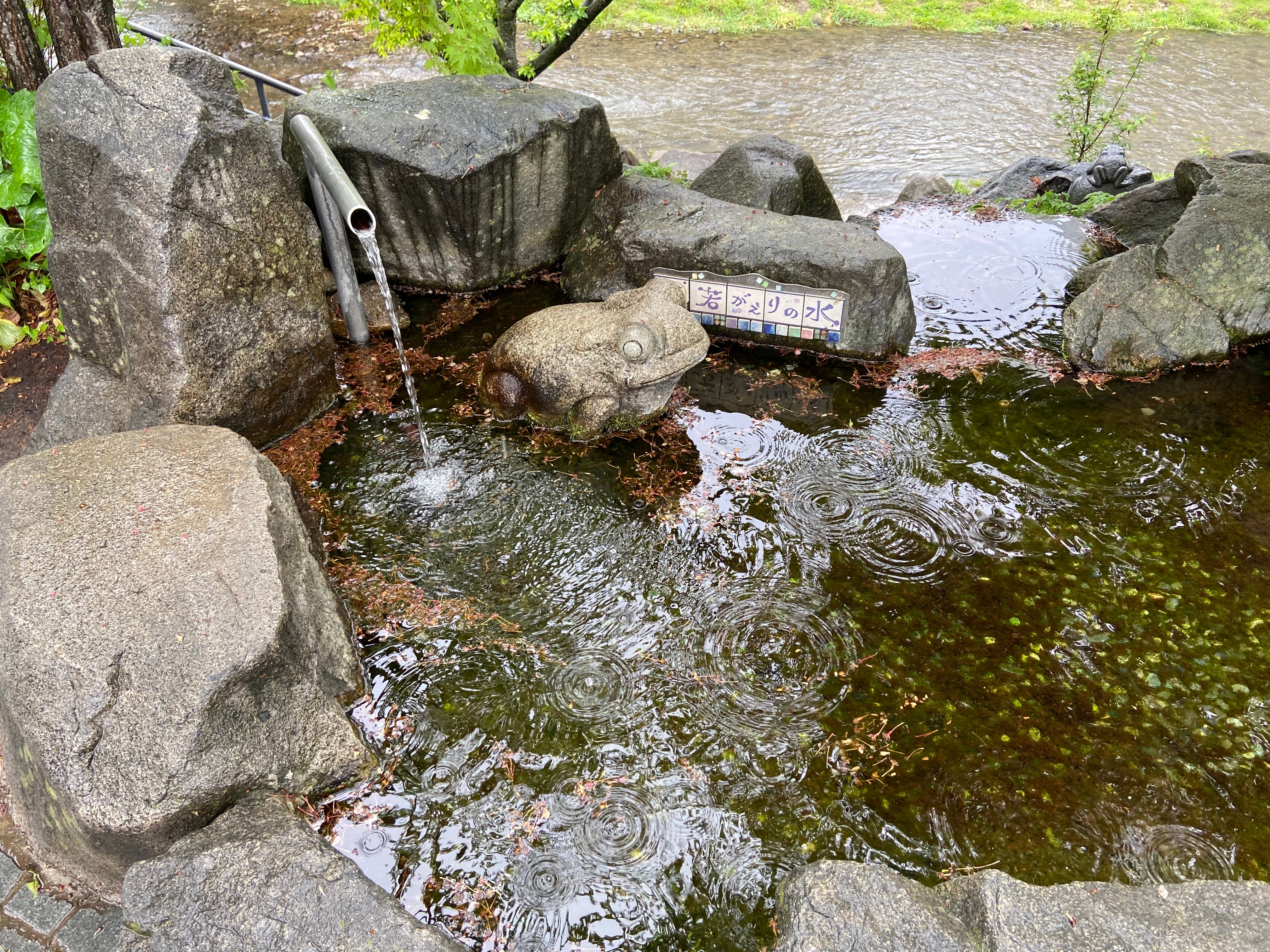
There’s a story written at the shrine which I’ll try to translate: Once, this narrow river was lined with festival stalls, and a dear river frog made a beautiful sound. There were unique emotions, such as the playing of the drums or the smell of acetylene lamps, the voices of stallholders, and fireworks, and the scooping of goldfish.

Then the river became dirty and the frog was pushed upstream. This caused the streets here to lose their vitality, and in 1972 the dear river frog was enshrined, in an attempt to make the river clean again. It worked, and the streets came back to life. Now it is a frog town. A place where mountains and city meet. A place where visitors can relax.
Keep Calm and Waffle On

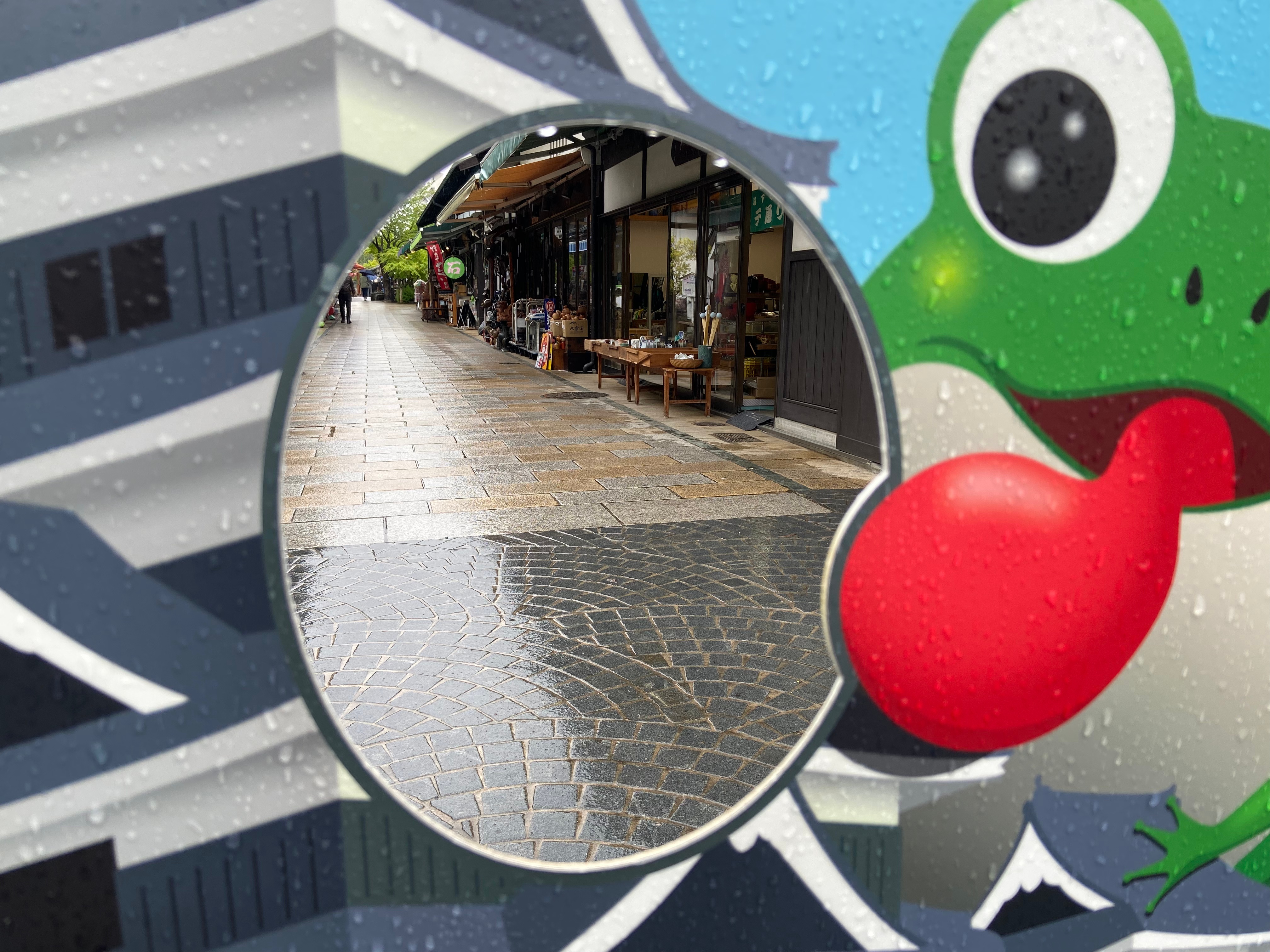
I decide to walk now in the direction of a local National Treasure: Matsumoto Castle. On the way I pass more art shops, craft shops, storehouses dotted around between the many small shrines and folk art stores. Plenty of town maps here too make it easy to keep track of where I am.

And if kimono rental shops are your thing, well forget that! Here you can rent a panoply of samurai armour for the day for the low price of ¥11,000. Not in this weather though, I’d look ridiculous as a samurai in a green poncho.
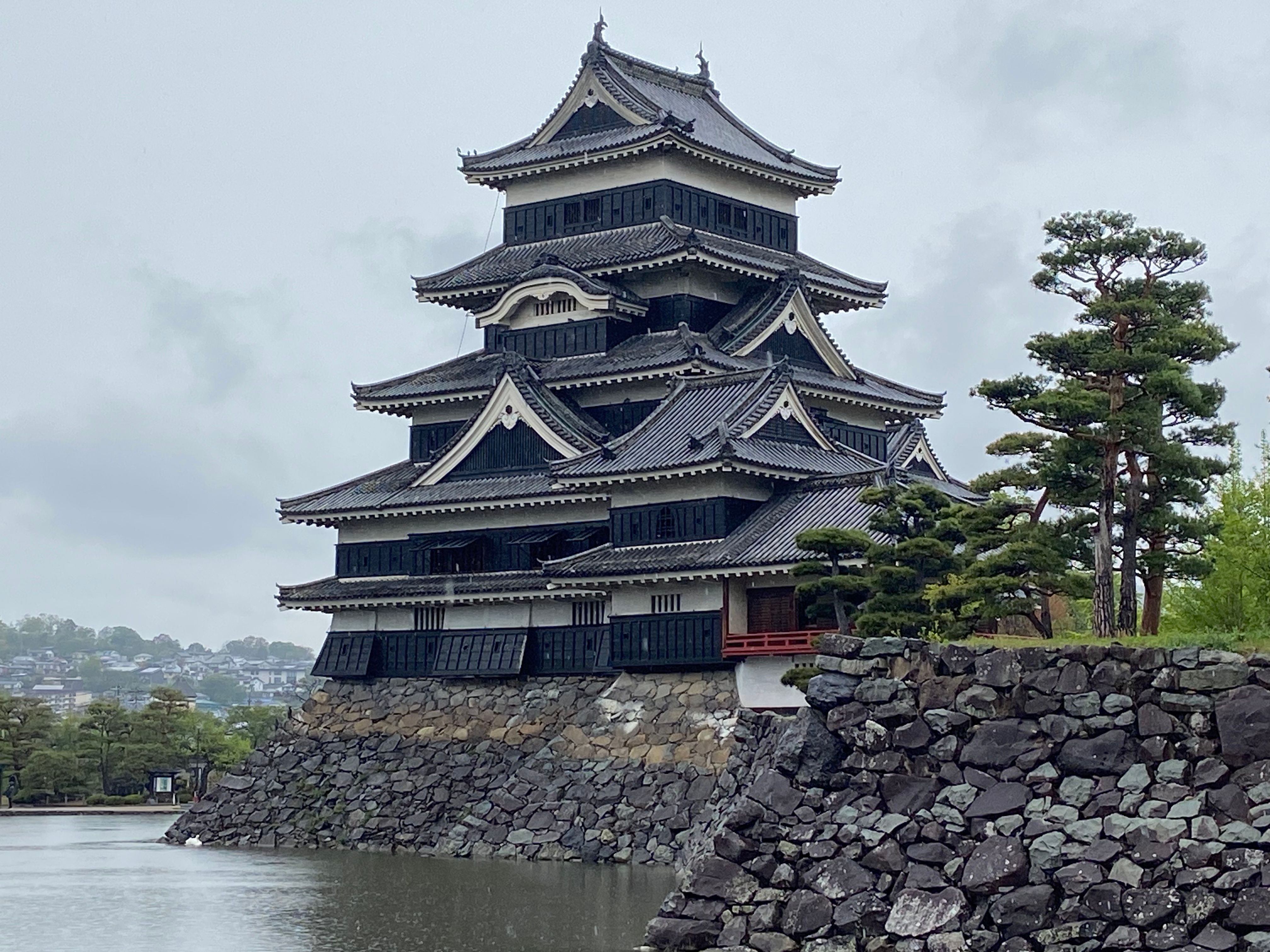
It’s not long before I arrive at the castle. Inside, the keep is so incredibly calm; there’s not a tourist in sight, probably put off by the weather. The castle is the oldest five-storey six-floor castle in Japan. A very specific metric, if you ask me. But it’s all because of a completely secret hidden floor. A castle bigger on the inside than on the outside. The castle is stunning to look at. The Northern Alps sit shrouded behind it, blending into the clouds, while the swamp-like stillness of the moat settles the scene.

Leaving the castle, it’s almost time to check into my hotel, but I’m feeling a little hungry so head back in the direction of Frog Street to see what’s on offer. I pass a shop selling traditional taiyaki, fish-shaped waffles. This store offers three normal flavoured fillings and one odd flavour. Sweet red bean, chocolate, custard cream, and sausage.
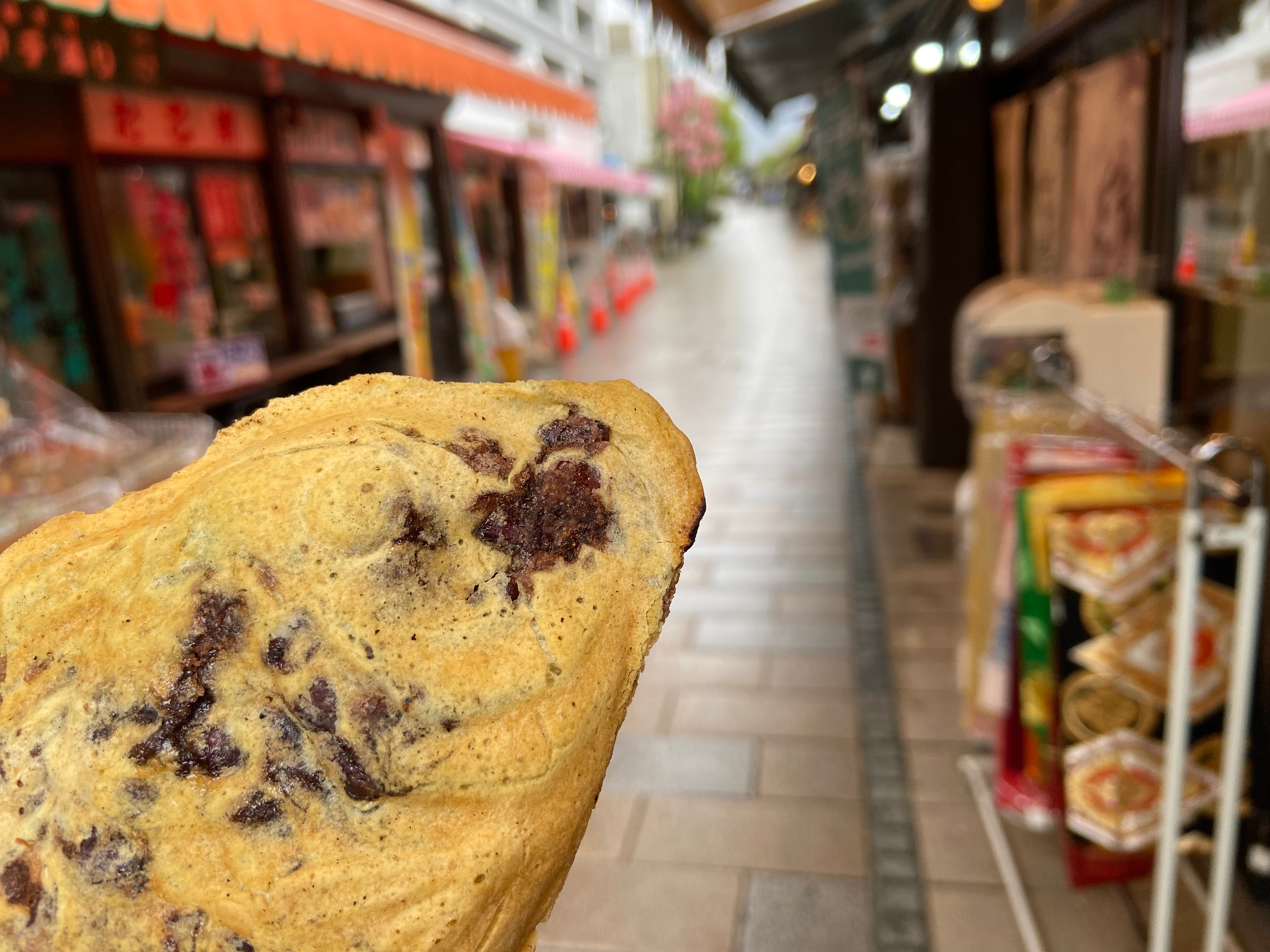
Obviously I go for sweet red bean paste as it’s my favourite. It’s cheap too. Only ¥250 and surprisingly massive. As I am handed the packet, I find the waffle to be red hot, and it smells so good. The batter sweet and soft and delicious. But the tail is the best part, a little crunchy and a little crispy. Luckily for me I’m staying near Frog Street for the next three nights, so I’ll be sure to return here frequently for more fish-shaped waffles; one of the best Japanese snacks.

The Grape Train Vinery

I head to my hotel to check in and dry my shoes with a hairdryer. I don’t need the poncho anymore, as the hotel is one minute from the train station, so I’ll be indoors the whole way. I hop on the train bound for Shiojiri Station, the journey takes 8 minutes. The under seat heating makes a mockery of my freshly dried shoes.
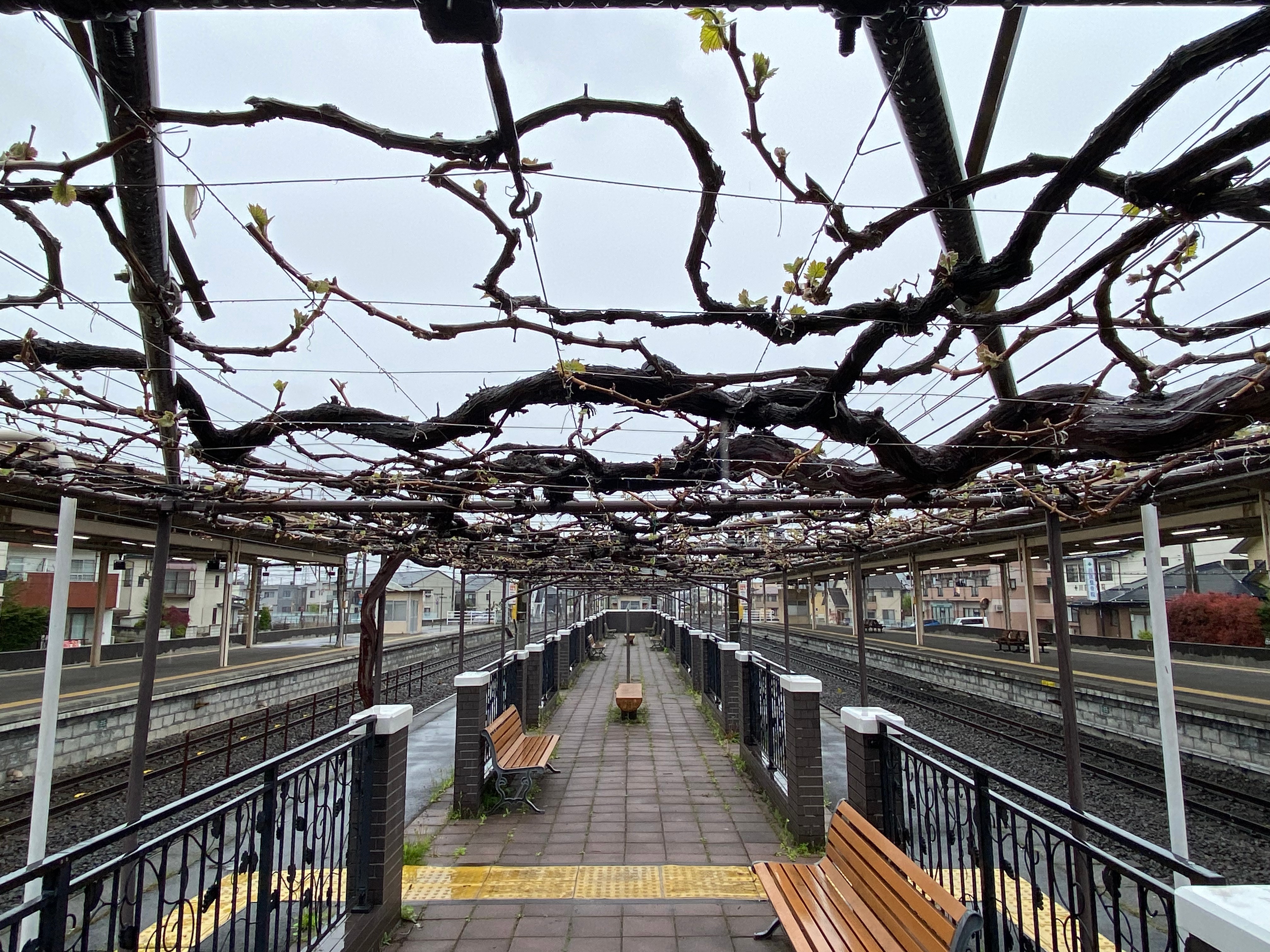
I exit the train into my destination. It’s actually the train platform I’m here to visit, as it has its own vineyard. That’s right, the grapes used to make Shiojiri Wine are grown right here on the train platform. The vines stretch along the platform, growing patiently beside passing trains. Obviously the grapes won’t be fully grown until the autumn, right now they are just small leaves on vines. I do notice that they have hung some plastic dragonflies around the vines, which I assume is to deter predators from eating the grapes.

Inside the station, there’s a small gift shop. I purchase a bottle of Black Queen red wine, made from platform grapes. Then it’s back on the train 8 minutes to Matsumoto Station.
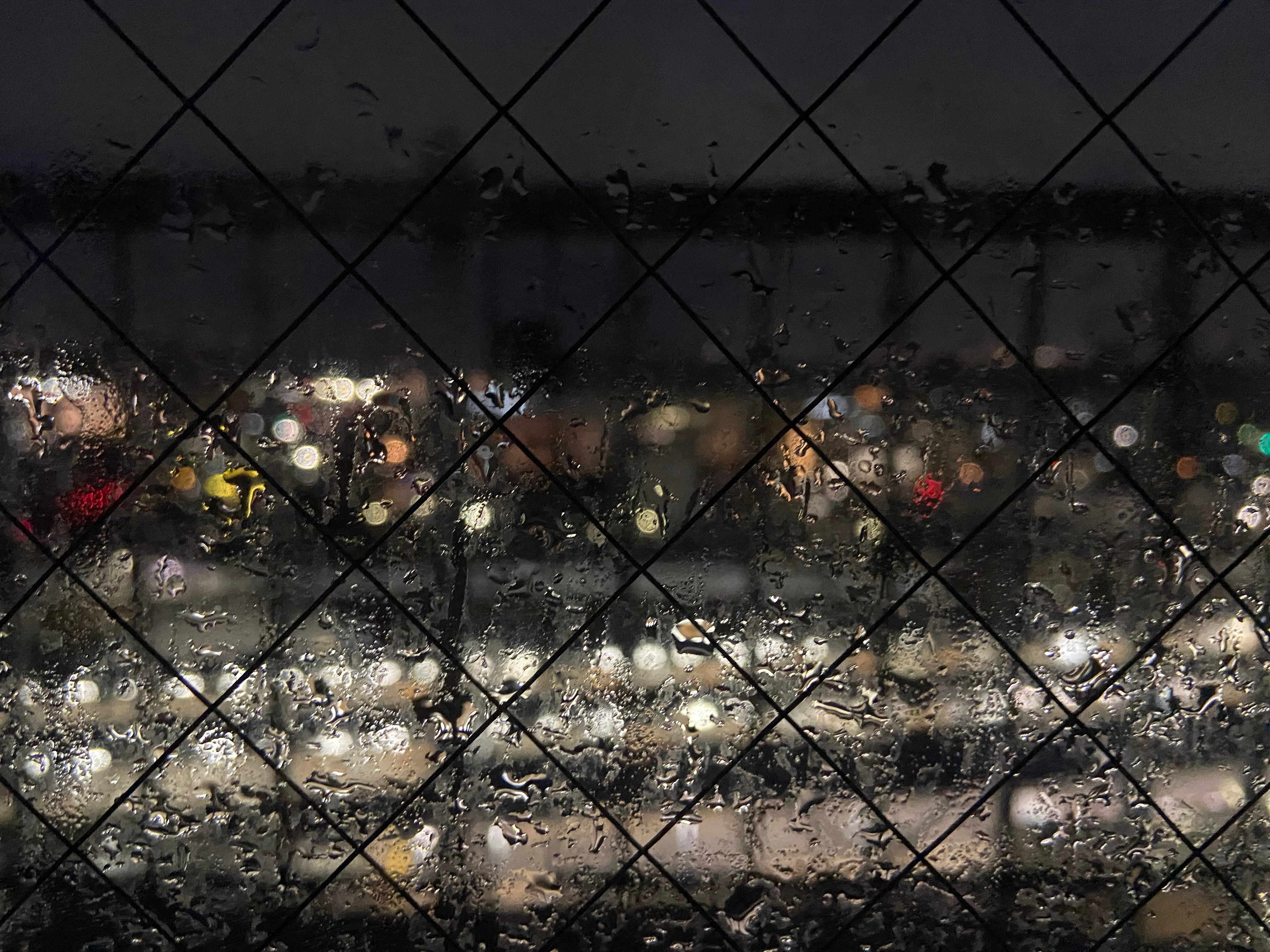
In my hotel room, I sit on the edge of the bed with a plastic cup of wine, its notes of cassis a little overpowering. I enjoy the sound of the rain as it taps softly against the window. The wine is bold, a little too certain of itself. And somewhere beyond the fog, the mountains are still there. Waiting for tomorrow.

A Spiral, a Darkness, a Fever, and a Staircase

I wake up in pain. Cramp. My leg screams. I’m in Fukushima Prefecture, Aizu-Wakamatsu, an old samurai town with a historical past. I’ve been here for a few days. I feel oddly connected to this place in a way I’m really not sure how to describe. Aizu is famous for its samurai and a red cow named Akabeko (translated to mean red cow).

I leave my hotel. The sun is so bright that the sky isn’t blue, but white, yet there are no clouds. It’s like walking through a thick fog of heat. Imagine you’re a little tiny person the size of an ant, walking through an oven set to 180 degrees. That’s what it feels like. I walk across the sheet pan in the direction of the mountains, vaguely knowing that I will arrive somewhere spirally important.

In Aizu, the legendary red Akabeko cow can be rubbed and is said to heal illness or sickness. The thing I like about Akabeko is that they have bobbing heads, so every time I walk past one I push its head down and smile as it nods up and down.

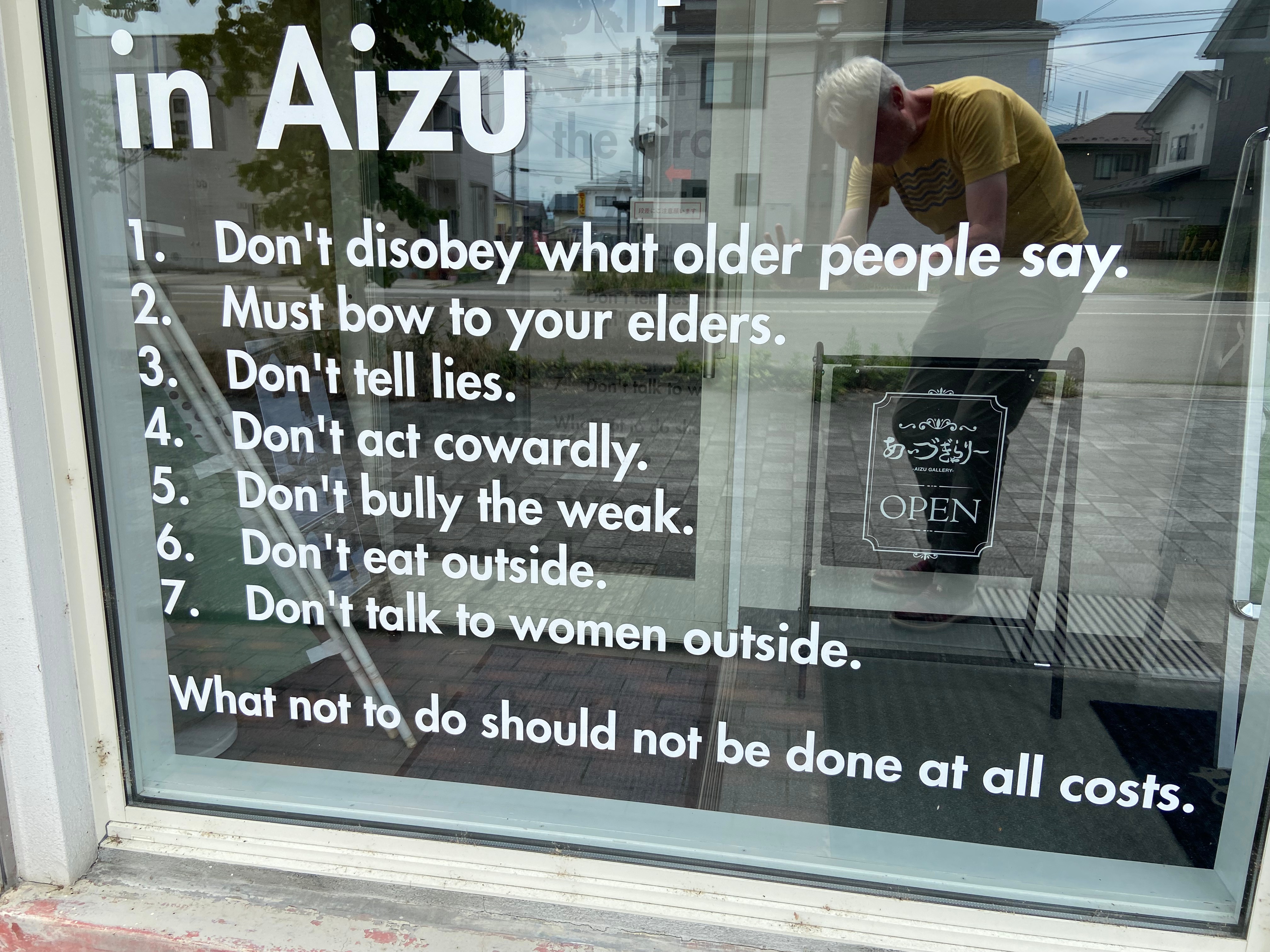
A little further up the road, Aizu-Wakamatsu is offering politeness lessons:

Don’t talk to women outside. Must bow to your elders. The two conflicting lines bother me, because as I photograph the sign, an elderly Japanese woman starts speaking to me in Japanese. Obeying the rules, I just bow my head and walk away.

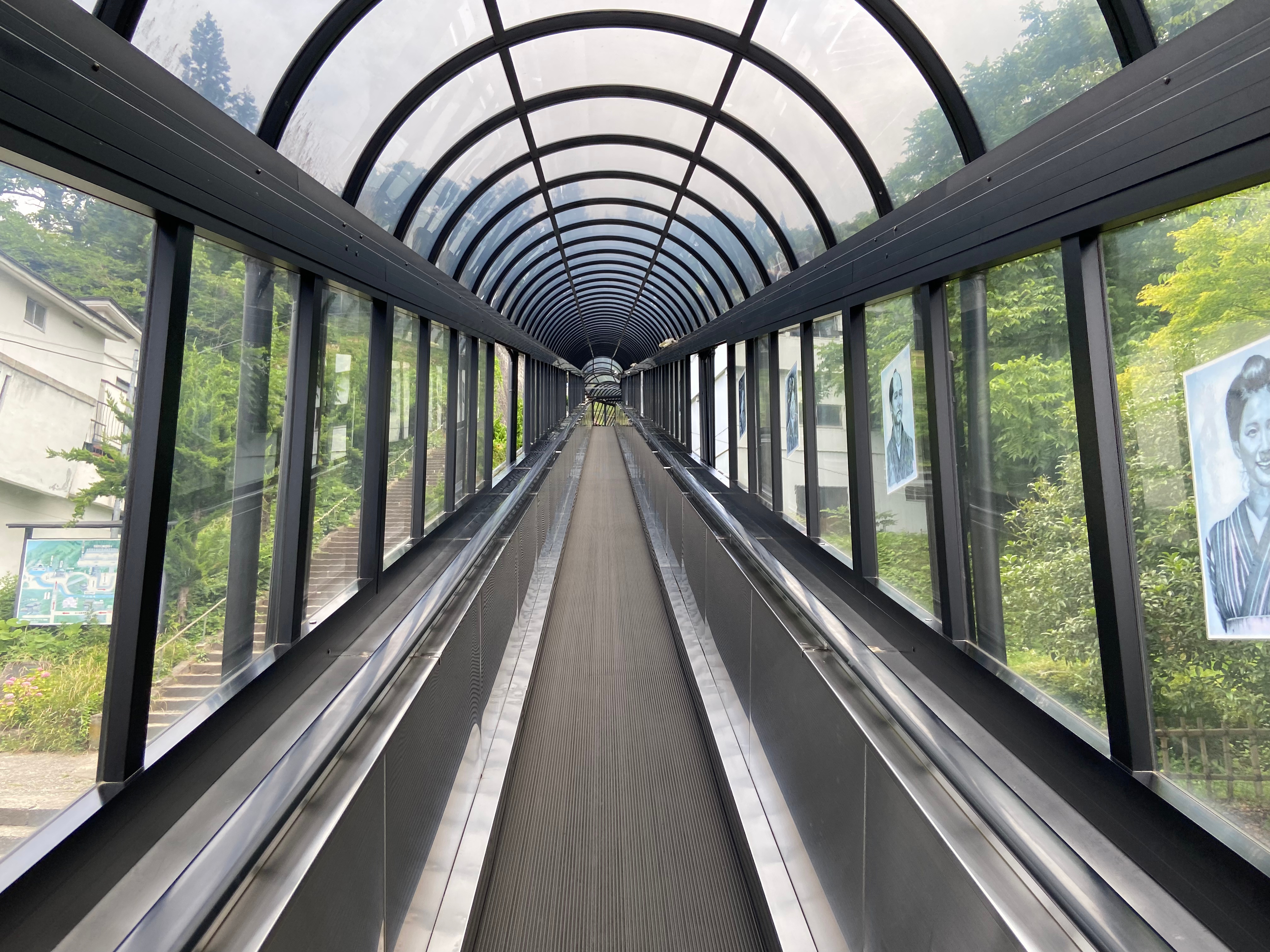
A black Seven Eleven with none of the usual green and red stripes greets me funereally; I’ll soon find out why it’s black. The cascading sunshine and the black stripes make me feel as though my eyes are glitching. Outside the entrance to Sazae-do Temple, there are sweeping steps that twist all the way up, but someone has placed an escalator to one side. You have to pay 250 yen to ride it, but the cramp is threatening to return.

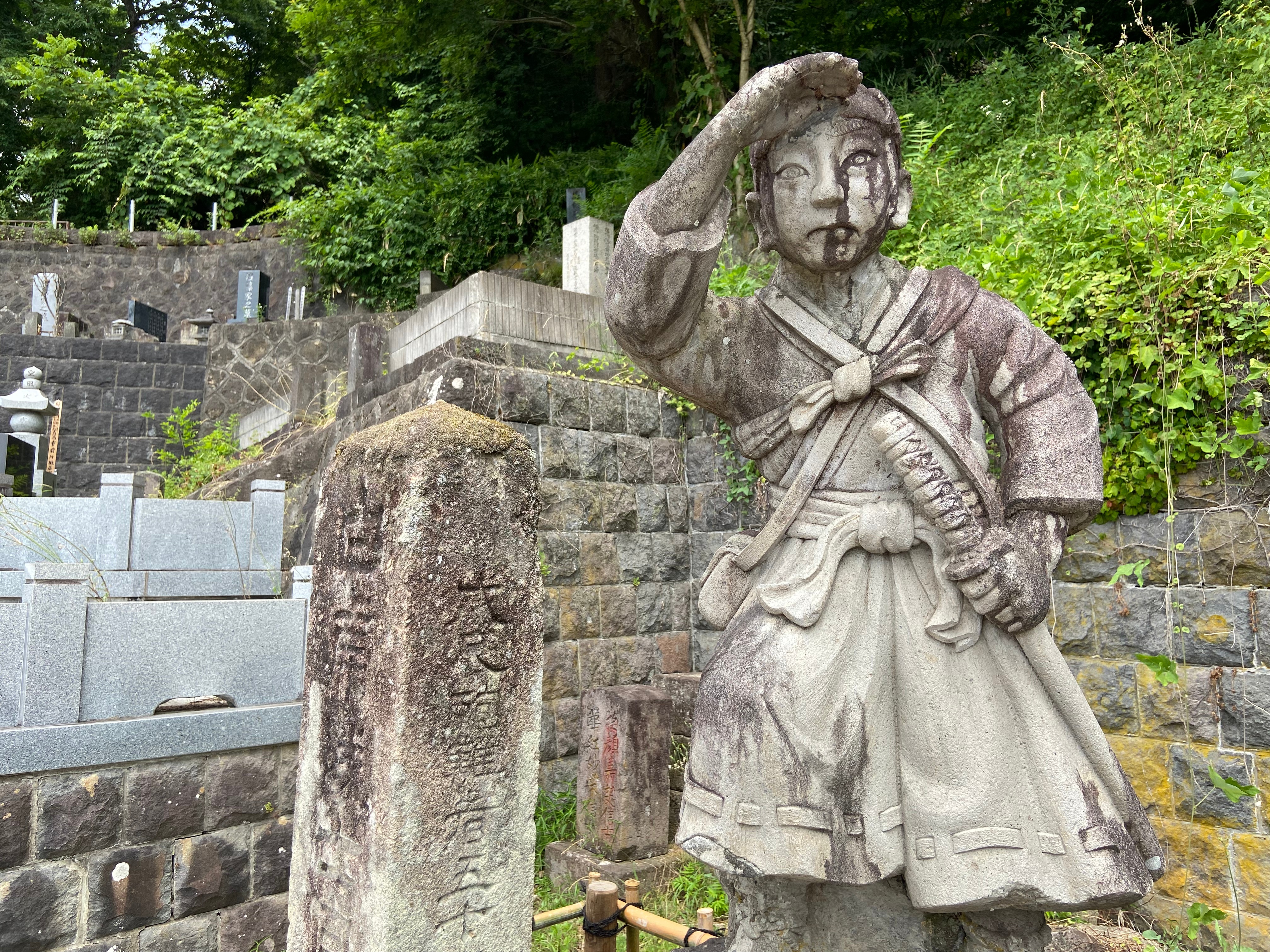
I don’t know what it is about today, but as soon as I step off the escalator and into an open area of monuments, the suddenness of place hits me, catching me off guard. To summarise what happened: on October 30, 1868, during the Battle of Aizu, the Byakkotai, a group of teenage samurai thought they had lost the civil war. They saw smoke in the distance, thought the castle had been sieged, so they killed themselves, not far from where I stand. Learning this, I become swallowed by sadness.

Their bodies were left outside for days, until a man, Isoji Yoshida, decided to take it upon himself to move the bodies of the dead children and bury them. For this, he was arrested. Katamori Matsudaira, the 9th lord of Aizu, wrote a poem in their honour. It goes:

“People will visit, and their tears will fall upon your graves. You will not be forgotten.”

There are monuments here for everyone involved. For the dead children, for all who died. The tomb of sixty-two fourteen- to seventeen-year-old samurai. It’s devastating. I try not to bring myself too much into these stories. But this place, these dead children, their story found its way in. I think what gets me is they don’t mention the word suicide, they explicitly state every time that they killed themselves.

I weep my way around a cemetery before turning toward the temple I originally came up this hill to see. There is a prayer wheel that, when you turn it, creates a mournful sound said to be heard in the underworld, comforting the spirits of the Byakkotai warriors. “Please turn it quietly with your heart.”

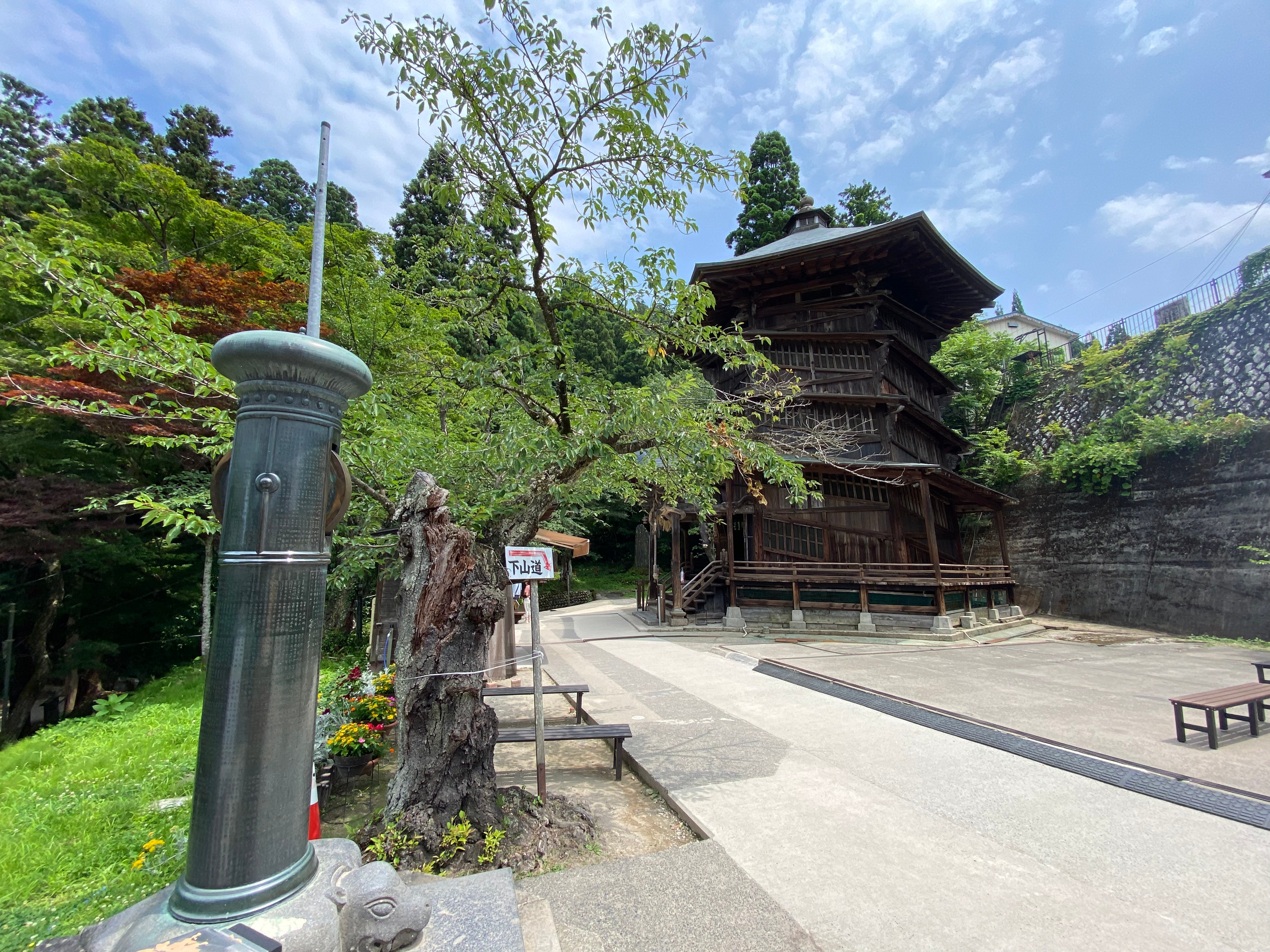
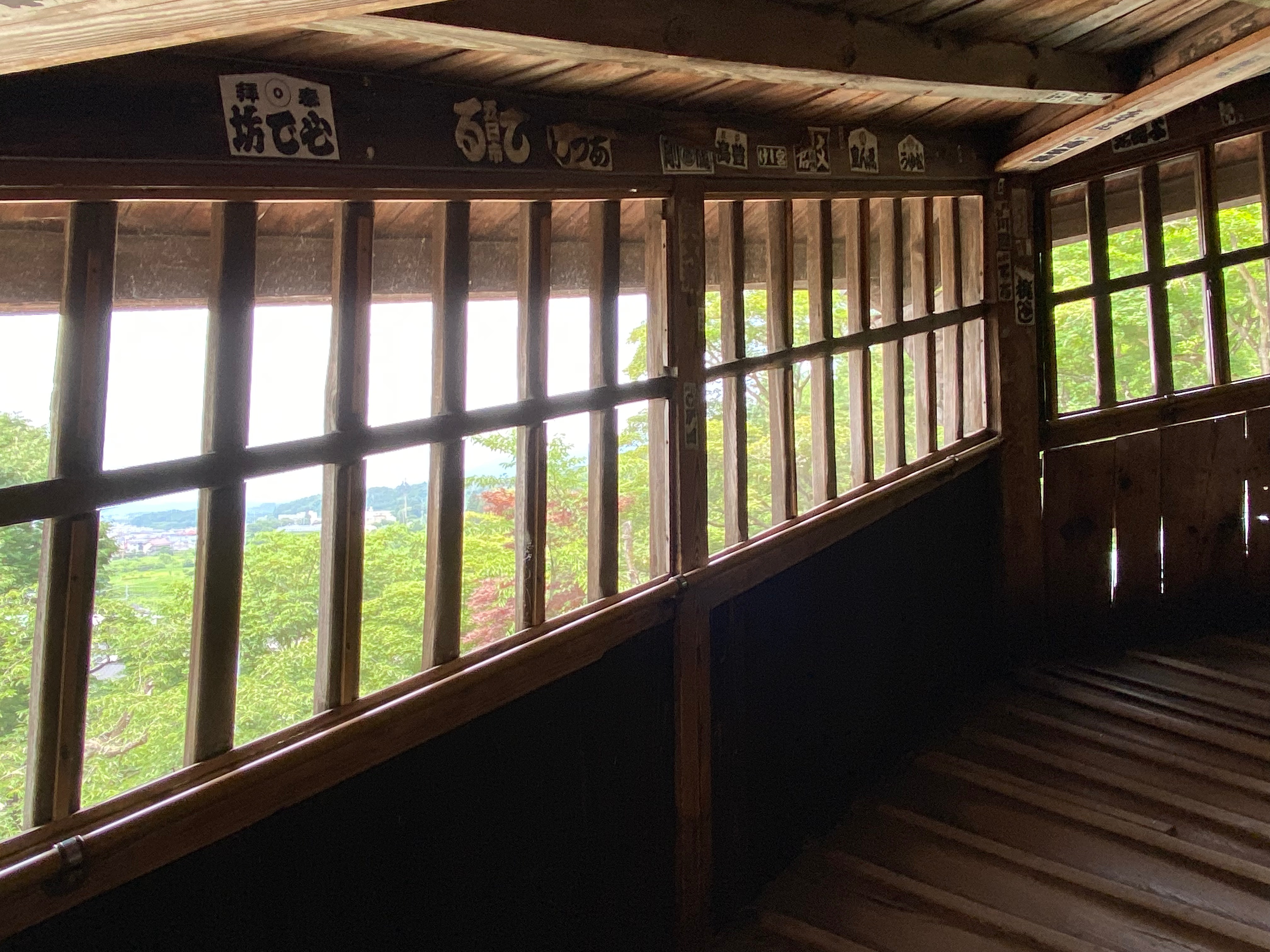
Sazae-do, a wooden Buddhist temple constructed in 1796, is famed for its distinctive spiral staircase that ascends and descends in an intricate, intertwining path. Encircling the ramp are 33 Kannon statues, each believed to grant the same spiritual merit as completing the entire Aizu Pilgrimage route to anyone who passes by them.

At 16.5 metres tall, three storeys, and shaped like a hexagon, you enter from the right side, climb the spiral staircase, and exit back down another way. You never see another soul. This valuable structure is the only wooden building of its kind from the mid-Edo period still standing in the world. It’s also the only known double-helix-shaped wooden structure in existence.

I breathe a heavy sigh before exiting through the gift shop and buying a shirt featuring Akabeko. I think about people, those loved and lost, on days when we exist together, and days when we don’t. At five o’clock, Yuyake Koyake starts playing, the song that tells the children to go back home. It elevates my sadness.

I head to a steak restaurant for dinner. I eat the red cow’s bleeding heart.

Life of Pipes

I’ve finally decided to visit Hokkaido Prefecture, specifically Sapporo, the capital of northern Japan. The area I’m staying in over the next few days is seemingly charming. The first thing I notice about it is the open spaces. Then the neat symmetry of the streets. Then the pipes.

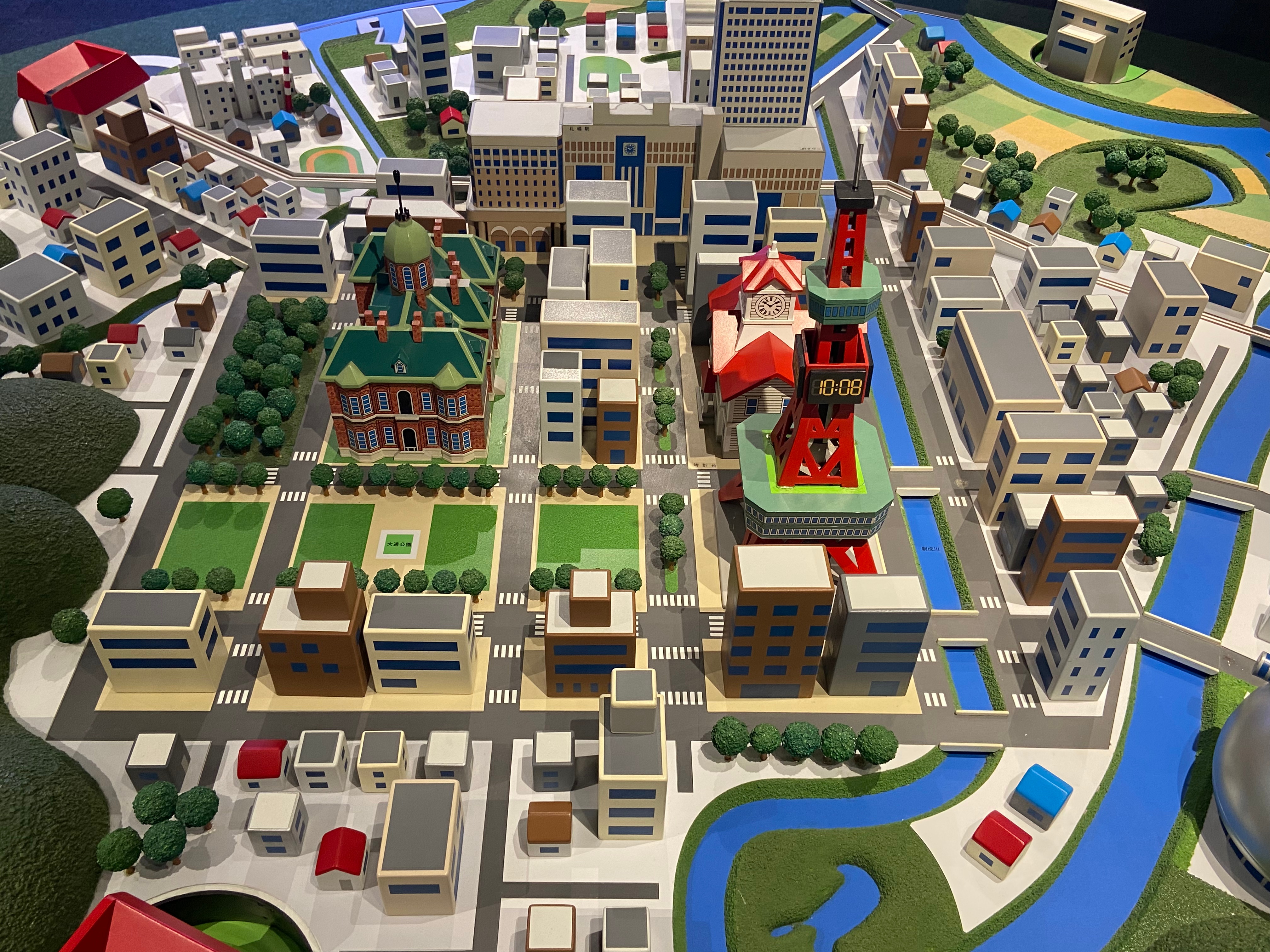
The nearby Odori Park slices across twelve neatly gridded blocks. There’s a river, a large red-brick mansion, and an illuminated TV Tower looming at exactly 147.2 metres in height: Sapporo’s artificial Polaris.

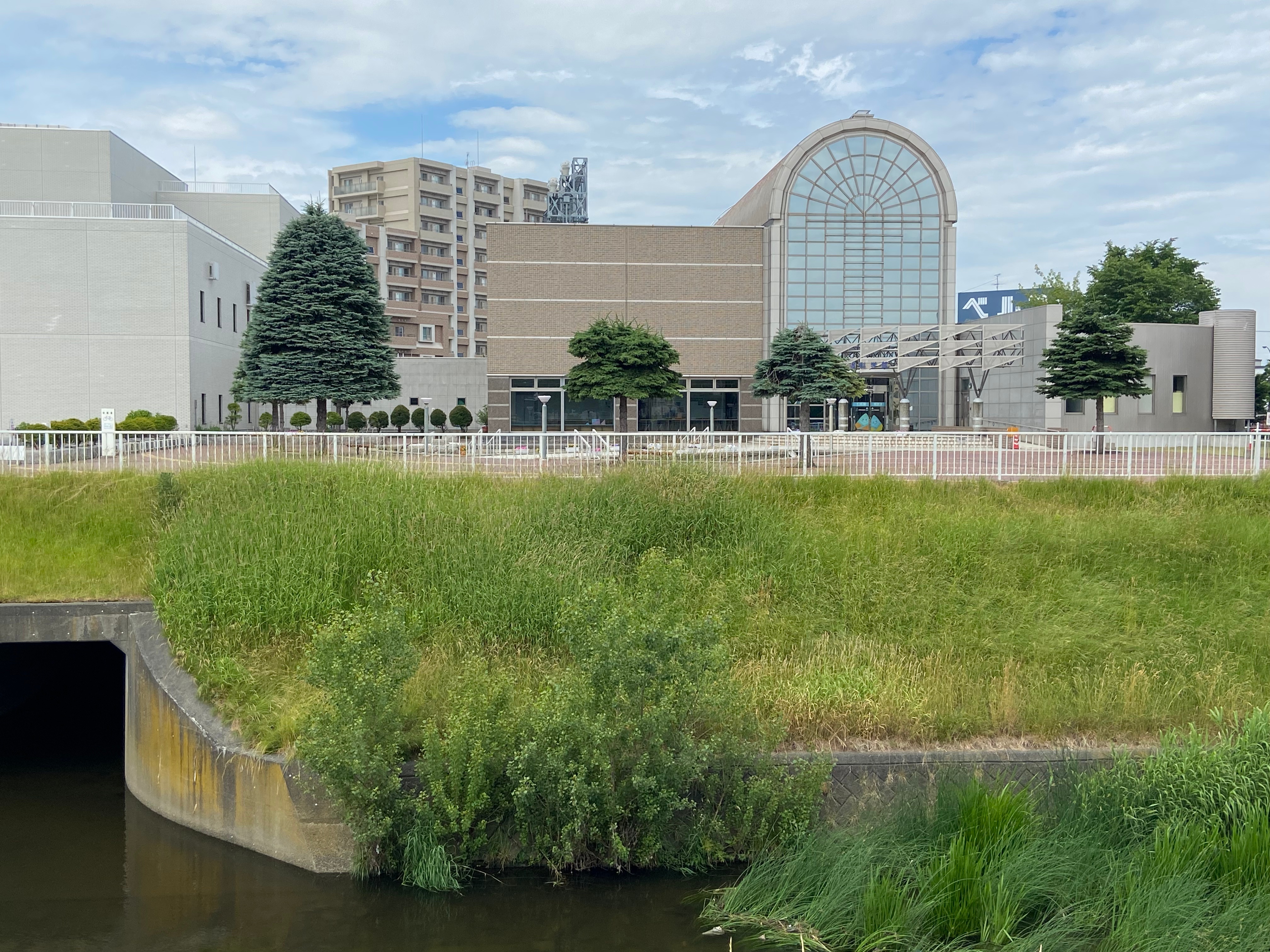
My first destination today is a bit of a hidden gem. So hidden in fact that the building itself is only identifiable by a single blue water droplet painted on its side. A grey concrete block of a structure in the middle of nowhere on the edge of the city. To find it, I am told to just follow the Soseigawa River. If you haven’t guessed it yet, the place I’m looking for is the Sapporo Sewerage Science Museum.

I don’t notice the single blue water droplet painted on the side of the building. What I notice instead is the stench; the kind that makes you immediately try to locate the source. Which, in this case, is the Soseigawa Wastewater Treatment Plant: right next door.

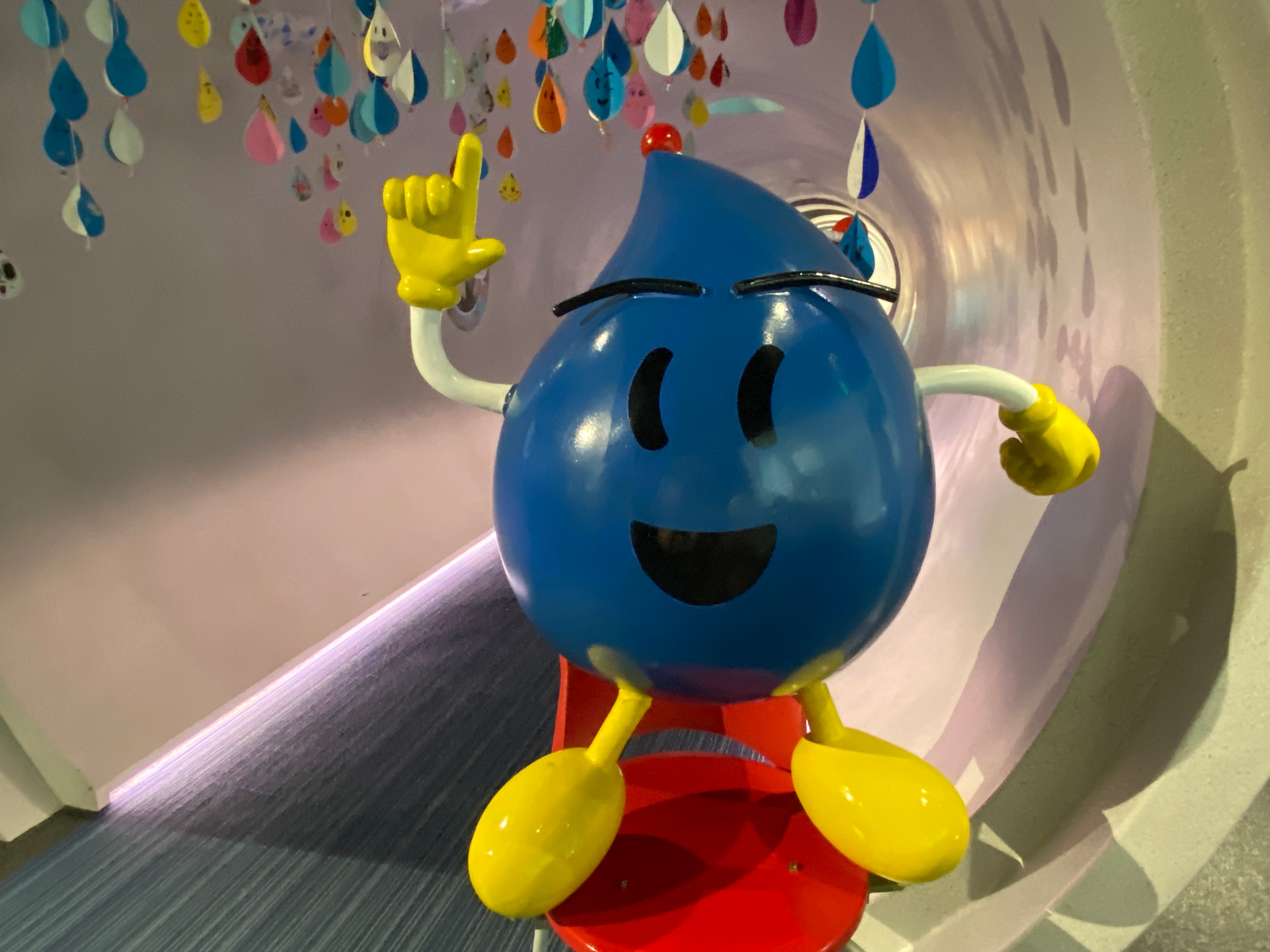
Inside the museum, there is nobody around. It’s actually free admission so I freely explore some of the exhibits. I quickly discover that there are mascots everywhere. There is a bacteria mascot, a sludge mascot, an activated sludge mascot, and a pipe-shaped mascot sporting sunglasses named Dr. Pipe. The water droplet is the star of the show and its name is Kurin-chan. There are no further details or backstories for any of the mascots.

The museum features a huge panorama theatre with empty seats, the movie they are showing today is called “Where Sewage Goes” and is an animated educational video. There’s a detailed diorama of the seemingly charming Odori area of Sapporo. Underneath the model of the city are drawers that can be pulled out to reveal the fascinating inner workings of Sapporo’s sewerage system.

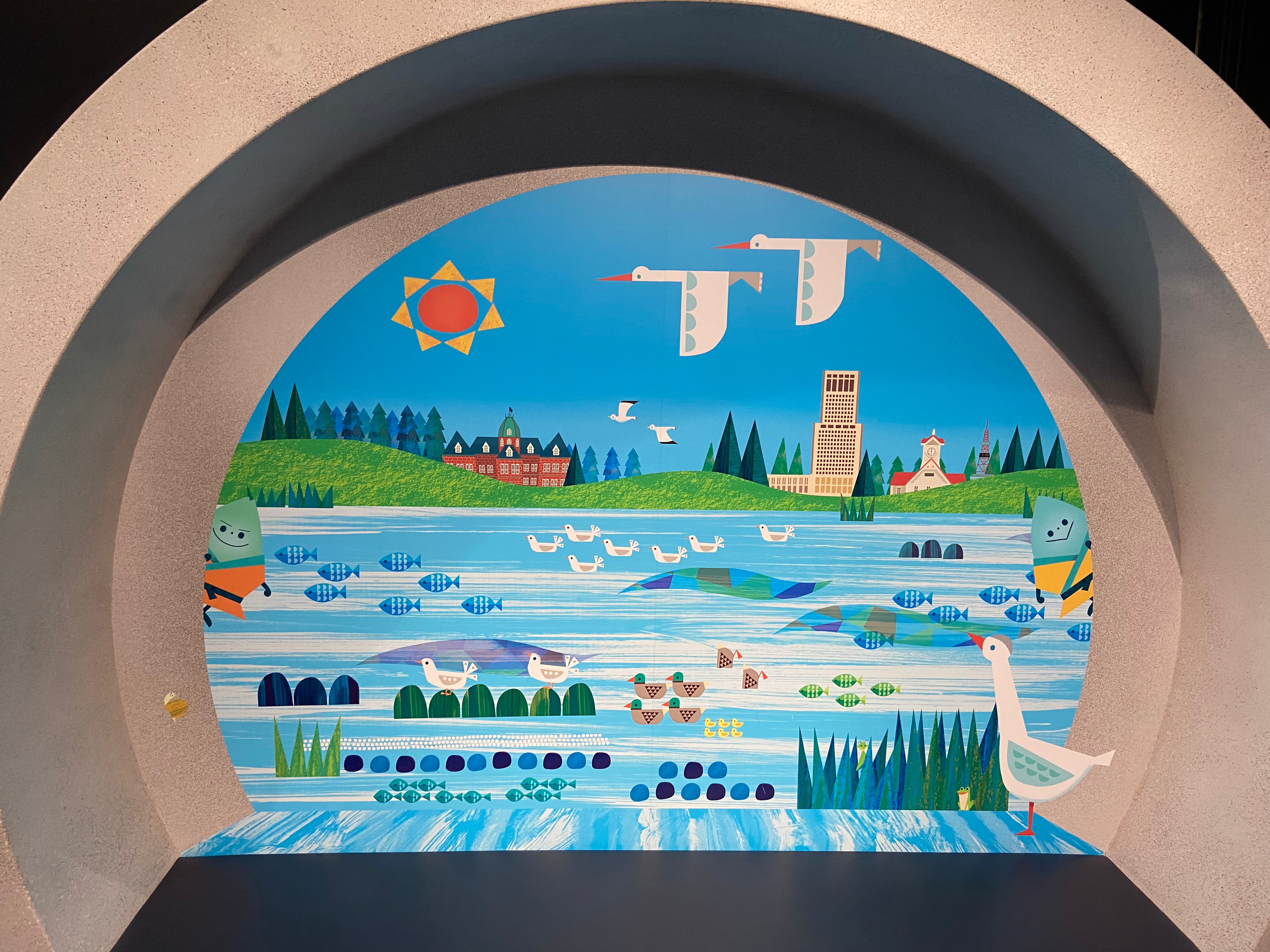
I imagine children would love this place and its various petri dishes of animal fæces and eleven interactive games (some genuinely quite fun) where you can train to be an Operations and Maintenance Master, a Sewage Pipe Cleaning Master, or even a Sludge Treatment Master. There’s also a massive decorated pipe with artwork seemingly unrelated to the other parts of the museum.

Speaking of hands-on activities and pipes, the museum also features an 800-year old decommissioned sewer pipe that you can touch anywhere you like. I decide to only touch the outside of the pipe. I sanitise my hands and wave goodbye to Kurin-chan as I leave for the station.

In a city called Sapporo, it’s almost impossible to avoid seeing signs, sponsorships, and advertisements for a beer company that shares the city’s name: Sapporo. So, moving from one thing that comes out of pipes to another, I just hope this one tastes markedly better.

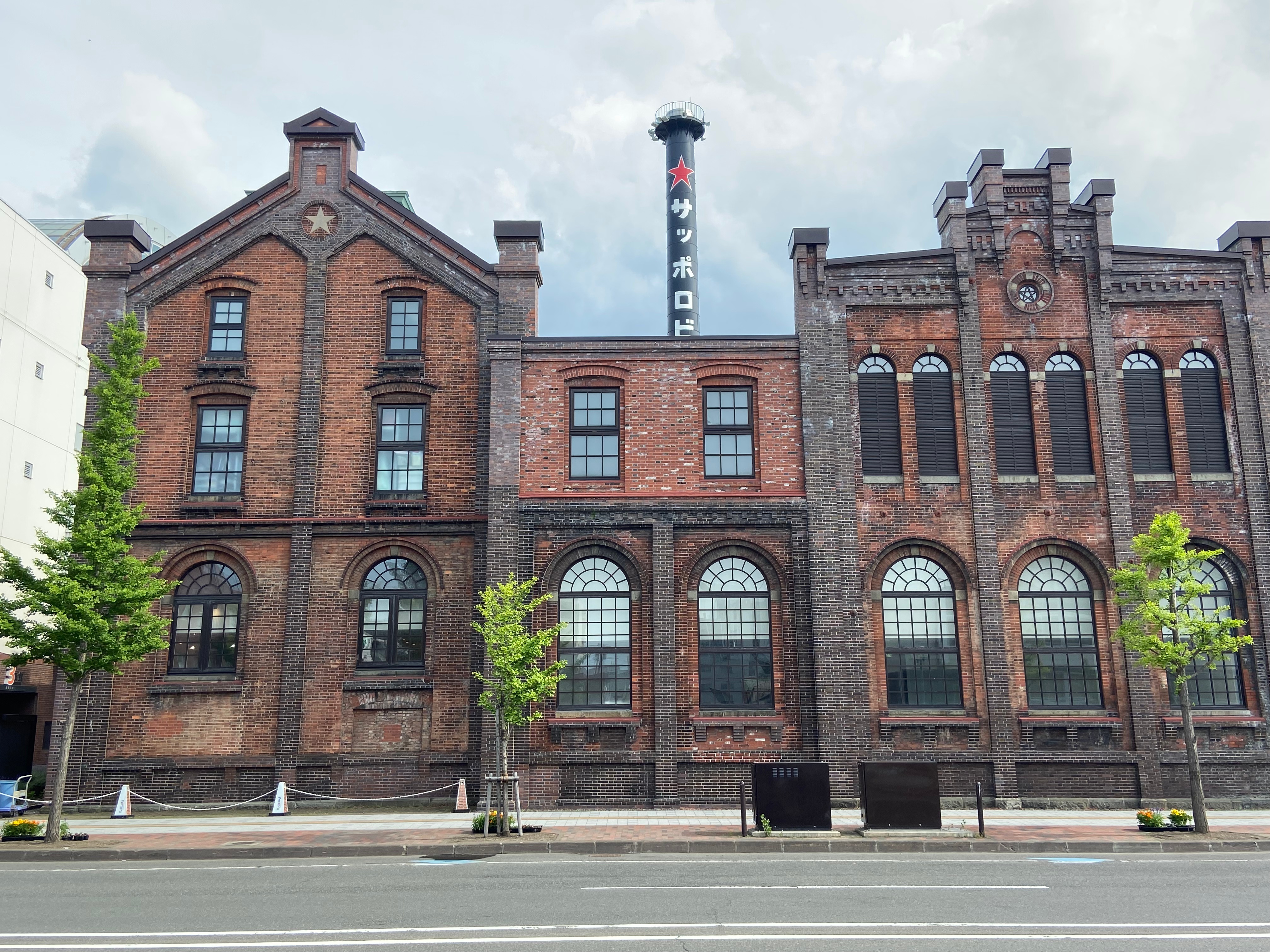
Founded in 1876 by German-trained brewers, Sapporo Beer survived relocation, stereotypes, and wartime censorship. The Tokyo facility was shut down for reasons that may or may not involve pipes. A year later, the first beer was delivered in boxes of ice back to Tokyo, and the years that followed saw Sapporo Beer’s popularity begin to soar across Japan.

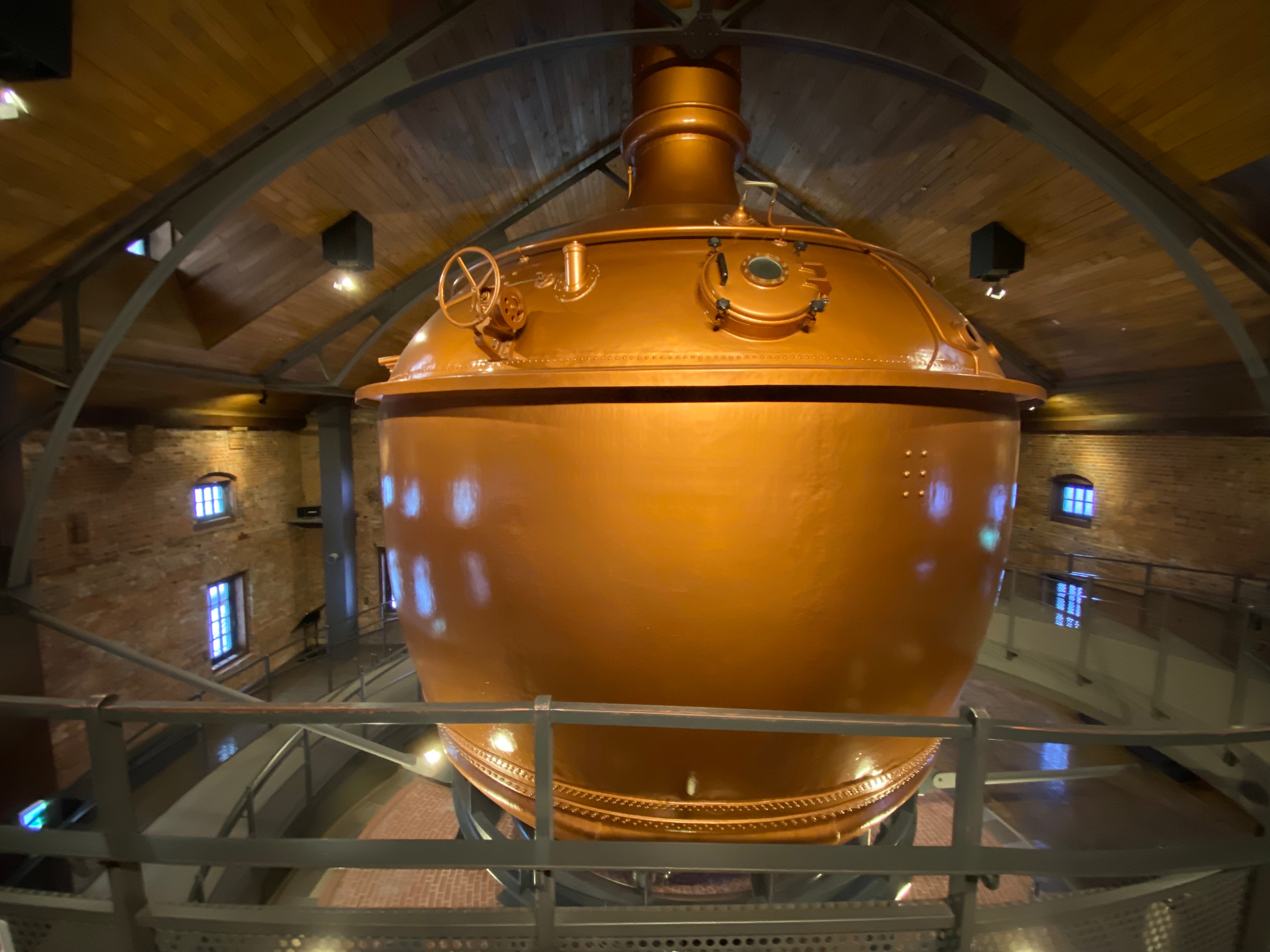
As I enter the Sapporo Beer Museum I am instantly struck by the size of the massive gold Walt Pan. Used from 1965 to 2003, this historic steel sphere is capable of brewing 280,000 cans of beer at once. For context, that’s 280,000 cans of beer. A sign at the bottom of the ramp politely asks: “Please do not climb on the Walt Pan.”

In 1908, Sapporo Beer began using geisha in its advertisements, an image later viewed as stereotypical. All advertising ceased in the late 1930s for unclear reasons. When it resumed in the mid-1940s, the geisha were gone, replaced by more glamorous and recognisable stars.

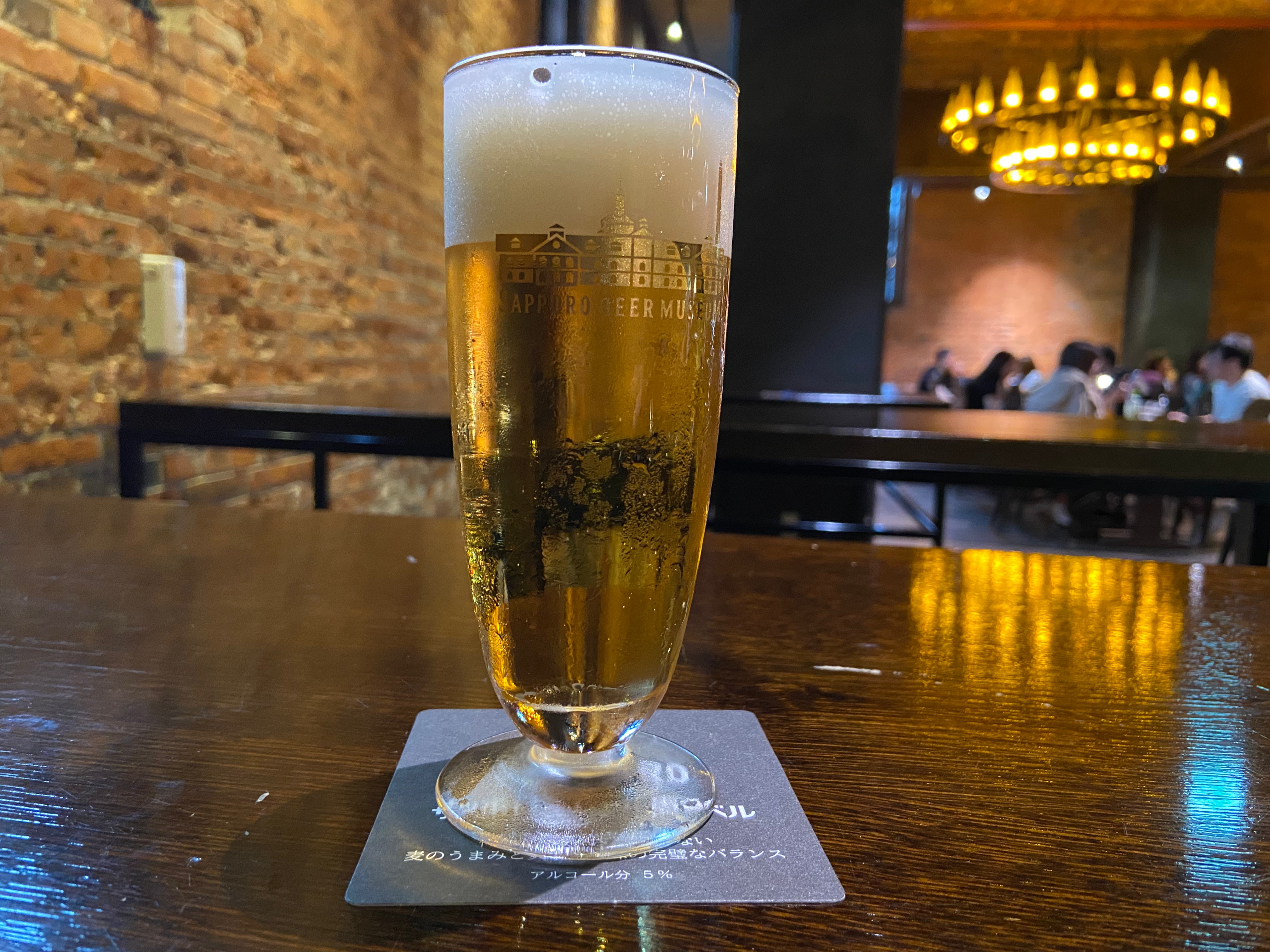
As I leave the museum I exit into a roped-off line of people queueing to buy tickets for beer at a vending machine. I pay ¥450 for a ticket that I then exchange for a small 240ml glass of beer. I don’t mind though, it tastes very good and makes for a great photograph.

In Japan, there’s a concept called wabi-sabi. It’s hard to explain, but that photograph of my small 240ml beer does a decent job. The lighting is perfect, the glass pristine, the faded backdrop of a crowd of people in the beer hall, but something is out of place: a bubble, or the absence of a bubble. One missing pixel at the top of the glass. An imperfection. But for wabi-sabi, that bubble is a missing thing of beauty.

I take two sips of beer and realise my glass is empty, so decide to move on to my final stop of the day: the Mount Moiwa Ropeway. Unironically, right next to the ropeway is the Sapporo Waterworks Memorial Museum (more pipes). Luckily, it’s long closed today, so I admire the exterior and move on.

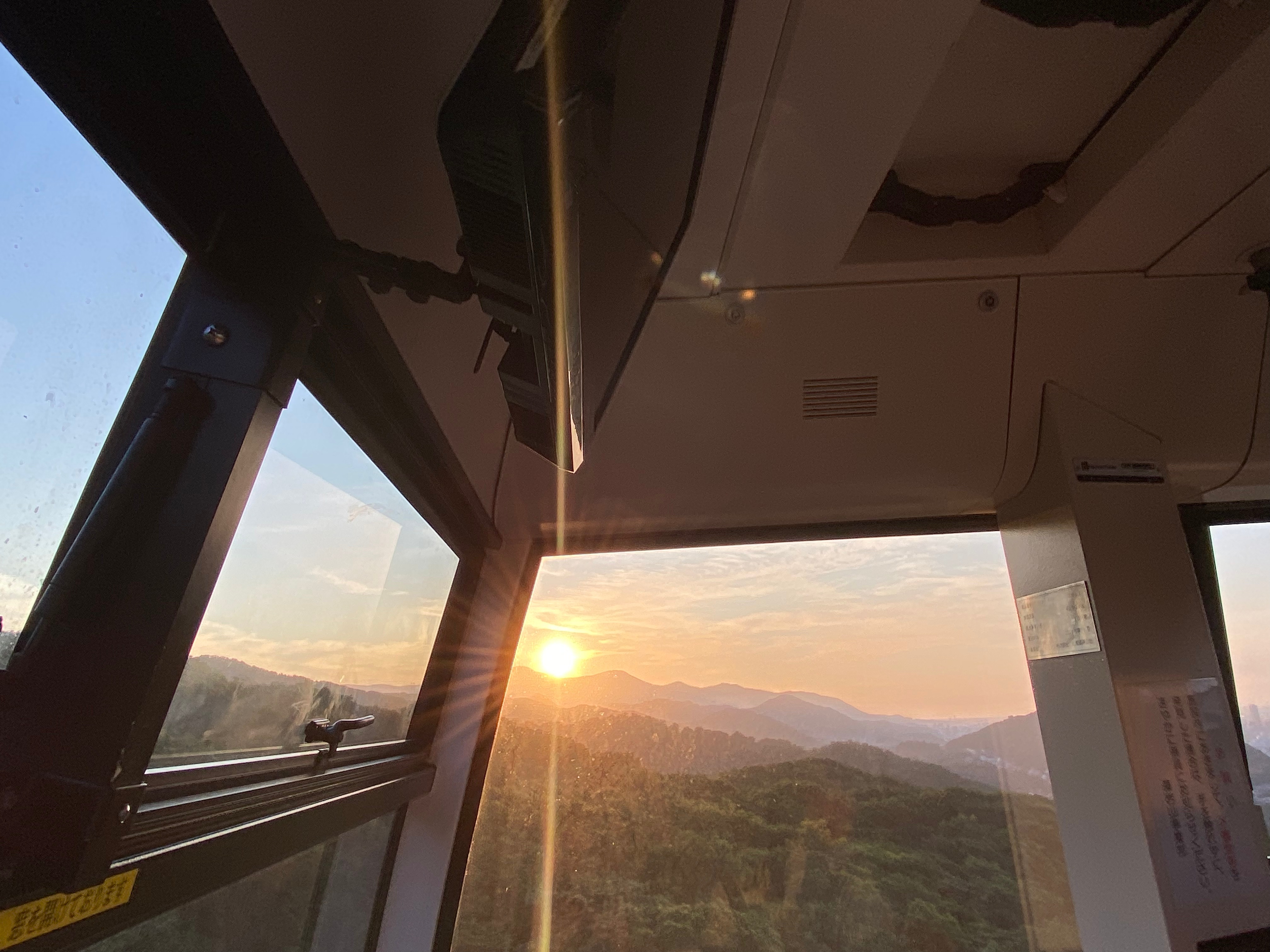
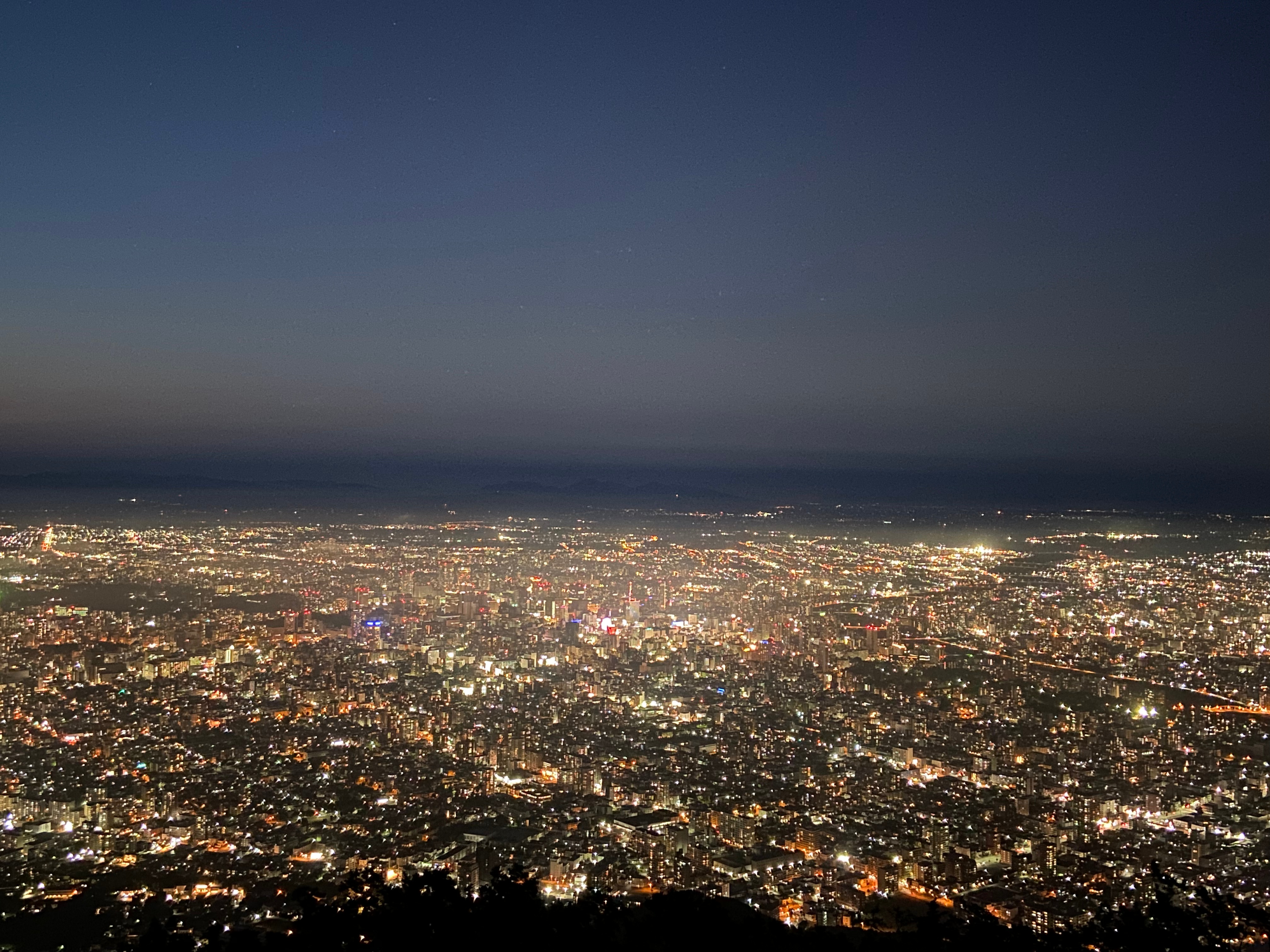
I pay ¥1900 and enter the ropeway. I am carried alone, lifted above the city, above the pipes, and past the skyline’s edges. The sun to the west sets behind the Shokanbetsu mountain range. I read a sign stating that Mount Moiwa has one of the three best night views in all Japan; at sunset, the view from the gondola is already stunning.

At the top, I await the gloaming. As the darkness of night blankets the city below, Sapporo shrinks and becomes less of a grid, and more of a circuit board of blinking lights. What makes the view even more satisfying is drinking my 500ml can of Sapporo Beer, whilst relaxing, staring down at the connected lights of my day below me, as I enjoy the moment.

Earlier today, I touched an 800-year-old sewer pipe that once carried the waste of people who don’t exist. I watched beer pour from a golden pipe into a glass, and now, I’m looking out at a city of interconnected lights.

I take in the view. Breathtaking. Yet all I can think about is that pipe. The one with the sunglasses.

A Bear Called Kumamon

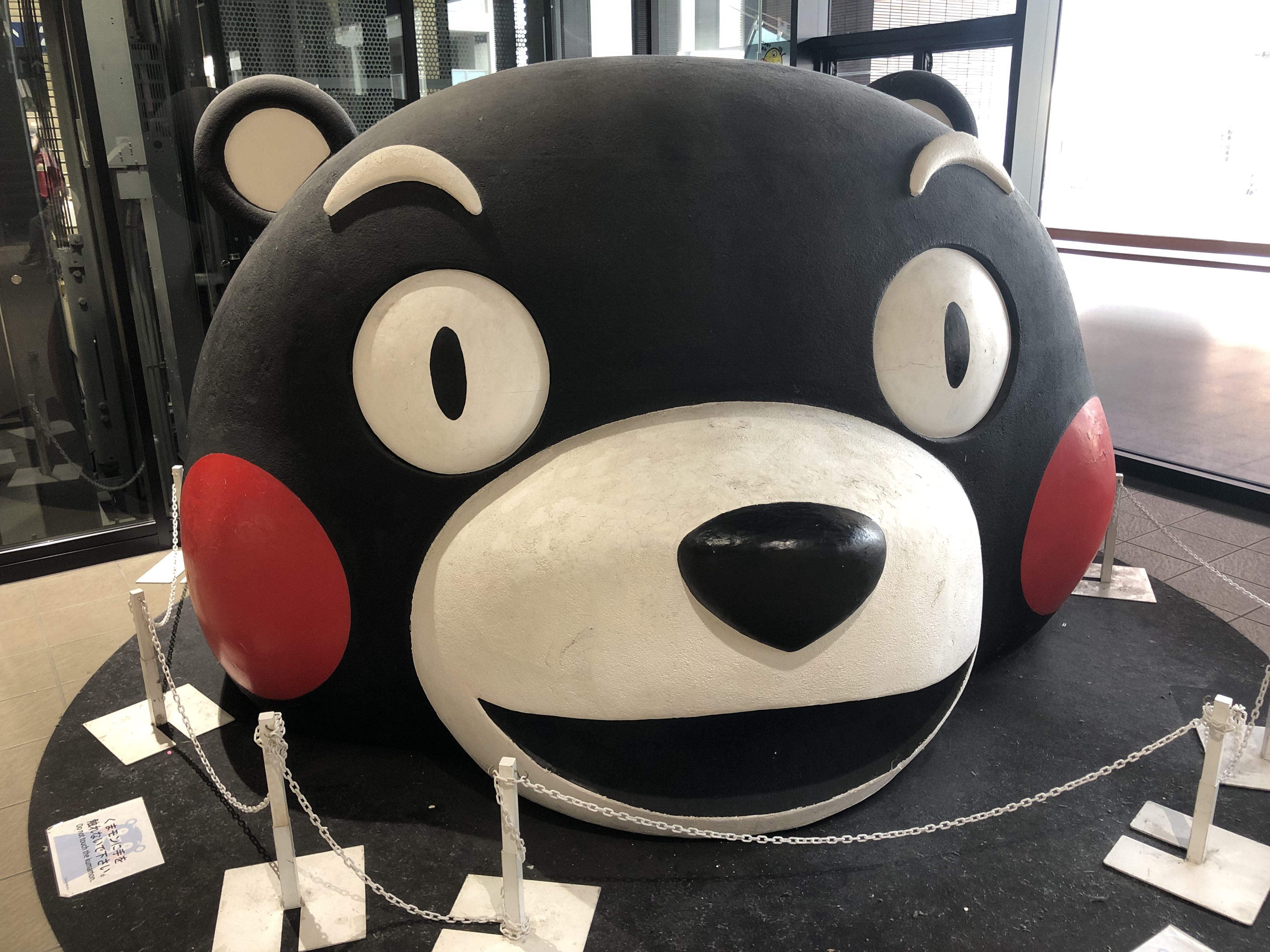
Kumamoto Prefecture is famous for mascots, and not just any mascot, the most famous mascot in all of Japan, Kumamon. In 2010, in a bid to help promote tourism in this region, Kumamon was created. His name literally means ‘Person from Kumamoto’ in the local dialect, and ‘Bear Person’ in Japanese characters. Despite Kumamon being a wide-eyed red-cheeked bear and not a person, the official website states that he is neither, and is in fact just a Kumamon.

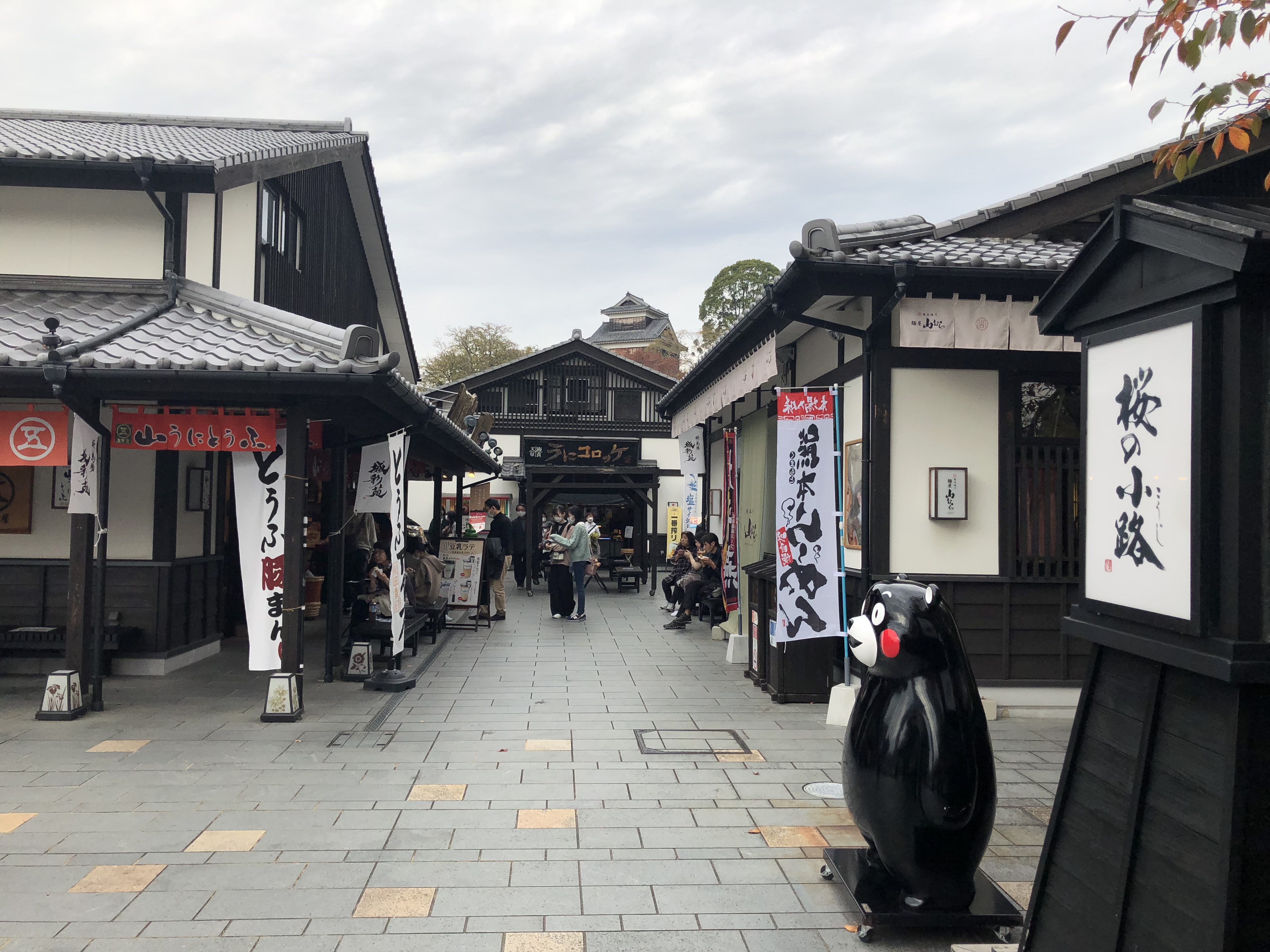
Unsurprisingly, there are countless Kumamon within the train station, even a Family Mart doubles up as a souvenir shop selling official Kumamon goods, it’s a bit much.

Exiting Kumamoto Station, I instantly notice the cold. It feels as though I’ve entered a different climate. I start by taking a walk along the Shirakawa River, before returning to the city streets, heading in the direction of Kumamoto Castle. What strikes me as I wander is the complete lack of convenience stores in this area, I’ve been walking for about thirty minutes and I’m yet to see even one.

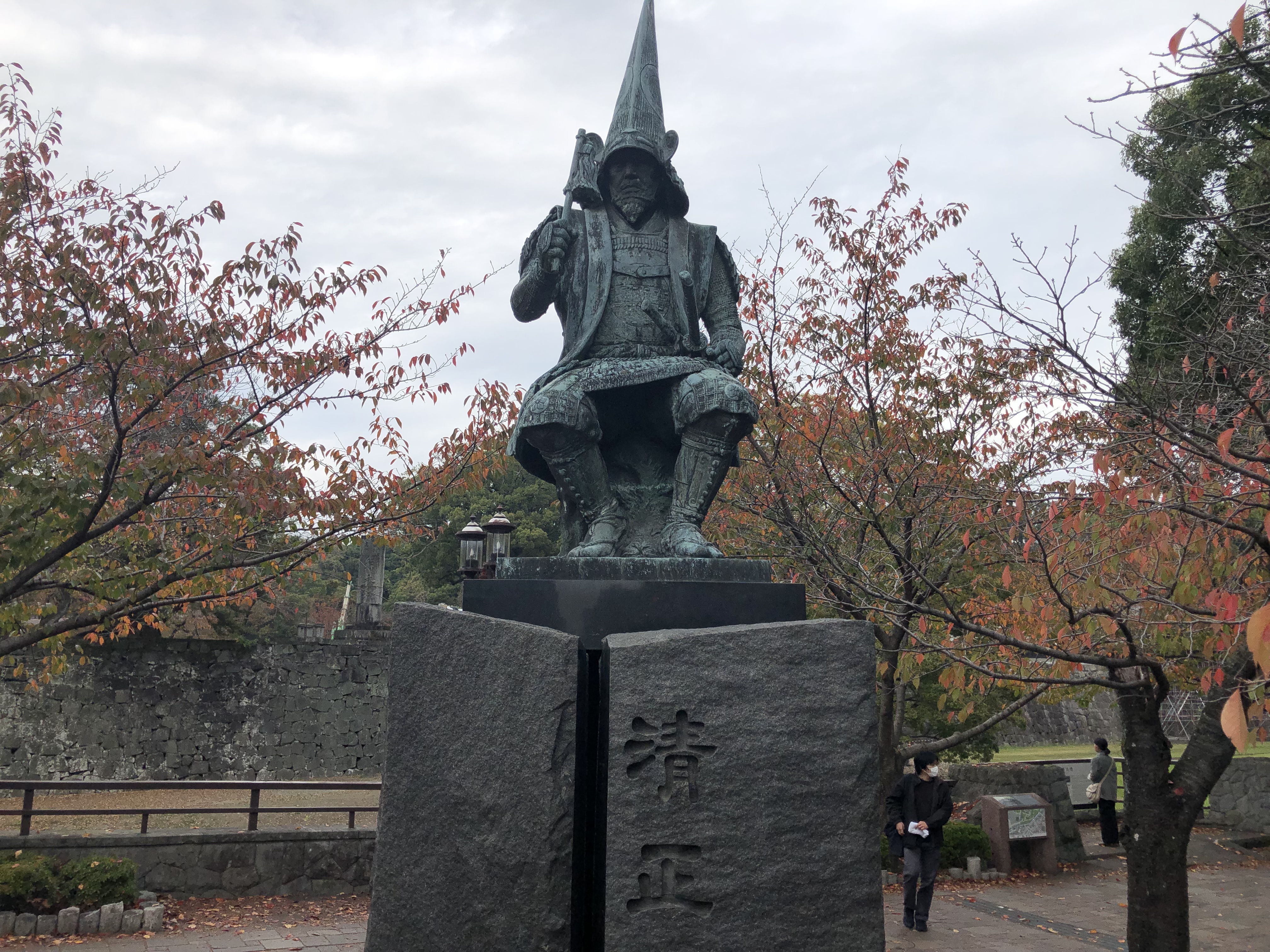
Eventually I do find a Seven Eleven, and as I enter the shop the heat hits me. It is so hot, the cold outside temperature contrasted to extremity. I’ve found this in Japan, in the summer the convivence stores are remarkably cold, with air conditioning turned down to a freezing blast. One cold day and they’ll switch to heating at full blast. Leaving Seven Eleven, I continue my walk, before spotting a giant statue of Kato Kiyomasa.

Kiyomasa was a fierce warrior, designer of castles, and was a general who led an army of 100,000 samurai into Korea. The sign next to the massive statue says, “He is wearing his trademark beard and a kind of tall black hat. The statue is slightly larger than life size.” I look back up at the Herculean statue. I look down at the tiny person next to the statue. I decide slightly larger is a huge understatement.

During the Japanese invasions of Korea (1592-1598) Kato Kiyomasa’s army were ordered to slice off the noses of those they had killed, pickle them in salt, and send them back to Japan. During the Battle of Hondo, Kiyomasa ordered his men to slice open the bellies of every pregnant Christian woman, and then to cut off their infants’ heads. Kiyomasa, it seems, was slightly barbaric. I decide to go and have a look at the castle he designed.

“Above the stone wall of the minor tower, there were iron spikes called shinobi-gaeshi, which were used to help keep out enemies, with various traps laid out in inconspicuous places. Searching for these is one of many ways to enjoy Kumamoto Castle,” states a sign at the entrance.

Kumamoto Castle was completed in 1607 by Kato Kiyamasa, and boasts its very own virtual reality technology. Here you can enjoy discovering Kumamoto Castle and its history through VR. You can even see the castle using virtual reality. I can see the virtual reality booths from the actual castle.

I leave the castle and head to the nearby Suizenji Jojuen Gardens.

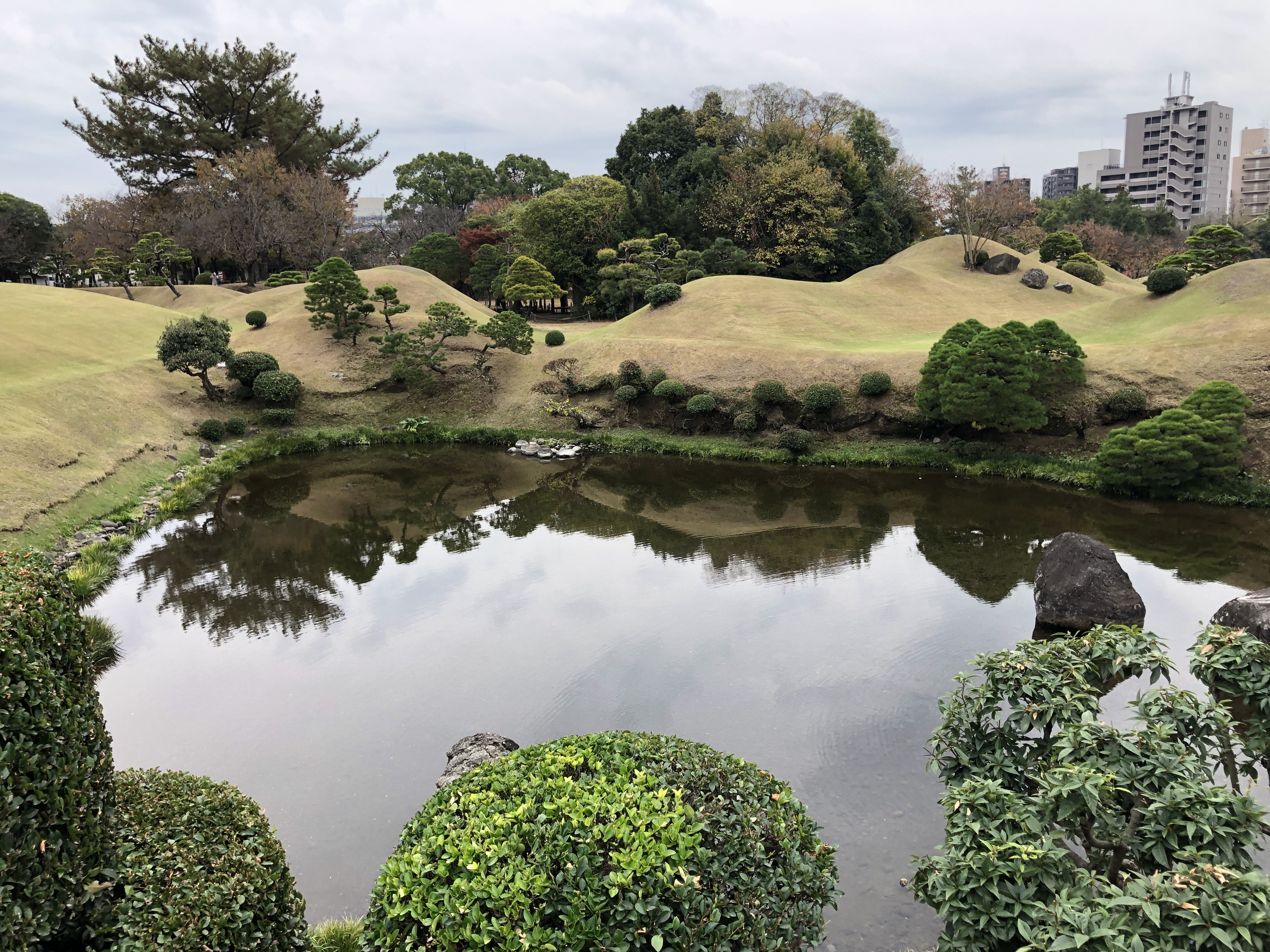
These gardens are on the southeast side of Kumamoto Castle and they are beautiful. There is a large lake in the middle, a small tea house, a Buddhist temple, and even an artificial mountain in the shape of Mount Fuji. I take a time to explore the gardens and their many attractions, lanterns, and monuments. Three old Japanese ladies stop to say hello to me as I stand reading a sign next to a tree.

Nagi, Tree of Matchmaking, regarded as an auspicious plant since ancient times, has two broad leaves that grow symmetrically like a couple at each point of the twig. The custom is for the female to keep the leaf behind her mirror; the strength of the leaf symbolising the strength of the relationship with her partner. The sign says, “A couple keeping a leaf can have a faithful married life without a two-faced relationship.”

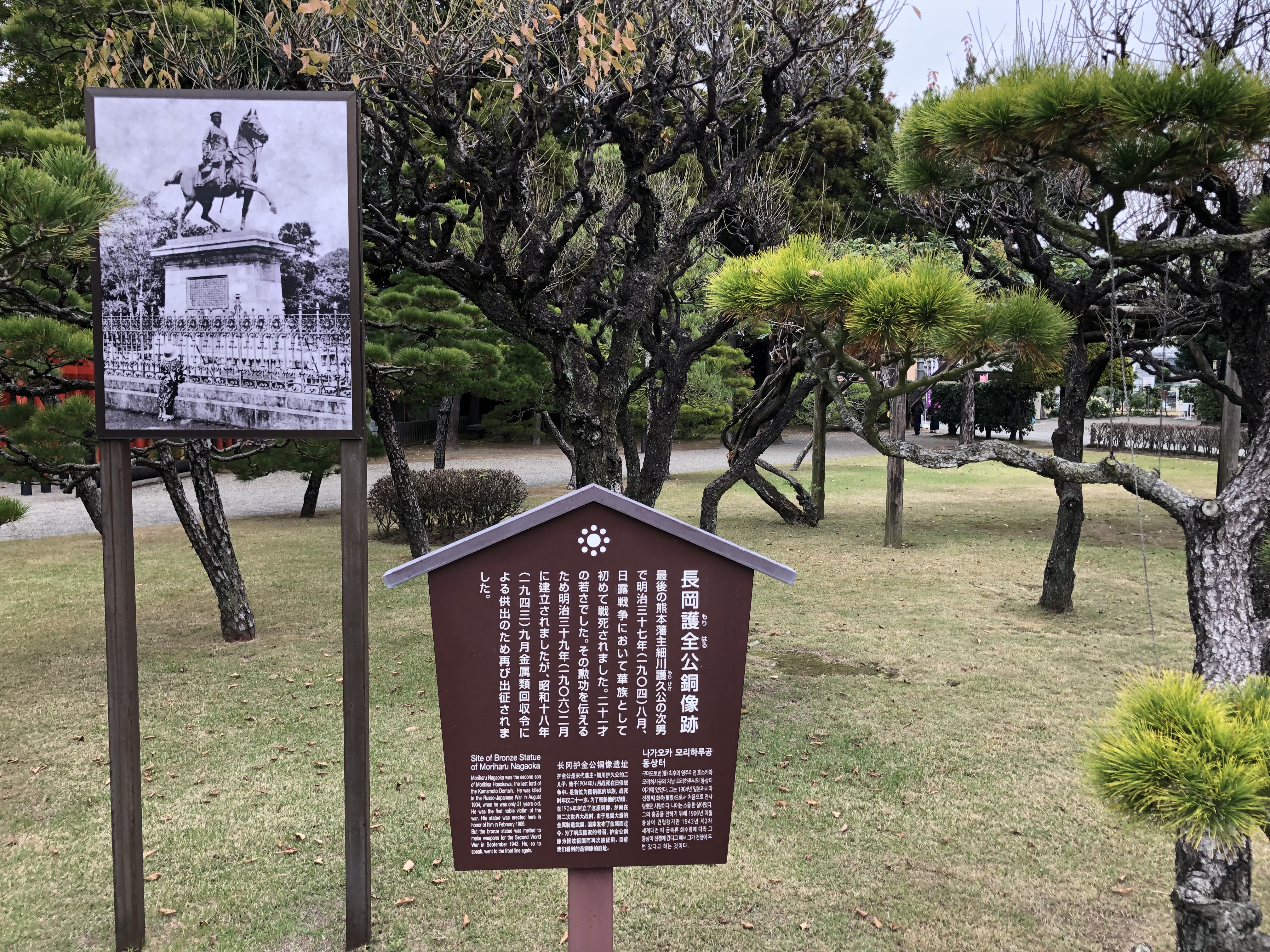
Next to the tree is the bronze statue of Moriharu Nagaoka, or at least that’s what’s supposed to be here. It seems that the enormous bronze statue has been stolen and replaced by an old photograph of the statue.

I leave the gardens and begin to walk in the direction of the Kumamoto Prefectural Government Office. I notice the pavements here are in somewhat disarray, and I keep tripping up on loose bricks. Some teenage Japanese guy approaches me and tells me he’s from Ibaraki Prefecture. He asks to take a photograph of me. I think he thinks I am somebody else.

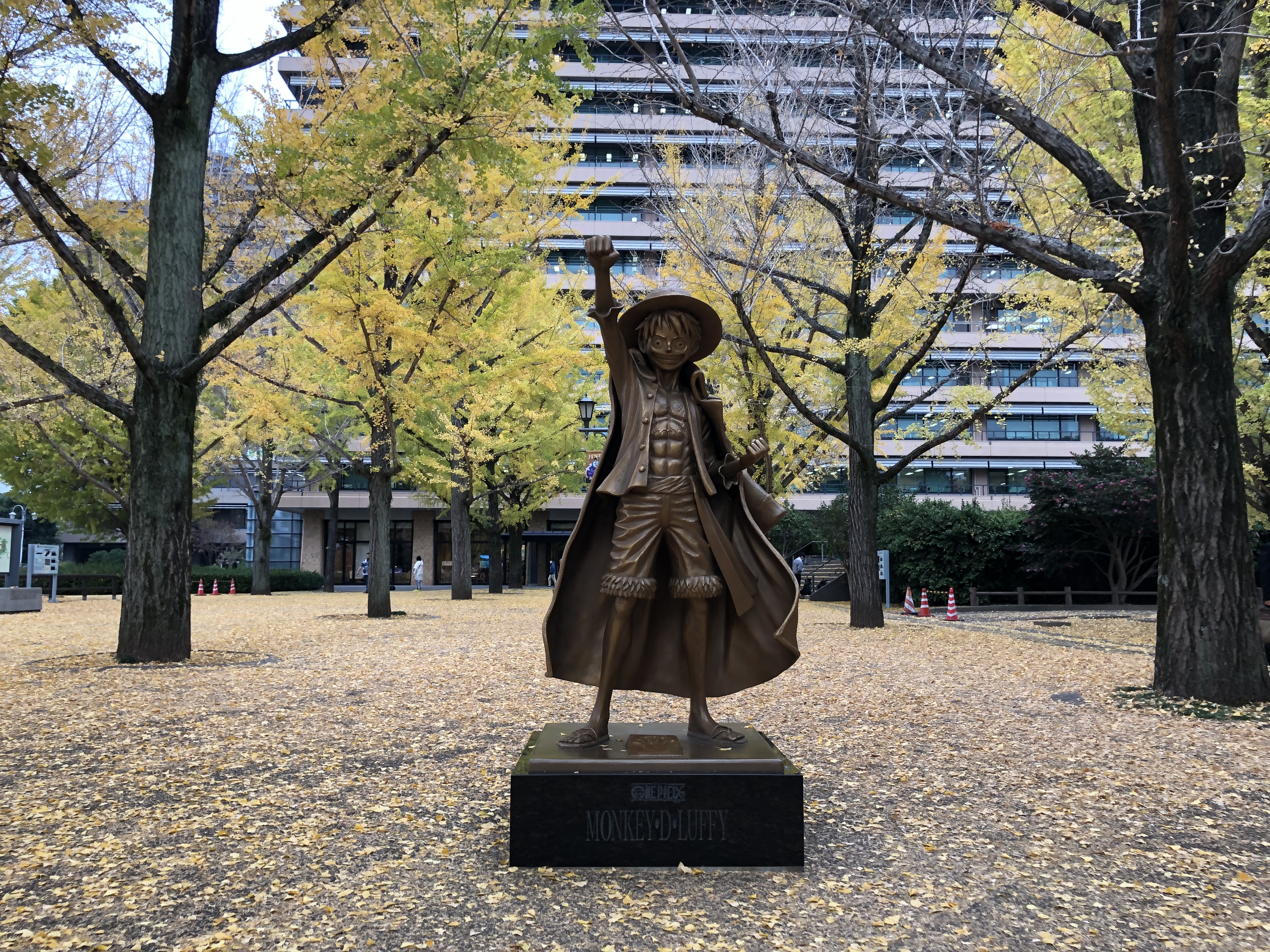
I pass police stations and car parks which are using Kumamon to advertise. I see a woman wearing a shirt that says, “Declare Bouncy Sanction,” whatever that means. I reach the grounds of the government office and wander straight over to where a crowd of people are having their photographs taken next to a statue of Monkey D. Luffy.

Luffy is the main character in One Piece, a pirate anime which first aired in 1999, and at the time of writing, there are 1,043 episodes. The show features Devil Fruits which when eaten give the characters superhuman powers. As I photograph the statue, a child approaches me and asks me how I am, “I’m very well thank you, and you?” is my reply.
“I’m happy good,” says the child.

I leave Luffy and start back in the direction of Kumamoto Station, getting a little lost in the process. My phone tells me that I have walked 40,000 steps today. My phone also tells me that I have just 3% battery remaining. After my phone dies I have no access to any maps, and it does, and I get further lost. Eventually, I do find the train station, and needless to say, I get back home in one piece.

After the Form

Bang, bang-bang. Bang, bang-bang. Bang, bang-bang.

The repetitive yet timely sound of drumsticks hitting against stretched animal hide stirs me from peaceful dreams. Not one to miss out on an opportunity to write about whatever is parading by my house, emitting this loud but perfectly rhythmic noise, I decide that I will follow the source of the sound right after I wake up with a coffee.

I haven’t written for a while as I’ve been extremely busy researching and organising paperwork, the details of which will become apparent later in this post. But for now, drums. I head outside to find that whatever was causing the loud banging appears to move at astonishing speeds; either that, or I drink coffee a little too slowly. I jump on my bicycle and follow the distant echo of drums before eventually locating the source to a small shrine in Imado.

monksfuneral[1]

It seems that I have inadvertently started my day with a funeral. The five monks stand within the shrine grounds, chanting and maintaining a steady balance of drums. I head back home to pick up some paperwork before cycling over to Asakusa. Outside the train station, the same five monks pass me again. This is quite a walk from Imado, which adds confirmation to the pace of these speeding monks. I take a train over to Ueno Station. The usual random mascots are here, serving no clear purpose but to frighten me.

statuenomasc[1]

I change to the Yamanote Line and head to Shinagawa, a place I have only visited once before when I felt the need to stand inside the belly of a whale. This time, I am here to visit the Tokyo Immigration Information Centre. A note on their website claims that, ‘This is where all inquiries should first be made concerning immigration issues, wherever you are in Japan.’ Luckily for me, I am already in Tokyo; otherwise, this would have been quite the journey. Also, seeing as I am in need of information pertaining to immigration issues, it looks like I am heading to the right place; the so-called ‘centre of information.’

Much to my delight, as I leave the train, I find that a bus service regularly runs to the offices I am here to visit. Everything is running a little too smoothly.

busstopaliens[1]

I am greeted outside of the immigration office by hordes of people giving out paraphernalia advertising their respective companies or cults. A woman is spreading the joy of Christianity, a man hands me a document offering ‘Legal Support for Aliens,’ and another man is holding a sign demanding China stop the act of organ harvesting.

Inside the Immigration Centre, I head over to the Advice and Information Counter, take a ticket (147), and then find a seat. The woman at the counter is talking to a young French couple in broken English. Every few seconds, she lets out a yawn or scratches her head, illustrating her apparent boredom.

Eventually, the French couple leave. The woman at the counter presses a button, and the bright red display shows the number 145. She waits less than three seconds before pressing the button again, displaying 146. Without much delay, she presses it again, showing 147—my number. As I approach the counter, her finger hovers over the button to call the next number, her eyes filled with resentment that I might sit down before her within my three-second window. I take a seat just as she sighs. I understand that maybe I am the one hundred and forty-seventh person she has seen today, not counting the people she frantically skipped, but this is her job. To counter her obvious state of disregard, I greet her in an overly cheerful manner, smiling as I sit.

The woman I talk to speaks limited English, looks bored, and probably hates her job. I inquire about the application form that I should take in reference to the activities I want to pursue in Japan. My questions are generally ignored, and at one point, the woman randomly asks, “So you want to stay in Japan to study Judo?”
“No, I didn’t say anything about Judo.”
“Okay, but if you are studying Judo, you need to go to End Counter B, second floor.”
“Okay, I actually …” She cuts away my words with metaphorical scissors of despair.
“End Counter B,” she reiterates, “second floor.”

So much for the best place to visit for information and advice.

I head to the second floor, to End Counter B. As I approach, the woman, slightly more miserable than the last, looks me up and down and says, without any hint of emotion or benevolence, “Passport.” Just one word is all she spares me. I hand her my passport. She adds rather sternly, “What do you want?” I explain that I want to collect an application form for … Before I have a chance to finish my sentence, she says, “Application, go queue over there,” pointing to a line of about thirty people.

aliens[1]

I join the queue, wait thirty minutes, and then find out that I am in the queue for application checking. I am not here to have applications checked; I am here to collect application forms and ask for advice. So far, neither of these two things has transpired.

My third and final stop is back on the first floor. I wander over to the desk marked simply as ‘Information.’
“What?” asks the woman behind the counter.
“Excuse me, where can I collect an application form?”
“Here,” she says, as if wanting to add the word ‘obviously,’ but she conveys it only with her tone of voice. Eventually, she begrudgingly hands me an application form.
“Thank you,” I say. No response. My politeness falls on deaf ears. The woman just flashes me a frown that contains the absence of all the hope in the universe before trudging off into a sea of misery.

Three counts of rudeness in one hour. It is no surprise that the hundreds of people here, waiting with folders or loose paperwork, look so dejected. Of all my time in Japan, a country that prides itself on politeness and good customer service, this is the rudest I have been treated and the smallest I have felt. The service here is disgraceful, not helpful, and has filled me with no confidence at all going forward. Perhaps this is the hidden agenda: make everyone feel unwelcome so they never come back to complete their applications. Regardless, I have to come back, most likely next week.

Outside, I am handed more leaflets for various different things. A woman tries to give me a newspaper. I say I am fine. She asks me where in Canada I am from. I say I am not from Canada but England. She mutters something about Elton John and then walks off. After wasting what was effectively a whole day, I leave with none of the much sought-after advice I had taken the trip here to receive. Instead, just an application form that I could have quite easily downloaded online and printed out myself.

I head over to Asakusa in need of a drink. On the main road, a protest is taking place about atrocities caused by North Korea. The people here have megaphones and sound extremely angry as they shout in Japanese.

protesting[1]

Trying to take in their words, I can’t help but be distracted by the late January Christmas decorations that loom over the protest.

As I walk toward one of my favourite bars, an elderly woman on a bicycle drops her handbag but doesn’t realise it. “Excuse me!” I shout in Japanese before she has the chance to ride away. She stops her bicycle and looks back. I scoop up her bag and walk over to her, promptly passing her the handbag. She apologises and thanks me, nodding her head more times than I can actually count in Japanese. She is so thankful, so happy that I helped her, and at this moment, just a slight bit of the decency and politeness of this culture finally returns—the kind of decency that has made me love Japan but has almost been entirely washed away by the events and abhorrent treatment I had experienced this afternoon.