One Fine Day in Spring

I’ve taken a train to Fukui Prefecture, to the city of Katsuyama. Just as my train arrives at the station, the hourly bus pulls away. Outside, the weather is clement, the mountains lurk in the distance, so I decide to go for a peaceful stroll with no real direction in mind.
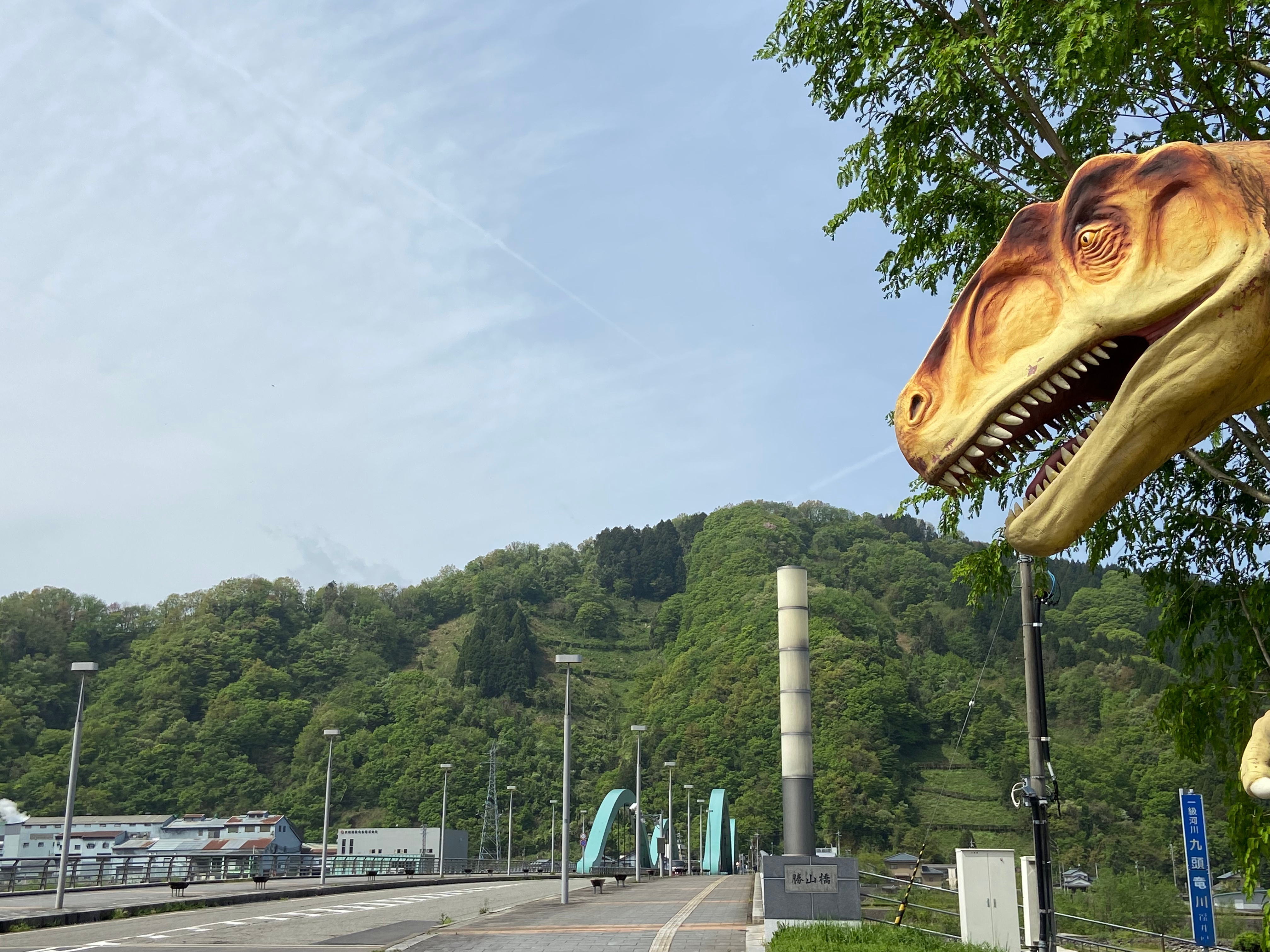
I have to cross the Kuzuryu River. The scenic gorge is stunning, the attractive spring foliage worth the train fare alone. It’s cooler up here too. I look around. The hills line up like vertebrae along the horizon. It feels like a soft world, padded by mountains. The cliff face is folded like a paused wave. Bands of green and grey stack into centuries you can touch. Whatever once passed through here is gone now.

Katsuyama is very much made of layers. Pavement over river. River over time. The shops sit obediently between eras. The remains of it once being a castle town shine through, with old houses with deep eaves and complex, steeply sloped roofs, former samurai residences, and the best part, there’s no people around.
The thing I don’t like about being here is the time it takes for the green man to appear when crossing a road. There’s no traffic or urgency, but I still have to wait. I don’t want to be a person who ignores instructions. Out here, it would feel like a faux pas. So I stand there, alone at empty crossings, waiting. My walk becomes stop-and-start, dictated by signals that don’t really need to exist.

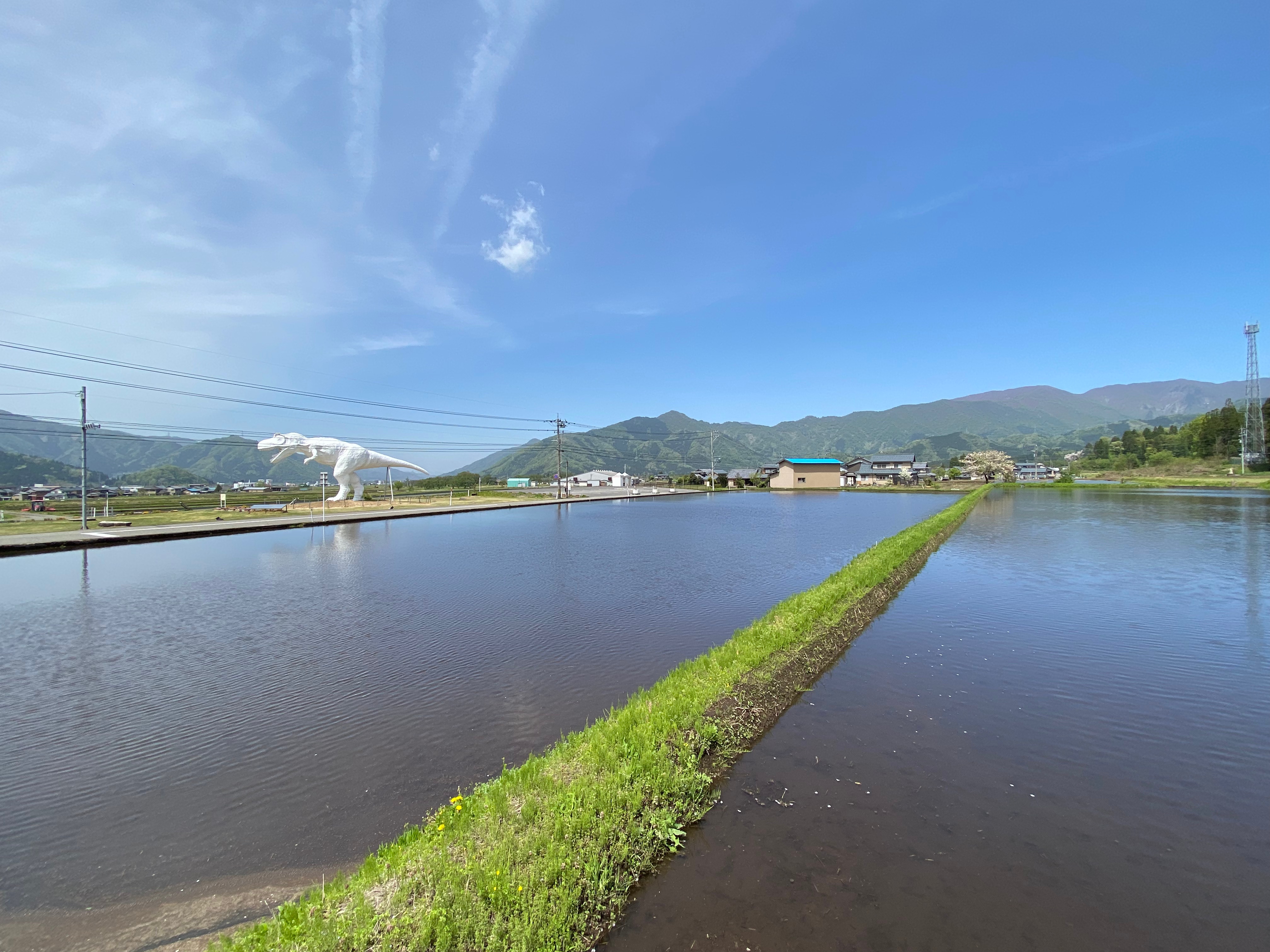
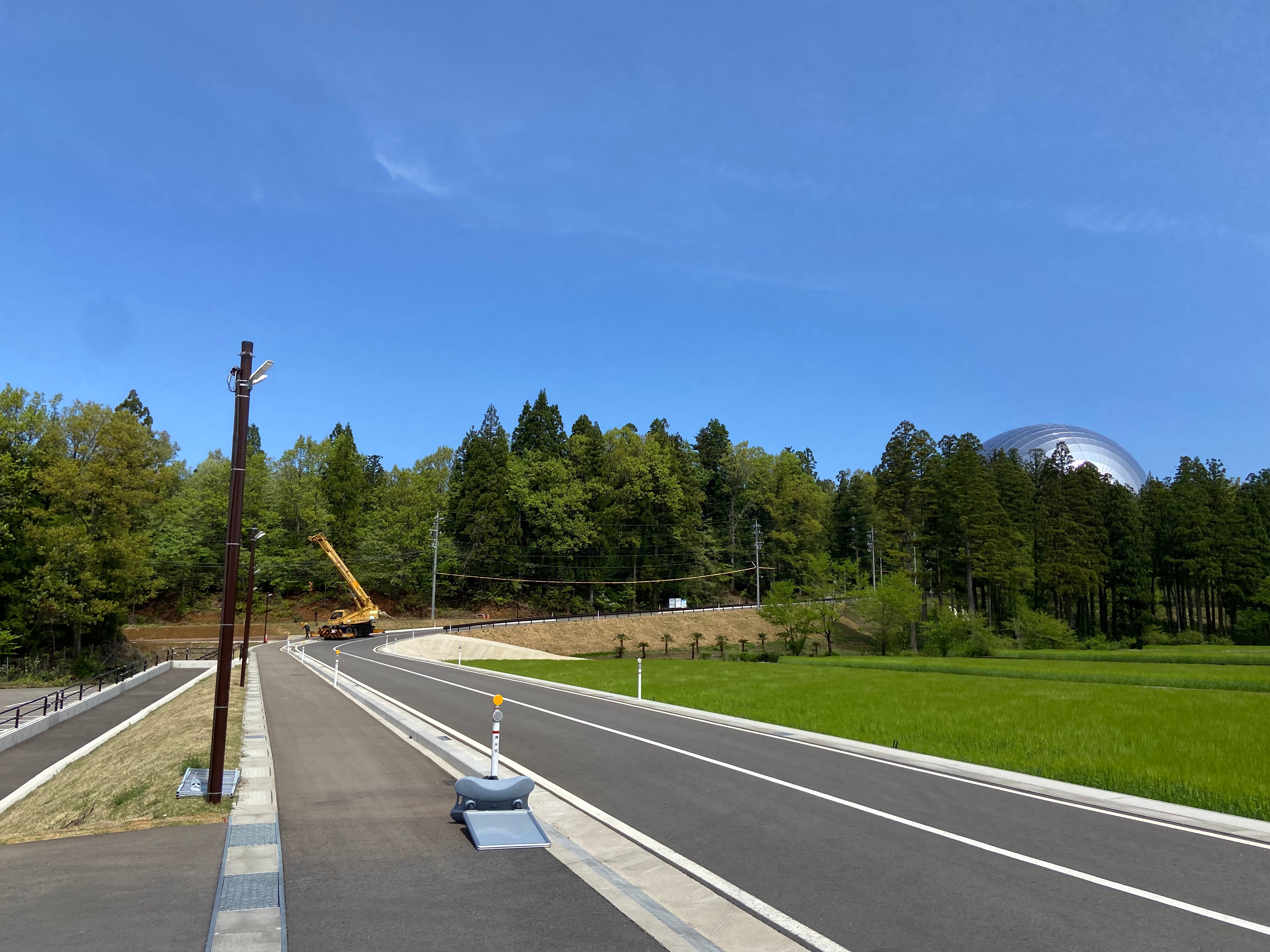
The further out of Katsuyama I get, the flatter everything becomes. I pass rows and rows of rice fields. The flooded type. I’ve always enjoyed the calmness evoked by such a simple sight. Beyond the fields across the horizon, a large silver building sits in the shape of a massive ball. So I head that way. It seems like it might house something historic. About 600 metres out, I can hear something, a thunderous roar. It sounds mechanical, though not entirely.
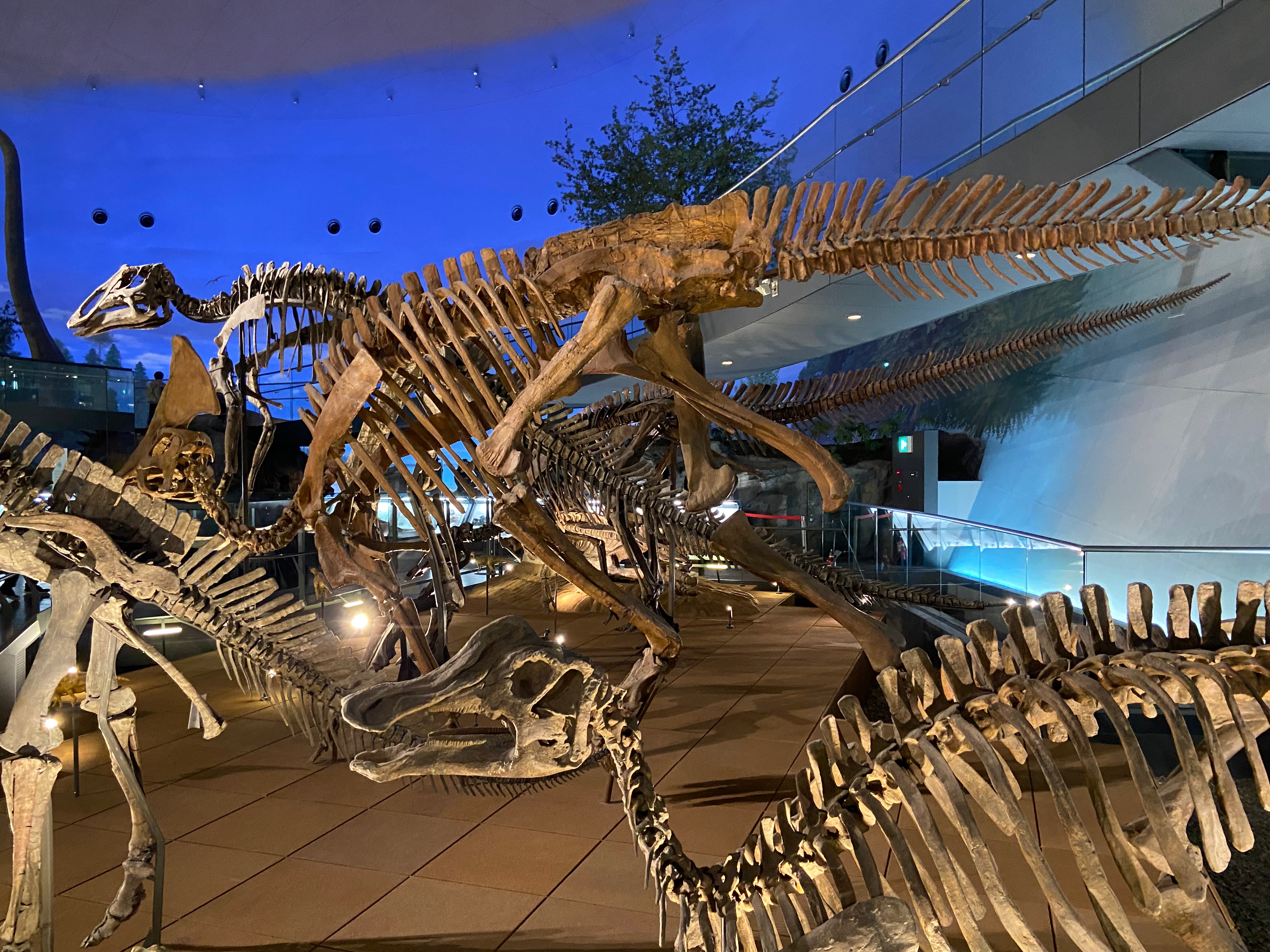
The car park is busy. Painted lines fade in and out beneath the tyres. A few large structures stand at the edges, sun-bleached and unmoving. Inside, I have to head underground, down a massive escalator, before the space opens up into something cavernous. Displays line the walls, fragments, impressions, reconstructed forms. Some are incomplete. Others feel too complete. An animatronic figure pivots, pneumatics sighing like a dying star. As if rehearsing extinction again.

Fukui is famous for fossils. They’ve been discovering them here since 1989, and this museum is a collection of what they’ve found. There are four floors housing exhibition halls, laboratories, seminar rooms, a lecture hall, a children’s area, a video library, and sections on earth sciences and the history of life. It’s all very interesting.
I head back to the station. Here, a single timetable flaps gently in the breeze, listing hourly destinations. Inside, a dragonfly mocks flies fluttering in the artificial air. I have time to kill before my train, so I go and sit in the park, on the swings. I wander just this park before eventually leaving on the train, to Fukui Station. The attendant walks down the train after every stop, before she bows at each person individually; there are twenty-two stops.

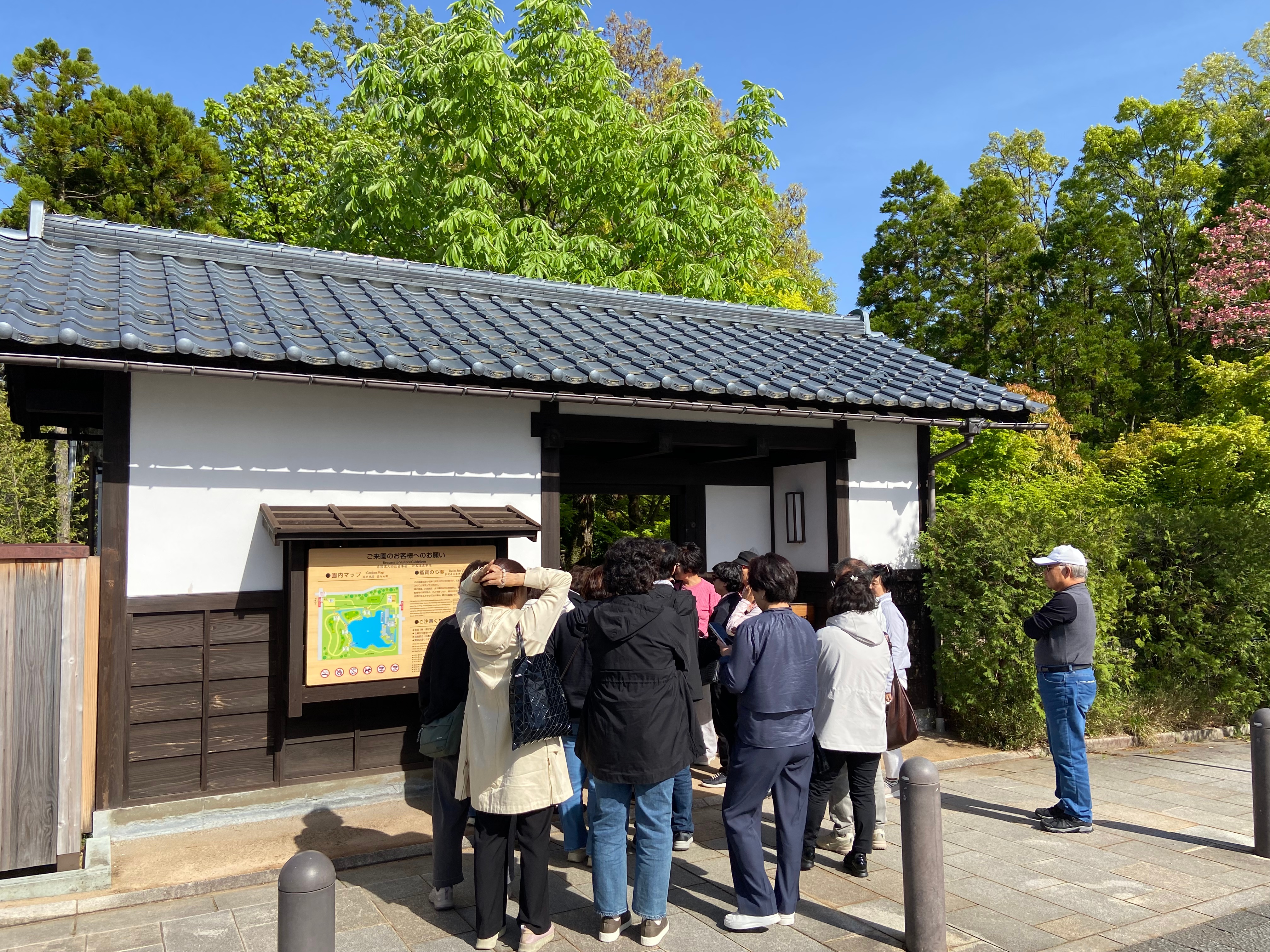
At Fukui Station I’m at a loss for things to do. I check out the Fukui Castle ruins, but these now house government buildings. I see a sign for a zen garden, but doubt I can get any peace from there as there is construction right beside it. Also, when I do arrive, there’s actually a queue of people waiting to enter, all talking loudly.
There’s a large shopping mall, but everything seems closed. A sign next to a man drilling in the road asks people to keep the noise down. In fact, the noise is really starting to annoy me. Since Fukui started finding fossils, there’s been a small boost in tourism. A Shinkansen station was added a couple of years ago, and now the area is in a constant state of development.

I wander through random side streets, passing bespoke shops that are also closed. In the end, I feel Fukui has defeated me; there isn’t much here for me, and the only place I do find with some semblance of peace is a little park out of the way of everything.
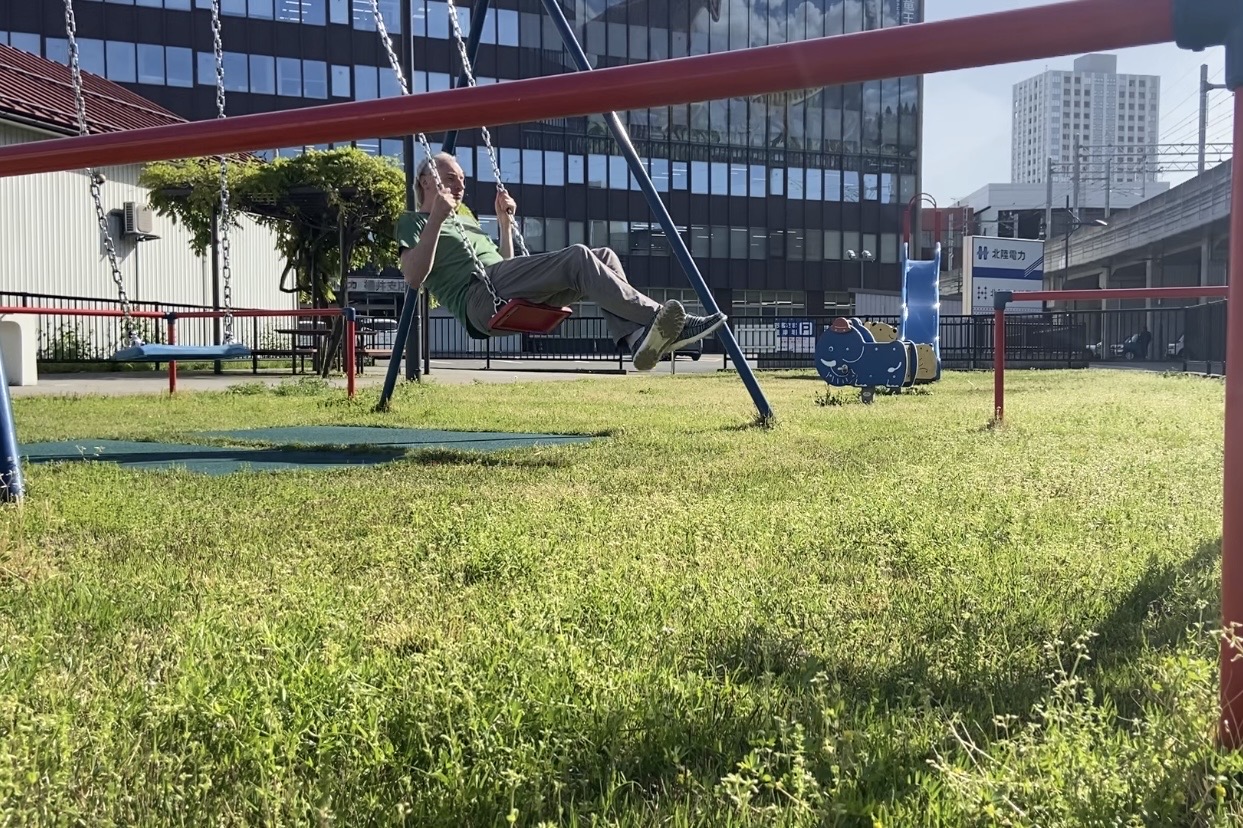
And for the second time today, I find myself sitting on a swing.
The Unbearable Lightness of Being in Orbit

An announcement tells me that my train is significantly delayed by one minute as I wait patiently at Kanazawa Station. Today I’m travelling to a place in the remote countryside of Ishikawa; a seaside town said to have had the most UFO sightings in Japan.

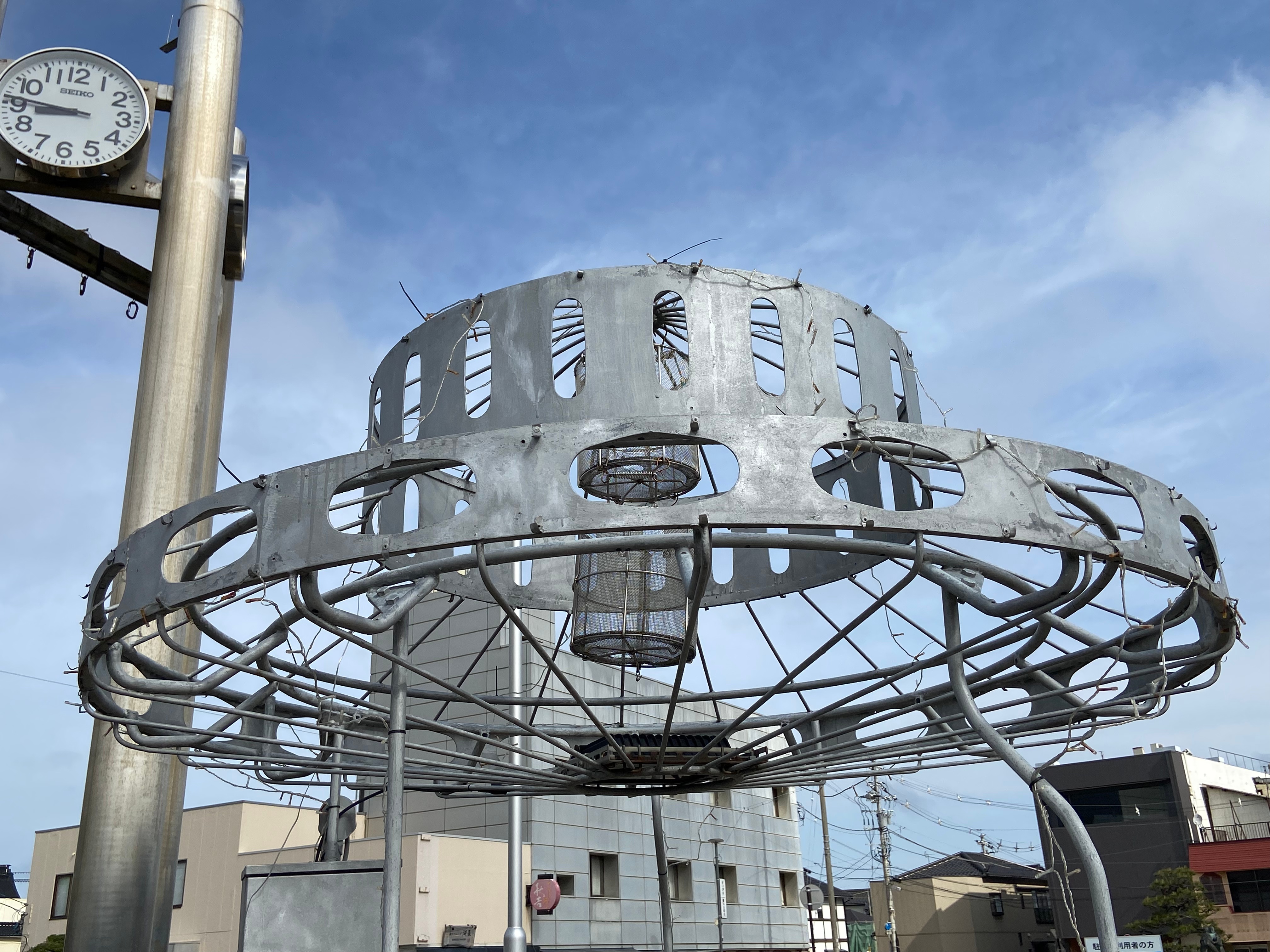
Outside Hakui Station, the morning sun is blazing. I immediately notice UFO-themed public artwork, spaceship sculptures, and a sign for the oddly named UFO Museum. Since the sightings, Hakui has fully embraced this alien identity, becoming a UFO hotspot, and now hosts the largest space collection in Japan.

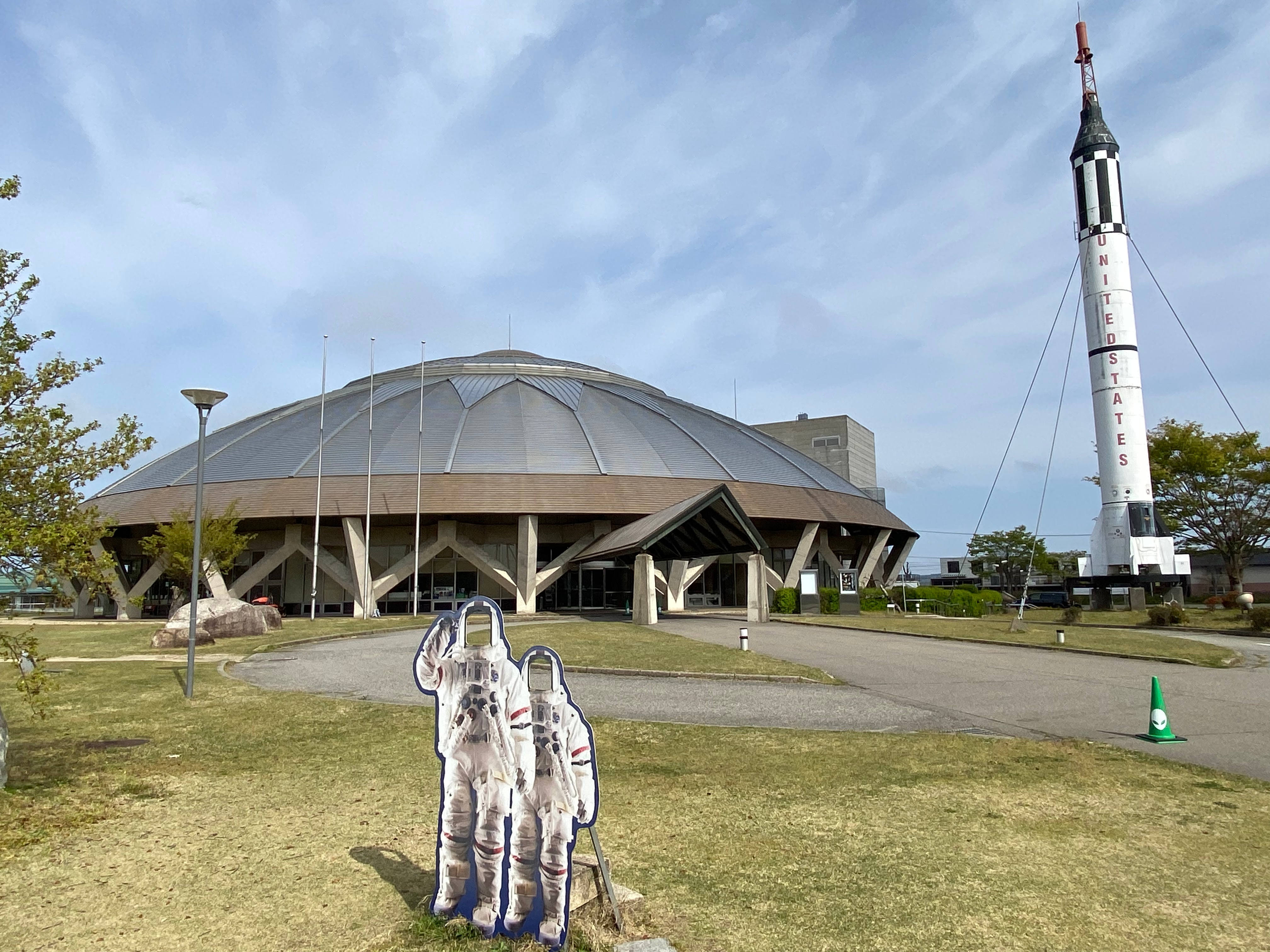
As I wander in the vague direction of the museum, I see a massive flying saucer-shaped building with a large American rocket beside it, and two Carnival Cutouts in spacesuits. I’m not entirely sure this is the museum, as there isn’t a single car in the car park; I do worry, briefly, that if it is, it might be closed today. Much like our deeper understanding of space, there are no signs of life anywhere.

My instinct was partially correct; it is the museum, but it isn’t closed, confirmed when I’m greeted by a woman in an alien mask. I purchase a ticket and hover past a replica Lunar Rover, which looks like it was assembled from spare shopping trolleys, then over to the lift and up to the exhibition floor. The lift features an illuminated planetarium and some faintly sepulchral music, which is nice.

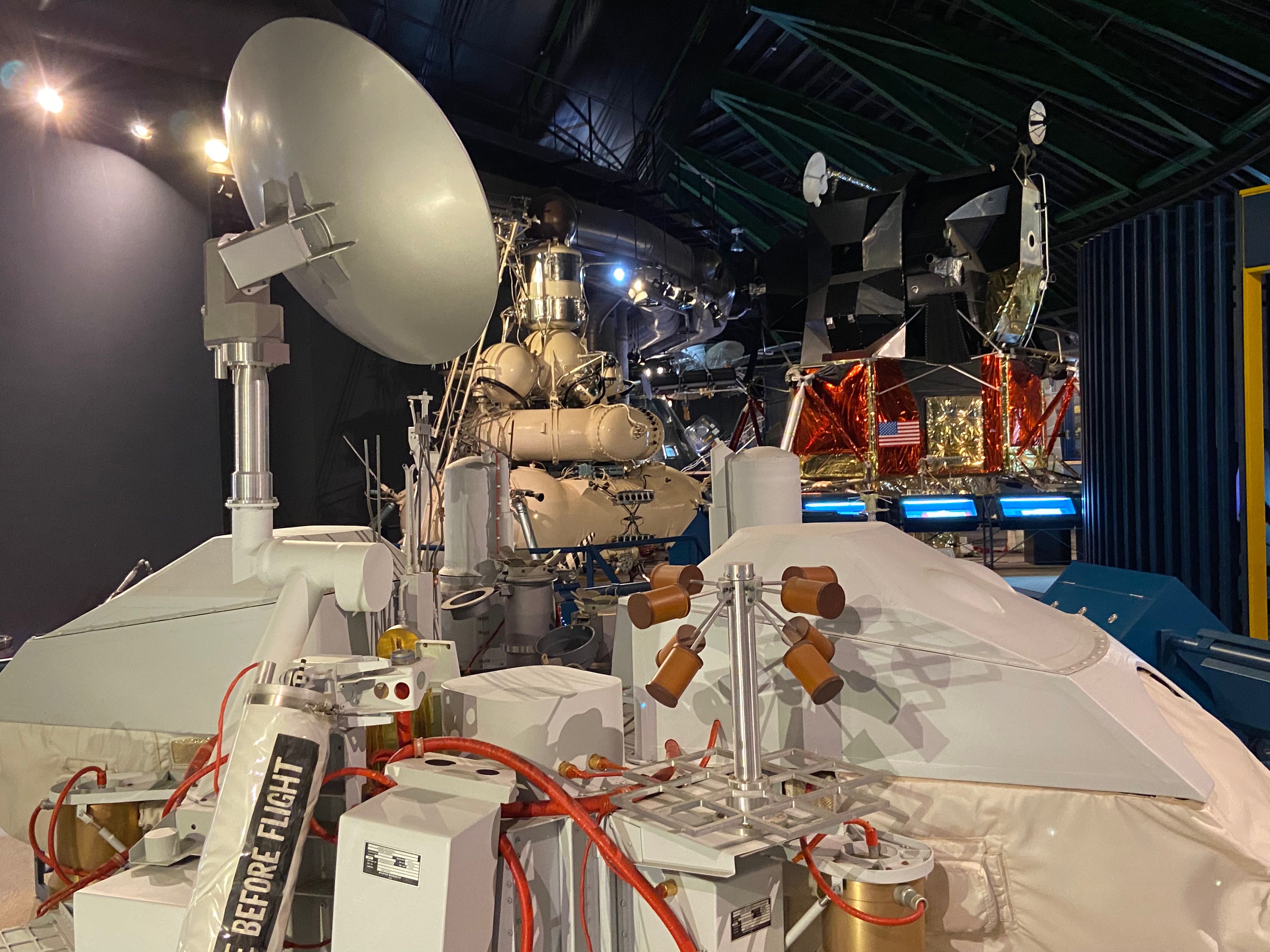
I’m giddy as I enter the exhibition, but somehow, as I see all these space relics, I wonder how most of these things even made it up there. The Vostok capsule, a scorched metal sphere, looks less like something that carried a human and more like something that returned one. I can amazingly take a single photograph capturing the Apollo Lunar Module, the Viking lander, and Luna 24; it makes me wonder how we actually did any of this.

I explore. There are Moon rocks that I can touch. Ripped clothing and Snoopy caps. There’s space food; macadamia, cauliflower cheese, smoked turkey, and tea with sugar, all purchasable at the end from the museum’s impressive gift shop.

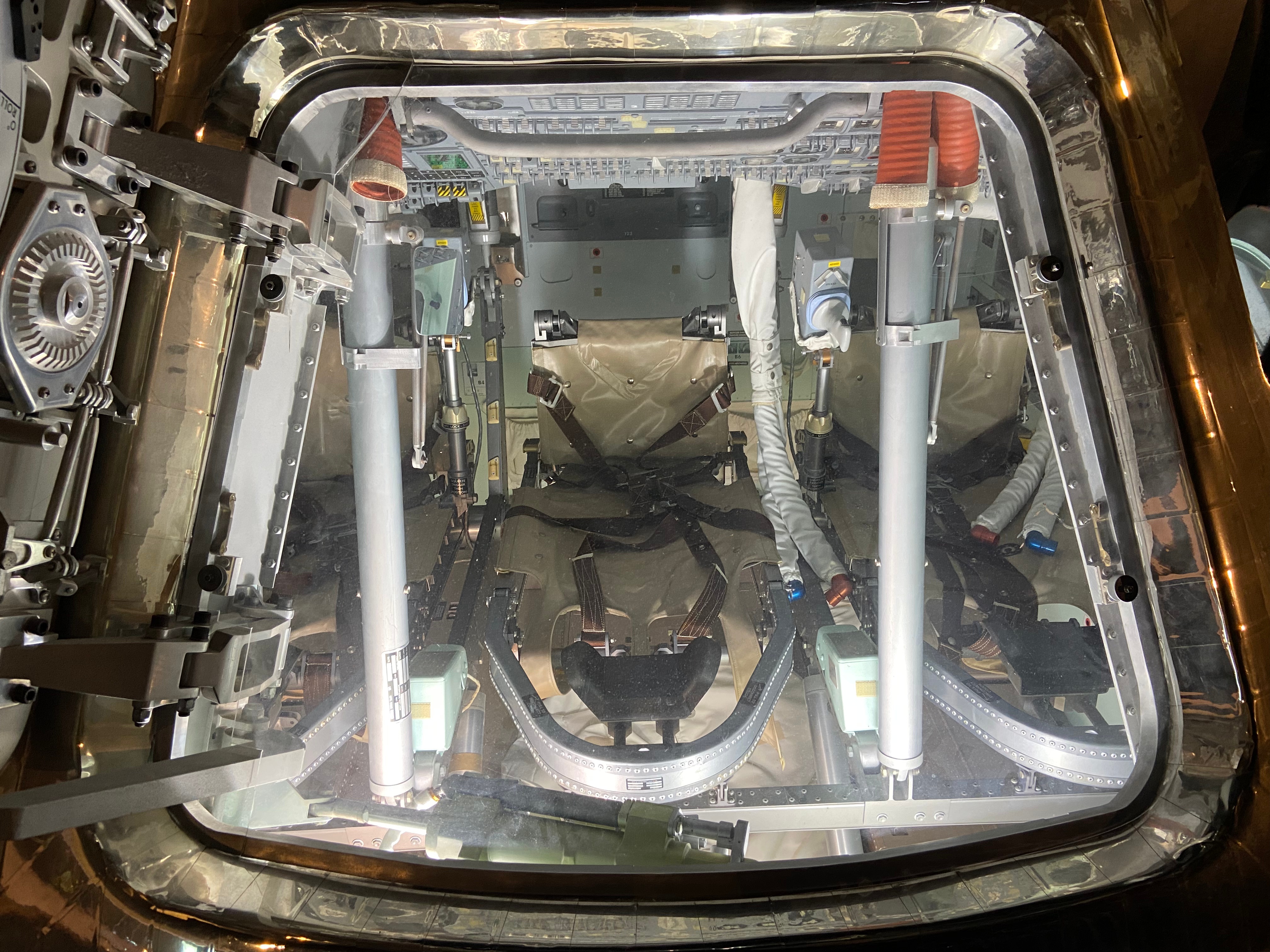
The very watch worn by Neil Armstrong as he pranced across the surface of the Moon back in 1969, an Omega Speedmaster, is on display. I suspect his was accurate to the microsecond, unlike my train this morning. I assess every detail of the Mars Rover, enjoy reading about SETI and the search for extra-terrestrial life, and peer deeper into the Apollo Command Module.

The one part of the exhibition that strikes me is Voyager. I move through the music and photographs we sent into space; solar system parameters, chemical definitions, DNA structure, nursing mothers, continental drift, Earth’s structure, diagrams of evolution, demonstrations of licking and eating, women in rush hour, telescopes and violins alongside music scores. A quiet catalogue of ourselves, cast outward. I can even play sounds recorded by Voyager. Real sounds taken in space; eerily empty and cold. Desolate. Something that feels like abandonment, drifting into the vastness of the void.

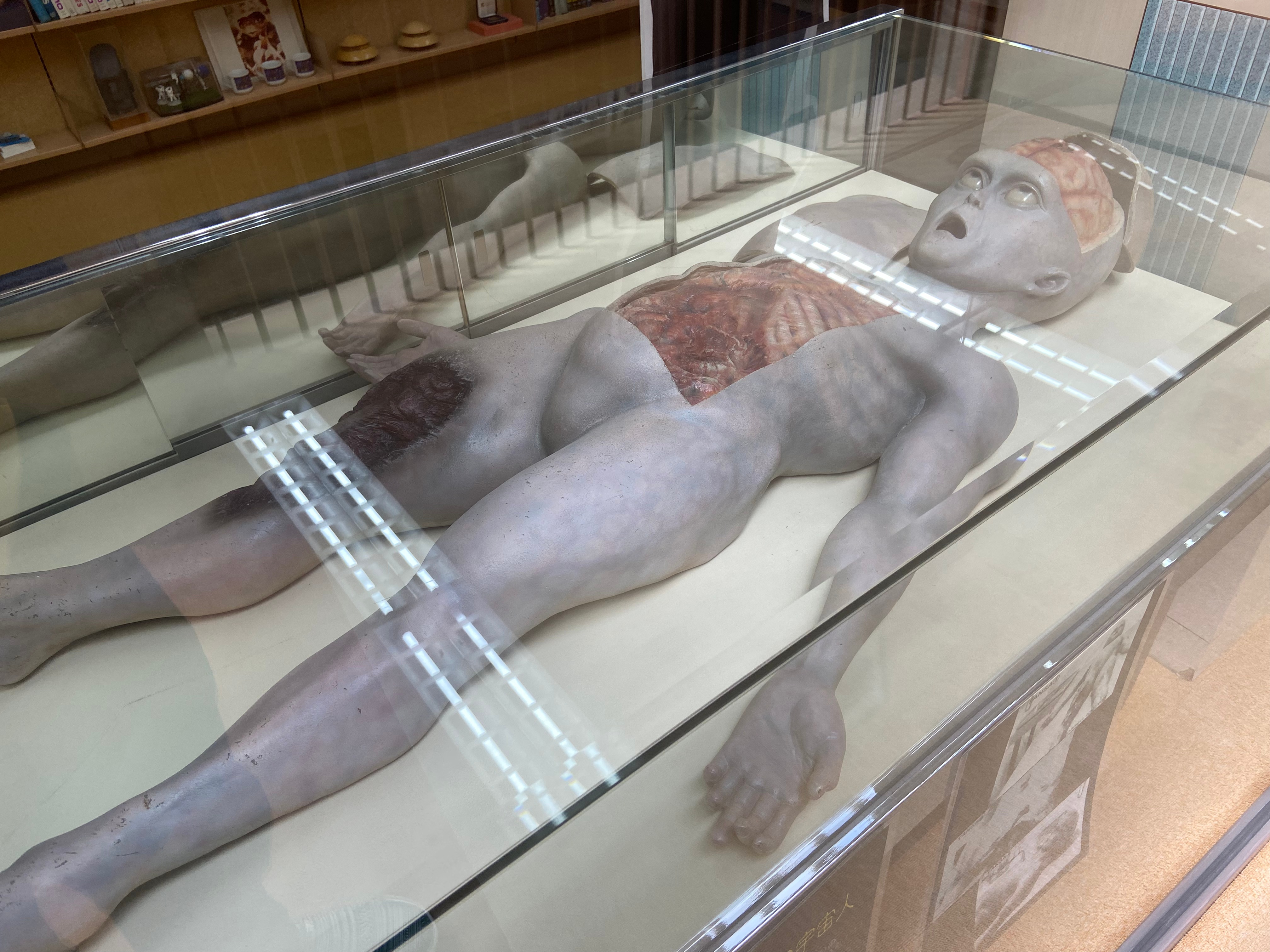
There is one final room filled with UFO paraphernalia, including photographs from Roswell depicting a dissected alien. However, this public library and exhibition hall appears to be closed today; as does the restaurant serving UFO-themed food, probably due to a staffing shortage.

Back at the station, I discover the trains back are just as infrequent, and that I’ve missed mine by one minute. So, with bad planning and two hours to kill, I head back through the Hakui heatwave. I’m not used to any form of pleasant weather in April, being from England, and so I haven’t even thought about bringing anything to protect my skin.

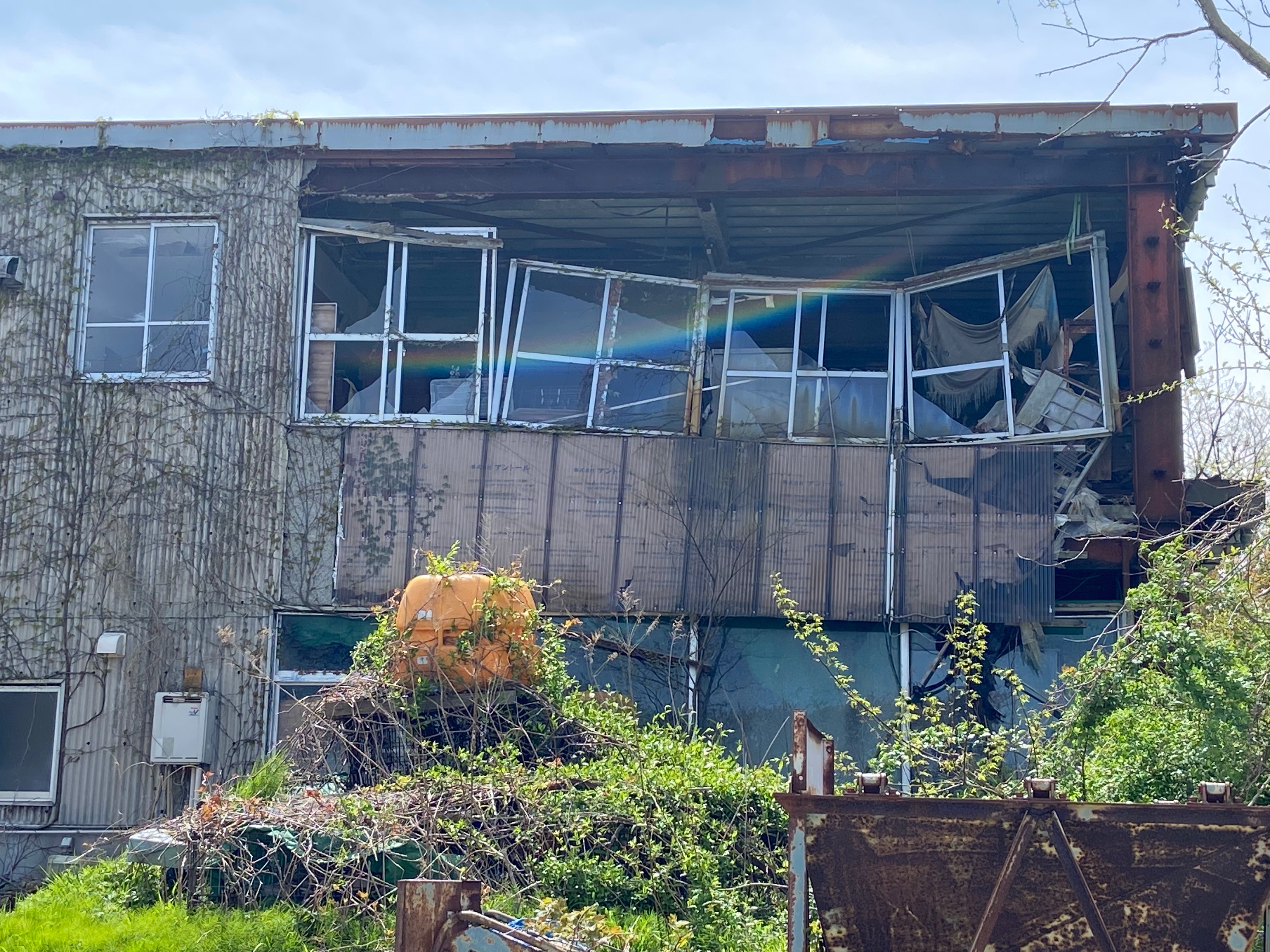
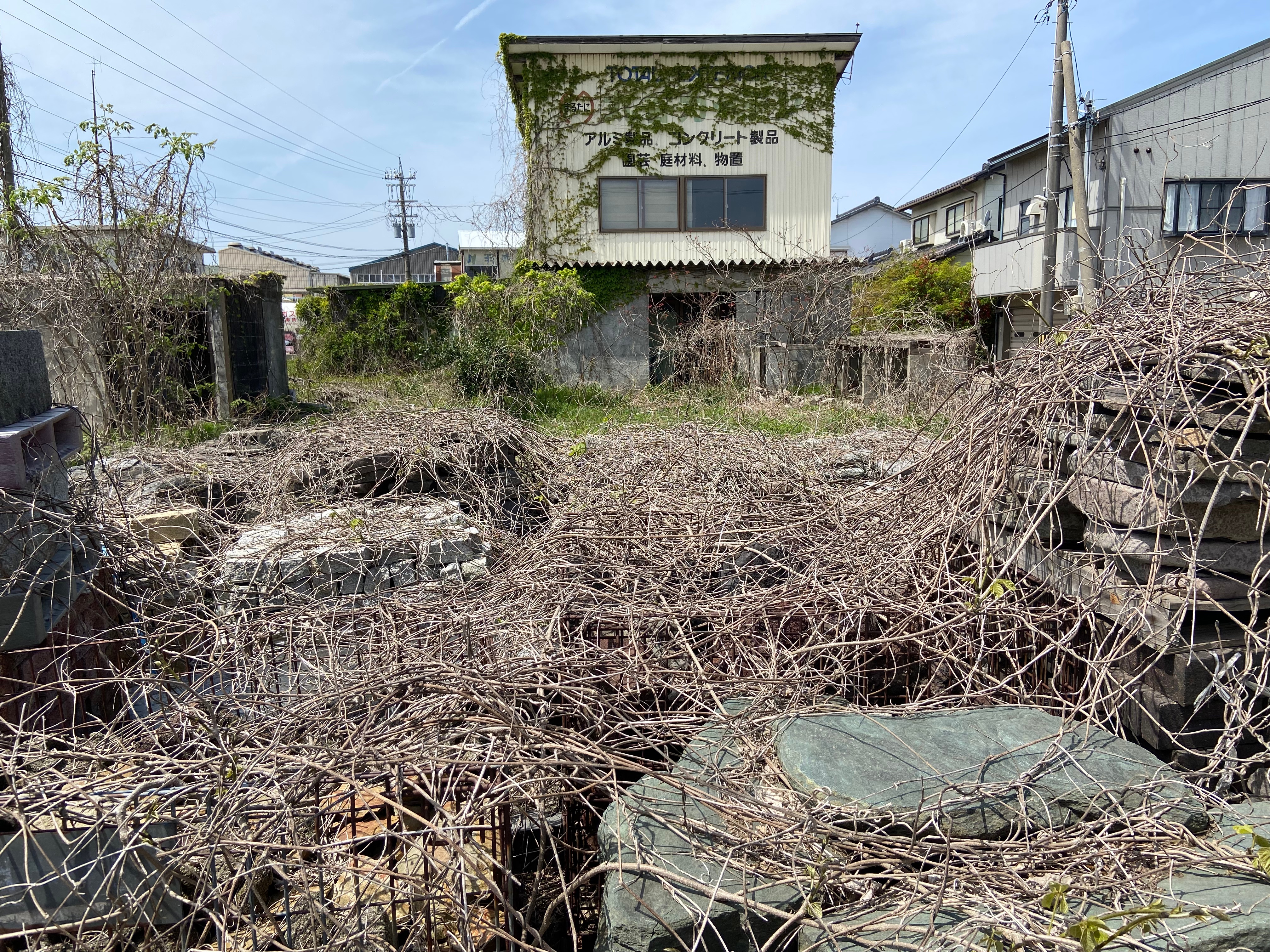
As I make my way toward the only other point of interest in the area, a nearby beach, I search desperately for a Family Mart or Seven Eleven. The only real building of note I do pass, however, is what looks to be an abandoned house.

As I wander, I’m surprised by just how completely empty the town is. I don’t find a convenience store. I don’t see another human on the entire walk. It’s as though they’ve been removed; abducted, lifted clean out of the day. Maybe they have. I pass empty galleries and closed bakeries, abandoned supermarkets and buildings in complete disrepair.

I was going to leave that point there, but as I get further from Hakui Station and closer to the beach, it becomes clear just how severe it is. I’ve remarked on abandoned villages before, but this is by far the worst I’ve seen; this feels like an entire abandoned city.

I pass a crumbling car wash, a house that seems to have collapsed mid-sigh, and a whole hotel on the main road just five hundred metres from the beach entrance, abandoned.

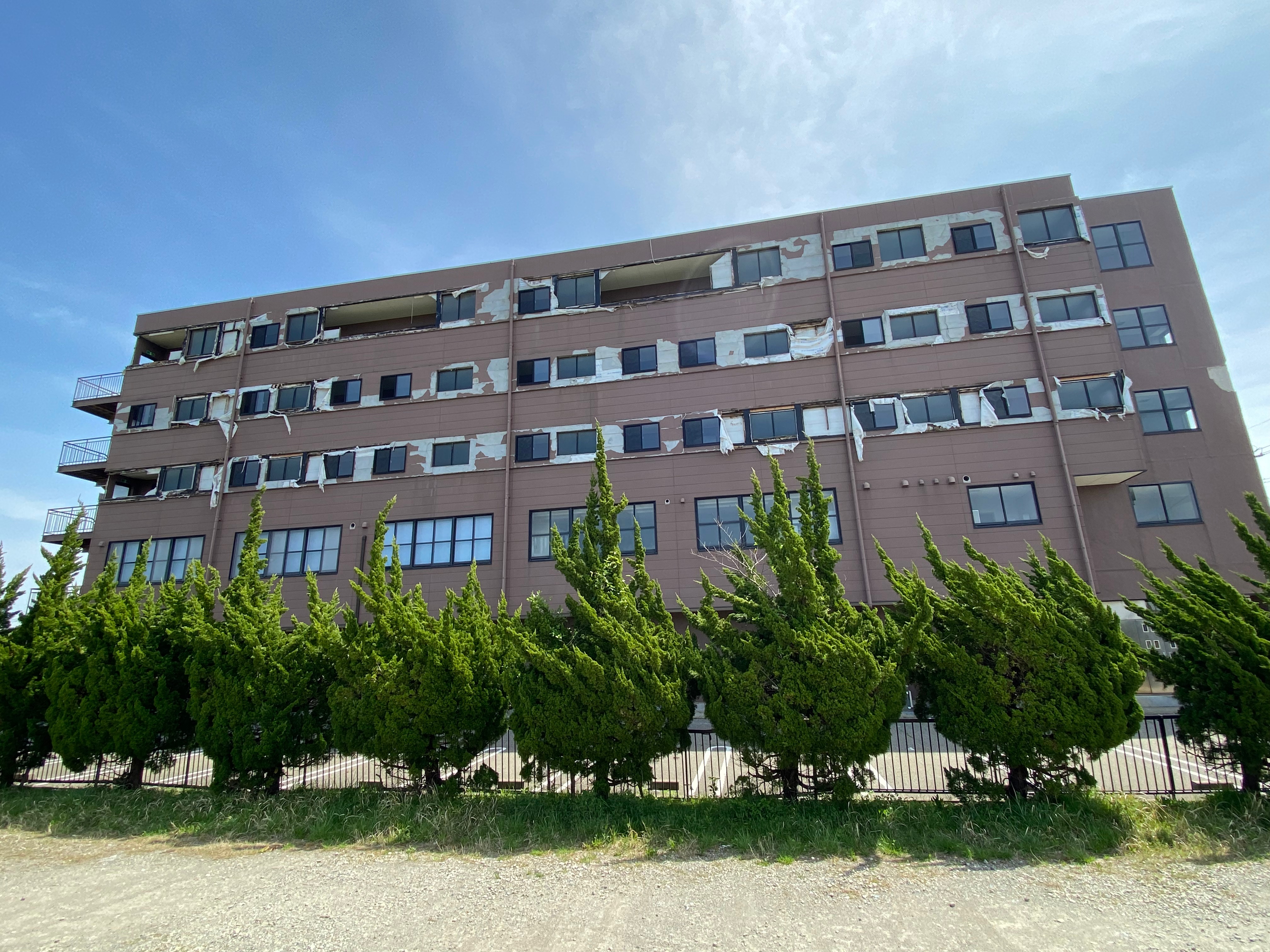
A sports centre sits empty. There is a closed-down supermarket crawling with vines. A crumbling old school. And a massive apartment block with collapsed balconies and rusted gates. Where are the people, I wonder. Some have died; some have moved on. A few, perhaps, simply vanished into quieter lives elsewhere. When they were here, at least they got to live near a beach.

The only upside I’ll add is that, as lonely and quiet as it is, at least it’s peaceful. Perhaps the same can be said about death; lonely and peaceful. No cars on the road. No chatter. Voids and emptiness. If there ever were to be an alien invasion, I doubt anyone around here would notice the aftermath.

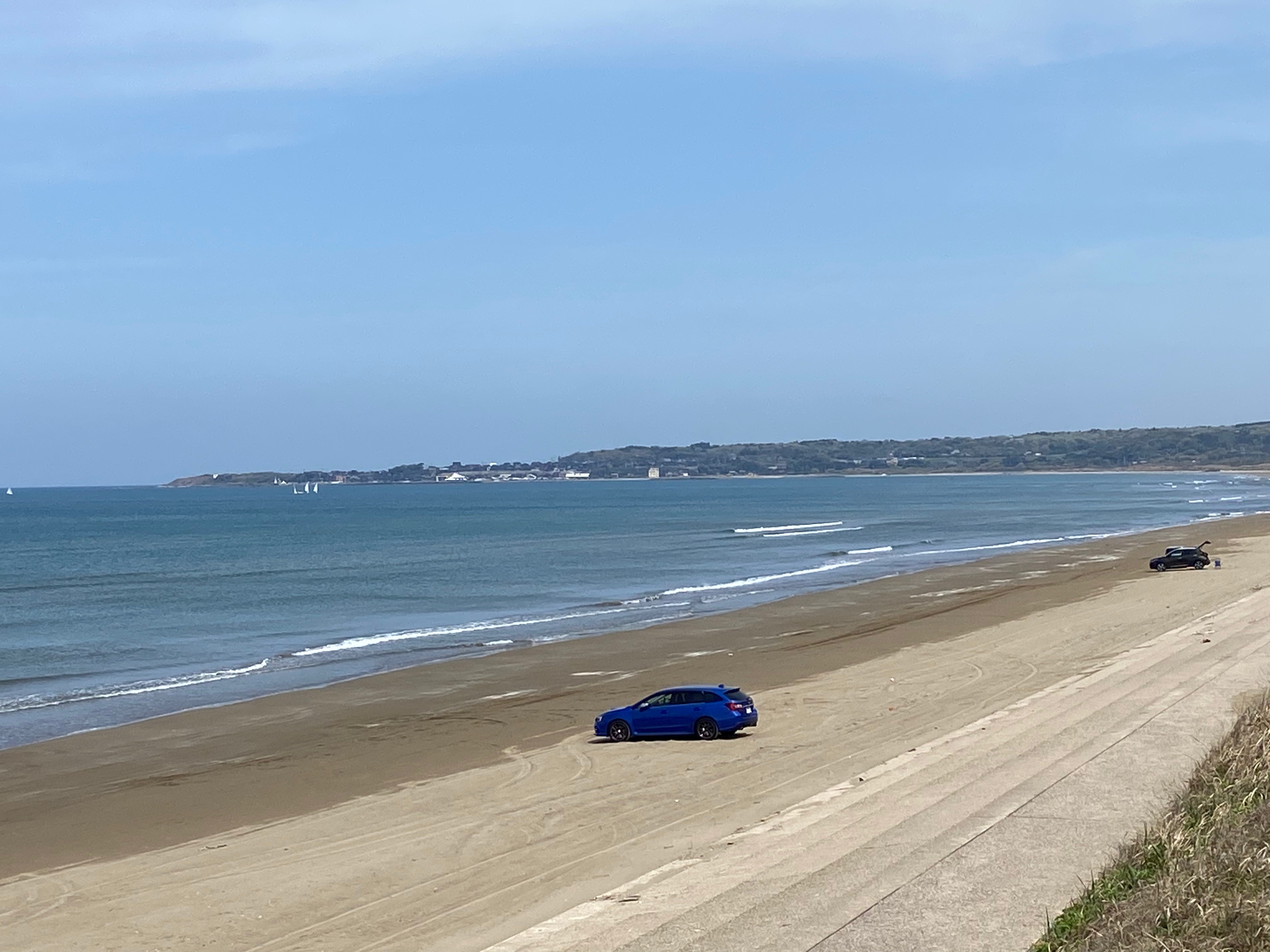
I do eventually arrive at Chirihama Beach. It’s nice. Beaches often are. This one is slightly different, though, as it allows motor vehicles to drive on the sand. Glancing over the horizon, I notice quite a few cars parked there. Hopefully, for the owners, the tide isn’t on its way.

As I walk along, enjoying the sound of the waves, hoping not to get any sand in my shoes, I can’t stop thinking about the abandonment; it really was a shock to see. I also think about the cosmological impact my sixty-second delay this morning has had on the causality of the day. I wouldn’t be on this beach thinking about this had everything aligned just slightly differently.

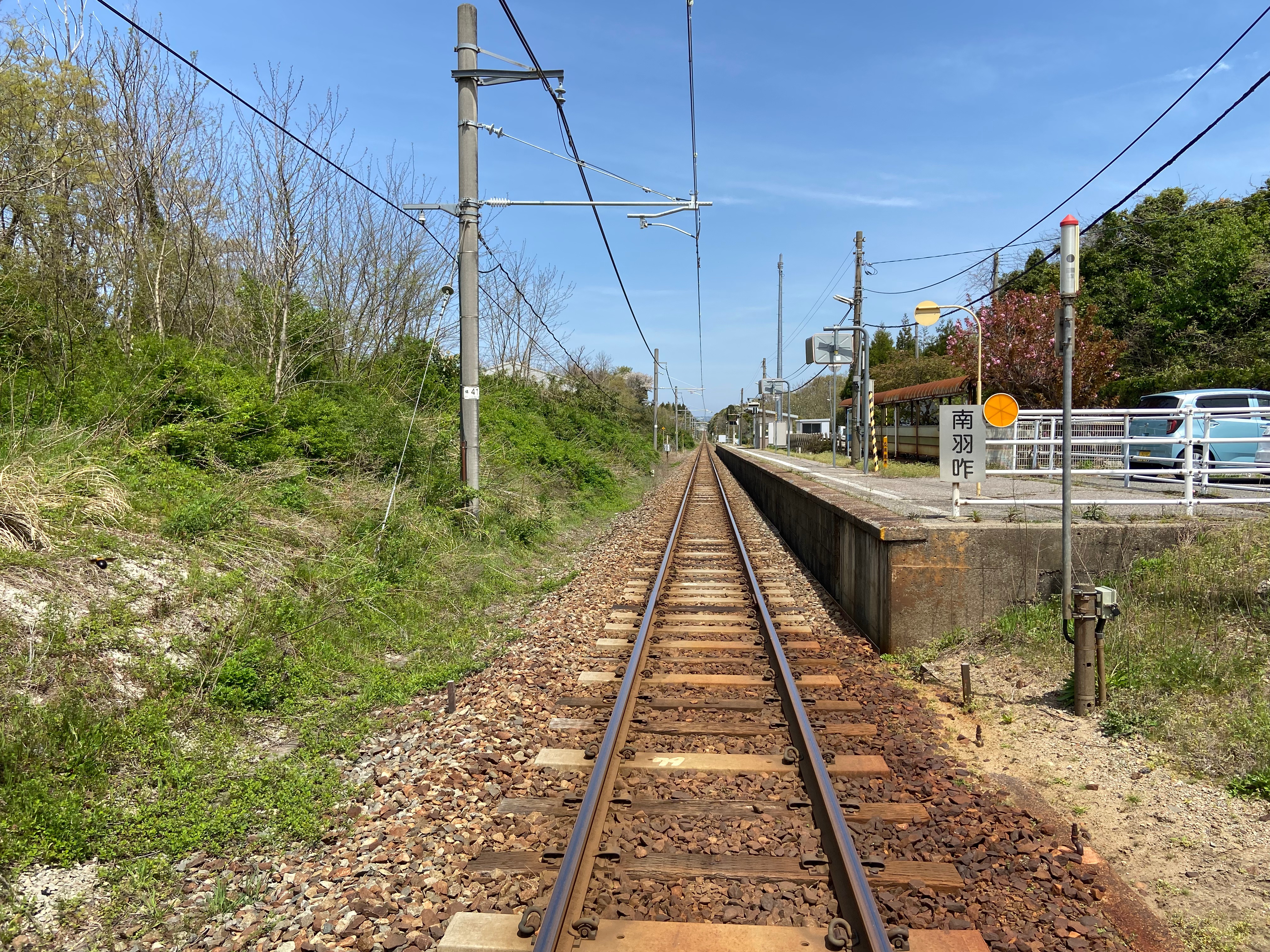
At Minami-Hakui Station, I’m burning from the lack of sunscreen. I was at least expecting a small shop and a toilet; instead there are no staff, no toilets, no ticket machines, no shops, just a single platform and a single track. A sign tells me not to litter or leave cleaning tools around, as this might attract bees and bears.

In the end, I didn’t see any real UFOs; not that I ever thought I would. I also didn’t see any bees or bears, and if I don’t include the woman in the alien mask from the museum, I didn’t see another human being all day.

The Men Who Scare At Boats

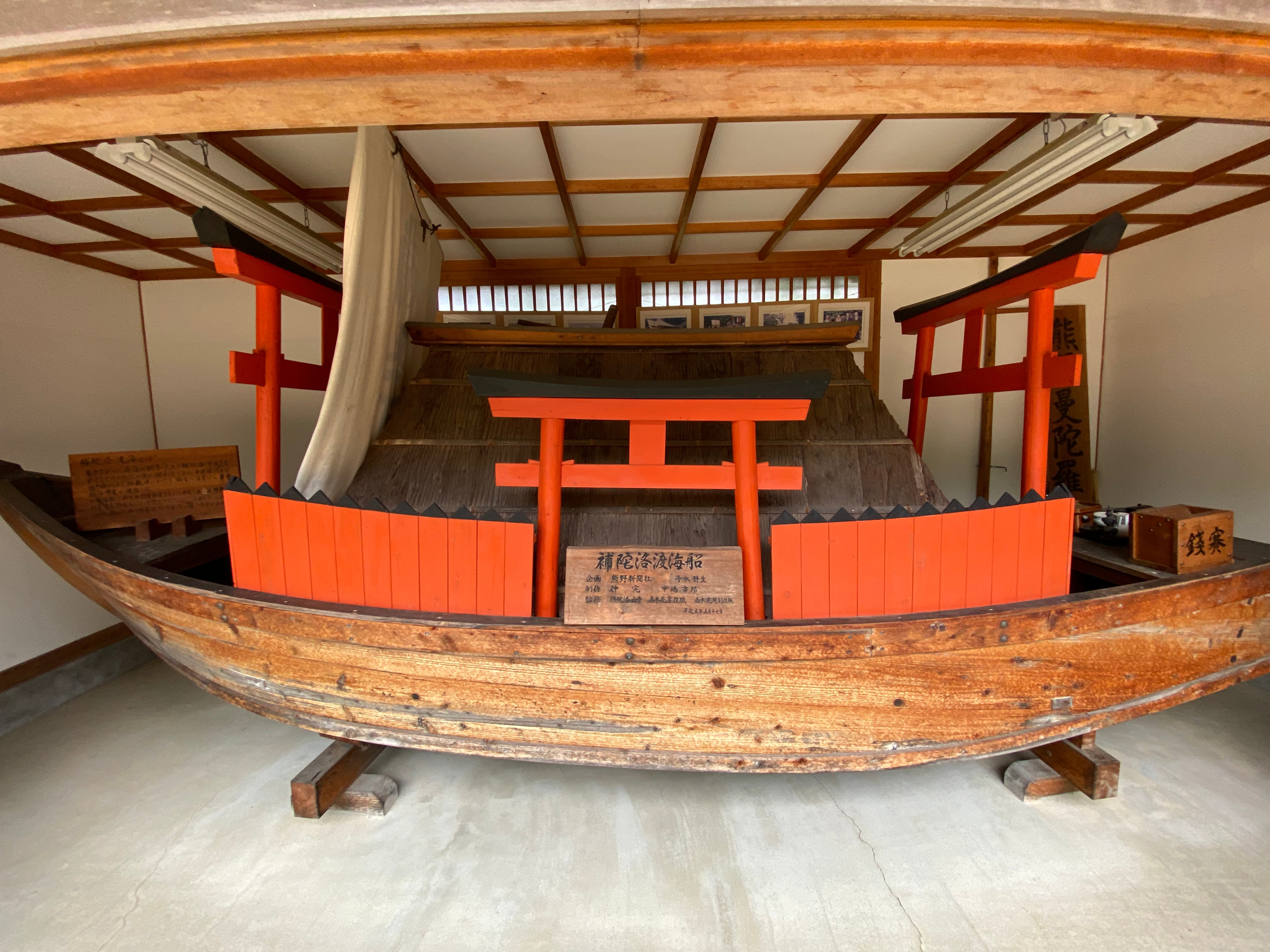
There’s a massive clock outside Kii-Katsuura Station. Each tick sounds like a nail being hammered into a coffin. About a twenty-minute walk from the station, between the mountains and sea of Wakayama Prefecture sits Fudarakusan-ji, a small, unassuming Buddhist temple with a wooden boat outside.

The temple was built to face the Pacific Ocean because that is the perfect location for casting boats out to sea. The only problem with these boats was the reason they were cast out; the priests inside them were trying to reach Fudaraku, the Pure Land.

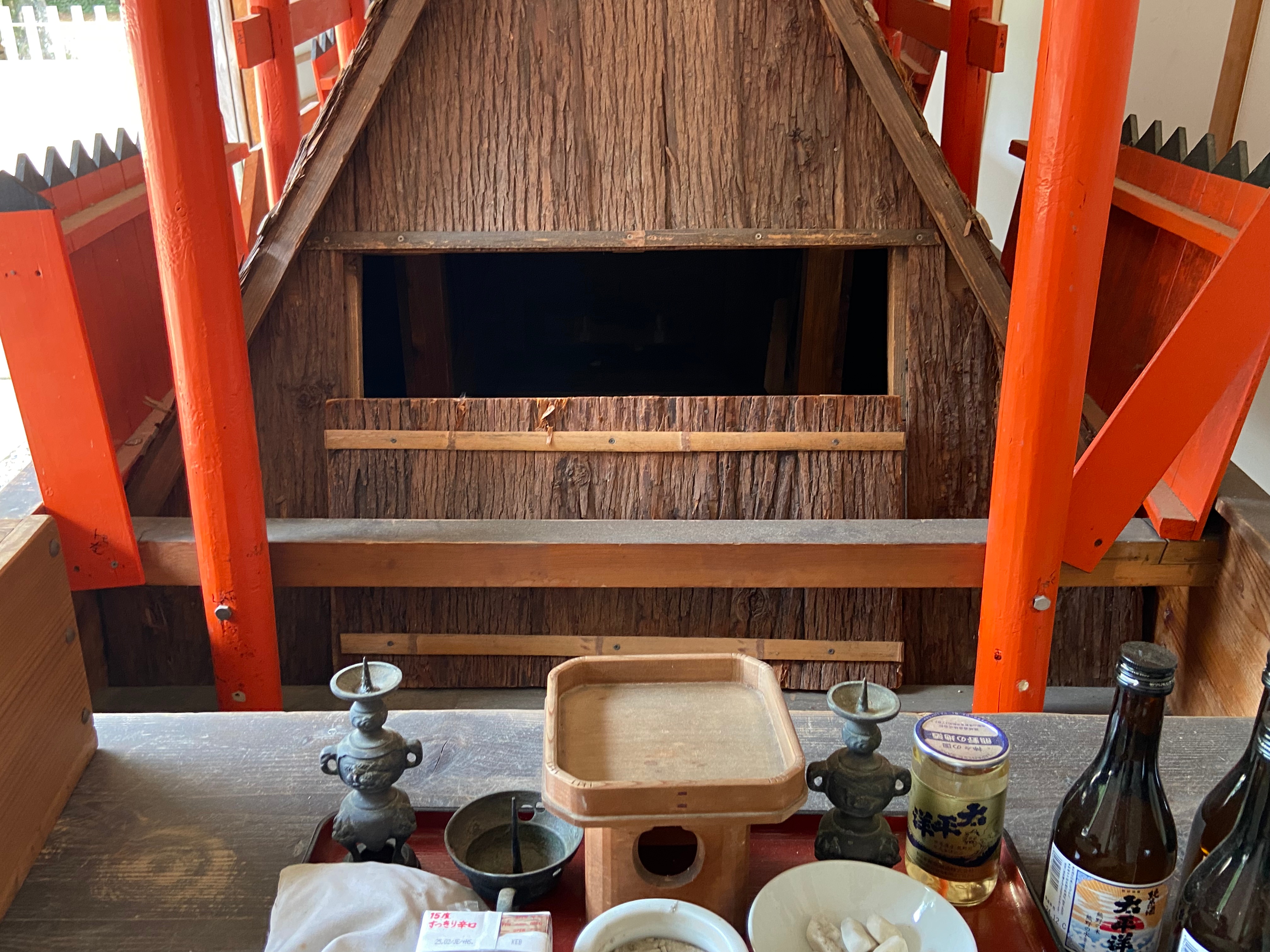
The boats were designed with a sealed cabin, no windows or doors; a claustrophobics nightmare. Ever had a dream about being buried alive? The priests here lived it. They’d climb inside, and the boats would be nailed shut from the outside. The orange wood and torii gates surrounding all four sides of the boat are a nice touch.

Water, a small supply of food, and a fuel lamp were placed inside before the priest’s departure. The lamp was there so the priest could keep reciting sutras and appeals to Kannon until they found the Pure Land, until they reached the end of their journey, or their life.

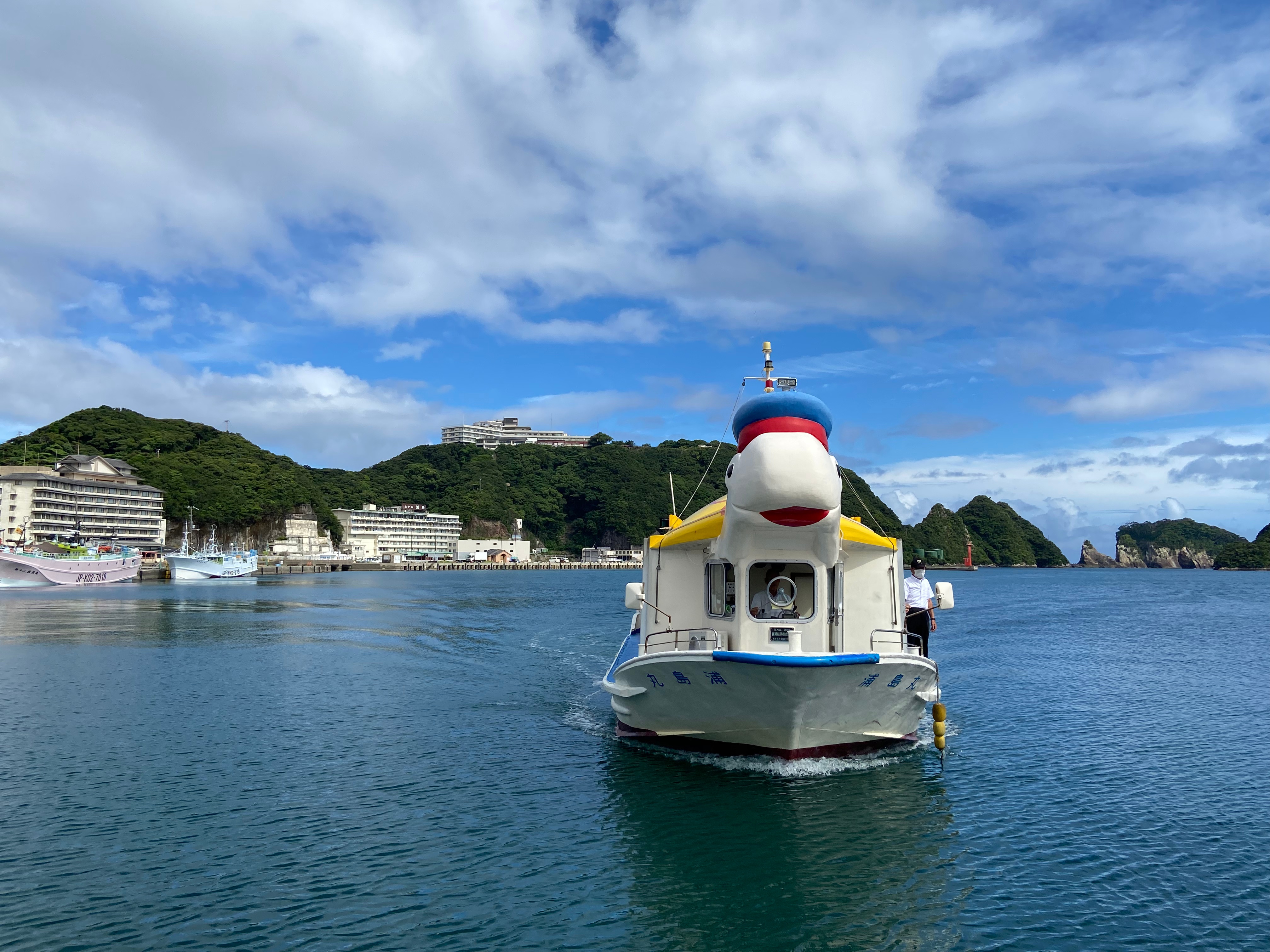
Some of the boats washed up in Kii-Katsuura Bay. A few priests escaped. Most died of starvation, drowning, or dehydration. To stay on theme, I book a night in Urashima. To get there, I have to board a boat myself. This one features no death, just a turtle mascot. The four huge buildings making up the backdrop are all part of my hotel: one on top of a mountain with an observation platform, one at the side of the mountain connected through a network of tunnels, one at the base of the mountain by the dock, and one that isn’t shown on any maps but is there, accessed through the labyrinth.

Checking into my accommodation I’m provided a map. The hotel is so large it features a multitude of interconnected buildings attached through tunnels and cave systems carved into a mountain. The place describes itself as a resort and spa. It has everything: five onsen baths, a games centre, karaoke rooms, a Lawson Stores, shopping streets, massage parlours, restaurants for eating, ballrooms for dancing, ball rooms for ball games, conference rooms, well you get the idea.

There’s one area where I have to take multiple escalators rising the length of 154 metres that take about five minutes. There’s rest areas between each escalator with sofas and tables, just in case the standing becomes too much. I exit onto the 32nd floor and admire the view.

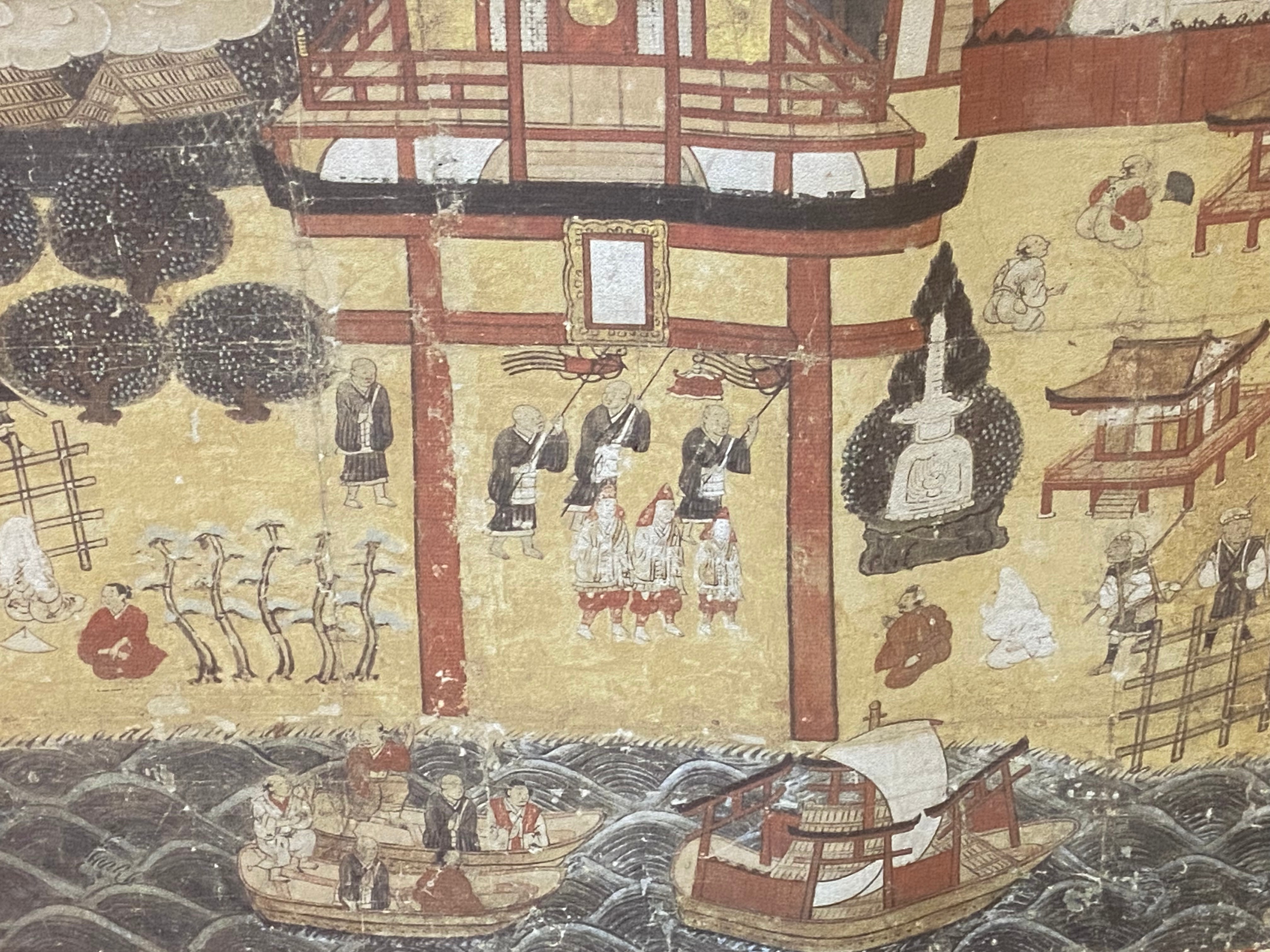
On one of the random floors, I find a replica of an original painted tapestry held in the Treasure Hall at Kumano-Nachi Taisha Grand Shrine. I’ll visit there tomorrow, weather permitting. The full tapestry features the Nachi Pilgrimage Mandala, which displays all the details of this area, from the top of the waterfalls down to Fudarakusan-ji. Here, at the bottom, one of the boats is being cast away into the Pacific Ocean.

Walking through the hotel, I feel as though I’m in some cult dystopian movie. Everyone is walking around in matching yukata. Some of the tourists are not Japanese and wear their yukata crossed the wrong way, for funerals. Everyone goes for breakfast at the same time, for dinner at the same time.

The hotel feels almost haunted, some entire areas are abandoned. It would be the perfect setting for a horror movie. It makes me feel like a rat in a maze or a character in Severance as I navigate the hotel’s endless, echoing corridors.

Having just about explored every length of the hotel, I decide to end the day by soaking in the healing power of a hot spring bath. Of the five to choose from, I opt for the one carved into a cave that looks out onto the Pacific Ocean.

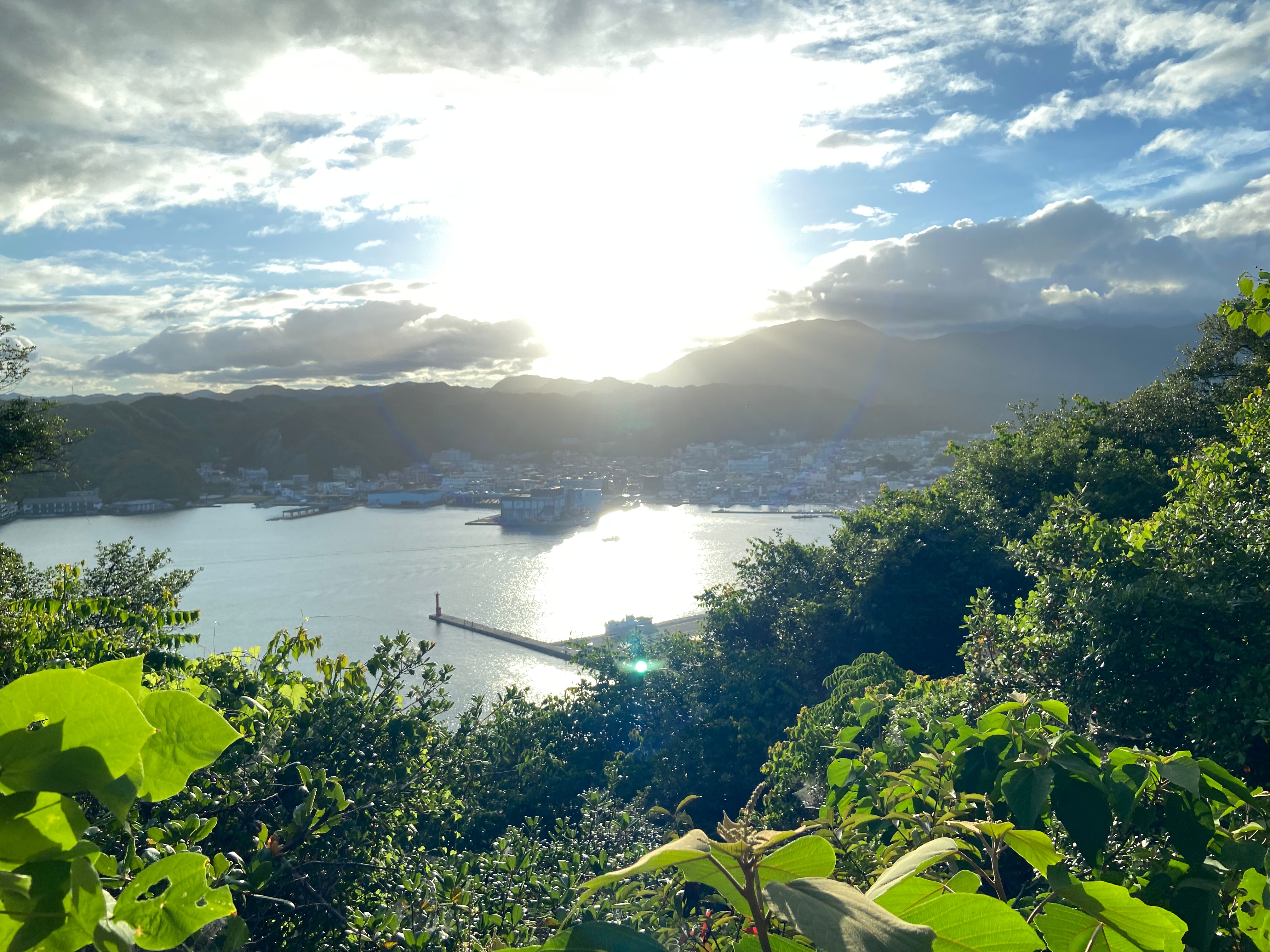
The onsen is so peaceful that I no longer feel as though I’m in a hotel. Sadly, I’m not allowed to take photographs in the onsen, for obvious reasons, so instead, here is the view from the 32nd floor looking out into the bay, the 40 degree sky, and the town of Nachi-Katsuura.

I sit, submerged in hot water, staring past the cave and out to sea. I think of the lost souls who once set off from this shore, sealed inside a boat, nailed shut.

Before the Wind Blows It All Away

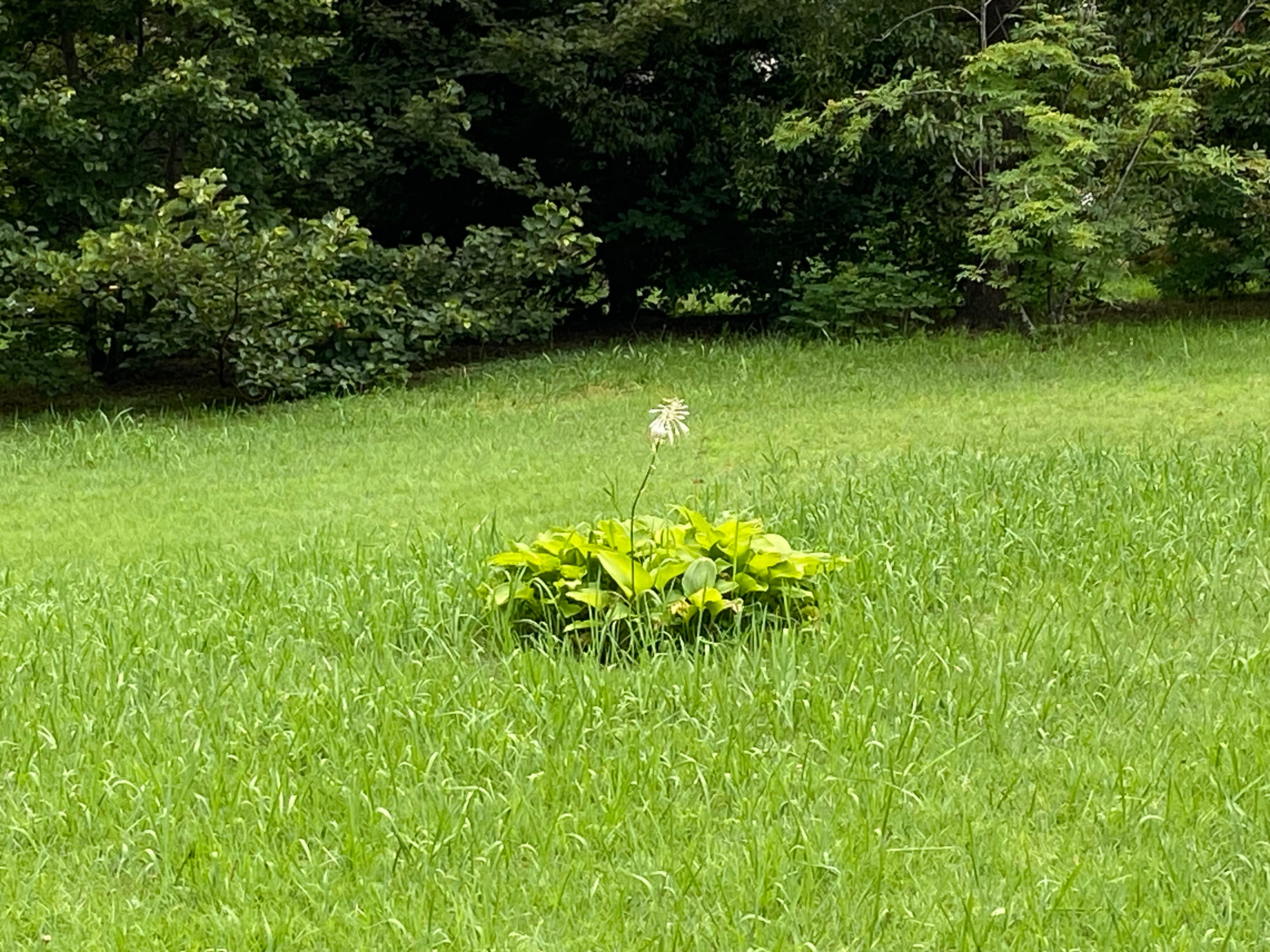
Today I’m travelling back in time, specifically, 20,000 years in time. I’m in Miyagi Prefecture to see the Museum of the Forest of Depths of the Earth. I don’t really know what to expect. When I arrive, there’s a small outdoor garden of evergreens and summergreens. There’s a single flower in the middle of the lawn, with a sign before it stating: Be careful not to step on the flowers. The sign uses the plural form flowers, and it bothers me slightly.

I believe the single flower is a panicled hydrangea. The garden has been recreated. “Let’s go into the grass and observe,” says another sign. The whole point of the place is to compare the vegetation of the Ice Age with that of present-day Sendai.

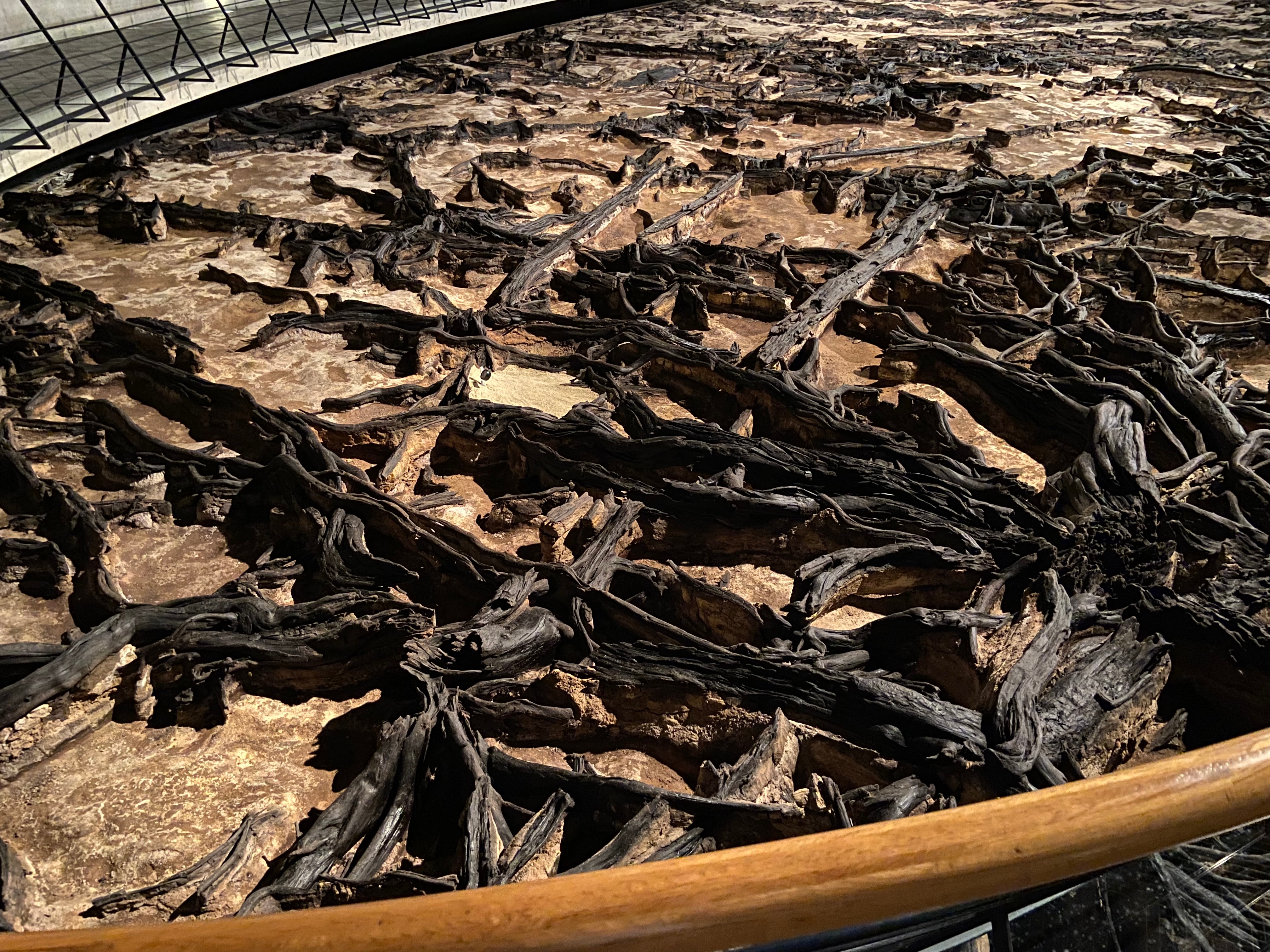
There’s an architecturally stunning structure in the gardens. It’s the only one of its kind in the world. Inside are the 20,000-year-old remains of a wetland coniferous forest. It might not sound very impressive, but when I walk through the doors of the museum and see the sheer size of the trees, it causes me to stagger.

The museum is fascinating. In 1987, an archæological dig found, just five metres below the ground, the preserved remains of fossilised trees, along with artefacts from the same era. There’s a separate tree root I’m encouraged to touch and smell, and it carries some weight.

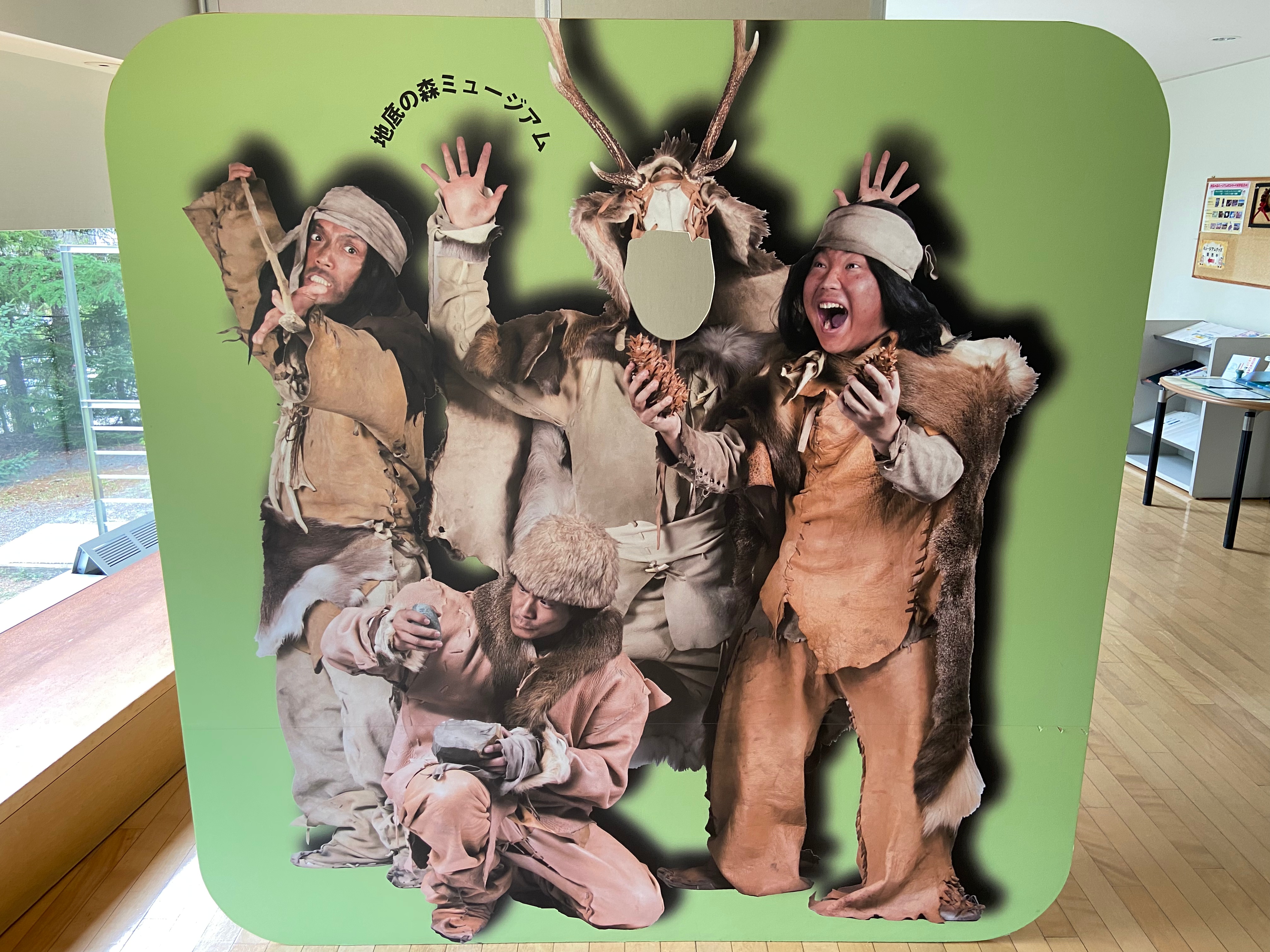
Aside from the trees, I can also learn about the Paleolithic Age. There are the remains of a campfire that was excavated here. Bits of broken pottery. Deer fæces. Arrowheads. Glass boxes of skulls. Carnival Cutouts: the breath of ancient times.

Having touched a 20,000-year-old tree root, the only thing left to do later is visit a mountain, so I decide to walk to the coastline. Along the way, I pass a tsunami evacuation tower made from steel. It can safely evacuate 300 people to a height of at least six metres.

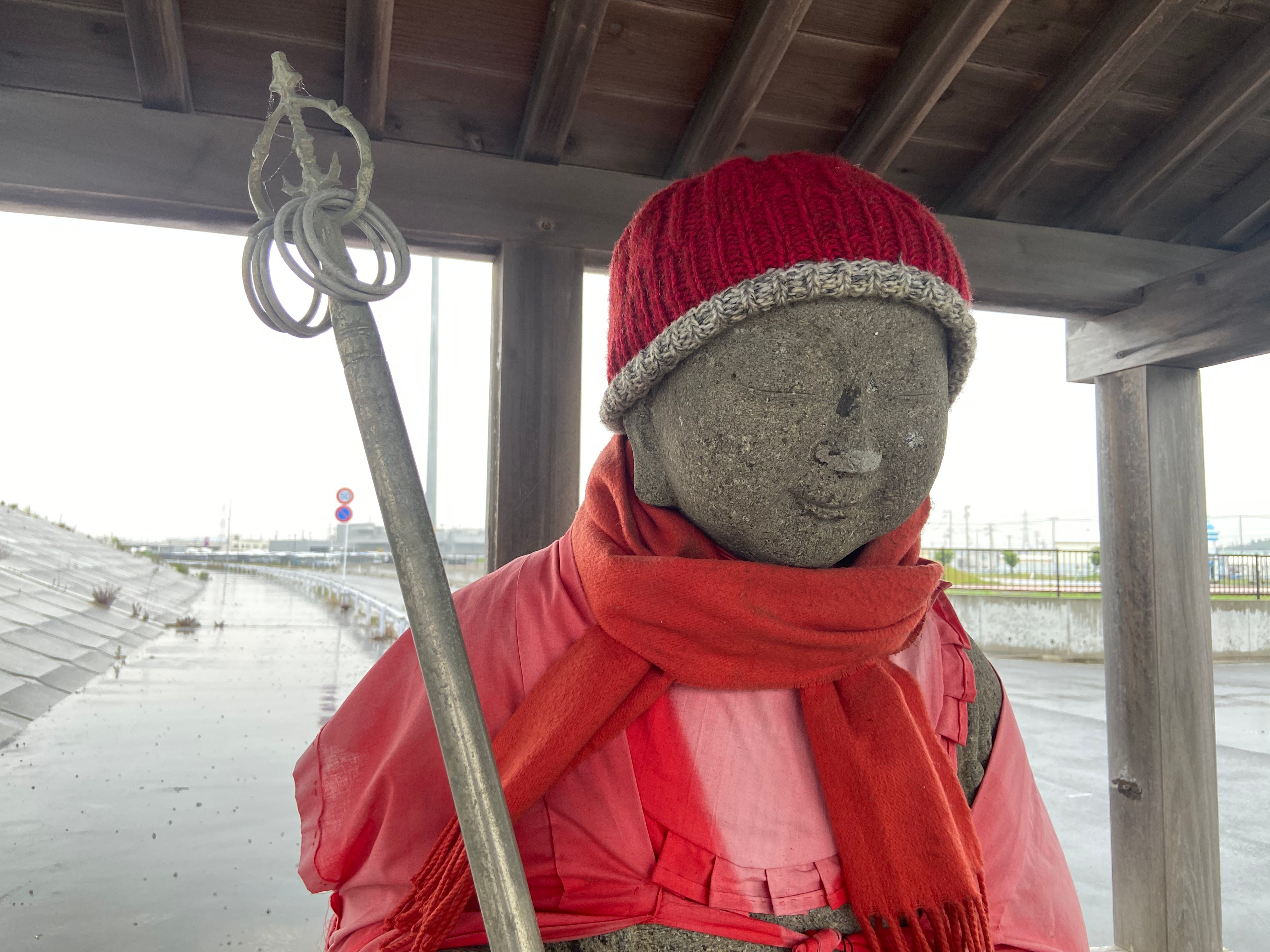
As I stare at the tower, the sky suddenly fills with grey cloud, and it begins to pour. I run into a nearby park but find nowhere to hide, eventually sheltering beneath a small Jizo statue. The smug Jizo is smiling and holding a rain wand.

Behind the statue is an embankment highway that runs along the Nanakita River and Sendai Bay, designed to help prevent tsunami waves. The tides must get pretty high here anyway, as on my side of the barrier are dozens of dead crabs, seemingly washed over the wall and cracked open on the concrete below. The Jizo shares his little shelter with the stench from the Sendai Gamo Biomass Power Plant. It stinks.

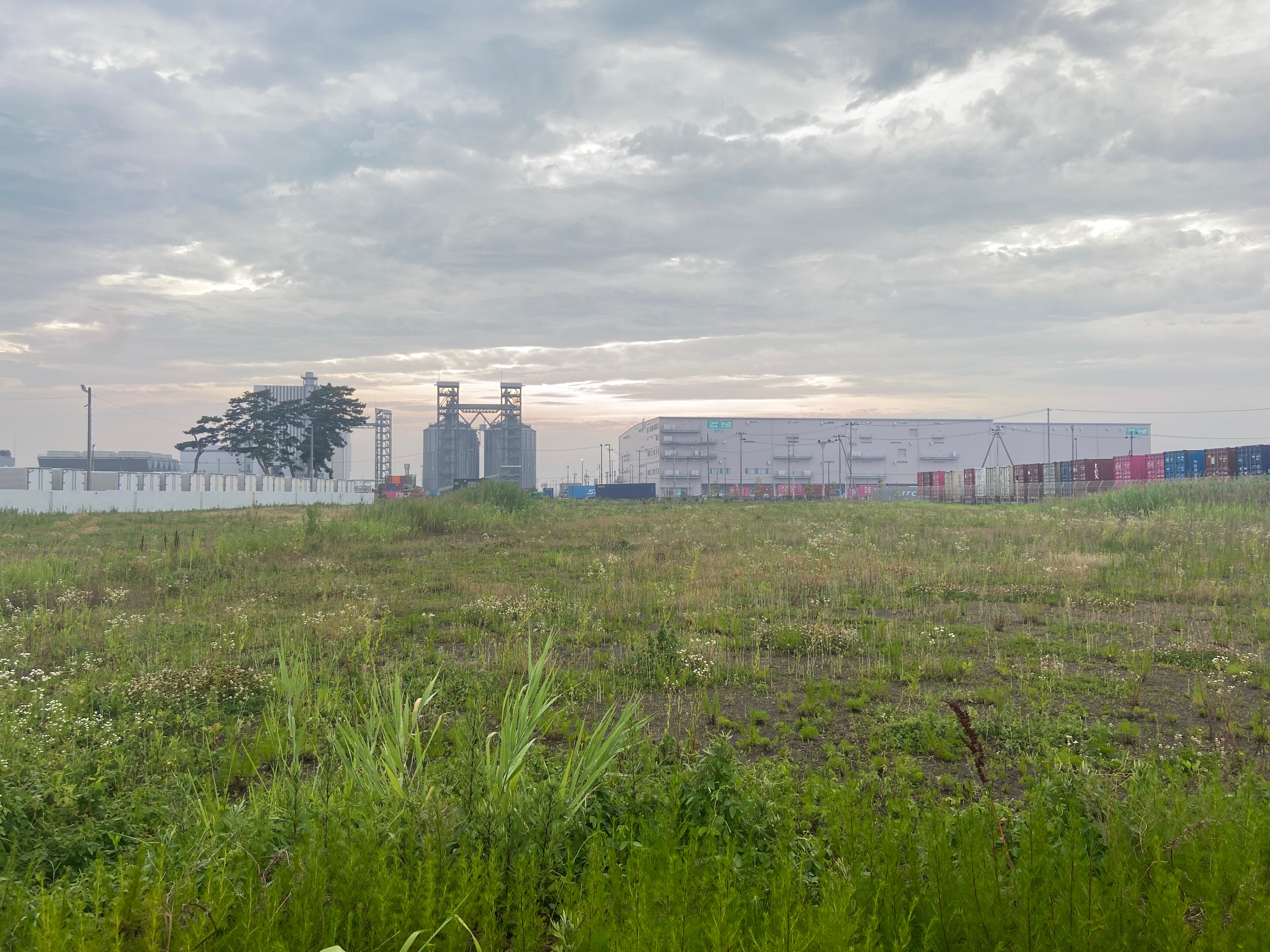
A little further up the coastline, I try to find what I’m really looking for. Usually, it’s pretty easy to find a mountain. But when you’re searching for what’s recognised as the smallest mountain in Japan, it gets trickier. I eventually do find it, half-hidden behind a factory car park.

I climb Mount Hiyori, Japan’s smallest mountain. Well, I don’t actually climb it. I just stand next to it. It looms at three metres now. Smaller than it once was. The 2011 Tohoku earthquake and tsunami took most of it. But still, someone left a summit marker. Still, it has a name. And I’m glad for that.

Around me, the wind starts to rise. I think about the ancient forest floor, perfectly preserved in silence. The looming shadow of a tree long gone. I think about how we keep naming things, even after they’ve almost disappeared. I think about how some things vanish slowly, and some things vanish all at once.

I walk away, back into the storm, careful not to step on the mountains.

The Curious Case of Chocolate Button

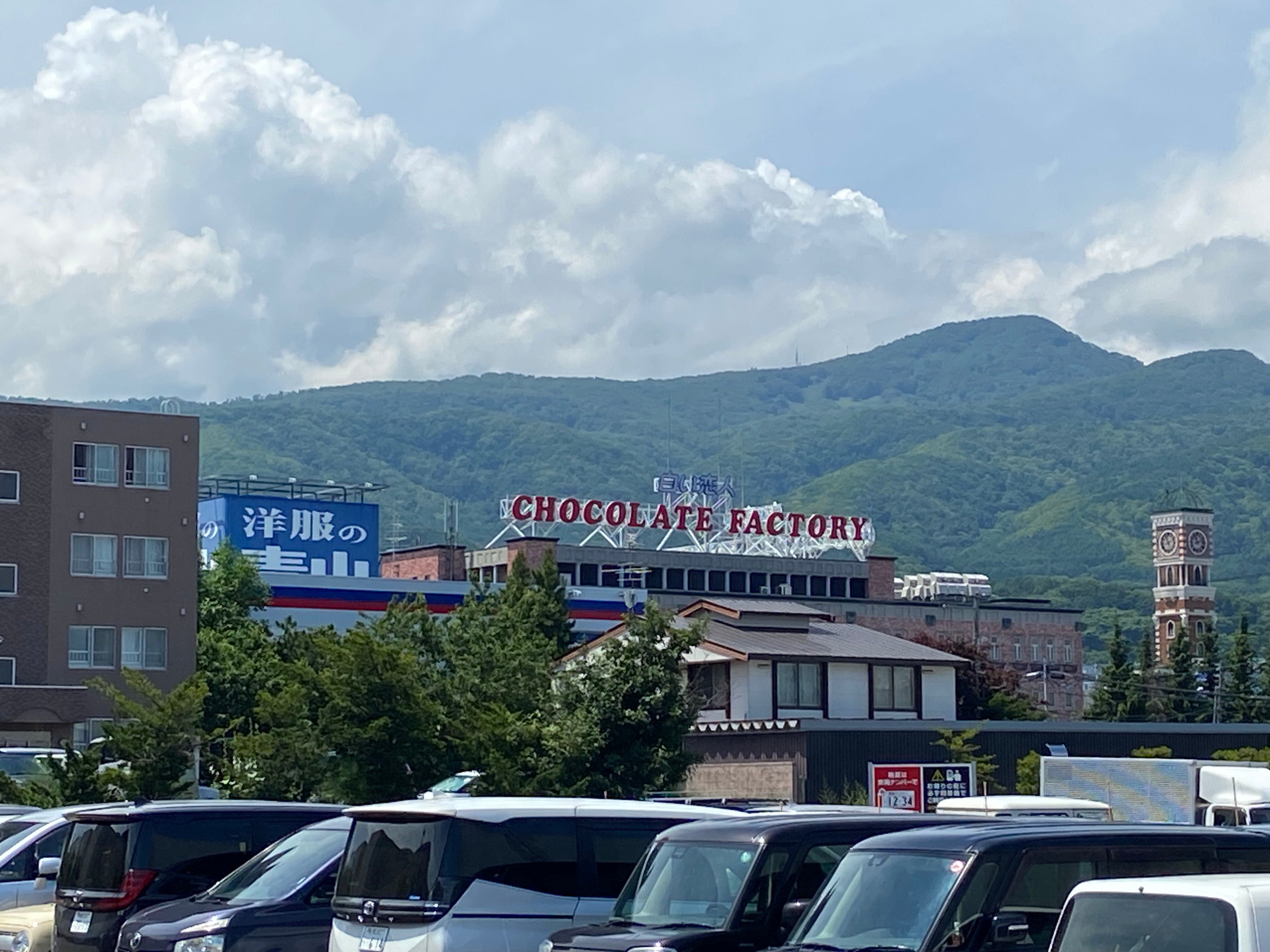
My day begins with a visit to a chocolate factory. Luckily, this chocolate factory is more a museum of chocolate facts than a factory made of chocolate, which, in 30-degree heat, would be somewhat messy. I’m still in Hokkaido, so while it’s hot, the humidity is reasonably low.

Today marks the 30th anniversary of Shiroi Koibito Park, a chocolate-themed factory with gardens. The translation of the name is unusual and means White Lover Park. However, the word for dwarf is the similarly spelt kobito, meaning little person, and has been named that way as a cheap pun which we’ll see later.

Entering the park, I buy a ticket (not golden), and receive a small wrapped square containing the exact chocolate that this factory makes; a bit of a spoiler, giving me the final product at the entrance. Inside, everything smells faintly of white chocolate and mild concern. There are a lot of stairs, the sound of cats meowing through speakers, and a room full of video screens telling the story of the factory.

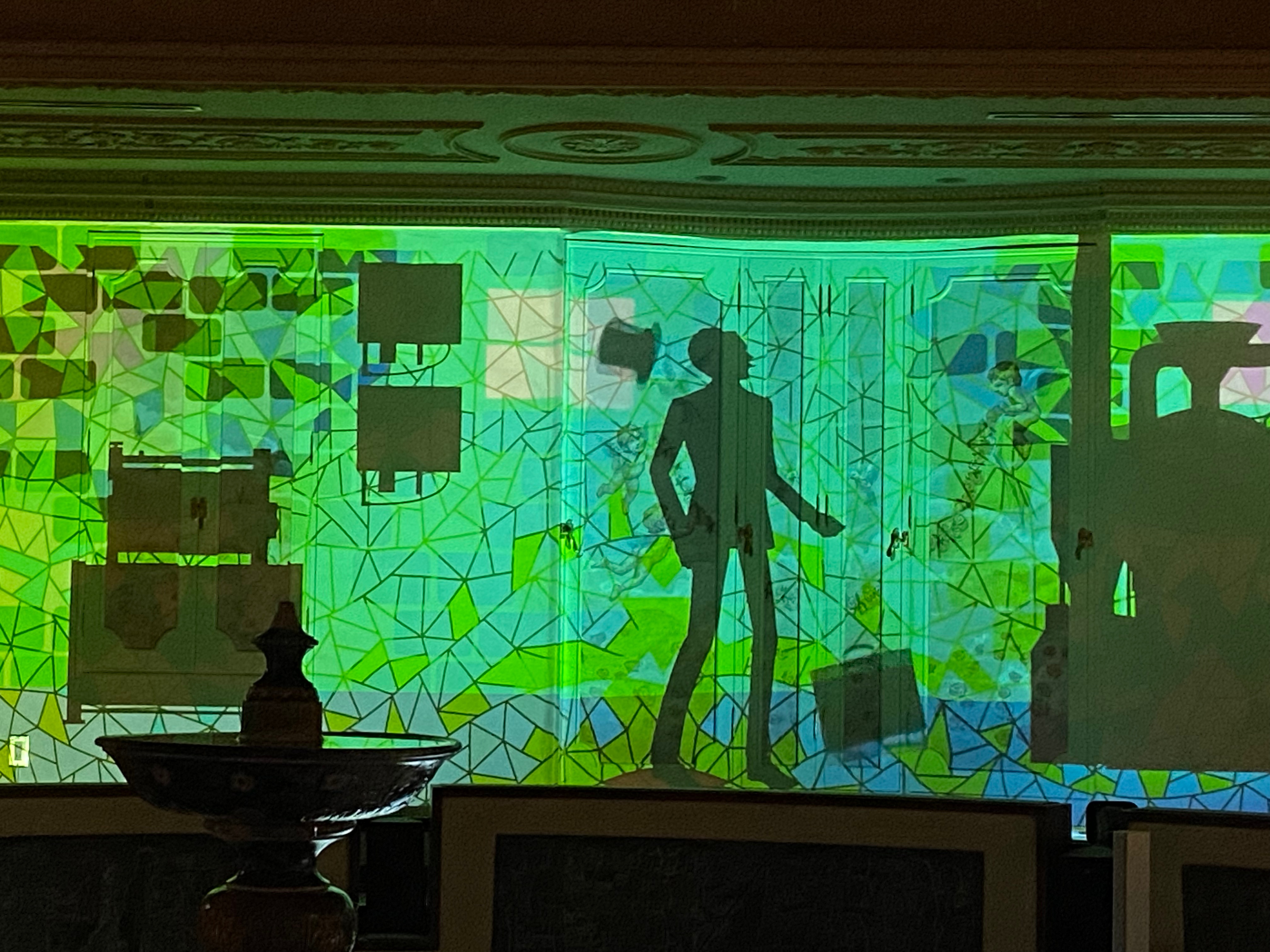
In the quirkily named Time Travel Room, we learn about how this chocolate came about. One of the screens checks to make sure we’ve all been paying attention by offering up a quiz question answered by show of hands. The question is: What is added to chocolate to make it sweet? a) Powdered Milk, b) Powdered Cheese, or c) Powdered Snow?

“Hands up if you said powdered cheese?” says the woman running the tour, as she looks around rather confused. “Nobody said cheese??? How about snow?” It turns out I wasn’t paying attention, but still managed to correctly guess that chocolate can be sweetened by adding powdered milk. Next, we follow some cat prints on the floor up some more steps to the factory.

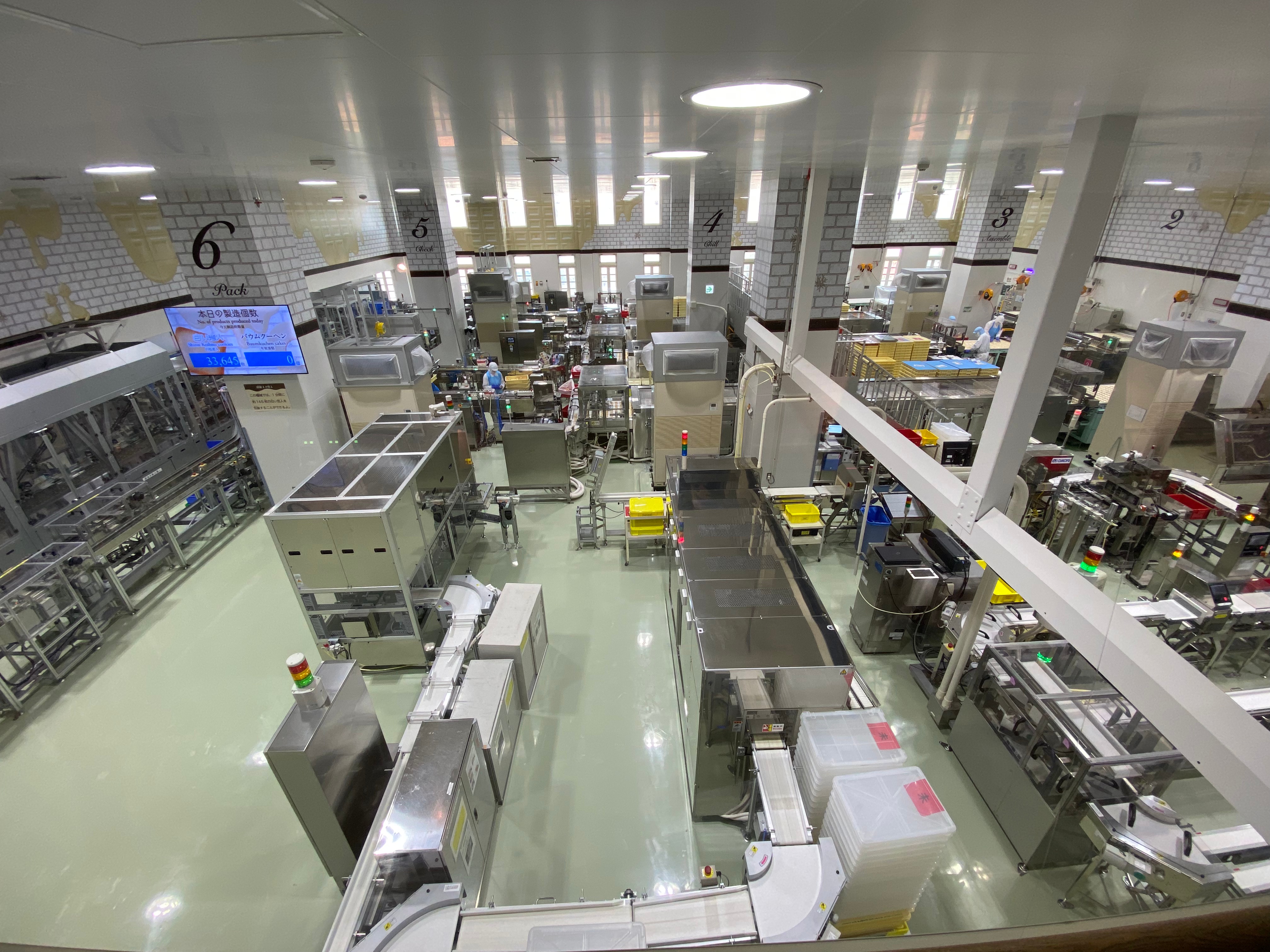
The factory floor is impressive, fully operational, and producing just one product: cookies. There is a counter that displays how many of each product has been produced today: 33,645 Shiroi Koibito cookies; 0 Baumkuchen cakes. I suppose they are using the lack of cakes as a comparison.

Remember that pun I mentioned? Well, in the next room it is on full display. All good factories have their slaves. Oompa Loompas, Wonkidoodles; but here at Shiroi Koibito Park we have White Dwarfs. They perform all of the tasks here, including milking the cows and creating white chocolate.

After yet more stairs, the sound of cats meowing, and multiple rooms of chocolate-related trinkets, we reach the end. I realise that we never did get an explanation for the cats. I exit through the gift shop and use the restroom. I notice someone has left some chocolate in one of the toilets.

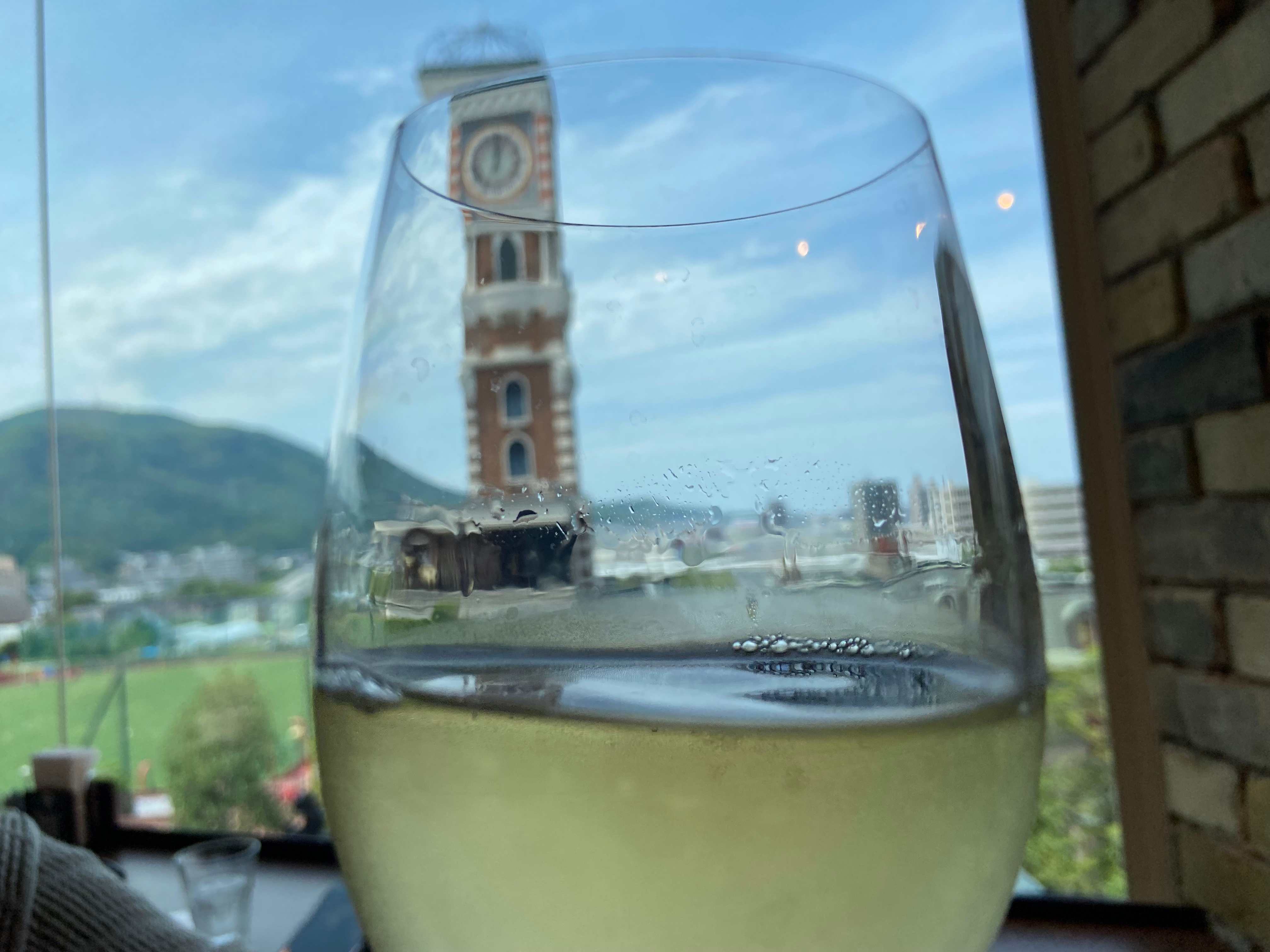
I take the stairs up and into the café, where I decide to take a rest from all the walking and climbing. The factory really needs to invest in an elevator; preferably one made of glass. Speaking of glass, I order a glass of Shiroi Koibito Wine, not sure exactly what to expect.

It doesn’t taste like chocolate. It tastes like regret. Perhaps one of the worst wines I’ve ever had the displeasure to drink. I was expecting notes of white chocolate; however, this wine is unfortunately made from Niagara grapes, which are more commonly used for grape juice than wine.

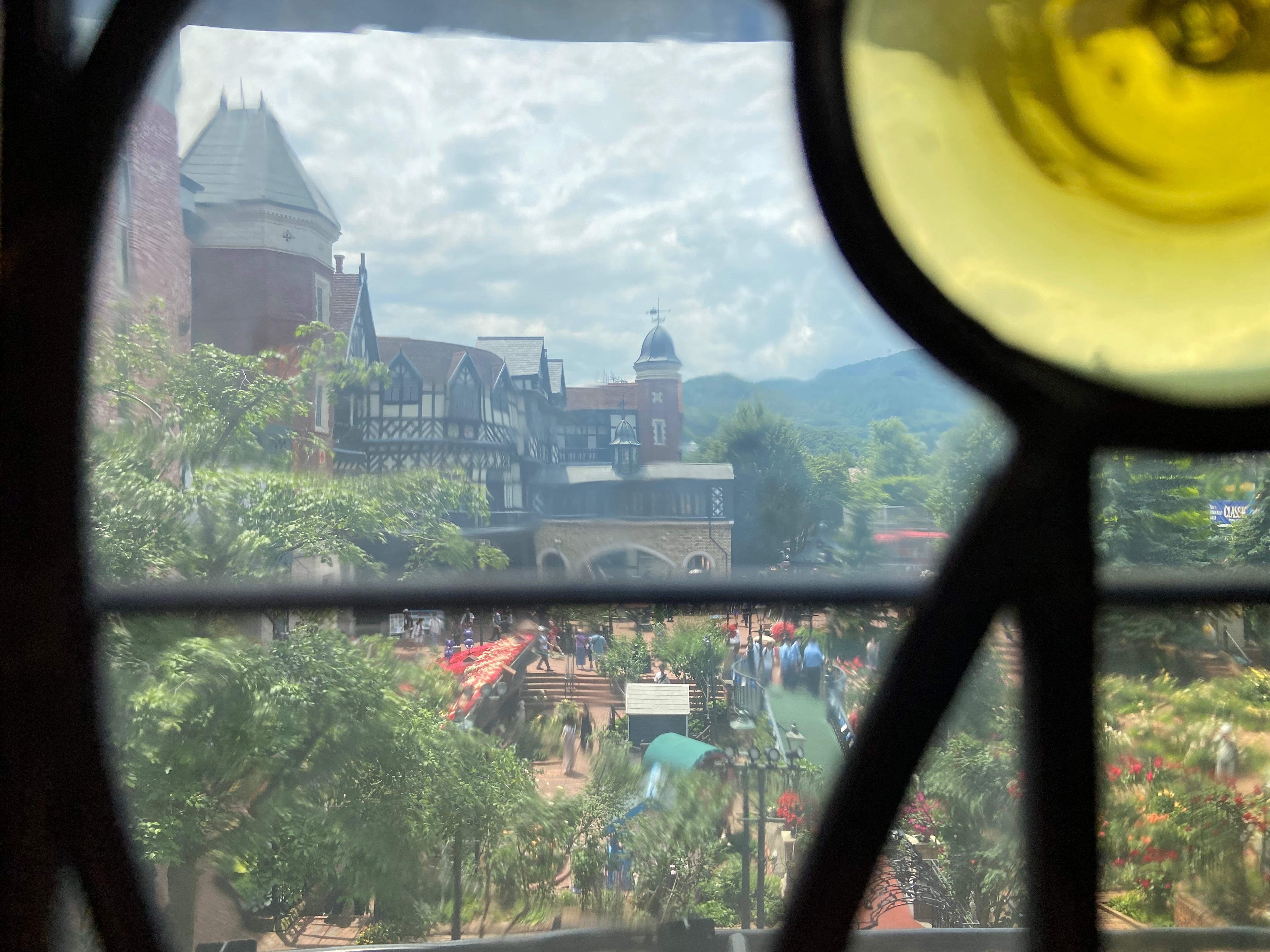
At exactly 12 o’clock, the distant clock tower chimes and opens up, and there’s a little animatronic parade. I slowly sip on my wine, trying not to wince. I watch the White Dwarfs trapped in a loop of mechanised merriment. I finish my glass before finally taking a stroll out through the gardens.

Taking the train back to Sapporo, I get off at Odori Station. The train station is connected to a huge underground shopping complex called Aurora Plaza. I decide to take a stroll through, passing shops selling clothes and souvenir-fit cakes. I also see some T-shirts with terribly translated English: Fun up necessary!

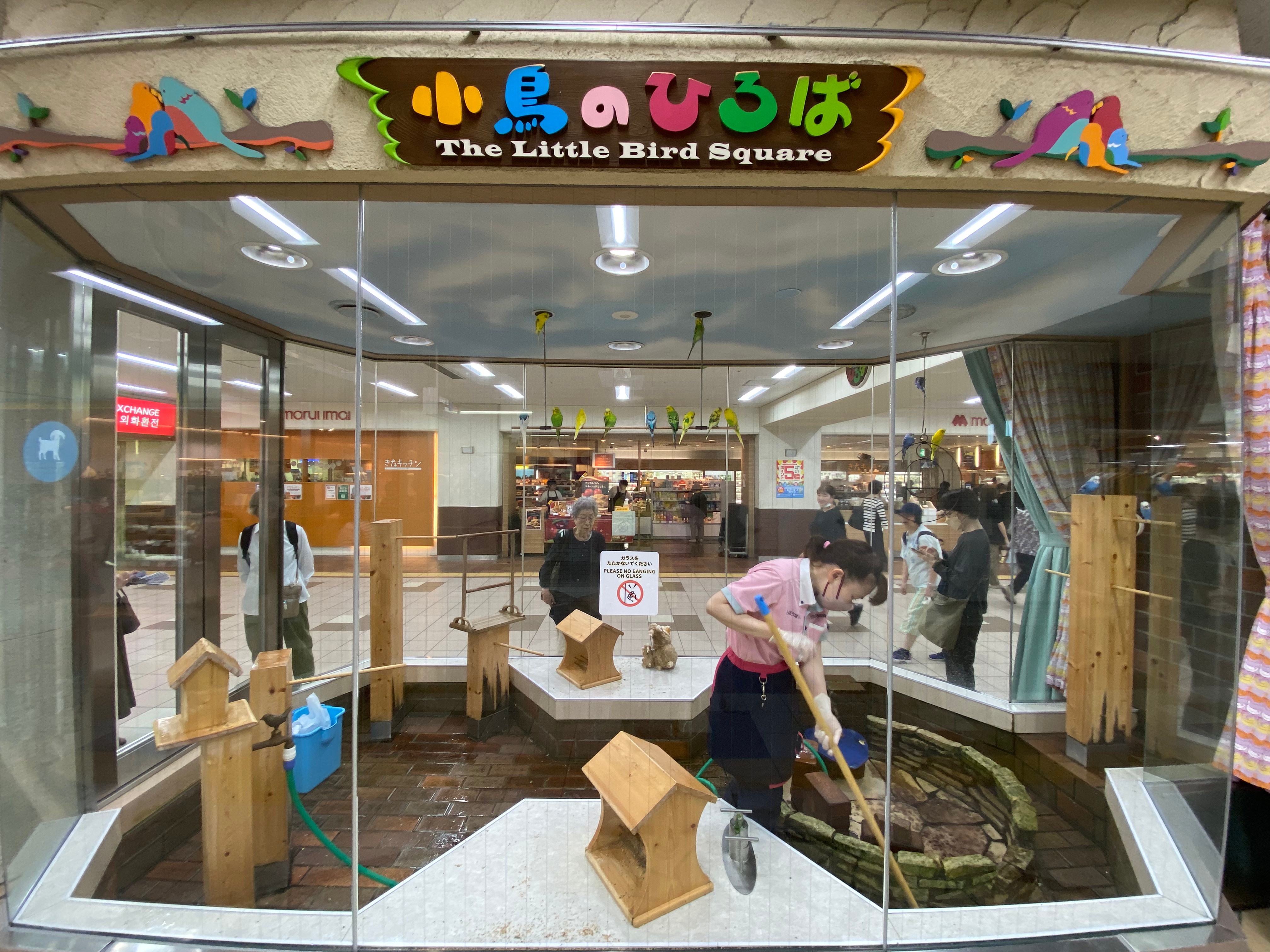
As I continue my stroll, in the distance I hear what sounds like birds chirping excitedly. I then see a sign for ‘Bird Corner’ and decide to see what all the chattering is about. It turns out to be a glasshouse full of parakeets called The Little Bird Square.

There are a couple of blue birds, multiple green birds, and that’s about as good as my knowledge of birds goes, I’m afraid. Although I’m pretty sure keeping them down here in an underground plaza means they will most likely die before they ever see natural light. Credit though, as it does seem that someone at least cleans out the enclosure, and I’m certain that one of the birds did smile at me.

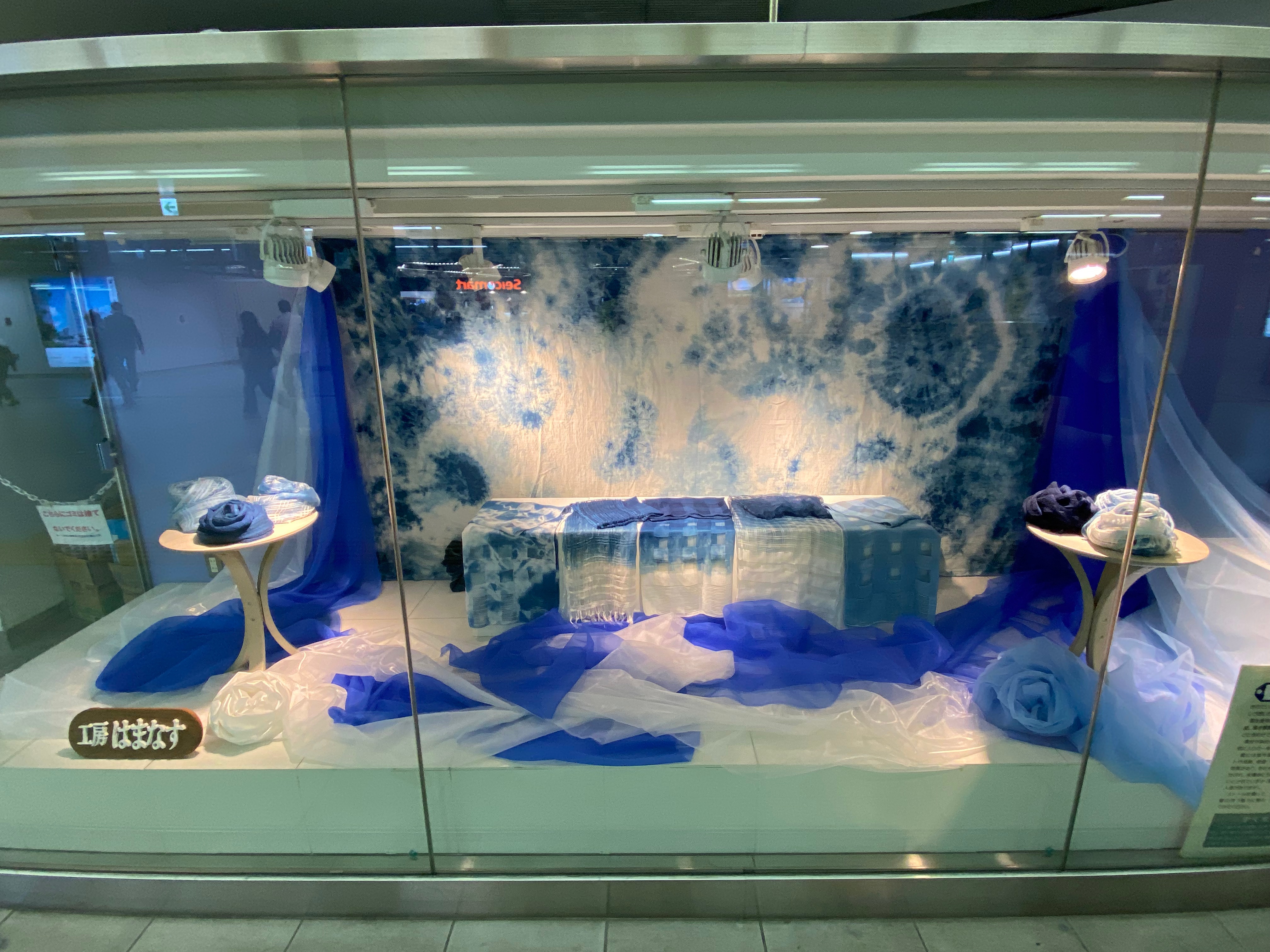
Further along the shopping complex, I stumble once again on a glass enclosure. This one, however, unusually contains scarves. The cloth appears to be well tended to, not the least bit ruffled. I think it’s supposed to look like a sea of clouds, but I can’t be sure. I do know that the scarves aren’t harmed in any way, and none of them seem likely to die anytime soon. They’ve already been dyed indigo!

My final stop for the day is a place called Retro Space Saka Hall. It’s a strange little museum that’s only open for a few hours a day, a couple of days a week, and houses the personal collection of curiosities owned by Kazutaka Saka, an 82-year-old Japanese man.

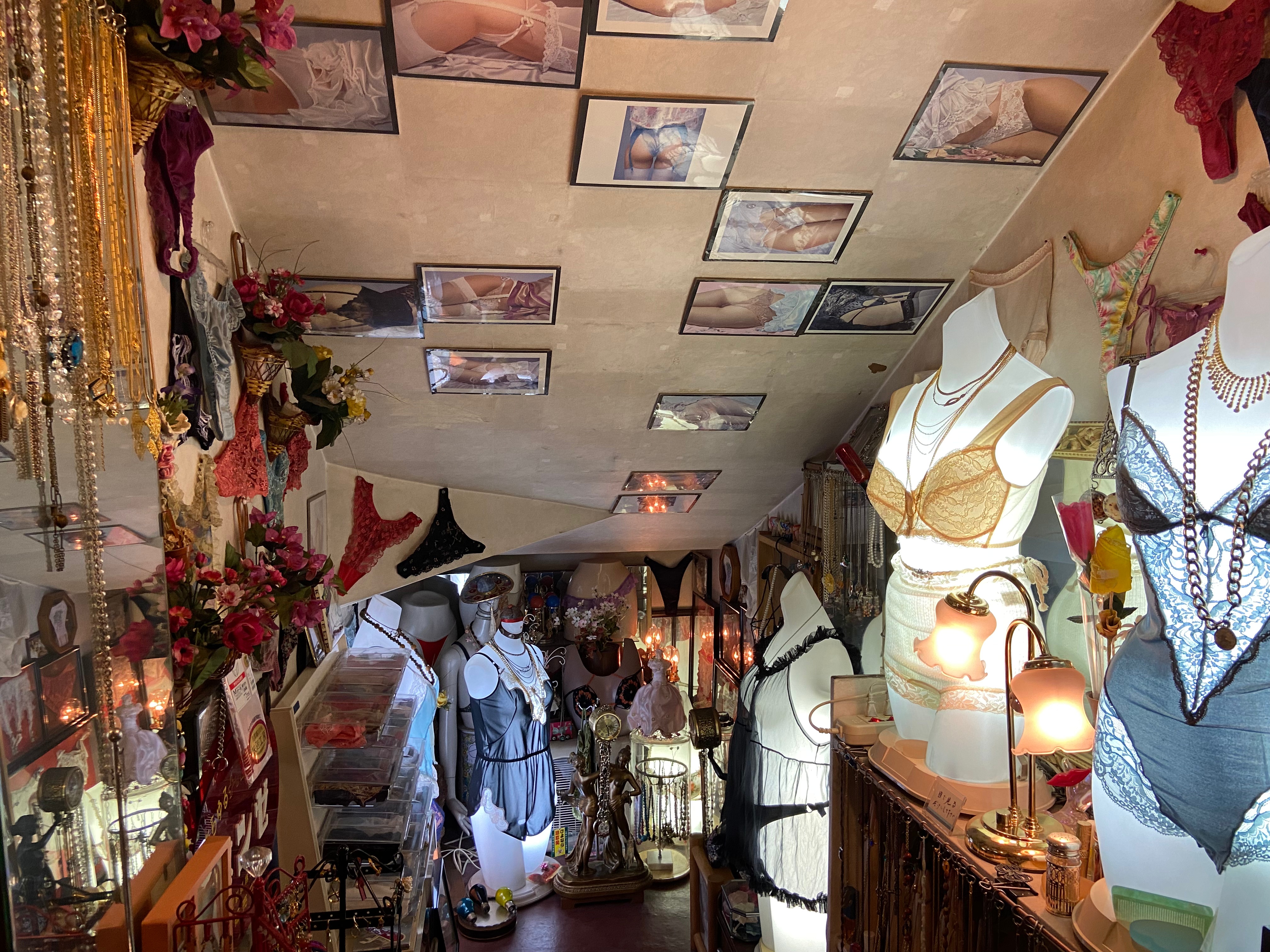
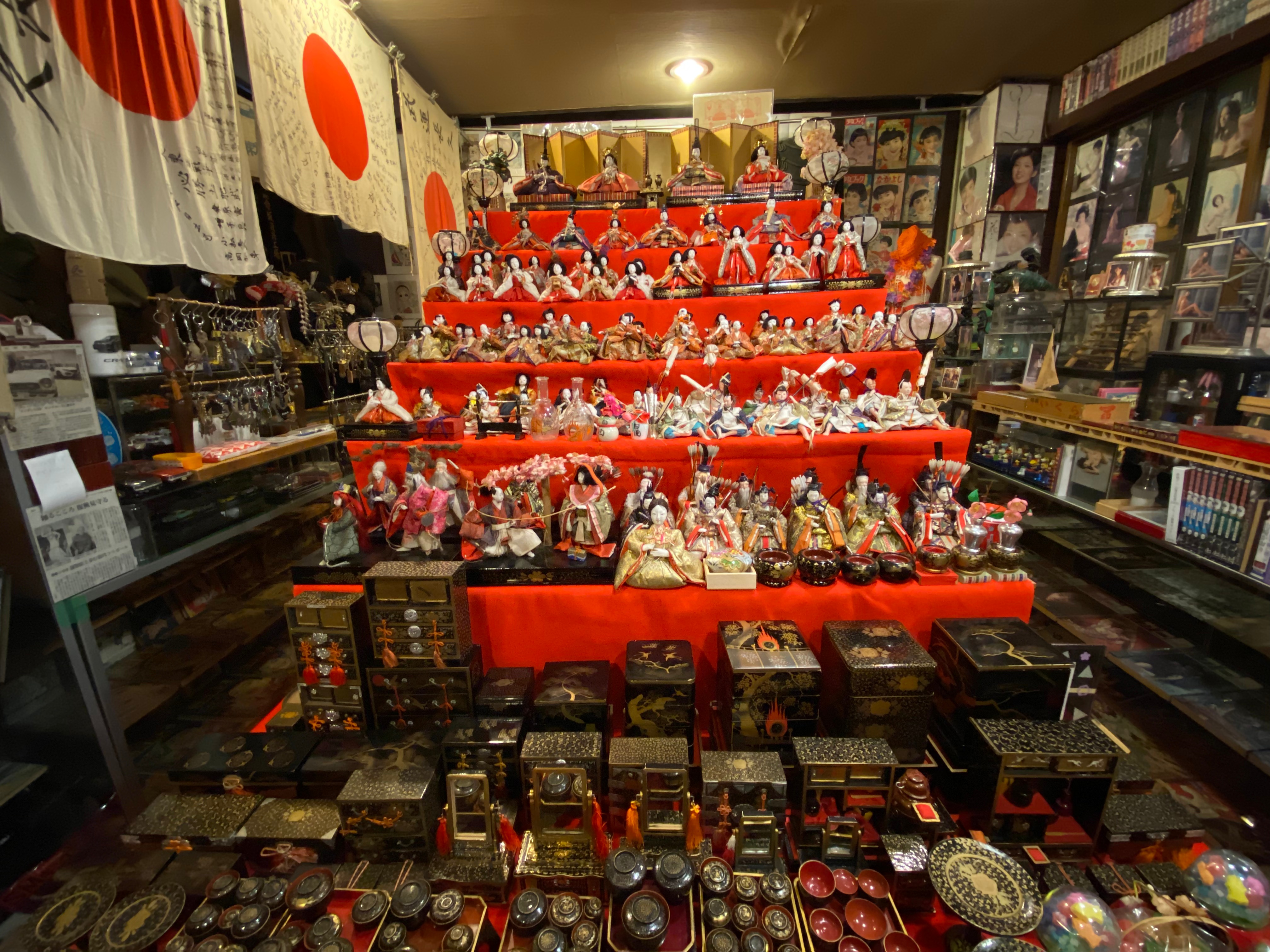
The museum is full of tightly packed shelves in every direction, arranged in sections and side rooms; a very well-organised collection of… well, of things. I don’t know where to look. There are things everywhere. If you can imagine it, Mr. Saka has probably collected it: Showa-era relics, gas masks, a large collection of syringes, musical instruments, a whole section dedicated to Eiffel Tower-shaped whiskey bottles, toys, figurines, bottle caps, buttons, stamps, cigarettes, women’s underwear, and photographs of women wearing underwear…

I begin to wonder whether Mr. Saka started out by collecting pornography and then, over time, began adding other random items like glass beakers and rocking horses to distract from all the images of naked women. Eventually it grew into this sprawling collection of almost one million objects. I don’t mind saying, I wouldn’t fancy having the job of dusting.

I have another thought as I pass by a wall of photographs of pin-up girls and a big pile of dolls: do other people just come here with stuff they no longer need and leave it behind? I can’t imagine anyone would actually notice the odd addition to the collection.

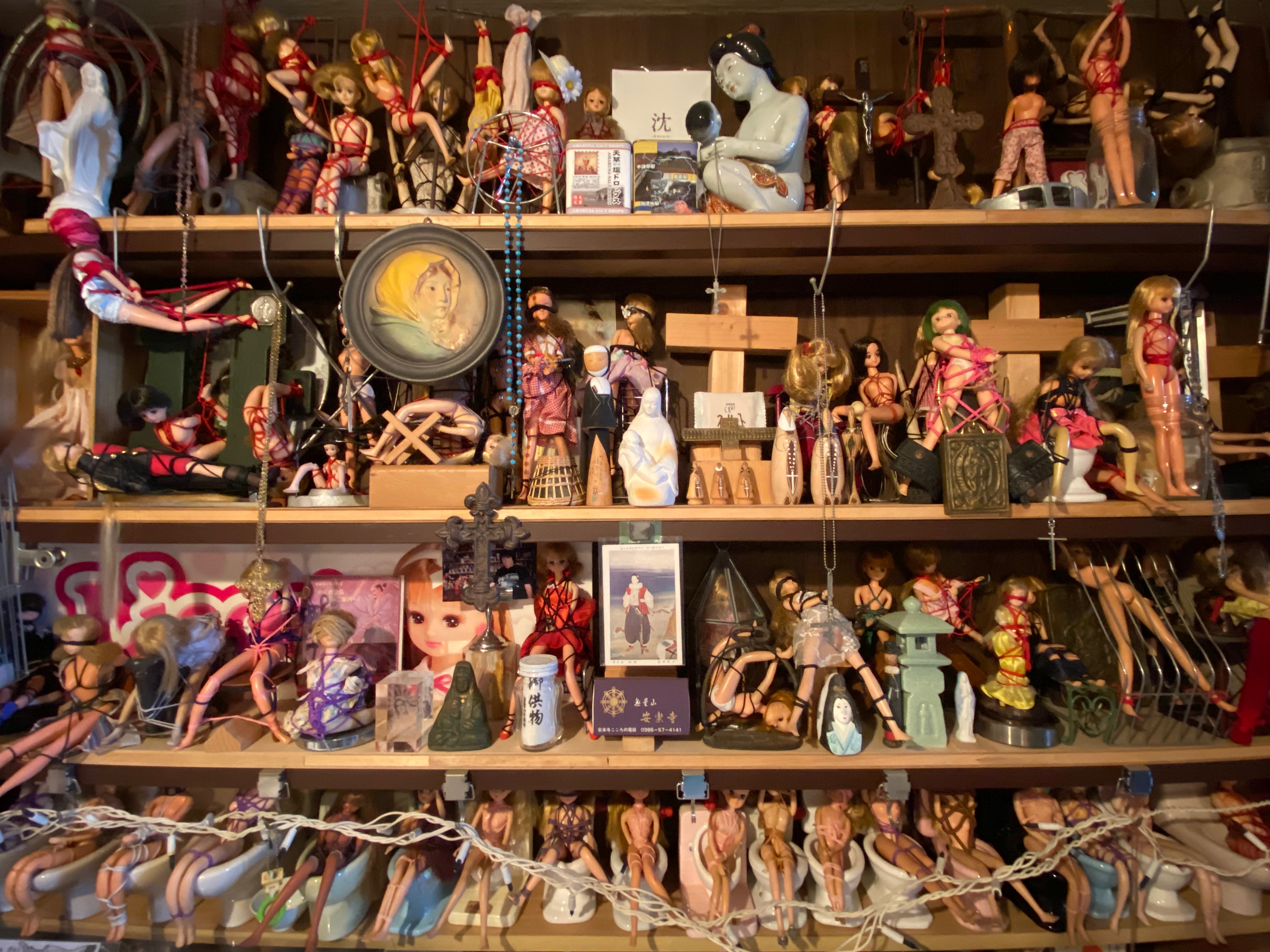
Just looking at the photograph of the pile of dolls, there’s so much going on in just that one area. Now imagine multiplying that by a hundred; you’ll get a good idea of just how overwhelming Retro Space Saka Hall really is.

I’m about to leave, heading toward the exit, but decide to take one last look at a shelf to my left. I must have missed it on the way in, overwhelmed on arrival by the treasure trove of everything mixed in with that odd smell of bygone. The shelf I’m standing before features a lot of dolls, tied up with string. The tied-up dolls on the bottom row are neatly arranged, all sitting on plastic toilets.

As I walk back to the train station, I decide that something about Mr. Saka is not quite right. Anyone with an entire shelf dedicated to Eiffel Tower-shaped whiskey bottles has a serious problem.