As Above, So Below

I’ve decided to, as usual, travel out into the middle of nowhere and explore some off-the-beaten-track sights pertaining to death, stored inside a massive Buddha. The news of another 7.9 magnitude earthquake and a subsequent megaquake warning drifts across the speakers at Kanazawa Station. The warning now in place for the coming week just reminds me of how fragile everything is.
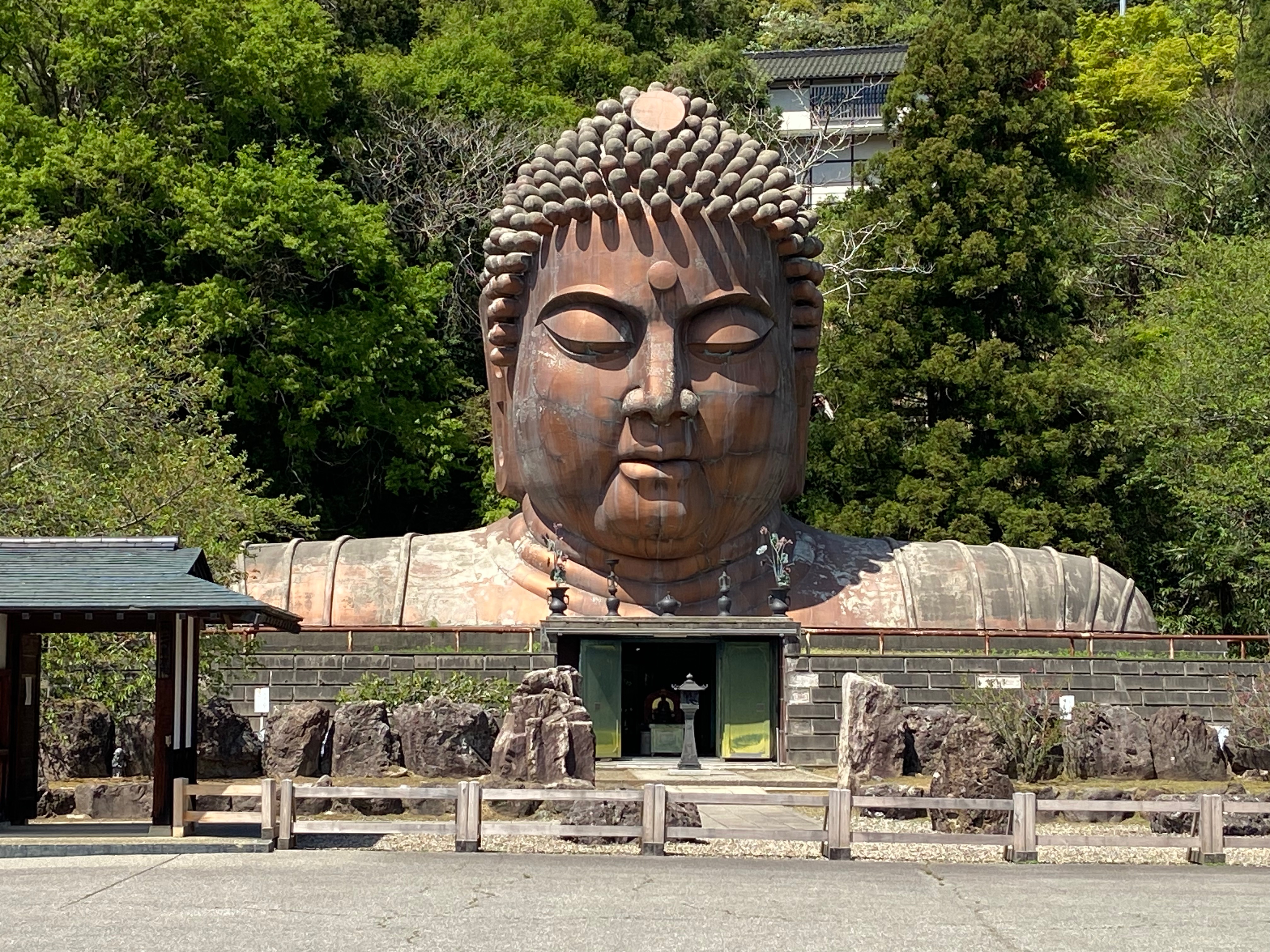
After a lengthy train journey, I leave Komatsu Station on foot. The mid-April sun burns at a scorching 30 degrees. I do understand that we orbit a giant fireball, but in April it shouldn’t be this hot, and my skin actually feels like it’s going to melt. It’s as hot as hell. I’m walking in the direction of Mount Hakusan, its 2,702 metre peak hovering above the skyline, the snow from two days ago now gone. It’s a ninety-minute walk to my destination, and every time I pass a tree, I slow, hovering in the shade for the briefest of moments. I eventually arrive at the Buddha, which marks the entrance to the Hanibe Caves.

But first, I need to pay for a ticket. There is nobody at the little booth, so I head inside to the gift shop to find a member of staff. I get the feeling this gift shop also doubles as somebody’s house. I find an old lady watching earthquake footage on the television, disturb her, and after she apologises about fifty times, she walks me out to the booth, takes my money, and hands me a ticket.
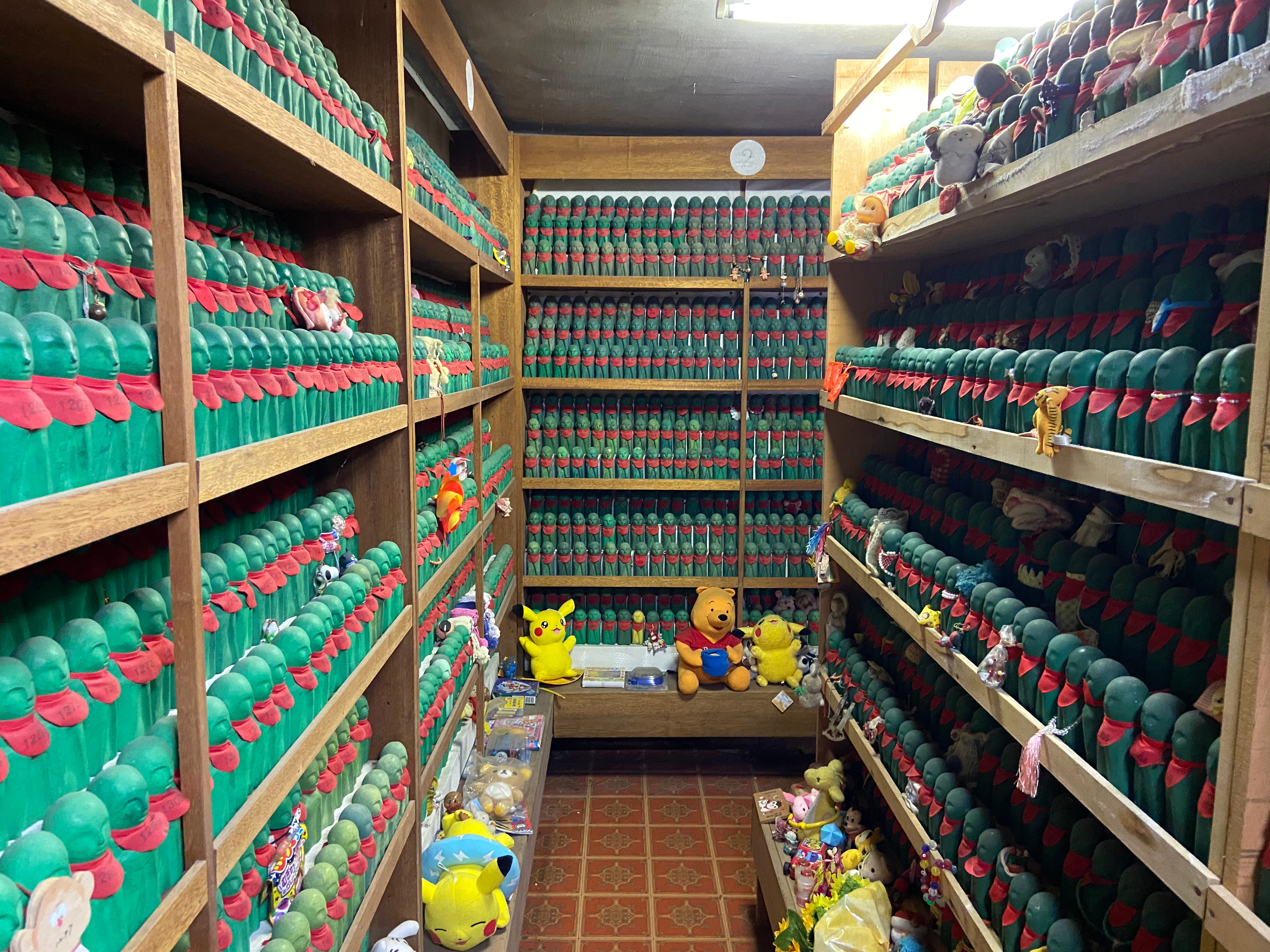
Inside, a shrine for dead children. Thousands of small green statues, each one representing the soul of a deceased child. I suppose it’s meant to offer comfort to a grieving parent, the souls of the children they never had, protected here, preserved, placed on a shelf forever, so they won’t have to stack stones for eternity in the afterlife.

Some of the statues have been recently decorated with ribbons or cloth, others have flowers, stuffed toys, or figurines beside them, and others are long forgotten. The place feels endless. Shelf after shelf, through corridors and doorways, rooms upon rooms. There are even a couple of empty shelves remaining, slowly filling up.
I head back outside and up the mountain path. Mossy stone steps that don’t look to have been stepped on in years. It’s here that I see my first snake, slithering in front of me before disappearing into the trees. I quicken my pace, reach the top of the steps, which turn into a forest, and now every snap of a twig or rustling of leaves sets me on edge.

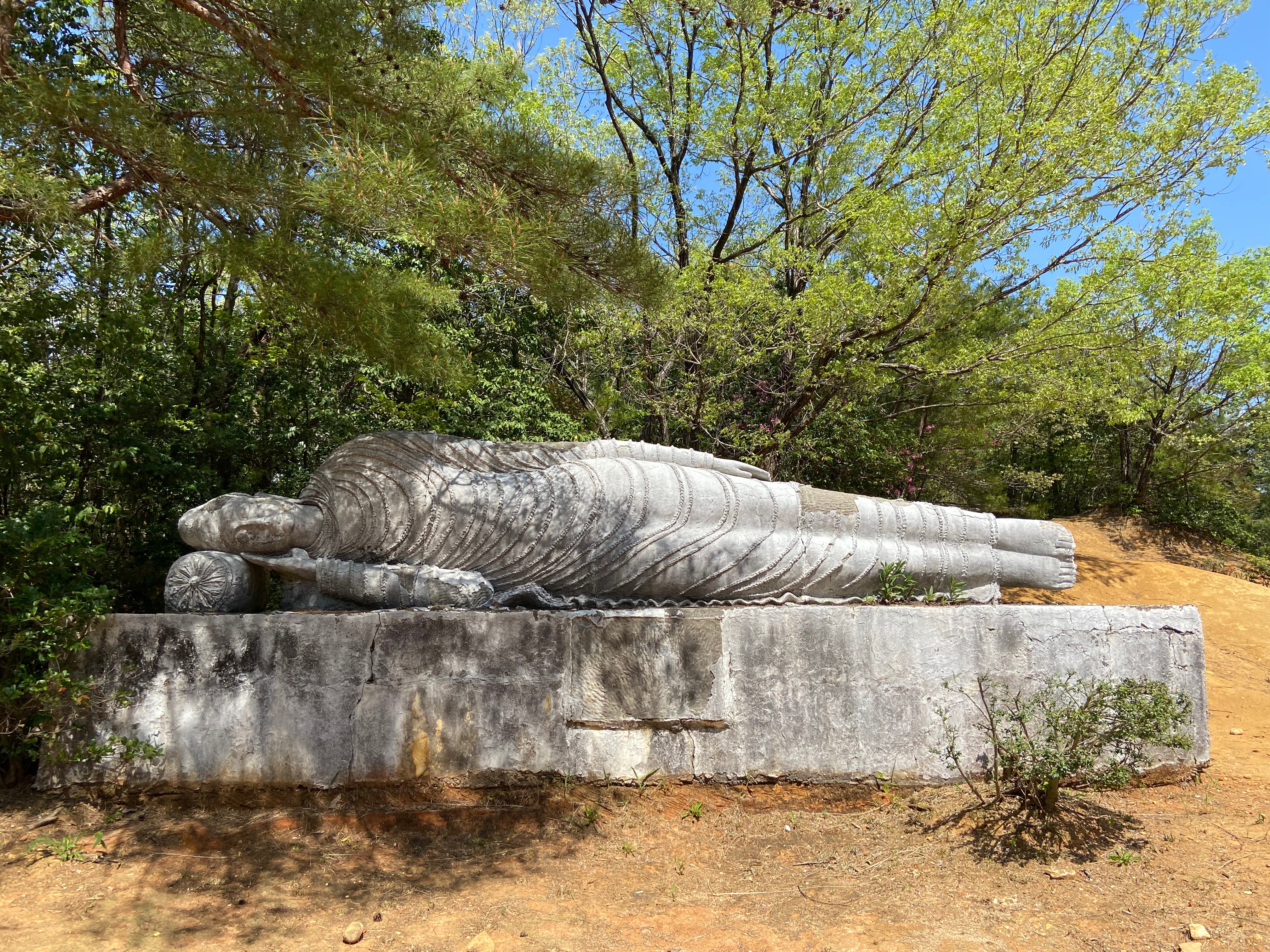
Eventually, the forest opens into a clearing. There is a reclining Buddha statue here. I notice there is no route map or signs in any language, so trying to figure out where to go next is challenging, as everywhere appears to close in on itself.
I head back toward where I encountered the snake and notice some steps heading down in the other direction. I follow them and finally come to an unmarked cave entrance.

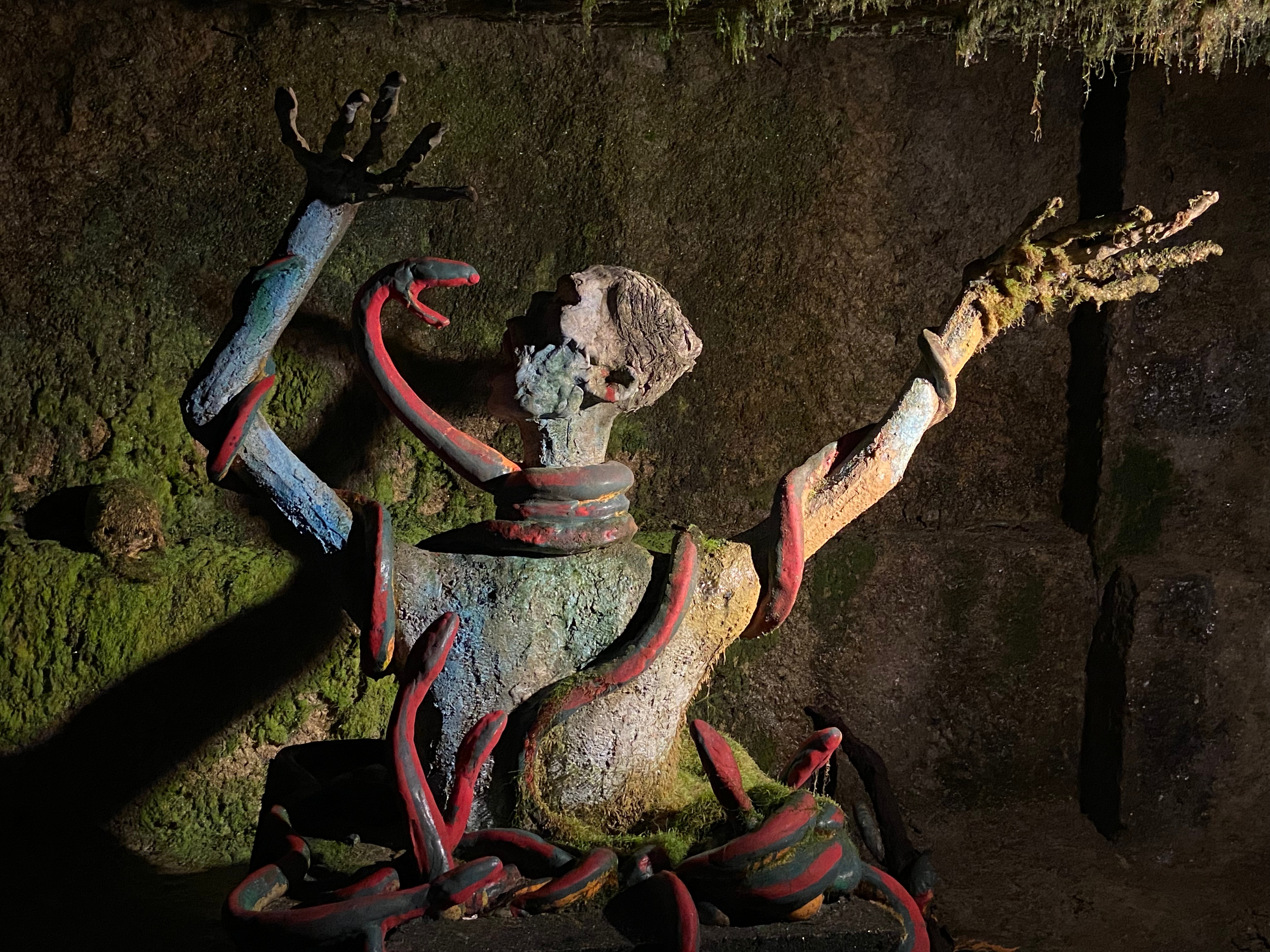
Inside, it is freezing cold. I follow the sound of dripping water through dimly lit corridors, deeper underground. There are hundreds of sculptures in here, most depicting some form of death. If this place were conscious, it would probably describe itself as a theme park for damnation.
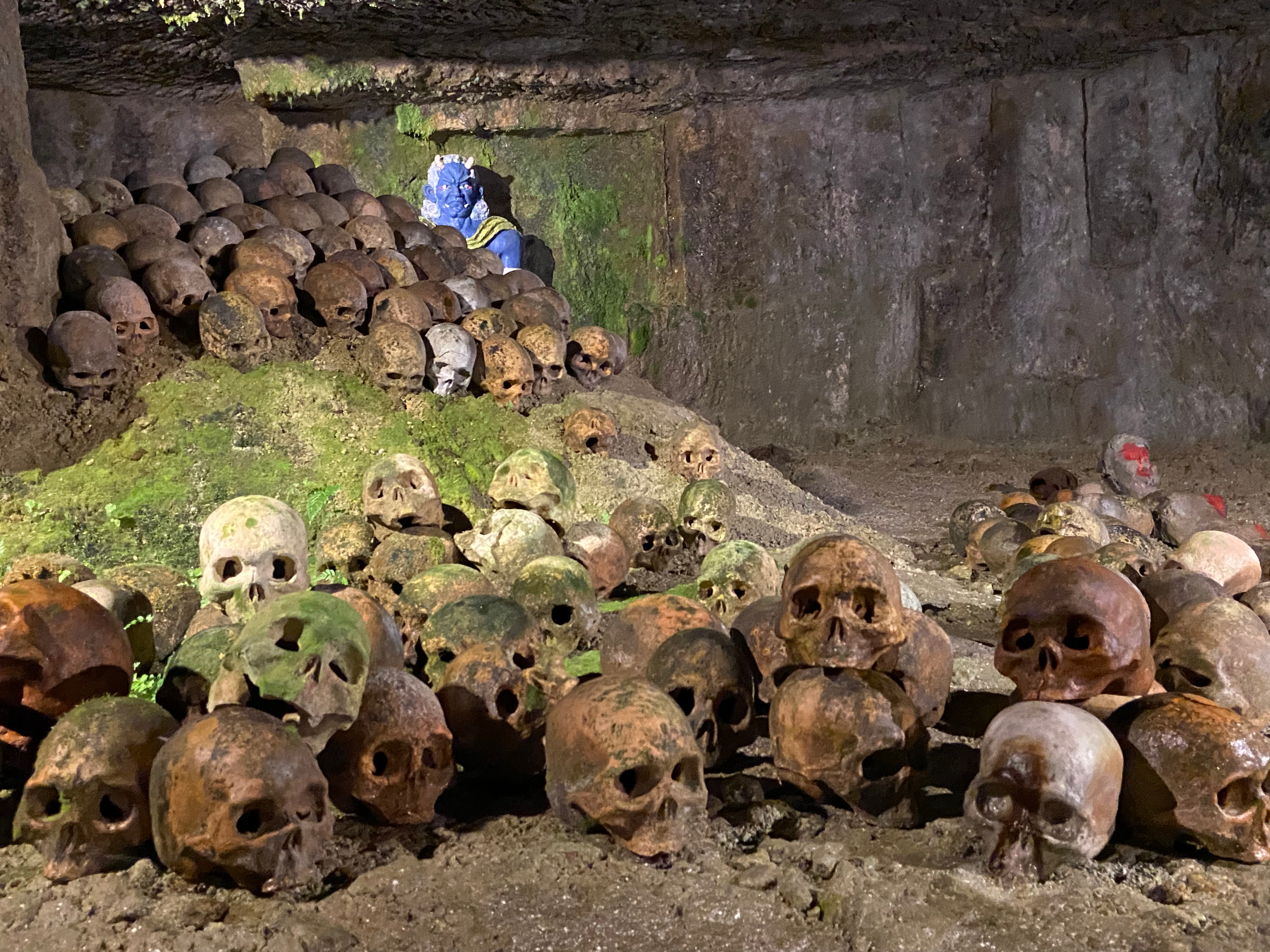
I pass devils and tortured beings, giant spiders, a pile of what look like human skulls. People with menacing grins carry knives, surrounded by dismembered limbs. It’s a juxtaposition of surreality, physical beauty and violent death. A woman is missing an eyeball. A man has come up against the great King Enma Raja and is missing his tongue. A monster is covered in snakes.

I find four demons sitting around a dinner table. There is a sign: “Doesn’t this seem like fun? The feast has reached its climax, stained with blood. Those who have fallen here at the end of debauchery and madness are filling the stomachs of the demons. Another guest has arrived. Very well, come and sit on this table.”
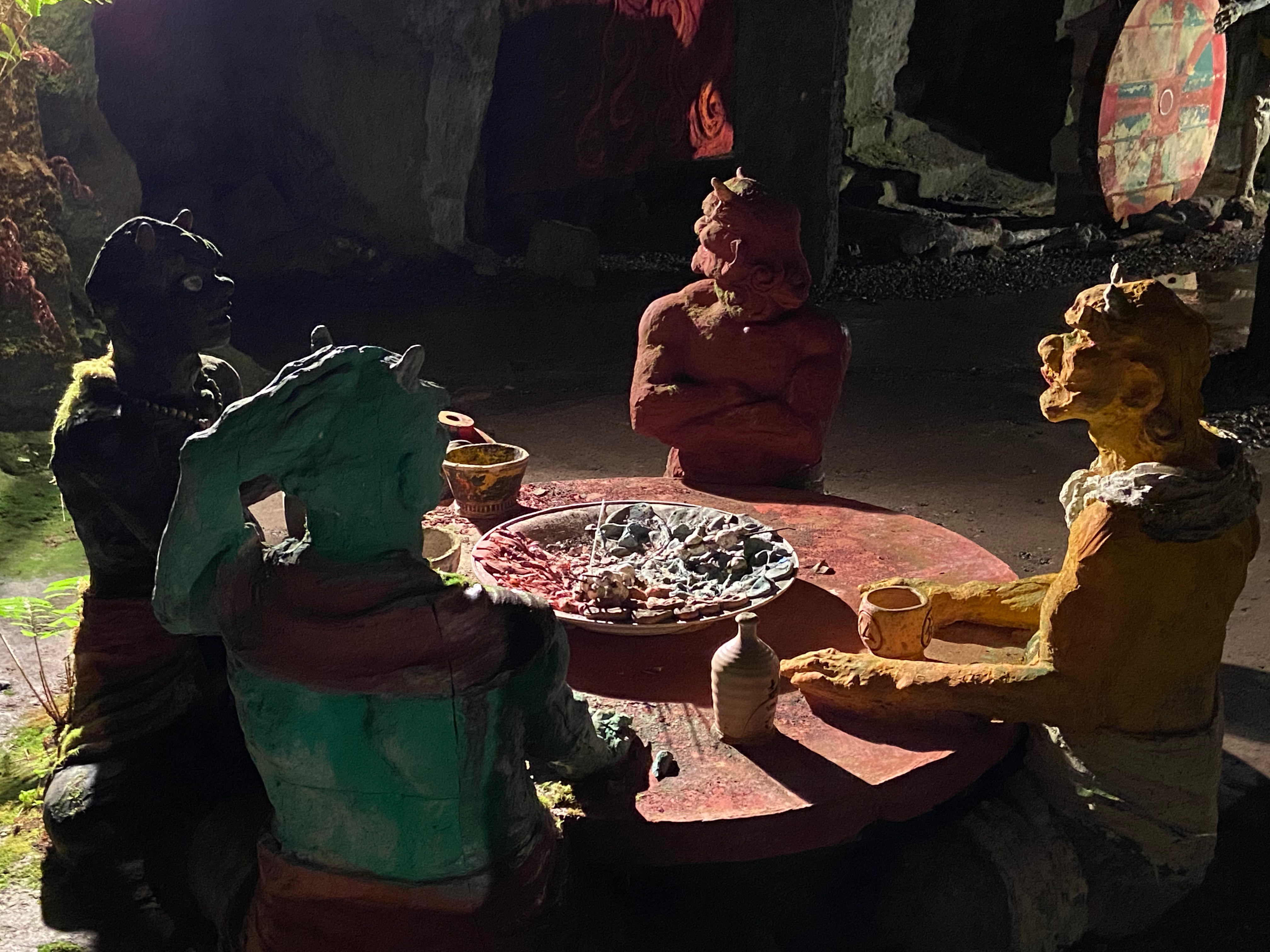
It is unnerving being here. The cold, the dark, and knowing that I’m not only lost in a forest somewhere in the middle of nowhere, with nobody around, I’m also lost in a maze carved through an underground cave network, which is also trying to be a haunted house.

If I died in here, nobody would likely find me for days. I want to be alive. I want to feel alive. This place does that. Despite the death around every turn, threading through the darkness of the tunnels, I do enjoy places like this. Not just the unknown, either. The depictions of what the Buddhist interpretation of the Gates of Hell looks like, and the overly enthusiastic marketing of calling it that. As I try to figure out where I am, occasional noises echo around. A click. Something tapping in the distance. Someone else is here. Something else.
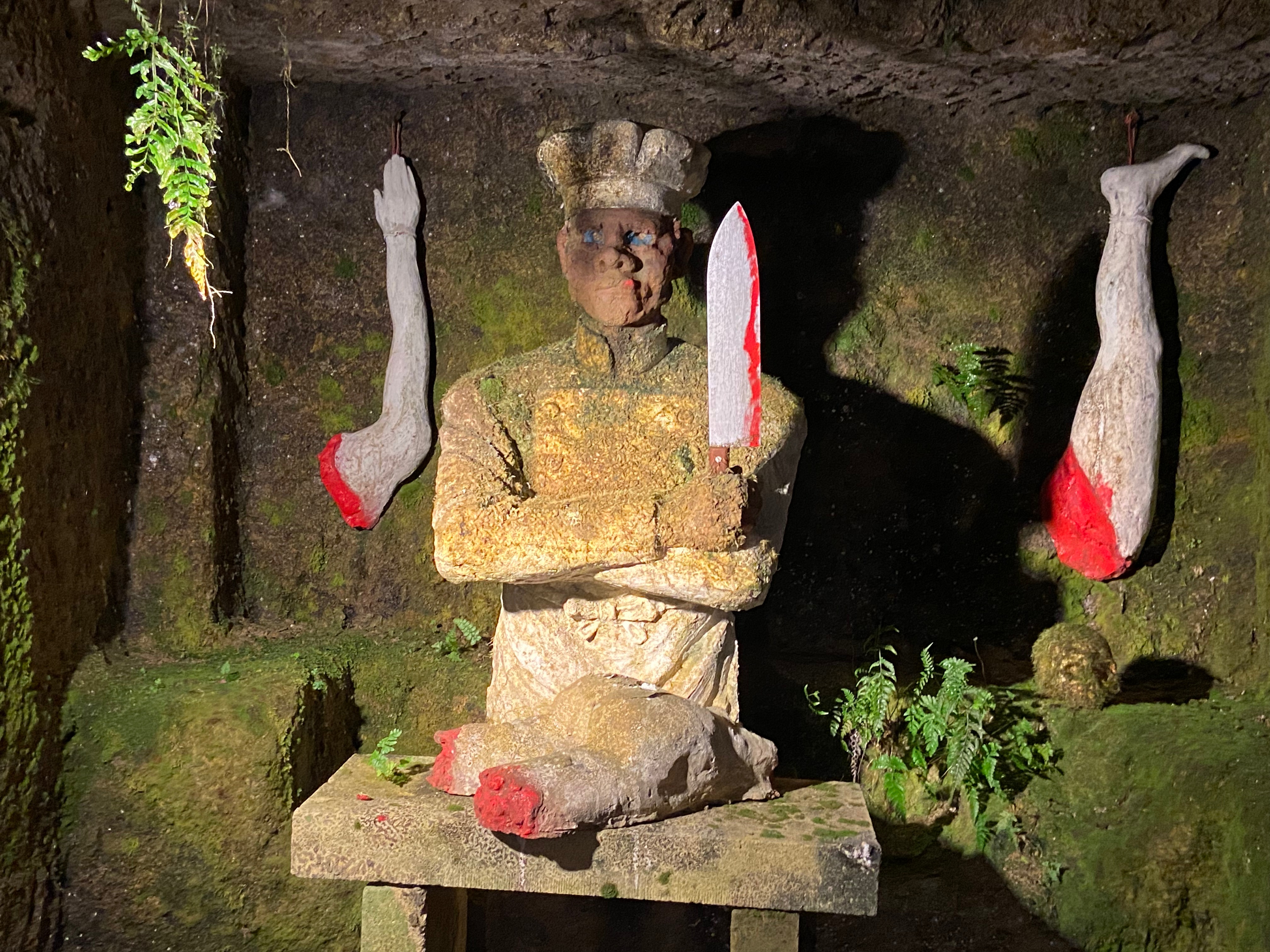
I leave the same way I came in, or so I thought. I exit into a small town. I’m lost and completely disoriented. Somehow, I have left the Hanibe Caves, but it doesn’t feel like I found the way out.
The Unbearable Lightness of Being in Orbit

An announcement tells me that my train is significantly delayed by one minute as I wait patiently at Kanazawa Station. Today I’m travelling to a place in the remote countryside of Ishikawa; a seaside town said to have had the most UFO sightings in Japan.

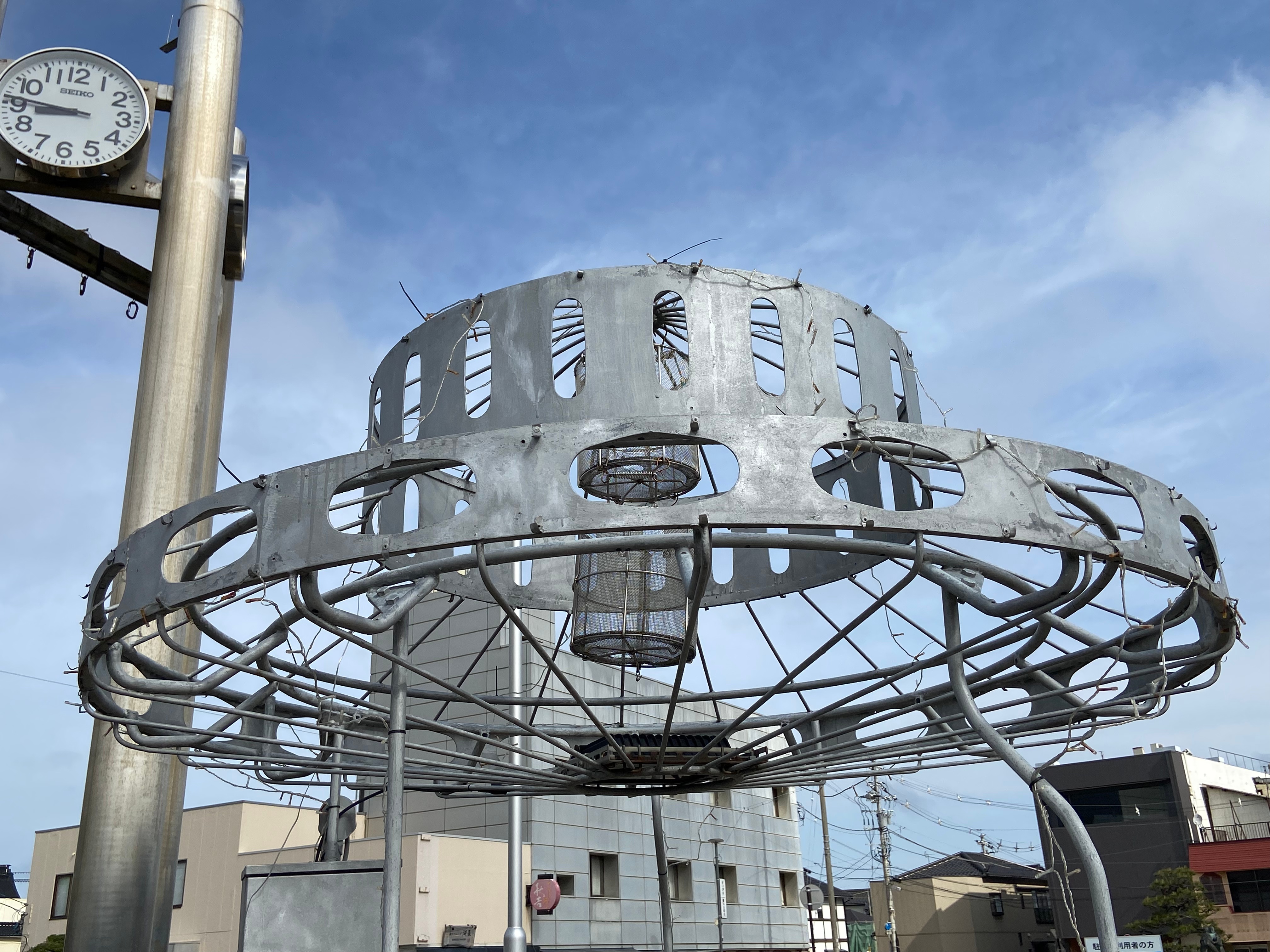
Outside Hakui Station, the morning sun is blazing. I immediately notice UFO-themed public artwork, spaceship sculptures, and a sign for the oddly named UFO Museum. Since the sightings, Hakui has fully embraced this alien identity, becoming a UFO hotspot, and now hosts the largest space collection in Japan.

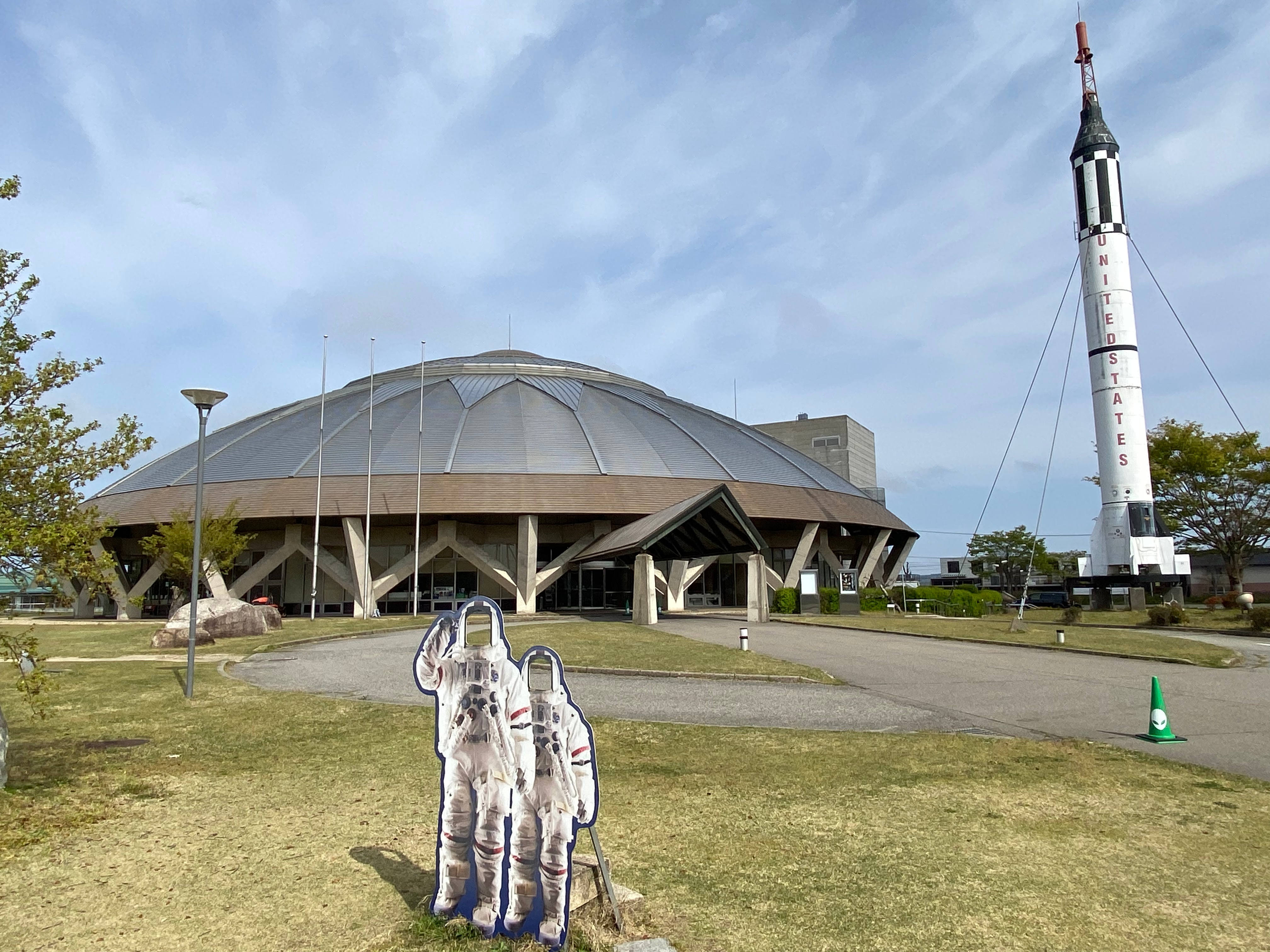
As I wander in the vague direction of the museum, I see a massive flying saucer-shaped building with a large American rocket beside it, and two Carnival Cutouts in spacesuits. I’m not entirely sure this is the museum, as there isn’t a single car in the car park; I do worry, briefly, that if it is, it might be closed today. Much like our deeper understanding of space, there are no signs of life anywhere.

My instinct was partially correct; it is the museum, but it isn’t closed, confirmed when I’m greeted by a woman in an alien mask. I purchase a ticket and hover past a replica Lunar Rover, which looks like it was assembled from spare shopping trolleys, then over to the lift and up to the exhibition floor. The lift features an illuminated planetarium and some faintly sepulchral music, which is nice.

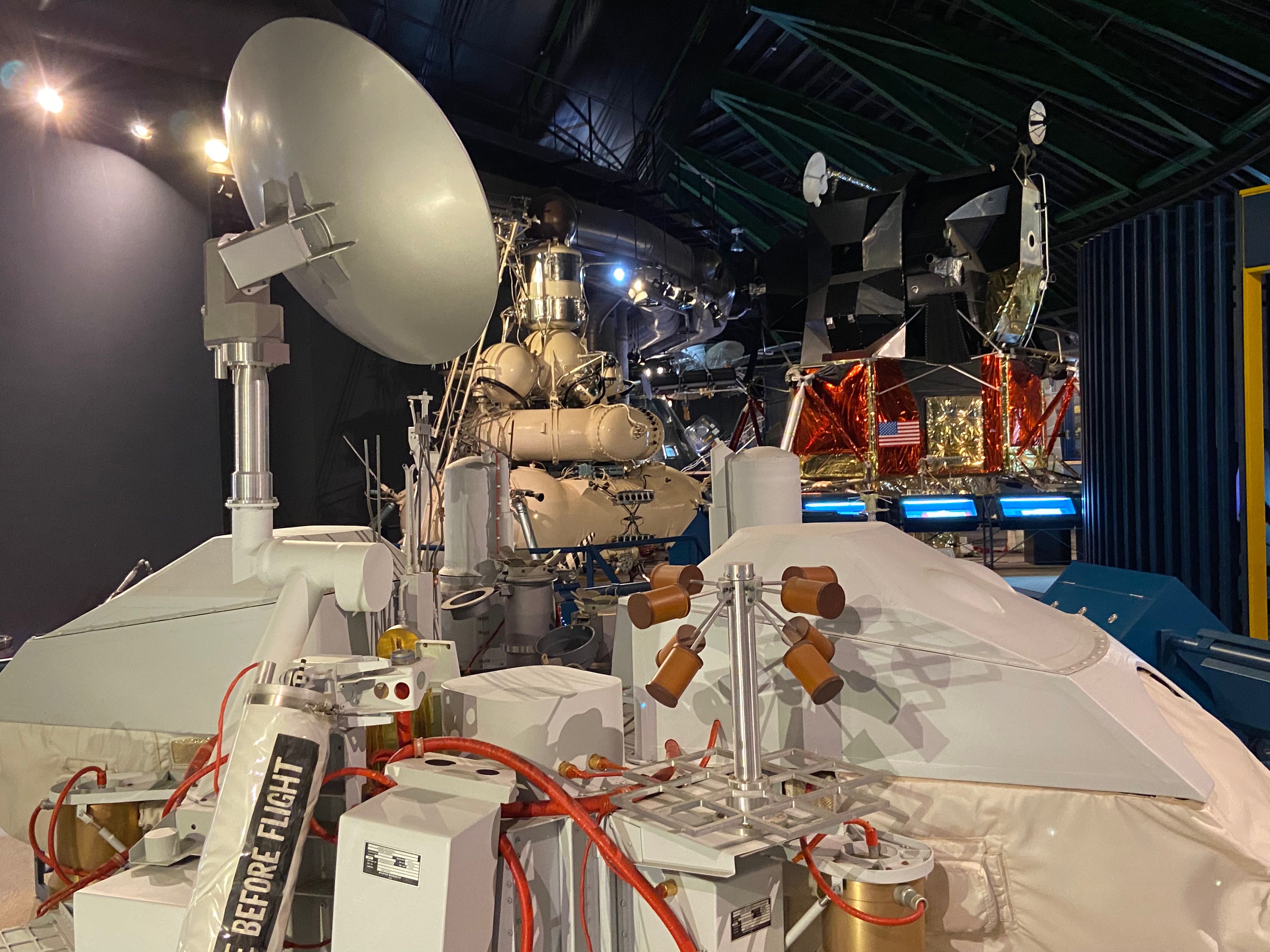
I’m giddy as I enter the exhibition, but somehow, as I see all these space relics, I wonder how most of these things even made it up there. The Vostok capsule, a scorched metal sphere, looks less like something that carried a human and more like something that returned one. I can amazingly take a single photograph capturing the Apollo Lunar Module, the Viking lander, and Luna 24; it makes me wonder how we actually did any of this.

I explore. There are Moon rocks that I can touch. Ripped clothing and Snoopy caps. There’s space food; macadamia, cauliflower cheese, smoked turkey, and tea with sugar, all purchasable at the end from the museum’s impressive gift shop.

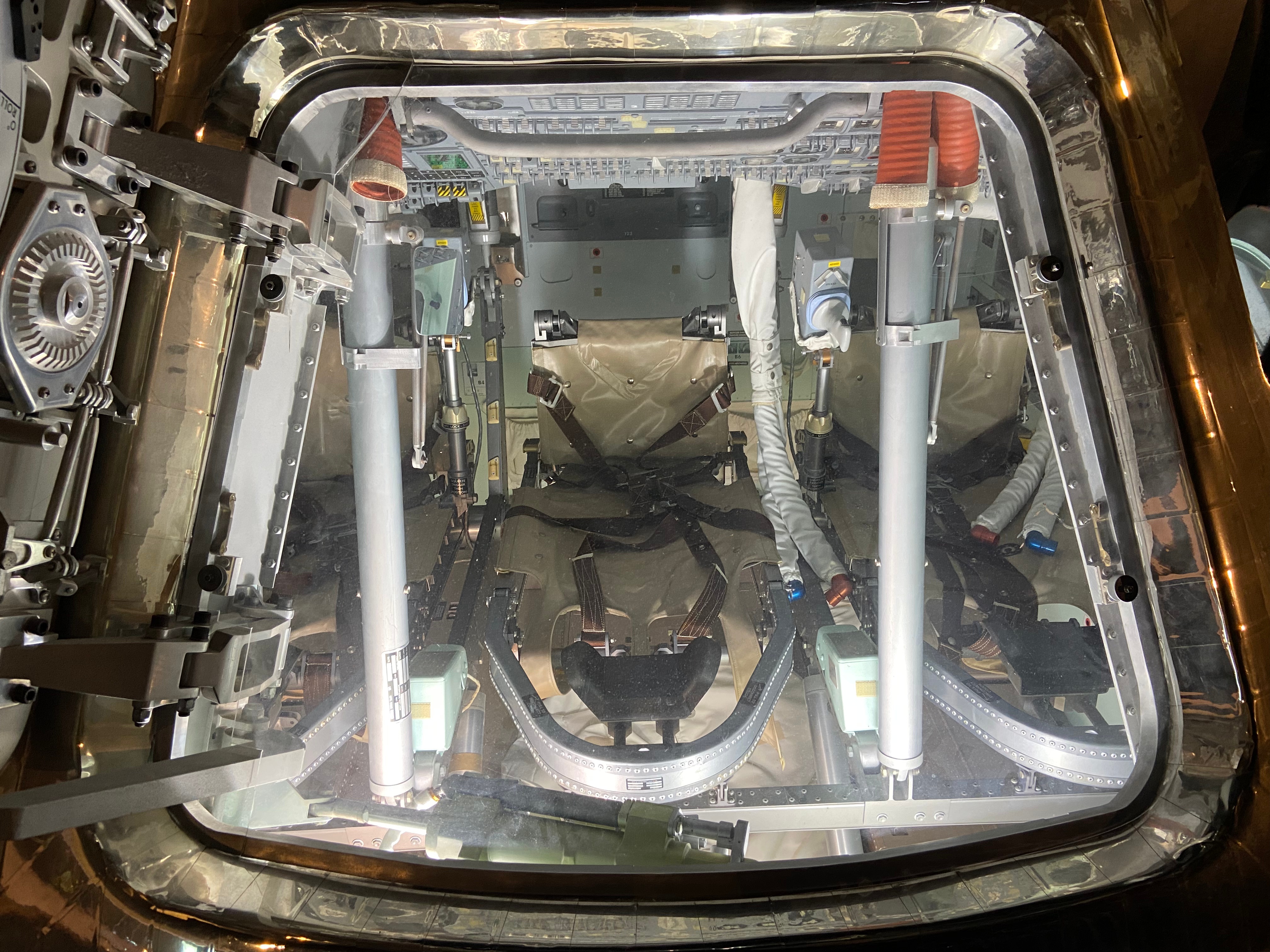
The very watch worn by Neil Armstrong as he pranced across the surface of the Moon back in 1969, an Omega Speedmaster, is on display. I suspect his was accurate to the microsecond, unlike my train this morning. I assess every detail of the Mars Rover, enjoy reading about SETI and the search for extra-terrestrial life, and peer deeper into the Apollo Command Module.

The one part of the exhibition that strikes me is Voyager. I move through the music and photographs we sent into space; solar system parameters, chemical definitions, DNA structure, nursing mothers, continental drift, Earth’s structure, diagrams of evolution, demonstrations of licking and eating, women in rush hour, telescopes and violins alongside music scores. A quiet catalogue of ourselves, cast outward. I can even play sounds recorded by Voyager. Real sounds taken in space; eerily empty and cold. Desolate. Something that feels like abandonment, drifting into the vastness of the void.

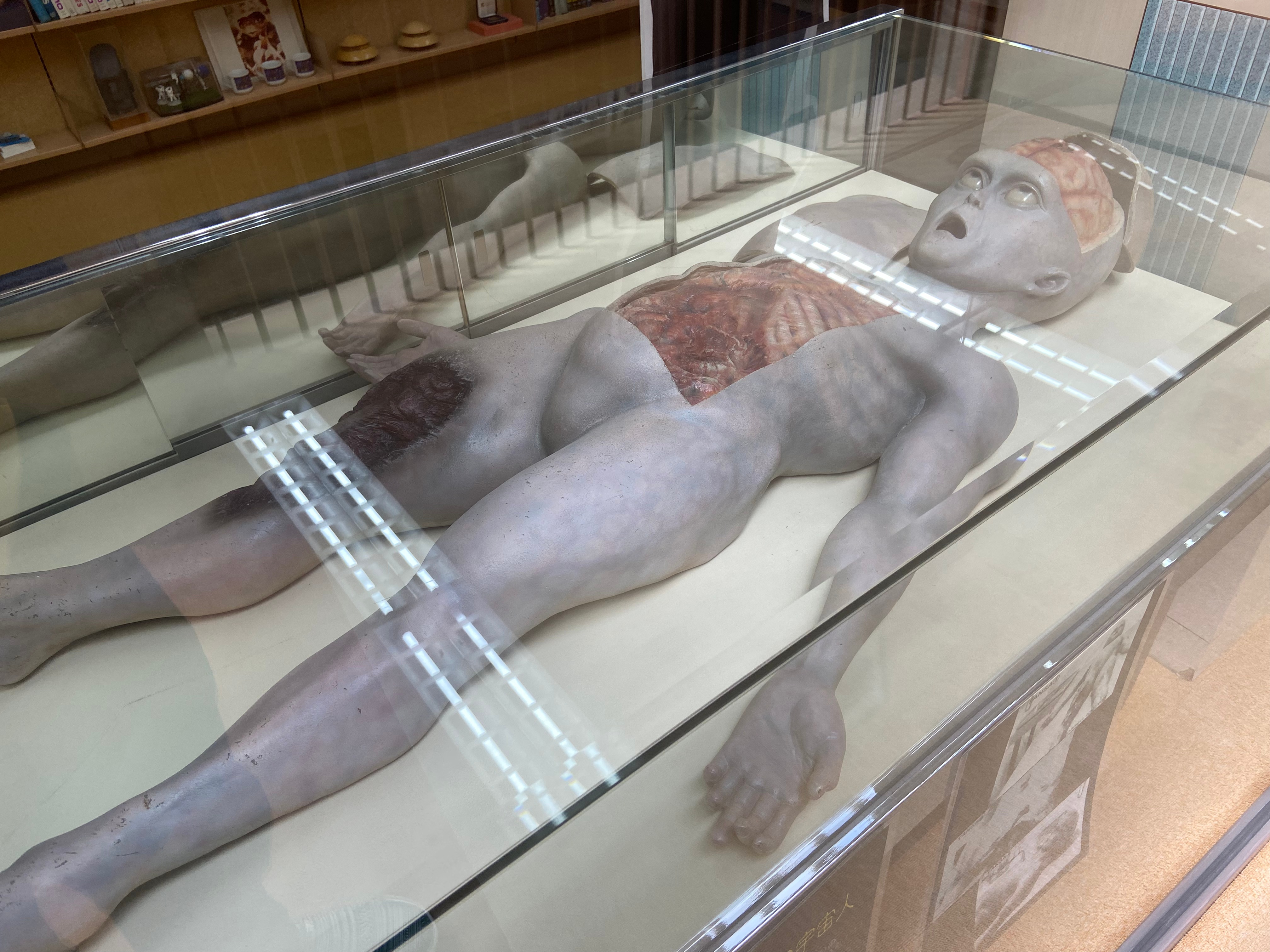
There is one final room filled with UFO paraphernalia, including photographs from Roswell depicting a dissected alien. However, this public library and exhibition hall appears to be closed today; as does the restaurant serving UFO-themed food, probably due to a staffing shortage.

Back at the station, I discover the trains back are just as infrequent, and that I’ve missed mine by one minute. So, with bad planning and two hours to kill, I head back through the Hakui heatwave. I’m not used to any form of pleasant weather in April, being from England, and so I haven’t even thought about bringing anything to protect my skin.

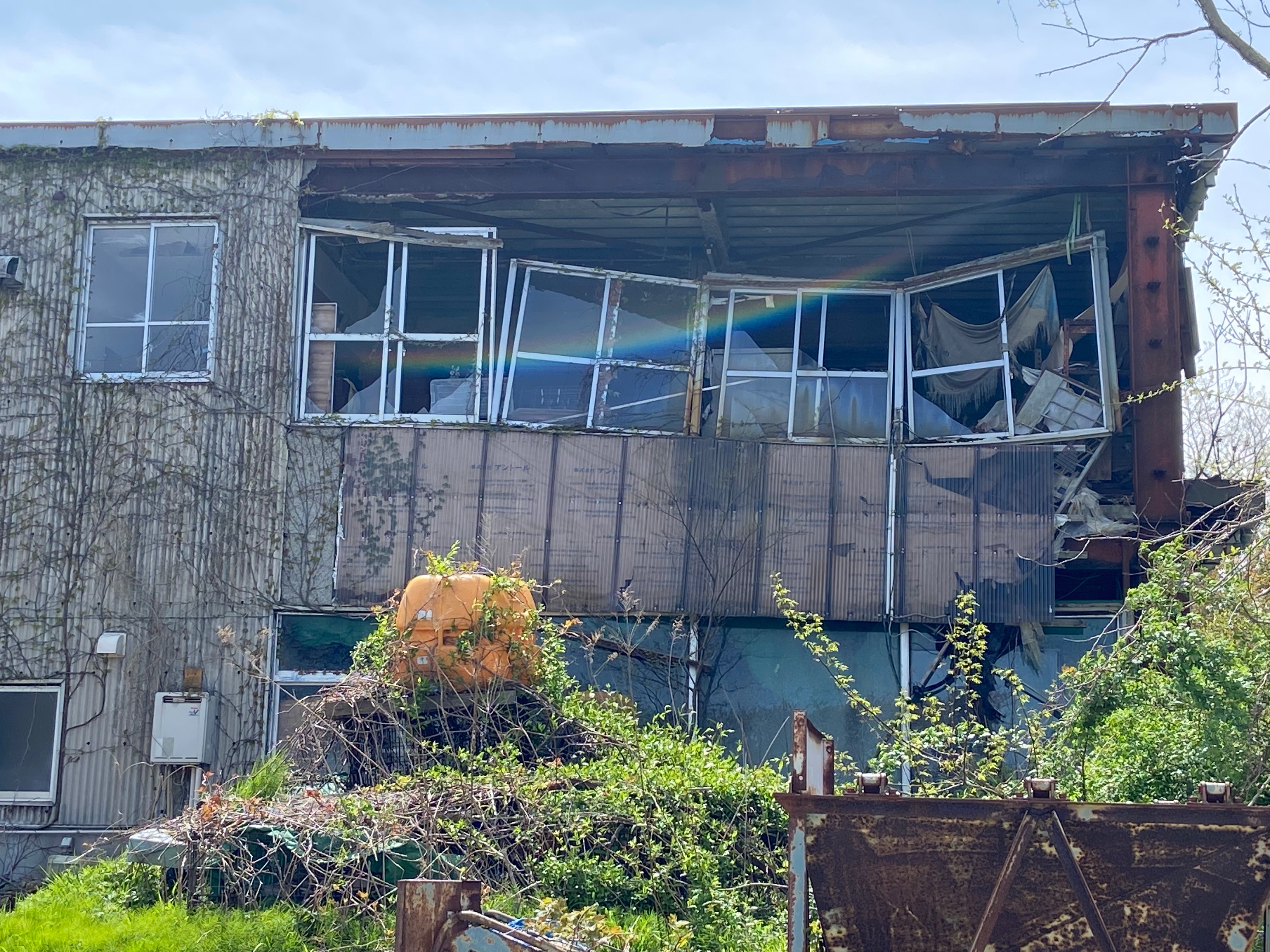
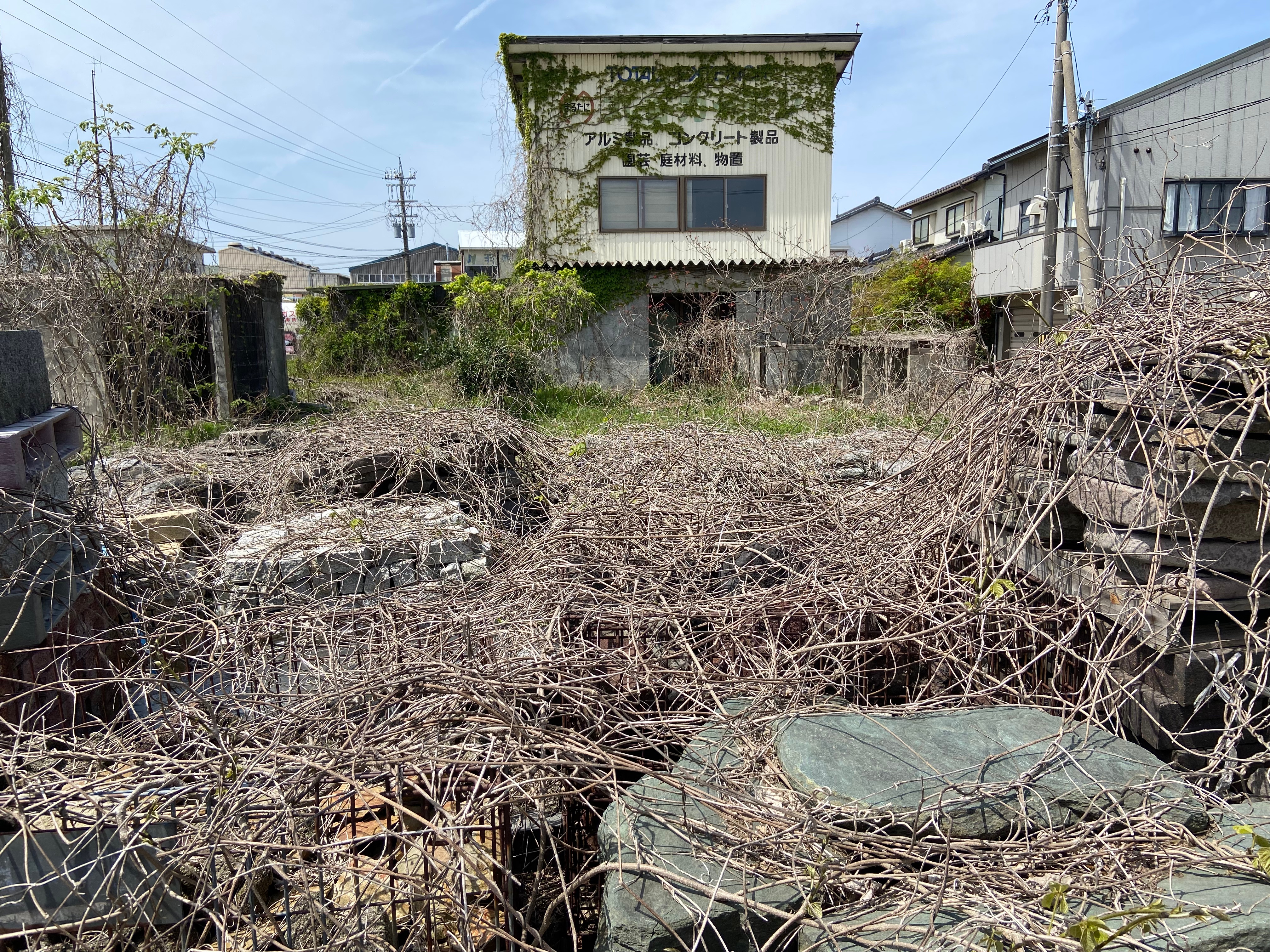
As I make my way toward the only other point of interest in the area, a nearby beach, I search desperately for a Family Mart or Seven Eleven. The only real building of note I do pass, however, is what looks to be an abandoned house.

As I wander, I’m surprised by just how completely empty the town is. I don’t find a convenience store. I don’t see another human on the entire walk. It’s as though they’ve been removed; abducted, lifted clean out of the day. Maybe they have. I pass empty galleries and closed bakeries, abandoned supermarkets and buildings in complete disrepair.

I was going to leave that point there, but as I get further from Hakui Station and closer to the beach, it becomes clear just how severe it is. I’ve remarked on abandoned villages before, but this is by far the worst I’ve seen; this feels like an entire abandoned city.

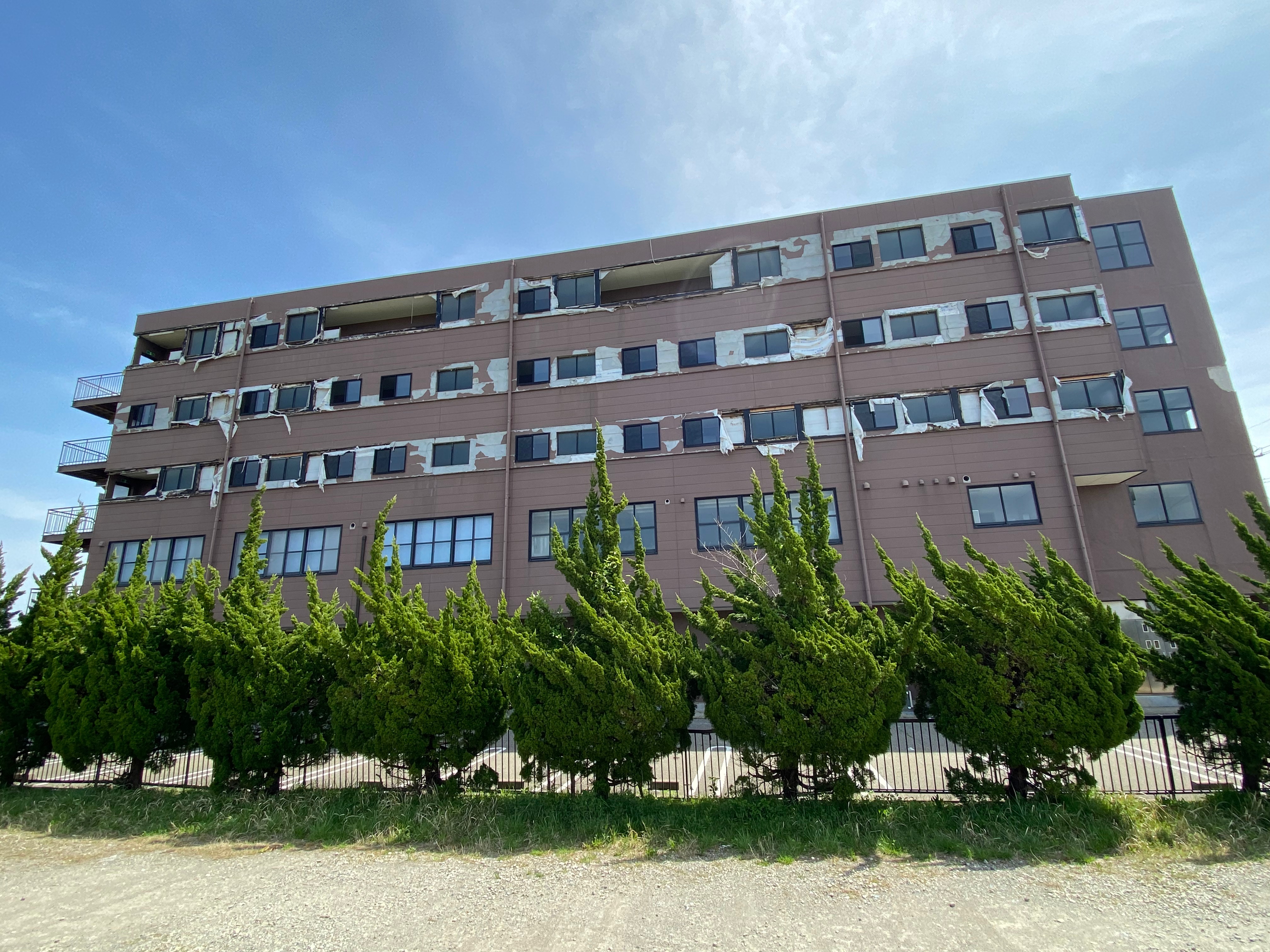
I pass a crumbling car wash, a house that seems to have collapsed mid-sigh, and a whole hotel on the main road just five hundred metres from the beach entrance, abandoned.

A sports centre sits empty. There is a closed-down supermarket crawling with vines. A crumbling old school. And a massive apartment block with collapsed balconies and rusted gates. Where are the people, I wonder. Some have died; some have moved on. A few, perhaps, simply vanished into quieter lives elsewhere. When they were here, at least they got to live near a beach.

The only upside I’ll add is that, as lonely and quiet as it is, at least it’s peaceful. Perhaps the same can be said about death; lonely and peaceful. No cars on the road. No chatter. Voids and emptiness. If there ever were to be an alien invasion, I doubt anyone around here would notice the aftermath.

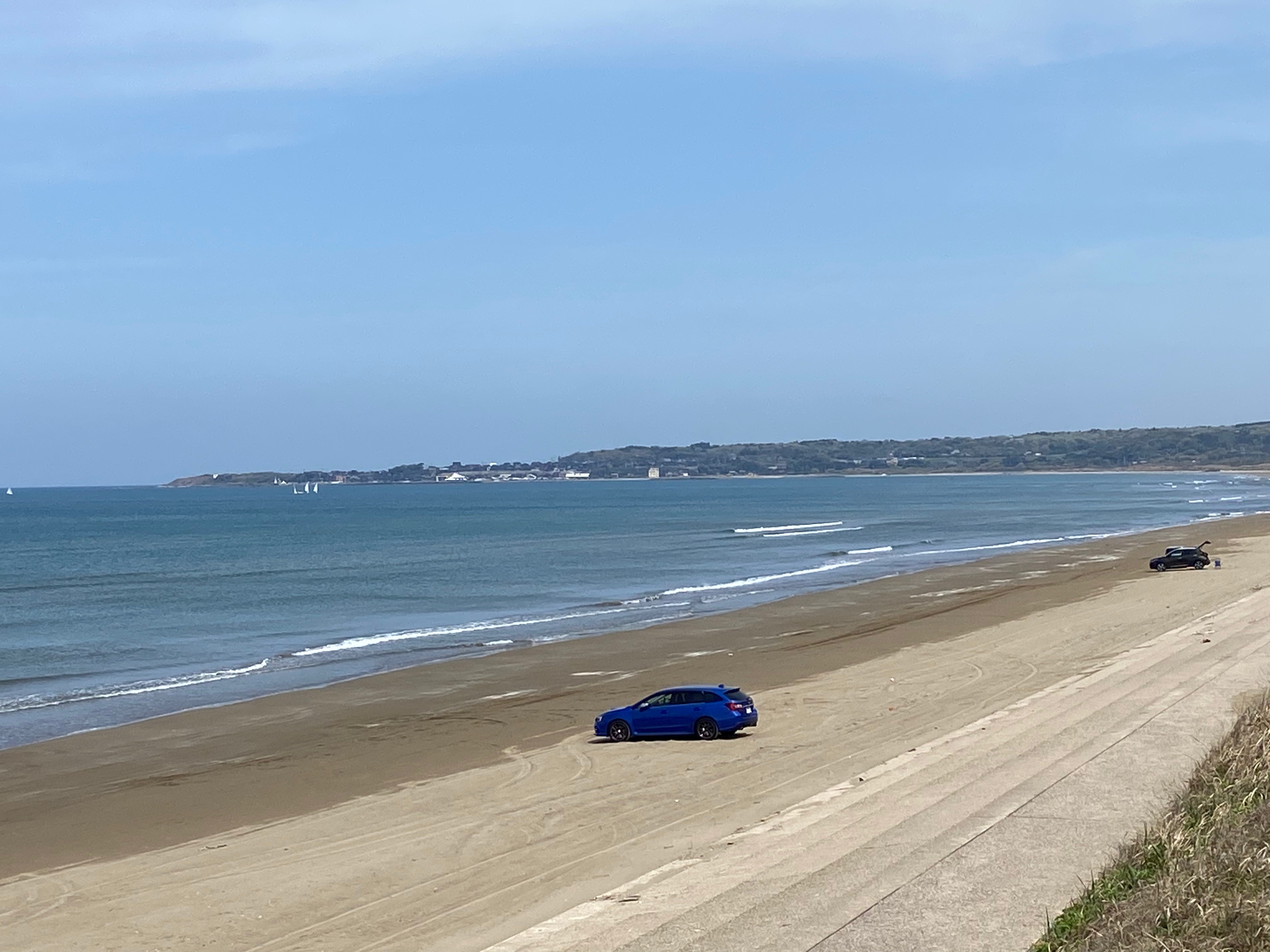
I do eventually arrive at Chirihama Beach. It’s nice. Beaches often are. This one is slightly different, though, as it allows motor vehicles to drive on the sand. Glancing over the horizon, I notice quite a few cars parked there. Hopefully, for the owners, the tide isn’t on its way.

As I walk along, enjoying the sound of the waves, hoping not to get any sand in my shoes, I can’t stop thinking about the abandonment; it really was a shock to see. I also think about the cosmological impact my sixty-second delay this morning has had on the causality of the day. I wouldn’t be on this beach thinking about this had everything aligned just slightly differently.

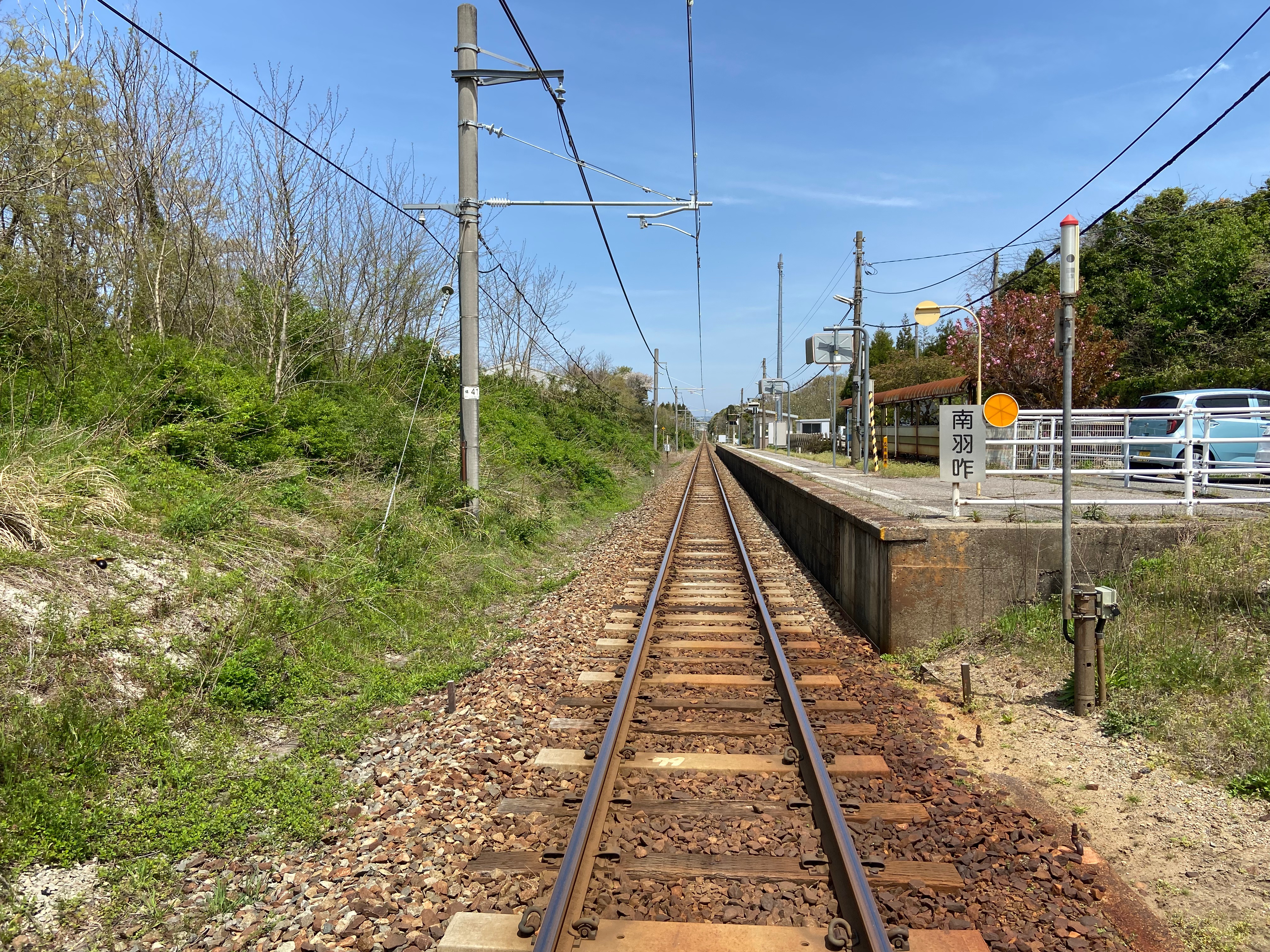
At Minami-Hakui Station, I’m burning from the lack of sunscreen. I was at least expecting a small shop and a toilet; instead there are no staff, no toilets, no ticket machines, no shops, just a single platform and a single track. A sign tells me not to litter or leave cleaning tools around, as this might attract bees and bears.

In the end, I didn’t see any real UFOs; not that I ever thought I would. I also didn’t see any bees or bears, and if I don’t include the woman in the alien mask from the museum, I didn’t see another human being all day.

Zen and the Art of Samsara Cycle Abeyance

A woman on the train loudly tells her tourist friends and the entire carriage that Kanazawa might be the most Instagrammable place in Japan.

Leaving the station I see a map showing thirty-seven points of interest, and for someone who enjoys walking as much as I do, and with my long legs, it appears everywhere today will be within walking distance. Following a gaggle of eager tourists, I end up at Omicho Market.

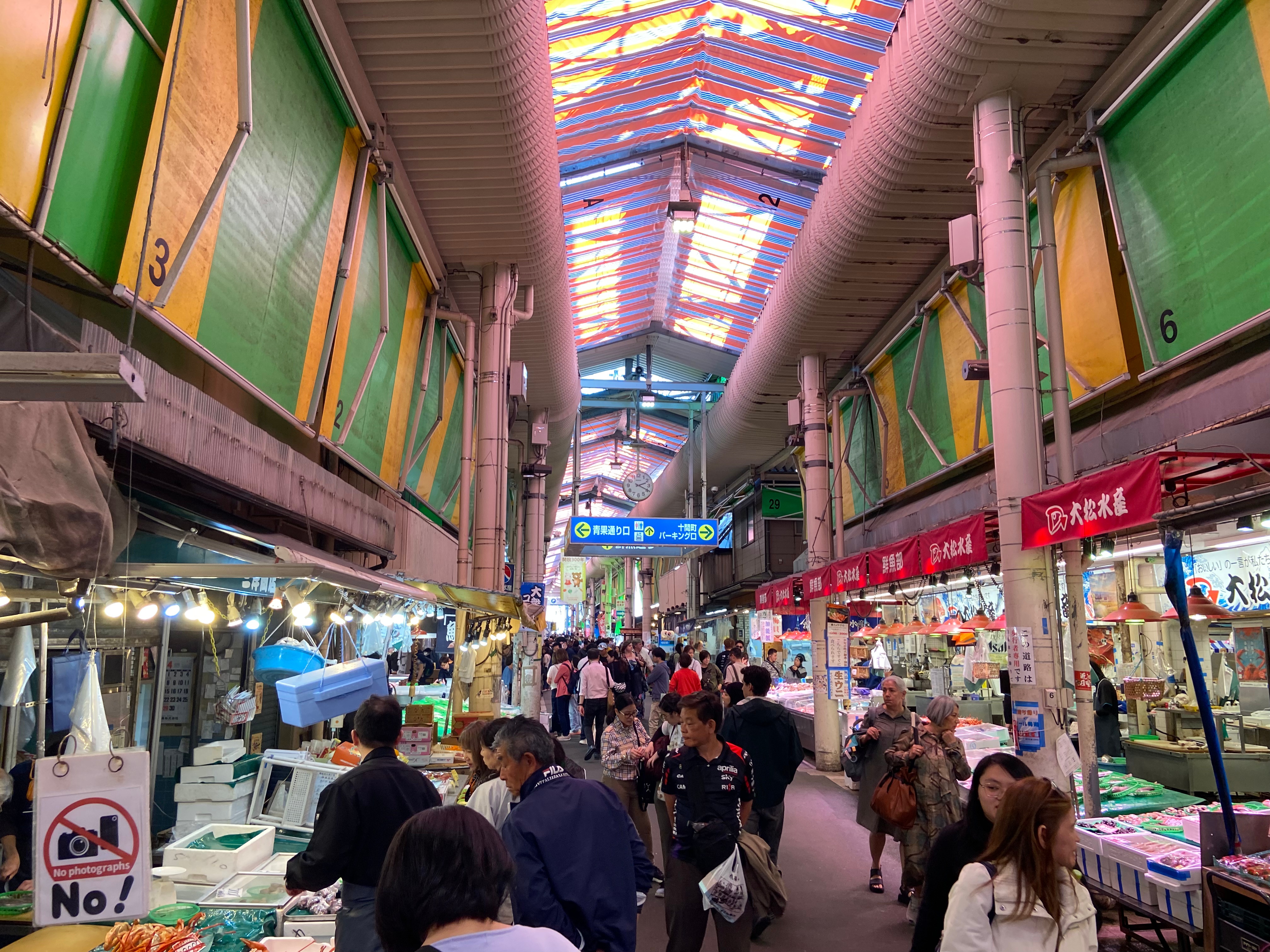
This massive indoor fresh food market has been operating since the early 1600s, and the tourists are here for it. The smell of freshly caught fish fills the morning air. A sign at one stall says, “All the firefly squids are sold out,” which is a shame, as they’re something I’ve always wanted to try. As I move through the haze of cacophonous chatter, a multitude of languages echoes from stall to stall, and staff shouting welcomes from every direction feels somewhat overwhelming. So much so that I begin to suffer from a not-so-Instagrammable headache.

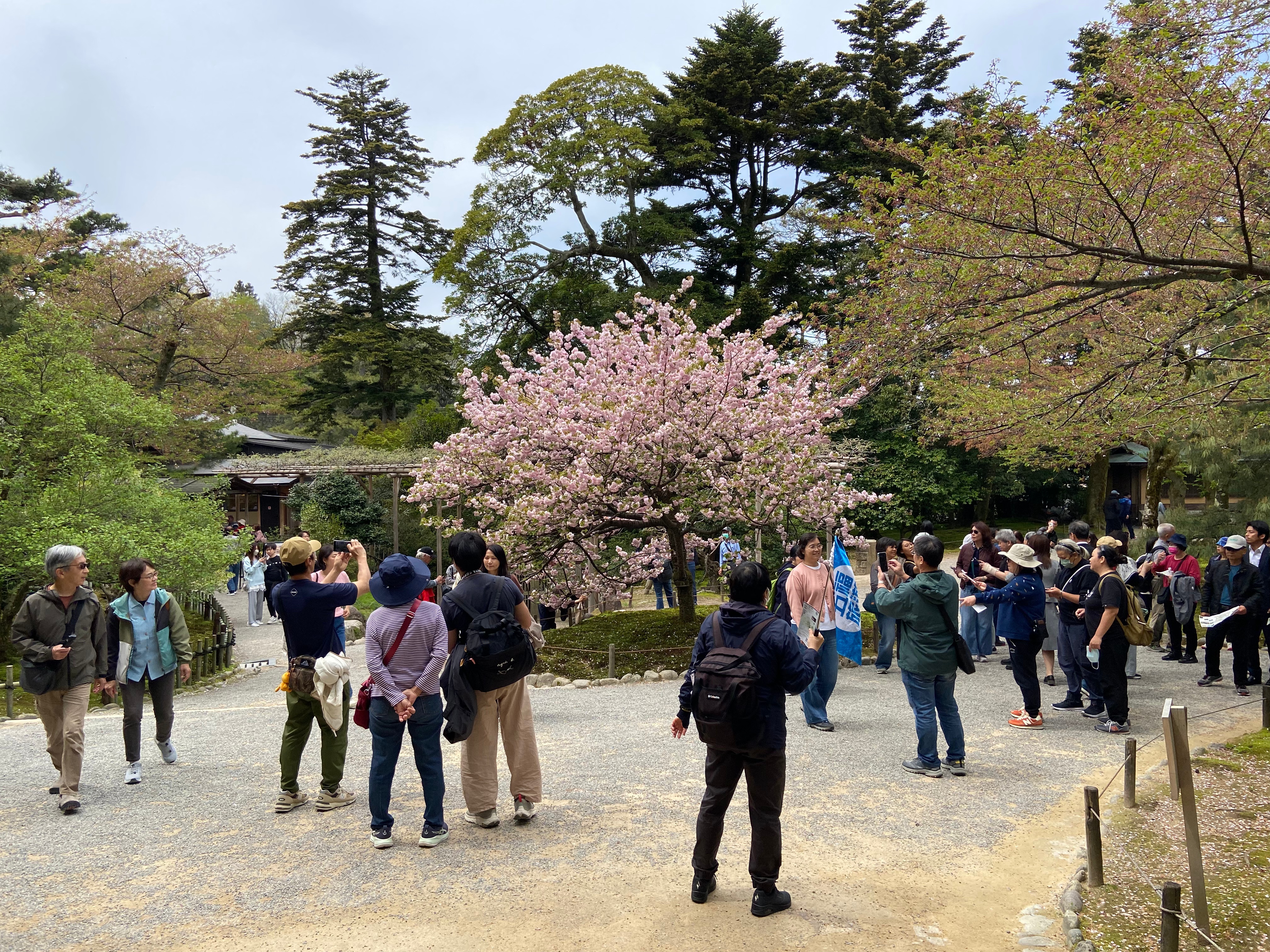
I fall out of the market and seamlessly into a garden, specifically Kenrokuen. Ponds, streams, famous trees, mountain views: the garden has everything. With seven individual entrances and two huge car parks, it also boasts a sixty-minute standard walking course. Unfortunately, the popularity of such a place is again a massive draw for tourism. They gather around the only cherry blossom tree whose petals have avoided abscission, blocking views of the ponds, and the paths themselves. And worst of all, the silence.

I honestly thought being in a garden would be a tranquil experience, but my head thumps as a tour guide with a megaphone ushers along a group of ten or so tourists. People shout, crunch food loudly, and whatever calm I had disappears. Even here, surrounded by what should be peace, I can still hear the beeping of a distant pedestrian crossing.

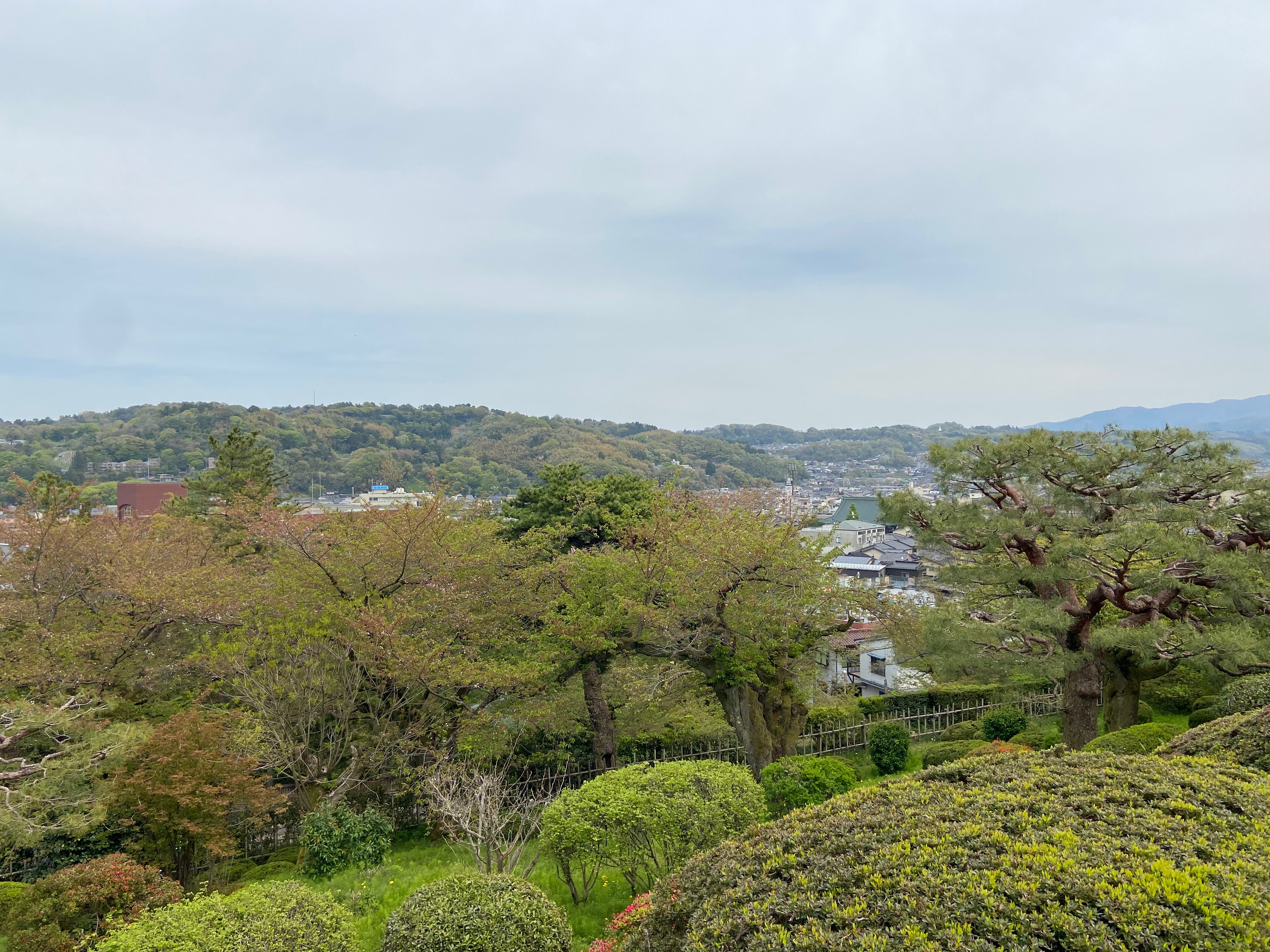
Trying to leave also becomes a challenge. Despite there being seven exits, I can’t seem to find any of them. I imagine this place is better early in the morning, because despite my complaining, it is still quite a good garden, and the views of the city can be pretty nice from up here too.

Outside, I find another map and a name I recognise: Daisetz Suzuki, a famous Buddhist philosopher, religious scholar, and authority on Zen. He has a museum here in his hometown of Kanazawa; well, it probably used to be his museum, he died in 1966. I do almost miss the entrance though as I become distracted by a massive bee hovering at my eye level, buzzing rather loudly.

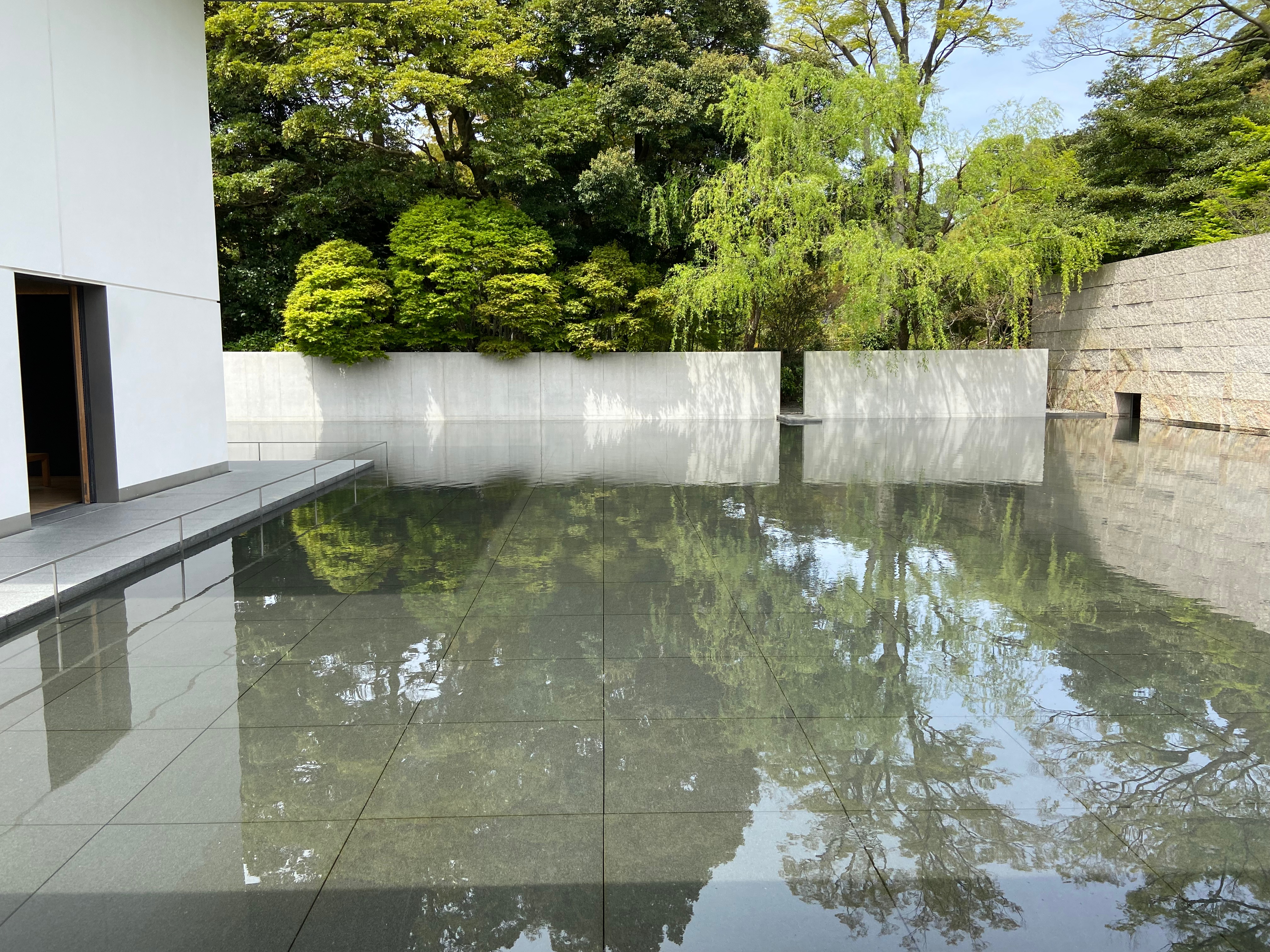
An information booklet that comes with the ticket price opens up to reveal just a blank white page, and nothing else. I do love minimalism, it’s part of this blog’s identity, so I fully appreciate this. I decide to stand by the Water Mirror Garden for a time, listening to the soft sound of distant running water, the stillness, finally achieving perfect silence.

Over at the Contemplative Space, a white room by a window where the sun comes through, I sit thinking. Looking at the suspended water mirror’s reflection, I try not to think. I quickly realise that I can’t not stop thinking, and then try to work out which part of that sentence was the double negative, which only makes me think even more. That’s the problem with meditation or mindfulness; silence becomes a game of Russian roulette, only the gun’s loaded with your own thoughts.

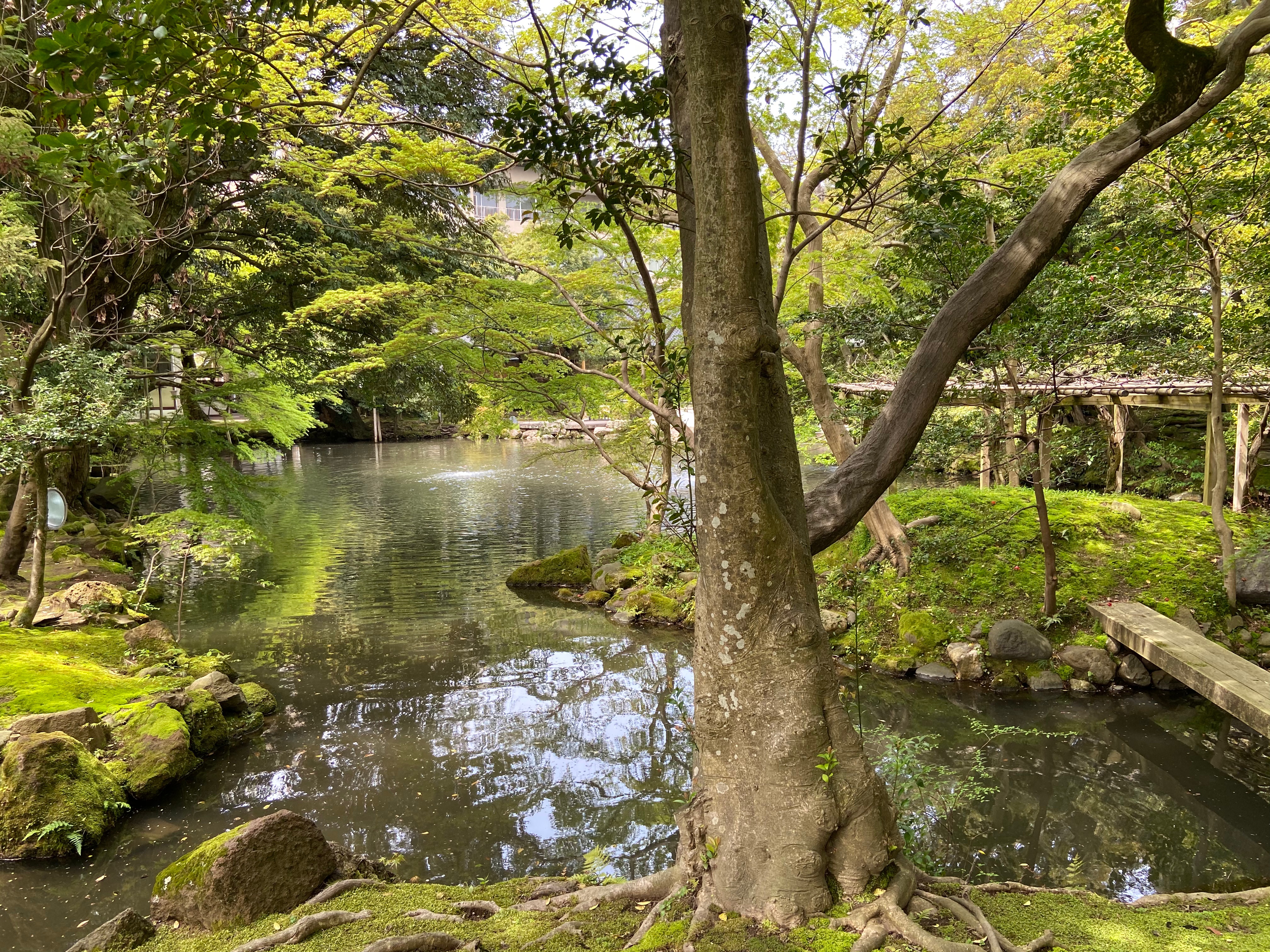
I continue further on, into Shofukaku Garden, a stroll garden around a pond. A Designated Place of Scenic Beauty, and free to enter, I’m quite surprised to find I have this garden completely to myself. I wander around my own secret space, take it all in, watch the carp, absorb the spring colours, before being chased off by that angry bee from earlier.

I next head up some moss-covered steps into a forest. It’s so incredibly silent here, just the twigs crunching underfoot and the occasional bird, there’s nothing else, and I don’t need anything else. So I pause and stay, for a while, just here, just being, before eventually forcing myself back into the cycle of the noisy world I had briefly escaped. That fleeting moment, now gone.

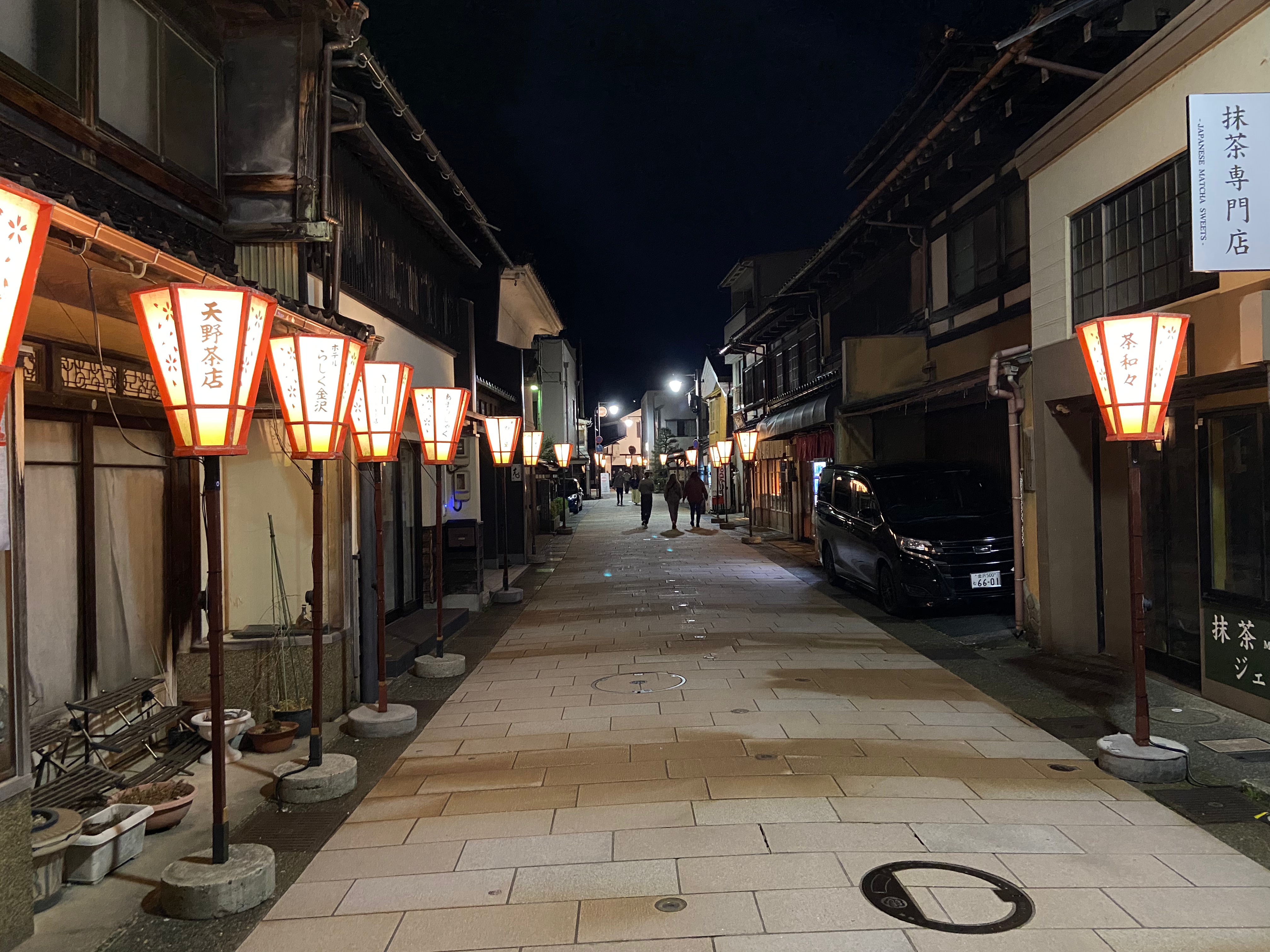
I walk in the direction of the Higashi Chaya Tea District, which apparently looks a lot better at night. Again, tourists bumble noisily. Regardless, it does still feel like a step backwards in time, with rickshaws, tea ceremonies, pairs of women in kimono, evening geisha performances, so much so that I plan to come back later to take a couple of night shots.

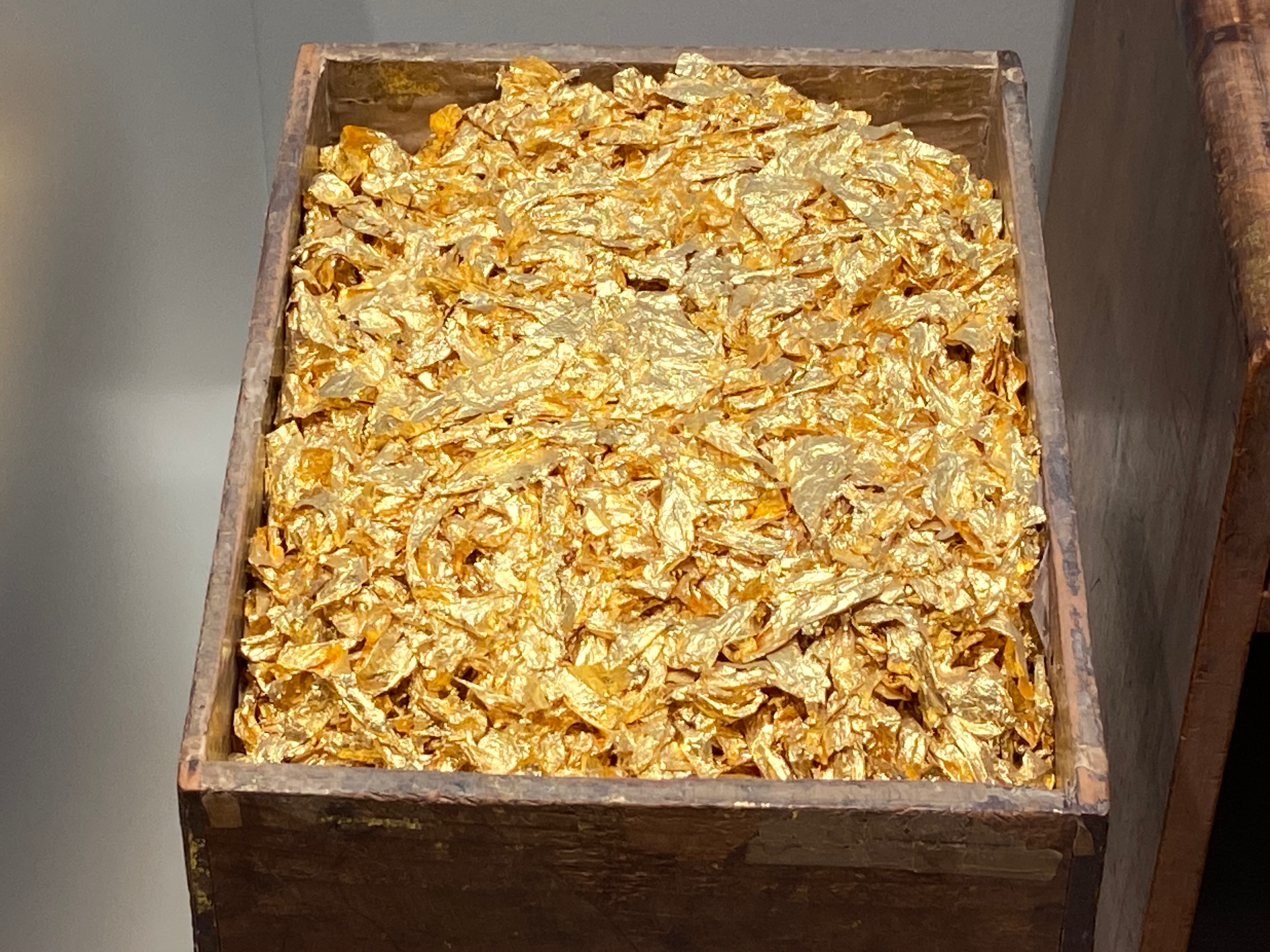
The shops here sell the usual fish-shaped waffles but this time laced with edible gold leaf. Kanazawa is the biggest producer of gold leaf in Japan. In fact, gold leaf here is everywhere. There are gold leaf cosmetics, face lotion and hand cream. One shop is trying to get in on that action and is offering gold beer. But most beer is already gold. There are people queueing to buy gold leaf soft serve vanilla ice cream. I even see one lady come out of the shop holding her ice cream, pose with it for an Instagrammable selfie, before casually tossing it into a bin. She might well just cancel her trip and get AI to generate her holiday for her.

Amongst the tea shops and cafes there is also the Kanazawa Yasue Gold Leaf Museum, so I decide to take a look and learn about this 1/10,000th of a millimetre thick foil that requires extreme focus, almost Zen in its precision. There was supposed to be a hands-on workshop so I could try to apply gold leaf myself, but sadly it’s been cancelled, so instead I admire some art adorned in flecks of gold, before checking to see if there’s a golden toilet on the way out. There isn’t.

By the time the gloaming arrives, my gold leaf soft serve vanilla ice cream has all but melted. I sit in the evening light, sipping a golden beer. I realise now that my headache too has almost faded. You can sort of tell these things.