The Oolong Goodbye

I wake to the sound of the first train. I pull open the curtains of my hotel room window to see if the mountains are visible today; they haven’t been the past two. The light floods in, a white glare clears, and I’m pleased to see there are no clouds. It’s a good start to my last day in Matsumoto.
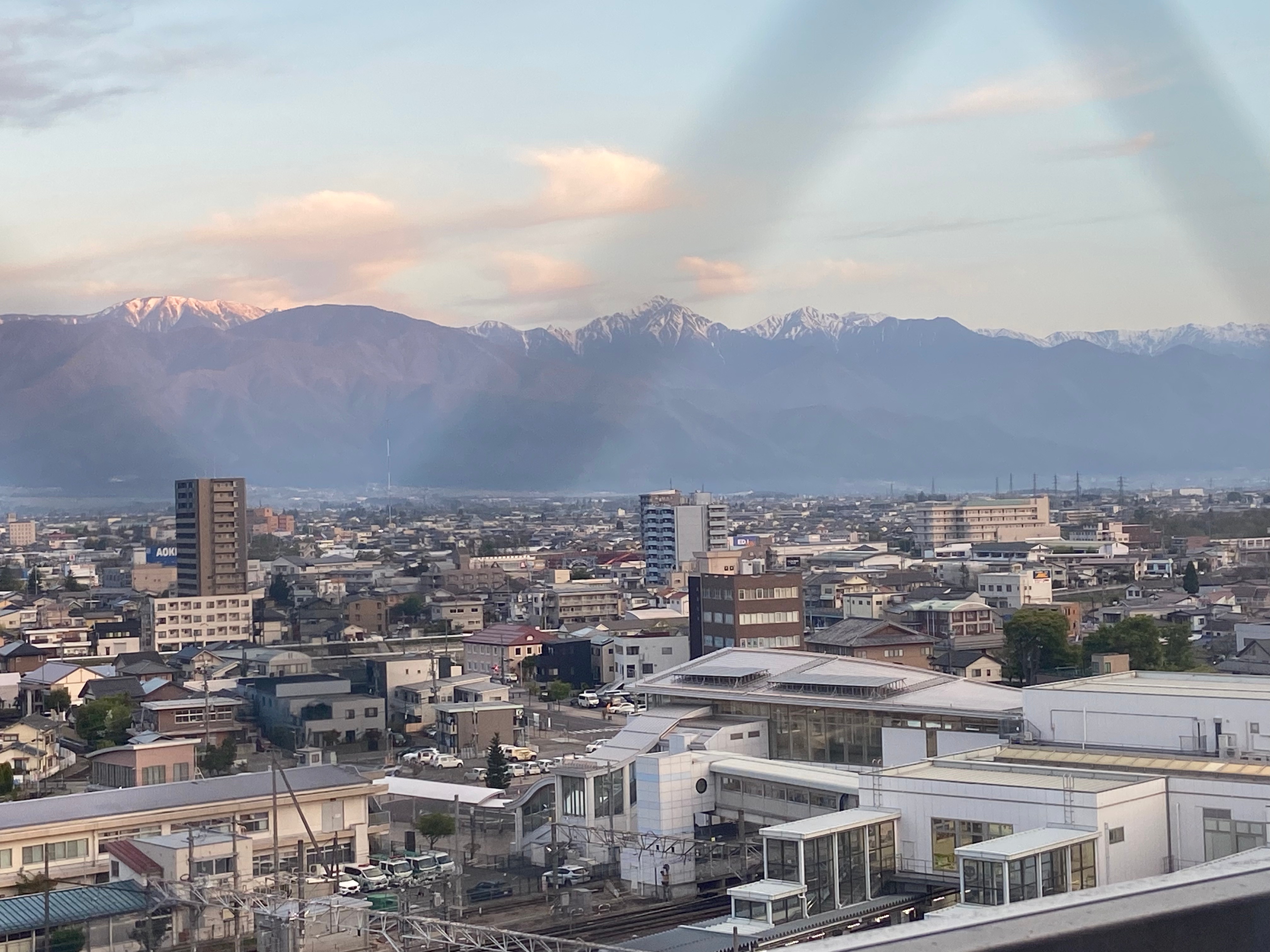
I take a shower and head downstairs for breakfast. The lift is already waiting on my floor and everything feels just a little too convenient. Well, that’s until I step out into a massive queue for breakfast. With so much to see and no time to waste, I head over to Seven Eleven for an electrolyte jelly drink before getting the train.

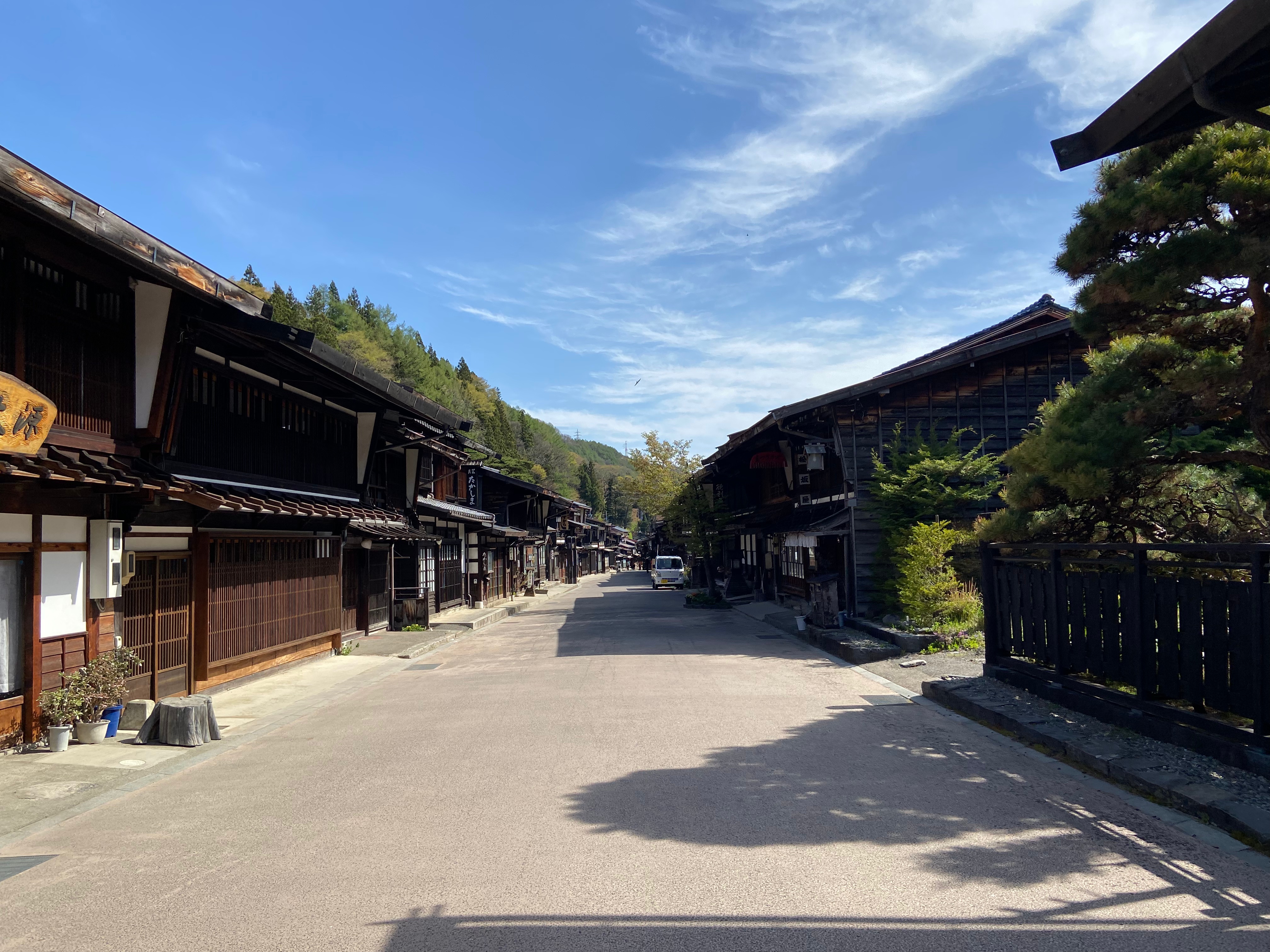
Over to Narai Station. The sun is out but there’s a light chill in the air. I begin with a stroll. Narai-juku.

Also known as Narai of a thousand tea houses, it stretches for about a kilometre, making it the longest preserved post town along the historical Nakasendo Trail, an old walking route between Edo (now Tokyo) and Kyoto. There were 69 post towns along the way, places to rest your head, find a meal, and perhaps a little entertainment after a day’s walk. Pilgrims, porters, perfumed courtiers, whose sandals have dissolved into this very soil, passed through here 400 years ago. It almost perfectly evokes the Edo period.

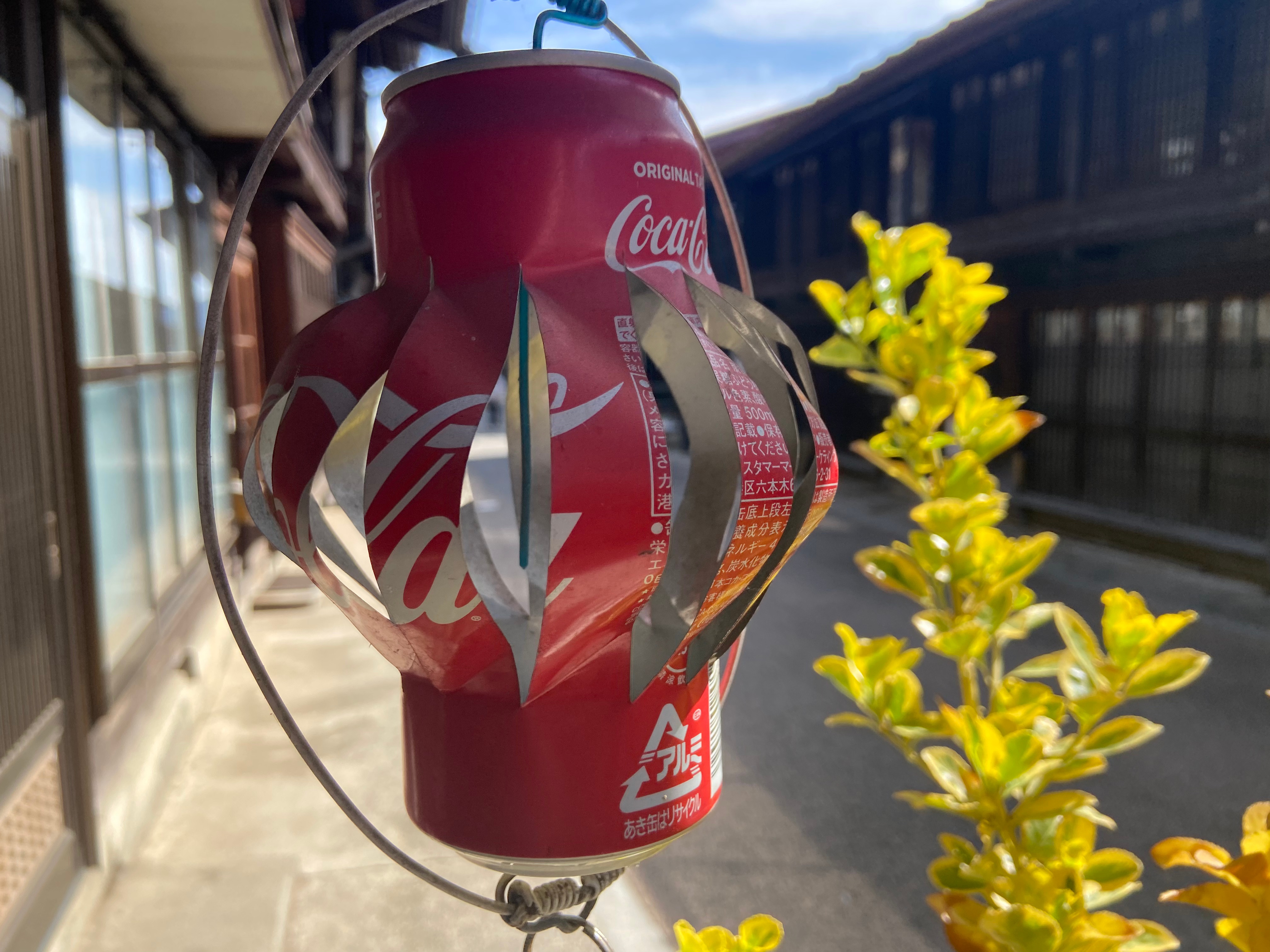
Well, almost. Unfortunately, the road is open to motor vehicles, and some of the shops have decided it might also be a good idea to make lanterns out of Heineken and Coca-Cola cans. For each passing car or aluminium lantern, I’m pulled out of the moment.
Most of the shops are closed. A little further along, though, breakfast course-corrects itself when I see a man turning batter into carp. I buy a fish-shaped waffle to go with my can of Coke.

I leave and take a train to Chino Station. From here, I’ve got about a thirty-minute walk. I’m on my way to visit a different kind of teahouse now, one that seems to actively defy all health and safety rules.
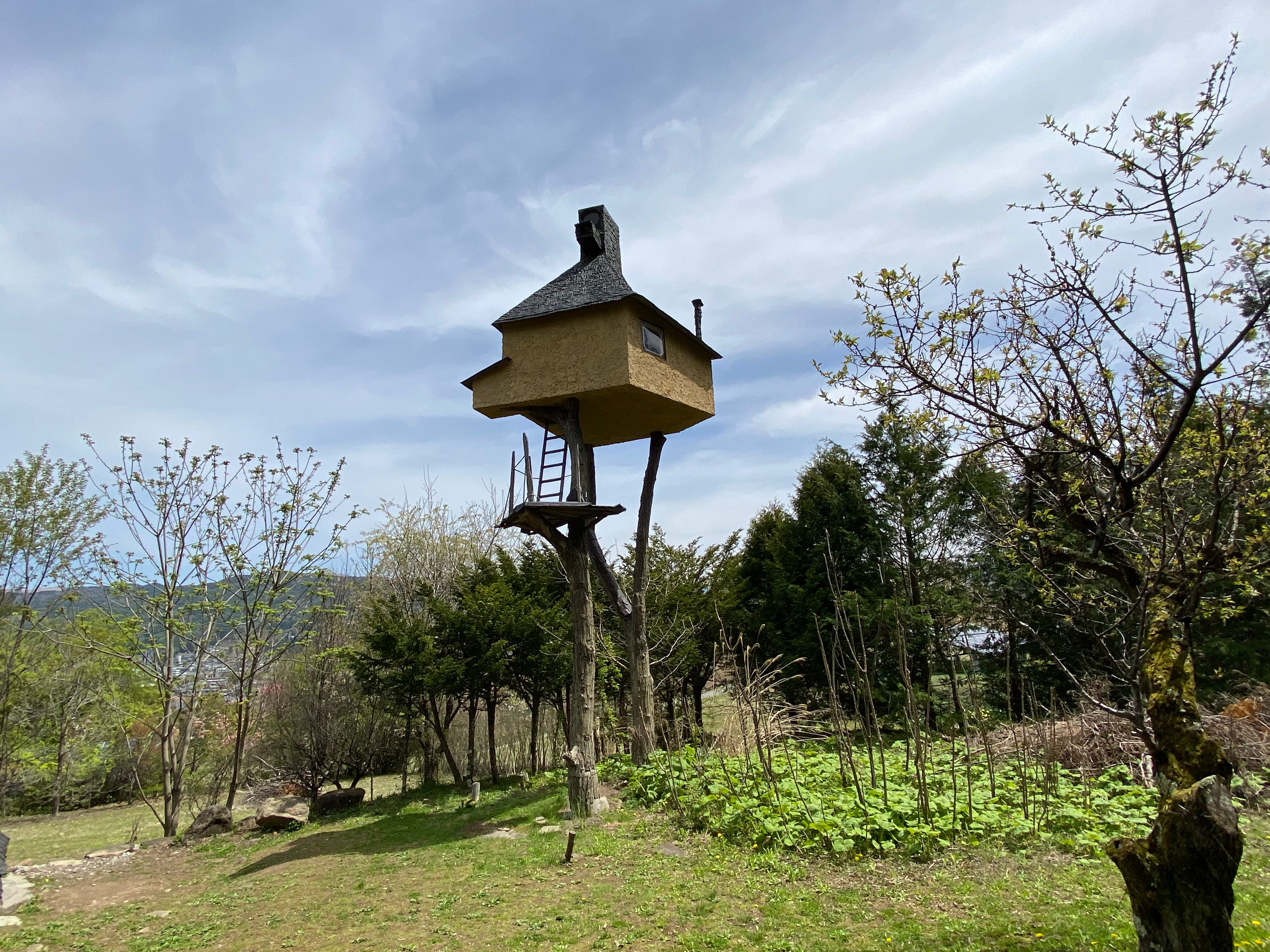
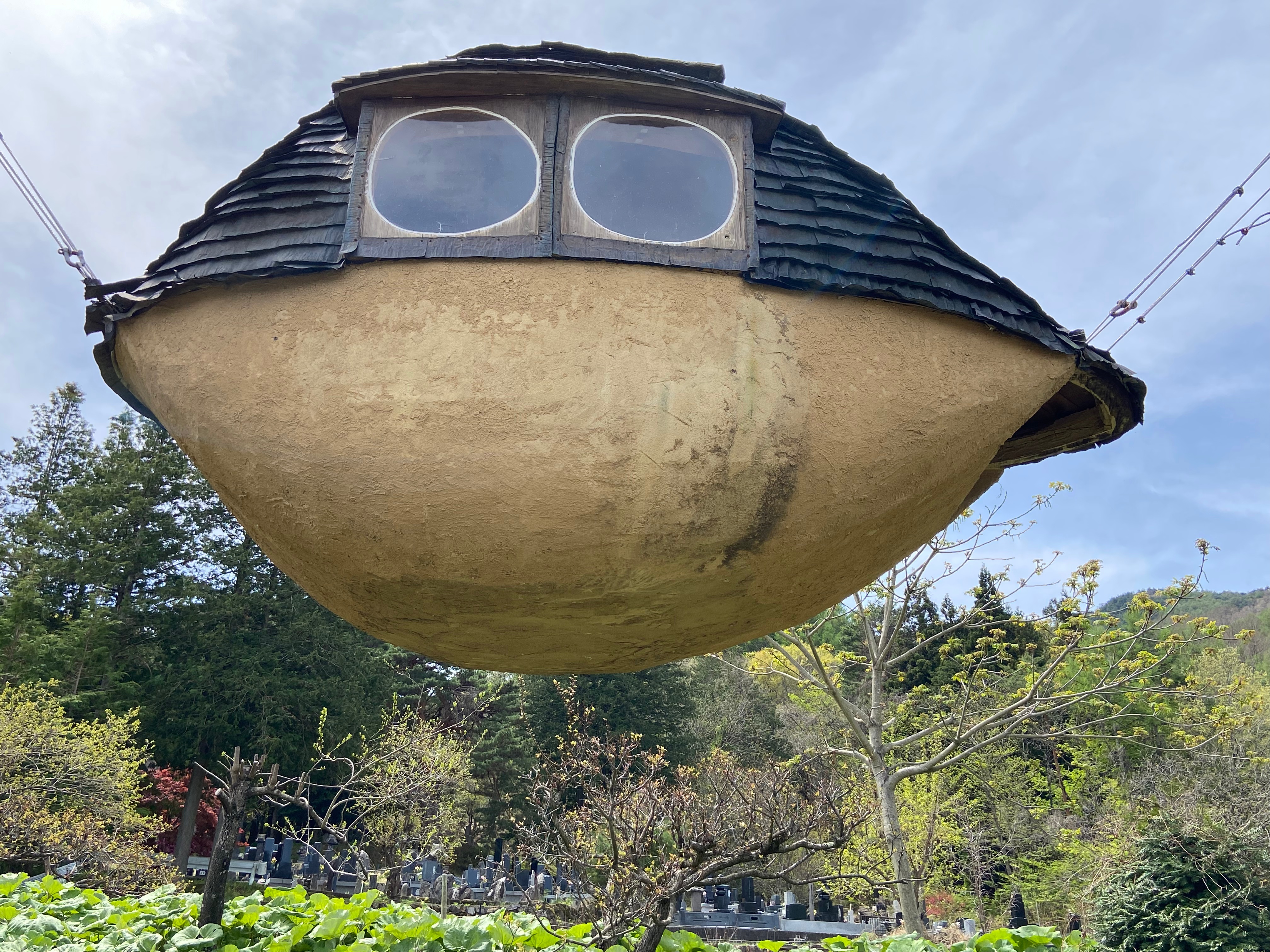
Created by the architect Terunobu Fujimori, using natural materials that blend into the surrounding landscape, he has built three marvellous teahouses: the Too Tall Tea House, the Too Short Tea House, and the Flying Mud Hut.

The Flying Mud Hut stands between two tree trunks and sways lightly in the wind. Despite their appearances, you can actually enter these teahouses and perform a tea ceremony with a guide. Sadly, and for all those involved, the backdrop to these structures is a cemetery.
I use one of the surrounding mountains to guide me back, focusing on a single ominous peak.

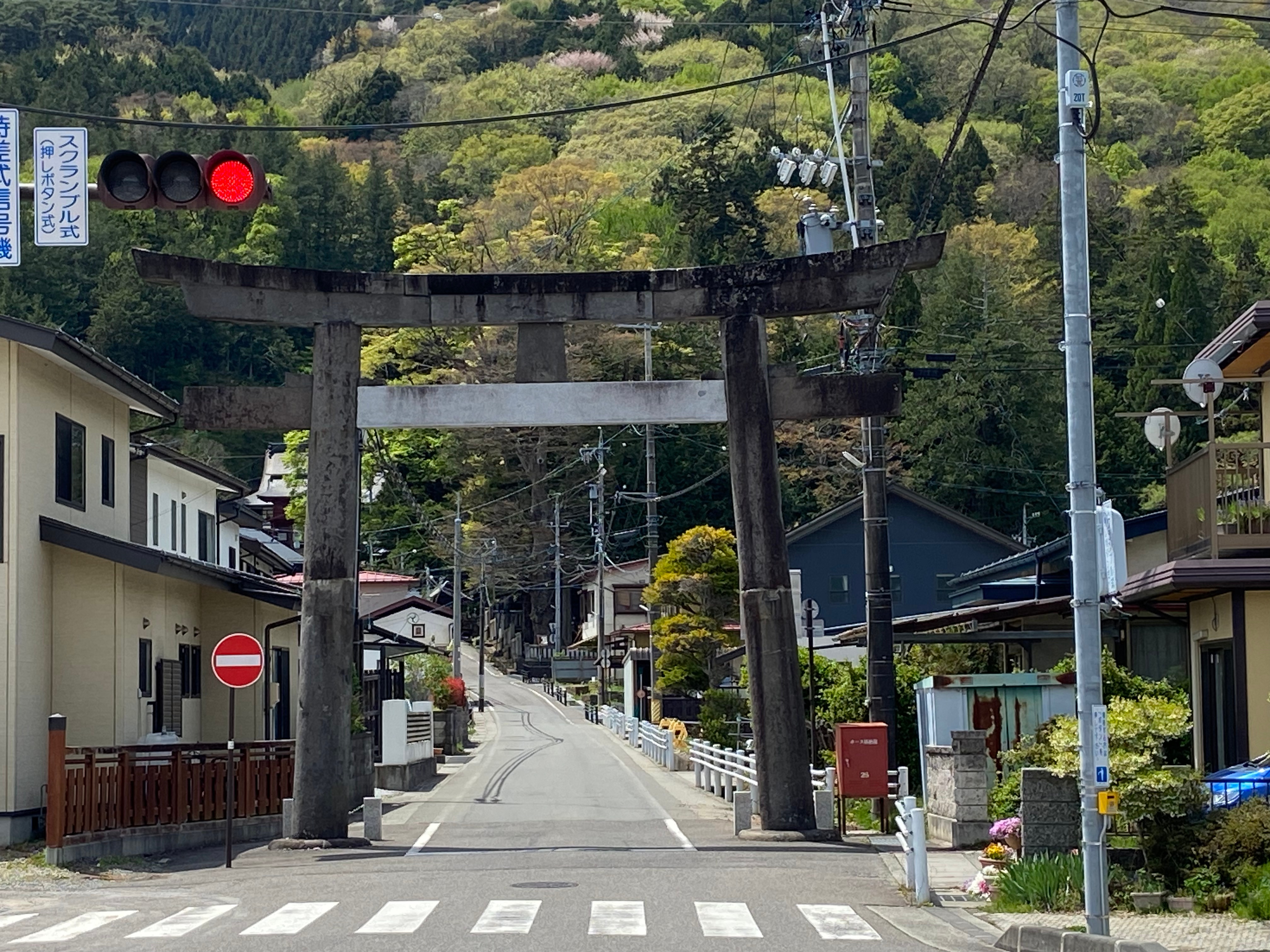
I pass yet another shrine. This one is Suwa Taisha Kamisha Honmiya, nestled in an ancient forest. From the road, a torii gate frames the scene. I like the way it sits between the pedestrian crossing and the wall of trees, as if it’s allowing the modern world to pass through it.
At exactly 12:00, music plays from speakers around me. I instantly recognise that I know the tune, without actually recognising it. Bloom and grow, bloom and grow… it goes something like that. It’s familiar. It means something, but my mind can’t quite stretch far enough to catch it.

I later find out it’s Edelweiss from The Sound of Music. I know it from the Philip K Dick adapted television show The Man in the High Castle. Why it plays here at noon is beyond me. I’m also surprised it’s only lunchtime, as it feels like I’ve been wandering for hours. Time seems to move differently here. I have walked a lot, so decide to rest by a lake.
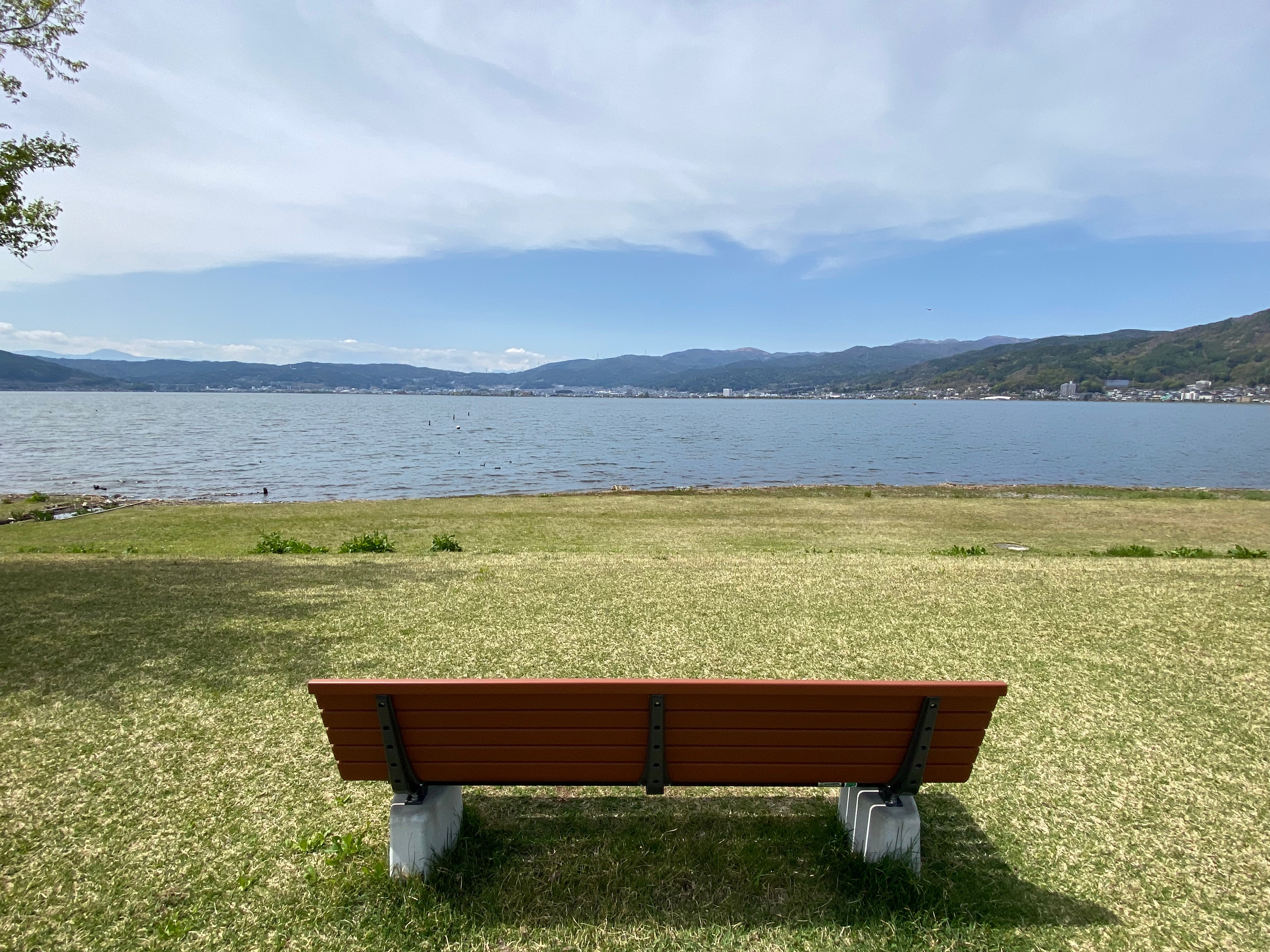
Lake Suwa is remarkably beautiful. It’s the oldest lake in Nagano and is also known as “God’s Crossing”. In winter, when the surface freezes overnight, jagged ridges appear by morning, said to be the footprints of the god Takeminakata. I sit for a while, watching boats drift and birds negotiate the air, before deciding to head back to Matsumoto.

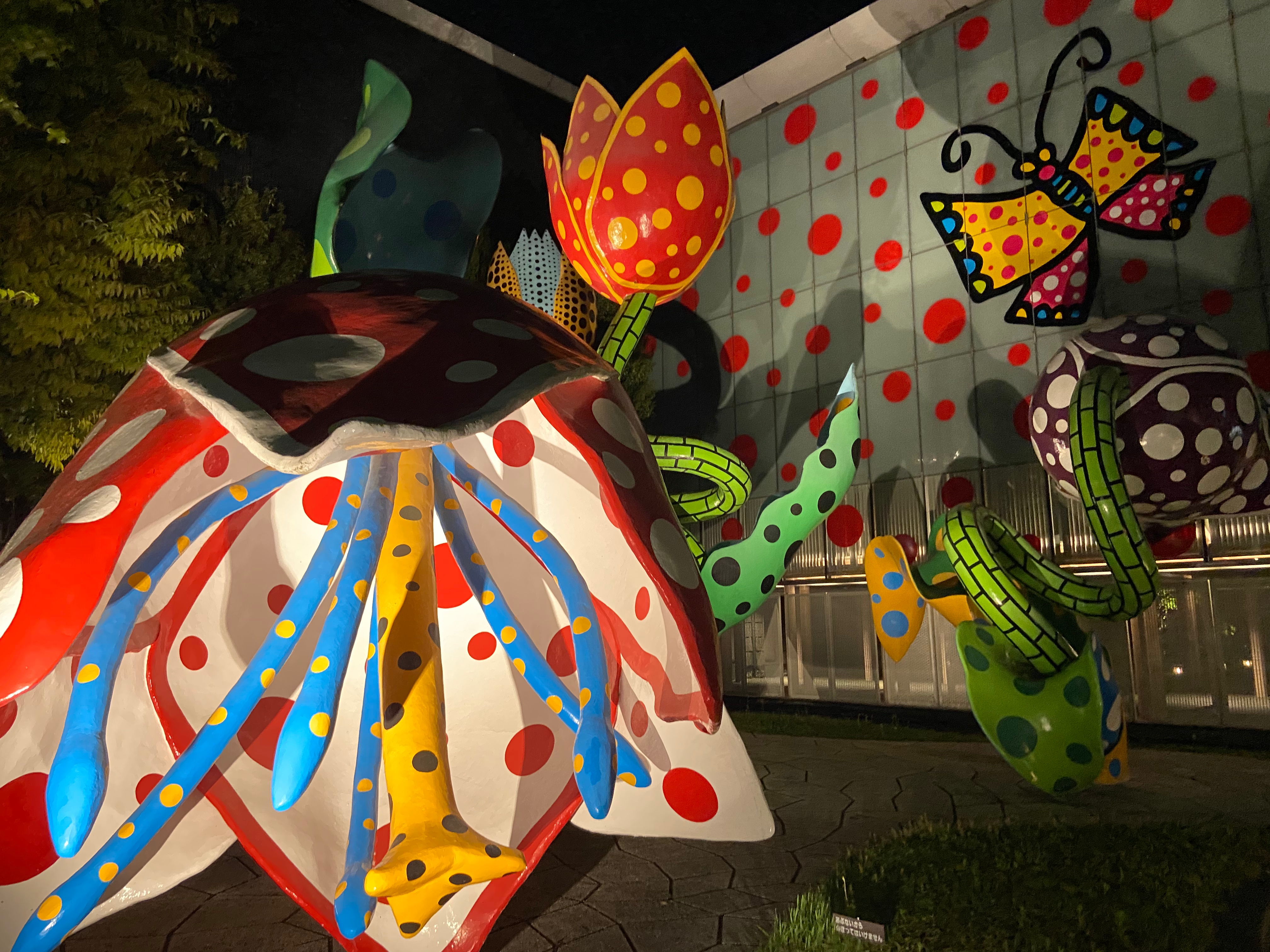
With nothing else planned, I wander the streets until dark. I randomly come across illuminated artwork outside an art museum, the sort of place you would expect to find art. I recognise the style immediately: Visionary Flowers by Yayoi Kusama, unmistakable in her obsession with polka dots.
I head down Frog Street and into a bar, The Elbow Room. I order a cocktail of oolong tea and shochu, enjoy the music, chat with a few locals, and carefully check my ice cubes for footprints.
Apicultures Now

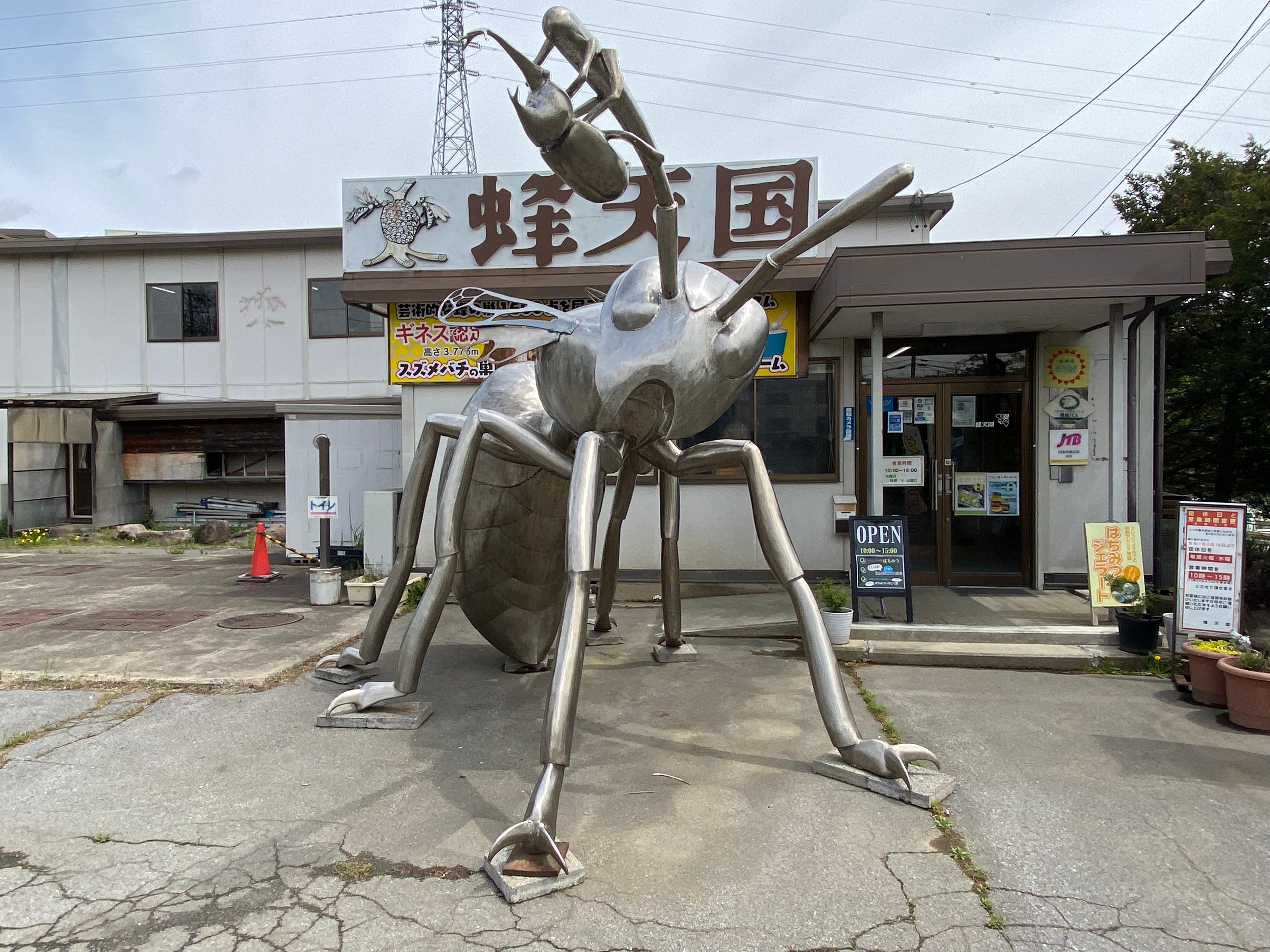
There’s a noisy bee inside Matsumoto Station, buzzing against the sun that filters through the gaps in the roof. Outside Shinonoi Station, there are Christmas trees up in April. Leaving Shigeno Station, I walk through an underpass and out into underbrush. Here, I am deep in the Nagano countryside. I have to walk for 20 minutes on the road, but luckily it’s not very busy. Eventually, I find what I’m looking for: a big wasp.

Today I’m at Bee Heaven, which is not a place where bees go after they die; that would be absurd, but it is a place where hives go after they die. The building itself looks, from the outside, like it’s about ready to collapse. It also claims to house the best bee art museum in the world.

Inside, a young woman seems extremely happy to see me. She asks me what I am doing here, as though I may have made a mistake. I tell her I’m here to look at the beehives. She mimes a pair of binoculars with her hands and places them over her eyes. I nod, and she takes my ¥300 and hands me a ticket.

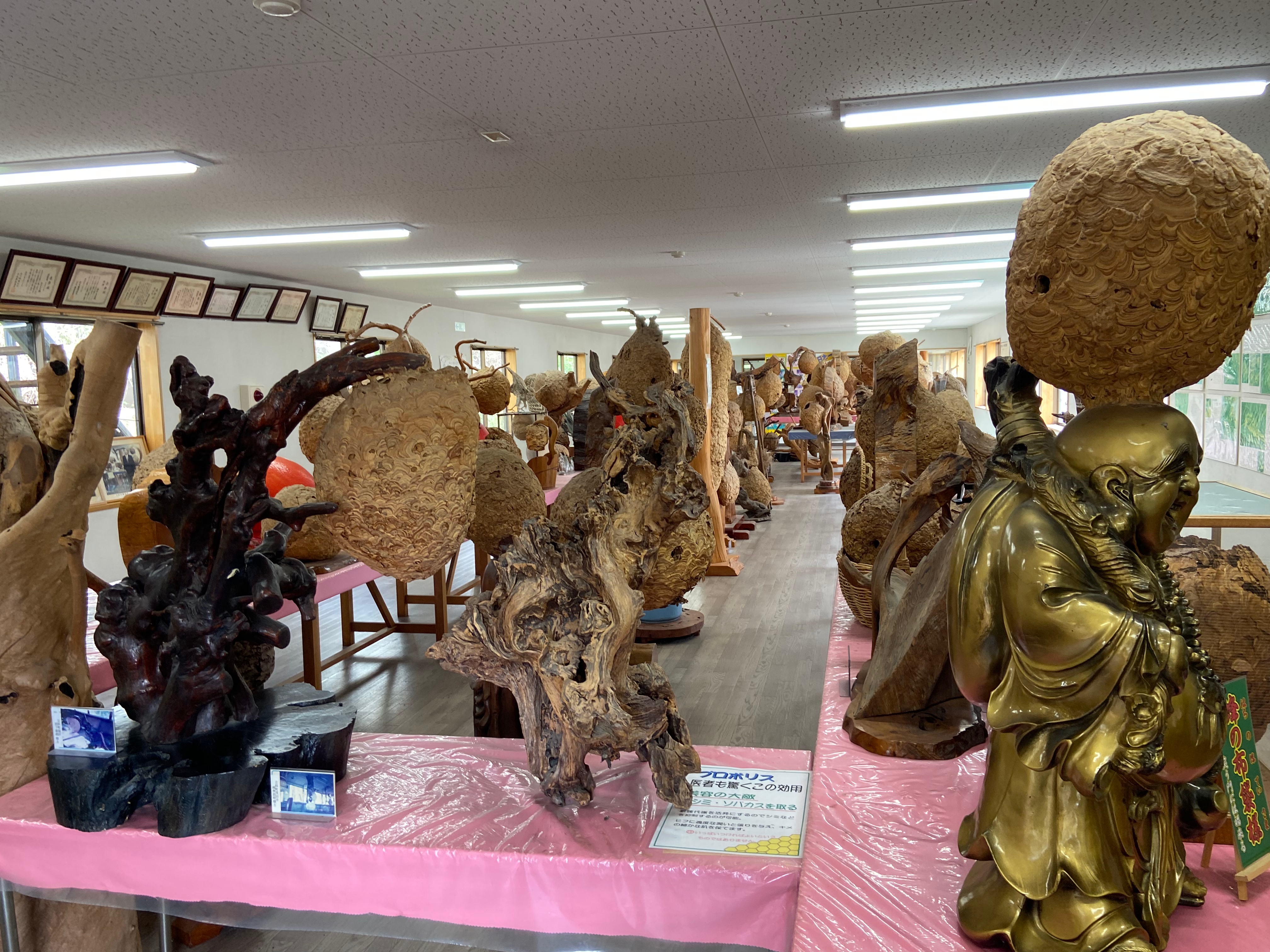
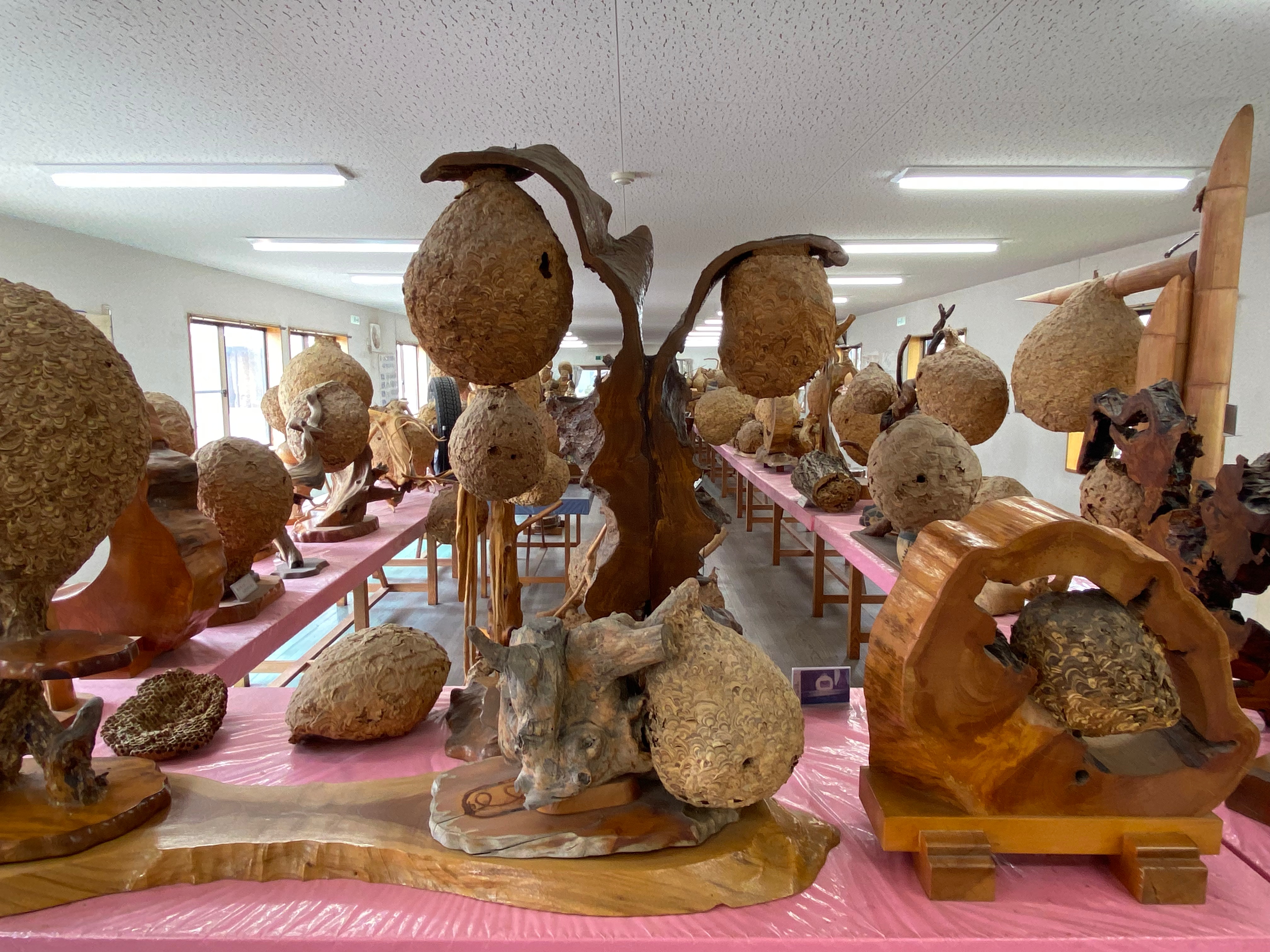
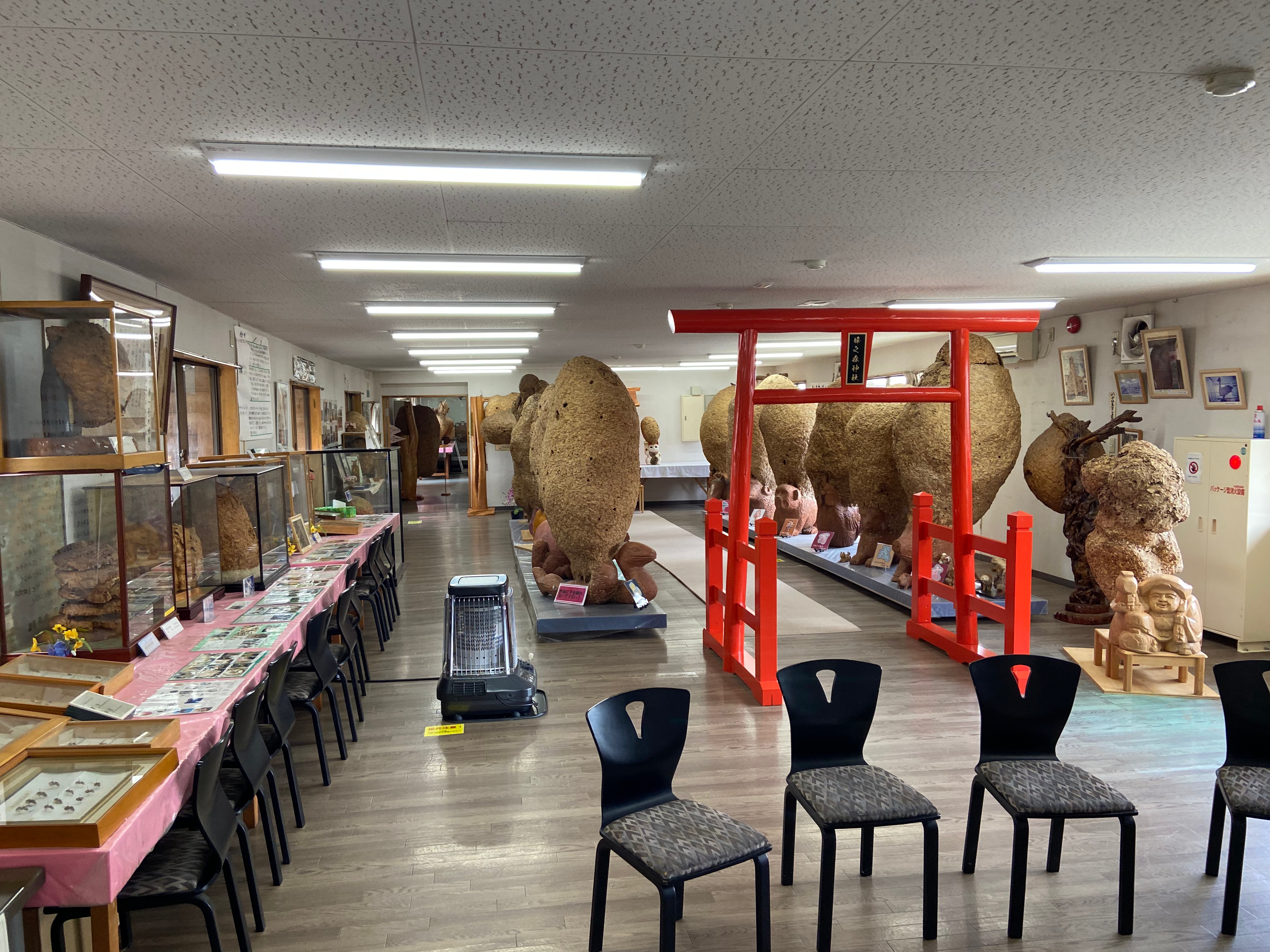
The exhibition features its own shrine to bees, Hachinomori, in honour of a very loyal bee; it is here that we pray for a good life. 1,600 artistic beehives are on display across a maze of interlocking rooms and floors. And if that’s not enough, I discover that it is the collection of just one man and craftsman, Yoshikuni Shiozawa.

There are photographs of Shiozawa shirtless and covered with bees, a grimacing smile across his face. He teaches us the benefits worker bees have on our ordinary lives, and that human society would absolutely collapse without their extraordinary colonies.

There is a sign in here saying, “Don’t open the window.” And even though there are a few stray bees buzzing and bimbling around between the hive art, I’m not sure whether the sign is to keep bees out or keep bees in. Regardless, the dull, musky smell of the hives could do with an air change.

There are preserved bees in cases, cross-sections and anatomies of wasps, evolutionary charts, and rows and rows of hornets. Artwork, including paintings of bees, drawings, and anything else bee-related you can imagine, is here, nestled amongst hive after hive after hive.

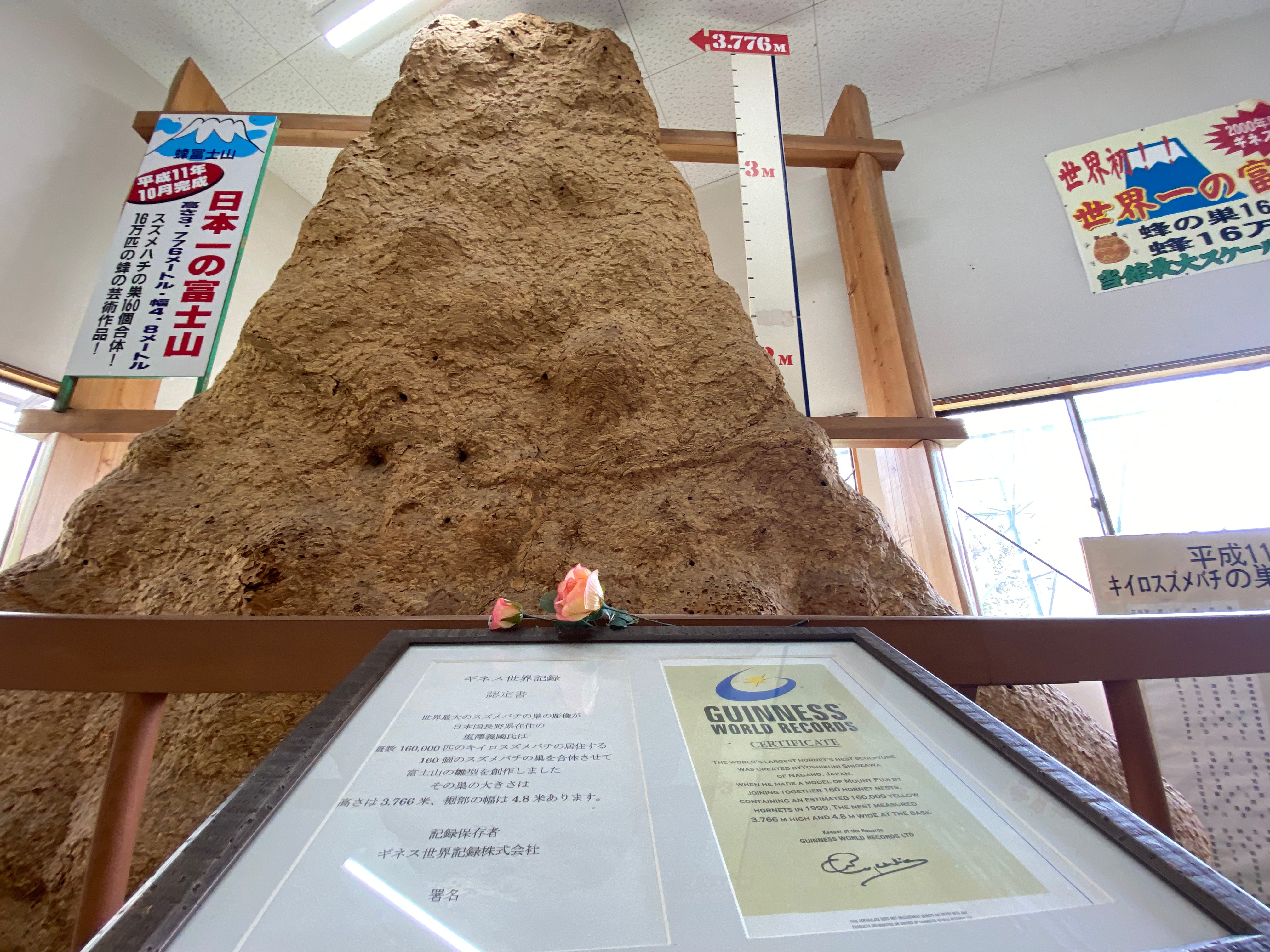
I pass through several more rooms and up a flight of stairs to what I think deserves to be acknowledged as the centrepiece. A Guinness World Record for the world’s largest hornet’s nest sculpture was created by Shiozawa. In 1999, while we were all panicking about the Millennium Bug, he decided to do something else with bugs. He made a model of Mount Fuji by joining together 160 hornet nests, containing an estimated 160,000 yellow hornets. The nest now measures 3.776 metres in height and 4.8 metres wide at the base.

Mount Fuji is 3,776 metres high, so by converting a comma into a decimal point, he cleverly crafted a perfectly scaled version of Japan’s iconic mountain. It’s a very niche award. I don’t see it being toppled any time soon, unless somebody has 160 hornet nests lying around.

At the gift shop, I buy some honey as a souvenir for a friend, the real stuff, made by bees. They also sell bee larvae, made from bees, but I don’t think she would like that as much.

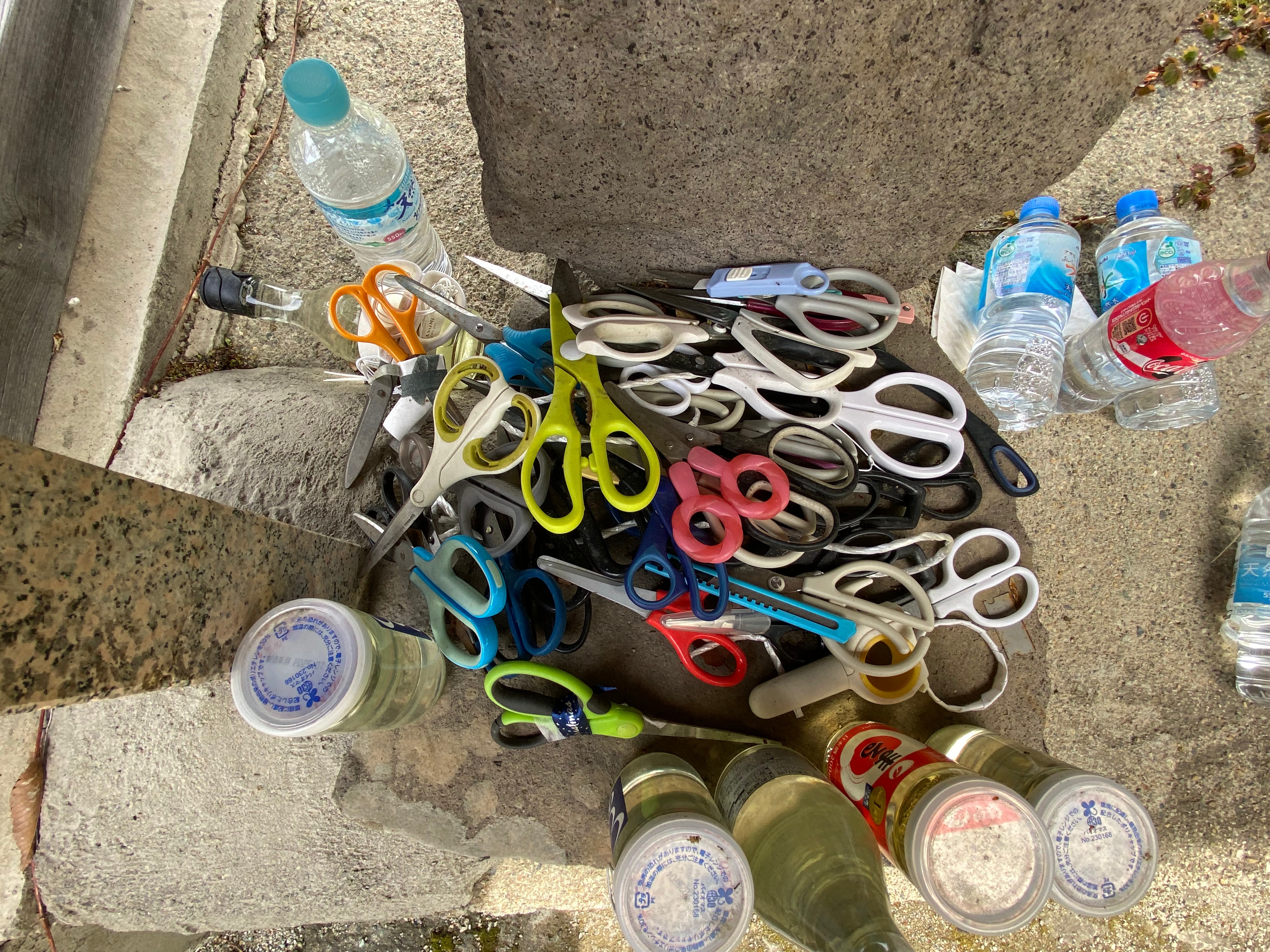
Just below Bee Heaven, there is Enkiri Jizo, a shrine where people pile up their scissors to represent the severing of a bad relationship. The original knot made needs to be cut, and it is said that if it is a wedding, you go out of your way to come here so your wishes to end the relationship are heard by the Jizo. Otherwise the divorce doesn’t really count. It really makes you wonder. I make a few photographic cuts and then leave for the station.

Back at the platform, there’s no timetable, no staff. Luckily, as of the 10th of this month, the Shinano-Tetsudo Line has started accepting IC cards. I scan my Suica and wait by the tracks. A train shows up eventually after about twenty minutes, unannounced, I rightly assume it’s bound for Shinonoi.

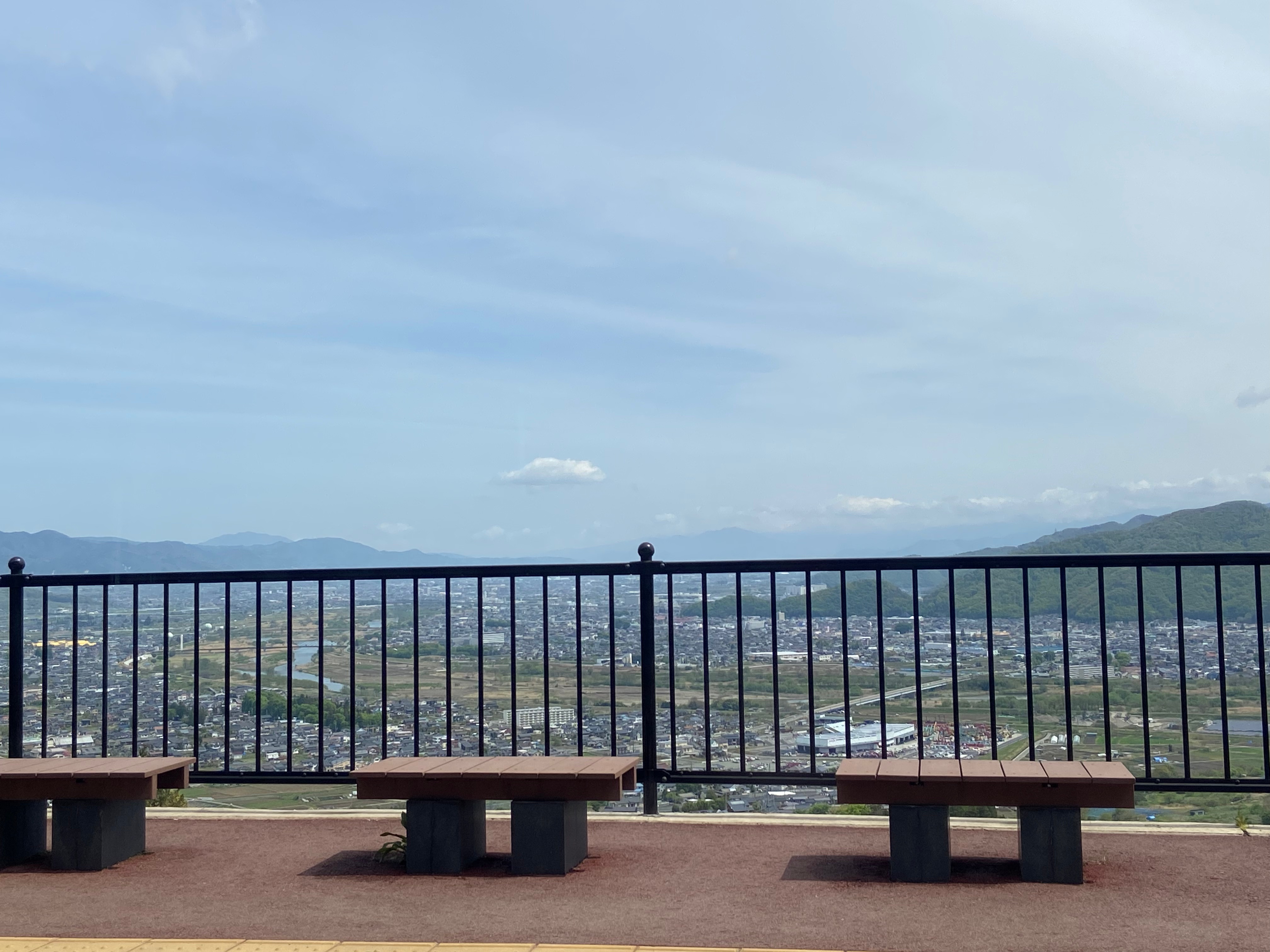
At Shinonoi Station, I once again admire the Christmas trees before changing trains. I have one last stop today: Obasute Station, halfway on the way back to Matsumoto. This station offers a stunning view, and even has a sightseeing restaurant train that uses this track. The platform itself has a dedicated section for enjoying that view. The word Obasute can mean abandoning an old woman on a mountain to die, and my knowing that long in advance somewhat spoils the impressive view, just a bit.

I sit for a while, just looking outward. A muzzle of bees stirs above a nearby flowerbed. I watch them continue their work, indifferent to the human desire to untangle ourselves from one another.

One Fine Day in Spring

I’ve taken a train to Fukui Prefecture, to the city of Katsuyama. Just as my train arrives at the station, the hourly bus pulls away. Outside, the weather is clement, the mountains lurk in the distance, so I decide to go for a peaceful stroll with no real direction in mind.

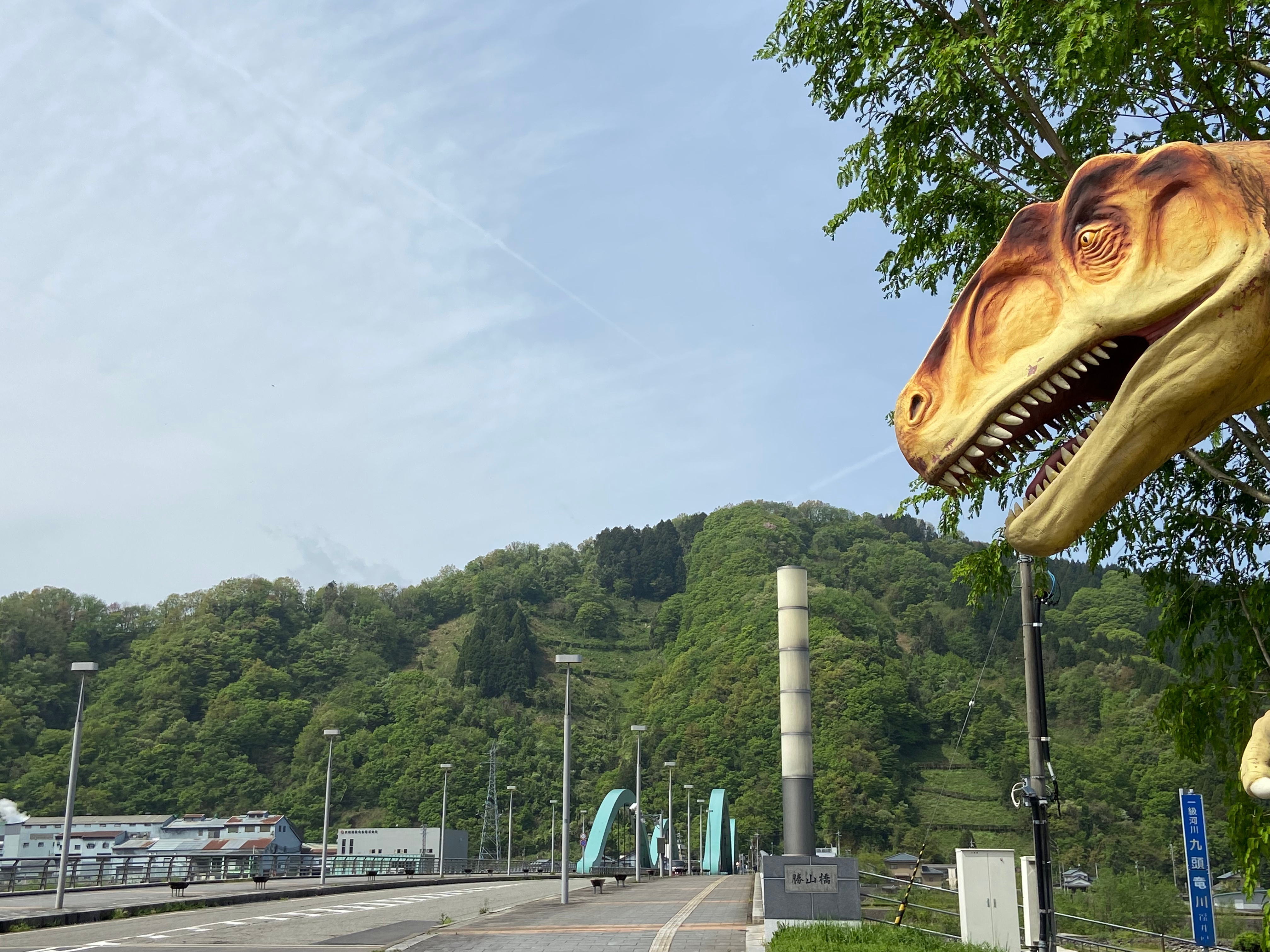
I have to cross the Kuzuryu River. The scenic gorge is stunning, the attractive spring foliage worth the train fare alone. It’s cooler up here too. I look around. The hills line up like vertebrae along the horizon. It feels like a soft world, padded by mountains. The cliff face is folded like a paused wave. Bands of green and grey stack into centuries you can touch. Whatever once passed through here is gone now.

Katsuyama is very much made of layers. Pavement over river. River over time. The shops sit obediently between eras. The remains of it once being a castle town shine through, with old houses with deep eaves and complex, steeply sloped roofs, former samurai residences, and the best part, there’s no people around.

The thing I don’t like about being here is the time it takes for the green man to appear when crossing a road. There’s no traffic or urgency, but I still have to wait. I don’t want to be a person who ignores instructions. Out here, it would feel like a faux pas. So I stand there, alone at empty crossings, waiting. My walk becomes stop-and-start, dictated by signals that don’t really need to exist.

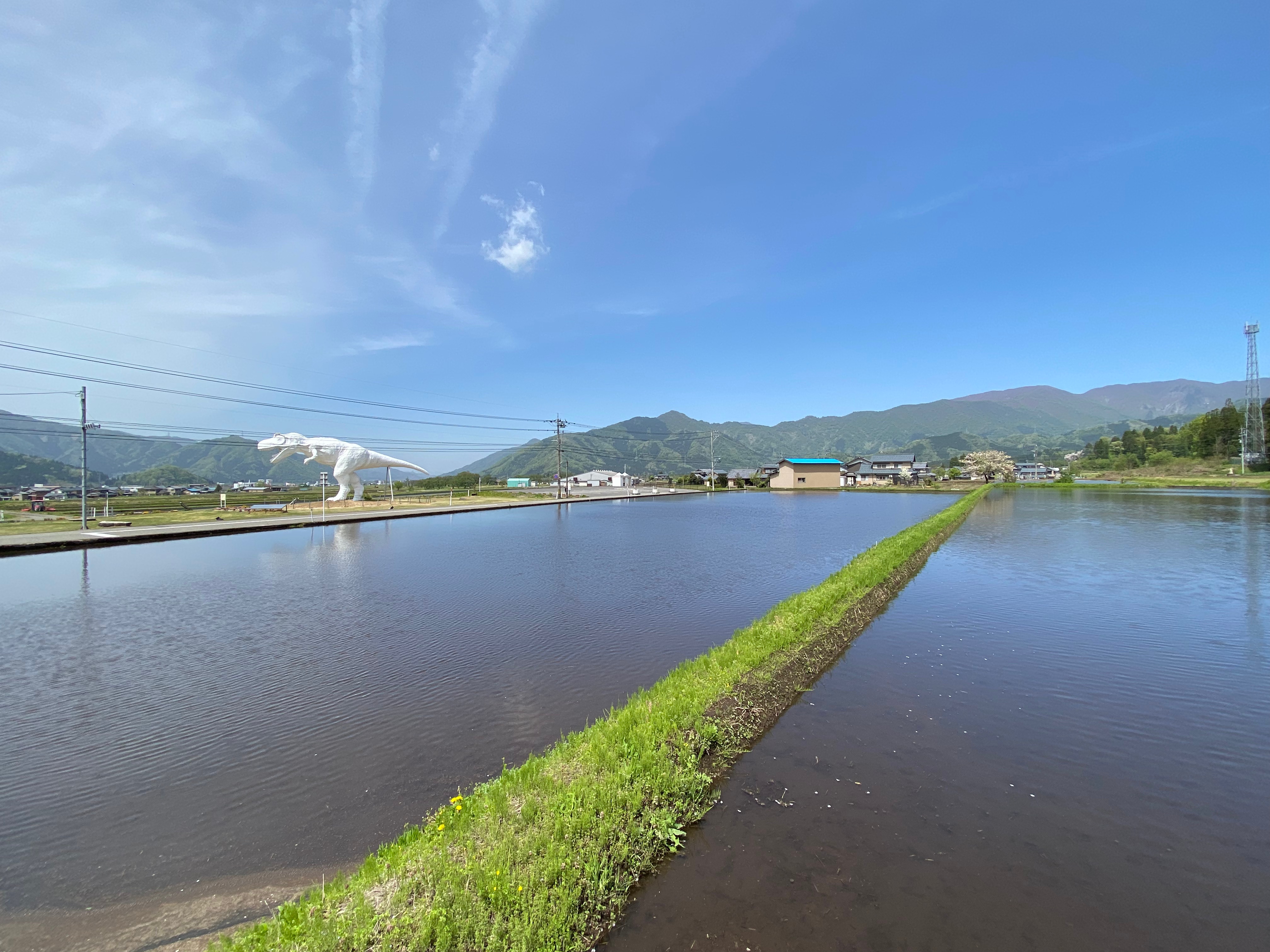
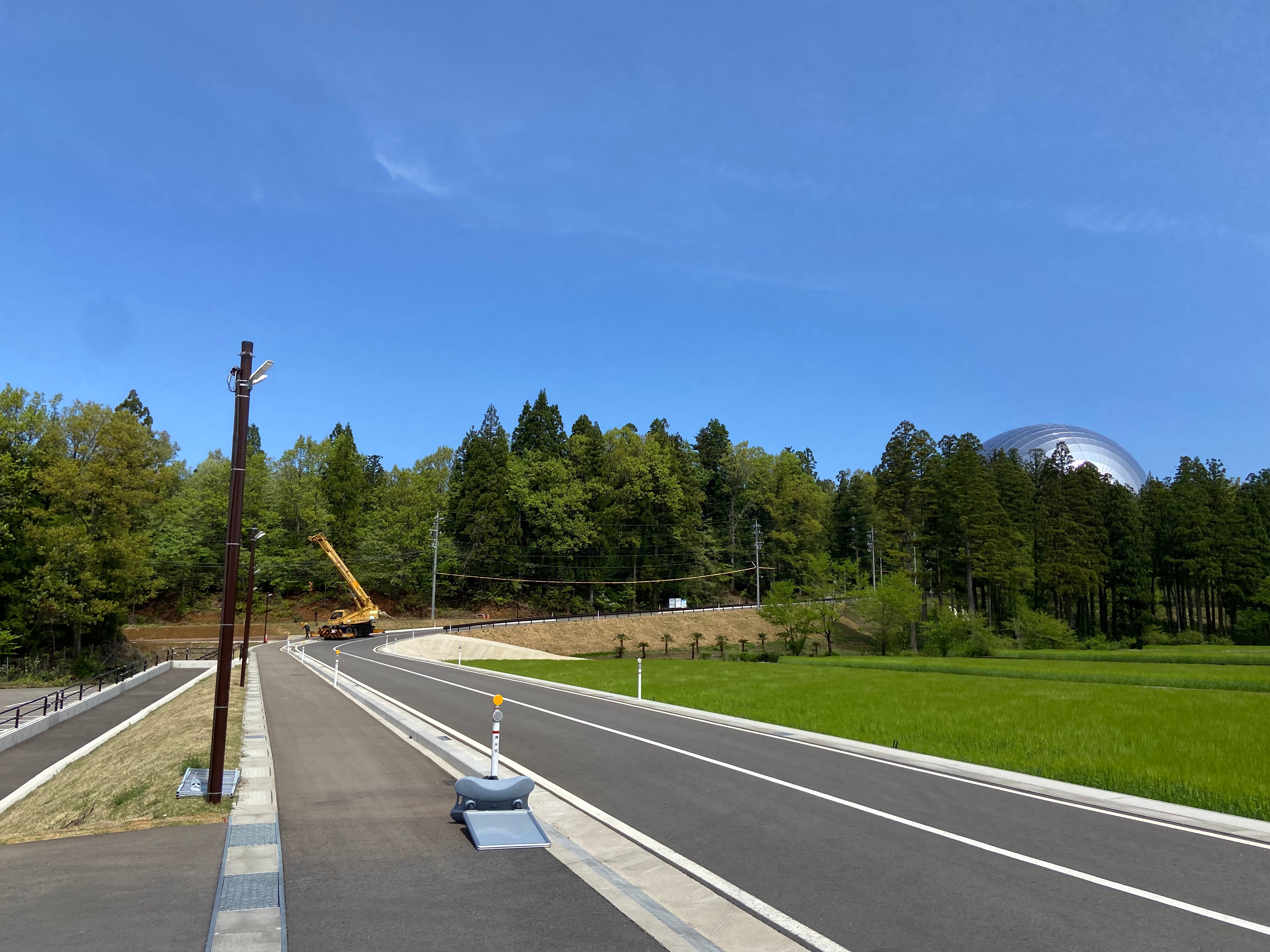
The further out of Katsuyama I get, the flatter everything becomes. I pass rows and rows of rice fields. The flooded type. I’ve always enjoyed the calmness evoked by such a simple sight. Beyond the fields across the horizon, a large silver building sits in the shape of a massive ball. So I head that way. It seems like it might house something historic. About 600 metres out, I can hear something, a thunderous roar. It sounds mechanical, though not entirely.

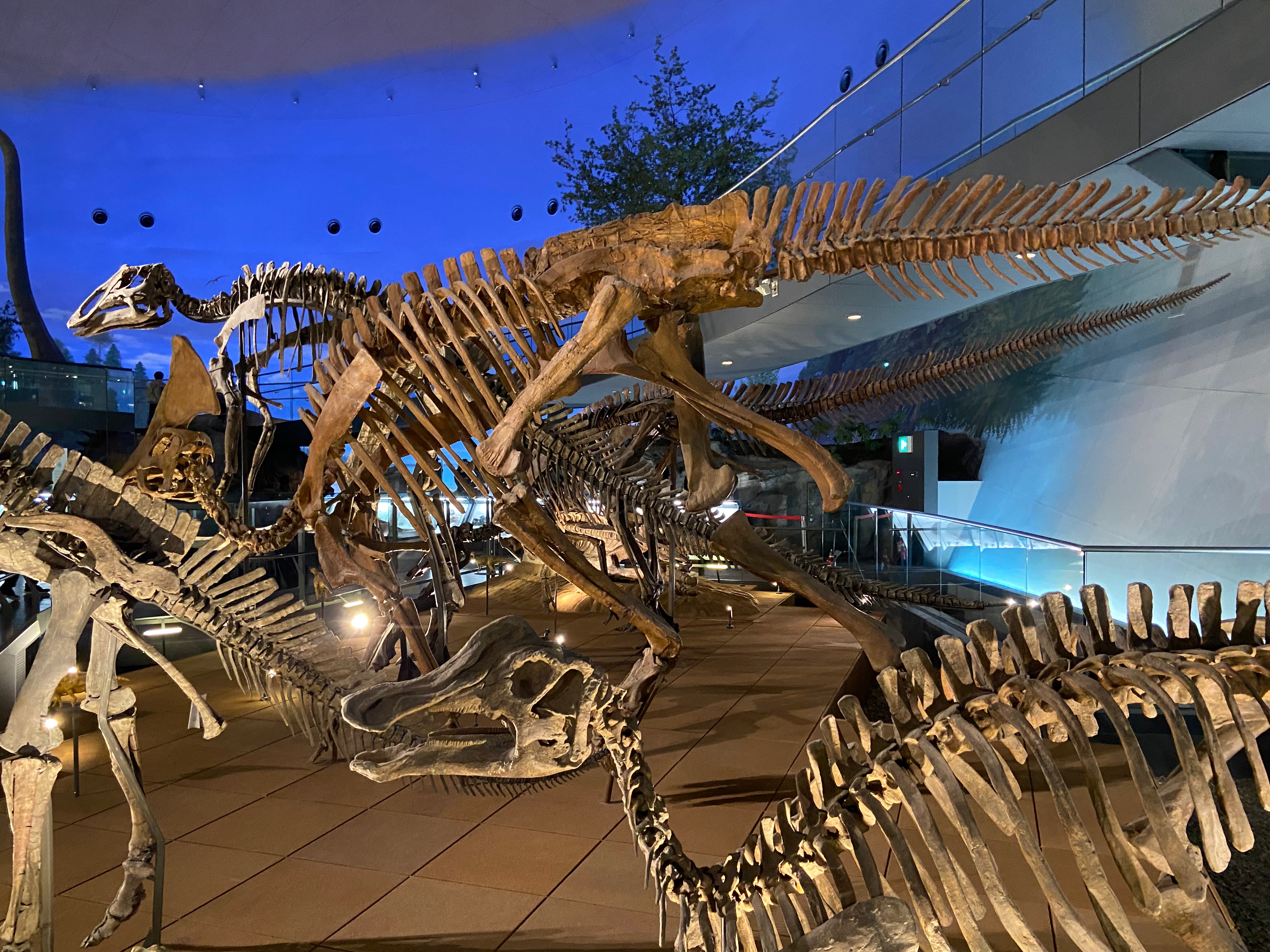
The car park is busy. Painted lines fade in and out beneath the tyres. A few large structures stand at the edges, sun-bleached and unmoving. Inside, I have to head underground, down a massive escalator, before the space opens up into something cavernous. Displays line the walls, fragments, impressions, reconstructed forms. Some are incomplete. Others feel too complete. An animatronic figure pivots, pneumatics sighing like a dying star. As if rehearsing extinction again.

Fukui is famous for fossils. They’ve been discovering them here since 1989, and this museum is a collection of what they’ve found. There are four floors housing exhibition halls, laboratories, seminar rooms, a lecture hall, a children’s area, a video library, and sections on earth sciences and the history of life. It’s all very interesting.

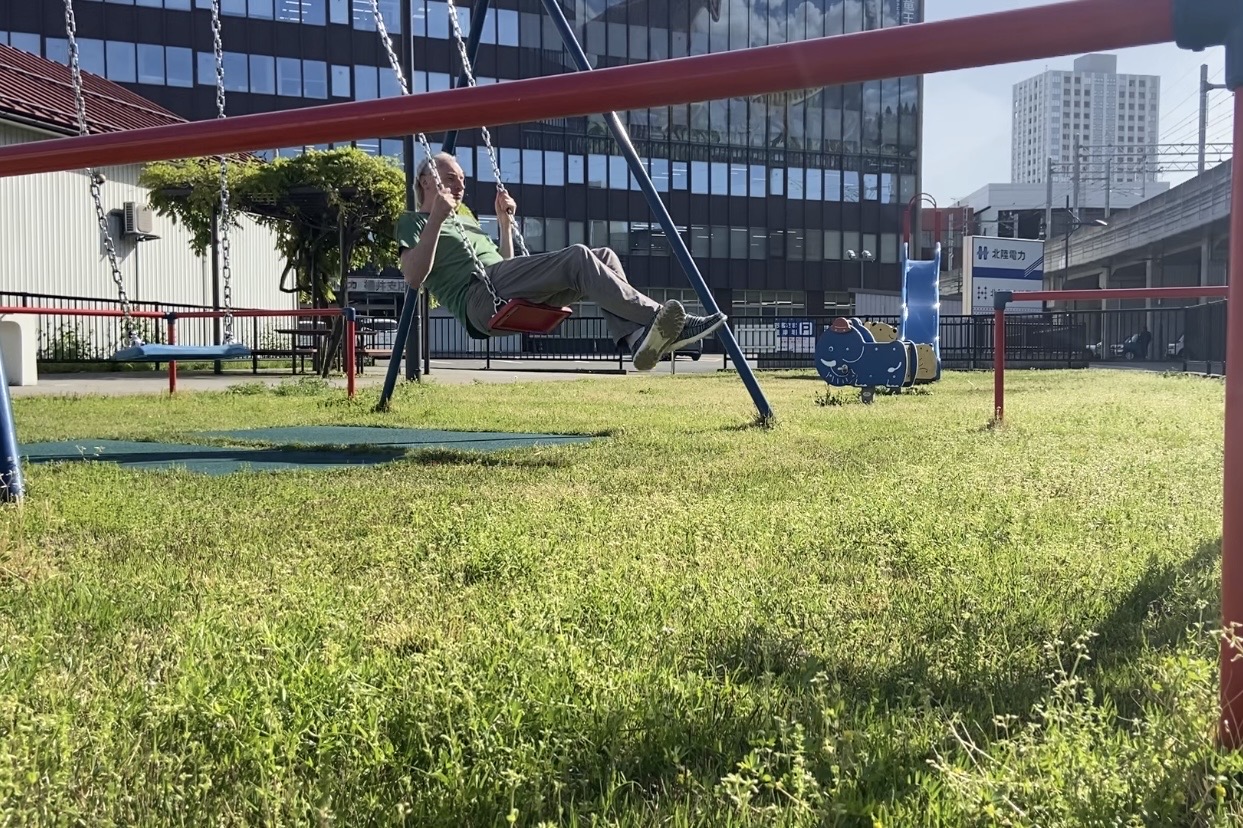
I head back to the station. Here, a single timetable flaps gently in the breeze, listing hourly destinations. Inside, a dragonfly mocks flies fluttering in the artificial air. I have time to kill before my train, so I go and sit in the park, on the swings. I wander just this park before eventually leaving on the train, to Fukui Station. The attendant walks down the train after every stop, before she bows at each person individually; there are twenty-two stops.

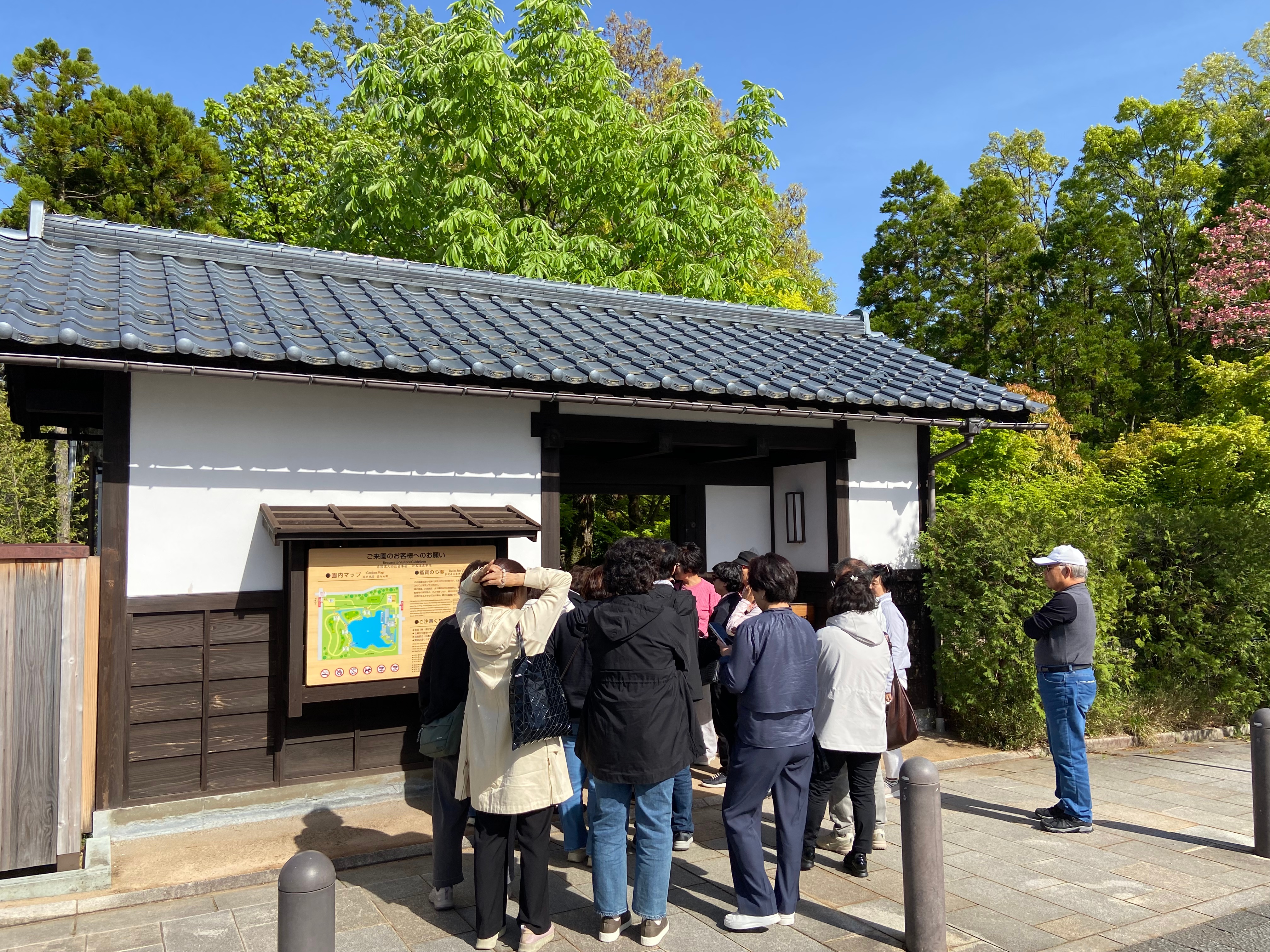
At Fukui Station I’m at a loss for things to do. I check out the Fukui Castle ruins, but these now house government buildings. I see a sign for a zen garden, but doubt I can get any peace from there as there is construction right beside it. Also, when I do arrive, there’s actually a queue of people waiting to enter, all talking loudly.

There’s a large shopping mall, but everything seems closed. A sign next to a man drilling in the road asks people to keep the noise down. In fact, the noise is really starting to annoy me. Since Fukui started finding fossils, there’s been a small boost in tourism. A Shinkansen station was added a couple of years ago, and now the area is in a constant state of development.

I wander through random side streets, passing bespoke shops that are also closed. In the end, I feel Fukui has defeated me; there isn’t much here for me, and the only place I do find with some semblance of peace is a little park out of the way of everything.

And for the second time today, I find myself sitting on a swing.

As Above, So Below

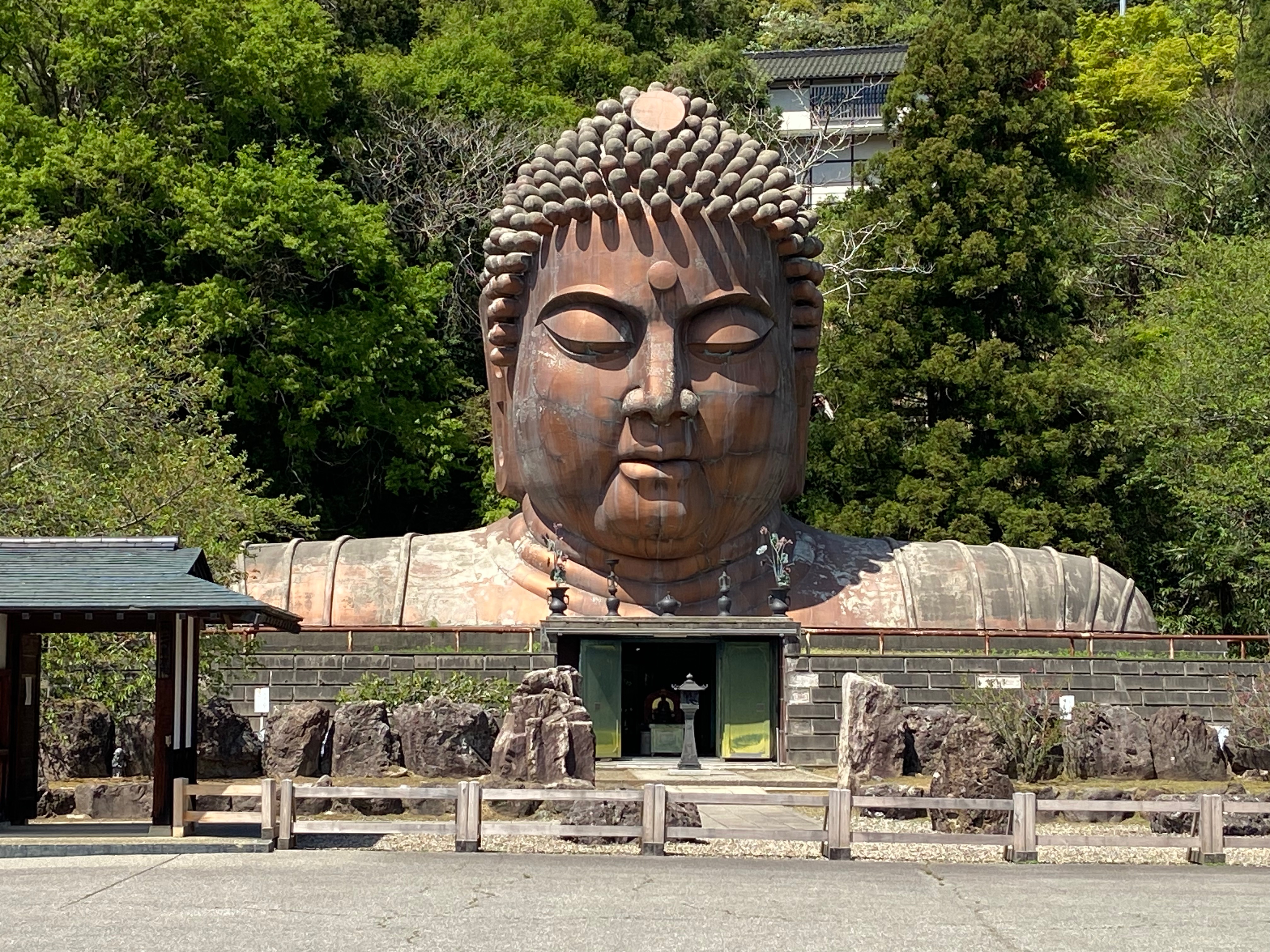
I’ve decided to, as usual, travel out into the middle of nowhere and explore some off-the-beaten-track sights pertaining to death, stored inside a massive Buddha. The news of another 7.9 magnitude earthquake and a subsequent megaquake warning drifts across the speakers at Kanazawa Station. The warning now in place for the coming week just reminds me of how fragile everything is.

After a lengthy train journey, I leave Komatsu Station on foot. The mid-April sun burns at a scorching 30 degrees. I do understand that we orbit a giant fireball, but in April it shouldn’t be this hot, and my skin actually feels like it’s going to melt. It’s as hot as hell. I’m walking in the direction of Mount Hakusan, its 2702 metre peak hovering above the skyline, the snow from two days ago now gone. It’s a ninety-minute walk to my destination, and every time I pass a tree, I slow, hovering in the shade for the briefest of moments. I eventually arrive at the Buddha, which marks the entrance to the Hanibe Caves.

But first, I need to pay for a ticket. There is nobody at the little booth, so I head inside to the gift shop to find a member of staff. I get the feeling this gift shop also doubles as somebody’s house. I find an old lady watching earthquake footage on the television, disturb her, and after she apologises about fifty times, she walks me out to the booth, takes my money, and hands me a ticket.

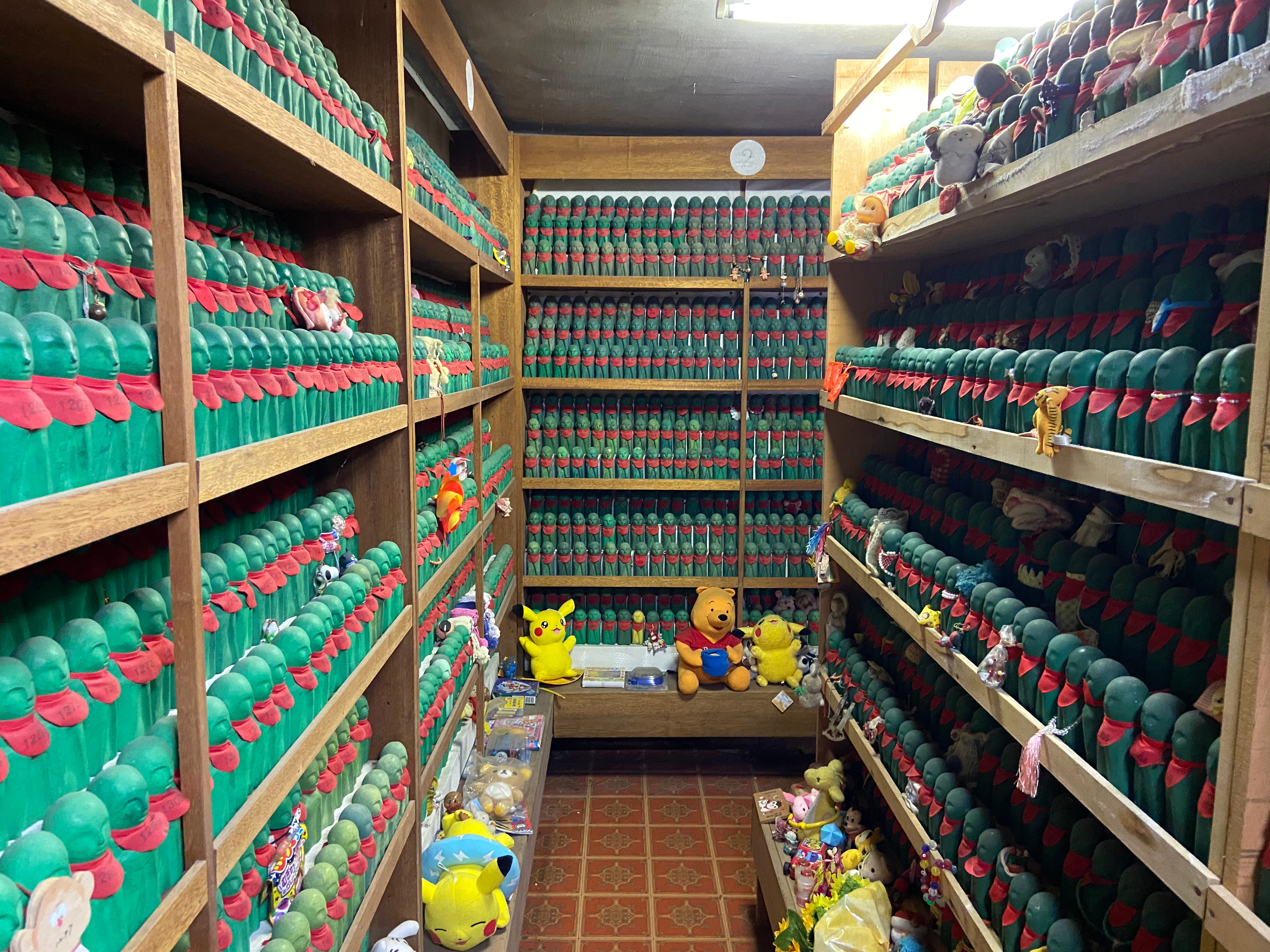
Inside, a shrine for dead children. Thousands of small green statues, each one representing the soul of a deceased child. I suppose it’s meant to offer comfort to a grieving parent, the souls of the children they never had, protected here, preserved, placed on a shelf forever, so they won’t have to stack stones for eternity in the afterlife.

Some of the statues have been recently decorated with ribbons or cloth, others have flowers, stuffed toys, or figurines beside them, and others are long forgotten. The place feels endless. Shelf after shelf, through corridors and doorways, rooms upon rooms. There are even a couple of empty shelves remaining, slowly filling up.

I head back outside and up the mountain path. Mossy stone steps that don’t look to have been stepped on in years. It’s here that I see my first snake, slithering in front of me before disappearing into the trees. I quicken my pace, reach the top of the steps, which turn into a forest, and now every snap of a twig or rustling of leaves sets me on edge.

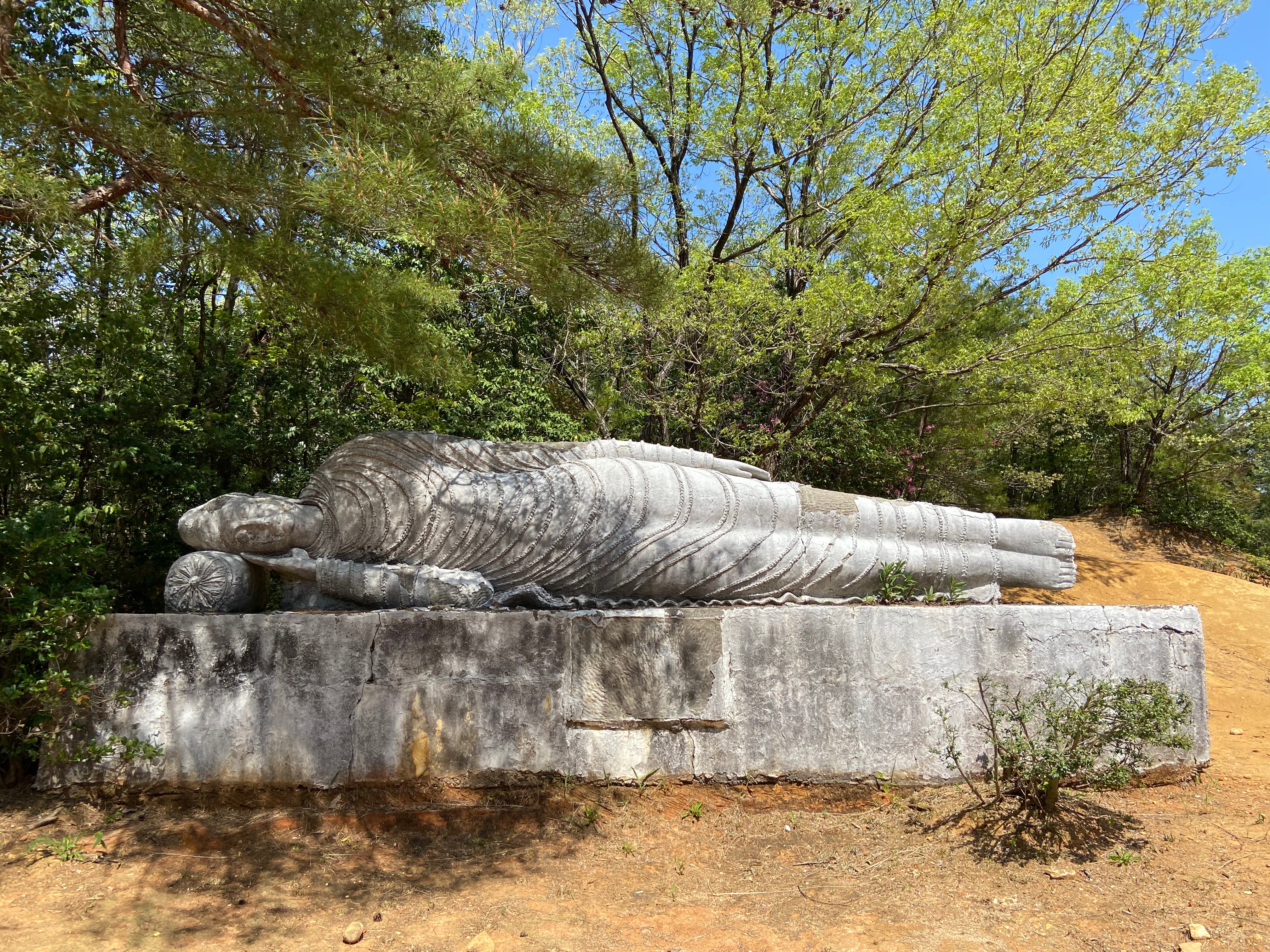
Eventually, the forest opens into a clearing. There is a reclining Buddha statue here. I notice there is no route map or signs in any language, so trying to figure out where to go next is challenging, as everywhere appears to close in on itself.

I head back toward where I encountered the snake and notice some steps heading down in the other direction. I follow them and finally come to an unmarked cave entrance.

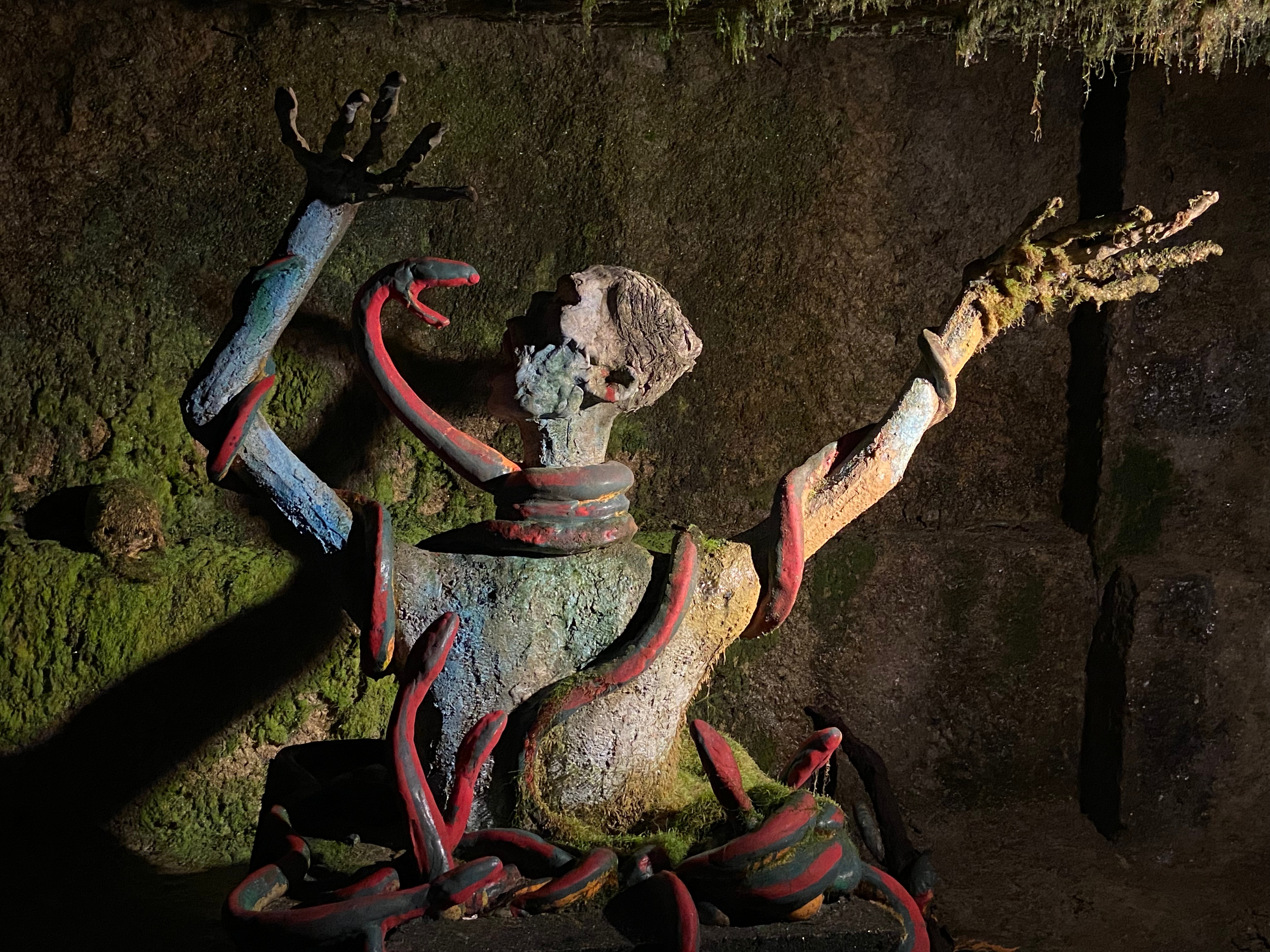
Inside, it is freezing cold. I follow the sound of dripping water through dimly lit corridors, deeper underground. There are hundreds of sculptures in here, most depicting some form of death. If this place were conscious, it would probably describe itself as a theme park for damnation.

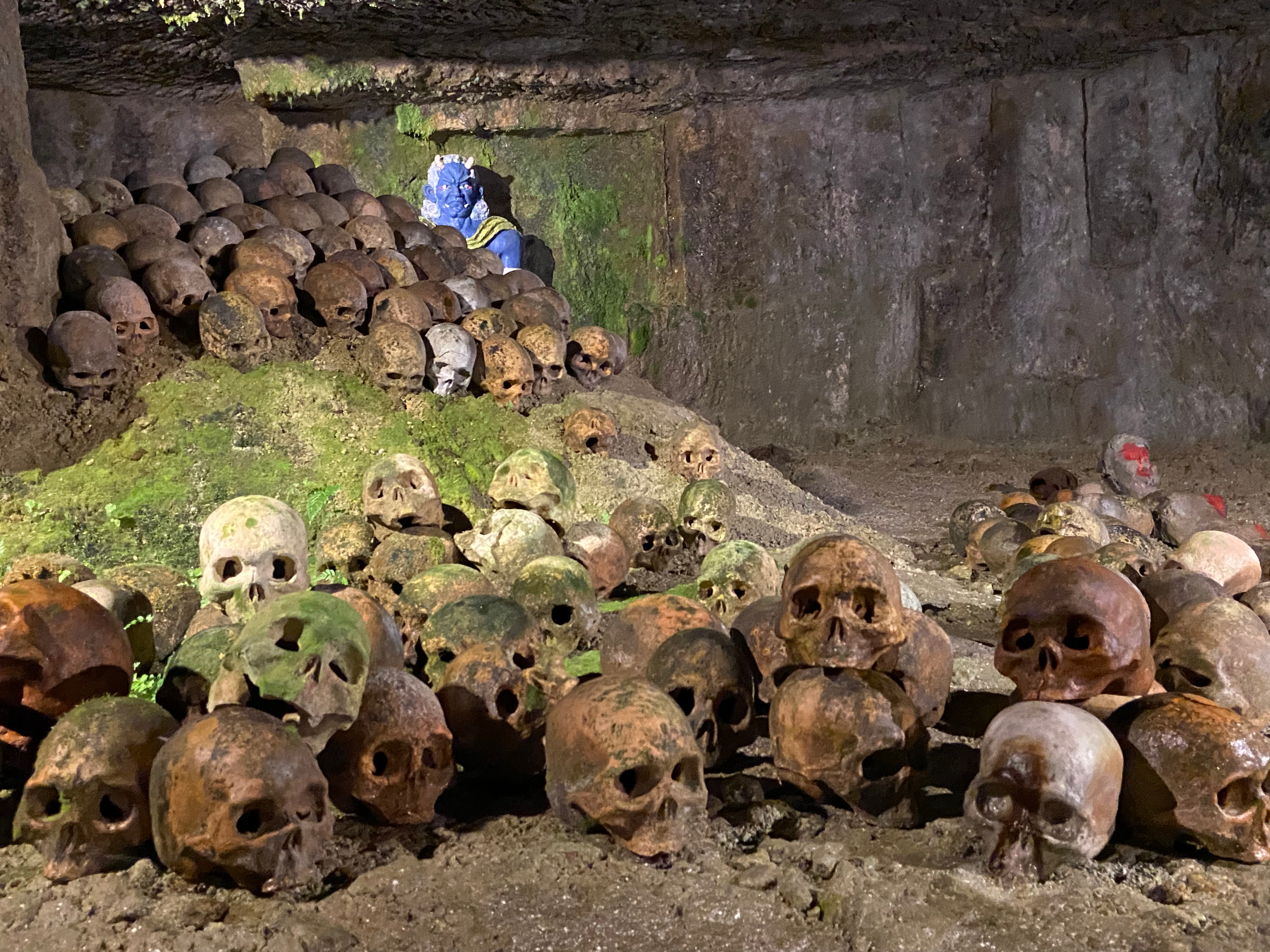
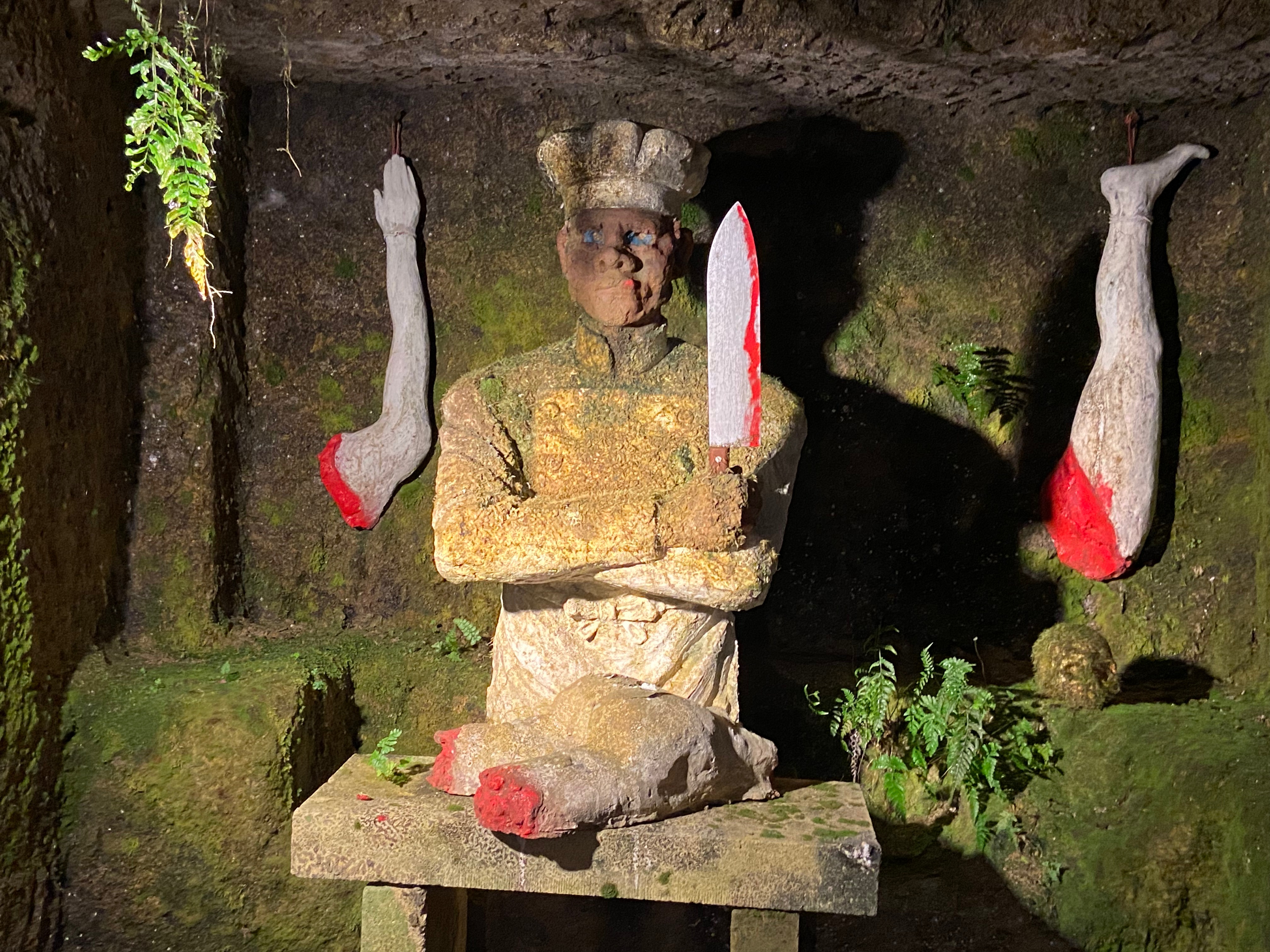
I pass devils and tortured beings, giant spiders, a pile of what look like human skulls. People with menacing grins carry knives, surrounded by dismembered limbs. It’s a juxtaposition of surreality, physical beauty and violent death. A woman is missing an eyeball. A man has come up against the great King Enma Raja and is missing his tongue. A monster is covered in snakes.

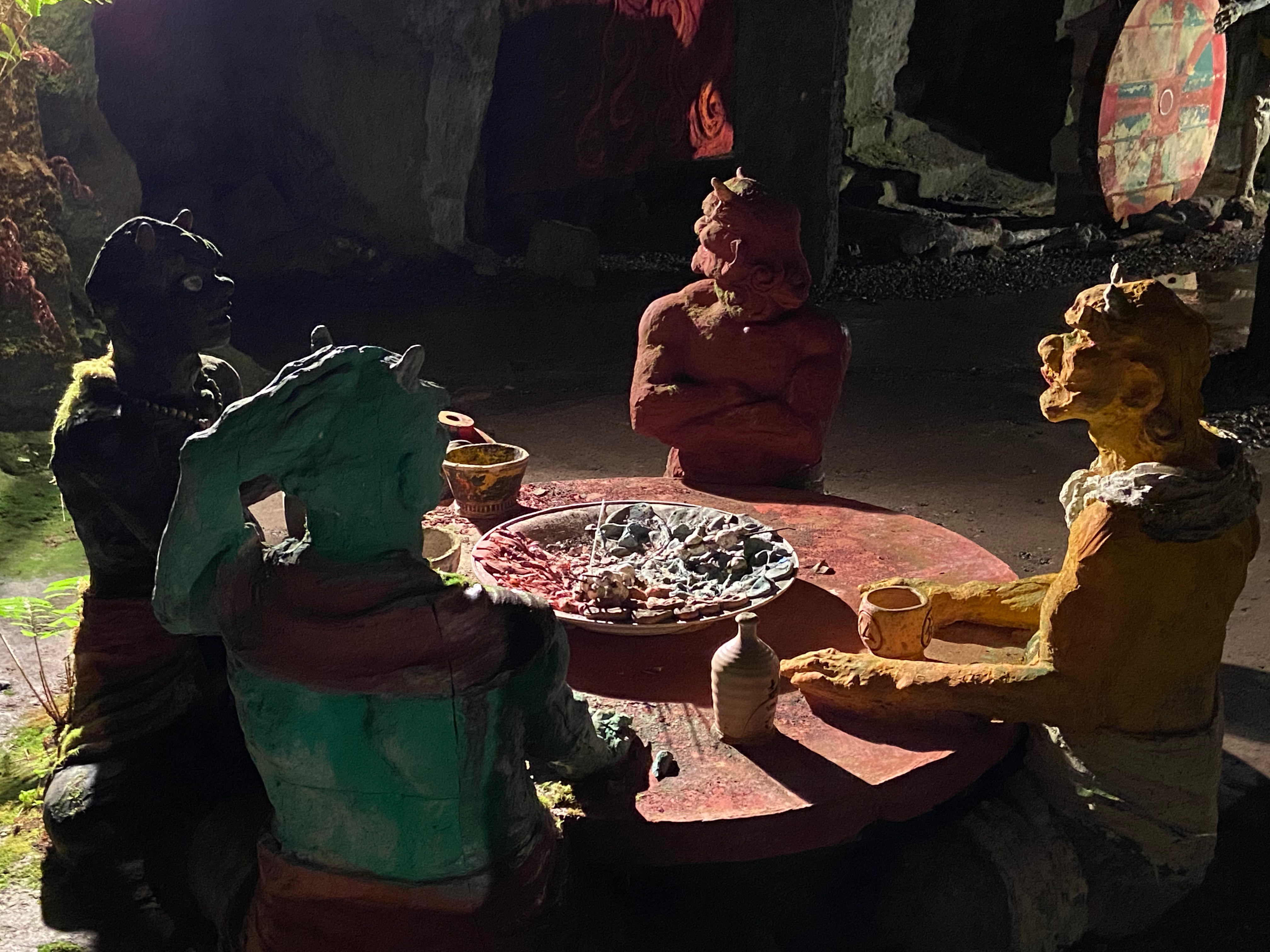
I find four demons sitting around a dinner table. There is a sign: “Doesn’t this seem like fun? The feast has reached its climax, stained with blood. Those who have fallen here at the end of debauchery and madness are filling the stomachs of the demons. Another guest has arrived. Very well, come and sit on this table.”

It is unnerving being here. The cold, the dark, and knowing that I’m not only lost in a forest somewhere in the middle of nowhere, with nobody around, I’m also lost in a maze carved through an underground cave network, which is also trying to be a haunted house.

If I died in here, nobody would likely find me for days. I want to be alive. I want to feel alive. This place does that. Despite the death around every turn, threading through the darkness of the tunnels, I do enjoy places like this. Not just the unknown, either. The depictions of what the Buddhist interpretation of the Gates of Hell looks like, and the overly enthusiastic marketing of calling it that. As I try to figure out where I am, occasional noises echo around. A click. Something tapping in the distance. Someone else is here. Something else.

I leave the same way I came in, or so I thought. I exit into a small town. I’m lost and completely disoriented. Somehow, I have left the Hanibe Caves, but it doesn’t feel like I found the way out.

A Light for Attracting Attention

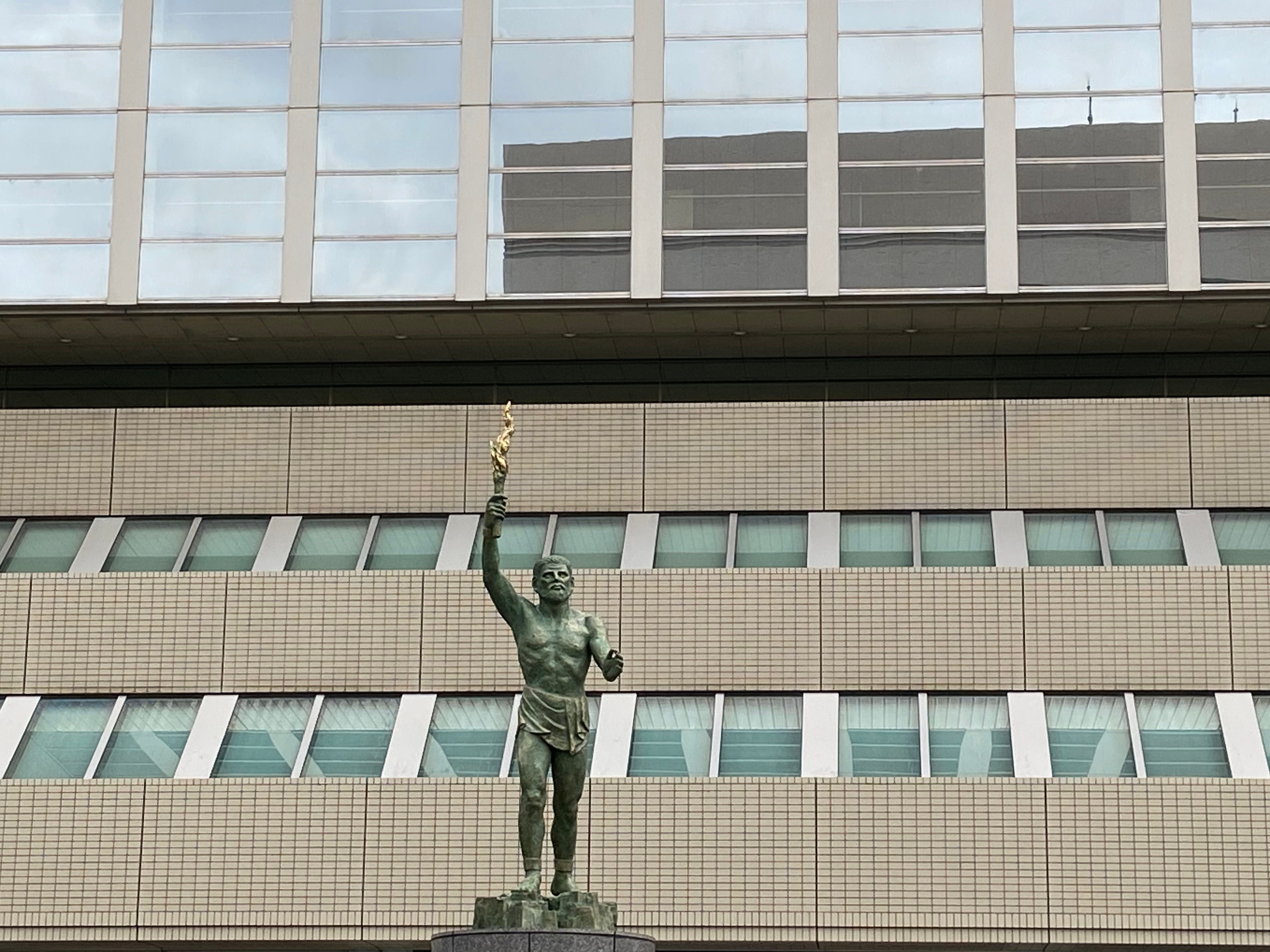
Outside Toyama Station, in front of the Hokuriku Electric Power Company headquarters, there is, for no apparent reason, a statue of Prometheus. I briefly consider shooing away an imaginary eagle pecking at the statue’s liver. Prometheus is carrying a flaming torch whilst posing above a water fountain.

I’m in Toyama Prefecture today for two activities. The first is a special exhibition taking place at the Toyama Glass Art Museum. As I wander the streets, crossing tramlines and dodging potholes, every now and again, through cracks or gaps between high-rise buildings, I catch glimpses of the snow-capped Tateyama Mountain Range in the distance. I’ll be slightly closer to these mountains for my second activity later on, so I’m hoping to get a decent view and a couple of nice photographs.

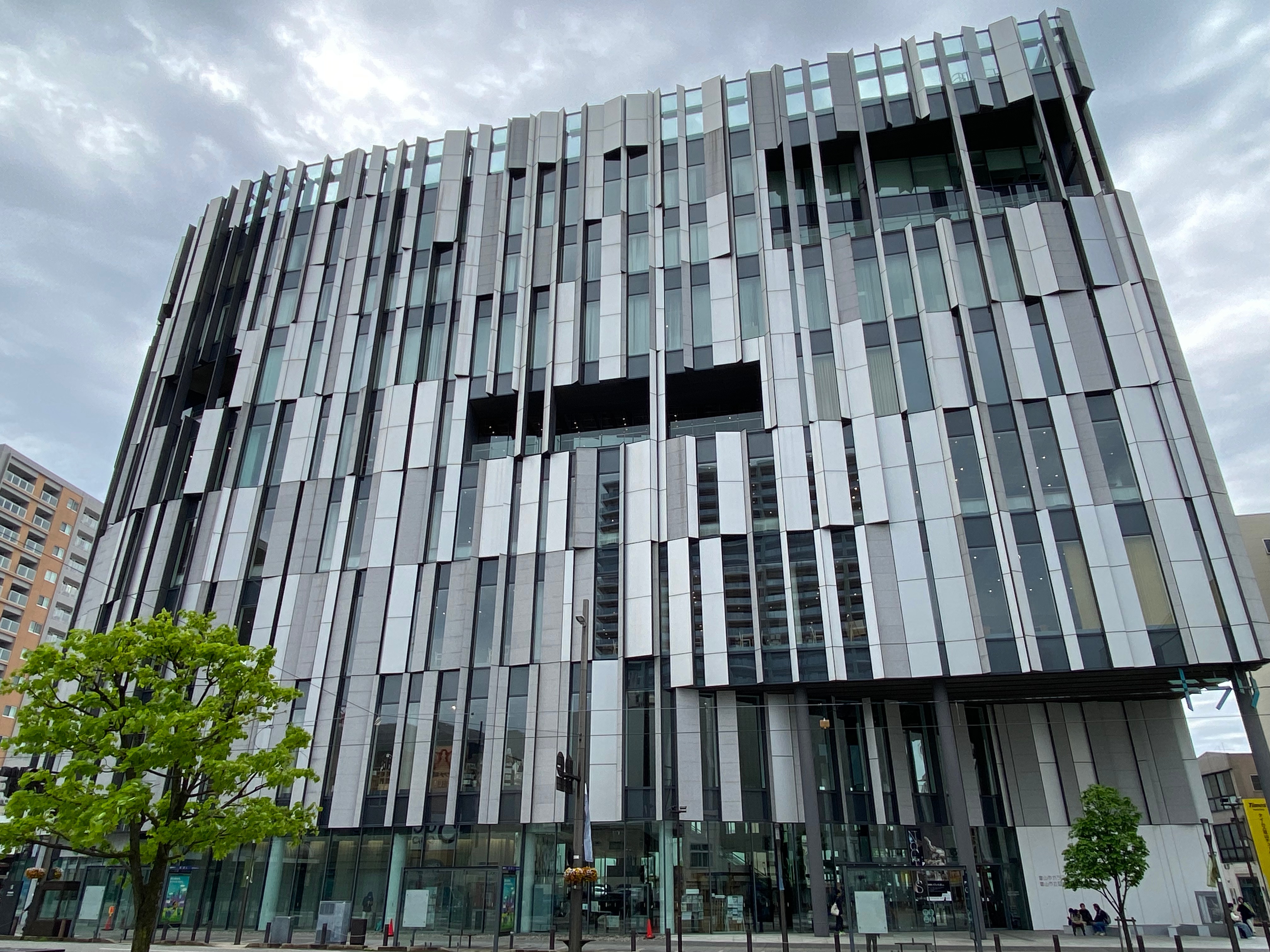
The Toyama Glass Art Museum is not difficult to find. The building housing it is a unique structure. Designed by Kengo Kuma, it features a dramatic diagonal void that acts as a light funnel, channelling sunlight through the interior and reflecting it off cedar beams and mirrored walls.

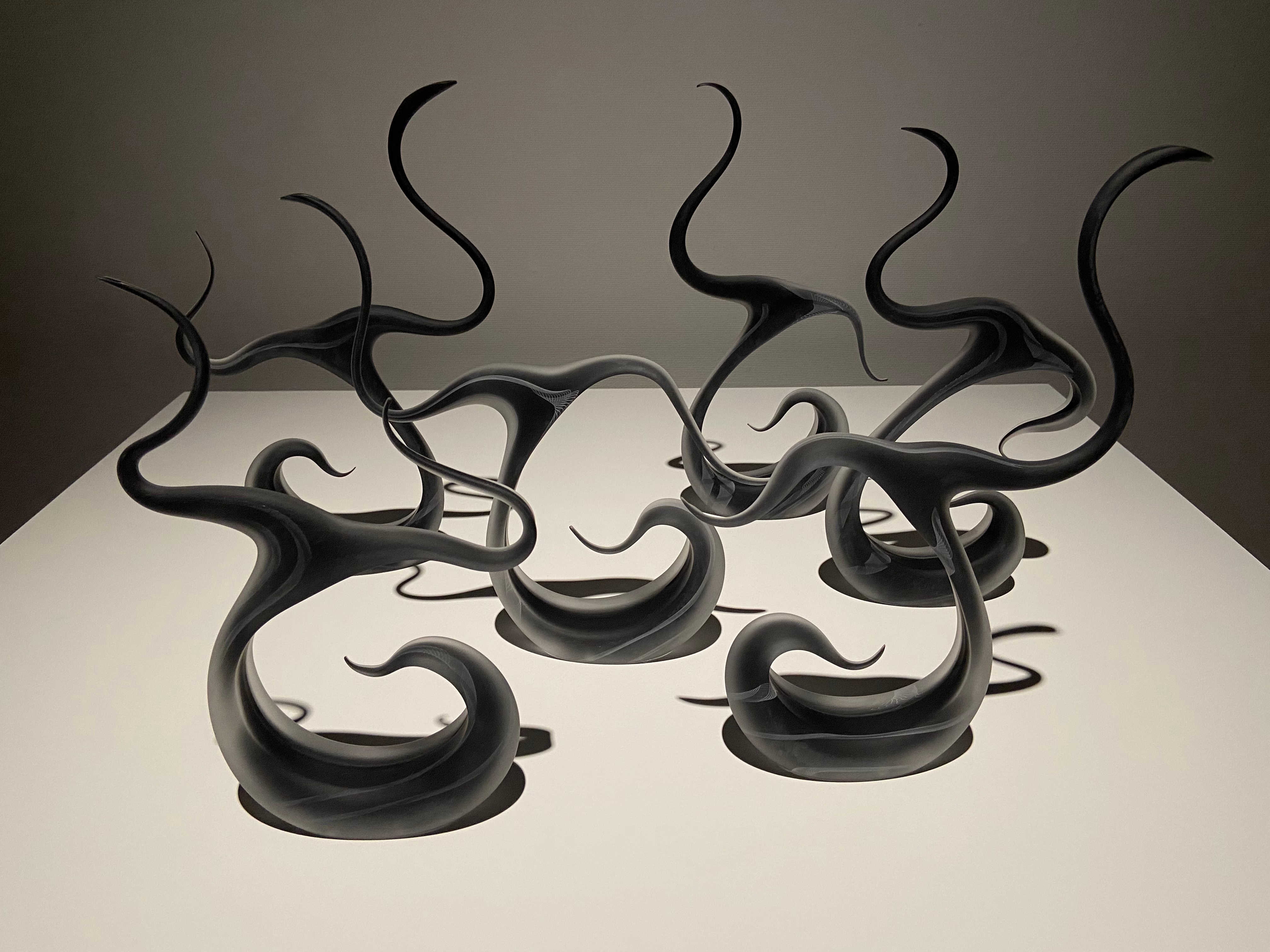
Inside the museum, there is a massive queue of people, which is a good sign. The tagline reads Glass Art of Shadow and Light, while the exhibition itself is titled Noctis, Latin for “of the night.” Amidst the darkness, inspiration can be drawn from the mysteries that hide there, illuminated by the glow of the moon, a star, or a small flame.

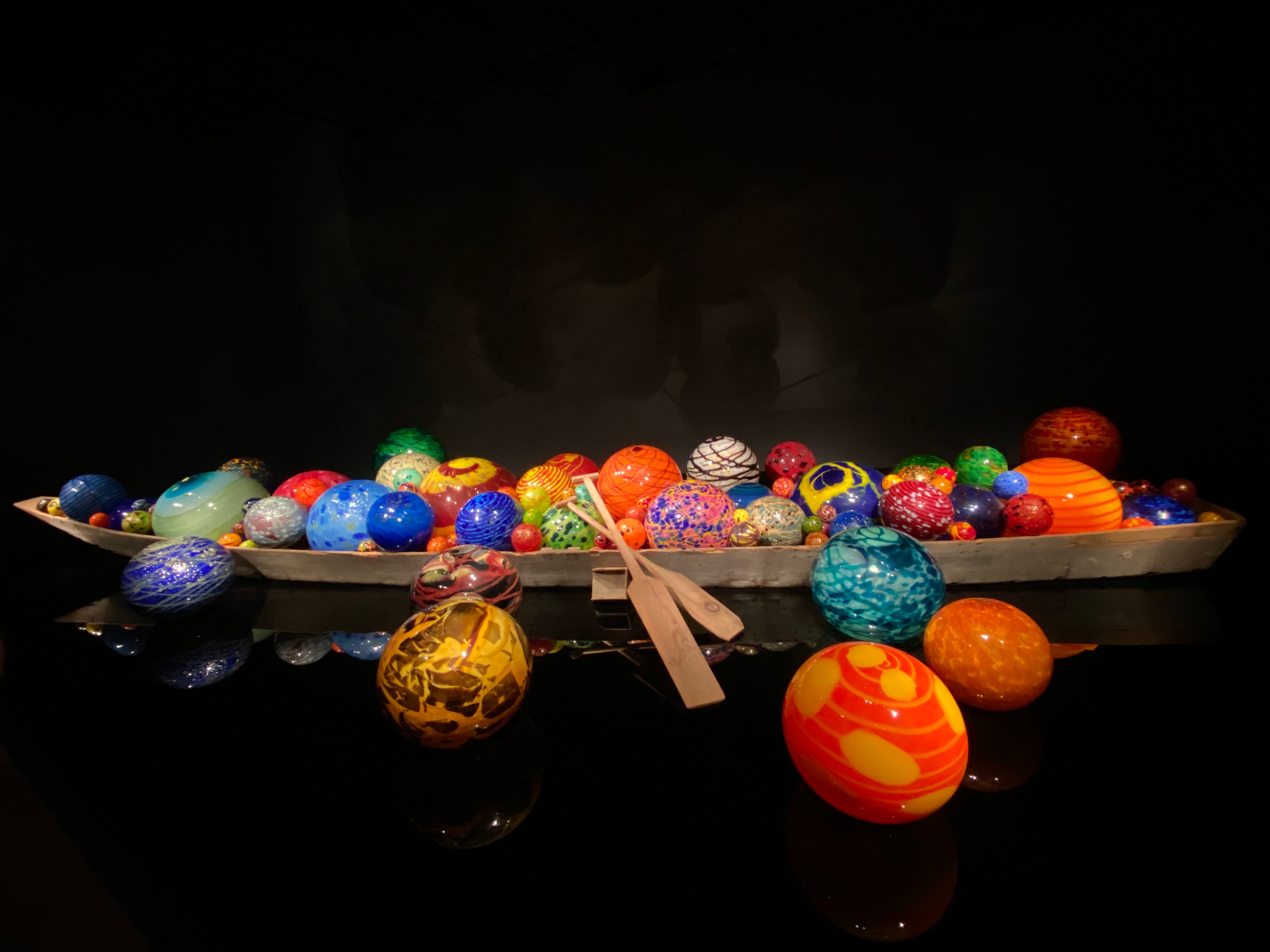
The ticket price also includes entry to the regular glass art floor, which I visit first. Among the collection are instructions on how this type of art is made, where it originates from, a timeline of its history, and a large boat filled with giant multi-coloured marbles.

On the floor below, the entrance to Noctis begins in the section titled The Twilit Forest, the suspension between night and day. The very first room is filled with lamps and the shadows they create. Then there are vases, and their shadows. I feel like my shadow is being watched by the many all-female seated staff. Should I be photographing this? Have I been standing around long enough? Did I look at all the lamps?

As twilight fades, the next section opens into Gathering Dusk, where familiar shapes are swallowed by darkness. Some of the contemporary work featured here includes Kozumi Masao’s special prize-winning Black Symmetry Vase, depicting the awakening of both fear and curiosity. It’s at this point in the exhibition that the artwork starts to become more unsettling, with encounters with creatures that might or might not be real.

Further along, the museum descends into madness, and everything becomes far less about light and far more about darkness. Encounters with unfamiliar forms and the macabre follow. The depths of our inner world emerge through death, dreams, and nightmares. Kinoshita Yui’s Permeation is my favourite piece of them all. The dense clusters of harshly coloured glass represent the dreadful force of proliferating life forms that slowly destroy us, ignoring everything else around them. It’s absolutely terrifying.

The final section moves into moonlight and the absolute unknown. Pieces here depict not just dreams, but terrors, as we sink into sleep and confront the depths of our boundless imagination. I hadn’t planned to spend quite so long here, and as two hours pass in an instant, I decide to head off to my next destination, an hour away.

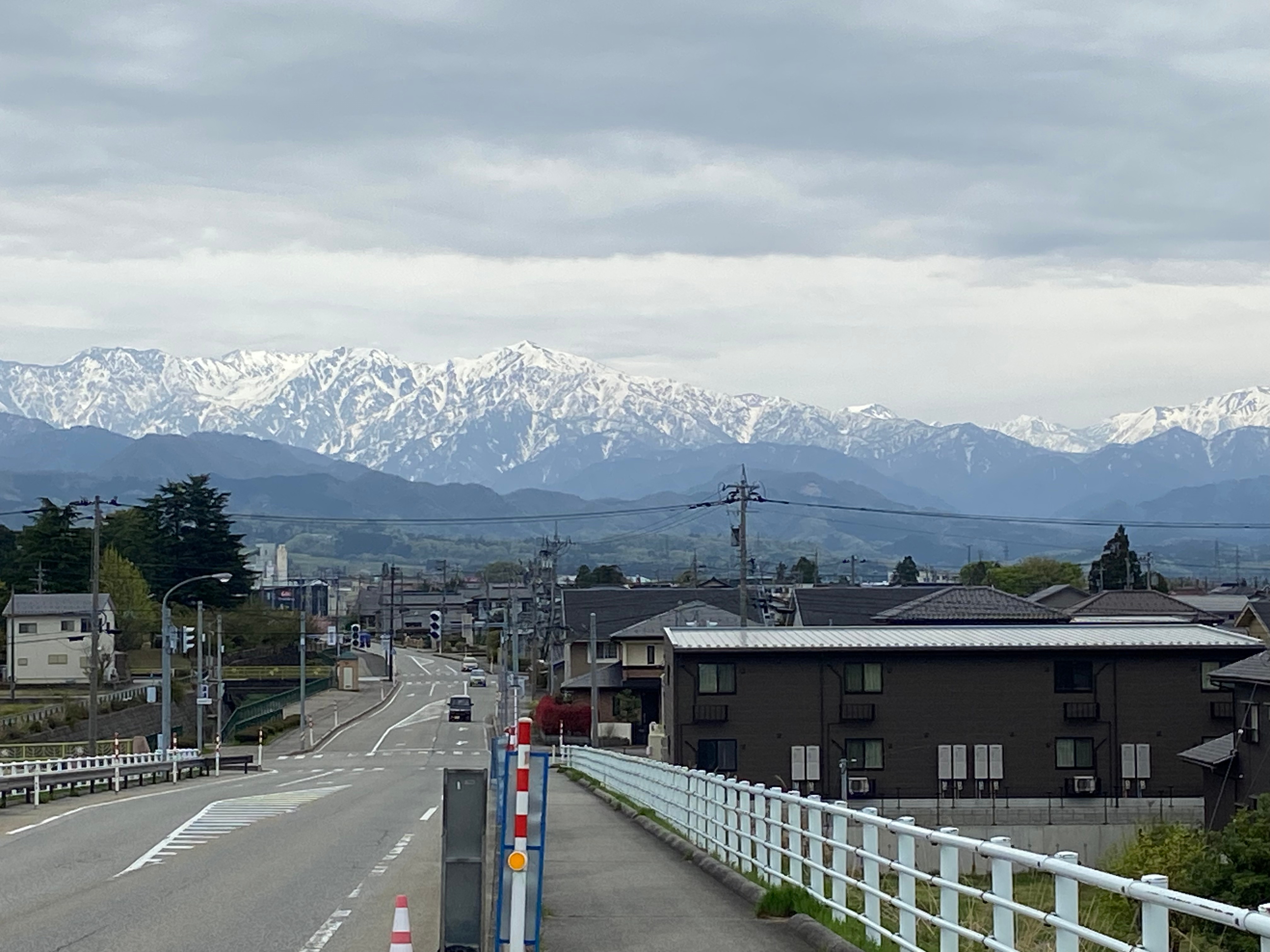
Arriving at Namerikawa Station, I finally manage to photograph the snow-capped Tateyama Mountain Range.

The mountains are stunning. They loom over this place as if their presence alone is enough to surround it, despite me being on the coast with the sea behind me. And it is the sea that’s brought me here, to see the world’s only firefly squid museum.

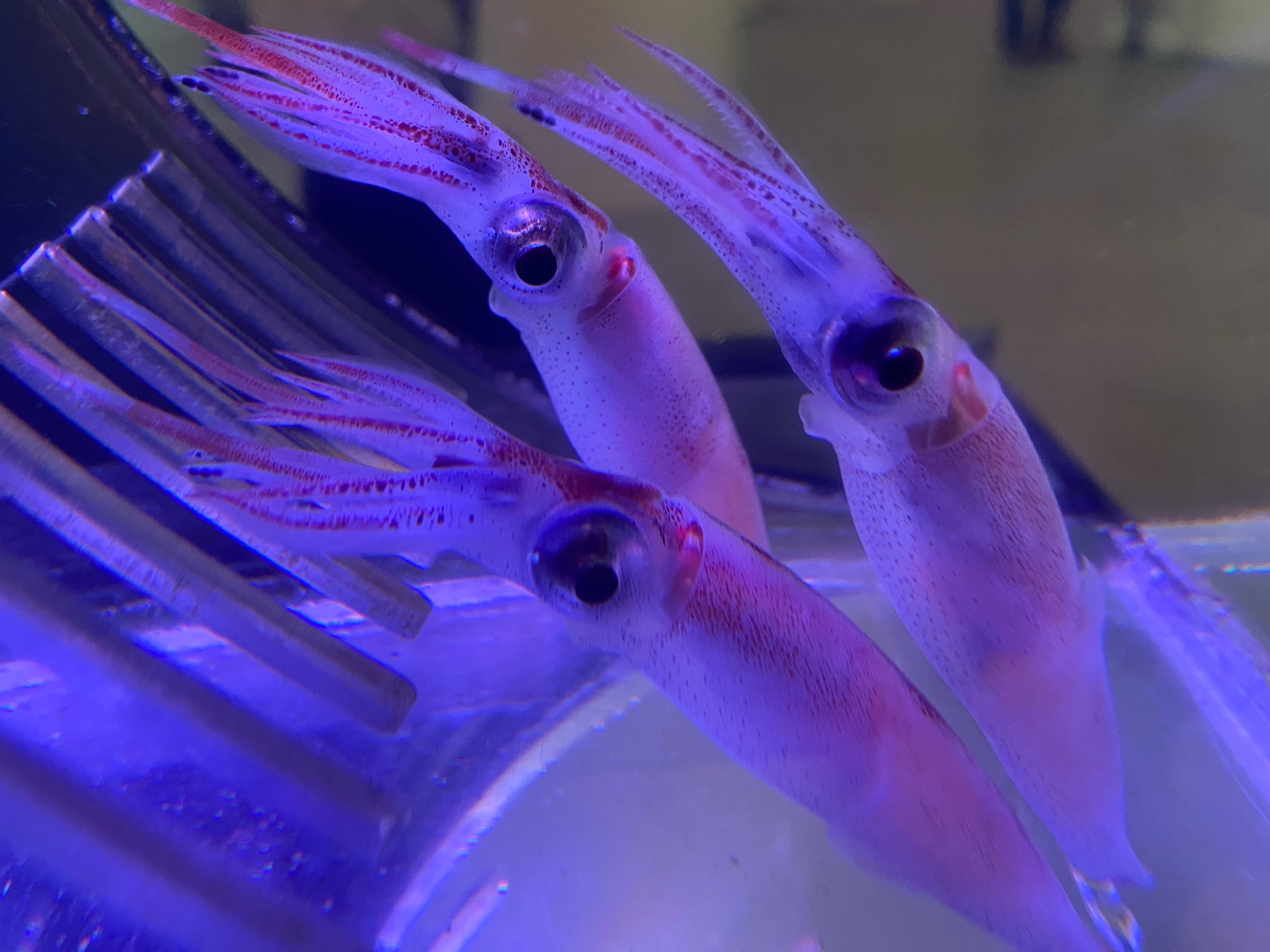
These squid are unique in that they are tiny, deep-sea creatures that light up the ocean in blue luminescence. Each squid is covered in thousands of light organs known as “photophores,” and use this light to match the surface glow, hiding their silhouette as they lure in their prey. They also use controlled blinking lights to trick and lure much smaller fish. I’ve managed to lure in three myself, in a tiny glowing tank.

The museum is pretty interesting; however, almost all of the information is in Japanese. The only parts I understand are that it smells like fish around here, and that no smartphones are allowed in the theatre. I don’t bother with the theatre anyway, as there is a two-hour wait, which is a shame, because apparently the firefly squid put on a dazzling light show.

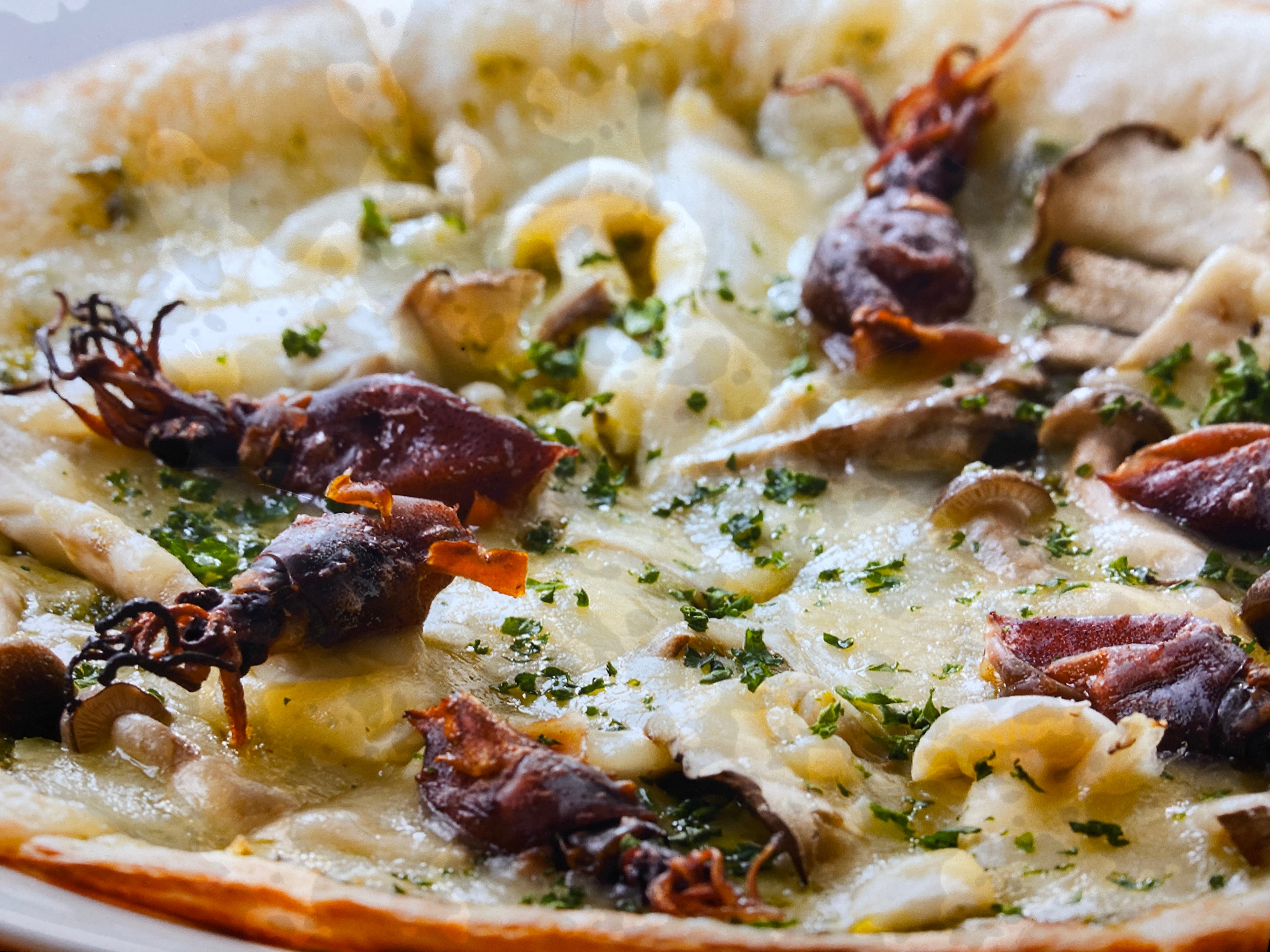
The gift shop sells glow-in-the-dark squid keyrings and squid-adorned cravat-style neckties. The restaurant sells firefly squid pizza, squid burgers, and squid pasta, but it too has a two-hour wait. I wanted to come here and order the pizza just to add a bitter irony, seeing such beauty, marvelling at it, only to consume it after it’s performed a dance for me. Instead, I take a photograph of the pizza from the menu, just to show how unbelievably unappetising it looks. Had I not had to wait, I would probably have changed my mind about eating here anyway.

I head back toward the mountains, to the station, and decide that the only thing I’ll be consuming today is the view.