Apicultures Now

There’s a noisy bee inside Matsumoto Station, buzzing against the sun that filters through the gaps in the roof. Outside Shinonoi Station, there are Christmas trees up in April. Leaving Shigeno Station, I walk through an underpass and out into underbrush. Here, I am deep in the Nagano countryside. I have to walk for 20 minutes on the road, but luckily it’s not very busy. Eventually, I find what I’m looking for: a big wasp.
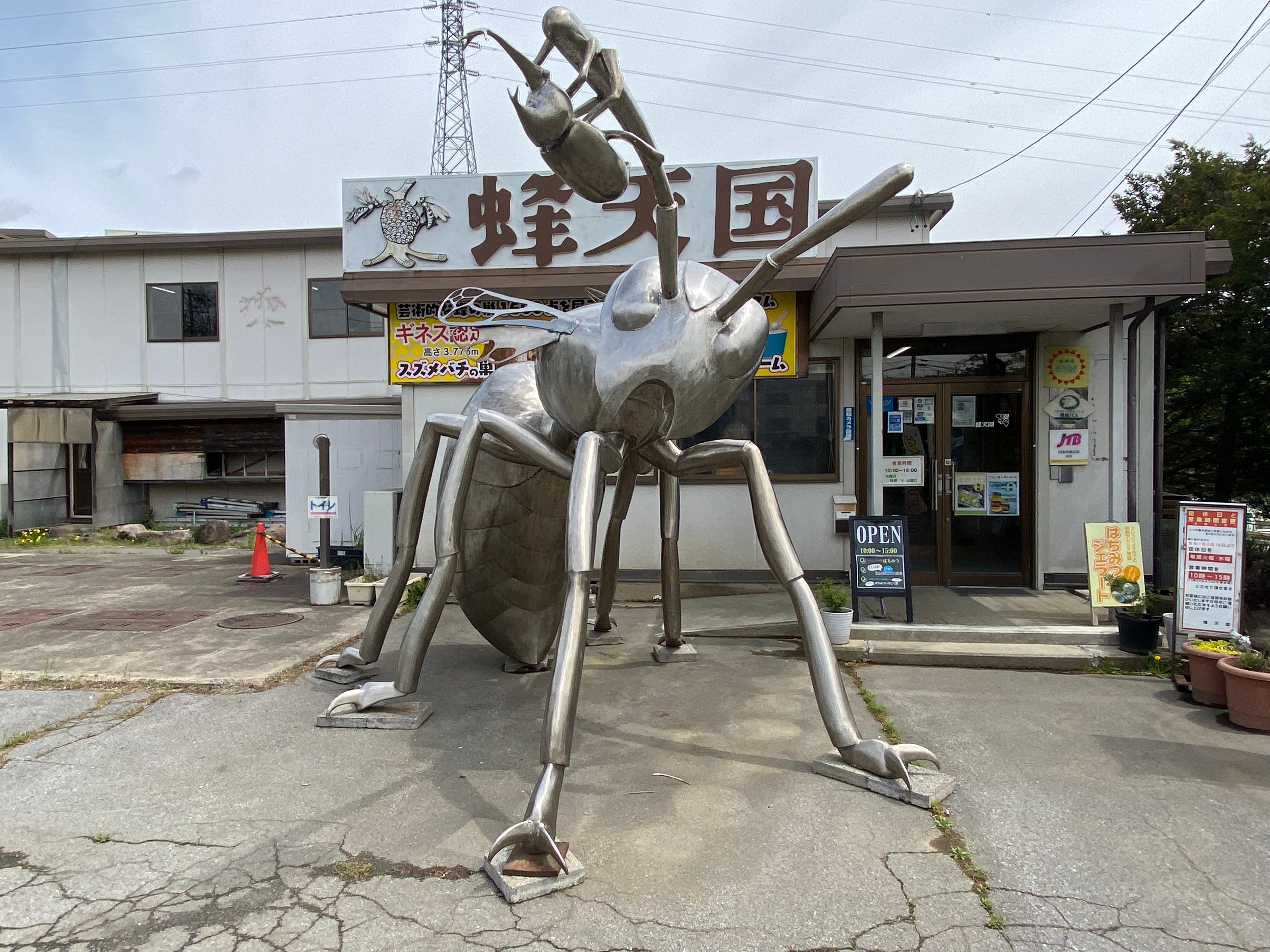
Today I’m at Bee Heaven, which is not a place where bees go after they die; that would be absurd, but it is a place where hives go after they die. The building itself looks, from the outside, like it’s about ready to collapse. It also claims to house the best bee art museum in the world.

Inside, a young woman seems extremely happy to see me. She asks me what I am doing here, as though I may have made a mistake. I tell her I’m here to look at the beehives. She mimes a pair of binoculars with her hands and places them over her eyes. I nod, and she takes my ¥300 and hands me a ticket.
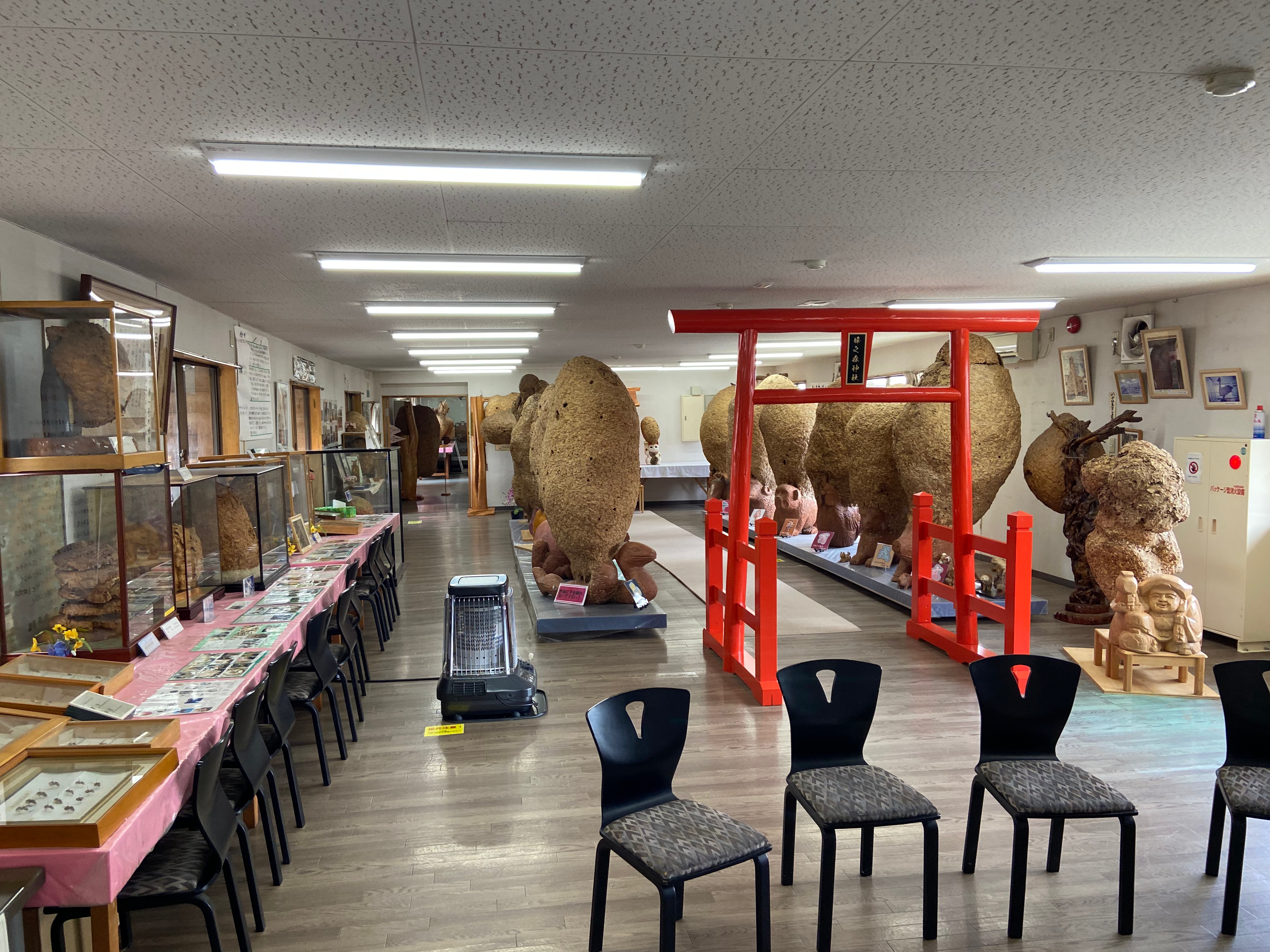
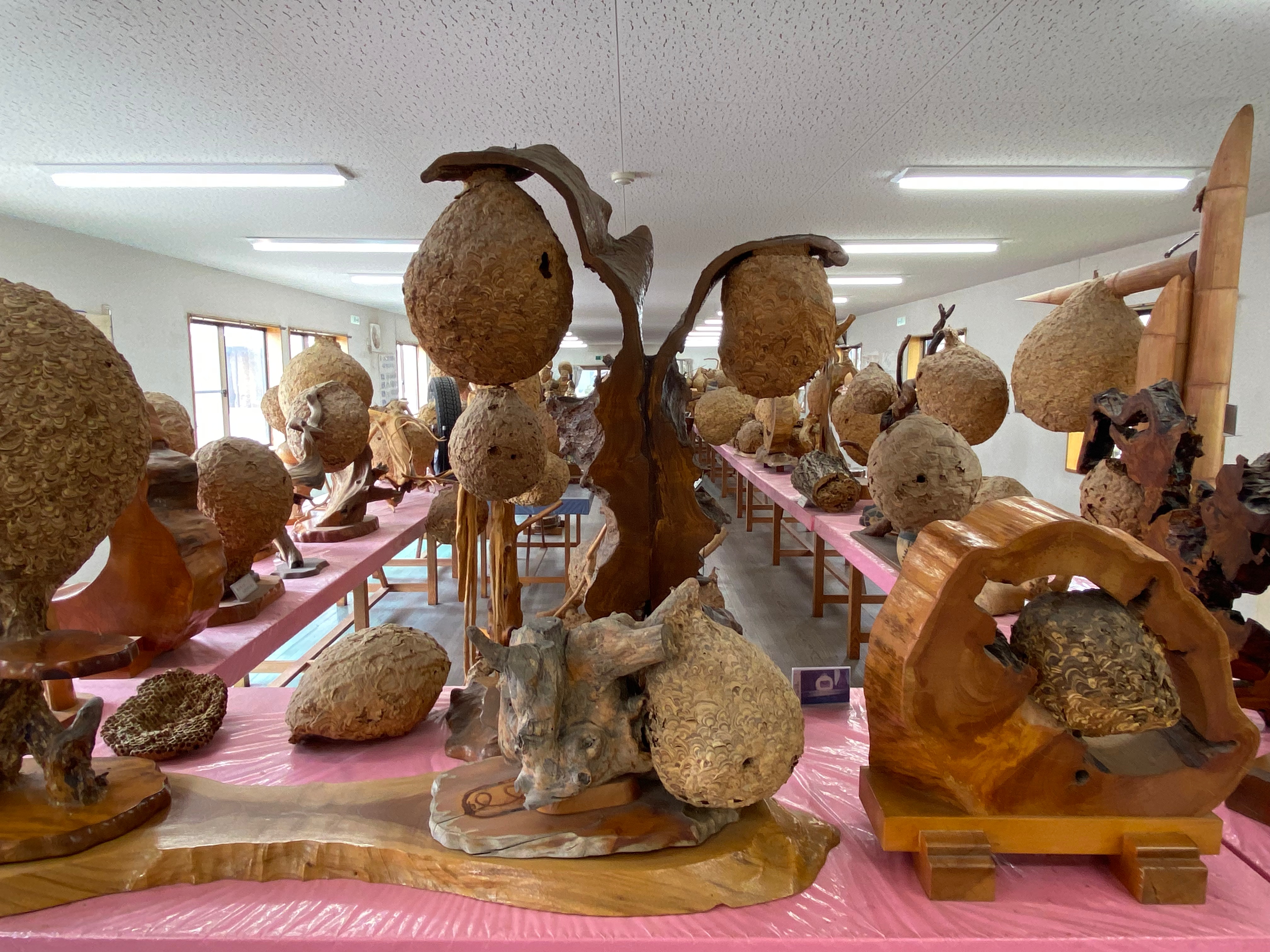
The exhibition features its own shrine to bees, Hachinomori, in honour of a very loyal bee; it is here that we pray for a good life. 1,600 artistic beehives are on display across a maze of interlocking rooms and floors. And if that’s not enough, I discover that it is the collection of just one man and craftsman, Yoshikuni Shiozawa.

There are photographs of Shiozawa shirtless and covered with bees, a grimacing smile across his face. He teaches us the benefits worker bees have on our ordinary lives, and that human society would absolutely collapse without their extraordinary colonies.
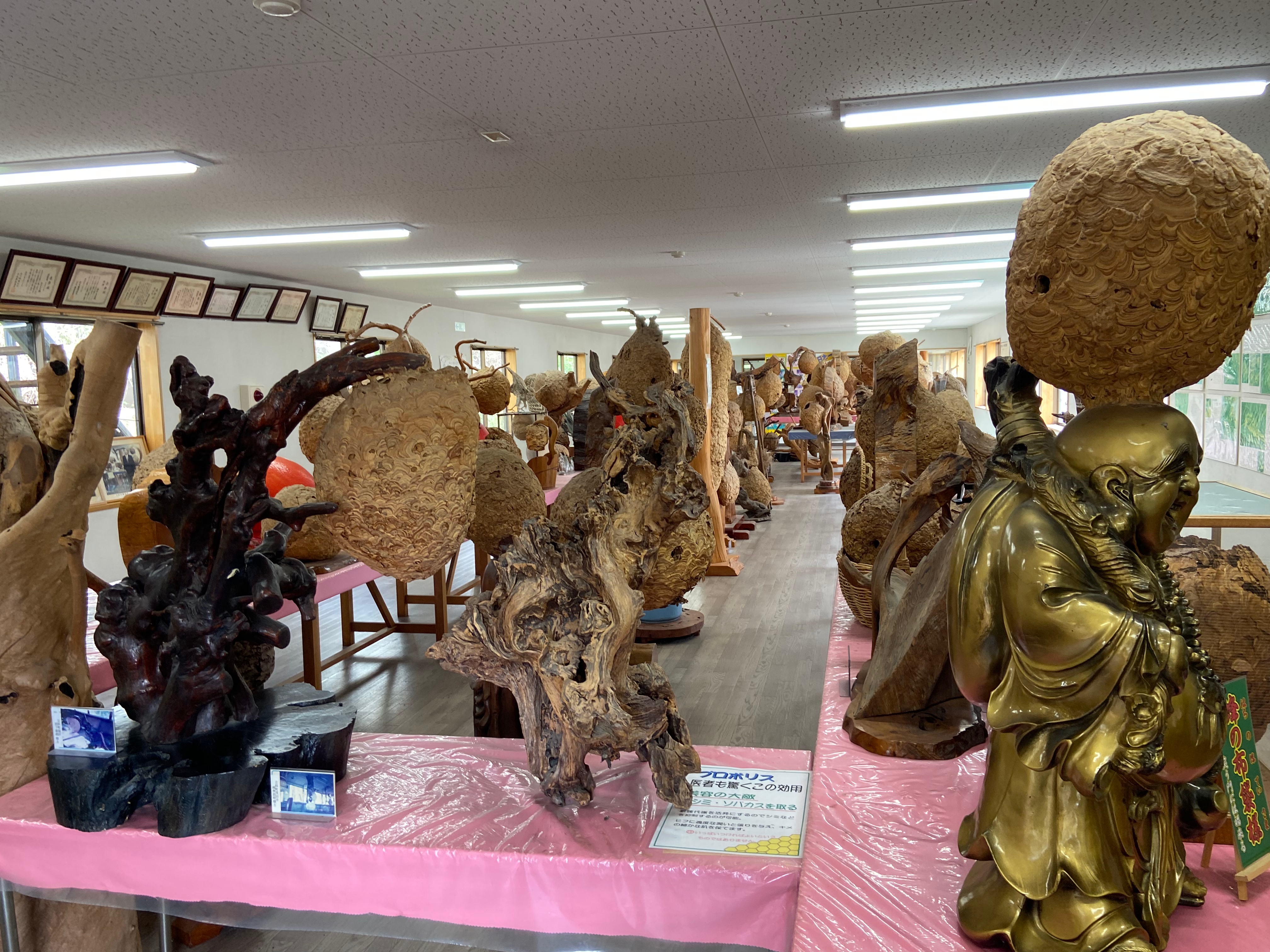
There is a sign in here saying, “Don’t open the window.” And even though there are a few stray bees buzzing and bimbling around between the hive art, I’m not sure whether the sign is to keep bees out or keep bees in. Regardless, the dull, musky smell of the hives could do with an air change.

There are preserved bees in cases, cross-sections and anatomies of wasps, evolutionary charts, and rows and rows of hornets. Artwork, including paintings of bees, drawings, and anything else bee-related you can imagine, is here, nestled amongst hive after hive after hive.
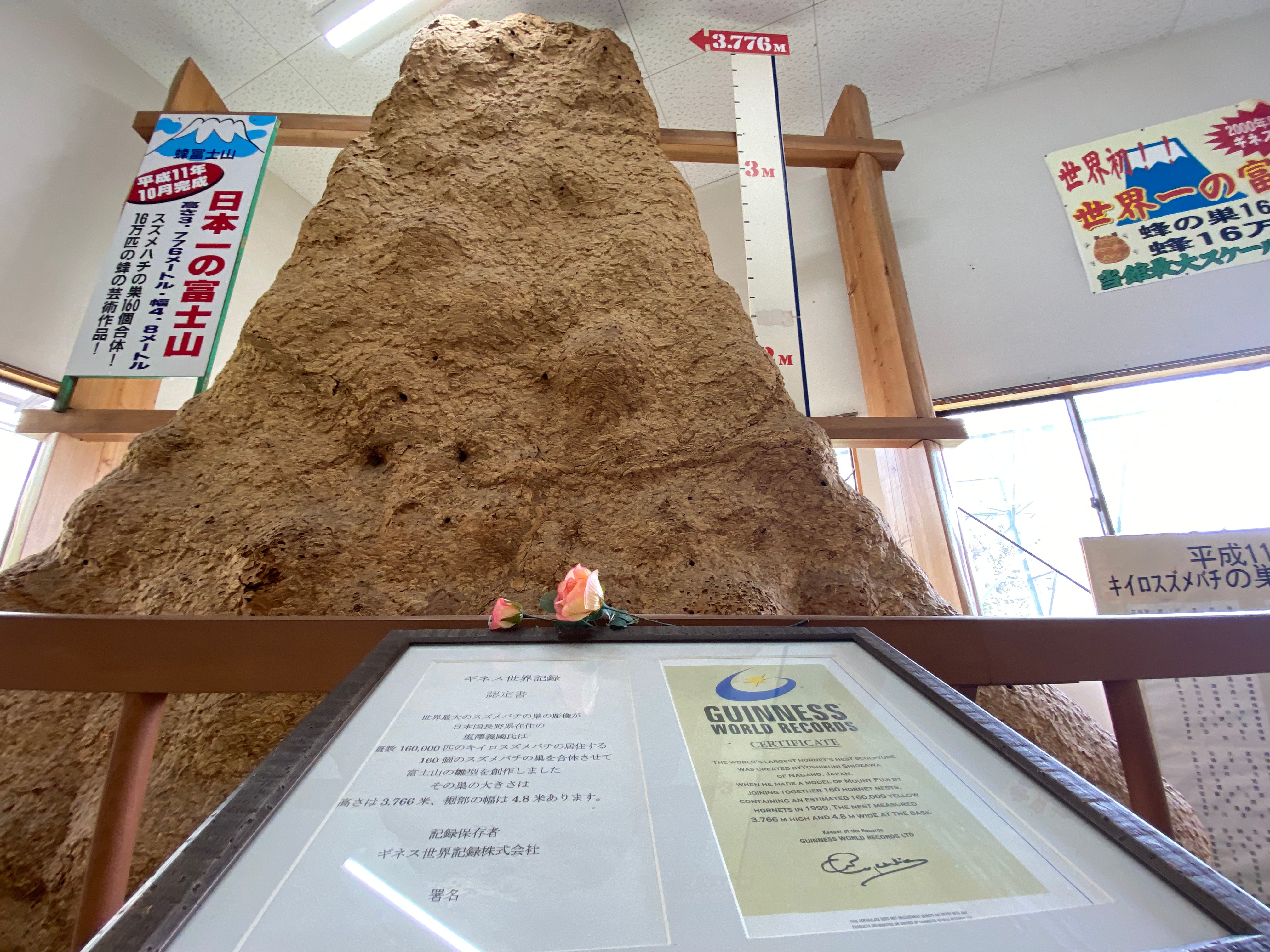
I pass through several more rooms and up a flight of stairs to what I think deserves to be acknowledged as the centrepiece. A Guinness World Record for the world’s largest hornet’s nest sculpture was created by Shiozawa. In 1999, while we were all panicking about the Millennium Bug, he decided to do something else with bugs. He made a model of Mount Fuji by joining together 160 hornet nests, containing an estimated 160,000 yellow hornets. The nest now measures 3.776 metres in height and 4.8 metres wide at the base.

Mount Fuji is 3,776 metres high, so by converting a comma into a decimal point, he cleverly crafted a perfectly scaled version of Japan’s iconic mountain. It’s a very niche award. I don’t see it being toppled any time soon, unless somebody has 160 hornet nests lying around.
At the gift shop, I buy some honey as a souvenir for a friend, the real stuff, made by bees. They also sell bee larvae, made from bees, but I don’t think she would like that as much.

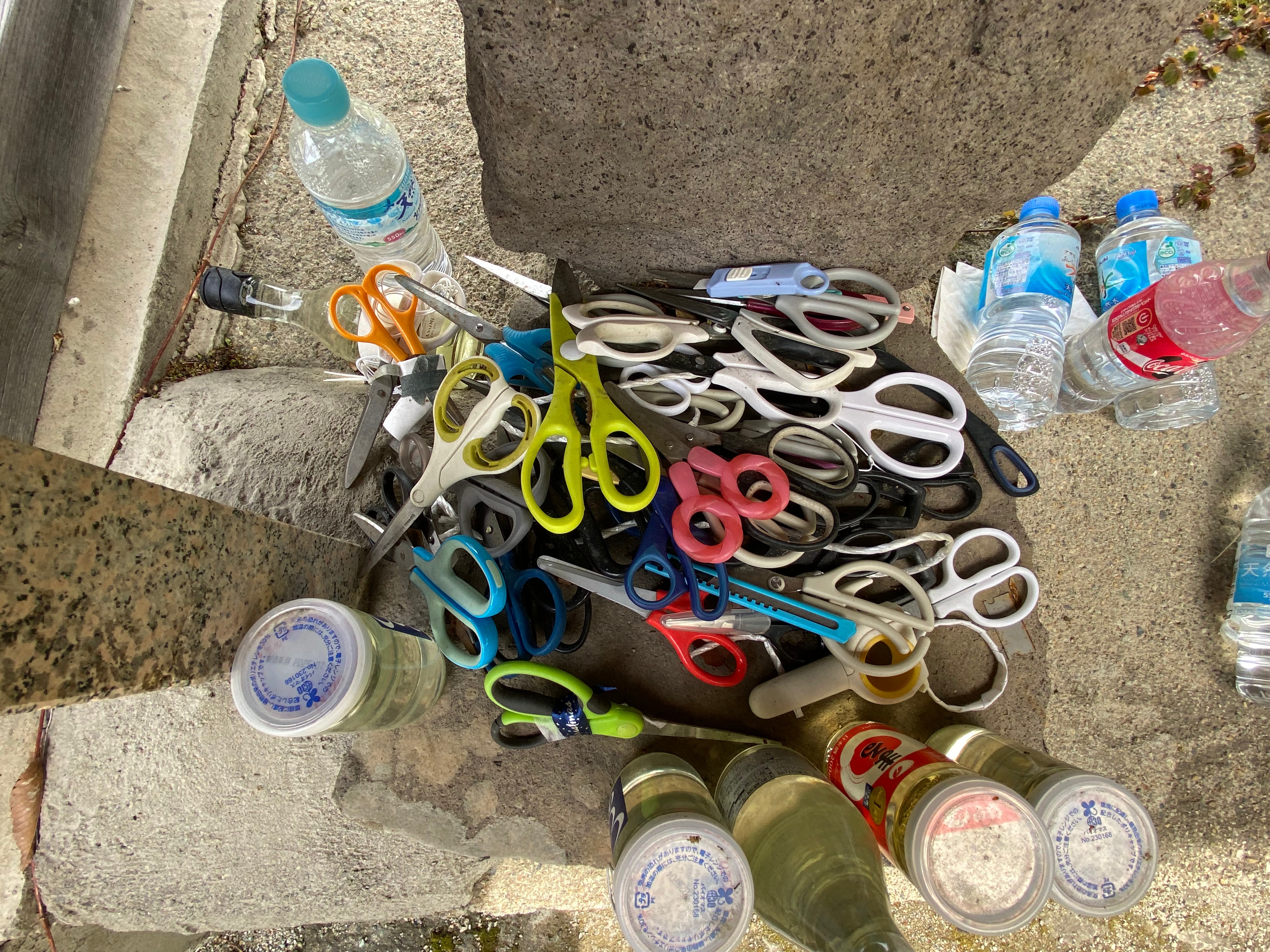
Just below Bee Heaven, there is Enkiri Jizo, a shrine where people pile up their scissors to represent the severing of a bad relationship. The original knot made needs to be cut, and it is said that if it is a wedding, you go out of your way to come here so your wishes to end the relationship are heard by the Jizo. Otherwise the divorce doesn’t really count. It really makes you wonder. I make a few photographic cuts and then leave for the station.
Back at the platform, there’s no timetable, no staff. Luckily, as of the 10th of this month, the Shinano-Tetsudo Line has started accepting IC cards. I scan my Suica and wait by the tracks. A train shows up eventually after about twenty minutes, unannounced, I rightly assume it’s bound for Shinonoi.

At Shinonoi Station, I once again admire the Christmas trees before changing trains. I have one last stop today: Obasute Station, halfway on the way back to Matsumoto. This station offers a stunning view, and even has a sightseeing restaurant train that uses this track. The platform itself has a dedicated section for enjoying that view. The word Obasute can mean abandoning an old woman on a mountain to die, and my knowing that long in advance somewhat spoils the impressive view, just a bit.
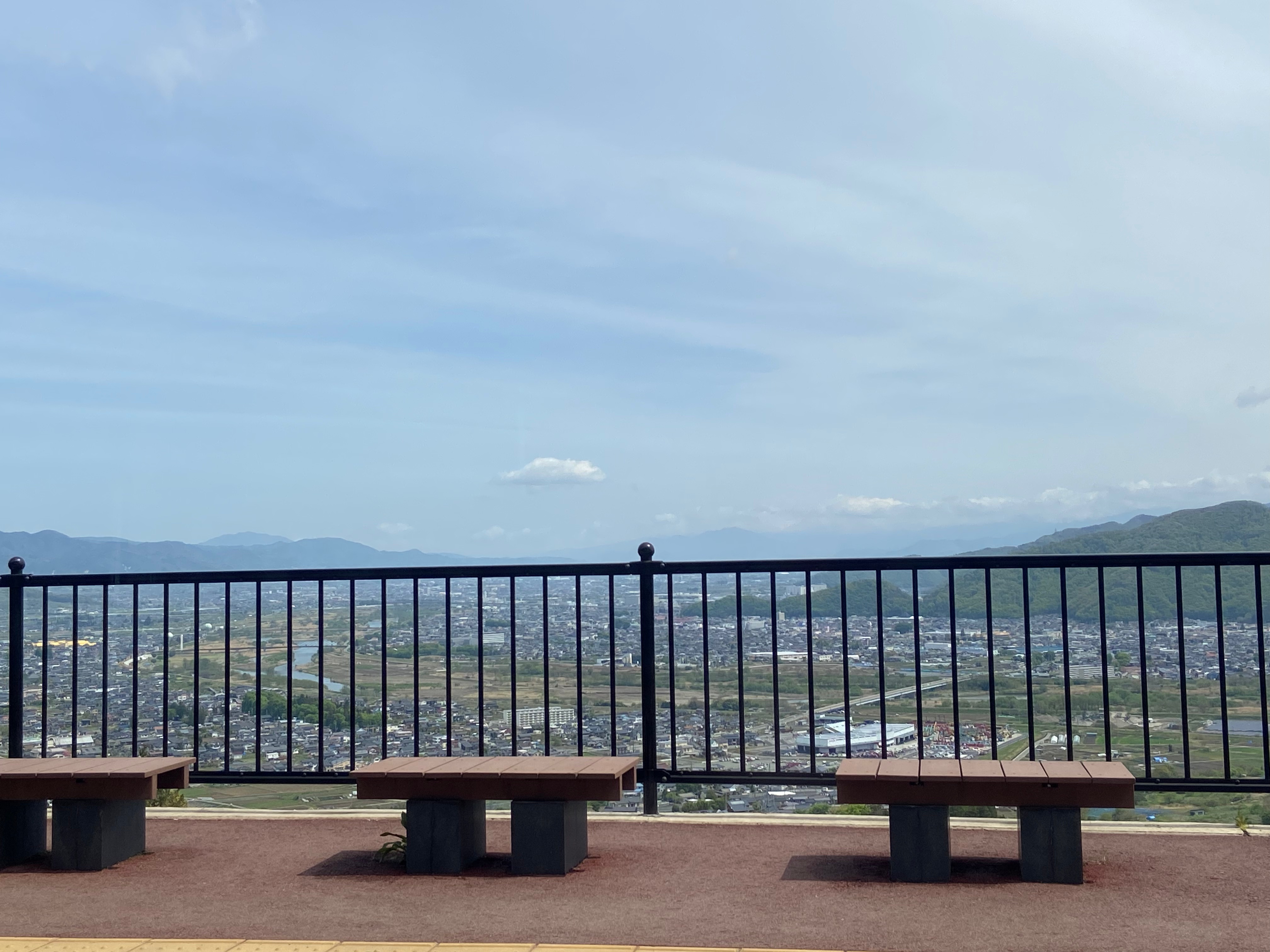
I sit for a while, just looking outward. A muzzle of bees stirs above a nearby flowerbed. I watch them continue their work, indifferent to the human desire to untangle ourselves from one another.
Unusual Occurrences in the Desert

My breath rises in a twisting vortex of white as I stand at the platform of Matsue Station. The temperature hovers at zero on this early winter morning, and condensation drips from the pipes overhead. The chill in the air is palpable, and I can feel it seeping into my bones.

In Japan, no matter where I travel, I can be certain that I will come across iconic landmarks, picturesque bridges, majestic mountains, and ancient shrines. Today, my journey begins with a visit to the oldest shrine in the country, a place rich in history and tradition.

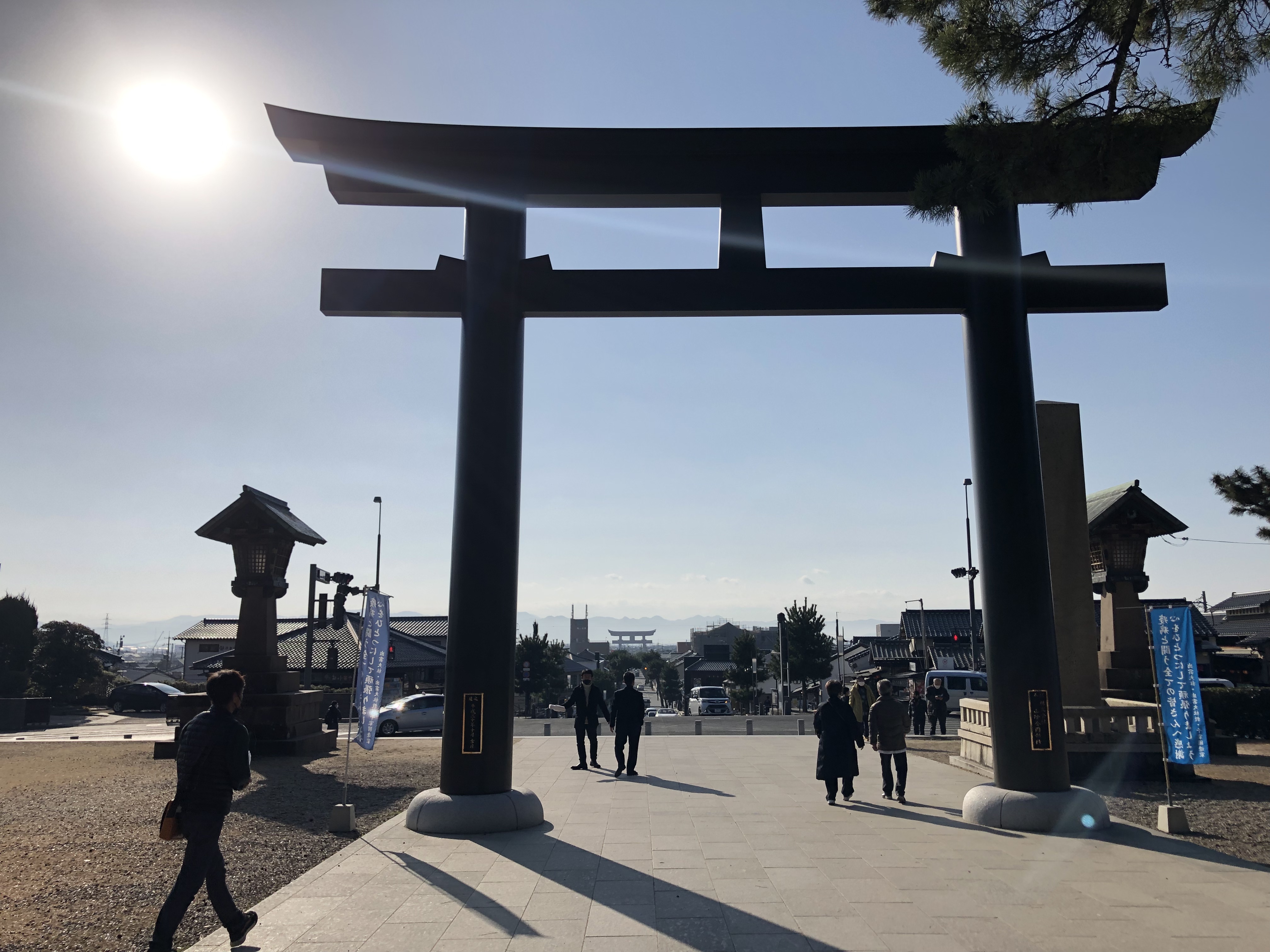
Izumo-taisha, also known as Izumo Grand Shrine, has a history dating back over 2,000 years. As I pass through a large torii gate the sun comes out, and despite the chill still lingering in the air, it begins to warm up, much to my delight.

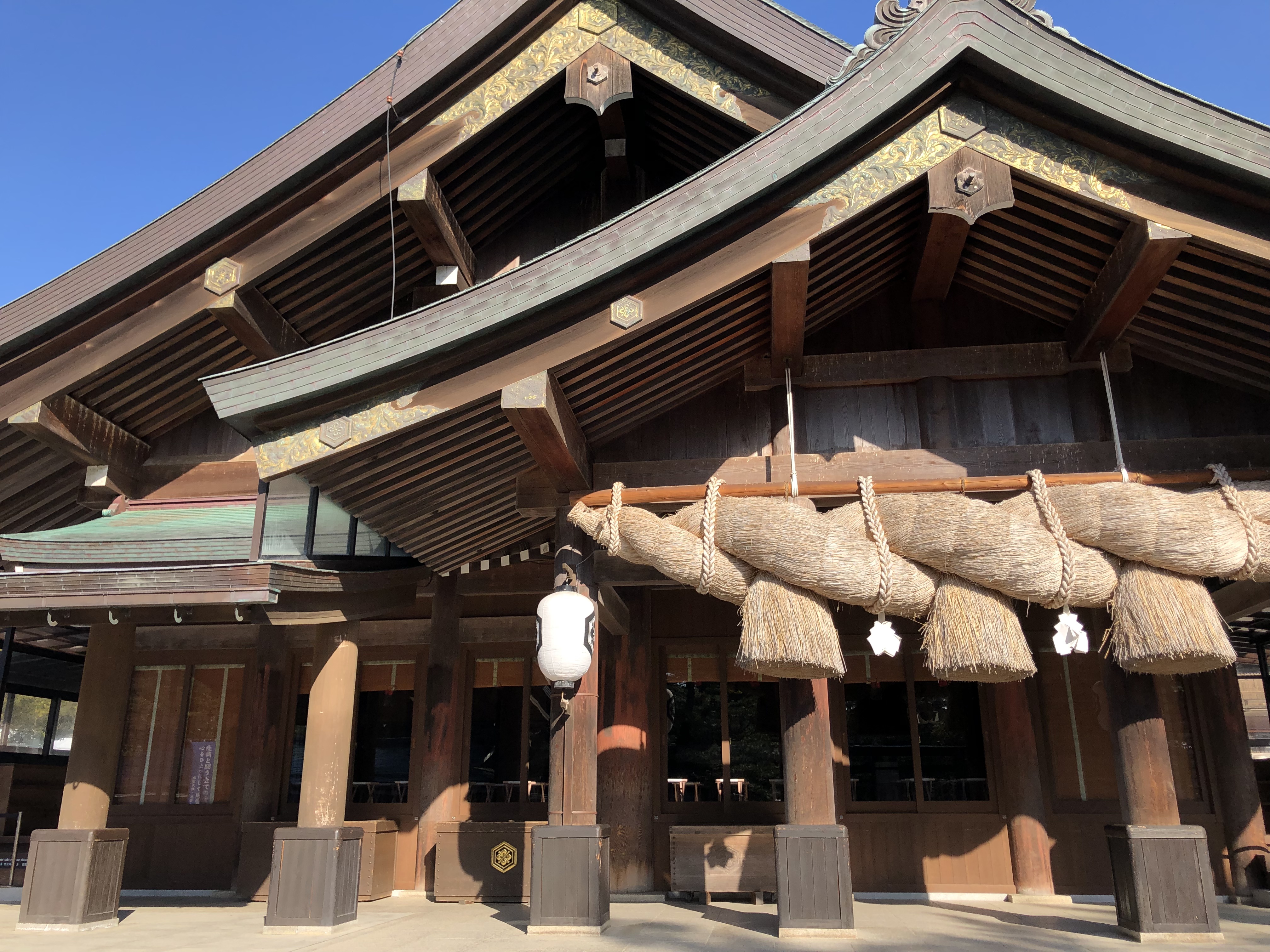
The main shrine is located in the city of Izumo in Shimane Prefecture and it is dedicated to the god Okuninushi, who is the god of marriage and prosperity in Japanese mythology. The shrine’s main hall, known as the “Taisha”, is made of cypress wood and is one of the oldest structures in Japan. The shrine is so sacred that it’s said that all the other gods from all the other shrines from all over Japan meet up here every year for the entirety of October to hang out. This month is known across the country as the month without gods.

After wandering the shrine complex for a while, I return to the main road where I find small local shops selling ice cream, fish-shaped waffles, and powdered green tea rice cakes. The atmosphere is peaceful, and I decide to walk the length of the street, taking in the many stores and restaurants. After that, I arrive at the nearest train station. I need to travel three hours now to see a bridge.

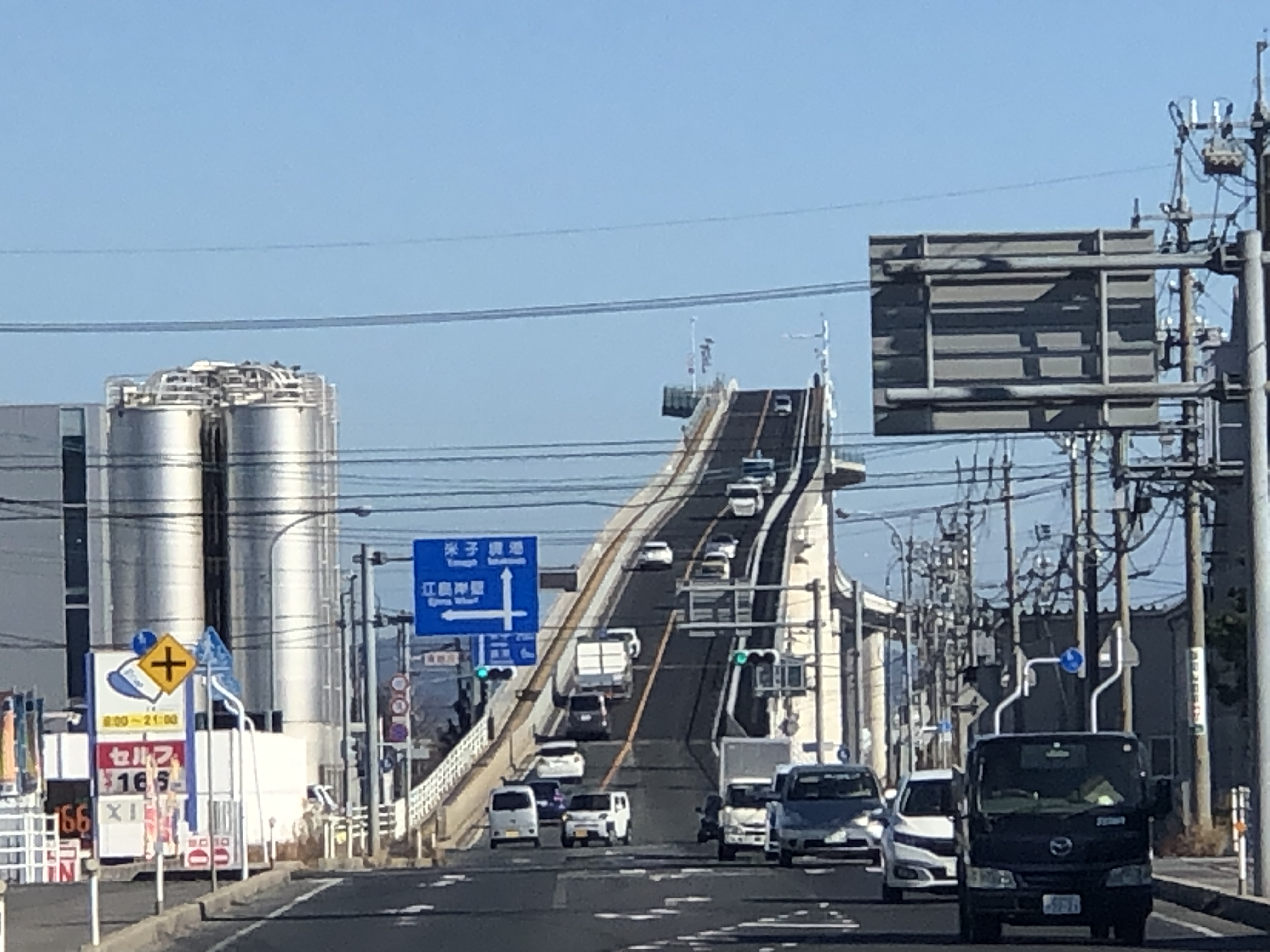
The morning chill is now long gone, as I begin my walk to Eshima Ohashi Bridge, the weather is completely different from my cold start, 16 degrees and a clear blue sky greet me. As I reach the bridge I’m taken aback, much like the weather today, this bridge also defies reality, its unusual shape creates an optical illusion, like a twisted mirage, and it makes it seem as though the cars could quite easily fall off the road.

I cross the Eshima Ohashi Bridge over Lake Nakaumi. The bridge took seven years to build, and it is the largest rigid-frame bridge in Japan. It connects Shimane Prefecture to Tottori Prefecture, and as I traverse its frame, the clear sky allows for a great view of Mount Daisen, a dormant stratovolcano. At 1,709 metres tall, it is the highest mountain in this region of Japan.

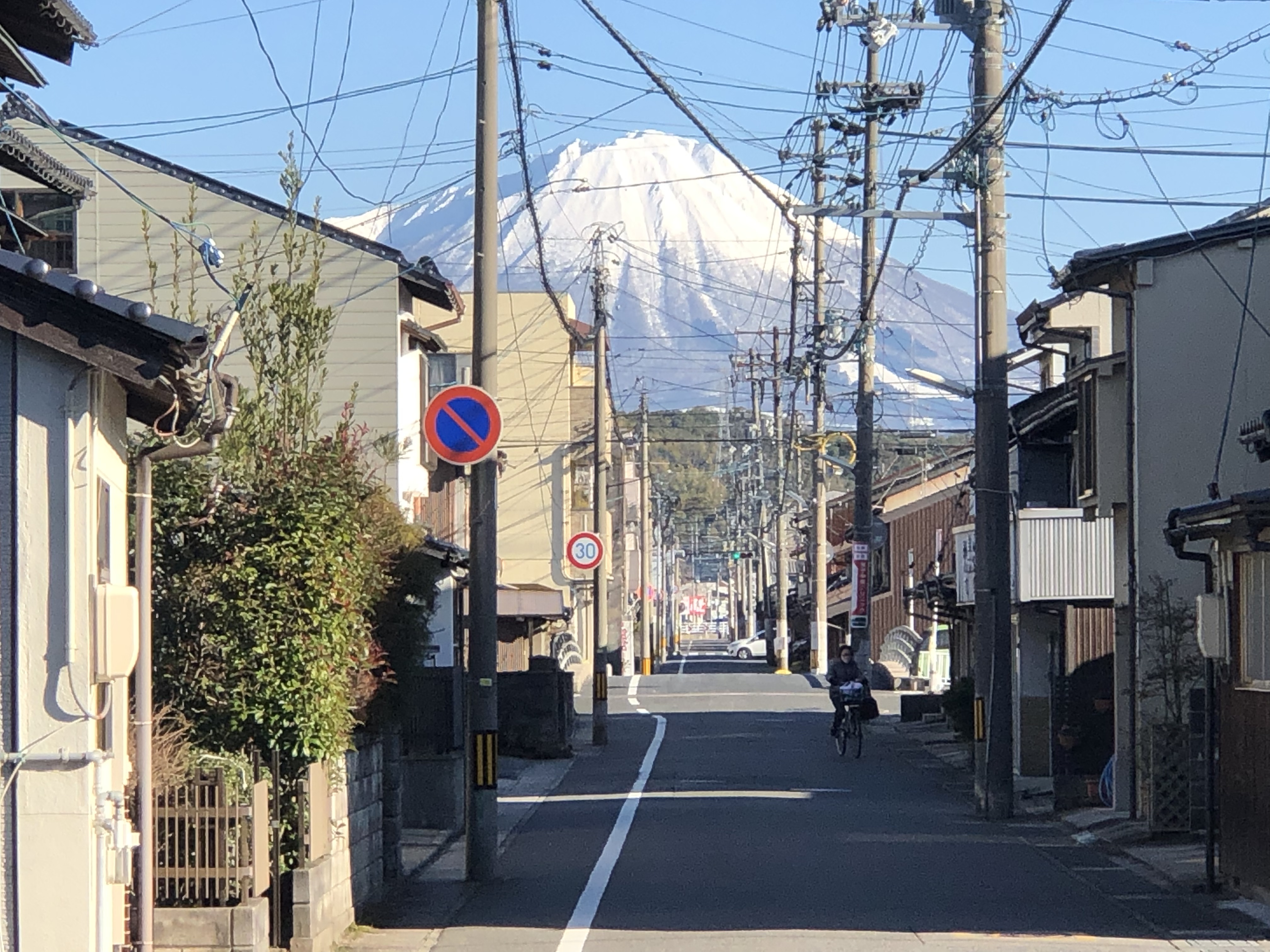
The mountain is an impressive sight, so I cross into Tottori, walk to the nearest train station, then take a train towards Mount Daisen for a better view, hoping to get a rare shot of it from the streets below. I do just that. The mountain is breathtaking from here, its snow-capped peak resembles Mount Fuji.

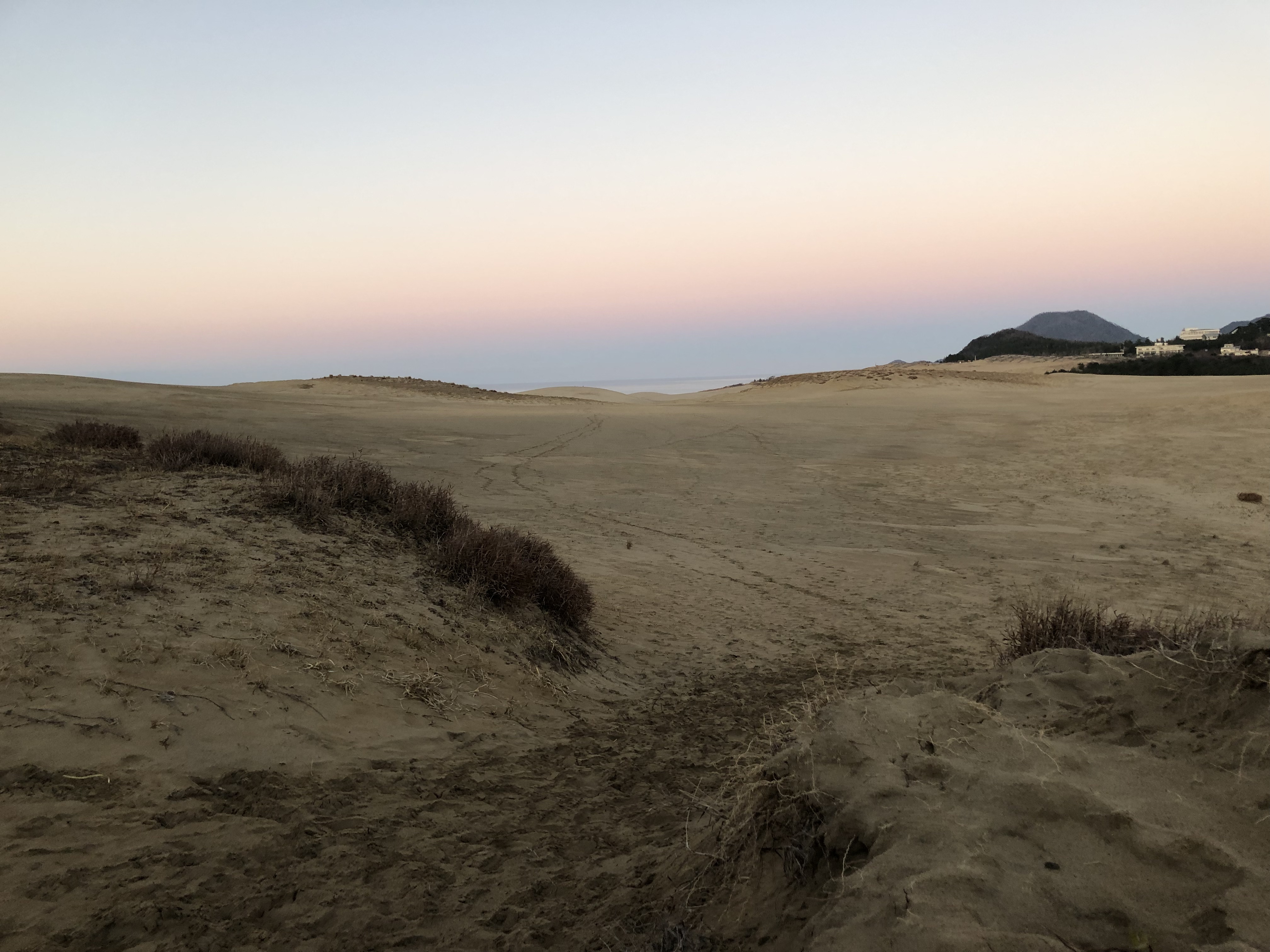
Having now visited a mountain, bridge, and shrine, I decide to find out what else Tottori has to offer. It turns out that Tottori is home to the only large desert in Japan. From Tottori Station, I have to walk for a little under six kilometres. Having wasted a lot of my day taking trains around the country, I have two pressing concerns. The first being that my phone battery is almost dead – I took far too many photographs of the bridge and mountain. The second concern is that it will be dark soon, and a desert at night, I imagine, isn’t going to be very photogenic.

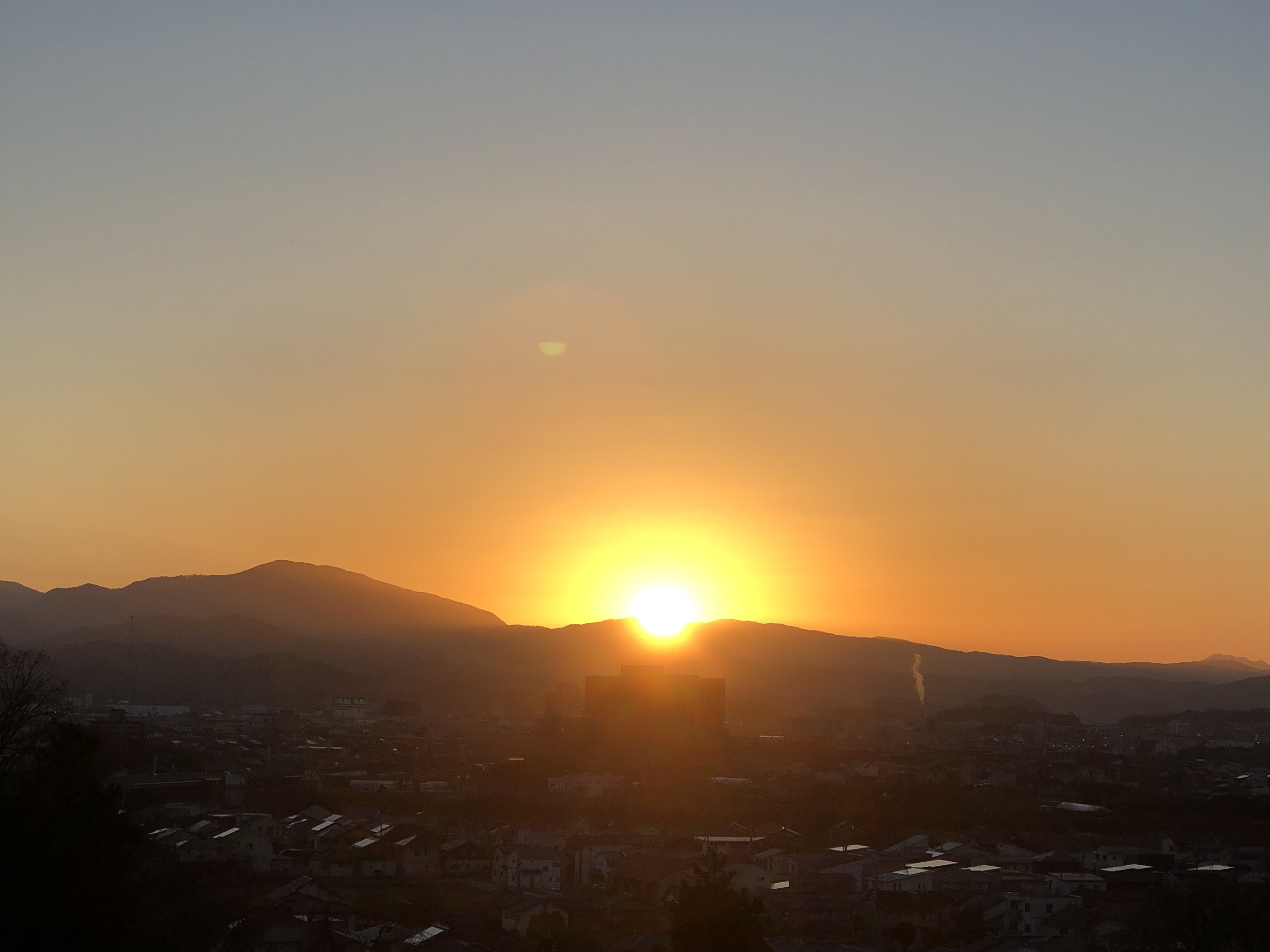
As I cross the Fukuro River, one of my concerns is confirmed, as I watch the sun begin to set above Lake Koyama, and darkness begins to engulf the sky. I have to pass through a tunnelled underpass for vehicles, dimly lit and without a footpath.

Eventually, I see a sign for Tottori Sand Dunes, and check my phone to find that I’m at one percent battery. The desert here is home to the largest sand dunes in Japan, stretching for 16 kilometres along the coast of the Japan Sea. The dunes are a unique geological formation, created by sediment being transported by the nearby Sendai River and deposited on the coast over thousands of years. The dunes are constantly changing shape due to the wind and weather. In the summer, there are even camels here to ride.

As I take out my camera to snap a photograph of the desert, my phone turns off. I’m not sure if I even captured the single photograph, and feel I might have made a wasted journey. Further darkness begins to cloud the air, and after walking on sand for a time, the chill from earlier returns, and at some point it begins to snow. I decide it’s probably a good time to head back to where I’m staying tonight in Matsue.

I pass back through the dimly lit underpass and try to retrace my steps back to the station, I look for street signs, but it seems as though they’ve deserted me, all maps and directions to Tottori Station seemingly removed at night, leaving me lost in the dark, and freezing in the snow, and experiencing yet another season on an unpredictable day. I see a man on his bicycle and ask him for directions. He takes out his phone, brings up a map, and tells me to go straight. So I go straight.

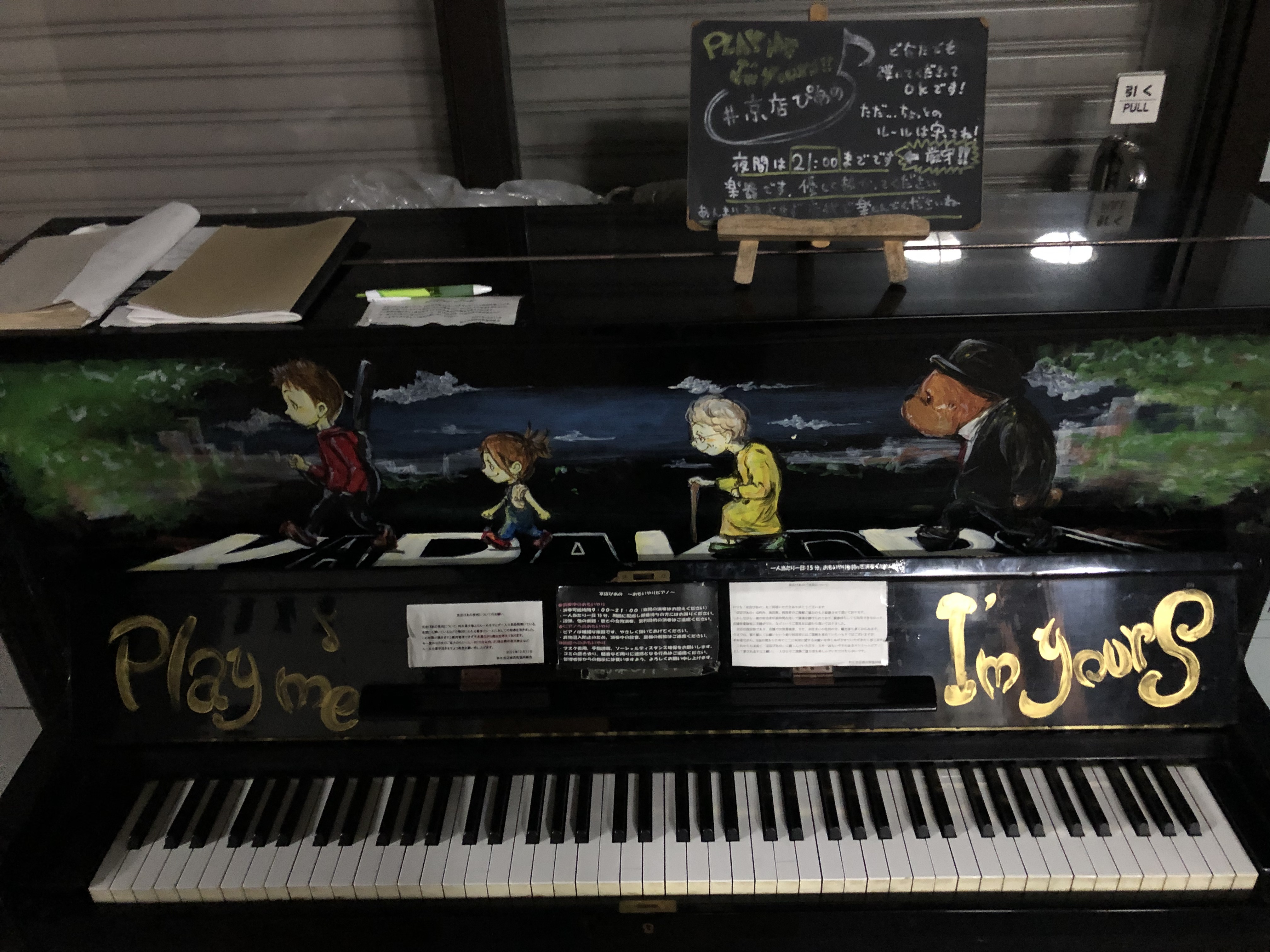
Eventually, I arrive back at Tottori Station and get the train to Matsue. I’ve completely lost count as to how many trains I’ve taken today, I think it’s twelve. At Matsue Station, there is no sign of any snow. Relieved, I return to my hotel to charge my phone before heading out for some food. On the way, I pass a piano on the street and decide to have a play.

As my fingers grace the keys of the piano, I am enveloped in a symphony of sound. The notes swirl around me like a gentle snowfall. I play on until my hands are numb with cold.

Reflections on a Winter’s Day

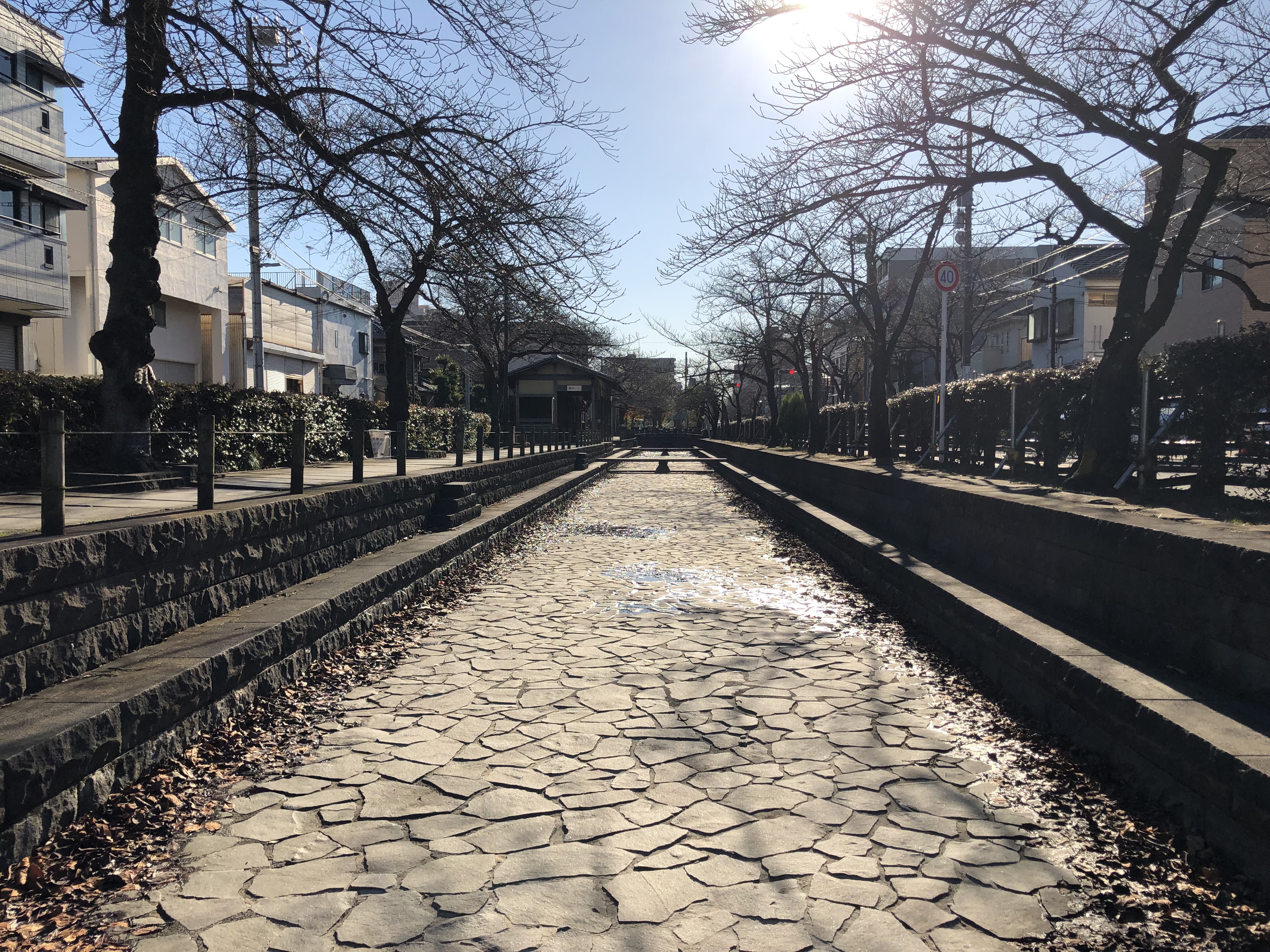
As I walk along Hikifune Water Park Street, a sense of nostalgia washes over me. It’s been five years since I lived in Katsushika Ward, Tokyo, and revisiting my old neighbourhood brings back a flood of memories. The winter morning air is crisp and chill, and my breath turns to white wisps of fog that swirl and still as I make my way to my first destination.

The street itself is unremarkable. It used to be a train line, but now it has been transformed into a park that stretches from the Arakawa River all the way to Ohanajaya. As I begin to walk its length, I can’t help but enjoy the sense of familiarity.

As I wander down the street, memories of my past come flooding back. On a late night walk home with a friend, we had stopped to rest on one of the park’s benches, halfway through our journey. My friend was convinced he heard the sound of a train echoing down the length of the park. It’s said that at night, a ghost train can be heard thundering down where the old train tracks once were, and I’ve heard similar accounts from others. It’s a story that has stuck with me, and one that has been corroborated by others who have experienced it.

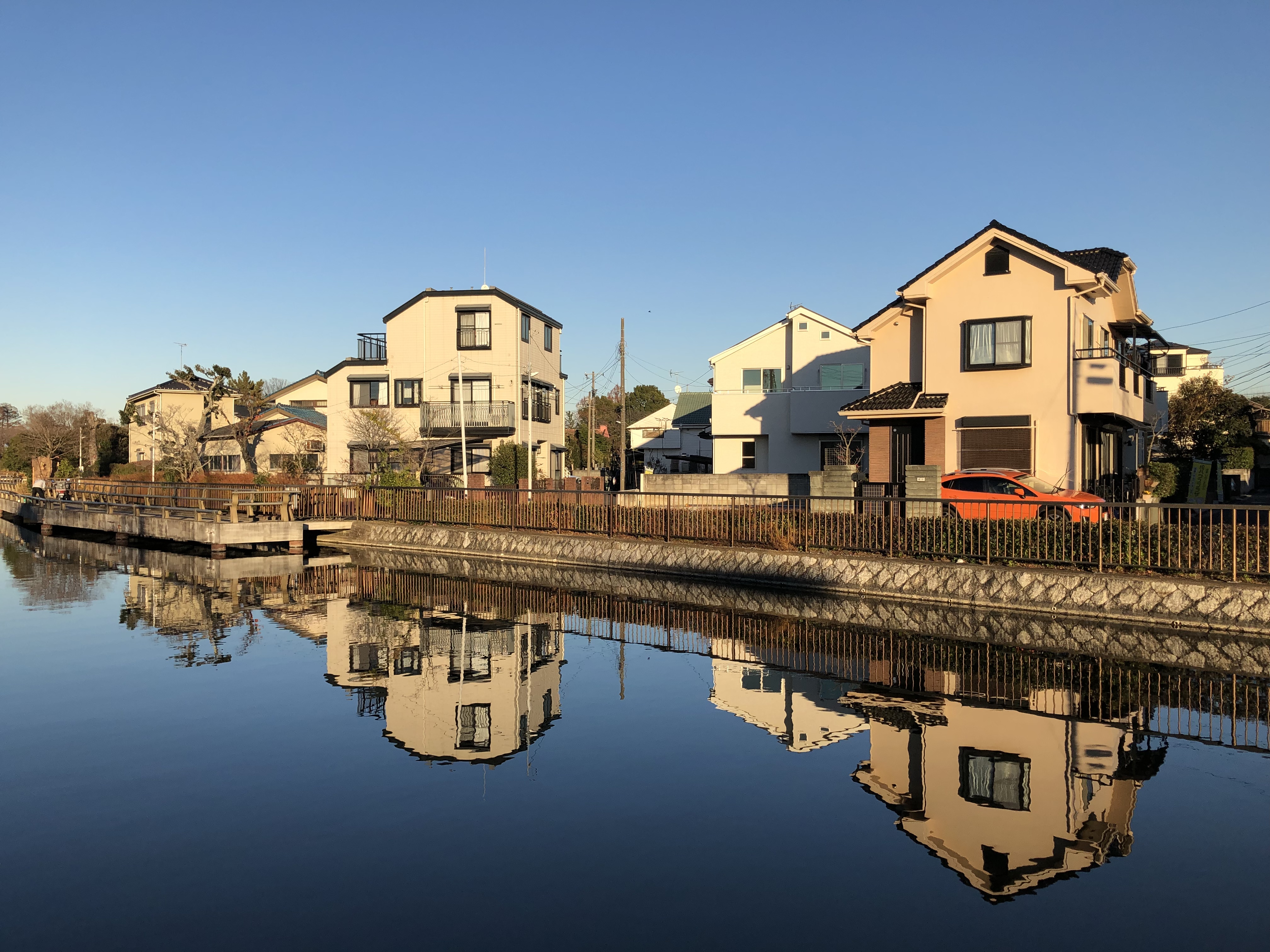
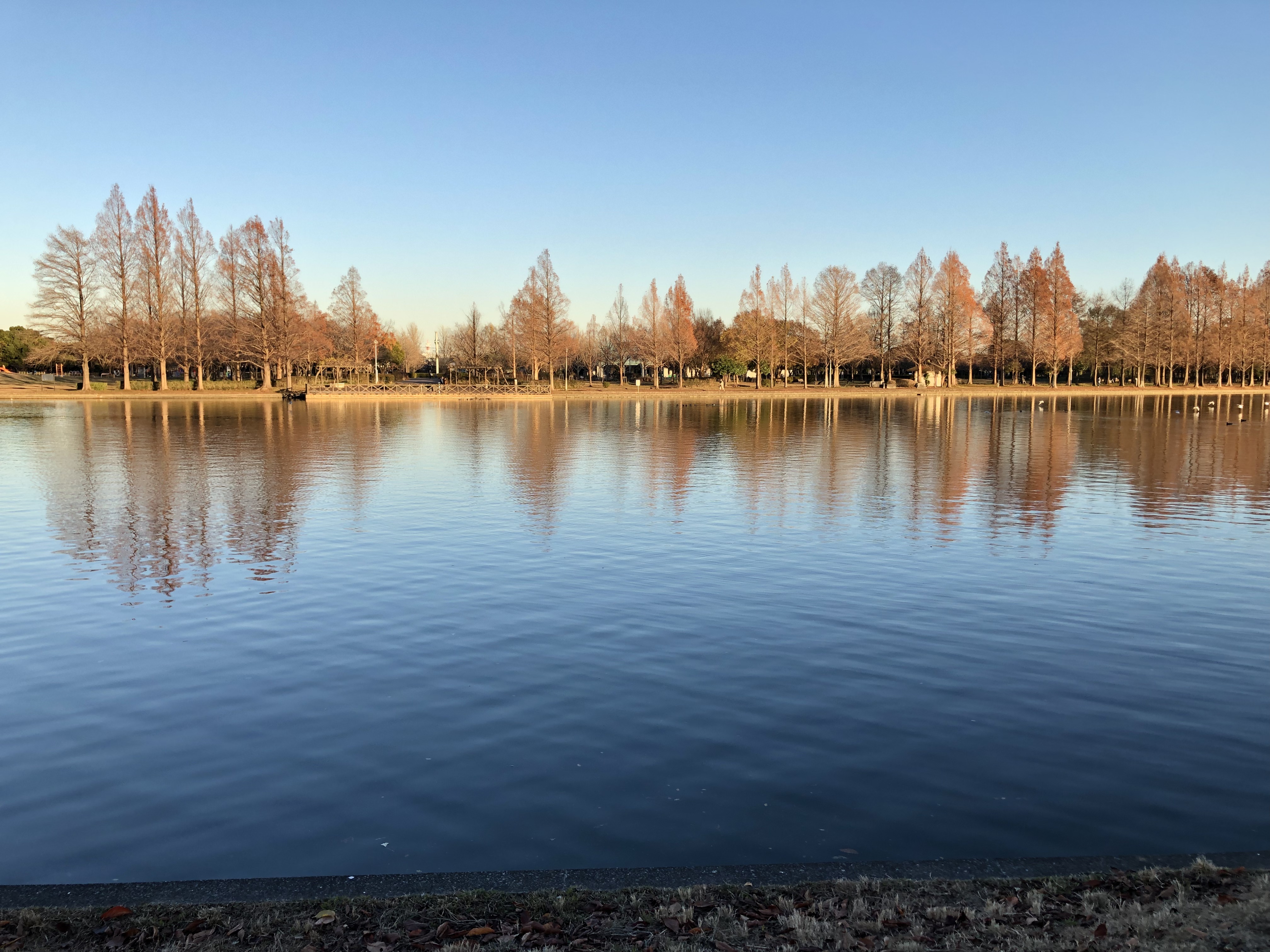
As I continue my leisurely walk, I pass Ohanajaya Station, its name, meaning “Tea and Flowers,” imparting a sense of charm. However, every time I pass by, the song “Govinda” by Kula Shaker runs through my head, as I rhyme its catchy refrain of “Ohana Jaya Jaya.” Eventually, I arrive at the picturesque inner reservoir of Mizumoto Park, my gaze drinking in the peaceful surroundings and the stunning reflection on the water’s surface.

Mizumoto Park is the largest park in Tokyo. Bursting with lush gardens and natural beauty, with a large pond at its centre. The park boasts an aquatic plant garden, a bird sanctuary, a babbling stream field, and three car parks. In early spring the park becomes awash with the gentle pink hue of the cherry blossoms.

I make my way over to one of the ponds and sit upon a bench for a time. I watch as a turtle gracefully swims through the water, its movements causing ripples to spread across the surface. The reflections of the surrounding trees dance and shimmer upon the water, creating a mesmerising visual display. The soothing sounds of chirping insects and rustling leaves add to the peaceful atmosphere, and I am content to sit and take it all in.

As I sit on this bench, surrounded by the tranquil beauty of the pond and the trees, a sense of melancholy envelops me. I reflect, thinking back on the year that has passed, and the ephemeral nature of time. I realise that I don’t have any plans or dreams for the future, and the thought fills me with a sense of sadness. All I know is that for now, I want to keep exploring the hidden corners of Japan and sharing my adventures through my words. But in this moment, the weight of my own insignificance and the impermanence of everything feels almost overwhelming.

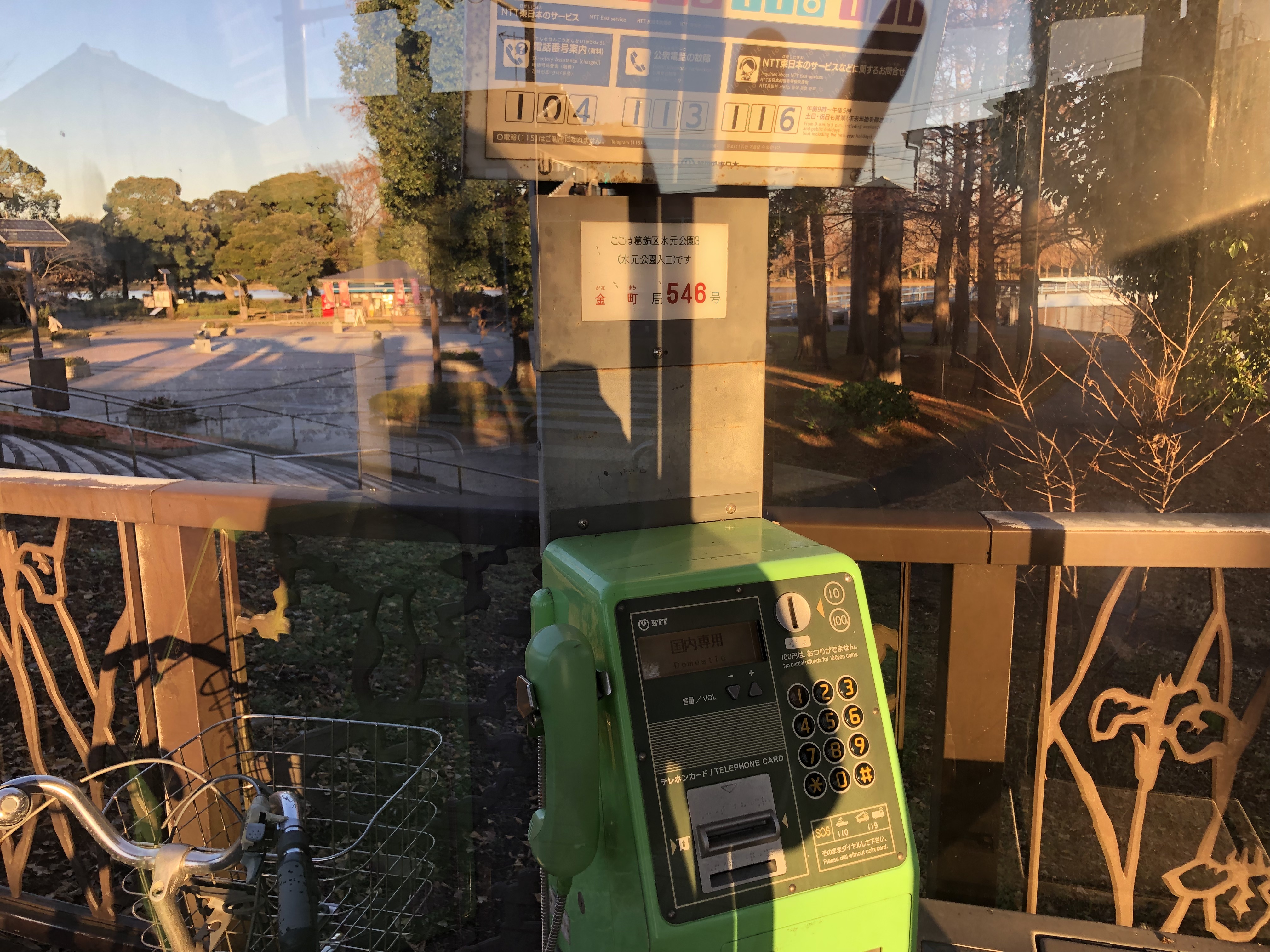
As I continue my peaceful walk through the park, I come across a telephone box nestled amongst the flowers. Legend has it that this particular telephone box is also haunted, and that at dusk a ghostly figure can be seen lurking inside. However, as I peer closer, the only ghost I find here is the reflection of Mount Fuji in the glass. It’s a breathtaking sight, and I stand for a moment, mesmerised by the beauty of it all. For some reason, the mountain is not visible to the naked eye here; it exists only in the glass of this haunted phone box.

As I wait for the sun to set and darkness to envelop the park, I am treated to a daily ritual at 5 o’clock. The speakers throughout Katsushika emit a creepy, slowed-down song accompanied by an eerie chime. The song echoes throughout the park, reminding me that the day is coming to a close and it’s time to return home. The pealing bell of the mountain temple beckons me, promising the sight of a bright, round moon shining down and illuminating the sky in twilight, filled with the brightest stars as the birds begin to dream.

Marriage on the Rocks

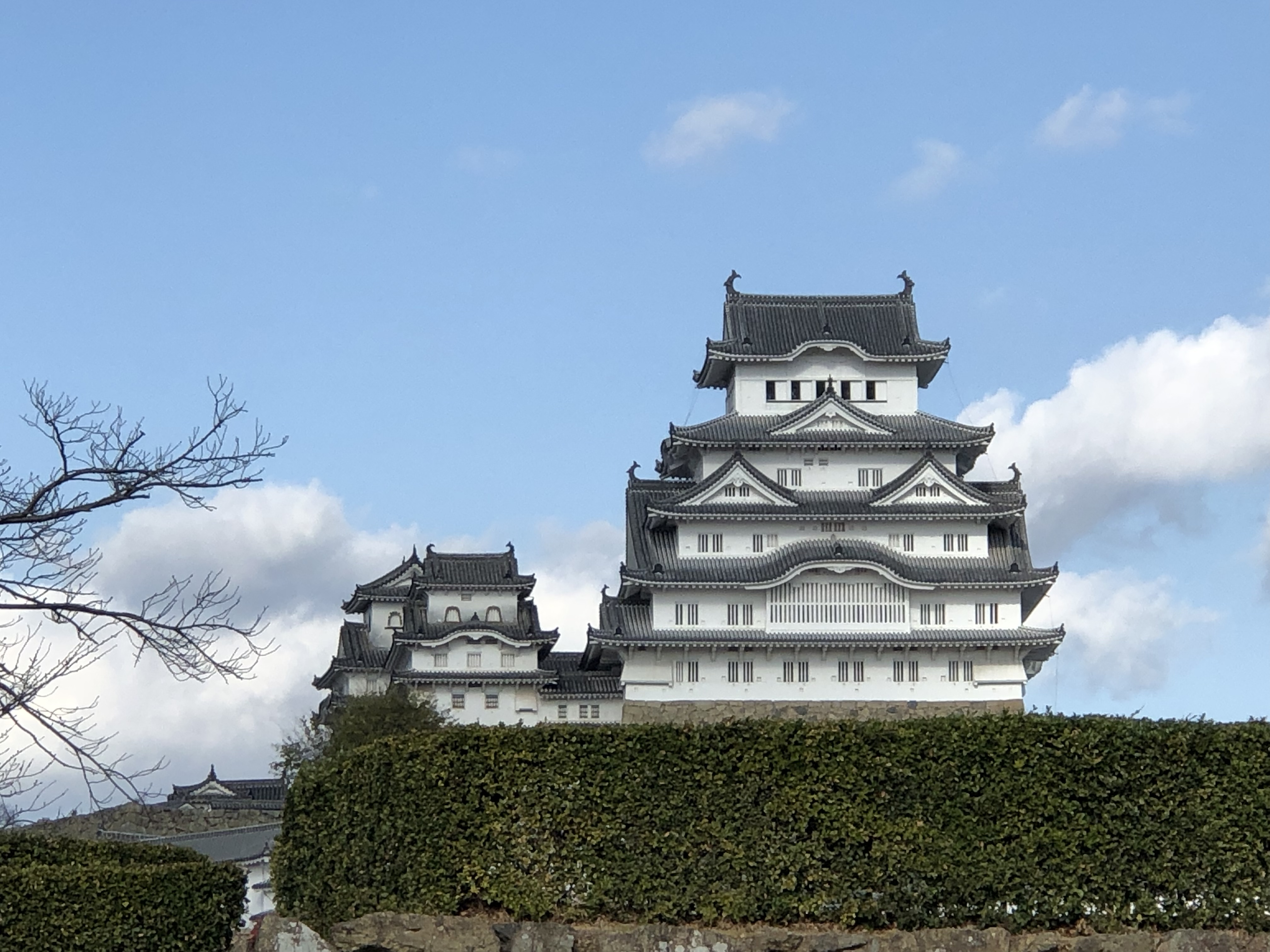
As the dawn breaks, I set out for Himeji, Hyogo Prefecture, my ultimate destination: a resplendent castle, the most visited in all of Japan and a UNESCO World Heritage Site. I had previously visited this castle back in 2012, but the main building was undergoing maintenance work at the time, and I was unable to catch a glimpse of its splendour. Instead, the cladding around the castle featured an image of its future state, once the five-year renovation of its roof and walls was finally complete. Today, I get to finally see the future for myself.

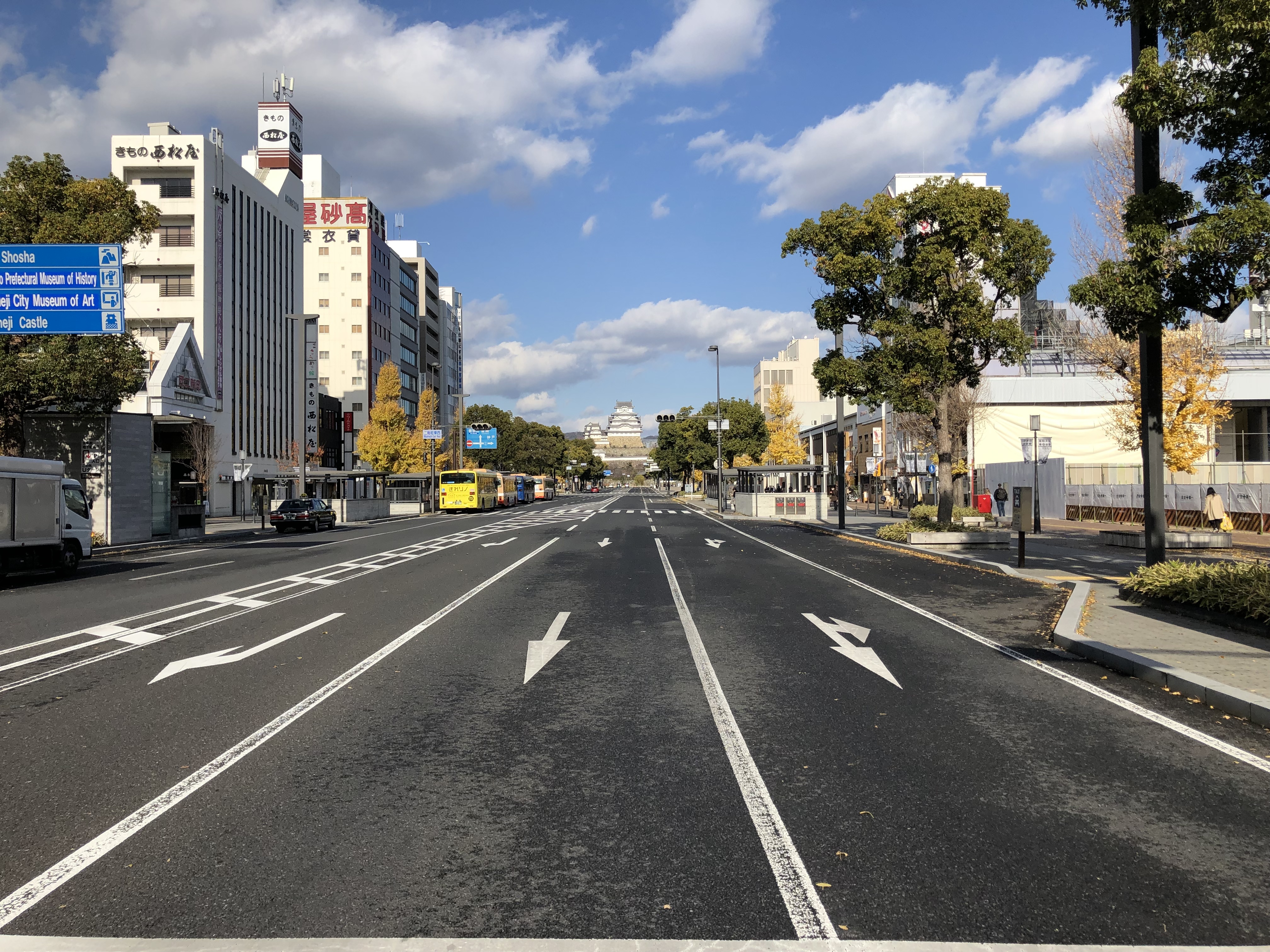
Leaving Himeji Station, I stroll along Otemae Street, a kilometre-long street running between the station and the castle. This charming street is lined with shops and restaurants, and the trees are neatly arranged on either side, their branches reaching skyward in a wild, untamed fashion. The empty roads are absent of cars, providing an unobstructed view of Himeji Castle, which rests atop a distant hill like a sentinel of the past.

Himeji Castle has earned itself the nickname “White Heron Castle,” due to its supposed resemblance to a bird taking flight, and because it is strikingly white. For the last 400 years, Himeji Castle has survived bombing during World War II and a multitude of devastating earthquakes and typhoons. It remains one of Japan’s best examples of 17th-century castle architecture.

The castle and its sprawling network of 83 buildings and gardens stretch across a vast expanse of 233 hectares. Even though I have visited before, the sheer size of the castle, along with the impeccably maintained grounds and gardens, is nothing short of breathtaking. It is a veritable kingdom of history and beauty, a realm that leaves one feeling utterly overwhelmed by its grandeur.

I bid farewell to the castle and embark on a journey by train to Osaka. From there, I transfer to a local line train bound for Ise City, Mie Prefecture. My journey is a long and tedious one, with my train halting at each of the 73 stations along the way, incurring a hefty cost and consuming three gruelling hours. At almost every station, the train is met with silence, as not a soul disembarks or boards. It is a complete waste of time. Halfway into my journey, the train is severed in two, and I am moved to the front carriages by the staff. As my truncated train pulls away, the express train bound for Ise City arrives at the platform, leaving me to rue my misfortune and wonder why this was not disclosed to me earlier.

At last, I arrive at Ise Station, where I must transfer to a local line that operates on a limited schedule, running just once an hour. This train will bring me closer to my ultimate destination. Time is of the essence as I have only six minutes to make the switch, but as if to mock my efforts, my ticket gets swallowed up by the ticket machine at the transfer gate. A loud, flashing red notification blares out the ominous words: ‘Ticket jam! Ticket jam!’ It seems that my luck has taken a turn for the worse.

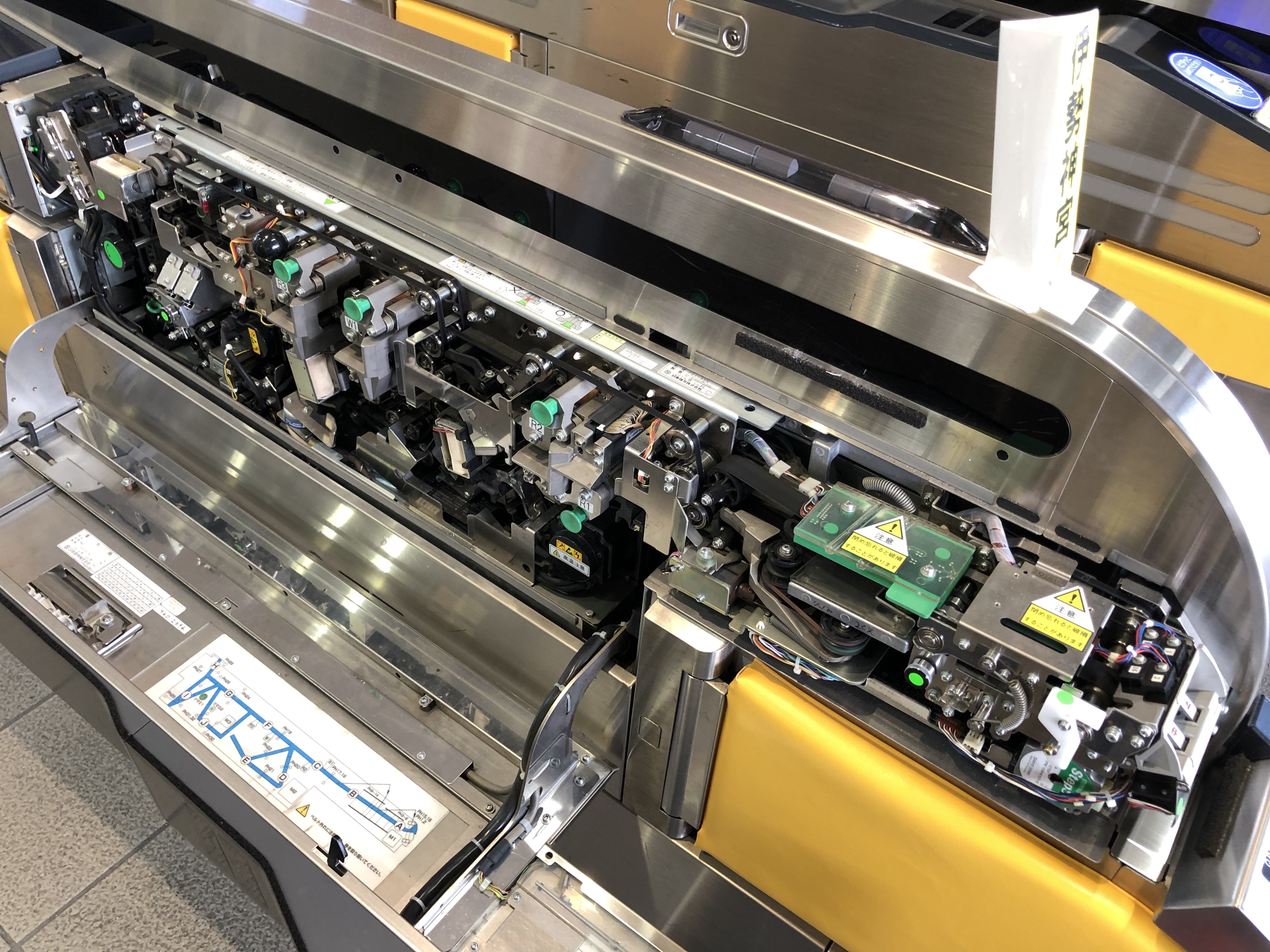
The staff member takes an age going through each and every intricate mechanism within the machine with a pair of tweezers, trying to find my lost ticket. He won’t wave me through because he can’t confirm that I have paid up to this station, I am stuck waiting for what feels like an eternity, and just as time seems to stand still, I miss my connecting train. After about ten minutes, I receive my ticket and the only solace I take is the fact that I got to see the immense inner workings of a Japanese ticket machine.

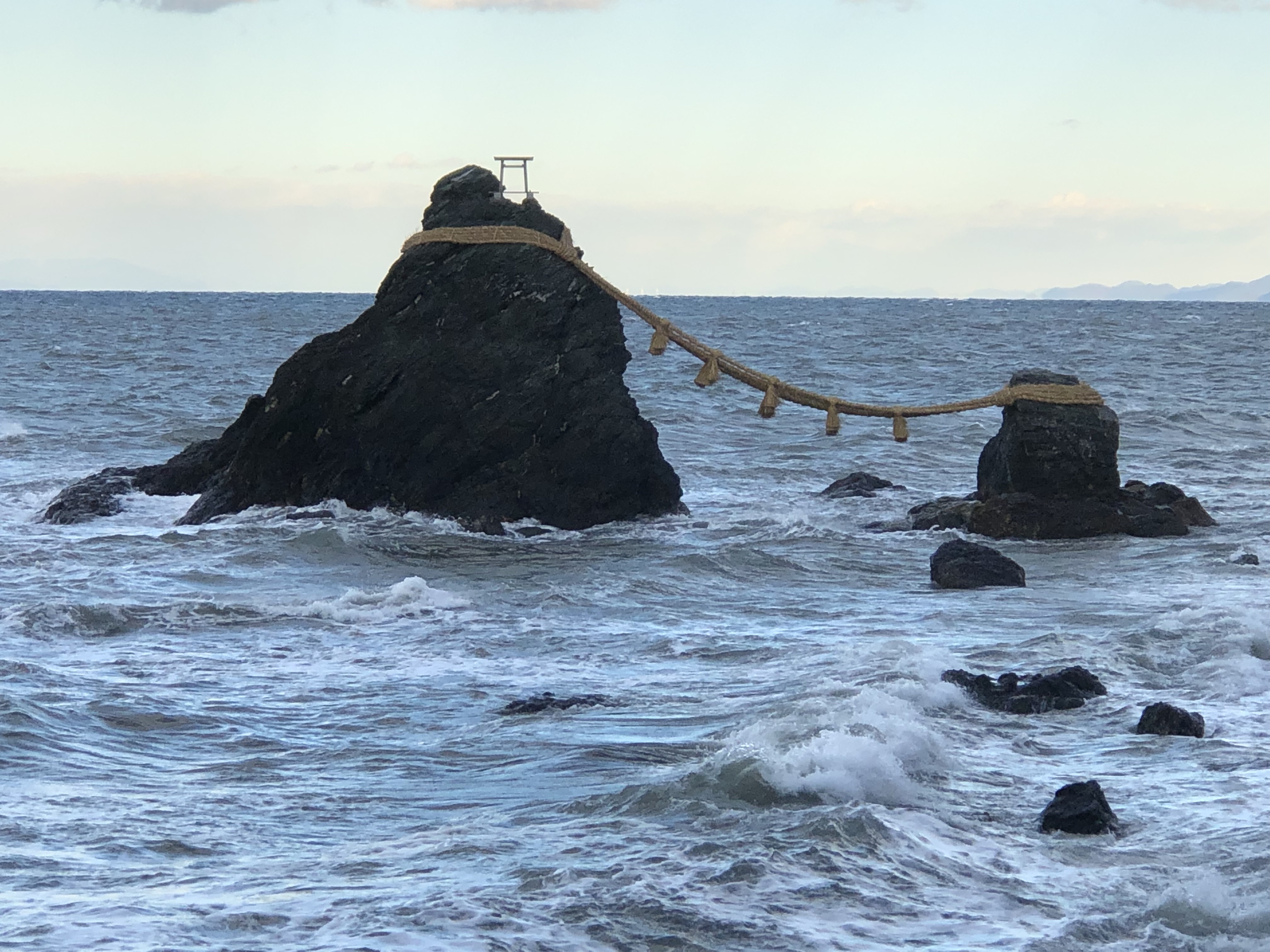
With no train for the next hour, I opt to walk the roughly eight kilometres to my destination, braving the ghostly chill in the air as I cross the Isuzu River. Eventually, I arrive at a place known by three different names: Futamiokitama Shrine, Meoto-iwa, and the Wedded Rocks. The rocks sit placidly in the water, with the small torii gate perched atop the larger rock like a crown. The gentle waves of Ise Bay add to the serene atmosphere of the scene.

The larger of the two rocks is said to represent the husband, while the smaller rock represents the wife. These two rocks are connected by a massive, thick rope, which, according to Shintoism, symbolises the unity of marriage between the two most important gods in Japanese mythology, Izanagi and Izanami. On a clear day, one can see the majestic Mount Fuji on the distant horizon, its frosted peaks a breathtaking sight above the graceful rocks below. However, my luck continues to abandon me as Mount Fuji is nowhere to be seen today. Perhaps I’ll see it later.

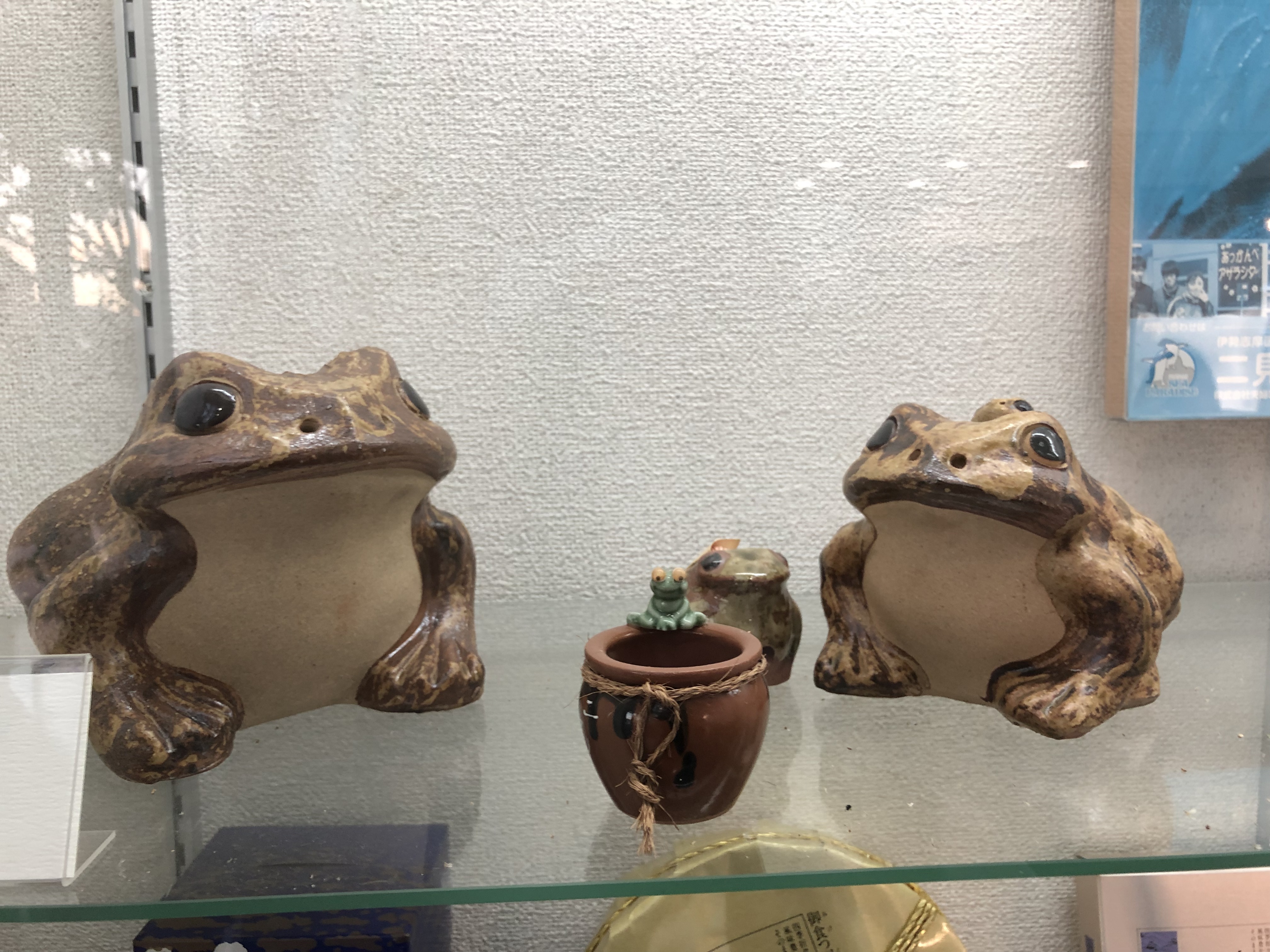
Seemingly unrelated to the story of Meoto-iwa, I also notice that sculptures of frogs are incredibly popular here – in fact, they seem to be absolutely everywhere!

The frogs here are a rarity, believed to have the power to grant specific wishes – particularly those related to returning home or recovering lost items. The Japanese word for ‘return’ or ‘go home’ is ‘kaeru’, which also happens to be the word for ‘frog’. It seems the presence of all these frog statues is simply because of a play on words. If only I had had one at the station with my lost ticket.

After all of my recent travels, I am completely exhausted and decide to take a break in Tokyo to reconnect with some old friends and participate in the New Year’s celebrations. I board a slow local train heading north to Nagoya, before switching to the high-speed bullet train bound for Tokyo.

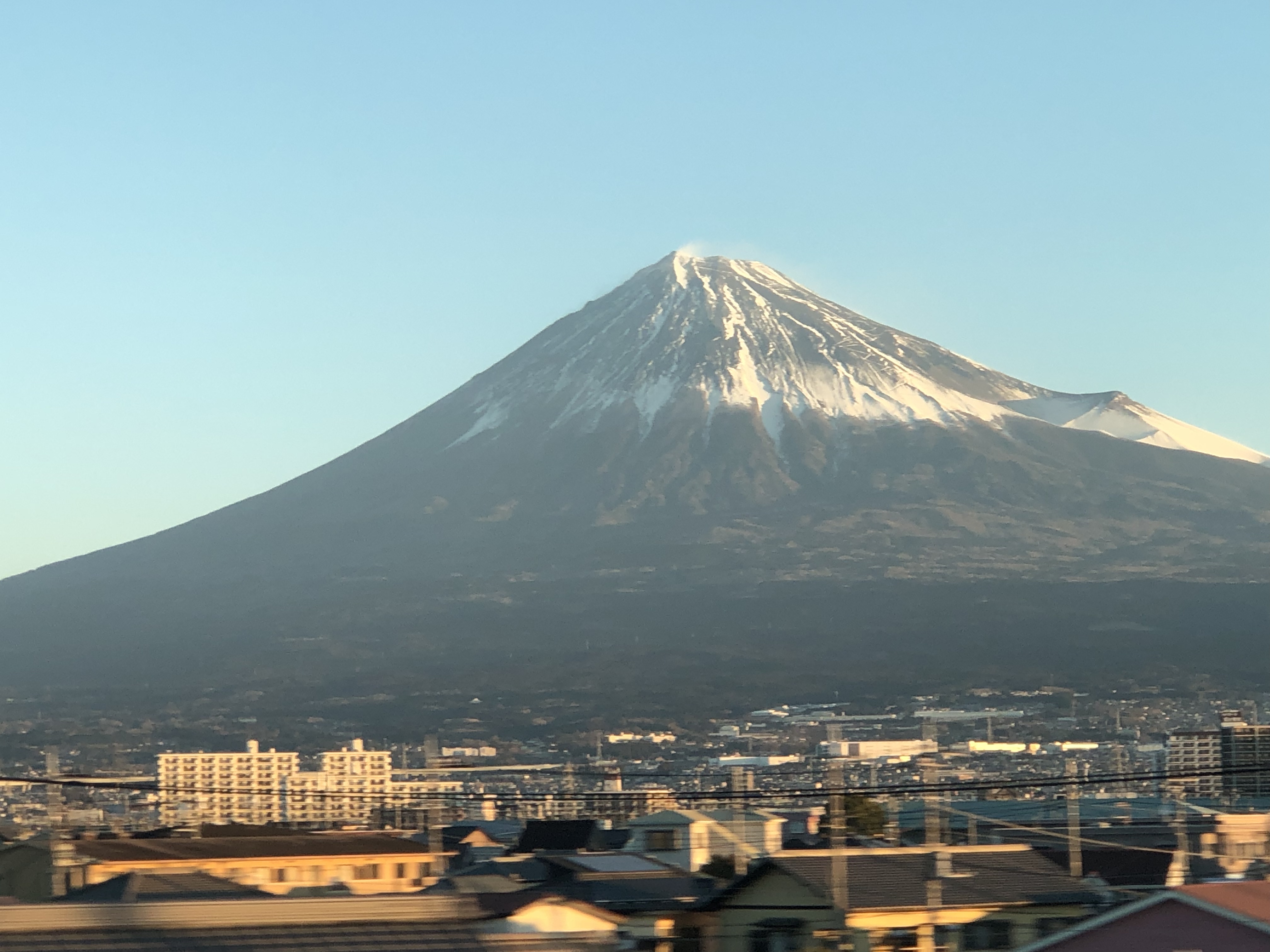
From the train, the graceful, snow-capped beauty of Mount Fuji greets me.

Lucky Number Seven Gods of Fortune

Today, I attempt to go on a pilgrimage. Seven different gods, seven different temples, and no idea where to start. I head into Asakusa for a traditional Japanese breakfast and find that a Japanese New Year’s ritual is taking place outside my favourite izakaya. “Happy Merry Christmas after year,” the owner says to me, flashing his trademark ten-yen smile.

The ritual is mochi making. Mochi is sticky rice that is boiled, and when it is hit with a wooden mallet, it becomes soft. These rice cakes end up more like dumplings and are consumed during January. Some sort of stew is cooking in a big pot beside the mochi, but I have no idea if it’s relevant to the ritual or not.

pil1[1]

After watching a man hit rice with a mallet for far too long, I decide to visit the first temple: Shingen-ji Temple in Iriya. This temple has two names; ‘Iriya no Kishibojin’ is the other name used, which just adds to my confusion. Inside the temple, I can hear the sound of monks chanting. Two young Japanese women dressed in kimonos pose for photographs. I wander to the temple, throw in some loose change, and pray.

The temple not only houses one of the seven gods but also Kishimojin, a goddess of children. Her story goes that she was once an evil goddess, snatching children and then eating them. One day, Gautama Buddha kidnapped the youngest son of this goddess, and it was only after experiencing the sorrow of losing a child that she became good. Now, she is worshipped as the guardian of childbirth and child-growing. However, she remains a criminal in my mind; all the children that she previously devoured have somehow been forgotten with her forgiveness.

pil2[1]

Next to the temple sits Fukurokuju, the god of happiness, wealth, and longevity—the first of the seven gods that I am here to visit on this pilgrimage.

My second stop is Eishinji Temple, which enshrines Daikokuten, another of the seven gods of fortune. Daikokuten is considered to bring the belief of commercial prosperity. At the entrance, children play with spinning tops and badminton rackets. This temple gives me the opportunity to get my fortune for ¥200, and with me currently on a roll of good fortune from these things, I decide to participate once again.

pil10[1]

The fortune I receive is huge. It contains three separate pieces of paper and one golden plastic frog.

“Average luck: Leading to the road of happiness will bless you if you have your own eyes open to the gods. Keeping the person in harm dear in my heart, will ensure that no harm is done, and the world will fit into the flame. With love, be aggressive. Take time to contemplate. The person you are waiting for will come, but will be very late. Don’t be impatient with your law suit. Contemplate. The lost article will be found and returned by someone with kindness. Be honest with money. If you are planning a trip, wait.”

pil7[1]

As for the little golden frog, it should be placed in my wallet to ensure that money always comes back. There is also a mention of rakes and ovals, but I can’t understand what this means. Additionally, the fortune tells of magical eggplants, but again, I have no idea. “This lucky charm grants wishes and brings happiness. Please keep it always in your purse.”

At the temple exit, I study the slightly confusing map and head to temple number three.

pil3[1]

Following the map, I end up at Onoterusaki Shrine. Although this shrine doesn’t house one of the seven lucky gods, I continue to explore it regardless. A monk on a balcony is hitting drums in a timely rhythm, and something about its calmness draws me inside. The shrine features a man-made imitation in the image of Mount Fuji.

Apparently, many Japanese people once believed that there was a god that lived inside the mountain; therefore, Mount Fuji became a place of worship for many religious groups. This particular Mount Fuji is called Fujizuka of Shitaya-Sakamoto and looks like a big pile of rocks. On July 1st every year, to celebrate the start of the climbing season of the actual Mount Fuji, this miniature mountain is open for the public to climb.

pil5[1]

Onoterusaki Shrine is also dedicated to Ono-no-Takamura, a scholar of Chinese classics in the early years of the Heian period.

Scattered around the shrine are these unusual white arrows. I discover that these arrows are known as hamaya. The name is derived from a once dangerously popular game for children involving archery and target practice. Nowadays, these arrows, which translate to mean ‘Demon-breaking arrows,’ are a popular means to dispel evil spirits at the beginning of the New Year.

pil4[1]

I leave the shrine and go in search of the third of the seven temples on the pilgrimage course. Temples with multiple names, maps that have no sense of scale, and a cold day of wandering around unfamiliar places. I end up in Uguisudani, an area that should contain one of the seven gods, but for me, the only things in and around the train station are love hotels.

I’ve been walking a lot this last week. Tired and slightly cold, I give up for the day. I head back to Minowa to rest my legs and tumble into a deep sleep.