As Above, So Below

I’ve decided to, as usual, travel out into the middle of nowhere and explore some off-the-beaten-track sights pertaining to death, stored inside a massive Buddha. The news of another 7.9 magnitude earthquake and a subsequent megaquake warning drifts across the speakers at Kanazawa Station. The warning now in place for the coming week just reminds me of how fragile everything is.

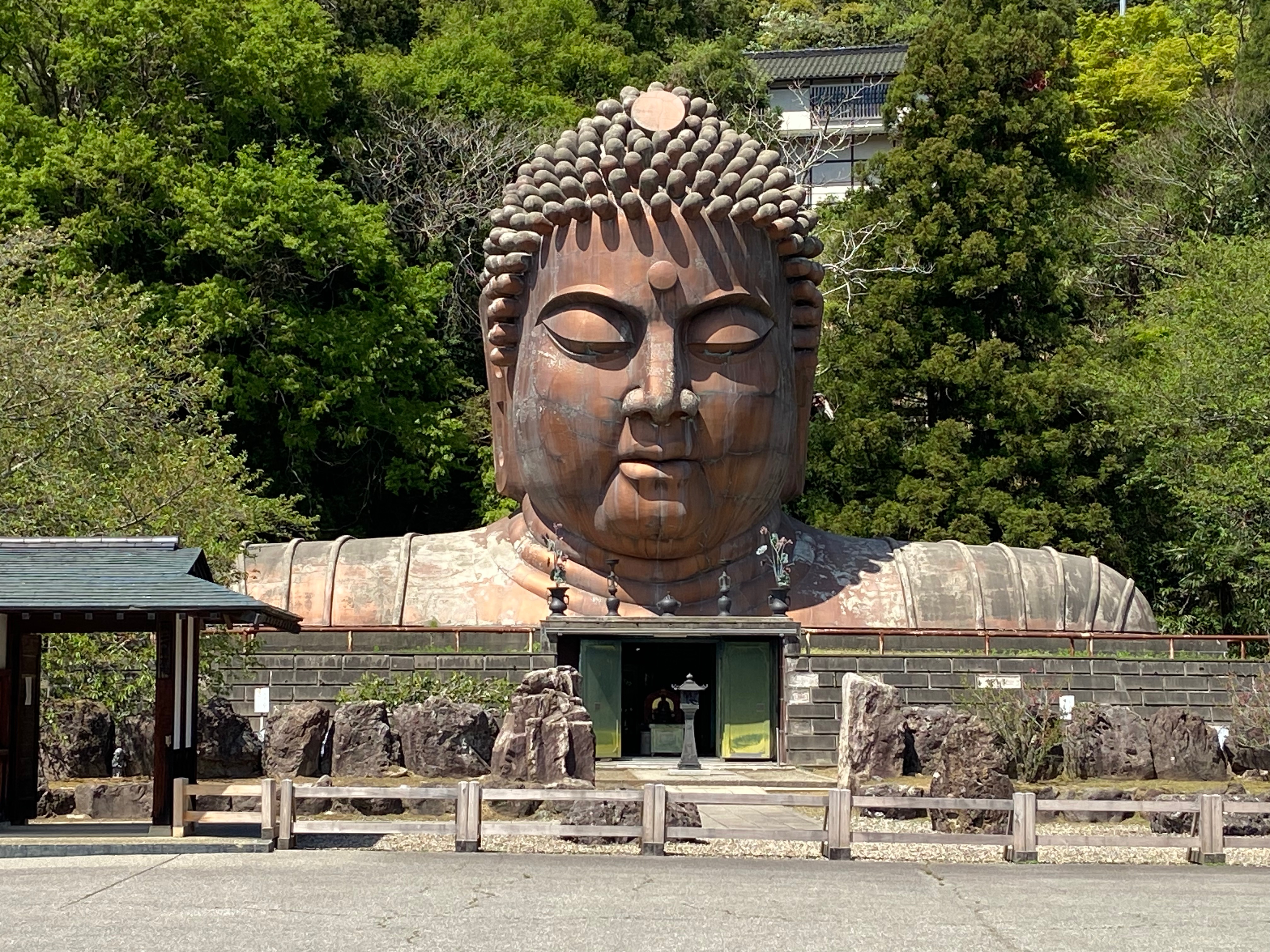
After a lengthy train journey, I leave Komatsu Station on foot. The mid-April sun burns at a scorching 30 degrees. I do understand that we orbit a giant fireball, but in April it shouldn’t be this hot, and my skin actually feels like it’s going to melt. It’s as hot as hell. I’m walking in the direction of Mount Hakusan, its 2702 metre peak hovering above the skyline, the snow from two days ago now gone. It’s a ninety-minute walk to my destination, and every time I pass a tree, I slow, hovering in the shade for the briefest of moments. I eventually arrive at the Buddha, which marks the entrance to the Hanibe Caves.

But first, I need to pay for a ticket. There is nobody at the little booth, so I head inside to the gift shop to find a member of staff. I get the feeling this gift shop also doubles as somebody’s house. I find an old lady watching earthquake footage on the television, disturb her, and after she apologises about fifty times, she walks me out to the booth, takes my money, and hands me a ticket.

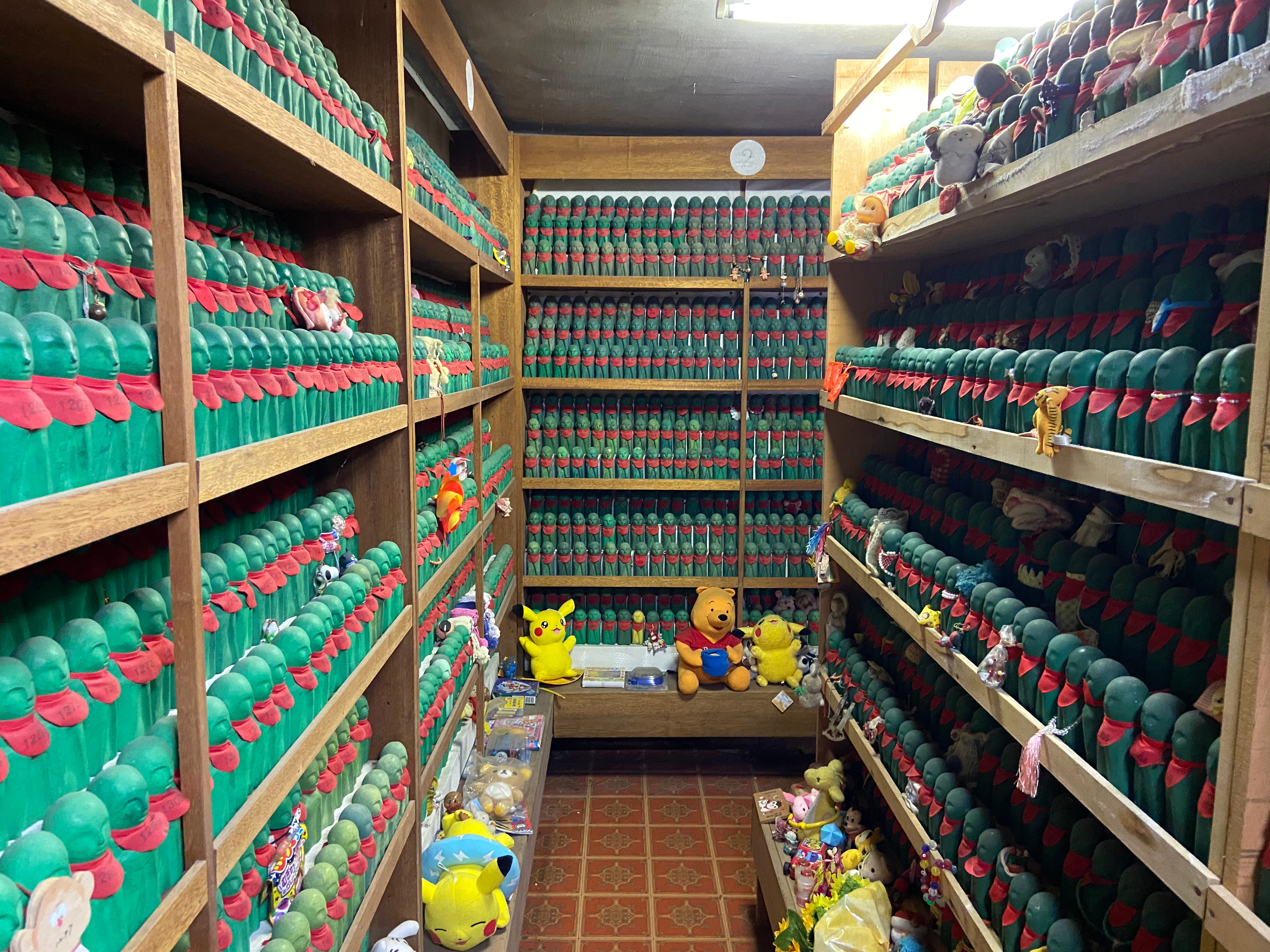
Inside, a shrine for dead children. Thousands of small green statues, each one representing the soul of a deceased child. I suppose it’s meant to offer comfort to a grieving parent, the souls of the children they never had, protected here, preserved, placed on a shelf forever, so they won’t have to stack stones for eternity in the afterlife.

Some of the statues have been recently decorated with ribbons or cloth, others have flowers, stuffed toys, or figurines beside them, and others are long forgotten. The place feels endless. Shelf after shelf, through corridors and doorways, rooms upon rooms. There are even a couple of empty shelves remaining, slowly filling up.

I head back outside and up the mountain path. Mossy stone steps that don’t look to have been stepped on in years. It’s here that I see my first snake, slithering in front of me before disappearing into the trees. I quicken my pace, reach the top of the steps, which turn into a forest, and now every snap of a twig or rustling of leaves sets me on edge.

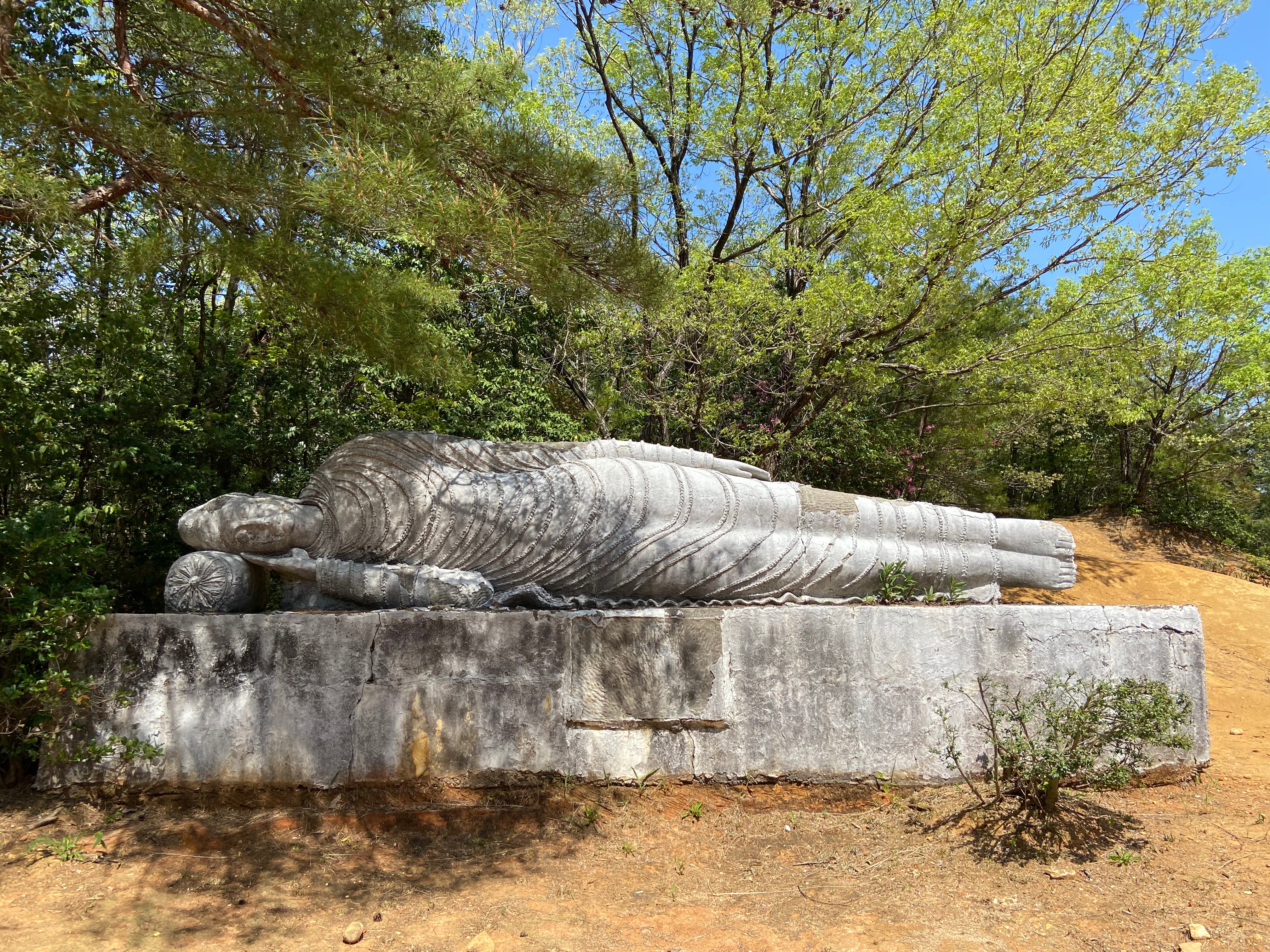
Eventually, the forest opens into a clearing. There is a reclining Buddha statue here. I notice there is no route map or signs in any language, so trying to figure out where to go next is challenging, as everywhere appears to close in on itself.

I head back toward where I encountered the snake and notice some steps heading down in the other direction. I follow them and finally come to an unmarked cave entrance.

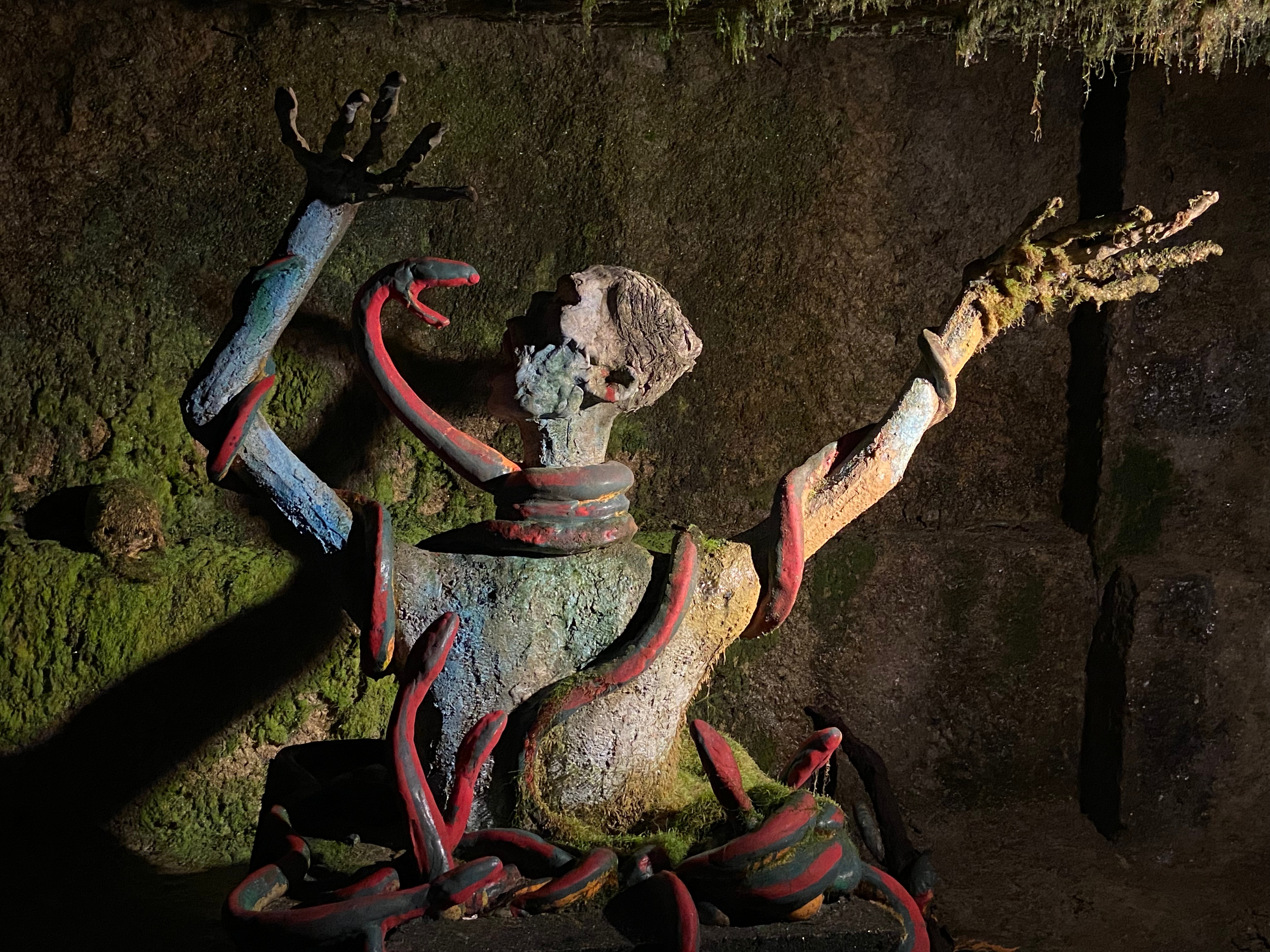
Inside, it is freezing cold. I follow the sound of dripping water through dimly lit corridors, deeper underground. There are hundreds of sculptures in here, most depicting some form of death. If this place were conscious, it would probably describe itself as a theme park for damnation.

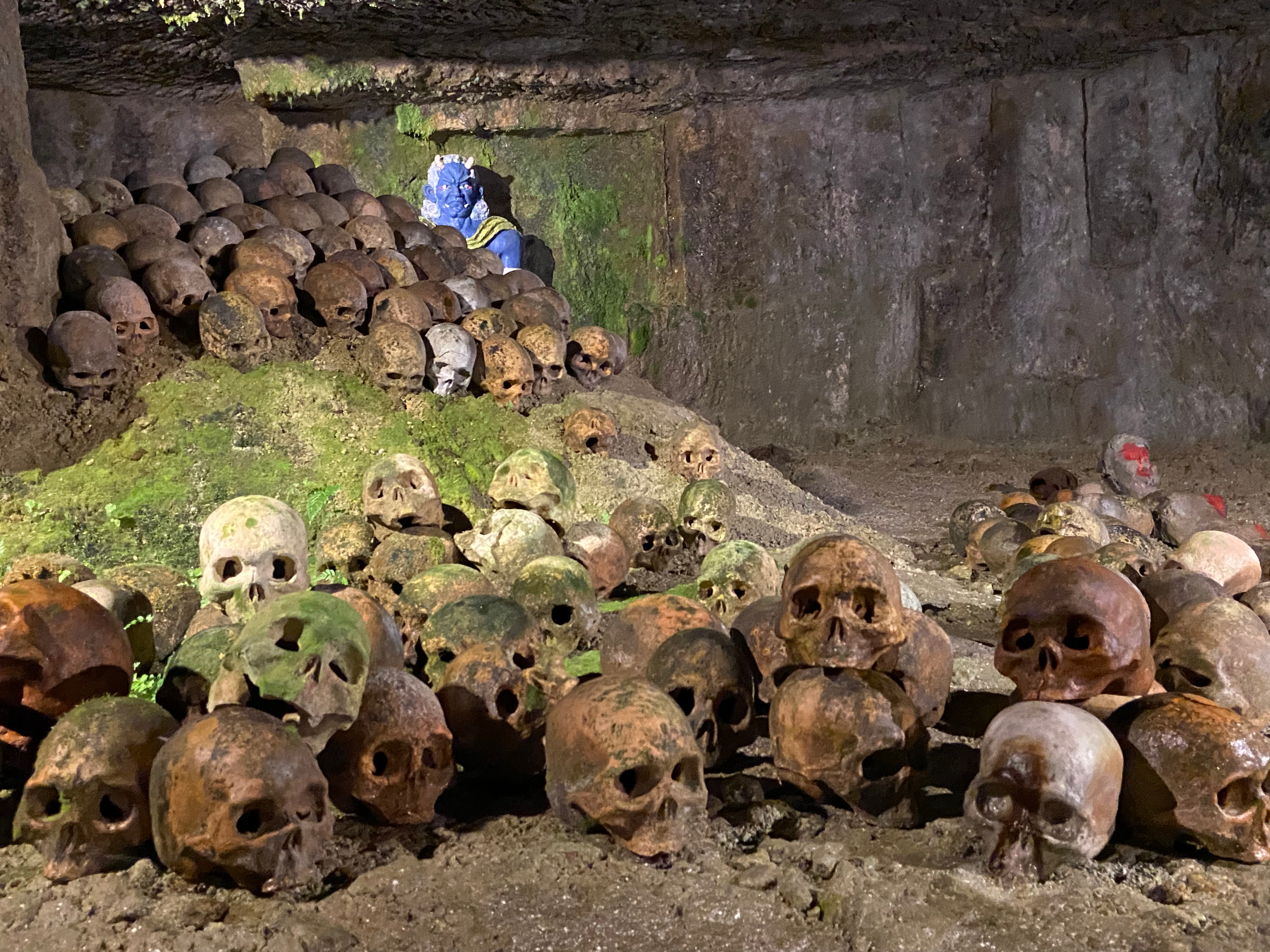
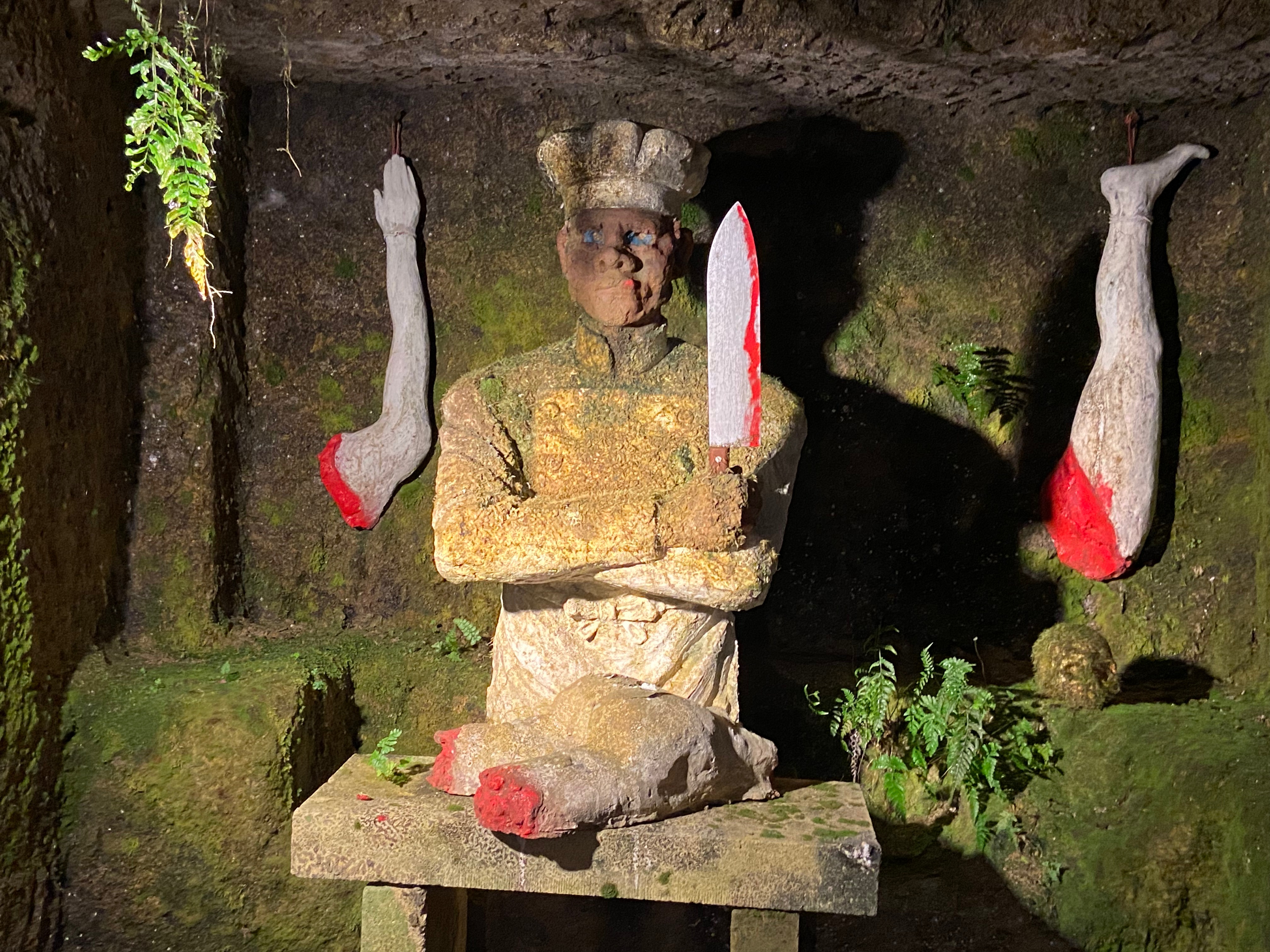
I pass devils and tortured beings, giant spiders, a pile of what look like human skulls. People with menacing grins carry knives, surrounded by dismembered limbs. It’s a juxtaposition of surreality, physical beauty and violent death. A woman is missing an eyeball. A man has come up against the great King Enma Raja and is missing his tongue. A monster is covered in snakes.

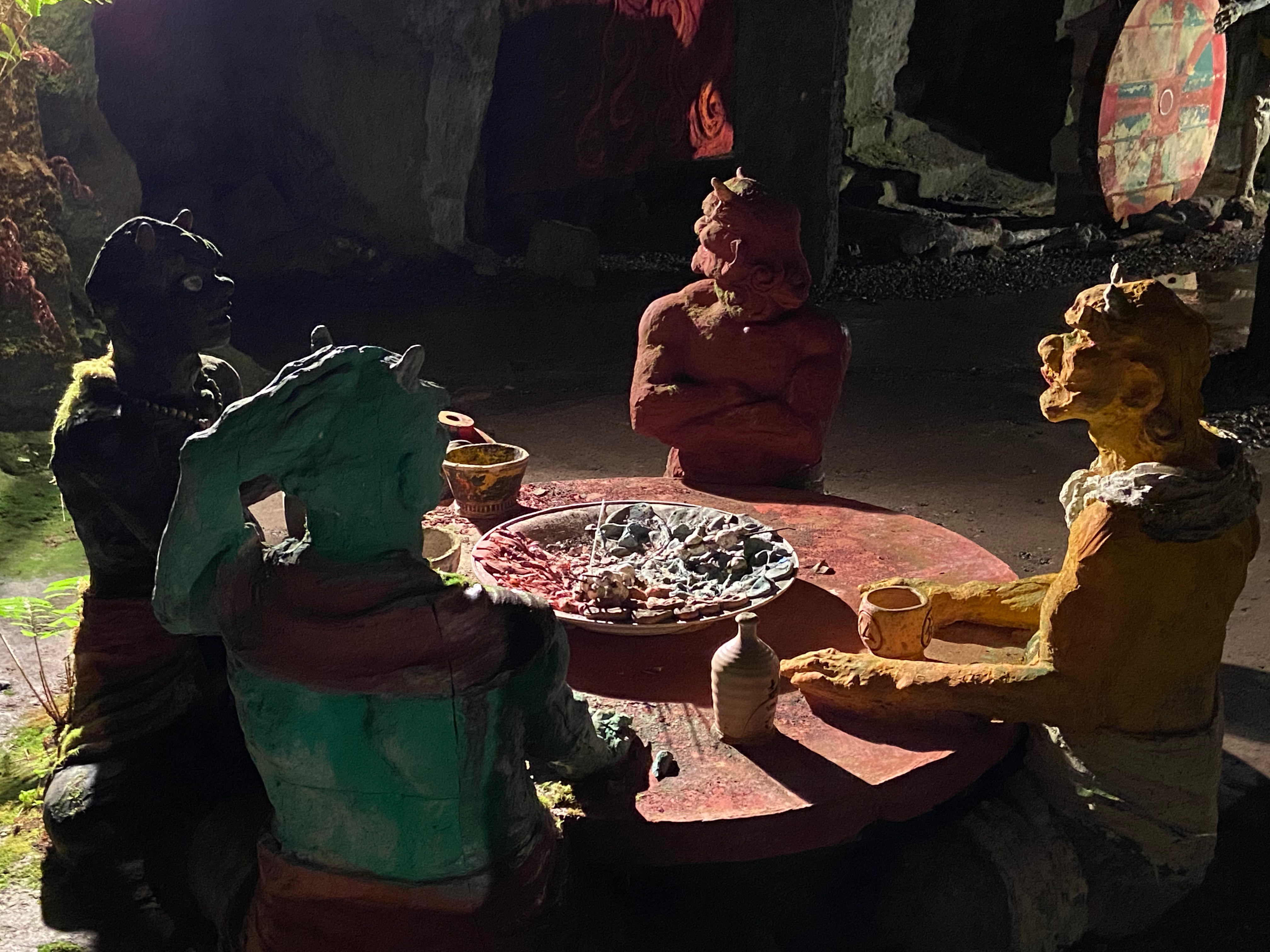
I find four demons sitting around a dinner table. There is a sign: “Doesn’t this seem like fun? The feast has reached its climax, stained with blood. Those who have fallen here at the end of debauchery and madness are filling the stomachs of the demons. Another guest has arrived. Very well, come and sit on this table.”

It is unnerving being here. The cold, the dark, and knowing that I’m not only lost in a forest somewhere in the middle of nowhere, with nobody around, I’m also lost in a maze carved through an underground cave network, which is also trying to be a haunted house.

If I died in here, nobody would likely find me for days. I want to be alive. I want to feel alive. This place does that. Despite the death around every turn, threading through the darkness of the tunnels, I do enjoy places like this. Not just the unknown, either. The depictions of what the Buddhist interpretation of the Gates of Hell looks like, and the overly enthusiastic marketing of calling it that. As I try to figure out where I am, occasional noises echo around. A click. Something tapping in the distance. Someone else is here. Something else.

I leave the same way I came in, or so I thought. I exit into a small town. I’m lost and completely disoriented. Somehow, I have left the Hanibe Caves, but it doesn’t feel like I found the way out.

Once Upon a Timeline

Today, I’m in Yoro, a town in Gifu Prefecture. I’m here to change my destiny.

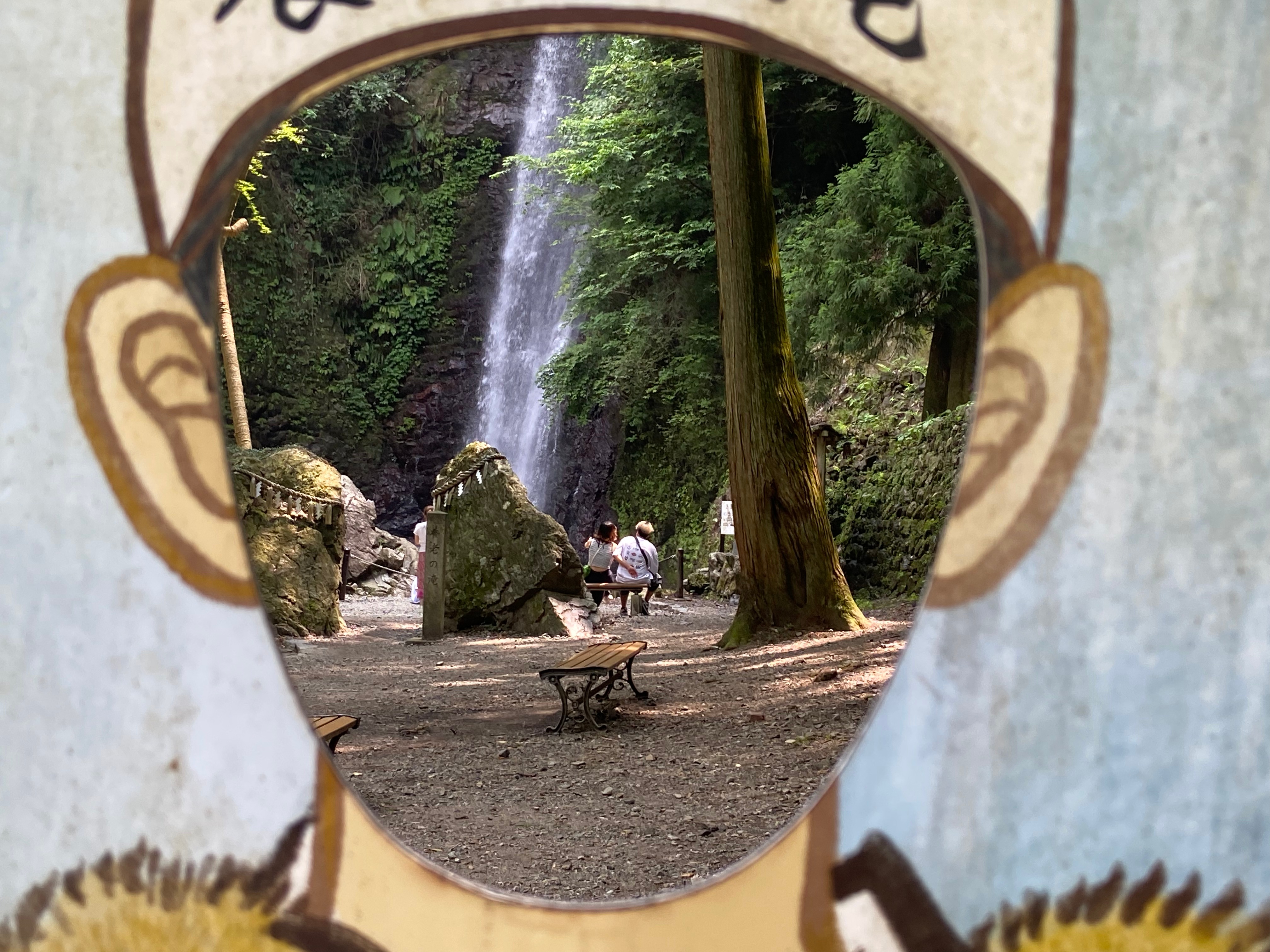
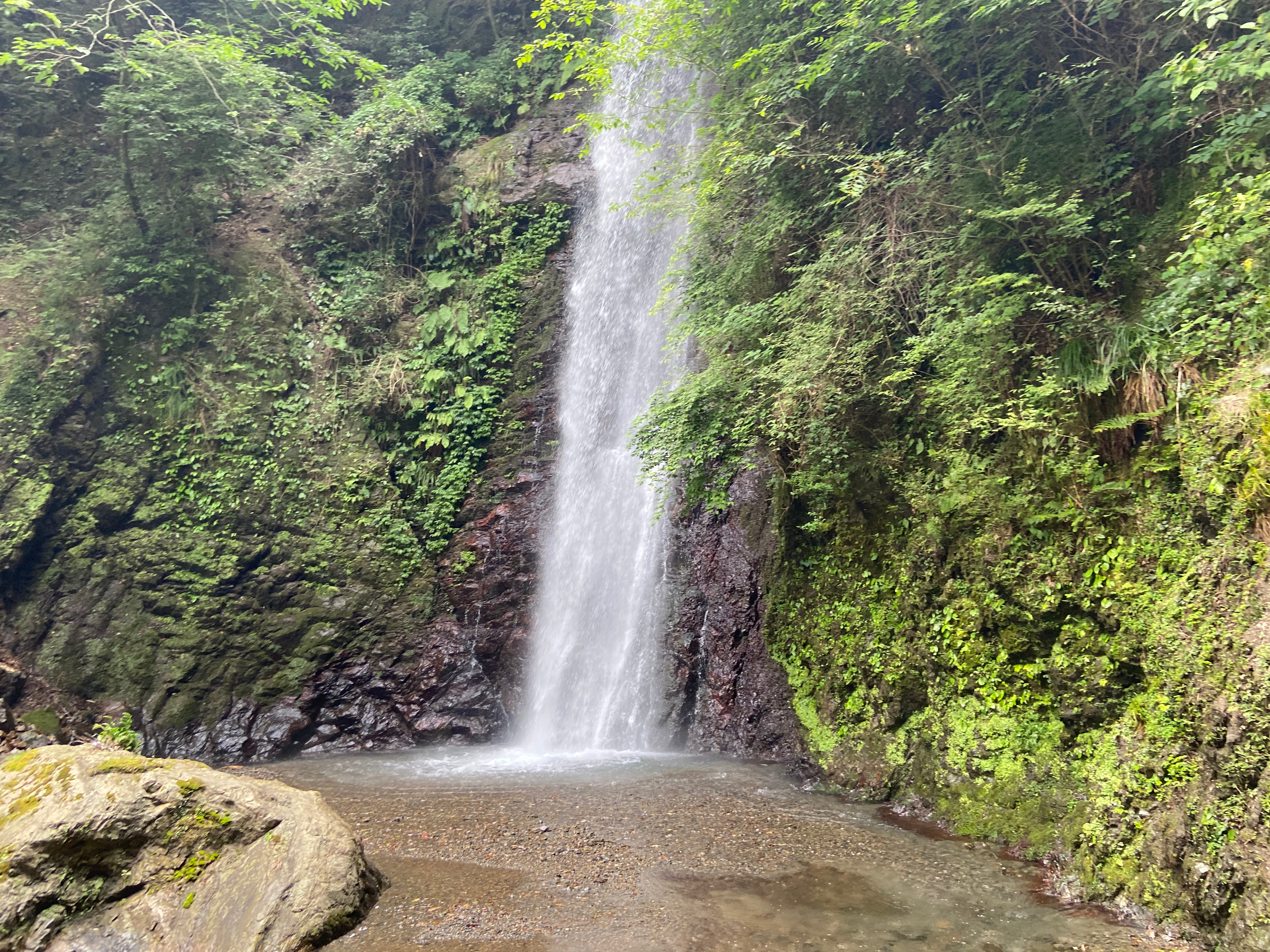
First, I decide to take a thirty-minute stroll along the edge of a cliff to visit a famous waterfall. This waterfall is said to be made entirely of flowing alcohol, specifically Japanese sake.

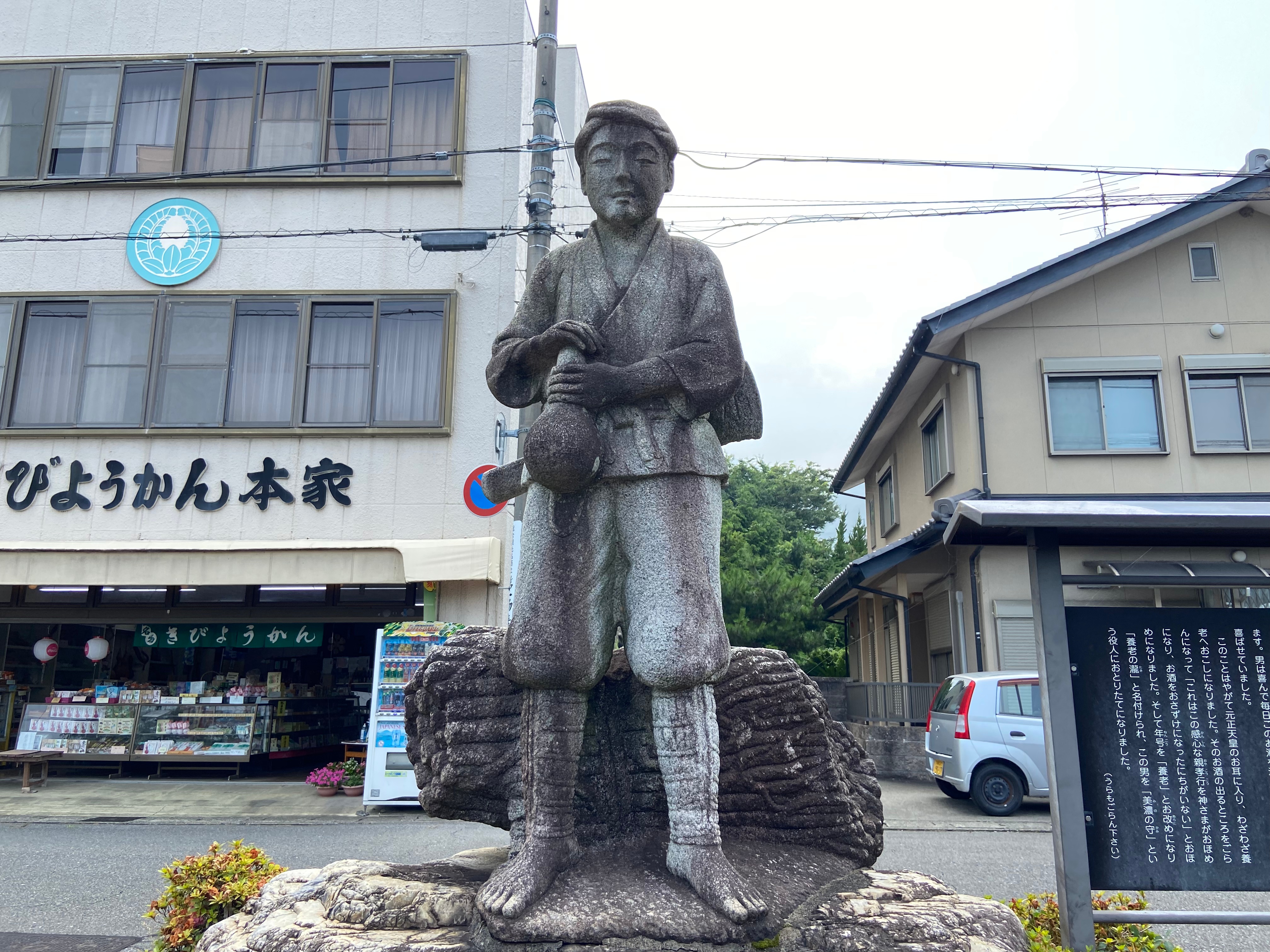
The story goes that there was once a poor lumberjack with a very old, ill father. On his deathbed, the father requested his favourite Japanese sake, but the lumberjack couldn’t afford it on his meagre income. One day, the son walked the treacherous path near the waterfall.

Some say he was out looking for wood for a fire, but he was a woodcutter, so any tree would have sufficed. Others say he was simply thirsty. Regardless, he fell in the woods and definitely made a sound, and after falling and lying on the dirty ground, the poor lumberjack could smell the sweet scent of sake.

It was here that he discovered the water from the waterfall was not water at all.

He returned home with a gourd full of sake, and his father drank it. The transformation was instant, and he miraculously became younger and healthier.

News of this reached the ancient capital of Nara, and Empress Gensho visited the waterfall herself. She was so impressed by the beauty of the area and the magical water that she declared it a sacred site and renamed the area Yoro, meaning elderly care.

It takes me about an hour to reach the waterfall despite it being advertised as a thirty-minute stroll. It’s a tough hike too, up a mountain. It’s humid; it feels like 40 degrees. I’ve probably sweated more water than I’ve seen flow down the falls. I can only imagine how hard it must have been for the lumberjack, carrying that gourd and heavy axe to the top.

Next to the waterfall, a faded poem engraved on stone in Japanese reads:

“Listening to the flow of Yoro Falls,
One’s heart is healed and refreshed,
Like the pure sake that rejuvenated the old man,
Flowing eternally, blessing those who visit.”

I stand looking at the waterfall for a time, enveloped in tranquillity. I think about water flowing down a river, following a predestined path. It cascades over the falls, flows further south, and meets a tributary, where its path diverges and its destination shifts, a choice not made but followed.

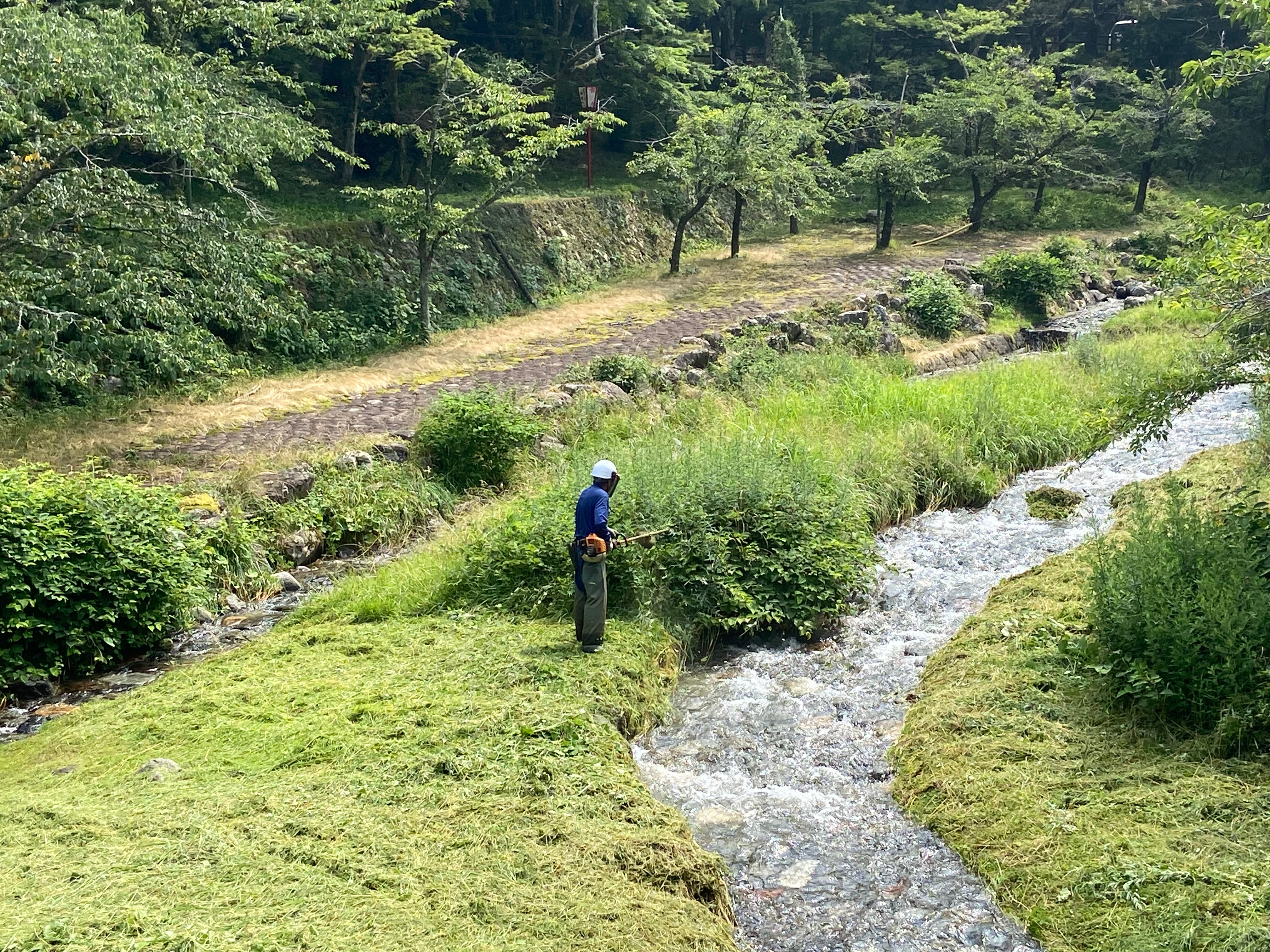
Somewhere, after leaving Yoro Falls, a butterfly shivers against the wind. At the bottom of the waterfall, the tranquillity ends and is swamped by the sound of a man with a grass strimmer.

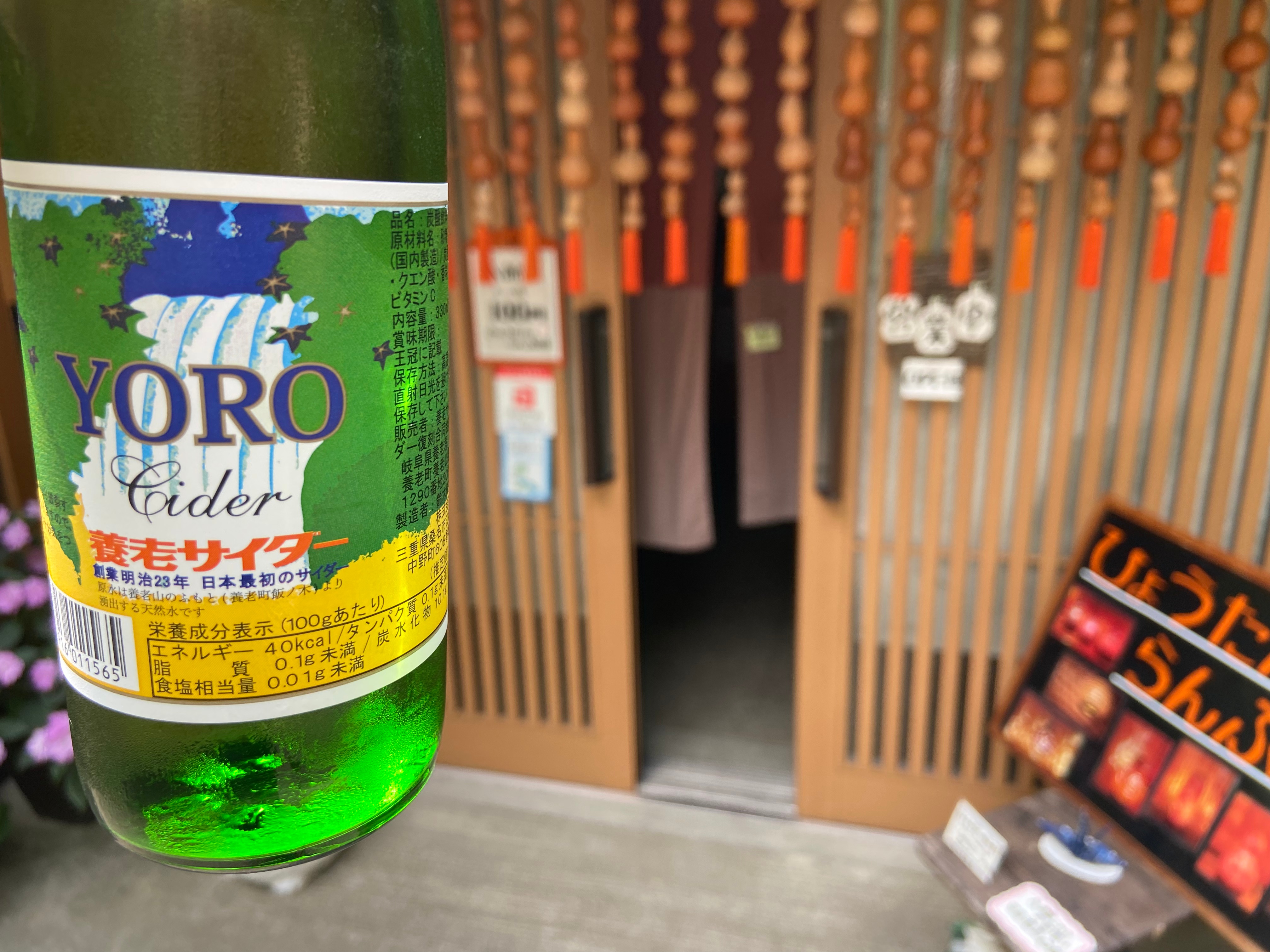
I stumble upon a small souvenir shop selling bottles of carbonated cider made with the magical sake water. The cider tastes delicious. Unlike in England, cider in Japan is a soft drink, so despite the falls apparently being made of alcohol, this drink somehow contains none.

I leave with a healed heart, feeling blessed. Eternally refreshed. Next to the small shop is the Yoro Gourd Museum. I look at a few gourds made into artwork and lamps before moving on.

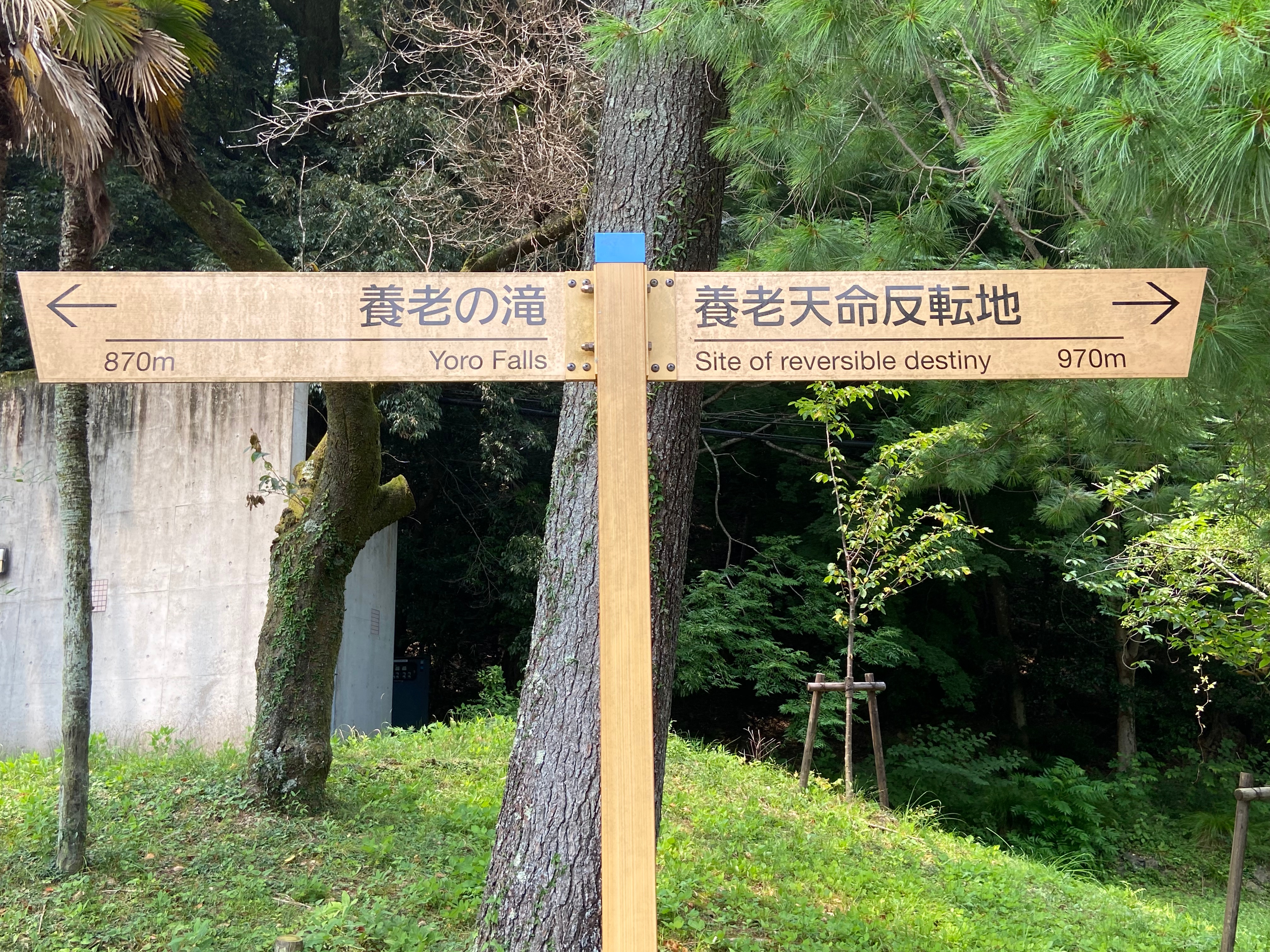
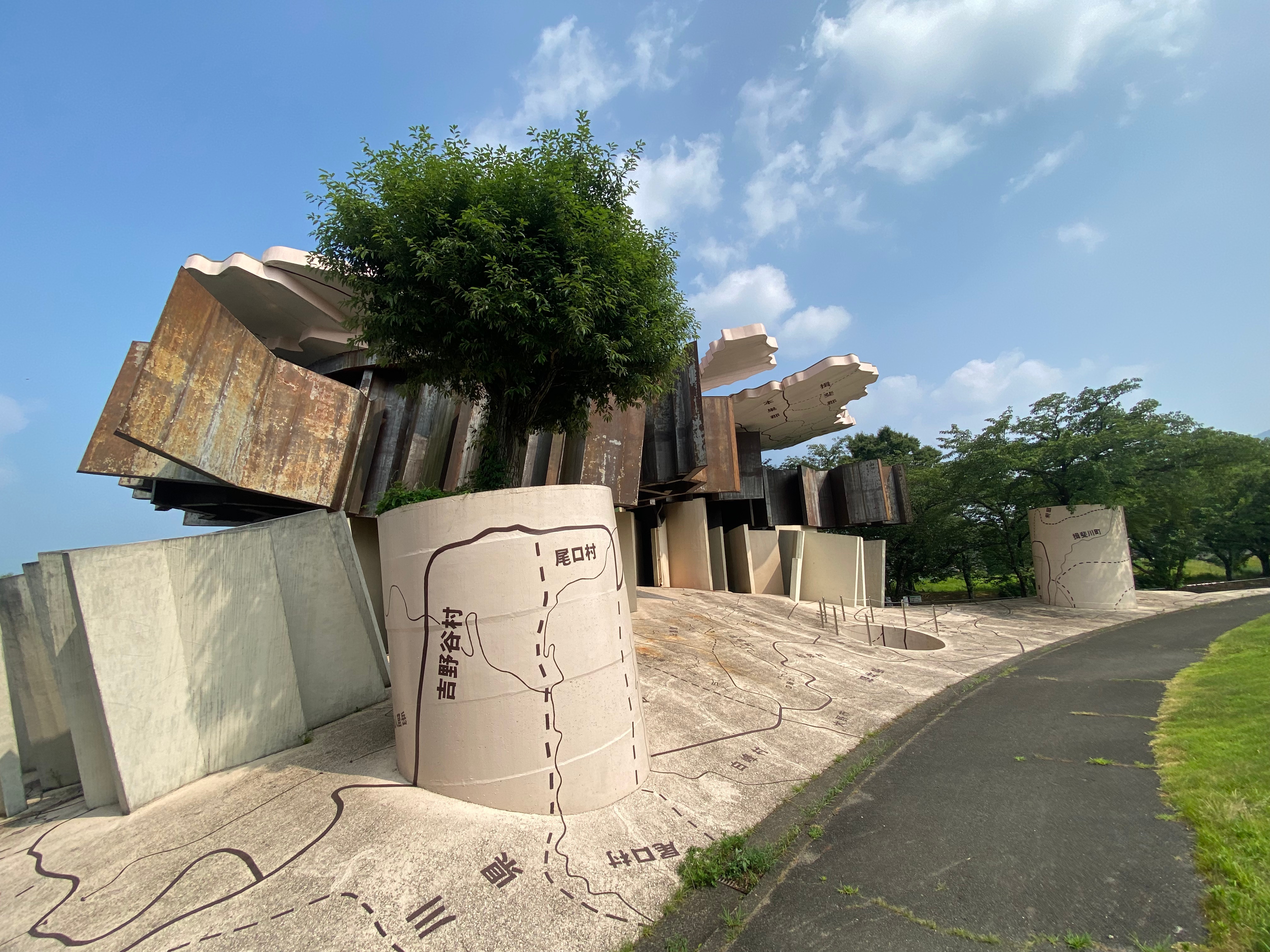
My final stop today is within Yoro Park, a place known as the Site of Reversible Destiny. A massive outdoor interactive art park dreamed up by Shusaku Arakawa.

It’s quite bizarre, funny, and downright unusual. There’s a house that is a road and a road that is a house. There’s a nostalgia generator, a few mazes, and some piles of things that I don’t even understand.

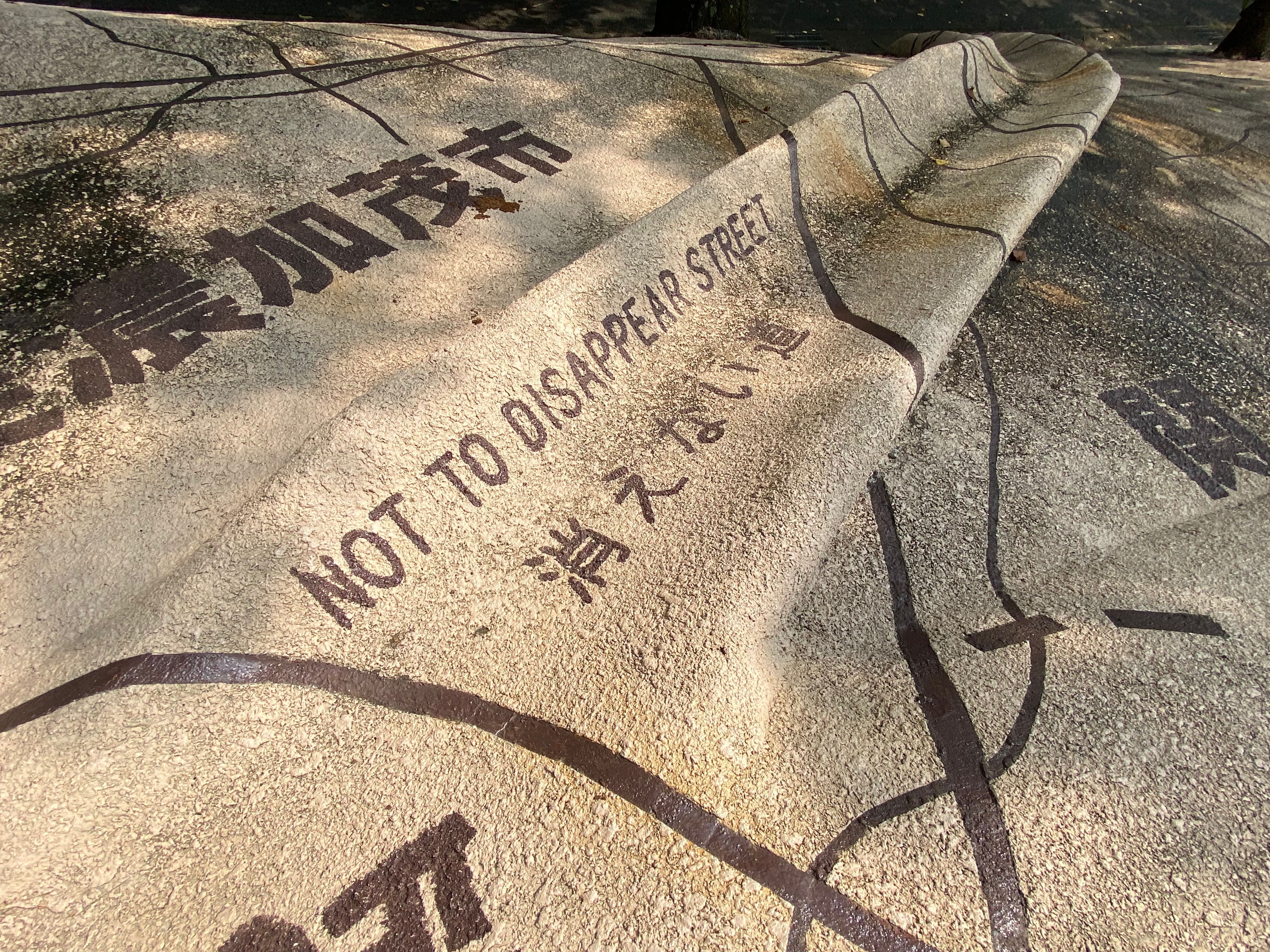
I pass Not To Disappear Street, the Gate of Non-Dying, and an area known as Geographic Ghost. I climb over the Zone of Clearest Confusion, leave through the Trajectory Membrane Gate, before getting lost in the multicolour of Destiny House.

Shusaku Arakawa was obsessed with the idea of death and destiny. He built this site with his wife, Madeline Gins, as a challenge to mortality itself. That’s the point of the Site of Reversible Destiny: to confuse your soul and reroute your path. When Arakawa died in 2010, his wife said, “This mortality thing is bad news.”

With fate as mutable as the weather, or the seeds of a dandelion, you blow away, only to take root in unexpected soil. My destiny begins to unravel. The sun still rises in the morning and sets in the west, but the days no longer feel the same. Each moment becomes a whispered echo of a choice that altered everything, carried on a timeless breeze.

The concept of a multiverse unfolds like a kaleidoscope of infinite reflections, where certainty and uncertainty intertwine like vines in an ancient forest, tangling into something that resembles fate.

Yet, if every possible outcome and path exists, there must also be a universe where the notion of such multiverses is impossible. It is here that we find ourselves staring into the paradoxical abyss.

Sweeping aside the contradiction of parallel worlds, it is on the train that I ponder the existence of a universe where I do not exist. As the train changes track to a branching line, the landscape blurs past, indifferent to my absence. My reflection in the window shimmers, quantum-thin.

For a moment, I am here and not here, observed and unobserved, a wave function waiting to collapse. I step off the train. I step into the world. And the world, impossibly, steps into me.

A Flood Day to Dry Hard

The news tells me that today there is an excessive heat warning in place in Wakayama. My oh-so-reliable weather application tells me that it will be cloudy all day. The gods split the difference. As I exit the bus unprepared for anything other than heat or cloud, the heavens split open in a thunderous rage of fury.

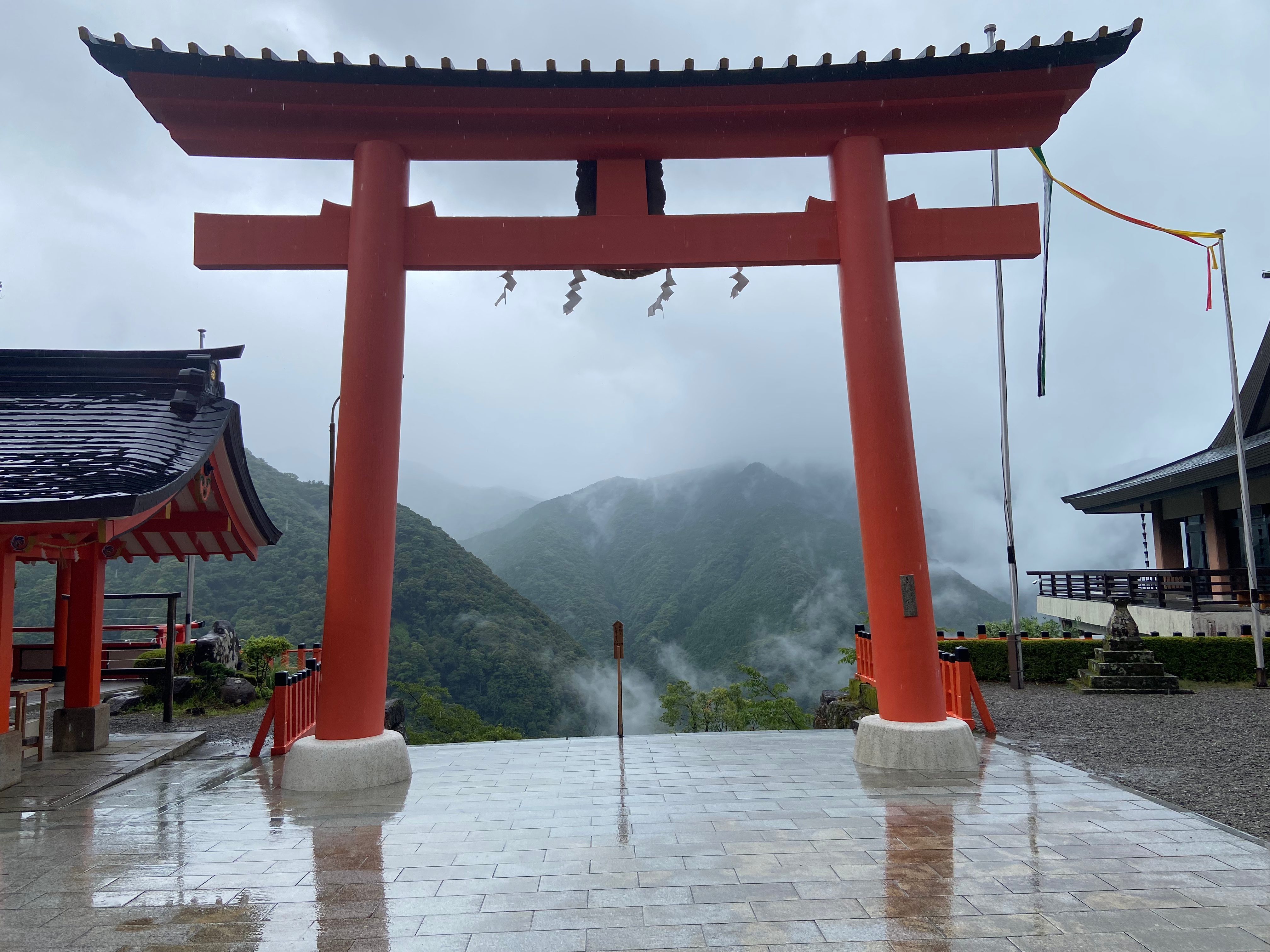
I am at Kumano-Nachi Taisha. As the thunder rolls over the sky I manage to take just one photograph of a torii gate and the mountains beyond, right then, before the rain catches up with the thunder. Luckily for me, there is a shop, so I enter, purchase, then poncho up.

I duck inside the Treasure Hall. No photos allowed, but I explore freely. I wrote about the Nachi Pilgrimage Mandala yesterday, but seeing the real thing up close is something else. I enjoy the other art, artefacts, simple objects from a time lost in the past. Most of the treasures here were discovered in 1918, but are from around the 10th century, with the shrine itself being 1,700 years old.

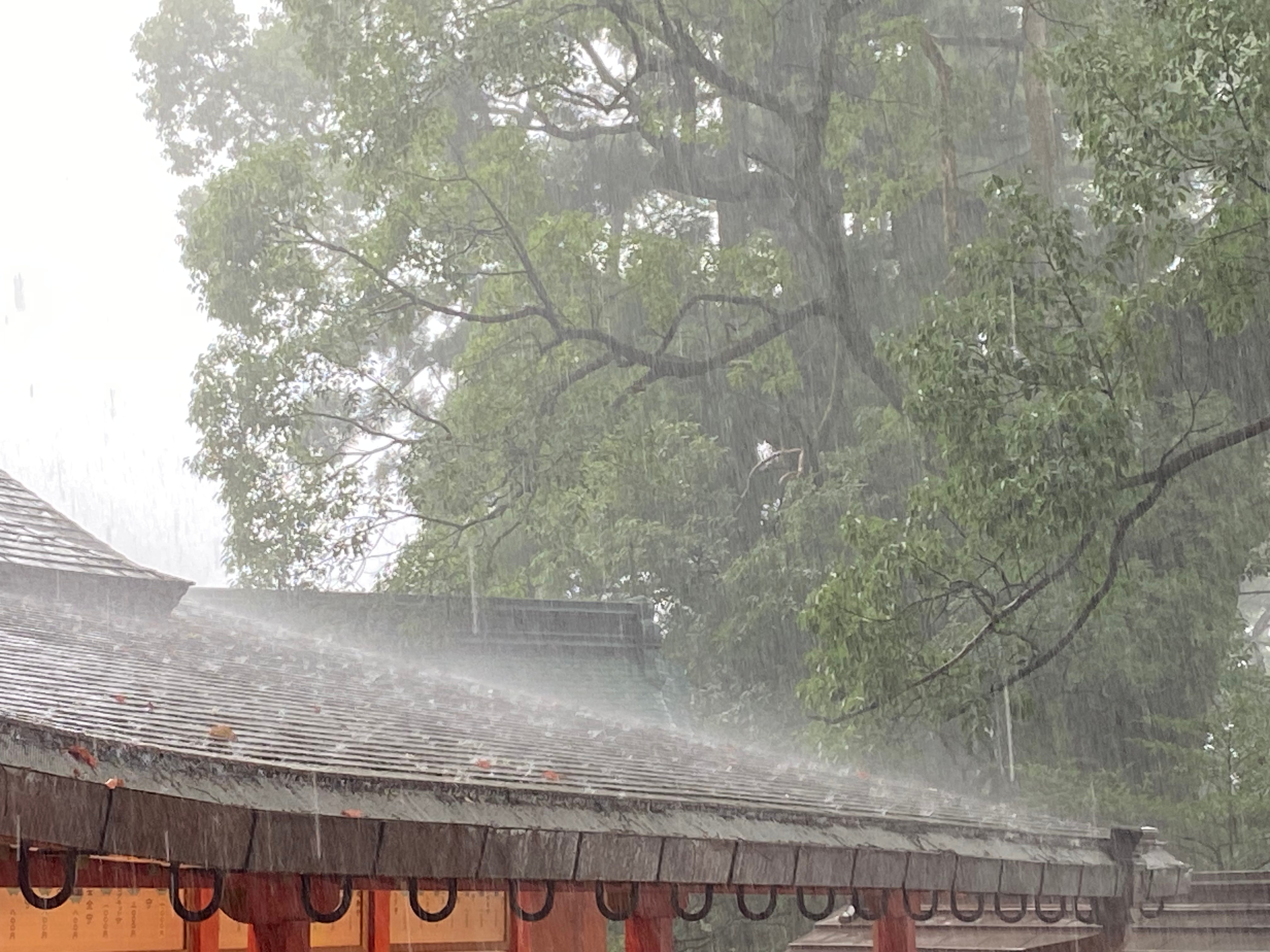
Stepping out of the Treasure Hall, the rain has intensified fivefold, and some of the ground has already flooded. People cower with umbrellas.

The rainwater crashes down and smashes into the roof of the shrine like a torrent of broken glass, slicing through the air with a merciless, unyielding force. I have never experienced rain like it. The raindrops actually hurt.

I came for the waterfall. Or so I believed. Right now, I feel like I’m inside one. I struggle to see where the waterfall could even be in comparison to the falling water. A monk passes me, dressed in dark blue. He carries an umbrella and seamlessly manoeuvres the flooding and the puddles, calm as you like.

Legend has it that the first emperor of Japan, Emperor Jinmu, found the waterfalls when his boat landed on the Kii Peninsula and he saw something shining in the mountains. At the time, he had been following a Yatagarasu (a mythical three-legged crow sent by the gods as a guide).

I follow the path down the mountain toward Nachi Falls. The sky bellows with more thunder, the road is full of water. Am I walking in the rain? Or am I swimming in a river? At points the water is knee-high. The drains can’t handle it. I can barely handle it, but I persevere.

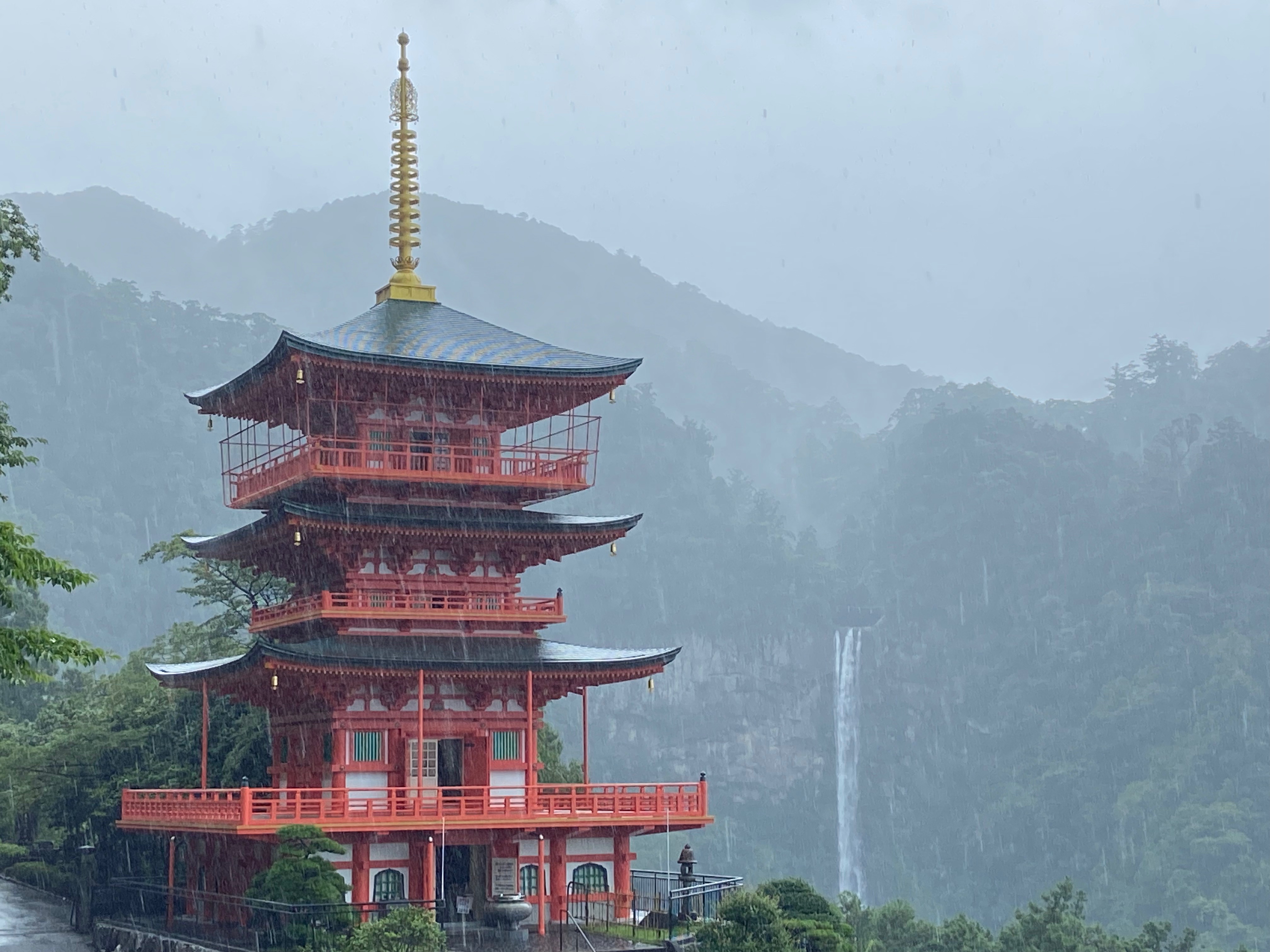
I make it to the pagoda view, the one that’s often featured on the cover of a largely poorly written guidebook. They’ve never featured it in the rain. I enjoy my photograph very much.

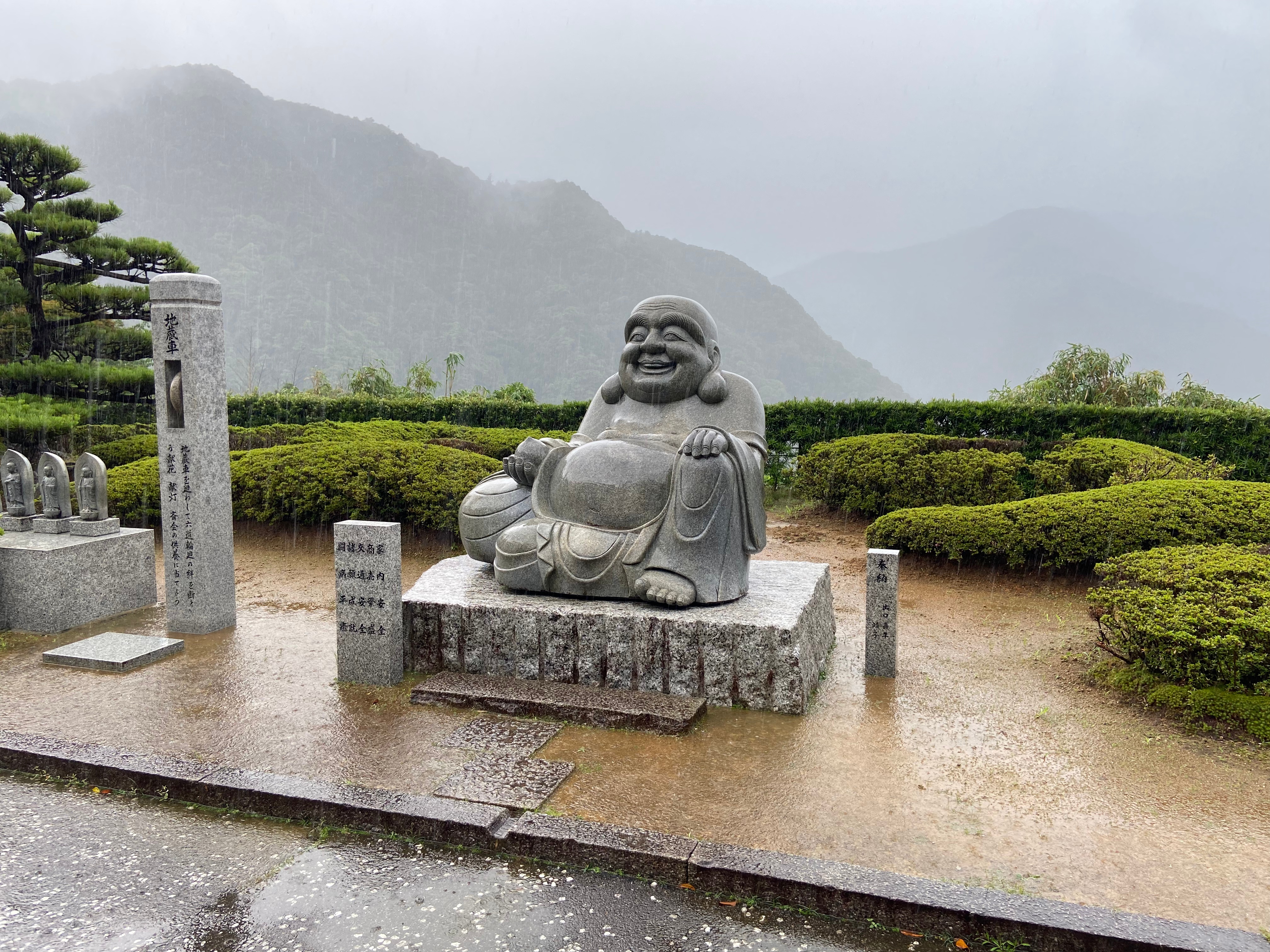
Beside the pagoda sits a big statue of Hotei. God of fortune. The Laughing Buddha. Naturally, despite my soaking wet legs and shoes and inability to understand the point of it all, I rub his massive belly. Good luck and prosperity coming my way, again.

I venture on, down flooded sloped paths and dangerous steps, and eventually, I do arrive at Nachi Falls. The heavier rain drowns out the sound of the waterfall. There’s a story of some star-crossed lovers that leapt from the top of the waterfall in the belief that they would be reborn into Kannon’s paradise. I also know that this is one of the Top Three Waterfalls in Japan, a UNESCO World Heritage Site, and also plummets 133 metres, making it the tallest in Japan.

I head down some slippery steps, careful to hold the handrail. Below, the waterfall itself. Having already taken a spectacular photograph of the rain-soaked pagoda pavilion with Nachi Falls as a backdrop, I find it to be immensely difficult to capture the waterfall from up close, due to the intense rain and heavy flooding.

I stumble back up stone steps to a bus stop. Typically, upon arriving back at Kii-Katsuura Station, the rain suddenly stops. At the Turtle Boat back to my hotel, I stand at the dock. A Japanese salaryman stands beside me, perfectly dry. He glances at my poncho and then at the sky.

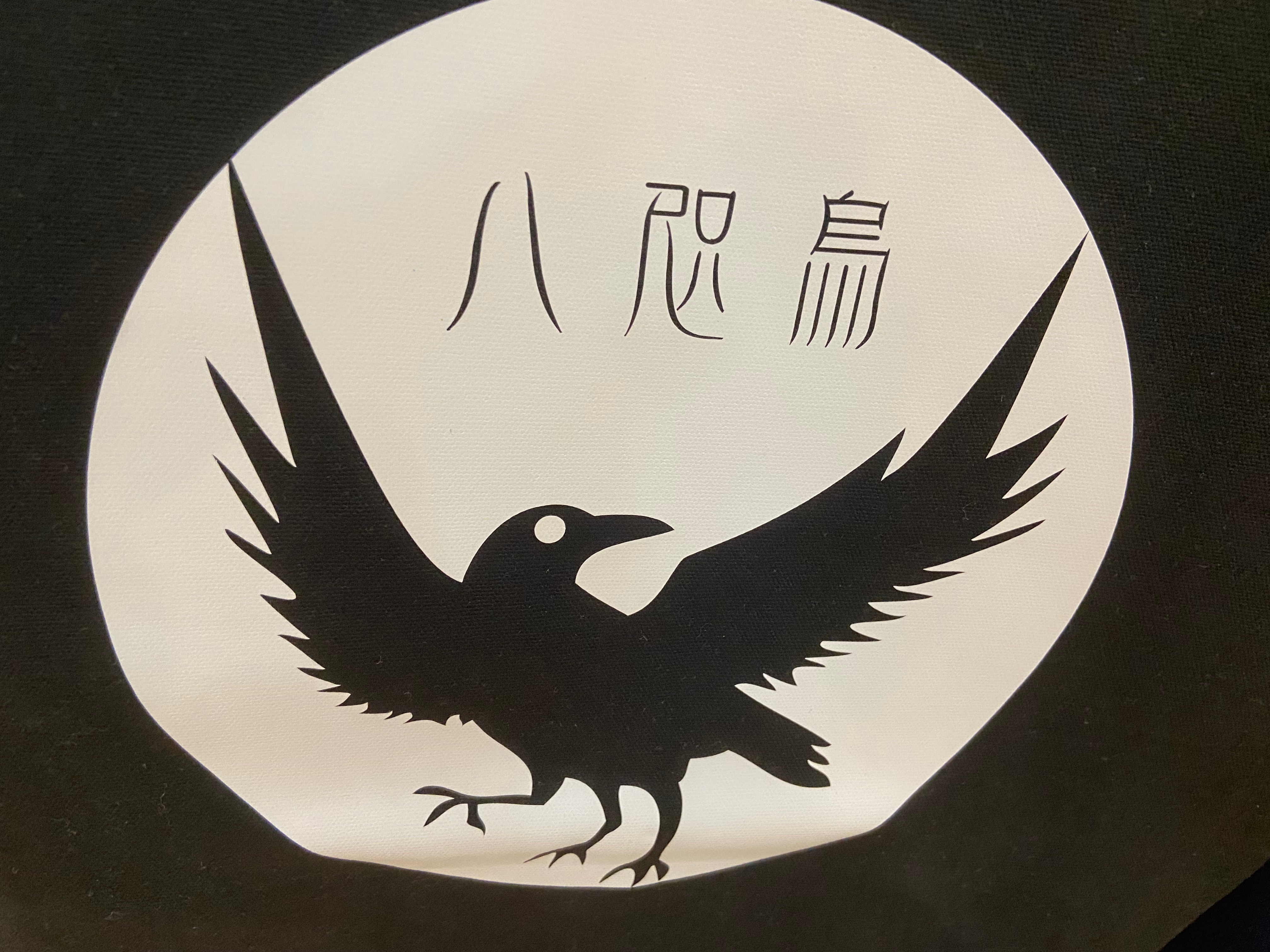
From the boat, I see a crow in the air. It looks as though it has three legs, but it’s just the tail feathers, fanned out in silhouette against the sky. Something that could easily be mistaken for three legs.

Back at the hotel, I hairdryer my shoes for two hours whilst waiting for my laundry to wash and dry, before heading out in search of a crow to photograph. In the end, all I find is this lousy t-shirt.

The Men Who Scare At Boats

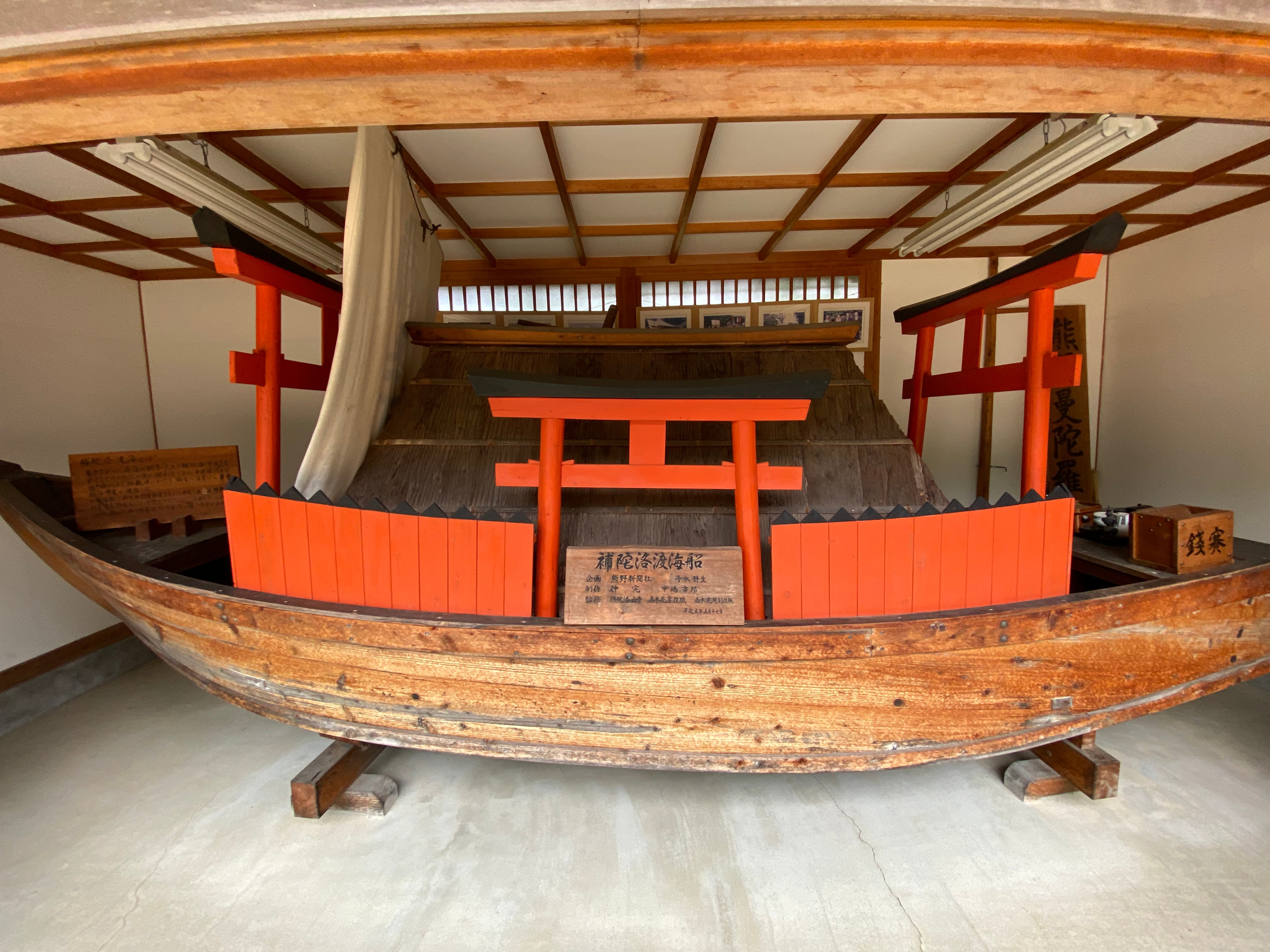
There’s a massive clock outside Kii-Katsuura Station. Each tick sounds like a nail being hammered into a coffin. About a twenty-minute walk from the station, between the mountains and sea of Wakayama Prefecture sits Fudarakusan-ji, a small, unassuming Buddhist temple with a wooden boat outside.

The temple was built to face the Pacific Ocean because that is the perfect location for casting boats out to sea. The only problem with these boats was the reason they were cast out; the priests inside them were trying to reach Fudaraku, the Pure Land.

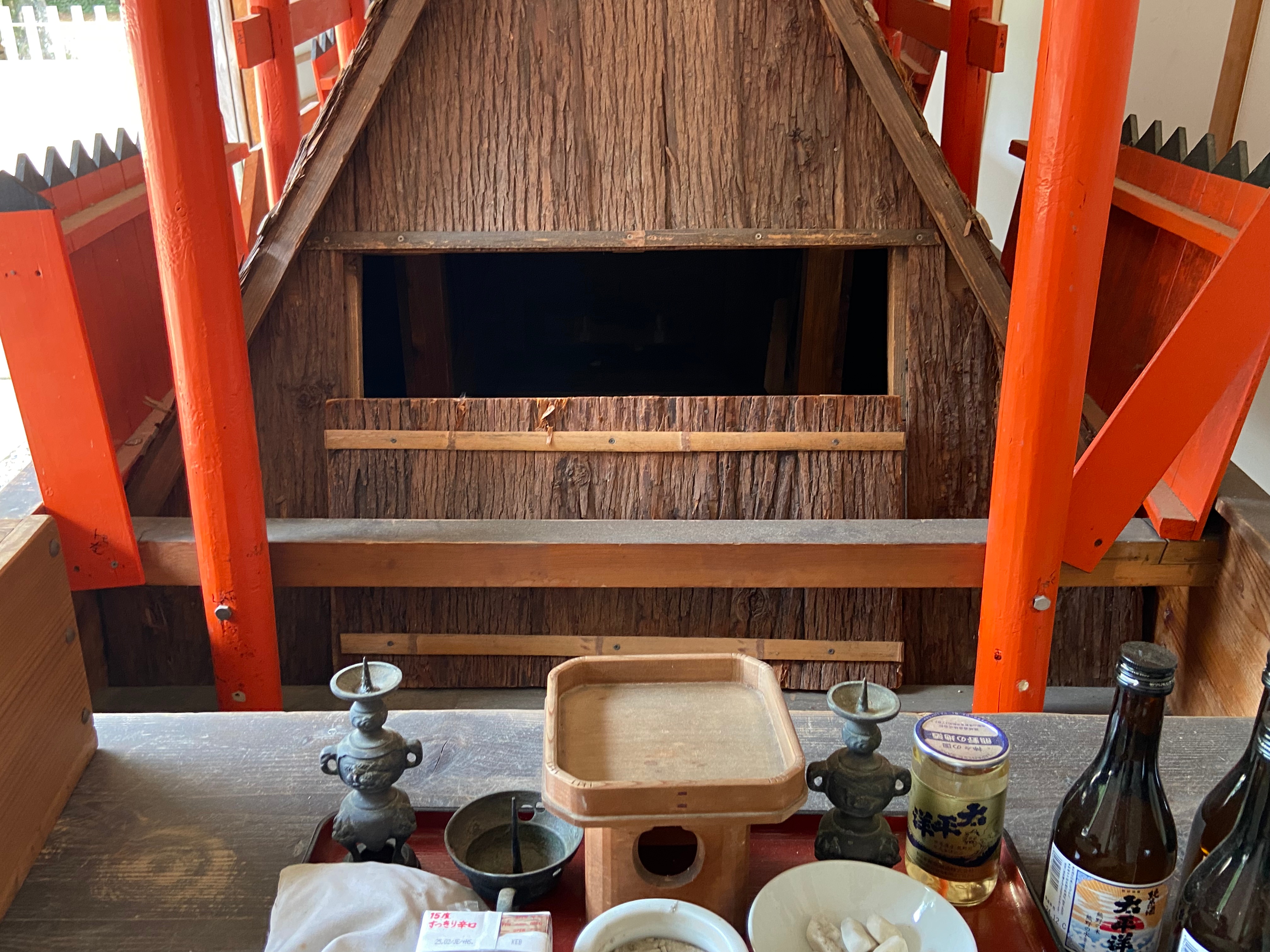
The boats were designed with a sealed cabin, no windows or doors; a claustrophobics nightmare. Ever had a dream about being buried alive? The priests here lived it. They’d climb inside, and the boats would be nailed shut from the outside. The orange wood and torii gates surrounding all four sides of the boat are a nice touch.

Water, a small supply of food, and a fuel lamp were placed inside before the priest’s departure. The lamp was there so the priest could keep reciting sutras and appeals to Kannon until they found the Pure Land, until they reached the end of their journey, or their life.

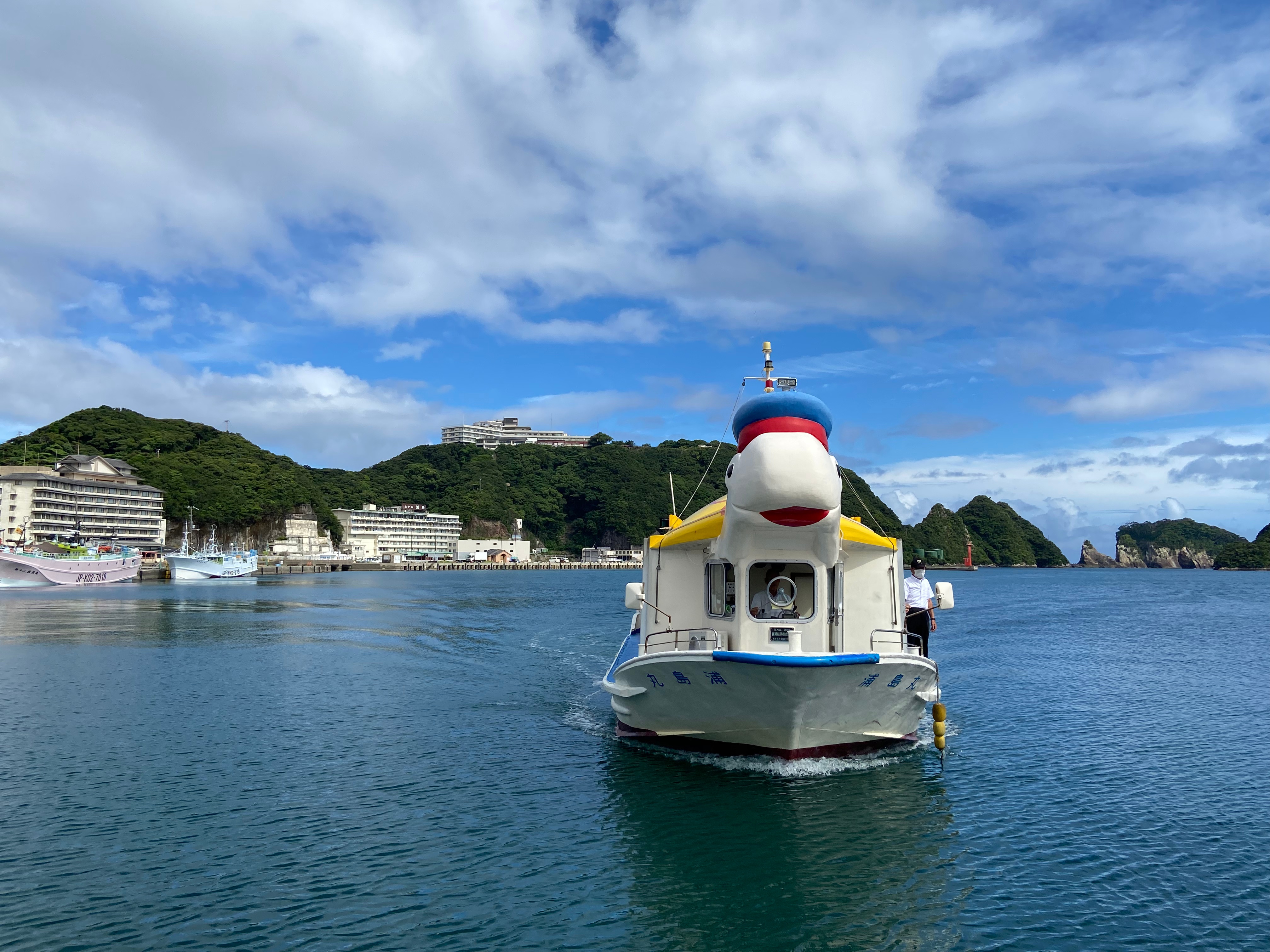
Some of the boats washed up in Kii-Katsuura Bay. A few priests escaped. Most died of starvation, drowning, or dehydration. To stay on theme, I book a night in Urashima. To get there, I have to board a boat myself. This one features no death, just a turtle mascot. The four huge buildings making up the backdrop are all part of my hotel: one on top of a mountain with an observation platform, one at the side of the mountain connected through a network of tunnels, one at the base of the mountain by the dock, and one that isn’t shown on any maps but is there, accessed through the labyrinth.

Checking into my accommodation I’m provided a map. The hotel is so large it features a multitude of interconnected buildings attached through tunnels and cave systems carved into a mountain. The place describes itself as a resort and spa. It has everything: five onsen baths, a games centre, karaoke rooms, a Lawson Stores, shopping streets, massage parlours, restaurants for eating, ballrooms for dancing, ball rooms for ball games, conference rooms, well you get the idea.

There’s one area where I have to take multiple escalators rising the length of 154 metres that take about five minutes. There’s rest areas between each escalator with sofas and tables, just in case the standing becomes too much. I exit onto the 32nd floor and admire the view.

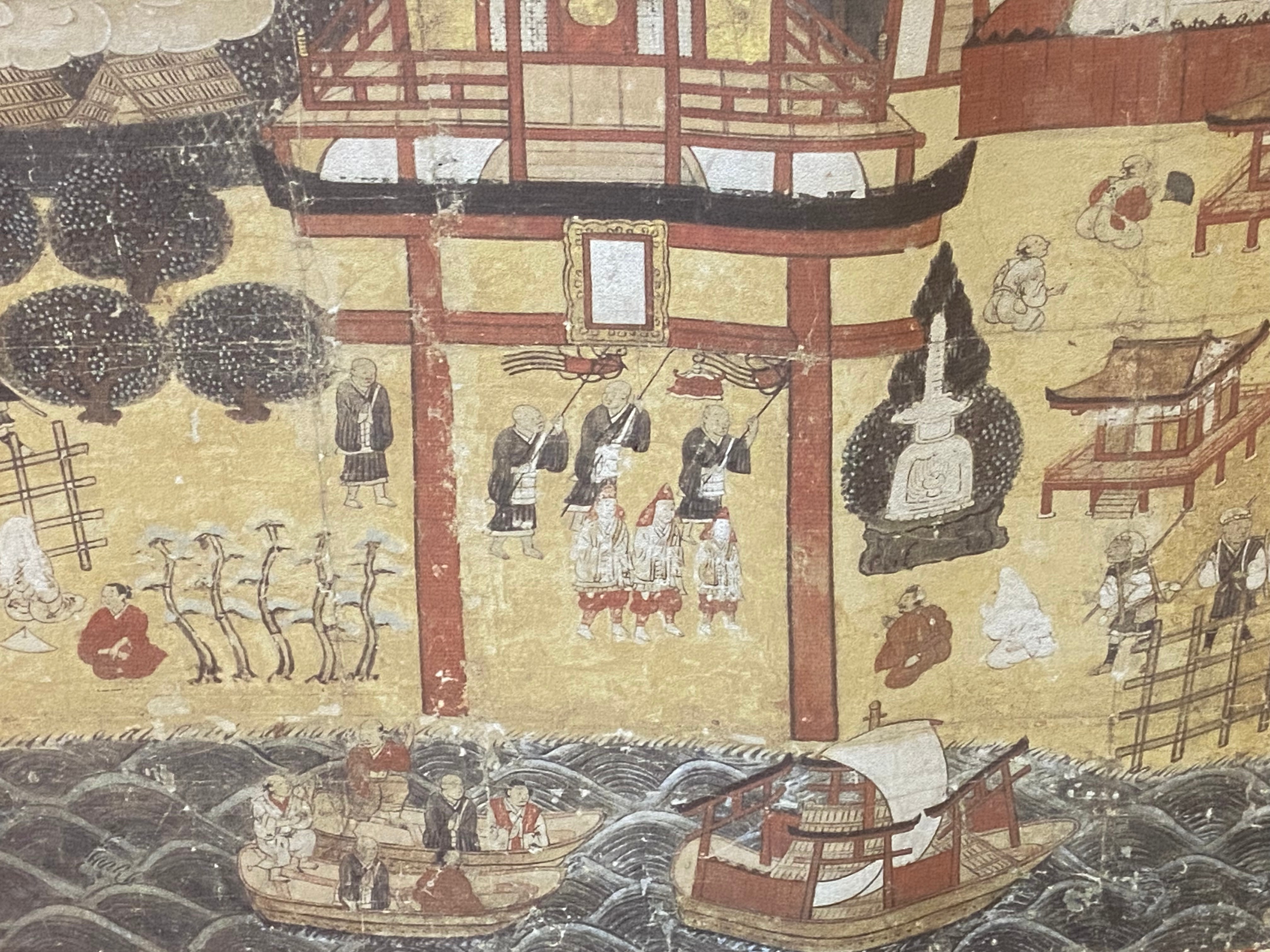
On one of the random floors, I find a replica of an original painted tapestry held in the Treasure Hall at Kumano-Nachi Taisha Grand Shrine. I’ll visit there tomorrow, weather permitting. The full tapestry features the Nachi Pilgrimage Mandala, which displays all the details of this area, from the top of the waterfalls down to Fudarakusan-ji. Here, at the bottom, one of the boats is being cast away into the Pacific Ocean.

Walking through the hotel, I feel as though I’m in some cult dystopian movie. Everyone is walking around in matching yukata. Some of the tourists are not Japanese and wear their yukata crossed the wrong way, for funerals. Everyone goes for breakfast at the same time, for dinner at the same time.

The hotel feels almost haunted, some entire areas are abandoned. It would be the perfect setting for a horror movie. It makes me feel like a rat in a maze or a character in Severance as I navigate the hotel’s endless, echoing corridors.

Having just about explored every length of the hotel, I decide to end the day by soaking in the healing power of a hot spring bath. Of the five to choose from, I opt for the one carved into a cave that looks out onto the Pacific Ocean.

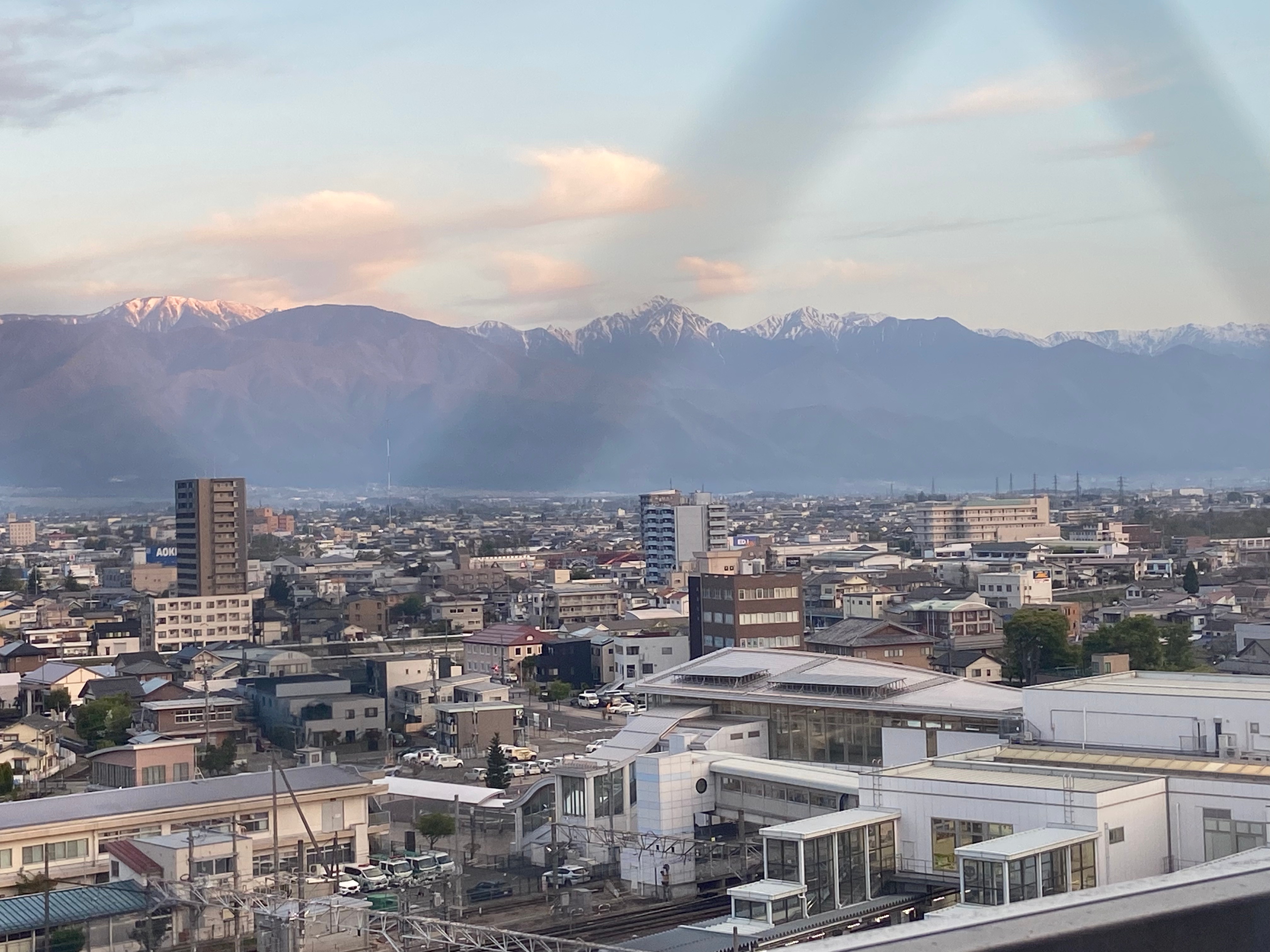
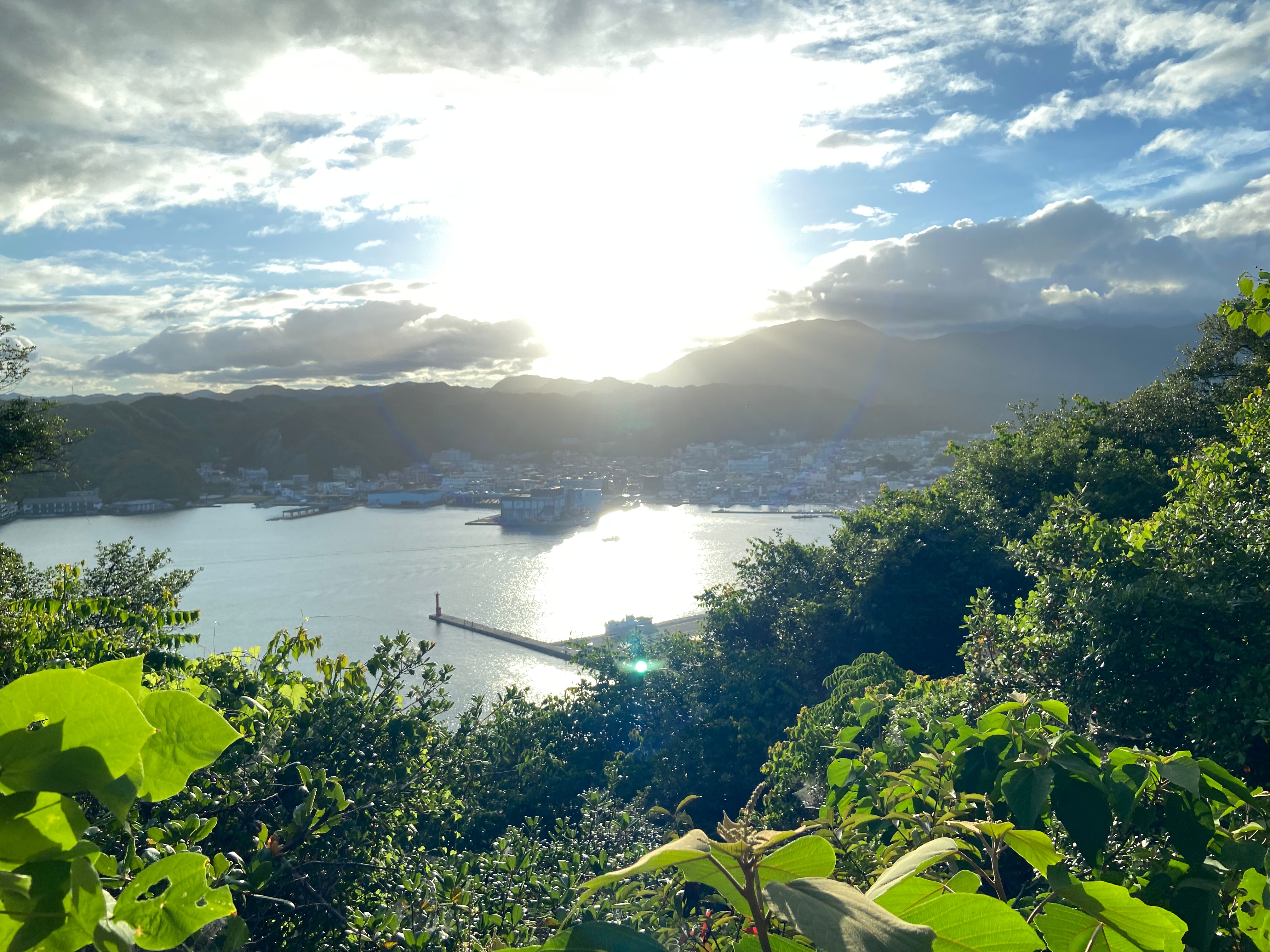
The onsen is so peaceful that I no longer feel as though I’m in a hotel. Sadly, I’m not allowed to take photographs in the onsen, for obvious reasons, so instead, here is the view from the 32nd floor looking out into the bay, the 40 degree sky, and the town of Nachi-Katsuura.

I sit, submerged in hot water, staring past the cave and out to sea. I think of the lost souls who once set off from this shore, sealed inside a boat, nailed shut.

Quivering Heights

I’ve come to Mount Hoju in Yamagata Prefecture to experience one of the best views in Japan. At the base of the mountain is the usual buzzing of tourist-targeted shops selling shaved ice, overpriced noodles, and fish-shaped waffles. Beyond that is the oldest beech wood building in Japan, home to a massive wooden statue of Buddha.

The statue is Yakushi Nyorai, the Buddha of healing. They say that if you have an illness or ailment, something you want cured, you rub that part of the Buddha, then climb to the top of the mountain and you will be miraculously healed. Naturally, I rub the Buddha on the neck and hope my scars fade.

Next, it’s time to climb the mountain. The road to the temple is 1,015 stone steps surrounded by thick woods and strangely shaped rocks. Cedar trees make up the mountain forest. The Risshakuji Temple at the top of the mountain means “Mountain Temple,” which is the perfect name for it, considering it is atop a mountain.

Some of the steps are in sections of 108, to represent the 108 Buddhist sins. There are Jizo statues scattered throughout the ascent adorned with coins. There’s a monument engraved with another poem by Basho, and it’s a famous one:

Such stillness,
the cicadas’ cries,
sink into the rocks.

After the second set of 108 steps I’m already worn out. Half a million steps last month, I now find myself humbled by a mere 216. I’m already close to spiritual defeat. The day is hot, the air quality poor, and it’s very humid. It has a way of wearing me out, I suppose.

It’s so hot that every now and again there will be an ever-so-slight breeze, and every time there is, I notice it. A lot of the Japanese people are carrying these little portable electric handheld fans. A country famous for fans, so it makes sense. At about 550 steps there’s a massive rock that everyone is photographing.

Further up, there’s Risshakuji, founded in 860 AD, a small temple of minimalist qualities. From here I realise just how high up I am, that I can make out the city below. The thing that’s unusual is there is no barrier here. I could fall off the mountain in an earthquake, and that’s exactly what almost happens.

The mountain shakes, ever so slightly. A shift. Nobody else seems to react or notice. It’s just the subtle shift. The whole thing took a tiny step to the side. The mountain itself… adjusts. It’s not dramatic. Nothing tumbles. There’s no sound. But I feel it. And for a moment I am filled with dread. Then it stops. I wonder if being on a mountain is the worst place to be during an earthquake.

Very close to the top of the mountain is a post box. At the bottom of the mountain there is a post office, a mere 940 steps away. I naturally feel sorry for the postman whose job it is to walk up and down a mountain every day to collect what is likely just the odd piece of mail.

1,015 steps. I reach the top. The cicadas’ song fills the humid afternoon here, sharp and piercing, like needles being driven into a heart. Their cries echo, sinking into the ancient rock.

A cemetery at the top concludes the climb. Crooked gravestones pushing through moss. Everything here is slanted, aged, dignified in its entropy. I sit beside the tombs, trying not to melt into them. The mountain temple echoes these themes of death, decay, and transcendence as it climbs through cemetery terraces and silence.

I stand to rest, to catch my breath, to take it in. My shirt clinging to me like skin, thirst calling me to a vending machine back at the base of the mountain. But I linger. Amongst the graves, everything feels tilted. Stones, time, even thought.

Walking down is the reward as I can see it all. All the views, all the way down. There’s something about a good vista. I say goodbye to the top of the mountain, and goodbye to the vista. Hasta la vista. Until I see the view again, opening like lungs exhaling. I can see the whole valley now, softened by haze.

Back at my capsule hotel, I voluntarily entomb myself in a plastic drawer like a very polite corpse.