I wake to the sound of the first train. I pull open the curtains of my hotel room window to see if the mountains are visible today; they haven’t been the past two. The light floods in, a white glare clears, and I’m pleased to see there are no clouds. It’s a good start to my last day in Matsumoto.
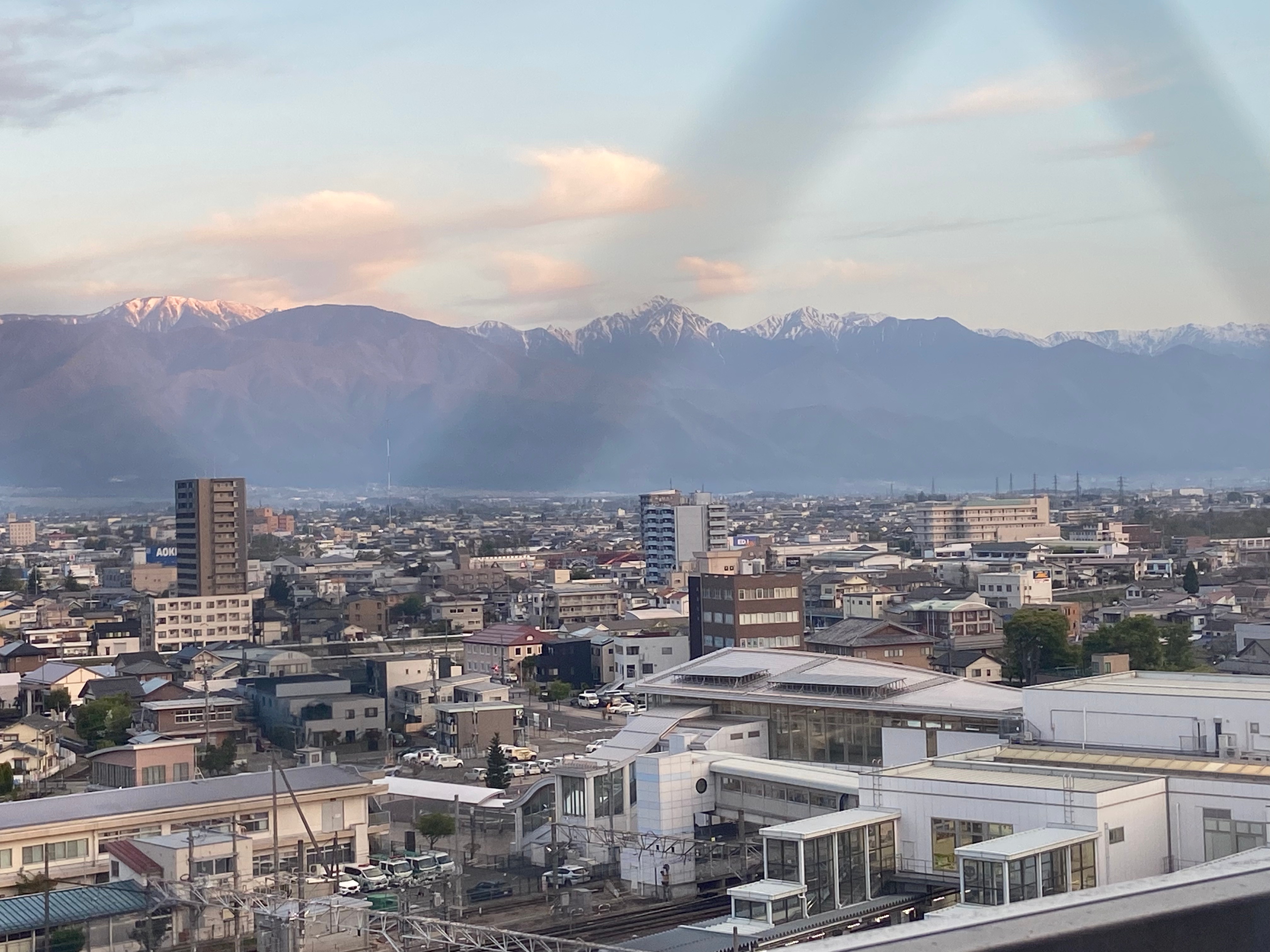
I take a shower and head downstairs for breakfast. The lift is already waiting on my floor and everything feels just a little too convenient. Well, that’s until I step out into a massive queue for breakfast. With so much to see and no time to waste, I head over to Seven Eleven for an electrolyte jelly drink, then take a train over to Narai Station.
Outside, the sun is shining brightly but there’s a light chill in the air. I buy a can of drink from a nearby vending machine, before taking a stroll through the charming streets of Narai-juku.
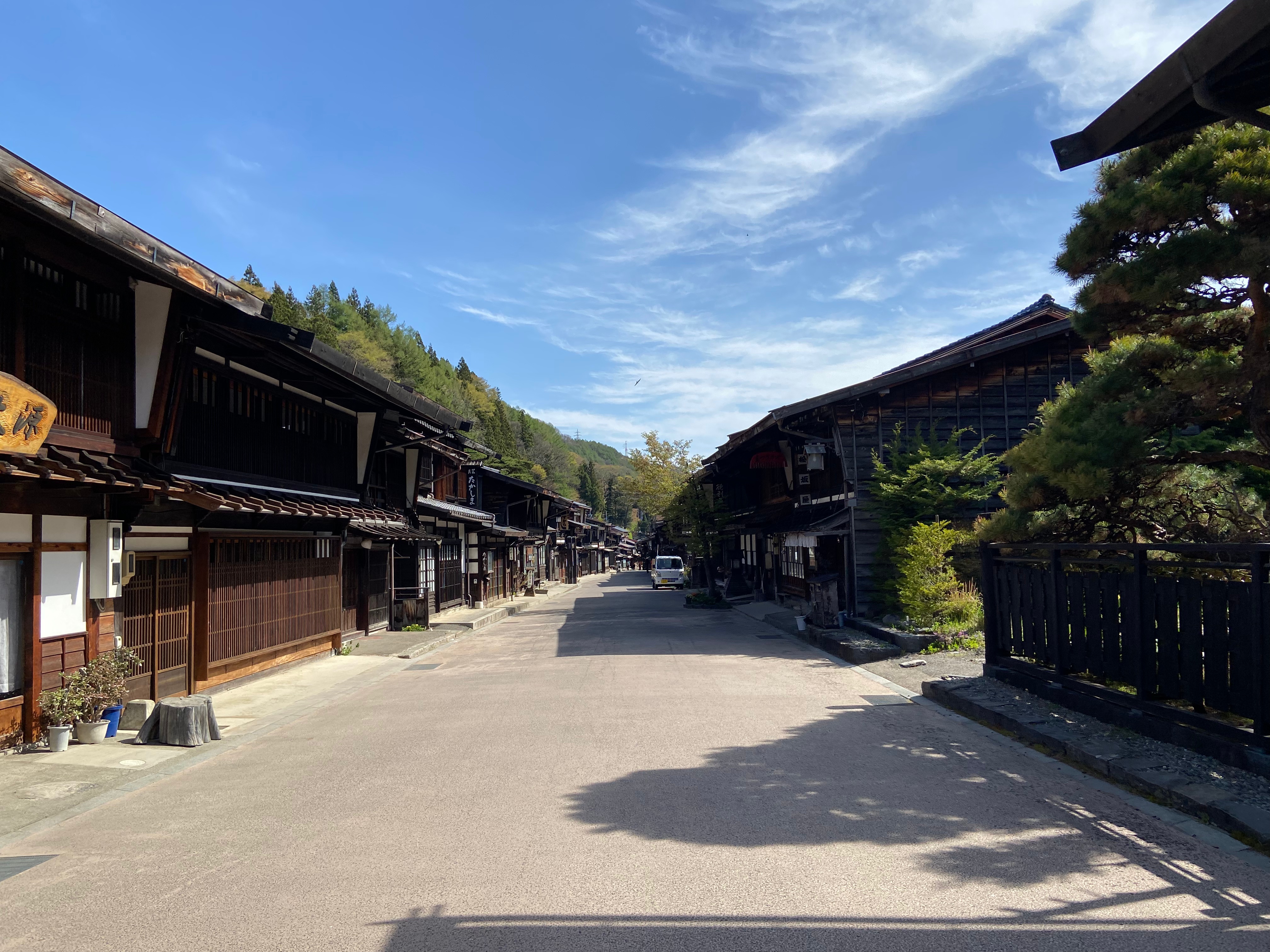
Narai looks like a town built entirely from tea houses and old wood. It stretches for about a kilometre, making it the longest preserved post town along the historical Nakasendo Trail, an old walking route between Edo (now Tokyo) and Kyoto. There were 69 post towns along the way, places to rest your head, find a meal, and perhaps a little entertainment after a day’s walk. Pilgrims, porters, perfumed courtiers, whose sandals dissolved into this very soil, passed through here 400 years ago. It almost perfectly evokes the Edo period.
Well, almost. Unfortunately, the road is open to motor vehicles, and some of the shops have decided it might also be a good idea to make lanterns out of Heineken and Coca-Cola cans. For each passing car or aluminium lantern, I’m pulled out of the moment.
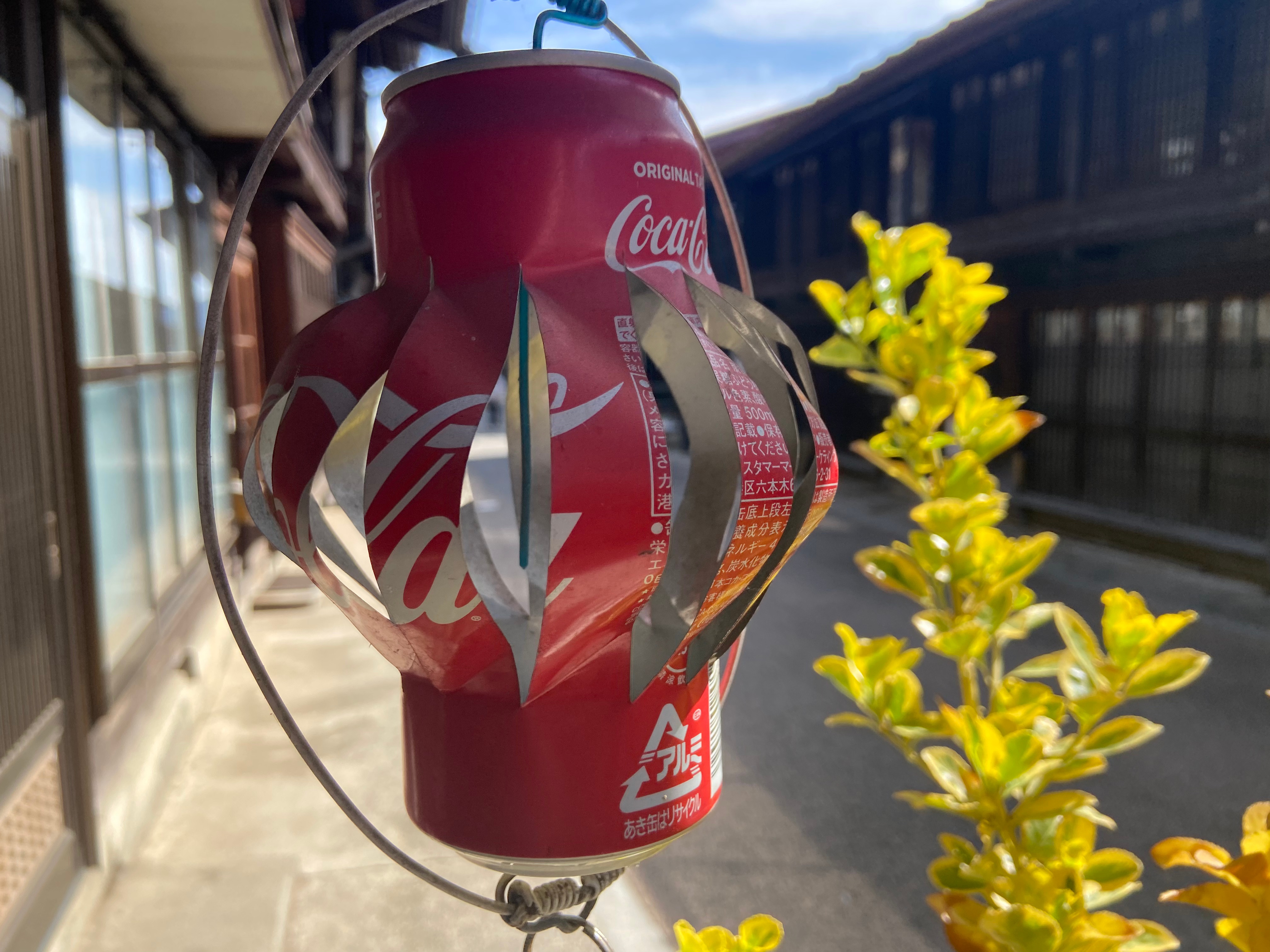
Most of the shops are closed. A little further along, though, breakfast course-corrects itself when I see a man turning batter into carp. I buy a fish-shaped waffle to go with my can of Coke.
I leave and take a train to Chino Station. From here, I’ve got about a thirty-minute walk. I’m on my way to visit a different kind of teahouse now, one that seems to actively defy all health and safety rules.
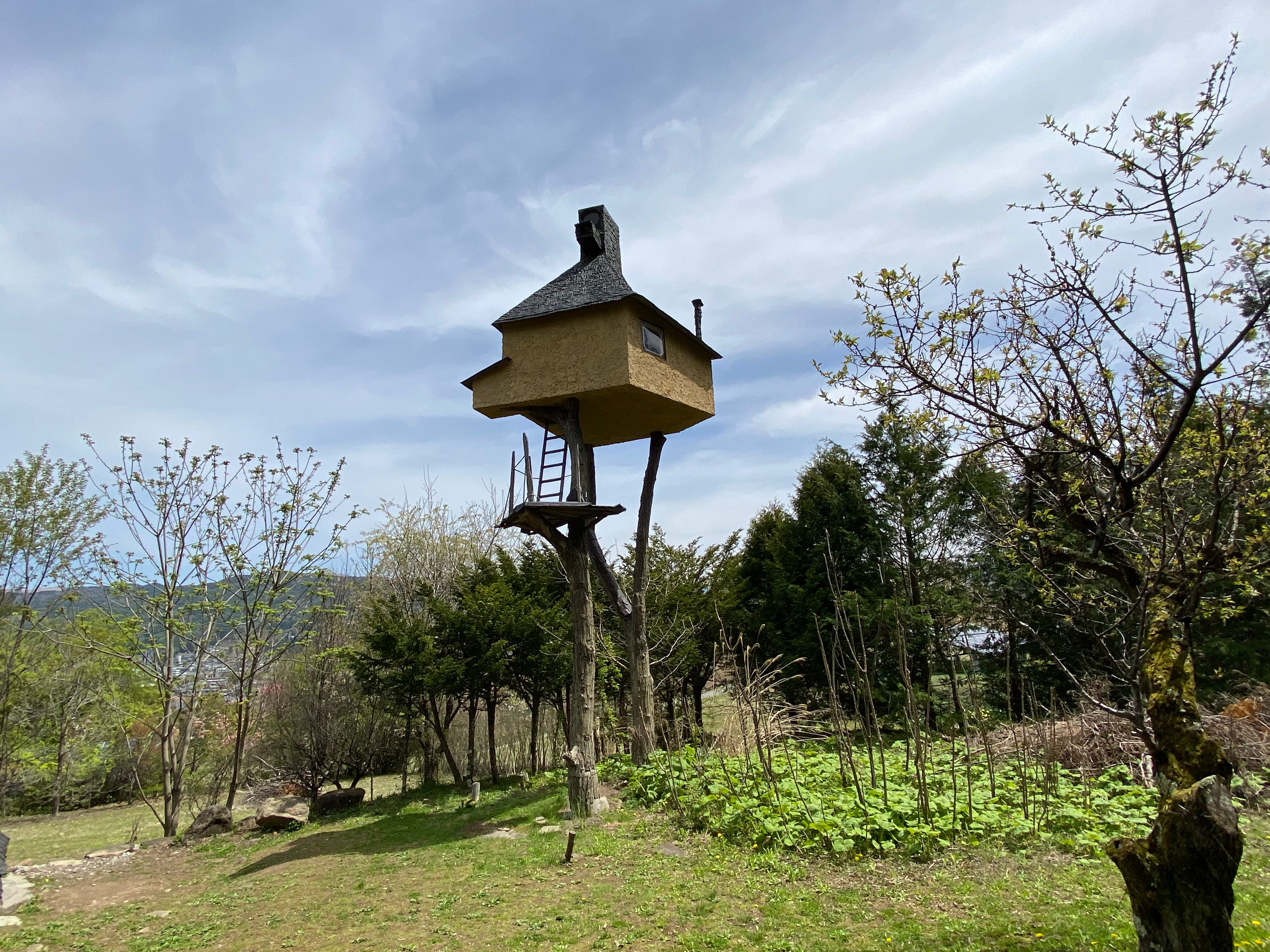
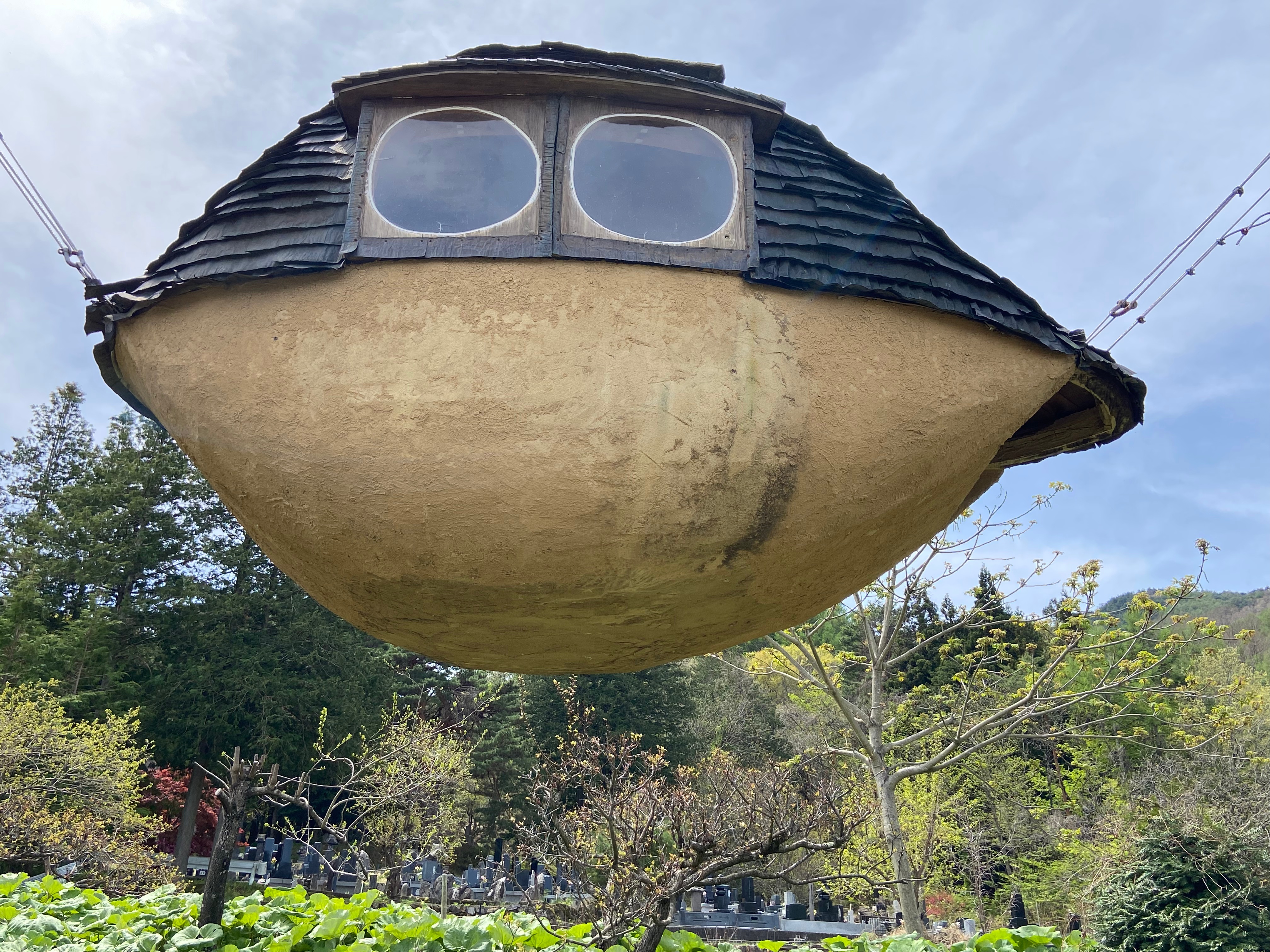
Created by the architect Terunobu Fujimori, using natural materials that blend into the surrounding landscape, he has built three marvellous teahouses: the Too Tall Tea House, the Too Short Tea House, and the Flying Mud Hut.
The Flying Mud Hut stands between two tree trunks and sways lightly in the wind. Despite their appearances, you can actually enter these teahouses and perform a tea ceremony with a guide. Sadly, and for all those involved, the backdrop to these structures is a cemetery.
I use one of the surrounding mountains to guide me back, focusing on a single ominous peak.
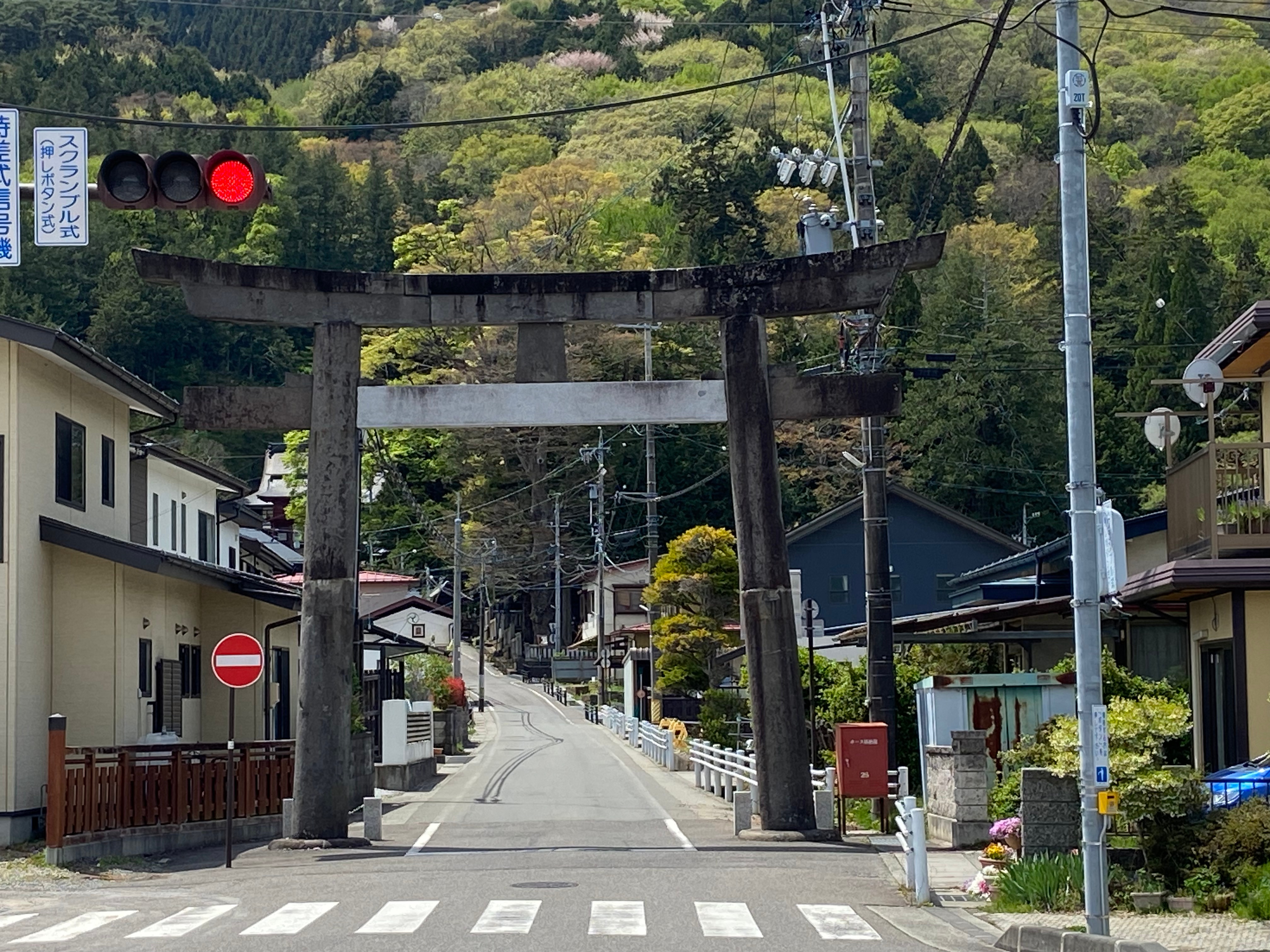
I pass yet another shrine. This one is Suwa Taisha Kamisha Honmiya, nestled in an ancient forest. From the road, a torii gate frames the scene. I like the way it sits between the pedestrian crossing and the wall of trees, as if it’s allowing the modern world to pass through it.
At exactly 12:00, music plays from speakers around me. I instantly know I recognise the tune, without being able to place it. Bloom and grow, bloom and grow… it goes something like that. It’s familiar. It means something, but my mind can’t quite stretch far enough to catch it.
I later find out it’s Edelweiss from The Sound of Music. I know it from the Philip K Dick adapted television show The Man in the High Castle. Why it plays here at noon is beyond me. I’m also surprised it’s only lunchtime, as it feels like I’ve been wandering for hours. Time seems to move differently here. I have walked a lot, so decide to rest by a lake.
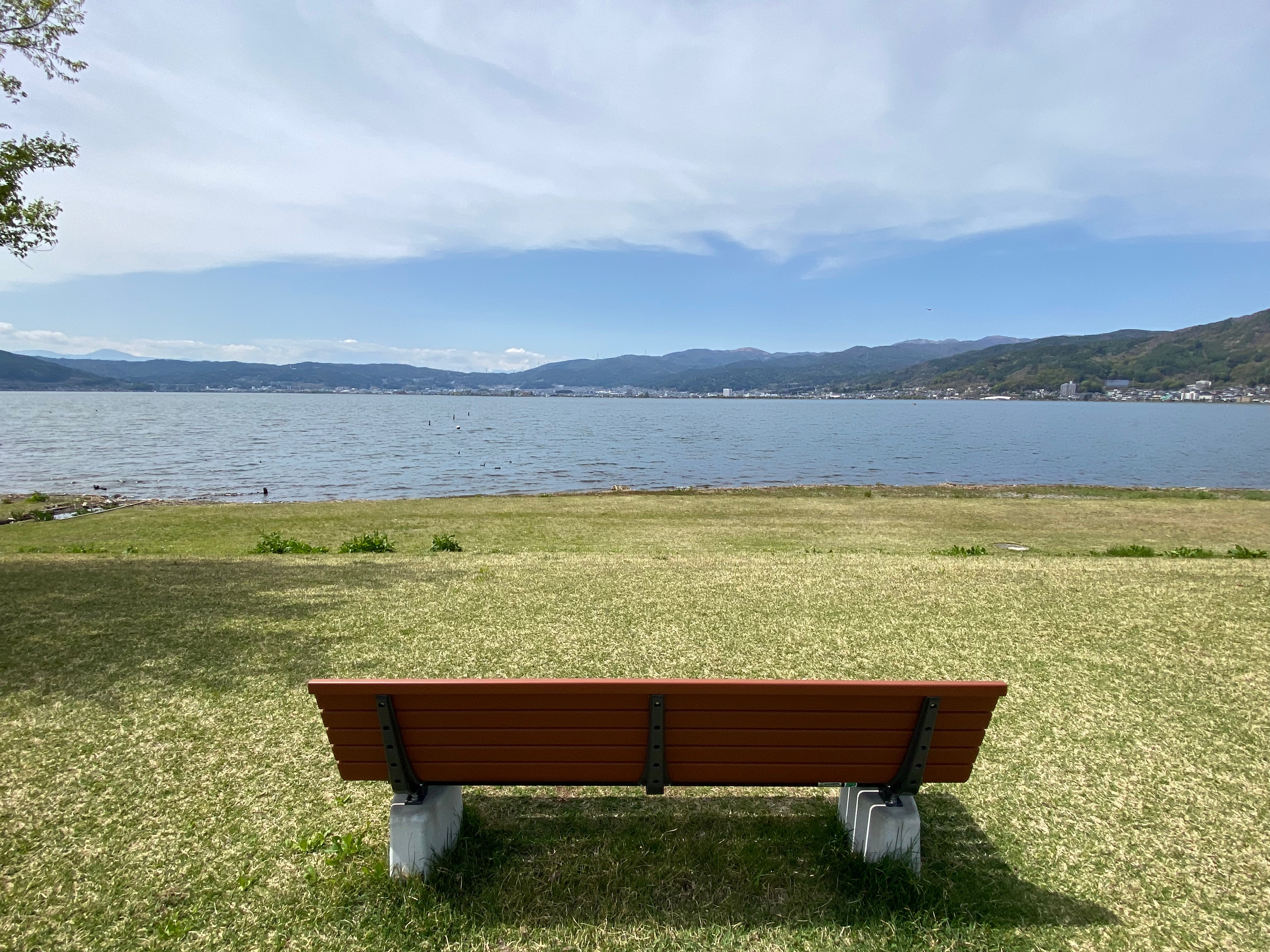
Lake Suwa is remarkably beautiful. It’s the oldest lake in Nagano and is also known as “God’s Crossing”. In winter, when the surface freezes overnight, jagged ridges appear by morning, said to be the footprints of the god Takeminakata. I sit for a while, watching boats drift and birds negotiate the air, before deciding to head back to Matsumoto.
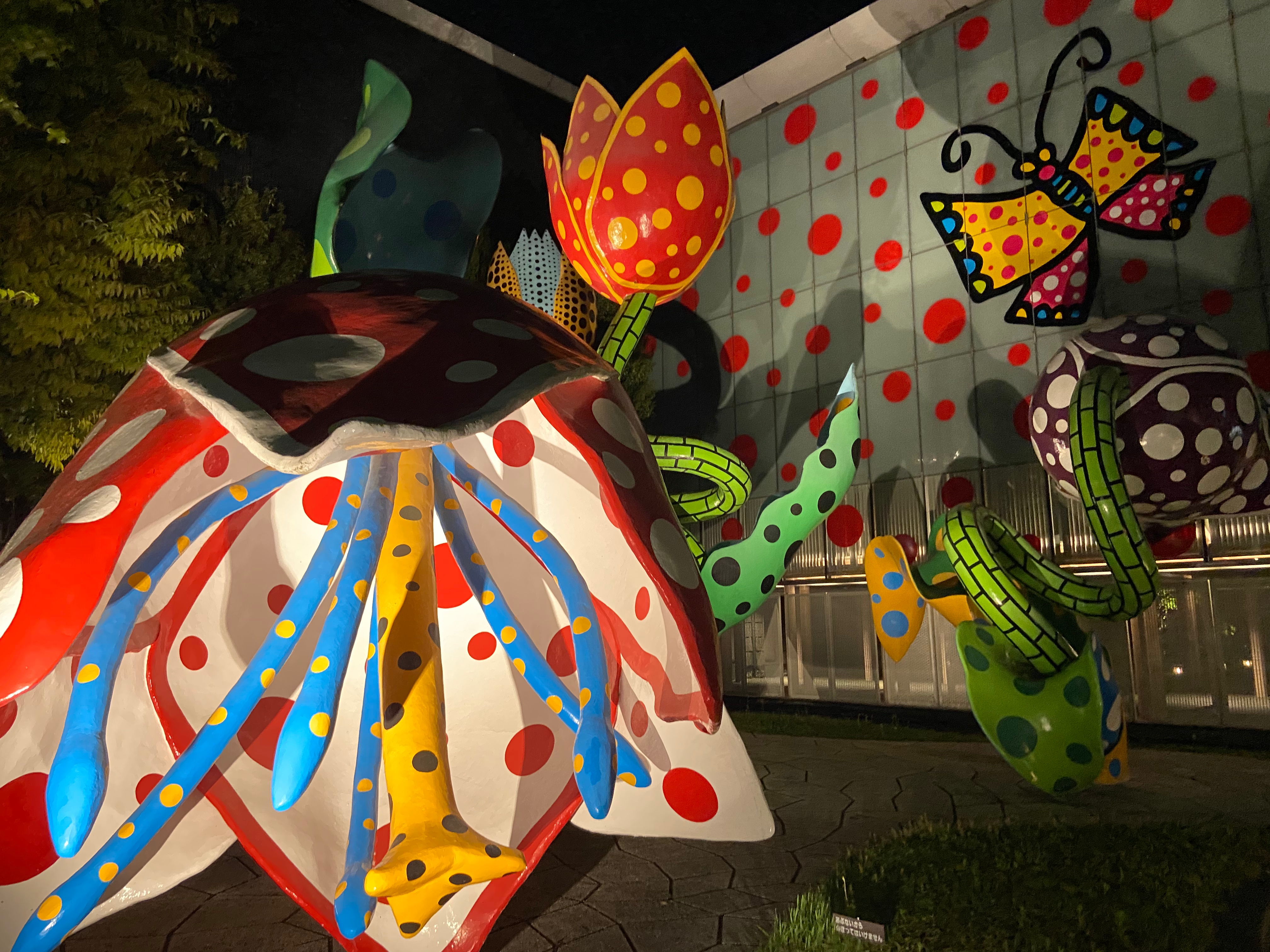
With nothing else planned, I wander the streets until dark. I randomly come across illuminated artwork outside an art museum, the sort of place you would expect to find art. I recognise the style immediately: Visionary Flowers by Yayoi Kusama, unmistakable in her obsession with polka dots.
I head down Frog Street and into a bar, The Elbow Room. I order a cocktail of oolong tea and shochu, enjoy the music, chat with a few locals, and carefully check my ice cubes for footprints.


You must be logged in to post a comment.