There’s a noisy bee inside Matsumoto Station, buzzing against the sun that filters through the gaps in the roof. Outside Shinonoi Station, there are Christmas trees up in April. Leaving Shigeno Station, I walk through an underpass and out into underbrush. Here, I am deep in the Nagano countryside. I have to walk for 20 minutes on the road, but luckily it’s not very busy. Eventually, I find what I’m looking for: a big wasp.
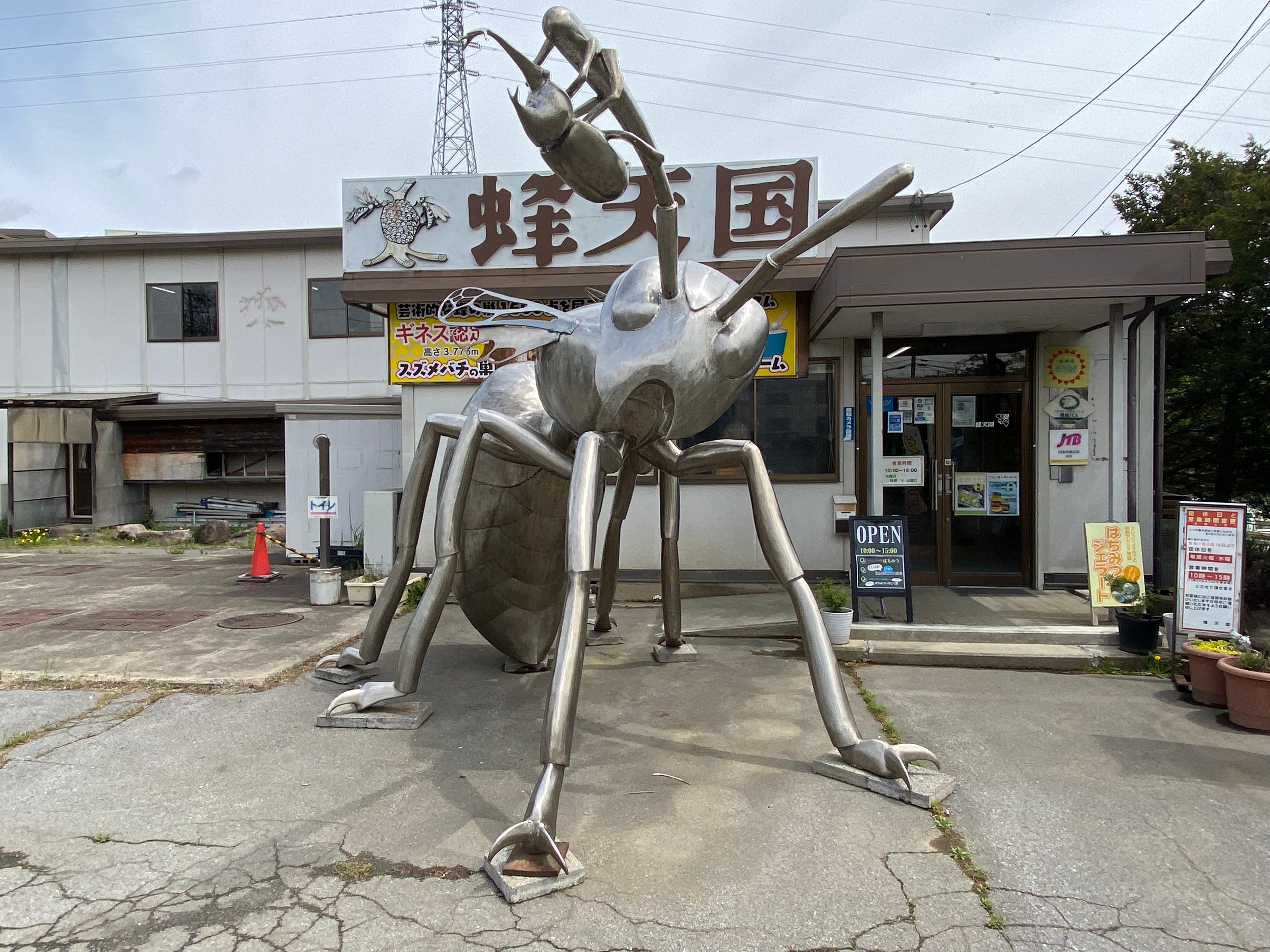
Today I’m at Bee Heaven, which is not a place where bees go after they die; that would be absurd, but it is a place where hives go after they die. The building itself looks, from the outside, like it’s about ready to collapse. It also claims to house the best bee art museum in the world.
Inside, a young woman seems extremely happy to see me. She asks me what I am doing here, as though I may have made a mistake. I tell her I’m here to look at the beehives. She mimes a pair of binoculars with her hands and places them over her eyes. I nod, and she takes my ¥300 and hands me a ticket.
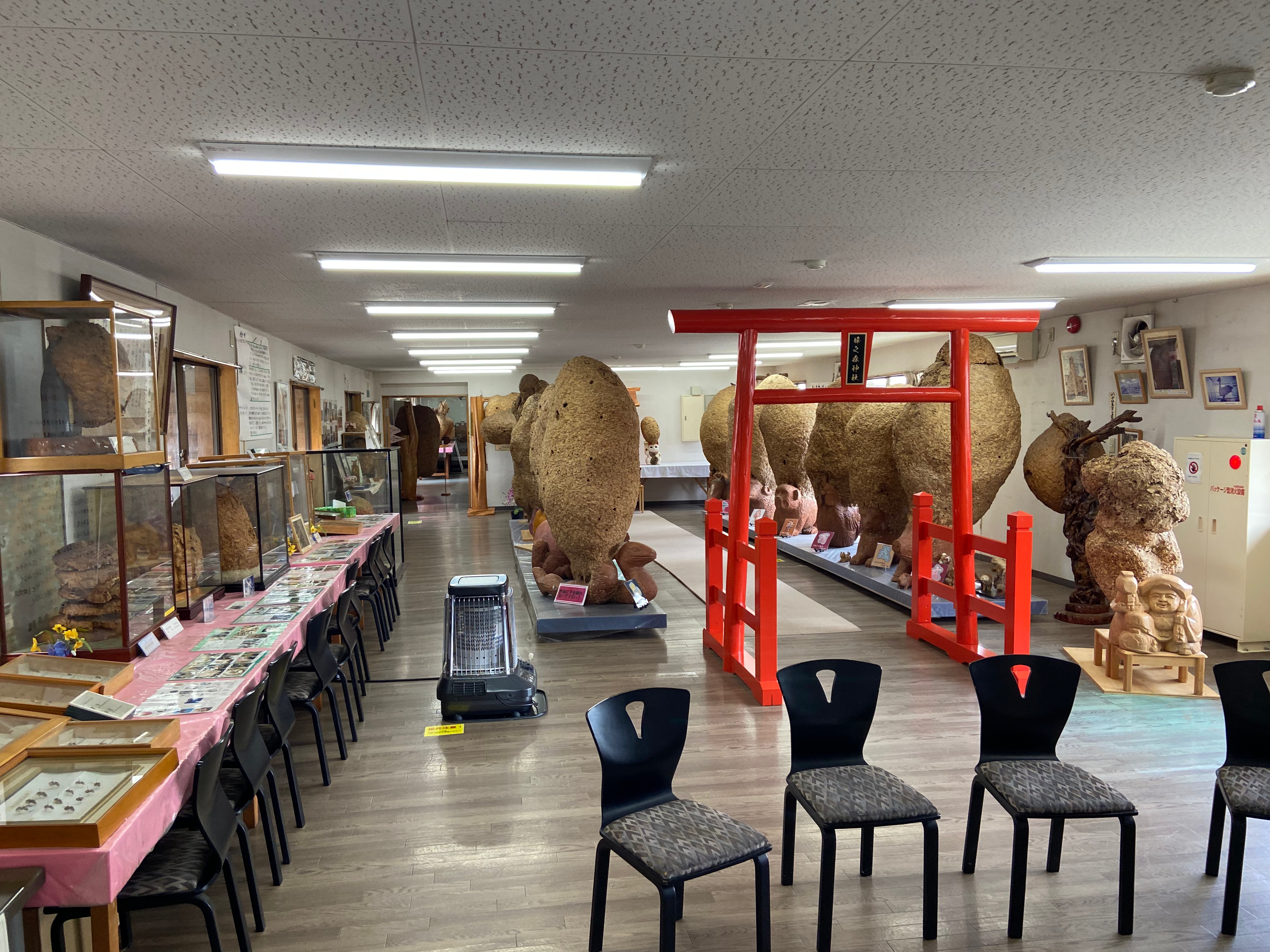
The exhibition features its own shrine to bees, Hachinomori, in honour of a very loyal bee; it is here that we pray for a good life. 1,600 artistic beehives are on display across a maze of interlocking rooms and floors. And if that’s not enough, I discover that it is the collection of just one man and craftsman, Yoshikuni Shiozawa.
There are photographs of Shiozawa shirtless and covered with bees, a grimacing smile across his face. He teaches us the benefits worker bees have on our ordinary lives, and that human society would absolutely collapse without their extraordinary colonies.
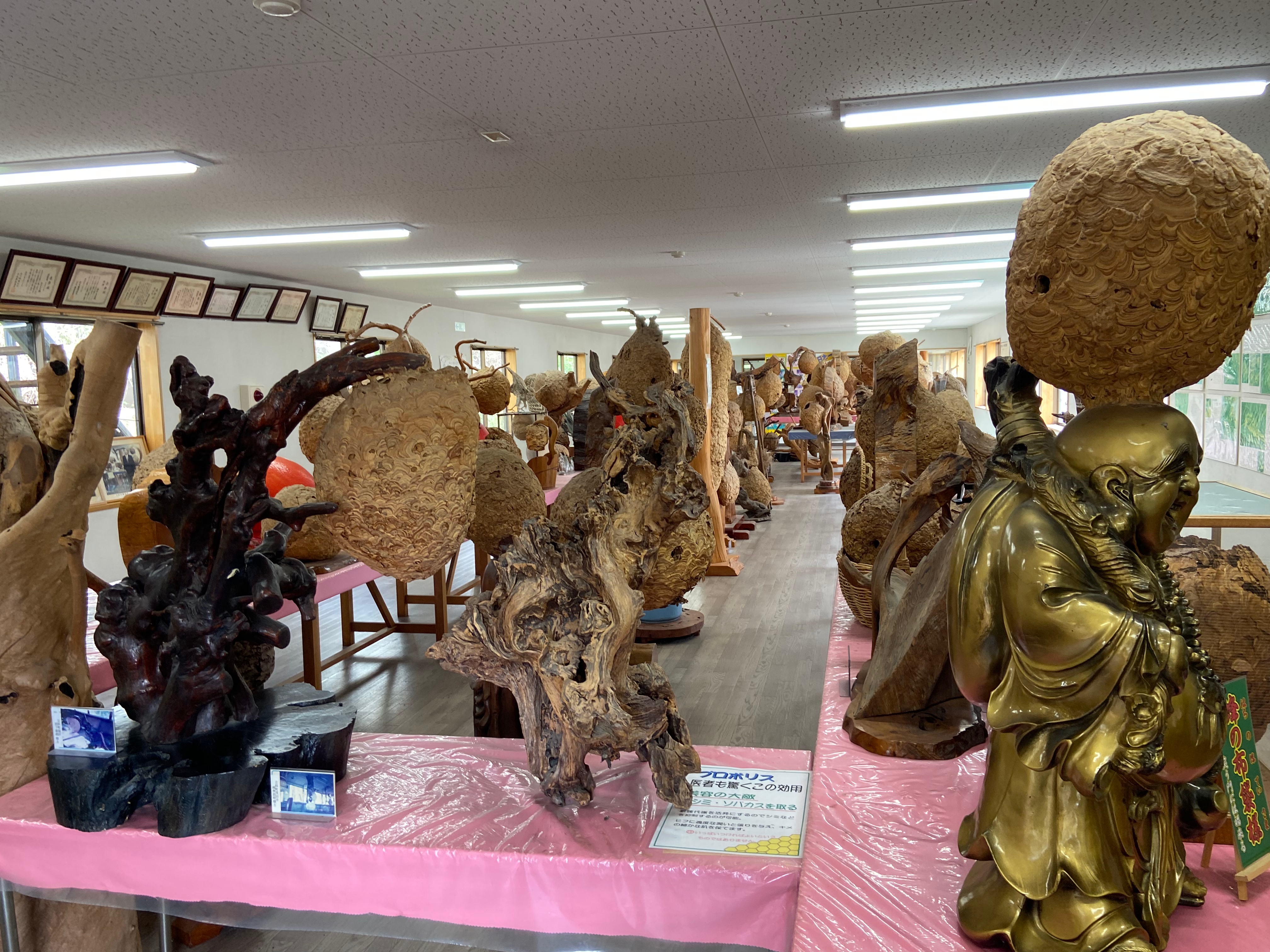
There is a sign in here saying, “Don’t open the window.” And even though there are a few stray bees buzzing and bimbling around between the hive art, I’m not sure whether the sign is to keep bees out or keep bees in. Regardless, the dull, musky smell of the hives could do with an air change.
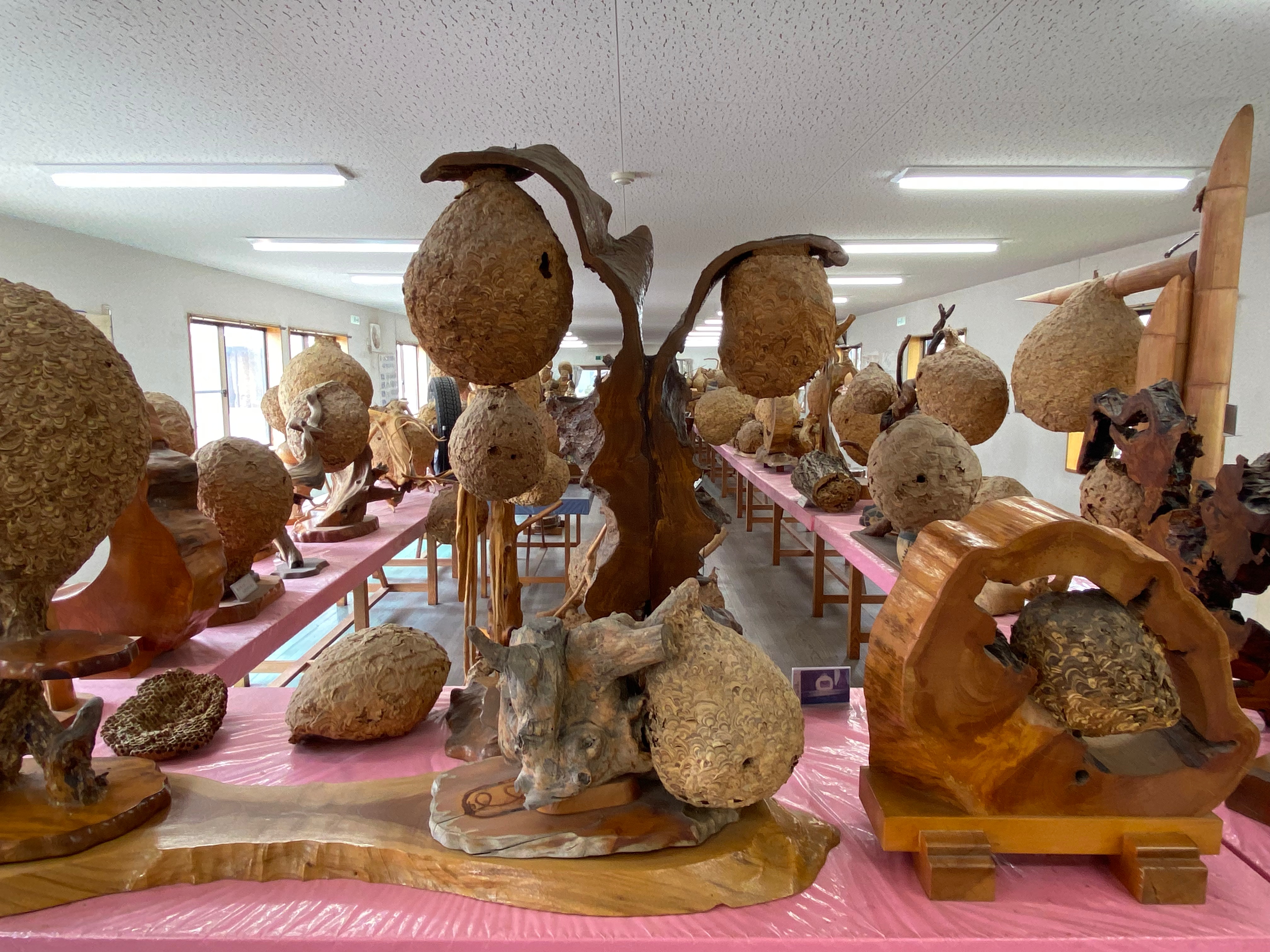
There are preserved bees in cases, cross-sections and anatomies of wasps, evolutionary charts, and rows and rows of hornets. Artwork, including paintings of bees, drawings, and anything else bee-related you can imagine, is here, nestled amongst hive after hive after hive.
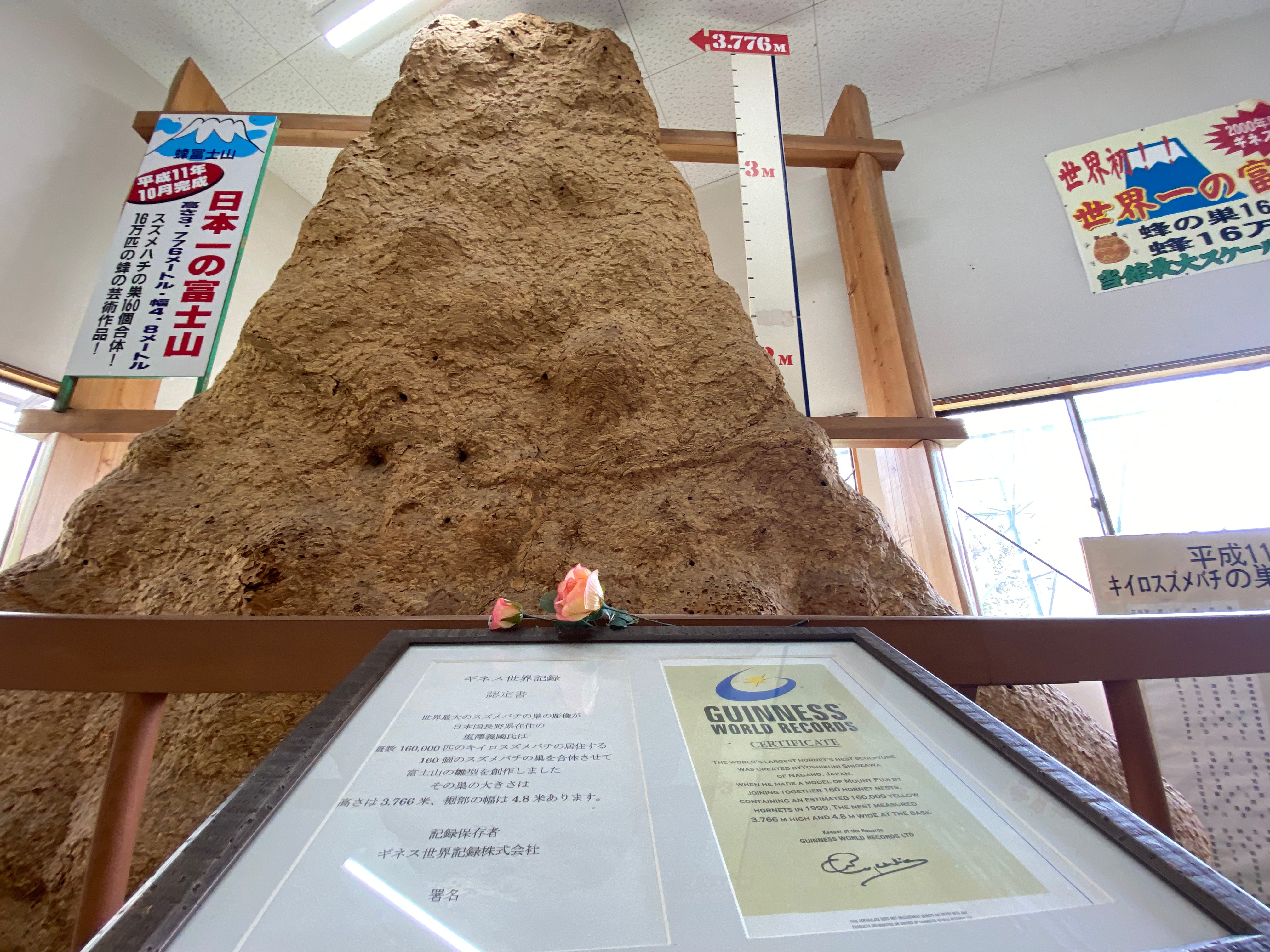
I pass through several more rooms and up a flight of stairs to what I think deserves to be acknowledged as the centrepiece. A Guinness World Record for the world’s largest hornet’s nest sculpture was created by Shiozawa. In 1999, while we were all panicking about the Millennium Bug, he decided to do something else with bugs. He made a model of Mount Fuji by joining together 160 hornet nests, containing an estimated 160,000 yellow hornets. The nest now measures 3.776 metres in height and 4.8 metres wide at the base.
Mount Fuji is 3,776 metres high, so by converting a comma into a decimal point, he cleverly crafted a perfectly scaled version of Japan’s iconic mountain. It’s a very niche award. I don’t see it being toppled any time soon, unless somebody has 160 hornet nests lying around.
At the gift shop, I buy some honey as a souvenir for a friend, the real stuff, made by bees. They also sell bee larvae, made from bees, but I don’t think she would like that as much.
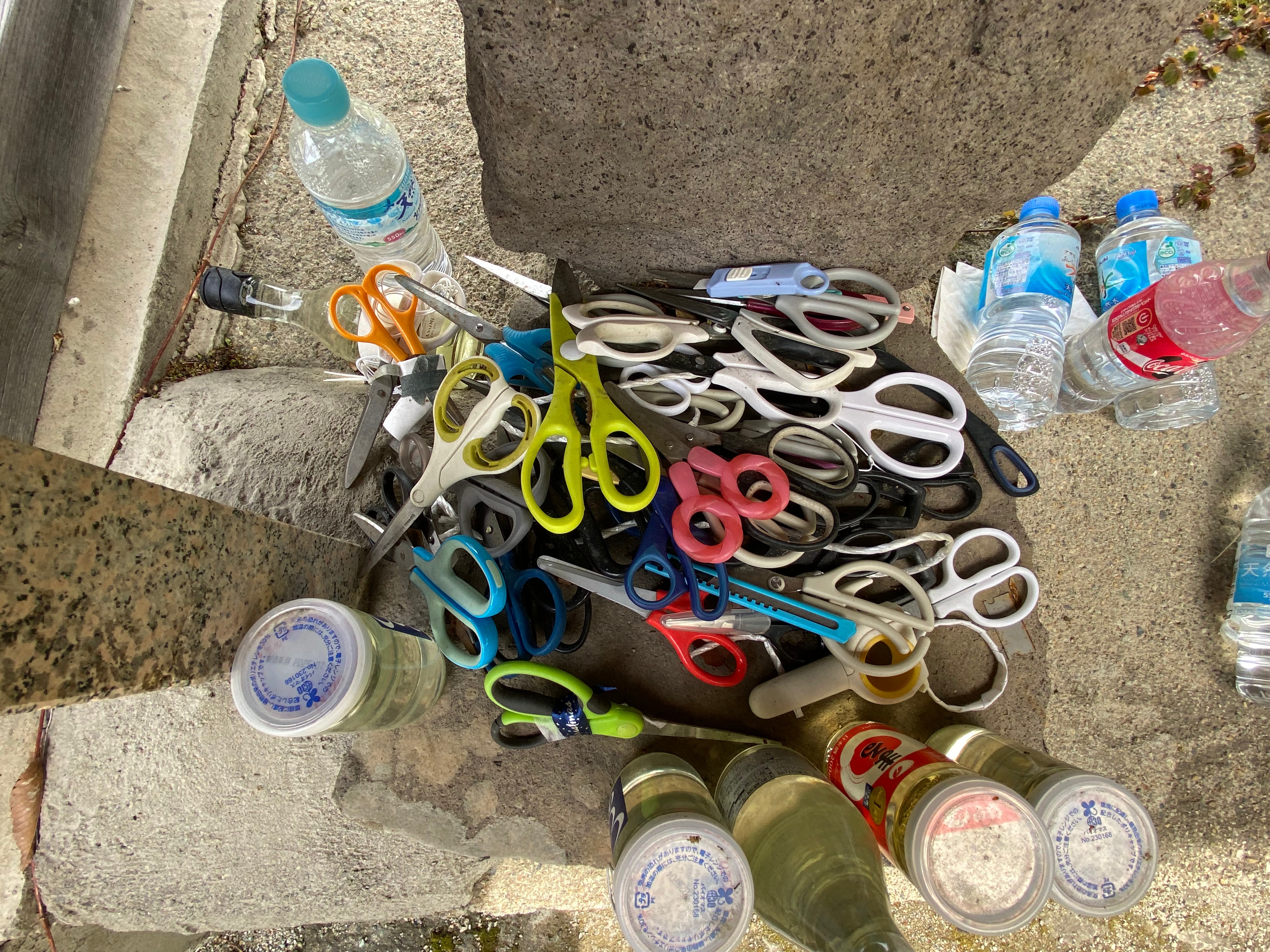
Just below Bee Heaven, there is Enkiri Jizo, a shrine where people pile up their scissors to represent the severing of a bad relationship. The original knot made needs to be cut, and it is said that if it is a wedding, you go out of your way to come here so your wishes to end the relationship are heard by the Jizo. Otherwise the divorce doesn’t really count. It really makes you wonder. I make a few photographic cuts and then leave for the station.
Back at the platform, there’s no timetable, no staff. Luckily, as of the 10th of this month, the Shinano-Tetsudo Line has started accepting IC cards. I scan my Suica and wait by the tracks. A train shows up eventually after about twenty minutes, unannounced, I rightly assume it’s bound for Shinonoi.
At Shinonoi Station, I once again admire the Christmas trees before changing trains. I have one last stop today: Obasute Station, halfway on the way back to Matsumoto. This station offers a stunning view, and even has a sightseeing restaurant train that uses this track. The platform itself has a dedicated section for enjoying that view. The word Obasute can mean abandoning an old woman on a mountain to die, and my knowing that long in advance somewhat spoils the impressive view, just a bit.
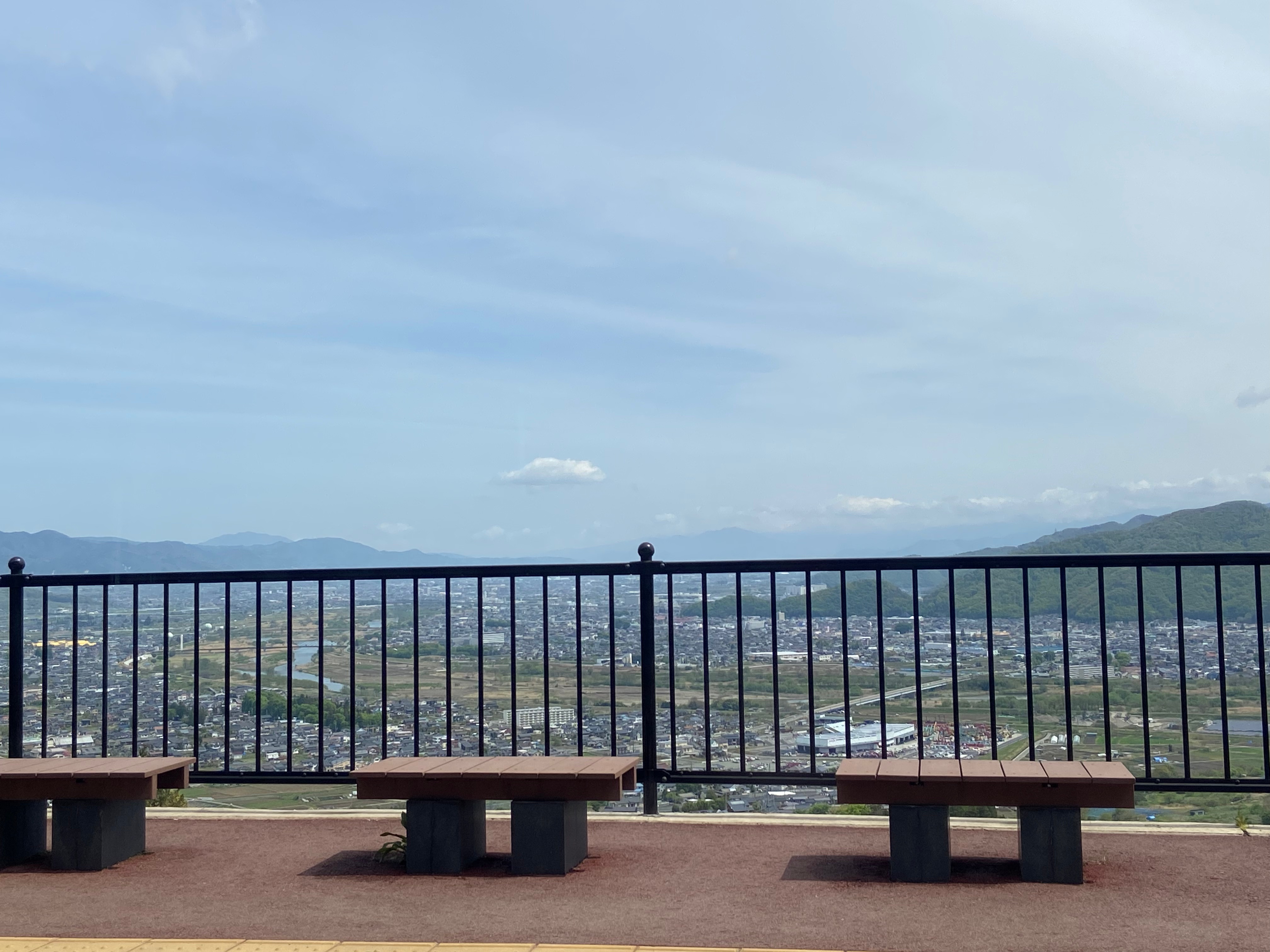
I sit for a while, just looking outward. A muzzle of bees stirs above a nearby flowerbed. I watch them continue their work, indifferent to the human desire to untangle ourselves from one another.


You must be logged in to post a comment.