One Rainy Day in April

Today I decide to travel towards Matsumoto, into the middle of the Japanese Alps. At Kanazawa Station, I pay the premium ticket price of ¥8970 to travel just one hour on the Shinkansen to Nagano. There, I change to a local train, for local people. After a couple of hours of sitting around on trains, I finally step out into the clean, fresh mountain air. And it’s raining.
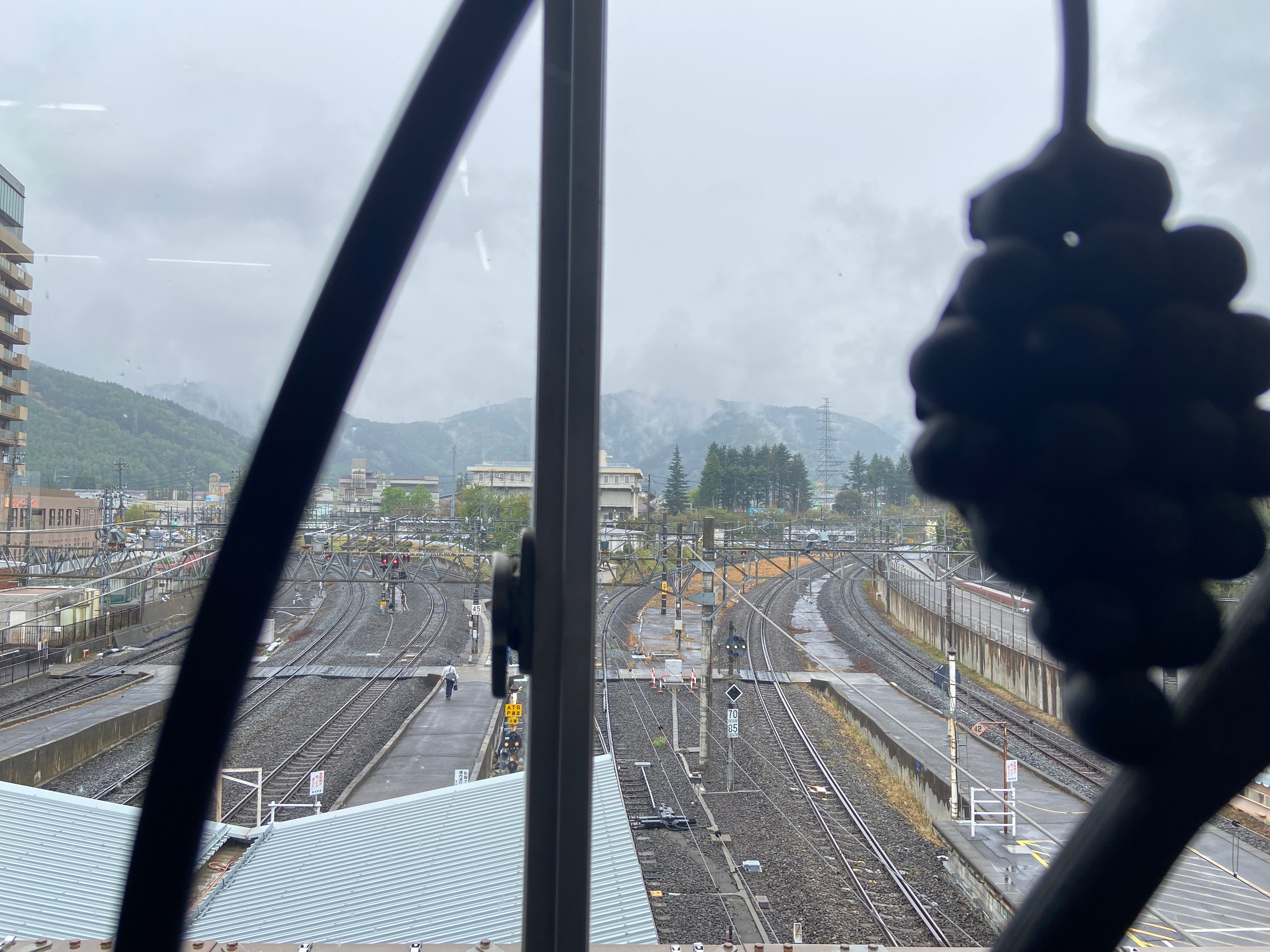
The mountains are gone, washed out in a white, ghostly fog, completely invisible today. But with better weather expected tomorrow, I tell myself this won’t have been a wasted trip. I put on a bright green poncho. It doesn’t suit me. I probably look like a large frog. Still better than an umbrella. I always forget those anyway.

Reservoir Frogs

I start exploring, and despite the rain hammering down, I’m drawn straight in. Matsumoto has a quiet, charming vibe. Flower beds and streams line the roads. Bars and restaurants that feel quietly inviting look to be from another time. The Metoba River snakes between buildings that look like they’ve been here for hundreds of years. It reminds me of a less crowded version of Asakusa. Not empty, though, as groups of tourists do drift past, tethered together by guides holding small flags like they’re leading expeditions.
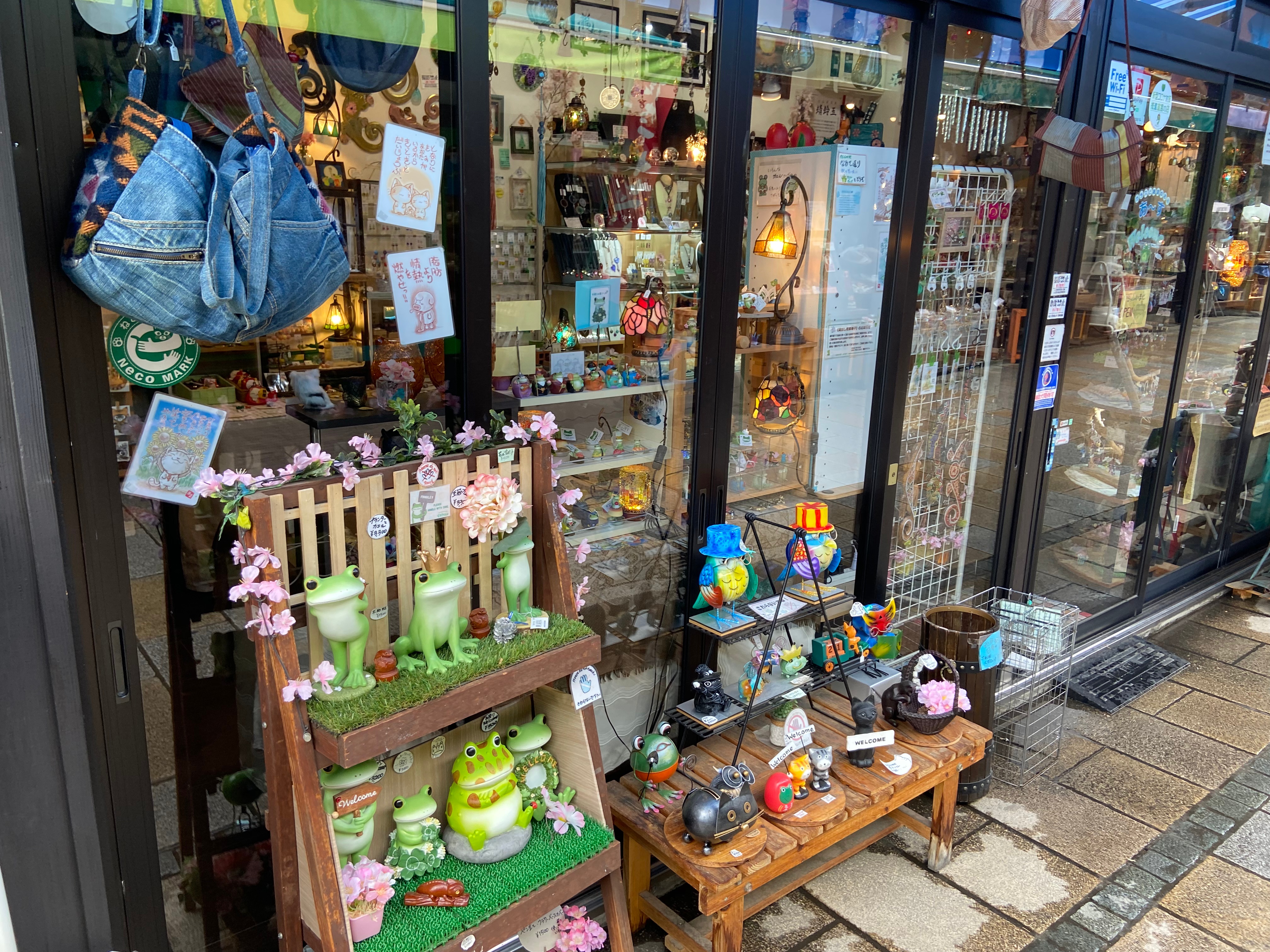
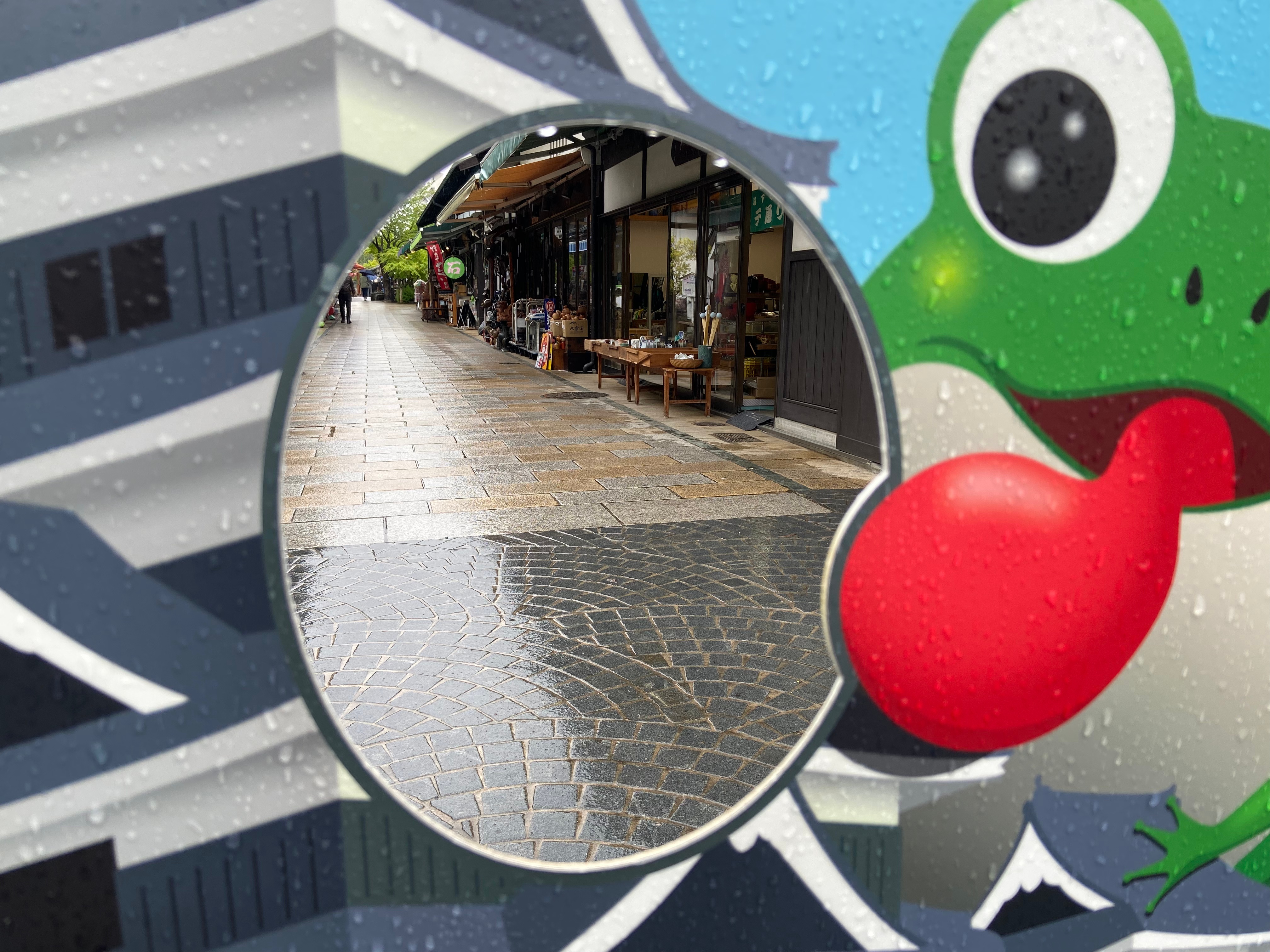
The main tourist street is Nawate Street, also known as Frog Street. It’s a pun I’ve mentioned before, tied to the Japanese word for frog, but essentially it means you’ll return home safely. The frogs will see to that. And there are frogs everywhere.

Decorations, statues, souvenirs, offerings. A shrine dedicated to a guardian frog. Amongst the frogs are about twenty freshwater wells, each one slightly different but æsthetically pleasing. They offer clear cold water for free, but I’ve had enough water today; it’s raining so hard I’m essentially covered in water.
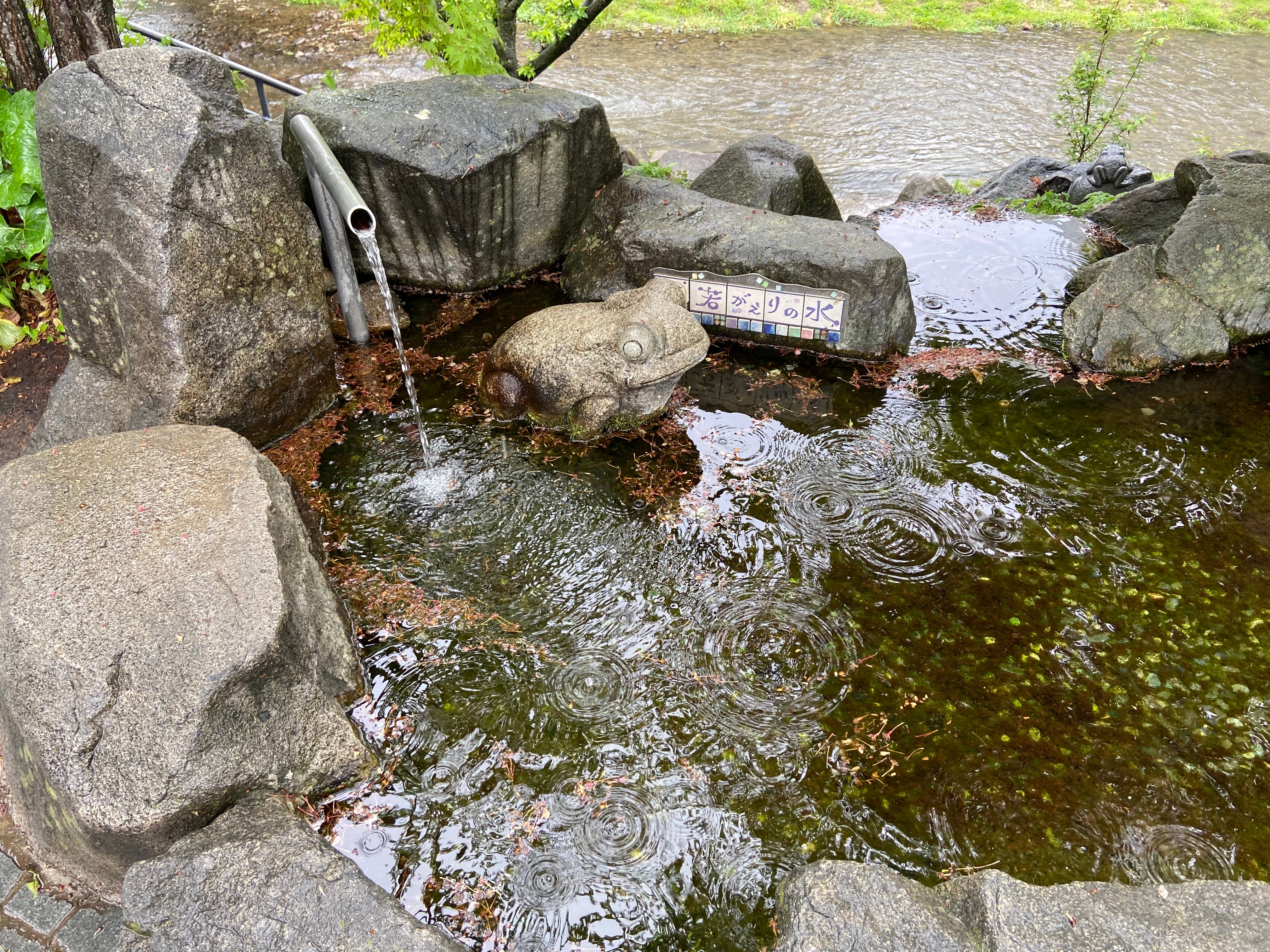
There’s a story written at the shrine which I’ll try to translate: Once, this narrow river was lined with festival stalls, and a dear river frog made a beautiful sound. There were unique emotions, such as the playing of the drums or the smell of acetylene lamps, the voices of stallholders, and fireworks, and the scooping of goldfish.

Then the river became dirty and the frog was pushed upstream. This caused the streets here to lose their vitality, and in 1972 the dear river frog was enshrined, in an attempt to make the river clean again. It worked, and the streets came back to life. Now it is a frog town. A place where mountains and city meet. A place where visitors can relax.
Keep Calm and Waffle On

I decide to walk now in the direction of a local National Treasure: Matsumoto Castle. On the way I pass more art shops, craft shops, storehouses dotted around between the many small shrines and folk art stores. Plenty of town maps here too make it easy to keep track of where I am.

And if kimono rental shops are your thing, well forget that! Here you can rent a panoply of samurai armour for the day for the low price of ¥11,000. Not in this weather though, I’d look ridiculous as a samurai in a green poncho.
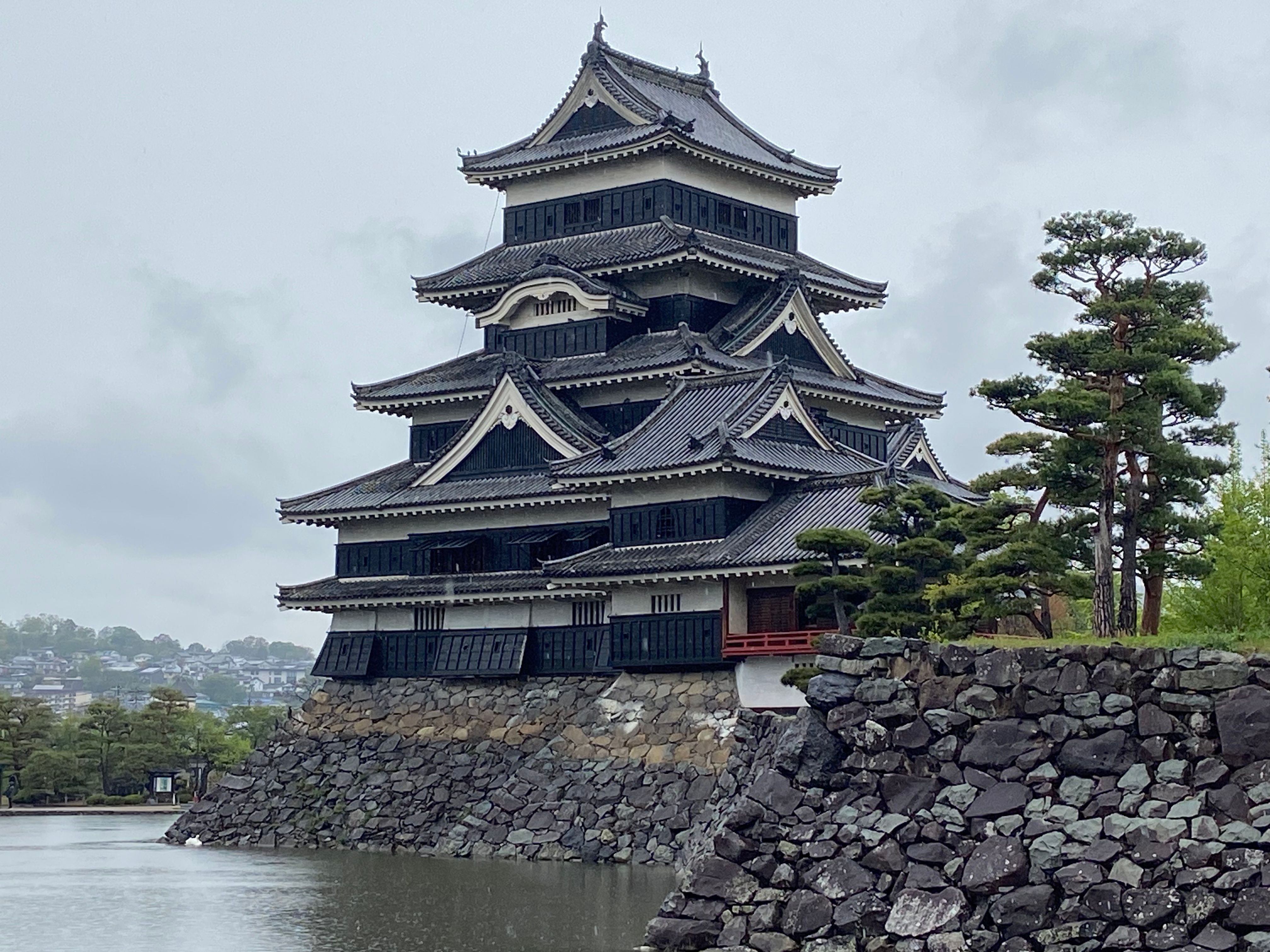
It’s not long before I arrive at the castle. Inside, the keep is so incredibly calm; there’s not a tourist in sight, probably put off by the weather. The castle is the oldest five-storey six-floor castle in Japan. A very specific metric, if you ask me. But it’s all because of a completely secret hidden floor. A castle bigger on the inside than on the outside. The castle is stunning to look at. The Northern Alps sit shrouded behind it, blending into the clouds, while the swamp-like stillness of the moat settles the scene.

Leaving the castle, it’s almost time to check into my hotel, but I’m feeling a little hungry so head back in the direction of Frog Street to see what’s on offer. I pass a shop selling traditional taiyaki, fish-shaped waffles. This store offers three normal flavoured fillings and one odd flavour. Sweet red bean, chocolate, custard cream, and sausage.
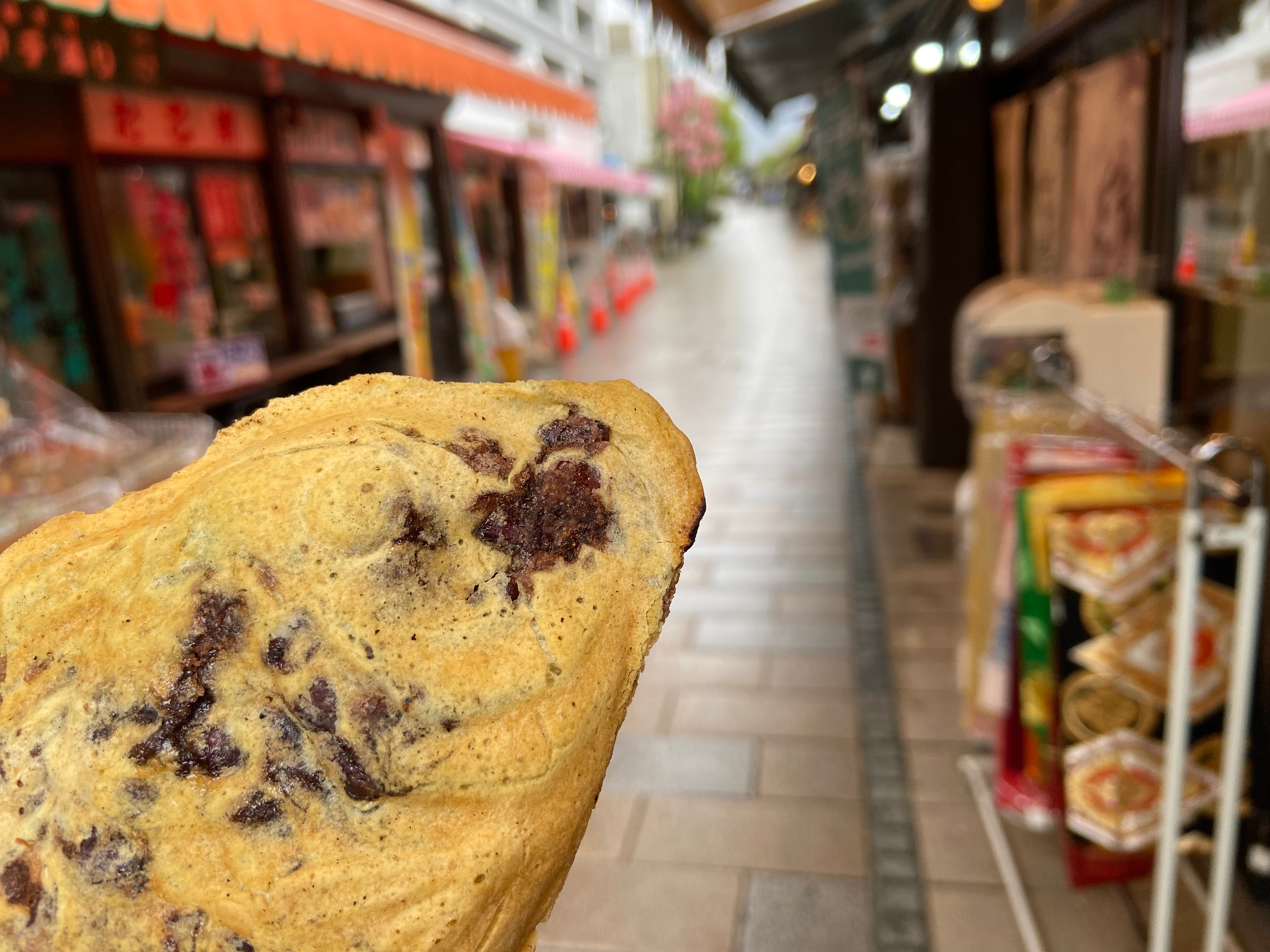
Obviously I go for sweet red bean paste as it’s my favourite. It’s cheap too. Only ¥250 and surprisingly massive. As I am handed the packet, I find the waffle to be red hot, and it smells so good. The batter sweet and soft and delicious. But the tail is the best part, a little crunchy and a little crispy. Luckily for me I’m staying near Frog Street for the next three nights, so I’ll be sure to return here frequently for more fish-shaped waffles; one of the best Japanese snacks.

The Grape Train Vinery

I head to my hotel to check in and dry my shoes with a hairdryer. I don’t need the poncho anymore, as the hotel is one minute from the train station, so I’ll be indoors the whole way. I hop on the train bound for Shiojiri Station, the journey takes 8 minutes. The under seat heating makes a mockery of my freshly dried shoes.
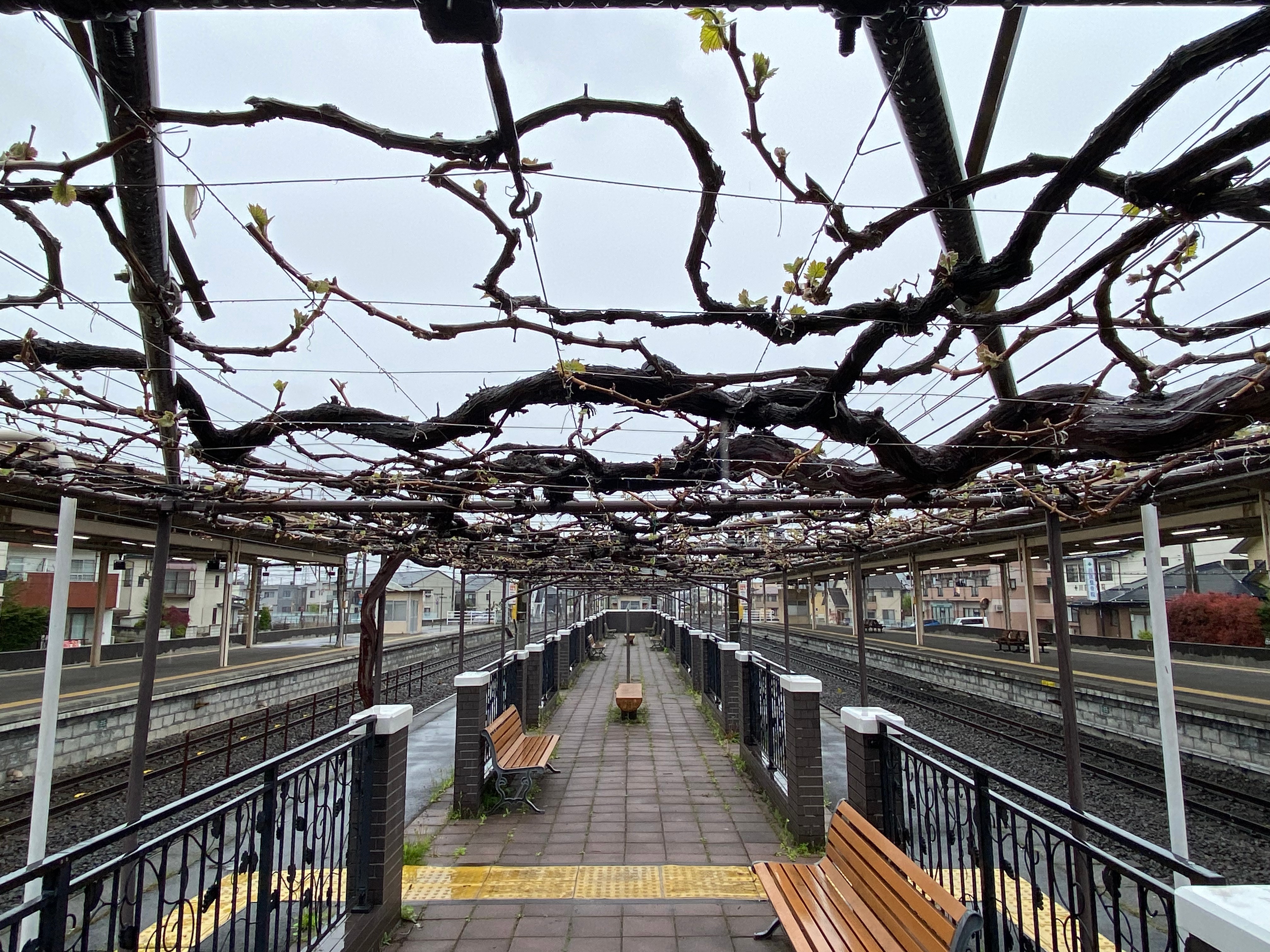
I exit the train into my destination. It’s actually the train platform I’m here to visit, as it has its own vineyard. That’s right, the grapes used to make Shiojiri Wine are grown right here on the train platform. The vines stretch along the platform, growing patiently beside passing trains. Obviously the grapes won’t be fully grown until the autumn, right now they are just small leaves on vines. I do notice that they have hung some plastic dragonflies around the vines, which I assume is to deter predators from eating the grapes.

Inside the station, there’s a small gift shop. I purchase a bottle of Black Queen red wine, made from platform grapes. Then it’s back on the train 8 minutes to Matsumoto Station.
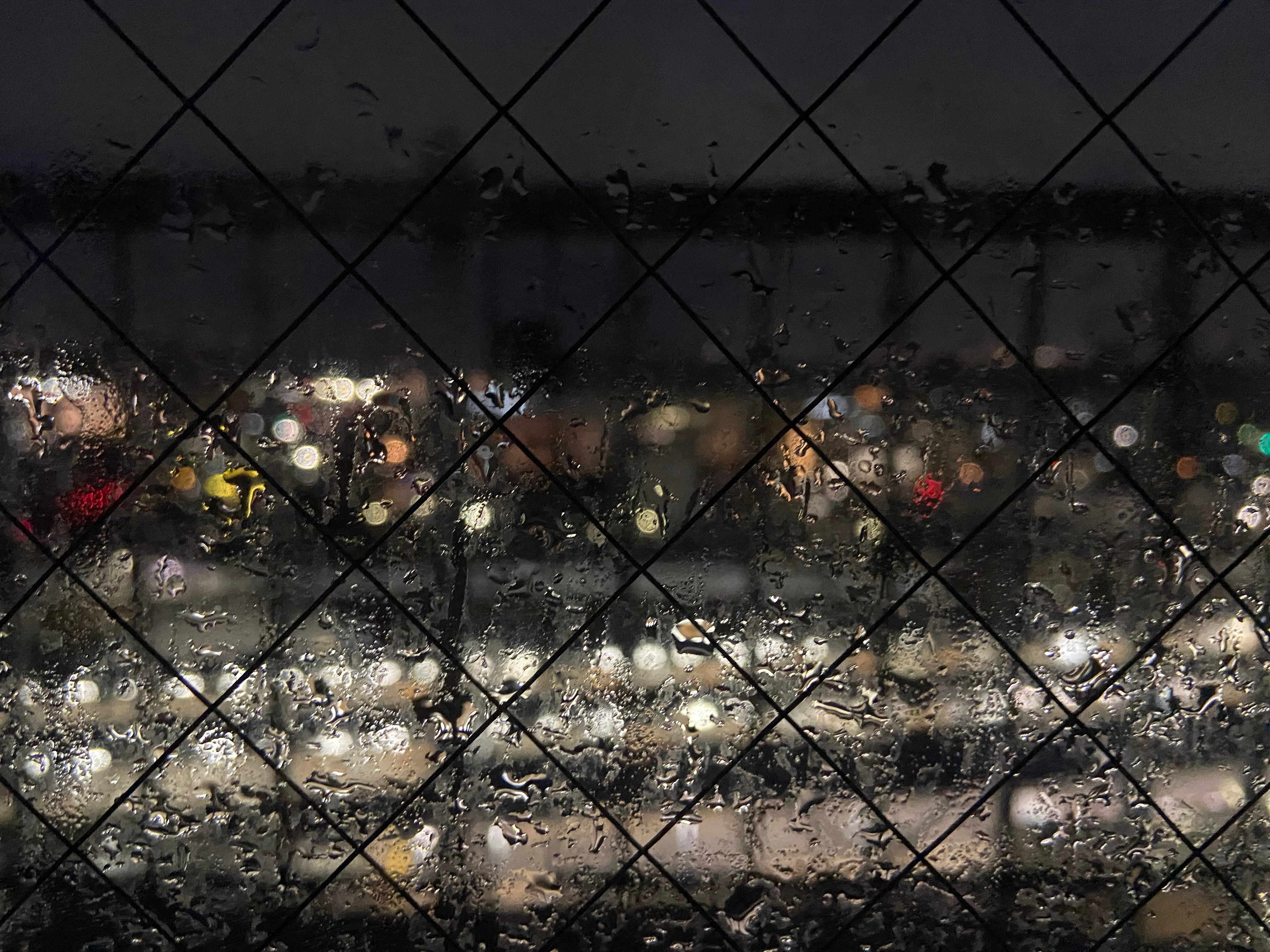
In my hotel room, I sit on the edge of the bed with a plastic cup of wine, its notes of cassis a little overpowering. I enjoy the sound of the rain as it taps softly against the window. The wine is bold, a little too certain of itself. And somewhere beyond the fog, the mountains are still there. Waiting for tomorrow.
A Light for Attracting Attention

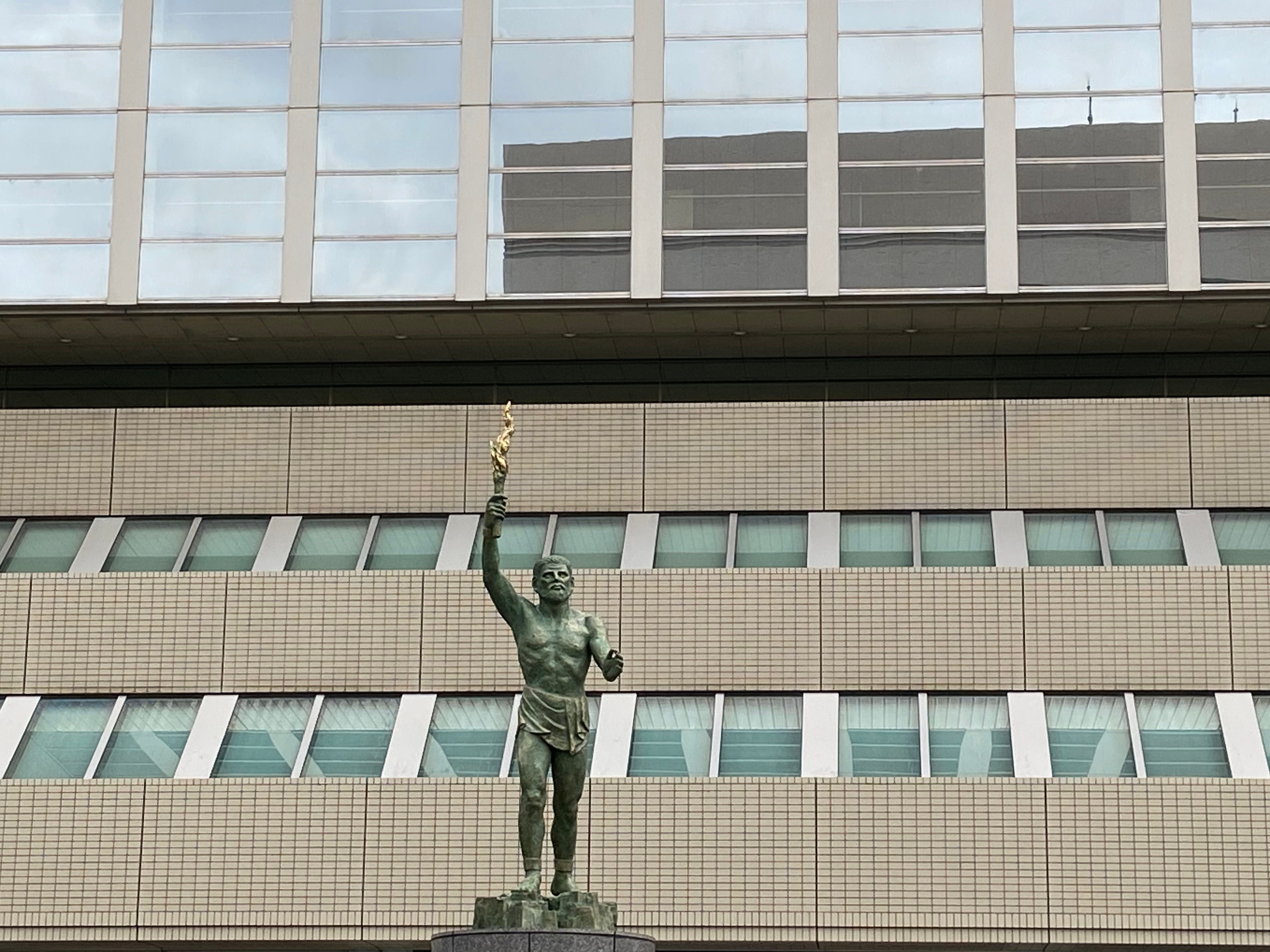
Outside Toyama Station, in front of the Hokuriku Electric Power Company headquarters, there is, for no apparent reason, a statue of Prometheus. I briefly consider shooing away an imaginary eagle pecking at the statue’s liver. Prometheus is carrying a flaming torch whilst posing above a water fountain.

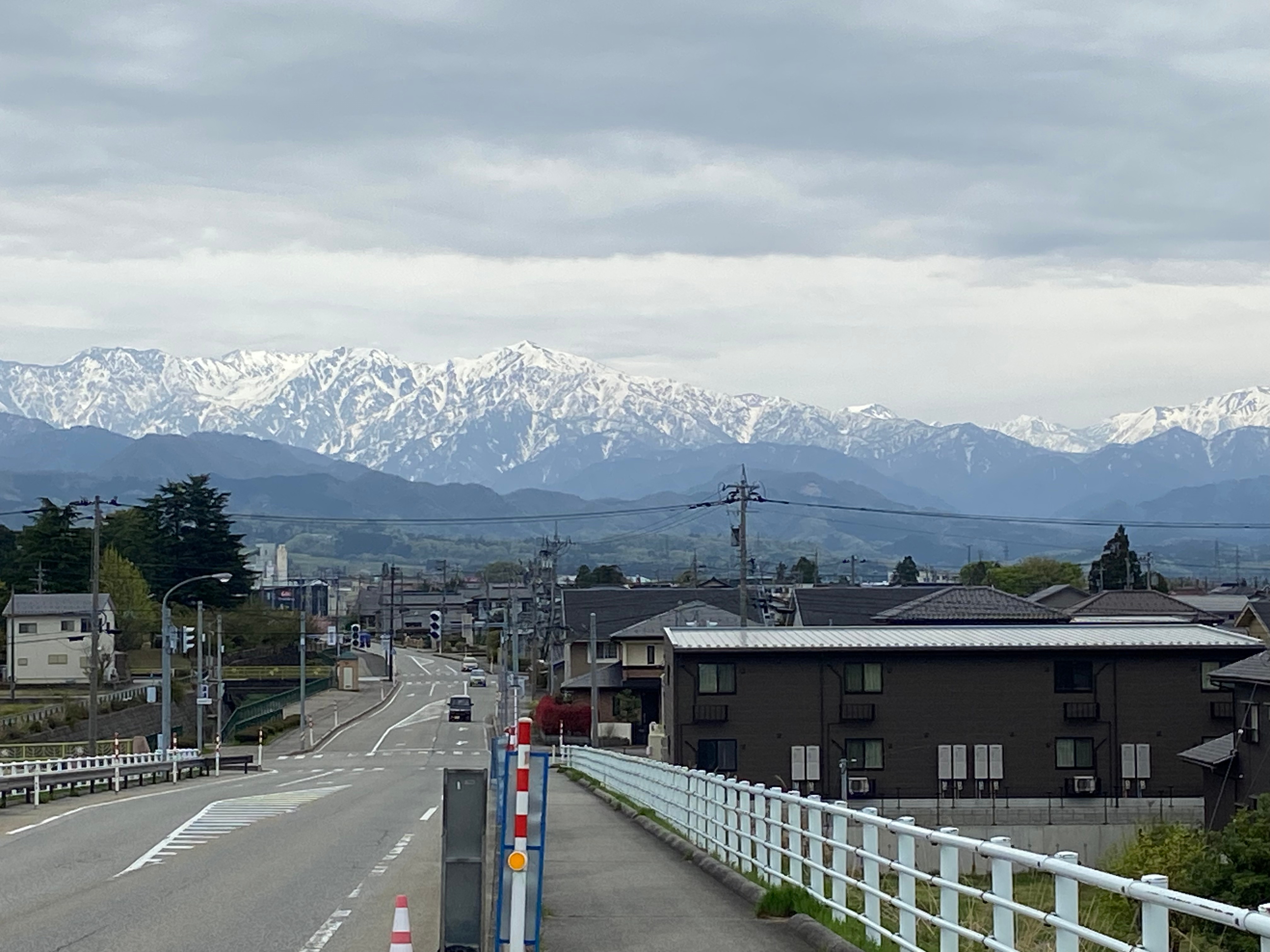
I’m in Toyama Prefecture today for two activities. The first is a special exhibition taking place at the Toyama Glass Art Museum. As I wander the streets, crossing tramlines and dodging potholes, every now and again, through cracks or gaps between high-rise buildings, I catch glimpses of the snow-capped Tateyama Mountain Range in the distance. I’ll be slightly closer to these mountains for my second activity later on, so I’m hoping to get a decent view and a couple of nice photographs.

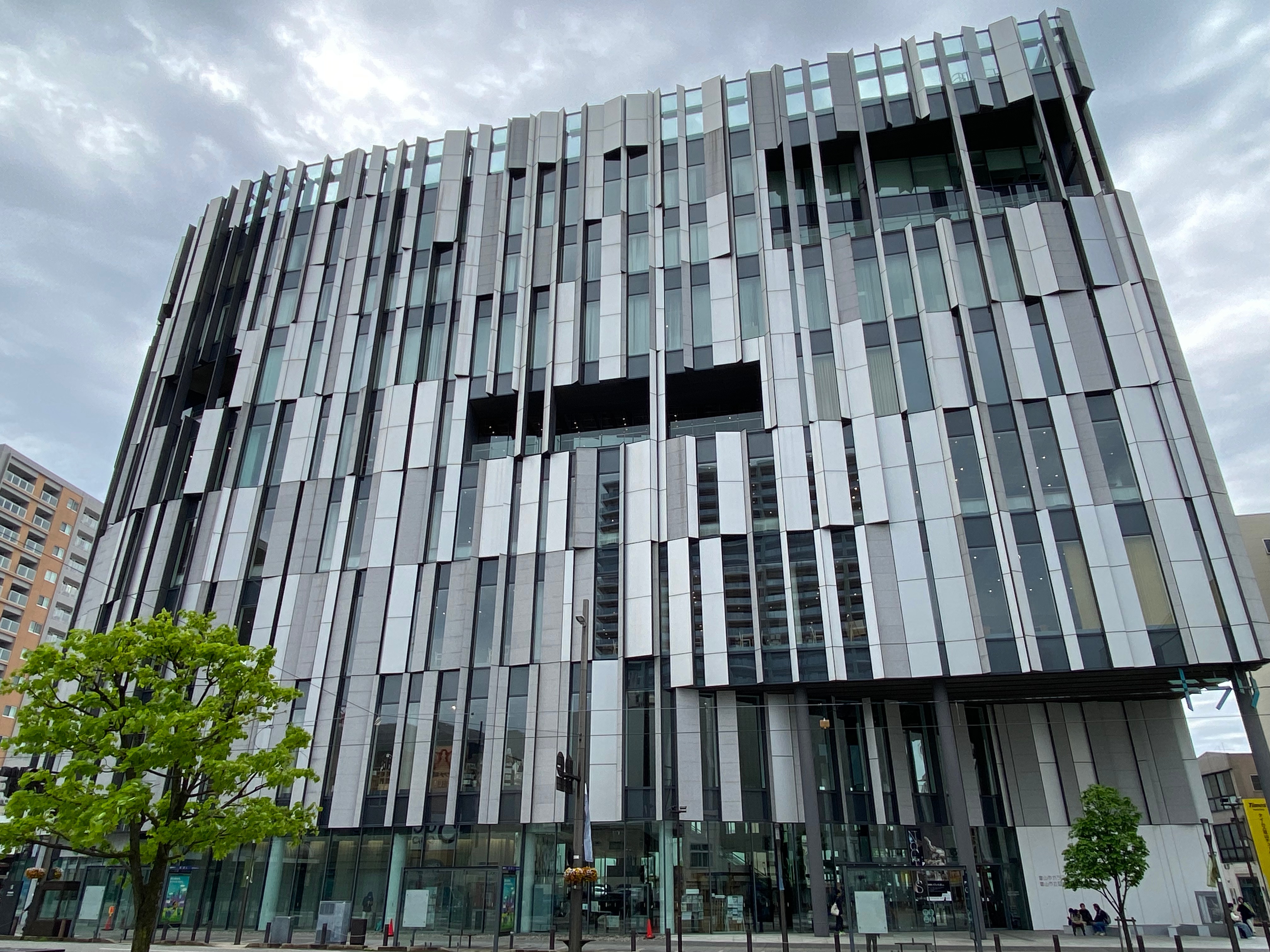
The Toyama Glass Art Museum is not difficult to find. The building housing it is a unique structure. Designed by Kengo Kuma, it features a dramatic diagonal void that acts as a light funnel, channelling sunlight through the interior and reflecting it off cedar beams and mirrored walls.

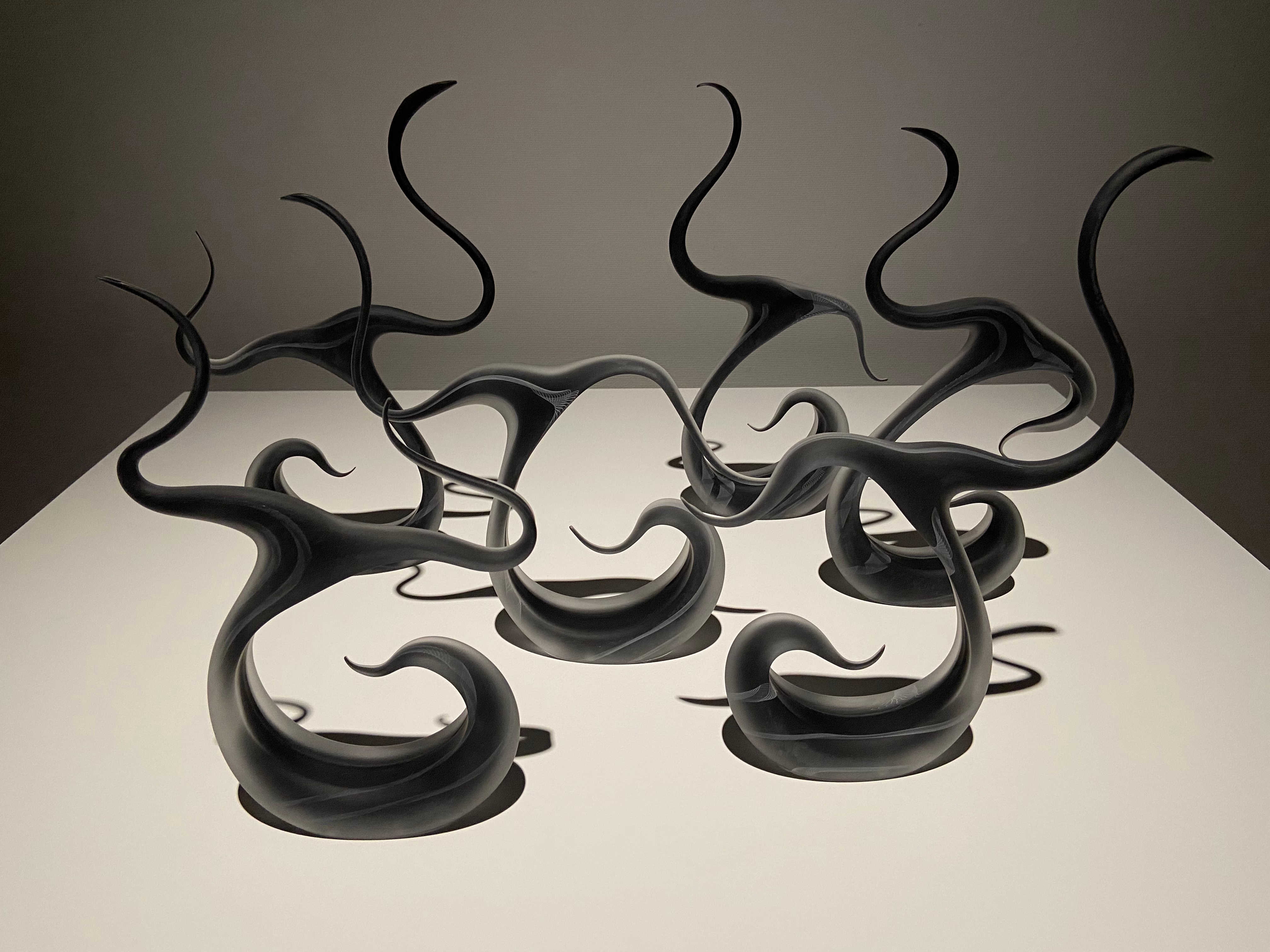
Inside the museum, there is a massive queue of people, which is a good sign. The tagline reads Glass Art of Shadow and Light, while the exhibition itself is titled Noctis, Latin for “of the night.” Amidst the darkness, inspiration can be drawn from the mysteries that hide there, illuminated by the glow of the moon, a star, or a small flame.

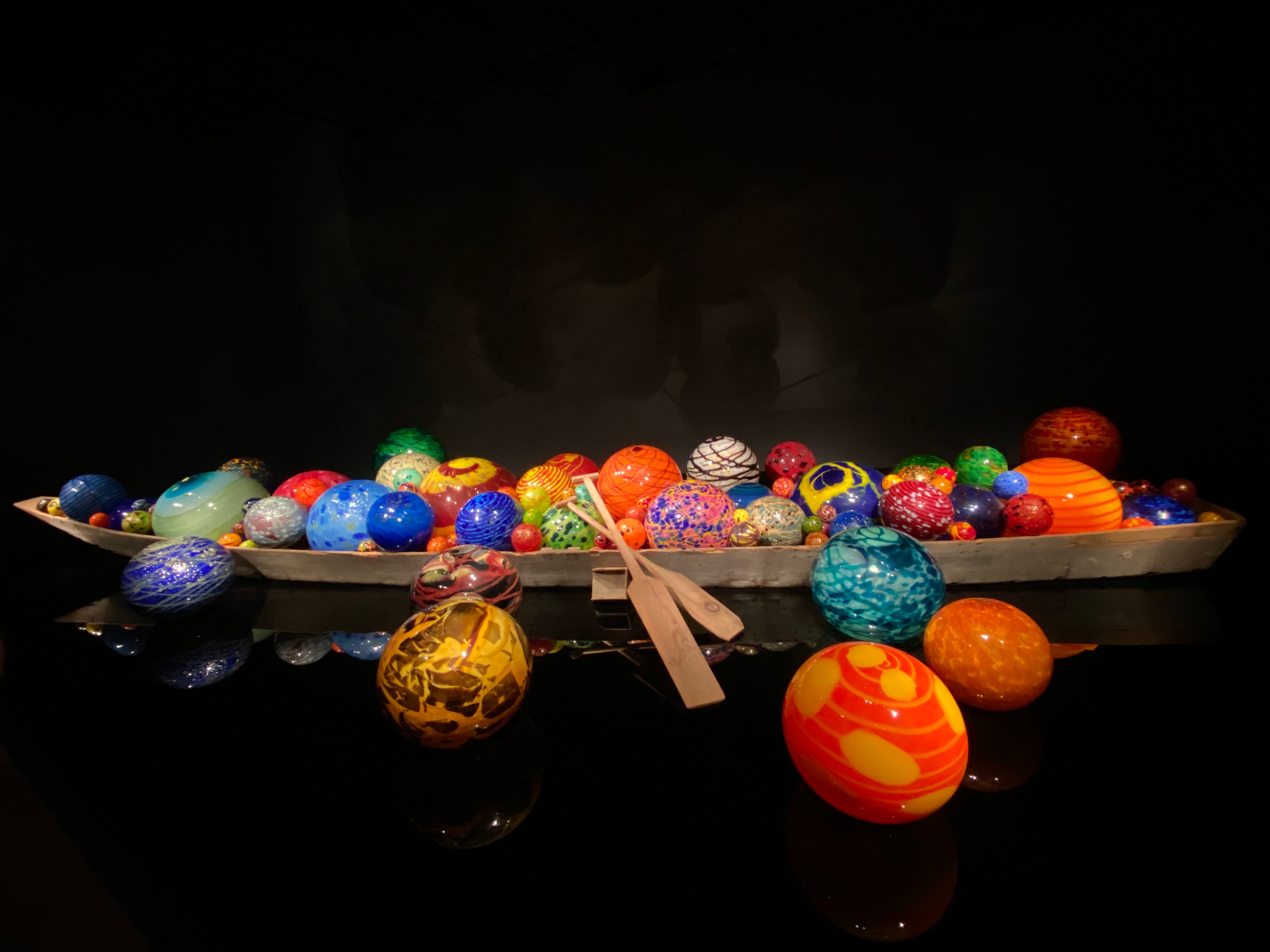
The ticket price also includes entry to the regular glass art floor, which I visit first. Among the collection are instructions on how this type of art is made, where it originates from, a timeline of its history, and a large boat filled with giant multi-coloured marbles.

On the floor below, the entrance to Noctis begins in the section titled The Twilit Forest, the suspension between night and day. The very first room is filled with lamps and the shadows they create. Then there are vases, and their shadows. I feel like my shadow is being watched by the many all-female seated staff. Should I be photographing this? Have I been standing around long enough? Did I look at all the lamps?

As twilight fades, the next section opens into Gathering Dusk, where familiar shapes are swallowed by darkness. Some of the contemporary work featured here includes Kozumi Masao’s special prize-winning Black Symmetry Vase, depicting the awakening of both fear and curiosity. It’s at this point in the exhibition that the artwork starts to become more unsettling, with encounters with creatures that might or might not be real.

Further along, the museum descends into madness, and everything becomes far less about light and far more about darkness. Encounters with unfamiliar forms and the macabre follow. The depths of our inner world emerge through death, dreams, and nightmares. Kinoshita Yui’s Permeation is my favourite piece of them all. The dense clusters of harshly coloured glass represent the dreadful force of proliferating life forms that slowly destroy us, ignoring everything else around them. It’s absolutely terrifying.

The final section moves into moonlight and the absolute unknown. Pieces here depict not just dreams, but terrors, as we sink into sleep and confront the depths of our boundless imagination. I hadn’t planned to spend quite so long here, and as two hours pass in an instant, I decide to head off to my next destination, an hour away.

Arriving at Namerikawa Station, I finally manage to photograph the snow-capped Tateyama Mountain Range.

The mountains are stunning. They loom over this place as if their presence alone is enough to surround it, despite me being on the coast with the sea behind me. And it is the sea that’s brought me here, to see the world’s only firefly squid museum.

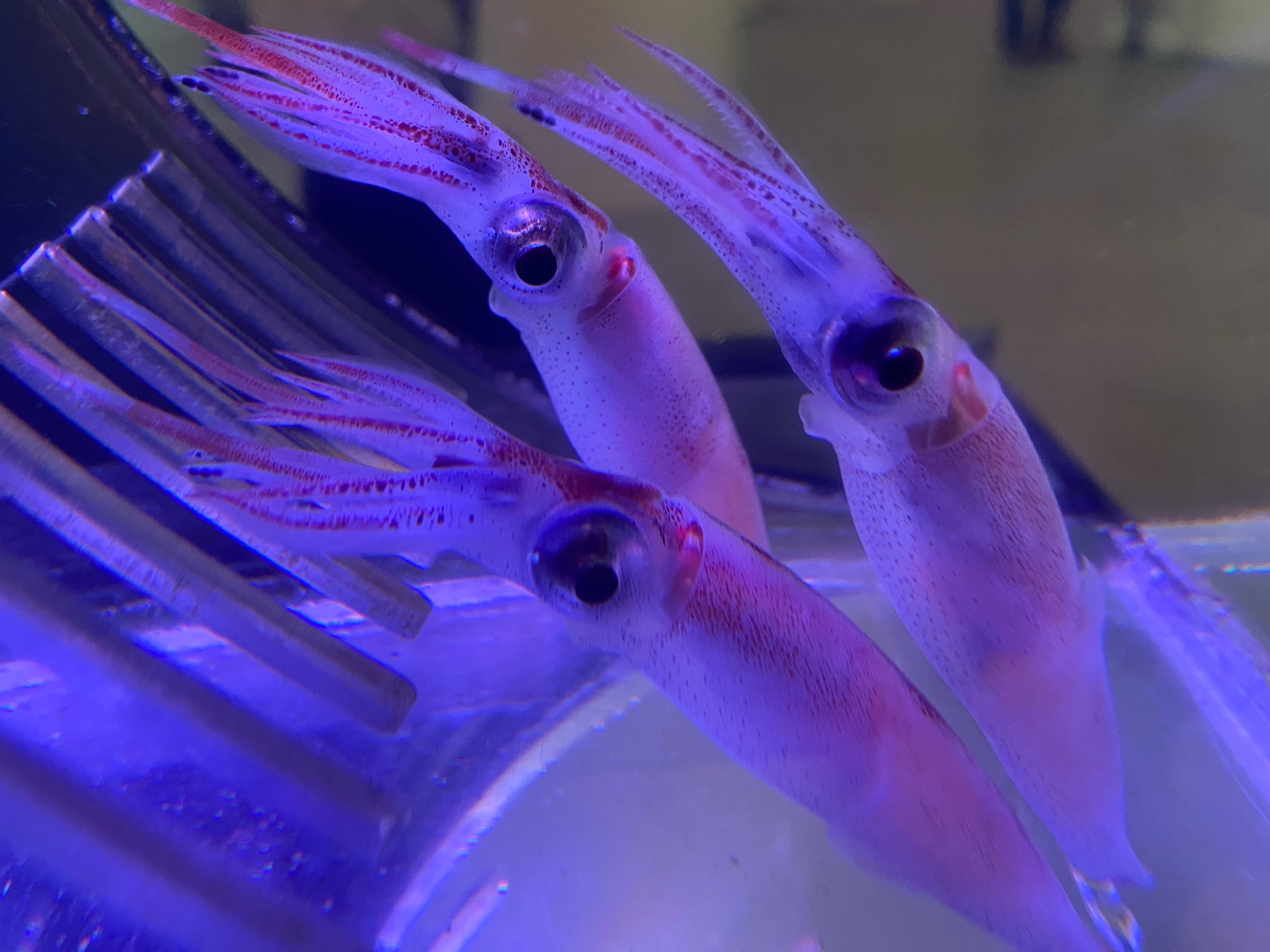
These squid are unique in that they are tiny, deep-sea creatures that light up the ocean in blue luminescence. Each squid is covered in thousands of light organs known as “photophores,” and use this light to match the surface glow, hiding their silhouette as they lure in their prey. They also use controlled blinking lights to trick and lure much smaller fish. I’ve managed to lure in three myself, in a tiny glowing tank.

The museum is pretty interesting; however, almost all of the information is in Japanese. The only parts I understand are that it smells like fish around here, and that no smartphones are allowed in the theatre. I don’t bother with the theatre anyway, as there is a two-hour wait, which is a shame, because apparently the firefly squid put on a dazzling light show.

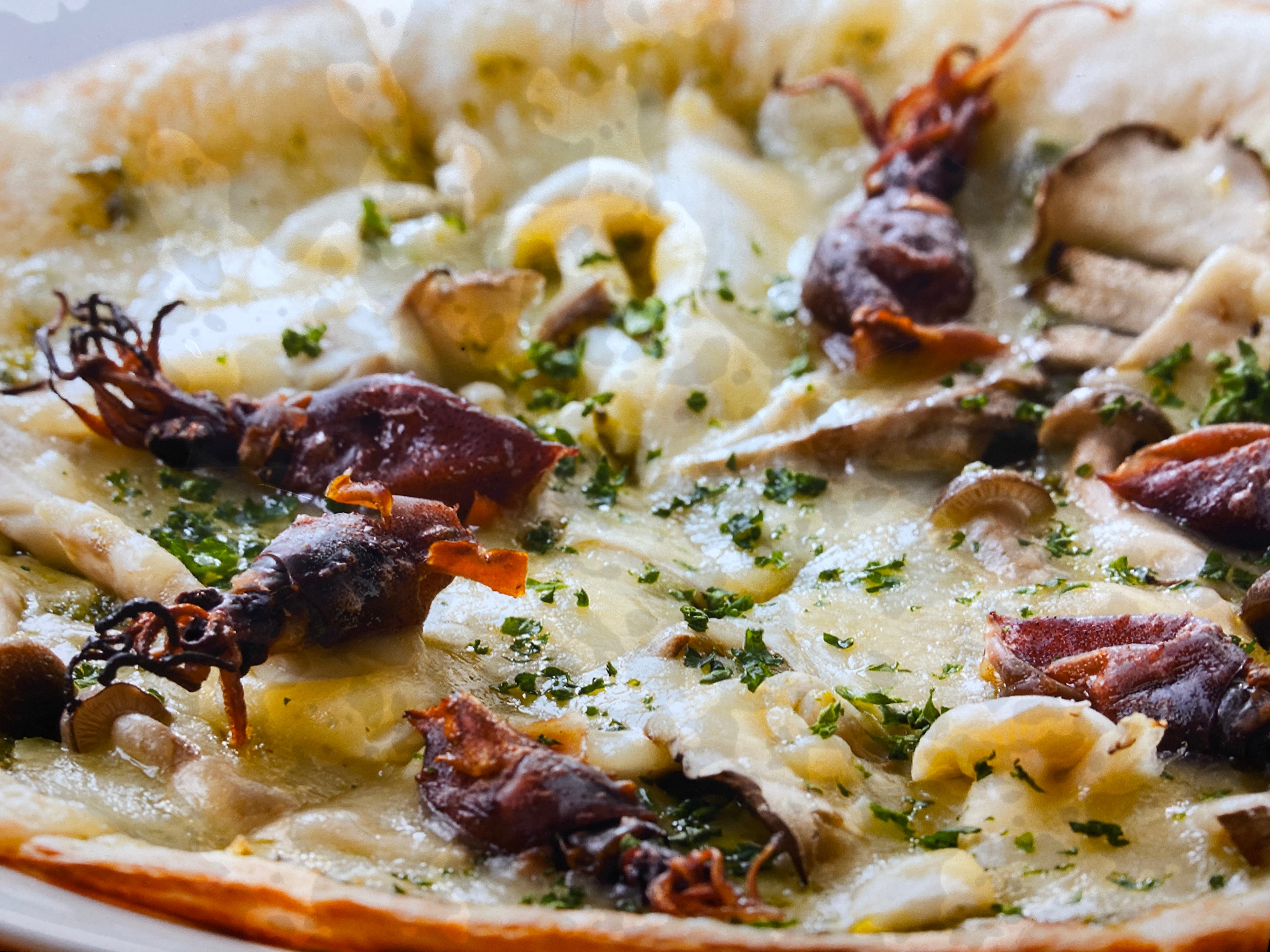
The gift shop sells glow-in-the-dark squid keyrings and squid-adorned cravat-style neckties. The restaurant sells firefly squid pizza, squid burgers, and squid pasta, but it too has a two-hour wait. I wanted to come here and order the pizza just to add a bitter irony, seeing such beauty, marvelling at it, only to consume it after it’s performed a dance for me. Instead, I take a photograph of the pizza from the menu, just to show how unbelievably unappetising it looks. Had I not had to wait, I would probably have changed my mind about eating here anyway.

I head back toward the mountains, to the station, and decide that the only thing I’ll be consuming today is the view.

Zen and the Art of Samsara Cycle Abeyance

A woman on the train loudly tells her tourist friends and the entire carriage that Kanazawa might be the most Instagrammable place in Japan.

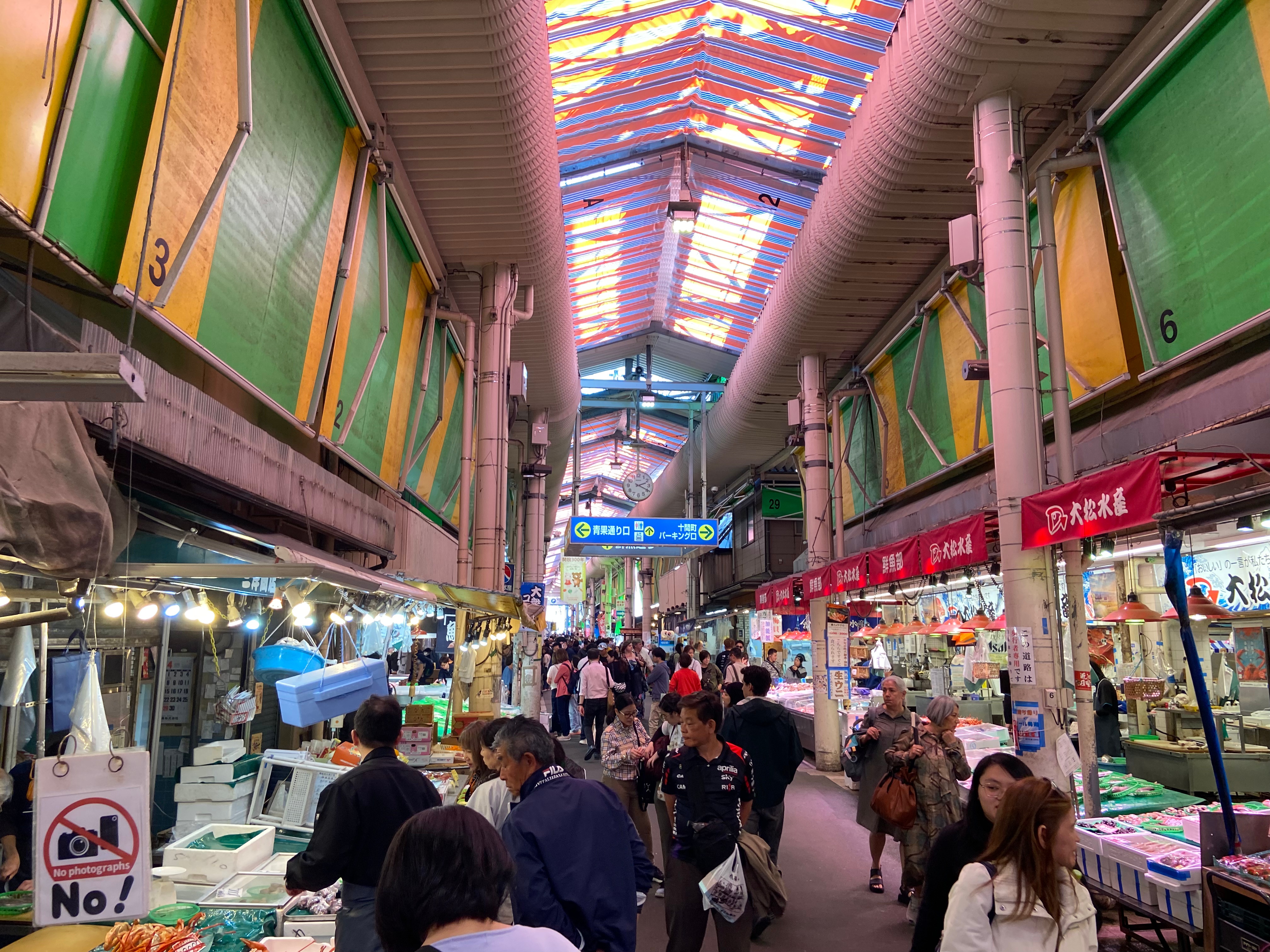
Leaving the station I see a map showing thirty-seven points of interest, and for someone who enjoys walking as much as I do, and with my long legs, it appears everywhere today will be within walking distance. Following a gaggle of eager tourists, I end up at Omicho Market.

This massive indoor fresh food market has been operating since the early 1600s, and the tourists are here for it. The smell of freshly caught fish fills the morning air. A sign at one stall says, “All the firefly squids are sold out,” which is a shame, as they’re something I’ve always wanted to try. As I move through the haze of cacophonous chatter, a multitude of languages echoes from stall to stall, and staff shouting welcomes from every direction feels somewhat overwhelming. So much so that I begin to suffer from a not-so-Instagrammable headache.

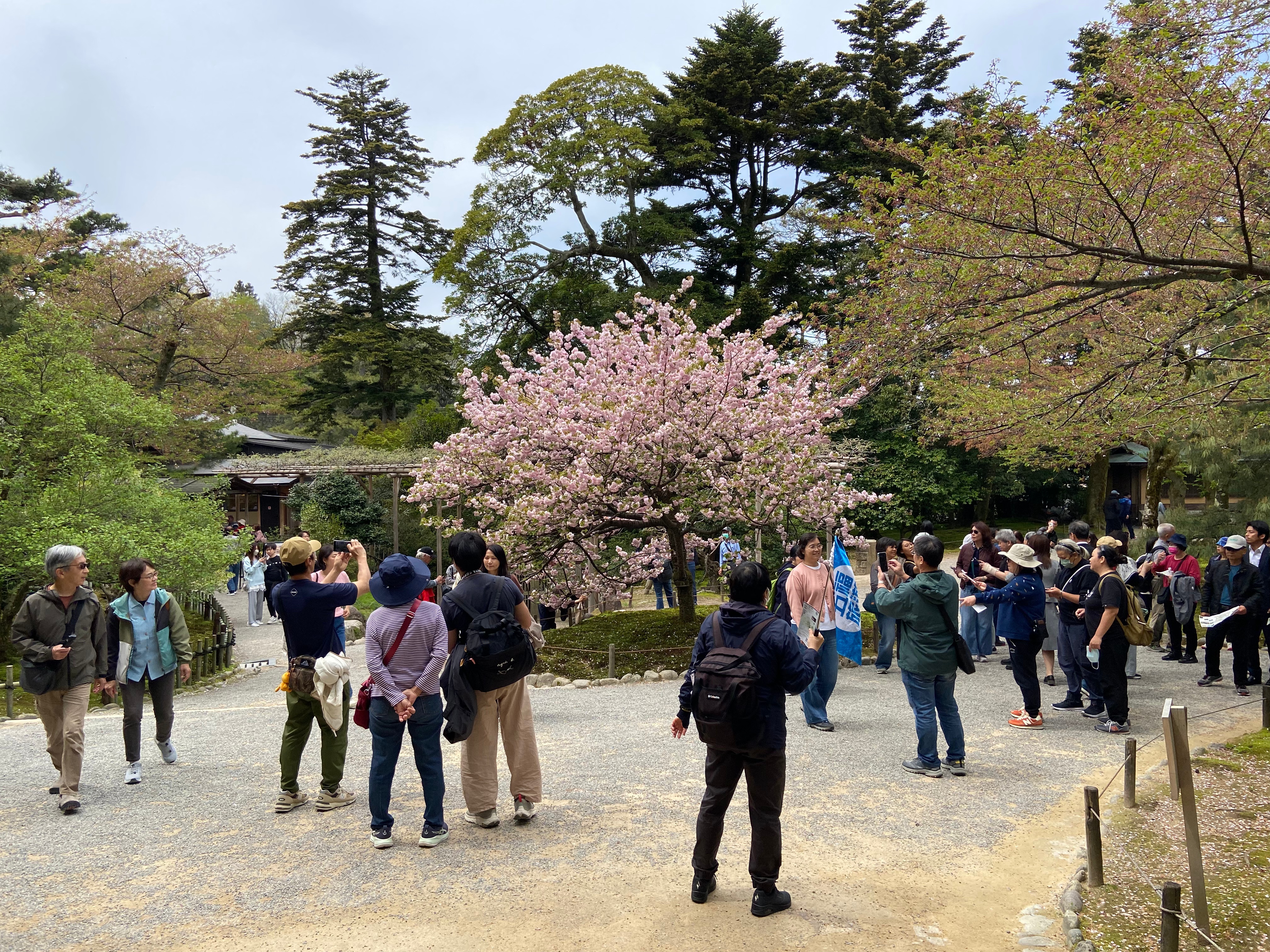
I fall out of the market and seamlessly into a garden, specifically Kenrokuen. Ponds, streams, famous trees, mountain views: the garden has everything. With seven individual entrances and two huge car parks, it also boasts a sixty-minute standard walking course. Unfortunately, the popularity of such a place is again a massive draw for tourism. They gather around the only cherry blossom tree whose petals have avoided abscission, blocking views of the ponds, and the paths themselves. And worst of all, the silence.

I honestly thought being in a garden would be a tranquil experience, but my head thumps as a tour guide with a megaphone ushers along a group of ten or so tourists. People shout, crunch food loudly, and whatever calm I had disappears. Even here, surrounded by what should be peace, I can still hear the beeping of a distant pedestrian crossing.

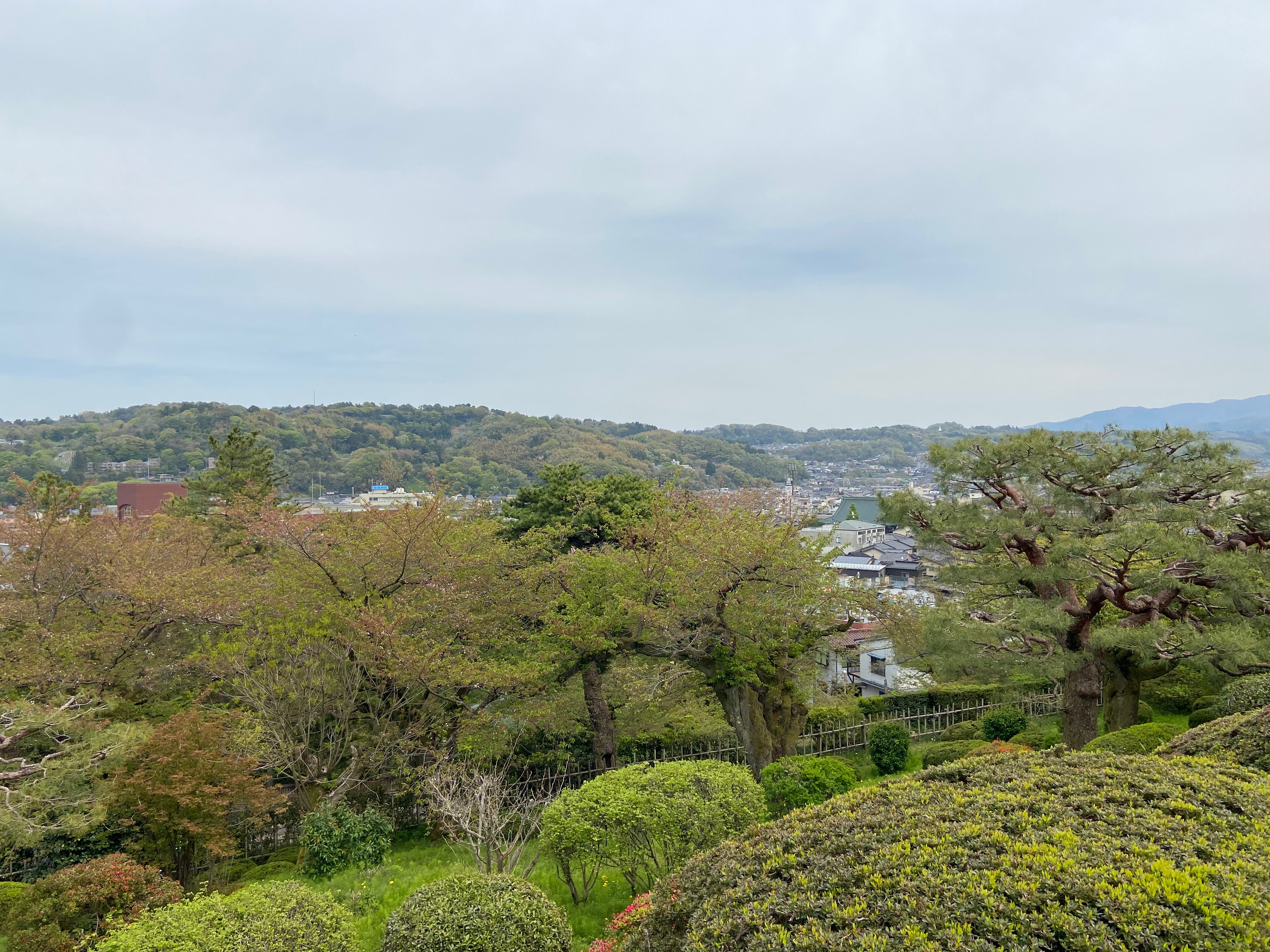
Trying to leave also becomes a challenge. Despite there being seven exits, I can’t seem to find any of them. I imagine this place is better early in the morning, because despite my complaining, it is still quite a good garden, and the views of the city can be pretty nice from up here too.

Outside, I find another map and a name I recognise: Daisetz Suzuki, a famous Buddhist philosopher, religious scholar, and authority on Zen. He has a museum here in his hometown of Kanazawa; well, it probably used to be his museum, he died in 1966. I do almost miss the entrance though as I become distracted by a massive bee hovering at my eye level, buzzing rather loudly.

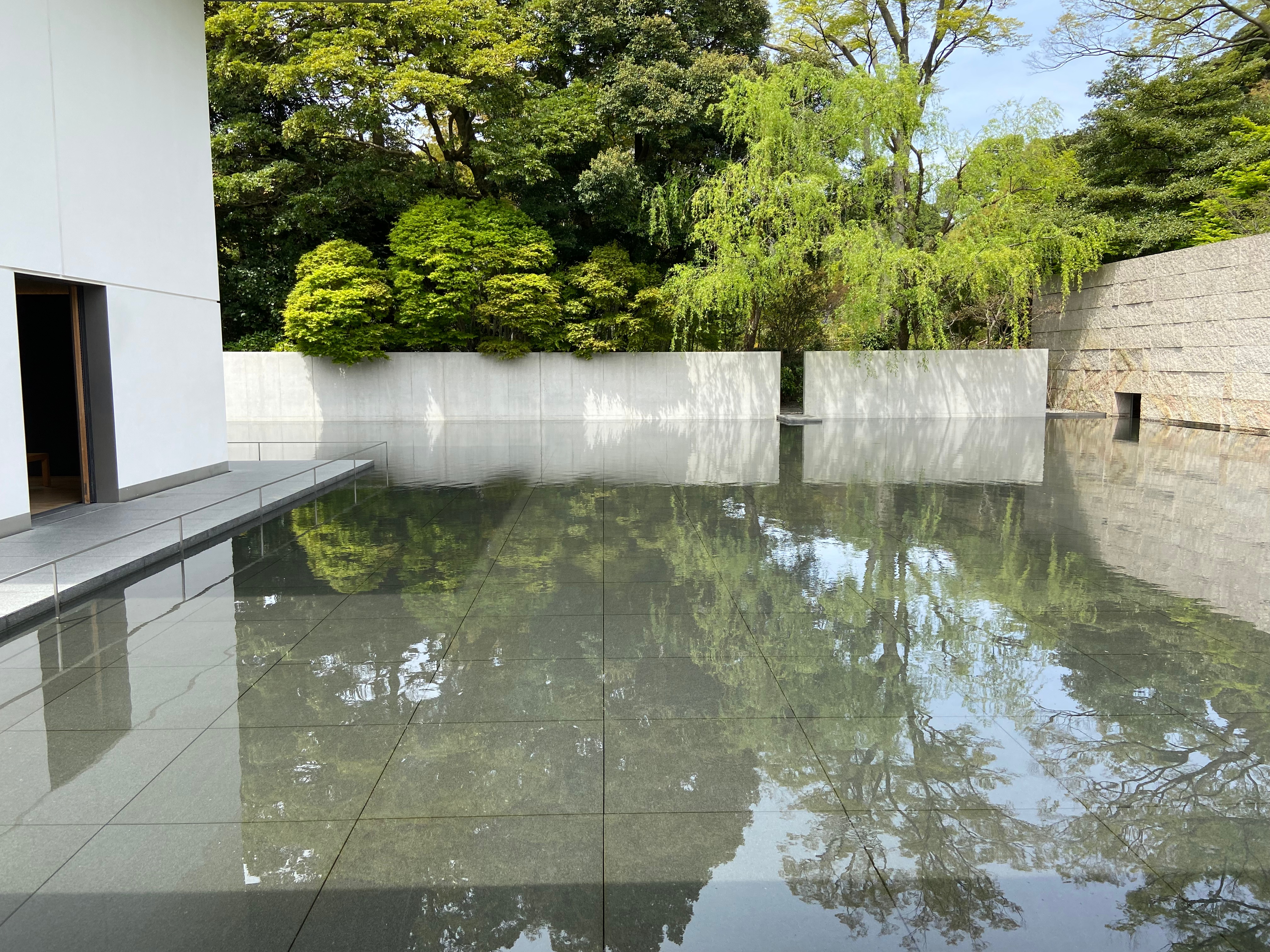
An information booklet that comes with the ticket price opens up to reveal just a blank white page, and nothing else. I do love minimalism, it’s part of this blog’s identity, so I fully appreciate this. I decide to stand by the Water Mirror Garden for a time, listening to the soft sound of distant running water, the stillness, finally achieving perfect silence.

Over at the Contemplative Space, a white room by a window where the sun comes through, I sit thinking. Looking at the suspended water mirror’s reflection, I try not to think. I quickly realise that I can’t not stop thinking, and then try to work out which part of that sentence was the double negative, which only makes me think even more. That’s the problem with meditation or mindfulness; silence becomes a game of Russian roulette, only the gun’s loaded with your own thoughts.

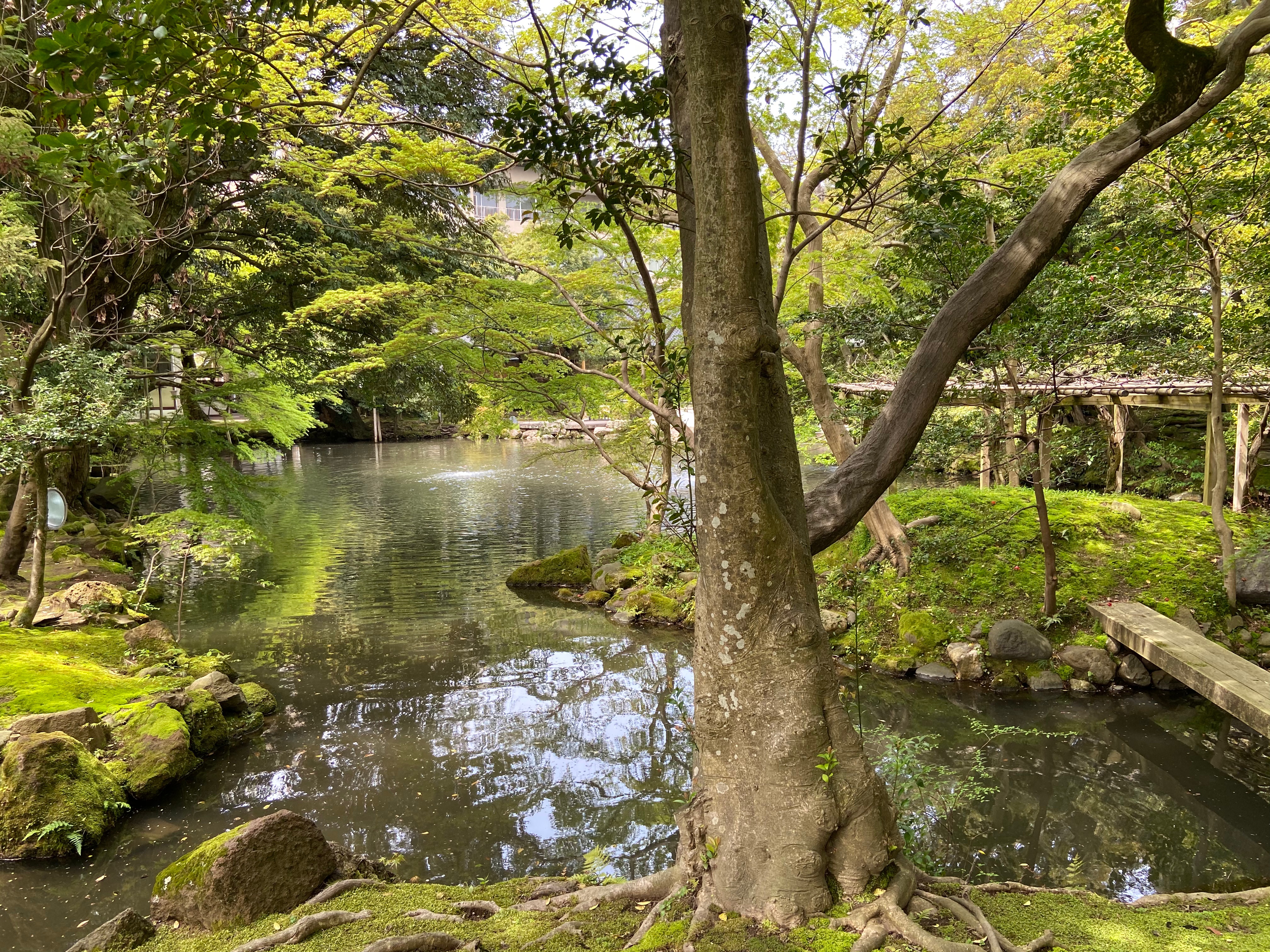
I continue further on, into Shofukaku Garden, a stroll garden around a pond. A Designated Place of Scenic Beauty, and free to enter, I’m quite surprised to find I have this garden completely to myself. I wander around my own secret space, take it all in, watch the carp, absorb the spring colours, before being chased off by that angry bee from earlier.

I next head up some moss-covered steps into a forest. It’s so incredibly silent here, just the twigs crunching underfoot and the occasional bird, there’s nothing else, and I don’t need anything else. So I pause and stay, for a while, just here, just being, before eventually forcing myself back into the cycle of the noisy world I had briefly escaped. That fleeting moment, now gone.

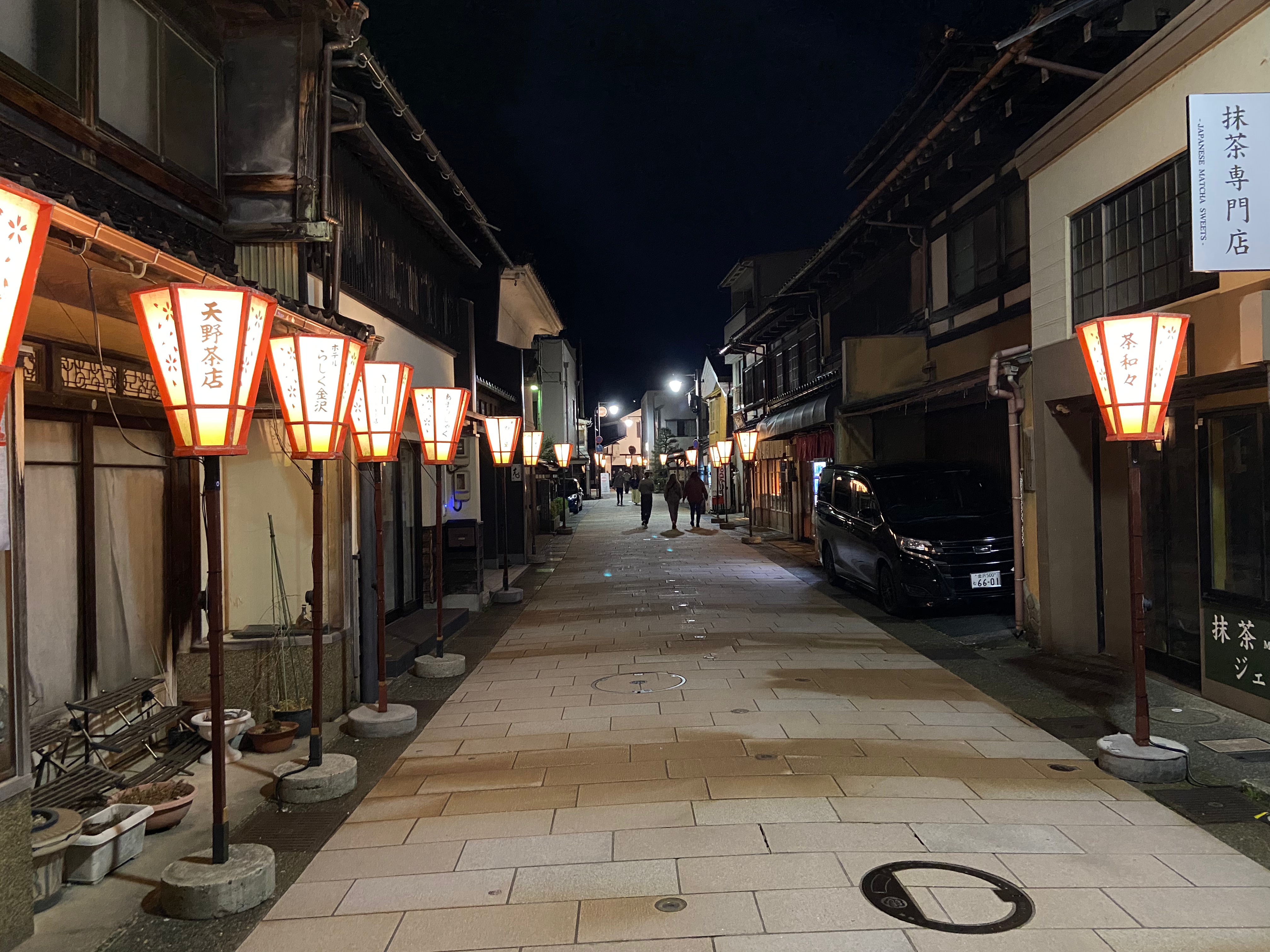
I walk in the direction of the Higashi Chaya Tea District, which apparently looks a lot better at night. Again, tourists bumble noisily. Regardless, it does still feel like a step backwards in time, with rickshaws, tea ceremonies, pairs of women in kimono, evening geisha performances, so much so that I plan to come back later to take a couple of night shots.

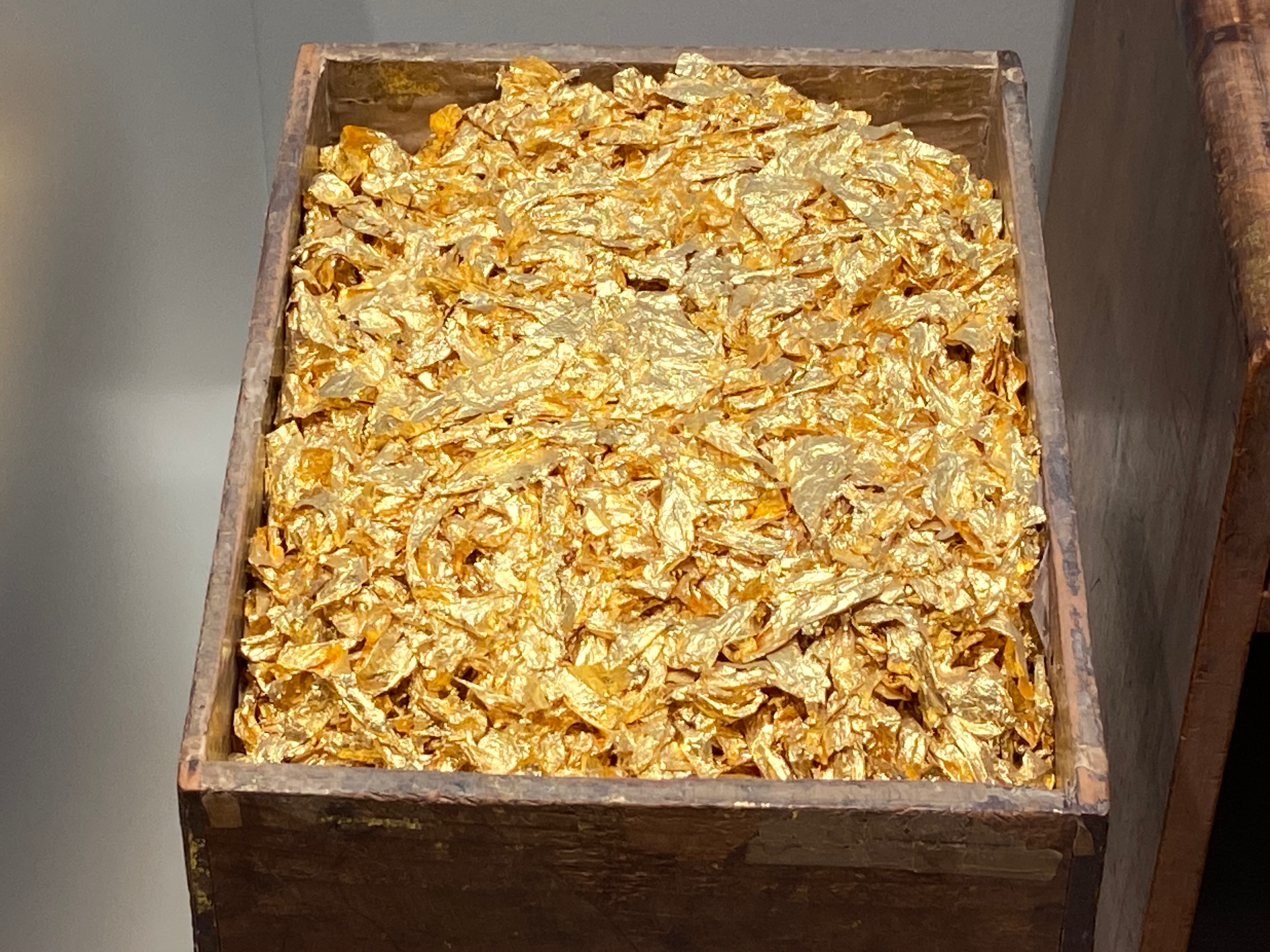
The shops here sell the usual fish-shaped waffles but this time laced with edible gold leaf. Kanazawa is the biggest producer of gold leaf in Japan. In fact, gold leaf here is everywhere. There are gold leaf cosmetics, face lotion and hand cream. One shop is trying to get in on that action and is offering gold beer. But most beer is already gold. There are people queueing to buy gold leaf soft serve vanilla ice cream. I even see one lady come out of the shop holding her ice cream, pose with it for an Instagrammable selfie, before casually tossing it into a bin. She might well just cancel her trip and get AI to generate her holiday for her.

Amongst the tea shops and cafes there is also the Kanazawa Yasue Gold Leaf Museum, so I decide to take a look and learn about this 1/10,000th of a millimetre thick foil that requires extreme focus, almost Zen in its precision. There was supposed to be a hands-on workshop so I could try to apply gold leaf myself, but sadly it’s been cancelled, so instead I admire some art adorned in flecks of gold, before checking to see if there’s a golden toilet on the way out. There isn’t.

By the time the gloaming arrives, my gold leaf soft serve vanilla ice cream has all but melted. I sit in the evening light, sipping a golden beer. I realise now that my headache too has almost faded. You can sort of tell these things.

The Curious Case of Chocolate Button

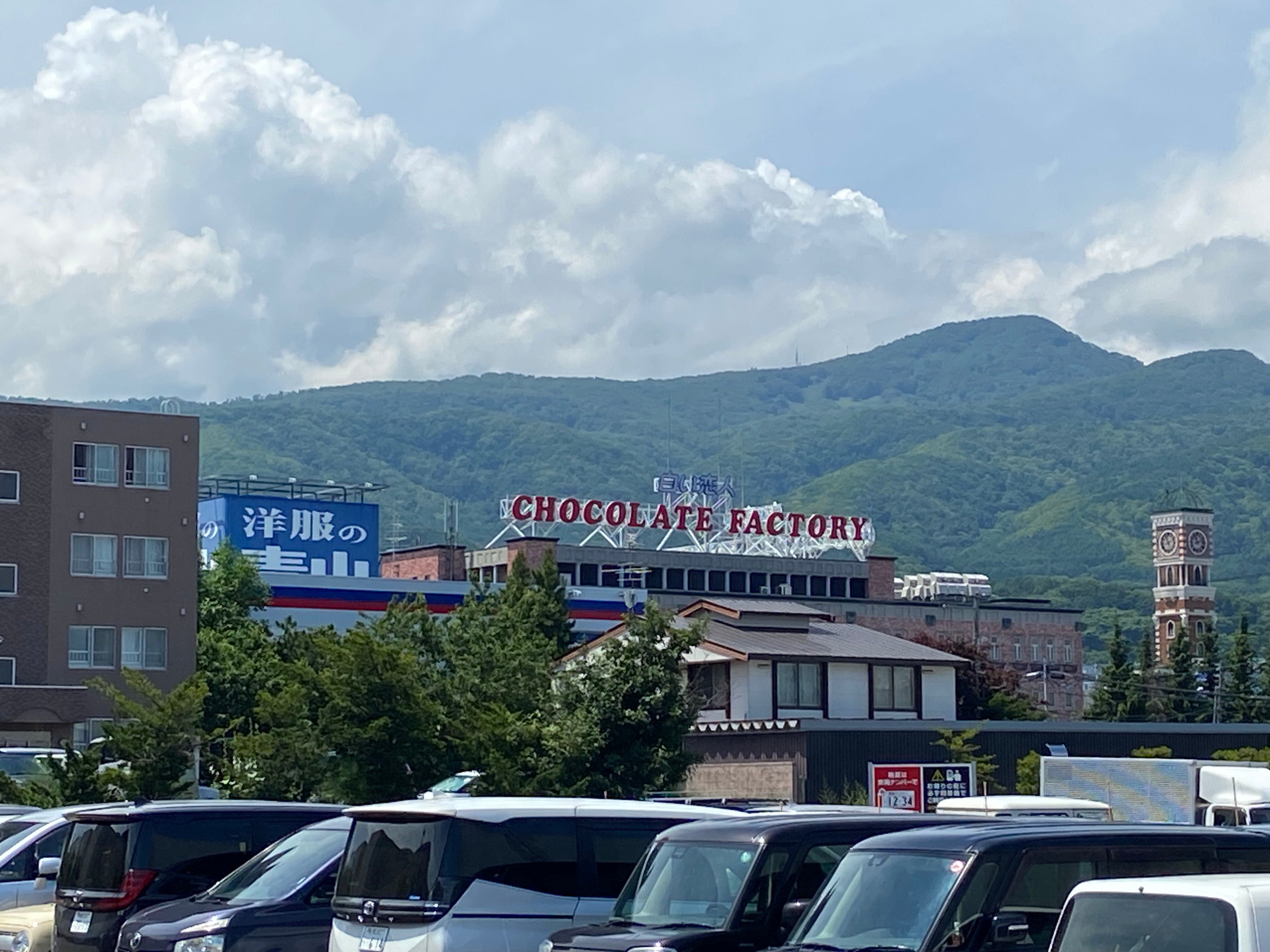
My day begins with a visit to a chocolate factory. Luckily, this chocolate factory is more a museum of chocolate facts than a factory made of chocolate, which, in 30-degree heat, would be somewhat messy. I’m still in Hokkaido, so while it’s hot, the humidity is reasonably low.

Today marks the 30th anniversary of Shiroi Koibito Park, a chocolate-themed factory with gardens. The translation of the name is unusual and means White Lover Park. However, the word for dwarf is the similarly spelt kobito, meaning little person, and has been named that way as a cheap pun which we’ll see later.

Entering the park, I buy a ticket (not golden), and receive a small wrapped square containing the exact chocolate that this factory makes; a bit of a spoiler, giving me the final product at the entrance. Inside, everything smells faintly of white chocolate and mild concern. There are a lot of stairs, the sound of cats meowing through speakers, and a room full of video screens telling the story of the factory.

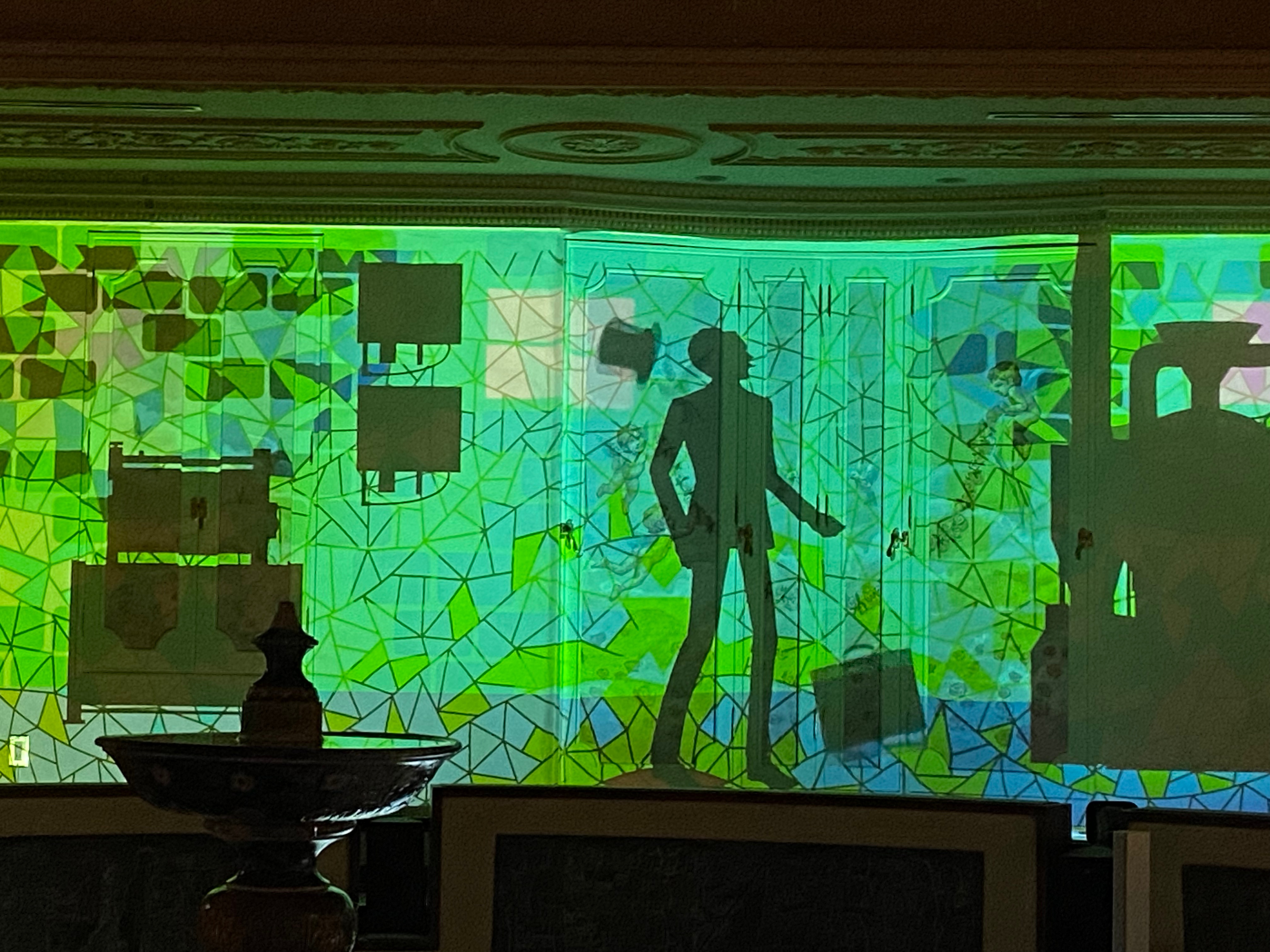
In the quirkily named Time Travel Room, we learn about how this chocolate came about. One of the screens checks to make sure we’ve all been paying attention by offering up a quiz question answered by show of hands. The question is: What is added to chocolate to make it sweet? a) Powdered Milk, b) Powdered Cheese, or c) Powdered Snow?

“Hands up if you said powdered cheese?” says the woman running the tour, as she looks around rather confused. “Nobody said cheese??? How about snow?” It turns out I wasn’t paying attention, but still managed to correctly guess that chocolate can be sweetened by adding powdered milk. Next, we follow some cat prints on the floor up some more steps to the factory.

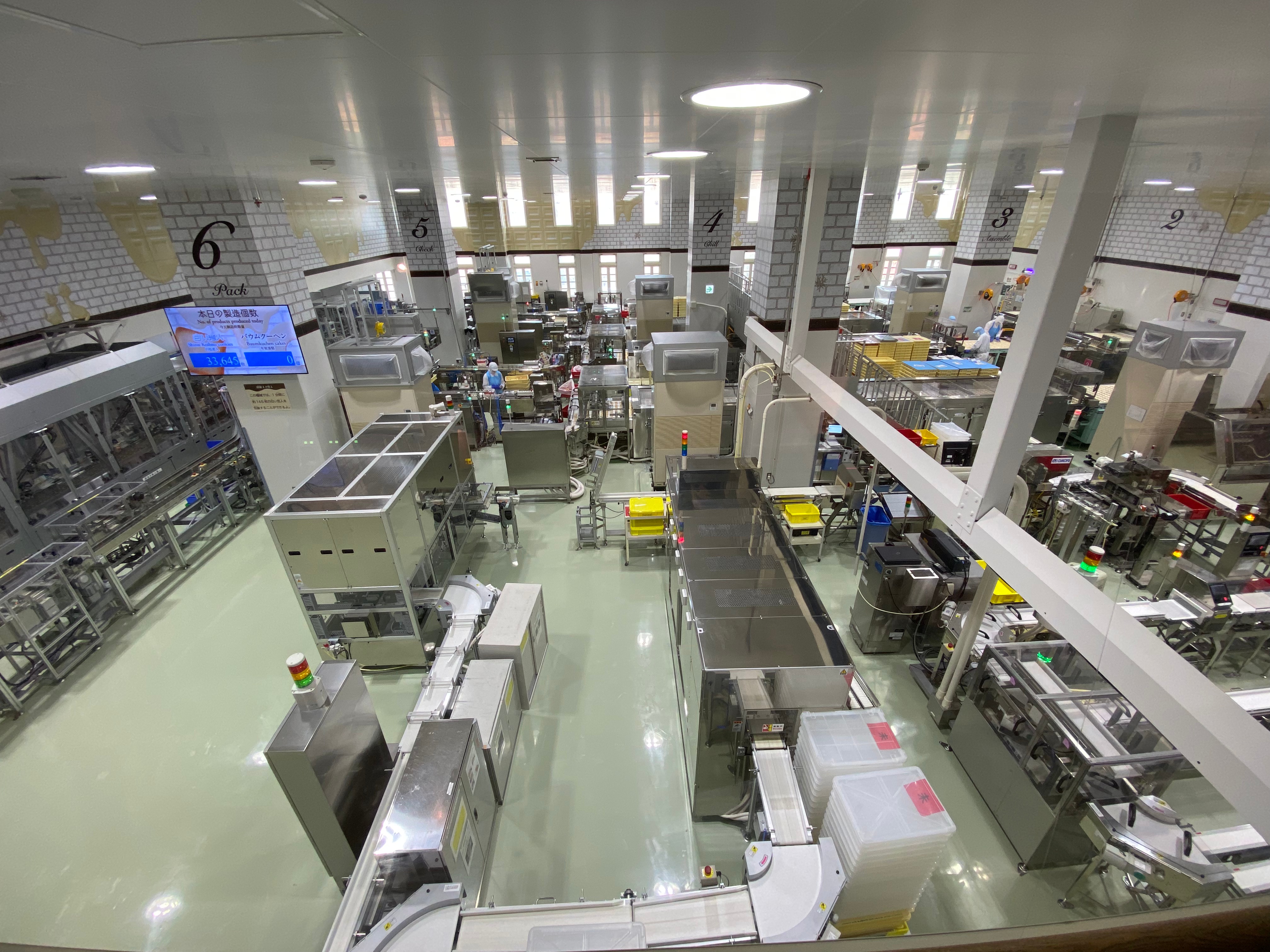
The factory floor is impressive, fully operational, and producing just one product: cookies. There is a counter that displays how many of each product has been produced today: 33,645 Shiroi Koibito cookies; 0 Baumkuchen cakes. I suppose they are using the lack of cakes as a comparison.

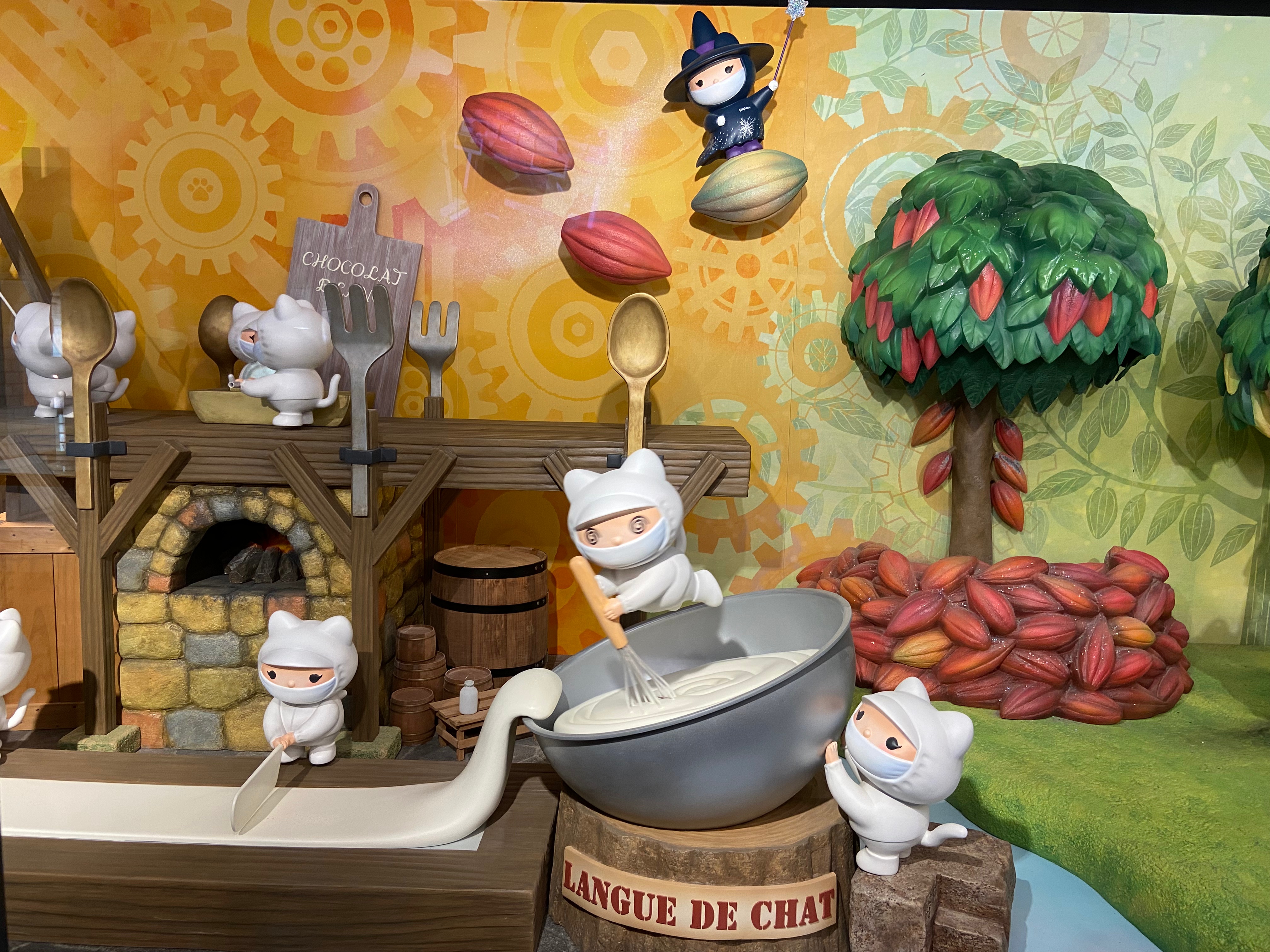
Remember that pun I mentioned? Well, in the next room it is on full display. All good factories have their slaves. Oompa Loompas, Wonkidoodles; but here at Shiroi Koibito Park we have White Dwarfs. They perform all of the tasks here, including milking the cows and creating white chocolate.

After yet more stairs, the sound of cats meowing, and multiple rooms of chocolate-related trinkets, we reach the end. I realise that we never did get an explanation for the cats. I exit through the gift shop and use the restroom. I notice someone has left some chocolate in one of the toilets.

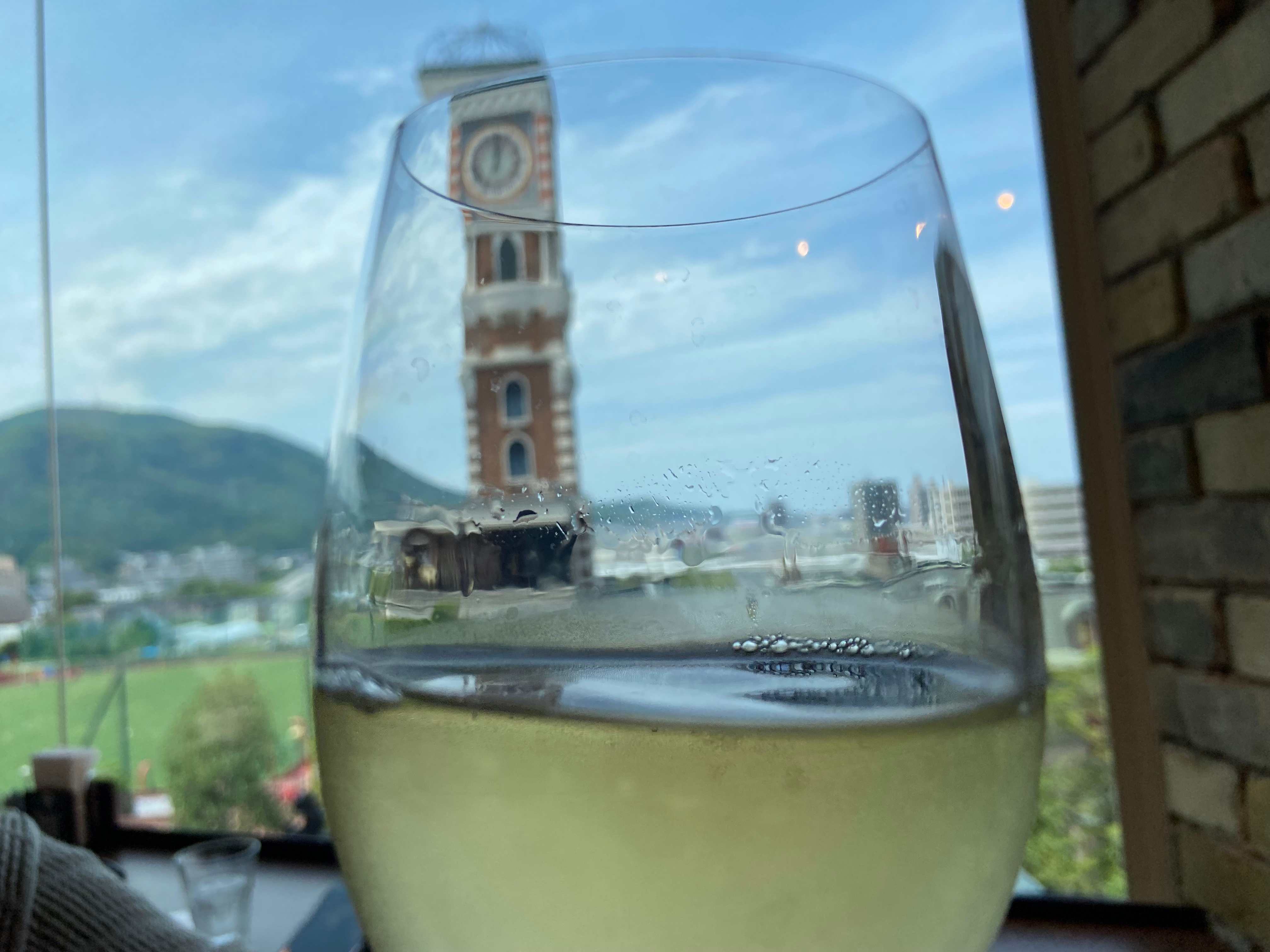
I take the stairs up and into the café, where I decide to take a rest from all the walking and climbing. The factory really needs to invest in an elevator; preferably one made of glass. Speaking of glass, I order a glass of Shiroi Koibito Wine, not sure exactly what to expect.

It doesn’t taste like chocolate. It tastes like regret. Perhaps one of the worst wines I’ve ever had the displeasure to drink. I was expecting notes of white chocolate; however, this wine is unfortunately made from Niagara grapes, which are more commonly used for grape juice than wine.

At exactly 12 o’clock, the distant clock tower chimes and opens up, and there’s a little animatronic parade. I slowly sip on my wine, trying not to wince. I watch the White Dwarfs trapped in a loop of mechanised merriment. I finish my glass before finally taking a stroll out through the gardens.

Taking the train back to Sapporo, I get off at Odori Station. The train station is connected to a huge underground shopping complex called Aurora Plaza. I decide to take a stroll through, passing shops selling clothes and souvenir-fit cakes. I also see some T-shirts with terribly translated English: Fun up necessary!

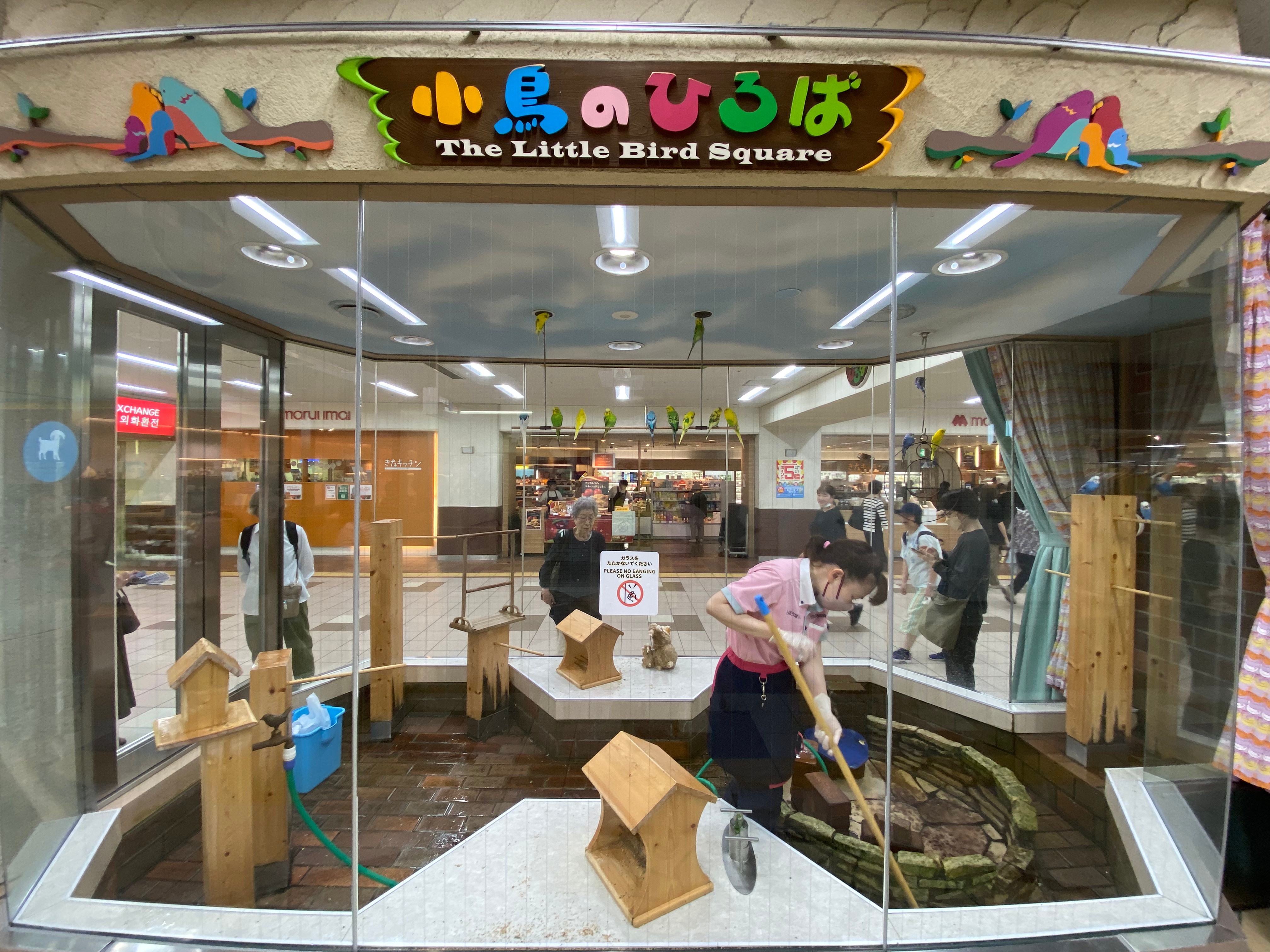
As I continue my stroll, in the distance I hear what sounds like birds chirping excitedly. I then see a sign for ‘Bird Corner’ and decide to see what all the chattering is about. It turns out to be a glasshouse full of parakeets called The Little Bird Square.

There are a couple of blue birds, multiple green birds, and that’s about as good as my knowledge of birds goes, I’m afraid. Although I’m pretty sure keeping them down here in an underground plaza means they will most likely die before they ever see natural light. Credit though, as it does seem that someone at least cleans out the enclosure, and I’m certain that one of the birds did smile at me.

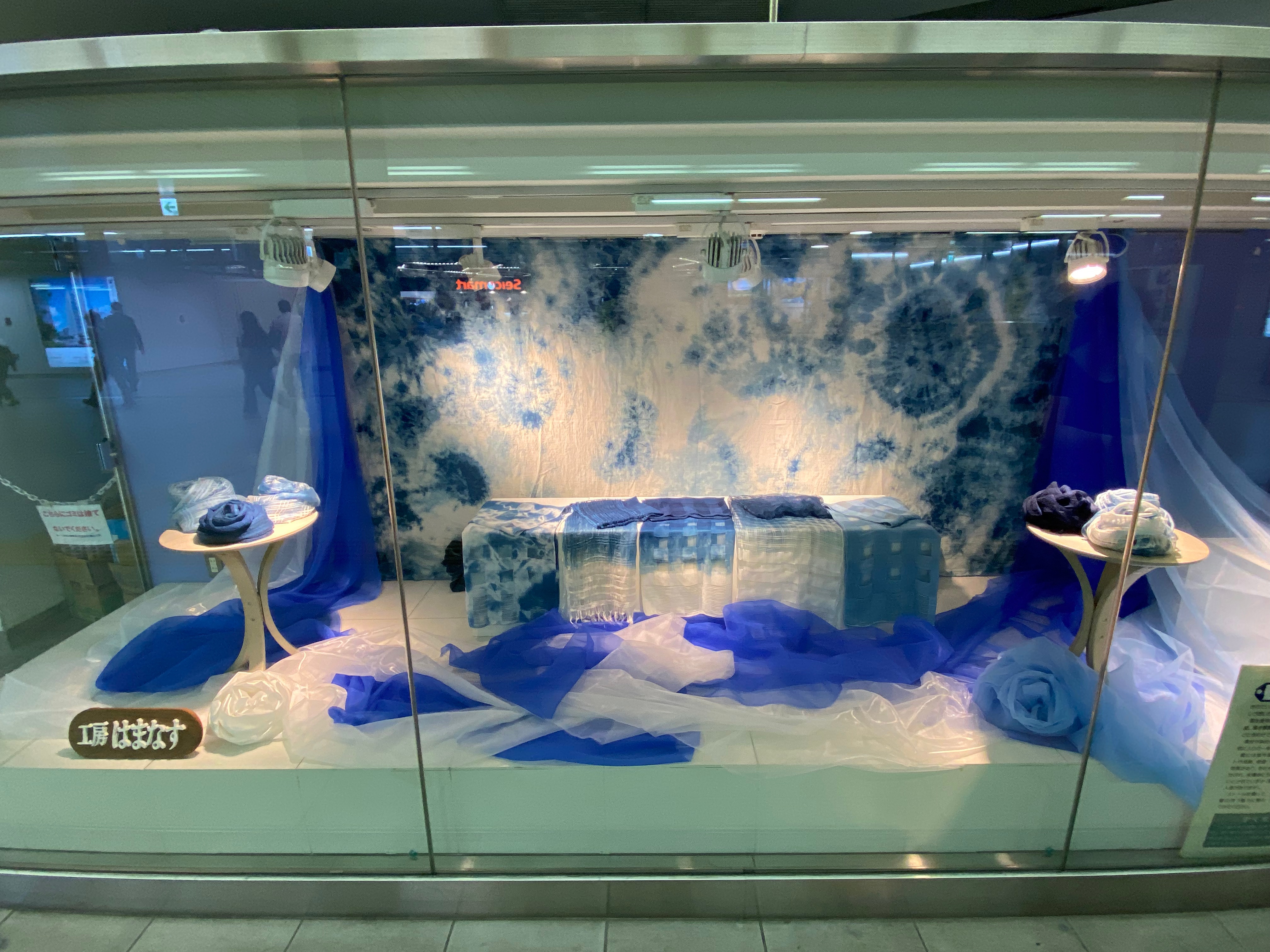
Further along the shopping complex, I stumble once again on a glass enclosure. This one, however, unusually contains scarves. The cloth appears to be well tended to, not the least bit ruffled. I think it’s supposed to look like a sea of clouds, but I can’t be sure. I do know that the scarves aren’t harmed in any way, and none of them seem likely to die anytime soon. They’ve already been dyed indigo!

My final stop for the day is a place called Retro Space Saka Hall. It’s a strange little museum that’s only open for a few hours a day, a couple of days a week, and houses the personal collection of curiosities owned by Kazutaka Saka, an 82-year-old Japanese man.

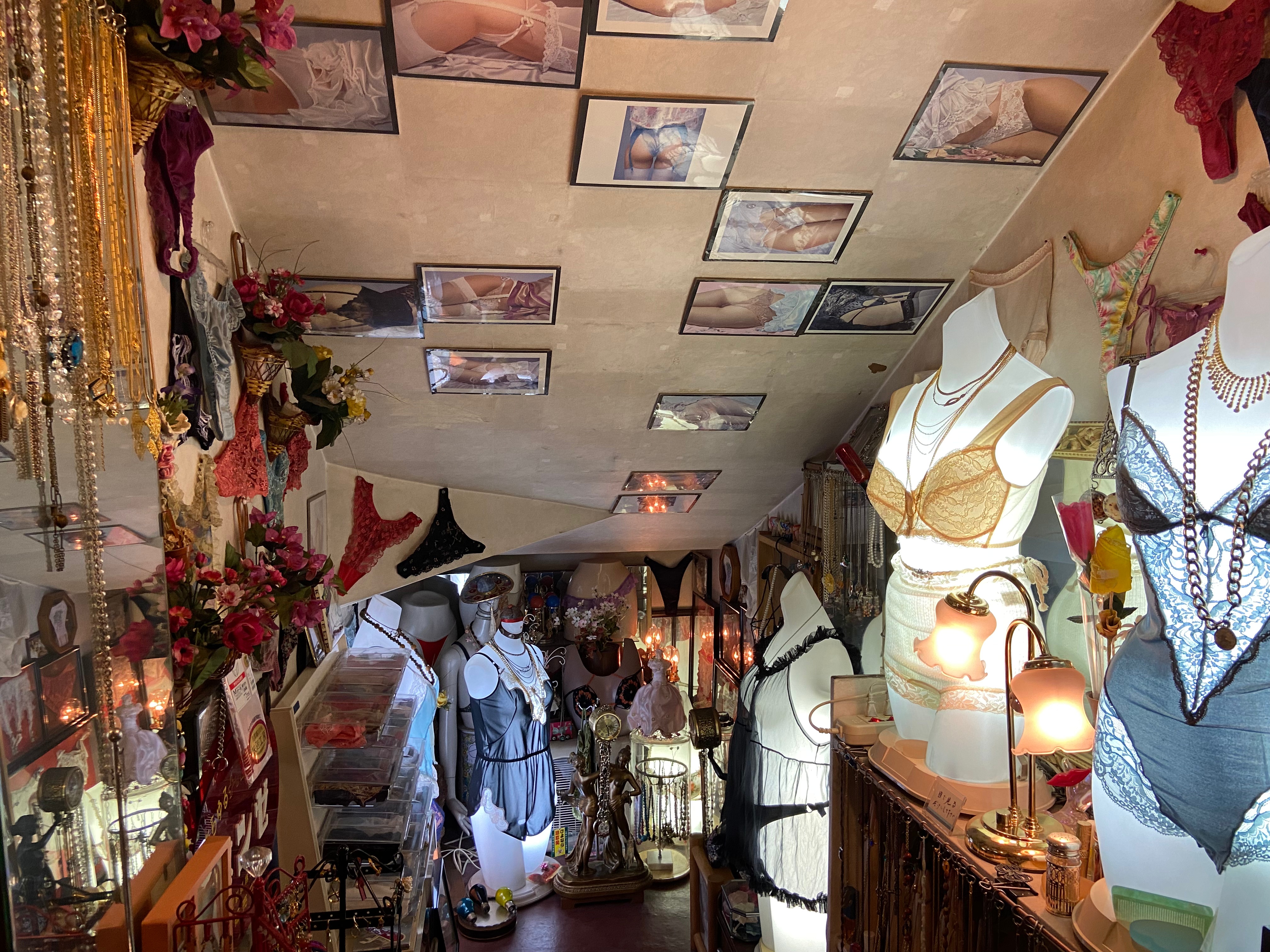
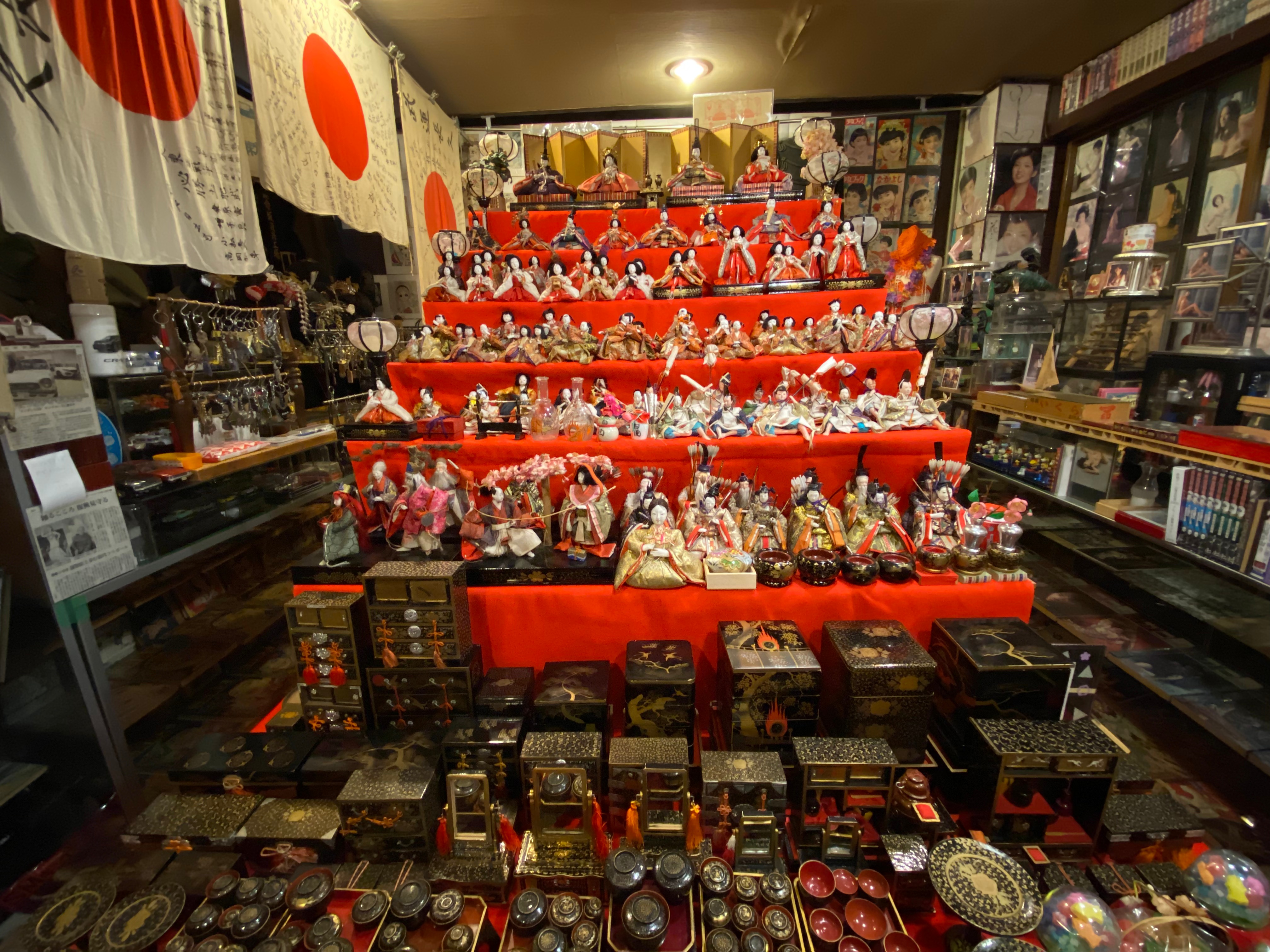
The museum is full of tightly packed shelves in every direction, arranged in sections and side rooms; a very well-organised collection of… well, of things. I don’t know where to look. There are things everywhere. If you can imagine it, Mr. Saka has probably collected it: Showa-era relics, gas masks, a large collection of syringes, musical instruments, a whole section dedicated to Eiffel Tower-shaped whiskey bottles, toys, figurines, bottle caps, buttons, stamps, cigarettes, women’s underwear, and photographs of women wearing underwear…

I begin to wonder whether Mr. Saka started out by collecting pornography and then, over time, began adding other random items like glass beakers and rocking horses to distract from all the images of naked women. Eventually it grew into this sprawling collection of almost one million objects. I don’t mind saying, I wouldn’t fancy having the job of dusting.

I have another thought as I pass by a wall of photographs of pin-up girls and a big pile of dolls: do other people just come here with stuff they no longer need and leave it behind? I can’t imagine anyone would actually notice the odd addition to the collection.

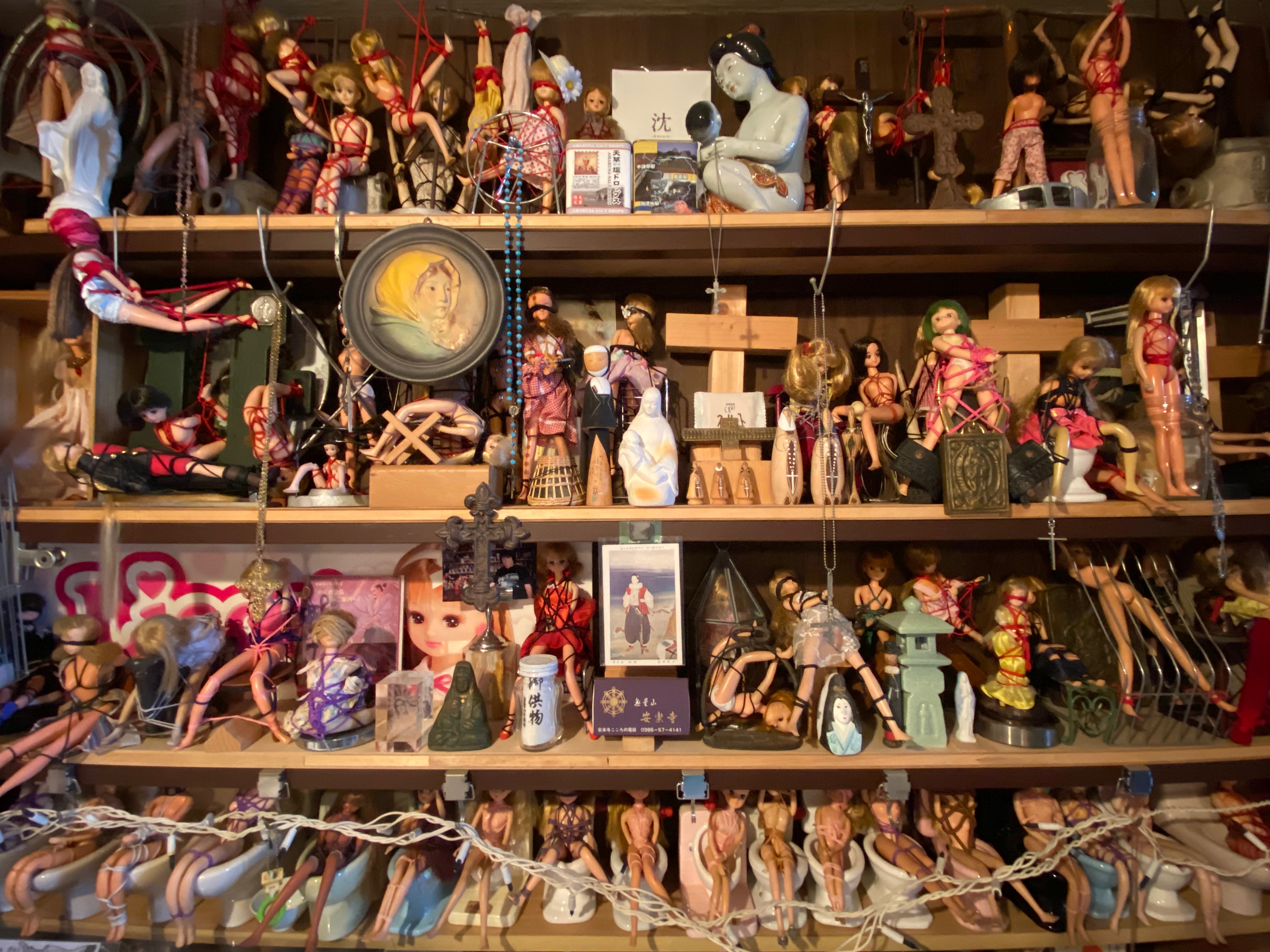
Just looking at the photograph of the pile of dolls, there’s so much going on in just that one area. Now imagine multiplying that by a hundred; you’ll get a good idea of just how overwhelming Retro Space Saka Hall really is.

I’m about to leave, heading toward the exit, but decide to take one last look at a shelf to my left. I must have missed it on the way in, overwhelmed on arrival by the treasure trove of everything mixed in with that odd smell of bygone. The shelf I’m standing before features a lot of dolls, tied up with string. The tied-up dolls on the bottom row are neatly arranged, all sitting on plastic toilets.

As I walk back to the train station, I decide that something about Mr. Saka is not quite right. Anyone with an entire shelf dedicated to Eiffel Tower-shaped whiskey bottles has a serious problem.

Life of Pipes

I’ve finally decided to visit Hokkaido Prefecture, specifically Sapporo, the capital of northern Japan. The area I’m staying in over the next few days is seemingly charming. The first thing I notice about it is the open spaces. Then the neat symmetry of the streets. Then the pipes.

The nearby Odori Park slices across twelve neatly gridded blocks. There’s a river, a large red-brick mansion, and an illuminated TV Tower looming at exactly 147.2 metres in height: Sapporo’s artificial Polaris.

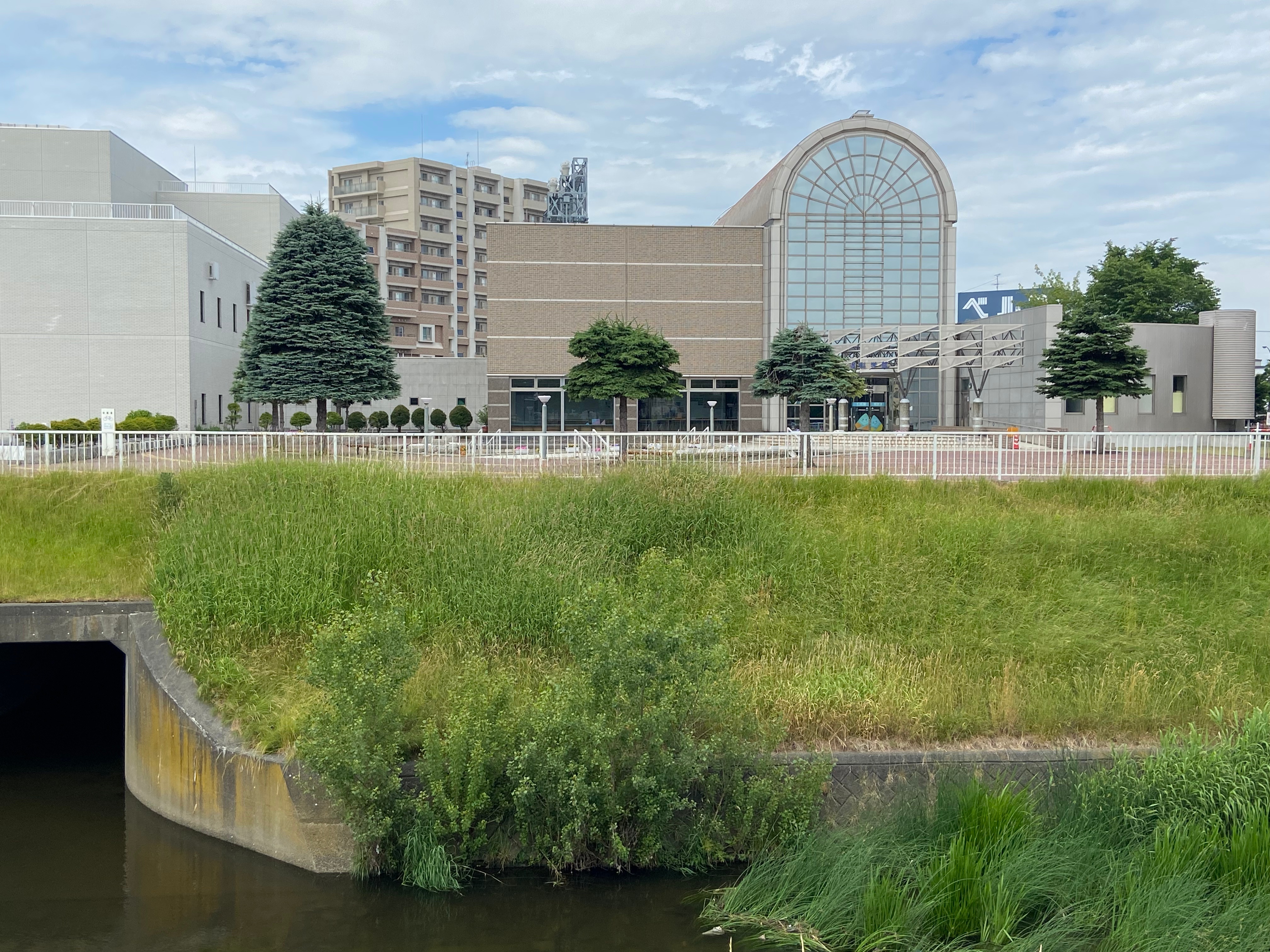
My first destination today is a bit of a hidden gem. So hidden in fact that the building itself is only identifiable by a single blue water droplet painted on its side. A grey concrete block of a structure in the middle of nowhere on the edge of the city. To find it, I am told to just follow the Soseigawa River. If you haven’t guessed it yet, the place I’m looking for is the Sapporo Sewerage Science Museum.

I don’t notice the single blue water droplet painted on the side of the building. What I notice instead is the stench; the kind that makes you immediately try to locate the source. Which, in this case, is the Soseigawa Wastewater Treatment Plant: right next door.

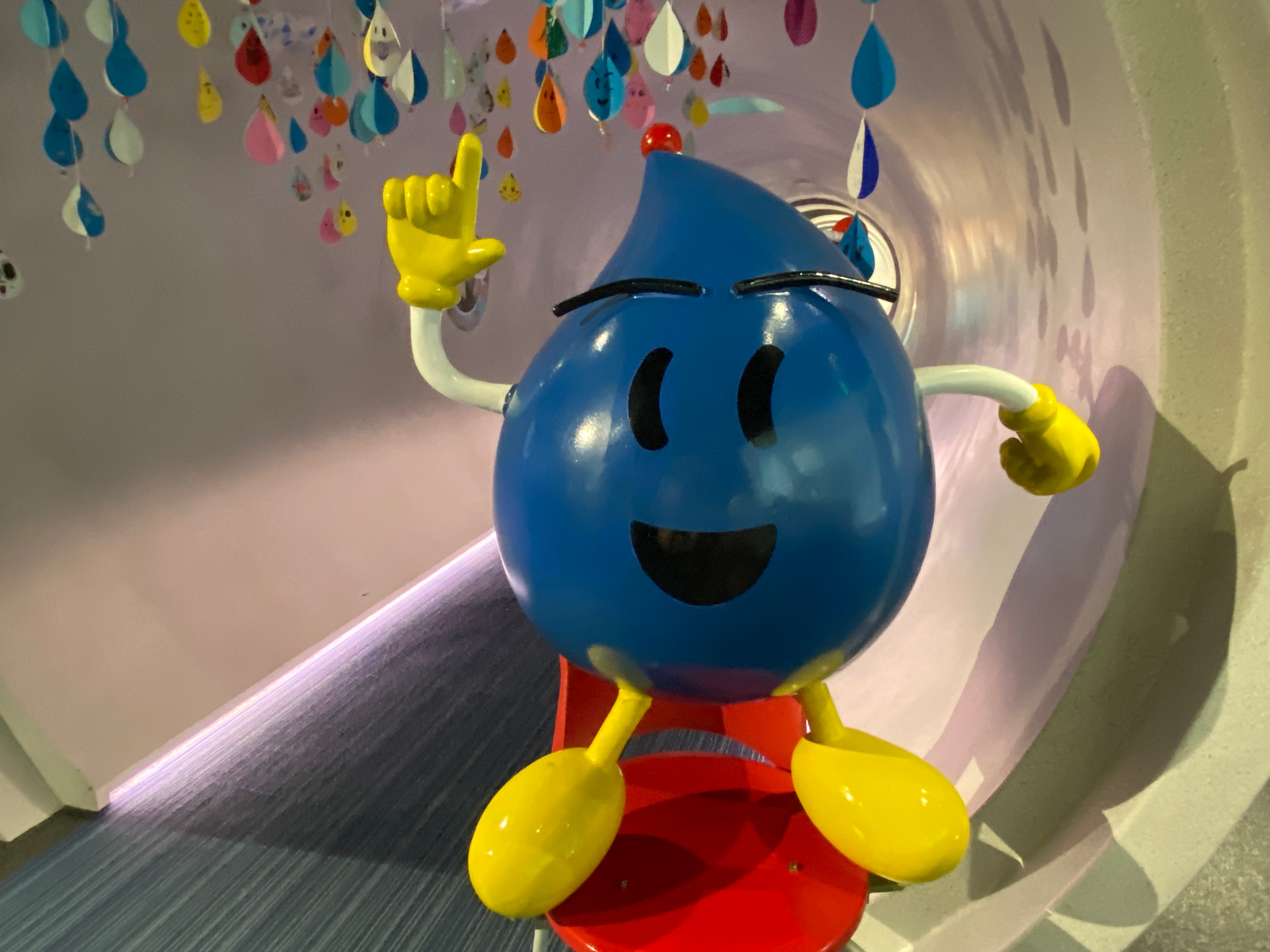
Inside the museum, there is nobody around. It’s actually free admission so I freely explore some of the exhibits. I quickly discover that there are mascots everywhere. There is a bacteria mascot, a sludge mascot, an activated sludge mascot, and a pipe-shaped mascot sporting sunglasses named Dr. Pipe. The water droplet is the star of the show and its name is Kurin-chan. There are no further details or backstories for any of the mascots.

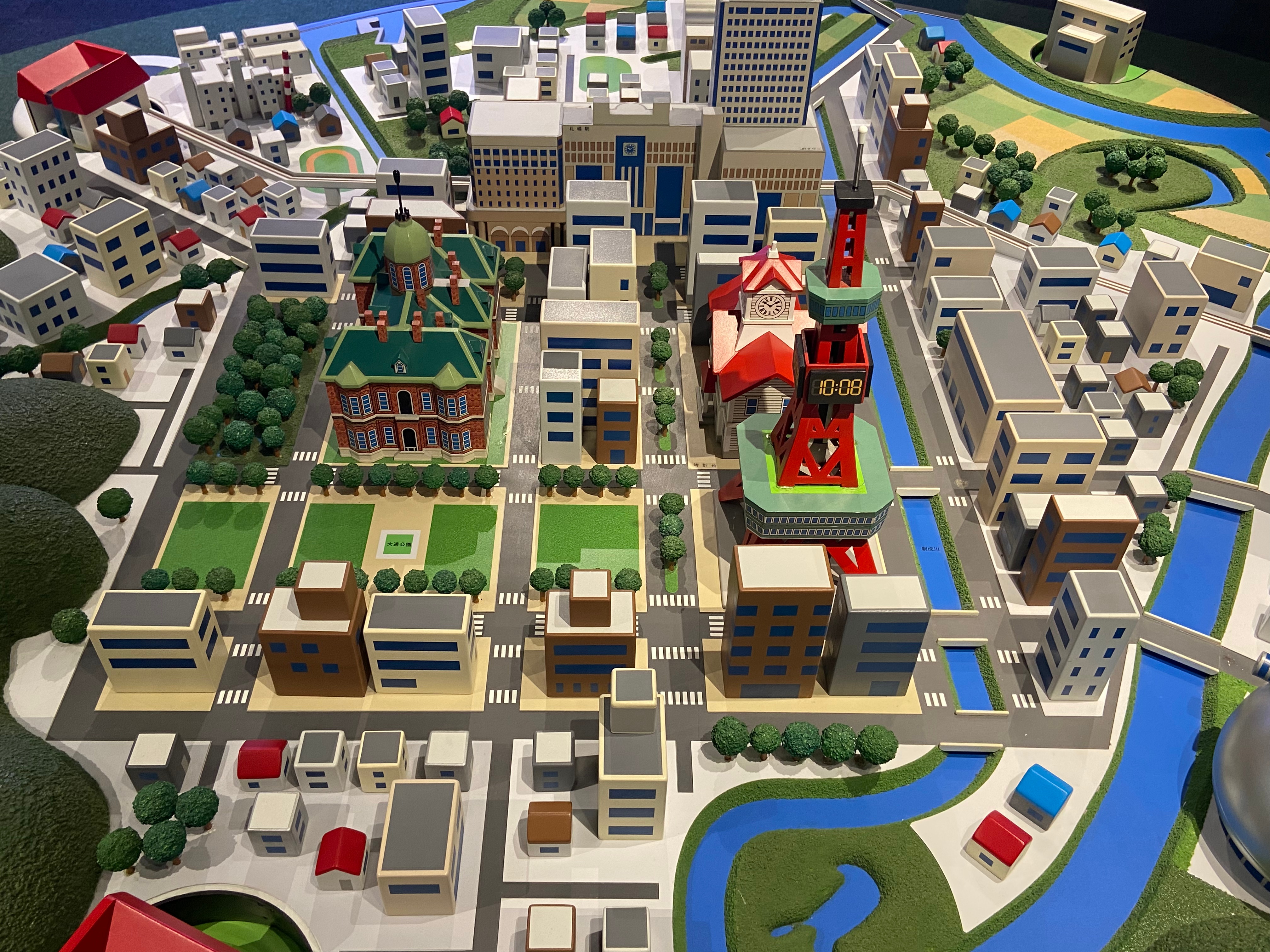
The museum features a huge panorama theatre with empty seats, the movie they are showing today is called “Where Sewage Goes” and is an animated educational video. There’s a detailed diorama of the seemingly charming Odori area of Sapporo. Underneath the model of the city are drawers that can be pulled out to reveal the fascinating inner workings of Sapporo’s sewerage system.

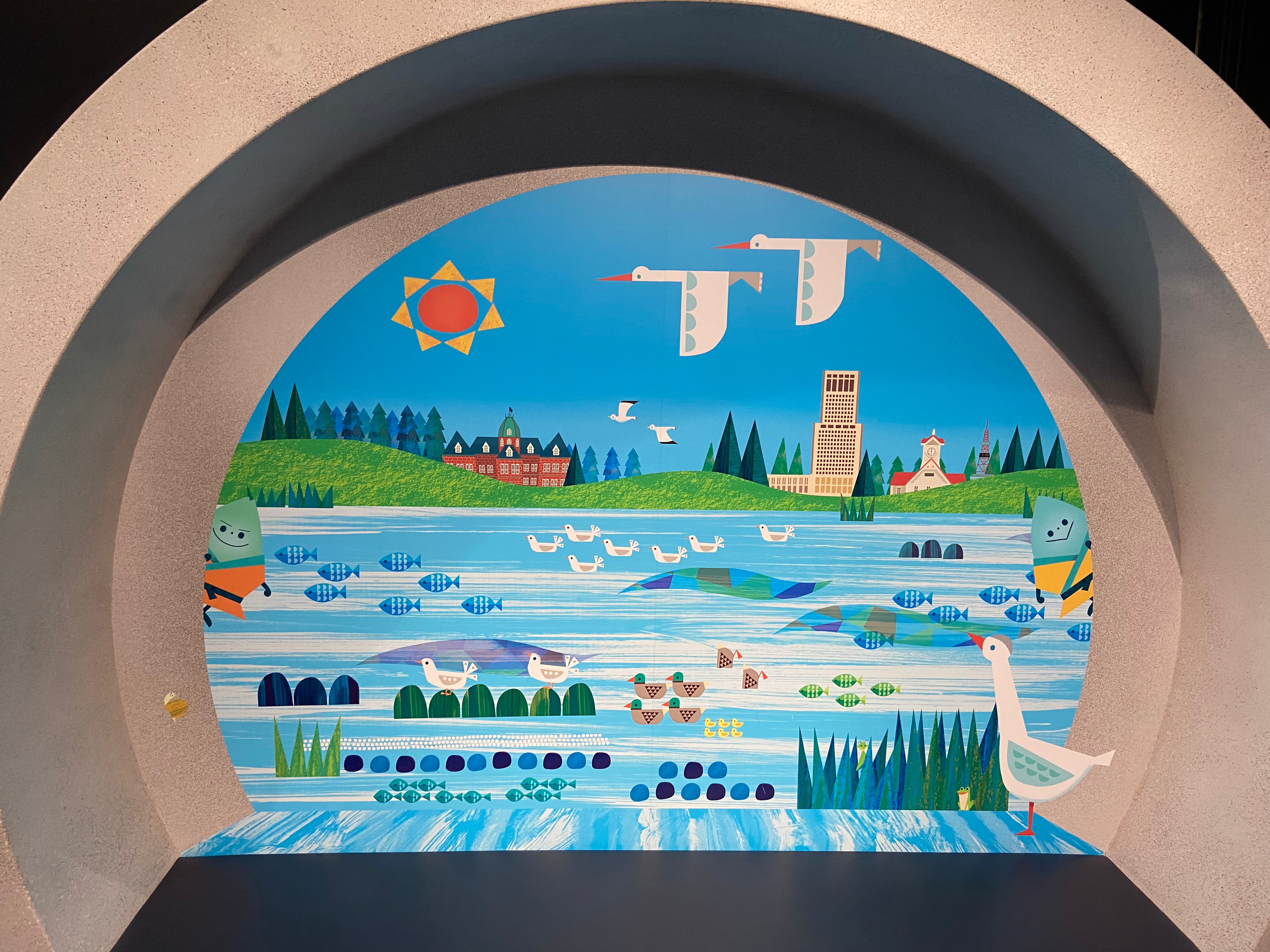
I imagine children would love this place and its various petri dishes of animal fæces and eleven interactive games (some genuinely quite fun) where you can train to be an Operations and Maintenance Master, a Sewage Pipe Cleaning Master, or even a Sludge Treatment Master. There’s also a massive decorated pipe with artwork seemingly unrelated to the other parts of the museum.

Speaking of hands-on activities and pipes, the museum also features an 800-year old decommissioned sewer pipe that you can touch anywhere you like. I decide to only touch the outside of the pipe. I sanitise my hands and wave goodbye to Kurin-chan as I leave for the station.

In a city called Sapporo, it’s almost impossible to avoid seeing signs, sponsorships, and advertisements for a beer company that shares the city’s name: Sapporo. So, moving from one thing that comes out of pipes to another, I just hope this one tastes markedly better.

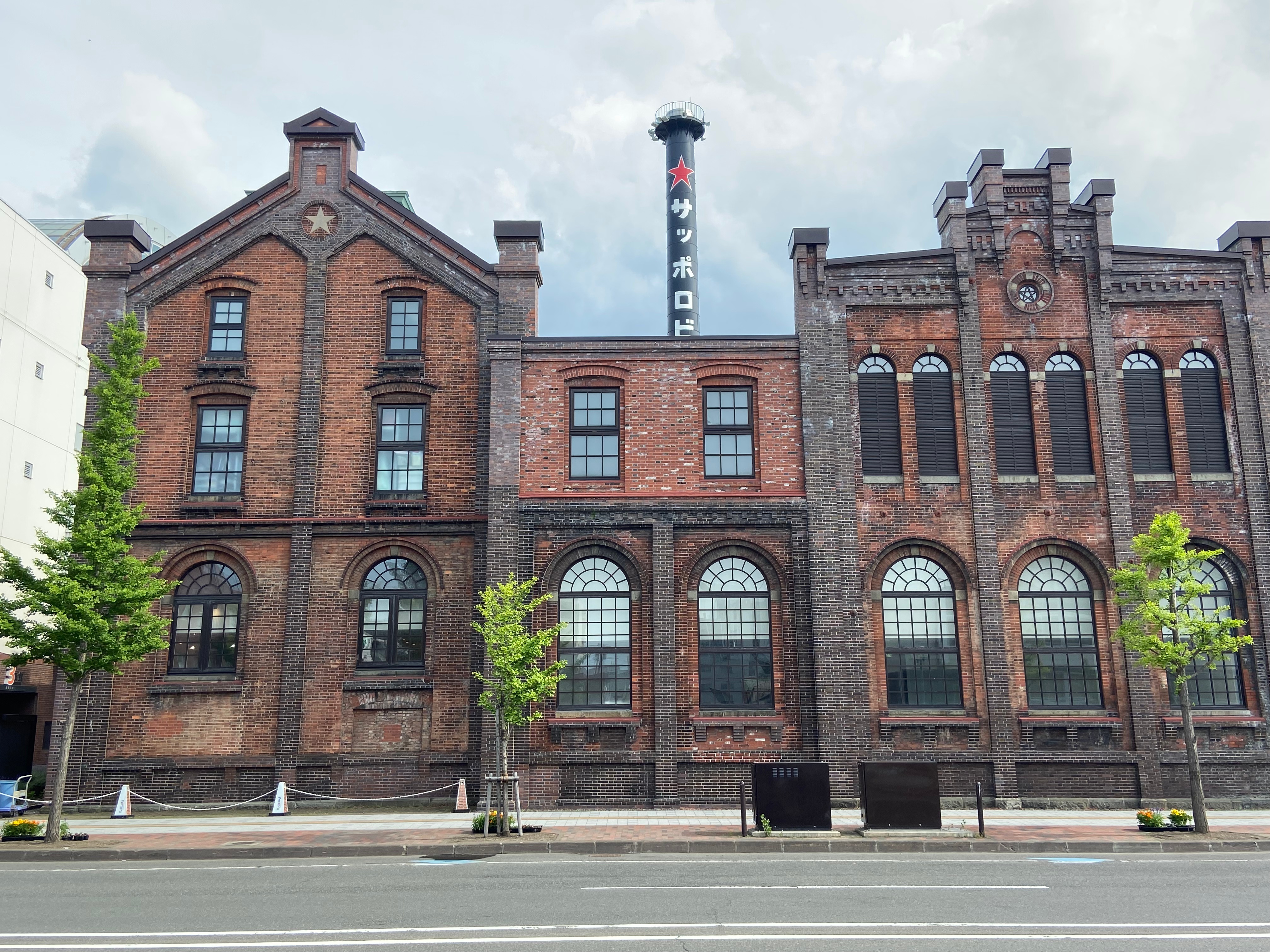
Founded in 1876 by German-trained brewers, Sapporo Beer survived relocation, stereotypes, and wartime censorship. The Tokyo facility was shut down for reasons that may or may not involve pipes. A year later, the first beer was delivered in boxes of ice back to Tokyo, and the years that followed saw Sapporo Beer’s popularity begin to soar across Japan.

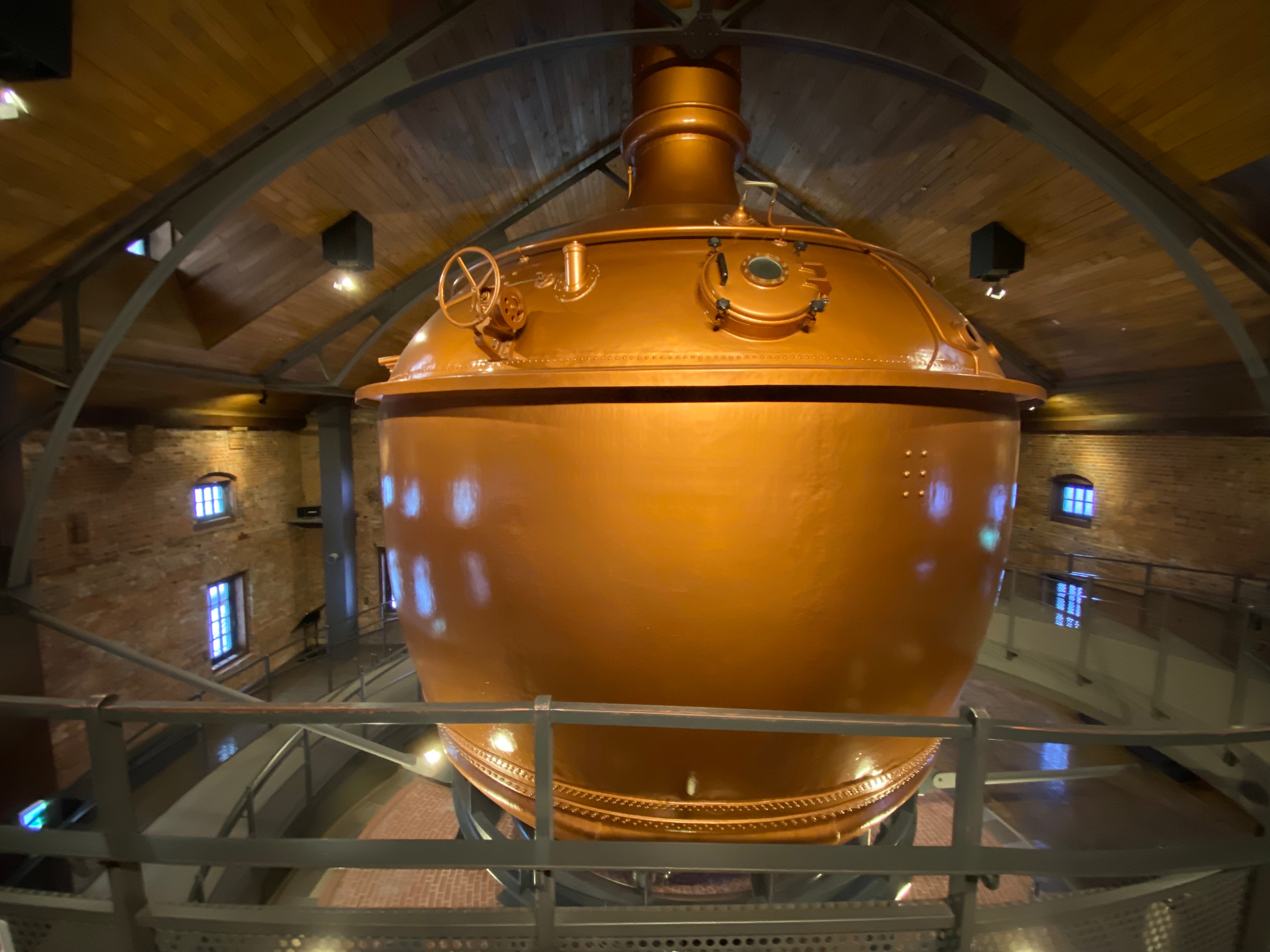
As I enter the Sapporo Beer Museum I am instantly struck by the size of the massive gold Walt Pan. Used from 1965 to 2003, this historic steel sphere is capable of brewing 280,000 cans of beer at once. For context, that’s 280,000 cans of beer. A sign at the bottom of the ramp politely asks: “Please do not climb on the Walt Pan.”

In 1908, Sapporo Beer began using geisha in its advertisements, an image later viewed as stereotypical. All advertising ceased in the late 1930s for unclear reasons. When it resumed in the mid-1940s, the geisha were gone, replaced by more glamorous and recognisable stars.

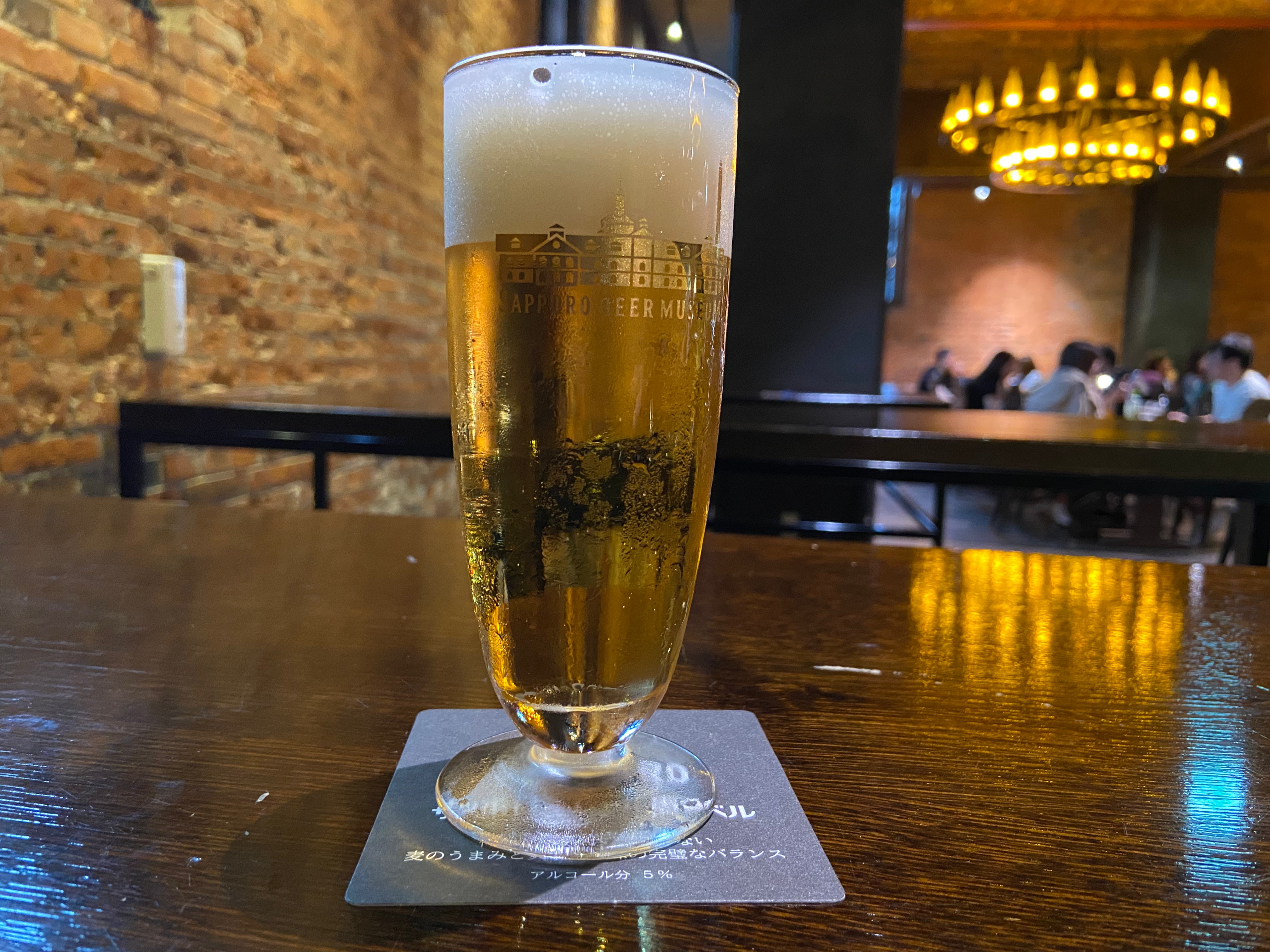
As I leave the museum I exit into a roped-off line of people queueing to buy tickets for beer at a vending machine. I pay ¥450 for a ticket that I then exchange for a small 240ml glass of beer. I don’t mind though, it tastes very good and makes for a great photograph.

In Japan, there’s a concept called wabi-sabi. It’s hard to explain, but that photograph of my small 240ml beer does a decent job. The lighting is perfect, the glass pristine, the faded backdrop of a crowd of people in the beer hall, but something is out of place: a bubble, or the absence of a bubble. One missing pixel at the top of the glass. An imperfection. But for wabi-sabi, that bubble is a missing thing of beauty.

I take two sips of beer and realise my glass is empty, so decide to move on to my final stop of the day: the Mount Moiwa Ropeway. Unironically, right next to the ropeway is the Sapporo Waterworks Memorial Museum (more pipes). Luckily, it’s long closed today, so I admire the exterior and move on.

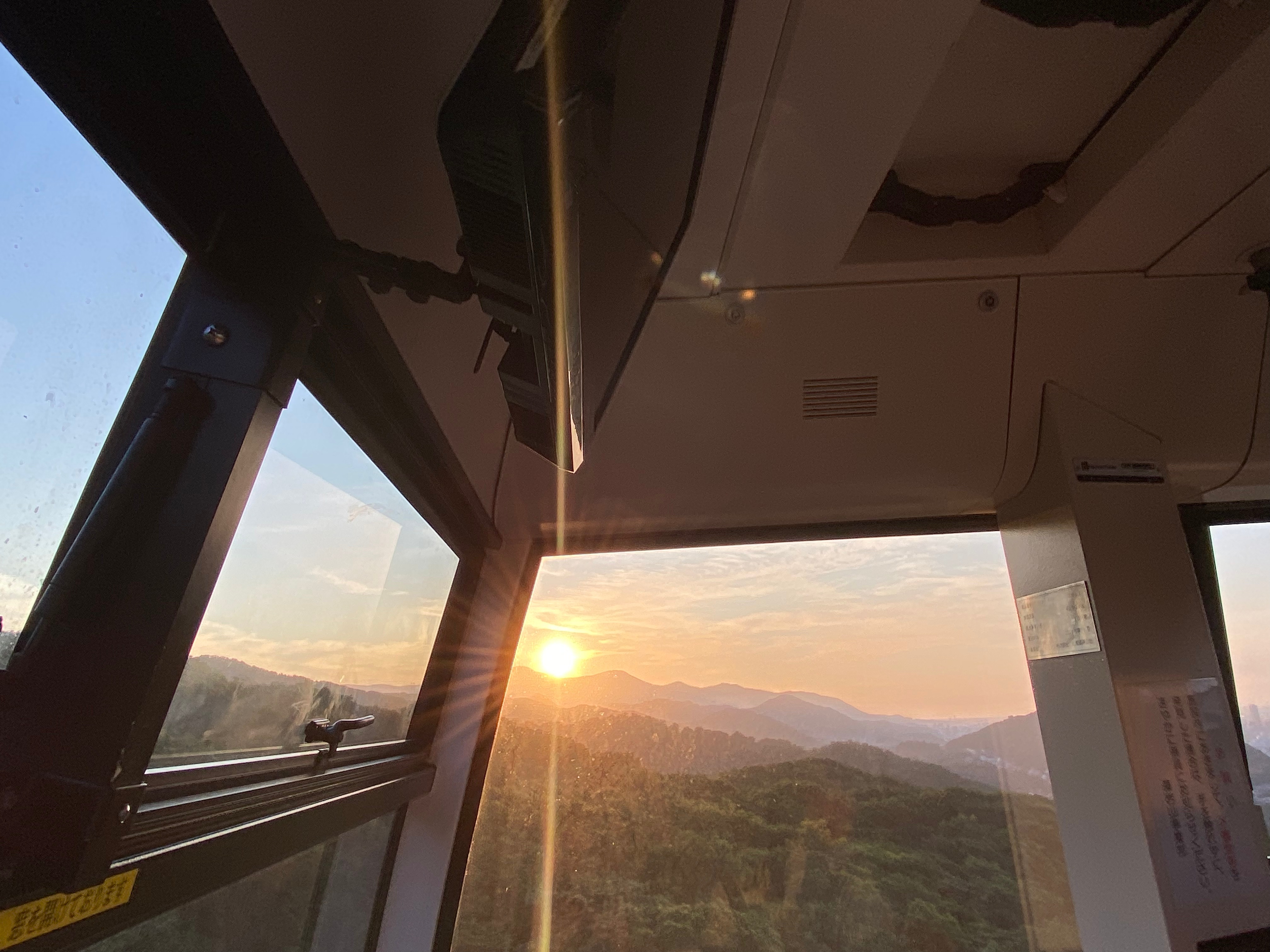
I pay ¥1900 and enter the ropeway. I am carried alone, lifted above the city, above the pipes, and past the skyline’s edges. The sun to the west sets behind the Shokanbetsu mountain range. I read a sign stating that Mount Moiwa has one of the three best night views in all Japan; at sunset, the view from the gondola is already stunning.

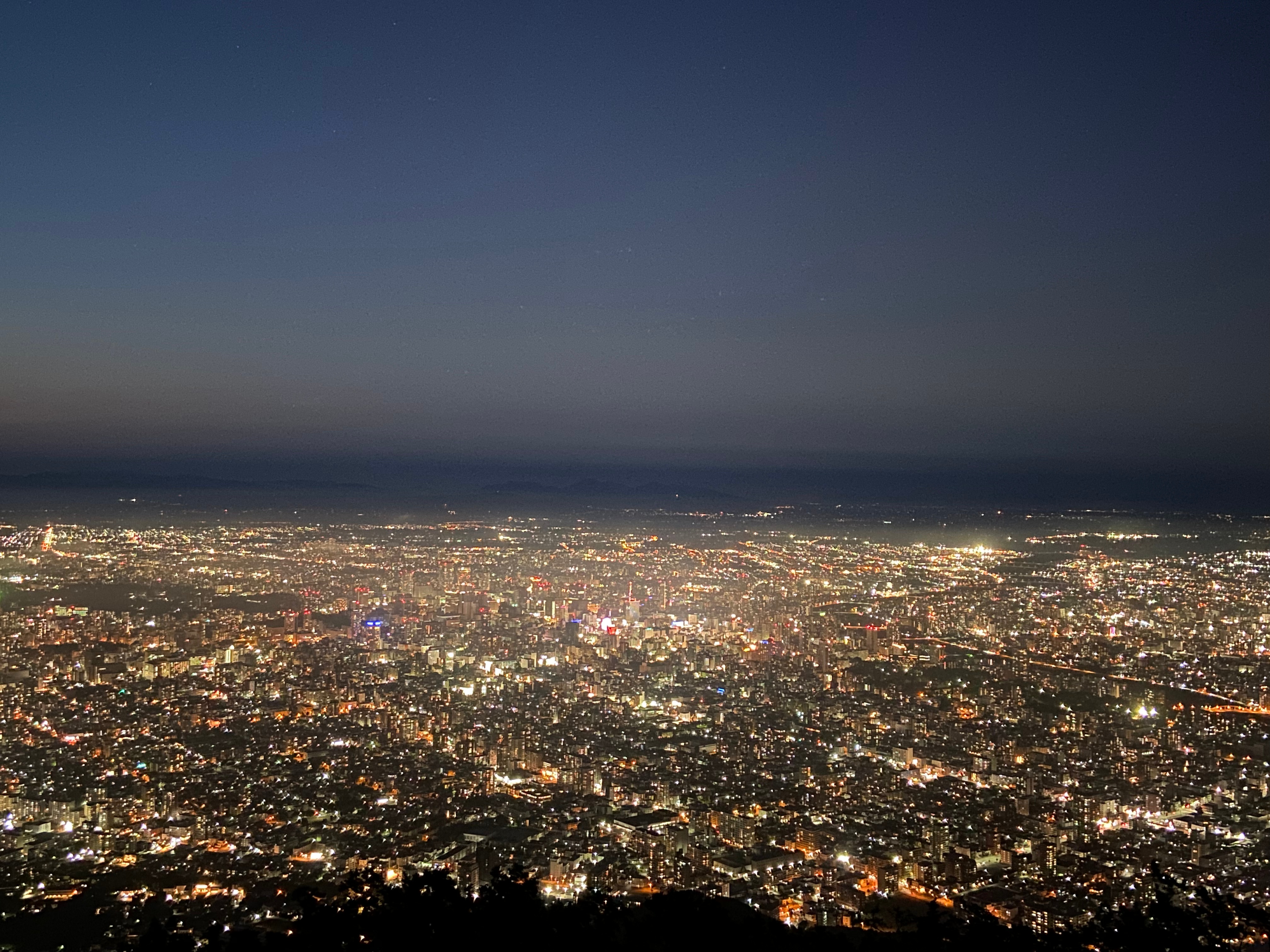
At the top, I await the gloaming. As the darkness of night blankets the city below, Sapporo shrinks and becomes less of a grid, and more of a circuit board of blinking lights. What makes the view even more satisfying is drinking my 500ml can of Sapporo Beer, whilst relaxing, staring down at the connected lights of my day below me, as I enjoy the moment.

Earlier today, I touched an 800-year-old sewer pipe that once carried the waste of people who don’t exist. I watched beer pour from a golden pipe into a glass, and now, I’m looking out at a city of interconnected lights.

I take in the view. Breathtaking. Yet all I can think about is that pipe. The one with the sunglasses.