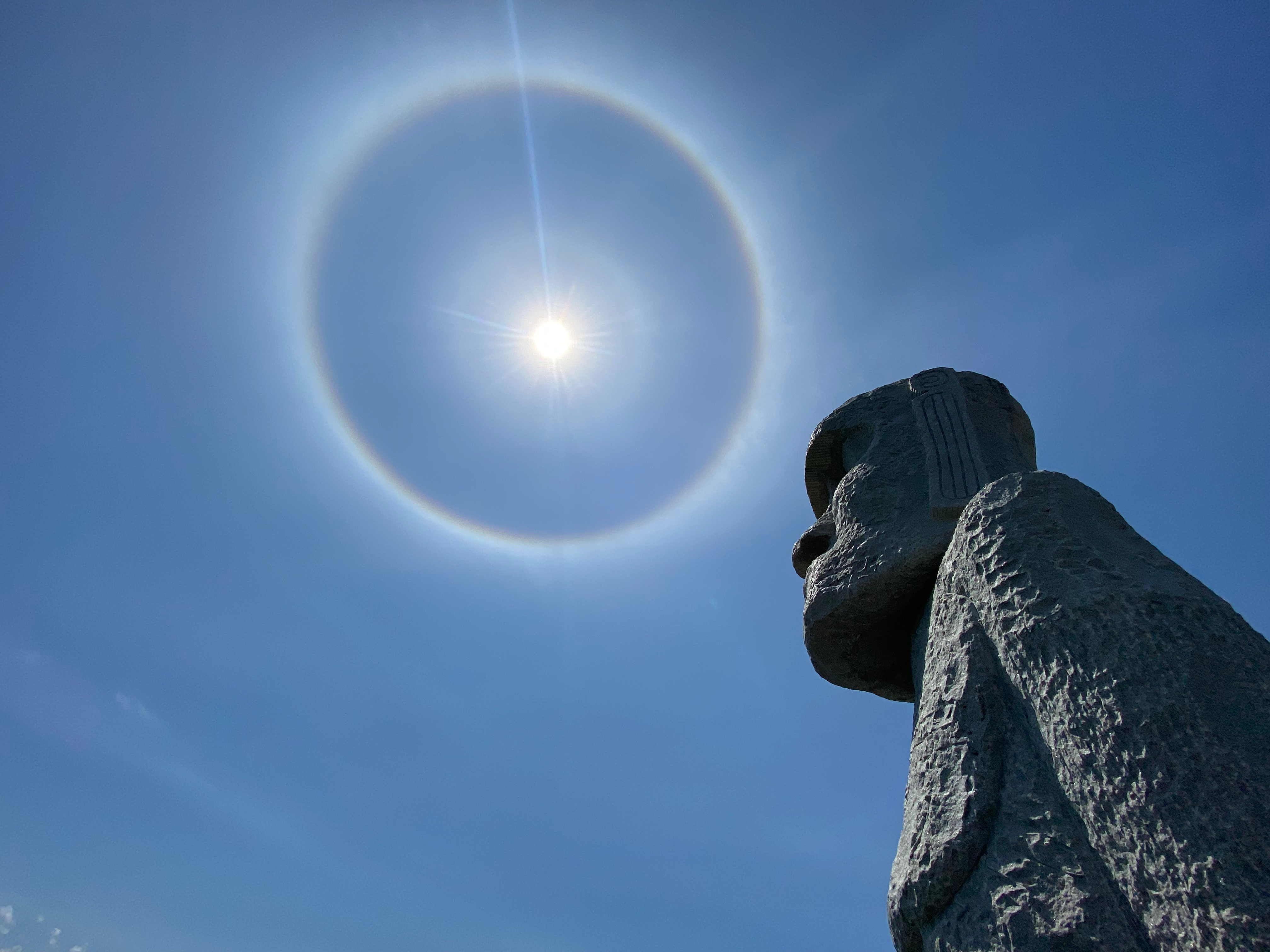
I arrive at Makomanai Takino Cemetery at the exact moment a halo appears around the sun; a 22-degree circle of refracted light caused by ice crystals high in the stratosphere.
A Moai, still and solemn, gazes upward as the ring completes itself overhead; an accidental alignment of atmosphere and awe. I stare with it for a while. Both of us do. Neither of us understands.
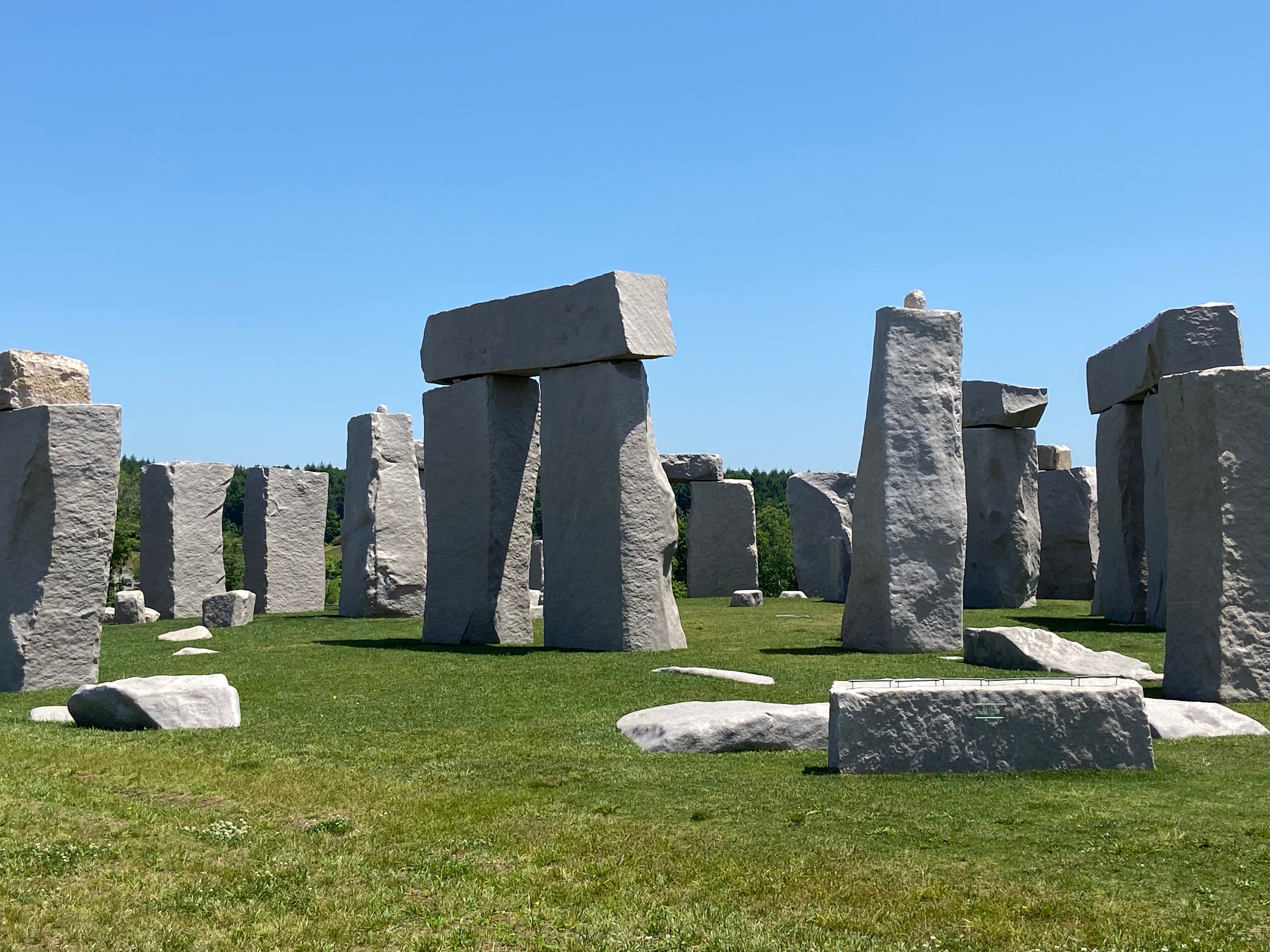
Makomanai Takino Cemetery features a skateboard park, a row of Easter Island Moai, a lavender vending machine, and a full-size replica of Stonehenge, which also contains a secret underground mausoleum. But I’m not actually here for any of that.
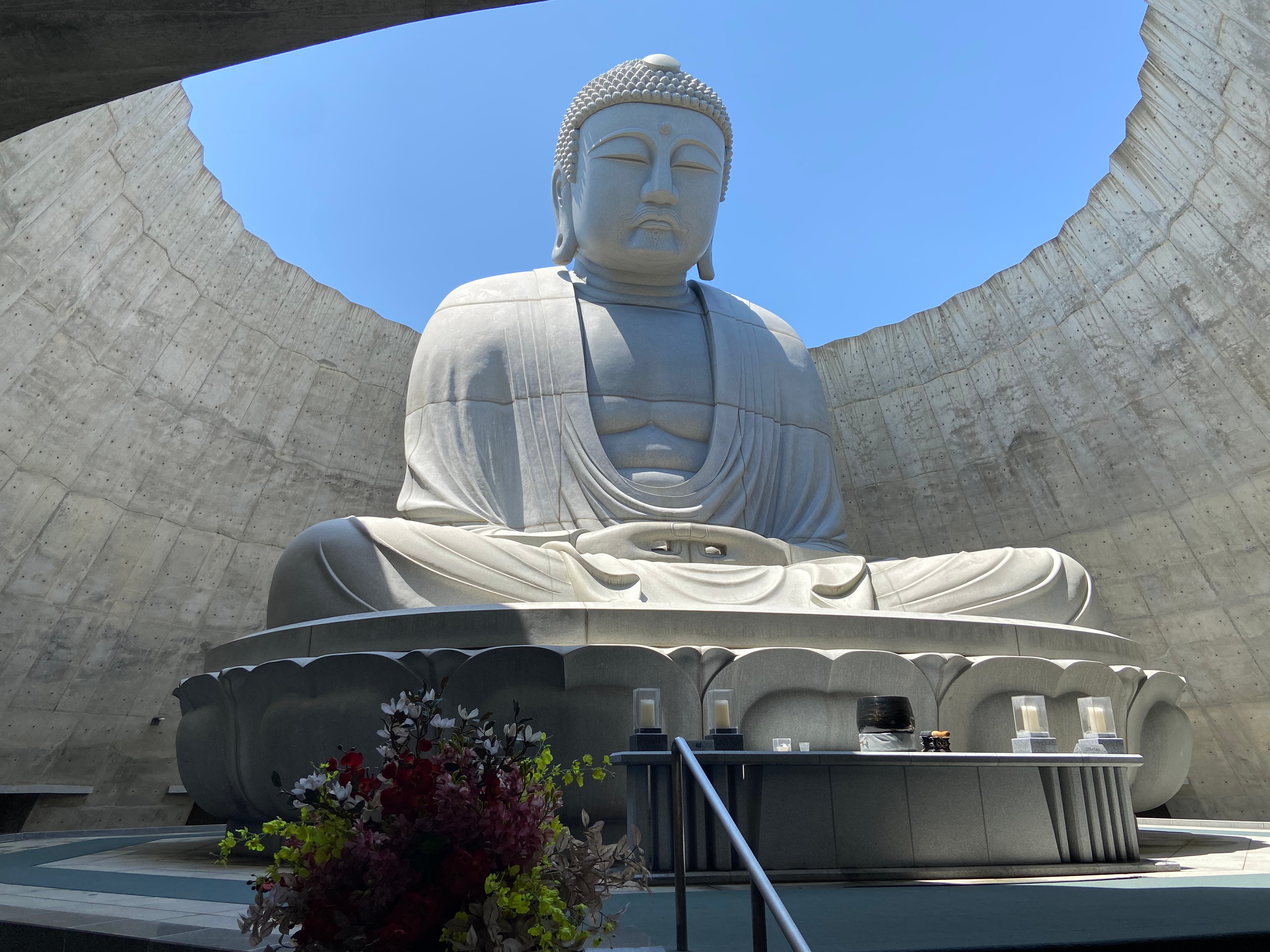
“If you’re going to see the Buddha, go directly there.” That’s what the sign says. That’s what the “tourist information” office tells me. Back outside, I can just about make out the head of the Buddha poking out above a hill of lavender, so I go directly there.
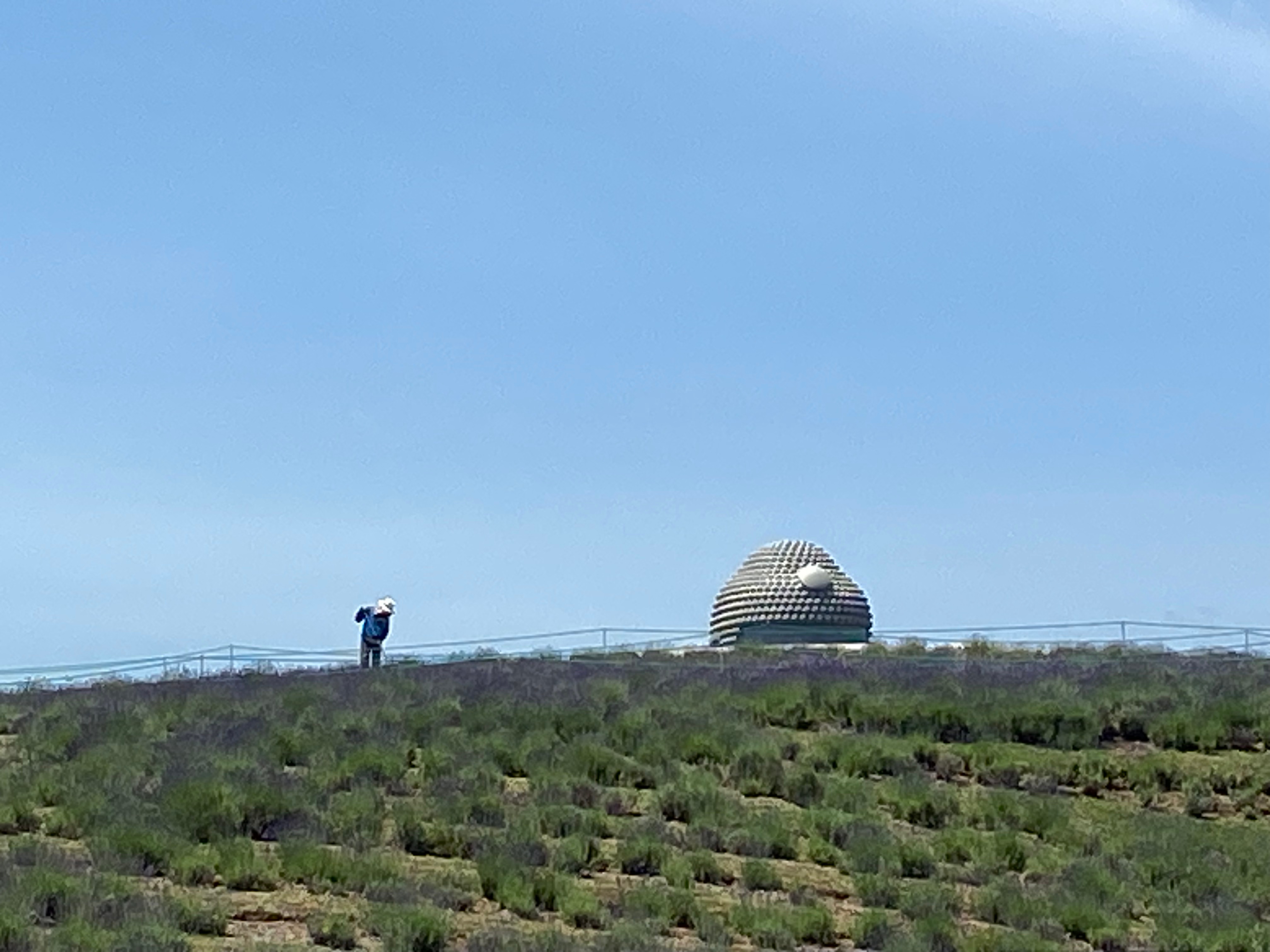
July in Japan is lavender season. Tens of thousands of lavender plants surround the “Hill of the Buddha”, designed by world-renowned architect Tadao Ando. They’re so magnificent I have to remind myself that I’m in a cemetery.
One sole member of staff has been given the arduous task of tending to the tens of thousands of lavender plants, whilst the Buddha looks on, watching over a world in slow collapse.
I enter the chamber that houses the Buddha and instantly notice the silence. The closest thing to silence I’ve experienced in a while. I just stand there, motionless, staring at the Buddha. It’s the kind of place that wants you to contemplate something. I’m never quite sure what. The permanence of stone. The impermanence of memory?
I pull an oracle fortune slip from a basket by the prayer wall. It says: Very Good Luck. With success anything can be accomplished. It also says that my lucky item is dried flowers. I consider making a bouquet from the ones outside but decide against it.
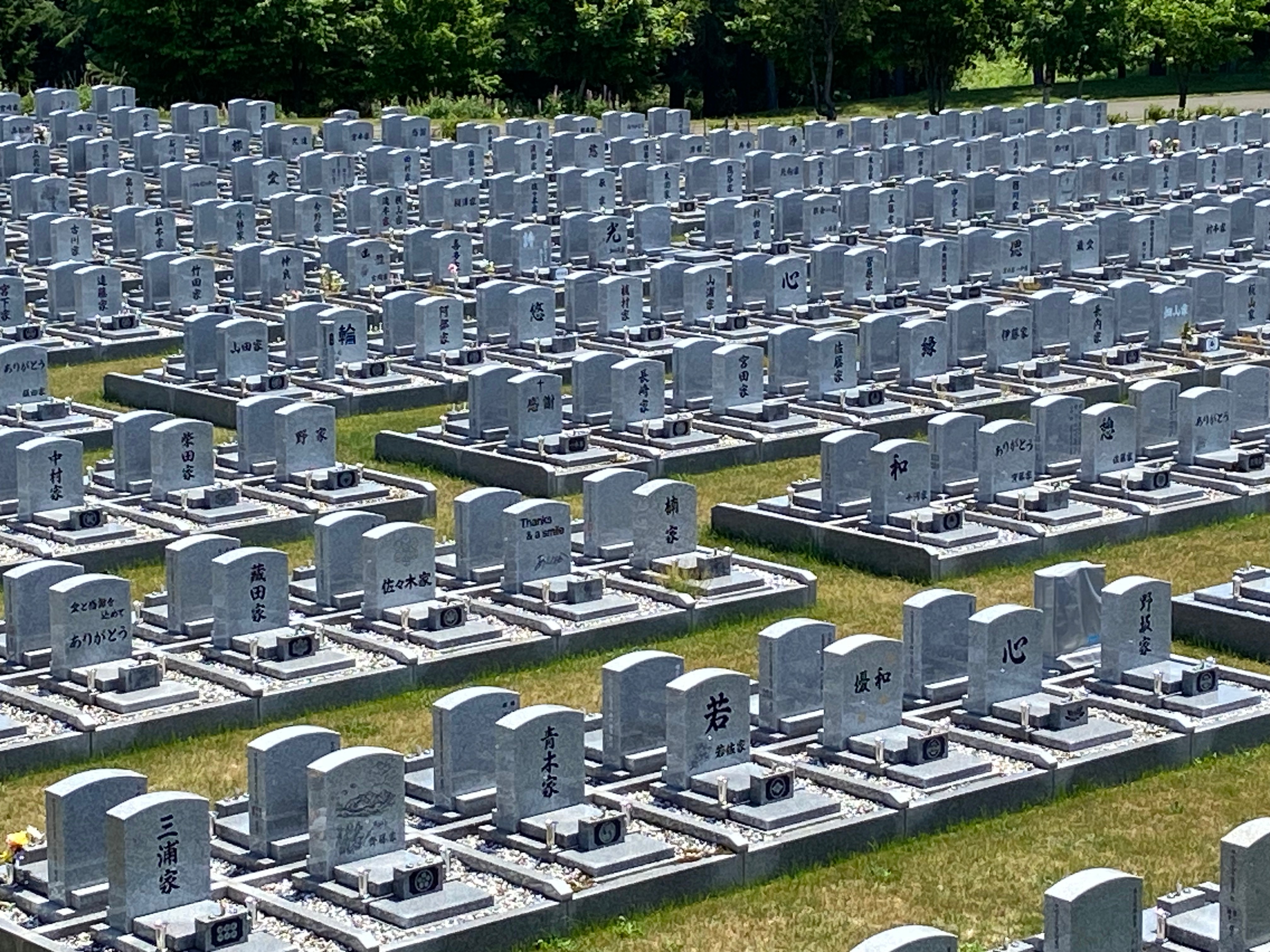
Makomanai Takino Cemetery is one of the largest in the country; 180 hectares of death and flowers. As I stroll through the many interconnected burial areas, I pass by multiple funeral processions in progress, and my thoughts turn to death.
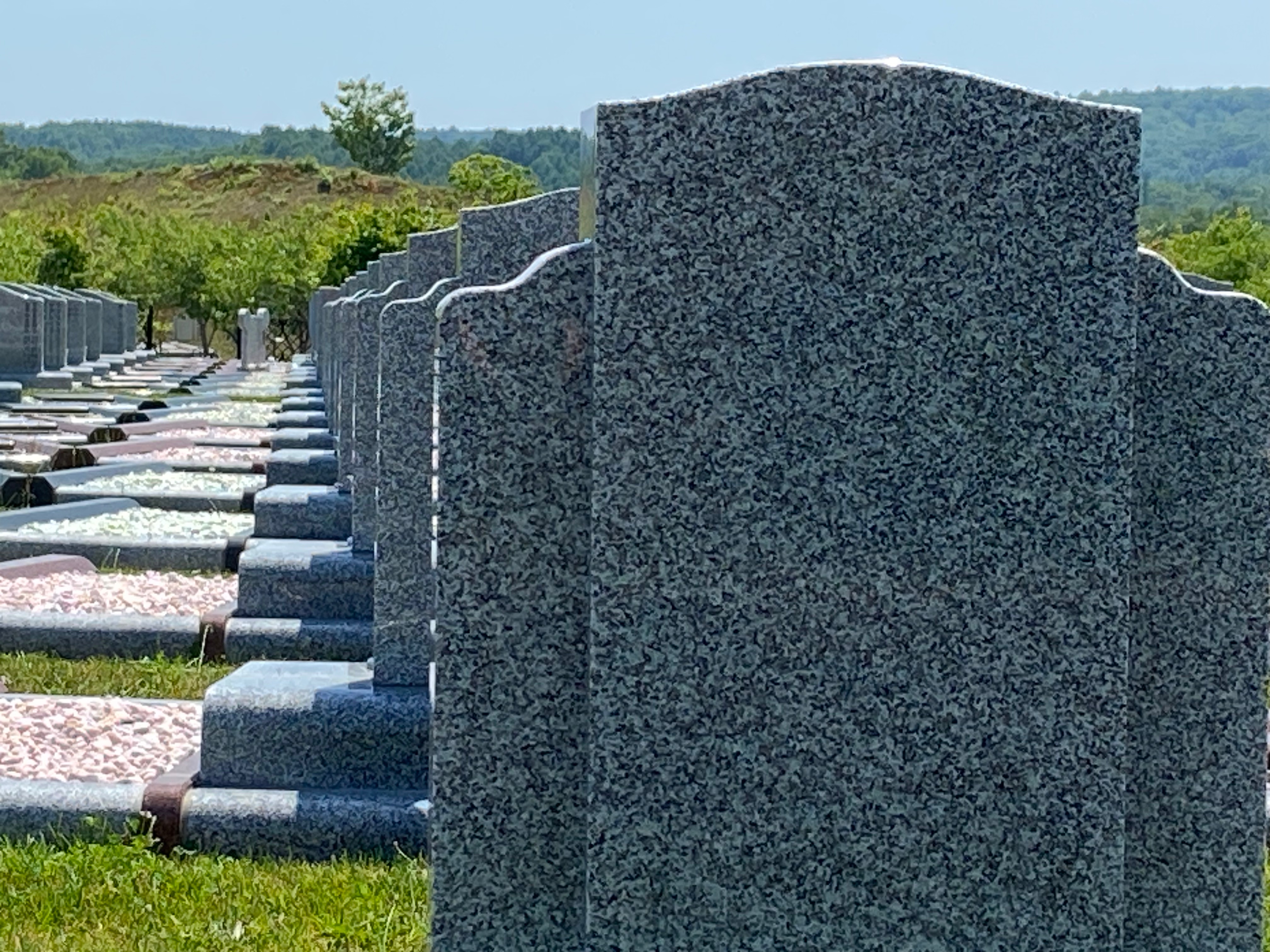
I pass a row of graves with the kanji worn away, lost to time, like everything else. I begin to wonder what memory becomes when the last person who remembers it is gone. When even the names are unreadable.
And for a while, there is no past. No next. Only this.
The moment stretches, fragile and full of forgetting.
Then a memory. Then not even that. Then a stone. Then not even that.
I decide to do some sightseeing for the final time in a while. After taking three different trains, I arrive at Mitsumineguchi Station, the last stop. It’s almost three hours from Tokyo, and at times I wonder why I have made this journey into the middle of nowhere. Stepping off the empty train, I find the station is completely unmanned, so I place my ticket into a wooden box. I notice that the ticket machine doesn’t appear to be working either, so there is no way for me to purchase a ticket for the way back. I wonder if that’s to stop anyone else from leaving.
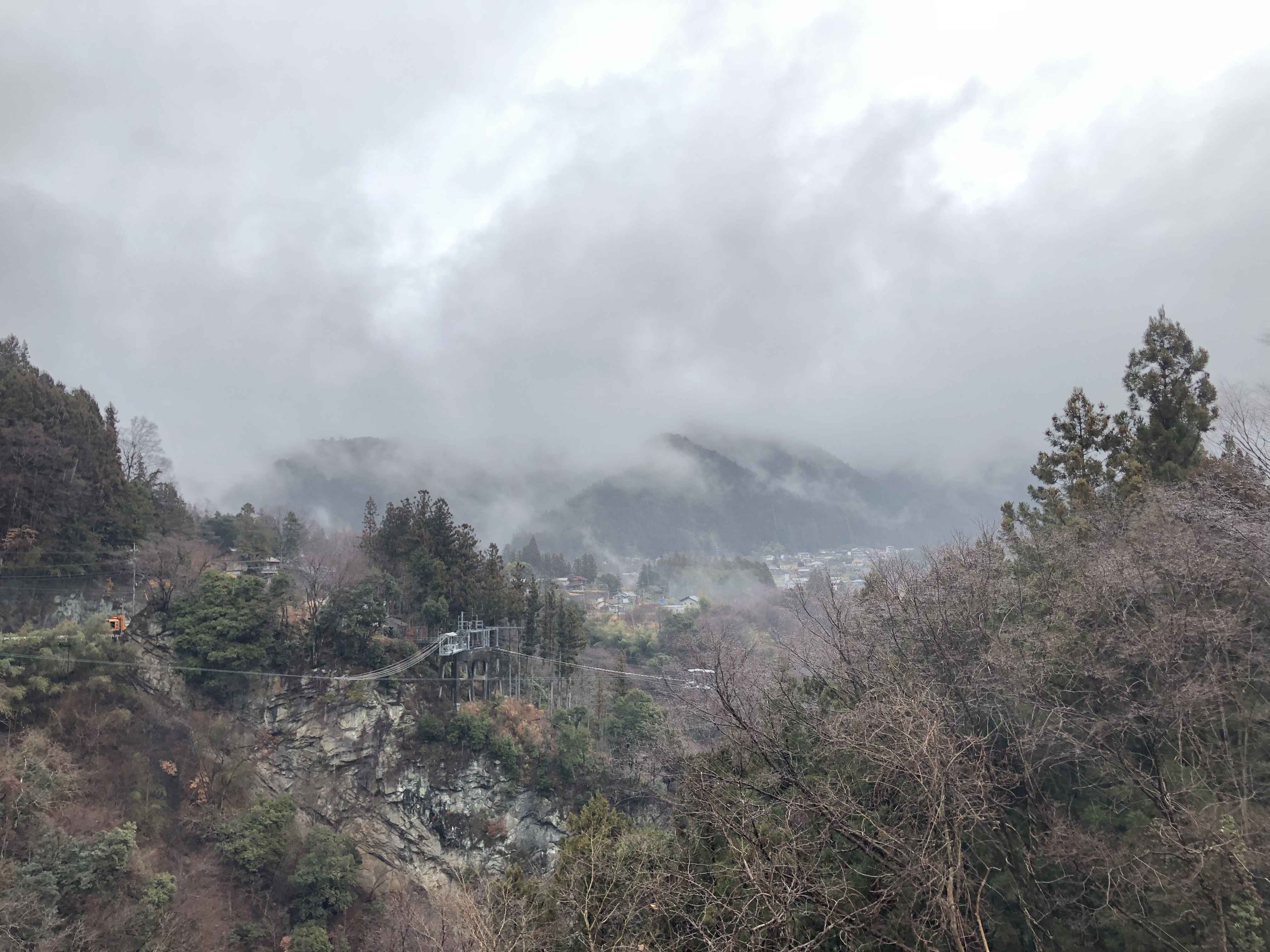
Stepping out into the cold, the fog casts a haunting shadow over the hills and village below, a thick, dense mist that seems to swallow everything in its path. The kind of ghostly white fog you would expect to find in a horror movie; a sign of things to come. As I wander across a bridge, I stop for a moment to take in the breathtaking yet unsettling scenery.
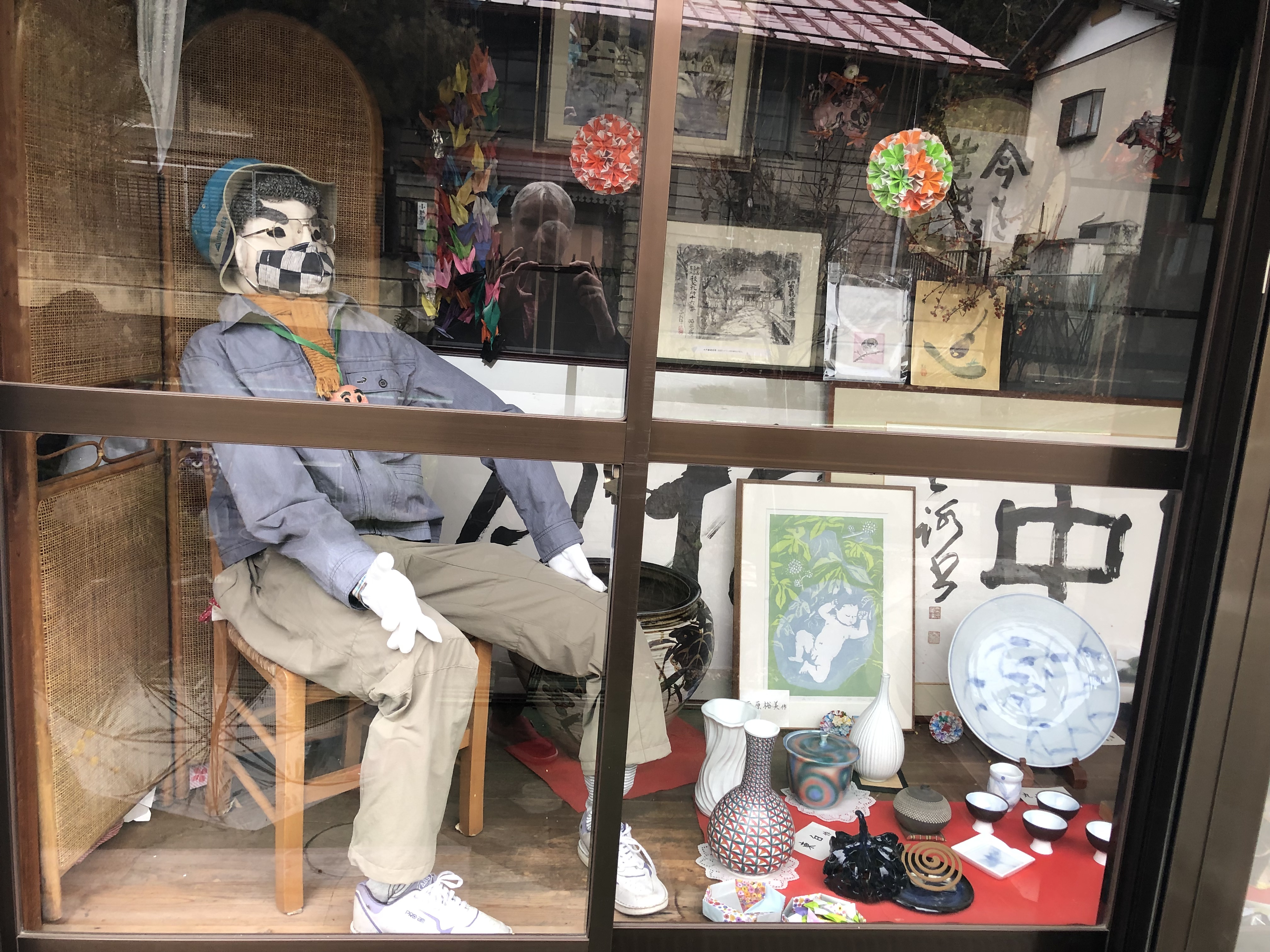
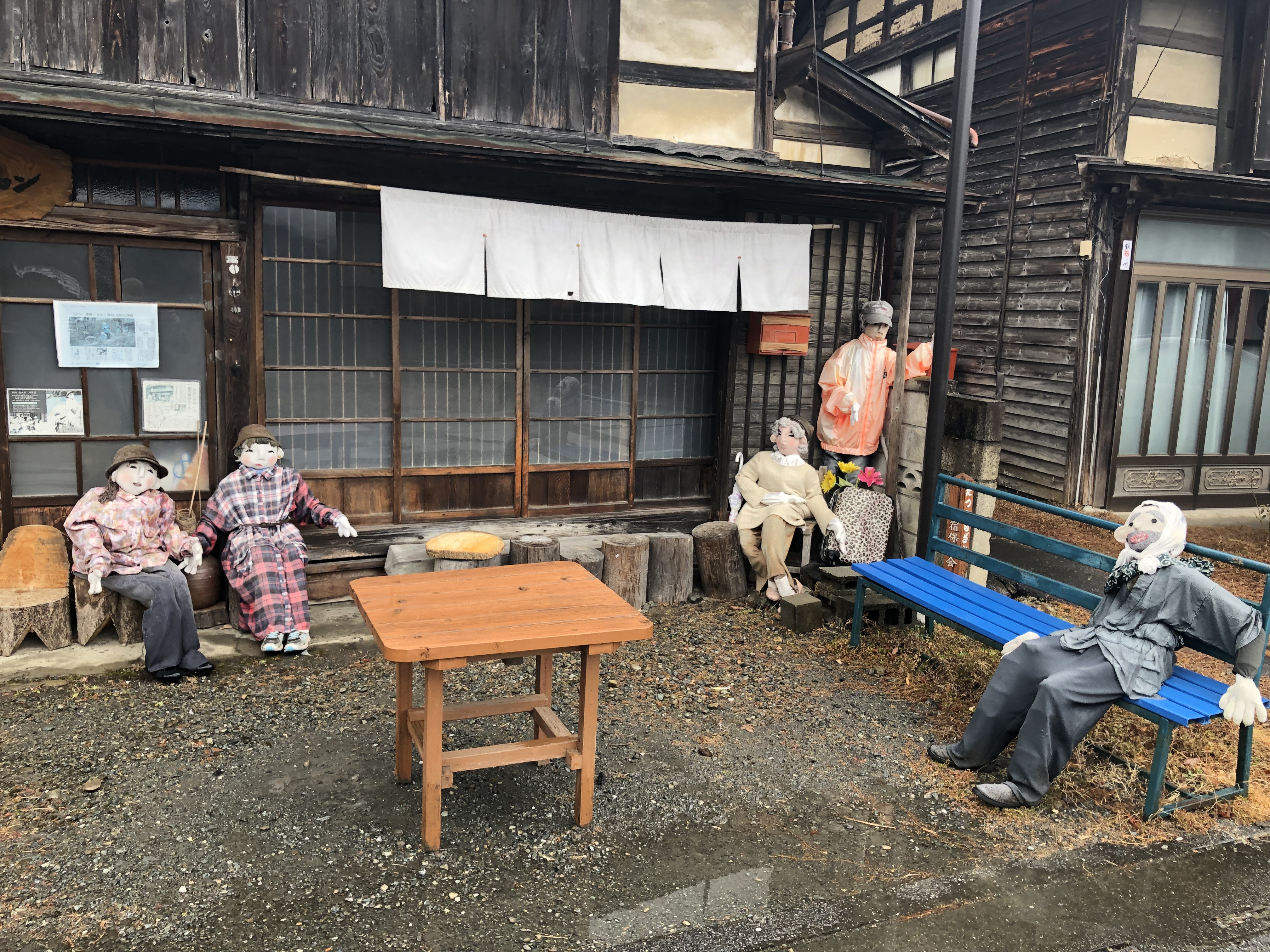
As I continue my stroll from the bridge, I am enveloped by an eerie silence. The only thing that breaks the stillness is the soft whisper of the wind blowing through the fields. A village stretches out before me, a ghost town. Scarecrows line the streets, their lifeless eyes following my every move. They stand outside almost every house, yet the village is deserted, there’s not a soul in sight.
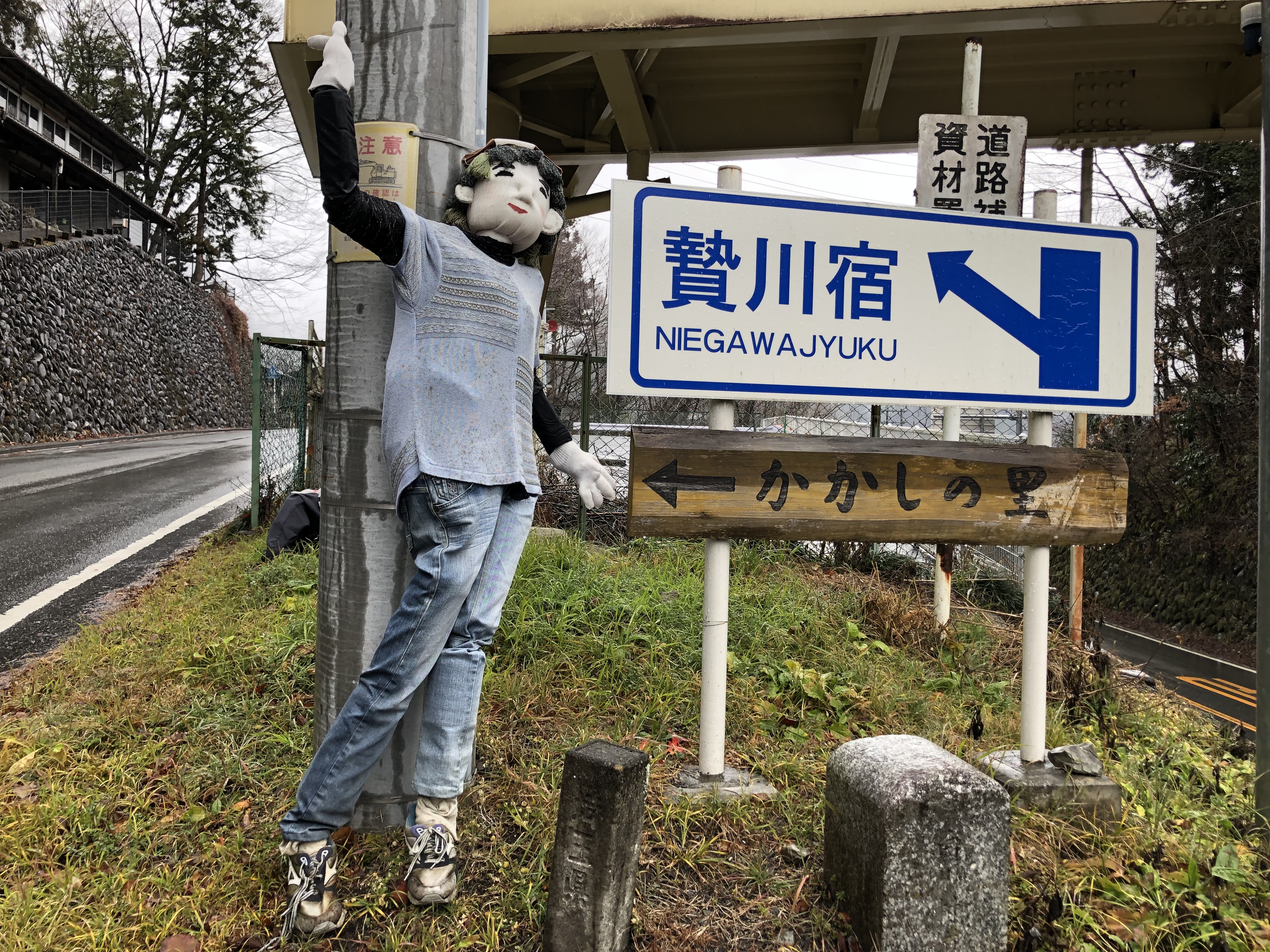
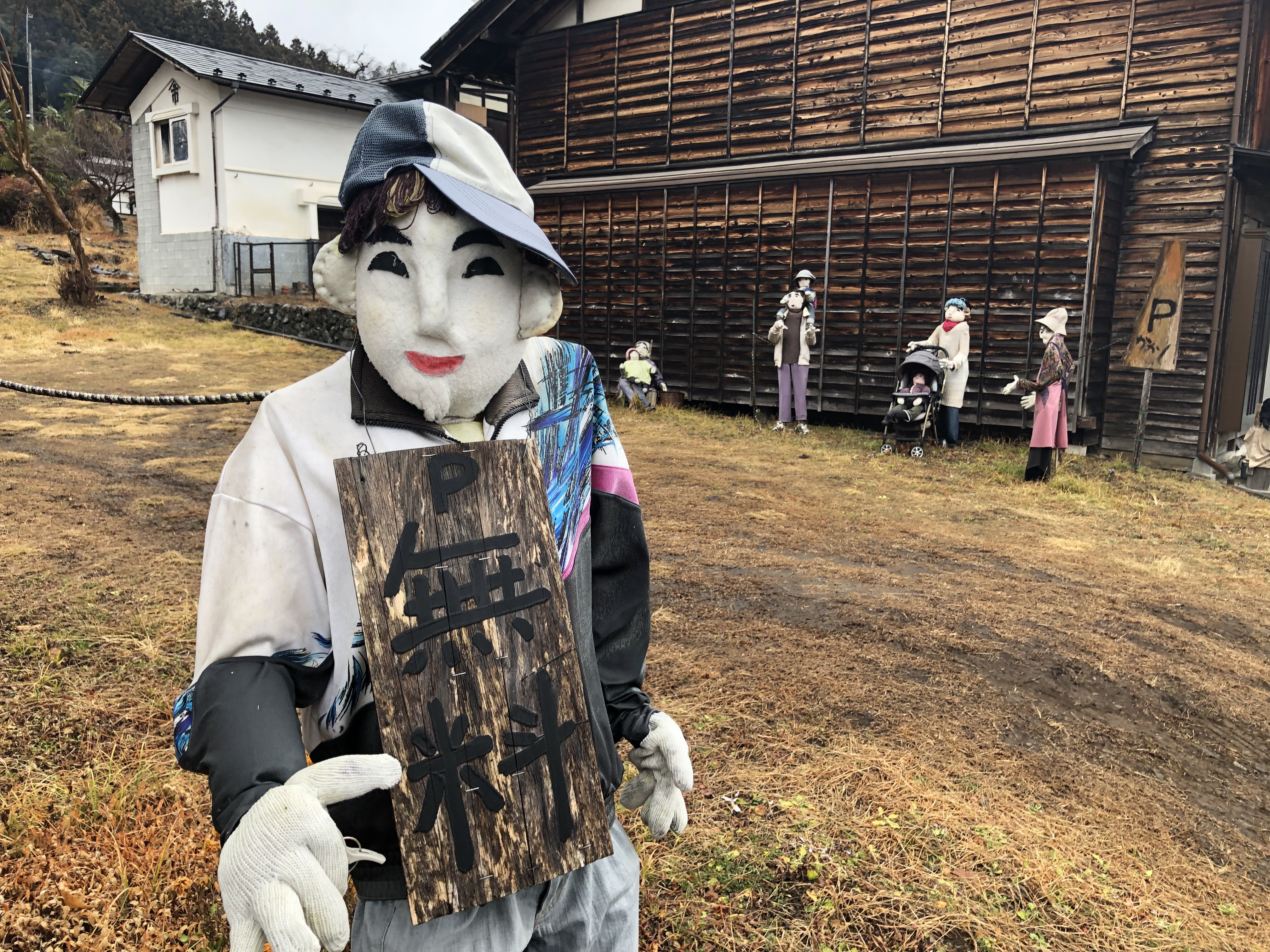
I feel a shiver run down my spine as I realise that I haven’t seen a single person since five stops ago on the train. I can’t shake off the feeling that I am being watched, that these scarecrows are somehow alive. I wonder what kind of village I have stumbled upon. As I wander deeper into the village, I eventually find a sign with a scarecrow standing proudly beside it, ‘Niegawajuku.’
Scarecrow villages are rural communities in Japan that create mannequins in the likeness of their residents as a form of folk art. These scarecrows are often dressed in traditional clothing and placed throughout the village. Specifically, the population of Niegawajuku Scarecrow Village has been decreasing over the years, as many residents have moved to Tokyo and other urban areas in search of better job opportunities and a higher standard of living.
To address this problem, a group of local farmers came up with the idea of creating scarecrows in the likeness of the villagers who had left, in order to remember and honour them, and to attract tourists like me to the village. Niegawajuku Scarecrow Village, once a lively and bustling community, now stands like a twisted fairy tale, where the villagers have been replaced by their eerie replicas. The scarecrows, with their lifeless eyes and frozen grins, seem like twisted versions of the villagers they represent.
Once teeming with the laughter of children and the chatter of adults, the village now stands abandoned. The only sounds are the soft rustling of leaves and the creaking of the scarecrows. The place feels like a forgotten graveyard, lost to the passage of time. The village is a mere relic of a bygone era, and the scarecrows, with their blank, lifeless eyes, serve only to emphasise the emptiness of this place.
I inspect the scarecrows, their faces weathered and their garments tattered. At times, they are grouped together, yet they remain so alone, like guardians of a lost world, preserving the memories of the village and its people, frozen in time. As I continue to wander through the streets of Niegawajuku, I feel as though I am traversing a dreamlike realm. The village is a labyrinth of memories, where each scarecrow holds a piece of the past, and each step I take draws me deeper into the mystery.
The only thing left here is the echo of bittersweet memories, of what once was and what will never be again. Time passes, and the sun begins to sink behind the skyline, painting the sky in hues of orange, pink, and purple, casting an eerie glow over the village. In the dying light, the scarecrows seem to come alive, their shadows stretching out, reaching toward me.
I leave the village with a sense of longing and loss, the memories of Niegawajuku etched in my mind like a faded photograph.
As I board the train, I ponder whether my transient form will one day be forever immortalised as a scarecrow, or fade into the annals of time like the villagers before me.
As I walk along Hikifune Water Park Street, a sense of nostalgia washes over me. It’s been five years since I lived in Katsushika Ward, Tokyo, and revisiting my old neighbourhood brings back a flood of memories. The winter morning air is crisp and chill, and my breath turns to white wisps of fog that swirl and still as I make my way to my first destination.
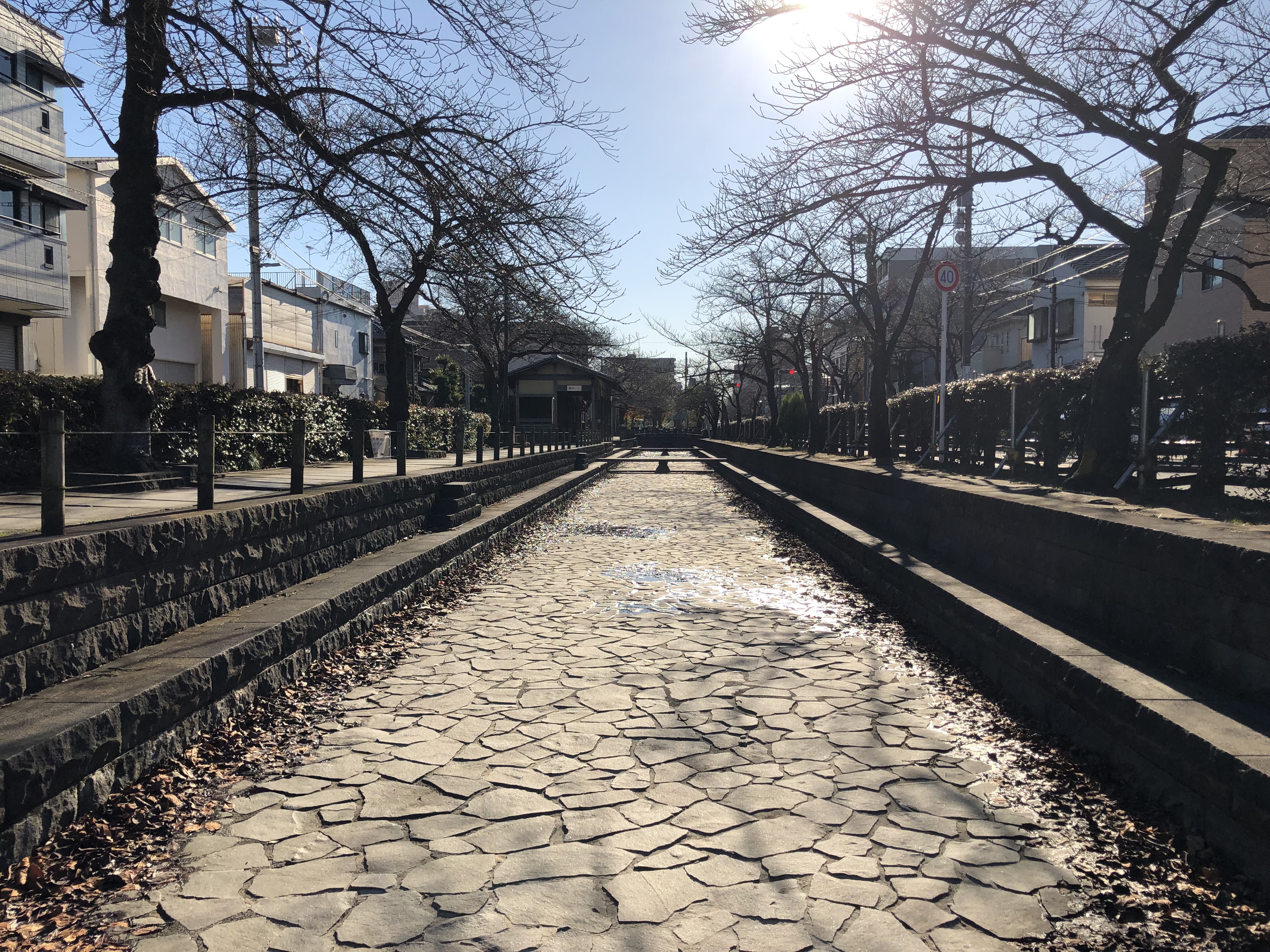
The street itself is unremarkable. It used to be a train line, but now it has been transformed into a park that stretches from the Arakawa River all the way to Ohanajaya. As I begin to walk its length, I can’t help but enjoy the sense of familiarity.
As I wander down the street, memories of my past come flooding back. On a late night walk home with a friend, we had stopped to rest on one of the park’s benches, halfway through our journey. My friend was convinced he heard the sound of a train echoing down the length of the park. It’s said that at night, a ghost train can be heard thundering down where the old train tracks once were, and I’ve heard similar accounts from others. It’s a story that has stuck with me, and one that has been corroborated by others who have experienced it.
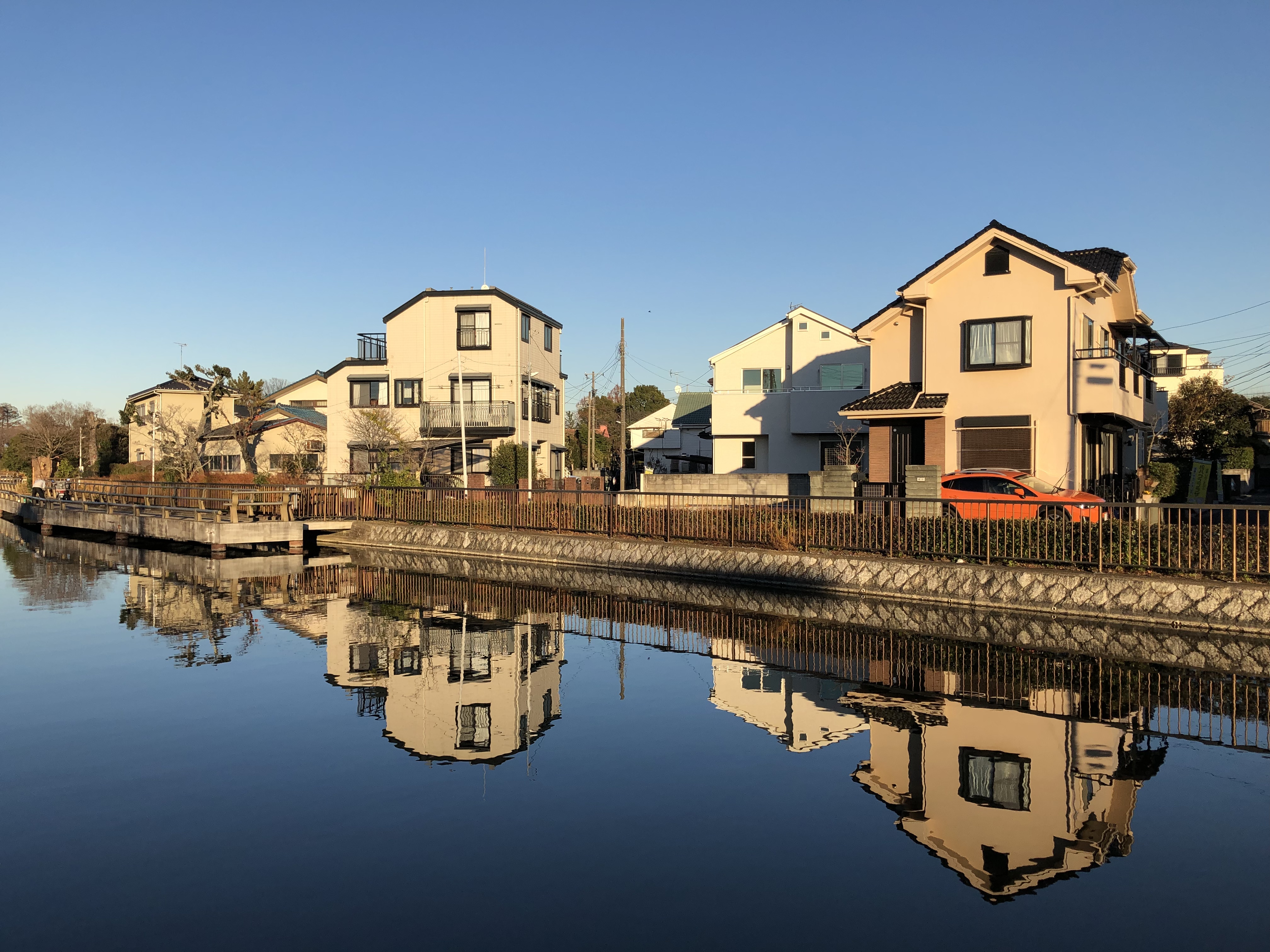
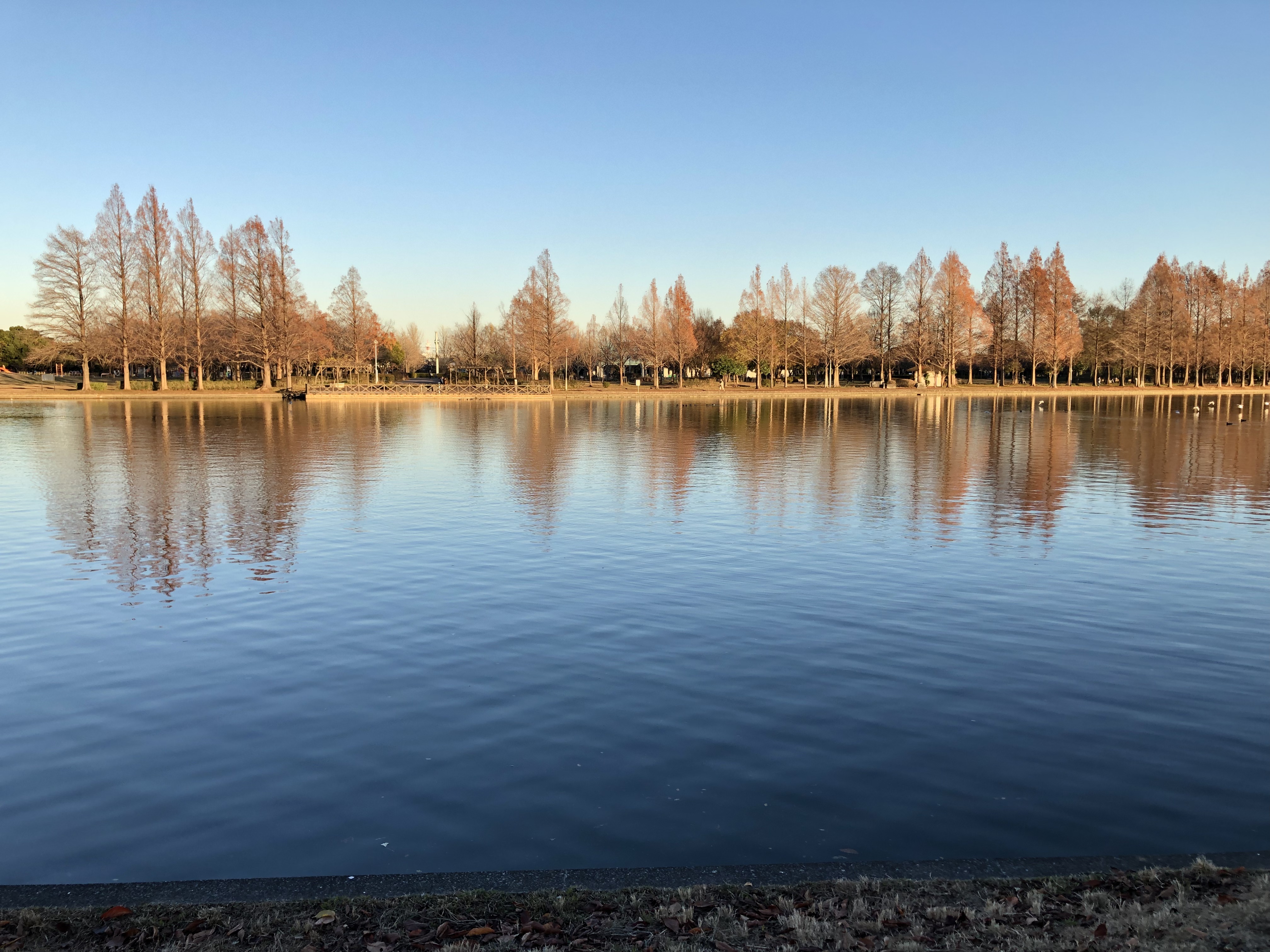
As I continue my leisurely walk, I pass Ohanajaya Station, its name, meaning “Tea and Flowers,” imparting a sense of charm. However, every time I pass by, the song “Govinda” by Kula Shaker runs through my head, as I rhyme its catchy refrain of “Ohana Jaya Jaya.” Eventually, I arrive at the picturesque inner reservoir of Mizumoto Park, my gaze drinking in the peaceful surroundings and the stunning reflection on the water’s surface.
Mizumoto Park is the largest park in Tokyo. Bursting with lush gardens and natural beauty, with a large pond at its centre. The park boasts an aquatic plant garden, a bird sanctuary, a babbling stream field, and three car parks. In early spring the park becomes awash with the gentle pink hue of the cherry blossoms.
I make my way over to one of the ponds and sit upon a bench for a time. I watch as a turtle gracefully swims through the water, its movements causing ripples to spread across the surface. The reflections of the surrounding trees dance and shimmer upon the water, creating a mesmerising visual display. The soothing sounds of chirping insects and rustling leaves add to the peaceful atmosphere, and I am content to sit and take it all in.
As I sit on this bench, surrounded by the tranquil beauty of the pond and the trees, a sense of melancholy envelops me. I reflect, thinking back on the year that has passed, and the ephemeral nature of time. I realise that I don’t have any plans or dreams for the future, and the thought fills me with a sense of sadness. All I know is that for now, I want to keep exploring the hidden corners of Japan and sharing my adventures through my words. But in this moment, the weight of my own insignificance and the impermanence of everything feels almost overwhelming.
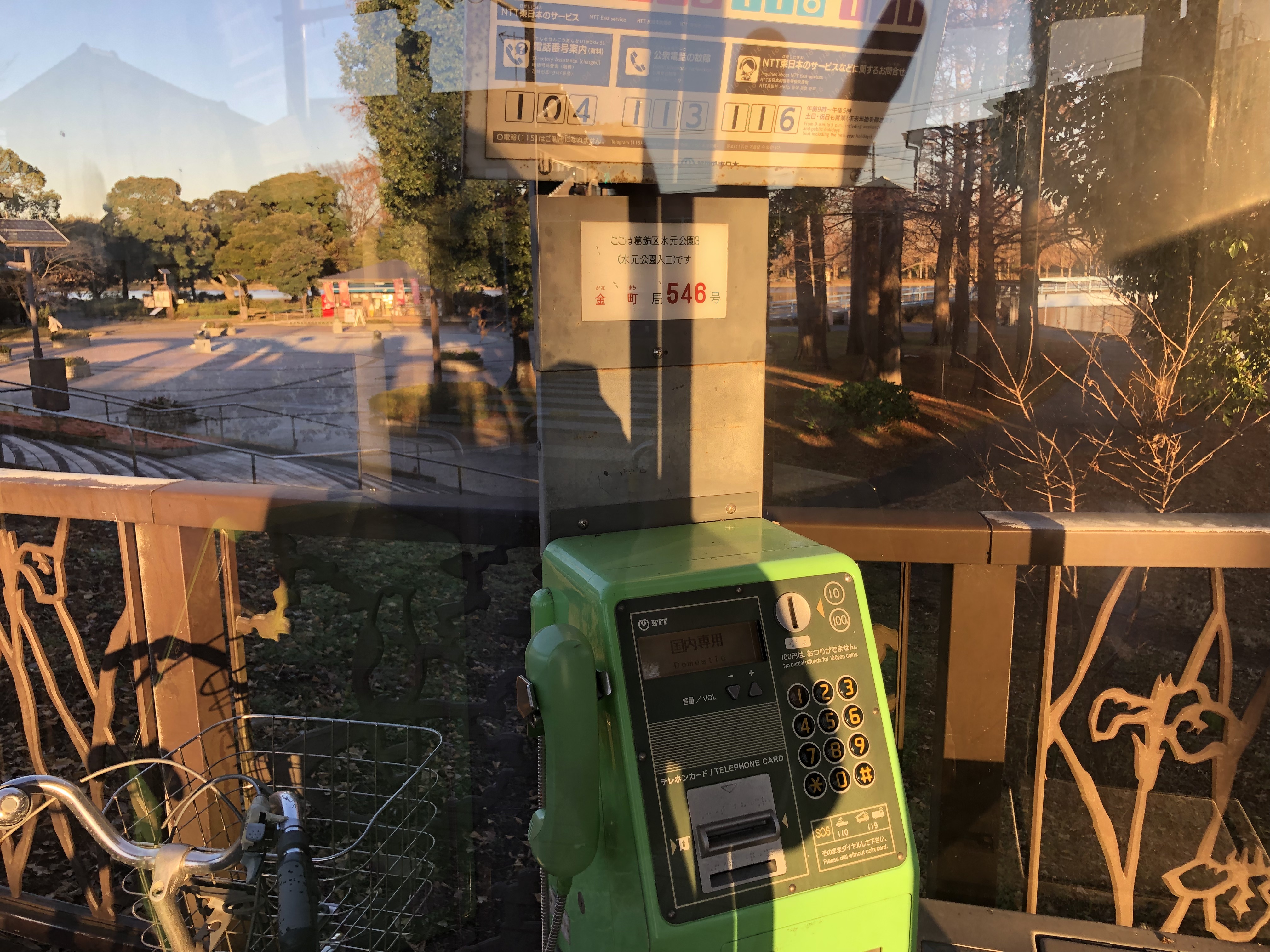
As I continue my peaceful walk through the park, I come across a telephone box nestled amongst the flowers. Legend has it that this particular telephone box is also haunted, and that at dusk a ghostly figure can be seen lurking inside. However, as I peer closer, the only ghost I find here is the reflection of Mount Fuji in the glass. It’s a breathtaking sight, and I stand for a moment, mesmerised by the beauty of it all. For some reason, the mountain is not visible to the naked eye here; it exists only in the glass of this haunted phone box.
As I wait for the sun to set and darkness to envelop the park, I am treated to a daily ritual at 5 o’clock. The speakers throughout Katsushika emit a creepy, slowed-down song accompanied by an eerie chime. The song echoes throughout the park, reminding me that the day is coming to a close and it’s time to return home. The pealing bell of the mountain temple beckons me, promising the sight of a bright, round moon shining down and illuminating the sky in twilight, filled with the brightest stars as the birds begin to dream.
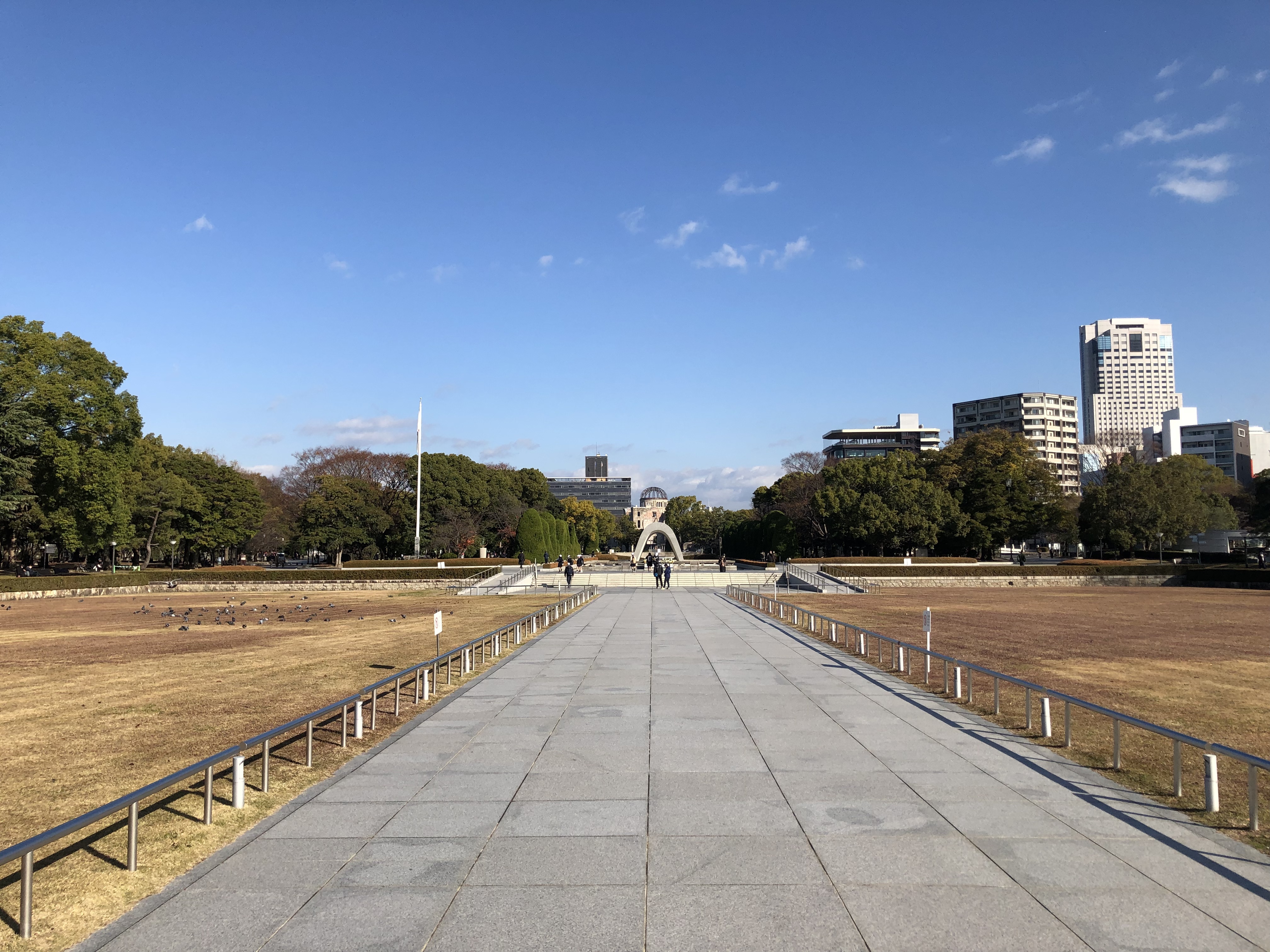
With toothache and a twisted ankle, I take the Bullet Train over to Hiroshima. My first stop, a place I visited ten years ago, Hiroshima Peace Memorial Park. Immediately after the atomic bombing, it was said that no plants or trees would grow for 75 years, but as I hobble along Peace Boulevard towards the park, I notice it is lined with large trees and lush greenery. Following a tree-planting campaign in 1956, in which neighbouring municipalities in Hiroshima Prefecture were asked to donate trees to the city, Hiroshima has been transformed into a verdant paradise.
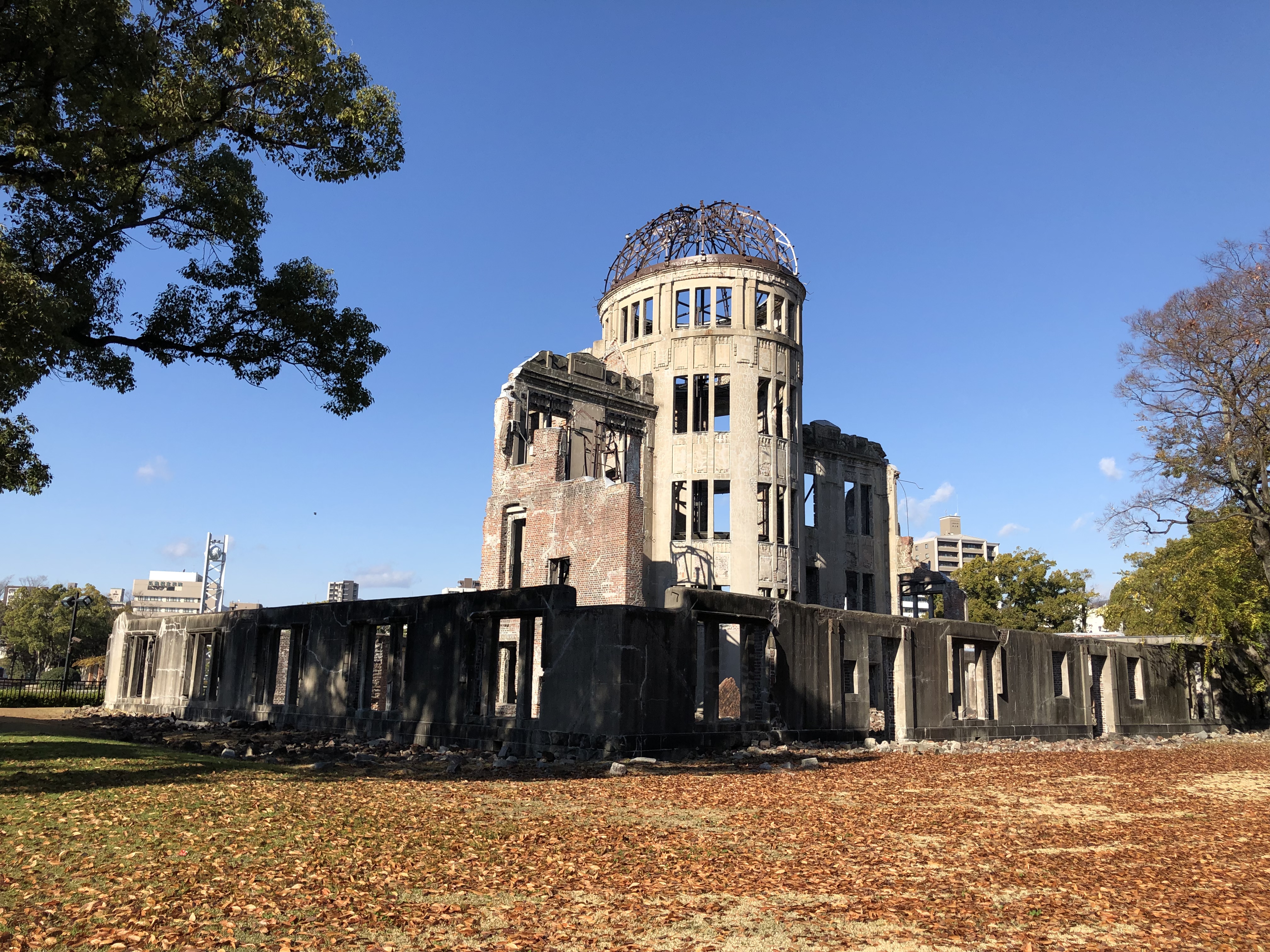
I stroll in silence through Hiroshima Peace Memorial Park. I take note of the fountains, the newly laid flowers at the cenotaph, the looming Atomic Bomb Dome in the distance; a survivor, its form so full of imperfections, its beauty an aide memoire of an aftermath of events that left it in such a state; a symbol of everything left behind, a skeletal figure of what once was, now ruins.
Seventy-seven years ago United States President Harry Truman authorised the bombing of Hiroshima. His actions, which would be considered a war crime today, resulted in the instant deaths of 80,000 people. As I further walk toward the dome in the distance, I can’t help but think about the enormous impact of these events; the devastation of an entire city in a single moment.
The building that houses the skeletal remains of the Atomic Bomb Dome is known as the Hiroshima Prefectural Industrial Promotion Hall, and in December 1996 it was added to the UNESCO World Heritage List as a reminder to the whole world of the horrors of the atomic bomb, and a symbol of global peace. As I look at this building I can’t help but become overwhelmed by sadness.
Because the bomb dropped on Hiroshima exploded from almost directly above this structure, some of the walls and the iron frame making up the dome remained standing, whereas everything else around it for miles was flattened to the ground. There has been some controversy about this building in the past, some people argued that it should be destroyed, for it’s a dangerously dilapidated building that evokes painful memories. Others argue that is should be preserved as a memorial to the bombing. Since the UNESCO status, the building is now protected and efforts are continually made to ensure that it looks identical to how it looked on that fateful day in 1945.
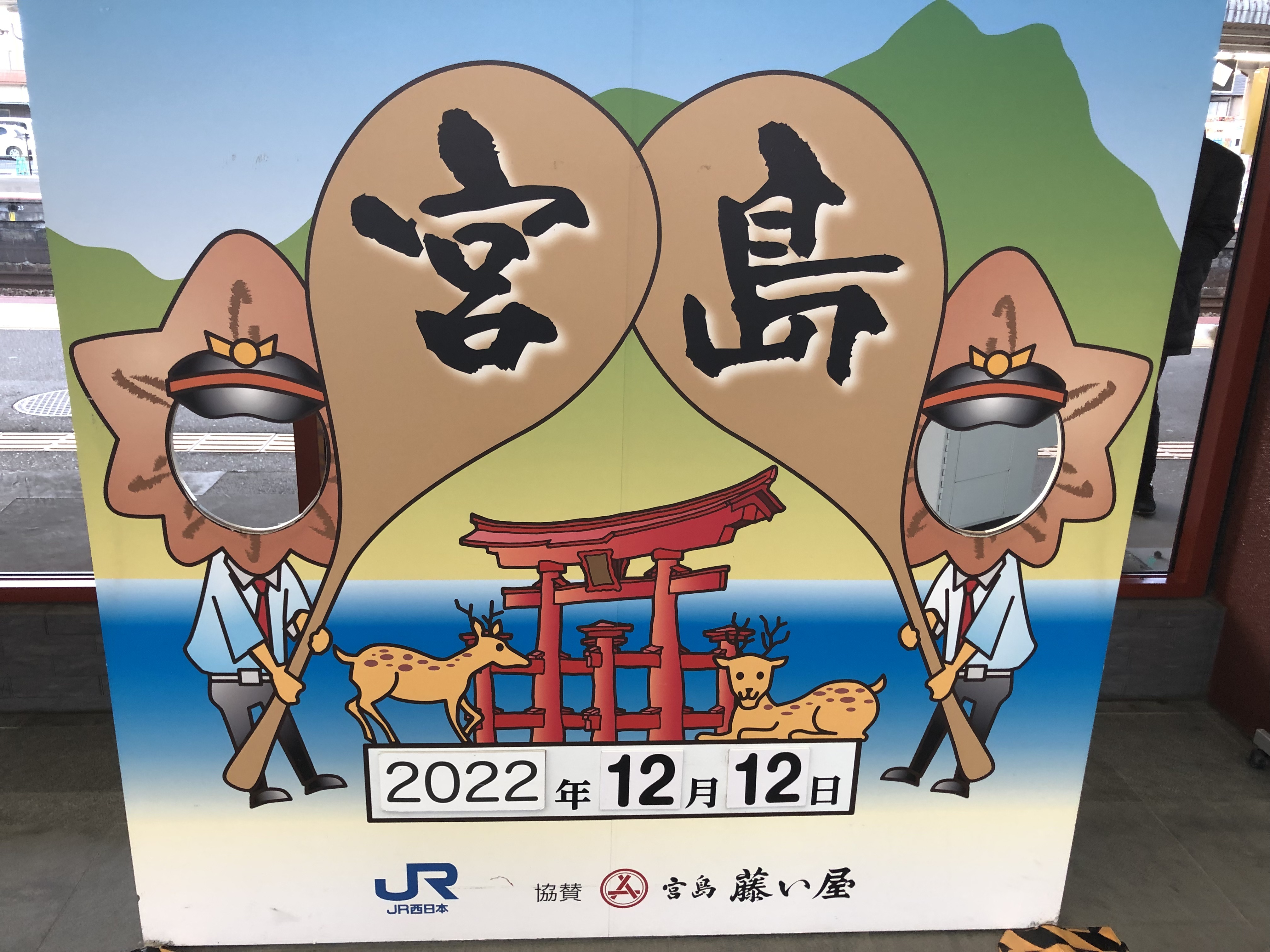
Leaving the solemn Peace Memorial Park behind, I embark on a journey by train to Miyajimaguchi Station. Located on the serene Miyajima Island, the revered Itsukushima Shrine is said to offer one of Japan’s most breathtaking views. As I enter the station, a display of the shrine and its iconic, wandering deer greets me with a festive flourish.
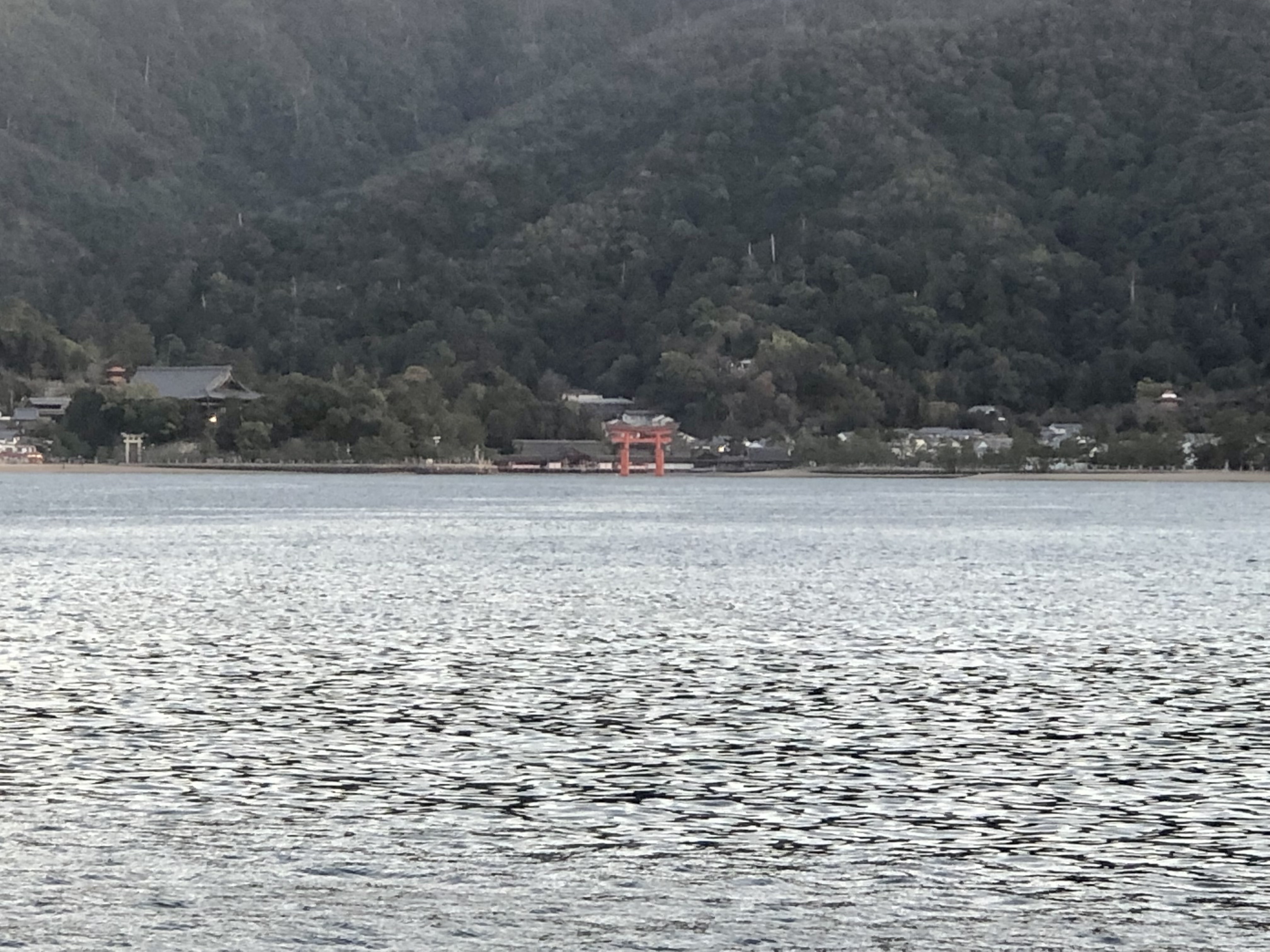
Before taking the ferry over to the island, I pause to capture a photograph of Itsukushima Shrine from the mainland. The shrine, known for its red torii gate that floats in the water during high tide, beckons me with its breathtaking beauty. I stare across at the shimmering water below, the sparkling lustre of Hiroshima Bay that stretches out before me, and with a sense of awe and wonder, I set out on the ferry towards the island, eager to explore its marvels.
The shrine is a Japanese National Treasure and a UNESCO World Cultural Heritage site. Unfortunately for me, there are none of the anticipated roaming deer hanging around today, but despite that, the shrine is amazing to look at. I can’t begin to describe how beautiful the red torii gate is up close. This landmark is one of the most photographed places in Japan, and I urge anyone visiting Japan to go and see it for themselves. My original photograph from the ferry port is the one I select here, as some things you just need to see and enjoy for yourself.
As I wander the streets of Hiroshima, I am determined to find a small standing bar that I visited 10 years ago. I remember the hotel I stayed at nearby and the bar owner’s enthusiasm for football, and I am eager to see if the owner’s guestbook is still around. However, after searching for over an hour, I discover that the bar’s location has been swallowed up by the ever-expanding Hiroshima Station, much to my disappointment. I had hoped to read the entry I made in the guestbook during my first trip to Japan back in 2012, but it seems that the bar’s memories have been lost to time.
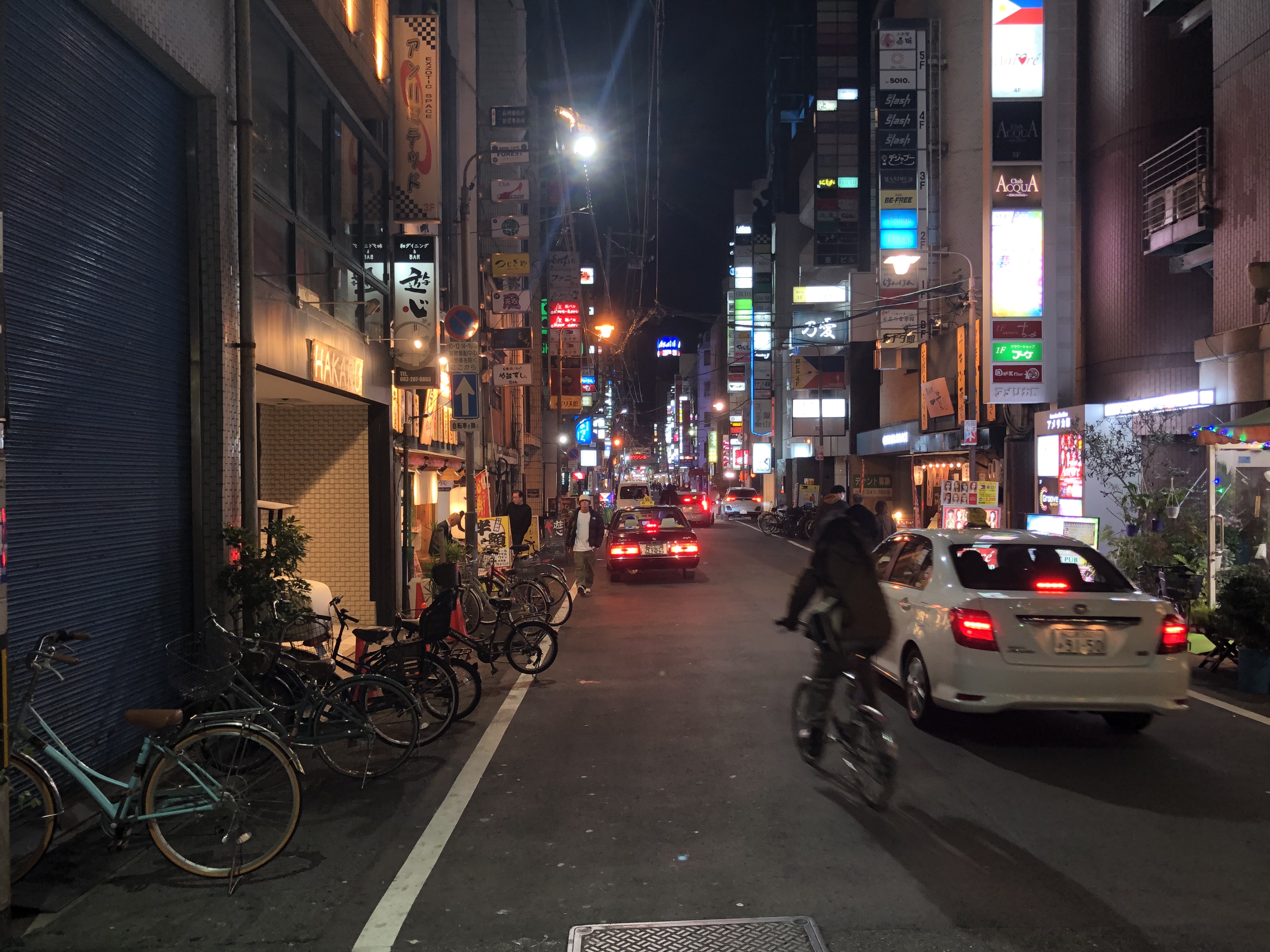
With little else to do I head over to the nightlife area. This maze of buildings containing multiple bars is huge. From one intersection I can see 300 different bars in the four directions I look. It’s common for buildings in Japan to contain loads of tiny bars, and usually I bravely enter these bars with no plan as to where my night will go. Each individual sign in my photograph represents a single bar.
The first bar I go into the owner tells me, “No foreigners.” The same thing happens in the second, third, and fourth bar I attempt to visit. I understand that maybe the bar owners had negative experiences with foreigners in the past, or may not be comfortable communicating in English, but it is never acceptable to discriminate against someone based on their nationality or ethnicity, and it leaves me feeling hurt and frustrated.
I do eventually find a small friendly bar that will accept me, and stay up until closing time drinking and singing with the foreign owner’s Japanese guests. It’s actually one of the best nights out I’ve had in a while, so much so, that by the end of the night I’ve forgotten entirely about the toothache, the twisted ankle, and the racism.
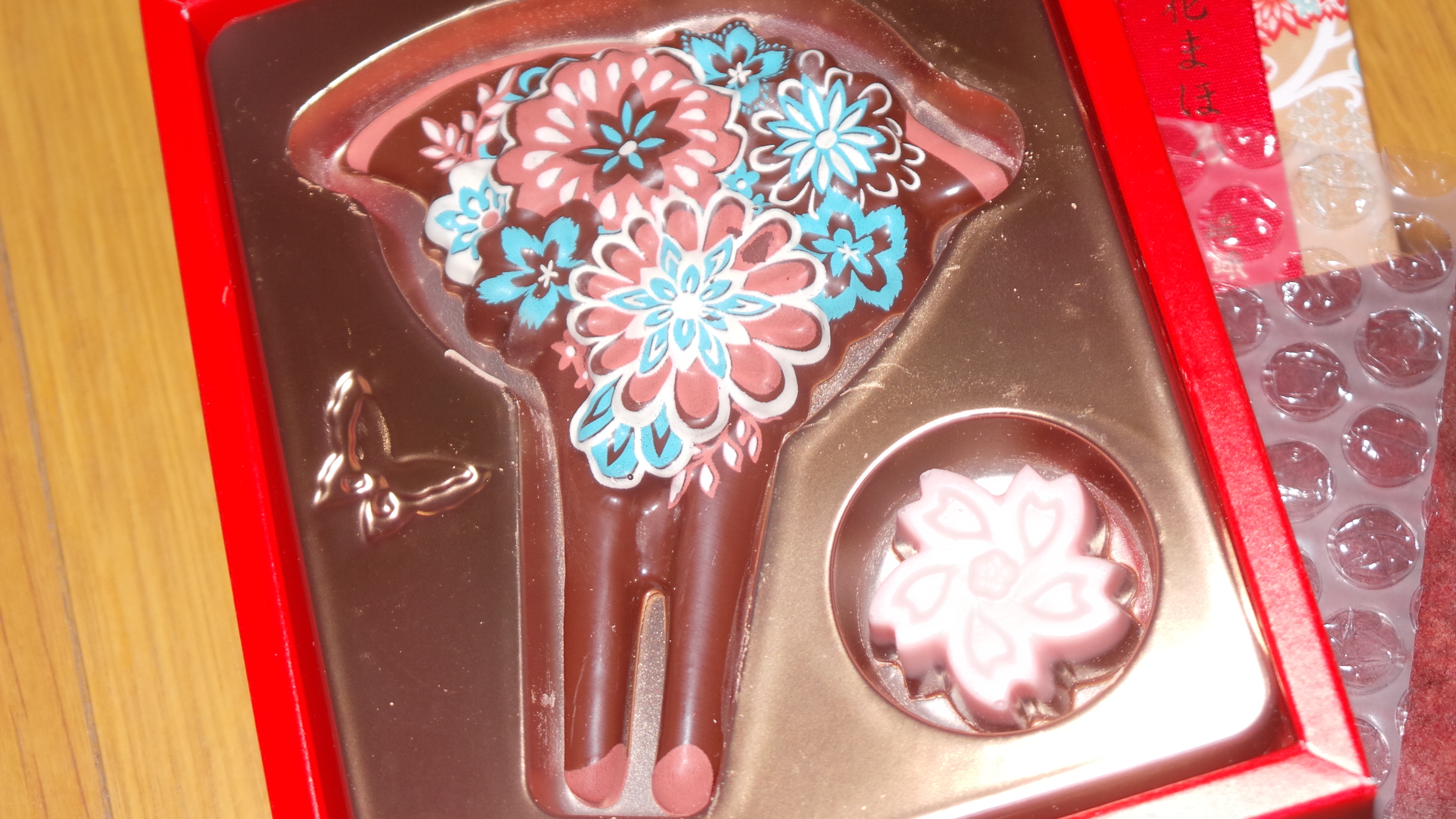
Today is Valentine’s Day in Japan. What would normally be a day of loneliness and misery is dissolved by chocolate. Unlike in England, where you are expected to buy flowers, chocolates, and take your partner for a meal, Valentine’s Day is remarkably different here. It is on this day that women buy chocolates for men. I have become very used to not receiving even a card on this day, so when I found myself unable to leave my house because of the vast quantities of chocolate blocking my path, it was a pleasant surprise. Even my dentist gave me chocolates, which is rather odd considering the high sugar content and the effect it will have on my teeth.
In Japan, one month after Valentine’s Day is White Day. On White Day, the man returns the gesture to those who gifted him by buying the women sweets. As much as I appreciate the abundance of chocolate that I received today, it becomes apparent that White Day will be extremely expensive for me.
It is perhaps a sad part of Japanese culture that on Valentine’s Day, a man will wait with anticipation to receive chocolates from a woman that he might like, if only for the opportunity to return the gesture a month later. It is this style of gift-giving that makes the shy Japanese male miserable when no chocolate is received. I suppose that this theme remains common among all other cultures; Valentine’s Day and the misery attached to it. I can hardly complain, though. I received many gifts, despite the fact that I don’t really like the taste of chocolate. I actually preferred playing with the bubble wrap, after a nine-month absence of popping pockets of air-filled plastic.
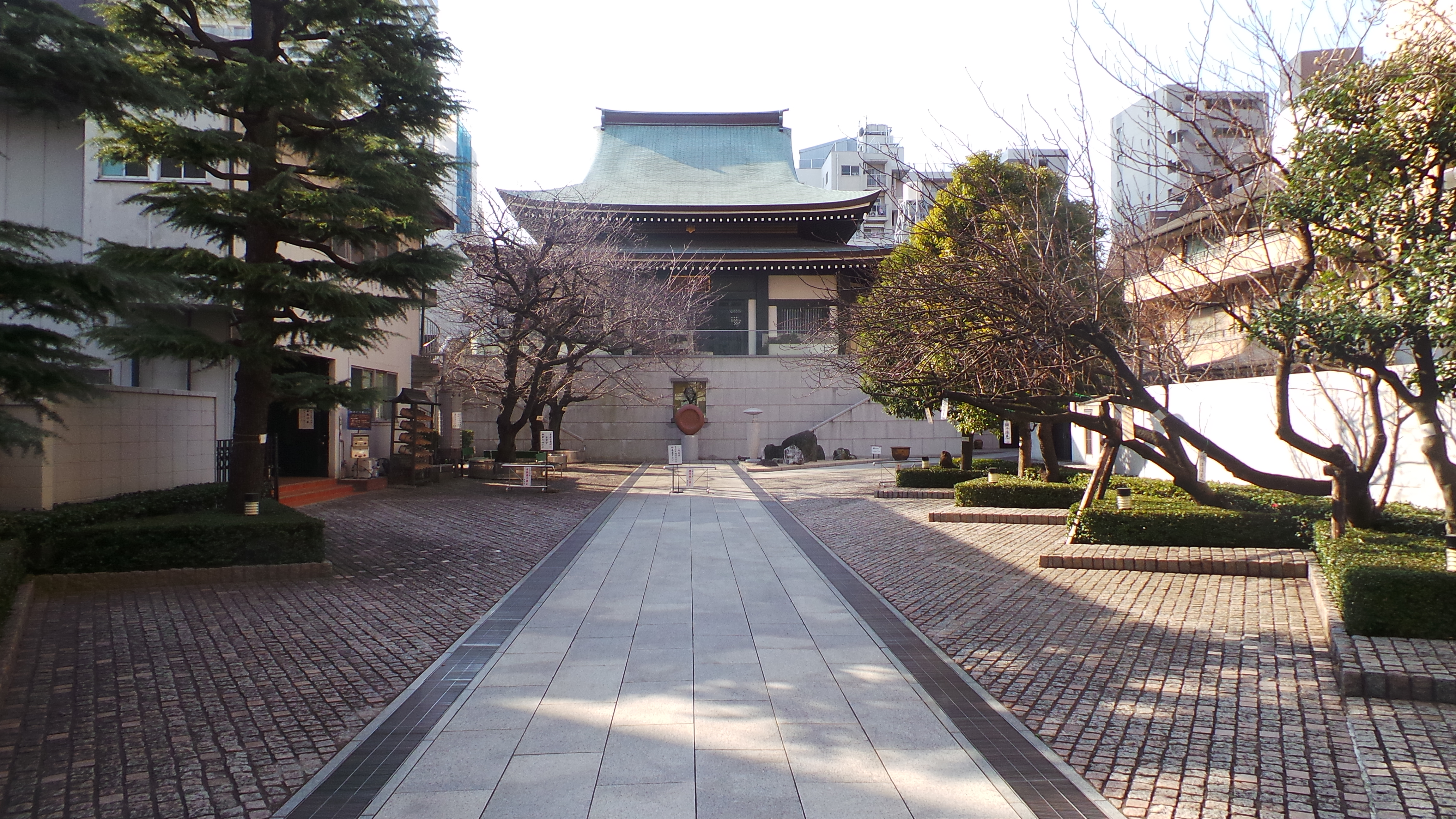
After consuming the equivalent of my weight in confectionery, I head into Asakusa. Today, I have decided to finally visit a temple that I walk past every single day but never visit. It is a temple that is always absent of people, possibly cursed, and is surrounded by some strange energy that I have previously been unable to bring myself to ingress.
The temple offers very little description about itself; not even a name. Before the temple sits a small rock garden where it is impossible to view all of the rocks from any one angle. It is said that if you are truly enlightened, then you are able to see the eighth rock. Despite the various viewing angles I deploy, I find it impossible to see every rock at the same time, and consider that even those that surpass the normal level of human consciousness would still find it difficult to see all of the stones at the same time. Other than a cemetery for the wealthy tucked behind the temple, nothing much else is on offer here.
I leave the temple and head over to Akihabara. Today, there is an art exhibition taking place at 3331 Arts Chiyoda, a former high school converted into an art gallery. The exhibition features students who will graduate next month from the Takarazuka University of Art and Design. A friend of mine works for the university and has invited me along to sample the artwork of his students.
There are seventeen displays here from seventeen students, all twenty-two-year-old women. The first thing that strikes me is that a lot of the pieces have some form of macabre imagery. Paintings depict homosexual angels, others heavily feature corpses, and some are simply storyboards for books about clowns for children; obviously, the clowns look deliberately menacing and have been painted just to scare me.
Other pieces here are heavily influenced by famous stories. One piece is based on Ryunosuke Akutagawa’s ‘The Spider’s Thread,’ a story about too many people in hell (known in the story as the Pool of Blood) as they try to escape and reach the paradise above. One man walking through a forest didn’t kill a spider one day, so the silk of a spider’s web is dropped down to hell from paradise in an attempt to rescue him. Everyone reaches for the web in an attempt to climb to safety. Obviously, the weight of everyone in hell is far too heavy for the silk, and the web snaps, committing everyone to the Pool of Blood for eternity.
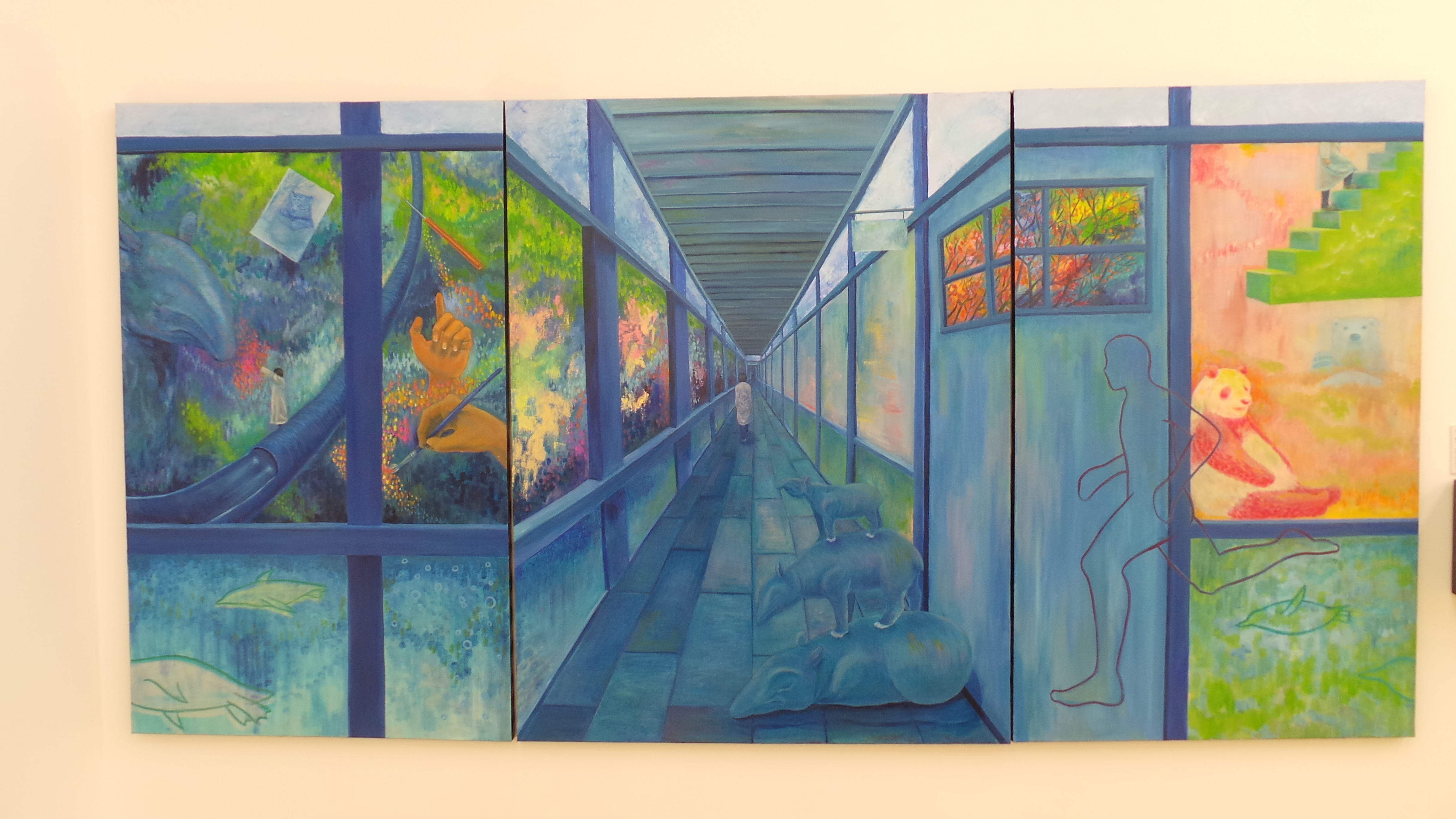
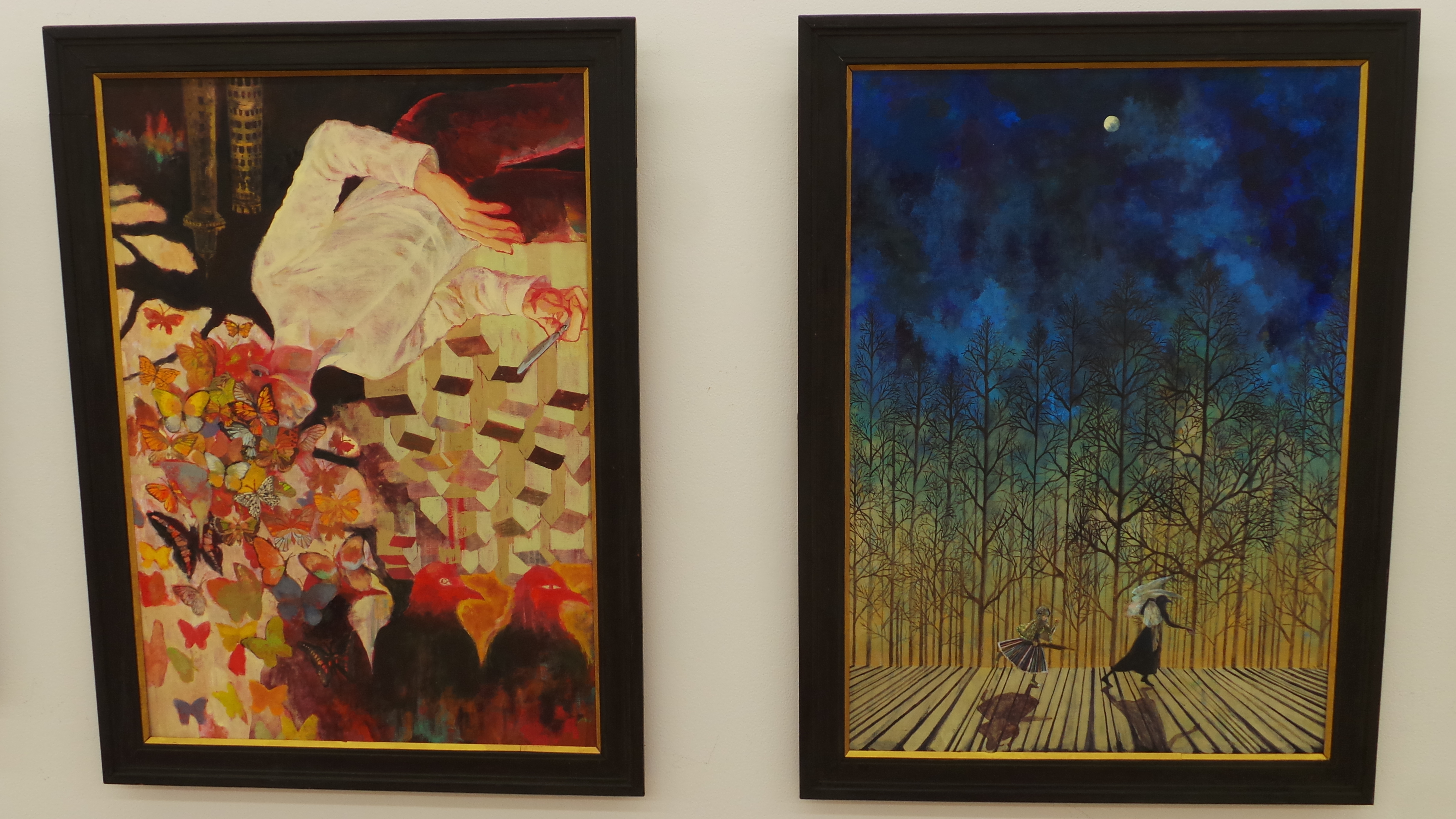
The highlight of the exhibition is a piece by Ozawa Yuki. Her painting depicts a dream, more specifically, the moment when you become fully awake and are only able to remember fragments of what was left behind. Another artist that I enjoy is Ogawa Sayako. These two pieces offer less of a description but are once again based on dreams. Something about places in dreams never existing anywhere in real life. I suppose these pieces are my favourite due to their abstruse and rather abstract style. After the art, I take the packed rush-hour train back to Asakusa, somewhat confused by the imagery I have just viewed.
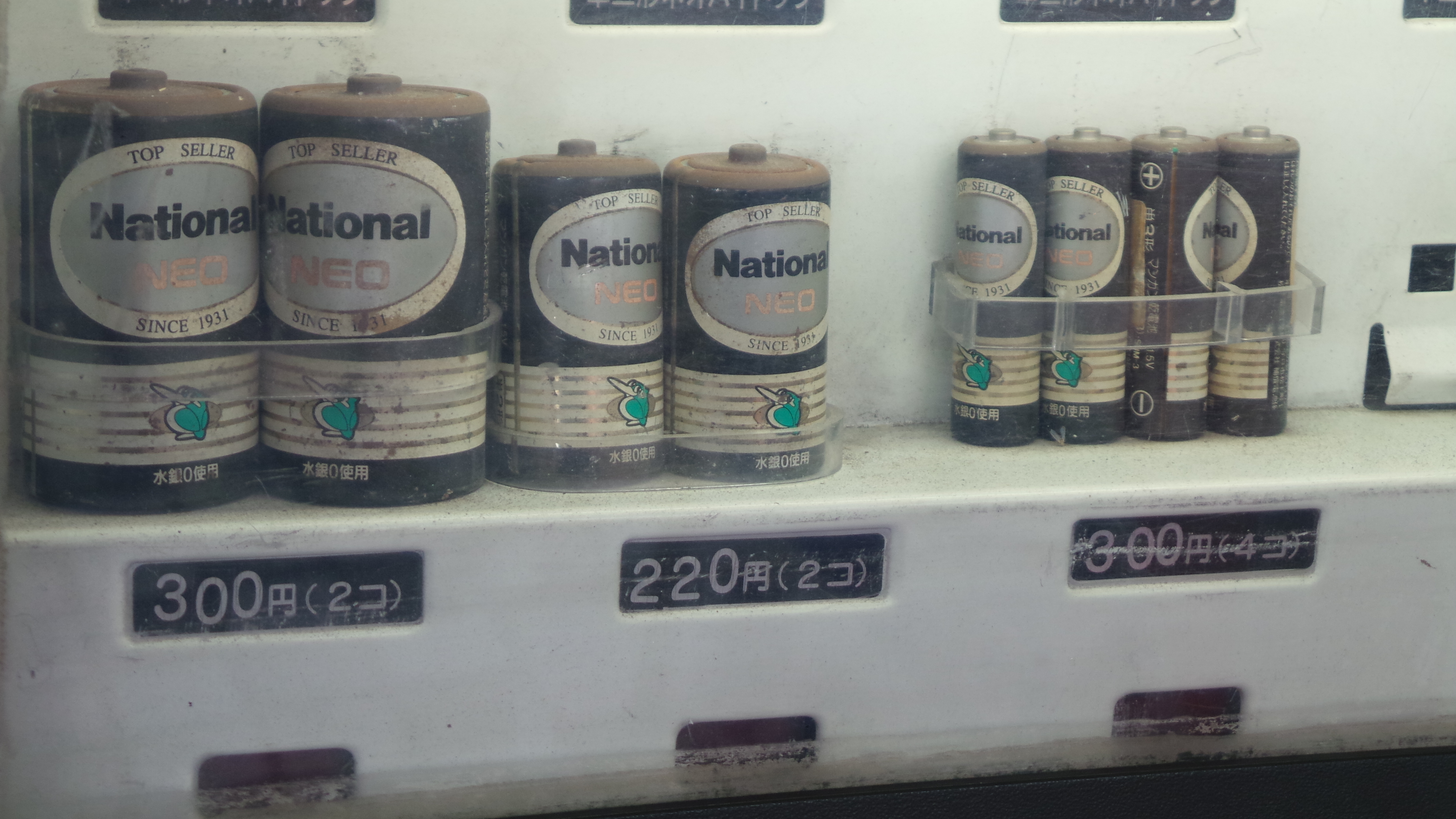
There are certain things that become written about more often than others in Japan: signs with bad English and vending machines. I am guilty of writing about both of these things, and perhaps they aren’t the most interesting to mention. But when I saw another strange vending machine, I got a little excited, so I decided to include it here.
This machine, covered in dust, sells batteries from 1931. These batteries, made by Panasonic, are no longer in production. Yet, this machine sells them for around ¥300 a pair. Even though they do claim to be a ‘Top Seller,’ batteries are the very last thing I need in my life right now. The machine doesn’t actually work and seems absent of any power. Somewhat ironically, what the machine could really do with is some new batteries.


You must be logged in to post a comment.