The Girl with the Dragon Taboo

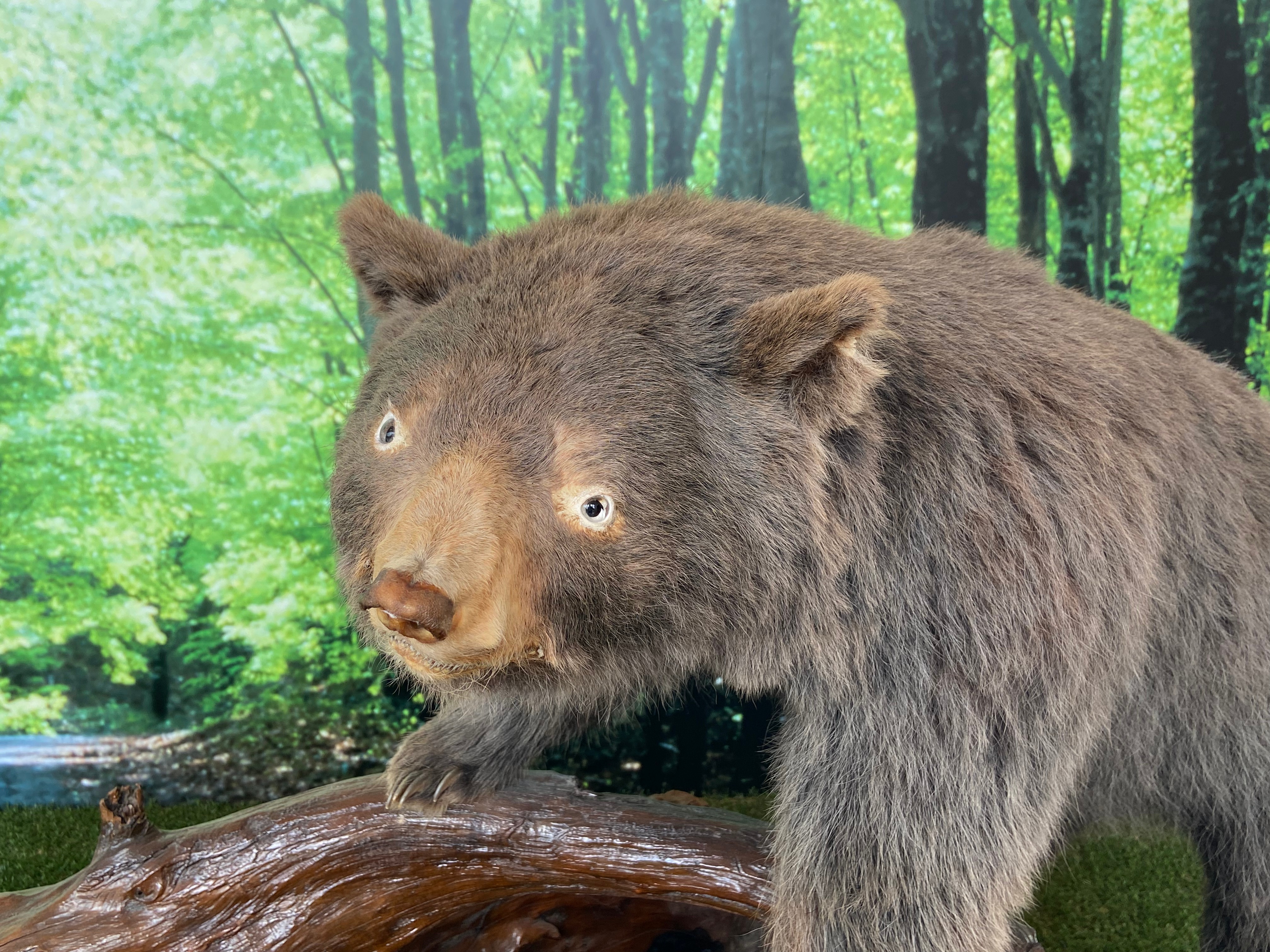
As I exit the train into Akita Prefecture, my arrival is announced by the lonely trill of a traditional Japanese flute. Inside the station, a taxidermied Asian black bear greets me. I remember that Akita has the largest bear population in all of Japan. Outside, the mountains are lush with greenery and the sky is an æstival blue.

Asian black bear taxidermy display inside Tazawako Station, Akita — a reminder of Japan’s largest bear population.

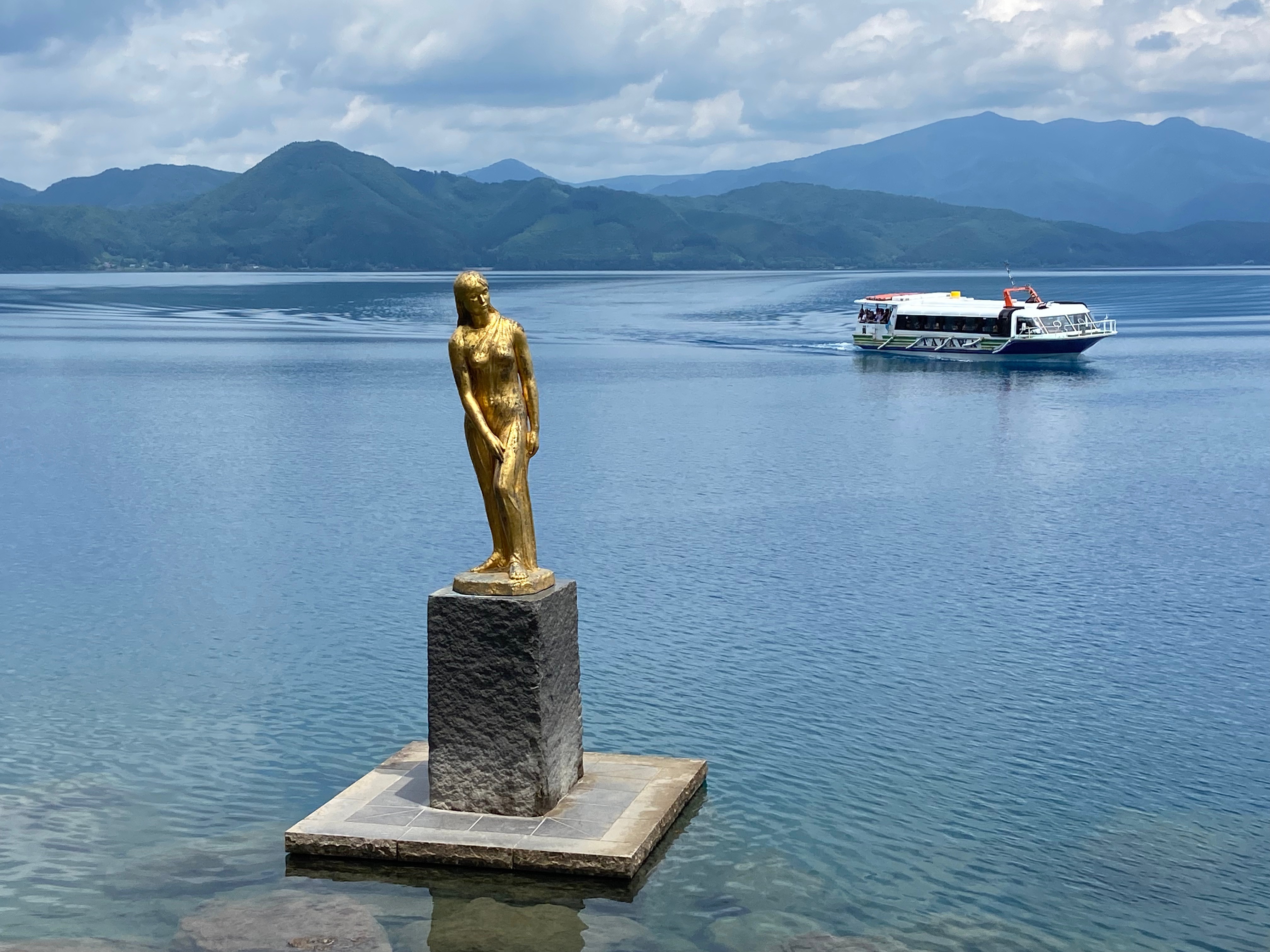
Today I’m up in the hills of Semboku because I heard a story about a girl, Tatsuko; a beautiful young woman who once glimpsed her own reflection in a mirror-like rock. Fearing her beauty was fleeting, she prayed night after night to Kannon, the goddess of mercy, for eternal youth. One day, she was told her wish would be granted if she simply drank from a sacred spring hidden in the mountains.

Tatsuko found the spring with relative ease, drank from it eagerly, and couldn’t stop. The more she drank, the thirstier she became, until finally she emptied the spring and, in the process, emptied her humanity. She had turned into a dragon. Horrified by her transformation, Tatsuko threw herself into the lake, where she remains as its guardian spirit. I don’t know too much about dragons, but I’m pretty sure they can’t breathe underwater. So sadly, I think whether in human form or dragon form, Tatsuko may have simply drowned.

The tale doesn’t end there though. Tatsuko’s mother apparently searched the hills for days, calling her name until her voice broke. Eventually, in despair, she hurled the burnt remains of her wooden torch into the lake, which, for reasons only folklore and grief can explain, turned into a fish. Specifically, the first black kokanee salmon. Sadly, they became extinct in the 1940s after a hydroelectric plant acidified the lake.

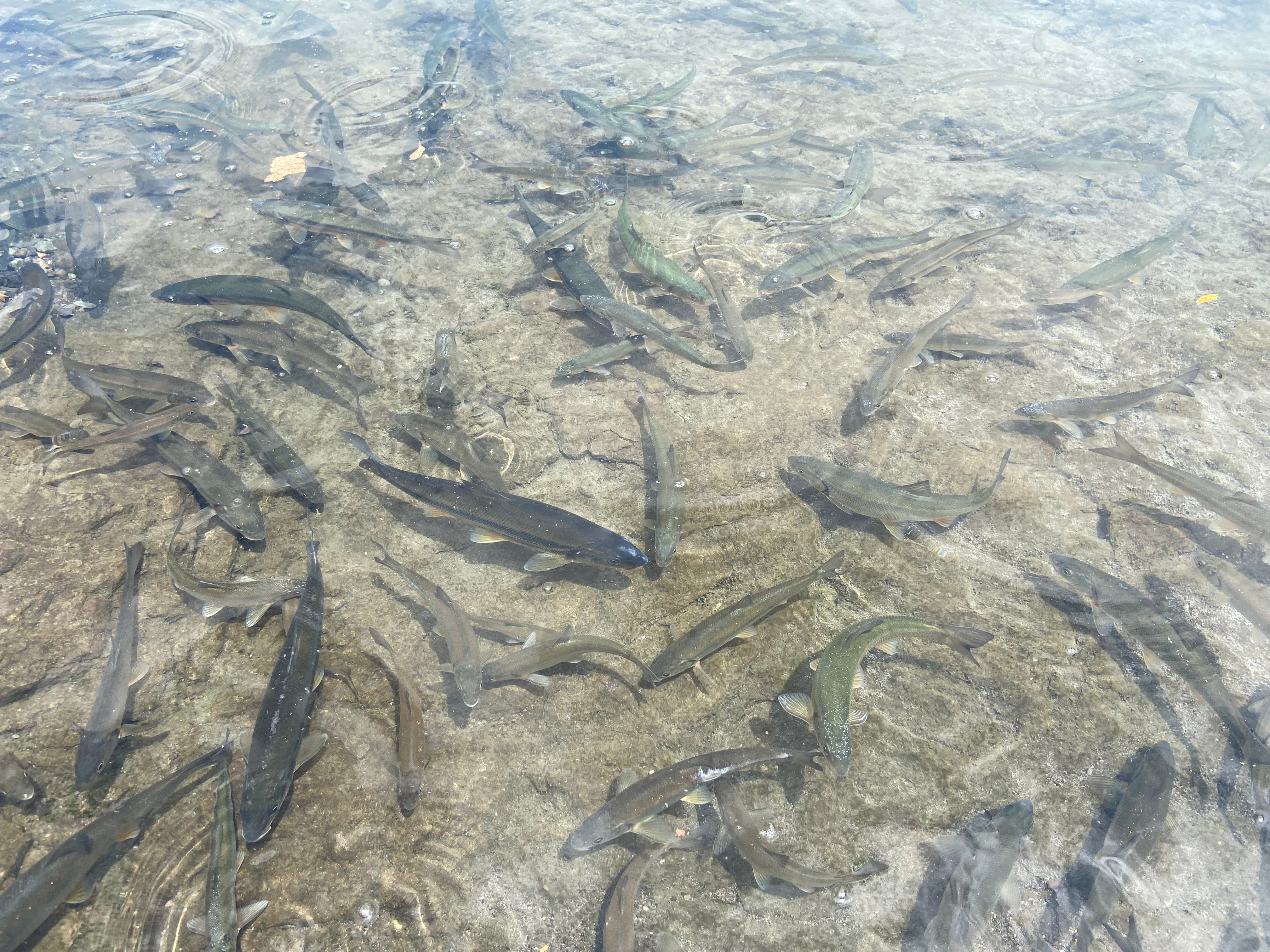
Lake Tazawako is the deepest lake in Japan, which makes it an excellent place to hide a dragon. These days, Japanese trout live here instead of the kokanee salmon, and the waters are thick with them. I’ve never been fishing, but I’m quite confident I could catch one of these with my bare hands. They’re basically queuing at the shoreline.

I check Google Maps to see if there’s anything else nearby, but my GPS insists I’m floating somewhere in the middle of the lake, which feels a little prophetic. I take the hint and wander into the forest instead, all the while being careful to avoid the many bears. Eventually the quiet path leads me to Gozanoishi Shrine.

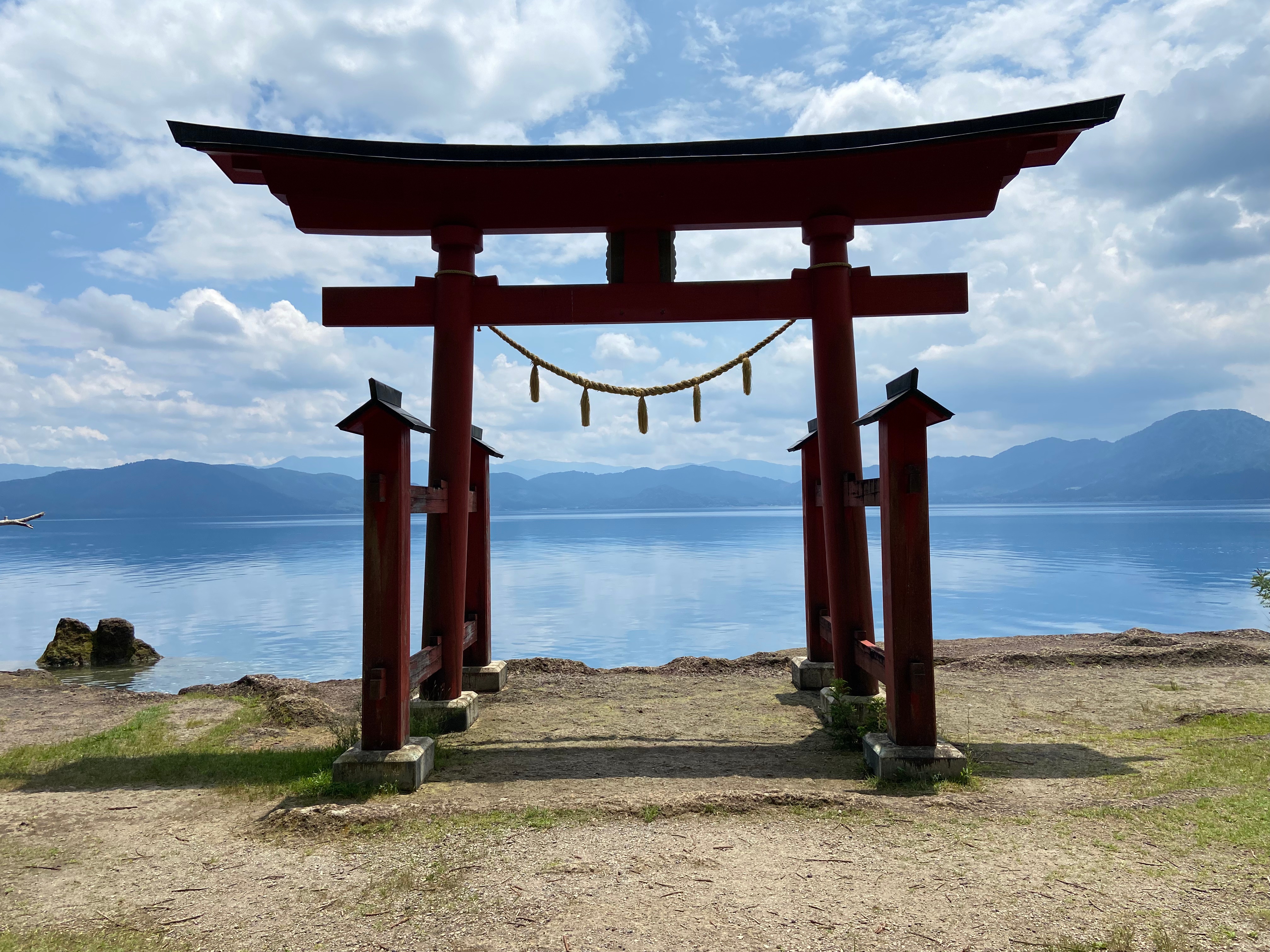
I stand for a while beneath the torii gate of the shrine, looking out on the lake, looking for any sign of a dragon. The shrine itself is dedicated to Tatsuko and also features a stone statue of her. I wander up the shrine’s steps and pray that her beauty remains.

Torii gate of Gozanoishi Shrine overlooking the deep blue waters of Lake Tazawa in Semboku, Akita Prefecture.

Back at the station, I find an old Kawai piano and sit playing for a while. A Japanese woman keeps glancing over as I play. I’m either performing surprisingly well on a badly out-of-tune piano, or badly out-of-tune on a perfectly tuned piano.

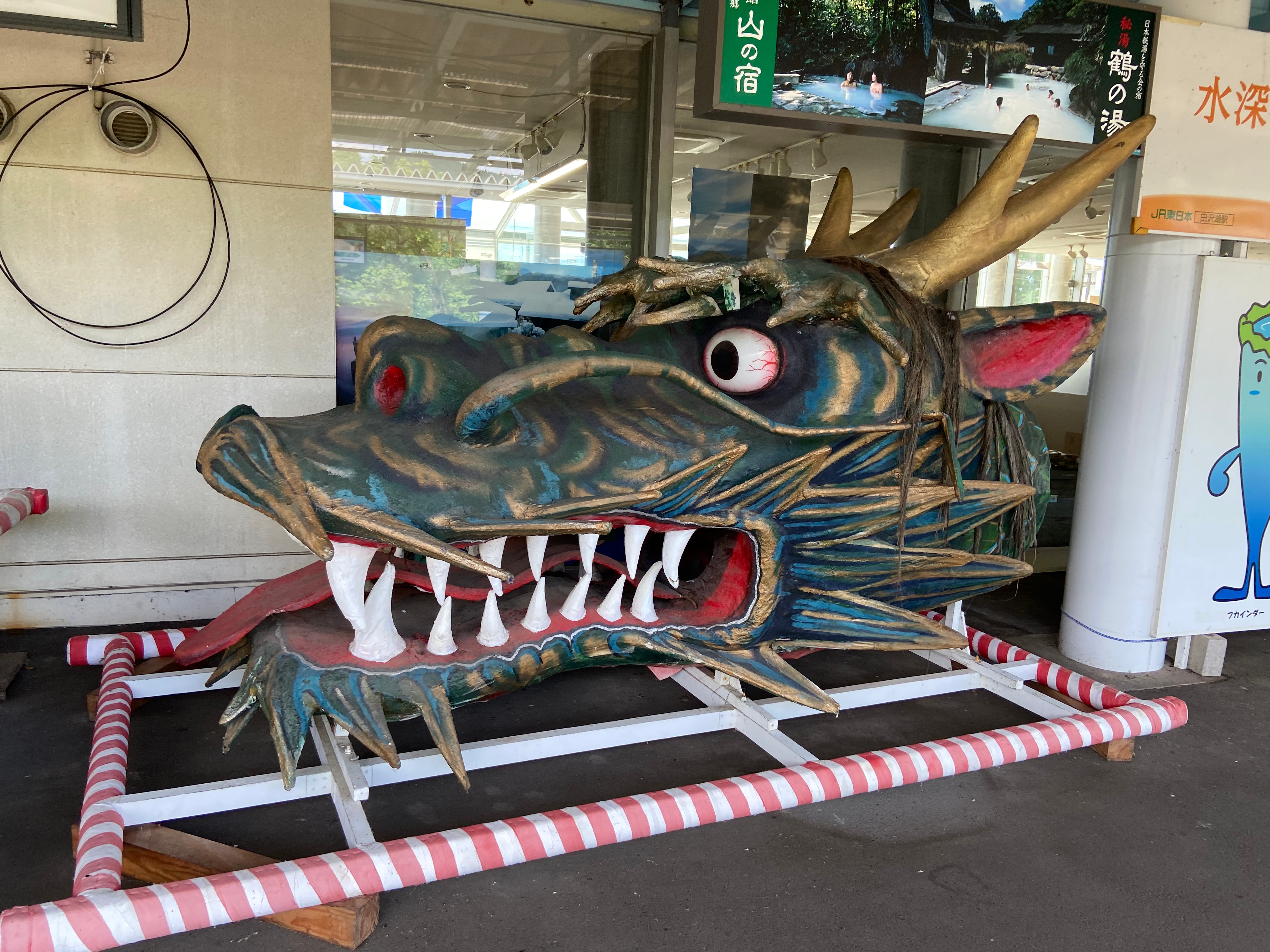
As I step onto the train, I notice a massive dragon across the tracks. When the train begins to move, I sit staring at my water bottle, trying to translate the label. A wave of panicked horror hits me when I realise it says: “Bottled at source: Lake Tazawako Spring.”

Vibrant festival-style dragon float on display at Tazawako Station, echoing the local legend of Tatsuko’s transformation.

I wonder just how long it will be before I transform into a dragon.

The Curious Case of Chocolate Button

My day begins with a visit to a chocolate factory. Luckily, this chocolate factory is more a museum of chocolate facts than a factory made of chocolate, which, in 30-degree heat, would be somewhat messy. I’m still in Hokkaido, so while it’s hot, the humidity is reasonably low.

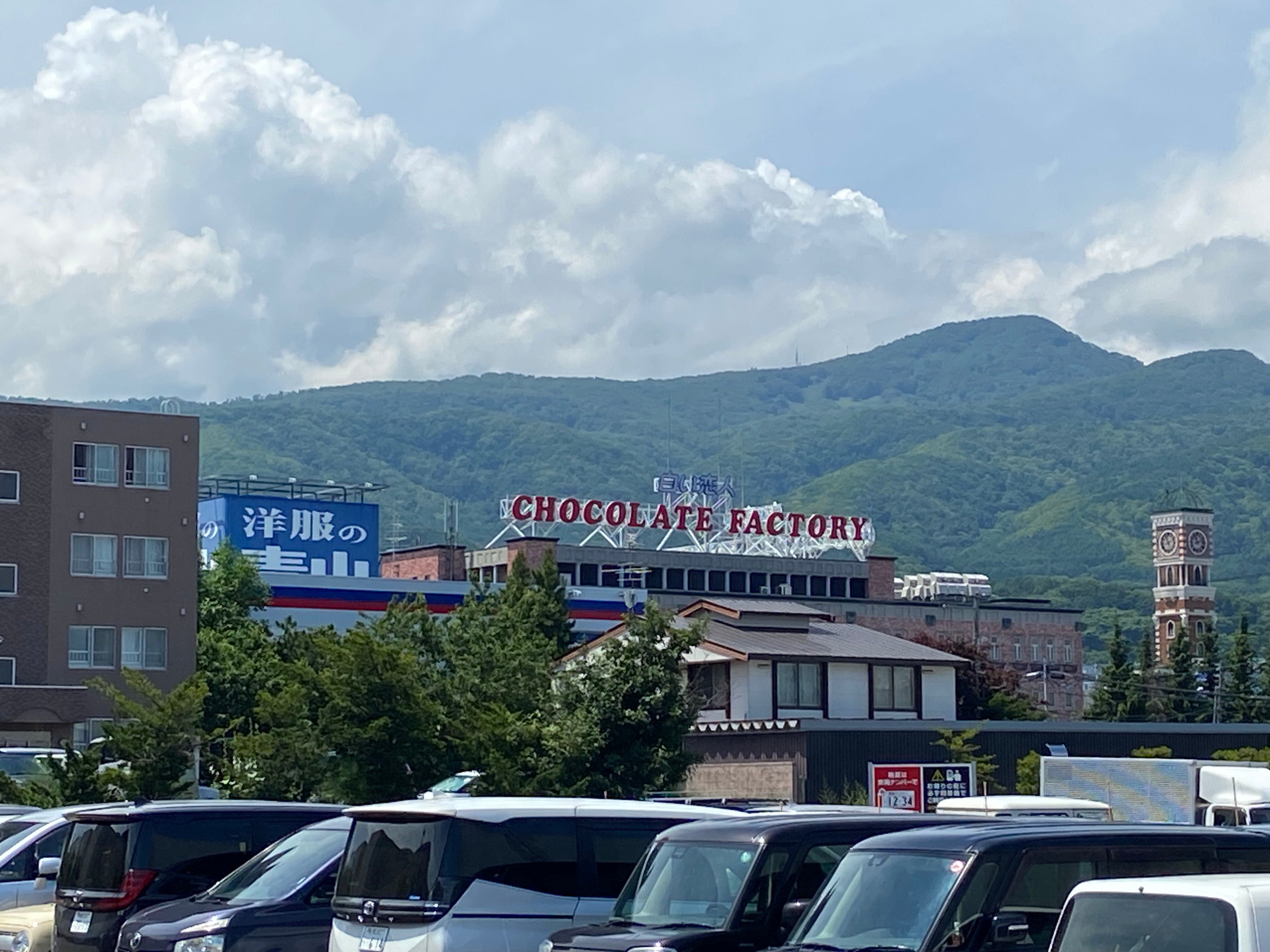
Today marks the 30th anniversary of Shiroi Koibito Park, a chocolate-themed factory with gardens. The translation of the name is unusual and means White Lover Park. However, the word for dwarf is the similarly spelt kobito, meaning little person, and has been named that way as a cheap pun which we’ll see later.

Entering the park, I buy a ticket (not golden), and receive a small wrapped square containing the exact chocolate that this factory makes; a bit of a spoiler, giving me the final product at the entrance. Inside, everything smells faintly of white chocolate and mild concern. There are a lot of stairs, the sound of cats meowing through speakers, and a room full of video screens telling the story of the factory.

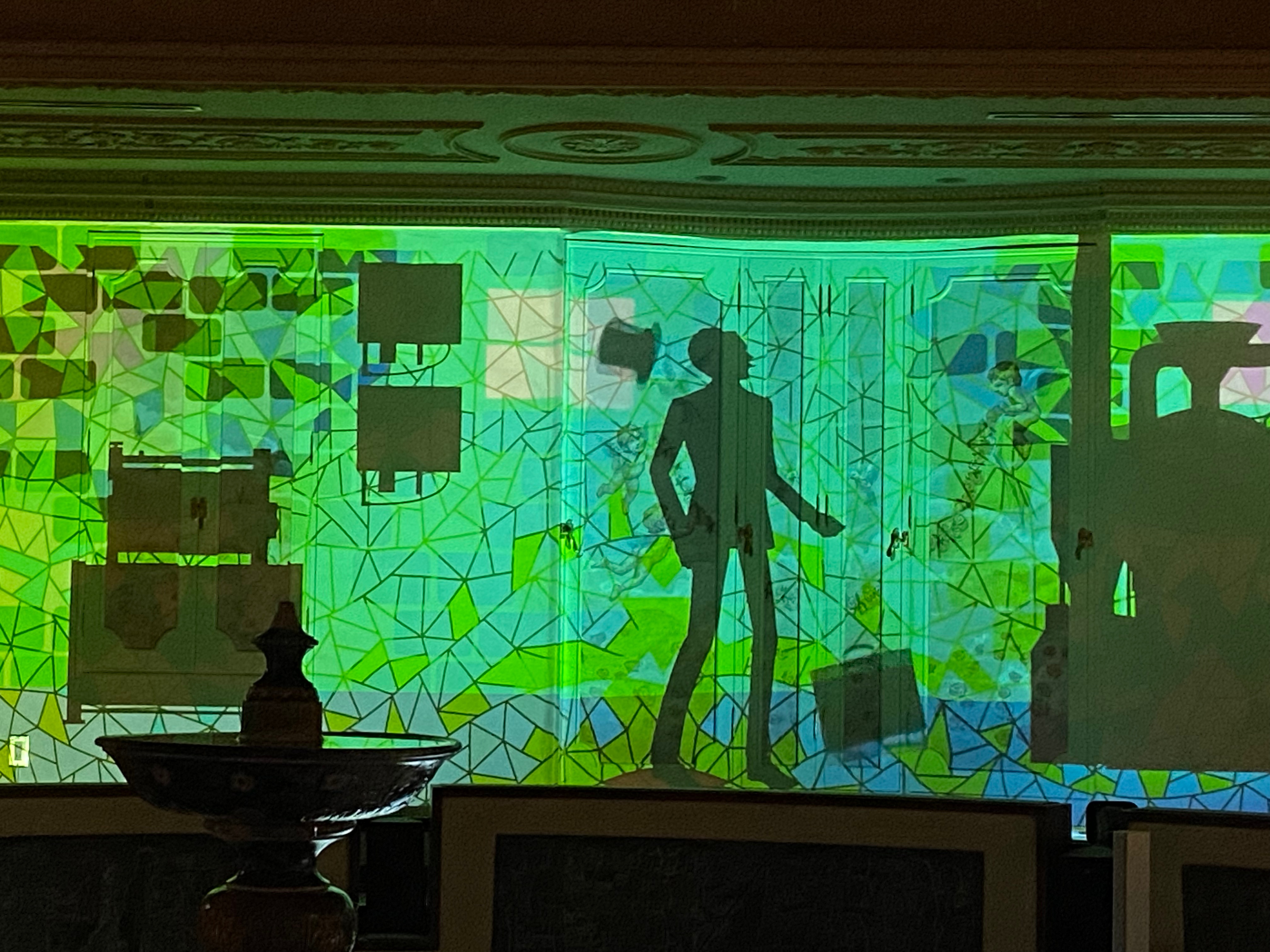
In the quirkily named Time Travel Room, we learn about how this chocolate came about. One of the screens checks to make sure we’ve all been paying attention by offering up a quiz question answered by show of hands. The question is: What is added to chocolate to make it sweet? a) Powdered Milk, b) Powdered Cheese, or c) Powdered Snow?

“Hands up if you said powdered cheese?” says the woman running the tour, as she looks around rather confused. “Nobody said cheese??? How about snow?” It turns out I wasn’t paying attention, but still managed to correctly guess that chocolate can be sweetened by adding powdered milk. Next, we follow some cat prints on the floor up some more steps to the factory.

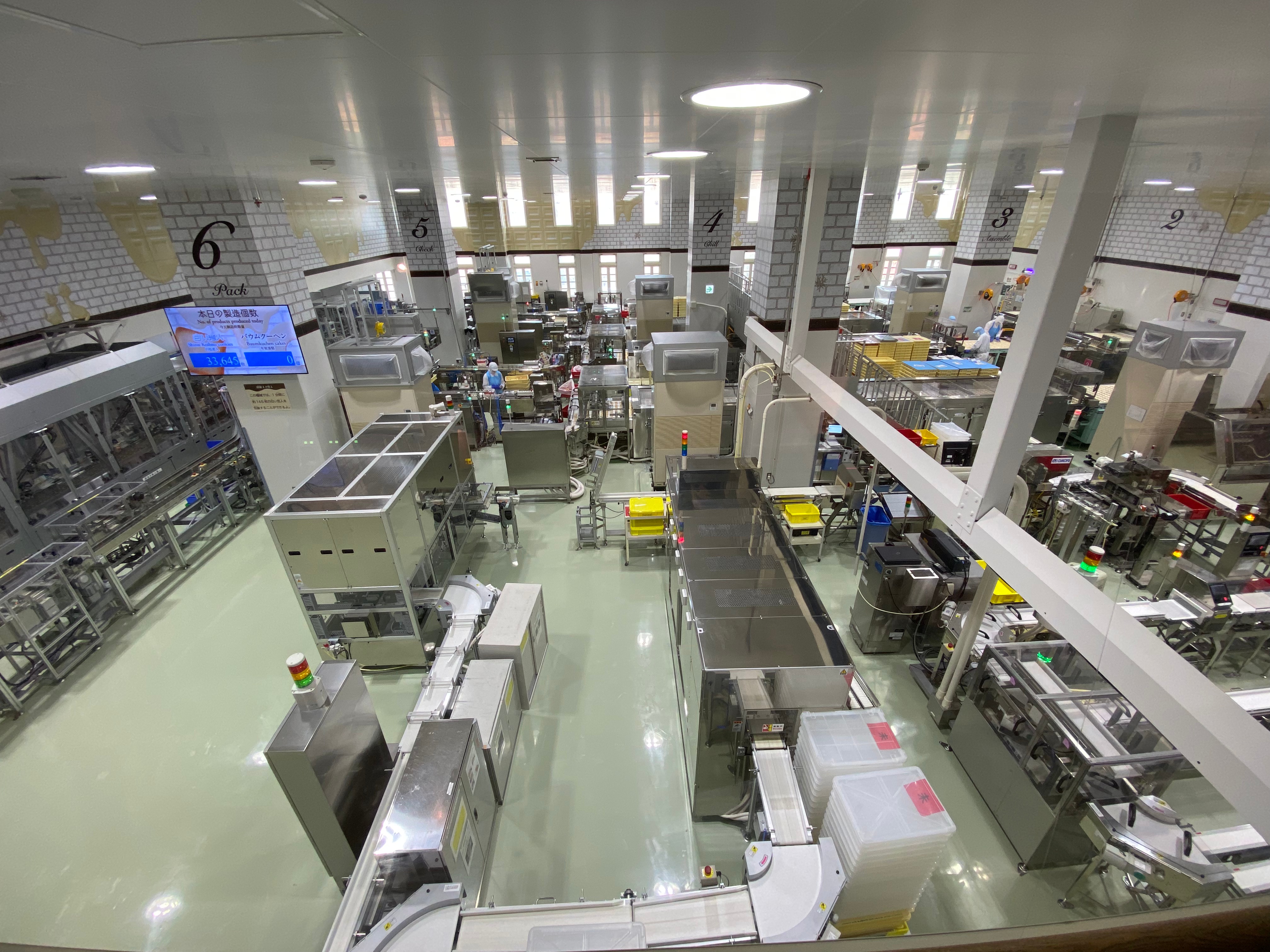
The factory floor is impressive, fully operational, and producing just one product: cookies. There is a counter that displays how many of each product has been produced today: 33,645 Shiroi Koibito cookies; 0 Baumkuchen cakes. I suppose they are using the lack of cakes as a comparison.

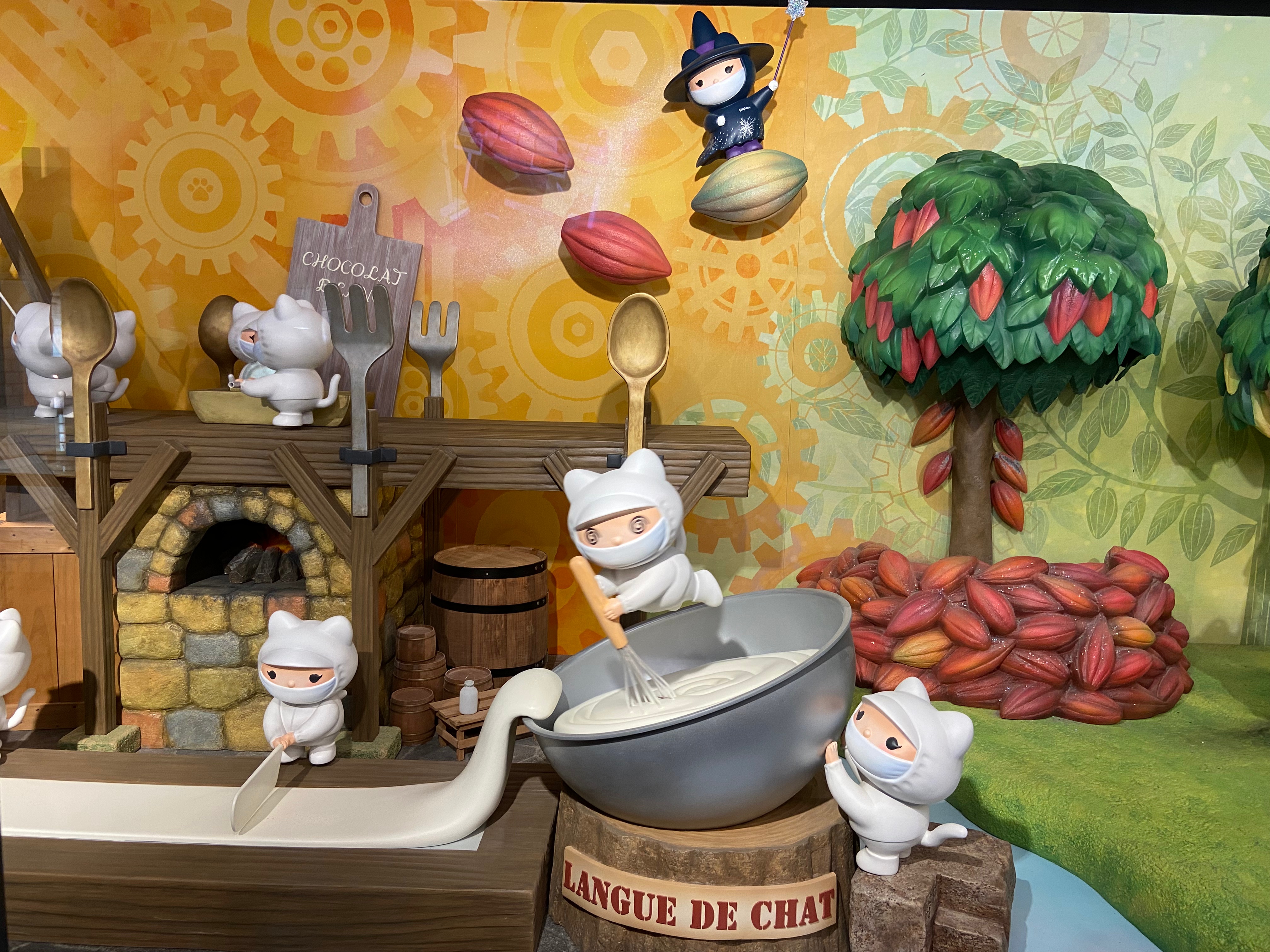
Remember that pun I mentioned? Well, in the next room it is on full display. All good factories have their slaves. Oompa Loompas, Wonkidoodles; but here at Shiroi Koibito Park we have White Dwarfs. They perform all of the tasks here, including milking the cows and creating white chocolate.

After yet more stairs, the sound of cats meowing, and multiple rooms of chocolate-related trinkets, we reach the end. I realise that we never did get an explanation for the cats. I exit through the gift shop and use the restroom. I notice someone has left some chocolate in one of the toilets.

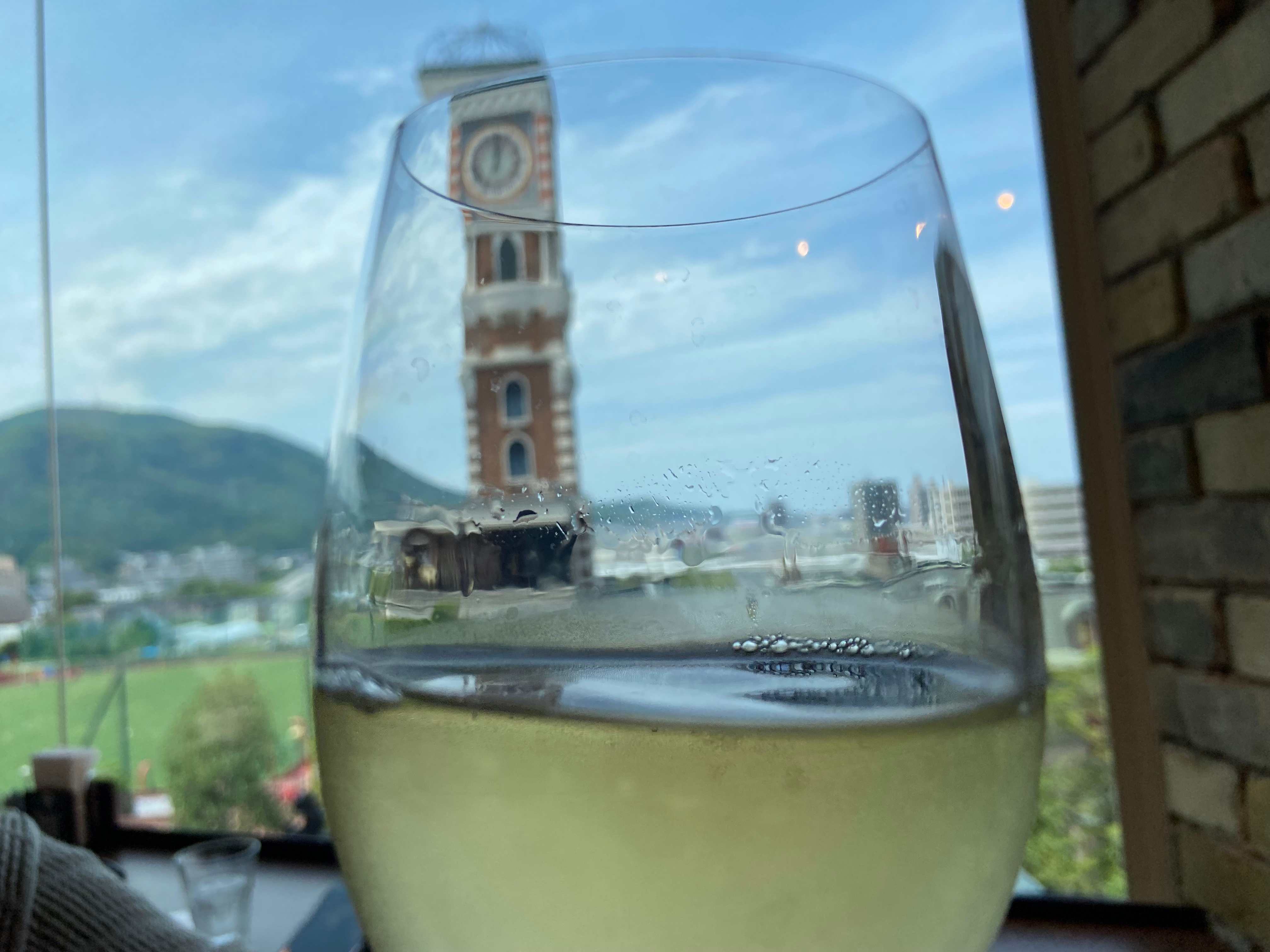
I take the stairs up and into the café, where I decide to take a rest from all the walking and climbing. The factory really needs to invest in an elevator; preferably one made of glass. Speaking of glass, I order a glass of Shiroi Koibito Wine, not sure exactly what to expect.

It doesn’t taste like chocolate. It tastes like regret. Perhaps one of the worst wines I’ve ever had the displeasure to drink. I was expecting notes of white chocolate; however, this wine is unfortunately made from Niagara grapes, which are more commonly used for grape juice than wine.

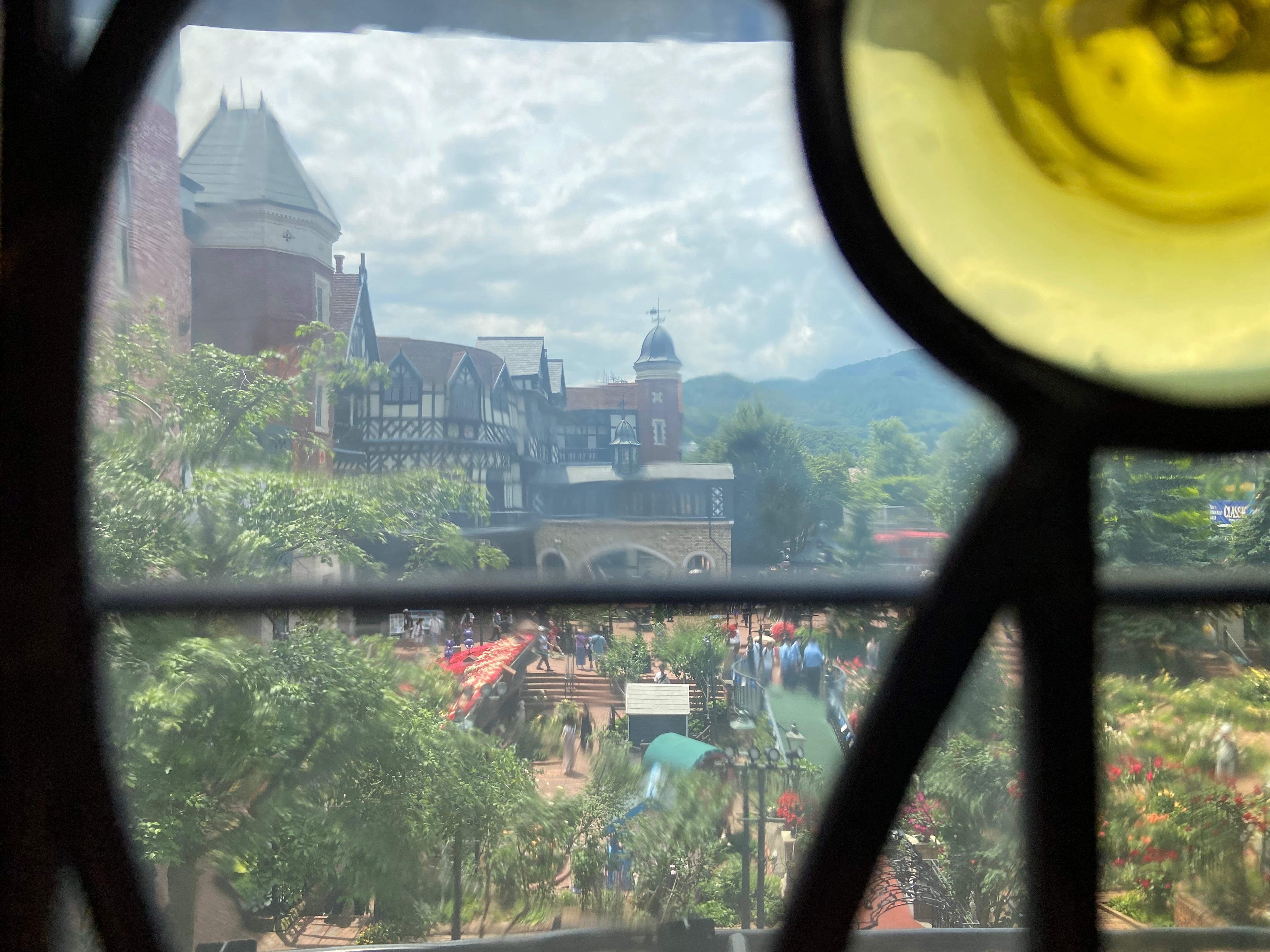
At exactly 12 o’clock, the distant clock tower chimes and opens up, and there’s a little animatronic parade. I slowly sip on my wine, trying not to wince. I watch the White Dwarfs trapped in a loop of mechanised merriment. I finish my glass before finally taking a stroll out through the gardens.

Taking the train back to Sapporo, I get off at Odori Station. The train station is connected to a huge underground shopping complex called Aurora Plaza. I decide to take a stroll through, passing shops selling clothes and souvenir-fit cakes. I also see some T-shirts with terribly translated English: Fun up necessary!

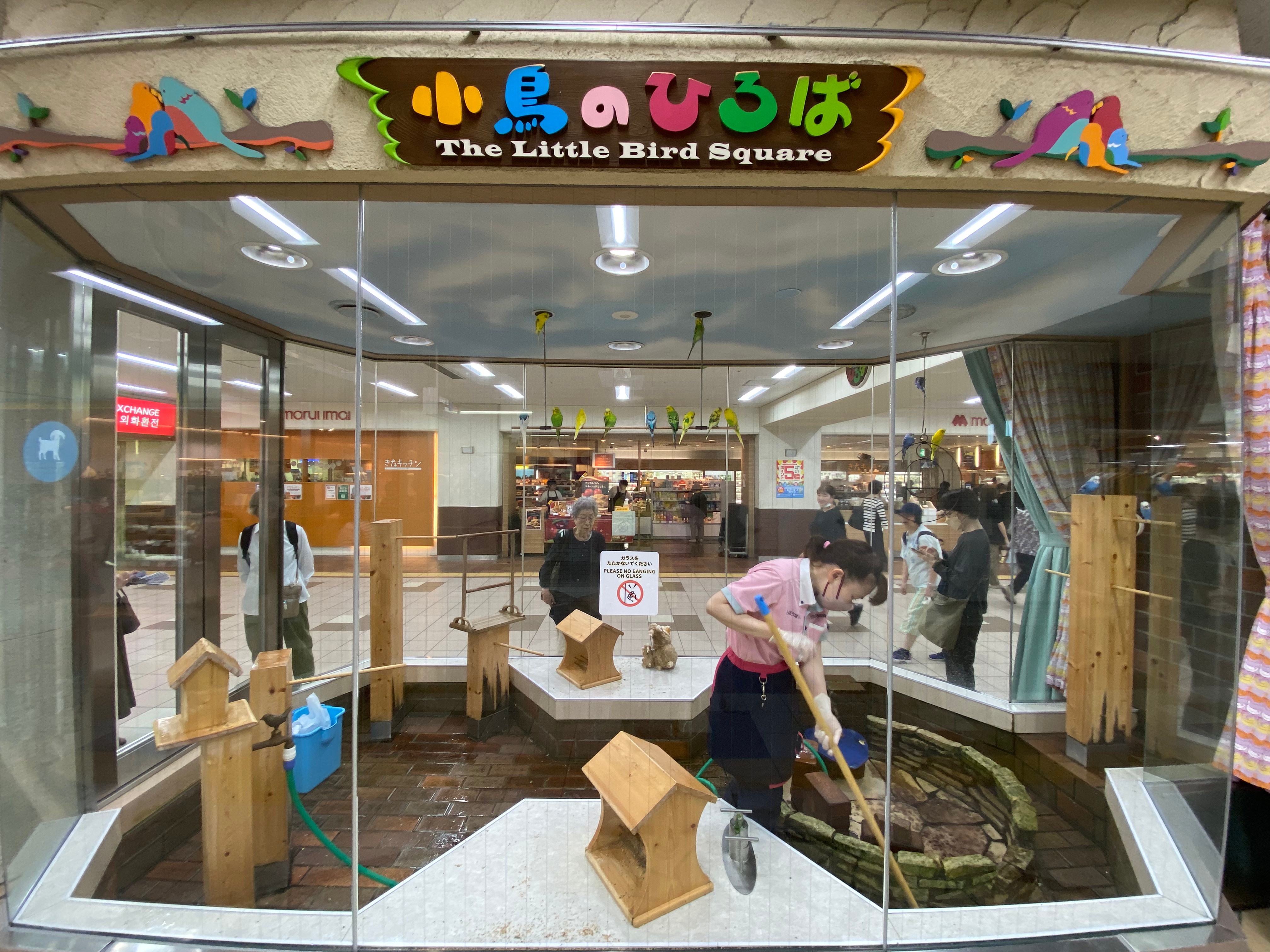
As I continue my stroll, in the distance I hear what sounds like birds chirping excitedly. I then see a sign for ‘Bird Corner’ and decide to see what all the chattering is about. It turns out to be a glasshouse full of parakeets called The Little Bird Square.

There are a couple of blue birds, multiple green birds, and that’s about as good as my knowledge of birds goes, I’m afraid. Although I’m pretty sure keeping them down here in an underground plaza means they will most likely die before they ever see natural light. Credit though, as it does seem that someone at least cleans out the enclosure, and I’m certain that one of the birds did smile at me.

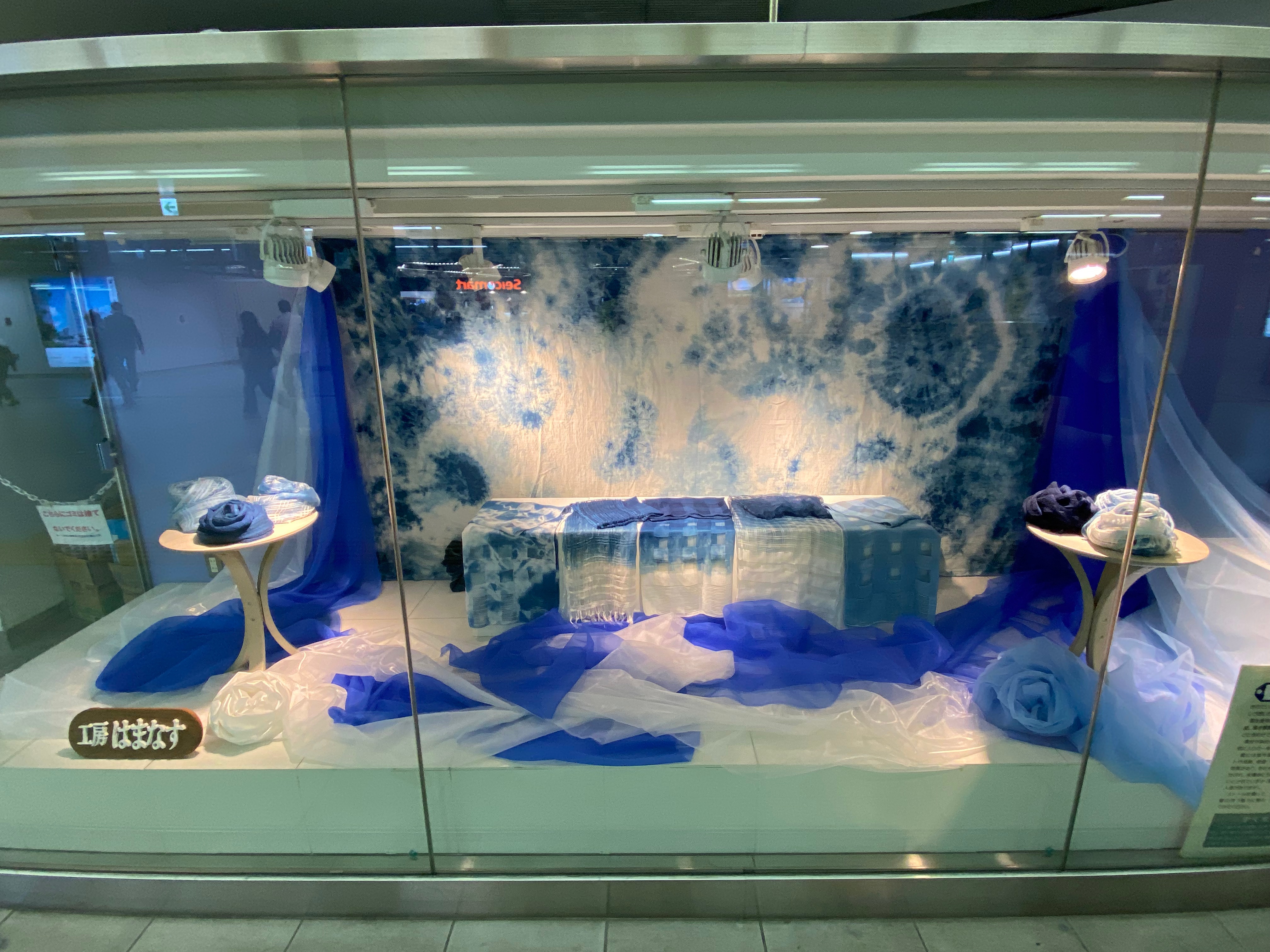
Further along the shopping complex, I stumble once again on a glass enclosure. This one, however, unusually contains scarves. The cloth appears to be well tended to, not the least bit ruffled. I think it’s supposed to look like a sea of clouds, but I can’t be sure. I do know that the scarves aren’t harmed in any way, and none of them seem likely to die anytime soon. They’ve already been dyed indigo!

My final stop for the day is a place called Retro Space Saka Hall. It’s a strange little museum that’s only open for a few hours a day, a couple of days a week, and houses the personal collection of curiosities owned by Kazutaka Saka, an 82-year-old Japanese man.

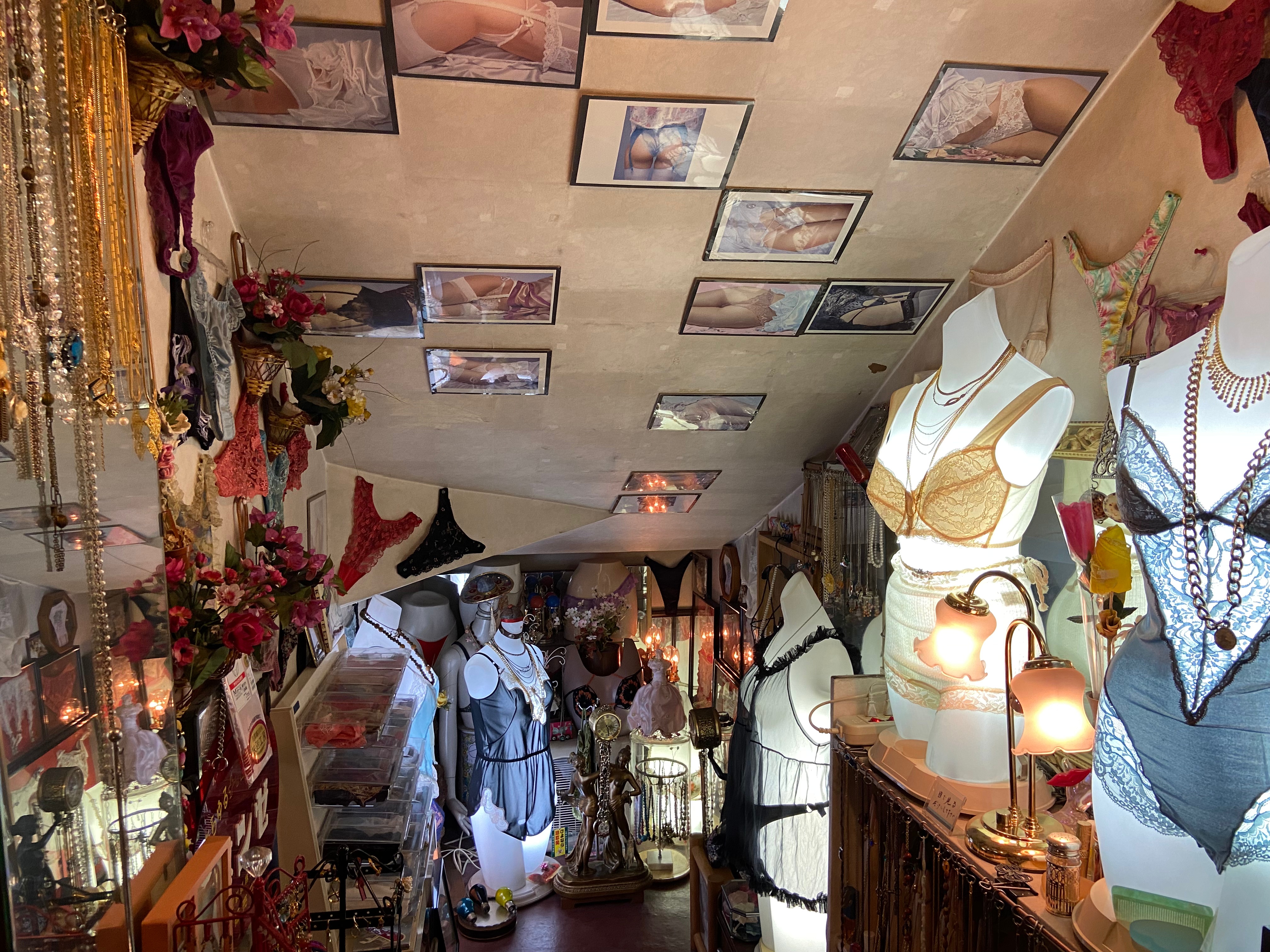
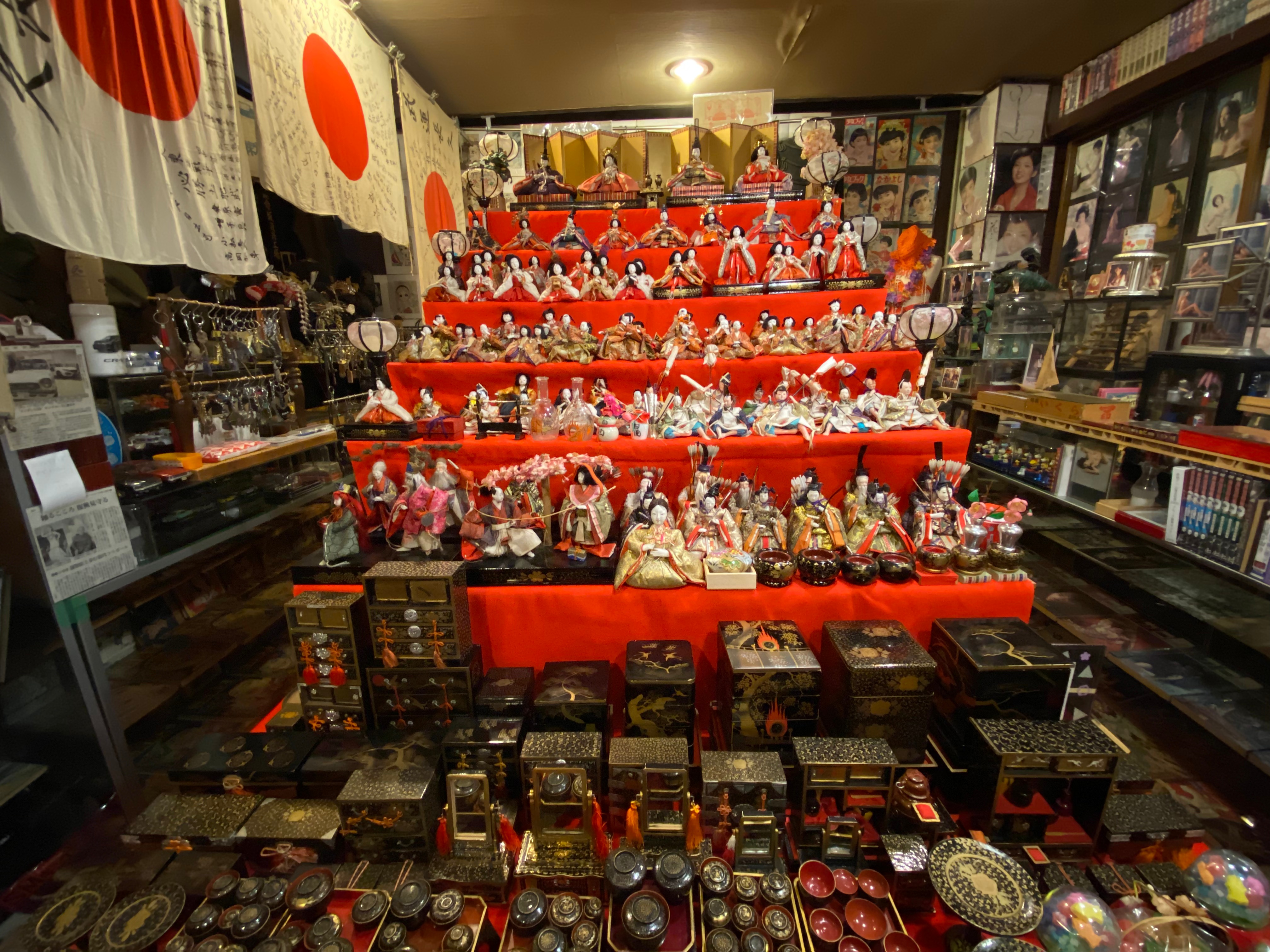
The museum is full of tightly packed shelves in every direction, arranged in sections and side rooms; a very well-organised collection of… well, of things. I don’t know where to look. There are things everywhere. If you can imagine it, Mr. Saka has probably collected it: Showa-era relics, gas masks, a large collection of syringes, musical instruments, a whole section dedicated to Eiffel Tower-shaped whiskey bottles, toys, figurines, bottle caps, buttons, stamps, cigarettes, women’s underwear, and photographs of women wearing underwear…

I begin to wonder whether Mr. Saka started out by collecting pornography and then, over time, began adding other random items like glass beakers and rocking horses to distract from all the images of naked women. Eventually it grew into this sprawling collection of almost one million objects. I don’t mind saying, I wouldn’t fancy having the job of dusting.

I have another thought as I pass by a wall of photographs of pin-up girls and a big pile of dolls: do other people just come here with stuff they no longer need and leave it behind? I can’t imagine anyone would actually notice the odd addition to the collection.

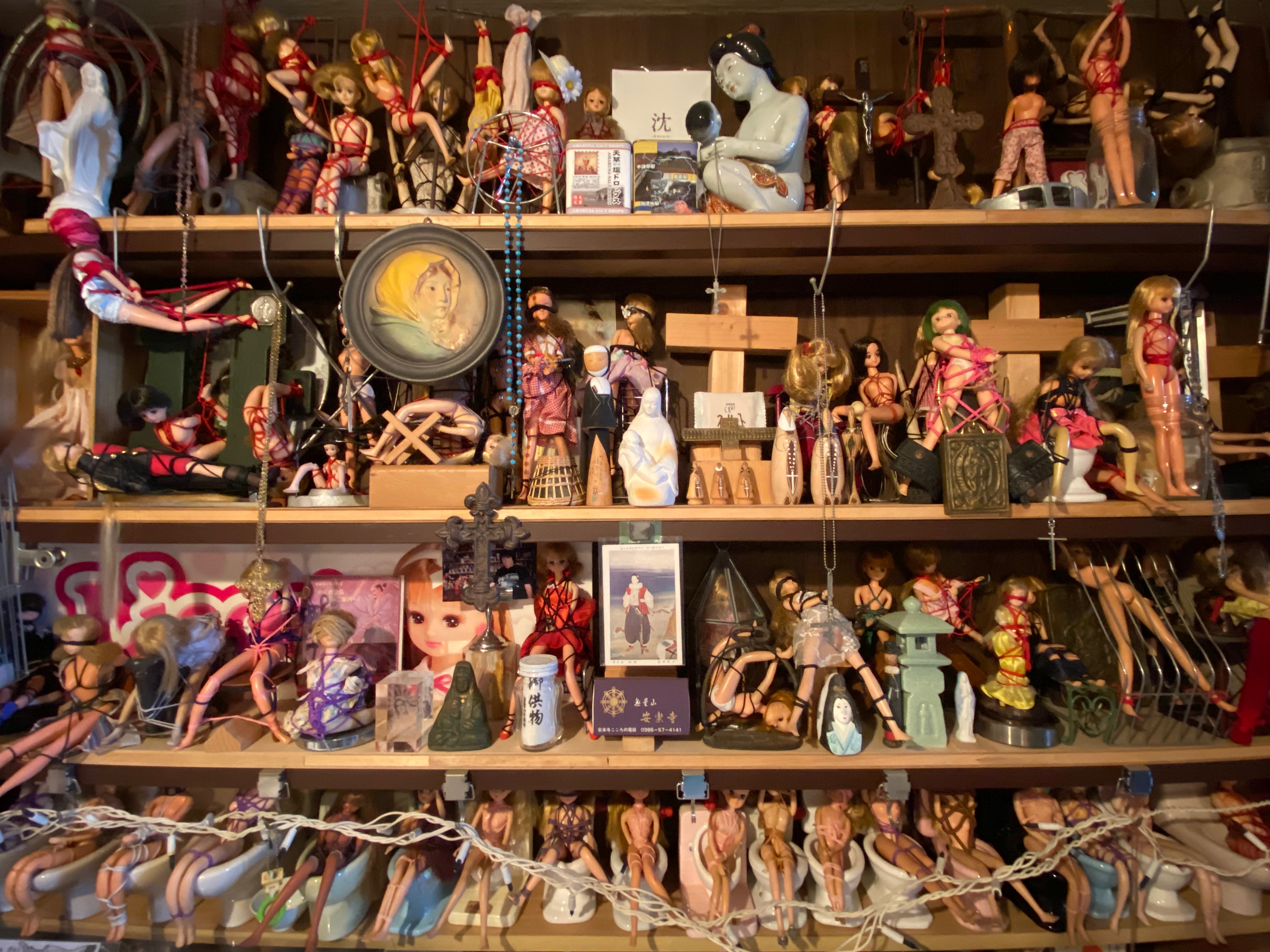
Just looking at the photograph of the pile of dolls, there’s so much going on in just that one area. Now imagine multiplying that by a hundred; you’ll get a good idea of just how overwhelming Retro Space Saka Hall really is.

I’m about to leave, heading toward the exit, but decide to take one last look at a shelf to my left. I must have missed it on the way in, overwhelmed on arrival by the treasure trove of everything mixed in with that odd smell of bygone. The shelf I’m standing before features a lot of dolls, tied up with string. The tied-up dolls on the bottom row are neatly arranged, all sitting on plastic toilets.

As I walk back to the train station, I decide that something about Mr. Saka is not quite right. Anyone with an entire shelf dedicated to Eiffel Tower-shaped whiskey bottles has a serious problem.

Near-Death, Buy A Thousand Cats

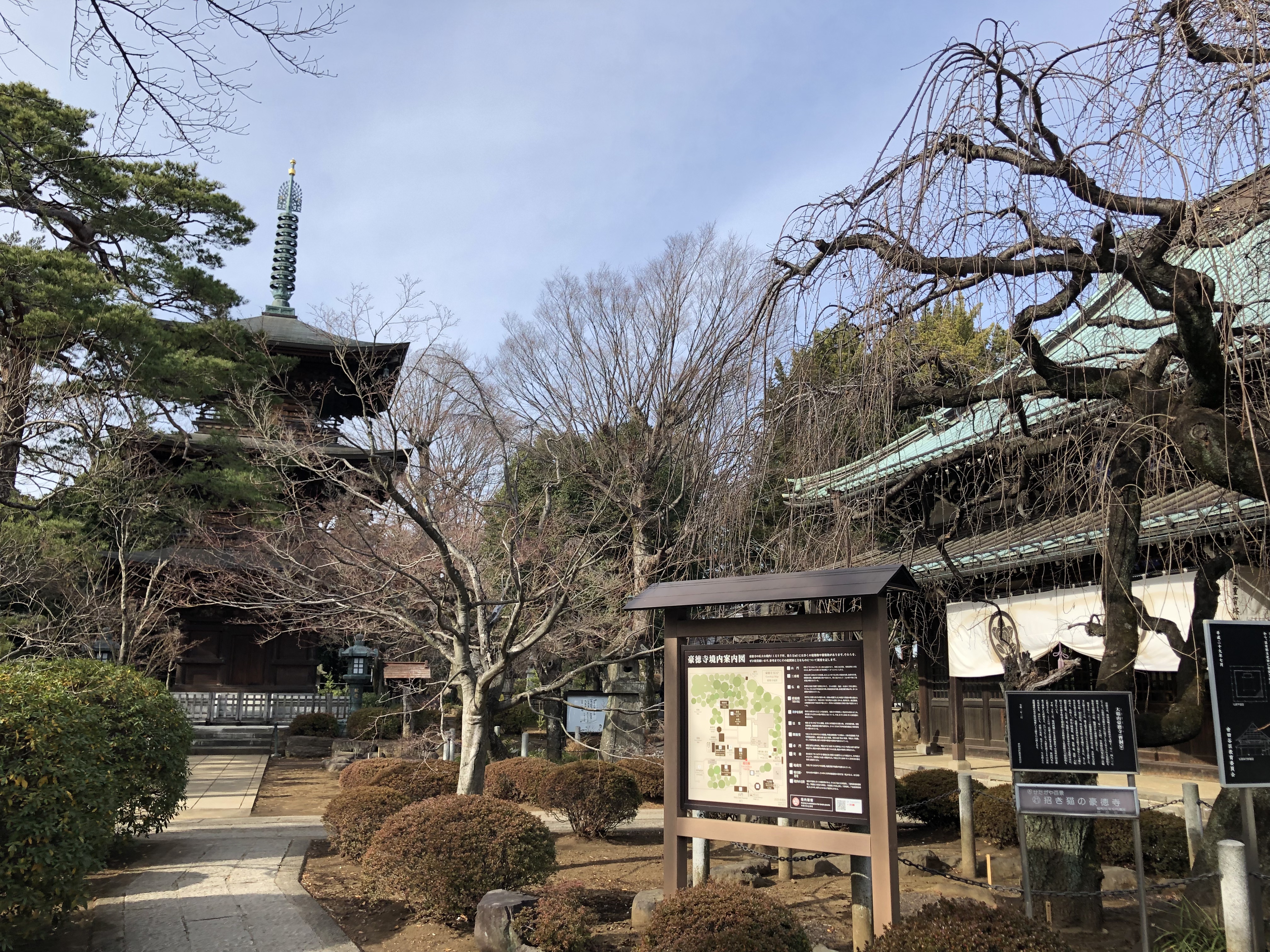
My day begins at Miyanosaka Station in Setagaya Ward, where I take a short walk to Gotokuji Temple. This temple, which covers an impressive 50,000 square metres, is home to a three-storey wooden pagoda, Shugetsuen Gardens, Jizo Hall, a Main Hall, stone lanterns, a Bell Tower, and the tomb of the Ii Naotaka family.

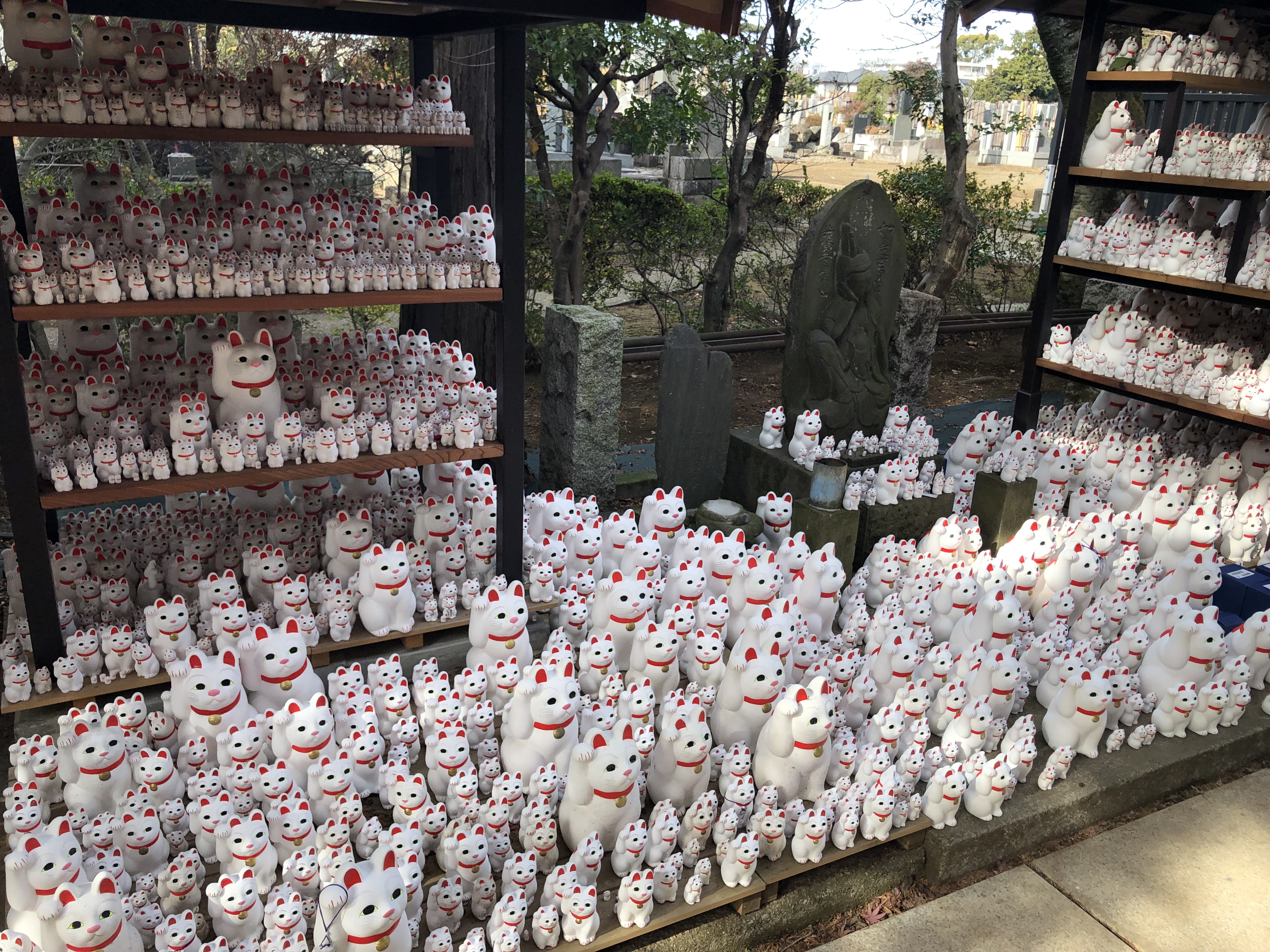
As I wander around the temple grounds, I am surprised to discover a collection of one-thousand maneki-neko statues (also known as “beckoning cats”) scattered throughout the temple. Every time I think I’ve seen them all, I turn a corner and find even more on the other side of the temple. They are truly everywhere.

According to legend, the daimyo Ii Naotaka was out hunting with falcons when he was saved from a lightning bolt by a cat named Tama. Naotaka had taken a seat on a wooden bench outside this very temple when Tama beckoned him inside. Moments later, a lightning bolt struck the wooden bench where he had been sitting. This act of kindness saved Naotaka from certain death, and in gratitude, Naotaka is said to have placed one-thousand lucky cat statues throughout Gotokuji Temple.

Maneki-neko statues are popular as charms for good fortune and are believed to bring luck in areas such as business success, home safety, and the fulfilment of prayers, and protection from lightning bolts.

I leave Gotokuji Temple and take the train over to Shimokitazawa, a neighbourhood known for its bohemian atmosphere and abundance of vintage and retro shops. As I stroll through the streets, I am surrounded by a sea of trendy fashion stores, coffee shops, and gastro pubs offering craft beers and flat whites. Even the local Seven Eleven here is enveloped in the rich, heady scent of coffee.

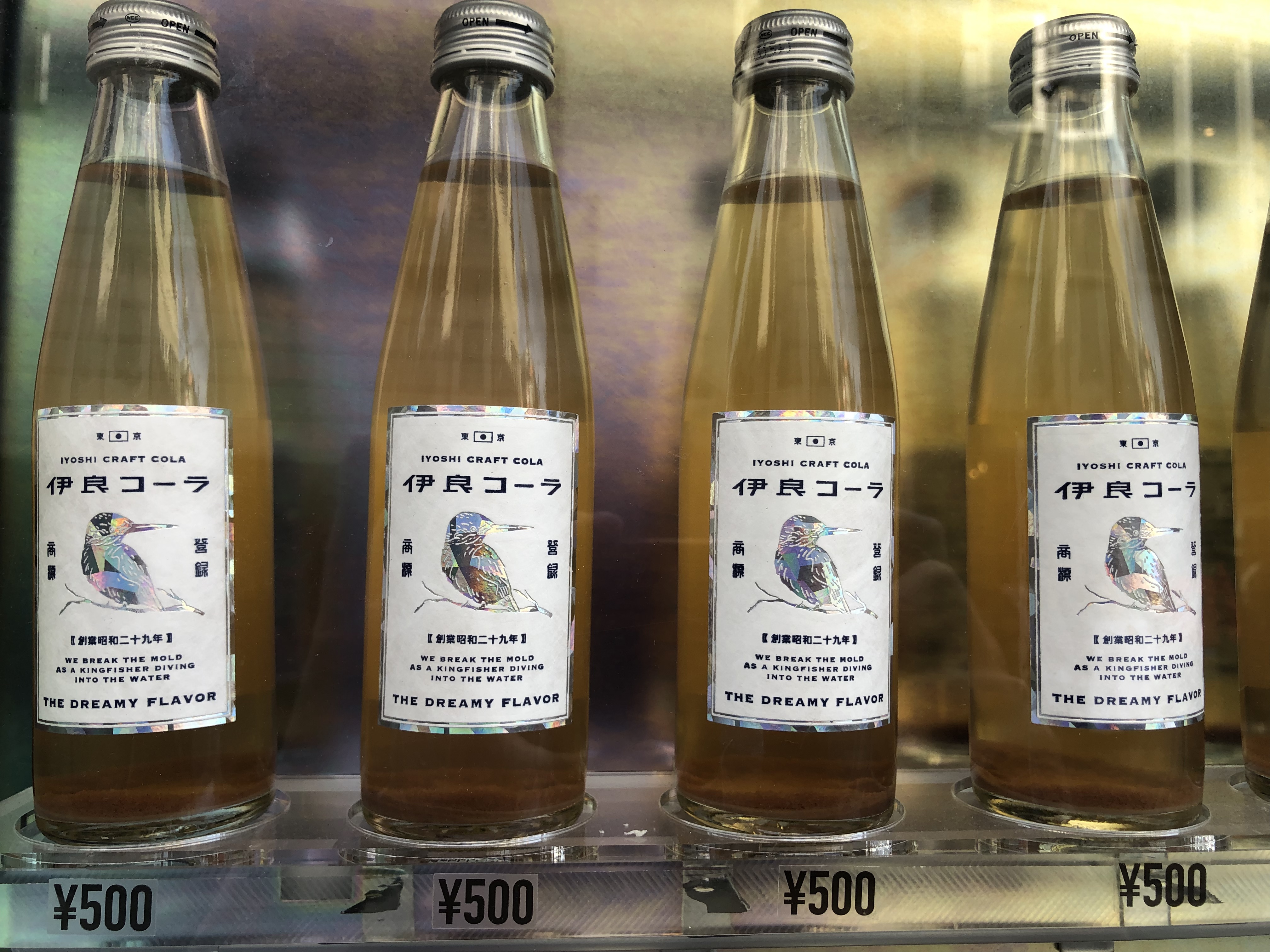
The area is also home to a vibrant music scene, with rock music blaring from every retro used clothing store. As I walk, I pass fellow foreigners who eye me up with pretentious looks. Distasteful graffiti adorns some of the vending machines, and I notice another vending machine selling what appears to be overpriced Craft Cola. The label says it is made from “natural water,” whatever that means.

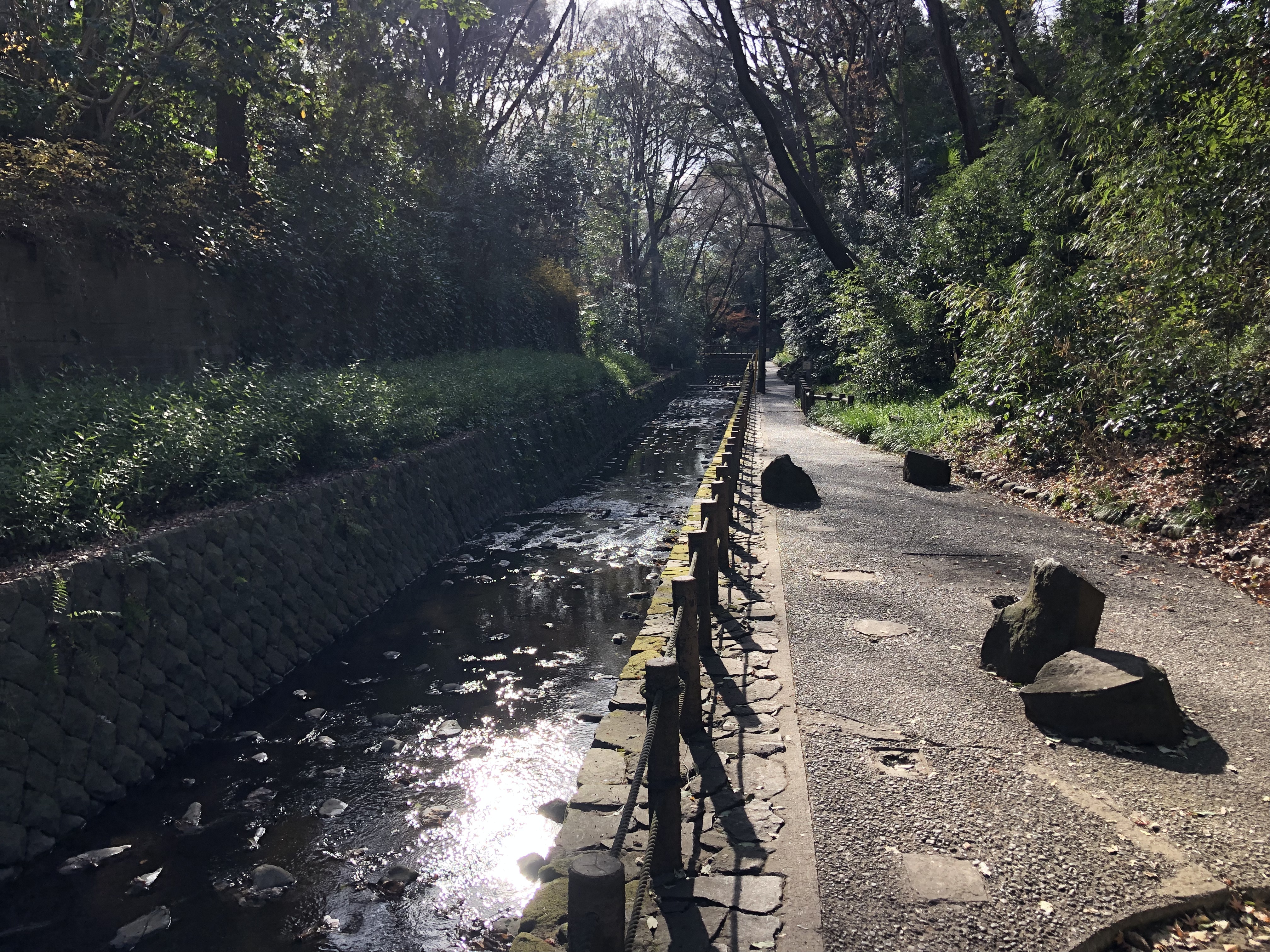
I decide to leave the bustle of Shimokitazawa behind and take a break exploring some nature. Luckily for me, Setagaya Ward also contains the only valley within the 23 wards of Tokyo: Todoroki Ravine Park. Along the Yazawa River sits the Golf-bashi Bridge, a striking red steel arch bridge named for a golf course on the other side of the river.

As I begin to wander downstream, I notice a sign warning against going near the river during heavy rain. Remarkably, I’ve been in Japan for two months and it has only rained twice. The sign states that during rainfall the valley can easily flood.

I pass trees of zelkova, bamboo-leaf oak, konara oak, and Japanese mountain cherry that line up on either side of the river, creating a scenic gorge. The air is crisp and refreshing, the water is still and calm, a peaceful contrast to the bustling city. As I walk further downstream, nature embraces me, enveloping me in its tranquillity.

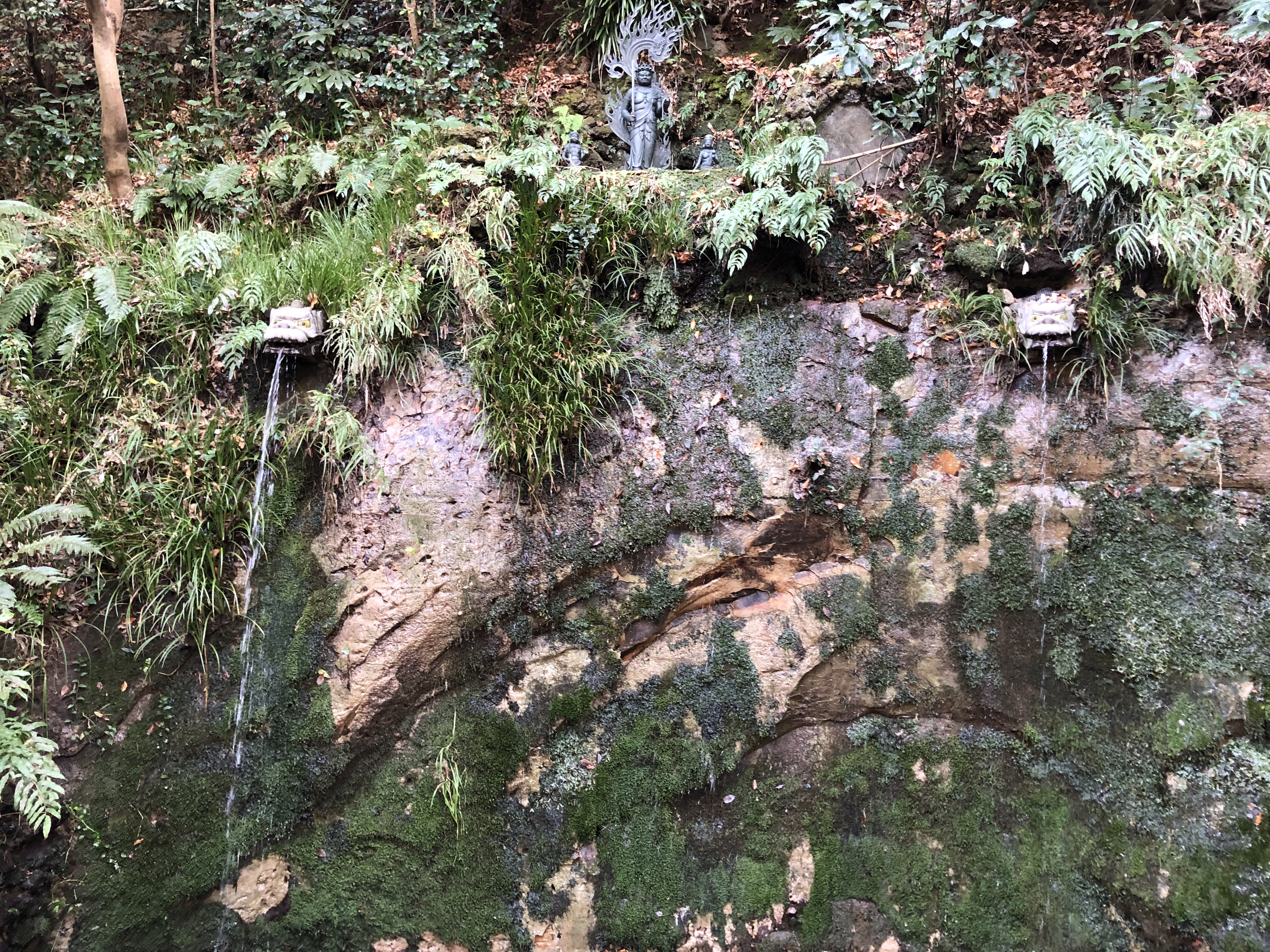
I come across Todoroki Fudo Temple, founded in the 7th century by the monk Gyoki and dedicated to Aryacalanatha. Below sits the twin waterfalls of Fudo-no-Taki, with the water spilling from the faces of yellow-eyed statues. The waterfalls are believed to have miraculous powers. Legend has it that the waterfalls at Todoroki Valley sprang up when the temple was founded, and it was once said that the water would roar like thunder when it hit the rocks, giving the valley its name. The waterfalls are a charming sight, and the old shrine adds to the peaceful atmosphere of the valley.

There are over thirty springs within Todoroki Valley, and the spring water here was designated as one of “Tokyo’s 57 Best Waters” in 2003. I presume the water from the springs is of the “natural water” variety.

As I make my way back to the train station, the sky suddenly opens up with a thunderous applause. Rain spills down into the gorge and valley, and lightning splits the sky, illuminating the landscape in a brilliant flash. Instinctively, I go in search of a cat.

Saving Primate Ryan

I aimlessly wander through Tokyo’s Adachi Ward on a cold, grey day, feeling a little bored. As I walk through a park I notice a small building that seems out of place amongst the trees and grass. As I walk up to the building, I can’t help but notice its bleak appearance. The grey concrete seems to blend in with the overcast sky, giving the place a depressing vibe. But despite my lack of enthusiasm, I decide to check it out.

As I walk through what turns out to be an animal exhibit, I can’t help but notice the perceived lack of space and variety in some of the enclosures. The Sulcata Tortoise appears to be trying to escape, possibly because it seemingly lacks access to direct sunlight, a necessity for this type of animal. It repeatedly smashes its face against the glass enclosure in frustration.

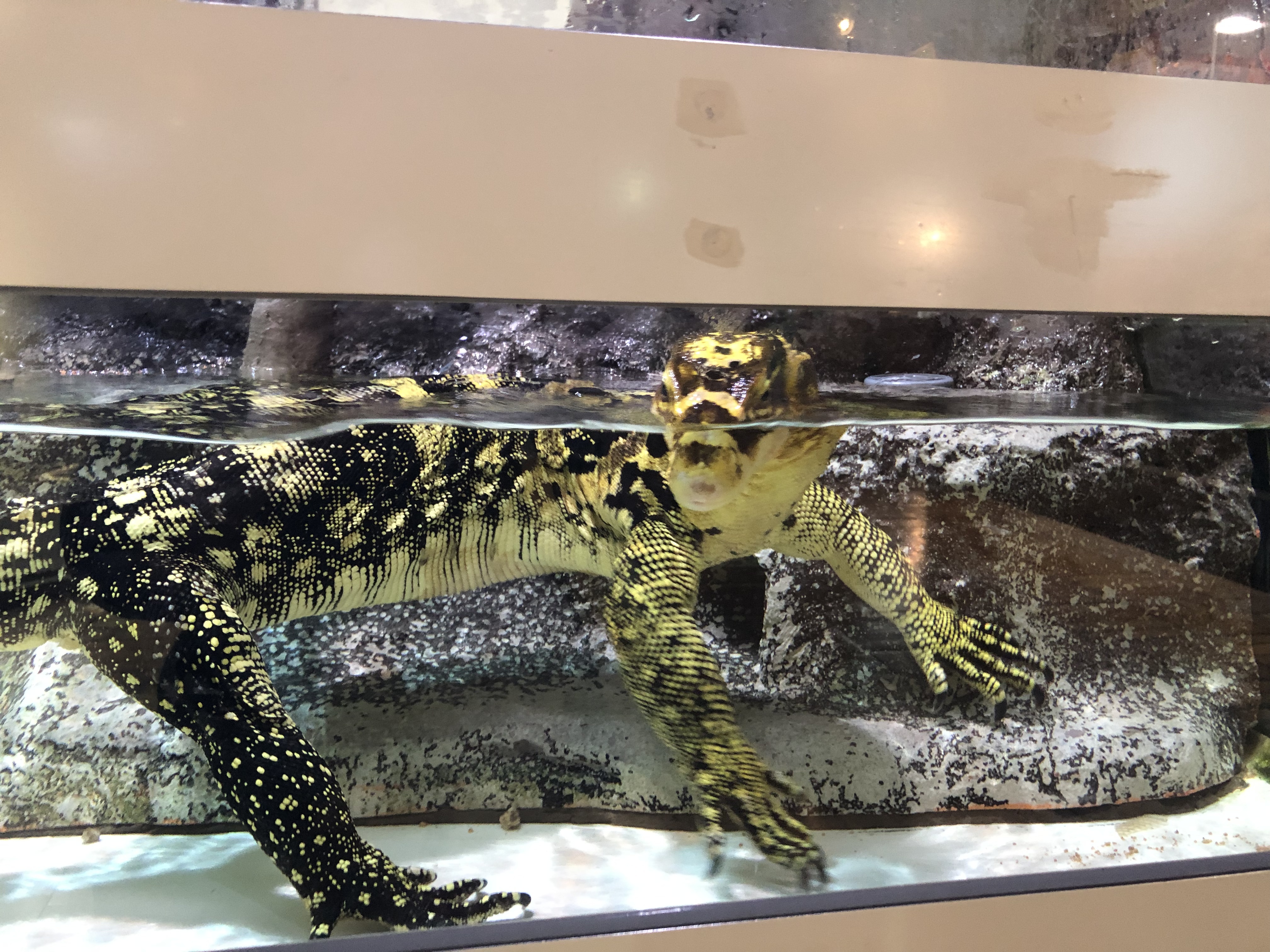
The Yellow-headed Water Monitor is a large, semi-aquatic reptile native to Africa. In my view, in this enclosure, it swims absently in a small tank that also offers a section of land. These animals are known for their powerful legs and sharp claws, which they use to climb trees and dig burrows in the wild. However, in this relatively confined space, the Yellow-headed Water Monitor seems unable to fully utilise its natural abilities, as far as I can tell.

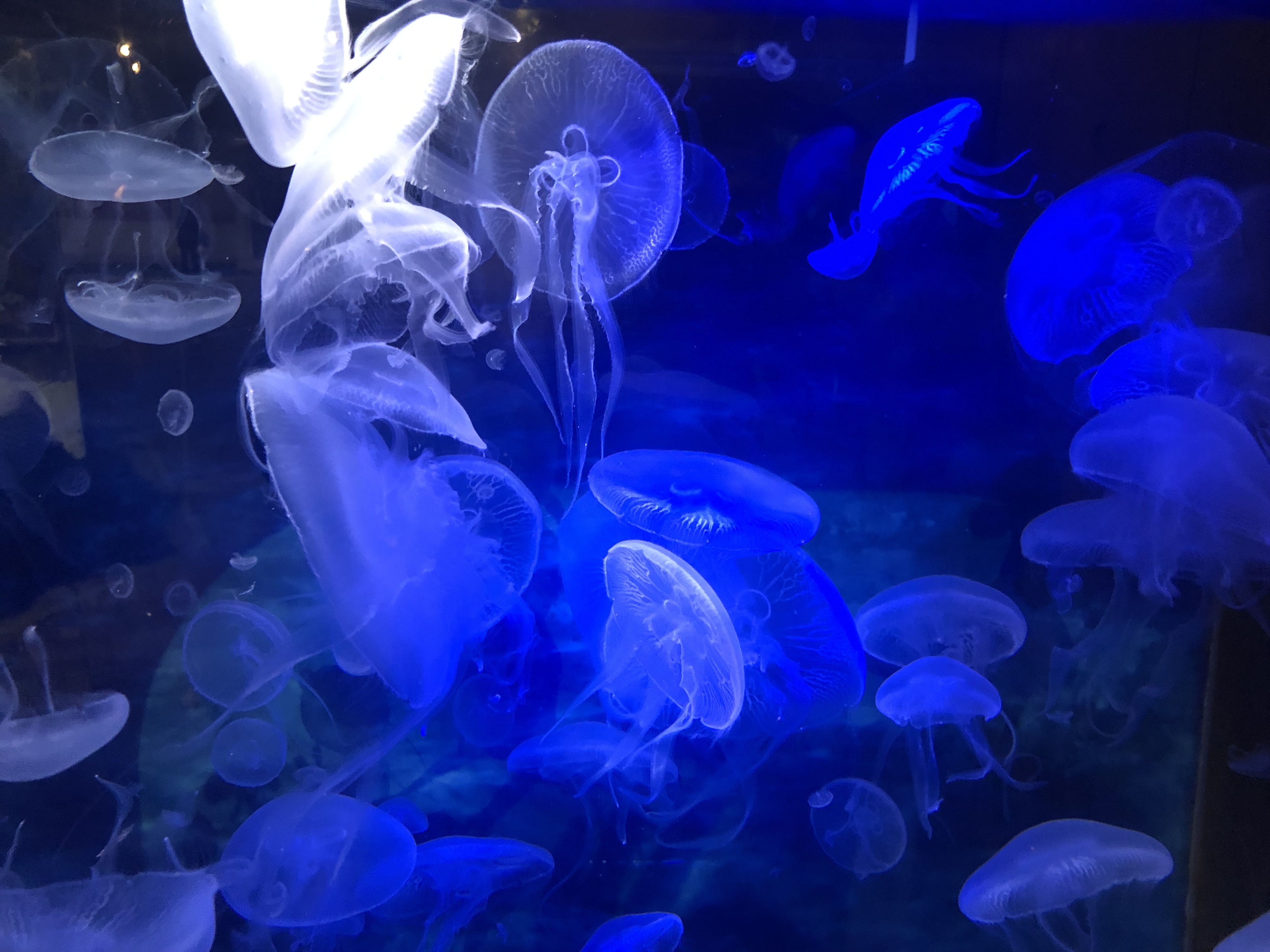
I also observe some Clownfish and Moon Jellyfish, but they seem to be lacking the vibrancy and liveliness that I would expect from these species. Clownfish, also known as anemonefish, are typically colourful and active, but these individuals seem dull and listless. Moon Jellyfish, with their translucent bells and delicate tentacles, are usually mesmerising, but in this small and crowded tank, their movement looks slow and somewhat lifeless.

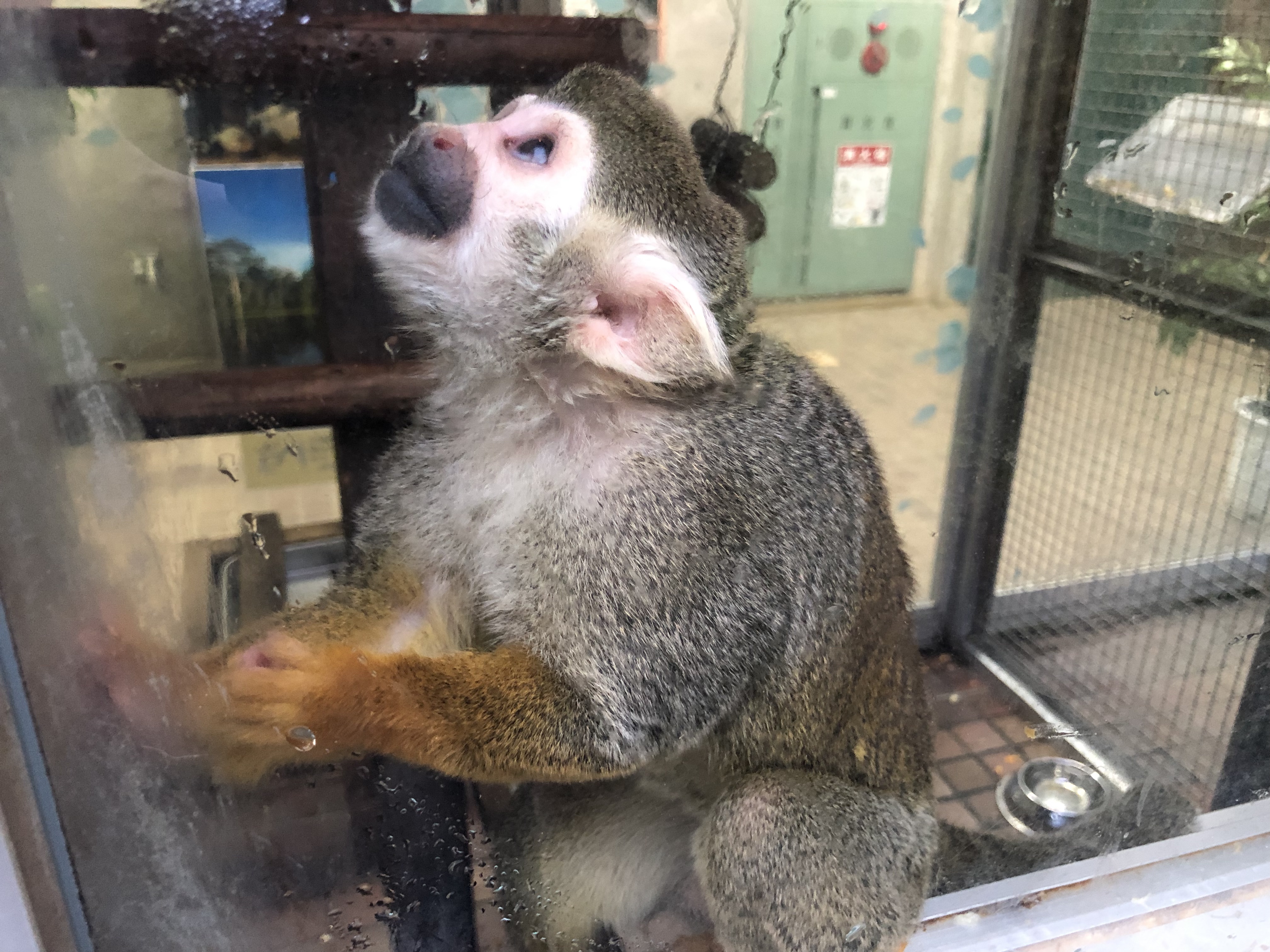
As I walk through the animal exhibit, I am startled by a group of common squirrel monkeys in cages. Seeing these animals in such small enclosures fills me with a surge of sadness, and I feel empathy for all of the animals here, even the fish, who seem to be exhibiting signs of depression.

Squirrel monkeys are social animals that live in large groups in the wild, and they are adapted to living in the rainforests of Central and South America. Because of their natural climbing abilities and long tails, squirrel monkeys are well-equipped to move through the trees in their rainforest habitat. However, one common squirrel monkey, oddly named Ryan, seems particularly drawn to me, pleading with me through its body language to let it out.

As I make my way into the butterfly enclosure, I am immediately struck by the contrast in conditions compared to the rest of the animal exhibit. Here, a lush, indoor paradise filled with plants and foliage greets me, and I am awed by the sight of Monarch butterflies, swallowtail butterflies, and red admiral butterflies fluttering freely about, their beauty on full display.

The beauty and vitality of the butterflies serves as a poignant reminder of what can be achieved when animals are given the proper care and space to thrive, in their spacious and well-maintained enclosure.

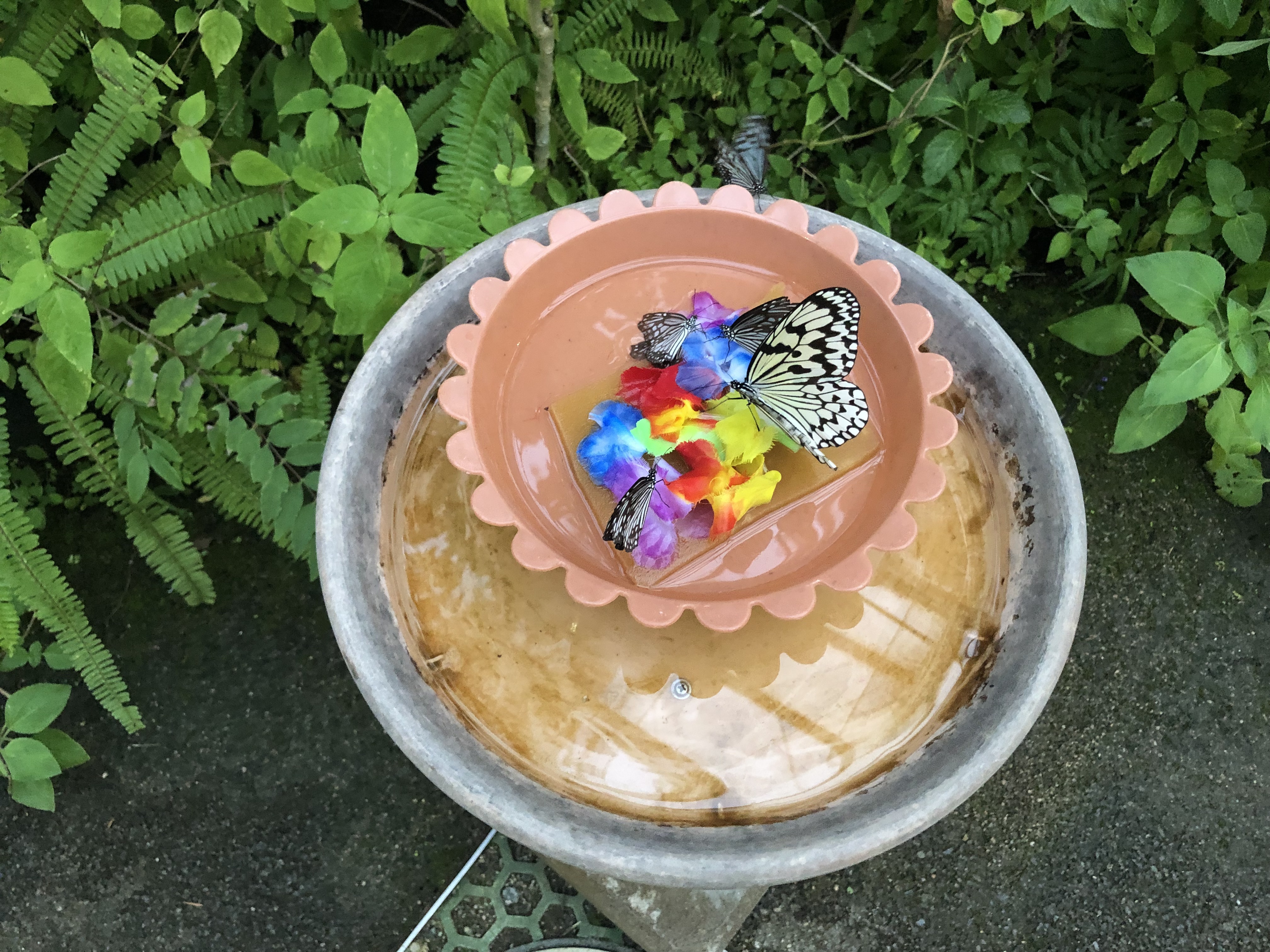
A sign reminds me to be careful not to step on any of the butterflies as I move through the space, and small dishes of honey, adorned with multi-coloured cloth, are scattered throughout the enclosure, serving as a natural attractant for the butterflies and allowing me to get a close-up view of these graceful creatures.

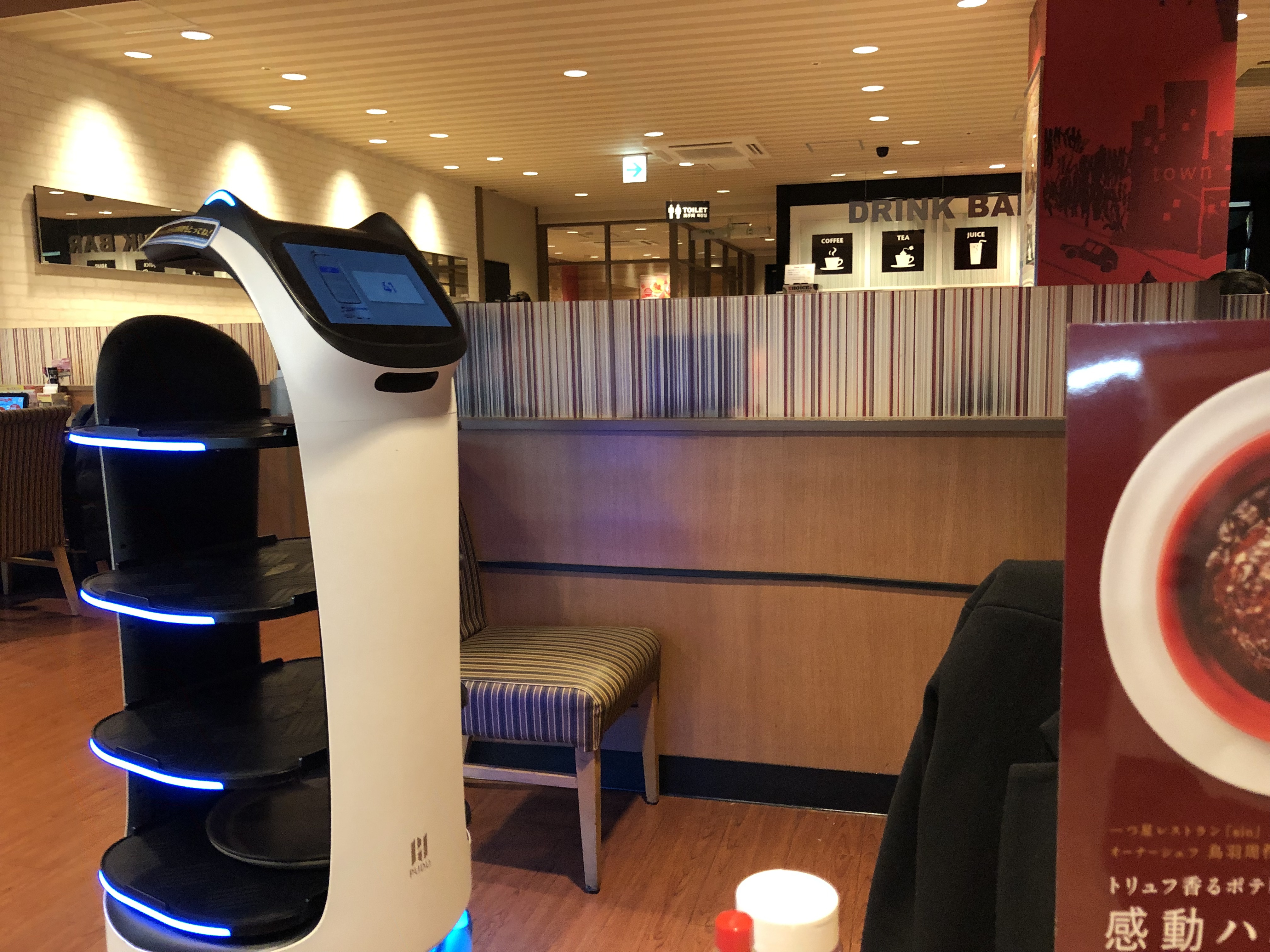
As I leave the park, a gnawing hunger overtakes me, one that I haven’t felt in a while. I head to the nearest train station in search of a restaurant. Inside, I am surprised to see that there are no waiting staff in sight, so I take a seat at a table and peruse the touchpad menu, eventually settling on a hearty gratin dish. As I wait for my order to arrive, I am intrigued by the sight of a robot with a digital cat face advancing towards me, carrying my steaming plate of gratin. I take the meal from the robot, which makes a beeping sound before gliding away with nonchalance back to the kitchen.

I briefly wonder about the impact of technology on the service industry. Despite my curiosity, I am too ravenous to dwell on these thoughts for long, and I dive into my meal with relish.

Snake Placid

My bus drops me off on a remote mountain path, the lush green foliage surrounds me as I walk. Luckily, getting off at the completely wrong stop presents me with a great view of the Kintai Bridge, an expansive wooden bridge with five arches. Located in Iwakuni, Yamaguchi Prefecture, the Kintai Bridge is regarded as one of three best bridges in Japan, with its ornate timberwork dating back to 1673.

I stare at the bridge for a while and consider its unusual shape. I eventually come to the conclusion that it looks a bit like a snake. I glance down below at the tranquil blue water of the Nishiki River, before continuing on toward the entrance to Kintai Bridge. Here a woman in a ticket booth waves at me, distracted from the present situation, I wave back and begin to cross the bridge.

This renowned bridge is dreadful to walk across, its wooden steps curving up and down. The bright winter sun reflects off the polished woodwork and I have to focus on not toppling over. Kintai Bridge has been designated as a National Site of Scenic Beauty, the reason for this is hidden in its sophisticated construction. From the perspective of modern bridge engineering, the construction of the wooden arches are said to be so impeccable, despite their age. I think these modern engineers should try walking across the bridge in the blazing sunshine and then decide how sophisticated it is.

When I reach the other side of this 210 metre long bridge and see another ticket office, I realise the woman that waved at me was signalling for me to buy a ticket to cross the bridge. I apologise at this side and retroactively pay the ¥310 crossing fee. Slightly embarrassed, I continue on, and enter a nice looking park.

Kikko Park is a very charming leafy landscaped park. The area contains a few tasteful clothing stores, small coffee shops, and nice little restaurants. All of this is set to the backdrop of a mountain, a shrine with some nice bridges, and a few small canals. Atop the mountain, I can just make out the miniature outline of what looks to be a castle. There’s also a snake museum here.

After having my temperature checked and my hands sanitised, I enter the Iwakuni White Snake Museum. Here can be found everything there is to know about this special type of snake; a breakdown of its anatomy, snake skeletons, and real samples of its shed skin are on display here. There are even live snakes that I initially mistook to be made from plastic; it wasn’t until one of these enchanting snakes began to hiss and move its tongue that I realised it was real.

This albino mutation of the Japanese rat snake is glossy white with red eyes, and has been designated as a National Treasure by the Japanese government. It is said that stories about incidents involving these white snakes have been passed down through the ages. The interesting thing about the Iwakuni white snake is that it has a mild temperament, and does not harm human beings. I stare at the snake, regard its shape. I consider that it looks a bit like the bridge I crossed earlier.

Leaving the museum, I decide to check out the castle. It’s quite high up the mountain but luckily there is a ropeway that runs every fifteen minutes. I’ve never been on a ropeway before, but having previously conquered my fear of heights, I’m prepared to give it a go. A few moments later, I arrive at the Iwakuni Castle Ropeway Mountain Foot Station.

I buy a return ticket for ¥540 then instantly regret my decision once I see the ropeway; it doesn’t look safe at all. As I wait to ride, I become anxious when I watch the man who performs the safety checks simply put his head into our carriage, take a swift look around for less than a second, before telling us we are okay to enter. The ropeway fights its way up 200 metres of cable as it climbs to the top. There is a clock here, the Shiroyama Mechanical Clock, it plays a lively melody as the cable car pulls into the station; I recognise the tune but can’t quite place it.

The view from the top is stunning. I stand here for about ten minutes, enjoying the warm weather and admiring the wonderful view. The wind periodically pushes with gentle nonchalance; the occasional hovering of a zephyr adding a cooling breeze to an afternoon encased beneath the vibrant sky. In the distance, I can see the Seto Inland Sea and even the islands of Shikoku beyond.

A sign says the castle is an eight minute walk away. The area is awash with vibrant colours, the maple and ginkgo leaves turning various shades of red and yellow. I pass a rather disconcerting sign telling me to, “Beware of pit viper!” — so much for the friendly snakes. I continue on, passing the largest dry moat in Japan, before after a steady twenty minute hike, I arrive at the castle.

The castle is extremely crowded with elderly Japanese people travelling with their tour groups. This particular castle is know as ‘Yamajiro’ which is a word to describe any castle built on a mountain and at least 150 metres high. I once again admire the view from this mountain castle, before turning around and heading back to the ropeway.

As I make my way back down the mountain, the forest whispers to me with the snapping of twigs beneath my feet. The sound captures my attention, and for the first time I truly take in the vast expanse of the forest surrounding Iwakuni Castle. I also realise, with a start, that there is no protective fence separating me from the dizzying drop to the valley below.

Back at the ropeway entrance, I arrive a little early. Eventually, the Japanese tour group begins to arrive in droves, and before long, a line of over thirty people snakes behind me. As we are set to depart, we manage to squeeze in twenty three of us into the tiny cable car; social distancing out of the window completely. As we slowly begin to descend the mountain, the weight of us makes the ropeway creak, squeak, and screech as we swing unnaturally from side to side.

The cable car crashes into an overgrown tree branch on the way down, the sound and shaking startles me, and much like a snake, I jump out of my skin.