A Flood Day to Dry Hard

The news tells me that today there is an excessive heat warning in place in Wakayama. My oh-so-reliable weather application tells me that it will be cloudy all day. The gods split the difference. As I exit the bus unprepared for anything other than heat or cloud, the heavens split open in a thunderous rage of fury.
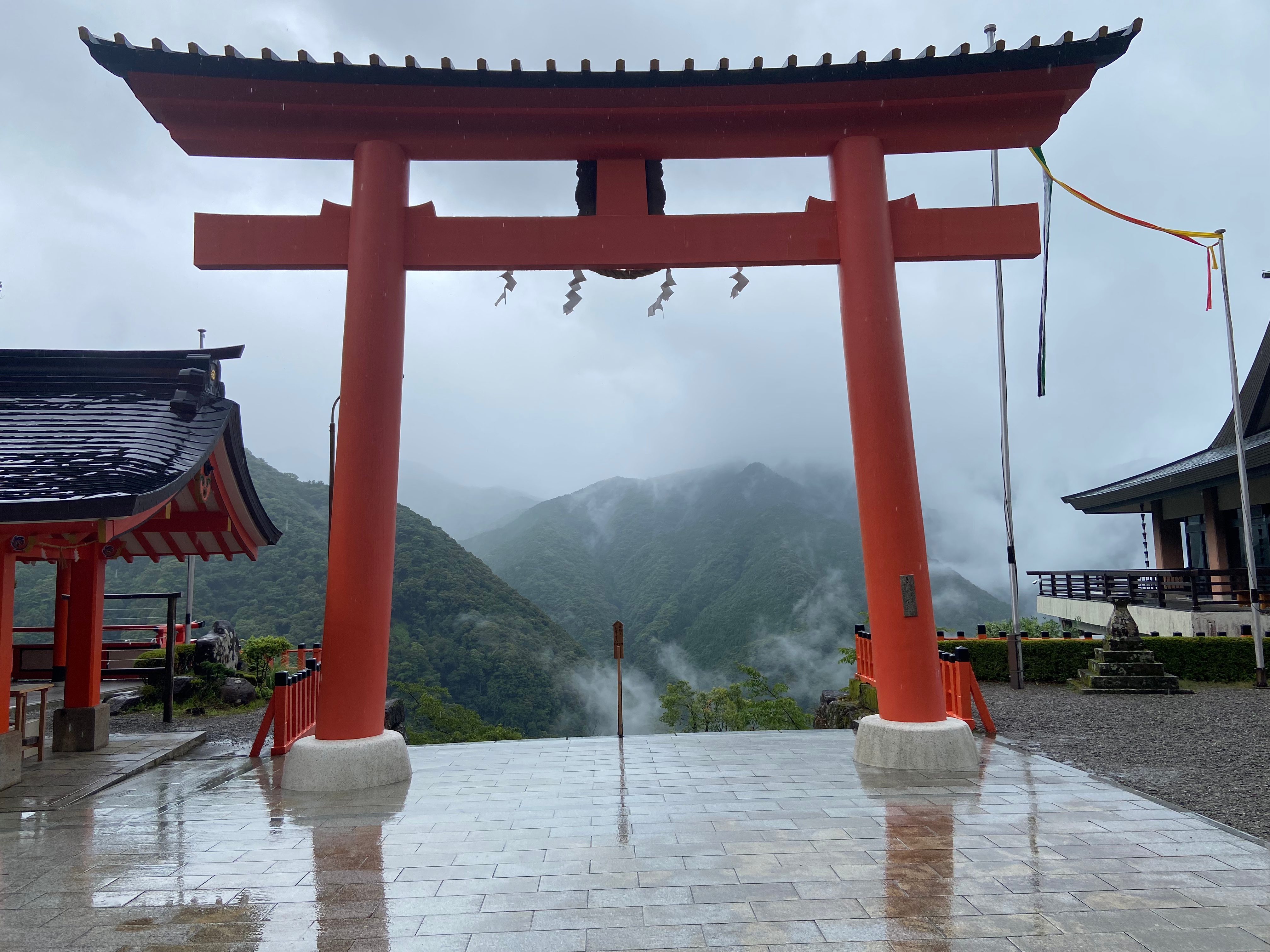
I am at Kumano-Nachi Taisha. As the thunder rolls over the sky I manage to take just one photograph of a torii gate and the mountains beyond, right then, before the rain catches up with the thunder. Luckily for me, there is a shop, so I enter, purchase, then poncho up.

I duck inside the Treasure Hall. No photos allowed, but I explore freely. I wrote about the Nachi Pilgrimage Mandala yesterday, but seeing the real thing up close is something else. I enjoy the other art, artefacts, simple objects from a time lost in the past. Most of the treasures here were discovered in 1918, but are from around the 10th century, with the shrine itself being 1,700 years old.

Stepping out of the Treasure Hall, the rain has intensified fivefold, and some of the ground has already flooded. People cower with umbrellas.
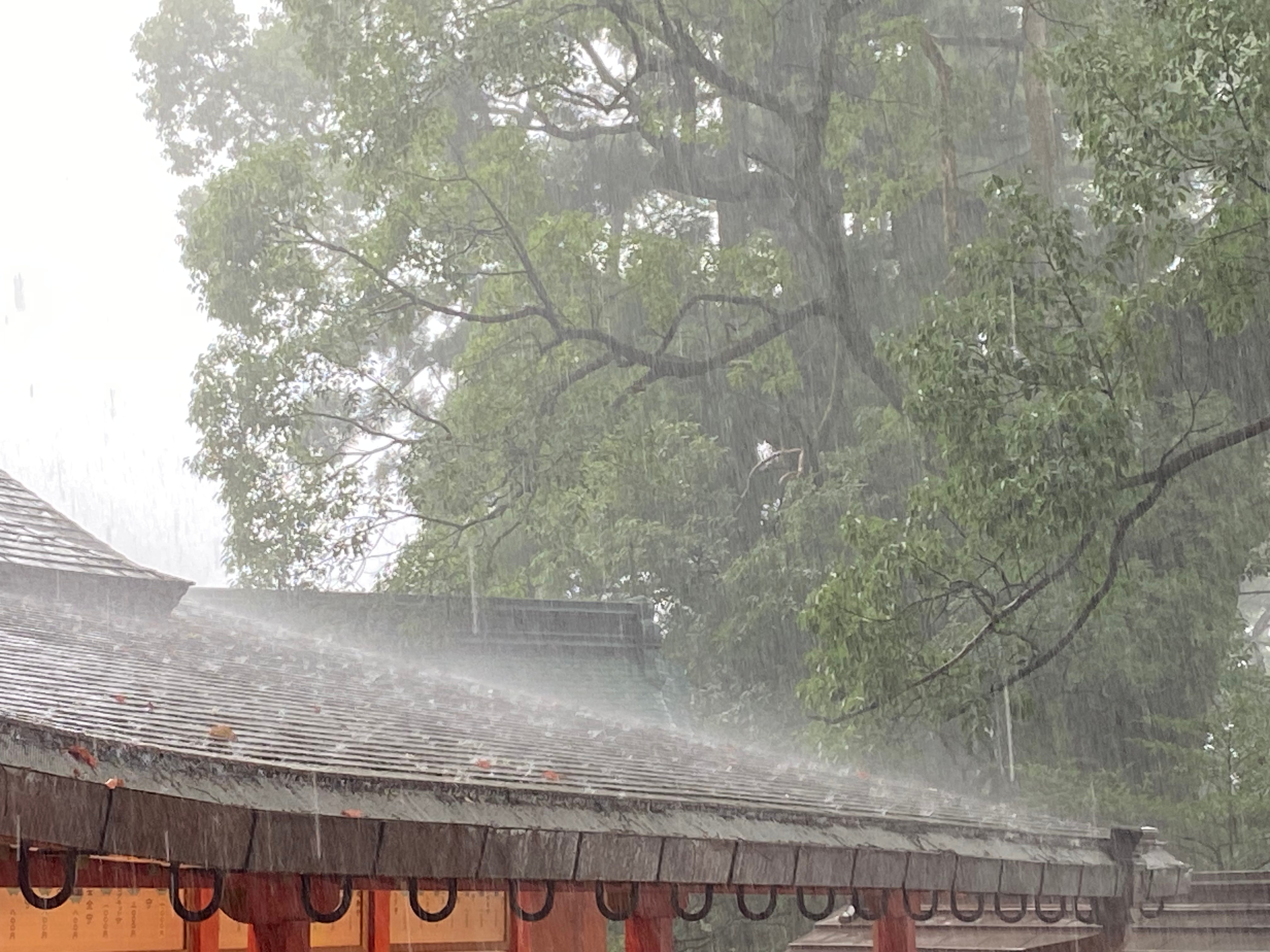
The rainwater crashes down and smashes into the roof of the shrine like a torrent of broken glass, slicing through the air with a merciless, unyielding force. I have never experienced rain like it. The raindrops actually hurt.

I came for the waterfall. Or so I believed. Right now, I feel like I’m inside one. I struggle to see where the waterfall could even be in comparison to the falling water. A monk passes me, dressed in dark blue. He carries an umbrella and seamlessly manoeuvres the flooding and the puddles, calm as you like.

Legend has it that the first emperor of Japan, Emperor Jinmu, found the waterfalls when his boat landed on the Kii Peninsula and he saw something shining in the mountains. At the time, he had been following a Yatagarasu (a mythical three-legged crow sent by the gods as a guide).

I follow the path down the mountain toward Nachi Falls. The sky bellows with more thunder, the road is full of water. Am I walking in the rain? Or am I swimming in a river? At points the water is knee-high. The drains can’t handle it. I can barely handle it, but I persevere.
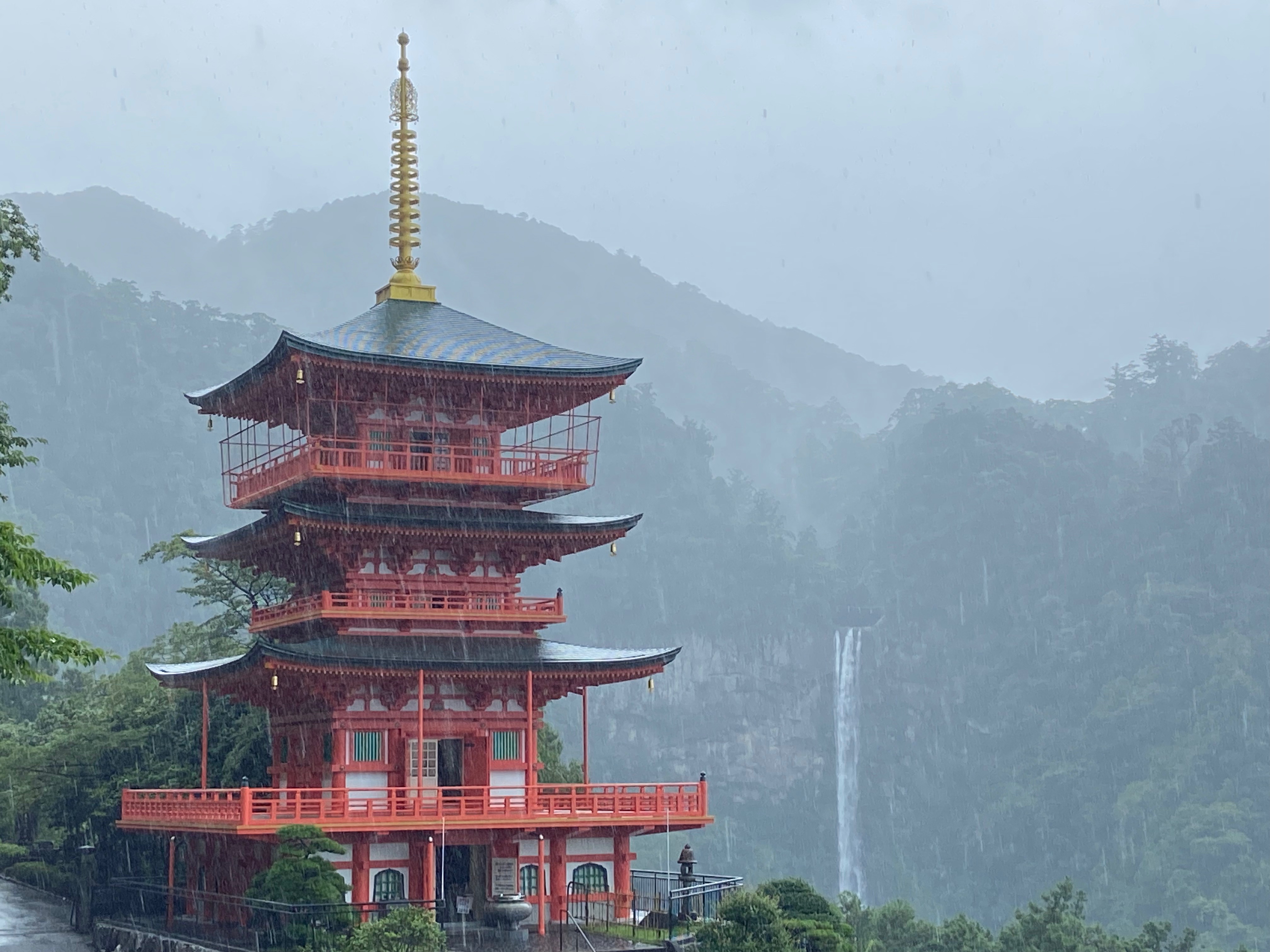
I make it to the pagoda view, the one that’s often featured on the cover of a largely poorly written guidebook. They’ve never featured it in the rain. I enjoy my photograph very much.

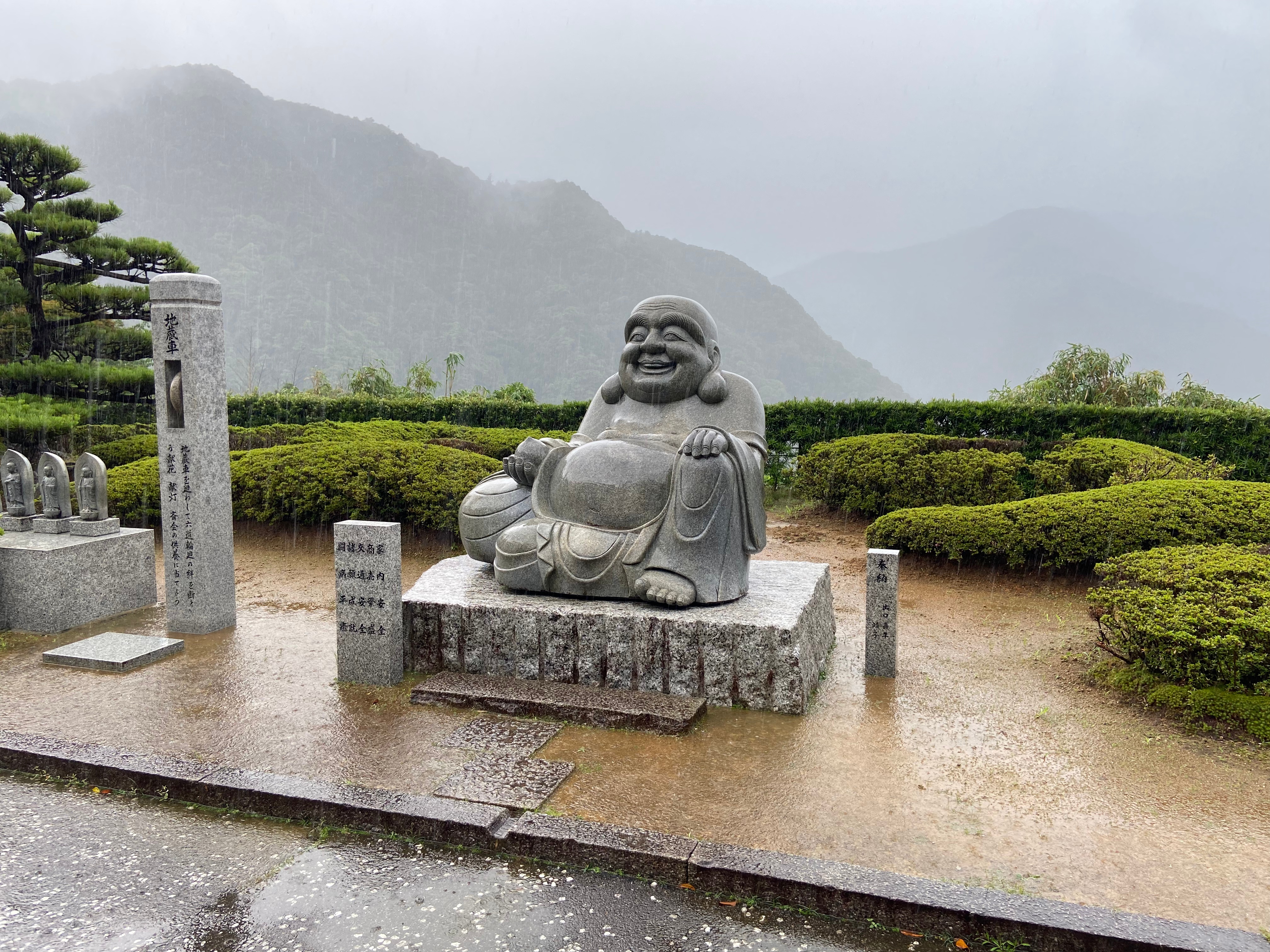
Beside the pagoda sits a big statue of Hotei. God of fortune. The Laughing Buddha. Naturally, despite my soaking wet legs and shoes and inability to understand the point of it all, I rub his massive belly. Good luck and prosperity coming my way, again.
I venture on, down flooded sloped paths and dangerous steps, and eventually, I do arrive at Nachi Falls. The heavier rain drowns out the sound of the waterfall. There’s a story of some star-crossed lovers that leapt from the top of the waterfall in the belief that they would be reborn into Kannon’s paradise. I also know that this is one of the Top Three Waterfalls in Japan, a UNESCO World Heritage Site, and also plummets 133 metres, making it the tallest in Japan.

I head down some slippery steps, careful to hold the handrail. Below, the waterfall itself. Having already taken a spectacular photograph of the rain-soaked pagoda pavilion with Nachi Falls as a backdrop, I find it to be immensely difficult to capture the waterfall from up close, due to the intense rain and heavy flooding.

I stumble back up stone steps to a bus stop. Typically, upon arriving back at Kii-Katsuura Station, the rain suddenly stops. At the Turtle Boat back to my hotel, I stand at the dock. A Japanese salaryman stands beside me, perfectly dry. He glances at my poncho and then at the sky.

From the boat, I see a crow in the air. It looks as though it has three legs, but it’s just the tail feathers, fanned out in silhouette against the sky. Something that could easily be mistaken for three legs.
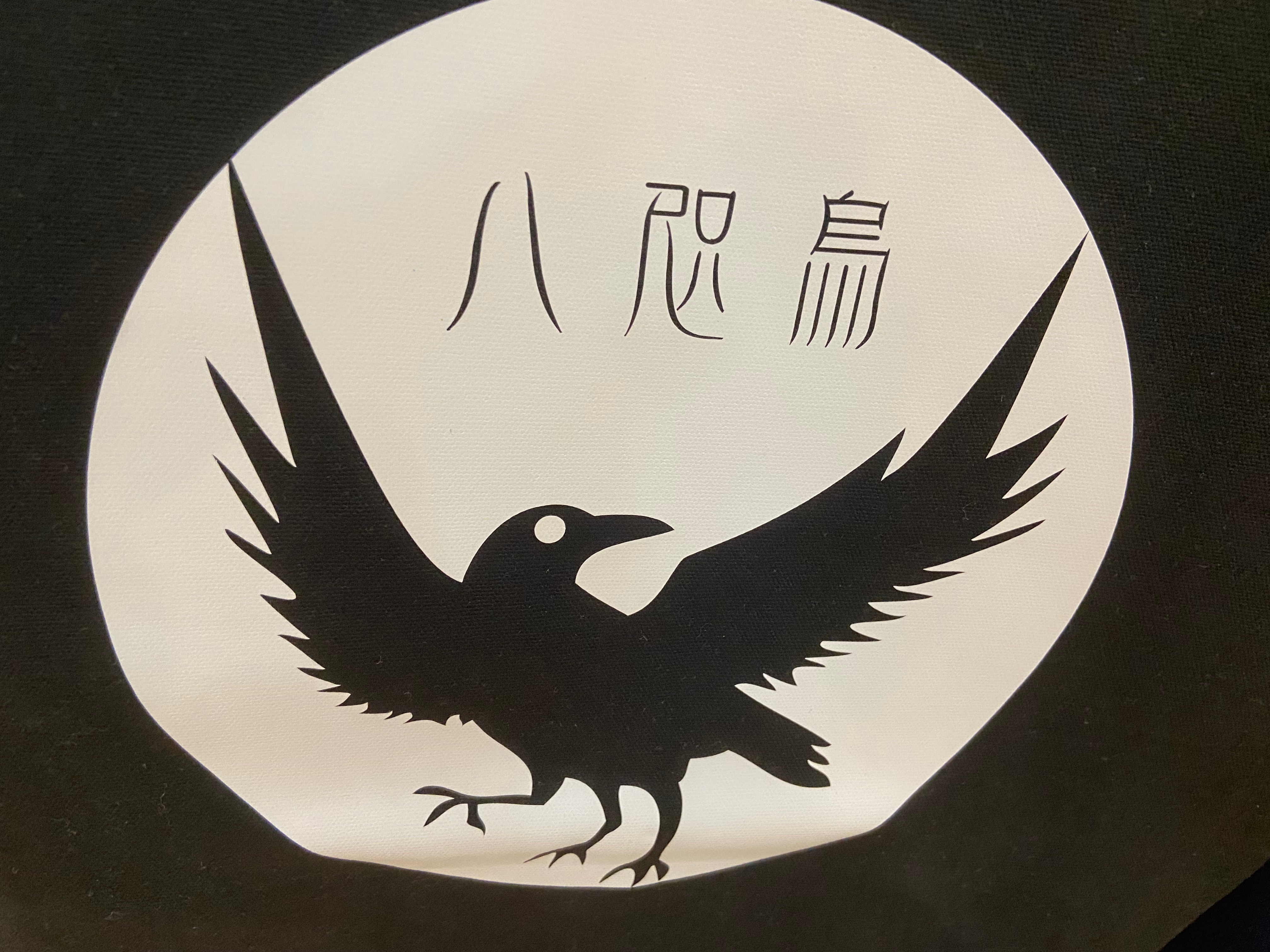
Back at the hotel, I hairdryer my shoes for two hours whilst waiting for my laundry to wash and dry, before heading out in search of a crow to photograph. In the end, all I find is this lousy t-shirt.

A Spiral, a Darkness, a Fever, and a Staircase

I wake up in pain. Cramp. My leg screams. I’m in Fukushima Prefecture, Aizu-Wakamatsu, an old samurai town with a historical past. I’ve been here for a few days. I feel oddly connected to this place in a way I’m really not sure how to describe. Aizu is famous for its samurai and a red cow named Akabeko (translated to mean red cow).

I leave my hotel. The sun is so bright that the sky isn’t blue, but white, yet there are no clouds. It’s like walking through a thick fog of heat. Imagine you’re a little tiny person the size of an ant, walking through an oven set to 180 degrees. That’s what it feels like. I walk across the sheet pan in the direction of the mountains, vaguely knowing that I will arrive somewhere spirally important.

In Aizu, the legendary red Akabeko cow can be rubbed and is said to heal illness or sickness. The thing I like about Akabeko is that they have bobbing heads, so every time I walk past one I push its head down and smile as it nods up and down.

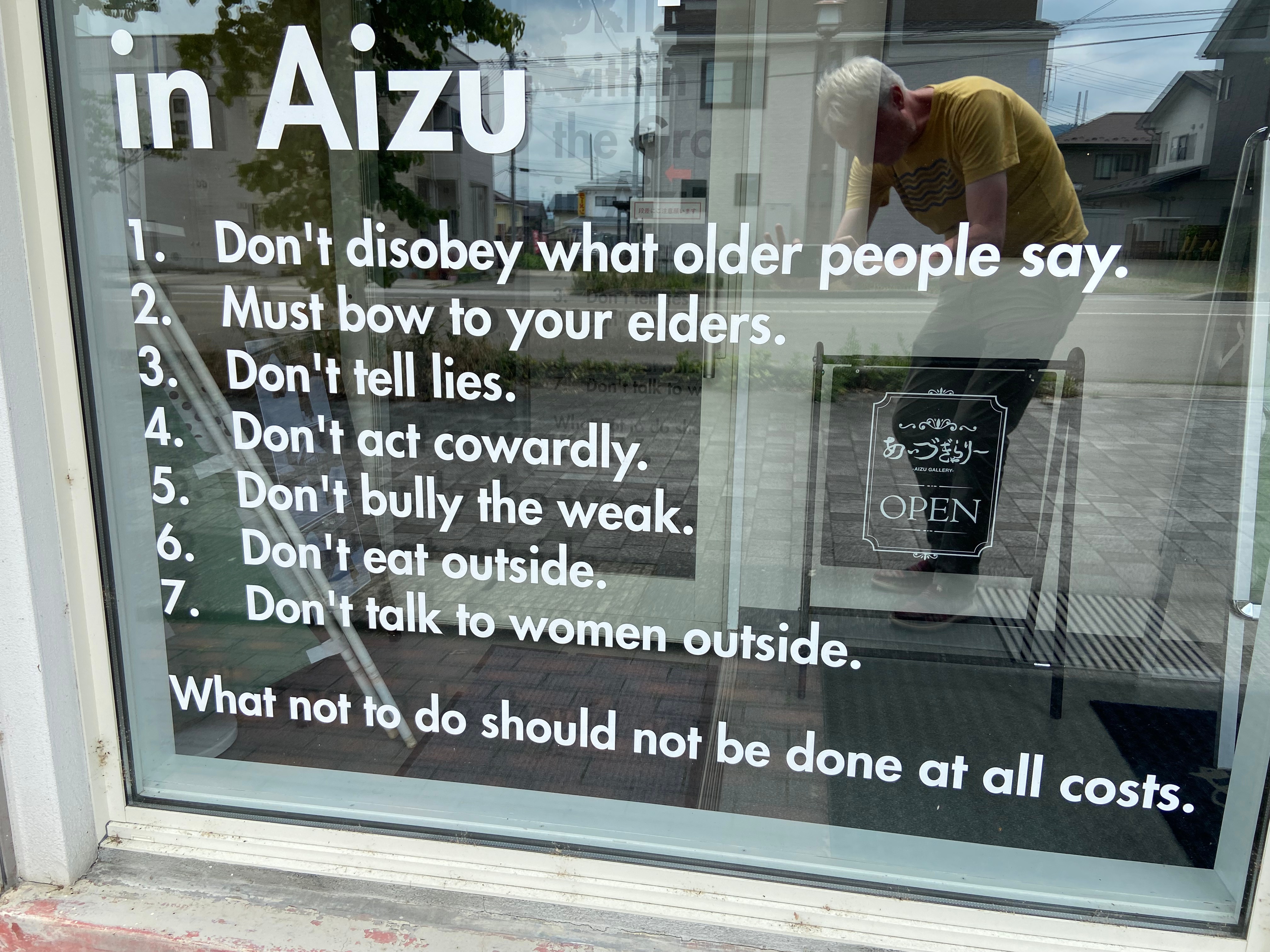
A little further up the road, Aizu-Wakamatsu is offering politeness lessons:

Don’t talk to women outside. Must bow to your elders. The two conflicting lines bother me, because as I photograph the sign, an elderly Japanese woman starts speaking to me in Japanese. Obeying the rules, I just bow my head and walk away.

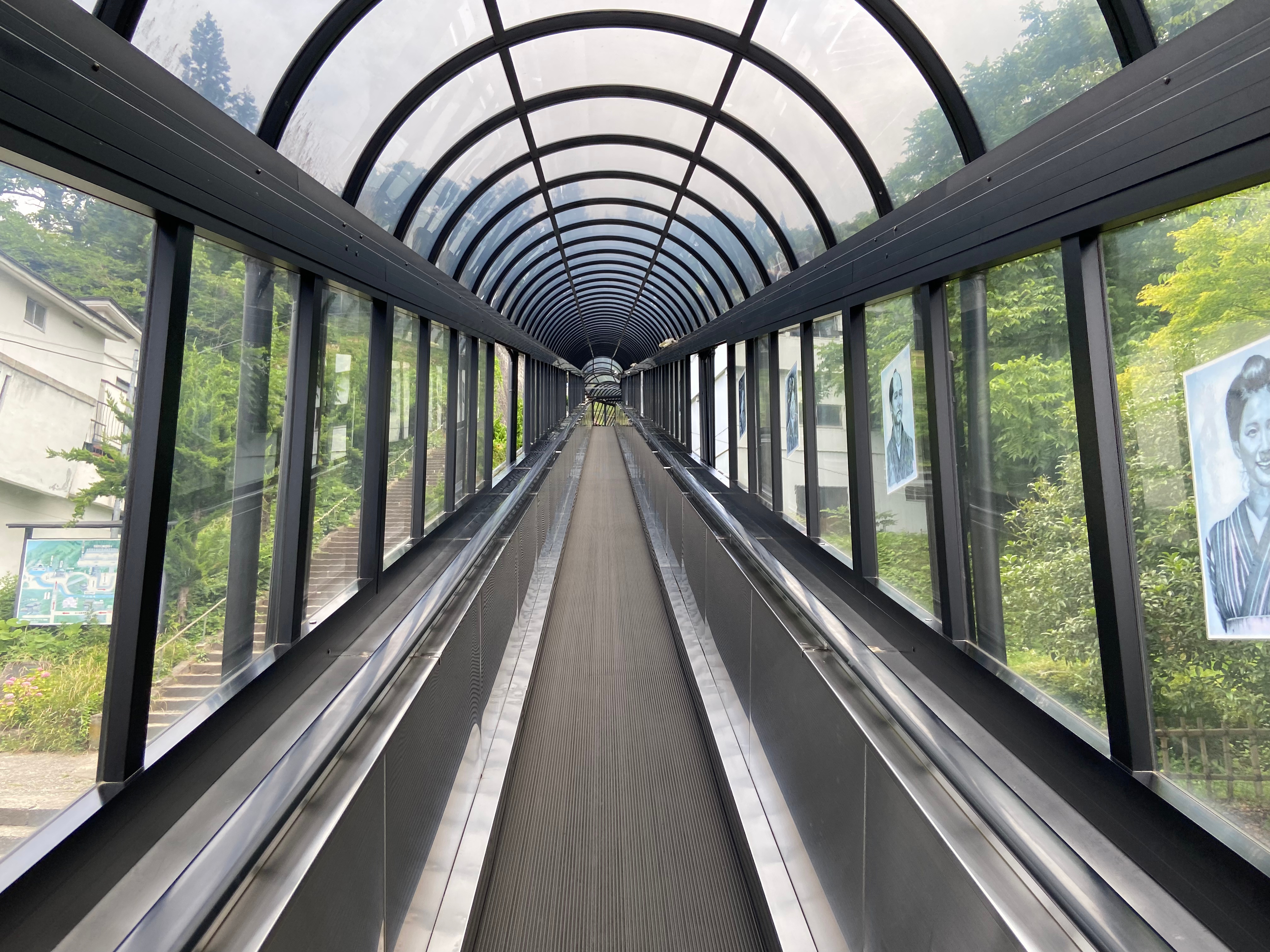
A black Seven Eleven with none of the usual green and red stripes greets me funereally; I’ll soon find out why it’s black. The cascading sunshine and the black stripes make me feel as though my eyes are glitching. Outside the entrance to Sazae-do Temple, there are sweeping steps that twist all the way up, but someone has placed an escalator to one side. You have to pay 250 yen to ride it, but the cramp is threatening to return.

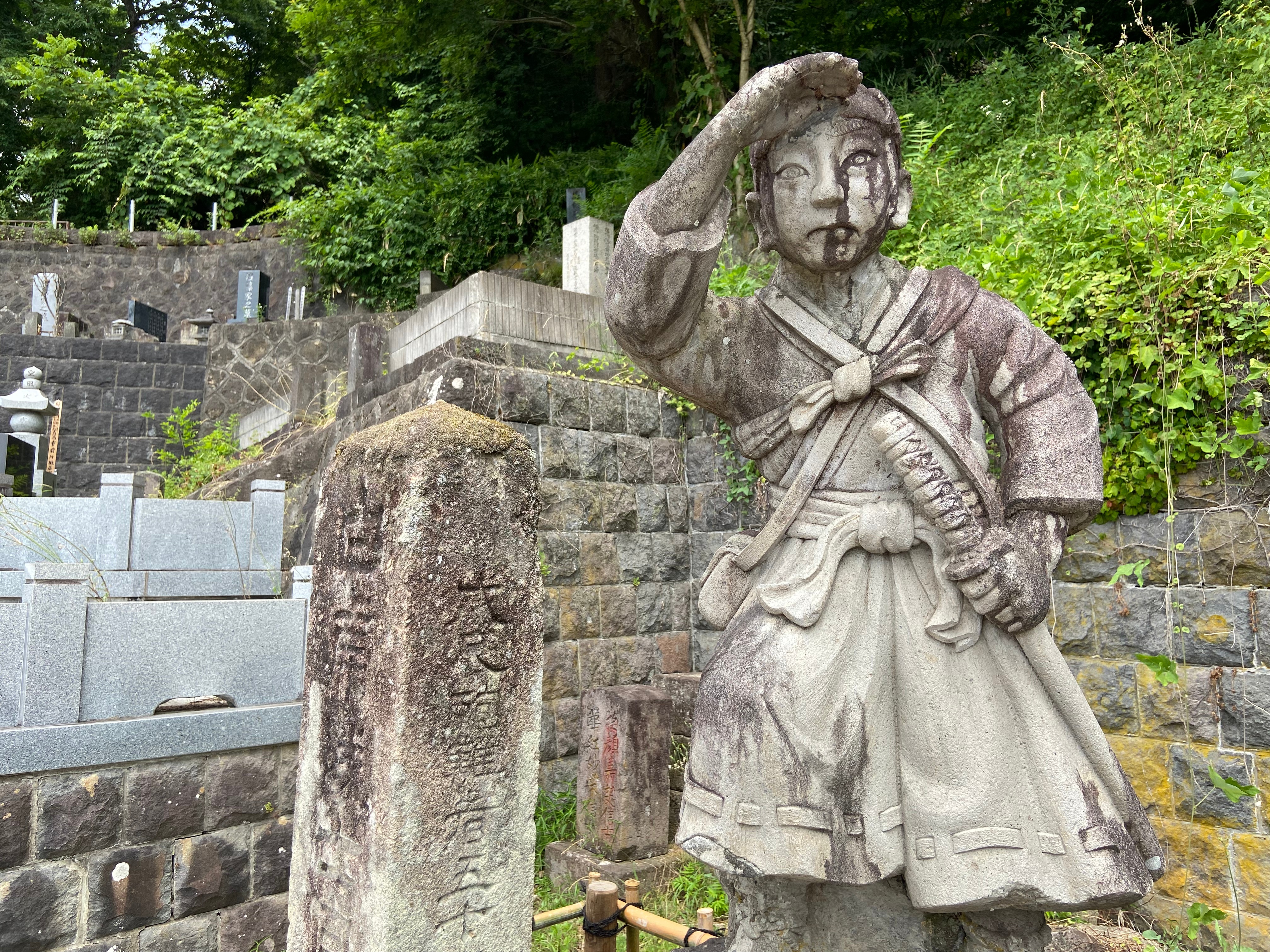
I don’t know what it is about today, but as soon as I step off the escalator and into an open area of monuments, the suddenness of place hits me, catching me off guard. To summarise what happened: on October 30, 1868, during the Battle of Aizu, the Byakkotai, a group of teenage samurai thought they had lost the civil war. They saw smoke in the distance, thought the castle had been sieged, so they killed themselves, not far from where I stand. Learning this, I become swallowed by sadness.

Their bodies were left outside for days, until a man, Isoji Yoshida, decided to take it upon himself to move the bodies of the dead children and bury them. For this, he was arrested. Katamori Matsudaira, the 9th lord of Aizu, wrote a poem in their honour. It goes:

“People will visit, and their tears will fall upon your graves. You will not be forgotten.”

There are monuments here for everyone involved. For the dead children, for all who died. The tomb of sixty-two fourteen- to seventeen-year-old samurai. It’s devastating. I try not to bring myself too much into these stories. But this place, these dead children, their story found its way in. I think what gets me is they don’t mention the word suicide, they explicitly state every time that they killed themselves.

I weep my way around a cemetery before turning toward the temple I originally came up this hill to see. There is a prayer wheel that, when you turn it, creates a mournful sound said to be heard in the underworld, comforting the spirits of the Byakkotai warriors. “Please turn it quietly with your heart.”

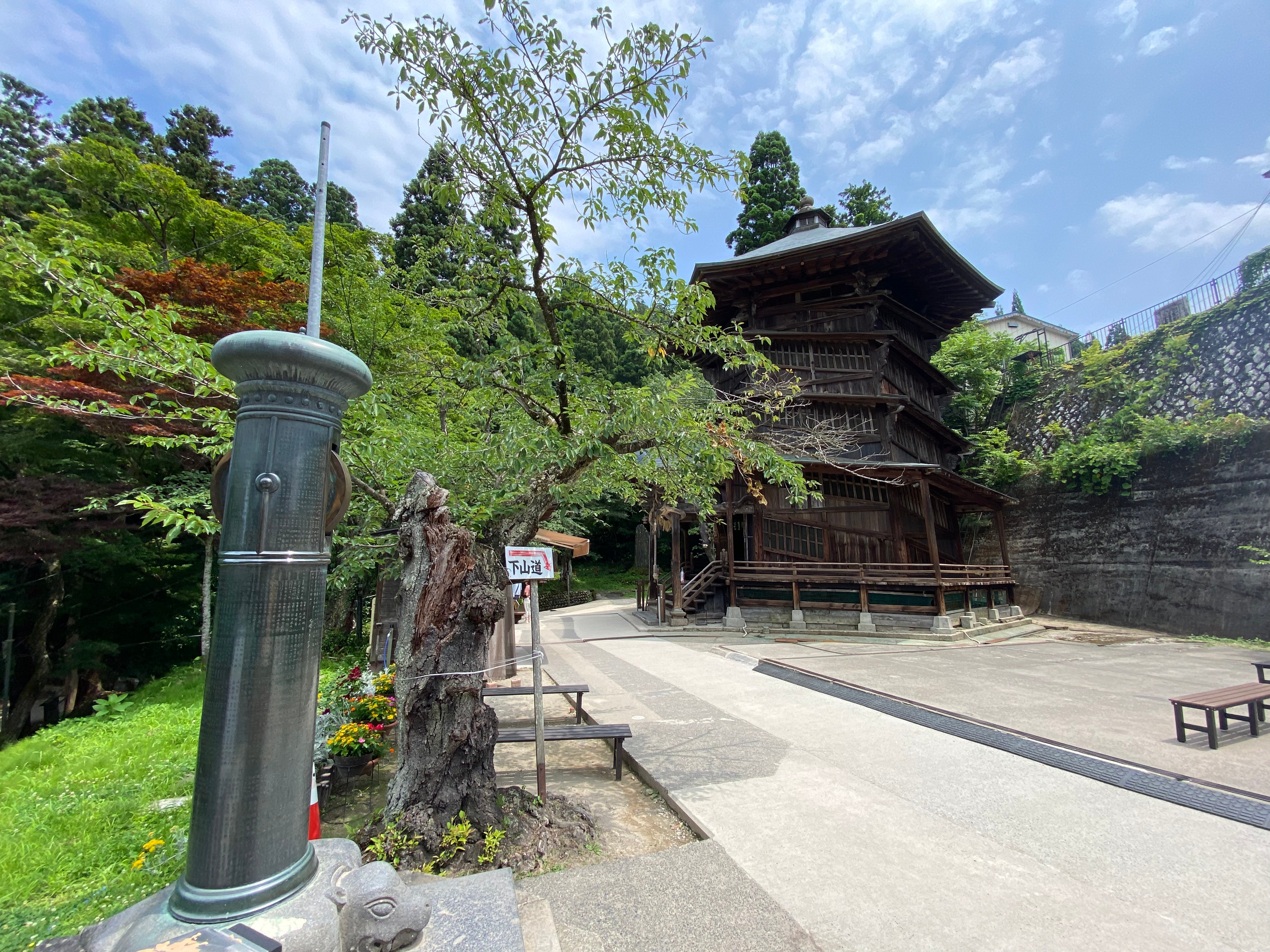
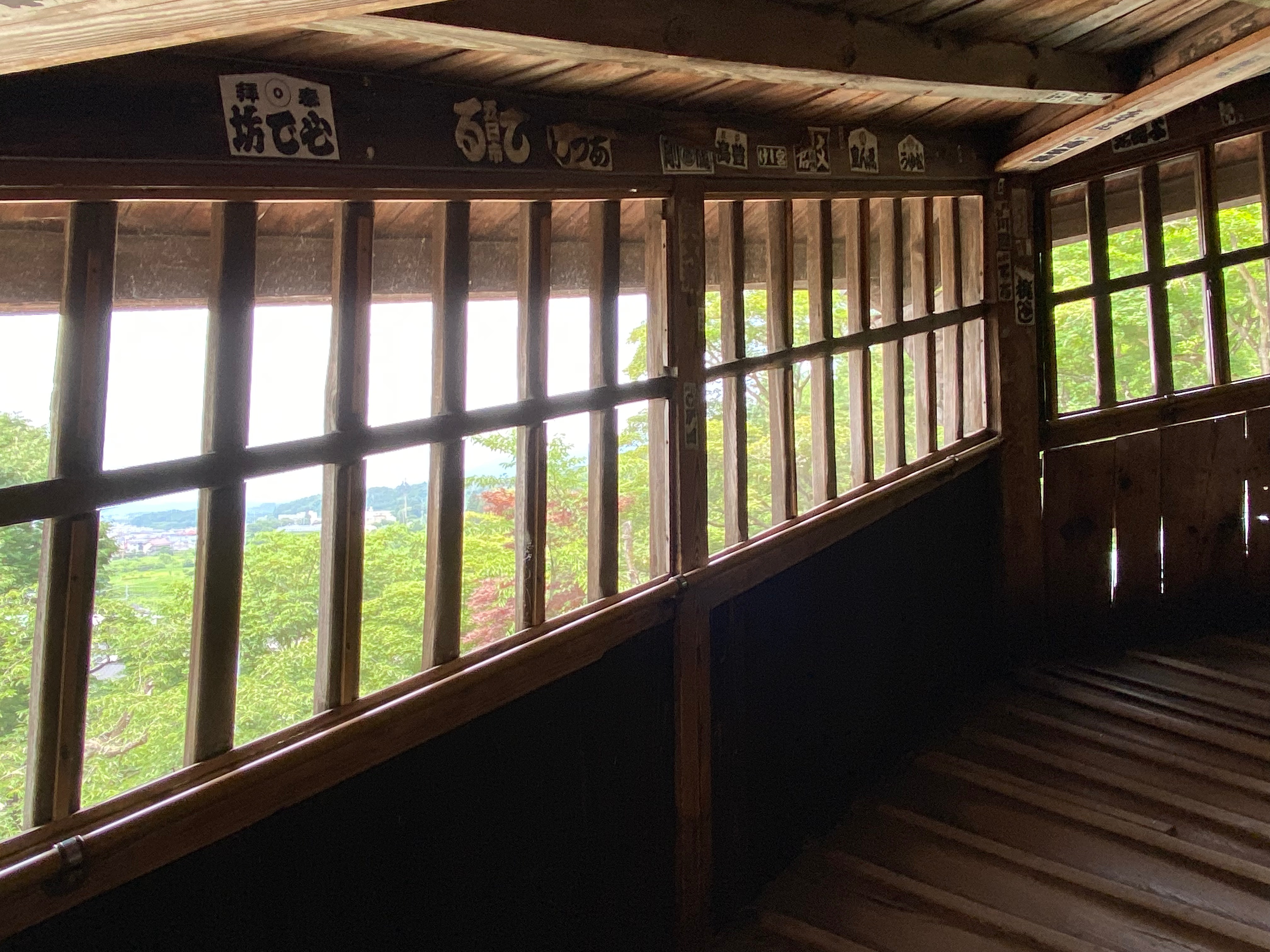
Sazae-do, a wooden Buddhist temple constructed in 1796, is famed for its distinctive spiral staircase that ascends and descends in an intricate, intertwining path. Encircling the ramp are 33 Kannon statues, each believed to grant the same spiritual merit as completing the entire Aizu Pilgrimage route to anyone who passes by them.

At 16.5 metres tall, three storeys, and shaped like a hexagon, you enter from the right side, climb the spiral staircase, and exit back down another way. You never see another soul. This valuable structure is the only wooden building of its kind from the mid-Edo period still standing in the world. It’s also the only known double-helix-shaped wooden structure in existence.

I breathe a heavy sigh before exiting through the gift shop and buying a shirt featuring Akabeko. I think about people, those loved and lost, on days when we exist together, and days when we don’t. At five o’clock, Yuyake Koyake starts playing, the song that tells the children to go back home. It elevates my sadness.

I head to a steak restaurant for dinner. I eat the red cow’s bleeding heart.

Boatman Begins

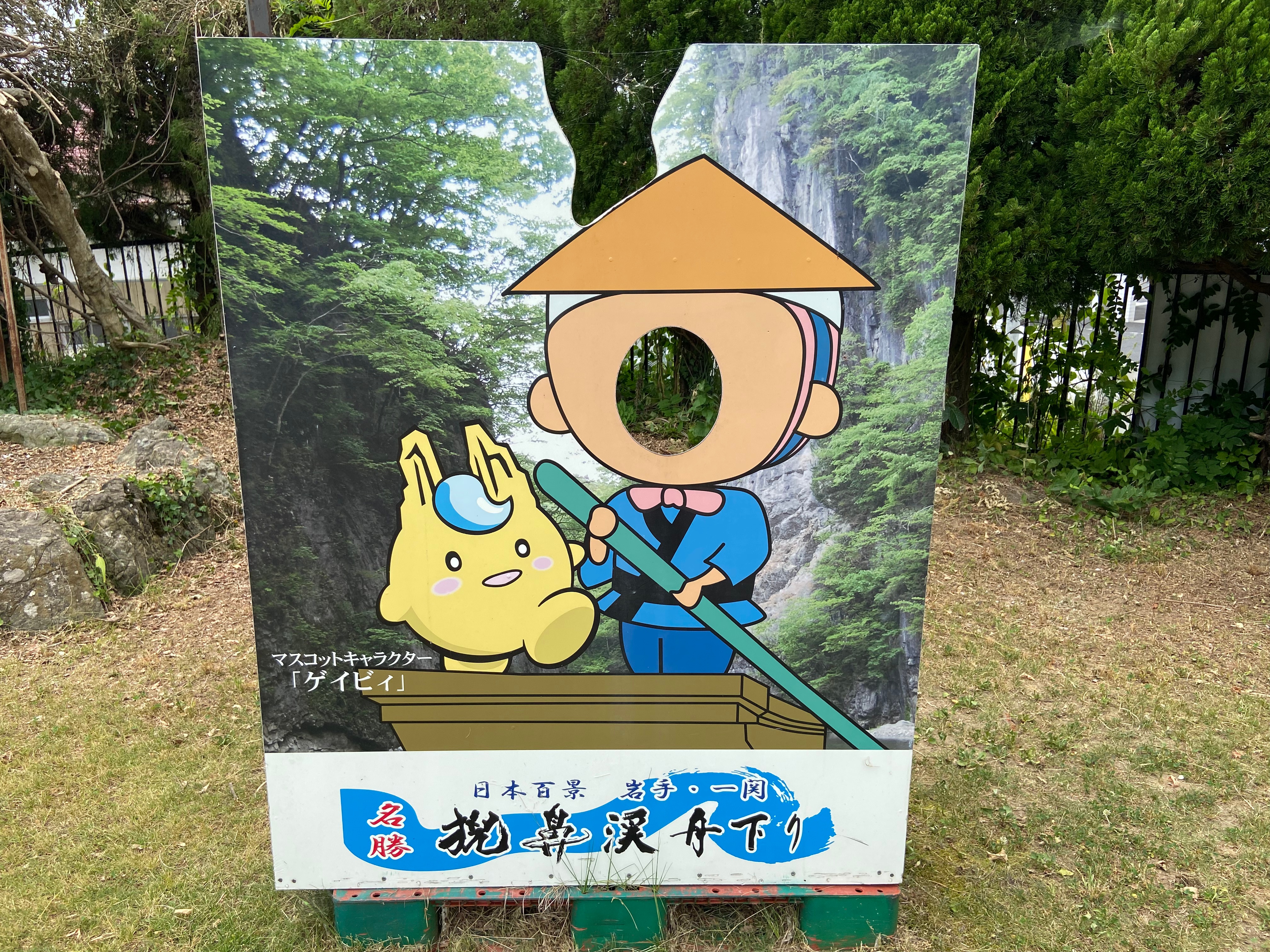
Somewhere between October 23, 1868 and July 30, 1912, a discovery was made. What had previously been regarded as dangerous wilderness turned out to be one of the most beautiful places on Earth: Geibikei Gorge.

In Japan, they love a good top three. Night views, bridges, and today, gorges. Nobody explicitly states which of the top three is actually the best. Politeness says: make a top three list, and leave it at that. Geibikei Gorge is one of the top three gorges in Japan.

As well as being one of the top three gorges in Japan, Geibikei has also been designated a National Place of Scenic Beauty, a Natural Monument, and one of the 100 Landscapes of Japan. It certainly is one of the landscapes.

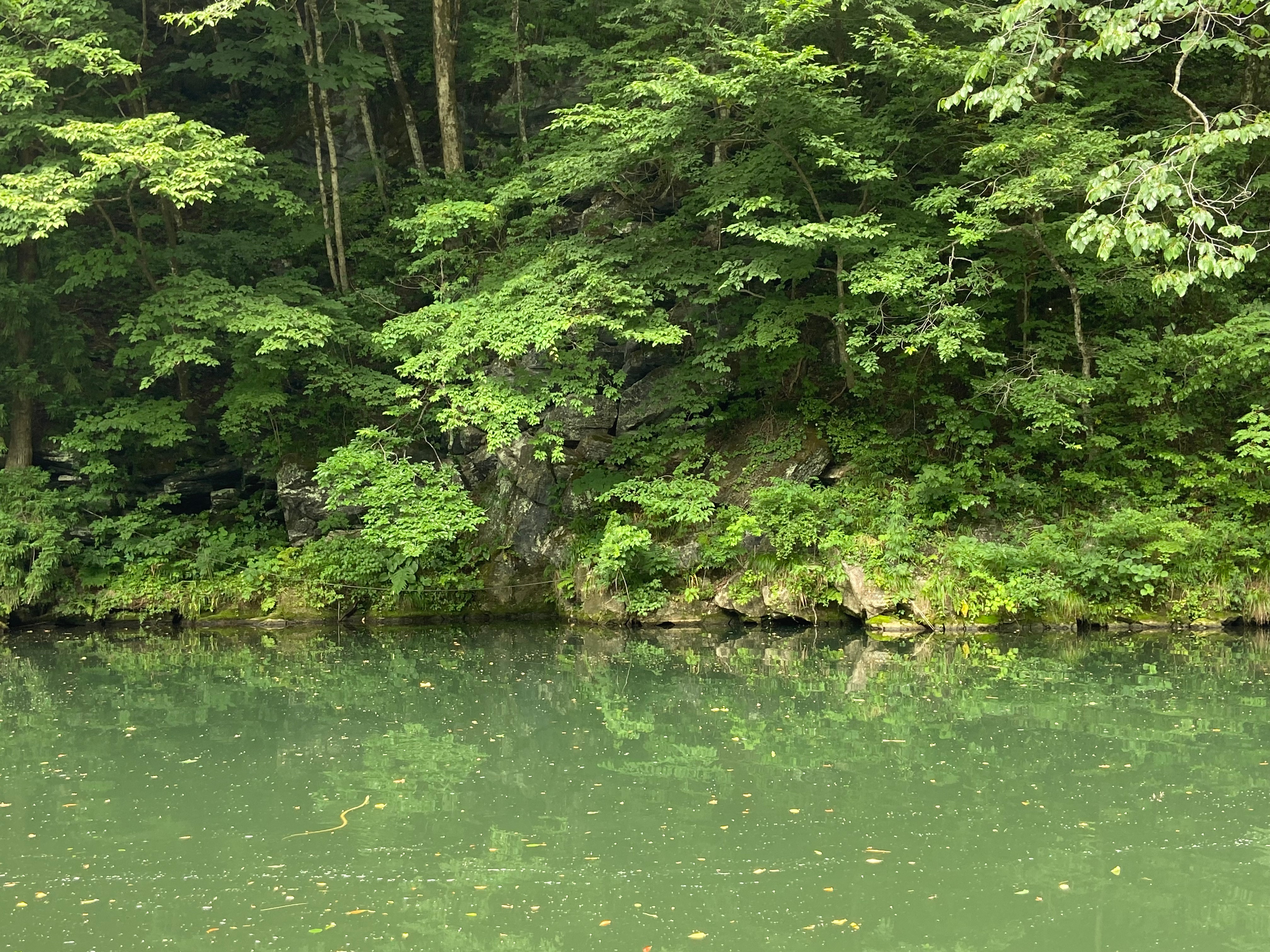
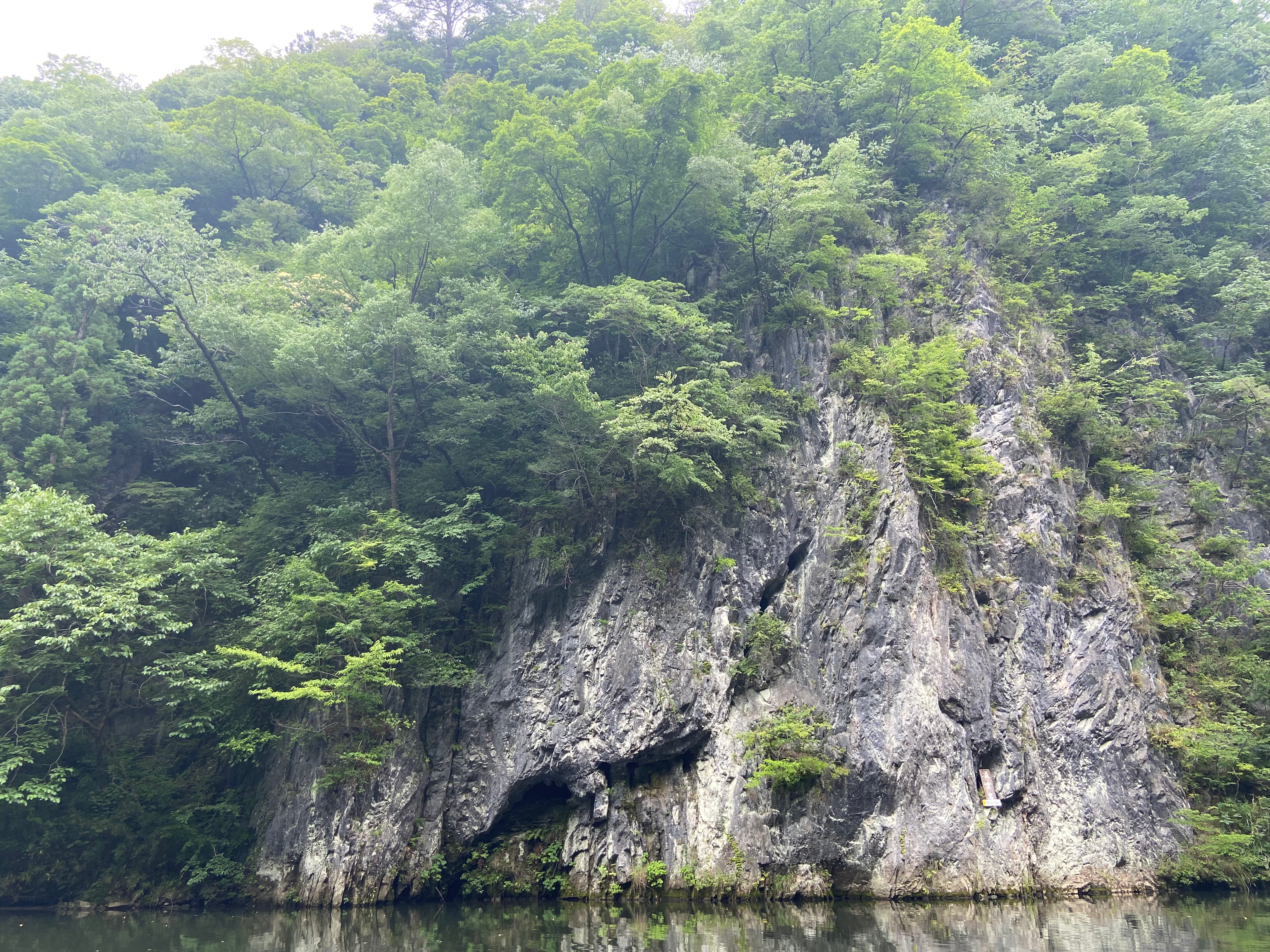
Geibikei Gorge (not to be confused with the similarly named Genbikei Gorge) is a 2-kilometre stretch surrounded by limestone cliffs. A river runs through it, so boats are required to fully explore it. The Satetsu River is a liminal, stillwater river. It flows neither up nor down. It just sits there like an ancient swamp. The only thing that interrupts the water is a boatman’s pole, or such nature as a falling leaf, the lapping of summer sweetfish, or the arrival of snakes.

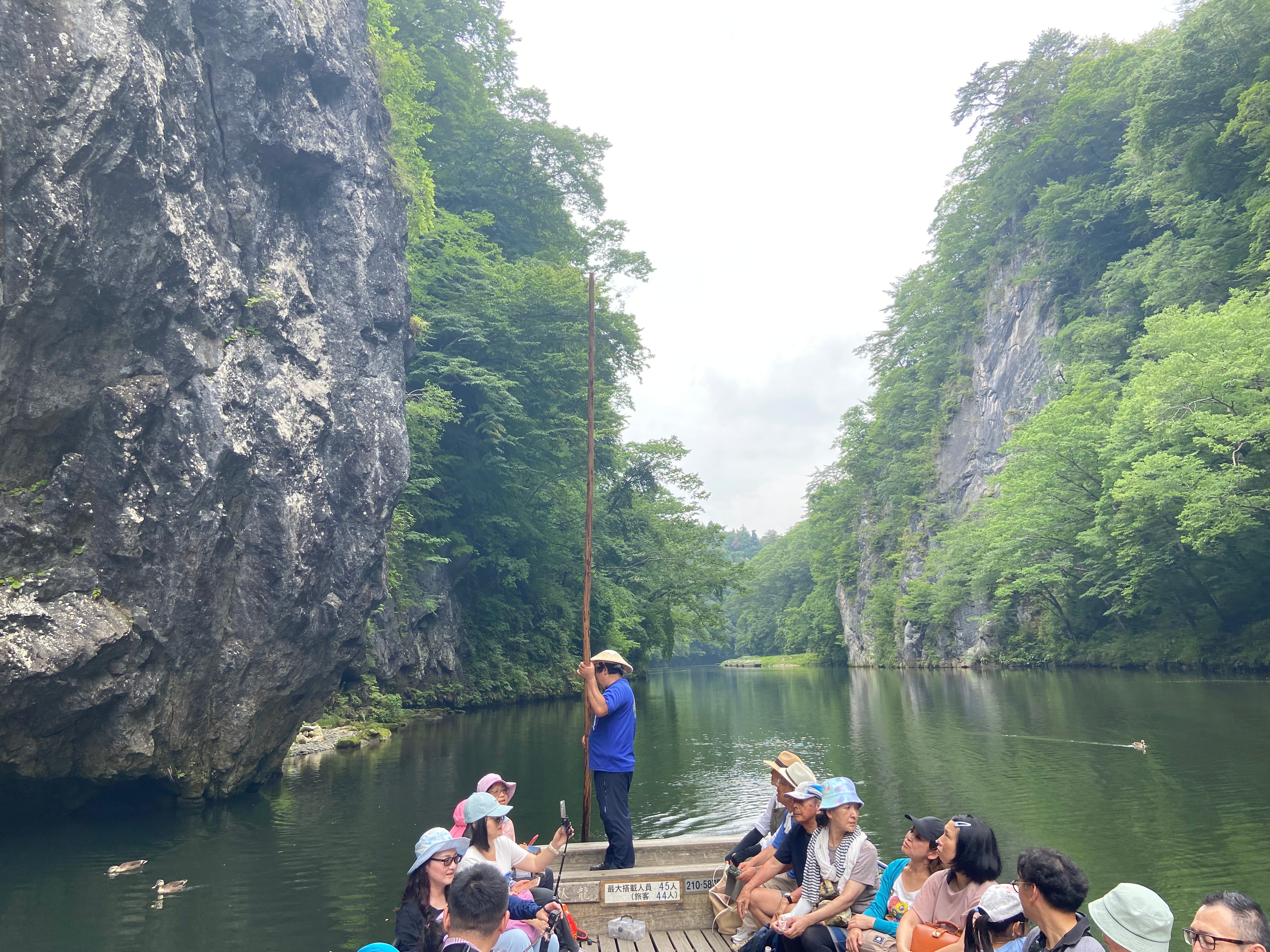
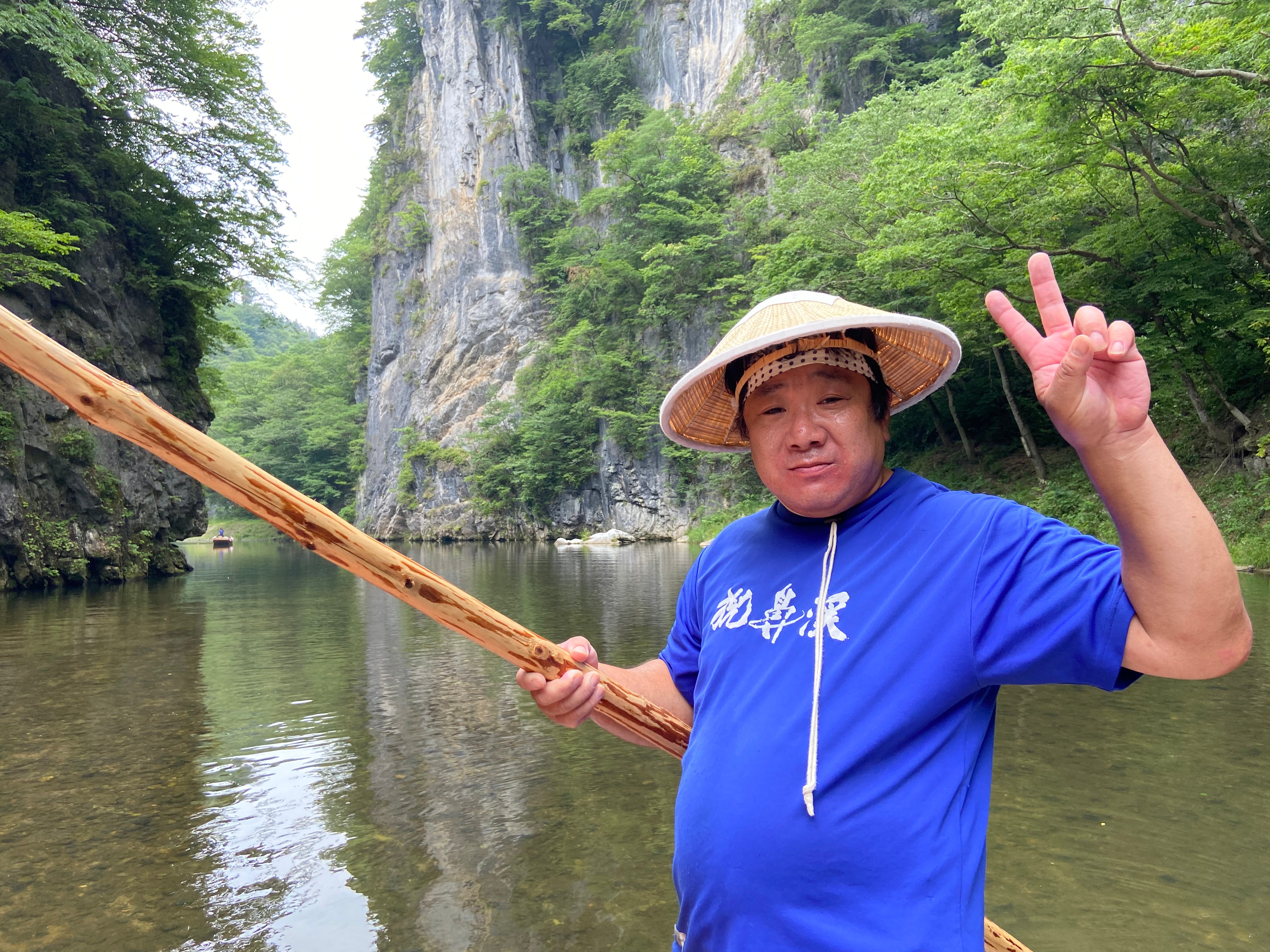
We buy some fish food in a little plastic bag, then sit on the boat, all 44 of us. The boatman introduces himself.
“Hello, I am Sato. Nice to meet you.”
Everyone applauds. Sato-san notices me.
“Hey foreigner, where you from?”
I tell him England. He just laughs and begins rowing, merrily. The snake swims away, frightened by the ripples of the boat. I realise that, after all the years living in Japan, I’d never seen a snake. This is now the second day in a row I’ve seen one, and I actually manage to photograph it.

I sit, gazing out. Sato-san interrupts the serenity.
“Hey foreigner, if you have a hat, glasses, camera …” he pauses for comedic effect, then mimes dropping the items overboard. “Oh no!” he exclaims.
He then repeats the same actions in Japanese before pointing and shouting, “The next rock!” Which is of course Kyomei-Gan (Mirror Rock), reflecting the sparkle of water off its surface like a giant mirror.

There’s a phrase I can’t quite remember. Something about the memory of a fish. I remember seeing fish, so that’s probably it. They’re clever and know we have food, and they gnaw at the side of the boat, almost jumping from the water. They follow us as we disturb the stagnant river.

It’s said the sweetfish leap in early summer, and the carp in autumn. One of the carp didn’t get the memo and shows up the moment I throw my stash of food into the river. The carp makes one giant leap, eats it all, and swims away. The sight of the fish is reminiscent of the Chinese legend, known in Japan as toryumon, in which carp become dragons after successfully leaping up a waterfall.

We carry on along the river. Sato-san is very enthusiastic. He slowly pushes the boat along with the wooden pole, but does so effortlessly. We aren’t rowing. We aren’t sailing. He just pushes the pole into the riverbed, presses ever so slightly, and propels us forward. The boat drifts for a moment, carried by the newly made current, then slows to a stop. He pushes again.

He points out various rocks along the gorge, makes jokes in both Japanese and English, and treats the 44 of us as an audience in his comedy routine. His confidence shines through, lightly heckling us, answering questions, entertaining us. The entertainment is so good that I almost forget about the view.

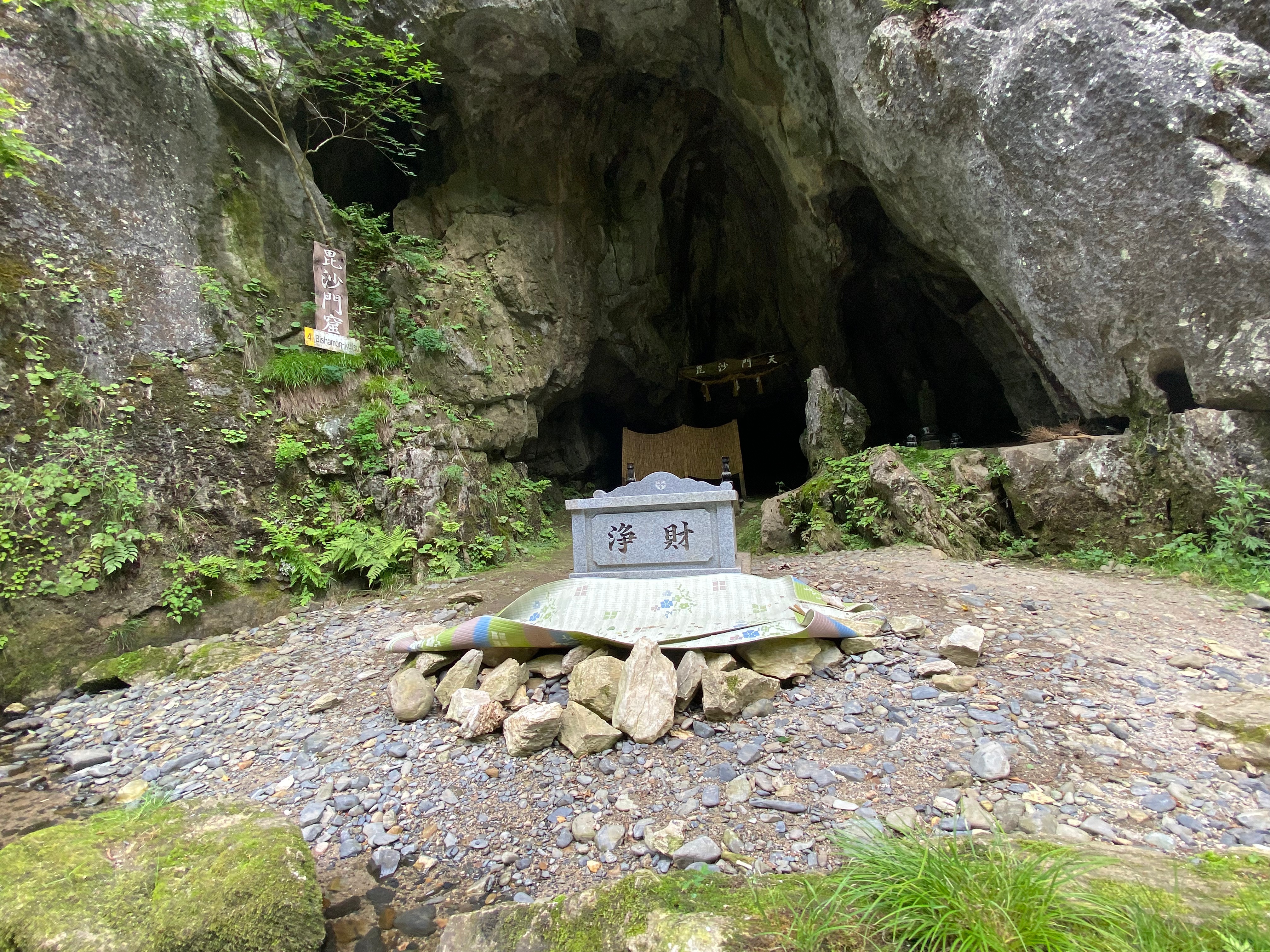
Further in, the sun splits open the sky directly above and the heat becomes immense. Some ducks appear, looking for food, and the fish still follow. We pass a small shrine in a cave dedicated to Bishamonten, the god of treasure. Everyone stands and throws their coins across the water to the shrine. Thousands of coins surround it. More gleam beneath the surface. It must be pretty easy being the god of treasure when people just hurl money at you.

We pass a man in a watchtower holding a Nikon camera. He shouts for us to say “cheese” before taking our photo. We pass another boat heading in the opposite direction and everyone waves at everyone else, like we’re in this together. I guess we are. So we continue on. It really is indescribably beautiful.

I take a moment to think, to contemplate, to evoke. Then I take some boatographs.

Thirty minutes into the boat ride, it’s time to make land and take a break. We glide over to a pebbled beach. Sato-san says something in Japanese, then turns to me.
“Hey foreigner, twenty minutes walking come back.”
I reply that I understand, in Japanese. The other 43 people laugh.

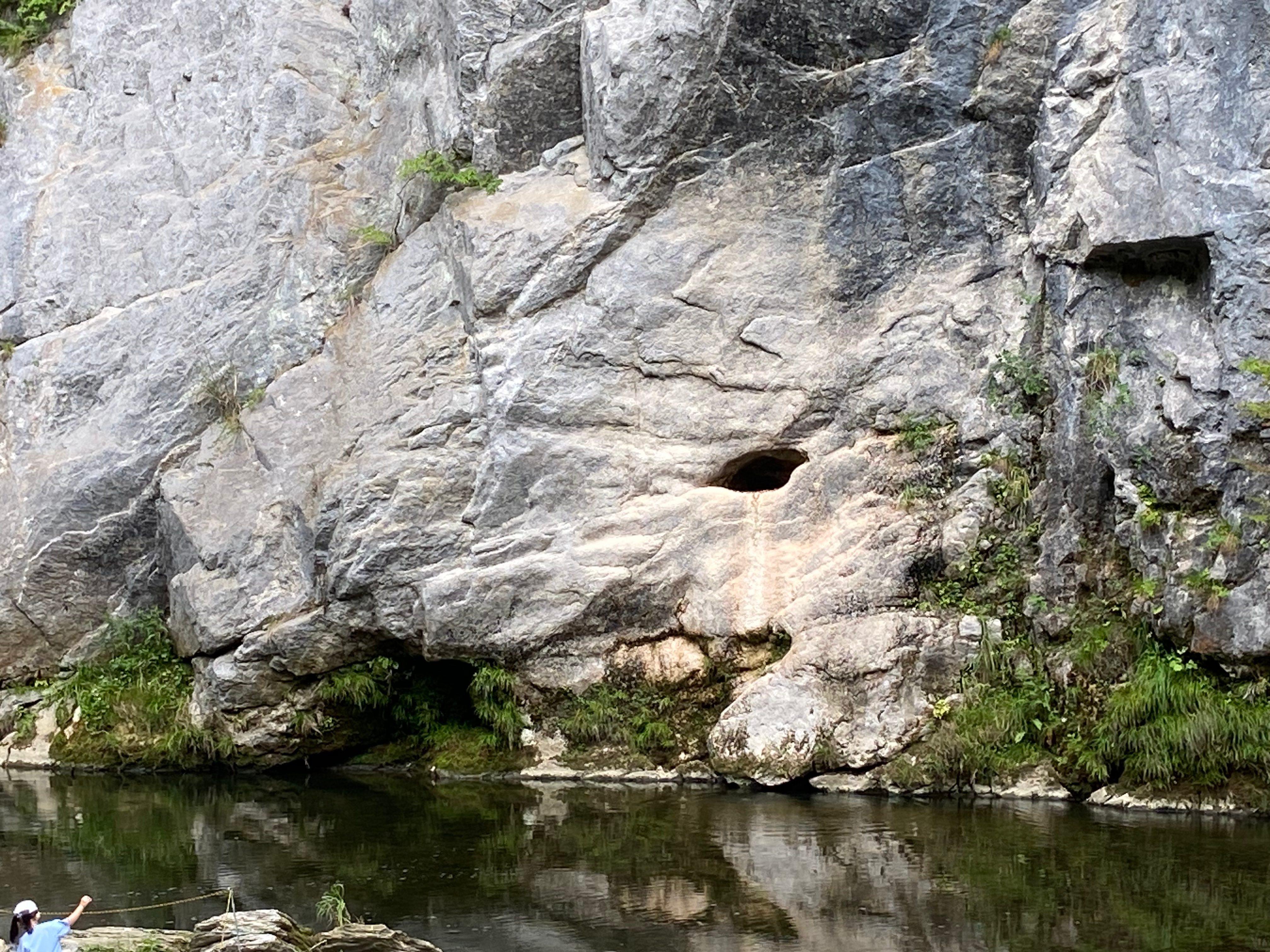
I see somewhere on the map labelled “Ninja Rock ??” but realise, when I can’t find it, that it’s a clever joke. I pass a rock shaped like a horse’s head, and at the very end of the expanse is Senryutan (Lurking Dragon Depths). A dragon is lying in wait for its chance to rise from being a Geibi carp, apparently. If you manage to throw an undama (pebble) into the hole, you’ll be rewarded with good luck. Apparently.

I walk around for a while before boarding the boat again. Eventually, everyone returns and sits in their original seat. There’s one seat empty that wasn’t on the way down. Someone has gone missing, but Sato-san makes light of it, then pushes the boat out once more. This time, instead of taking photographs, we just take it in. And instead of narrating or pointing at rocks, Sato-san begins to sing.
“Song time,” he says. “Very old time song. I do five or six minutes… maybe.”
He sings for twenty.

His voice transforms into something ancient, filling the gorge, lingering among the cliffs:

As I pole my boat,
on the clear waters of the Satetsu River,
the clouds,
that dull my heavy heart,
are dispelled,
by the Lion’s Snout.

His voice echoes long after the last note fades.

After singing, he looks exhausted, yet continues to carry us through the gorge in reflective silence. Nobody speaks. Even the water has quietened. I’m glad that of the multiple boatmen working today, that we were lucky enough to have Sato-san as our guide. His personality and comedic timing were a highlight, one of the most memorable experiences I’ve had in Japan.

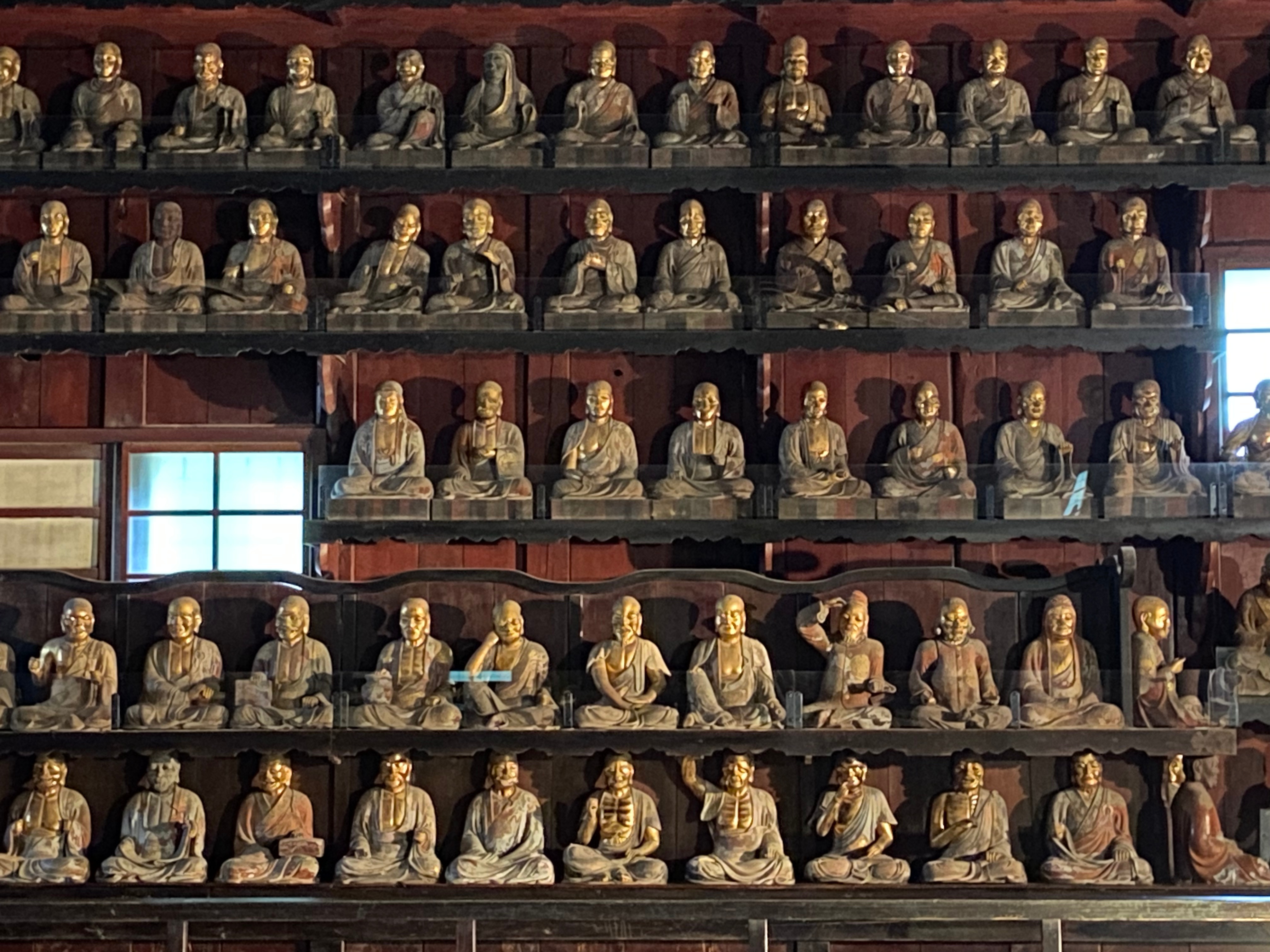
After the boat ride ends, we drift back into the real world. The gift shop waits patiently. A vending machine hums to the tune of overpriced green tea. I leave and take a train back to Morioka, walking the quiet streets until I reach Hoonji Temple. I take off my shoes and enter the silence. Inside the main hall, 499 rakan statues sit frozen in time.

They were hand-carved three centuries ago by nine monks. Each statue is lacquered, lifelike, and unmistakably human. Some laugh. Some grimace. A few seem lost in conversation. It’s almost as though I can hear them talking to one another. One of them is definitely Tom Waits. Others are said to resemble Marco Polo or Genghis Khan. There’s an expression to match everyone.

My eyes, for whatever reason, are drawn to a rakan sitting quietly in the corner, with a face I know well. It’s not me. It’s Sato-san. The boatman. Same smile. Same humour behind the eyes.
I blink, but he’s still there.
I never did find the one that looked like me.


Maybe I’m still being carved.

The Girl with the Dragon Taboo

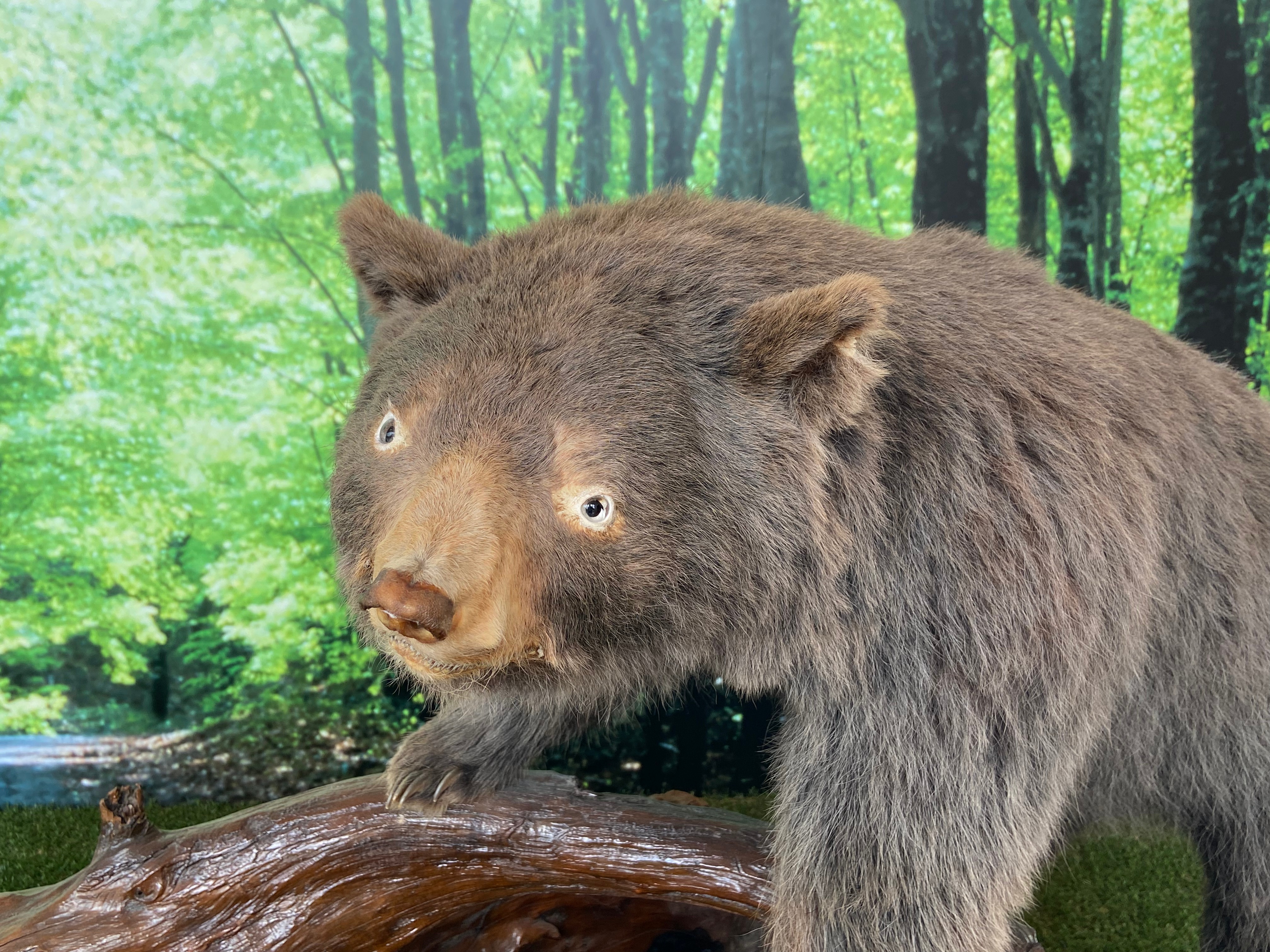
As I exit the train into Akita Prefecture, my arrival is announced by the lonely trill of a traditional Japanese flute. Inside the station, a taxidermied Asian black bear greets me. I remember that Akita has the largest bear population in all of Japan. Outside, the mountains are lush with greenery and the sky is an æstival blue.

Asian black bear taxidermy display inside Tazawako Station, Akita — a reminder of Japan’s largest bear population.

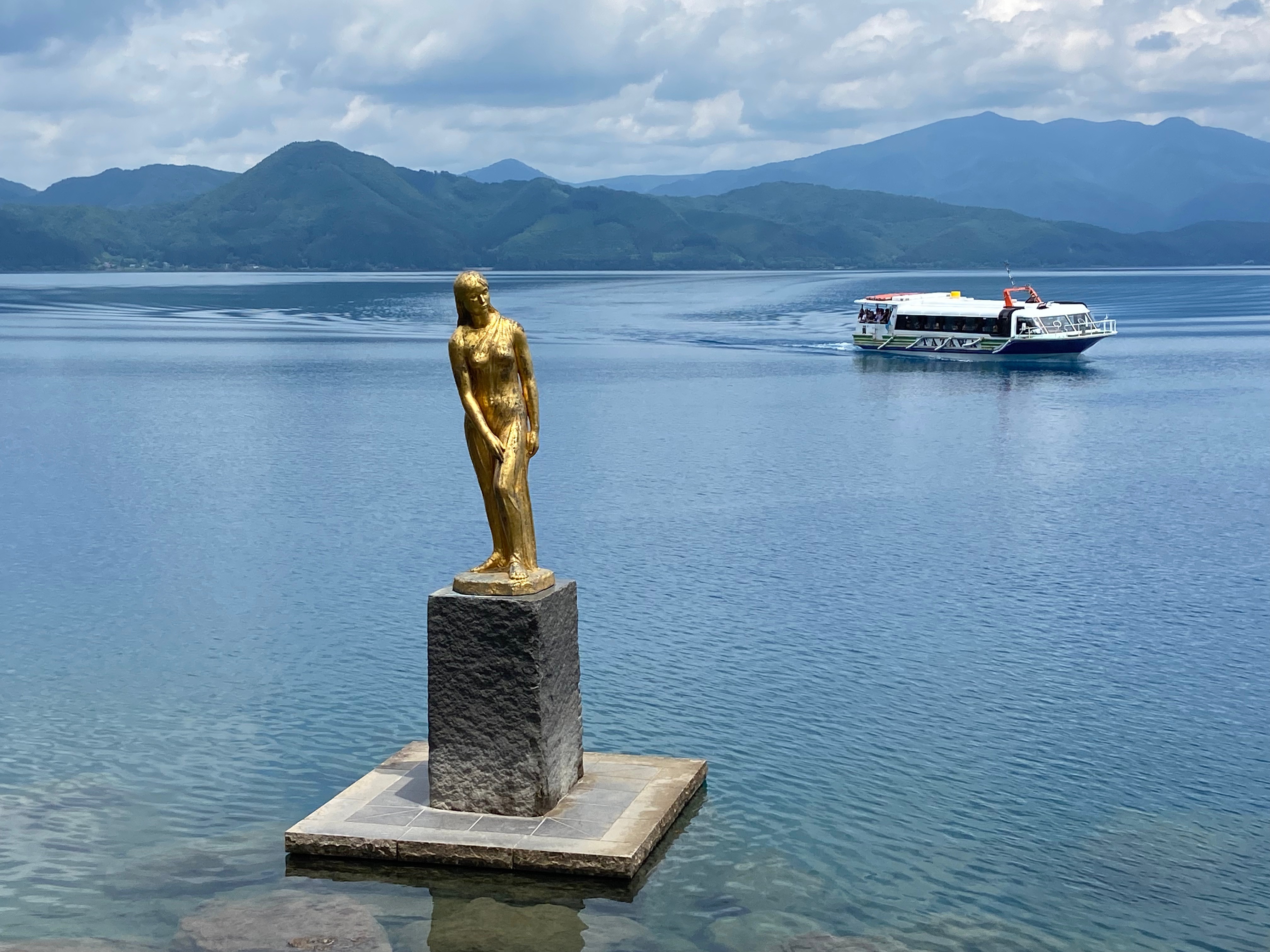
Today I’m up in the hills of Semboku because I heard a story about a girl, Tatsuko; a beautiful young woman who once glimpsed her own reflection in a mirror-like rock. Fearing her beauty was fleeting, she prayed night after night to Kannon, the goddess of mercy, for eternal youth. One day, she was told her wish would be granted if she simply drank from a sacred spring hidden in the mountains.

Tatsuko found the spring with relative ease, drank from it eagerly, and couldn’t stop. The more she drank, the thirstier she became, until finally she emptied the spring and, in the process, emptied her humanity. She had turned into a dragon. Horrified by her transformation, Tatsuko threw herself into the lake, where she remains as its guardian spirit. I don’t know too much about dragons, but I’m pretty sure they can’t breathe underwater. So sadly, I think whether in human form or dragon form, Tatsuko may have simply drowned.

The tale doesn’t end there though. Tatsuko’s mother apparently searched the hills for days, calling her name until her voice broke. Eventually, in despair, she hurled the burnt remains of her wooden torch into the lake, which, for reasons only folklore and grief can explain, turned into a fish. Specifically, the first black kokanee salmon. Sadly, they became extinct in the 1940s after a hydroelectric plant acidified the lake.

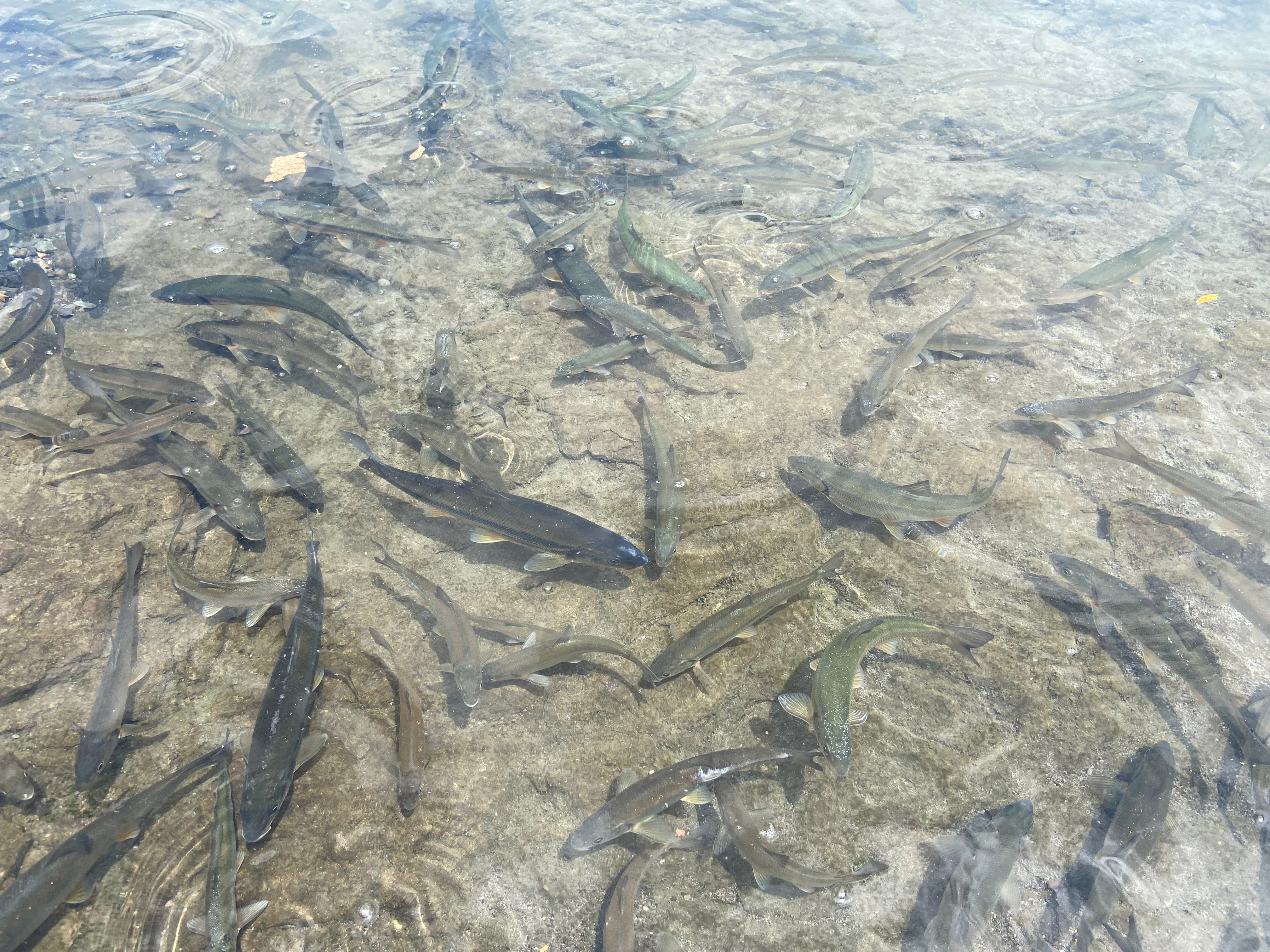
Lake Tazawako is the deepest lake in Japan, which makes it an excellent place to hide a dragon. These days, Japanese trout live here instead of the kokanee salmon, and the waters are thick with them. I’ve never been fishing, but I’m quite confident I could catch one of these with my bare hands. They’re basically queuing at the shoreline.

I check Google Maps to see if there’s anything else nearby, but my GPS insists I’m floating somewhere in the middle of the lake, which feels a little prophetic. I take the hint and wander into the forest instead, all the while being careful to avoid the many bears. Eventually the quiet path leads me to Gozanoishi Shrine.

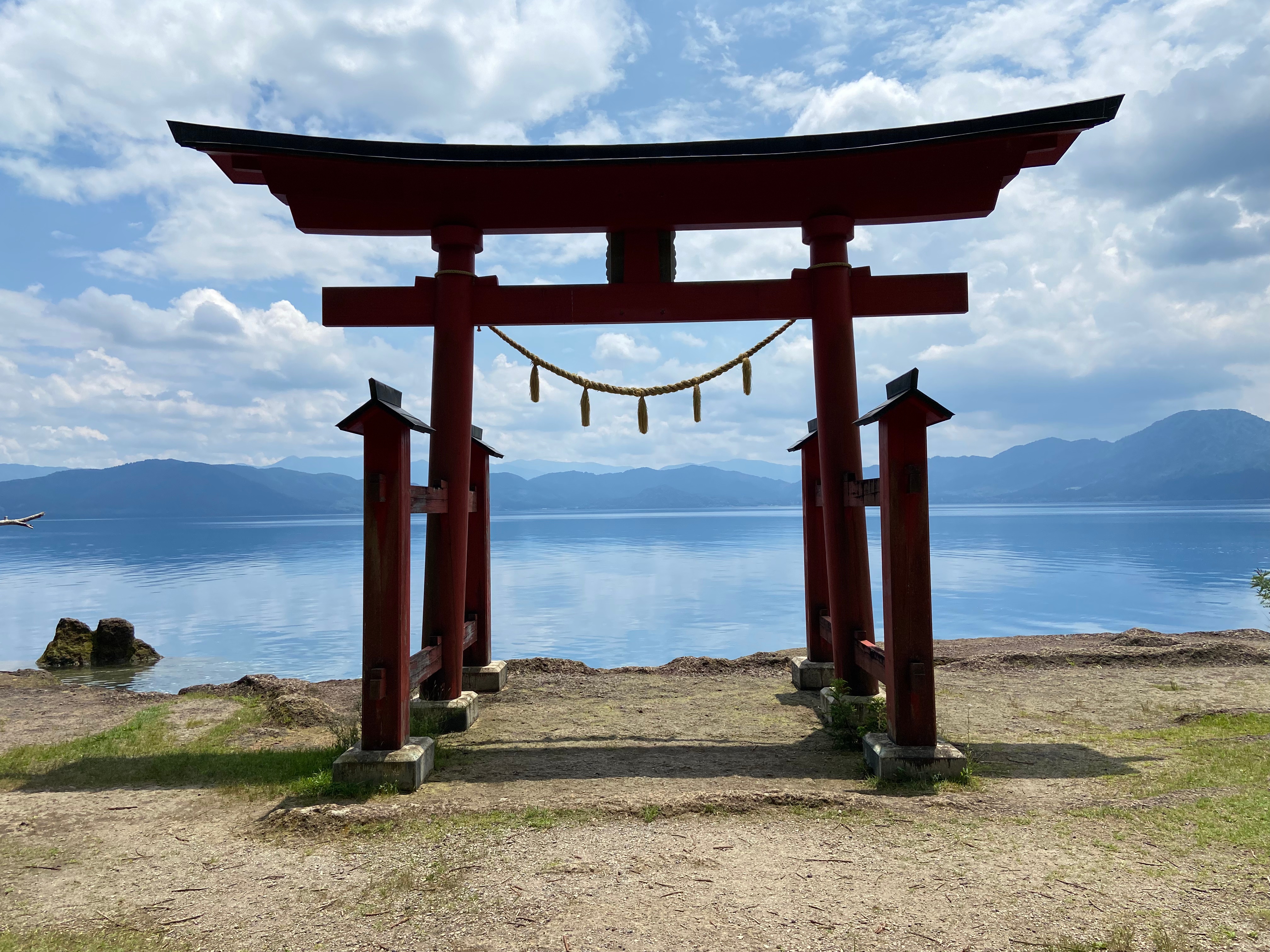
I stand for a while beneath the torii gate of the shrine, looking out on the lake, looking for any sign of a dragon. The shrine itself is dedicated to Tatsuko and also features a stone statue of her. I wander up the shrine’s steps and pray that her beauty remains.

Torii gate of Gozanoishi Shrine overlooking the deep blue waters of Lake Tazawa in Semboku, Akita Prefecture.

Back at the station, I find an old Kawai piano and sit playing for a while. A Japanese woman keeps glancing over as I play. I’m either performing surprisingly well on a badly out-of-tune piano, or badly out-of-tune on a perfectly tuned piano.

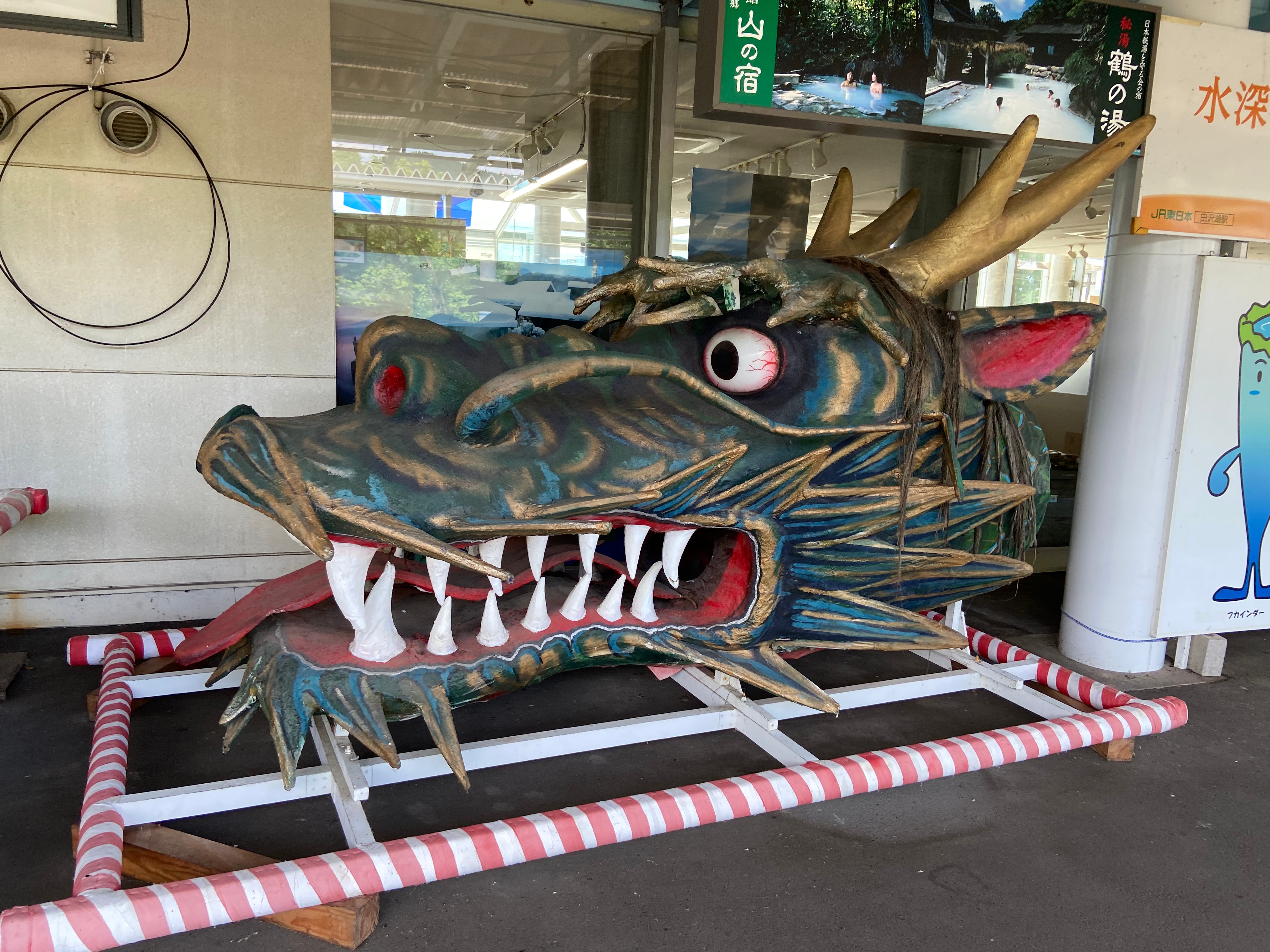
As I step onto the train, I notice a massive dragon across the tracks. When the train begins to move, I sit staring at my water bottle, trying to translate the label. A wave of panicked horror hits me when I realise it says: “Bottled at source: Lake Tazawako Spring.”

Vibrant festival-style dragon float on display at Tazawako Station, echoing the local legend of Tatsuko’s transformation.

I wonder just how long it will be before I transform into a dragon.

The Curious Case of Chocolate Button

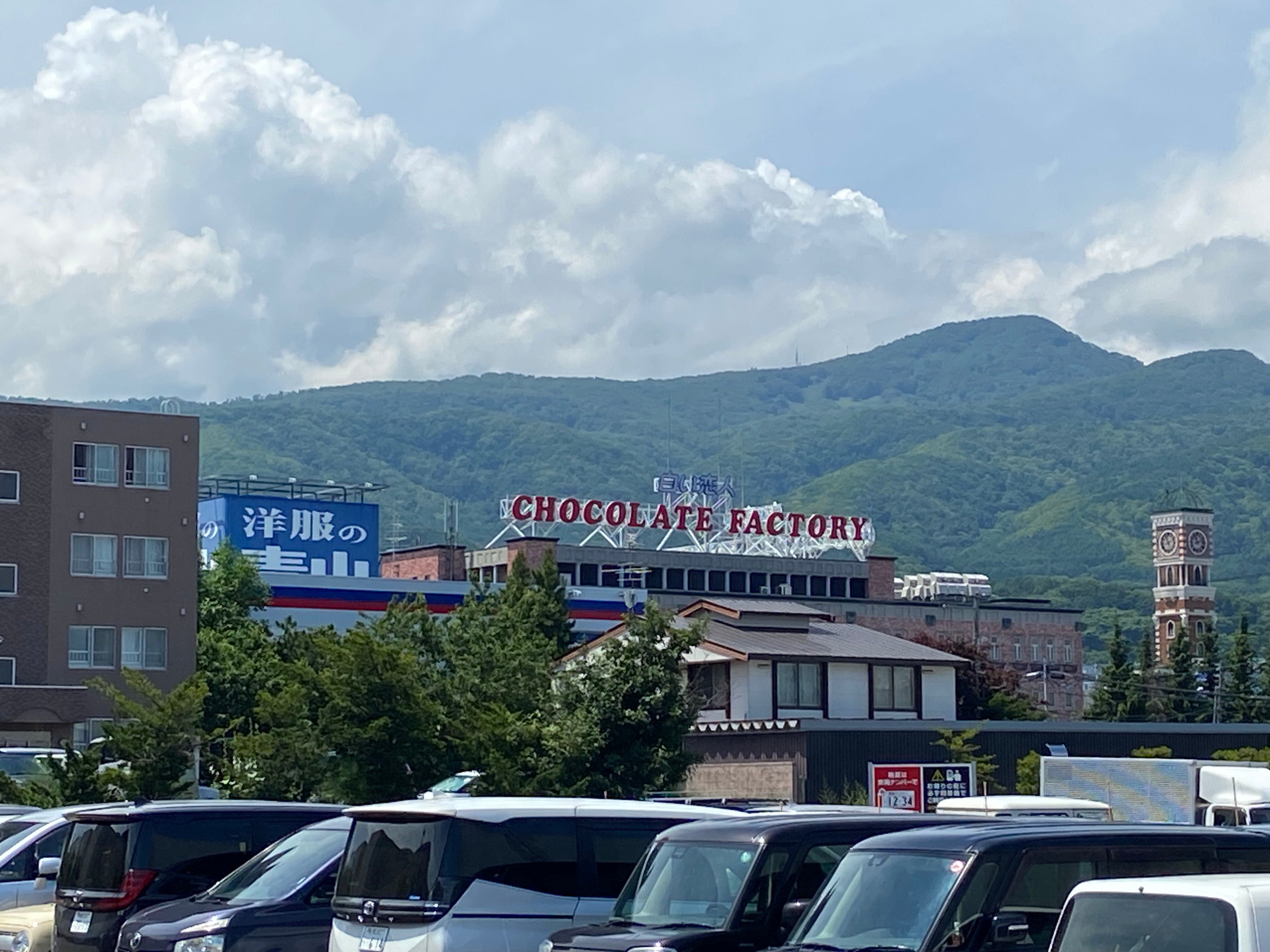
My day begins with a visit to a chocolate factory. Luckily, this chocolate factory is more a museum of chocolate facts than a factory made of chocolate, which, in 30-degree heat, would be somewhat messy. I’m still in Hokkaido, so while it’s hot, the humidity is reasonably low.

Today marks the 30th anniversary of Shiroi Koibito Park, a chocolate-themed factory with gardens. The translation of the name is unusual and means White Lover Park. However, the word for dwarf is the similarly spelt kobito, meaning little person, and has been named that way as a cheap pun which we’ll see later.

Entering the park, I buy a ticket (not golden), and receive a small wrapped square containing the exact chocolate that this factory makes; a bit of a spoiler, giving me the final product at the entrance. Inside, everything smells faintly of white chocolate and mild concern. There are a lot of stairs, the sound of cats meowing through speakers, and a room full of video screens telling the story of the factory.

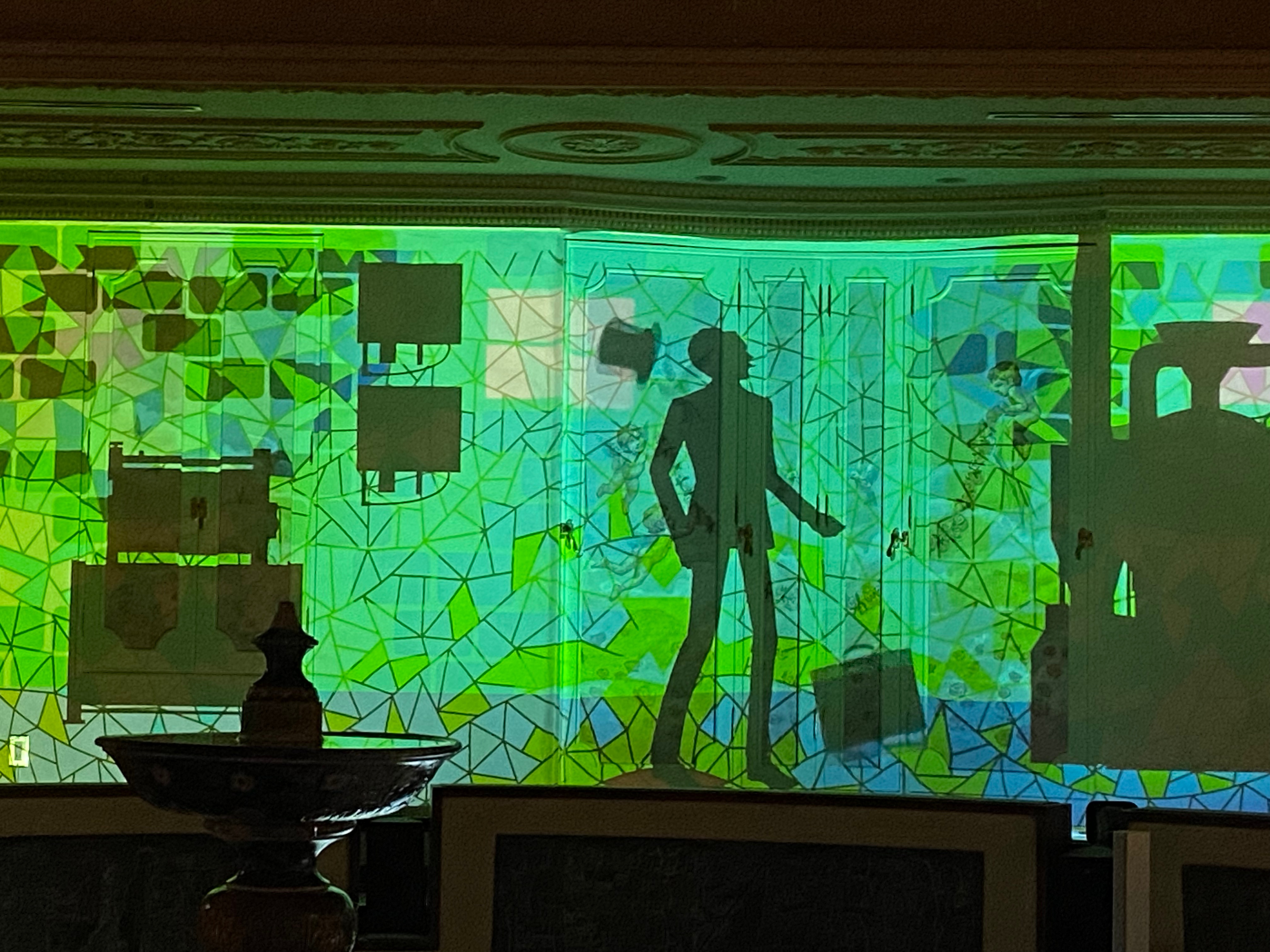
In the quirkily named Time Travel Room, we learn about how this chocolate came about. One of the screens checks to make sure we’ve all been paying attention by offering up a quiz question answered by show of hands. The question is: What is added to chocolate to make it sweet? a) Powdered Milk, b) Powdered Cheese, or c) Powdered Snow?

“Hands up if you said powdered cheese?” says the woman running the tour, as she looks around rather confused. “Nobody said cheese??? How about snow?” It turns out I wasn’t paying attention, but still managed to correctly guess that chocolate can be sweetened by adding powdered milk. Next, we follow some cat prints on the floor up some more steps to the factory.

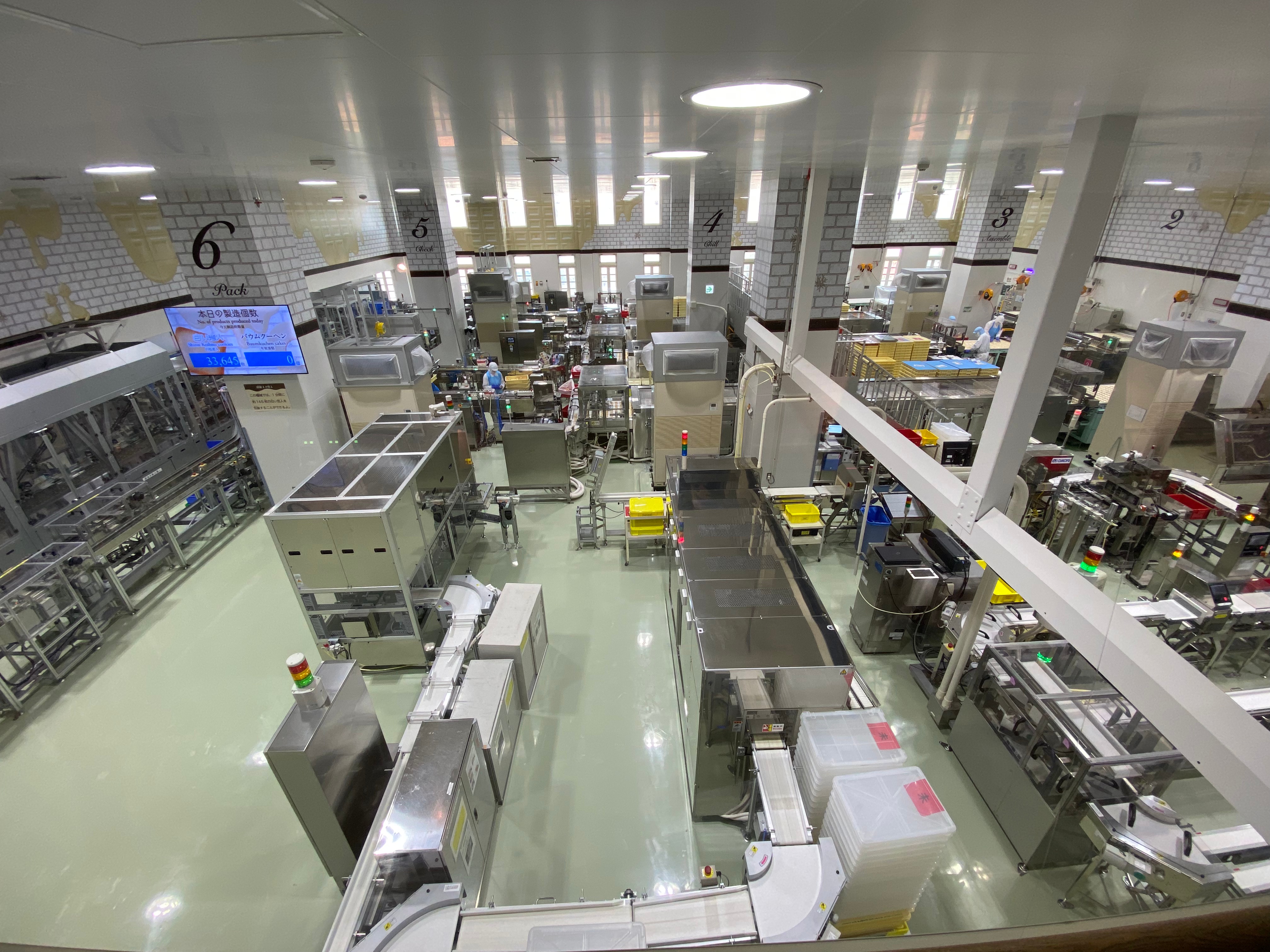
The factory floor is impressive, fully operational, and producing just one product: cookies. There is a counter that displays how many of each product has been produced today: 33,645 Shiroi Koibito cookies; 0 Baumkuchen cakes. I suppose they are using the lack of cakes as a comparison.

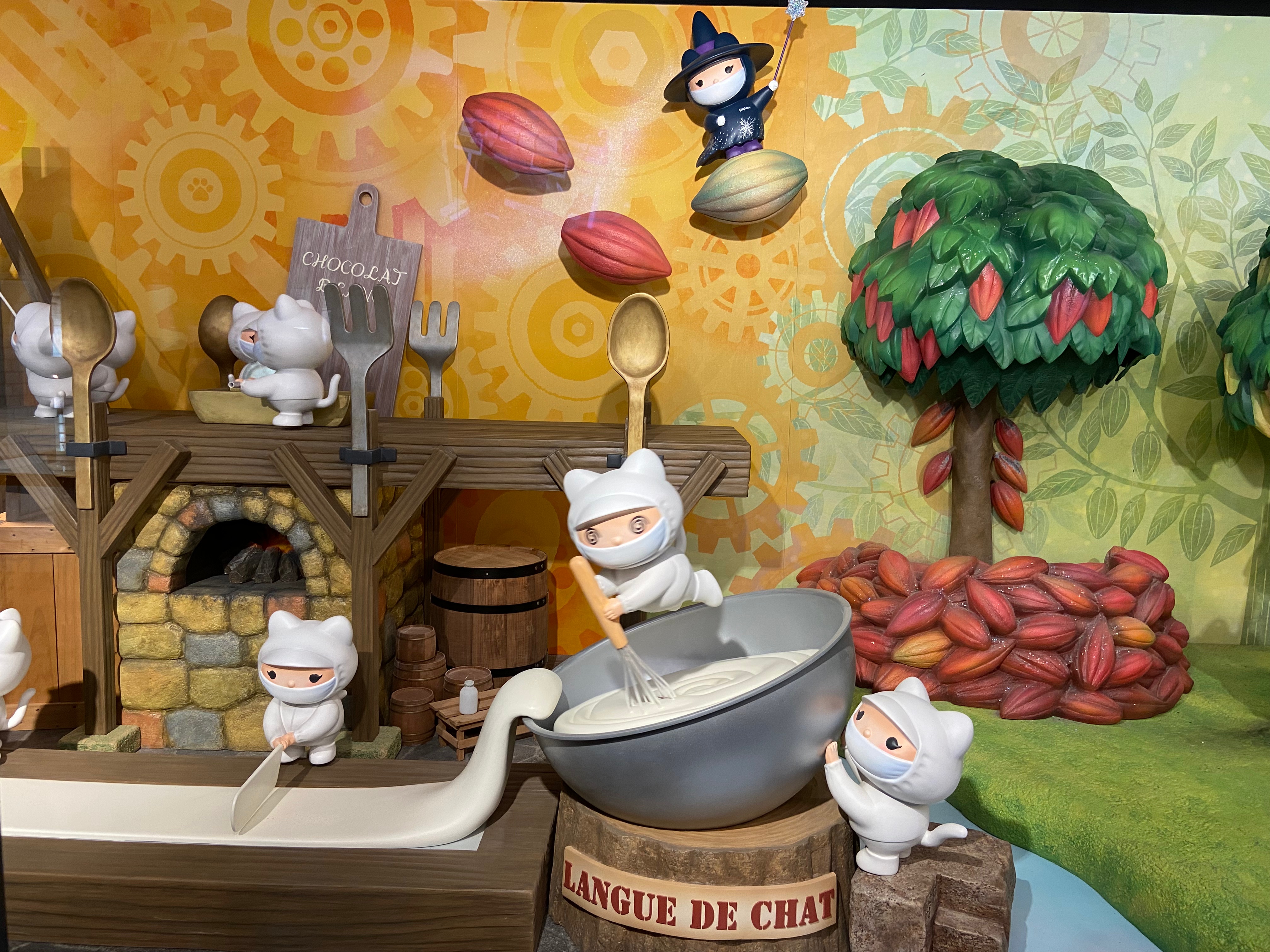
Remember that pun I mentioned? Well, in the next room it is on full display. All good factories have their slaves. Oompa Loompas, Wonkidoodles; but here at Shiroi Koibito Park we have White Dwarfs. They perform all of the tasks here, including milking the cows and creating white chocolate.

After yet more stairs, the sound of cats meowing, and multiple rooms of chocolate-related trinkets, we reach the end. I realise that we never did get an explanation for the cats. I exit through the gift shop and use the restroom. I notice someone has left some chocolate in one of the toilets.

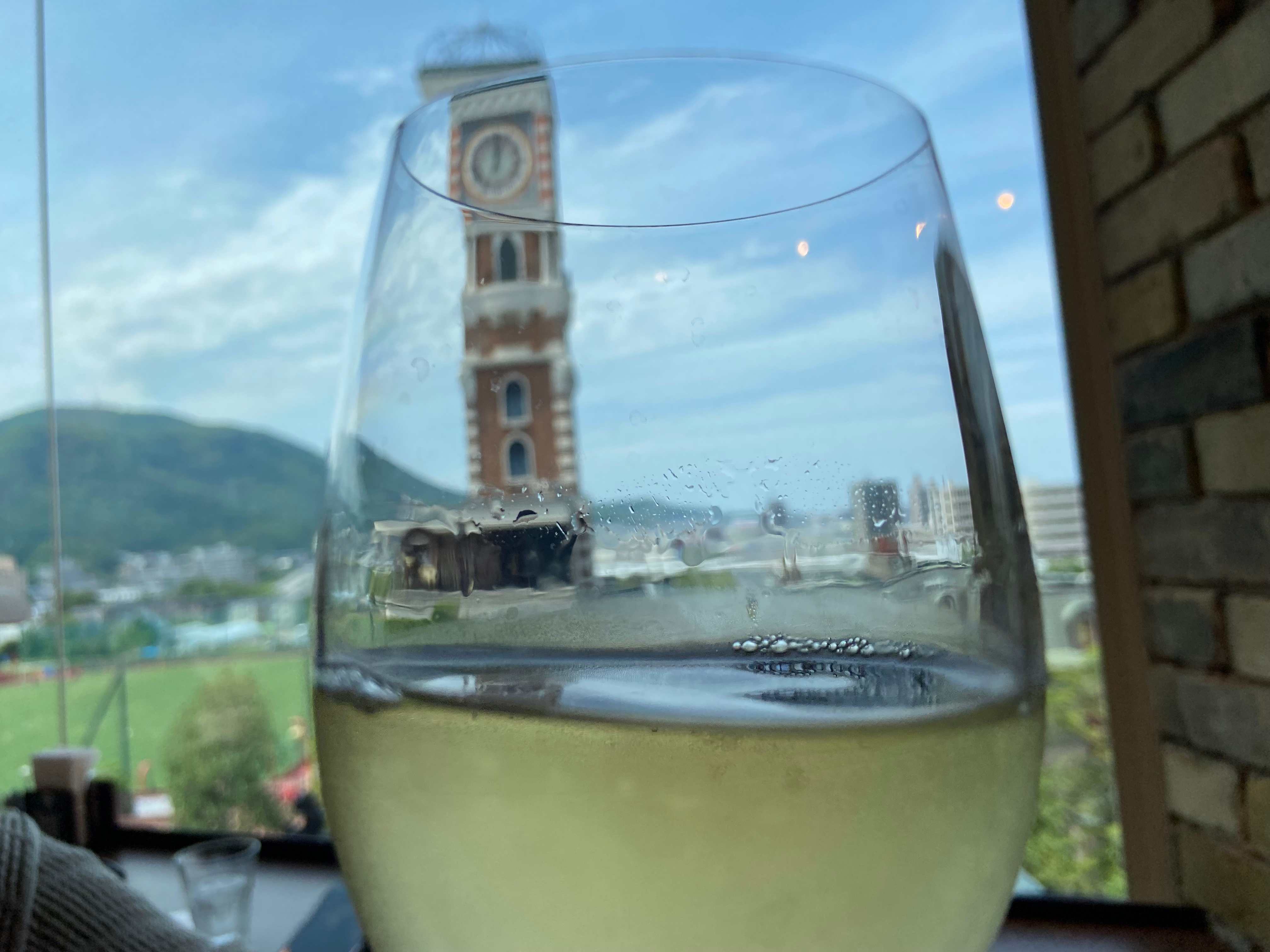
I take the stairs up and into the café, where I decide to take a rest from all the walking and climbing. The factory really needs to invest in an elevator; preferably one made of glass. Speaking of glass, I order a glass of Shiroi Koibito Wine, not sure exactly what to expect.

It doesn’t taste like chocolate. It tastes like regret. Perhaps one of the worst wines I’ve ever had the displeasure to drink. I was expecting notes of white chocolate; however, this wine is unfortunately made from Niagara grapes, which are more commonly used for grape juice than wine.

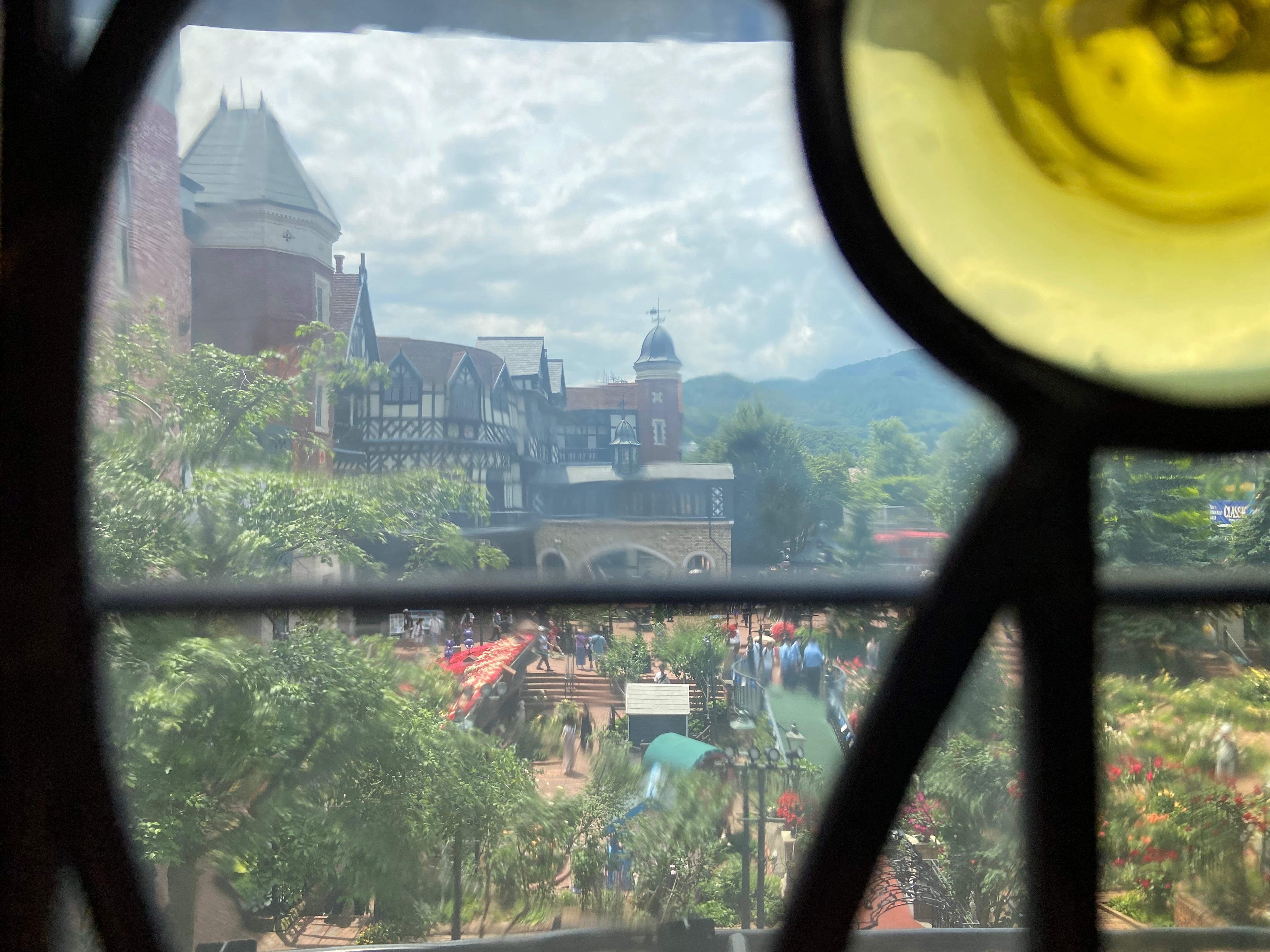
At exactly 12 o’clock, the distant clock tower chimes and opens up, and there’s a little animatronic parade. I slowly sip on my wine, trying not to wince. I watch the White Dwarfs trapped in a loop of mechanised merriment. I finish my glass before finally taking a stroll out through the gardens.

Taking the train back to Sapporo, I get off at Odori Station. The train station is connected to a huge underground shopping complex called Aurora Plaza. I decide to take a stroll through, passing shops selling clothes and souvenir-fit cakes. I also see some T-shirts with terribly translated English: Fun up necessary!

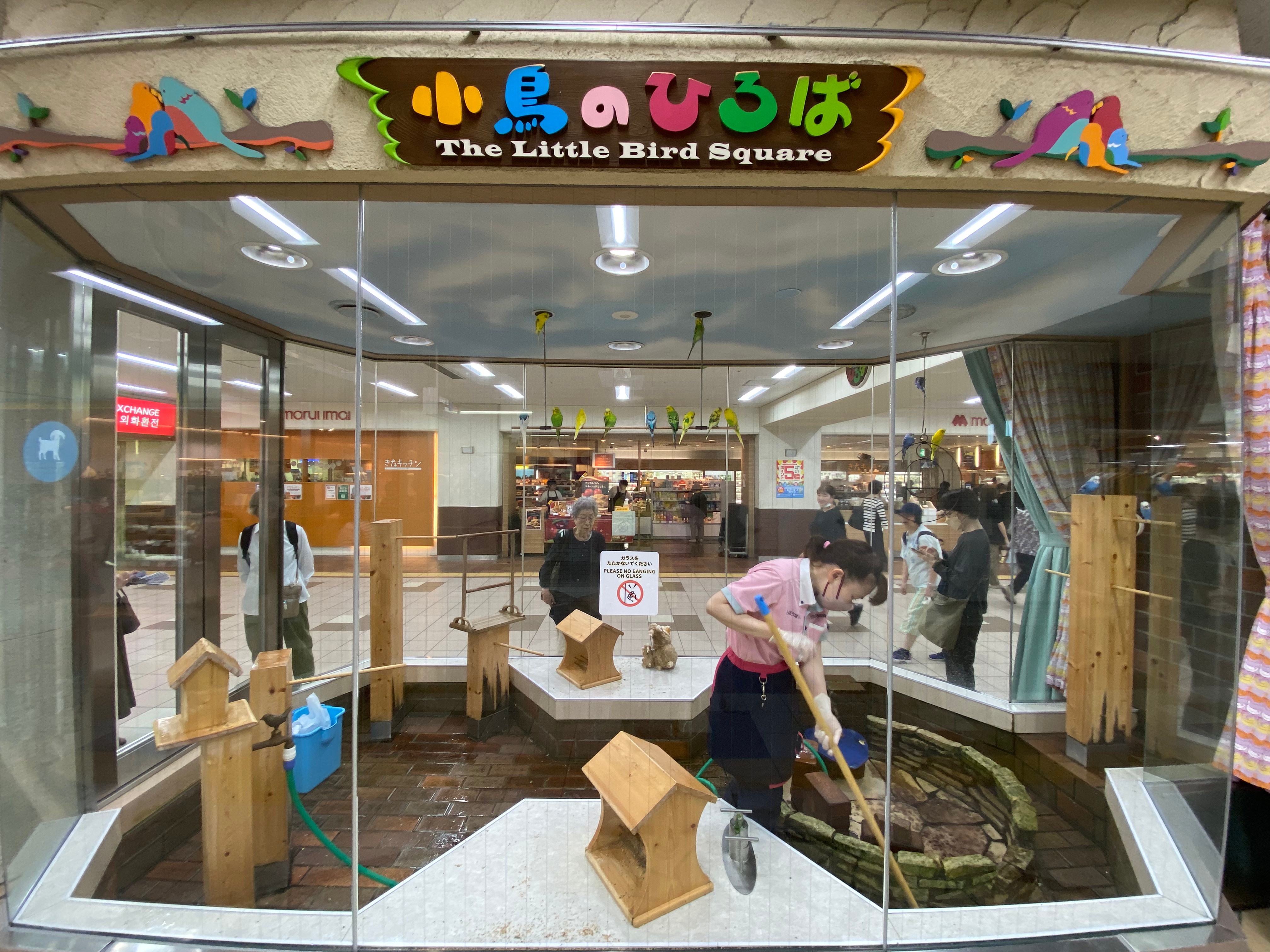
As I continue my stroll, in the distance I hear what sounds like birds chirping excitedly. I then see a sign for ‘Bird Corner’ and decide to see what all the chattering is about. It turns out to be a glasshouse full of parakeets called The Little Bird Square.

There are a couple of blue birds, multiple green birds, and that’s about as good as my knowledge of birds goes, I’m afraid. Although I’m pretty sure keeping them down here in an underground plaza means they will most likely die before they ever see natural light. Credit though, as it does seem that someone at least cleans out the enclosure, and I’m certain that one of the birds did smile at me.

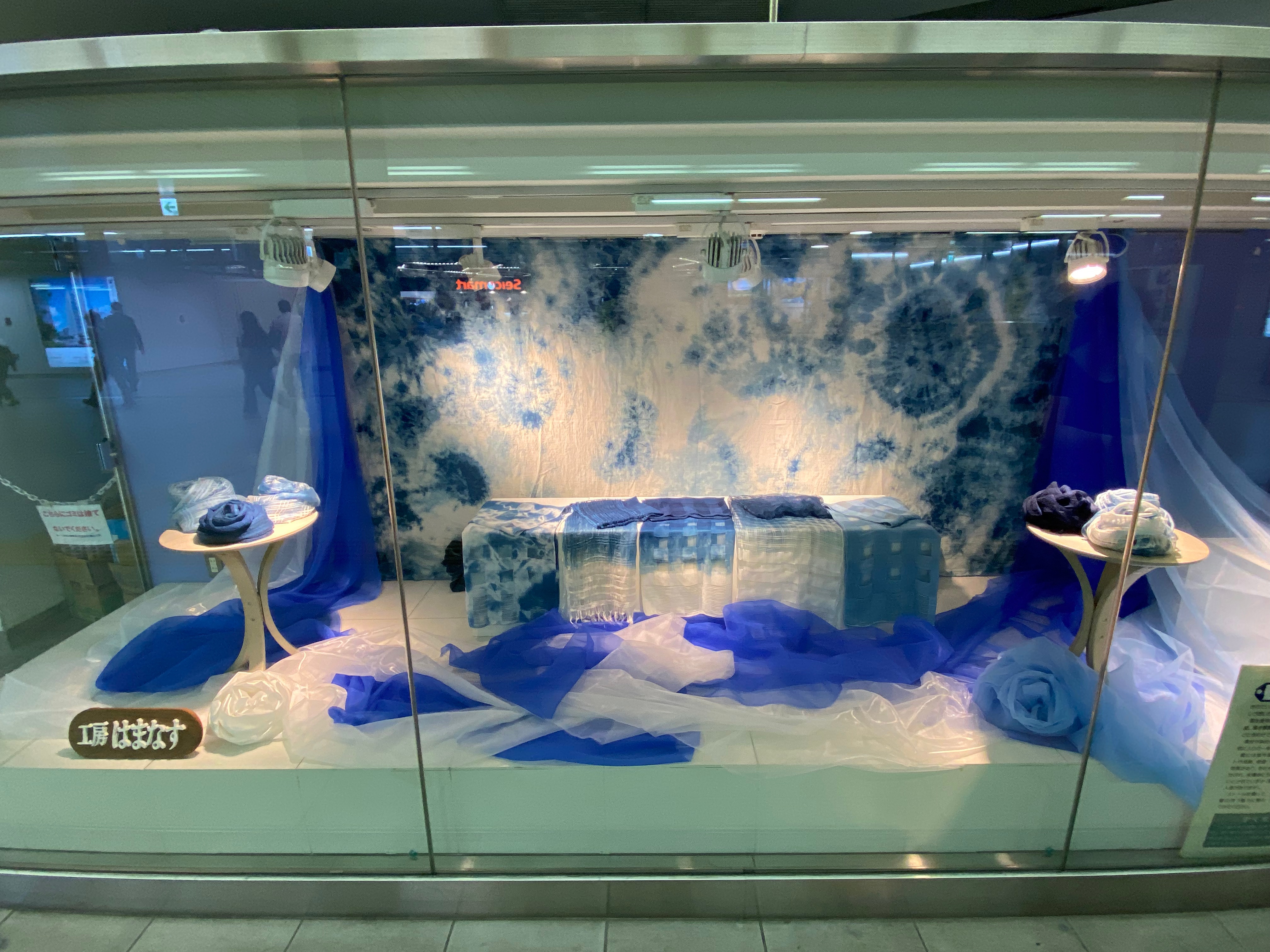
Further along the shopping complex, I stumble once again on a glass enclosure. This one, however, unusually contains scarves. The cloth appears to be well tended to, not the least bit ruffled. I think it’s supposed to look like a sea of clouds, but I can’t be sure. I do know that the scarves aren’t harmed in any way, and none of them seem likely to die anytime soon. They’ve already been dyed indigo!

My final stop for the day is a place called Retro Space Saka Hall. It’s a strange little museum that’s only open for a few hours a day, a couple of days a week, and houses the personal collection of curiosities owned by Kazutaka Saka, an 82-year-old Japanese man.

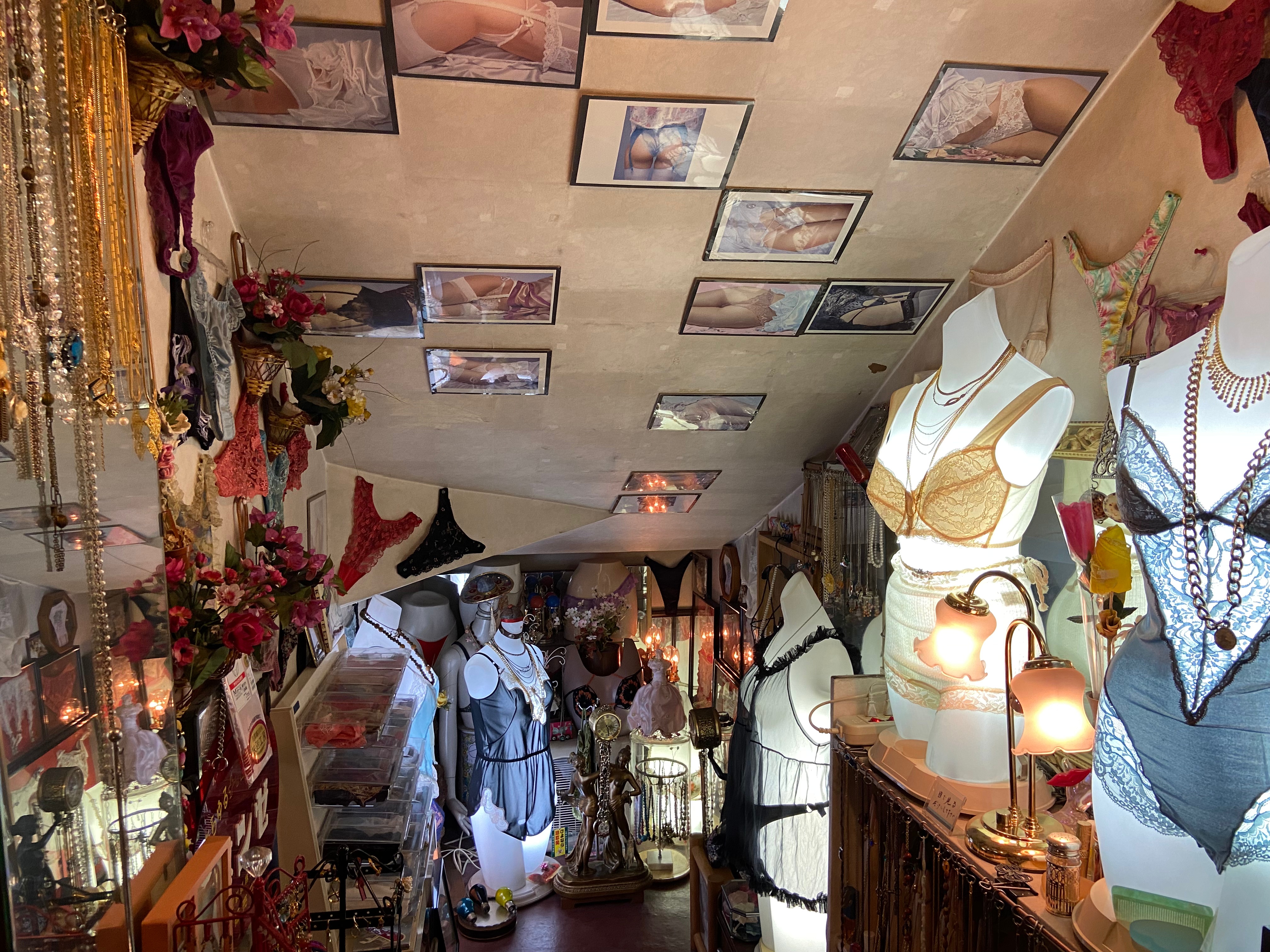
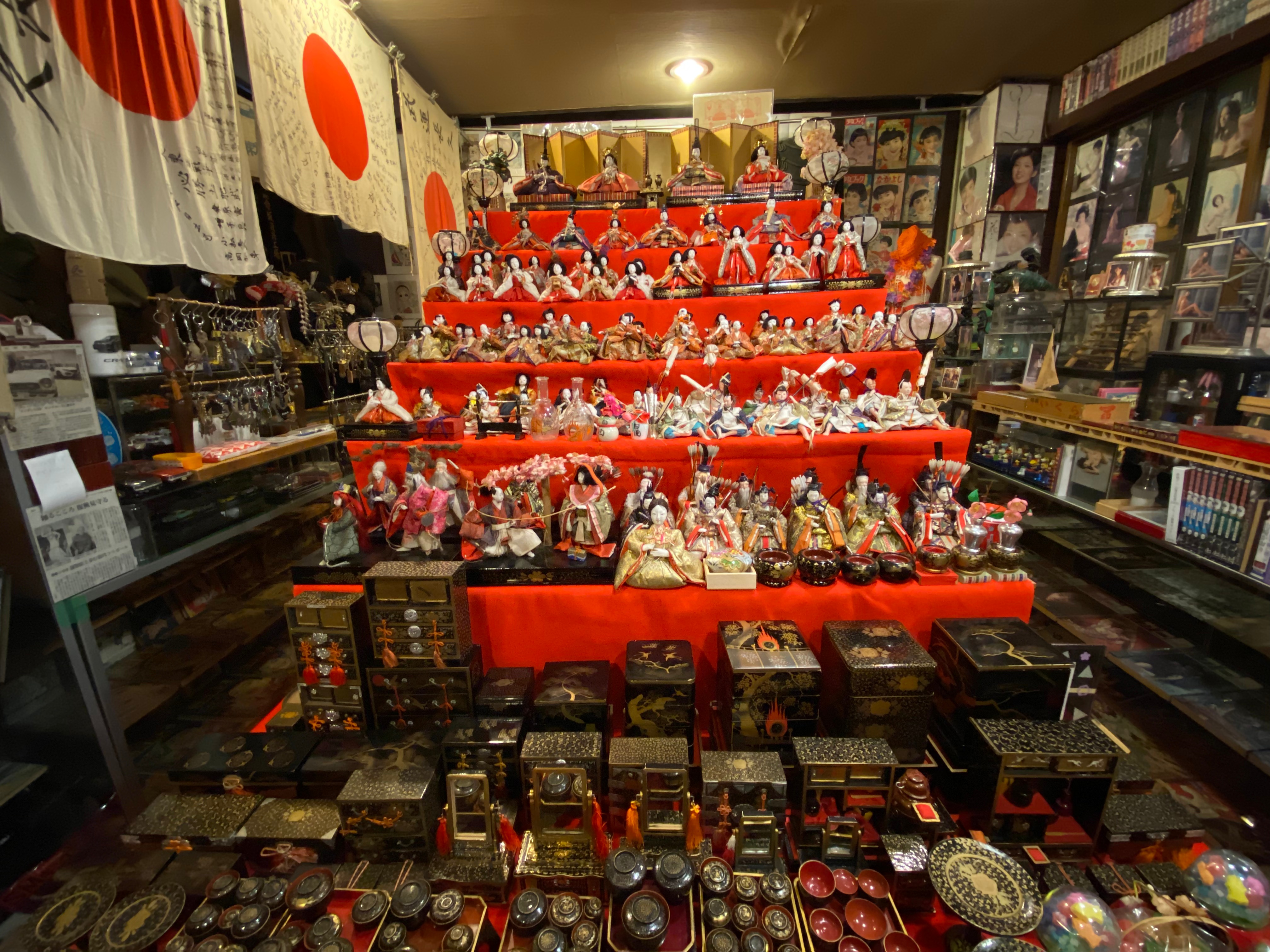
The museum is full of tightly packed shelves in every direction, arranged in sections and side rooms; a very well-organised collection of… well, of things. I don’t know where to look. There are things everywhere. If you can imagine it, Mr. Saka has probably collected it: Showa-era relics, gas masks, a large collection of syringes, musical instruments, a whole section dedicated to Eiffel Tower-shaped whiskey bottles, toys, figurines, bottle caps, buttons, stamps, cigarettes, women’s underwear, and photographs of women wearing underwear…

I begin to wonder whether Mr. Saka started out by collecting pornography and then, over time, began adding other random items like glass beakers and rocking horses to distract from all the images of naked women. Eventually it grew into this sprawling collection of almost one million objects. I don’t mind saying, I wouldn’t fancy having the job of dusting.

I have another thought as I pass by a wall of photographs of pin-up girls and a big pile of dolls: do other people just come here with stuff they no longer need and leave it behind? I can’t imagine anyone would actually notice the odd addition to the collection.

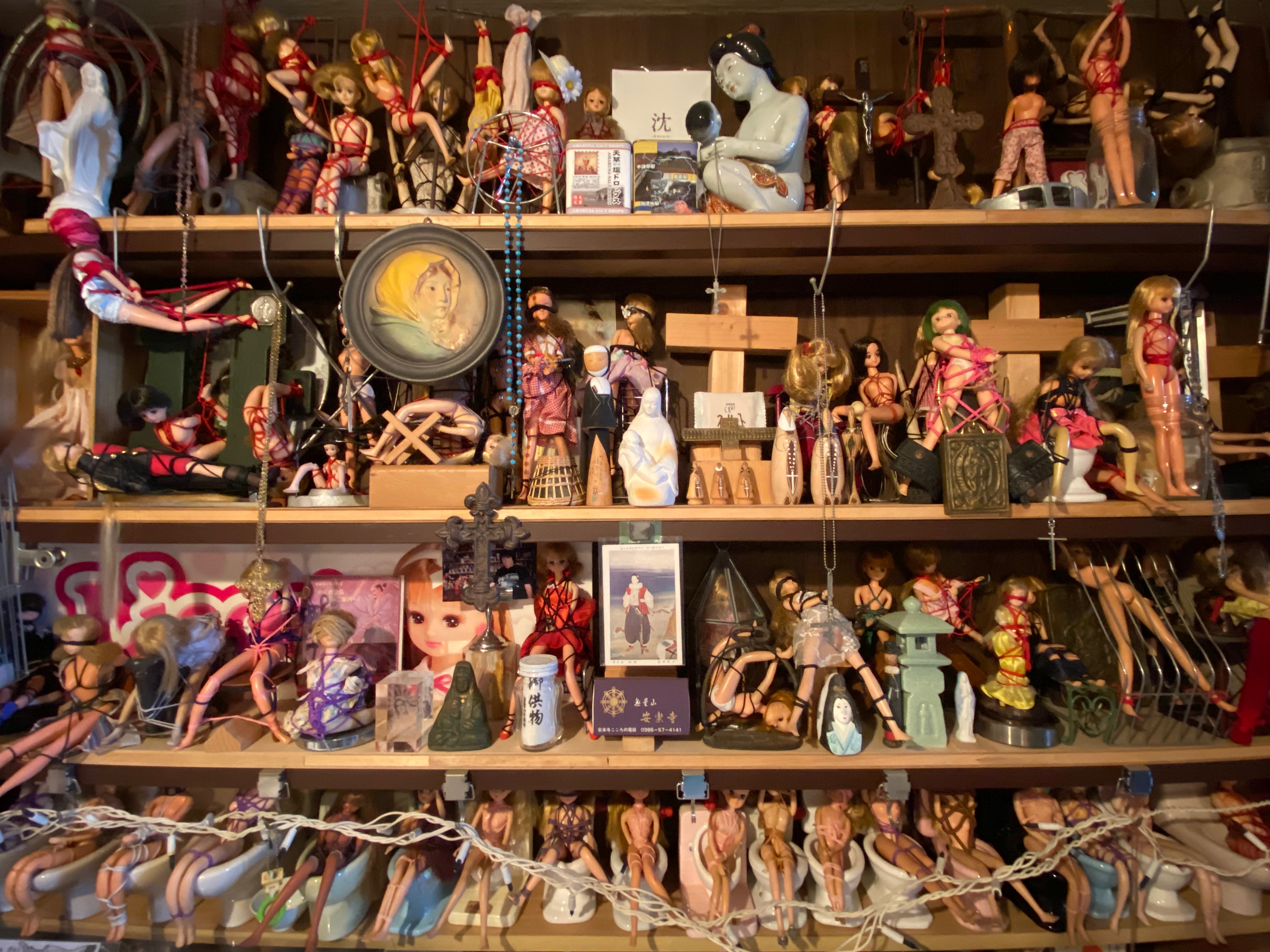
Just looking at the photograph of the pile of dolls, there’s so much going on in just that one area. Now imagine multiplying that by a hundred; you’ll get a good idea of just how overwhelming Retro Space Saka Hall really is.

I’m about to leave, heading toward the exit, but decide to take one last look at a shelf to my left. I must have missed it on the way in, overwhelmed on arrival by the treasure trove of everything mixed in with that odd smell of bygone. The shelf I’m standing before features a lot of dolls, tied up with string. The tied-up dolls on the bottom row are neatly arranged, all sitting on plastic toilets.

As I walk back to the train station, I decide that something about Mr. Saka is not quite right. Anyone with an entire shelf dedicated to Eiffel Tower-shaped whiskey bottles has a serious problem.