Saving Primate Ryan

I aimlessly wander through Tokyo’s Adachi Ward on a cold, grey day, feeling a little bored. As I walk through a park I notice a small building that seems out of place amongst the trees and grass. As I walk up to the building, I can’t help but notice its bleak appearance. The grey concrete seems to blend in with the overcast sky, giving the place a depressing vibe. But despite my lack of enthusiasm, I decide to check it out.

As I walk through what turns out to be an animal exhibit, I can’t help but notice the perceived lack of space and variety in some of the enclosures. The Sulcata Tortoise appears to be trying to escape, possibly because it seemingly lacks access to direct sunlight, a necessity for this type of animal. It repeatedly smashes its face against the glass enclosure in frustration.
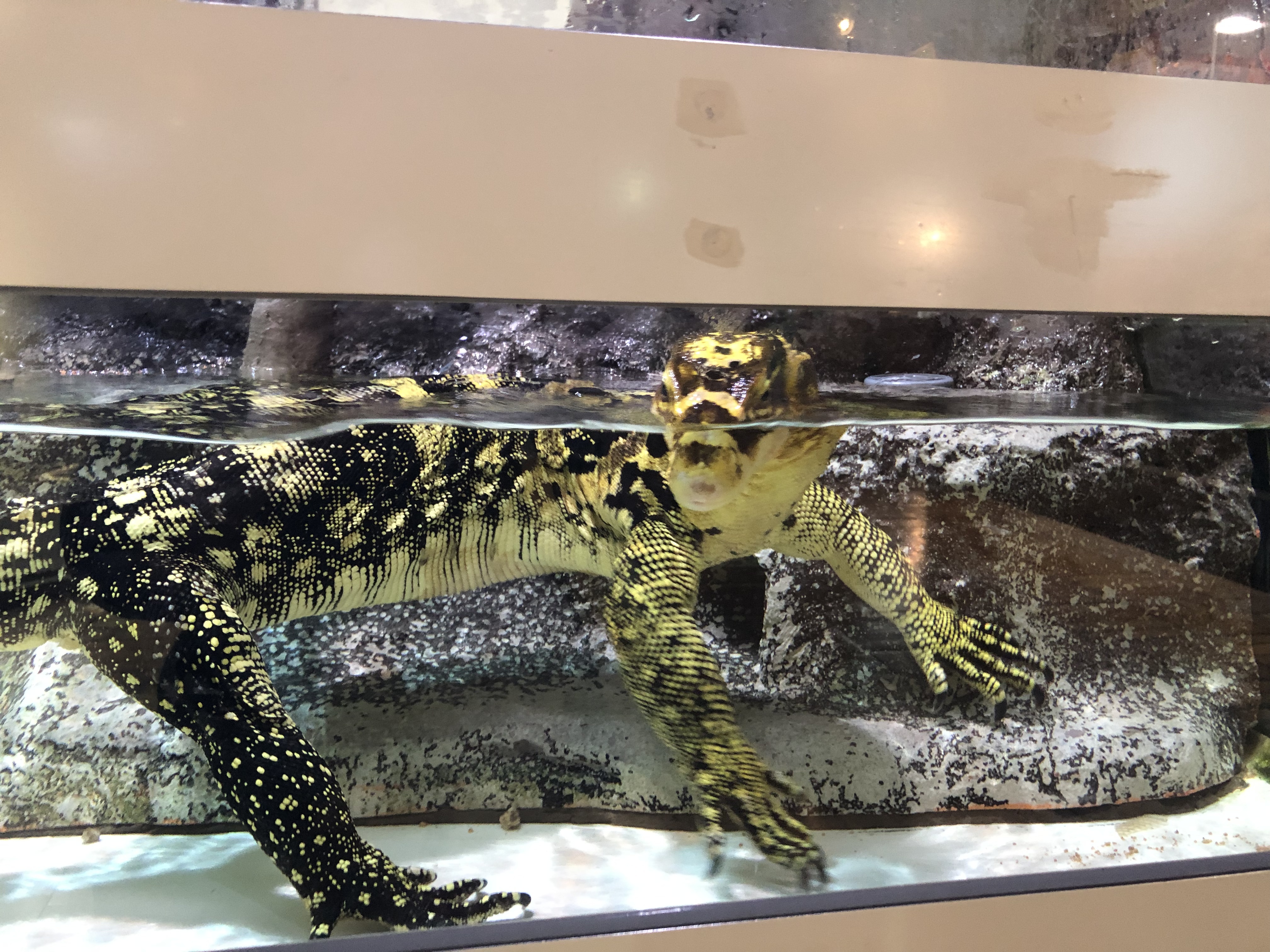
The Yellow-headed Water Monitor is a large, semi-aquatic reptile native to Africa. In my view, in this enclosure, it swims absently in a small tank that also offers a section of land. These animals are known for their powerful legs and sharp claws, which they use to climb trees and dig burrows in the wild. However, in this relatively confined space, the Yellow-headed Water Monitor seems unable to fully utilise its natural abilities, as far as I can tell.

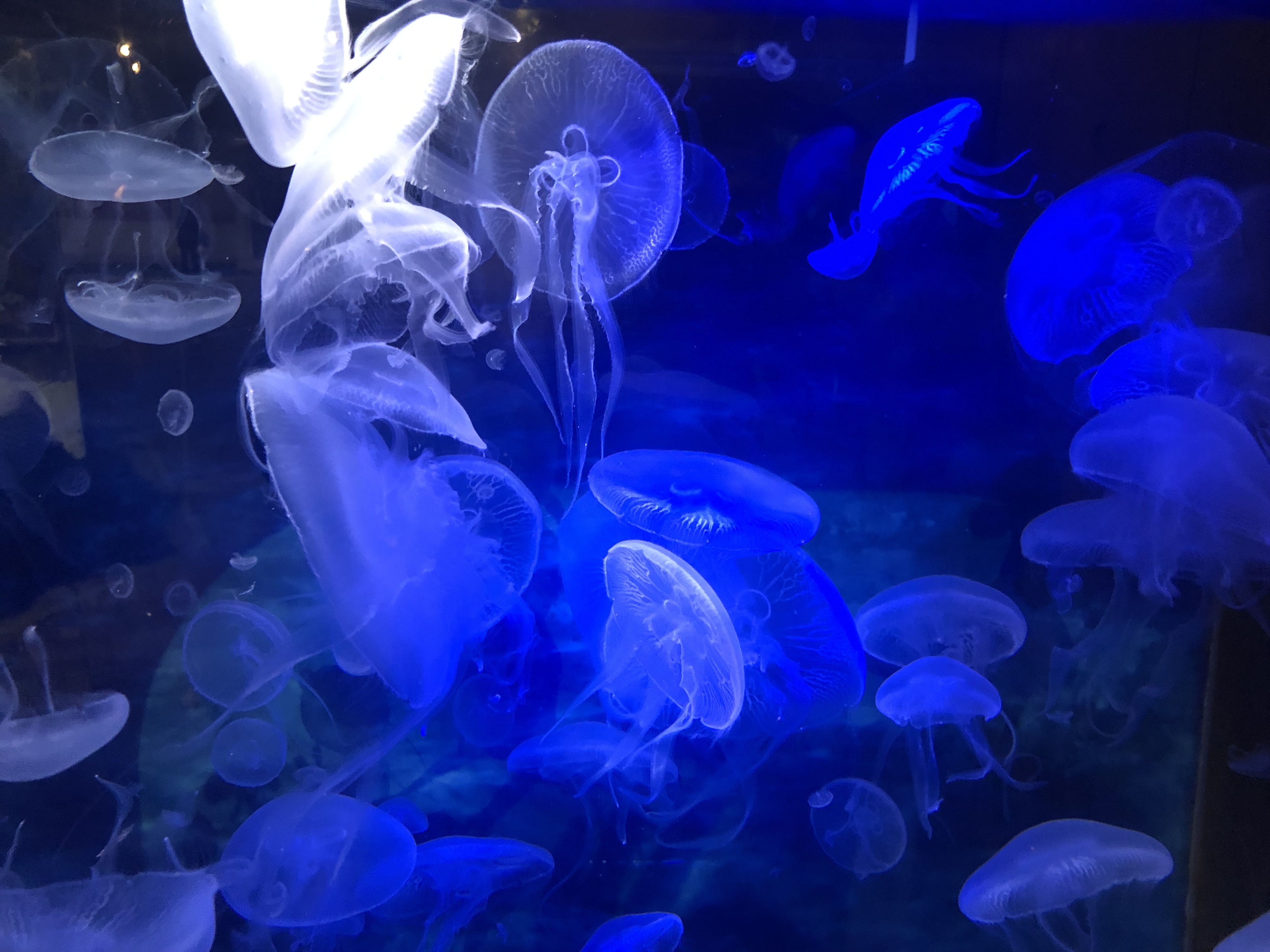
I also observe some Clownfish and Moon Jellyfish, but they seem to be lacking the vibrancy and liveliness that I would expect from these species. Clownfish, also known as anemonefish, are typically colourful and active, but these individuals seem dull and listless. Moon Jellyfish, with their translucent bells and delicate tentacles, are usually mesmerising, but in this small and crowded tank, their movement looks slow and somewhat lifeless.
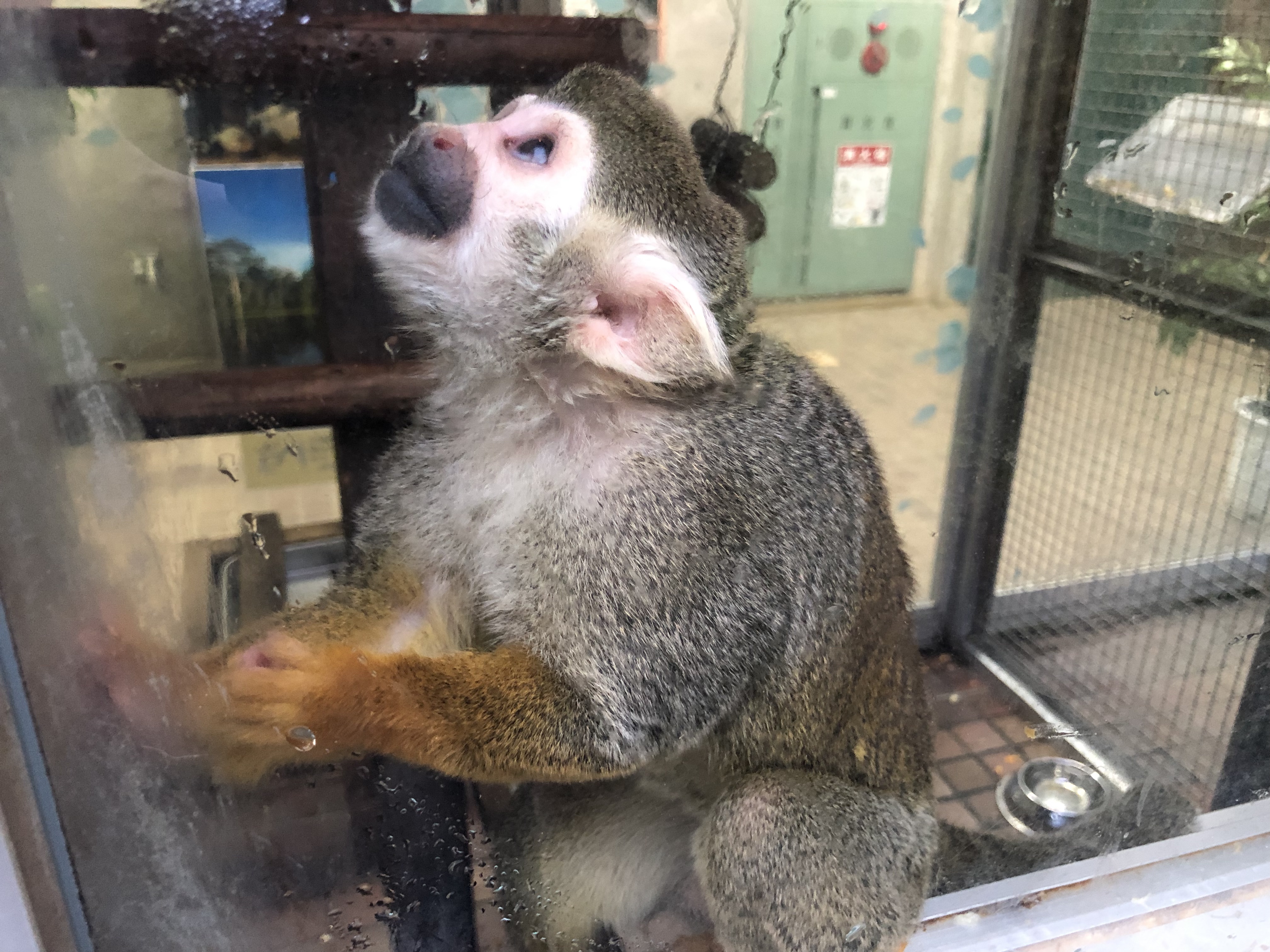
As I walk through the animal exhibit, I am startled by a group of common squirrel monkeys in cages. Seeing these animals in such small enclosures fills me with a surge of sadness, and I feel empathy for all of the animals here, even the fish, who seem to be exhibiting signs of depression.

Squirrel monkeys are social animals that live in large groups in the wild, and they are adapted to living in the rainforests of Central and South America. Because of their natural climbing abilities and long tails, squirrel monkeys are well-equipped to move through the trees in their rainforest habitat. However, one common squirrel monkey, oddly named Ryan, seems particularly drawn to me, pleading with me through its body language to let it out.
As I make my way into the butterfly enclosure, I am immediately struck by the contrast in conditions compared to the rest of the animal exhibit. Here, a lush, indoor paradise filled with plants and foliage greets me, and I am awed by the sight of Monarch butterflies, swallowtail butterflies, and red admiral butterflies fluttering freely about, their beauty on full display.

The beauty and vitality of the butterflies serves as a poignant reminder of what can be achieved when animals are given the proper care and space to thrive, in their spacious and well-maintained enclosure.
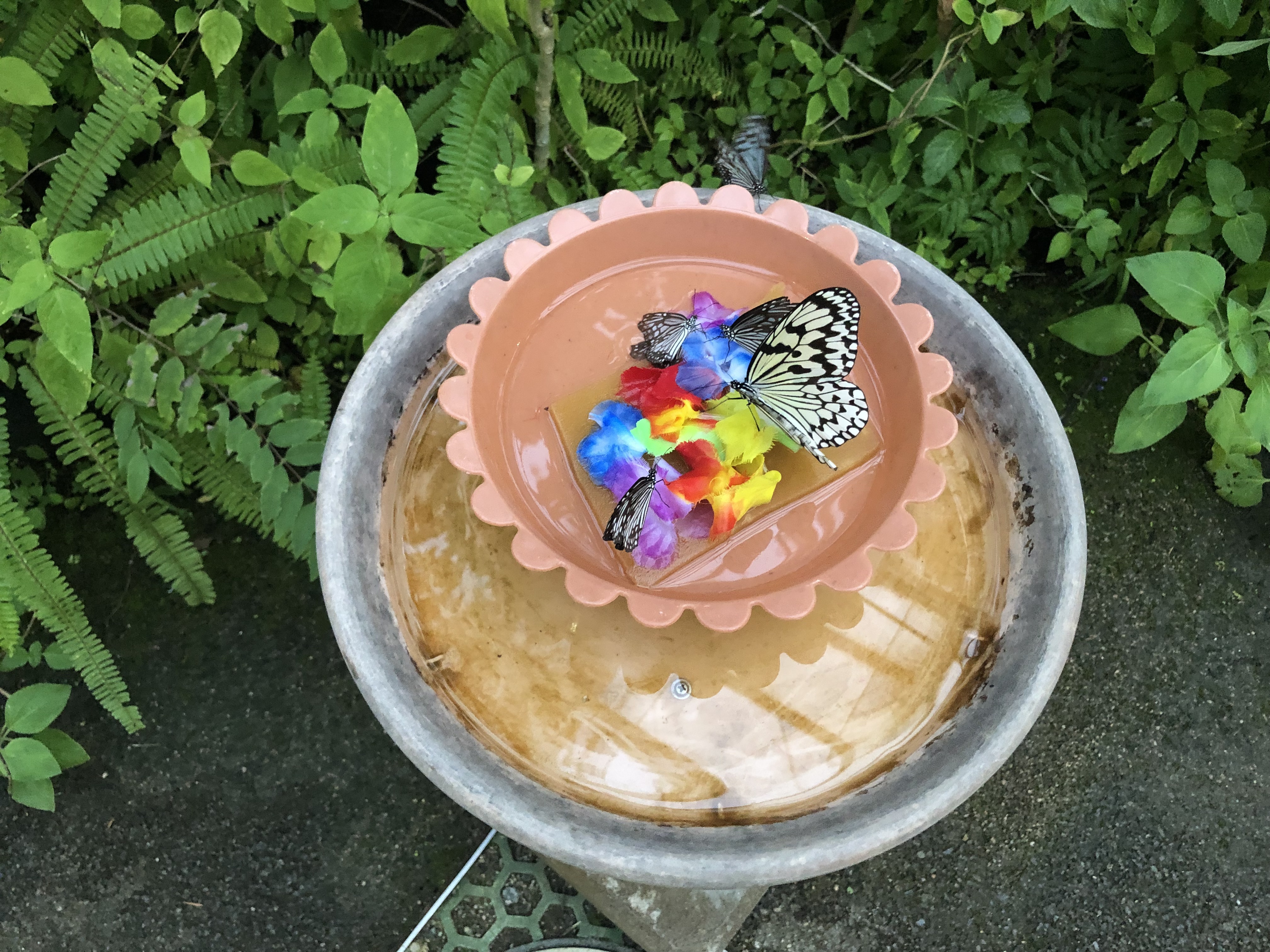
A sign reminds me to be careful not to step on any of the butterflies as I move through the space, and small dishes of honey, adorned with multi-coloured cloth, are scattered throughout the enclosure, serving as a natural attractant for the butterflies and allowing me to get a close-up view of these graceful creatures.

As I leave the park, a gnawing hunger overtakes me, one that I haven’t felt in a while. I head to the nearest train station in search of a restaurant. Inside, I am surprised to see that there are no waiting staff in sight, so I take a seat at a table and peruse the touchpad menu, eventually settling on a hearty gratin dish. As I wait for my order to arrive, I am intrigued by the sight of a robot with a digital cat face advancing towards me, carrying my steaming plate of gratin. I take the meal from the robot, which makes a beeping sound before gliding away with nonchalance back to the kitchen.
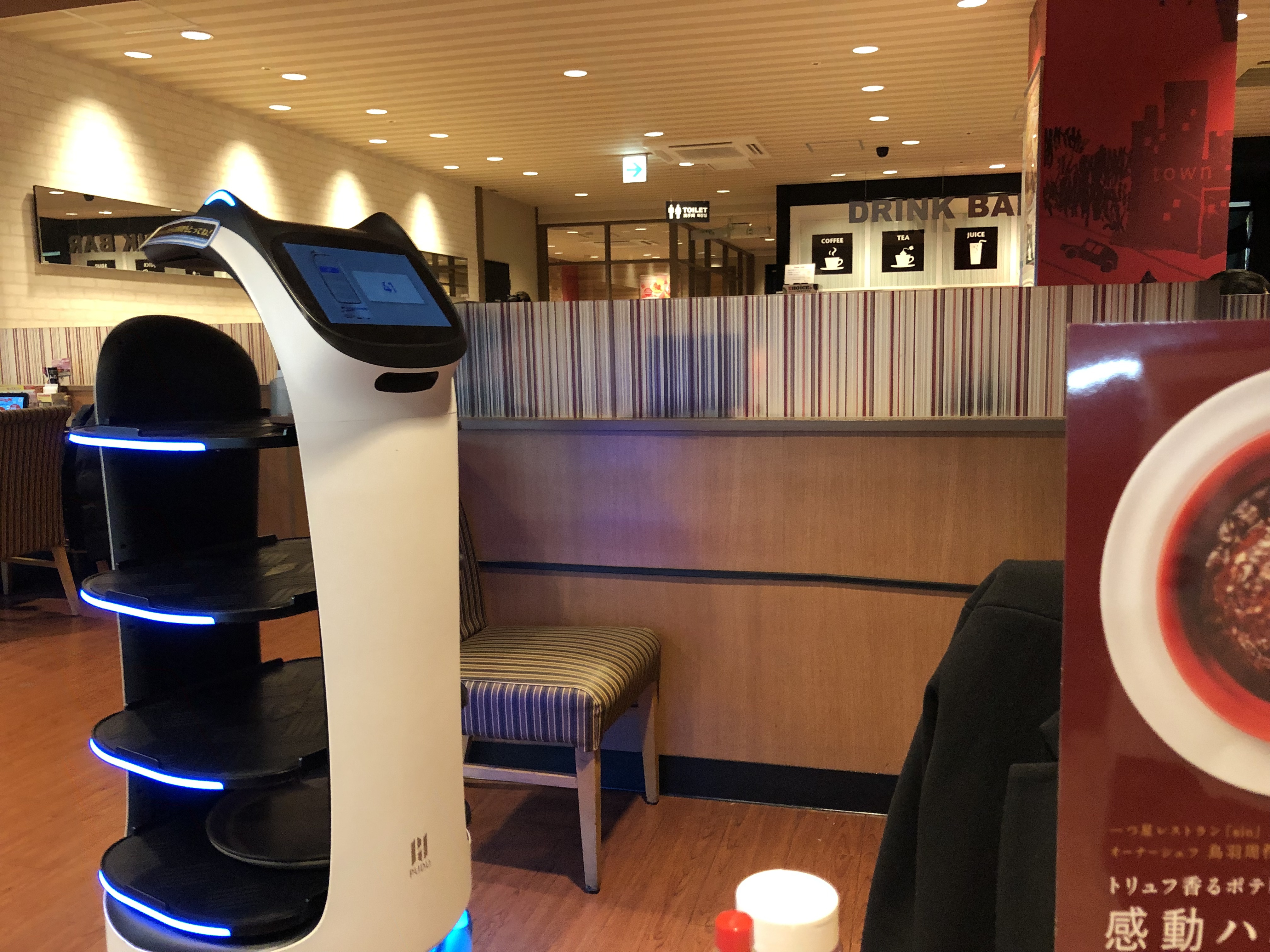
I briefly wonder about the impact of technology on the service industry. Despite my curiosity, I am too ravenous to dwell on these thoughts for long, and I dive into my meal with relish.
Twenty Thousand Leaves Under the Trees

I have come to Itabashi today to visit the Great Buddha of Tokyo, also known as the Tokyo Daibutsu. Upon exiting the train station, I realise that there are no maps in sight, so I decide to climb up onto a bridge that crosses over the road for a better view. Even though I am still within the city limits of Tokyo, I am surprised to see mountains in the distance. For some reason, the Great Buddha remains hidden from view.

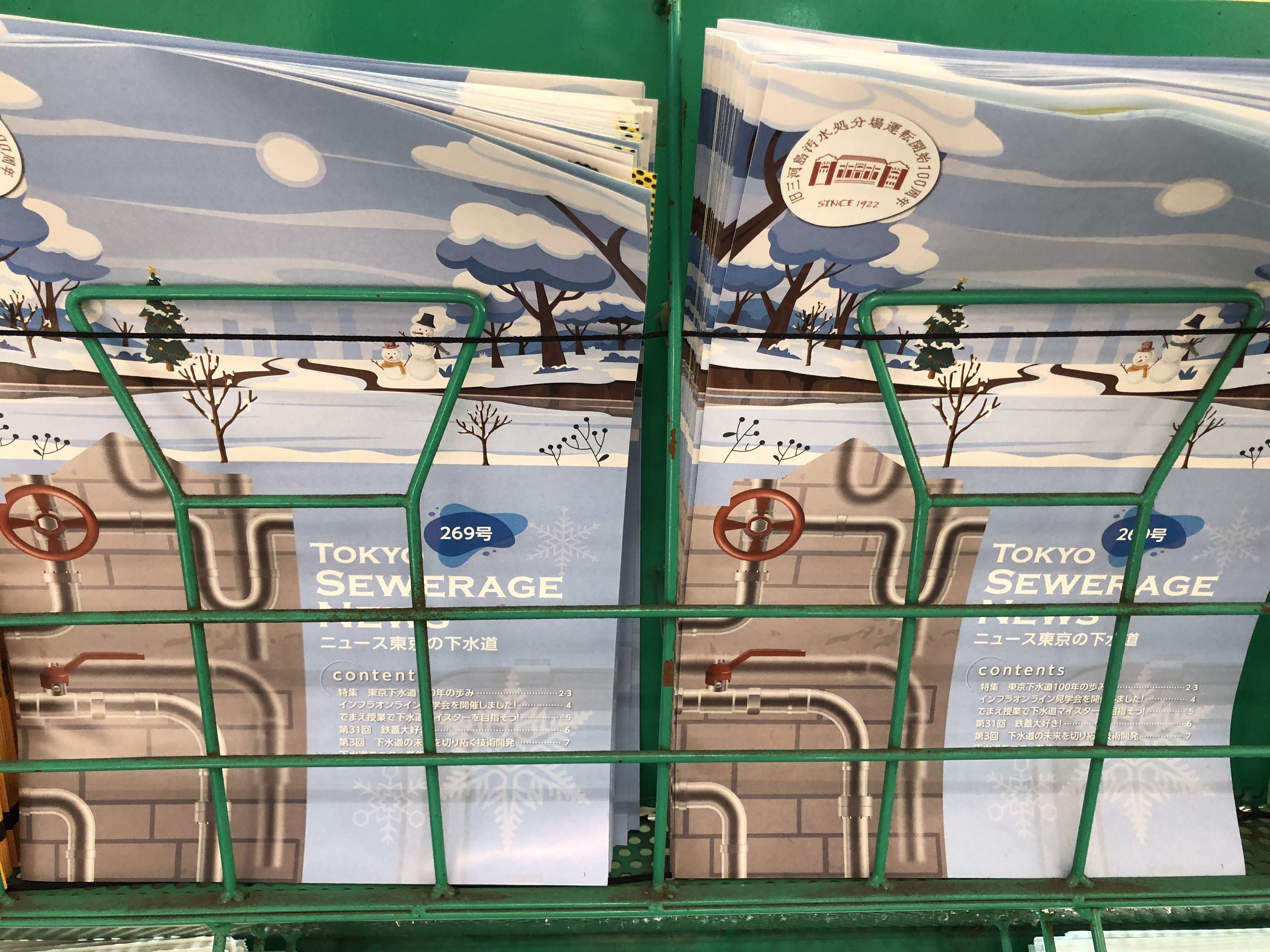
I return to the train station in search of a map. In Japan, all train stations have a stand with free leaflets, pamphlets, and sometimes magazines. This particular train station has an odd selection of magazines, including one that has been published since 1922 and is entirely about sewage.

After finding a map, I set off towards Akatsuka Park. Inside the park, I find an art museum (which is closed today), a folklore museum (also closed today), some water fountains adorning a pond lined with old men fishing, and on the other side of the park, a dried-up dragonfly pond.

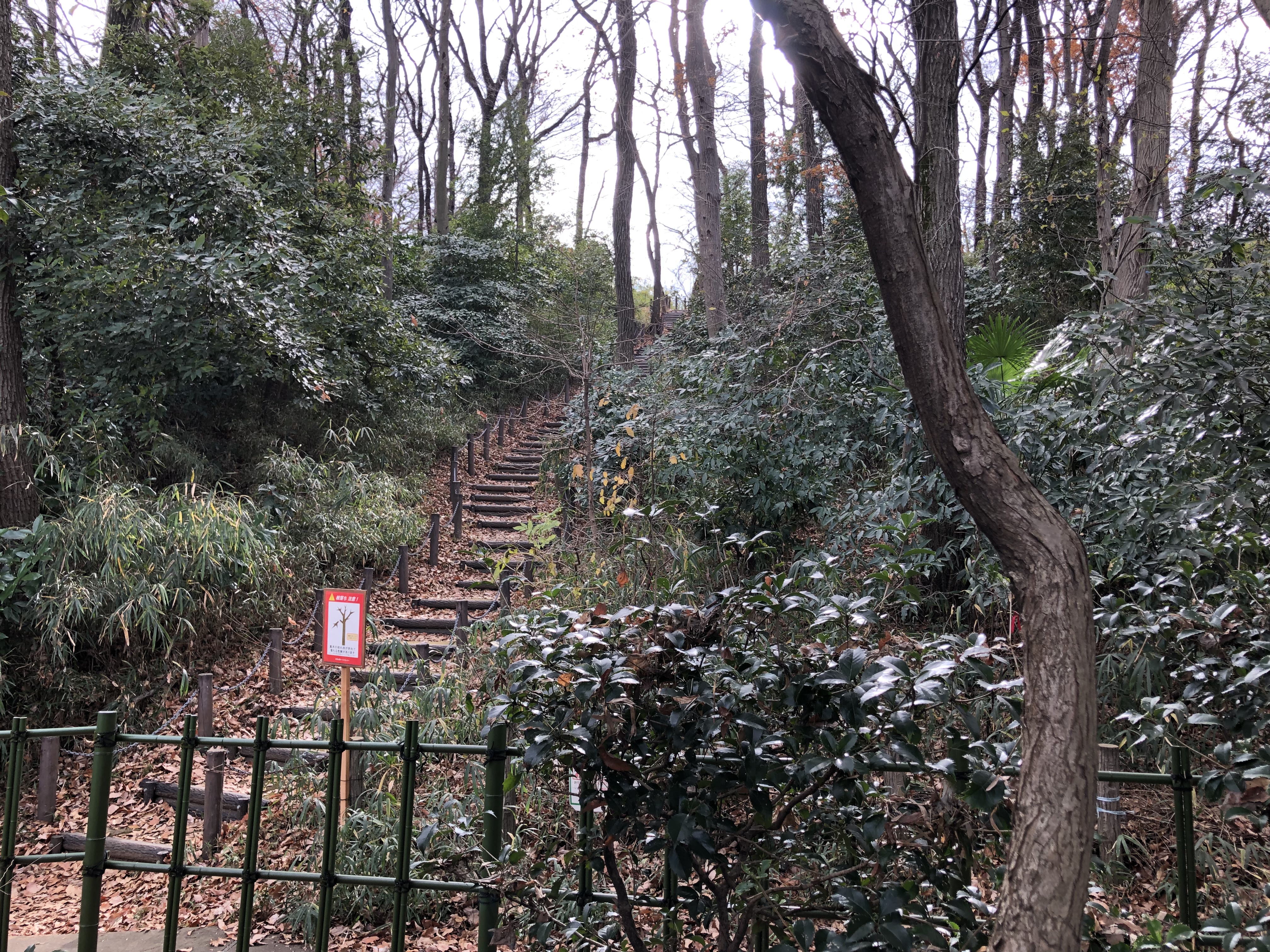
As I wander through the park, I am struck by the peaceful sounds of nature. The plum grove stands out to me, its branches now bare and skeleton-like after shedding their leaves, stripped of their colourful cloaks. The leaves, once vibrant and alive, now lie dormant on the ground, a reminder of the cycle of life and death. I follow the trail of leaves, before eventually coming across some rather steep steps.

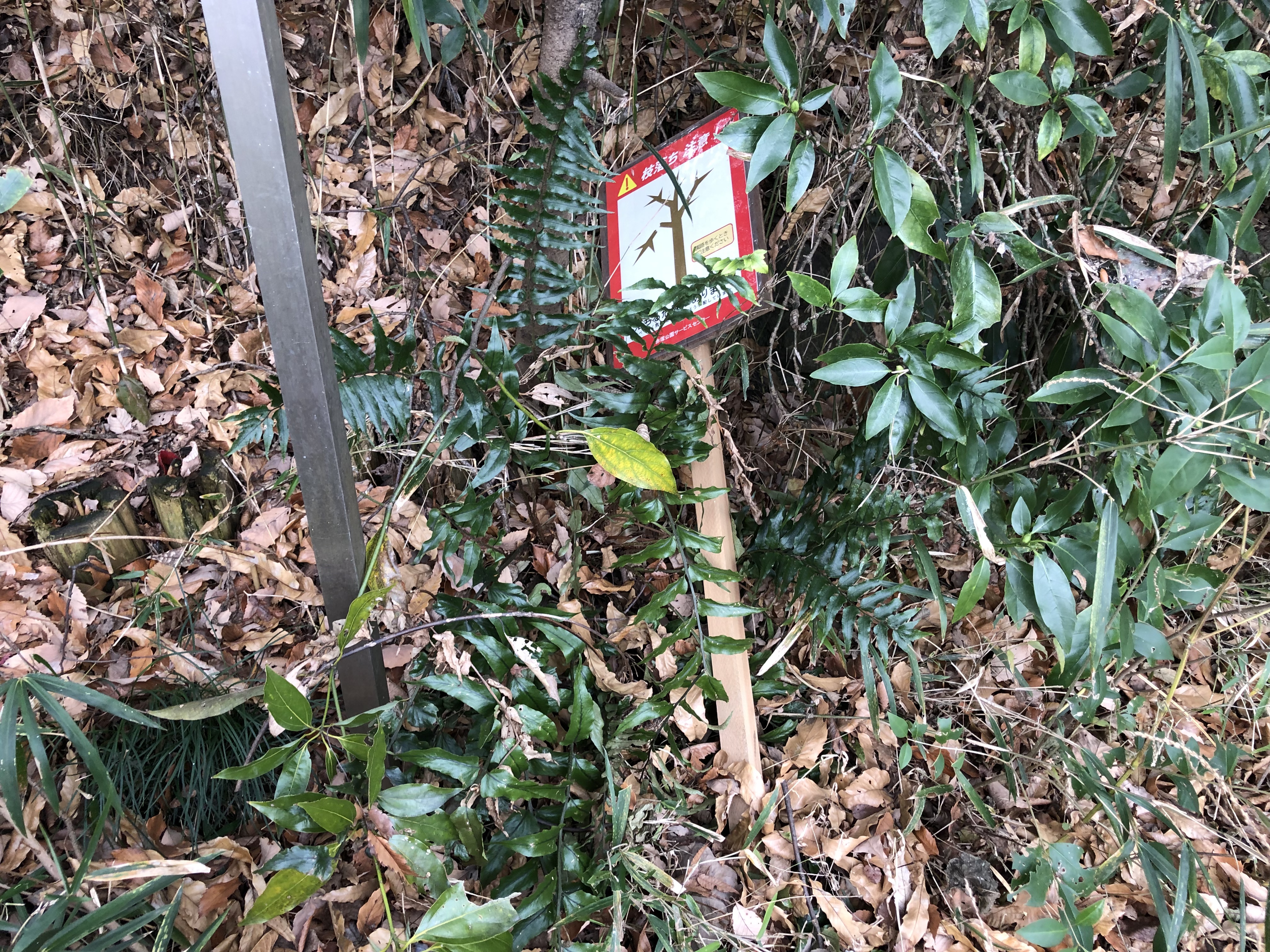
Signs placed intermittently along the steps warn me of the risk of falling branches, but as I climb their steepness, it’s the slippery fallen leaves that prove to be more problematic. I am careful with each step I take, not to slip, not to trip, and not to be hit by a branch hurtling towards me from above. Eventually, I reach the top, where I find the Akatsuka Joshi Park Castle Ruins, the former site of a castle.

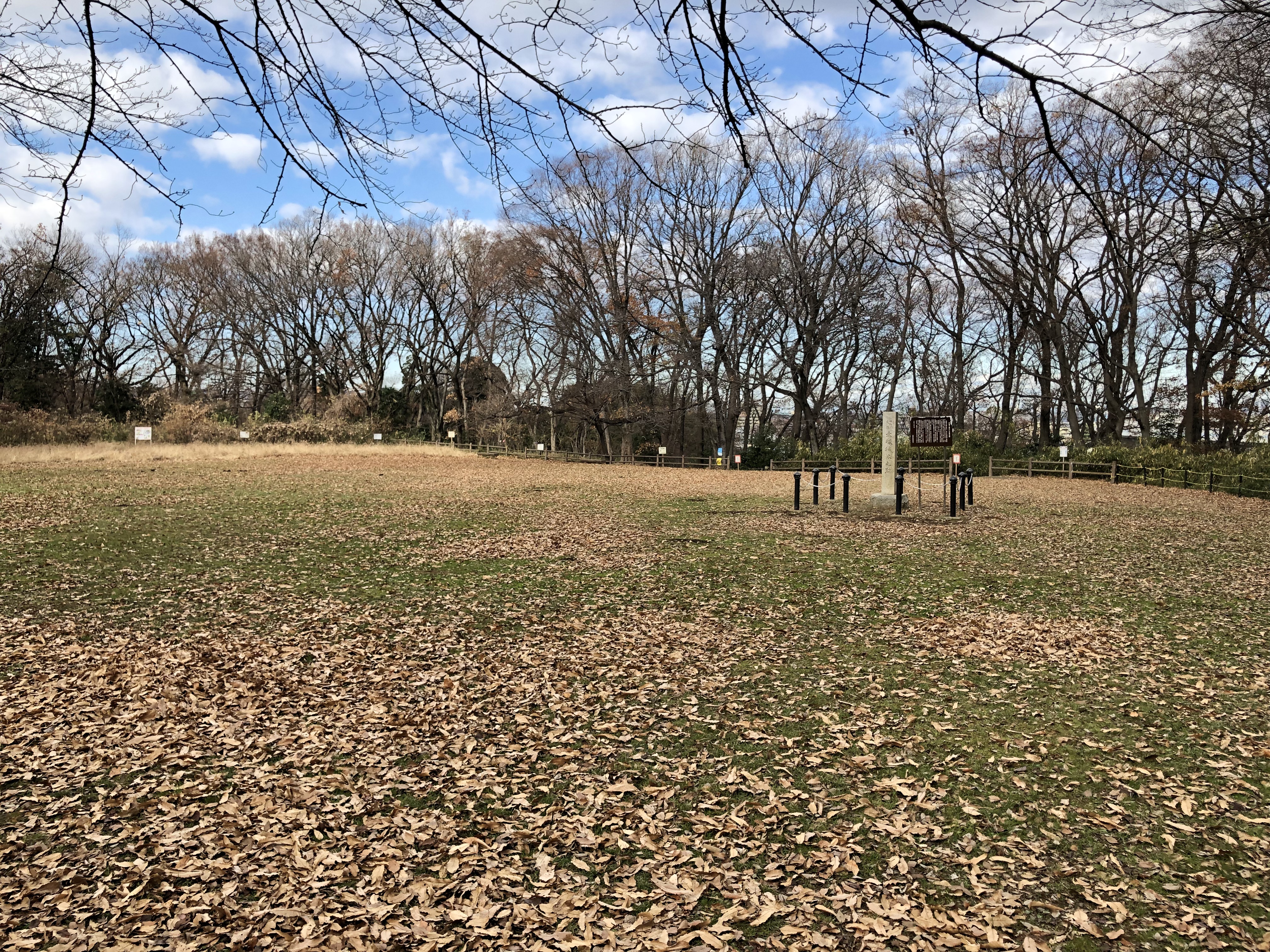
The open space where the beautiful castle once stood feels otherworldly. A single stone pillar serves as a testament to the castle’s former grandeur, the only remnant left in its wake. The bare trees surrounding the area add to the ethereal atmosphere, their stripped branches reaching towards the sky like ghostly fingers.

Yoritane Chiba was a prominent figure in Japanese history and played a significant role in the political and military affairs of the time. The Battle of Sekigahara, in which he played a leading role, was a decisive battle fought in 1600 that marked the end of the Sengoku period and the beginning of the Edo period in Japan. After the battle, he returned to Tokyo where he built this castle to be his home.

As I walk through the Akatsuka Castle Ruins, the empty space awash with fallen leaves, I sense a feeling of melancholy at the thought of Yoritane Chiba’s former greatness, now reduced to nothing but ruins. The castle was dismantled in the late 19th century, and once an important centre of power and cultural significance, now all its former grandeur is lost to the passage of time.

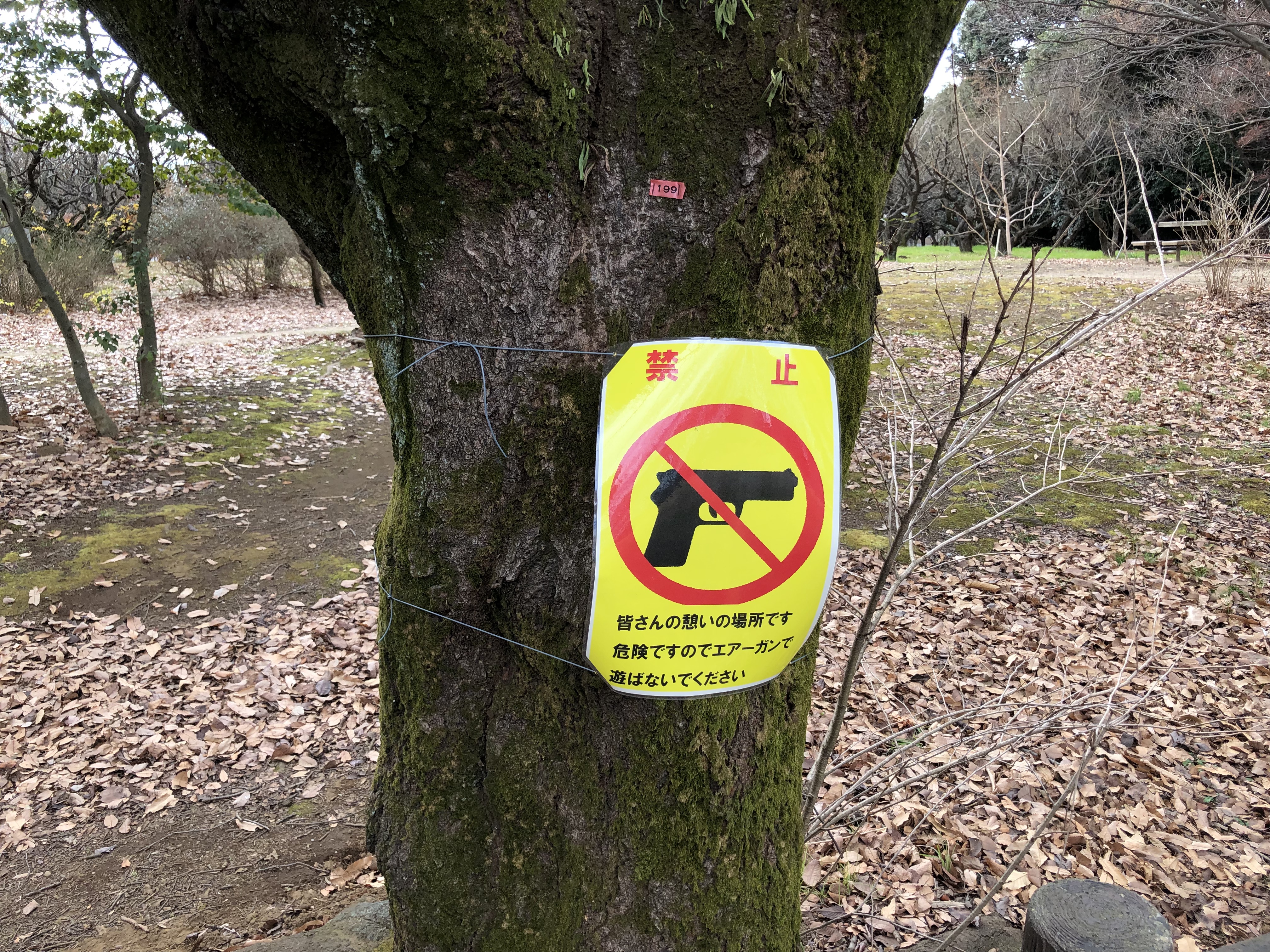
I continue my search for the Great Buddha, envisioning it to be a towering presence in the sky. As I look around, my eyes are drawn to a yellow sign in the distance, reminding me that this is a place for all to enjoy, free from harm, and to not go around shooting anyone.

Descending the steep steps, I notice that one of the signs cautioning against falling branches has itself fallen to the ground. Perhaps they should add a secondary sign as a reminder to watch out for falling signs.

I wander over to Akatsuka Botanical Gardens (also closed today). It seems that, if anything was actually open, this area in Itabashi would have a lot to offer. As I turn to depart, my gaze is captured by the sublime sight of the Buddha’s head rising above the walls of a temple, perched atop a hill like a beacon of tranquillity.

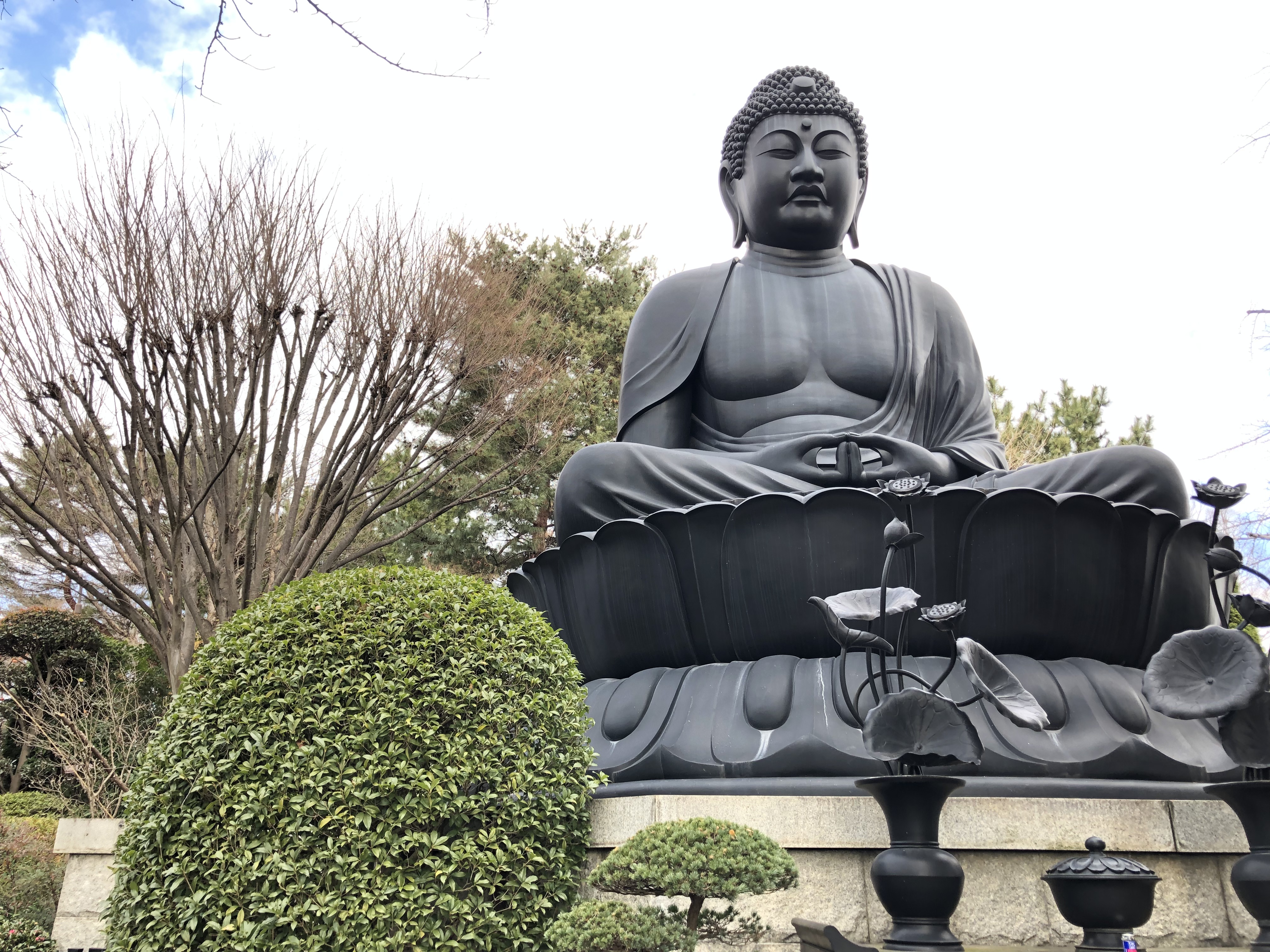
Jorenji Temple is a beautifully landscaped sanctuary that houses Japan’s third largest bronze Buddha, sitting tall at 12.5 metres. Within its walls, I encounter the fearsome King of Hell, also known as Enma-raja, along with the ten Judges of Hell, and Datsue-ba, the old woman who strips the clothing off the dead.

As I stand before the Great Buddha of Tokyo, I am struck by its powerful presence. Looking up at the Buddha’s face, I feel a sense of calm wash over me, and the placement of its head, tilted slightly forward, allows me to feel a deep connection with the statue as I meditate. In this moment, I am enveloped in the Buddha’s freedom from distracting thoughts, and I am filled with a sense of peace and enlightenment.

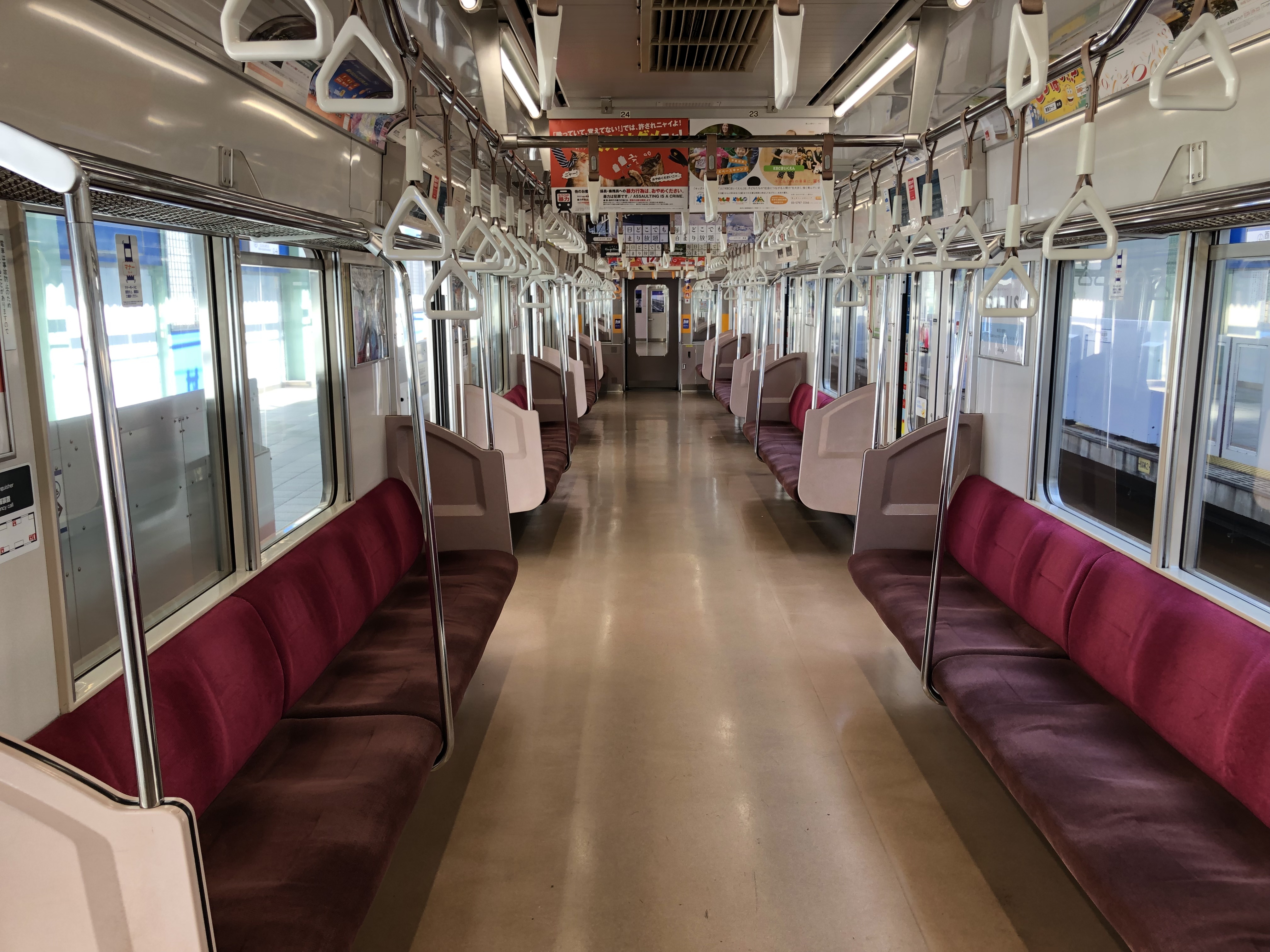
As I make my way back to the train station, passing Akatsuka Park along the way, I board the Mita Line train bound for Sugamo. The train is eerily quiet, its emptiness amplifying the sense of solitude.

As I sit on the train, surrounded by nothing but empty seats and silence, I attempt to pass the time by flipping through the pages of my copy of Tokyo Sewerage News.

Thoughtful Rain, Equal Moisture

As part of Hatsumode, it is a longstanding tradition in Japan to visit a temple or shrine during the first three days of the New Year. This involves returning and cremating old amulets, purchasing new ones, having a fortune taken, and making the first prayer of the year. To avoid the crowds, I have chosen to visit a peaceful temple in Shibamata, located in Katsushika Ward. I awake early, the air still cool and filled with the moisture of the early morning dew, and make my way to the temple to begin the new year with a sense of serenity and reverence.

As I approach the temple, I am welcomed by Taishakuten-Sando, a row of traditional Japanese shops flanking a narrow street that leads to the temple. This street and temple survived the bombing of World War II, offering a glimpse into Japan’s history. As I stroll along the 200-metre stretch, the aroma of simmering oden fills the air and I pass shops selling mochi, pancakes, and rice crackers. Taishakuten-Sando serves as the main shopping street for the quaint town of Shibamata.

Upon arriving at Shibamata Taishakuten, I join the short queue of people making their first wish of the New Year. To make a play on words, I have carefully prepared four ten-yen coins and one five-yen coin (totalling ¥45, which is pronounced Shiju-Goen in Japanese, meaning “always lucky”). As I reach the front of the line, I throw in my coins, ring one of the large bells, and follow the customary ritual of bowing twice, clapping twice, and bowing again before praying for nothing at all.

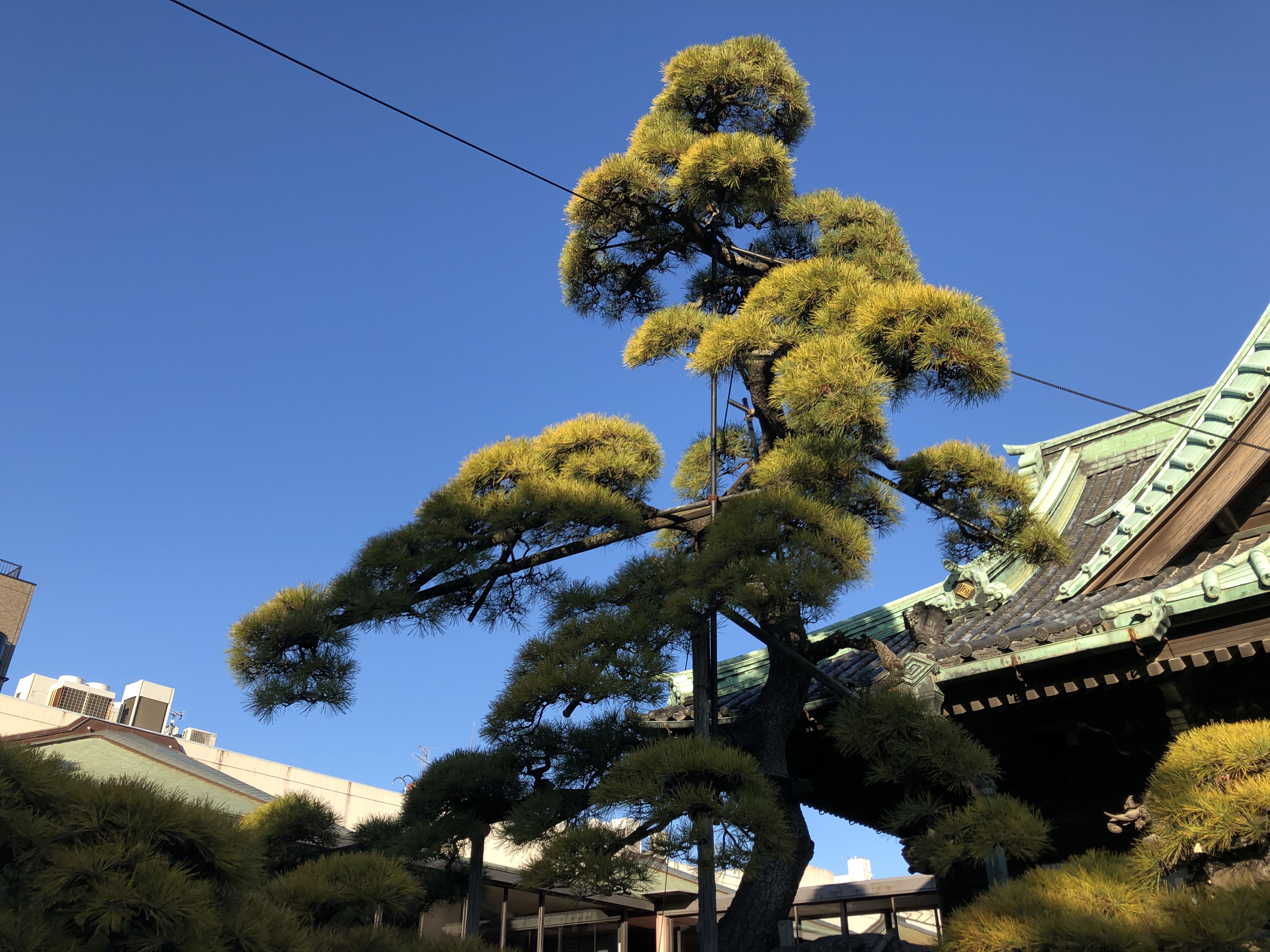
At the temple, there is a large pine tree called Zuiryu-no-Matsu, meaning “dragon of fortune pines.” It towers in front of the main hall and is shaped like a dragon. Its trunk grows straight towards the sky, and its long branches extend north, south, and west. The west branch extends as if the dragon is crawling on its belly on the stone pavement, while the north and south branches spread as if guarding the Taishaku-do Hall. The tree seems to come alive, appearing as a dragon taking flight towards the sky.

The temple was founded in 1629 by a Buddhist monk named Nichiei Shonin, who stopped in Shibamata and, upon discovering a sacred fountain under the grand pine tree, decided to build a hermitage there. The dragon of fortune pines is said to be over 500 years old, stands tall and proud. The Japanese gardens, a later addition in 1926, provide a peaceful and serene atmosphere.

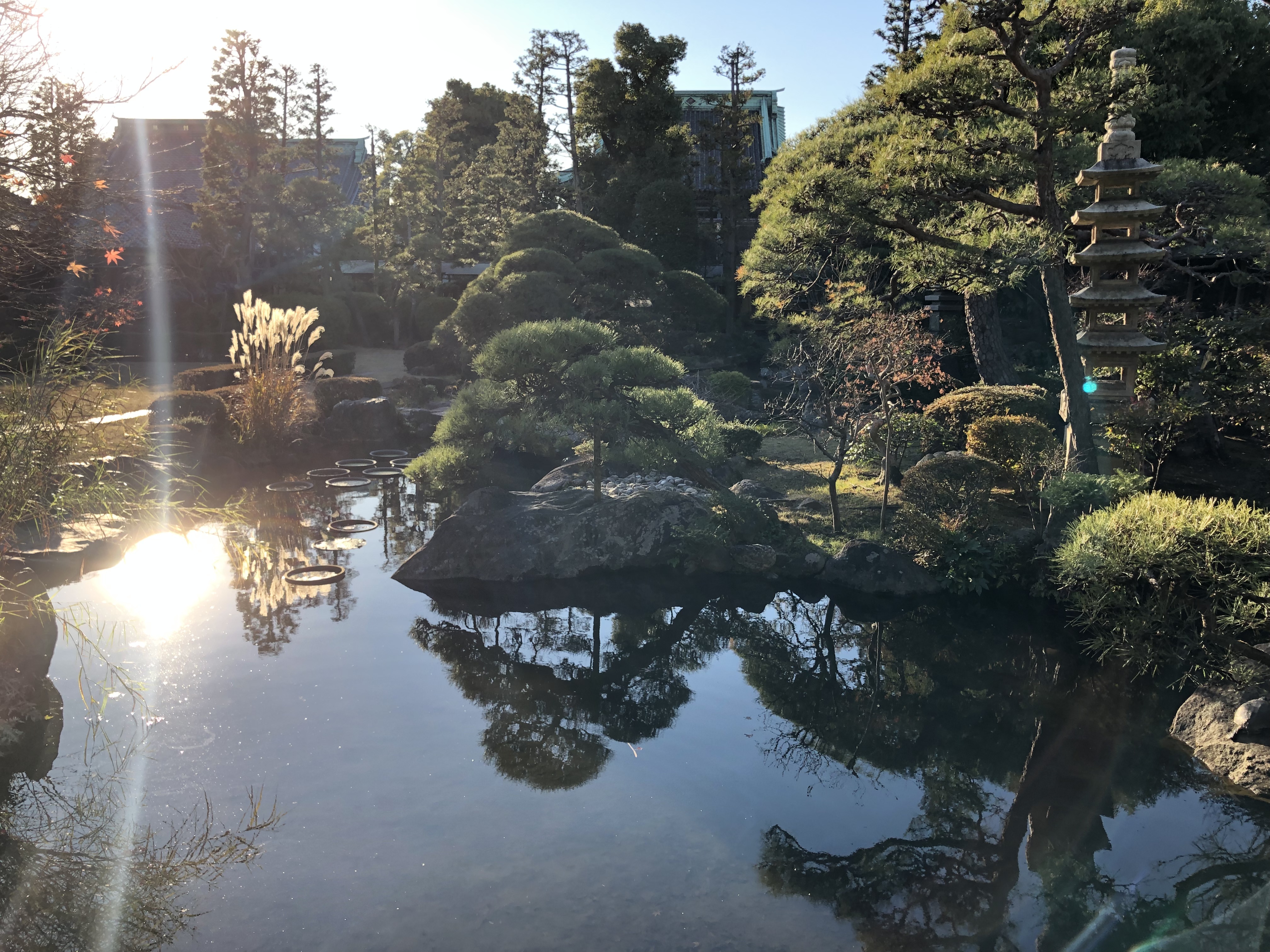
As I leave the tree behind and make my way to the rear of the temple, I come upon the opportunity to purchase a ticket for ¥400, granting access to both the museum and the picturesque Suikei-en Garden. The entrance to the garden is adorned with intricate wood carvings above each tatami mat room, inviting me to step into a peaceful outdoor paradise. The garden boasts stone bridges, flowers glistening with the hanging moisture of the early morning, a charming pagoda statue, a breathtaking lake as its centrepiece, and even a tranquil waterfall.

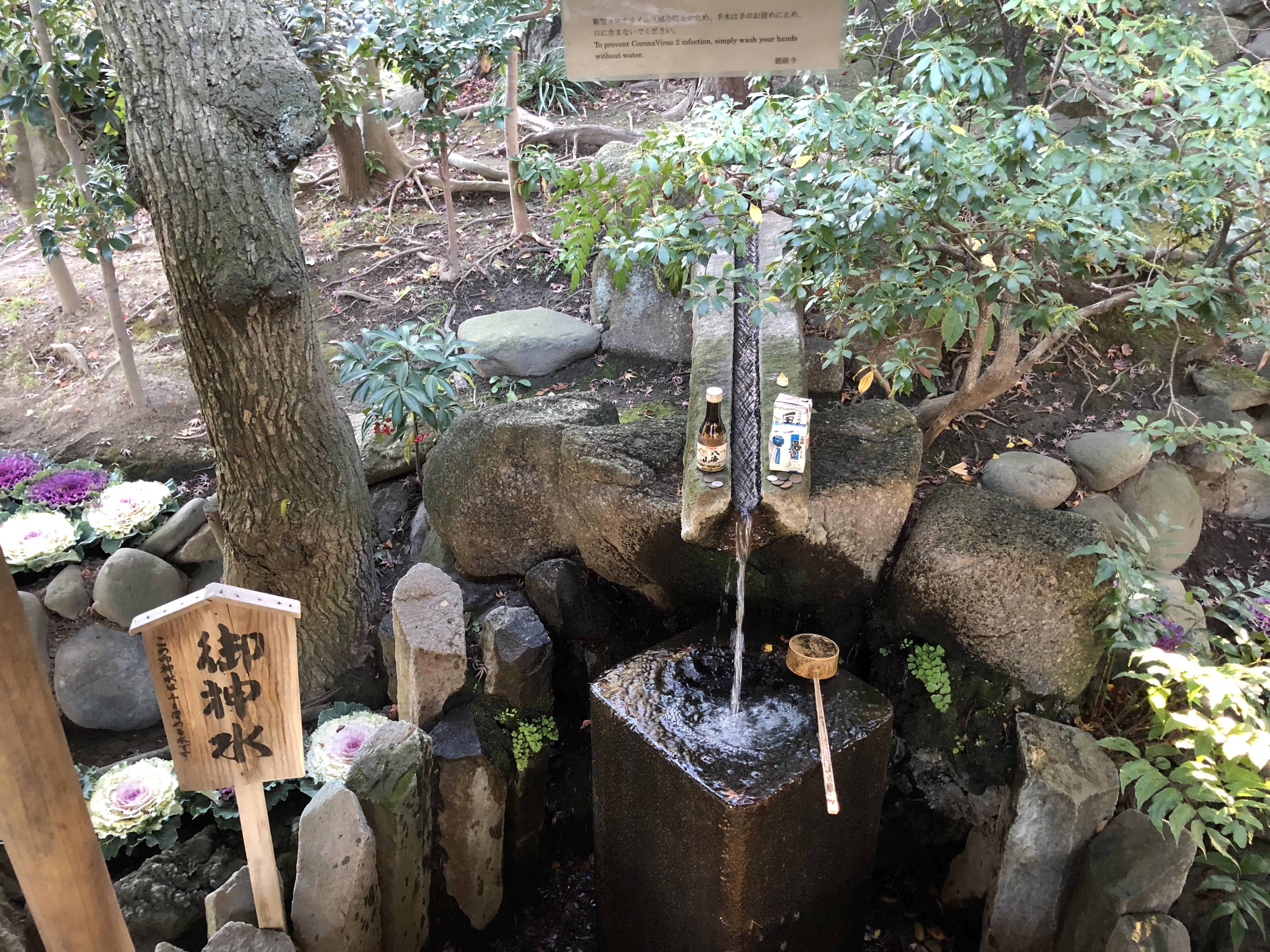
As I stand before the waterfall, I find myself trying to pinpoint the source of my unease. Could it be the way the water flows so slowly, as if in mimicry of rain? The offerings and coins at the base of the waterfall appear unremarkable, yet something about them feels off. And then I see it – the poorly translated notice above, urging me to “simply wash my hands without water” to prevent infection from the ominous Coronavirus. The absurdity of the statement only adds to the disquietude that lingers in the air.

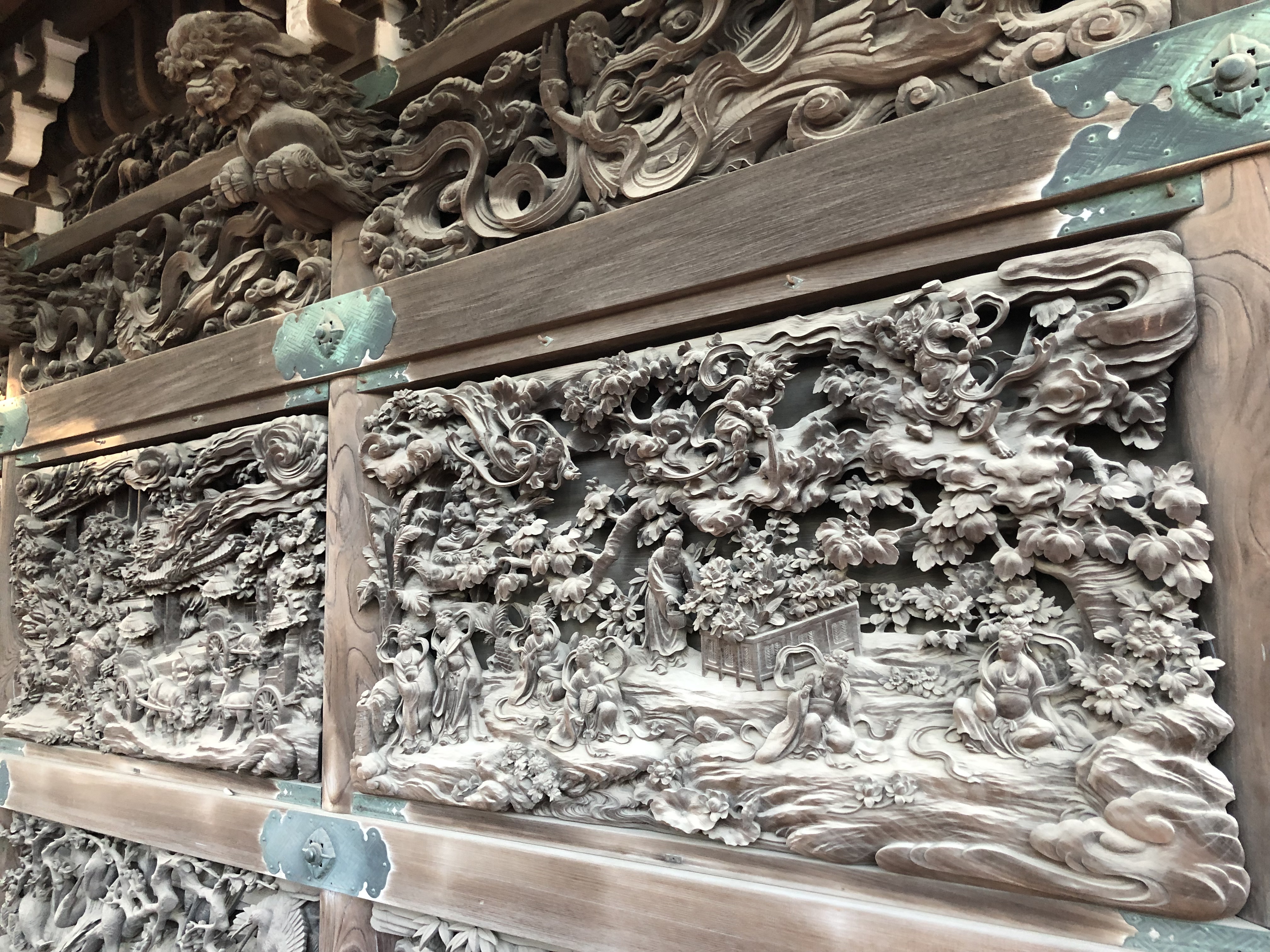
As I enter the museum, my eyes are immediately drawn to the stunning wood carvings that adorn the walls. Each one tells a part of the tale of the Lotus Sutra, with two chapters represented in each intricate, three-dimensional carving. The language used to describe the carvings is nicely written, and one line stands out to me in particular: “We people are like children busily playing in what is a burning house, without any fears.” The artistry and wisdom captured in these carvings leaves me in awe.

Chapter five, entitled “Thoughtful Rain, Equal Moisture,” was carved by Shinko Ishikawa and depicts the following: “The deeply benevolent teaching of the Buddha is similar to the gentle rain that everywhere dampens the soil. Here, the God of lightning and the God of wind appear, and together they let it rain. The great earth is then embraced with a blanket of foliage in which varieties of flowers proudly bloom. With this, the heavenly beings also joyfully dance down to the paradise below.”

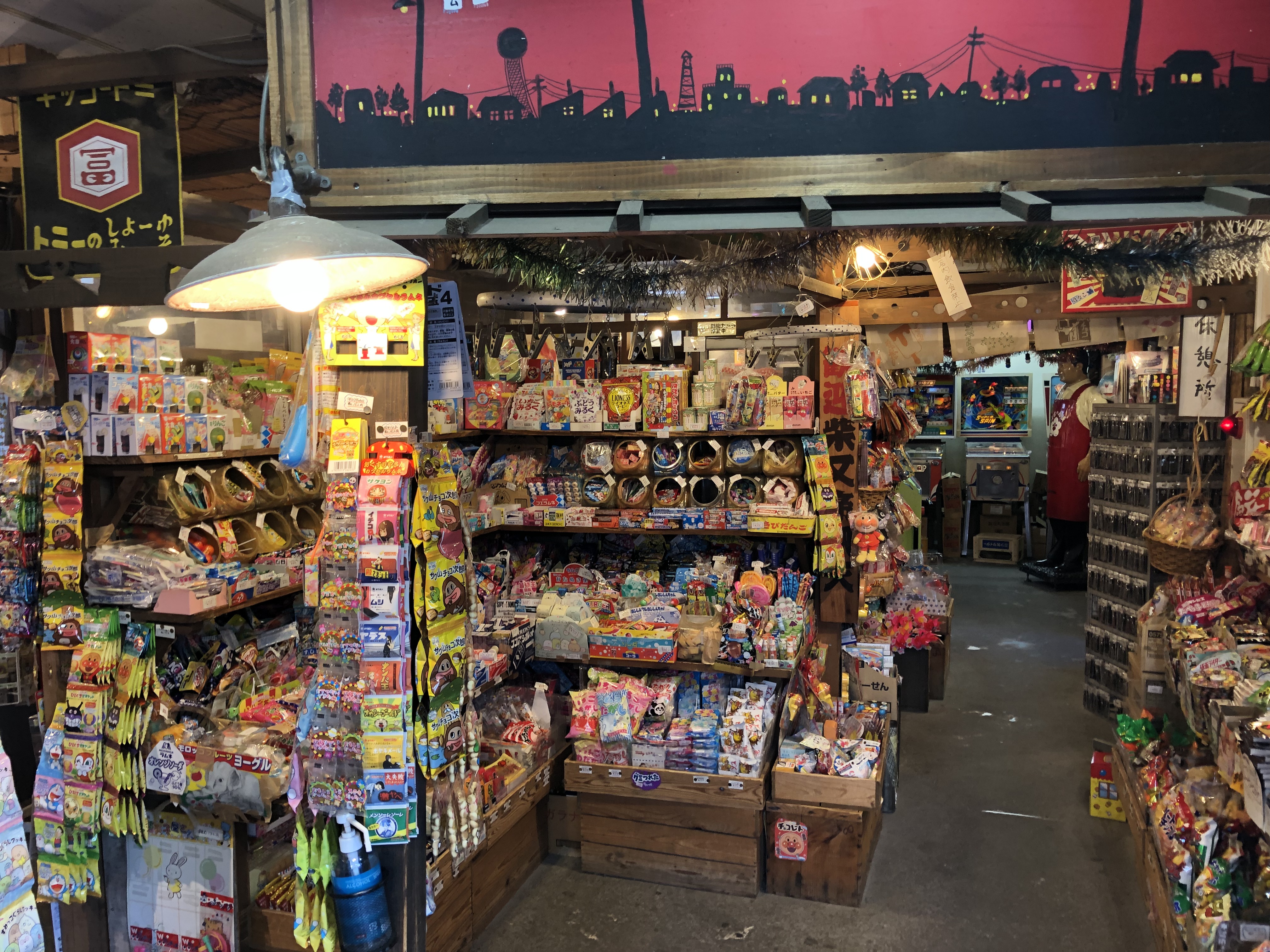
As I leave Shibamata Taishakuten, I step into a large retro sweet shop filled with rows of colourful candy in glass jars. The air is thick with the scent of sugar, and there are every type of sugary treat imaginable. I wander up and down the aisles, passing old arcade machines and pinball tables. On the second floor is the Shibamata Toy Museum, featuring games from the Showa-era. I explore the museum, including a room with a display of dolls depicting the tale of “Momotaro,” or Peach Boy. I eventually head back downstairs to purchase a bag of gummy worms at the counter, before leaving the shop.

The gummy worms turn out to be a lot stickier than I had anticipated, but I have a solution: I’ll just wash my hands without water.

Reflections on a Winter’s Day

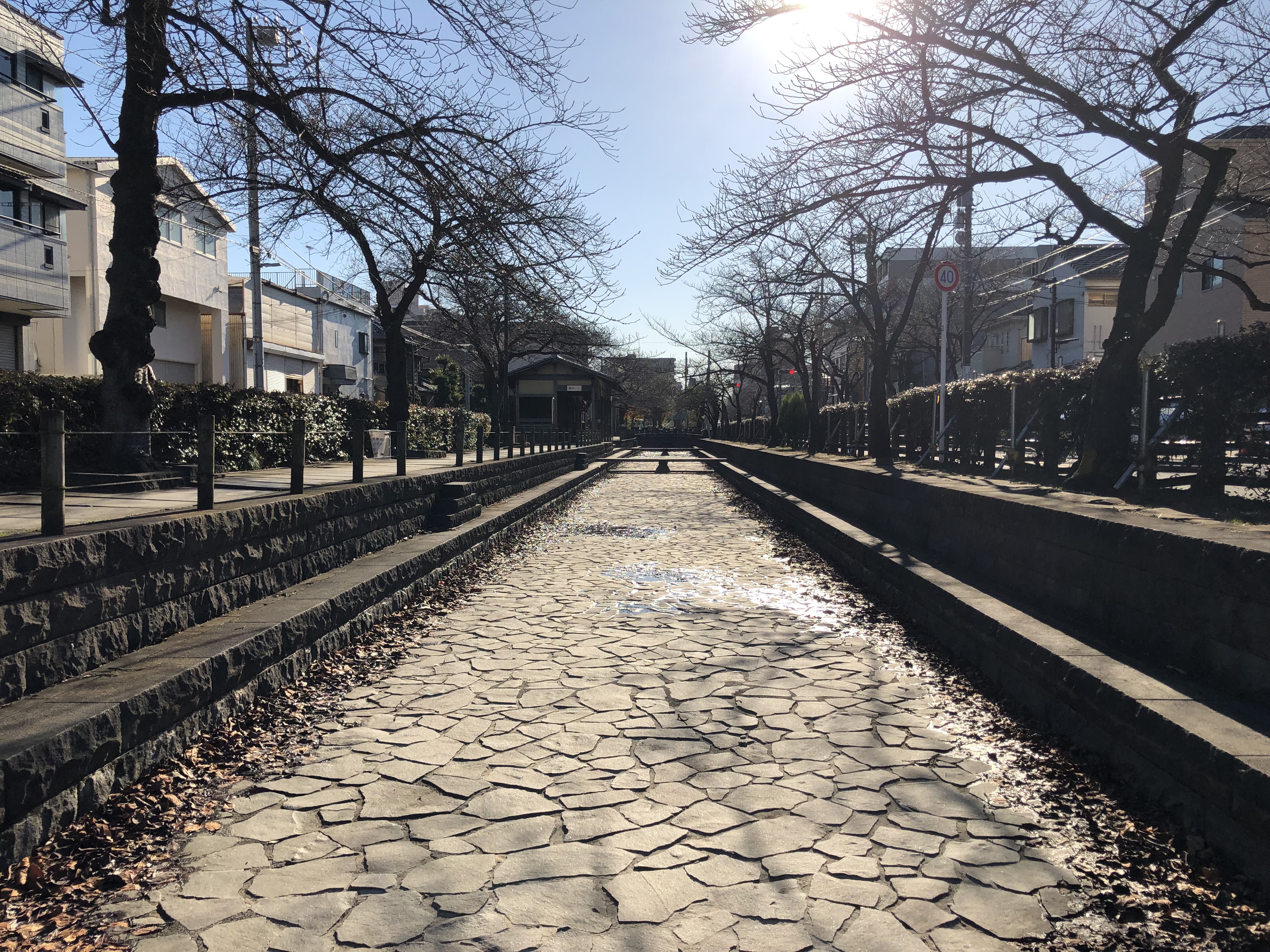
As I walk along Hikifune Water Park Street, a sense of nostalgia washes over me. It’s been five years since I lived in Katsushika Ward, Tokyo, and revisiting my old neighbourhood brings back a flood of memories. The winter morning air is crisp and chill, and my breath turns to white wisps of fog that swirl and still as I make my way to my first destination.

The street itself is unremarkable. It used to be a train line, but now it has been transformed into a park that stretches from the Arakawa River all the way to Ohanajaya. As I begin to walk its length, I can’t help but enjoy the sense of familiarity.

As I wander down the street, memories of my past come flooding back. On a late night walk home with a friend, we had stopped to rest on one of the park’s benches, halfway through our journey. My friend was convinced he heard the sound of a train echoing down the length of the park. It’s said that at night, a ghost train can be heard thundering down where the old train tracks once were, and I’ve heard similar accounts from others. It’s a story that has stuck with me, and one that has been corroborated by others who have experienced it.

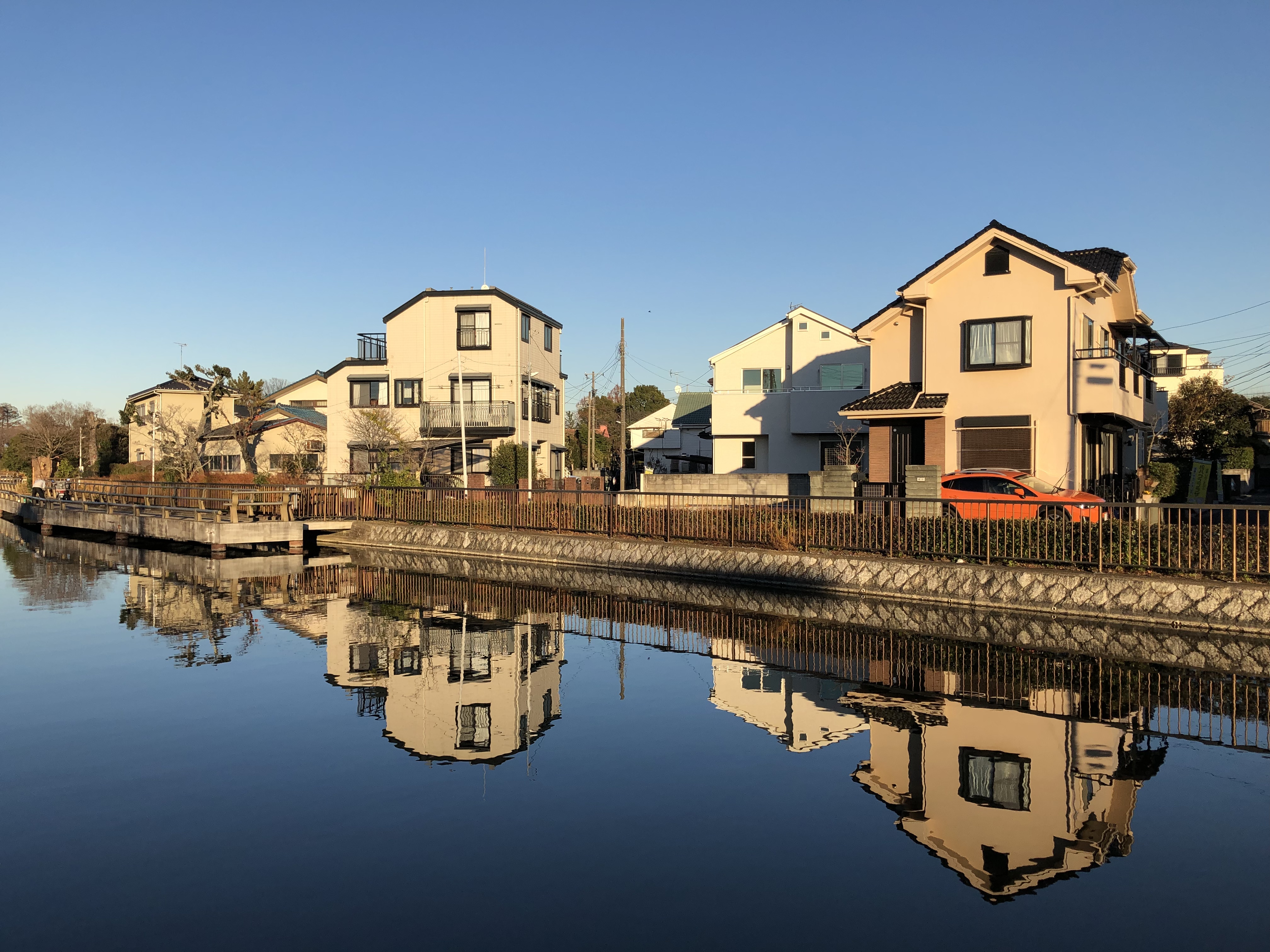
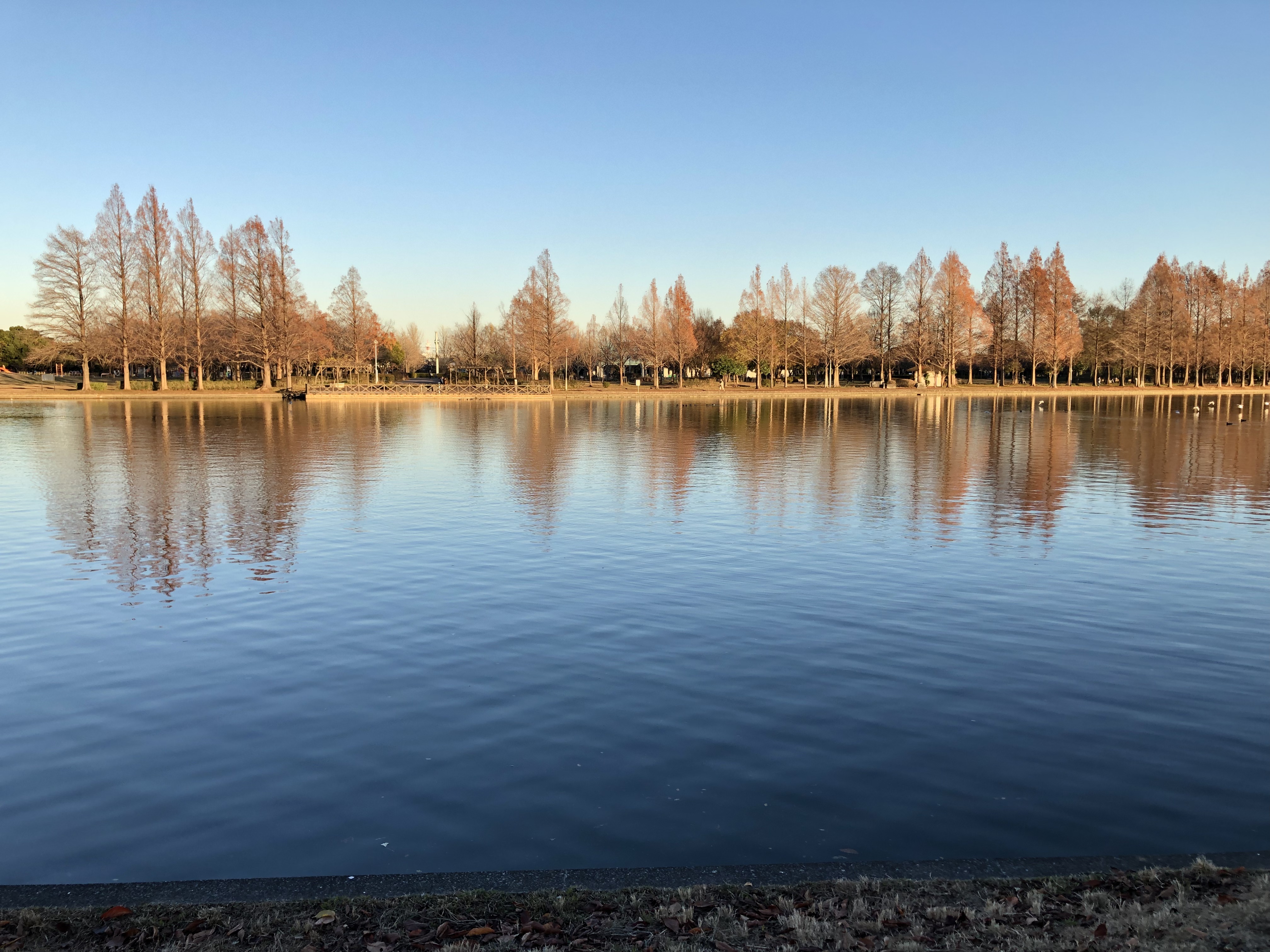
As I continue my leisurely walk, I pass Ohanajaya Station, its name, meaning “Tea and Flowers,” imparting a sense of charm. However, every time I pass by, the song “Govinda” by Kula Shaker runs through my head, as I rhyme its catchy refrain of “Ohana Jaya Jaya.” Eventually, I arrive at the picturesque inner reservoir of Mizumoto Park, my gaze drinking in the peaceful surroundings and the stunning reflection on the water’s surface.

Mizumoto Park is the largest park in Tokyo. Bursting with lush gardens and natural beauty, with a large pond at its centre. The park boasts an aquatic plant garden, a bird sanctuary, a babbling stream field, and three car parks. In early spring the park becomes awash with the gentle pink hue of the cherry blossoms.

I make my way over to one of the ponds and sit upon a bench for a time. I watch as a turtle gracefully swims through the water, its movements causing ripples to spread across the surface. The reflections of the surrounding trees dance and shimmer upon the water, creating a mesmerising visual display. The soothing sounds of chirping insects and rustling leaves add to the peaceful atmosphere, and I am content to sit and take it all in.

As I sit on this bench, surrounded by the tranquil beauty of the pond and the trees, a sense of melancholy envelops me. I reflect, thinking back on the year that has passed, and the ephemeral nature of time. I realise that I don’t have any plans or dreams for the future, and the thought fills me with a sense of sadness. All I know is that for now, I want to keep exploring the hidden corners of Japan and sharing my adventures through my words. But in this moment, the weight of my own insignificance and the impermanence of everything feels almost overwhelming.

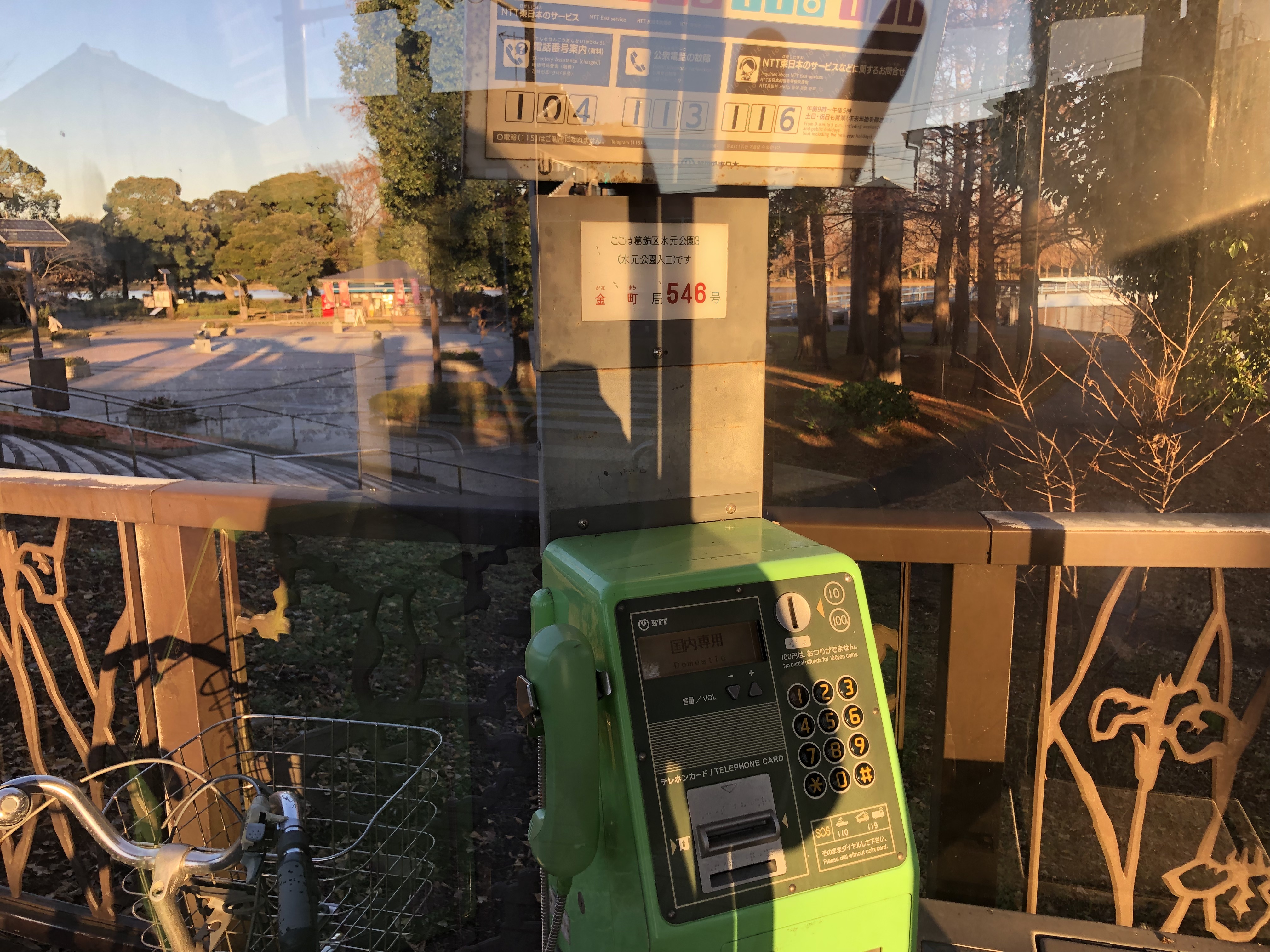
As I continue my peaceful walk through the park, I come across a telephone box nestled amongst the flowers. Legend has it that this particular telephone box is also haunted, and that at dusk a ghostly figure can be seen lurking inside. However, as I peer closer, the only ghost I find here is the reflection of Mount Fuji in the glass. It’s a breathtaking sight, and I stand for a moment, mesmerised by the beauty of it all. For some reason, the mountain is not visible to the naked eye here; it exists only in the glass of this haunted phone box.

As I wait for the sun to set and darkness to envelop the park, I am treated to a daily ritual at 5 o’clock. The speakers throughout Katsushika emit a creepy, slowed-down song accompanied by an eerie chime. The song echoes throughout the park, reminding me that the day is coming to a close and it’s time to return home. The pealing bell of the mountain temple beckons me, promising the sight of a bright, round moon shining down and illuminating the sky in twilight, filled with the brightest stars as the birds begin to dream.

Marriage on the Rocks

As the dawn breaks, I set out for Himeji, Hyogo Prefecture, my ultimate destination: a resplendent castle, the most visited in all of Japan and a UNESCO World Heritage Site. I had previously visited this castle back in 2012, but the main building was undergoing maintenance work at the time, and I was unable to catch a glimpse of its splendour. Instead, the cladding around the castle featured an image of its future state, once the five-year renovation of its roof and walls was finally complete. Today, I get to finally see the future for myself.

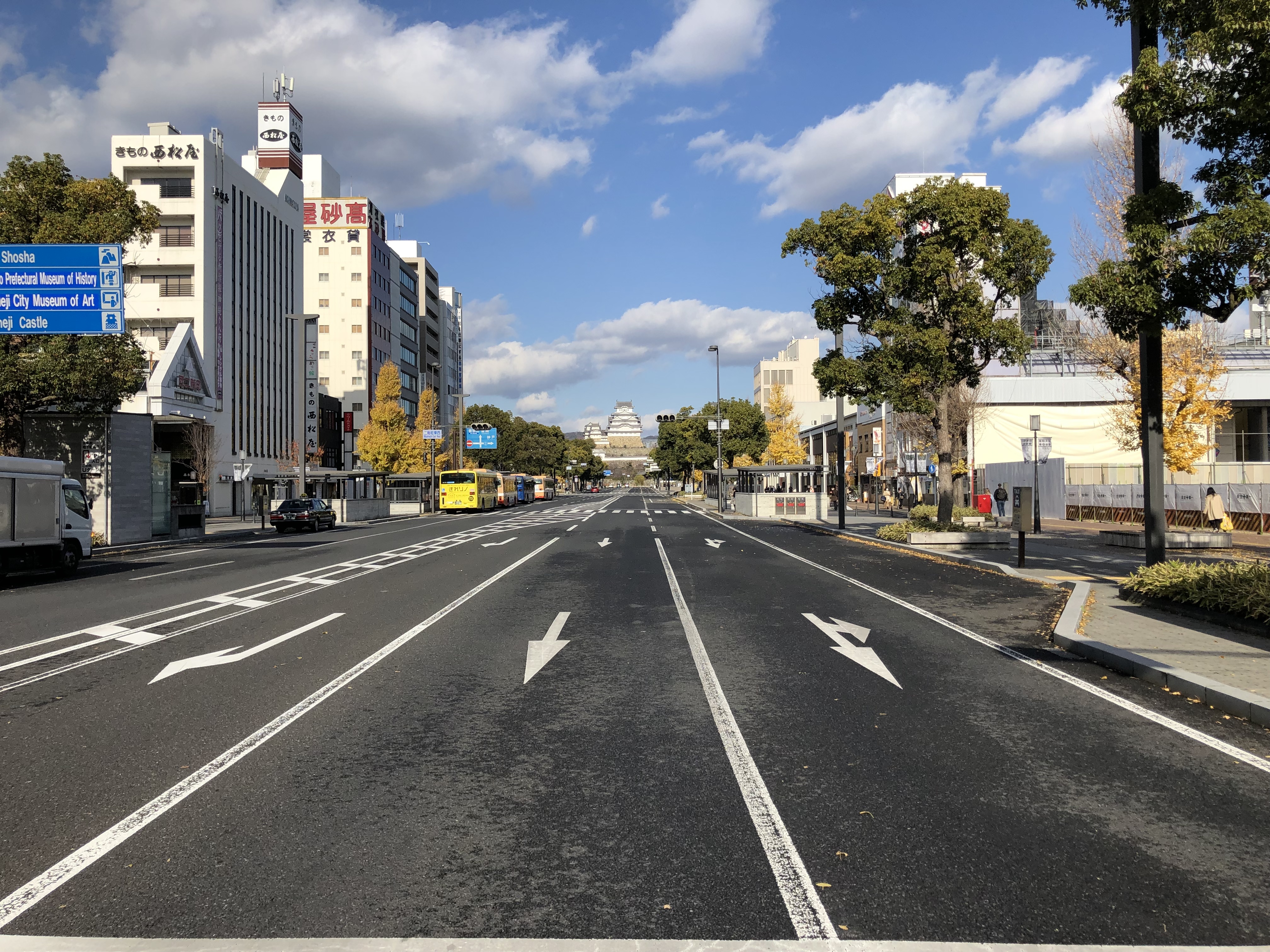
Leaving Himeji Station, I stroll along Otemae Street, a kilometre-long street running between the station and the castle. This charming street is lined with shops and restaurants, and the trees are neatly arranged on either side, their branches reaching skyward in a wild, untamed fashion. The empty roads are absent of cars, providing an unobstructed view of Himeji Castle, which rests atop a distant hill like a sentinel of the past.

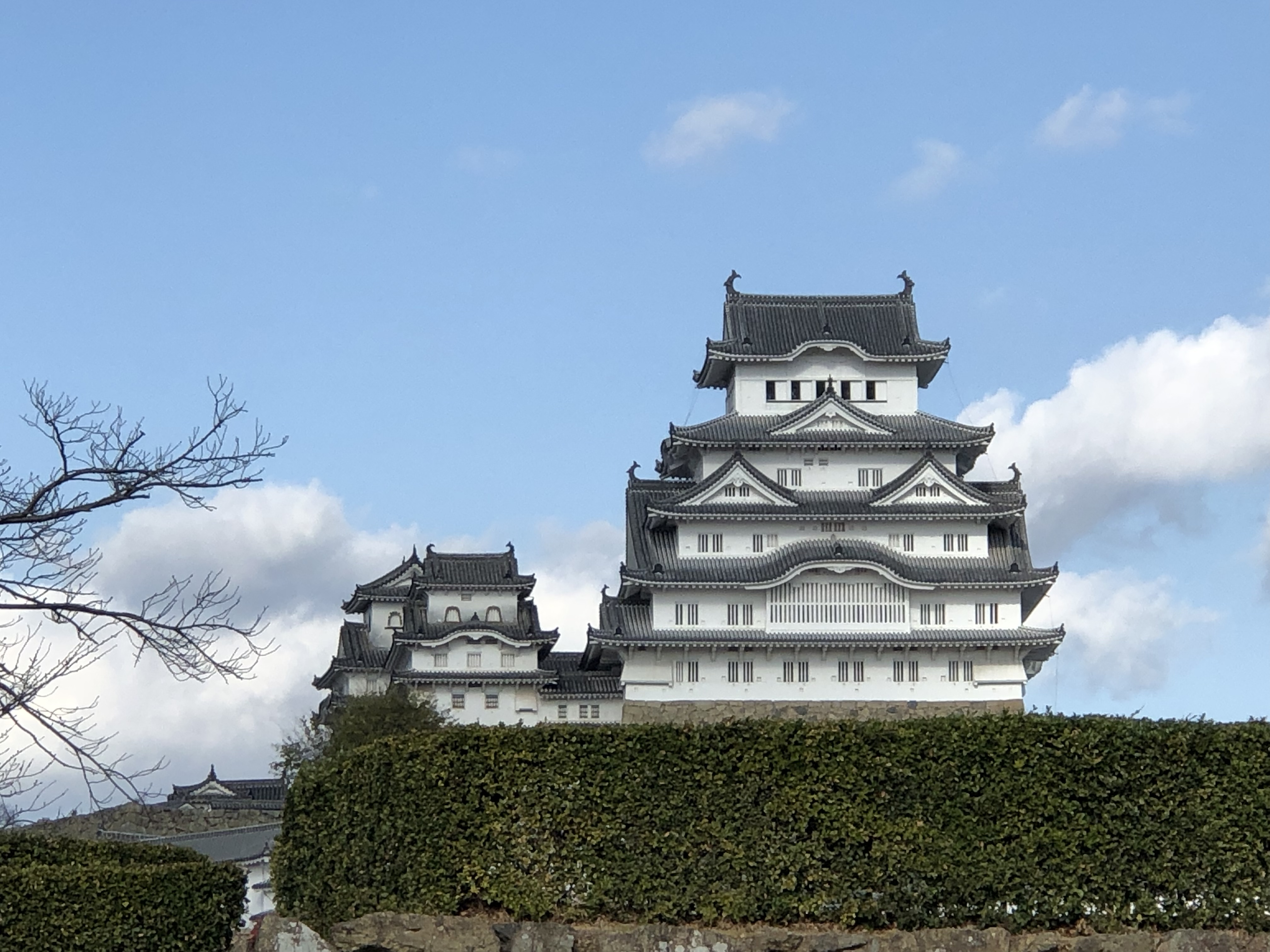
Himeji Castle has earned itself the nickname “White Heron Castle,” due to its supposed resemblance to a bird taking flight, and because it is strikingly white. For the last 400 years, Himeji Castle has survived bombing during World War II and a multitude of devastating earthquakes and typhoons. It remains one of Japan’s best examples of 17th-century castle architecture.

The castle and its sprawling network of 83 buildings and gardens stretch across a vast expanse of 233 hectares. Even though I have visited before, the sheer size of the castle, along with the impeccably maintained grounds and gardens, is nothing short of breathtaking. It is a veritable kingdom of history and beauty, a realm that leaves one feeling utterly overwhelmed by its grandeur.

I bid farewell to the castle and embark on a journey by train to Osaka. From there, I transfer to a local line train bound for Ise City, Mie Prefecture. My journey is a long and tedious one, with my train halting at each of the 73 stations along the way, incurring a hefty cost and consuming three gruelling hours. At almost every station, the train is met with silence, as not a soul disembarks or boards. It is a complete waste of time. Halfway into my journey, the train is severed in two, and I am moved to the front carriages by the staff. As my truncated train pulls away, the express train bound for Ise City arrives at the platform, leaving me to rue my misfortune and wonder why this was not disclosed to me earlier.

At last, I arrive at Ise Station, where I must transfer to a local line that operates on a limited schedule, running just once an hour. This train will bring me closer to my ultimate destination. Time is of the essence as I have only six minutes to make the switch, but as if to mock my efforts, my ticket gets swallowed up by the ticket machine at the transfer gate. A loud, flashing red notification blares out the ominous words: ‘Ticket jam! Ticket jam!’ It seems that my luck has taken a turn for the worse.

The staff member takes an age going through each and every intricate mechanism within the machine with a pair of tweezers, trying to find my lost ticket. He won’t wave me through because he can’t confirm that I have paid up to this station, I am stuck waiting for what feels like an eternity, and just as time seems to stand still, I miss my connecting train. After about ten minutes, I receive my ticket and the only solace I take is the fact that I got to see the immense inner workings of a Japanese ticket machine.

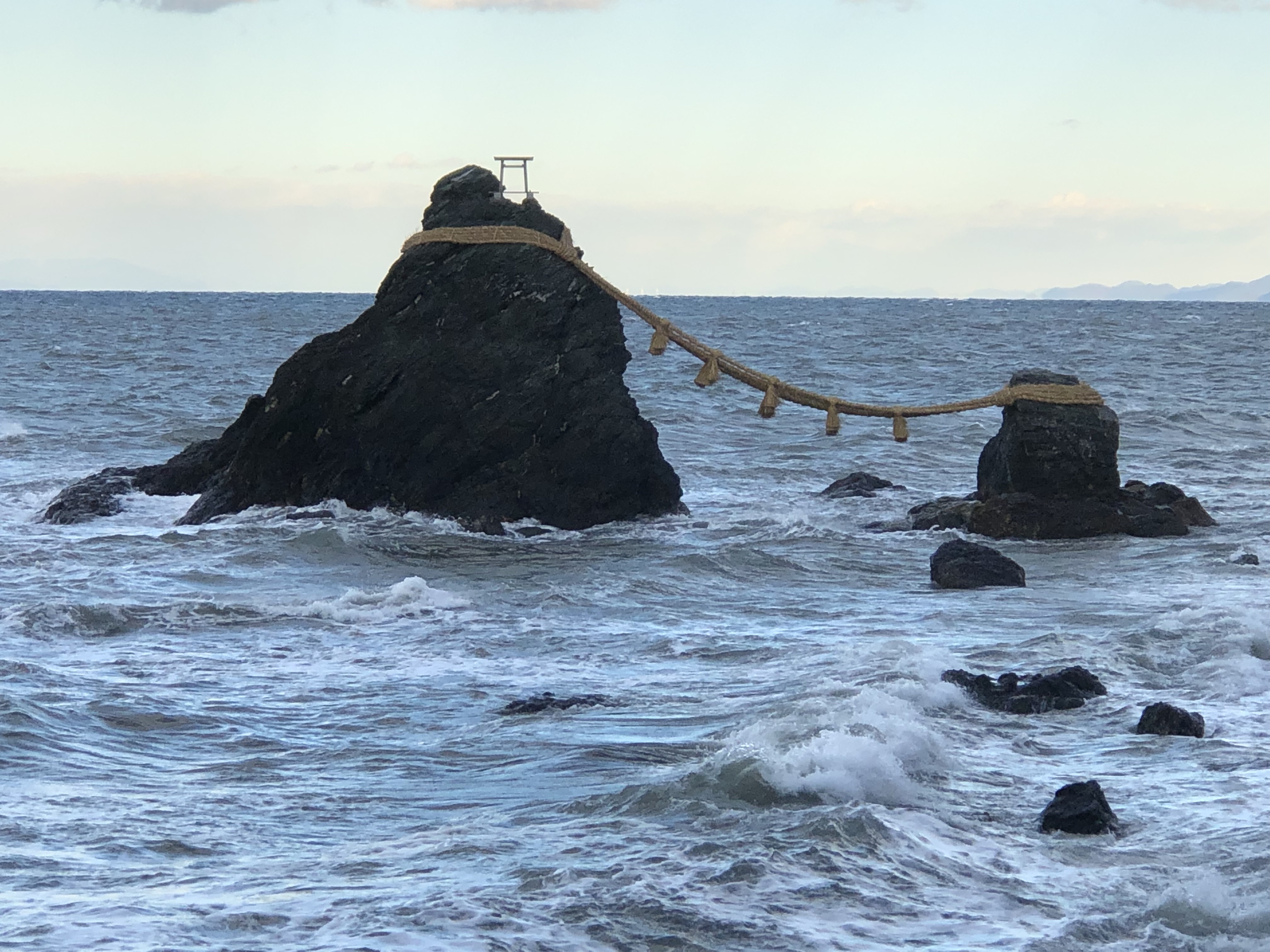
With no train for the next hour, I opt to walk the roughly eight kilometres to my destination, braving the ghostly chill in the air as I cross the Isuzu River. Eventually, I arrive at a place known by three different names: Futamiokitama Shrine, Meoto-iwa, and the Wedded Rocks. The rocks sit placidly in the water, with the small torii gate perched atop the larger rock like a crown. The gentle waves of Ise Bay add to the serene atmosphere of the scene.

The larger of the two rocks is said to represent the husband, while the smaller rock represents the wife. These two rocks are connected by a massive, thick rope, which, according to Shintoism, symbolises the unity of marriage between the two most important gods in Japanese mythology, Izanagi and Izanami. On a clear day, one can see the majestic Mount Fuji on the distant horizon, its frosted peaks a breathtaking sight above the graceful rocks below. However, my luck continues to abandon me as Mount Fuji is nowhere to be seen today. Perhaps I’ll see it later.

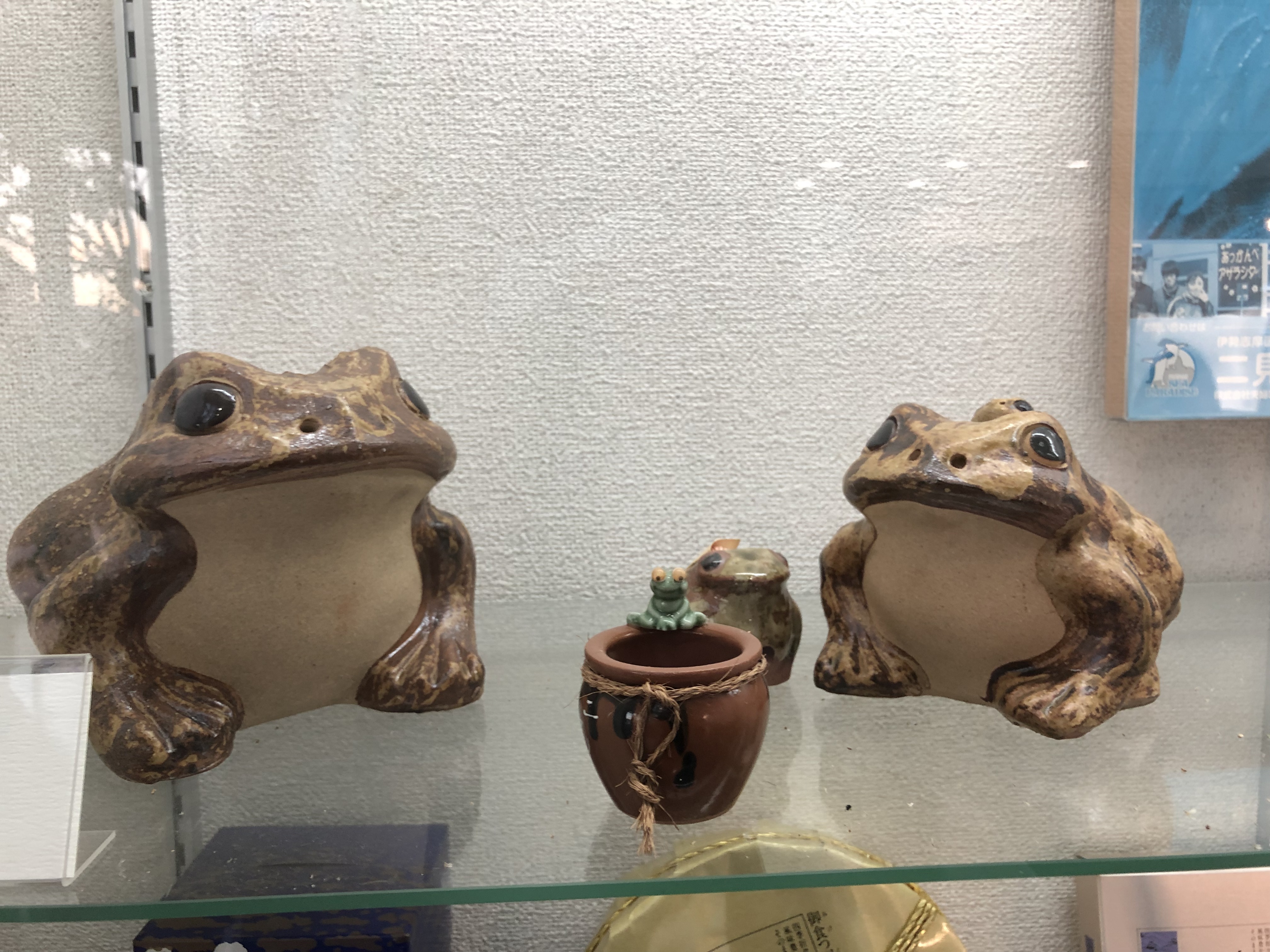
Seemingly unrelated to the story of Meoto-iwa, I also notice that sculptures of frogs are incredibly popular here – in fact, they seem to be absolutely everywhere!

The frogs here are a rarity, believed to have the power to grant specific wishes – particularly those related to returning home or recovering lost items. The Japanese word for ‘return’ or ‘go home’ is ‘kaeru’, which also happens to be the word for ‘frog’. It seems the presence of all these frog statues is simply because of a play on words. If only I had had one at the station with my lost ticket.

After all of my recent travels, I am completely exhausted and decide to take a break in Tokyo to reconnect with some old friends and participate in the New Year’s celebrations. I board a slow local train heading north to Nagoya, before switching to the high-speed bullet train bound for Tokyo.

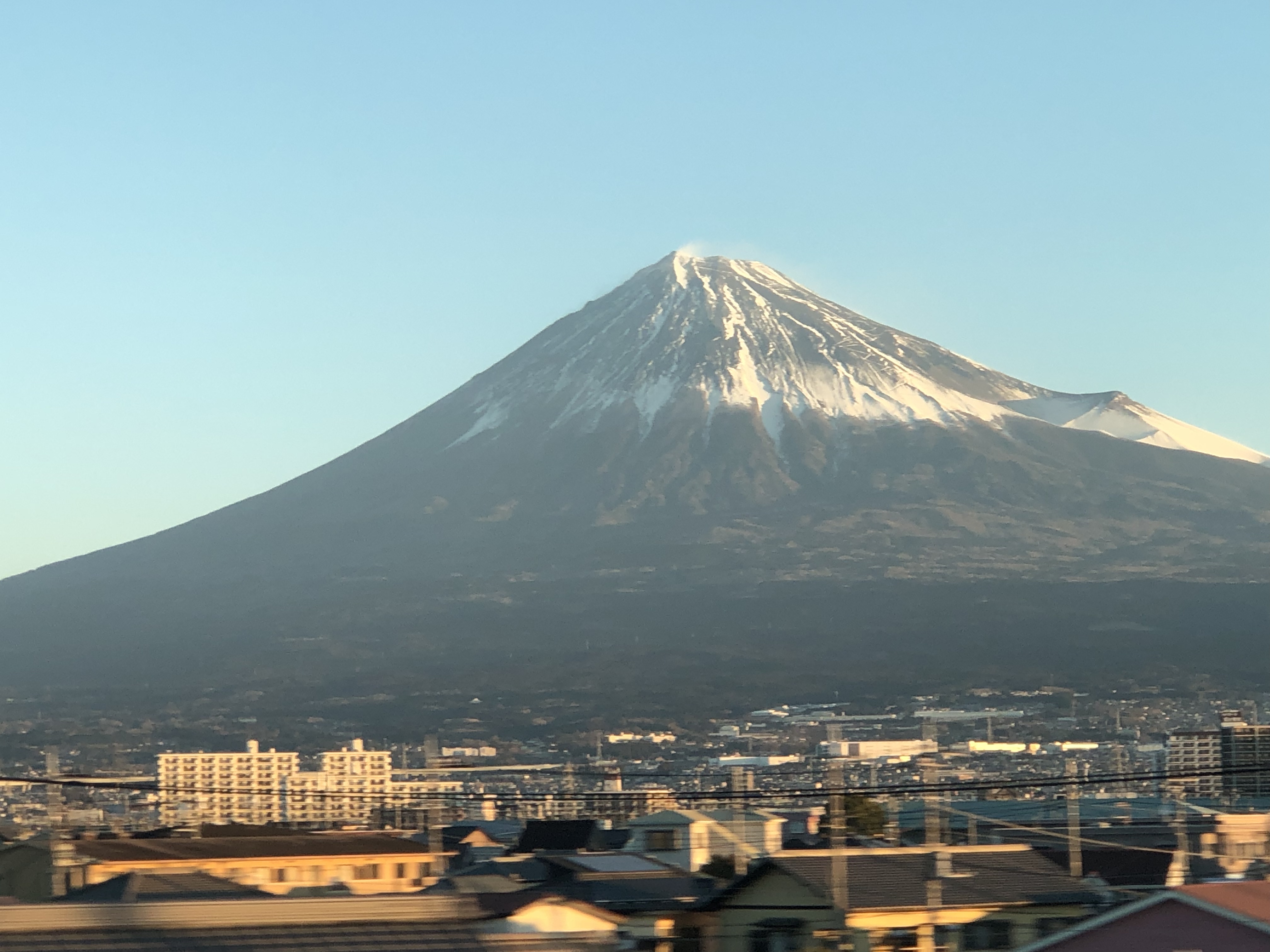
From the train, the graceful, snow-capped beauty of Mount Fuji greets me.