Where I End And You Begin

I decide to do some sightseeing for the final time in a while. After taking three different trains, I arrive at Mitsumineguchi Station, the last stop. It’s almost three hours from Tokyo, and at times I wonder why I have made this journey into the middle of nowhere. Stepping off the empty train, I find the station is completely unmanned, so I place my ticket into a wooden box. I notice that the ticket machine doesn’t appear to be working either, so there is no way for me to purchase a ticket for the way back. I wonder if that’s to stop anyone else from leaving.

Stepping out into the cold, the fog casts a haunting shadow over the hills and village below, a thick, dense mist that seems to swallow everything in its path. The kind of ghostly white fog you would expect to find in a horror movie; a sign of things to come. As I wander across a bridge, I stop for a moment to take in the breathtaking yet unsettling scenery.
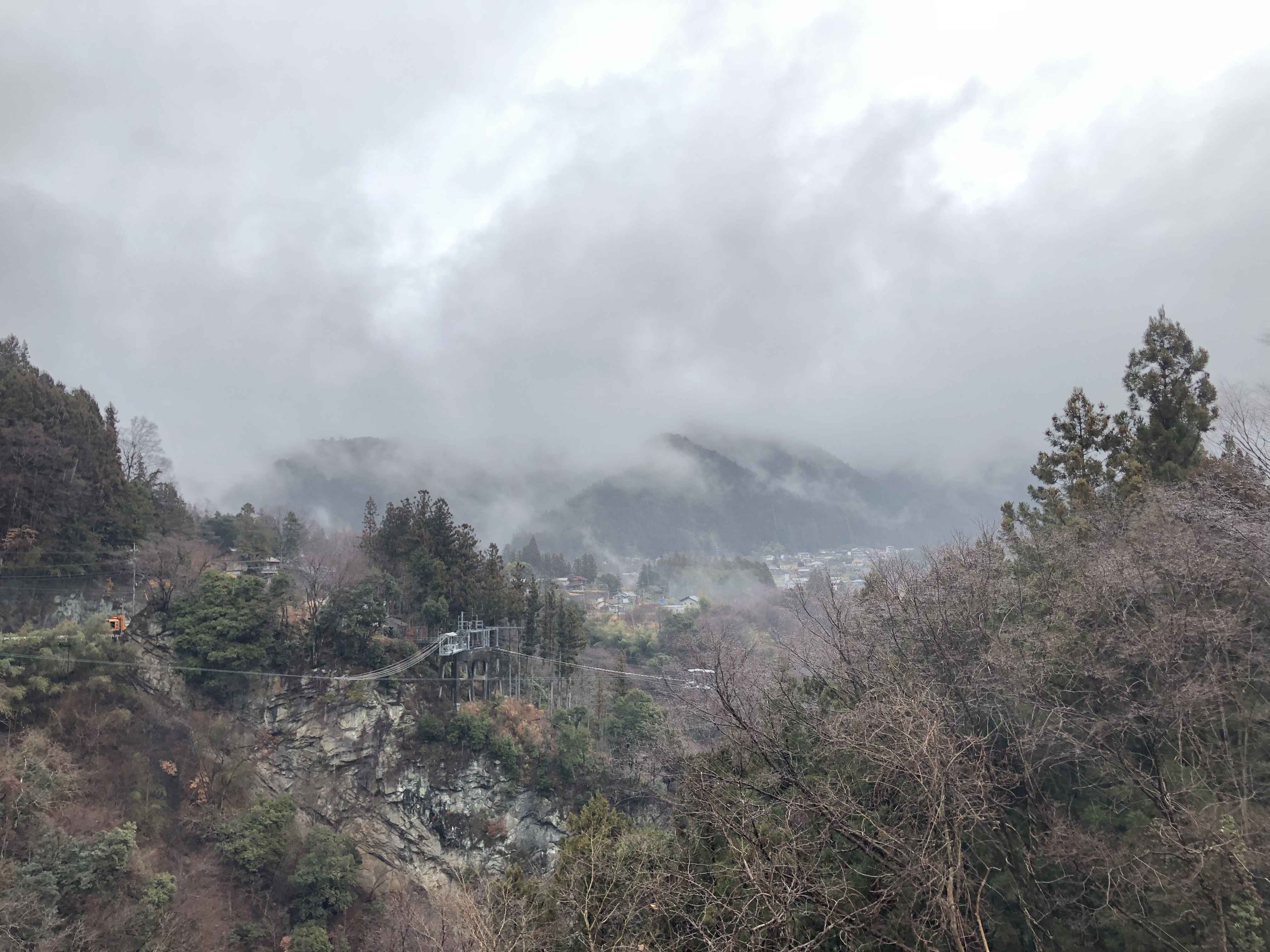
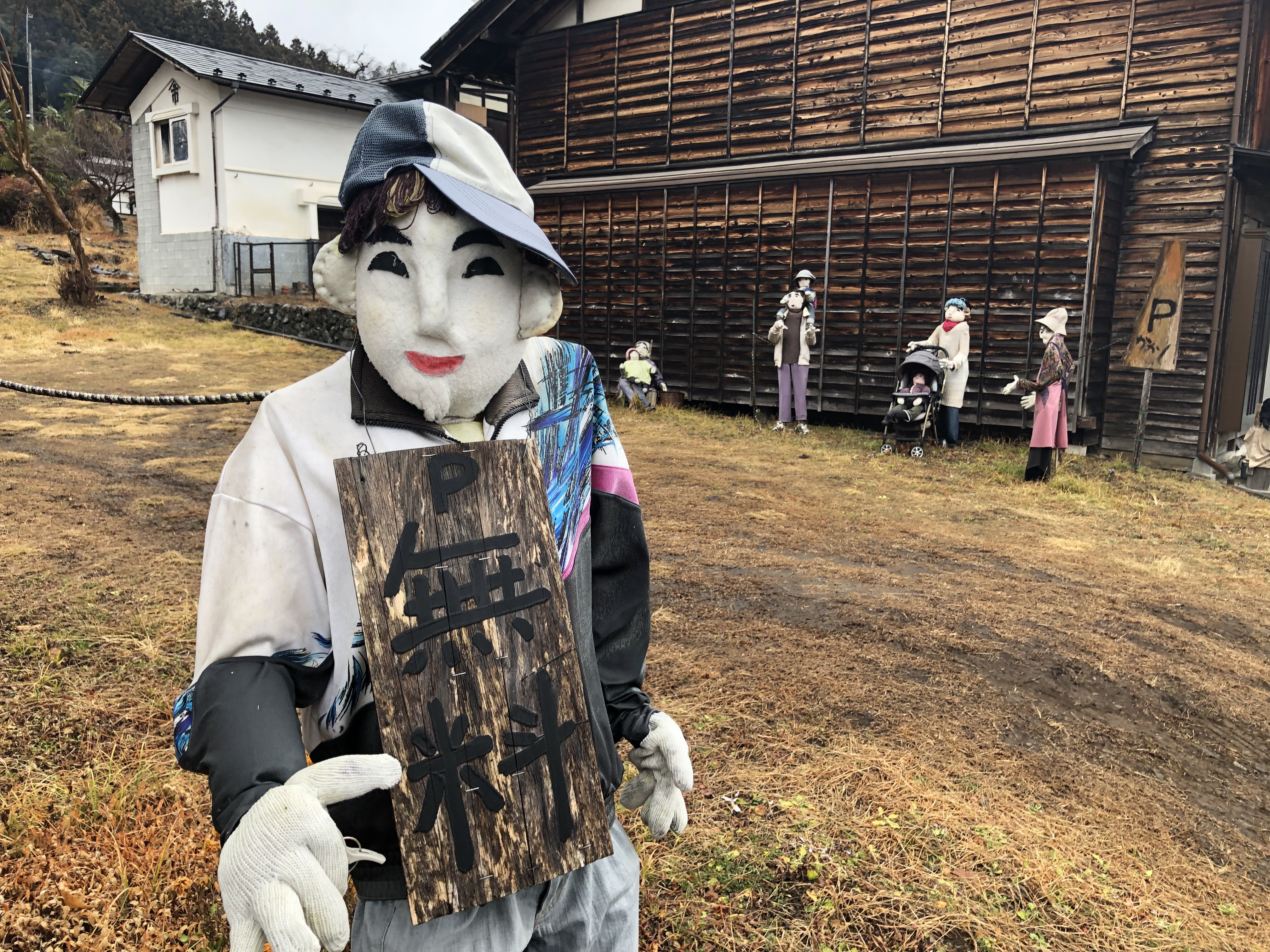
As I continue my stroll from the bridge, I am enveloped by an eerie silence. The only thing that breaks the stillness is the soft whisper of the wind blowing through the fields. A village stretches out before me, a ghost town. Scarecrows line the streets, their lifeless eyes following my every move. They stand outside almost every house, yet the village is deserted, there’s not a soul in sight.

I feel a shiver run down my spine as I realise that I haven’t seen a single person since five stops ago on the train. I can’t shake off the feeling that I am being watched, that these scarecrows are somehow alive. I wonder what kind of village I have stumbled upon. As I wander deeper into the village, I eventually find a sign with a scarecrow standing proudly beside it, ‘Niegawajuku.’
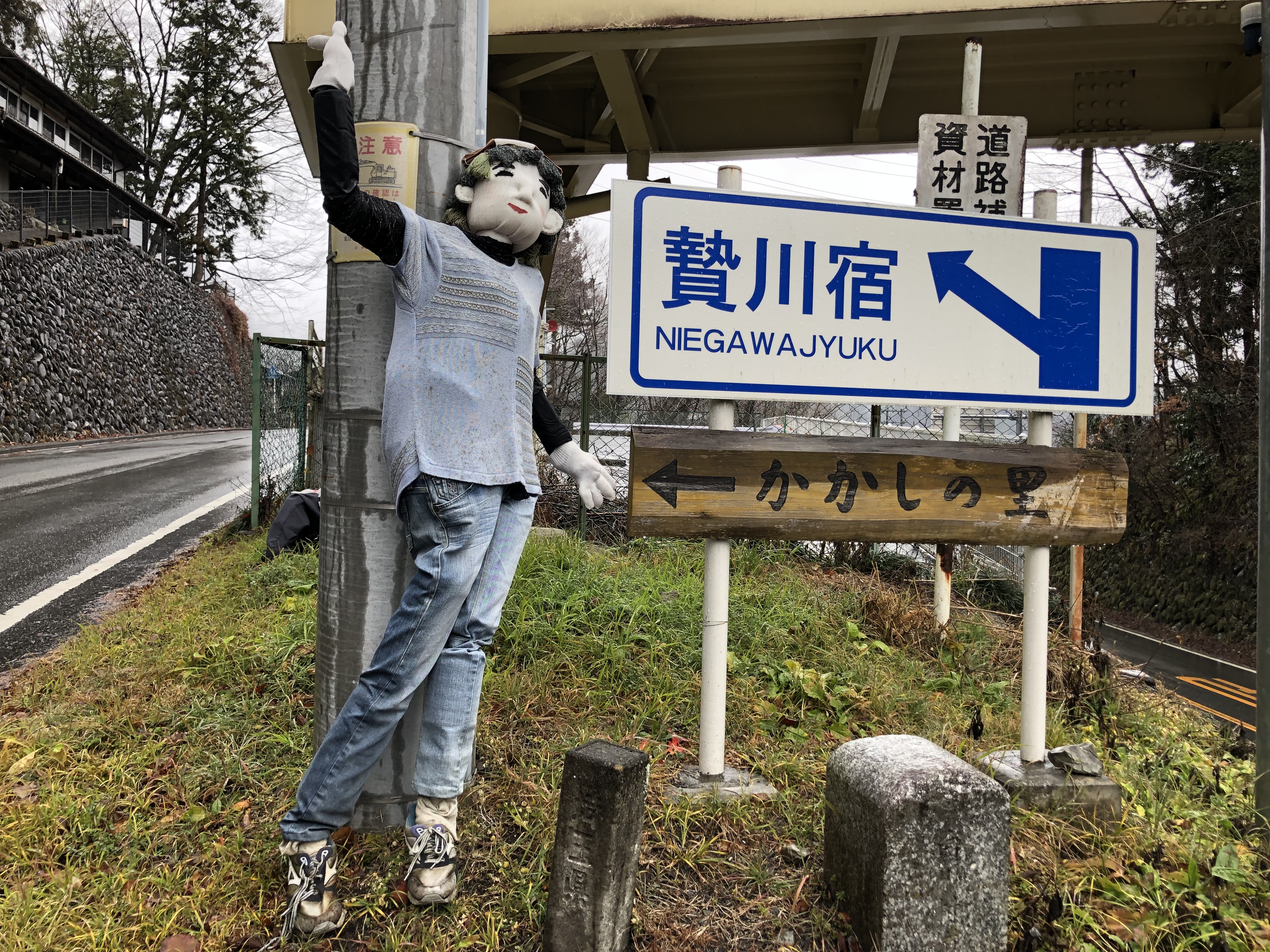
Scarecrow villages are rural communities in Japan that create mannequins in the likeness of their residents as a form of folk art. These scarecrows are often dressed in traditional clothing and placed throughout the village. Specifically, the population of Niegawajuku Scarecrow Village has been decreasing over the years, as many residents have moved to Tokyo and other urban areas in search of better job opportunities and a higher standard of living.

To address this problem, a group of local farmers came up with the idea of creating scarecrows in the likeness of the villagers who had left, in order to remember and honour them, and to attract tourists like me to the village. Niegawajuku Scarecrow Village, once a lively and bustling community, now stands like a twisted fairy tale, where the villagers have been replaced by their eerie replicas. The scarecrows, with their lifeless eyes and frozen grins, seem like twisted versions of the villagers they represent.
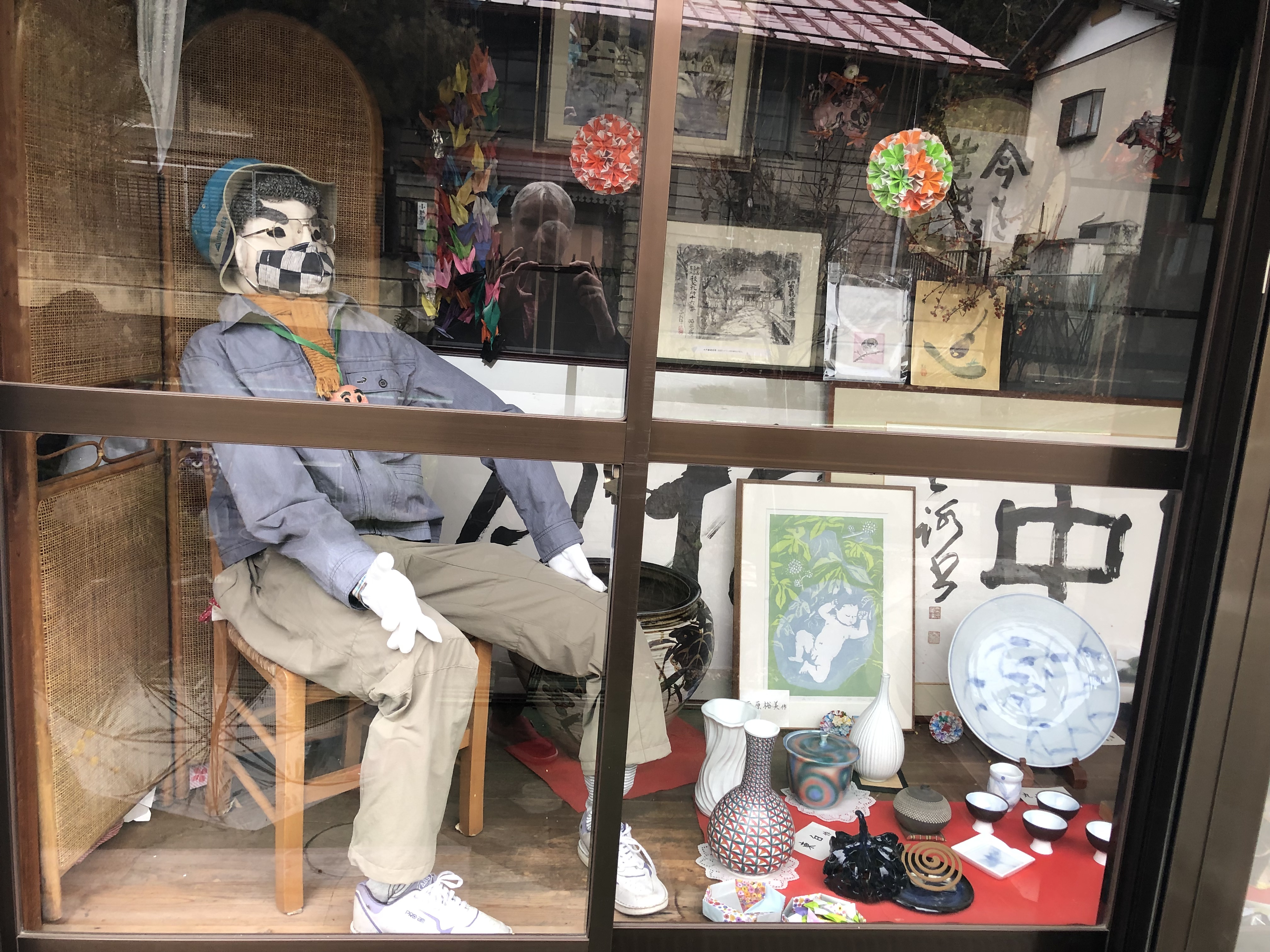
Once teeming with the laughter of children and the chatter of adults, the village now stands abandoned. The only sounds are the soft rustling of leaves and the creaking of the scarecrows. The place feels like a forgotten graveyard, lost to the passage of time. The village is a mere relic of a bygone era, and the scarecrows, with their blank, lifeless eyes, serve only to emphasise the emptiness of this place.

I inspect the scarecrows, their faces weathered and their garments tattered. At times, they are grouped together, yet they remain so alone, like guardians of a lost world, preserving the memories of the village and its people, frozen in time. As I continue to wander through the streets of Niegawajuku, I feel as though I am traversing a dreamlike realm. The village is a labyrinth of memories, where each scarecrow holds a piece of the past, and each step I take draws me deeper into the mystery.
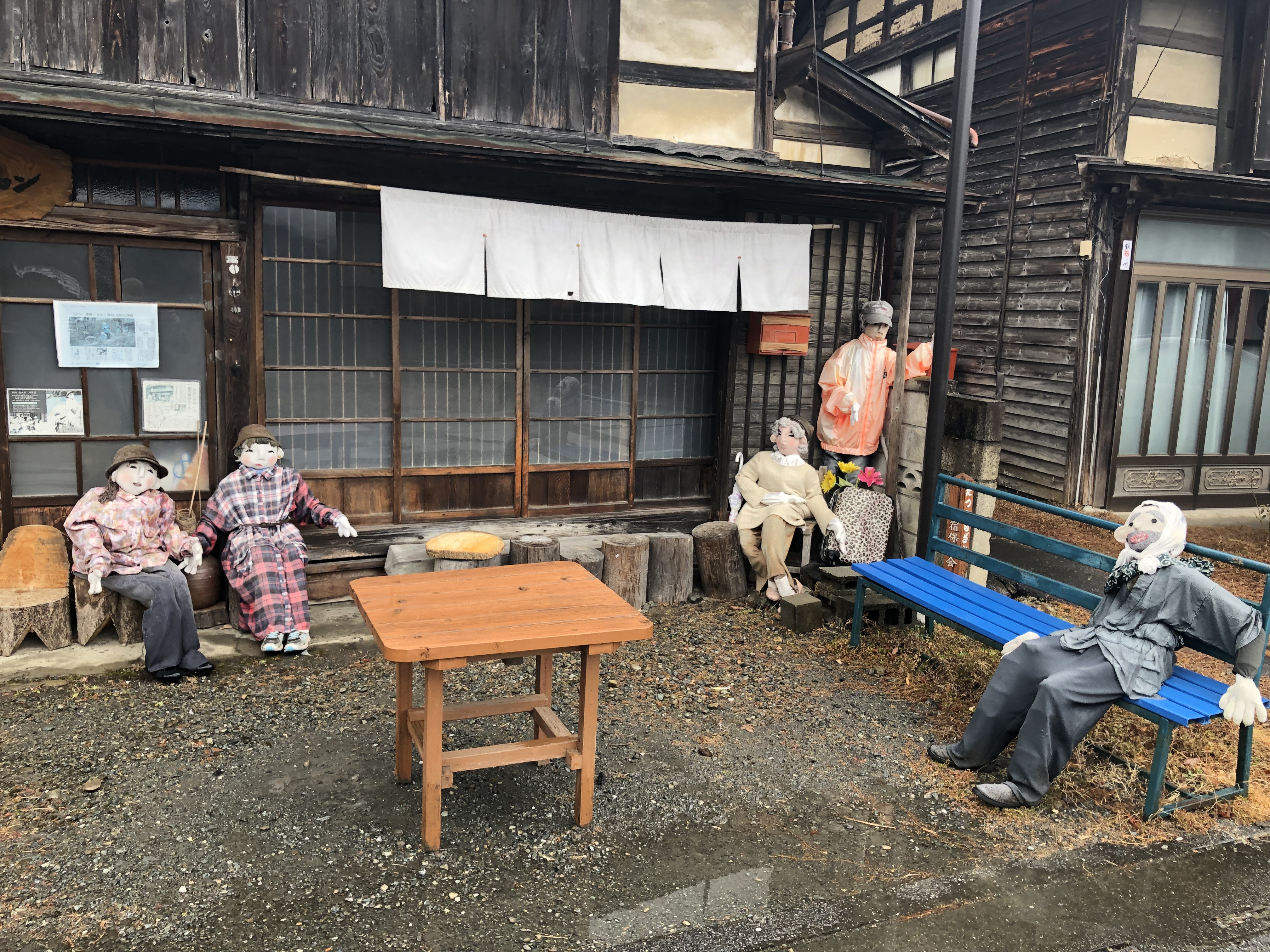
The only thing left here is the echo of bittersweet memories, of what once was and what will never be again. Time passes, and the sun begins to sink behind the skyline, painting the sky in hues of orange, pink, and purple, casting an eerie glow over the village. In the dying light, the scarecrows seem to come alive, their shadows stretching out, reaching toward me.

I leave the village with a sense of longing and loss, the memories of Niegawajuku etched in my mind like a faded photograph.
As I board the train, I ponder whether my transient form will one day be forever immortalised as a scarecrow, or fade into the annals of time like the villagers before me.
Unusual Occurrences in the Desert

My breath rises in a twisting vortex of white as I stand at the platform of Matsue Station. The temperature hovers at zero on this early winter morning, and condensation drips from the pipes overhead. The chill in the air is palpable, and I can feel it seeping into my bones.

In Japan, no matter where I travel, I can be certain that I will come across iconic landmarks, picturesque bridges, majestic mountains, and ancient shrines. Today, my journey begins with a visit to the oldest shrine in the country, a place rich in history and tradition.

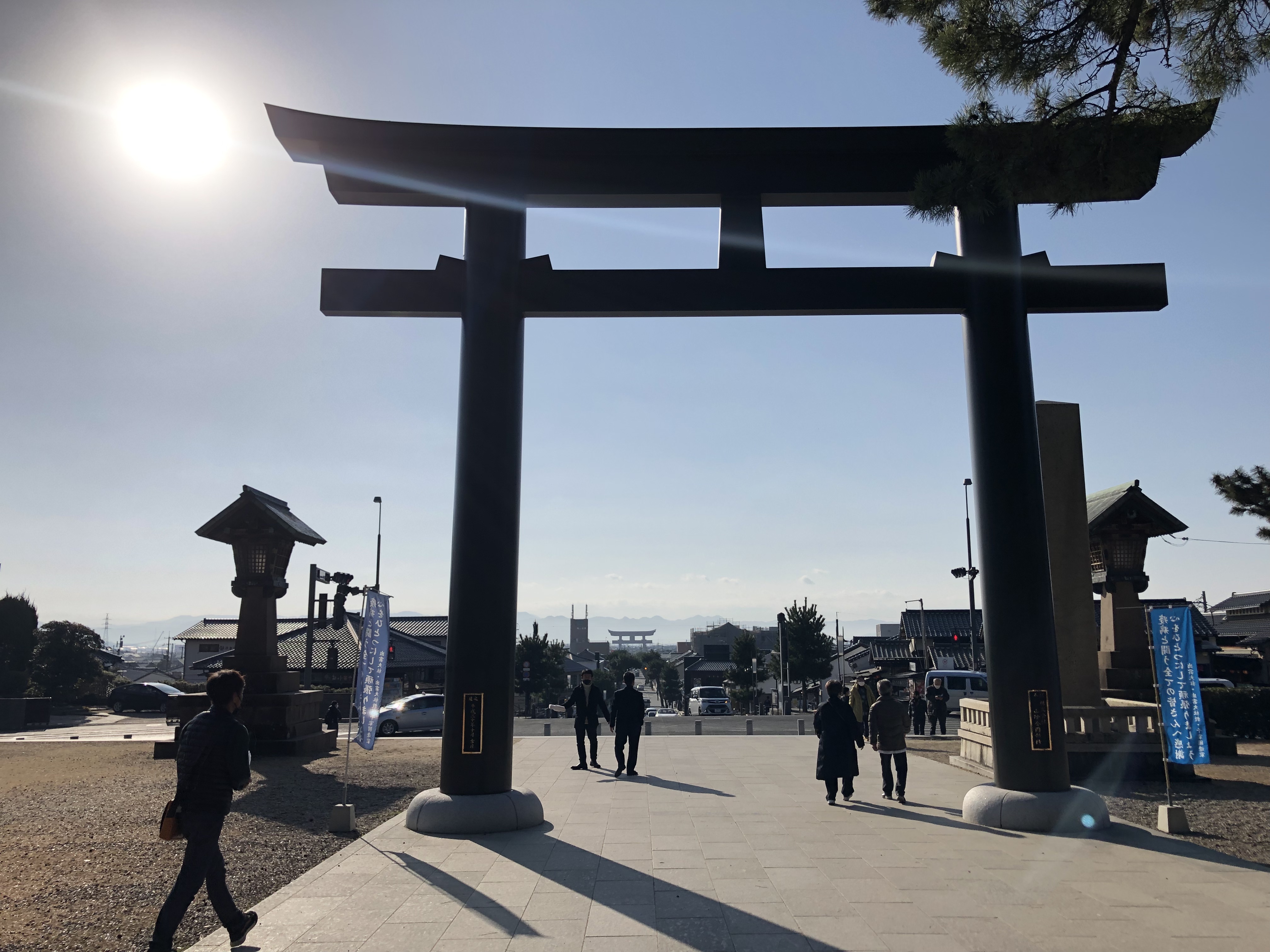
Izumo-taisha, also known as Izumo Grand Shrine, has a history dating back over 2,000 years. As I pass through a large torii gate the sun comes out, and despite the chill still lingering in the air, it begins to warm up, much to my delight.

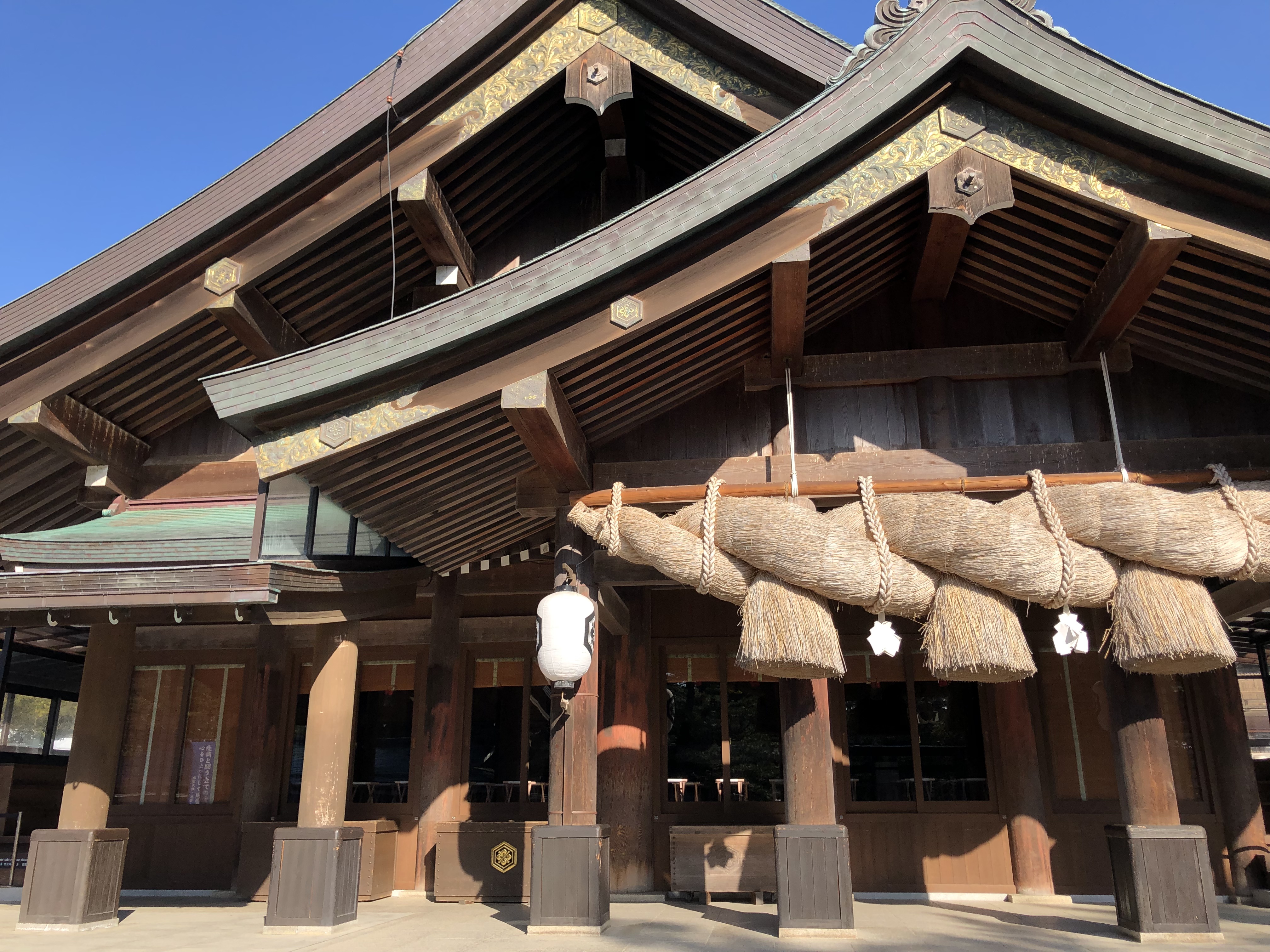
The main shrine is located in the city of Izumo in Shimane Prefecture and it is dedicated to the god Okuninushi, who is the god of marriage and prosperity in Japanese mythology. The shrine’s main hall, known as the “Taisha”, is made of cypress wood and is one of the oldest structures in Japan. The shrine is so sacred that it’s said that all the other gods from all the other shrines from all over Japan meet up here every year for the entirety of October to hang out. This month is known across the country as the month without gods.

After wandering the shrine complex for a while, I return to the main road where I find small local shops selling ice cream, fish-shaped waffles, and powdered green tea rice cakes. The atmosphere is peaceful, and I decide to walk the length of the street, taking in the many stores and restaurants. After that, I arrive at the nearest train station. I need to travel three hours now to see a bridge.

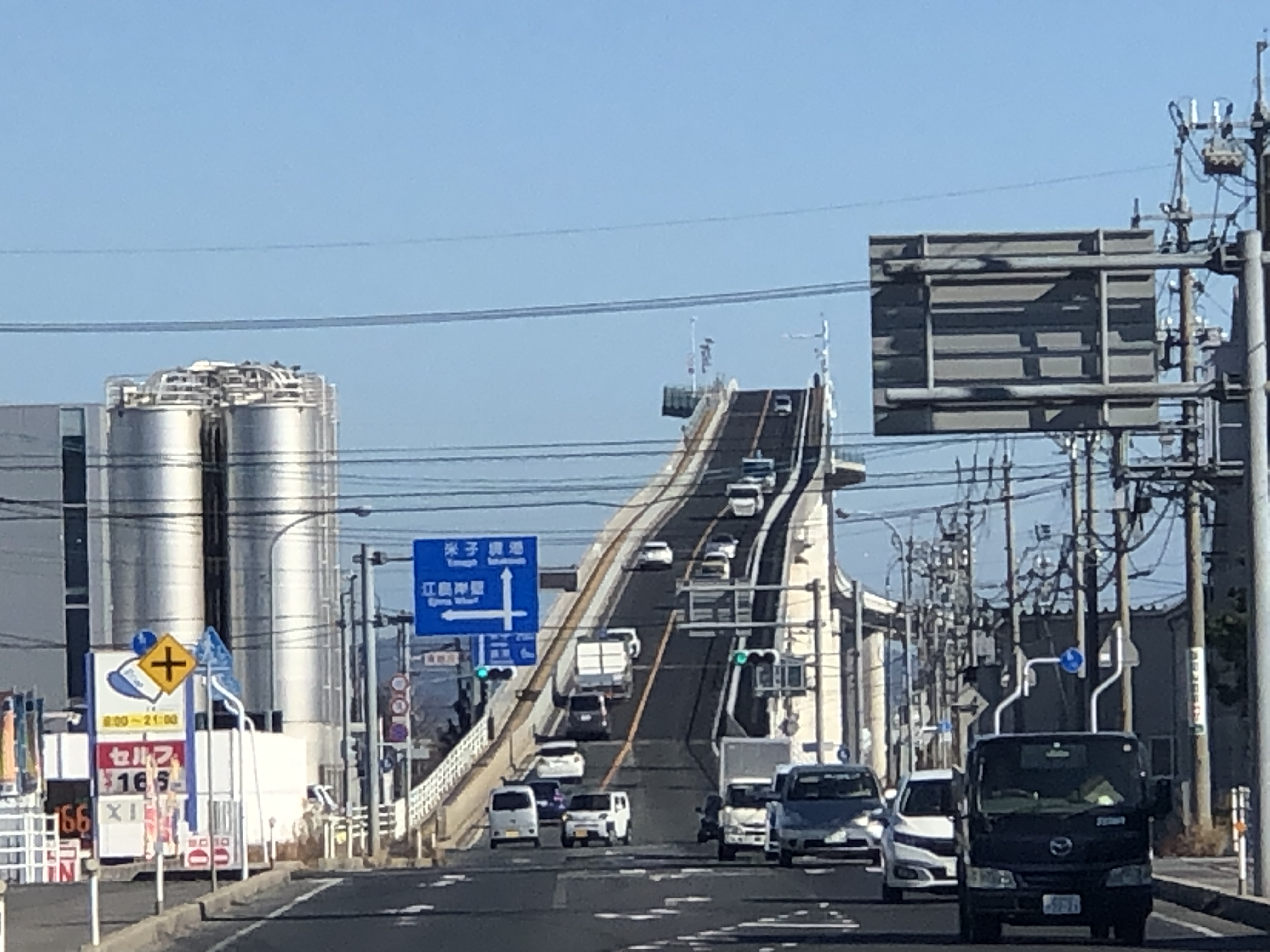
The morning chill is now long gone, as I begin my walk to Eshima Ohashi Bridge, the weather is completely different from my cold start, 16 degrees and a clear blue sky greet me. As I reach the bridge I’m taken aback, much like the weather today, this bridge also defies reality, its unusual shape creates an optical illusion, like a twisted mirage, and it makes it seem as though the cars could quite easily fall off the road.

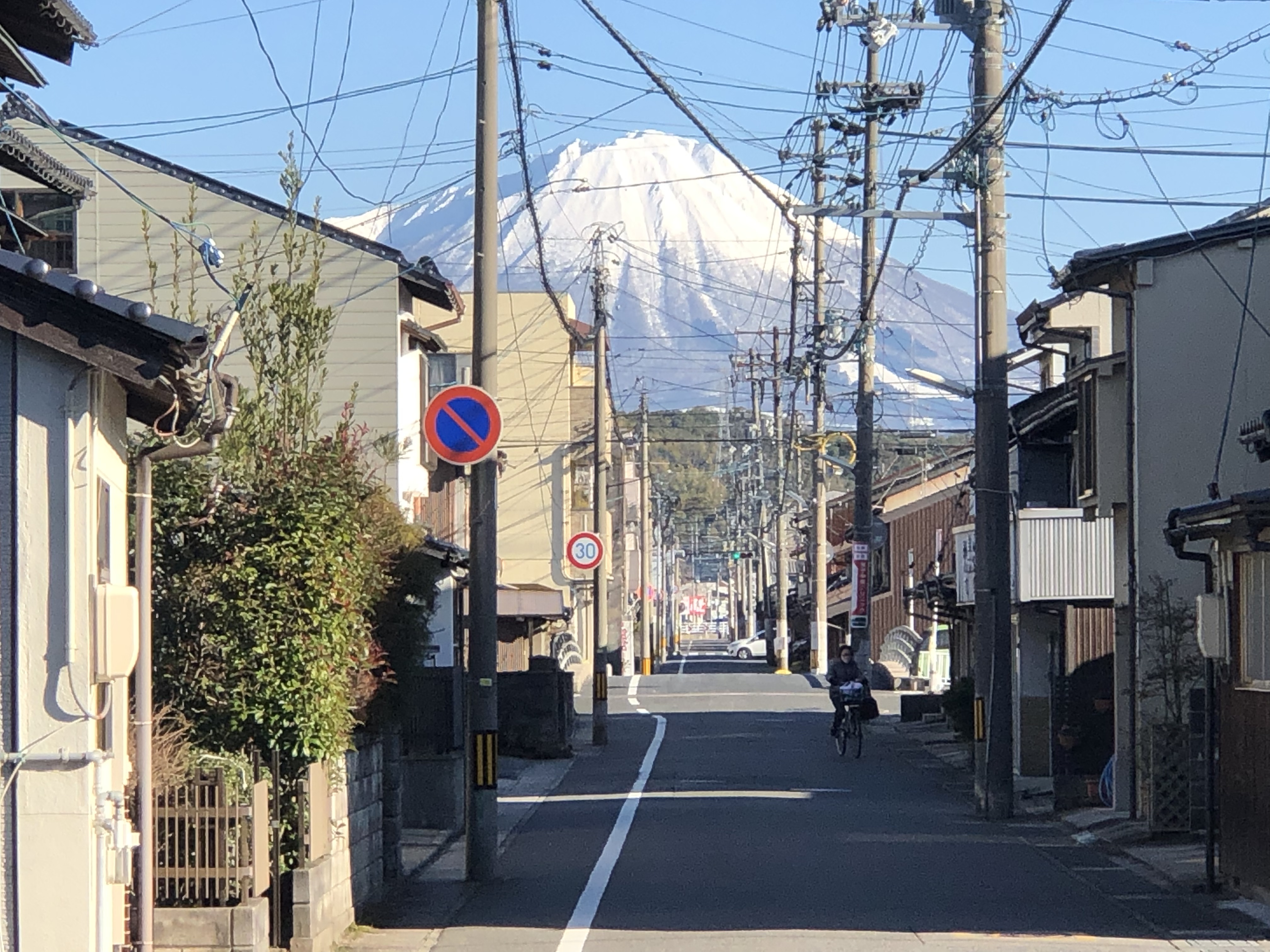
I cross the Eshima Ohashi Bridge over Lake Nakaumi. The bridge took seven years to build, and it is the largest rigid-frame bridge in Japan. It connects Shimane Prefecture to Tottori Prefecture, and as I traverse its frame, the clear sky allows for a great view of Mount Daisen, a dormant stratovolcano. At 1,709 metres tall, it is the highest mountain in this region of Japan.

The mountain is an impressive sight, so I cross into Tottori, walk to the nearest train station, then take a train towards Mount Daisen for a better view, hoping to get a rare shot of it from the streets below. I do just that. The mountain is breathtaking from here, its snow-capped peak resembles Mount Fuji.

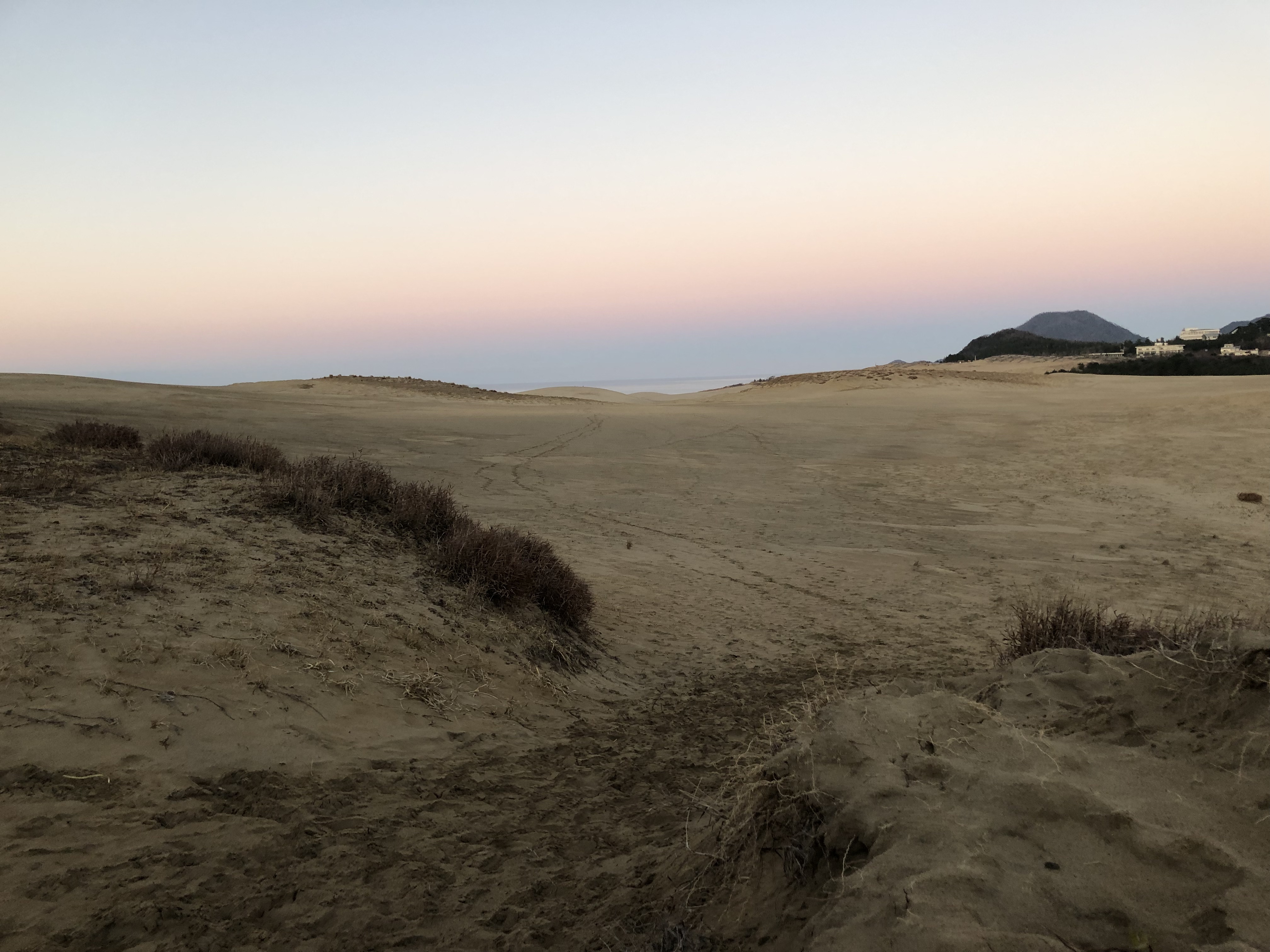
Having now visited a mountain, bridge, and shrine, I decide to find out what else Tottori has to offer. It turns out that Tottori is home to the only large desert in Japan. From Tottori Station, I have to walk for a little under six kilometres. Having wasted a lot of my day taking trains around the country, I have two pressing concerns. The first being that my phone battery is almost dead – I took far too many photographs of the bridge and mountain. The second concern is that it will be dark soon, and a desert at night, I imagine, isn’t going to be very photogenic.

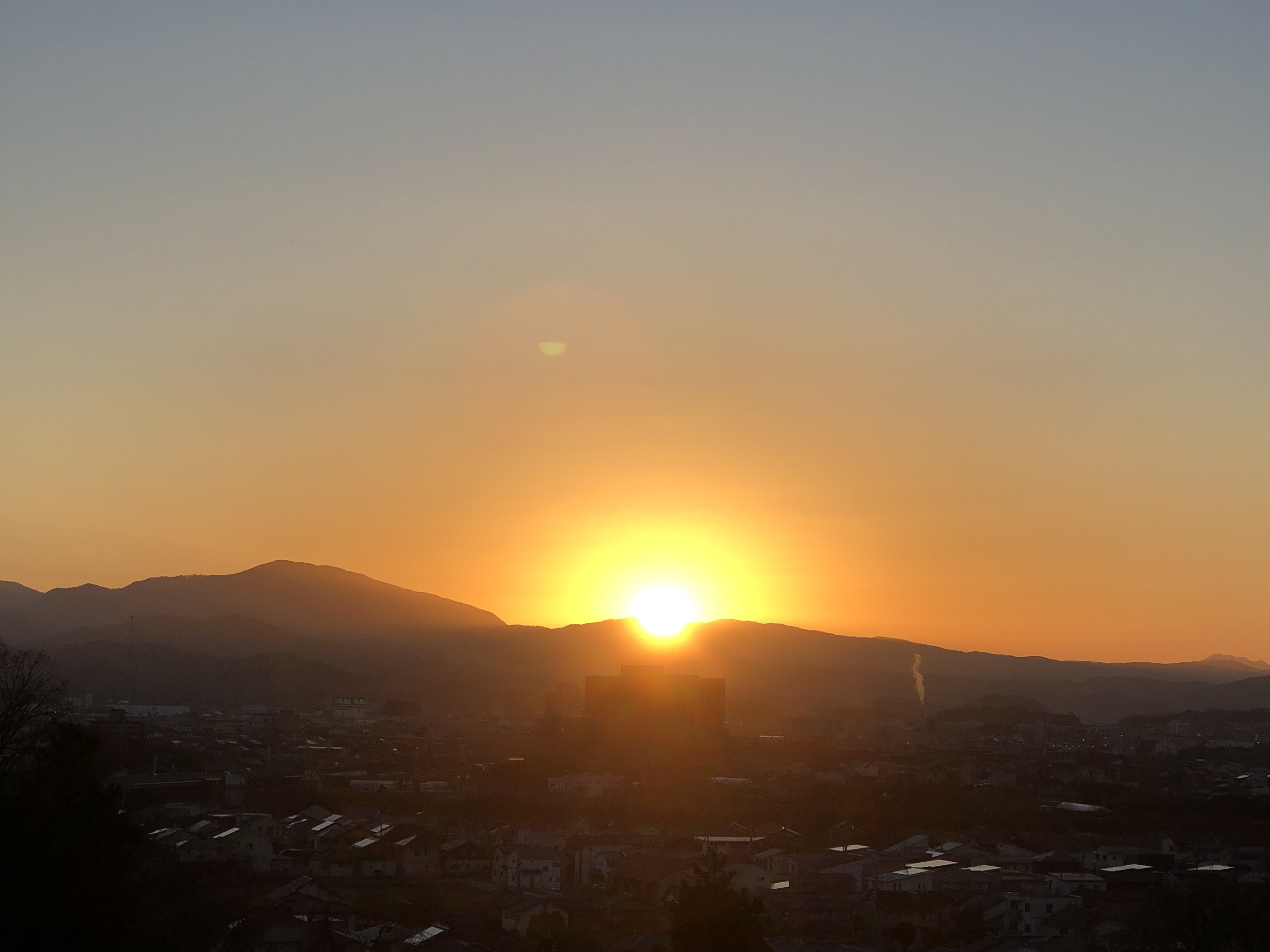
As I cross the Fukuro River, one of my concerns is confirmed, as I watch the sun begin to set above Lake Koyama, and darkness begins to engulf the sky. I have to pass through a tunnelled underpass for vehicles, dimly lit and without a footpath.

Eventually, I see a sign for Tottori Sand Dunes, and check my phone to find that I’m at one percent battery. The desert here is home to the largest sand dunes in Japan, stretching for 16 kilometres along the coast of the Japan Sea. The dunes are a unique geological formation, created by sediment being transported by the nearby Sendai River and deposited on the coast over thousands of years. The dunes are constantly changing shape due to the wind and weather. In the summer, there are even camels here to ride.

As I take out my camera to snap a photograph of the desert, my phone turns off. I’m not sure if I even captured the single photograph, and feel I might have made a wasted journey. Further darkness begins to cloud the air, and after walking on sand for a time, the chill from earlier returns, and at some point it begins to snow. I decide it’s probably a good time to head back to where I’m staying tonight in Matsue.

I pass back through the dimly lit underpass and try to retrace my steps back to the station, I look for street signs, but it seems as though they’ve deserted me, all maps and directions to Tottori Station seemingly removed at night, leaving me lost in the dark, and freezing in the snow, and experiencing yet another season on an unpredictable day. I see a man on his bicycle and ask him for directions. He takes out his phone, brings up a map, and tells me to go straight. So I go straight.

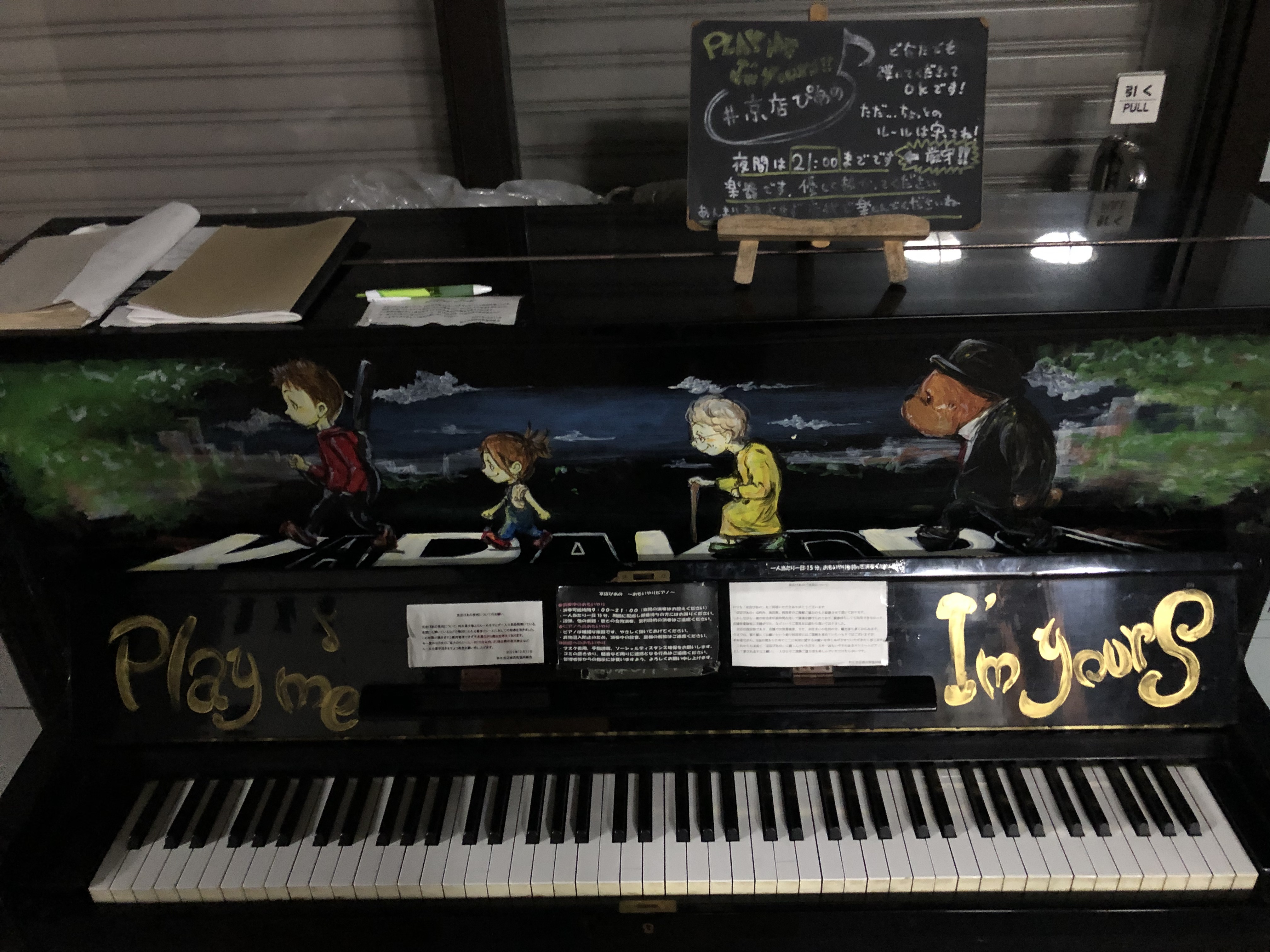
Eventually, I arrive back at Tottori Station and get the train to Matsue. I’ve completely lost count as to how many trains I’ve taken today, I think it’s twelve. At Matsue Station, there is no sign of any snow. Relieved, I return to my hotel to charge my phone before heading out for some food. On the way, I pass a piano on the street and decide to have a play.

As my fingers grace the keys of the piano, I am enveloped in a symphony of sound. The notes swirl around me like a gentle snowfall. I play on until my hands are numb with cold.

Welcome to the World of Mizuki Shigeru

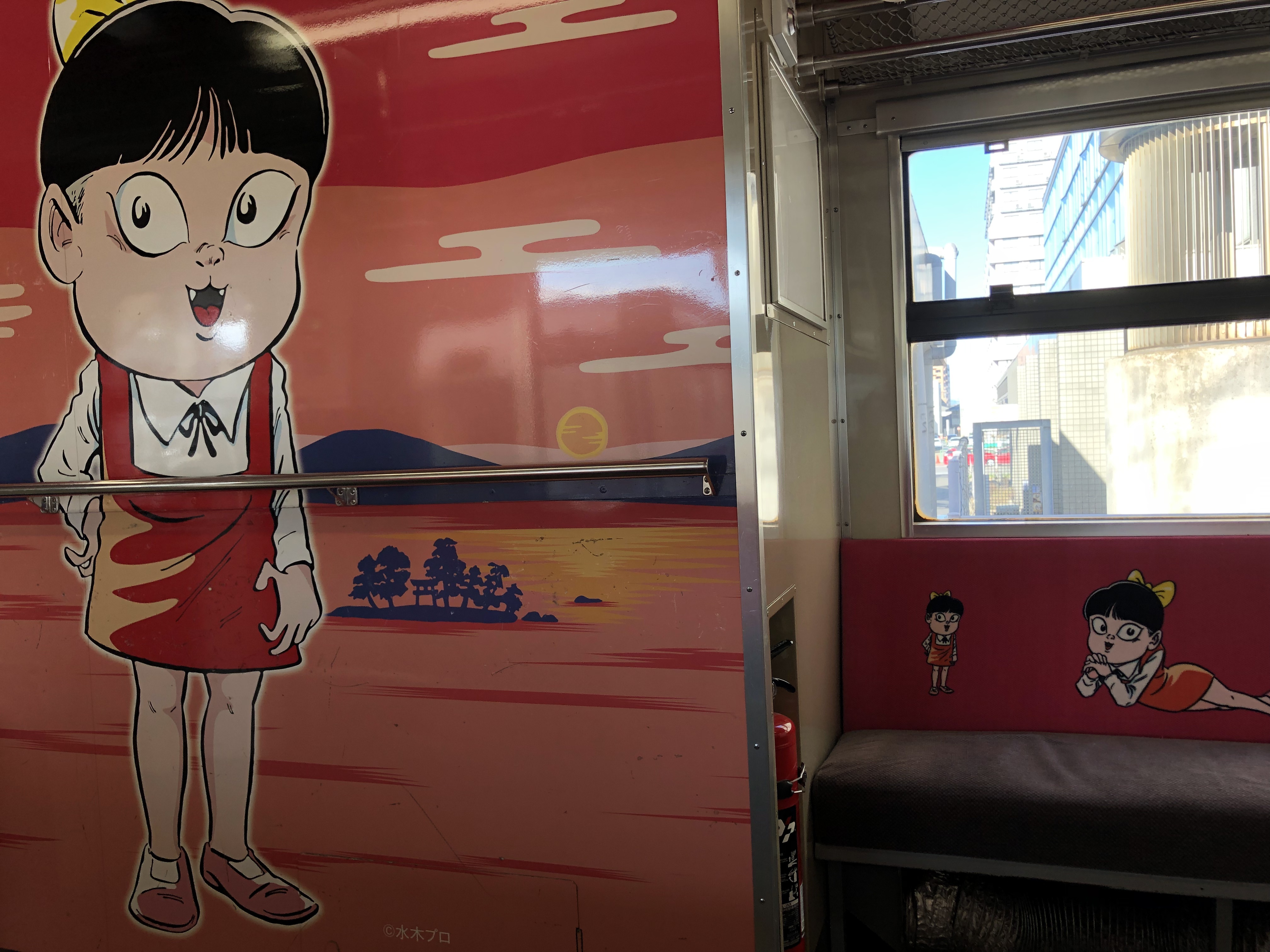
I stand at Yonago Station, my eyes fixed on the tracks as I await the arrival of my train from Track 0. This station, also known as Ratman Station, is located in Tottori Prefecture near the border of Shimane. The stations on the Sakai Line all have an alternative name, and this one is no exception. As my train arrives, I can’t help but notice the lively characters from the popular anime, GeGeGe no Kitaro, decorating its exterior. The walls are adorned with illustrations of Nekomusume, a supernatural cat known as “Cat Girl,” who, to my surprise, also serves as one of the train’s announcers.

As the train chugs along, it gently rocks back and forth, the sensation akin to being on a ship at sea. Nekomusume is normally a reserved yokai girl, however she is known to shapeshift into a fearsome catlike monster with razor-sharp fangs and piercing eyes, particularly when she is angry or hungry for fish.

Finally, I arrive at the port town of Sakaiminato and get off the train at Babasakicho Station, nicknamed ‘Kijimuna’ meaning Okinawan wood spirits. As I exit the station, I feel lost and consider whether I have made a mistake. But after a short walk, I see a sign pointing me to my destination: “Welcome to the World of Mizuki Shigeru.”

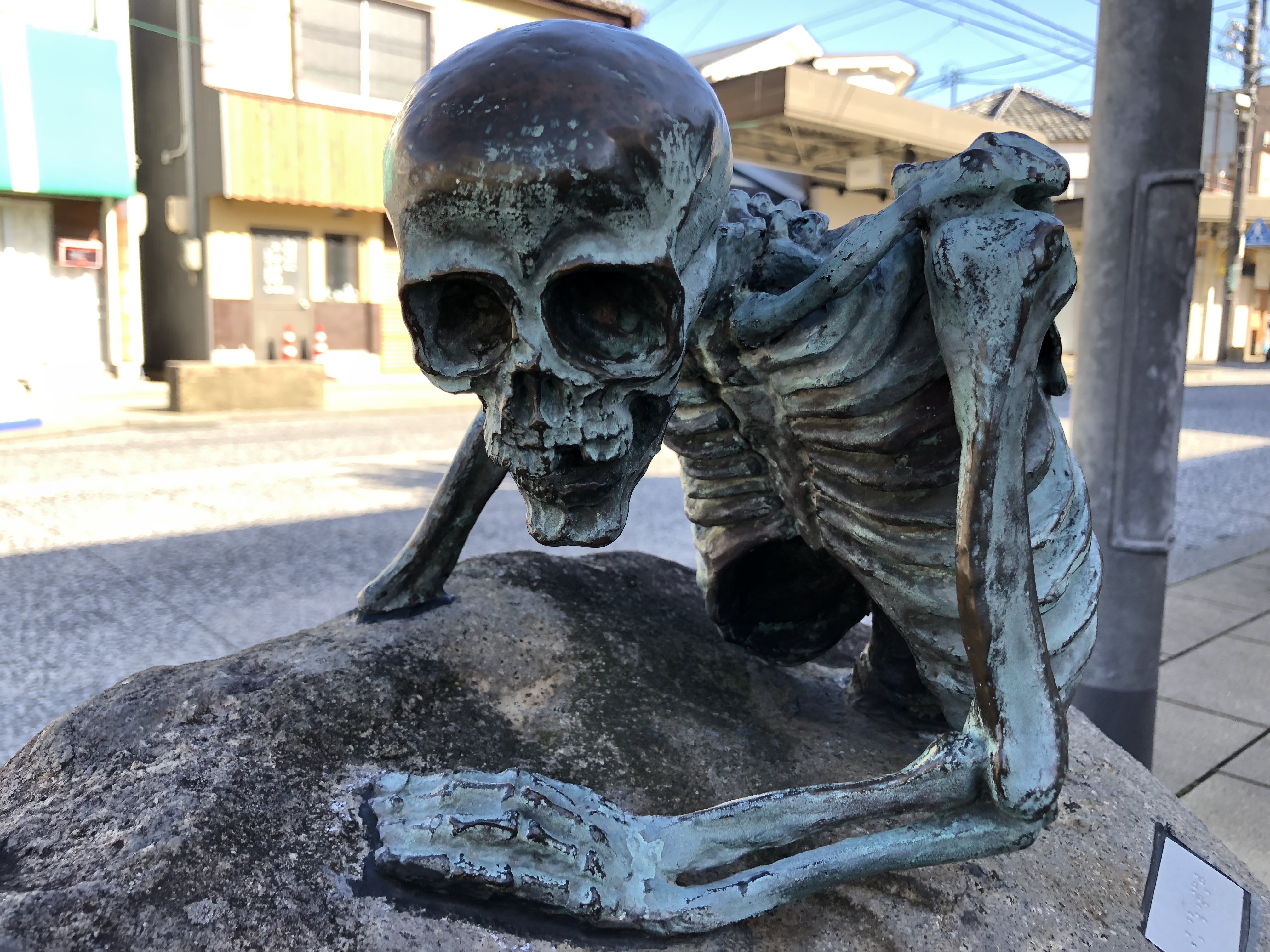
Mizuki Shigeru was a Japanese manga artist, born in 1922 and raised in the town of Sakaiminato. Upon arriving at Mizuki Shigeru Street, I am immediately struck by the abundance of weird statues that line the road. A total of 177 bronze yokai statues, each depicting a different supernatural entity from Japanese folklore, have been placed along the 800-metre street. Mizuki Shigeru made his name by portraying such entities in his work and the area here is dedicated to his legacy.

The street is filled with souvenir shops selling official Mizuki Shigeru goods, and the entire road is dedicated to the artist. It’s clear that even in death, Mizuki Shigeru has become immortalised with not only a statue, but an entire street and a train line. The vending machines are adorned with illustrations of monsters, there are photo booths where you can take a picture with yokai, there is a large museum, and even a place called Yokai Shrine.

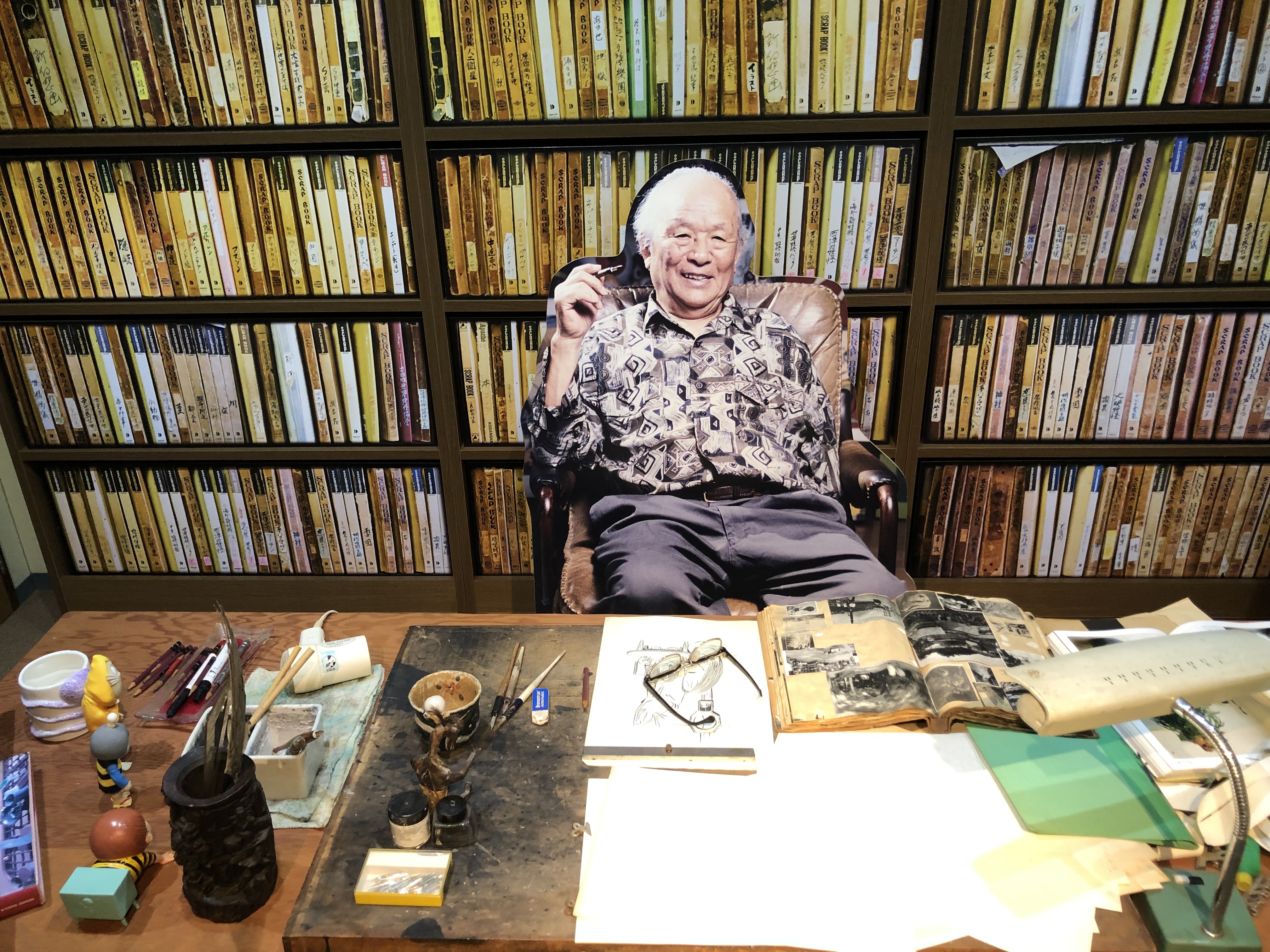
The renowned Mizuki Shigeru Museum showcases many of Mizuki’s works, including manga books from his “only-for-rent-manga-period” and other masterpieces about yokai. The museum also displays numerous photographs and materials about the writer’s trips and his research of the yokai world. Visitors can even find yokai that lived in ancient times in Japanese households. The museum truly immerses visitors in the world of yokai and the brilliance and wonder of Mizuki Shigeru’s work.

The museum’s flyer sums it up best, “You will meet a lot of yokai. Hope you will become friends with them.”

Continuing my exploration of the museum, I pass books and board games, and a lot of comics, most of which feature imagery that depicts death. The museum spans a massive ten rooms and includes original cells, drawings, a bronze engraving of Mizuki’s palm print, his passport, and a complete timeline of his life.

Weird, creepy music plays as I pass through a haunted house. I learn in the museum of an interesting temple over in Matsue Prefecture, three hours from here by train. The temple is very much related to the story of Mizuki Shigeru’s life. As I leave the museum I pass a terrifying wall of heads in the Yokai Cave, and finally outside I discover a traditional Japanese garden littered with macabre images.

After a few hours on the train, I arrive at Ichibata-Guchi Station. The train station features a small statue of yokai. As I exit the station, a really old woman approaches me and starts chatting in Japanese. She is surprised to hear that I am planning to walk to the temple, as it is about five kilometres away and up a mountain. The walk is quite difficult, she warns me.

As I begin my hike, I walk down a conveniently straight stretch of road. The first car I see since leaving the station is driven by a Japanese man who, for no apparent reason, smiles and bows his head at me. A short distance later, I come across two stone lanterns that mark the beginning of the route, which will start to incline steeply. From this point, the footpath vanishes leaving two lanes of an empty road devoid of traffic or vehicles. As the path becomes steeper still, it meanders and curves up the mountain and I find that the further and higher I climb, the better the view becomes. At one point I can make out Lake Shinji in the distance.

As I near the top, I realise how hot it is, and it doesn’t help that I am wearing a thick winter coat. It must be 20 degrees. The breath of winter now a fiery gasp, as the planet scorches in its rage.

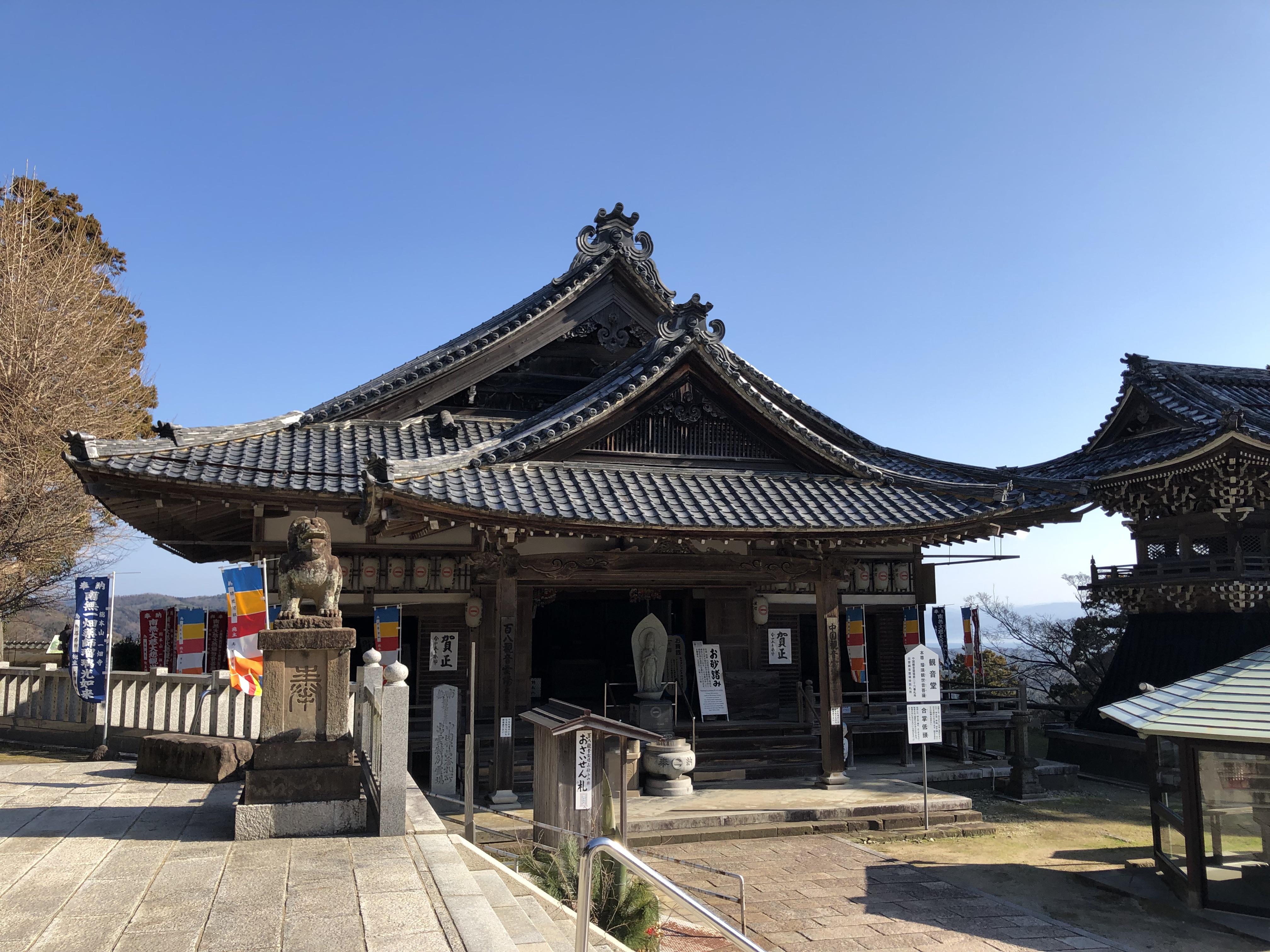
After a challenging hike I reach Ichibata Yakushi, a Zen Buddhist temple, and part of multiple pilgrimages, one of which includes visiting 108 Kannon temples in Japan. The temple was said to be founded after a monk named Yoishi followed three white foxes up this mountain, and decided to build a temple at the site where the foxes led him.

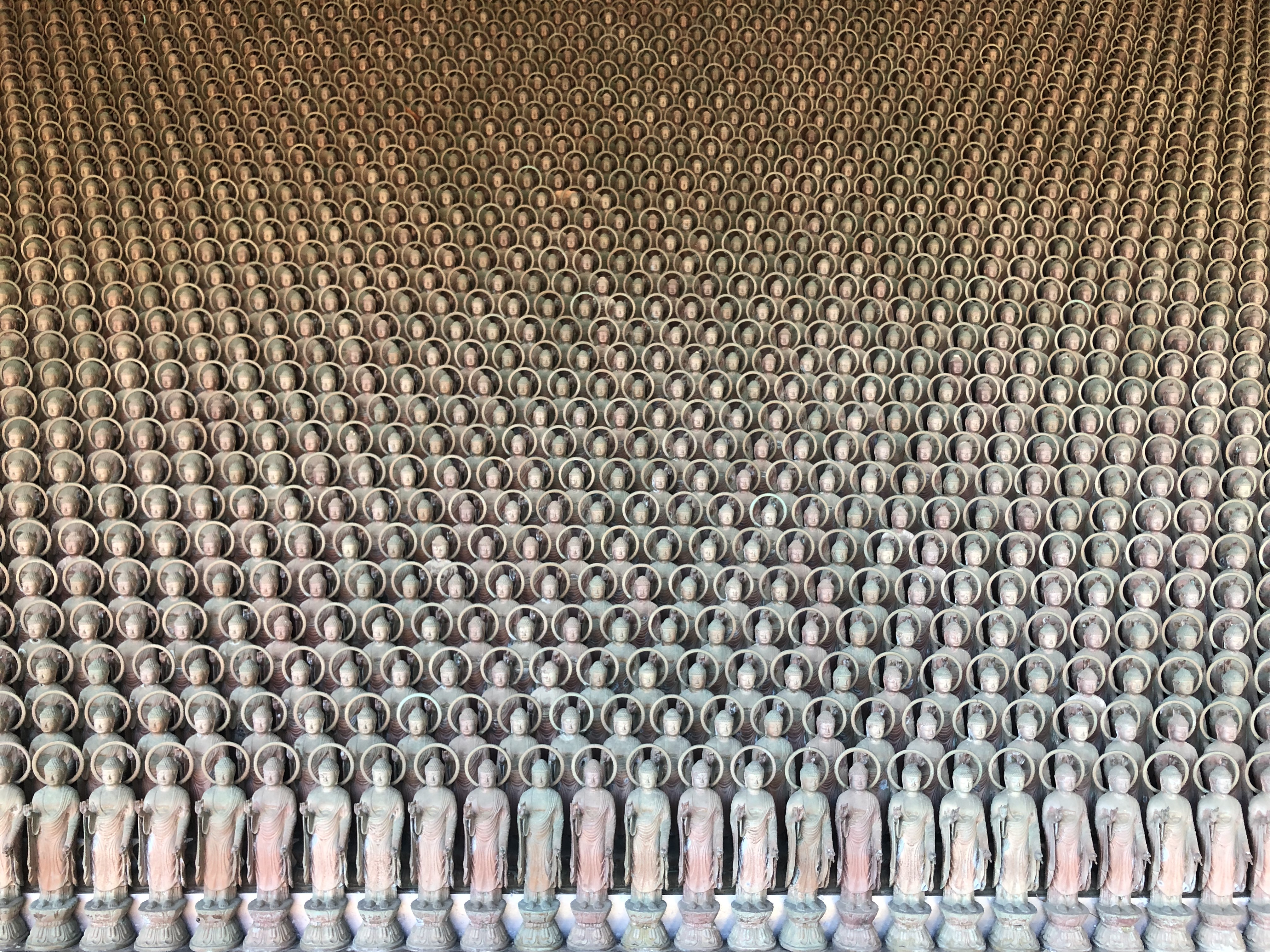
The reason for visiting this temple today is that the story goes that Shigeru Mizuki used to visit here a lot, and that a ghost of a really old woman would meet him here, whispering to him all the legends and stories he used in his creations. I explore the temple grounds, and get a feeling that someone ordered a few too many statues. It is said that there are 84,000 statues here, however, I count just 30,780.

As I continue to explore, I decide that it’s really quite beautiful up here. The area also features mountain cottages to rent for a night for as little as ¥10,000, offers stunning views of the landscape below, and for some reason, appears to be really popular with dog owners, as I count five dogs within the temple grounds.

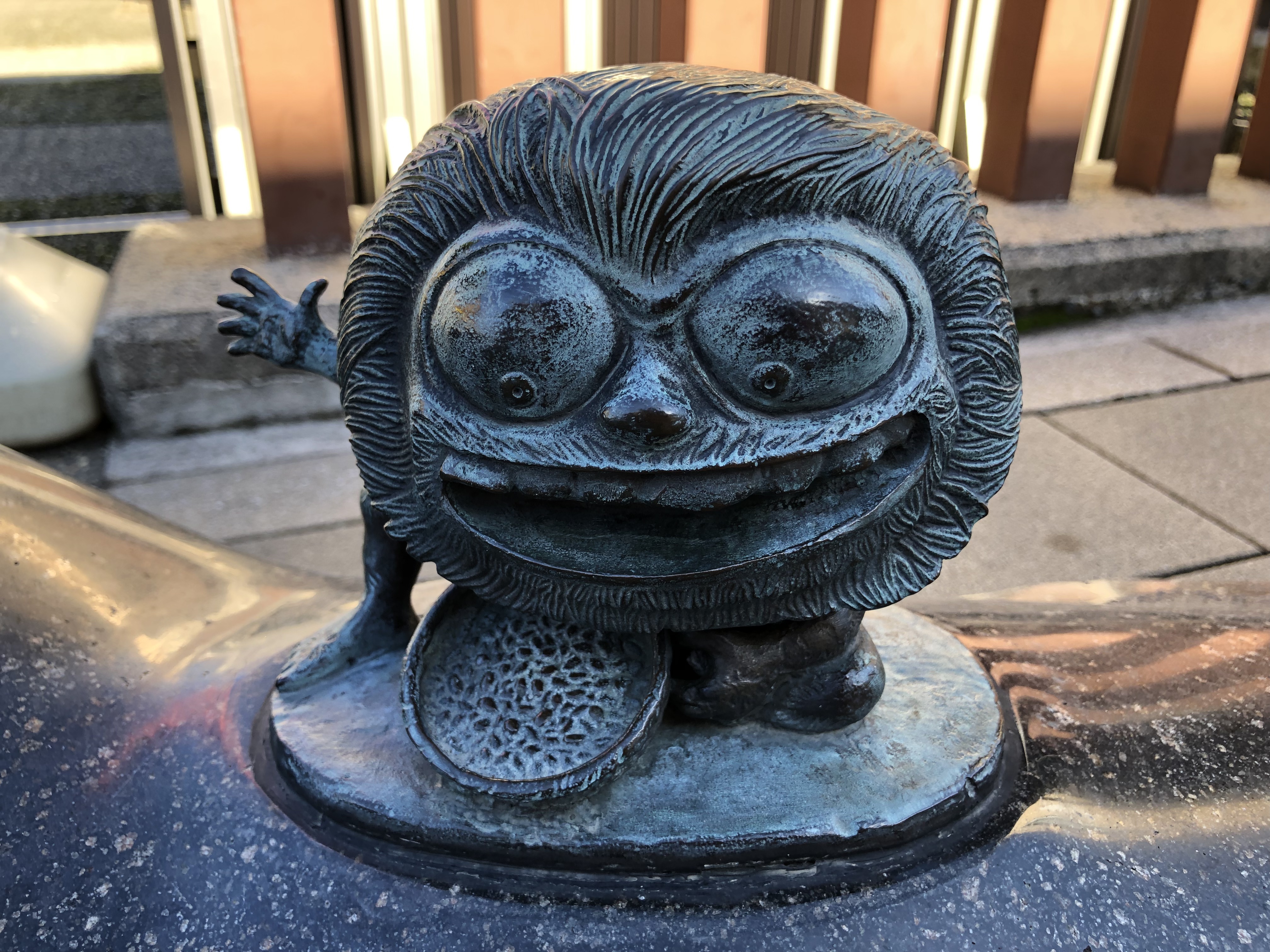
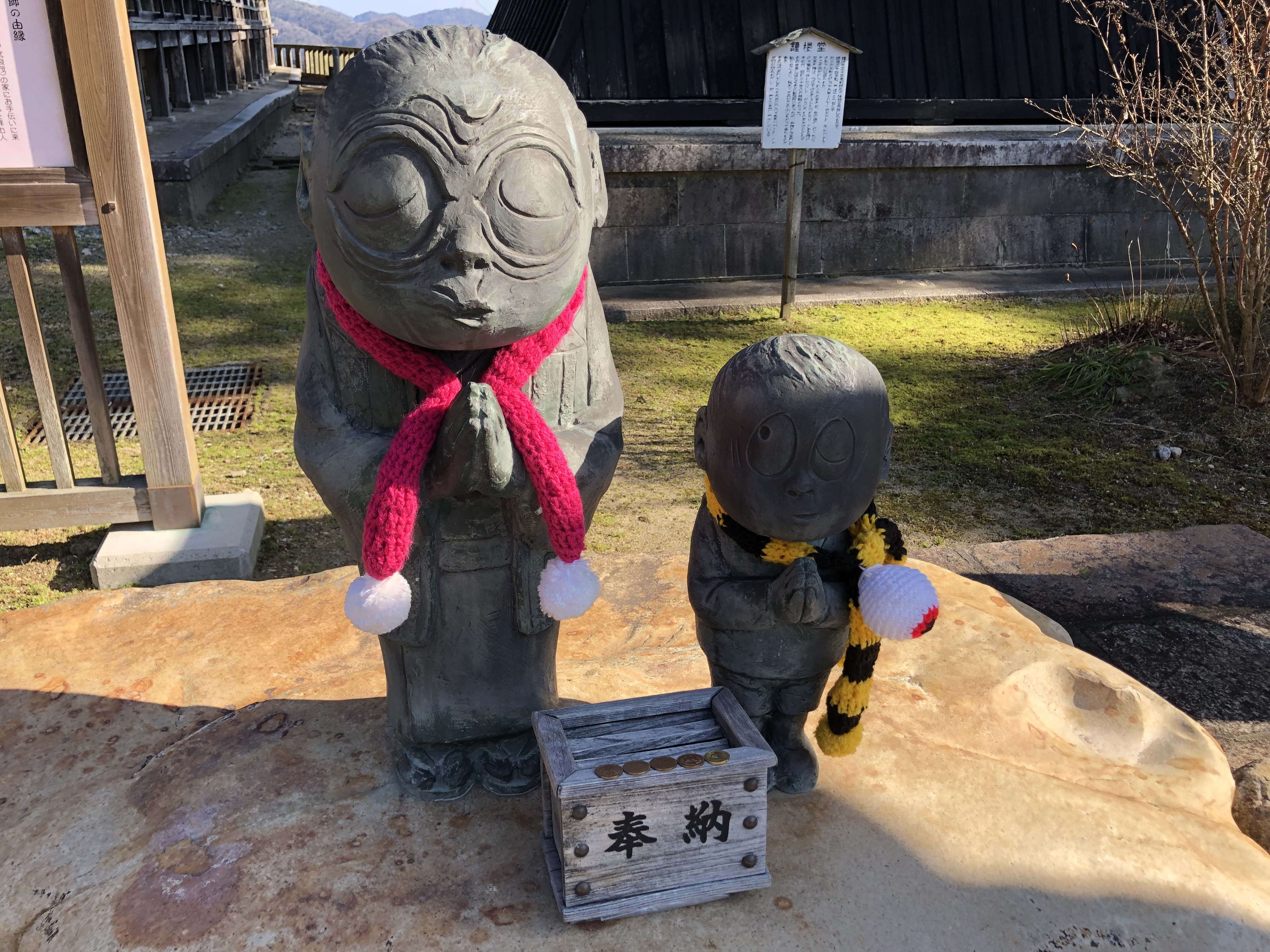
I place some coins in the box next to some statues of yokai, and decide that this is the nicest temple I’ve visited. In the future, I wouldn’t mind visiting more temples on a pilgrimage trail, but for today, I decide it’s getting late, and I head back down the mountain passing a small mountain village, before stumbling across another yokai statute, sitting unassumingly at the bottom of some stone steps.

After climbing up the 1,270 moss covered steps, I arrive back at my favourite temple, exhausted and realising this was just an alternate route. I carefully climb back down the steps to leave. The really old woman I saw at Ichibata-Guchi Station smiles at me as I pass her on the steps, and I can’t help but wonder if she might be Shigeru Mizuki’s whispering ghost.

Dead Children Playing

Halfway into my eight-hour train journey to the northern region of west Japan, I decide to take a break from sitting and get off at Kurashiki, a quaint coastal town in Okayama Prefecture. Famous for its strategic location during the Edo period, which made it a popular place to store rice, Kurashiki, literally meaning “storehouse,” is also conveniently located halfway between Tokyo and my final destination. Upon arriving at the train station, I am greeted by a sign that reads, “Welcome to Okayama, the Land of Sunshine.”

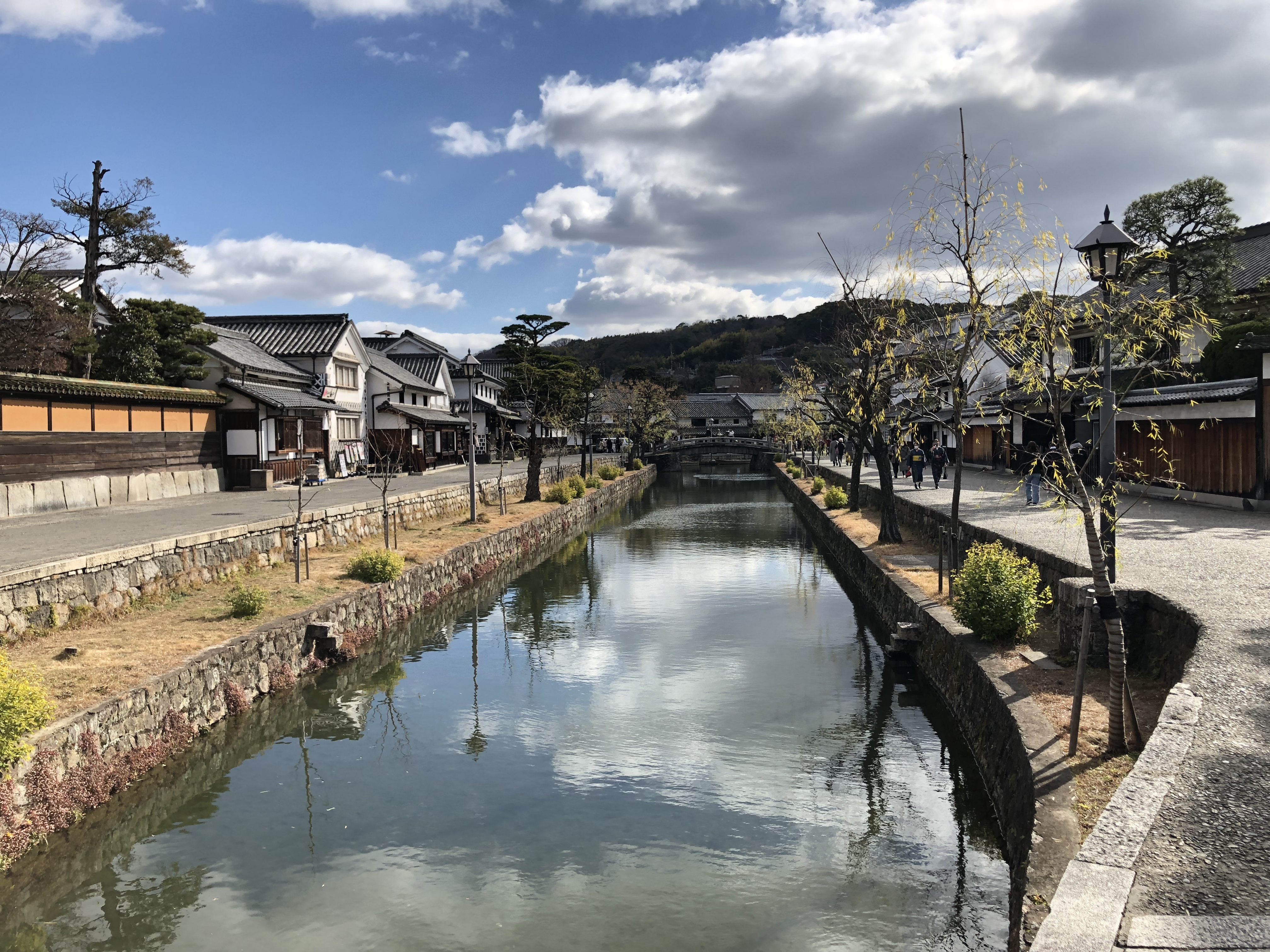
As I step out of the station, I find that the weather is not quite as sunny as the sign had promised. The sky is cloudy and grey, but that does not dampen my spirits as I begin to explore the winding streets of the Bikan Historical Quarter. Here, the buildings are old and charming, with weeping willow trees, historic godowns and canals that interconnect throughout the area. Touts eagerly await me, offering rides in their rickshaws. Just as I begin to further complain about the weather, the sun breaks through the clouds, illuminating the streets and bringing a warmth to the air.

I come across a shop called Gangukan, which has an annexed building featuring a toy museum. Intrigued, I pay the lady at the cashier, who shows me a sign in English that reads, “I will take you to the entrance.” She guides me through a maze of small alleyways to the entrance of one of the museum buildings. The door creaks as it opens, and the woman mutters something in Japanese before swanning off, leaving me to explore the museum alone.

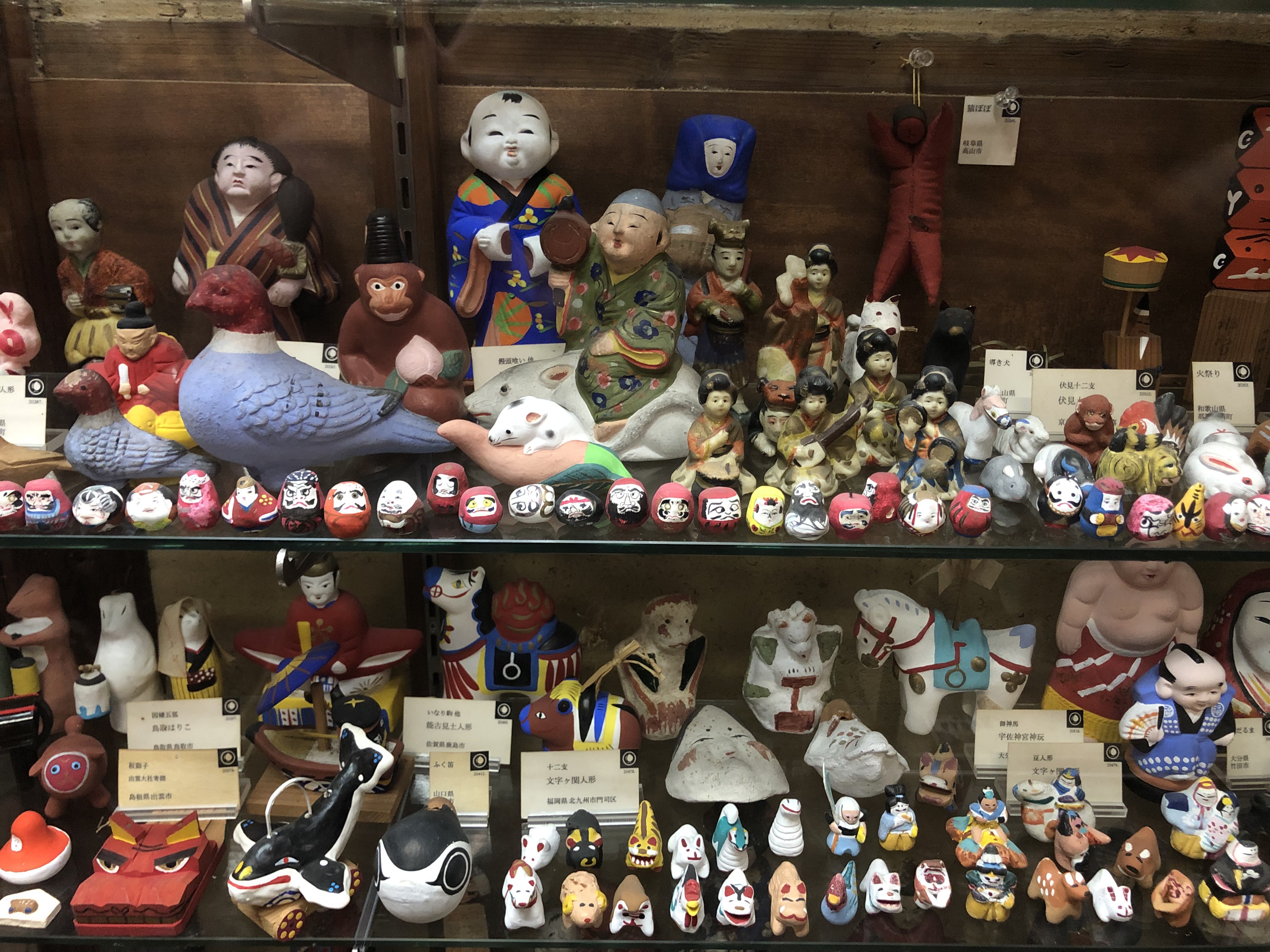
The Japan Rural Toy Museum is one-of-a-kind, housed in a beautifully renovated old rice storehouse, the museum features toys from 1600 to the 1980s. Inside the first room, I am greeted by a collection of folk-craft toys from every prefecture in Japan. In the second gallery, Daruma dolls are displayed alongside clay figures, ceramic bells, dove flutes, and wood wishing plaques.

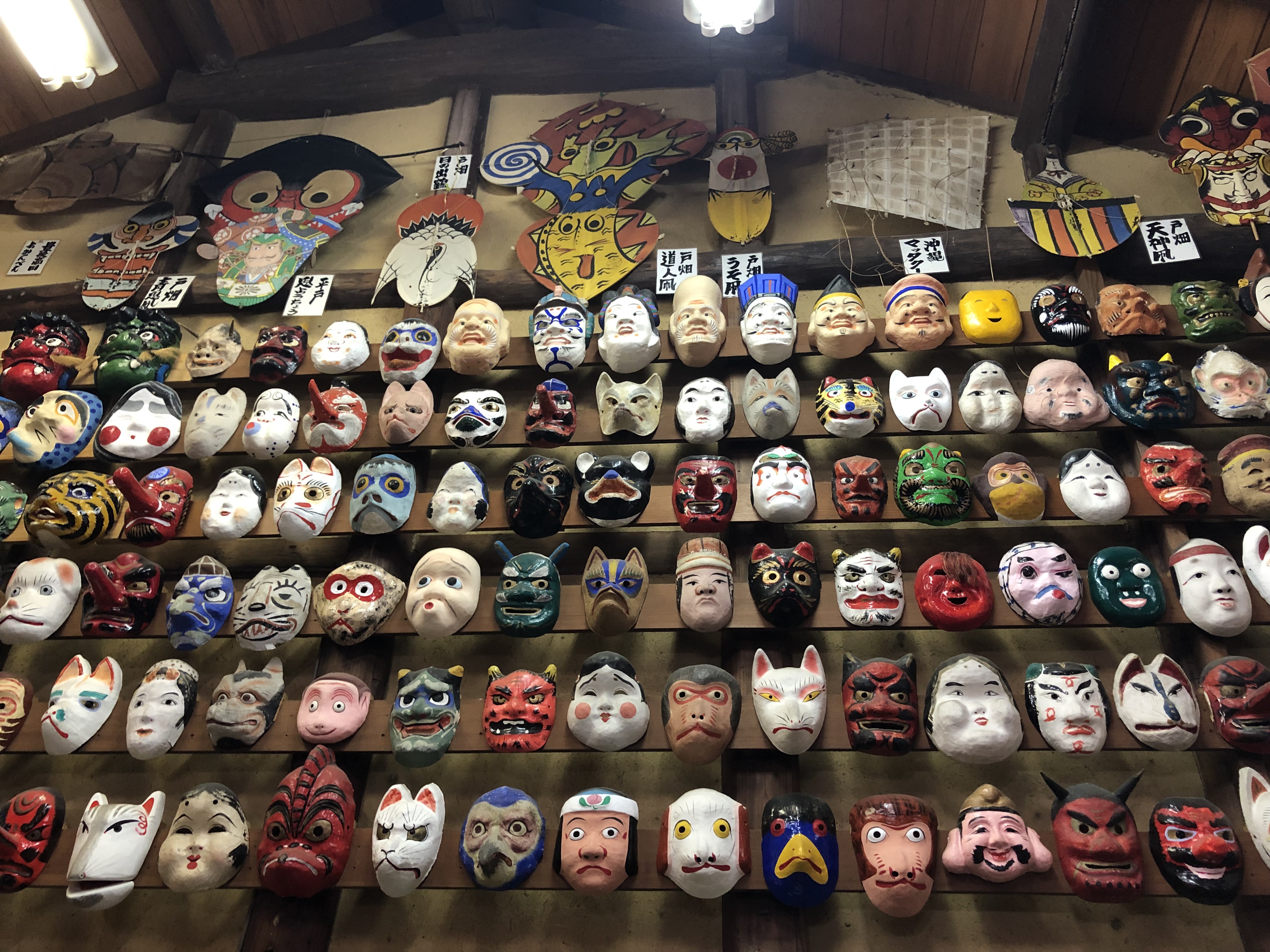
As I move to the third gallery, I am greeted by old wooden toys and spinning tops, and displays of annual New Years postage stamps from 1954 to present. In the fourth and final gallery, I see masks, a lot of masks. I’ve always wondered if masks can be classified as toys, but then again, I suppose the same question can be asked about postage stamps too. The gallery also features decorated shells, porcelain dolls, papier-mache dolls, and a large collection of old dusty books and badminton rackets.

As I step out of the museum, I find myself facing a small shrine. I can only assume that it is a tribute to the god of toys. As I think about the ancient toys, especially those dating back to the 1600s, I am struck by the enduring legacy of these simple objects of play. The children who once laughed and played with these toys, now long gone, reduced to mere memories and dust. But the toys remain, locked behind the glass walls of the museum. It’s a poignant reminder of the tragedy of death, and the beauty of the small things that outlast us. The toys, once a source of joy and laughter, now stand as silent witnesses to the fragility of existence.

As I continue my stroll through Kurashiki, I come across Denim Street, an entire street lined with shops selling the same thing. Along the way, I also pass small shops selling watercolour paintings and origami paper. The area, with its stunning canals and old shops, feels like a cross between Kyoto’s Gion district and Tokyo’s Asakusa district, but with less commercialisation. The area boasts a number of museums as well, including art, archæology, natural history, and folk-craft.

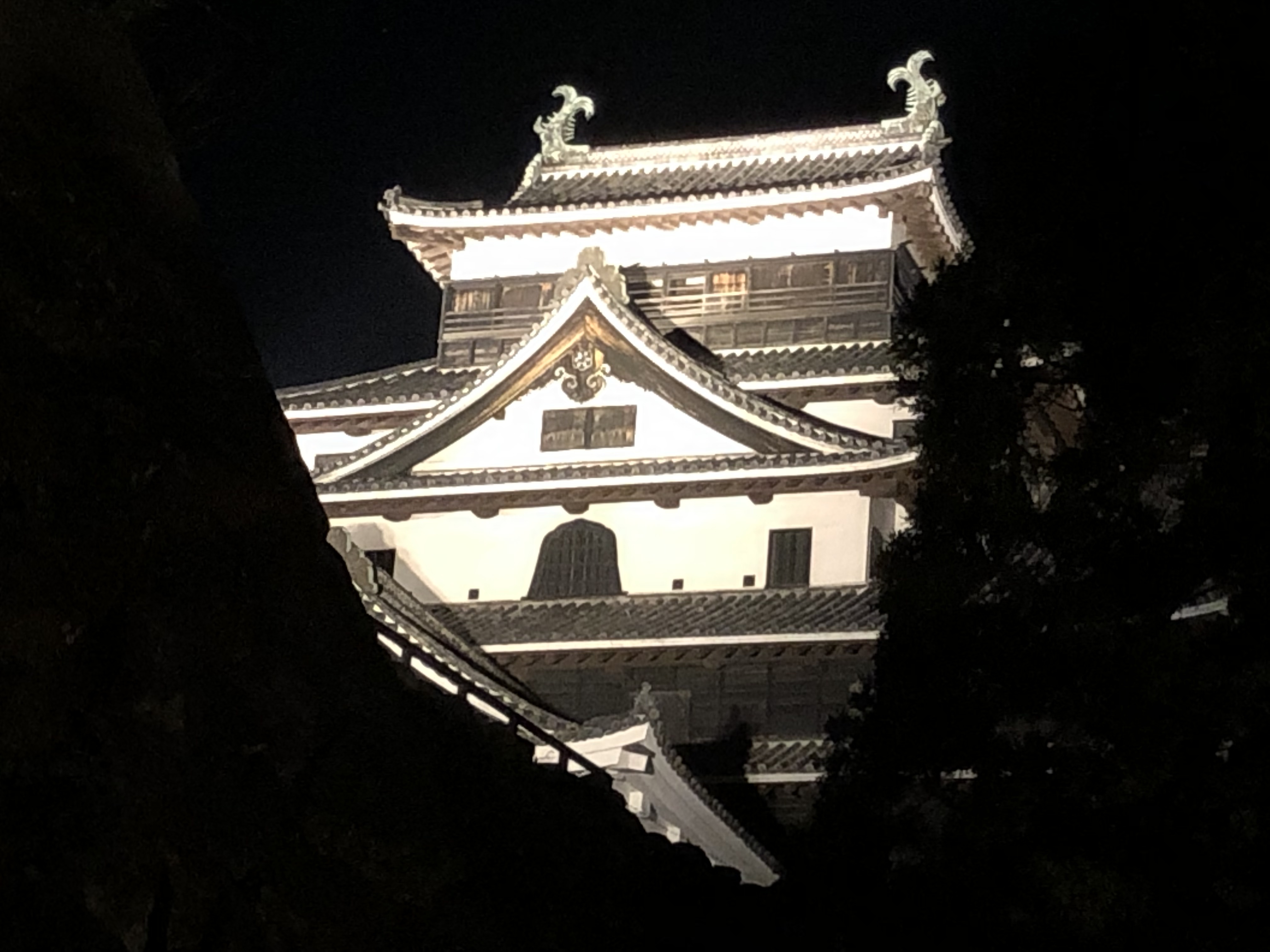
After a few hours of exploring, I leave the Land of Sunshine and embark on another four-hour train journey to the city of Matsue in Shimane Prefecture. As I arrive at dusk, I navigate the streets and make my way to Matsue Castle. Nicknamed the “black castle,” it is one of only 12 castles in Japan that have been perfectly preserved in their original state. It stands out in the darkness of the night, seeming to effortlessly float suspended in the sky. The grandeur of the castle illuminated by the moonlight, casting a mysterious and ethereal aura, making it an enchanting sight to behold.

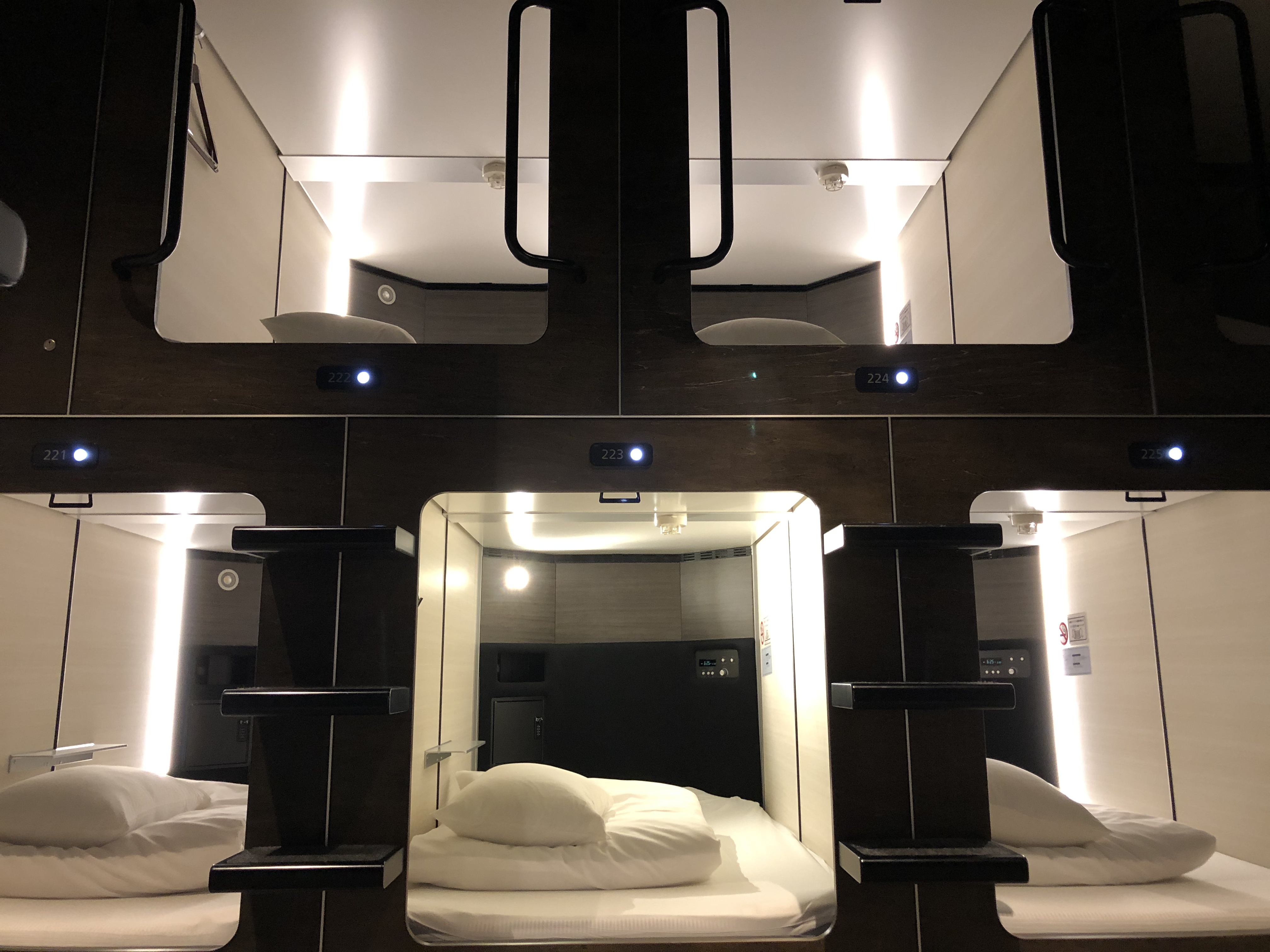
Leaving the castle, I decide to check into an iconic capsule hotel, something I’ve been meaning to do in Japan for years. After finding my “coffin” for the night, I realise that my room, if I can even call it that, is contained within a larger room with 39 other boxes stacked on top of one another. Thankfully, none of the other capsules are occupied. The hotel offers a reasonable amount of amenities, such as towels, toothbrushes, razors, earplugs, bathrobes, and nightwear. It’s also impeccably clean.

I grab some food from a nearby supermarket and head back to my hotel. Due to the limited space, it’s not possible to eat inside the room where the capsules are located. However, the hotel does offer a large common area with comfortable seating. The common area also features its own jaunty, catchy music that plays on a loop ad infinitum. It’s like being in a 1980s video game where the composer was hired on a budget. After eating my deep-fried tofu with rice and listening to the same piece of music for the twenty-third time, I retire for the evening, and crawl into bed.

As I lay in my coffin, the jaunty music swirling around my head like a relentless earworm, I think back to the toys, and thoughts on life, how we too are on a never-ending loop, chasing after fleeting moments of joy before inevitably succumbing to the silence of death.

Around the Wards in Achy Days

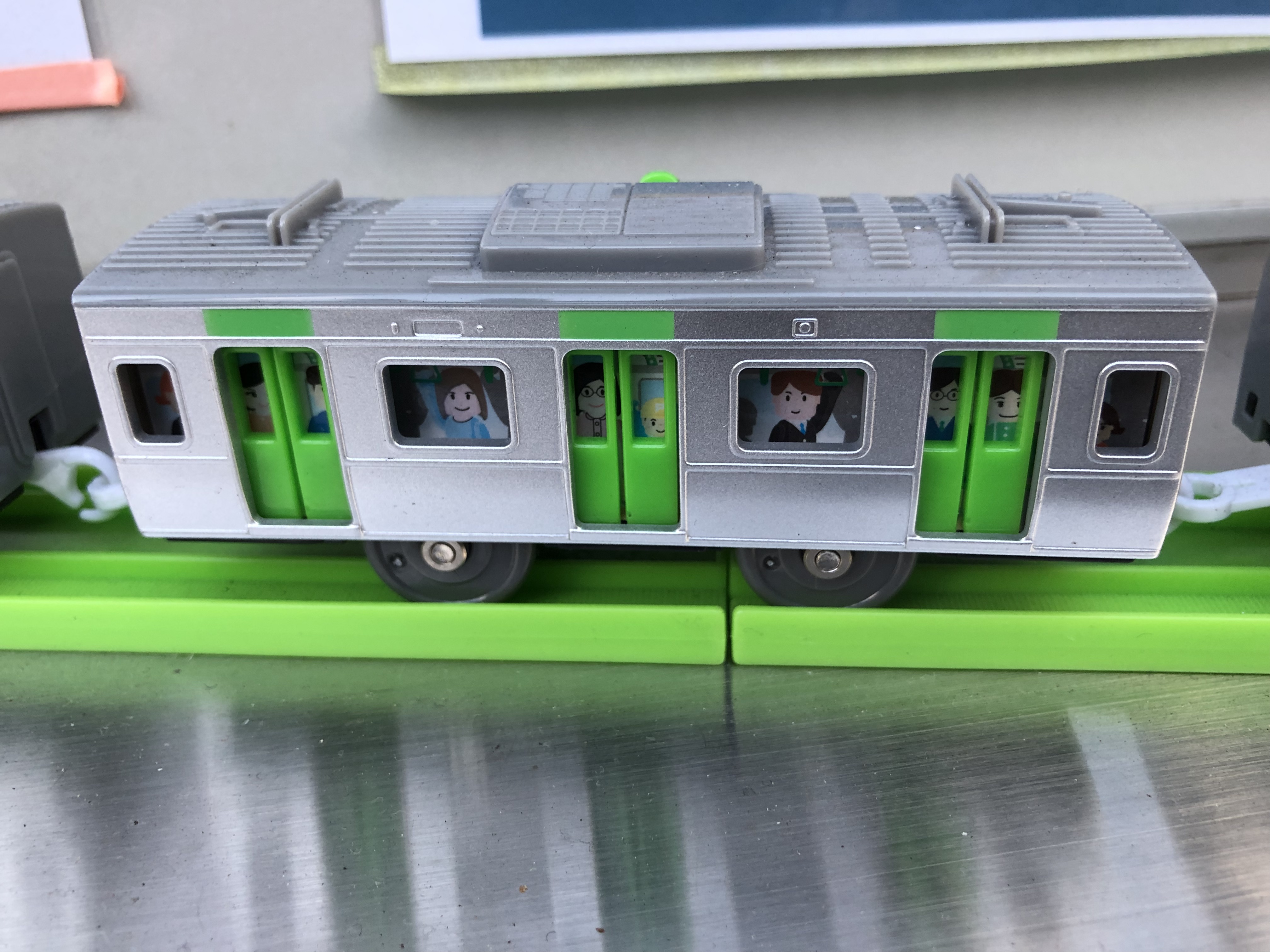
To celebrate the 150-year anniversary of railways in Japan, and my own personal achievement of having finally explored and written about all 23 wards of Tokyo, I decide to pay tribute to the city in a meaningful way. I choose to do so by embarking on a journey to walk the entire length of the Yamanote Line, a challenge that will allow me to experience Tokyo in a way that I never have before.

As the early morning sun blazes brightly between the gaps in the skyscrapers, I set out to meet my friend Maki. Though not typically a fan of early starts, today will be a long day that calls for an exception to be made. The Yamanote Line, a loop line encircling central Tokyo, is approximately 34.5 kilometres in length. But on foot, without walking on the tracks, the journey becomes a formidable 44 kilometres – just a little over a marathon’s distance. Thus, the route earns itself a playful portmanteau: the Yamathon.

I meet Maki outside a small cafe in Sumida, and we cross the bridge over into Asakusa. She asks me if she can give up, to which I jokingly reply that it’s a bit early to be considering such a thing. After all, with the Yamanote Line constantly circling the city, it’s always possible to find a train station nearby in case the need to give up arises. We set off from Ueno, the start and end point of our journey. Our first decision is whether to walk clockwise or anti-clockwise. After some deliberation, we opt for the latter, as the prospect of navigating through the eerie streets of Uguisudani at night seems daunting. And so, we set off in the direction of Ikebukuro.

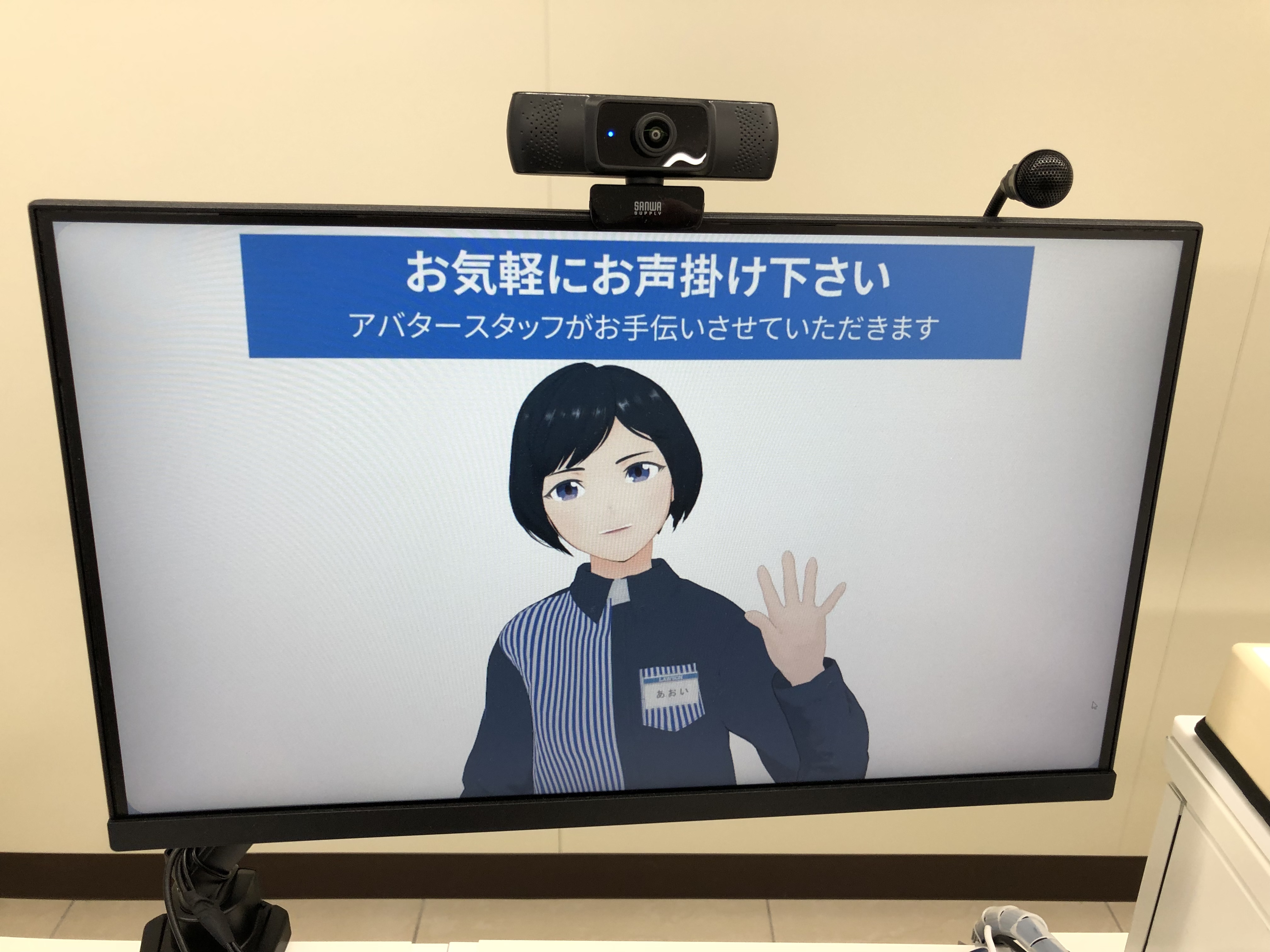
As we approach Nippori, the road runs out and we are forced to venture into the familiar territory of Yanaka Cemetery (still no sign of the ‘snow-protective lifting tool’). While meandering amongst the empty graves, we become momentarily lost, but the distant rumble of a Yamanote Line train eventually guides us back to the tracks. We continue on, making our way through Tabata and eventually reaching Otsuka Station. It is here, three hours into our quest, that our journey takes an unexpected detour in the form of an interesting discovery: the first and only Green Lawson in Tokyo.

The thing that makes this store so unique is that it is fully staffed by digital avatars of Lawson employees, rather than human staff members. As we wander into the store, intrigued by the novelty of it all, we decide to explore further. As we pass by one of the avatars, she greets us with a cheerful “Happy New Year” in Japanese. As Maki chats with the AI about our epic journey along the Yamanote Line and my documenting it in a blog, the clever machine quips that it would be happy to strike a pose for a photograph. It suggests three options: a cheerful “wave,” a universal “peace” sign, or a self-deprecating “loser” sign.

Eager to learn more, I take the opportunity to ask the AI about the philosophy behind Green Lawson. To my surprise, the machine responds in fluent English, explaining that the store aims to reduce food waste, support the local economy, and contribute to world peace.

As we resume our walk, the towering buildings along the route create pockets of shade on the pavement. It’s cold in the shadows, but warm in the sun. Maki explains that there are two words in Japanese that both describe these respective conditions, but I find myself struggling to come up with the antonym for “shade.” This lack of an opposing word begins to bother me, and I consider the possibility that it might be a failing of my memory.

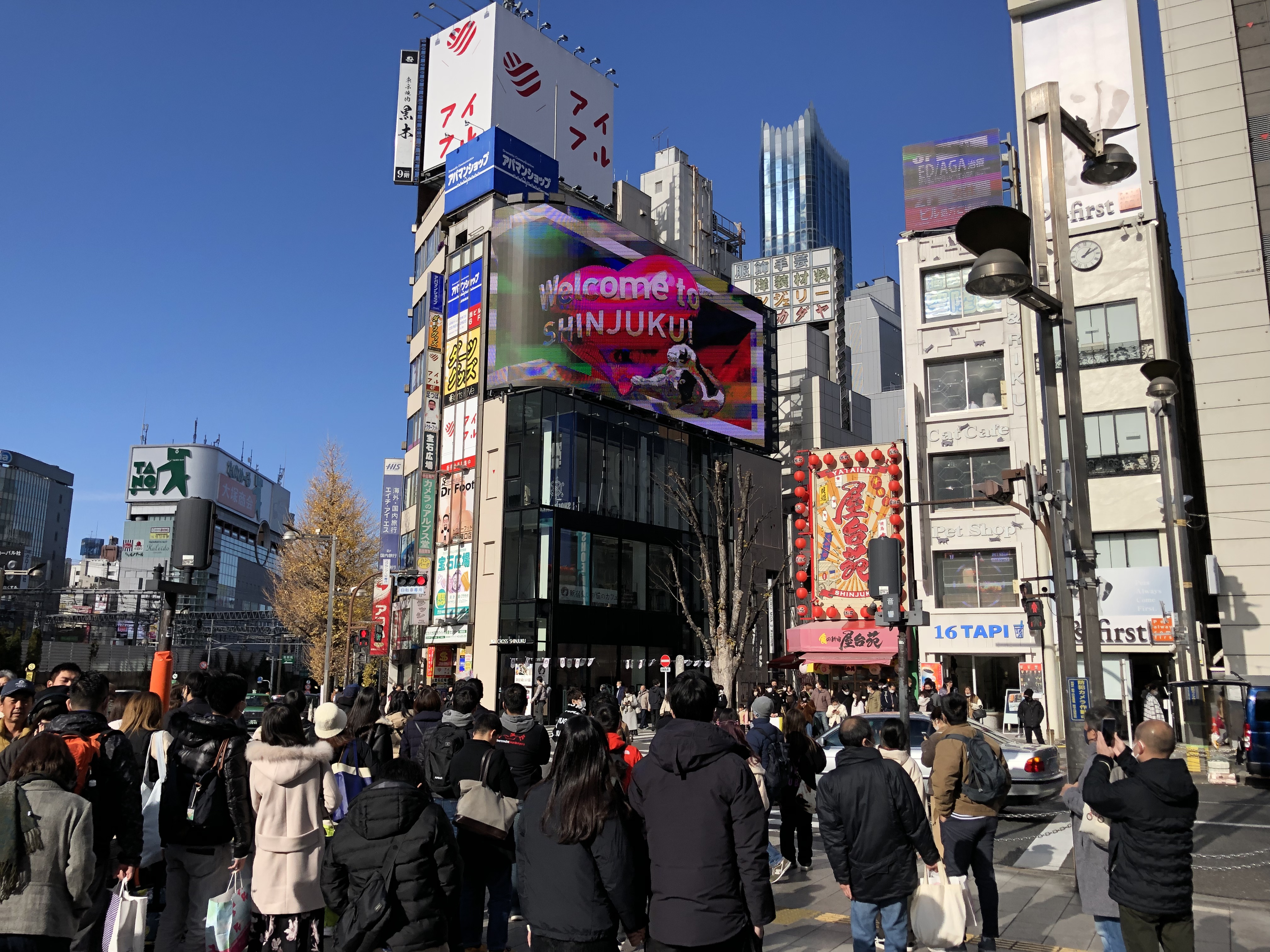
We continue on, passing a large group of people running along the street dressed as rabbits, a nod to the Chinese New Year’s chosen animal. At Ikebukuro, we are treated to the sight of sculptures that litter the streets. As we enter Shin-Okubo, we find ourselves wandering through the bustling streets of Korean Town. And at Shinjuku Station, we are greeted by a television screen that displays words in a mesmerising three-dimensional phenomenon.

Almost five hours into our walk, we arrive at the halfway point of our journey: Harajuku Station. Here, people stand in line, eagerly waiting to purchase tapioca from a street vendor. A little further up the street, we see a similar scene, but with people queueing up along the entire length of a road to buy shoes. In Shibuya, we encounter yet another line, this time composed of people waiting to take a photograph of Hachiko the dog, adorned with a special wreath to mark the New Year.

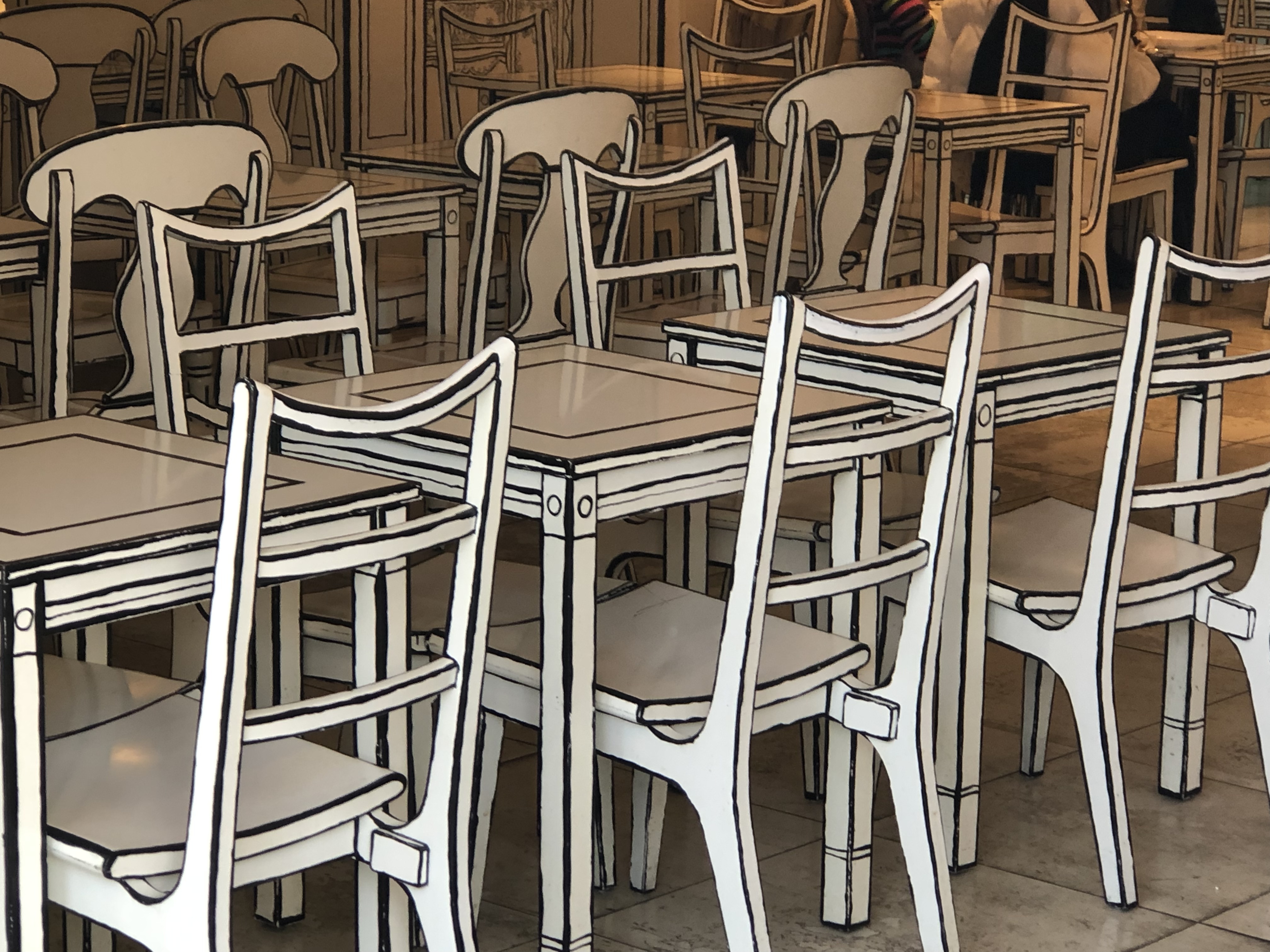
After hours of constant walking, our legs begin to feel sore. We decide to take a well-deserved break at a small, charming cafe. In contrast to the bustling, three-dimensional imagery of Shinjuku Station, the atmosphere at the cafe is a tranquil, two-dimensional one.

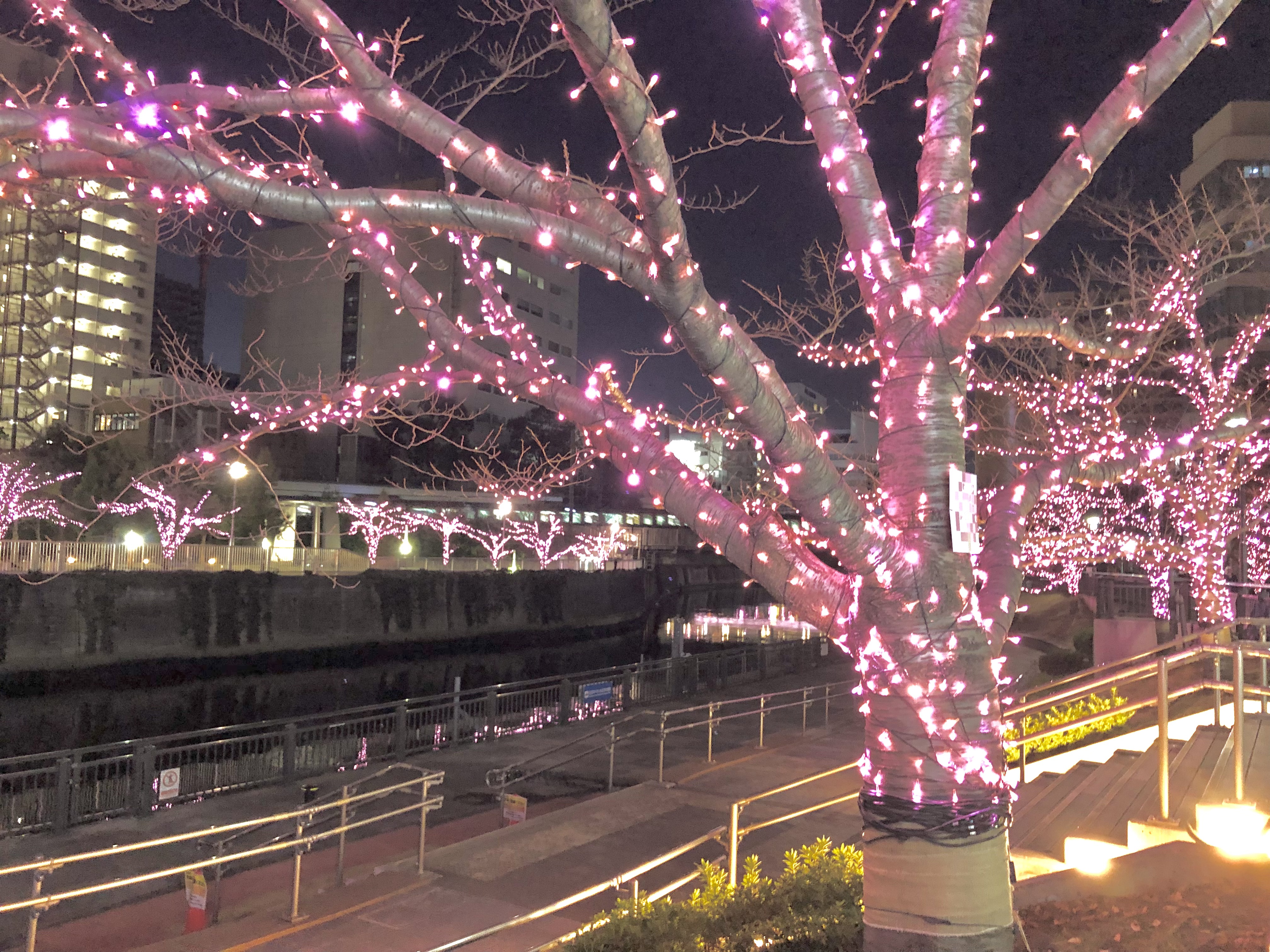
With the night falling and the wind picking up, a chill fills the air as we resume our journey through the darkening city. Despite the challenges presented by the fading light and the increasing cold, we persevere, striding forward on our journey. Close to Meguro Station, we are treated to a beautiful distraction in the form of the Meguro River Cherry Blossoms Promenade, a scenic riverside path lined with cherry trees that are illuminated by beautiful pink lights.

The tranquil scene is a welcome respite from the pain in my calves, and Maki and I take a moment to simply savour the beauty around us.

With weariness setting in, we consider the possibility of giving up, but in the end, we decide that we cannot allow ourselves to quit, for the fear of regret is too great. If we can push through and complete this challenge, we tell ourselves, then we can conquer anything. And so, we push on, determined to see our journey through to the end.

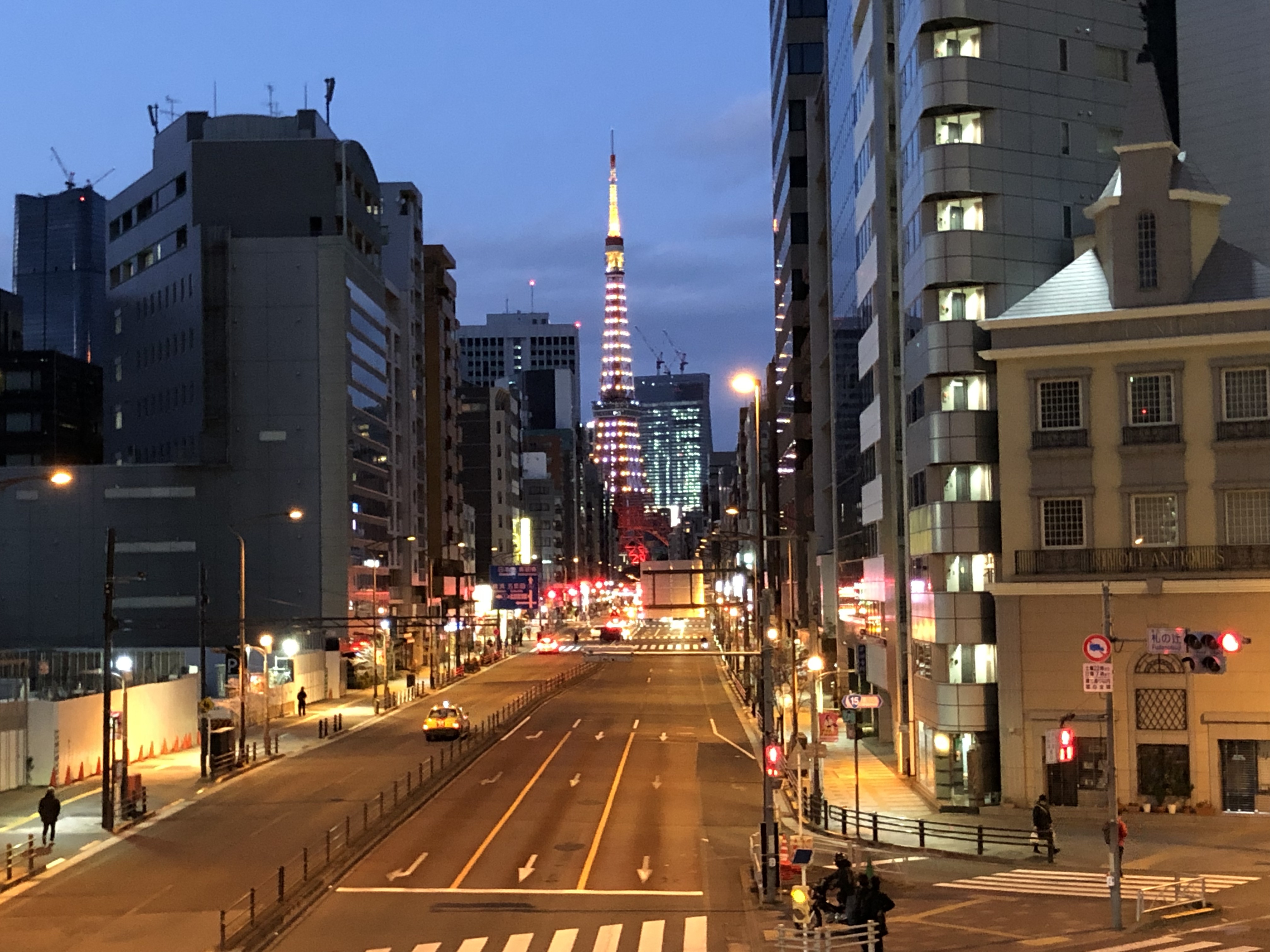
We pass through Shinagawa and the newly built Takanawa Gateway Station, the most recent addition to the Yamanote Line. At 5 p.m., the “Yuyake Koyake” bells ring out from speakers at every intersection, beckoning us to return home. But we do not heed their call, for the end of our journey is nearly in sight. In the distance, I am heartened by the sight of the bright illuminations of Tokyo Tower.

Built from the remains of United States military tanks damaged in the Korean War, Tokyo Tower was designed to mirror the iconic Eiffel Tower in France. However, in a show of competitive spirit, Japan deliberately made its tower 2.6 metres taller, earning it the title of the tallest freestanding tower in the world (a title now held by Tokyo Skytree).

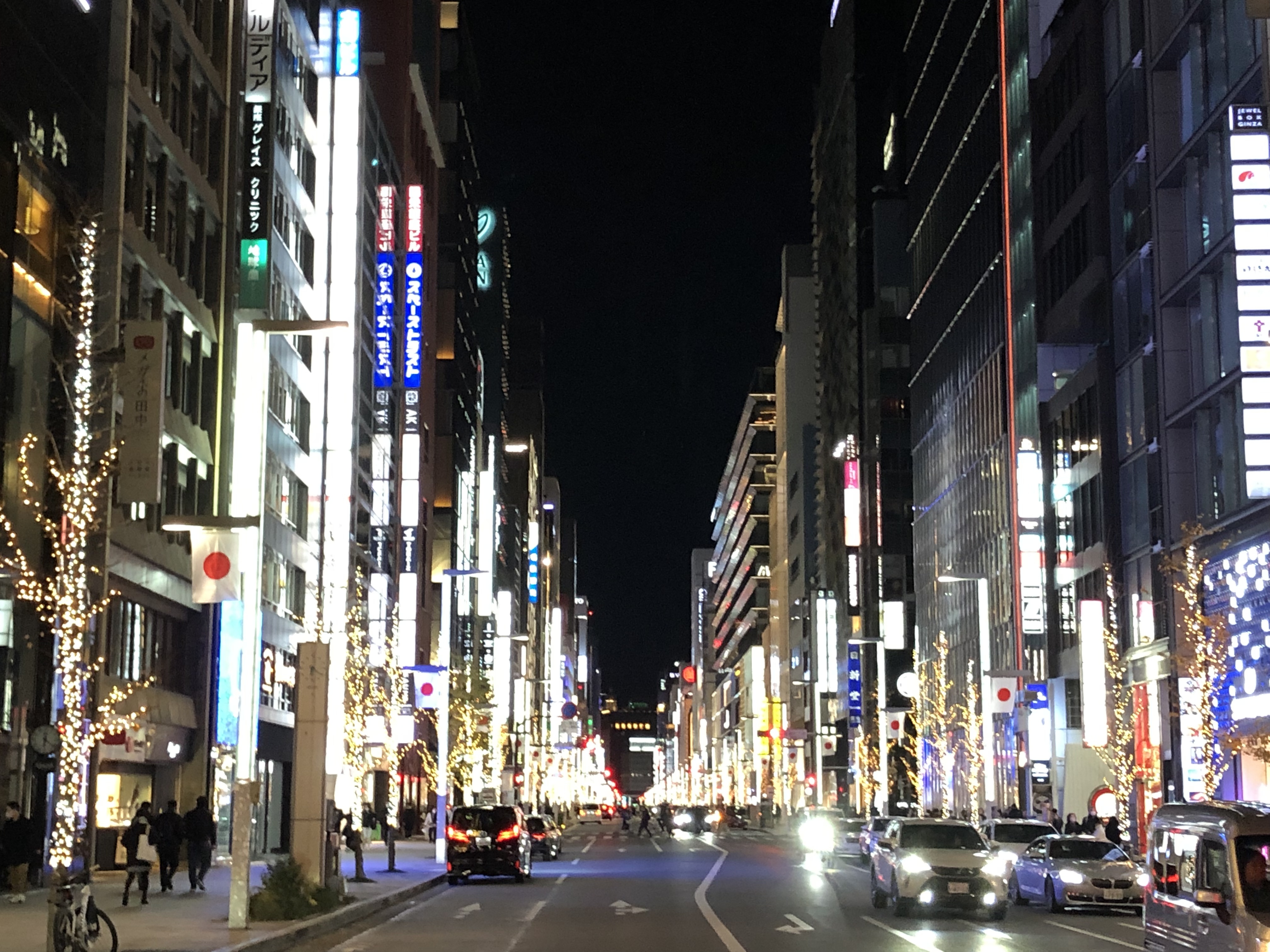
As we near the end of our journey, we are mesmerised by the bright lights of Ginza, Tokyo, Kanda, and Akihabara, all of which are transformed into a neon nirvana at night. It is at this moment that I am struck by the realisation that Japan has not just four, but five seasons – one that is marked not by the changing colours of nature, but by the way in which the country’s cities and towns are transformed by the darkness of night.

After a grueling nine-hour journey that saw us take a total of 55,454 steps, we finally arrive at Ueno Station, exhausted but triumphant. Our legs ache and our feet throb with pain, but the sense of accomplishment helps to outweigh the discomfort. Upon returning to Asakusa, I allow myself the indulgence of an ice-cold beer – the best I’ve ever tasted – as a way to celebrate and relax after our achievement. As Maki and I bask in the afterglow of our journey, the fatigue slowly starts to fade away.