Around the Wards in Achy Days

To celebrate the 150-year anniversary of railways in Japan, and my own personal achievement of having finally explored and written about all 23 wards of Tokyo, I decide to pay tribute to the city in a meaningful way. I choose to do so by embarking on a journey to walk the entire length of the Yamanote Line, a challenge that will allow me to experience Tokyo in a way that I never have before.

As the early morning sun blazes brightly between the gaps in the skyscrapers, I set out to meet my friend Maki. Though not typically a fan of early starts, today will be a long day that calls for an exception to be made. The Yamanote Line, a loop line encircling central Tokyo, is approximately 34.5 kilometres in length. But on foot, without walking on the tracks, the journey becomes a formidable 44 kilometres – just a little over a marathon’s distance. Thus, the route earns itself a playful portmanteau: the Yamathon.
I meet Maki outside a small cafe in Sumida, and we cross the bridge over into Asakusa. She asks me if she can give up, to which I jokingly reply that it’s a bit early to be considering such a thing. After all, with the Yamanote Line constantly circling the city, it’s always possible to find a train station nearby in case the need to give up arises. We set off from Ueno, the start and end point of our journey. Our first decision is whether to walk clockwise or anti-clockwise. After some deliberation, we opt for the latter, as the prospect of navigating through the eerie streets of Uguisudani at night seems daunting. And so, we set off in the direction of Ikebukuro.

As we approach Nippori, the road runs out and we are forced to venture into the familiar territory of Yanaka Cemetery (still no sign of the ‘snow-protective lifting tool’). While meandering amongst the empty graves, we become momentarily lost, but the distant rumble of a Yamanote Line train eventually guides us back to the tracks. We continue on, making our way through Tabata and eventually reaching Otsuka Station. It is here, three hours into our quest, that our journey takes an unexpected detour in the form of an interesting discovery: the first and only Green Lawson in Tokyo.
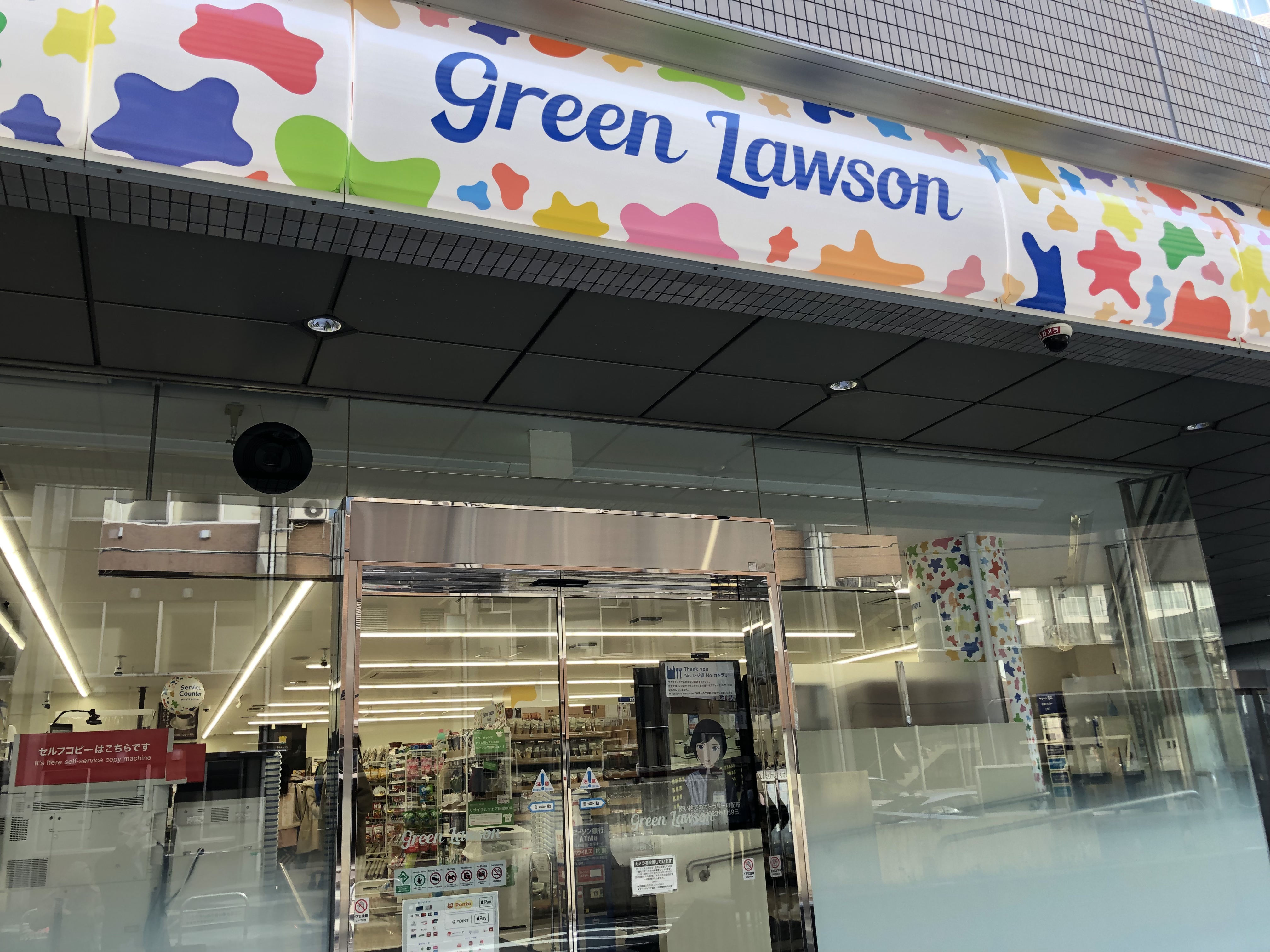
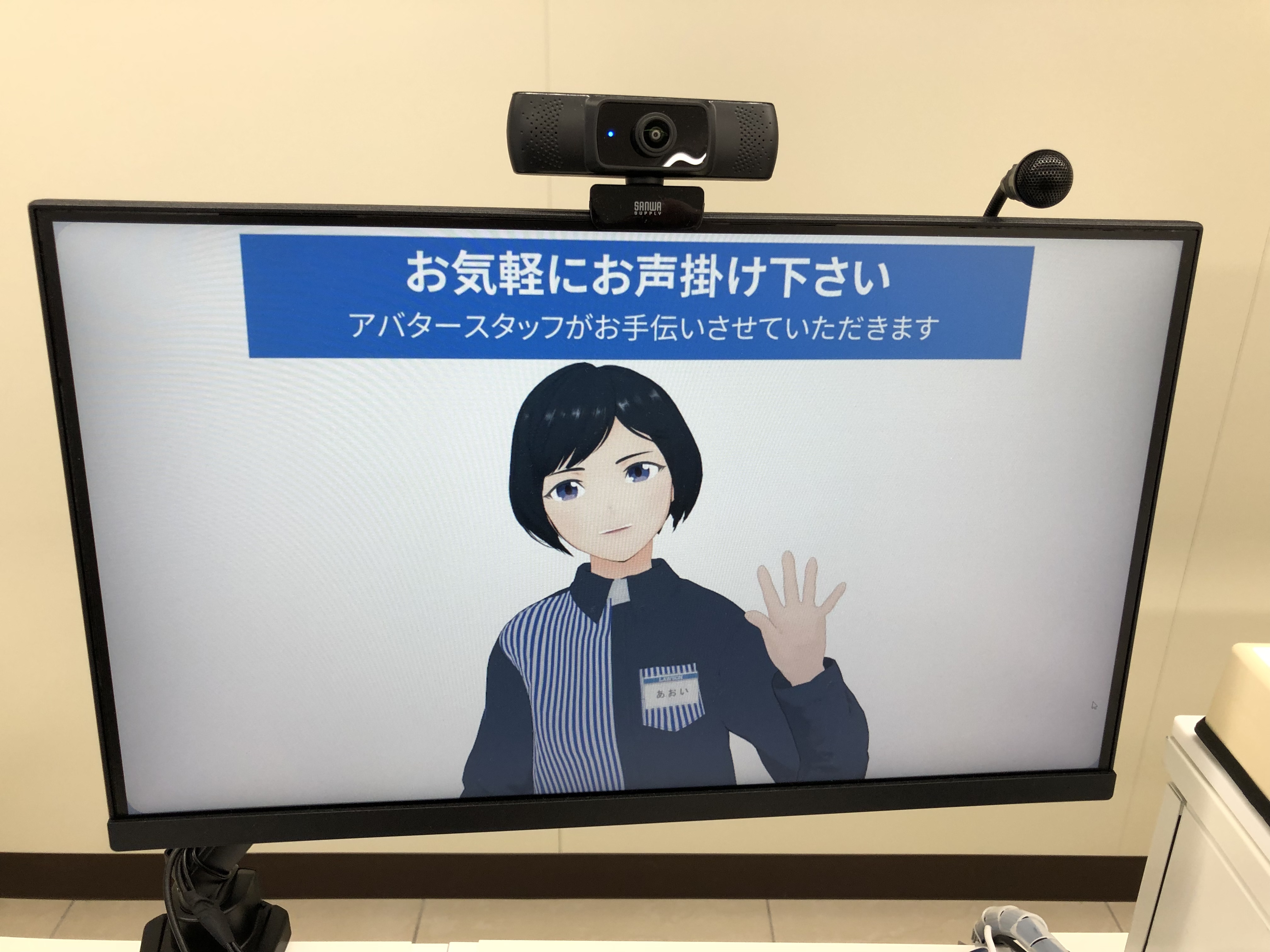
The thing that makes this store so unique is that it is fully staffed by digital avatars of Lawson employees, rather than human staff members. As we wander into the store, intrigued by the novelty of it all, we decide to explore further. As we pass by one of the avatars, she greets us with a cheerful “Happy New Year” in Japanese. As Maki chats with the AI about our epic journey along the Yamanote Line and my documenting it in a blog, the clever machine quips that it would be happy to strike a pose for a photograph. It suggests three options: a cheerful “wave,” a universal “peace” sign, or a self-deprecating “loser” sign.

Eager to learn more, I take the opportunity to ask the AI about the philosophy behind Green Lawson. To my surprise, the machine responds in fluent English, explaining that the store aims to reduce food waste, support the local economy, and contribute to world peace.
As we resume our walk, the towering buildings along the route create pockets of shade on the pavement. It’s cold in the shadows, but warm in the sun. Maki explains that there are two words in Japanese that both describe these respective conditions, but I find myself struggling to come up with the antonym for “shade.” This lack of an opposing word begins to bother me, and I consider the possibility that it might be a failing of my memory.

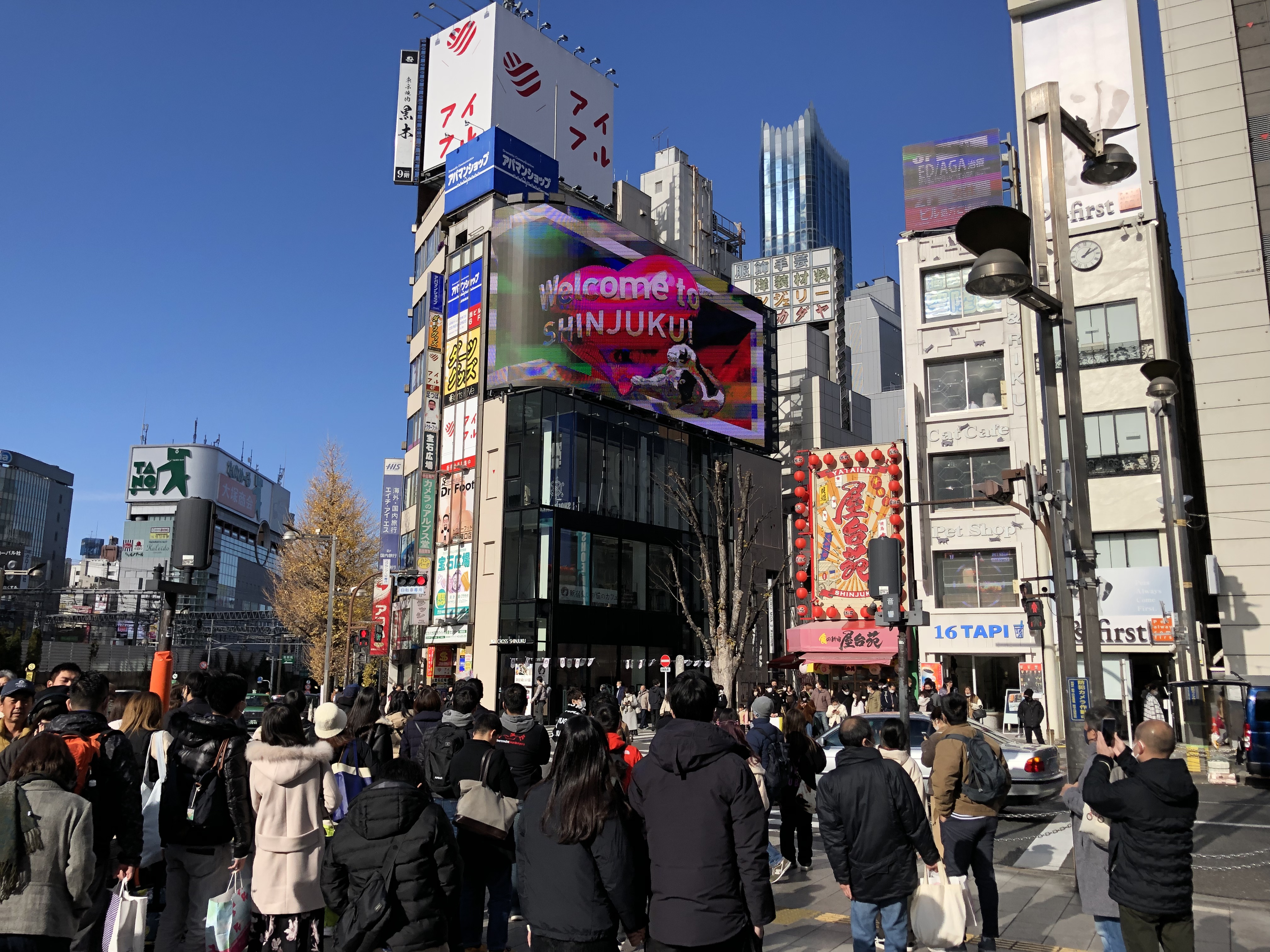
We continue on, passing a large group of people running along the street dressed as rabbits, a nod to the Chinese New Year’s chosen animal. At Ikebukuro, we are treated to the sight of sculptures that litter the streets. As we enter Shin-Okubo, we find ourselves wandering through the bustling streets of Korean Town. And at Shinjuku Station, we are greeted by a television screen that displays words in a mesmerising three-dimensional phenomenon.
Almost five hours into our walk, we arrive at the halfway point of our journey: Harajuku Station. Here, people stand in line, eagerly waiting to purchase tapioca from a street vendor. A little further up the street, we see a similar scene, but with people queueing up along the entire length of a road to buy shoes. In Shibuya, we encounter yet another line, this time composed of people waiting to take a photograph of Hachiko the dog, adorned with a special wreath to mark the New Year.

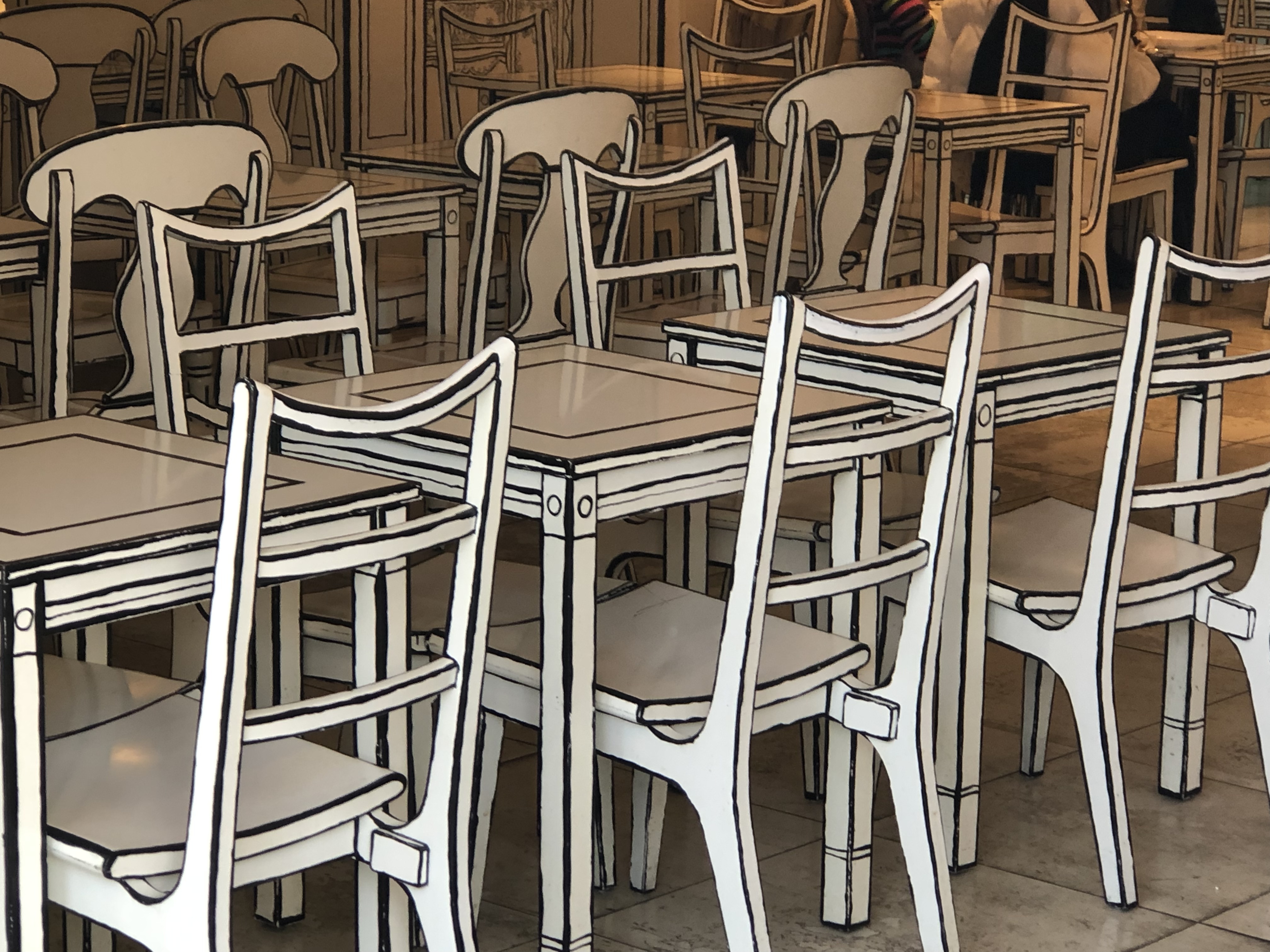
After hours of constant walking, our legs begin to feel sore. We decide to take a well-deserved break at a small, charming cafe. In contrast to the bustling, three-dimensional imagery of Shinjuku Station, the atmosphere at the cafe is a tranquil, two-dimensional one.
With the night falling and the wind picking up, a chill fills the air as we resume our journey through the darkening city. Despite the challenges presented by the fading light and the increasing cold, we persevere, striding forward on our journey. Close to Meguro Station, we are treated to a beautiful distraction in the form of the Meguro River Cherry Blossoms Promenade, a scenic riverside path lined with cherry trees that are illuminated by beautiful pink lights.

The tranquil scene is a welcome respite from the pain in my calves, and Maki and I take a moment to simply savour the beauty around us.
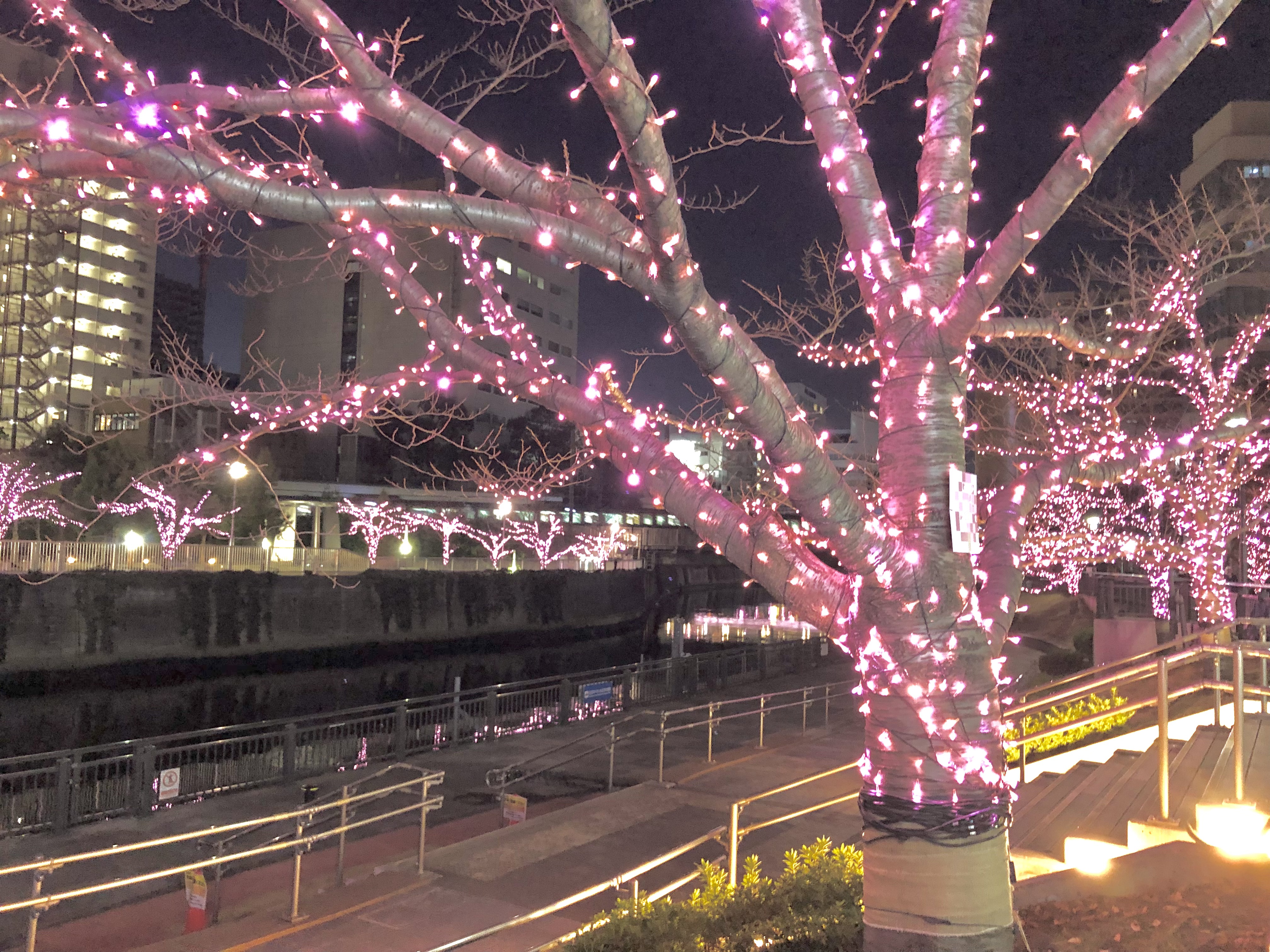
With weariness setting in, we consider the possibility of giving up, but in the end, we decide that we cannot allow ourselves to quit, for the fear of regret is too great. If we can push through and complete this challenge, we tell ourselves, then we can conquer anything. And so, we push on, determined to see our journey through to the end.

We pass through Shinagawa and the newly built Takanawa Gateway Station, the most recent addition to the Yamanote Line. At 5 p.m., the “Yuyake Koyake” bells ring out from speakers at every intersection, beckoning us to return home. But we do not heed their call, for the end of our journey is nearly in sight. In the distance, I am heartened by the sight of the bright illuminations of Tokyo Tower.
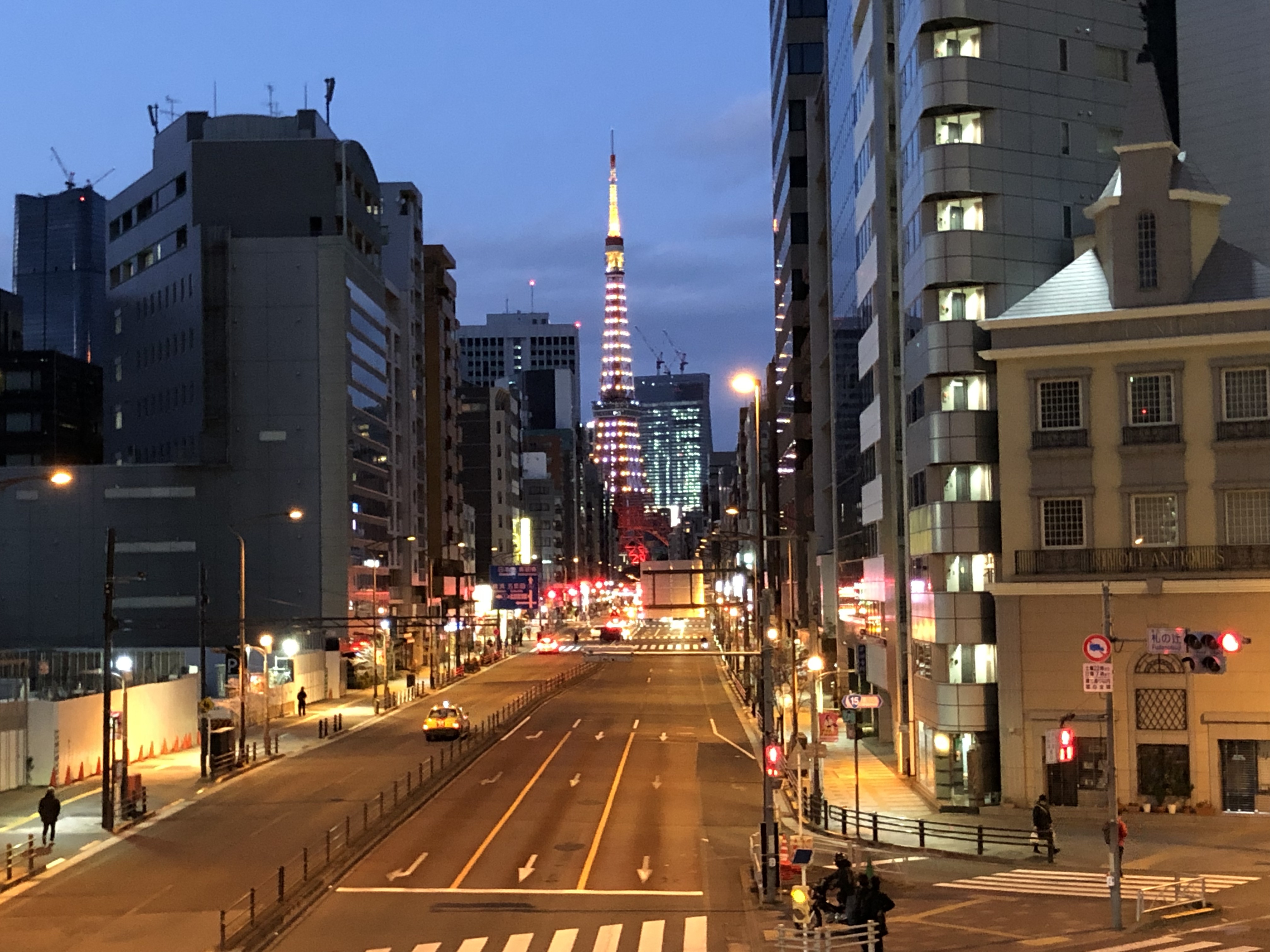
Built from the remains of United States military tanks damaged in the Korean War, Tokyo Tower was designed to mirror the iconic Eiffel Tower in France. However, in a show of competitive spirit, Japan deliberately made its tower 2.6 metres taller, earning it the title of the tallest freestanding tower in the world (a title now held by Tokyo Skytree).

As we near the end of our journey, we are mesmerised by the bright lights of Ginza, Tokyo, Kanda, and Akihabara, all of which are transformed into a neon nirvana at night. It is at this moment that I am struck by the realisation that Japan has not just four, but five seasons – one that is marked not by the changing colours of nature, but by the way in which the country’s cities and towns are transformed by the darkness of night.
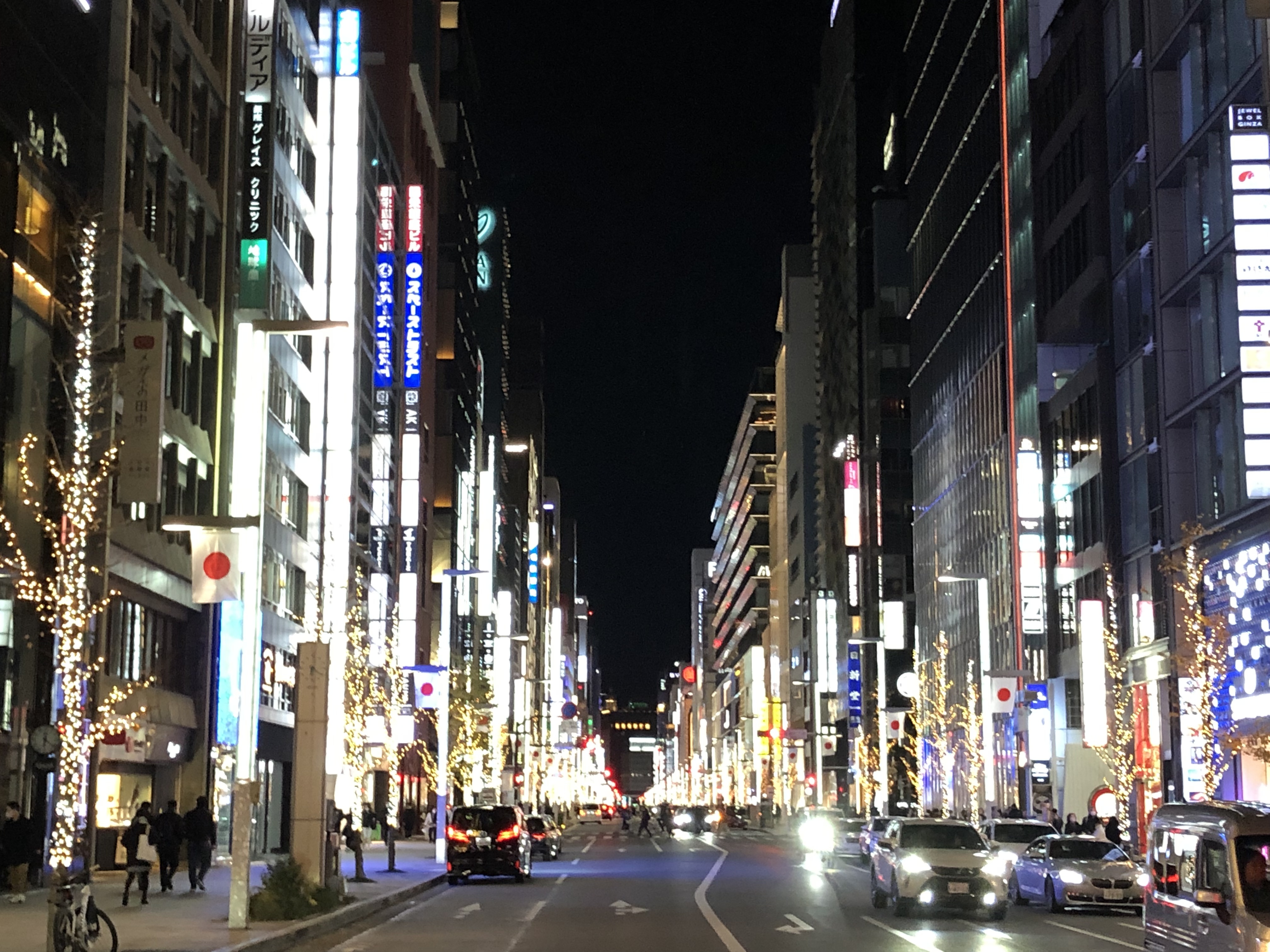
After a grueling nine-hour journey that saw us take a total of 55,454 steps, we finally arrive at Ueno Station, exhausted but triumphant. Our legs ache and our feet throb with pain, but the sense of accomplishment helps to outweigh the discomfort. Upon returning to Asakusa, I allow myself the indulgence of an ice-cold beer – the best I’ve ever tasted – as a way to celebrate and relax after our achievement. As Maki and I bask in the afterglow of our journey, the fatigue slowly starts to fade away.
Twenty Thousand Leaves Under the Trees

I have come to Itabashi today to visit the Great Buddha of Tokyo, also known as the Tokyo Daibutsu. Upon exiting the train station, I realise that there are no maps in sight, so I decide to climb up onto a bridge that crosses over the road for a better view. Even though I am still within the city limits of Tokyo, I am surprised to see mountains in the distance. For some reason, the Great Buddha remains hidden from view.

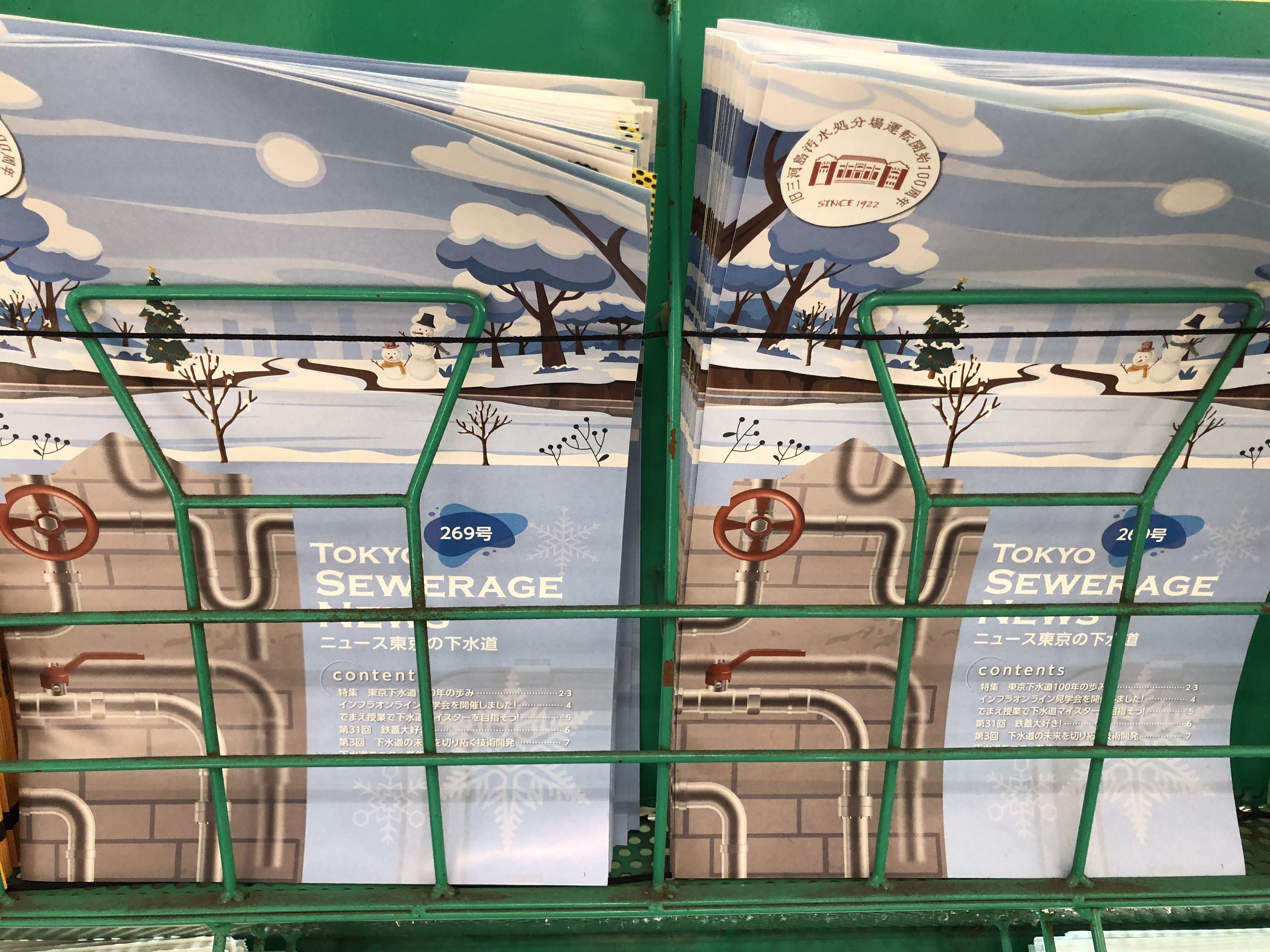
I return to the train station in search of a map. In Japan, all train stations have a stand with free leaflets, pamphlets, and sometimes magazines. This particular train station has an odd selection of magazines, including one that has been published since 1922 and is entirely about sewage.

After finding a map, I set off towards Akatsuka Park. Inside the park, I find an art museum (which is closed today), a folklore museum (also closed today), some water fountains adorning a pond lined with old men fishing, and on the other side of the park, a dried-up dragonfly pond.

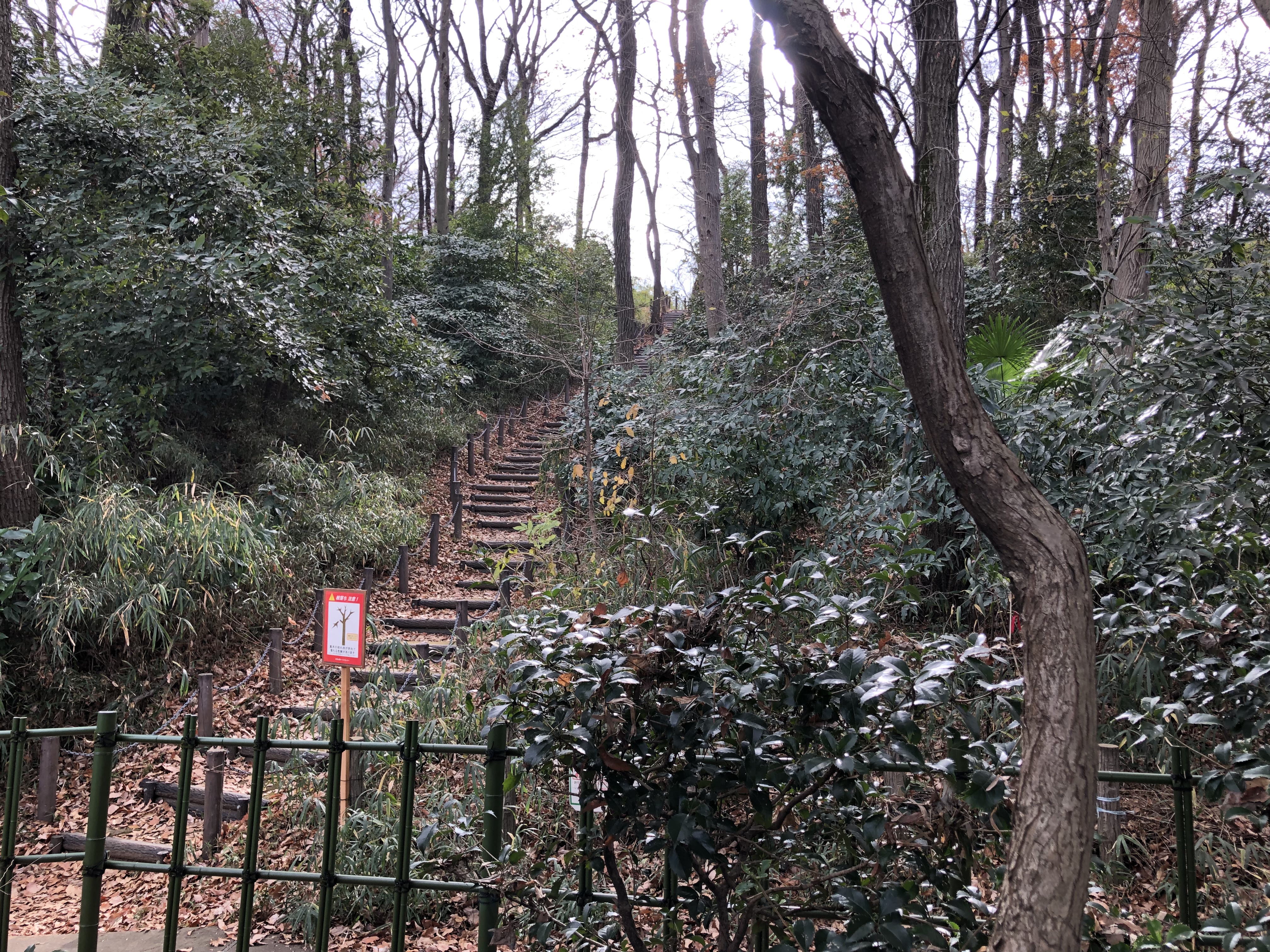
As I wander through the park, I am struck by the peaceful sounds of nature. The plum grove stands out to me, its branches now bare and skeleton-like after shedding their leaves, stripped of their colourful cloaks. The leaves, once vibrant and alive, now lie dormant on the ground, a reminder of the cycle of life and death. I follow the trail of leaves, before eventually coming across some rather steep steps.

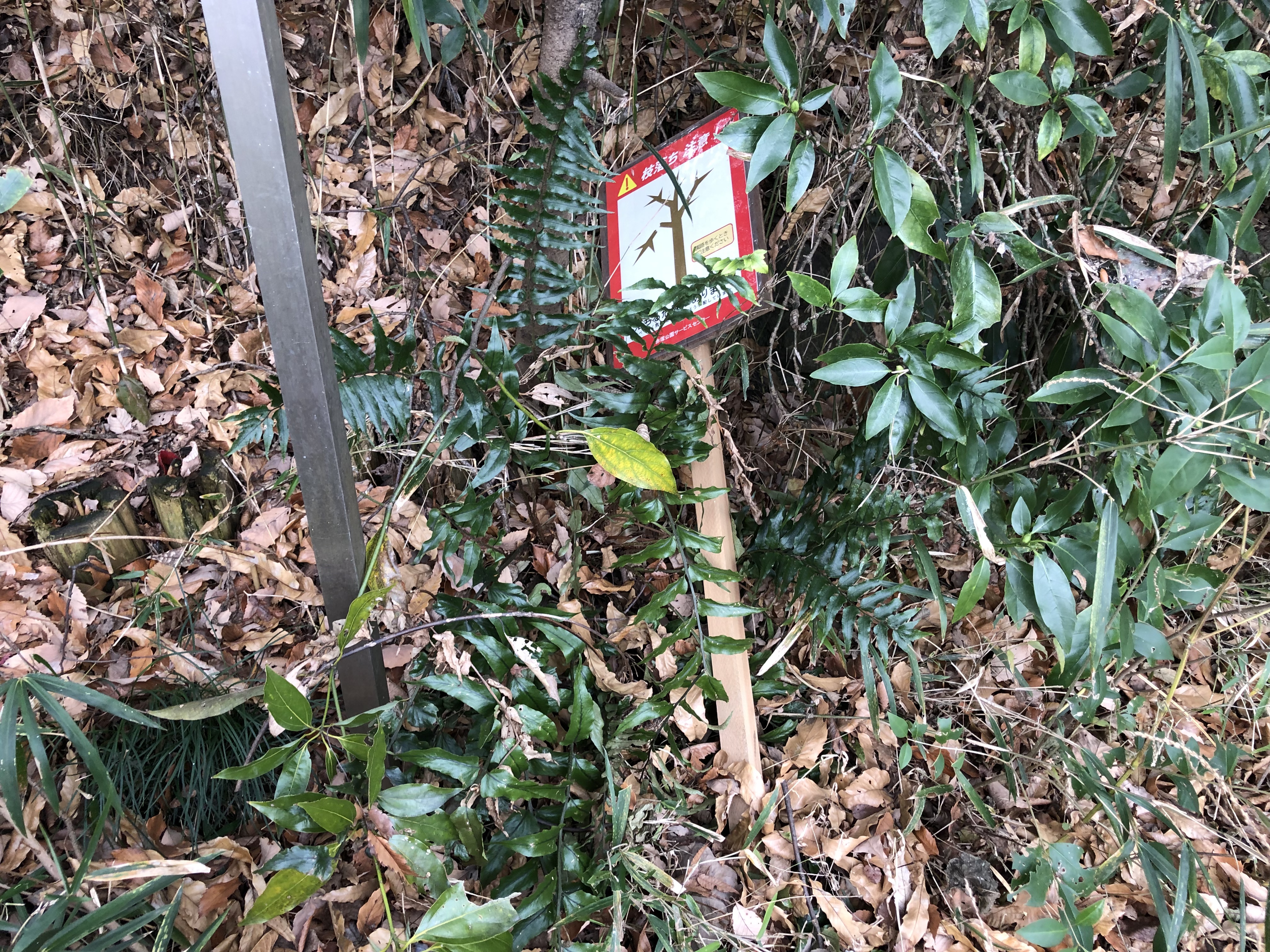
Signs placed intermittently along the steps warn me of the risk of falling branches, but as I climb their steepness, it’s the slippery fallen leaves that prove to be more problematic. I am careful with each step I take, not to slip, not to trip, and not to be hit by a branch hurtling towards me from above. Eventually, I reach the top, where I find the Akatsuka Joshi Park Castle Ruins, the former site of a castle.

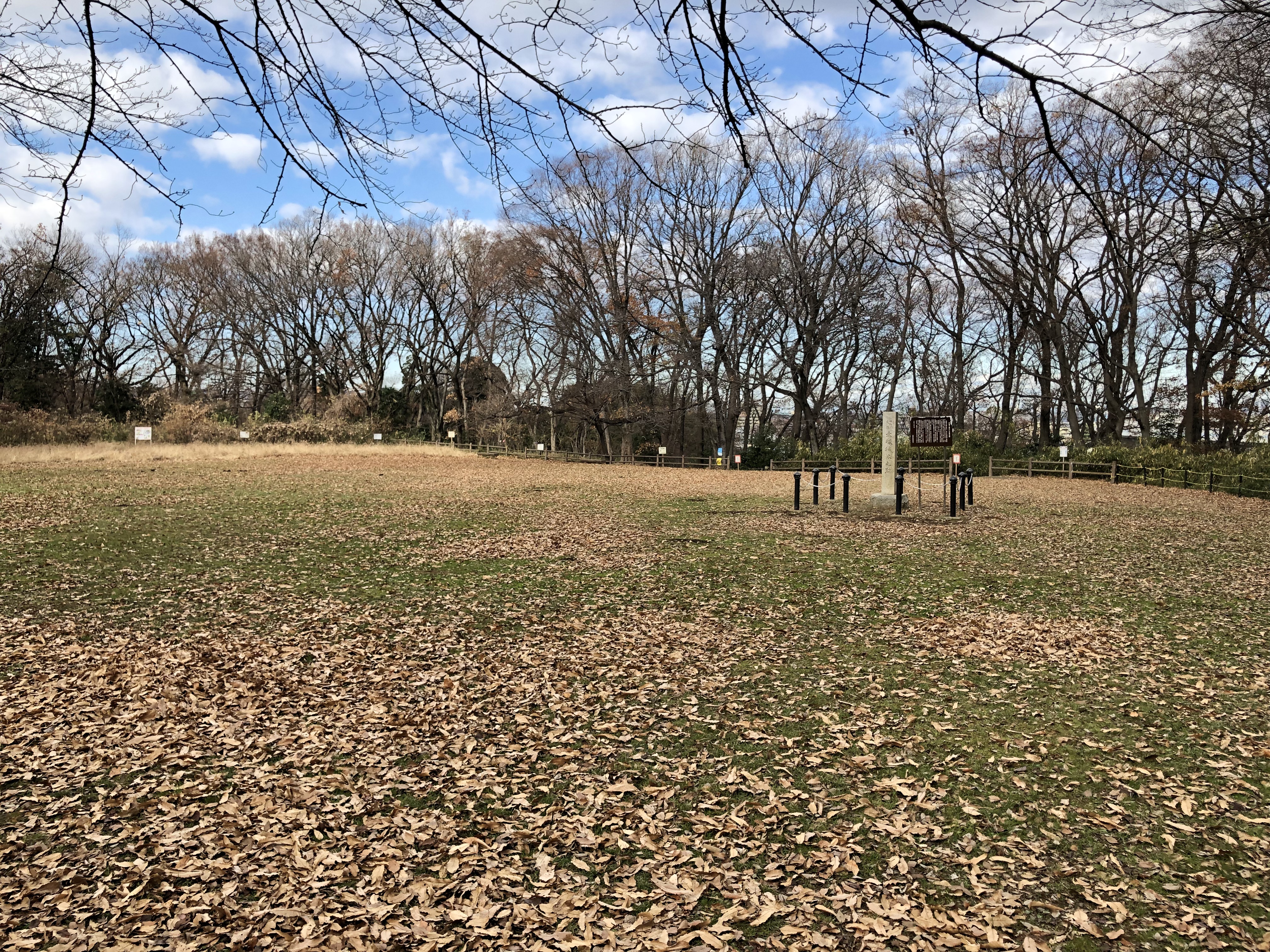
The open space where the beautiful castle once stood feels otherworldly. A single stone pillar serves as a testament to the castle’s former grandeur, the only remnant left in its wake. The bare trees surrounding the area add to the ethereal atmosphere, their stripped branches reaching towards the sky like ghostly fingers.

Yoritane Chiba was a prominent figure in Japanese history and played a significant role in the political and military affairs of the time. The Battle of Sekigahara, in which he played a leading role, was a decisive battle fought in 1600 that marked the end of the Sengoku period and the beginning of the Edo period in Japan. After the battle, he returned to Tokyo where he built this castle to be his home.

As I walk through the Akatsuka Castle Ruins, the empty space awash with fallen leaves, I sense a feeling of melancholy at the thought of Yoritane Chiba’s former greatness, now reduced to nothing but ruins. The castle was dismantled in the late 19th century, and once an important centre of power and cultural significance, now all its former grandeur is lost to the passage of time.

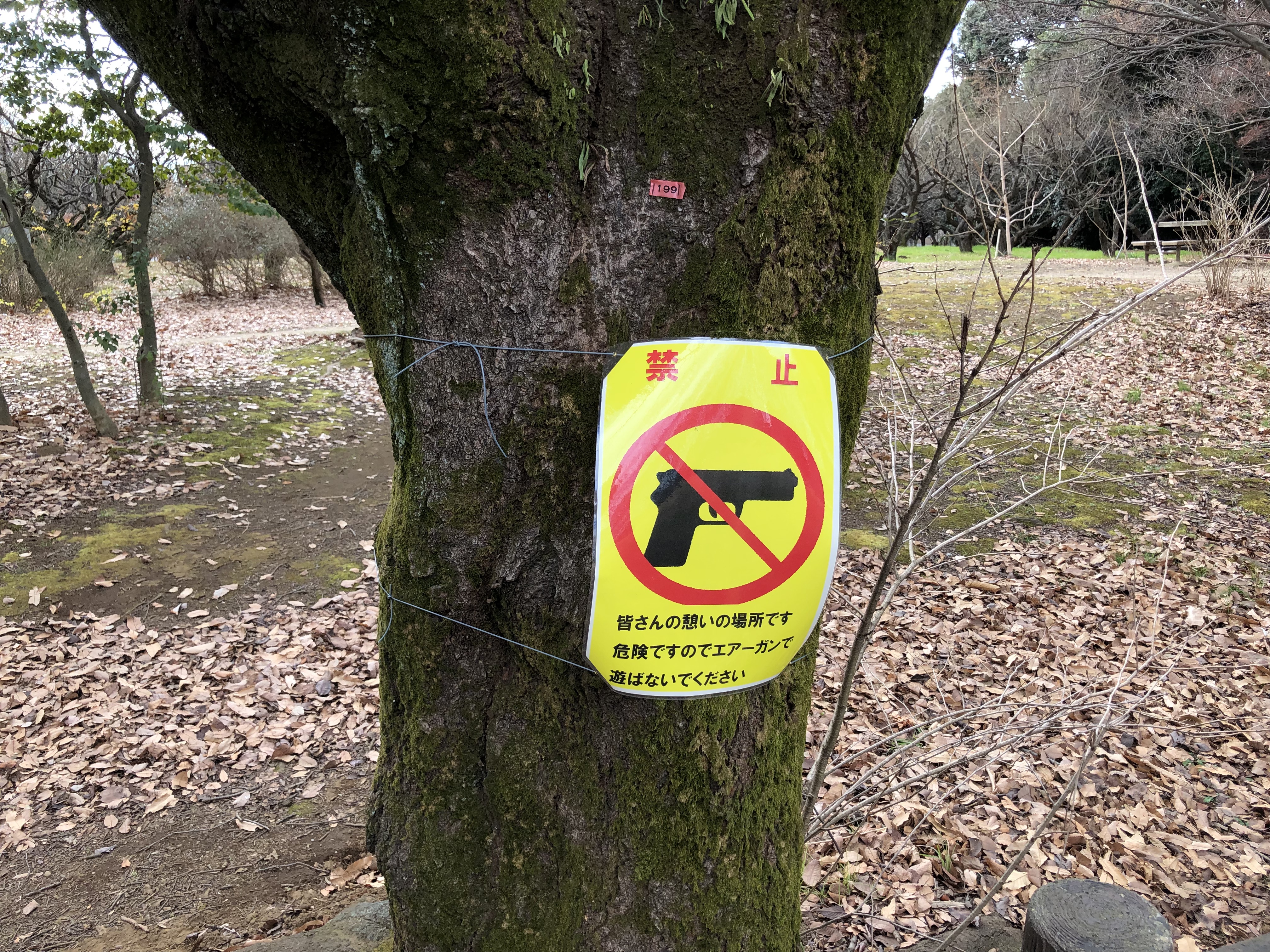
I continue my search for the Great Buddha, envisioning it to be a towering presence in the sky. As I look around, my eyes are drawn to a yellow sign in the distance, reminding me that this is a place for all to enjoy, free from harm, and to not go around shooting anyone.

Descending the steep steps, I notice that one of the signs cautioning against falling branches has itself fallen to the ground. Perhaps they should add a secondary sign as a reminder to watch out for falling signs.

I wander over to Akatsuka Botanical Gardens (also closed today). It seems that, if anything was actually open, this area in Itabashi would have a lot to offer. As I turn to depart, my gaze is captured by the sublime sight of the Buddha’s head rising above the walls of a temple, perched atop a hill like a beacon of tranquillity.

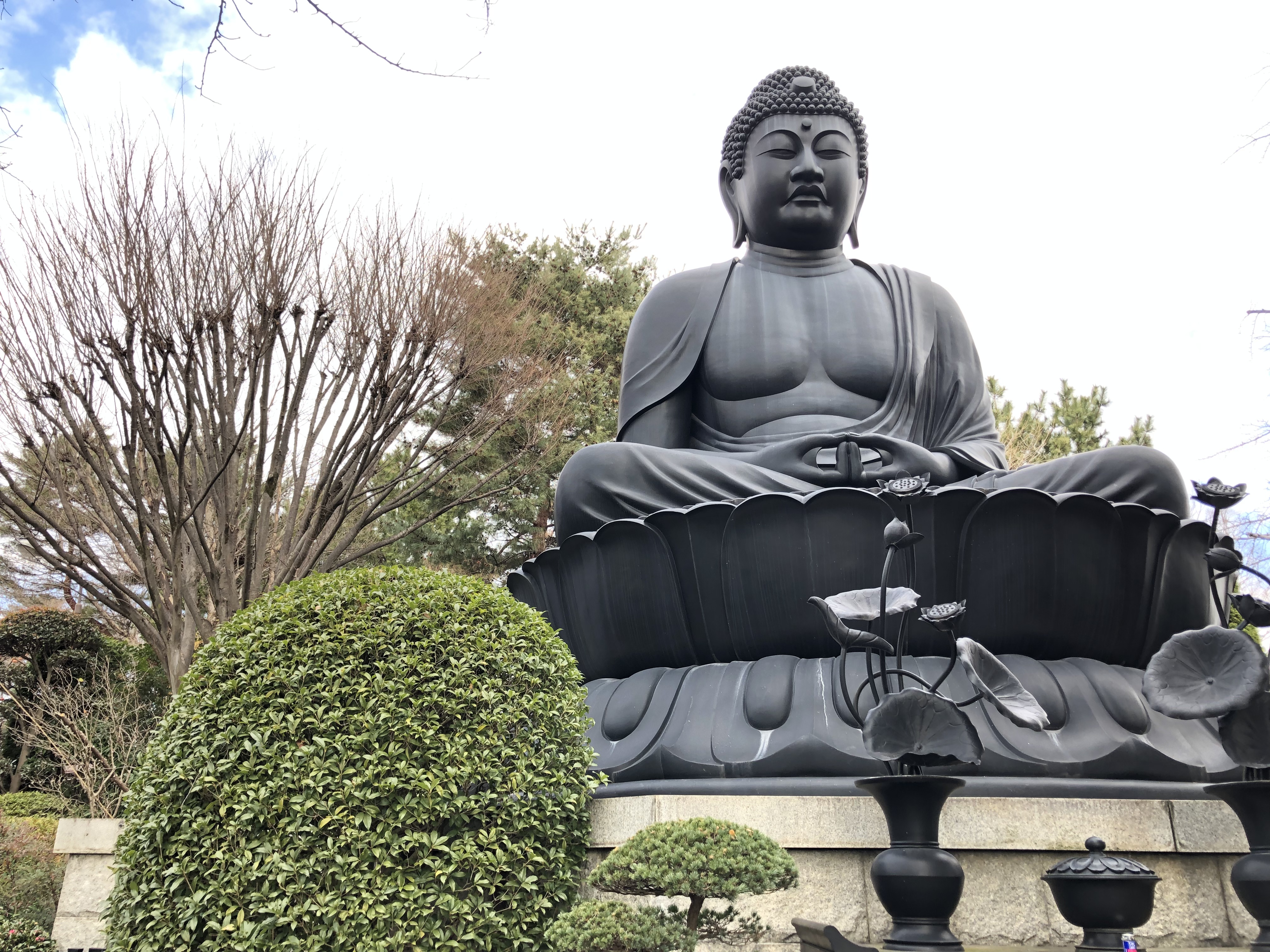
Jorenji Temple is a beautifully landscaped sanctuary that houses Japan’s third largest bronze Buddha, sitting tall at 12.5 metres. Within its walls, I encounter the fearsome King of Hell, also known as Enma-raja, along with the ten Judges of Hell, and Datsue-ba, the old woman who strips the clothing off the dead.

As I stand before the Great Buddha of Tokyo, I am struck by its powerful presence. Looking up at the Buddha’s face, I feel a sense of calm wash over me, and the placement of its head, tilted slightly forward, allows me to feel a deep connection with the statue as I meditate. In this moment, I am enveloped in the Buddha’s freedom from distracting thoughts, and I am filled with a sense of peace and enlightenment.

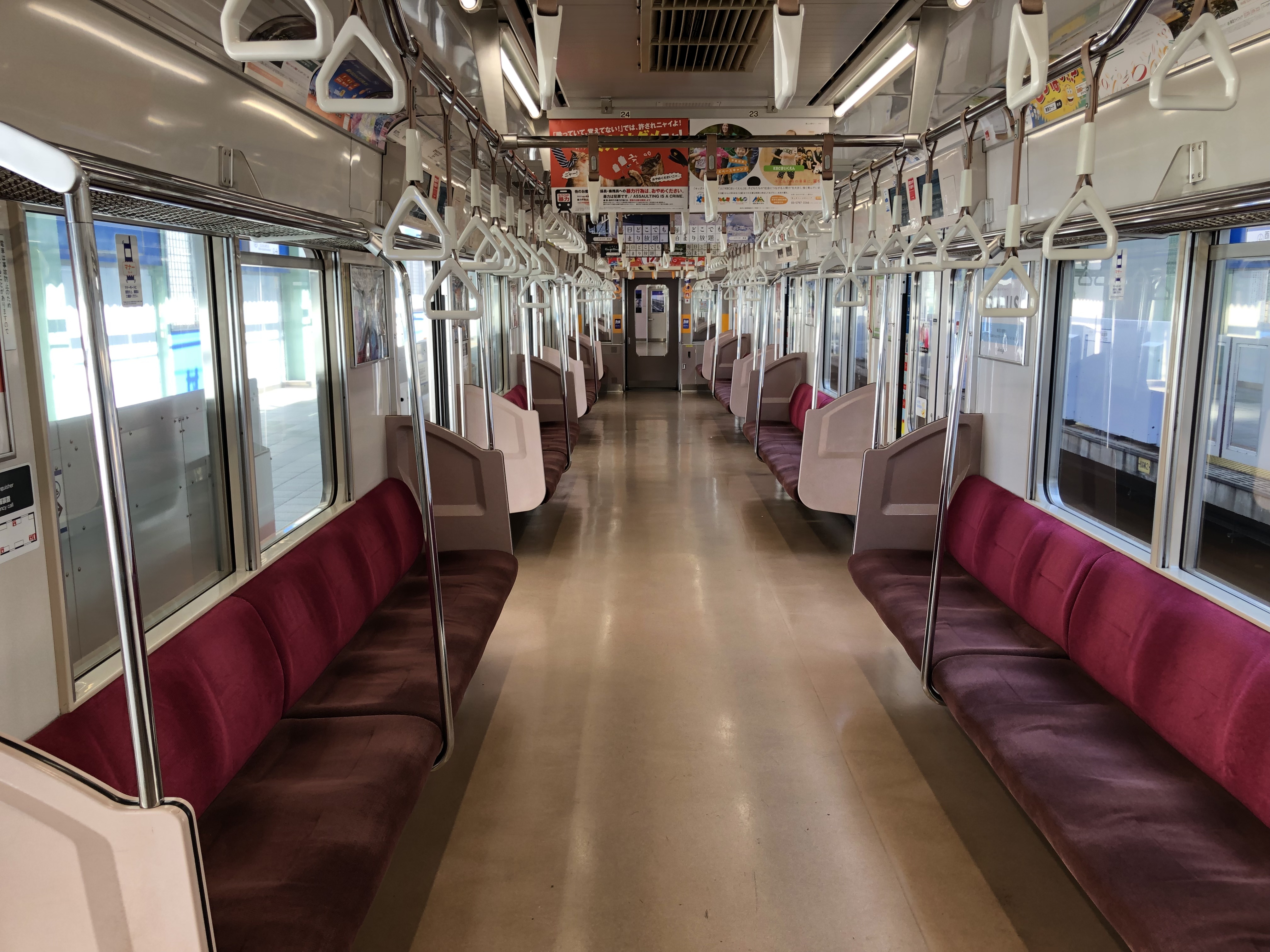
As I make my way back to the train station, passing Akatsuka Park along the way, I board the Mita Line train bound for Sugamo. The train is eerily quiet, its emptiness amplifying the sense of solitude.

As I sit on the train, surrounded by nothing but empty seats and silence, I attempt to pass the time by flipping through the pages of my copy of Tokyo Sewerage News.

A Streetcar, Feigned Desire

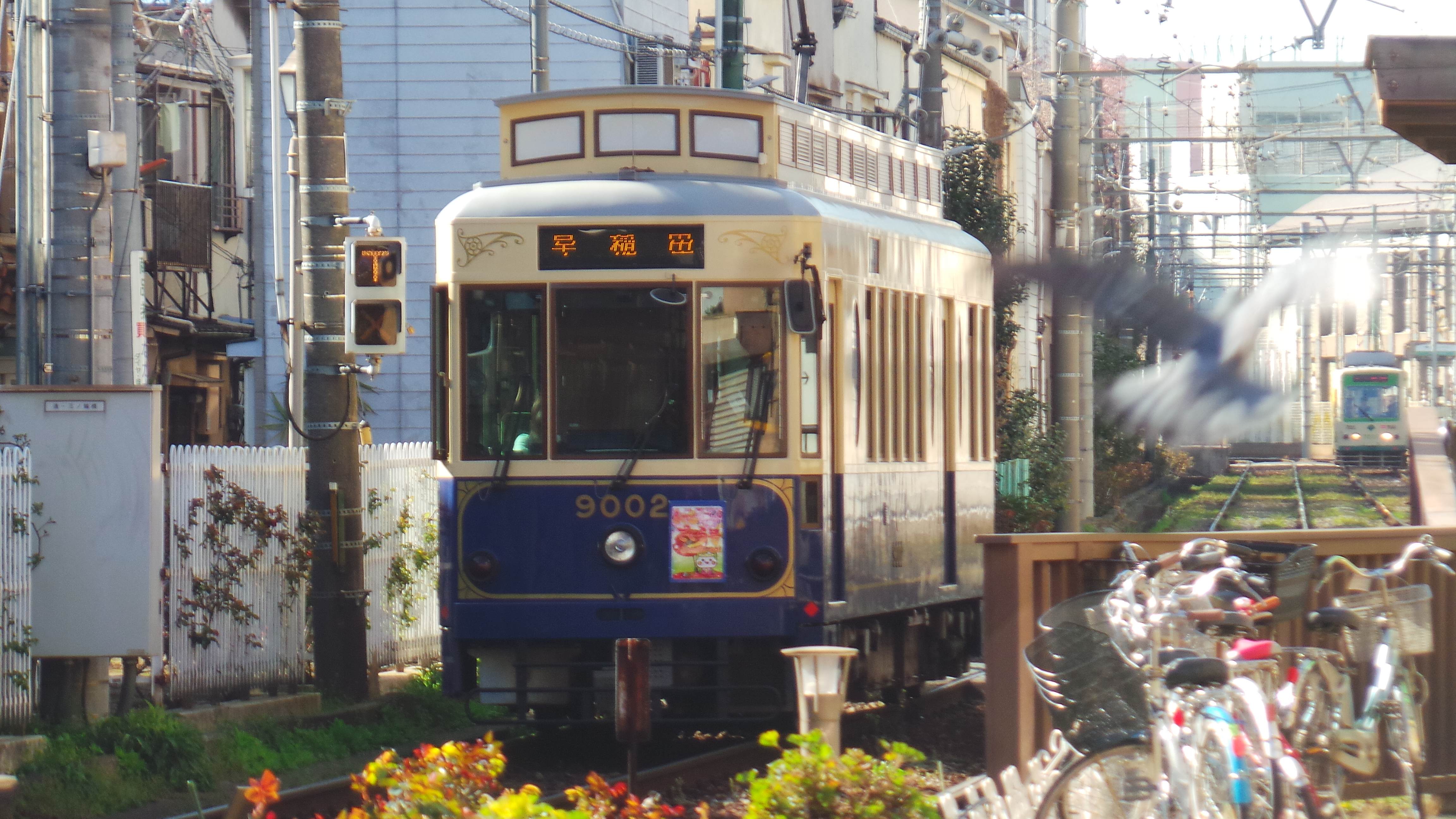
I decide that despite the warm weather today, it would be a nice idea to explore the area around my own neighbourhood on foot, rather than heading further afield by bicycle. Looking at the map outside of my apartment, I notice a few points of interest that I had never previously given much thought. The first is the Toden Arakawa Streetcar, the last remaining streetcar that still operates in Tokyo. I wander five minutes from my home in that direction. As I approach, I follow the sound of silent electricity until I arrive at the tracks.

At the streetcar depot, nobody is waiting to ride. The only sign of life here, other than the movement of old trams, is a superabundance of starving pigeons waiting for their next meal. Opened in 1913, this streetcar somehow survived when all other streetcars were scrapped in Japan some fifty years ago. I consider taking the tram, but because there is no official timetable, I fear that if I do, I will end up in the middle of nowhere, with no way of getting back. Instead, I try to photograph this historic vehicle, but a blur of pigeon rudely interrupts my photography.

streetcar

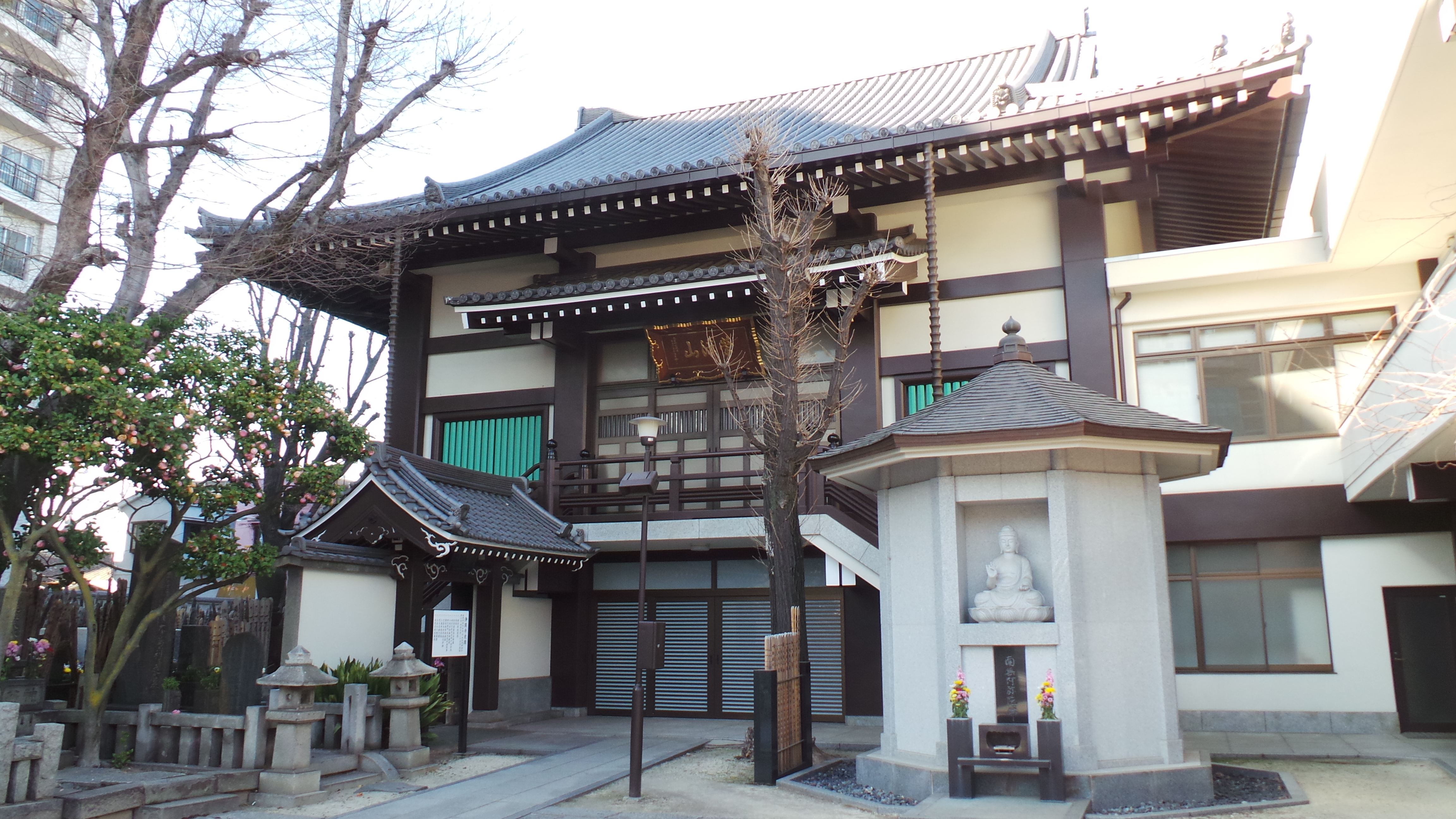
My next stop is at the nearby Jokan-ji Temple, a historical site and cultural asset of Arakawa. It becomes apparent as I enter the temple grounds that this temple contains some rather dark history. The temple dates back to 1665, and with such close proximity to the nearby Yoshiwara red-light district, it became known to the locals as the throw-away temple. A place to dispose of unclaimed or discarded deceased prostitutes.

The temple itself looks like any other temple, but beyond the shiny temple walls is a memorial to the unknown dead and a hidden entrance that leads into a vast cemetery.

prostitutetemple

The 1854 Tokai earthquake claimed many lives, including young women who had been sold by their parents to the Yoshiwara district. These prostitutes were often forced into this trade, considering themselves as living in hell, destined to eventually die and join the other women in a mass grave at Jokan-ji Temple. The deceased women were not granted a proper funeral or burial; instead, they were wrapped in a straw mat and left outside the temple gates for someone else to collect, burn, and add to the pile of death and ash.

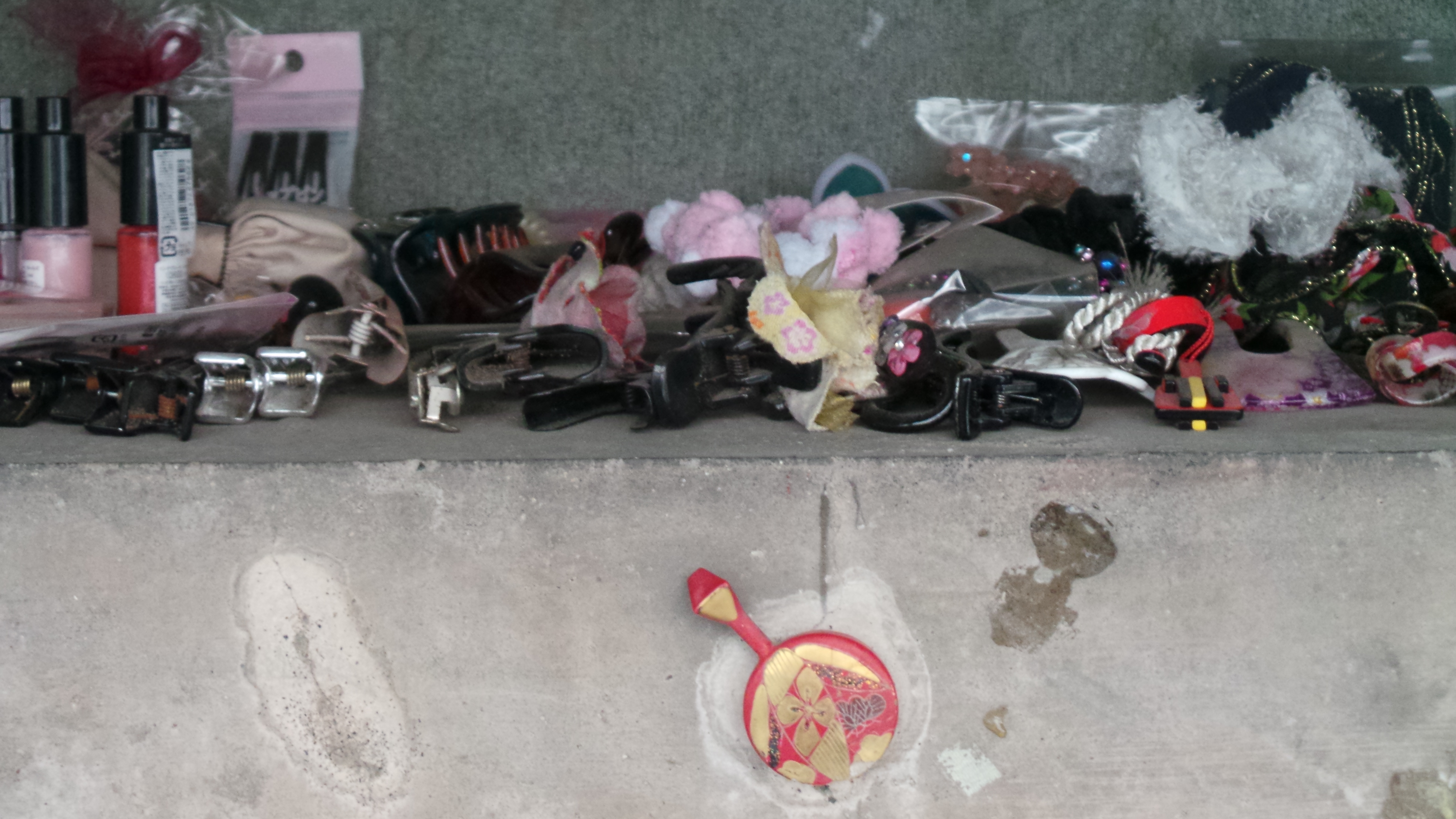
I stroll through the cemetery, and it becomes evident where the souls of the twenty-five thousand deceased prostitutes are laid to rest. A small tomb is adorned with artefacts related to prostitution. An inscription above the tomb reads, “Birth is pain, death is Jokan-ji.” Cosmetic products, hair clips, and makeup rest on top, leaving a haunting reminder of death. It is even possible to peer inside the tomb through an overly exposed metal grate, offering no dignity to the departed. Inside, a stacked pile of white urns extends down into oblivion.

cosmeticgrave

I leave the tomb with mixed feelings. I question why I even visited here; perhaps I should have simply boarded the streetcar and escaped the sense of doom and gloom. Another notable presence is a monument dedicated to the novelist Kafu Nagai, who used these deceased women as a source for his satire. I ponder on the motivations of someone writing about such a macabre subject, only to realise that, in my own way, I am no different as I write these words.

I depart from Jokan-ji Temple and start walking toward Minami-Senju, an area my friends have deemed extremely dangerous. As I approach, it appears to be like any other place I’ve visited in Tokyo: a Seven Eleven, a few shrines, a clean park, an old woman feeding a cat, bullet holes, a train station … Bullet holes?

bullettemple

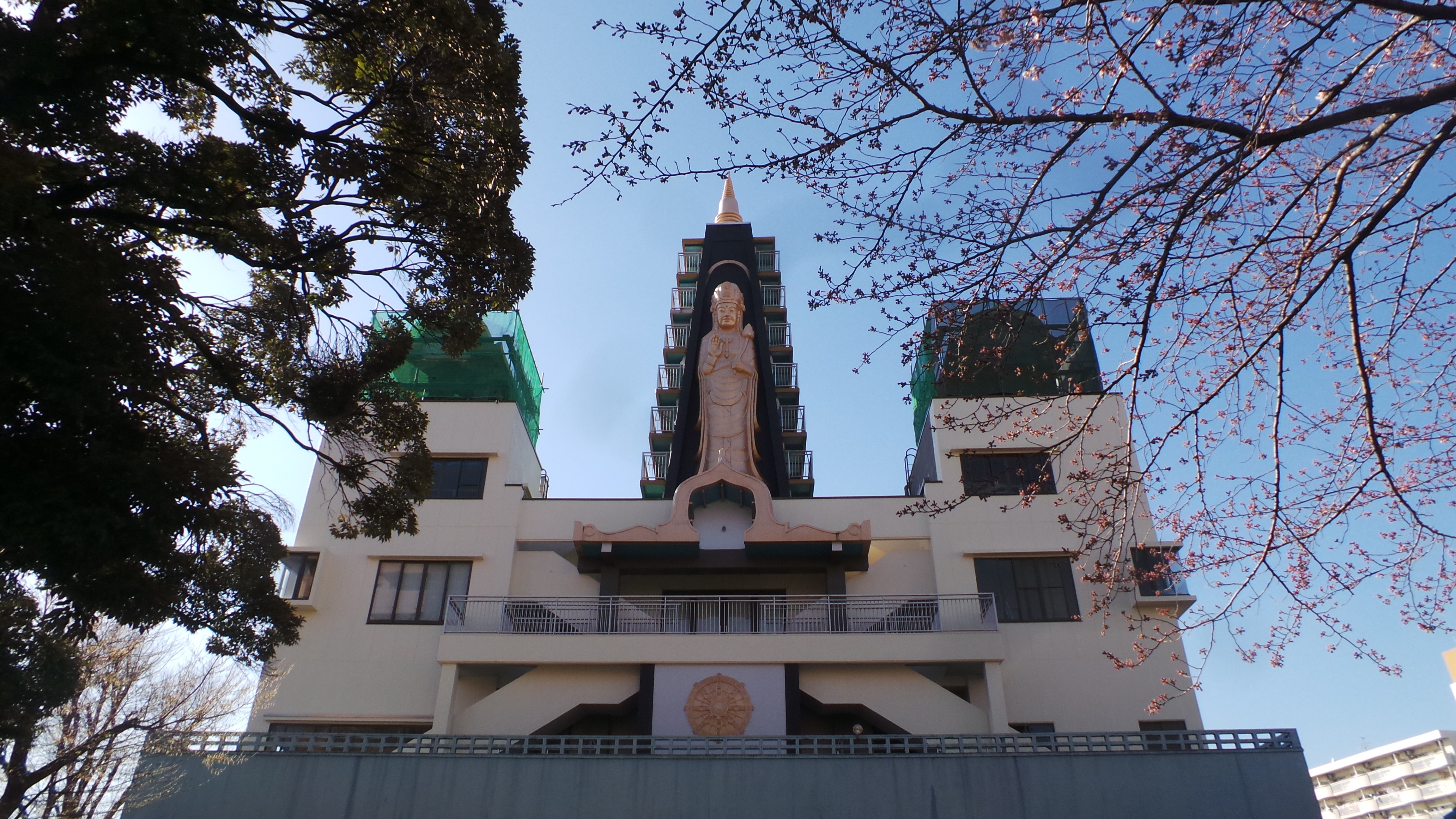
Entsu-ji Temple stands large, featuring a twelve-metre-tall golden statue of Kannon. What is remarkable about this temple is that it proudly serves as the new location for the Black Gate. Kuromon was previously the gate at the entrance to Akizuki Castle, but after a gunfight during the Battle of Ueno, the gate was damaged, hence the bullet holes. The gate was moved to this location in 1907. Not one to dwell on death and misery, I leave the temple in a rush and forget to take a photograph of the famous Black Gate.

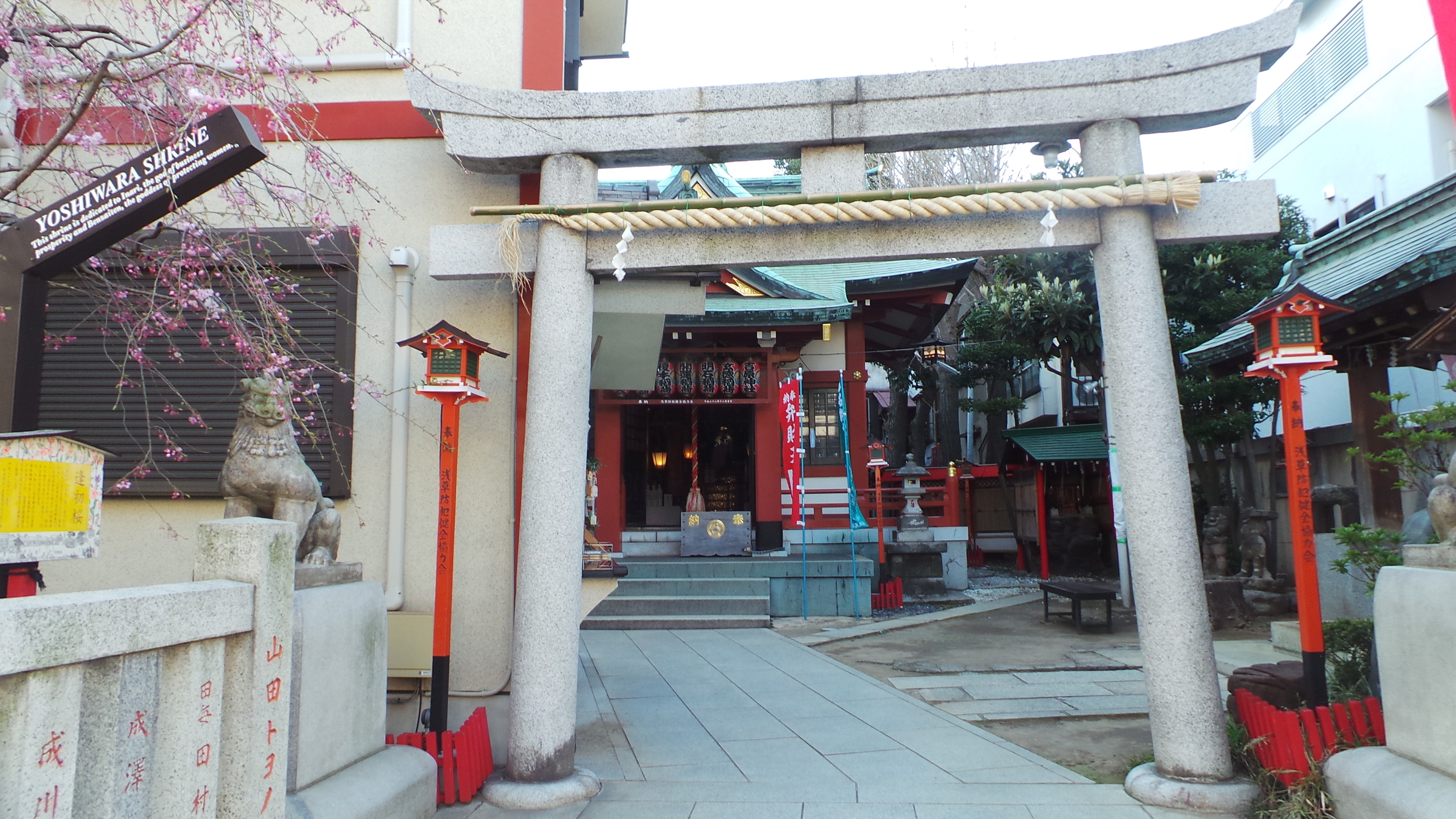
I head back in the direction of Minowa, and with prostitution on my mind, I take a stroll through the Yoshiwara area. What always strikes me as odd about Yoshiwara is that at one entrance to the legalised brothel district is a police station, and at the other end, there is a shrine that houses a goddess that offers protection to women.

yoshiwarashrine

Every day, when a prostitute finishes her shift, she will walk past this shrine and bow deeply. I have seen it so many times, due to this shrine being on my route from my home to Asakusa. In fact, I pass this shrine twice a day, and almost always see women here, praying, bowing, and hoping to not share the same fate as those other twenty-five thousand abandoned dead women.

Somewhere Oji We Know

The day is warm but grey. I head over to the Sumida River to take a look at a traditional Japanese festival known as Hina-matsuri. It’s a day dedicated to girls, celebrating the passing of ancient dolls from generation to generation. Originally, these dolls were floated along the river. However, due to issues with local fishermen, this practice was discontinued. Nowadays, the dolls are cast into the ocean before being collected and burnt. As is customary, the dolls are believed to contain evil spirits, and Japan utilises fire to cleanse them of the demons within.

Unfortunately, upon my arrival at the Sumida River, the event has already concluded, and the market stalls and stage are in the process of being taken down. With not much left to do for the day, I hop on my bicycle and once again head in the direction of Kita Ward, towards a quaint little place known as Oji.

oji1[1]

I find myself standing in Asukayama Park, a vast area designated in 1873 as one of Japan’s first public parks. Instead of climbing the steep steps for entry, feeling particularly lazy, I opted to ride for free on the monorail that crawls along the incline and into the park. Interestingly, the train station here runs alongside the park. As I look in one direction, I’m surrounded by lush greenery, while in the other, I see the familiar sights of billboards, buildings, railway tracks, and advertisements in the sky.

As I explore Asukayama Park, I’m pleasantly surprised to discover a unique playground for children, quite different from what I’m accustomed to seeing. The play area features old trains repurposed into climbing frames. Among them, two locomotives stand prominently, and my personal favourite is D51 853, a steam train donated to the park on August 31st, 1943. A nearby sign mentions something about coal, water, and charcoal, though I have no idea what it is referring to.

oji3[1]

D51 853 is awesome. Not only can I go inside and look at the old steam engine, but I can also climb onto the roof and pretend I am in a movie. I feel happy for the children who come here. Parks in Japan offer excellent facilities and interesting attractions. It makes me wish that I had such adventurous play areas in England when I was a child, but instead, all we had were rubbish swings. A sign says, ‘D51 853 is somewhat dangerous. Play carefully, duck down, or climb up on the high locomotive!’

I continue my exploration and discover that this park also boasts old waterfalls absent of water, beautiful foliage, and multiple statues and sculptures of varying shapes and sizes. One such sculpture is merely a small pile of rocks, while another is a giant rock enveloped in a small wooden shelter.

oji2[1]

A sign beside the massive rock mentions something about the ceremonial transfer of a divided tutelary deity to a new location, although the meaning escapes me. It also notes that the inscription is challenging to decipher in Japanese, as the letters were written using ancient kanji and rare calligraphy. Despite the protective wooden house, the words have succumbed to a weathered, entropic fate. A second sign, written in English, amuses me; it simply says, ‘Rock, please do not climb.’ Instead, I climb the protective wooden house.

As I leave the park, I pass by the Paper Museum and ponder how interesting it must be. Unfortunately, it’s closed today. I continue to walk, heading toward a bridge, where I follow some old stone steps down to Otonashi Shinsui Park.

Oji4[1]

Hidden beneath the bridge, Otonashi Shinsui Park is simply amazing. It boasts its own old wooden bridge, a small stream, an abundance of beautiful nature, and an opportunity for rock climbing practice on the many craggy stone structures that don’t appear to be dangerous at all. I stand for a while, deciding not to climb but only to observe, taking in the beauty of the scenery. After a while, I head back up the steps and across the bridge.

Beyond the bridge, there’s a huge torii gate and a massive shrine.

oji5[1]

Oji Shrine, one of Emperor Meiji’s Ten Shrines of Tokyo, is part of a pilgrimage trail consisting of ten shrines. Today, the shrine is devoid of visitors; perhaps they are all too busy enjoying the festivities with their dolls. Legend has it that the shrine was renamed by Toyoshima, a Japanese warlord. However, the most intriguing aspect here is a much smaller shrine dedicated to the god of hairdressing and wig-making. Quite peculiar.

I continue cycling around the area, searching for something of interest. Eventually, I stumble upon large castle walls with modern houses built above them. Steep stone slopes run along the castle wall, eventually leading to Oji Inari Shrine—a place where foxes seemingly guard the playground for children situated at the bottom of the hill.

The god of rice harvesting resides here, and so do the foxes. Among all the fox shrines in Tokyo, Oji Inari Shrine is considered the main one. Every year, at the end of the year, foxes reportedly visit from all over Japan to guard the god of the rice harvest, and presumably, to offer their prayers. It’s hard to believe that if I came here on New Year’s Eve, the shrine grounds would be filled with foxes, but that’s what the information here tells me, and who am I to argue with information.

oji7[1]

I leave the shrine and start cycling back toward Asakusa. I make a brief stop at the Banknote and Postage Stamp Museum, but unfortunately, it’s closed today. It’s a shame really because inside this free museum, it’s said that you can lift one billion yen. I would have loved to take one billion yen home with me, but sadly, that won’t be happening today.

Back in Asakusa, I finally get a chance to experience Hina-matsuri through traditional food. Chirashizushi (scattered sushi) is the dish that women typically eat on this day. It’s supposed to be sugar-flavoured, featuring vinegared sushi rice. While the toppings usually include raw fish, for some reason, my friend has given me a unique mix of rice topped with egg, cream cheese, and strawberries. Although three of the ingredients generally go well together, the addition of strawberries for the sugar-flavoured element is what I find a bit strange. While this might be a traditional food in Japan, strawberries with egg and rice is something I struggle to bring myself to enjoy.

As I cycle home with the taste of Chirashizushi scattered in my mouth, I decide that my next blog post will be primarily about food.

Ticket to (almost) Ride

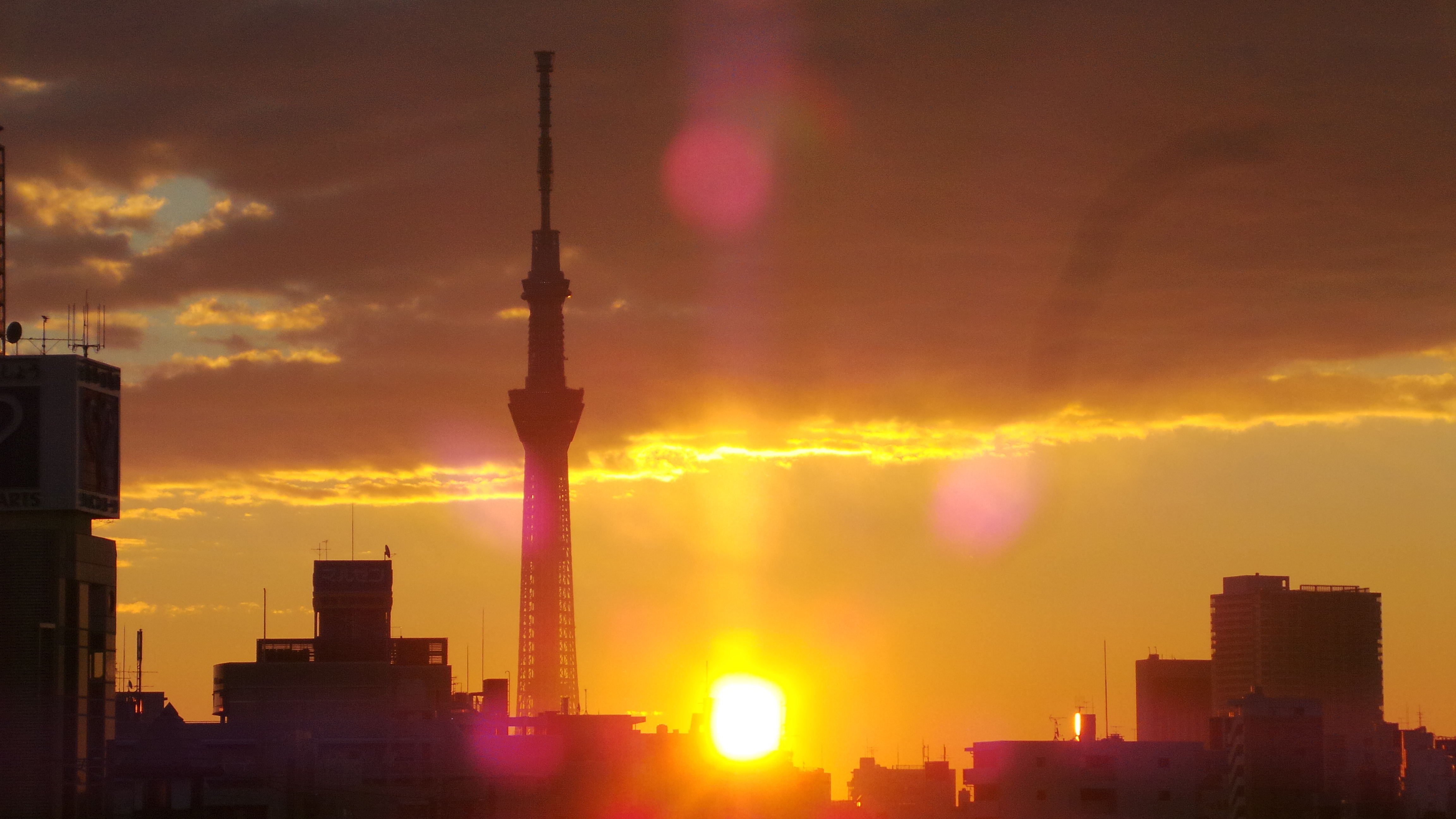
Today is Christmas Day. I wake up at 4 a.m. with a Christmas party hangover. It is too early to think, but I have things to do. Today, my friend Christine is arriving in Japan from England, and it is my job to act as a tour guide for the next few days. I walk to Nippori Station and arrive a little too early for my train. In order to kill time, I wander over the tracks to witness my second sunrise in Japan, the warm winter sun silhouetting Tokyo Skytree. My photograph is ruined by a smudge across my lens.

20141225_065945

Inside Nippori Station, it’s business as usual. Today might be Christmas, but for Japan, nothing changes. Salarymen dash to make their connections on the busy trains, Seven Eleven workers look exhausted from a heavy night shift, and ‘Let It Go’ blares from every speaker, as usual. It’s a normal business day here in Tokyo.

I take the Keisei Skyliner to Narita International Airport and wait. Eventually, my friend appears wearing a knitted Christmas jumper and a Santa hat. Despite seeing her in festive garb, it never really feels like Christmas. No trees and no snow; in fact, another clear warm day. There is no Christmas music in the airport either, just the constant drone of nonsensical announcements.

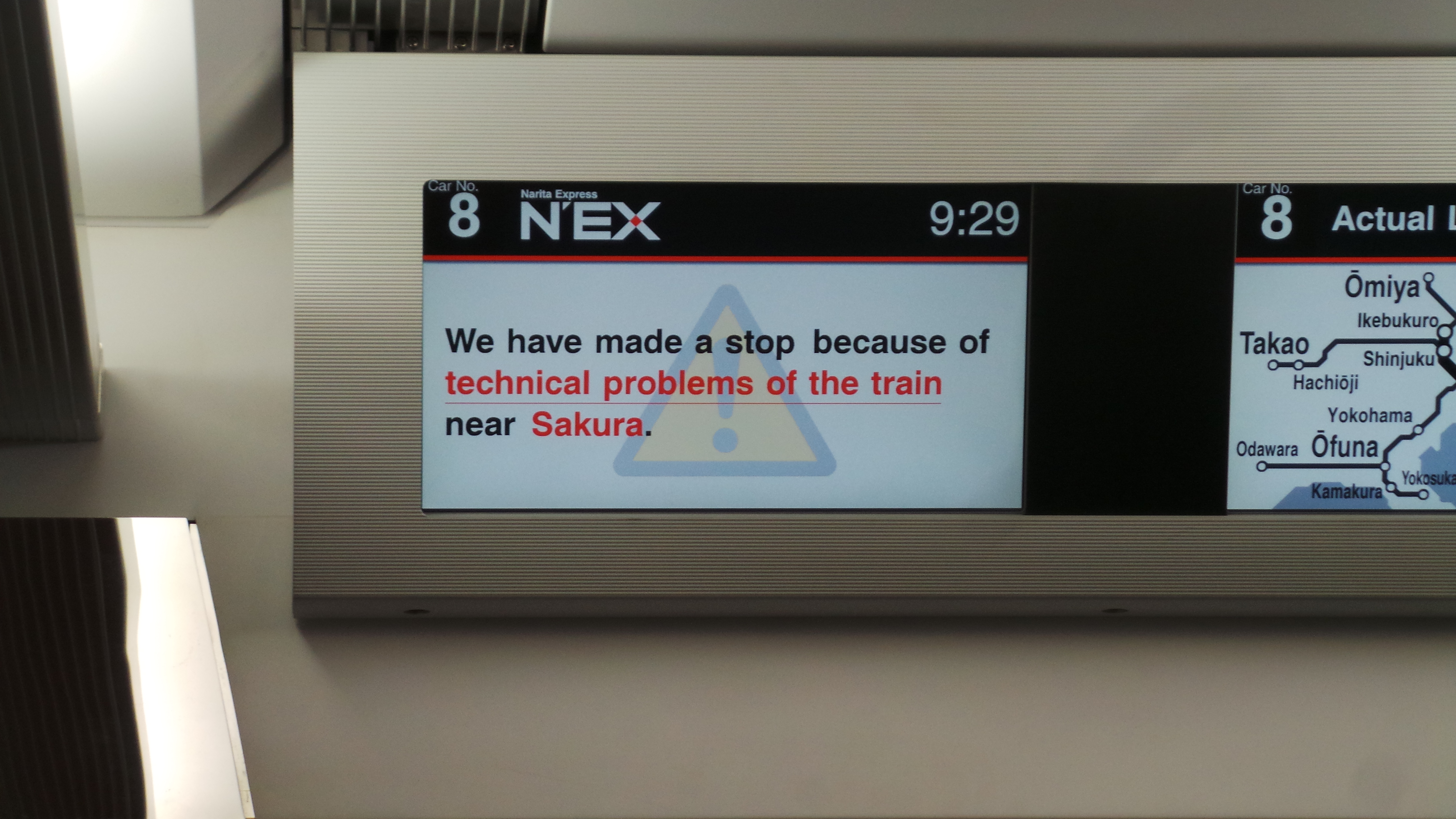
We take the Narita Express bound for Shinjuku Station. The Narita Express describes itself as ‘fast, convenient, and pleasant to ride,’ but never has a quotation been so far from the truth. On the train, Christine makes an offhand comment about whether things ever break in Japan. I tell her, ‘This is Japan,’ which translates to mean, ‘Things never break here.’ No less than five minutes later, our ‘pleasant to ride’ train crawls to a halt outside Sakura Station.

20141225_093039

We sit on the train for what seems like an hour before an announcement in Japanese tells us all to get off. A kind Japanese man sitting one row in front of us explains to us in English what is happening. We have to take a Sobu Line train from here to Chiba before continuing toward Shinjuku on local trains. For some unexplained reason, the Narita Express and the rapid line are out of action. Apparently, our ¥3390 tickets can be refunded in Shinjuku.

Not wishing to spend all day sitting on trains, we decide to get off close to Asakusa. We wander to Senso-ji Temple to get our fortune, something that I very much enjoy doing. Christine receives a ‘Bad Fortune’ and leaves it for the gods. We eat sushi at my favourite standing sushi restaurant before taking the train to Akihabara.

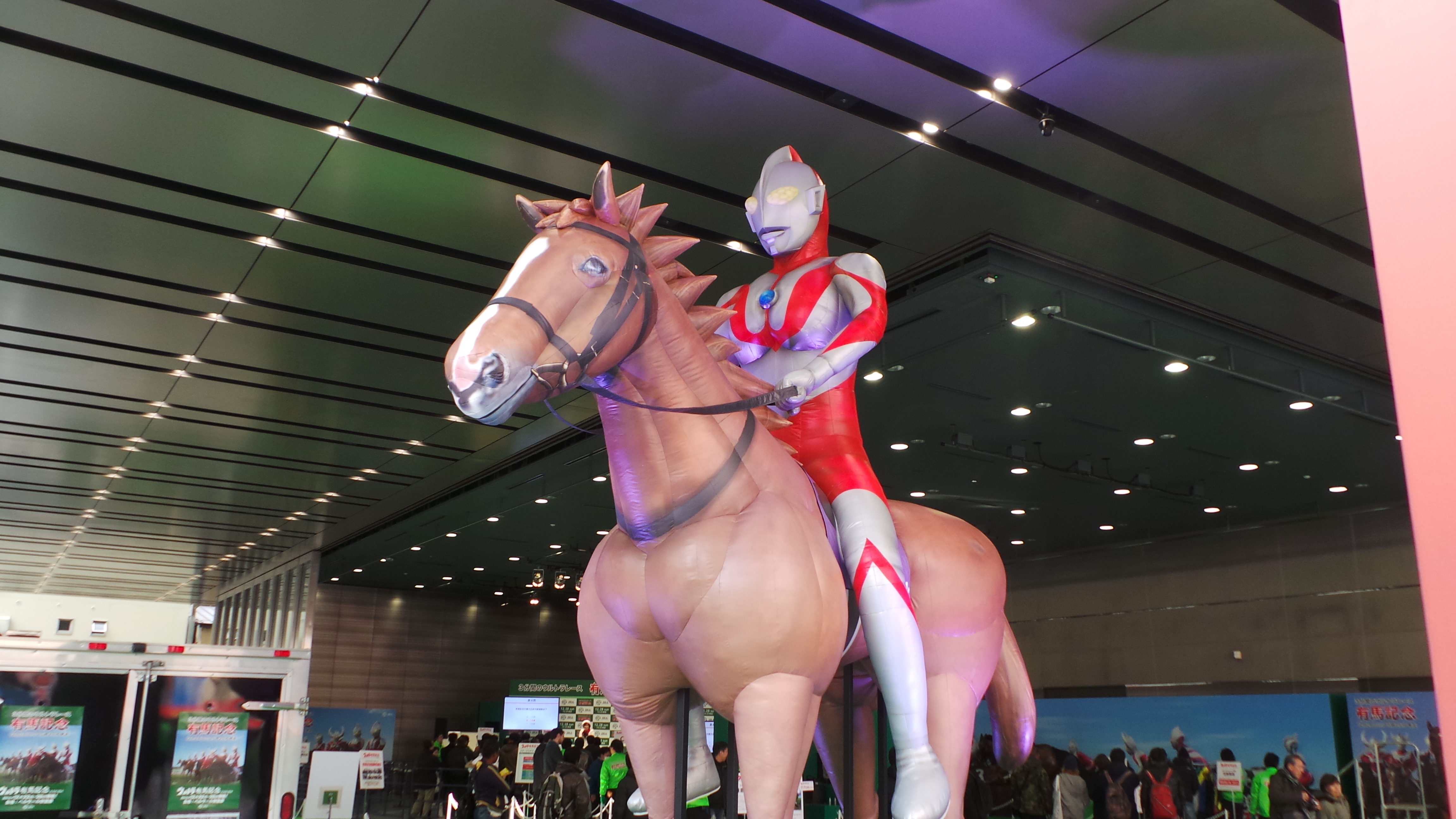
In Akihabara, for reasons that can’t be discerned, Ultraman is seen riding a horse.

20141225_133741

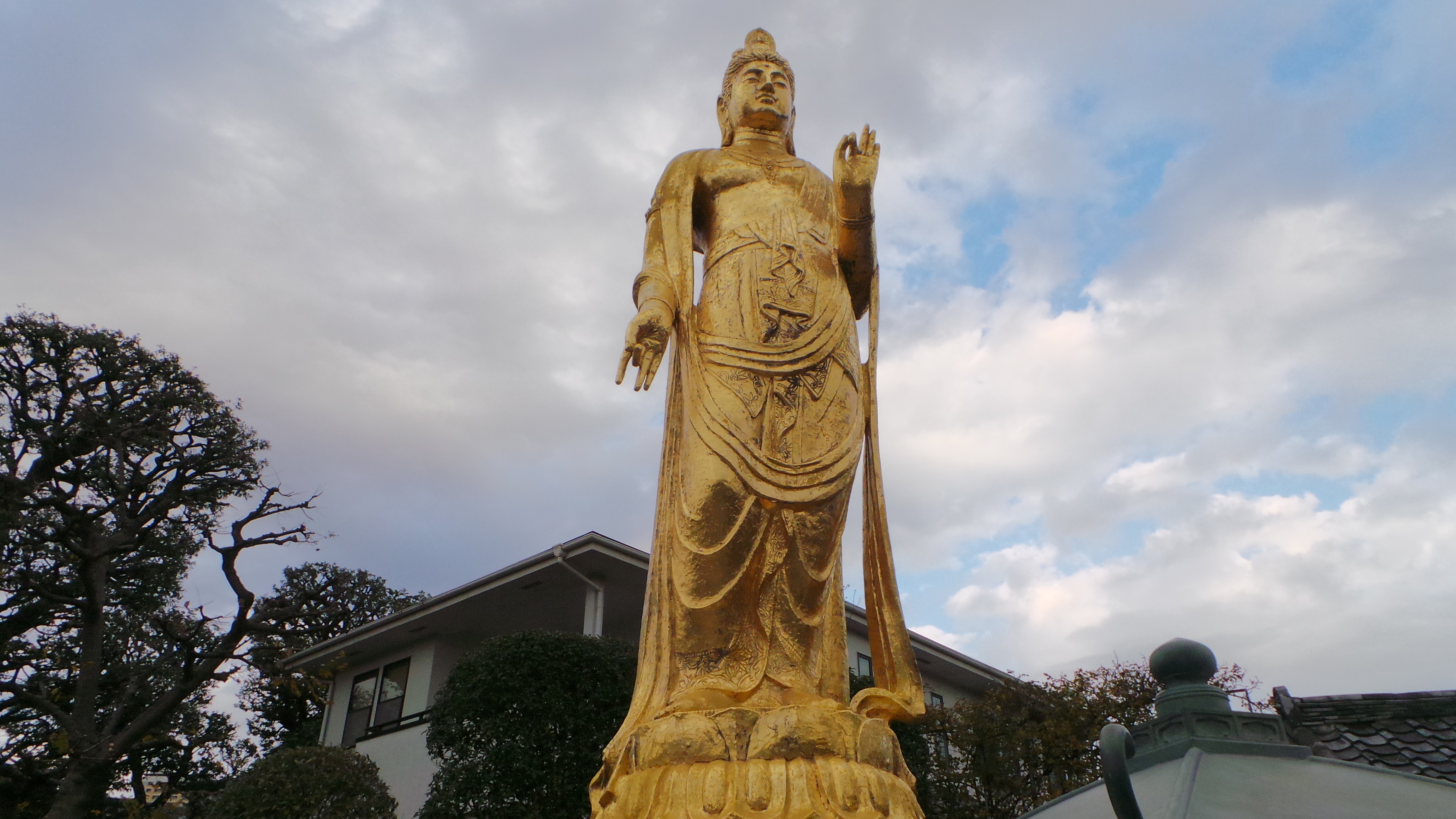
We hop on a Yamanote Line train and get off at a random station. Her choice is Nippori, my fourth visit to this station this week. We wander across the tracks and explore the many temples and shrines. Passing through Yanaka Ginza Street, we stop off at a small park. Tired and with feet hurting from too much walking, we take a breather at Zenshoan Temple. As we enter the temple grounds, in the distance stands a huge gold statue.

20141225_150326

The statue of Kannon is impressive, but what is potentially even more captivating is the Ghost Museum. Sadly, the museum featuring silk scroll paintings depicting ghosts and macabre ghost stories is only open during the summer months. There’s something about horror stories warming your blood, which is the reason for the seasonal opening hours.

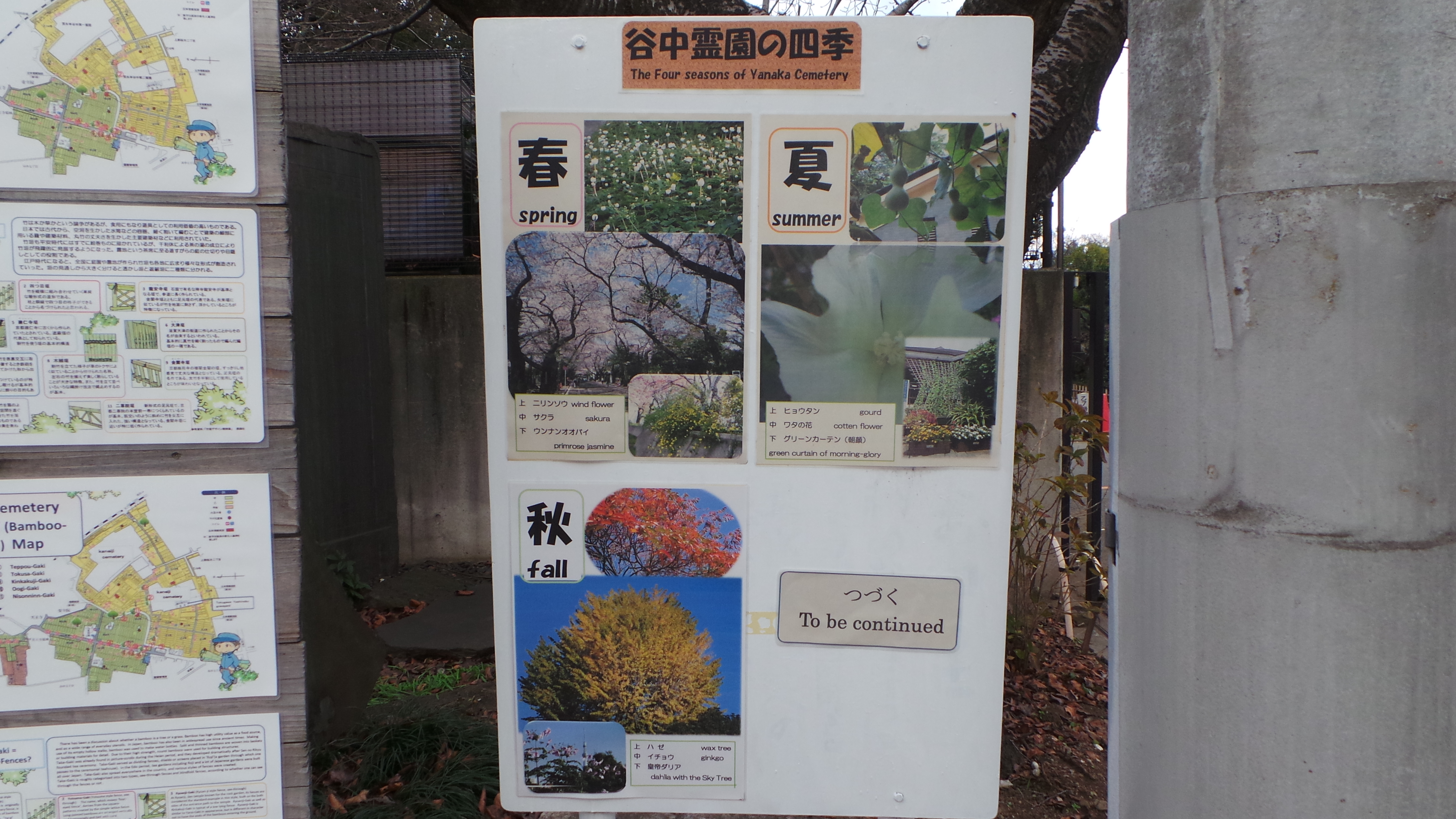
With all this talk of spirits, we take a wander through Yanaka Cemetery. I have visited here once before and found it incredibly peaceful, and do so now. There’s something about the perfect rows of decorated graves that is somewhat calming. Perhaps the quiet all around adds to this feeling. For some reason, the unfinished sign doesn’t display how winter should look here. The row of sakura trees and blossoming primrose jasmine in spring is a reason to once again walk among the dead next year.

20141225_151114

We head back to a hostel in Asakusa, the same one I had previously stayed at for eighty-two days. Tonight, the hostel is having a Christmas party, and Santa Claus will be arriving at half past eight by subway train. Exhausted from a long day and in need of my own bed, I decide to give the party a miss and head home.

Back in Minowa, I dine on Domino’s Pizza (four seasons) and a New York Cheesecake. I could post a photograph of a Japanese pizza from Domino’s, but it really isn’t any different from anywhere else. Instead, here are some instructions for Christmas decorations that I saw earlier today:

letsdecorate[1]

Merry Christmas.