Reflections on a Winter’s Day

As I walk along Hikifune Water Park Street, a sense of nostalgia washes over me. It’s been five years since I lived in Katsushika Ward, Tokyo, and revisiting my old neighbourhood brings back a flood of memories. The winter morning air is crisp and chill, and my breath turns to white wisps of fog that swirl and still as I make my way to my first destination.

The street itself is unremarkable. It used to be a train line, but now it has been transformed into a park that stretches from the Arakawa River all the way to Ohanajaya. As I begin to walk its length, I can’t help but enjoy the sense of familiarity.
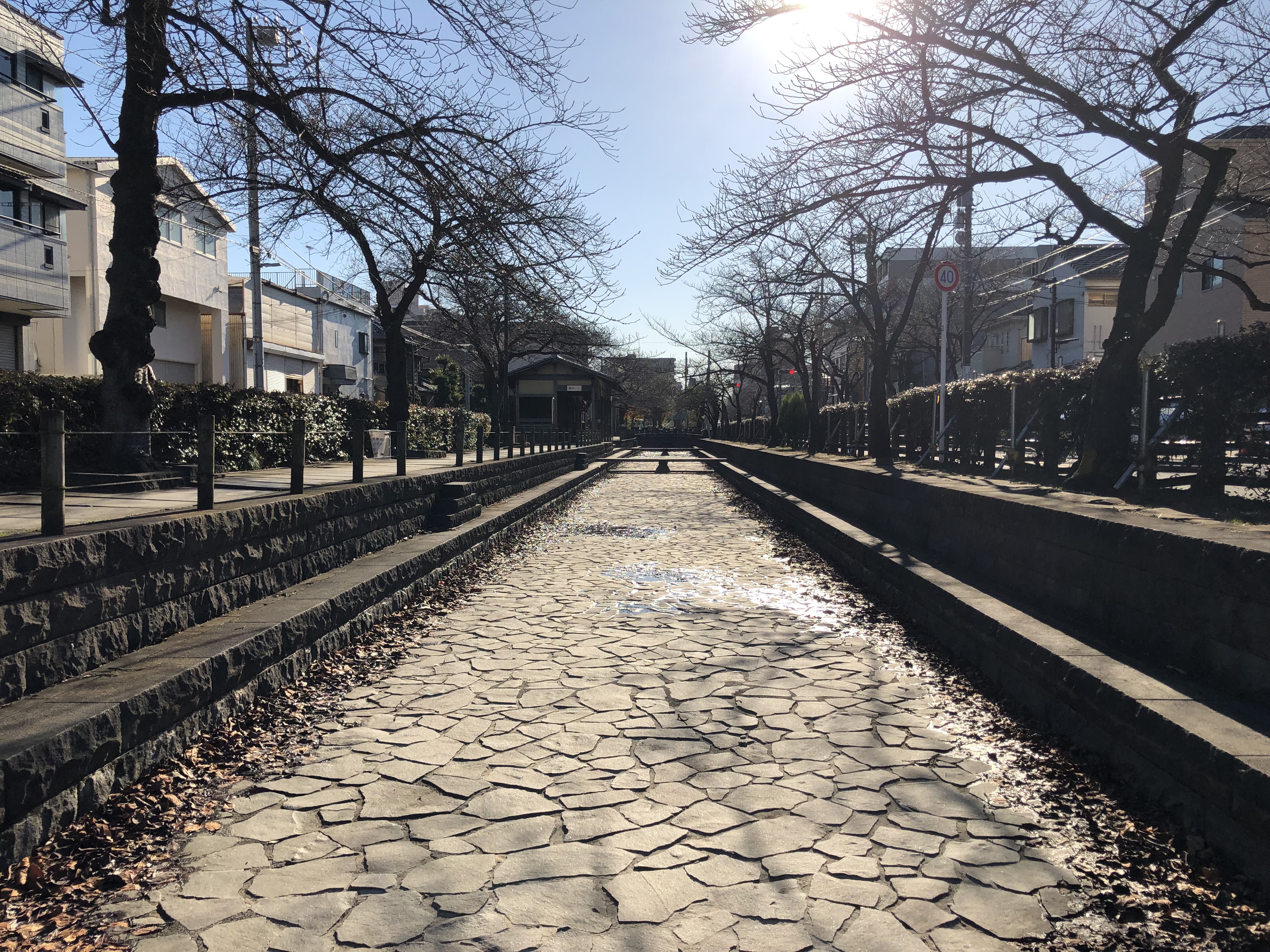
As I wander down the street, memories of my past come flooding back. On a late night walk home with a friend, we had stopped to rest on one of the park’s benches, halfway through our journey. My friend was convinced he heard the sound of a train echoing down the length of the park. It’s said that at night, a ghost train can be heard thundering down where the old train tracks once were, and I’ve heard similar accounts from others. It’s a story that has stuck with me, and one that has been corroborated by others who have experienced it.

As I continue my leisurely walk, I pass Ohanajaya Station, its name, meaning “Tea and Flowers,” imparting a sense of charm. However, every time I pass by, the song “Govinda” by Kula Shaker runs through my head, as I rhyme its catchy refrain of “Ohana Jaya Jaya.” Eventually, I arrive at the picturesque inner reservoir of Mizumoto Park, my gaze drinking in the peaceful surroundings and the stunning reflection on the water’s surface.
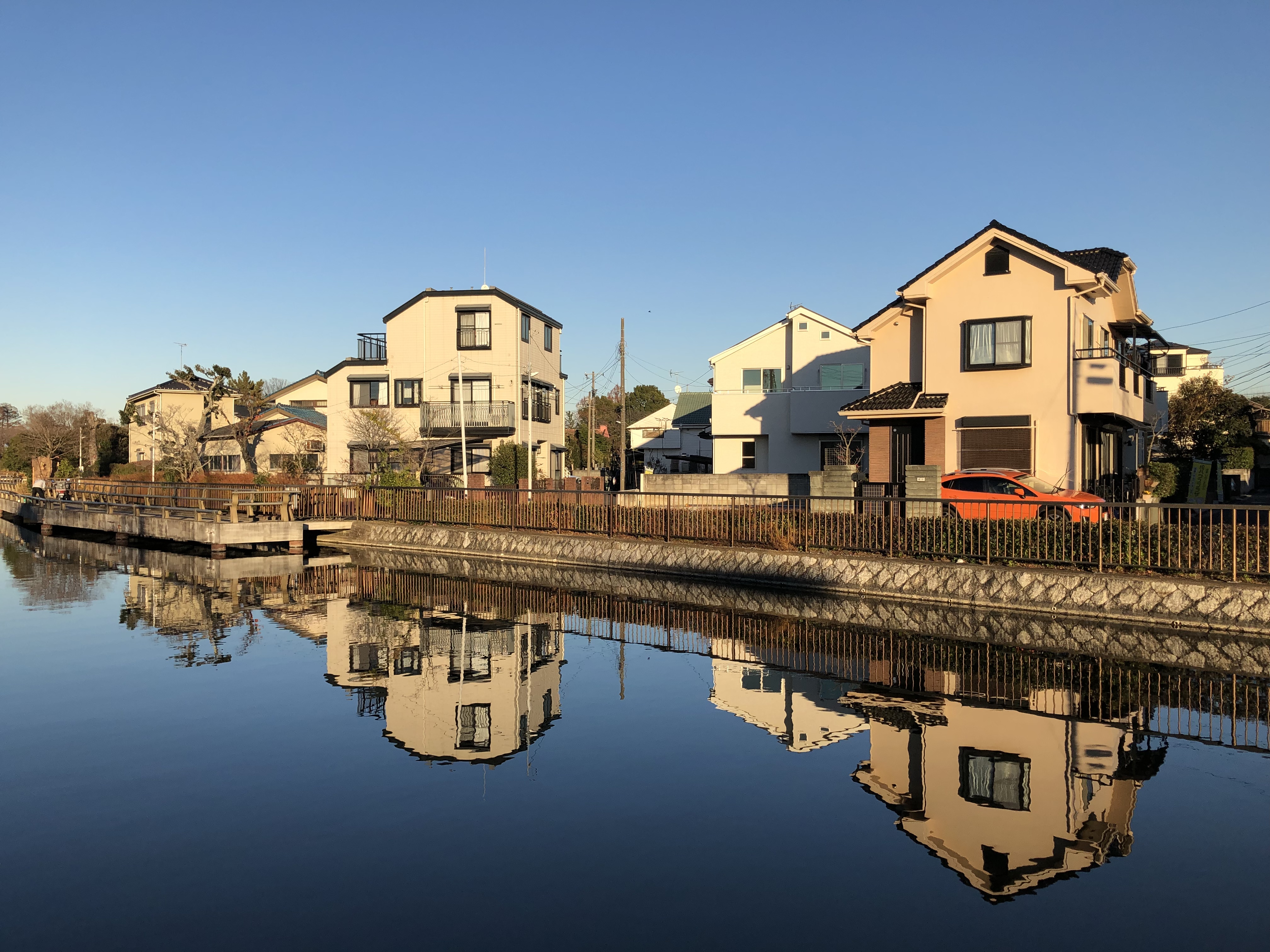
Mizumoto Park is the largest park in Tokyo. Bursting with lush gardens and natural beauty, with a large pond at its centre. The park boasts an aquatic plant garden, a bird sanctuary, a babbling stream field, and three car parks. In early spring the park becomes awash with the gentle pink hue of the cherry blossoms.

I make my way over to one of the ponds and sit upon a bench for a time. I watch as a turtle gracefully swims through the water, its movements causing ripples to spread across the surface. The reflections of the surrounding trees dance and shimmer upon the water, creating a mesmerising visual display. The soothing sounds of chirping insects and rustling leaves add to the peaceful atmosphere, and I am content to sit and take it all in.
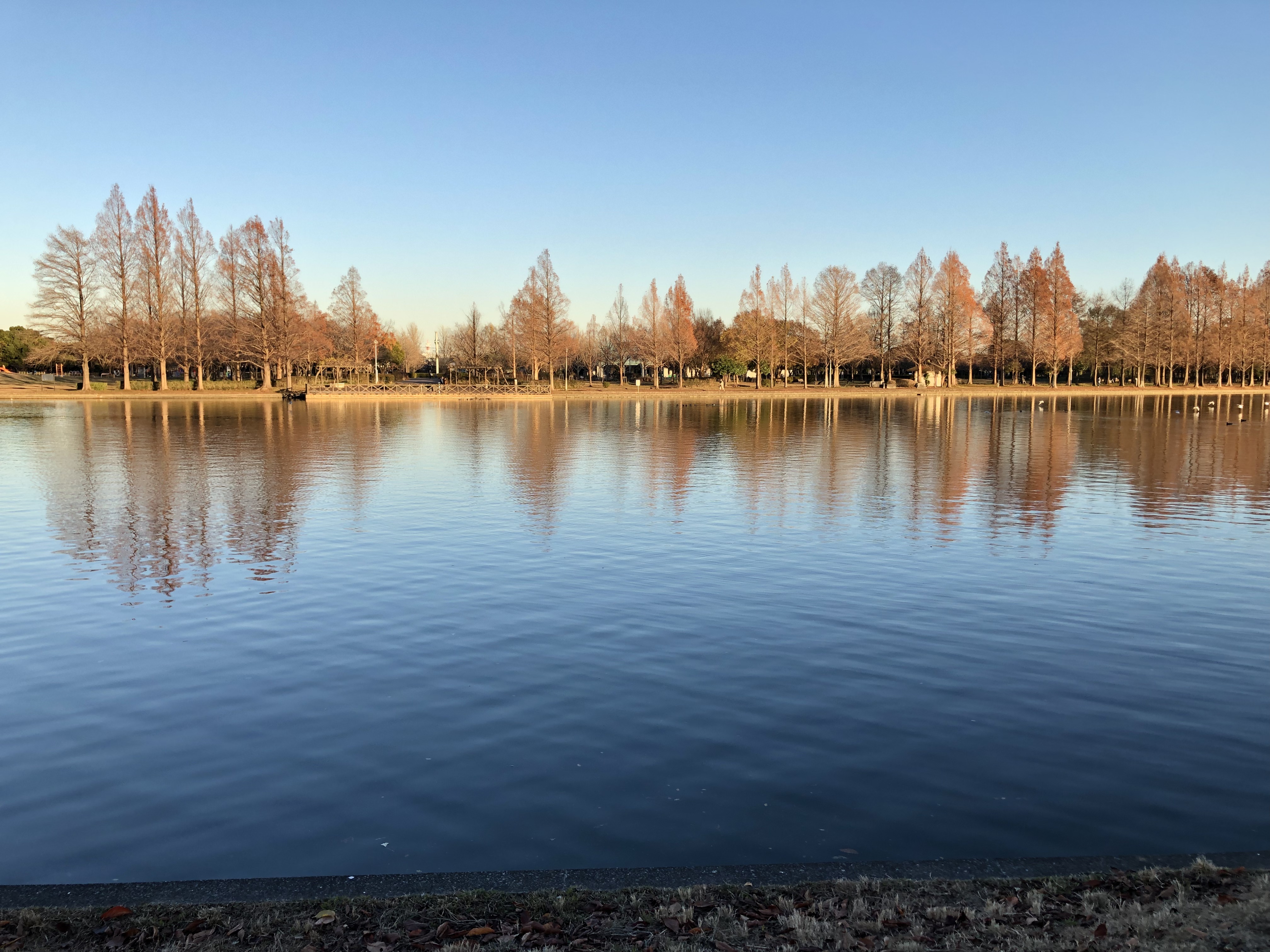
As I sit on this bench, surrounded by the tranquil beauty of the pond and the trees, a sense of melancholy envelops me. I reflect, thinking back on the year that has passed, and the ephemeral nature of time. I realise that I don’t have any plans or dreams for the future, and the thought fills me with a sense of sadness. All I know is that for now, I want to keep exploring the hidden corners of Japan and sharing my adventures through my words. But in this moment, the weight of my own insignificance and the impermanence of everything feels almost overwhelming.

As I continue my peaceful walk through the park, I come across a telephone box nestled amongst the flowers. Legend has it that this particular telephone box is also haunted, and that at dusk a ghostly figure can be seen lurking inside. However, as I peer closer, the only ghost I find here is the reflection of Mount Fuji in the glass. It’s a breathtaking sight, and I stand for a moment, mesmerised by the beauty of it all. For some reason, the mountain is not visible to the naked eye here; it exists only in the glass of this haunted phone box.
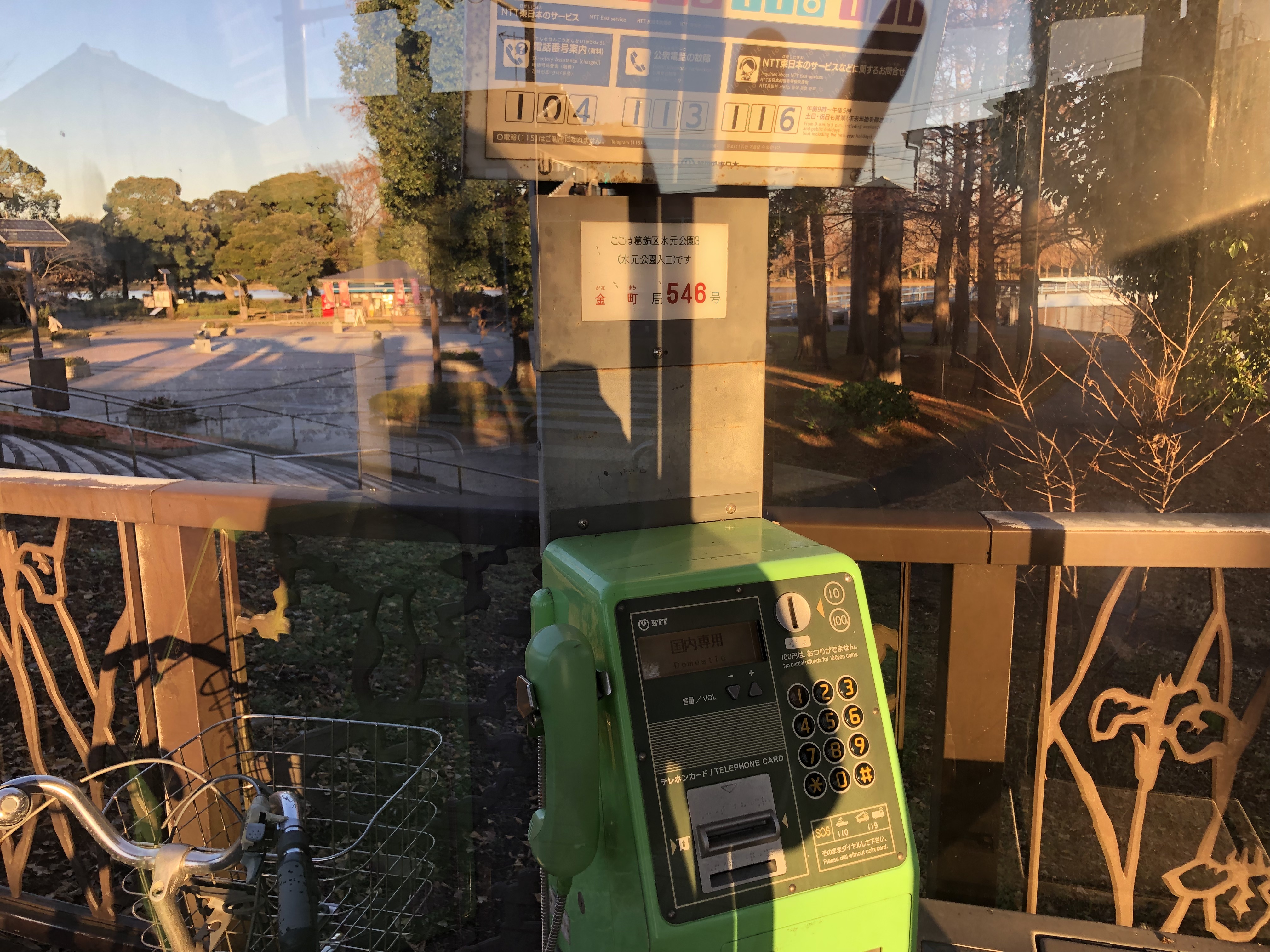
As I wait for the sun to set and darkness to envelop the park, I am treated to a daily ritual at 5 o’clock. The speakers throughout Katsushika emit a creepy, slowed-down song accompanied by an eerie chime. The song echoes throughout the park, reminding me that the day is coming to a close and it’s time to return home. The pealing bell of the mountain temple beckons me, promising the sight of a bright, round moon shining down and illuminating the sky in twilight, filled with the brightest stars as the birds begin to dream.
Everything Was Beautiful And Nothing Hurt

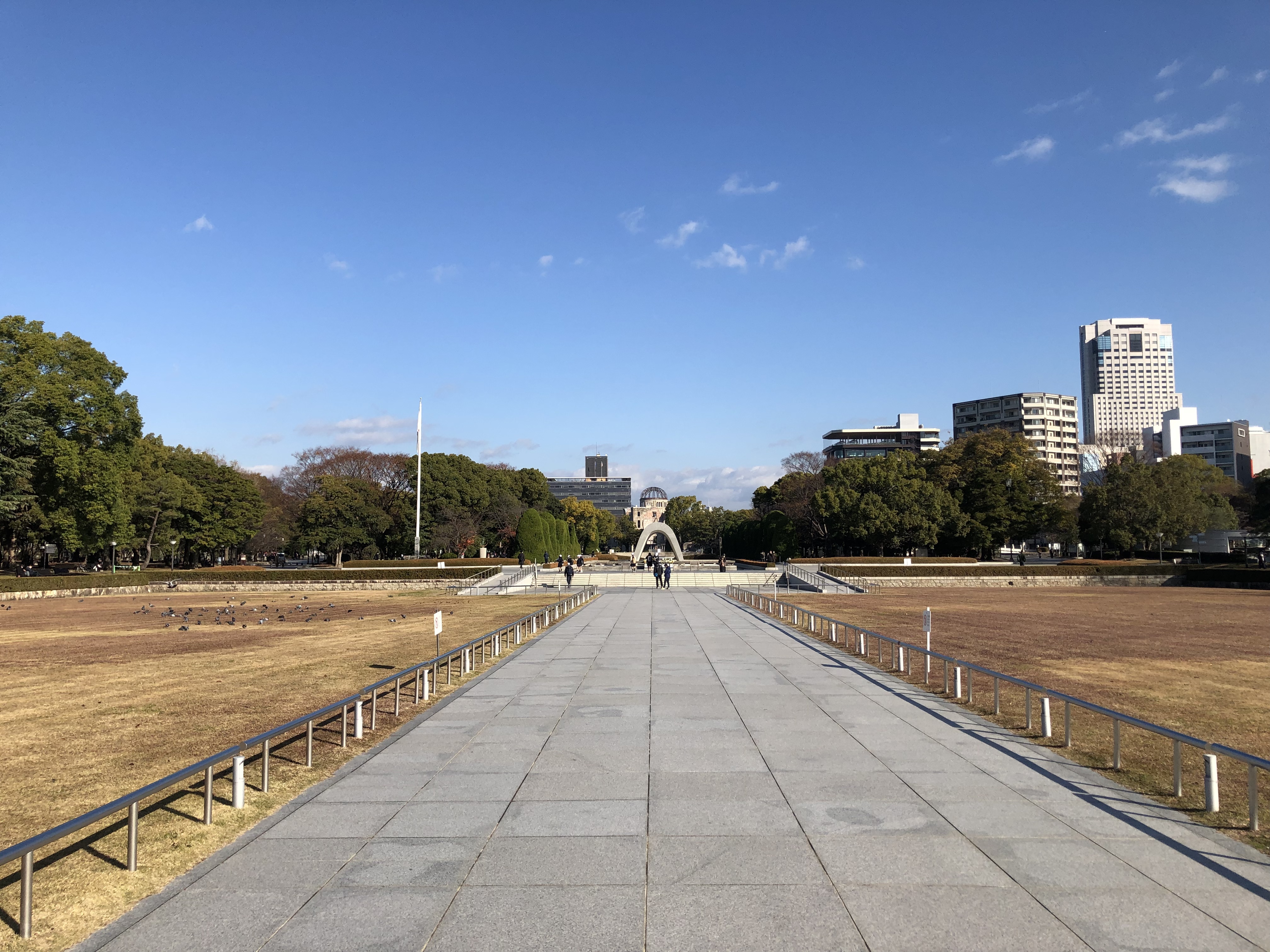
With toothache and a twisted ankle, I take the Bullet Train over to Hiroshima. My first stop, a place I visited ten years ago, Hiroshima Peace Memorial Park. Immediately after the atomic bombing, it was said that no plants or trees would grow for 75 years, but as I hobble along Peace Boulevard towards the park, I notice it is lined with large trees and lush greenery. Following a tree-planting campaign in 1956, in which neighbouring municipalities in Hiroshima Prefecture were asked to donate trees to the city, Hiroshima has been transformed into a verdant paradise.

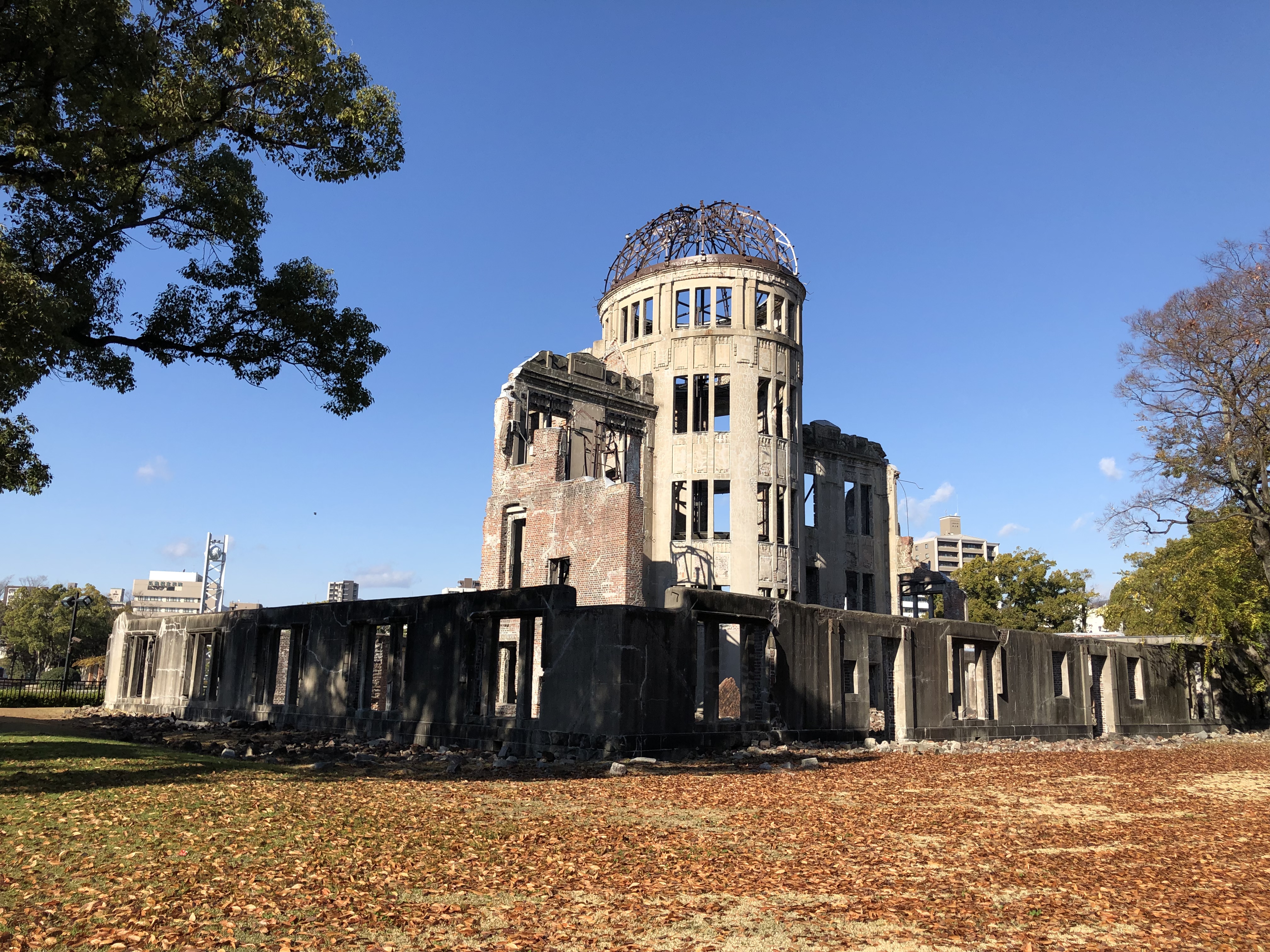
I stroll in silence through Hiroshima Peace Memorial Park. I take note of the fountains, the newly laid flowers at the cenotaph, the looming Atomic Bomb Dome in the distance; a survivor, its form so full of imperfections, its beauty an aide memoire of an aftermath of events that left it in such a state; a symbol of everything left behind, a skeletal figure of what once was, now ruins.

Seventy-seven years ago United States President Harry Truman authorised the bombing of Hiroshima. His actions, which would be considered a war crime today, resulted in the instant deaths of 80,000 people. As I further walk toward the dome in the distance, I can’t help but think about the enormous impact of these events; the devastation of an entire city in a single moment.

The building that houses the skeletal remains of the Atomic Bomb Dome is known as the Hiroshima Prefectural Industrial Promotion Hall, and in December 1996 it was added to the UNESCO World Heritage List as a reminder to the whole world of the horrors of the atomic bomb, and a symbol of global peace. As I look at this building I can’t help but become overwhelmed by sadness.

Because the bomb dropped on Hiroshima exploded from almost directly above this structure, some of the walls and the iron frame making up the dome remained standing, whereas everything else around it for miles was flattened to the ground. There has been some controversy about this building in the past, some people argued that it should be destroyed, for it’s a dangerously dilapidated building that evokes painful memories. Others argue that is should be preserved as a memorial to the bombing. Since the UNESCO status, the building is now protected and efforts are continually made to ensure that it looks identical to how it looked on that fateful day in 1945.

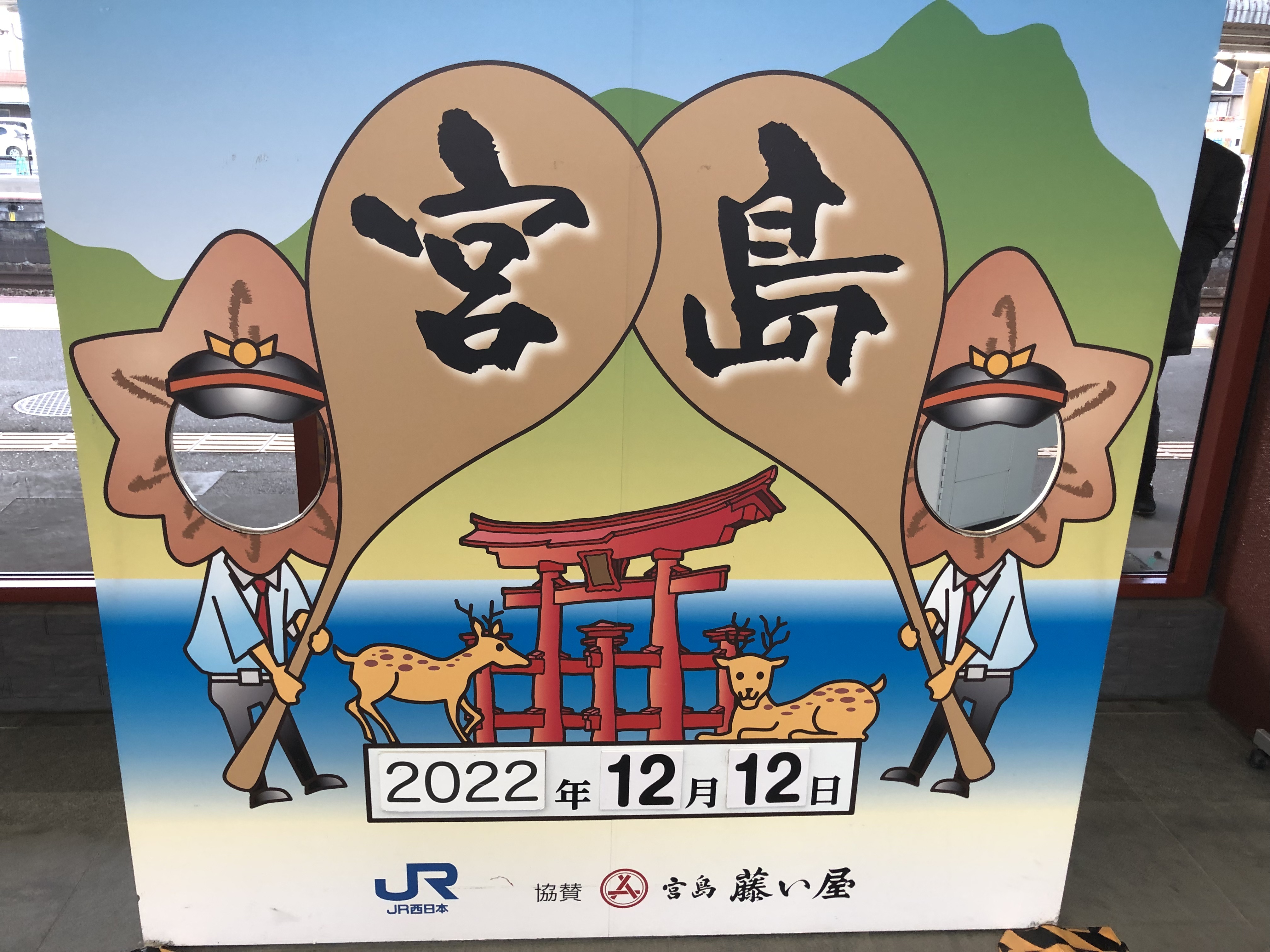
Leaving the solemn Peace Memorial Park behind, I embark on a journey by train to Miyajimaguchi Station. Located on the serene Miyajima Island, the revered Itsukushima Shrine is said to offer one of Japan’s most breathtaking views. As I enter the station, a display of the shrine and its iconic, wandering deer greets me with a festive flourish.

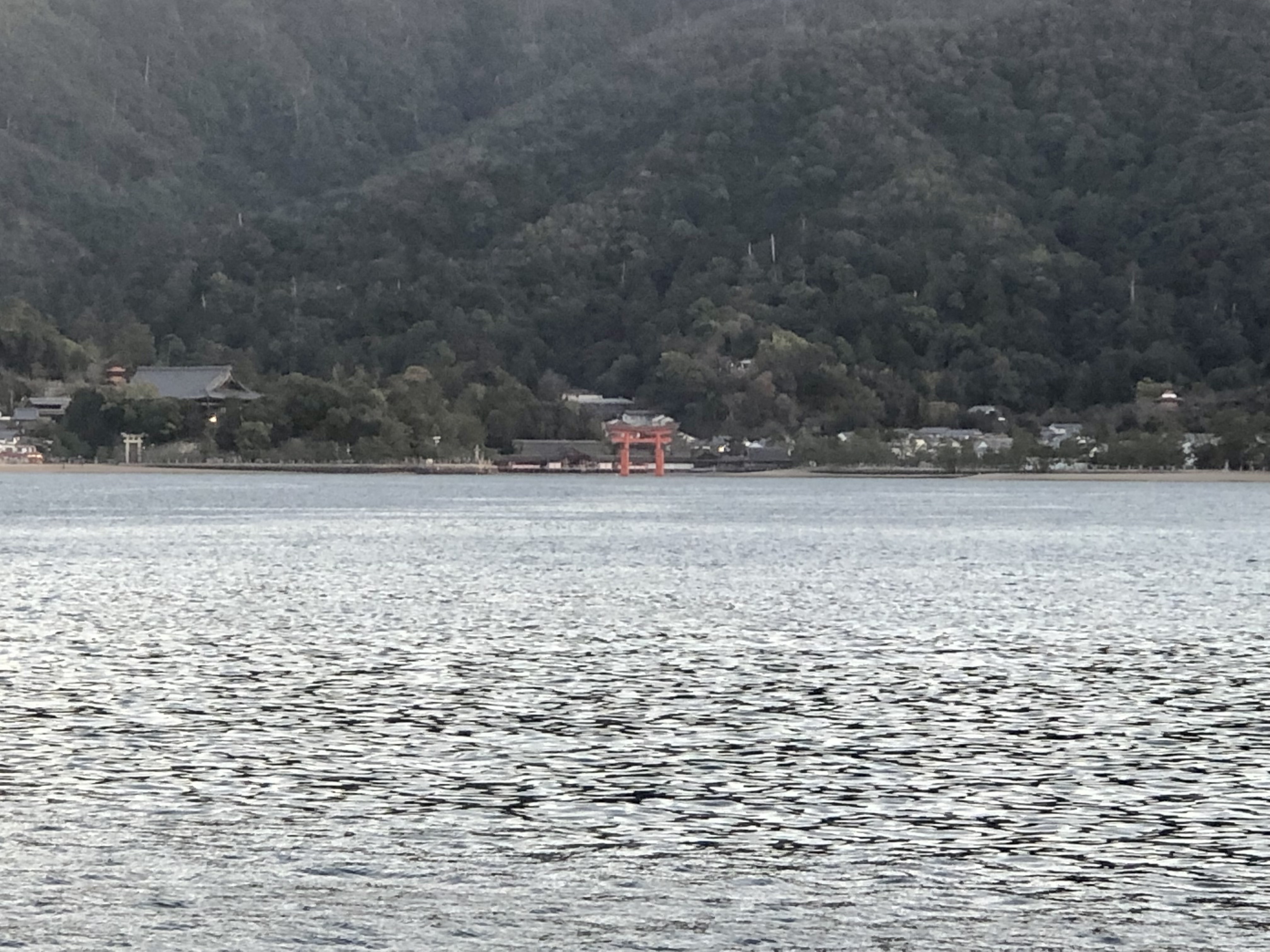
Before taking the ferry over to the island, I pause to capture a photograph of Itsukushima Shrine from the mainland. The shrine, known for its red torii gate that floats in the water during high tide, beckons me with its breathtaking beauty. I stare across at the shimmering water below, the sparkling lustre of Hiroshima Bay that stretches out before me, and with a sense of awe and wonder, I set out on the ferry towards the island, eager to explore its marvels.

The shrine is a Japanese National Treasure and a UNESCO World Cultural Heritage site. Unfortunately for me, there are none of the anticipated roaming deer hanging around today, but despite that, the shrine is amazing to look at. I can’t begin to describe how beautiful the red torii gate is up close. This landmark is one of the most photographed places in Japan, and I urge anyone visiting Japan to go and see it for themselves. My original photograph from the ferry port is the one I select here, as some things you just need to see and enjoy for yourself.

As I wander the streets of Hiroshima, I am determined to find a small standing bar that I visited 10 years ago. I remember the hotel I stayed at nearby and the bar owner’s enthusiasm for football, and I am eager to see if the owner’s guestbook is still around. However, after searching for over an hour, I discover that the bar’s location has been swallowed up by the ever-expanding Hiroshima Station, much to my disappointment. I had hoped to read the entry I made in the guestbook during my first trip to Japan back in 2012, but it seems that the bar’s memories have been lost to time.

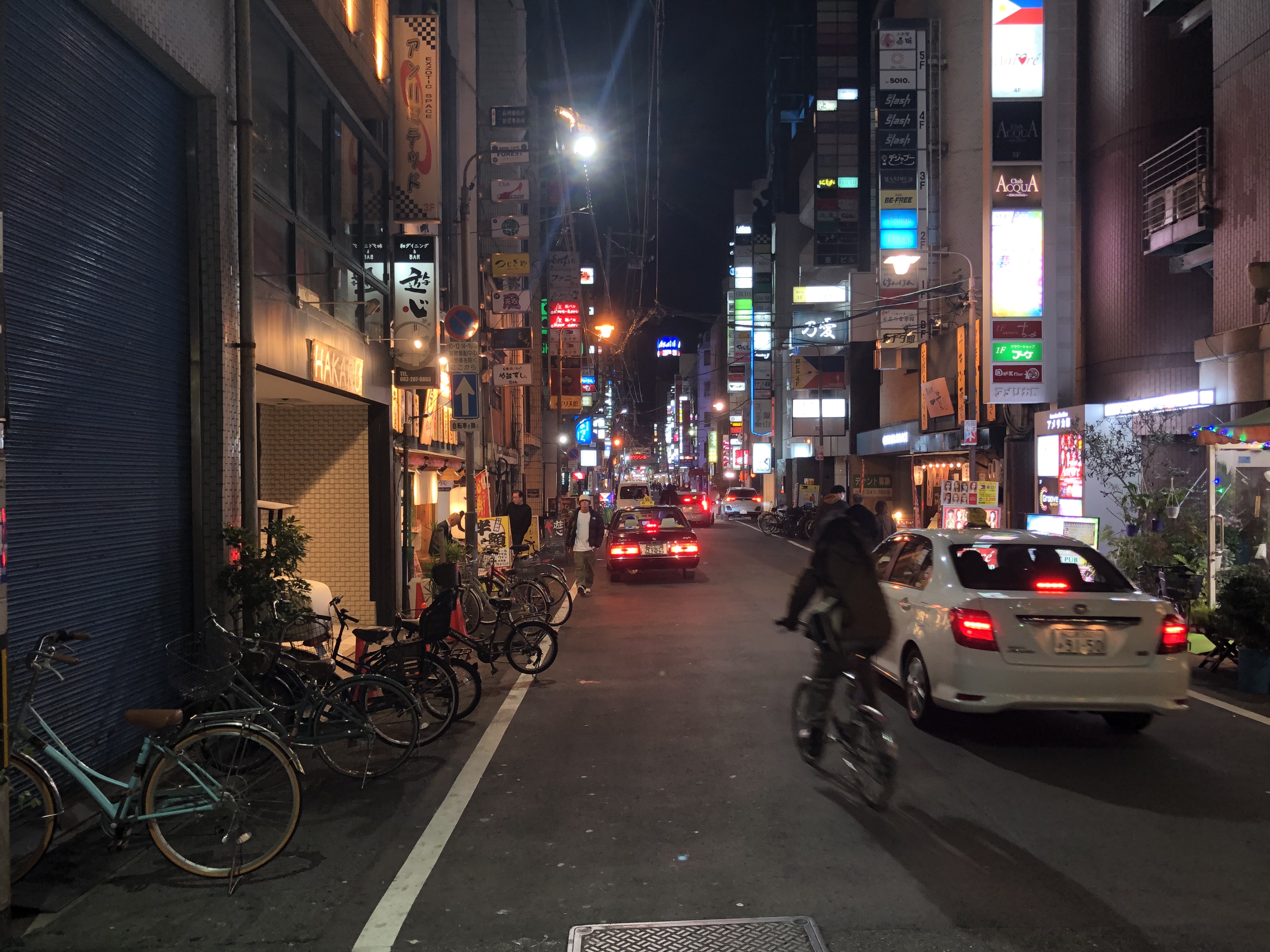
With little else to do I head over to the nightlife area. This maze of buildings containing multiple bars is huge. From one intersection I can see 300 different bars in the four directions I look. It’s common for buildings in Japan to contain loads of tiny bars, and usually I bravely enter these bars with no plan as to where my night will go. Each individual sign in my photograph represents a single bar.

The first bar I go into the owner tells me, “No foreigners.” The same thing happens in the second, third, and fourth bar I attempt to visit. I understand that maybe the bar owners had negative experiences with foreigners in the past, or may not be comfortable communicating in English, but it is never acceptable to discriminate against someone based on their nationality or ethnicity, and it leaves me feeling hurt and frustrated.

I do eventually find a small friendly bar that will accept me, and stay up until closing time drinking and singing with the foreign owner’s Japanese guests. It’s actually one of the best nights out I’ve had in a while, so much so, that by the end of the night I’ve forgotten entirely about the toothache, the twisted ankle, and the racism.

From Rush Hour With Love

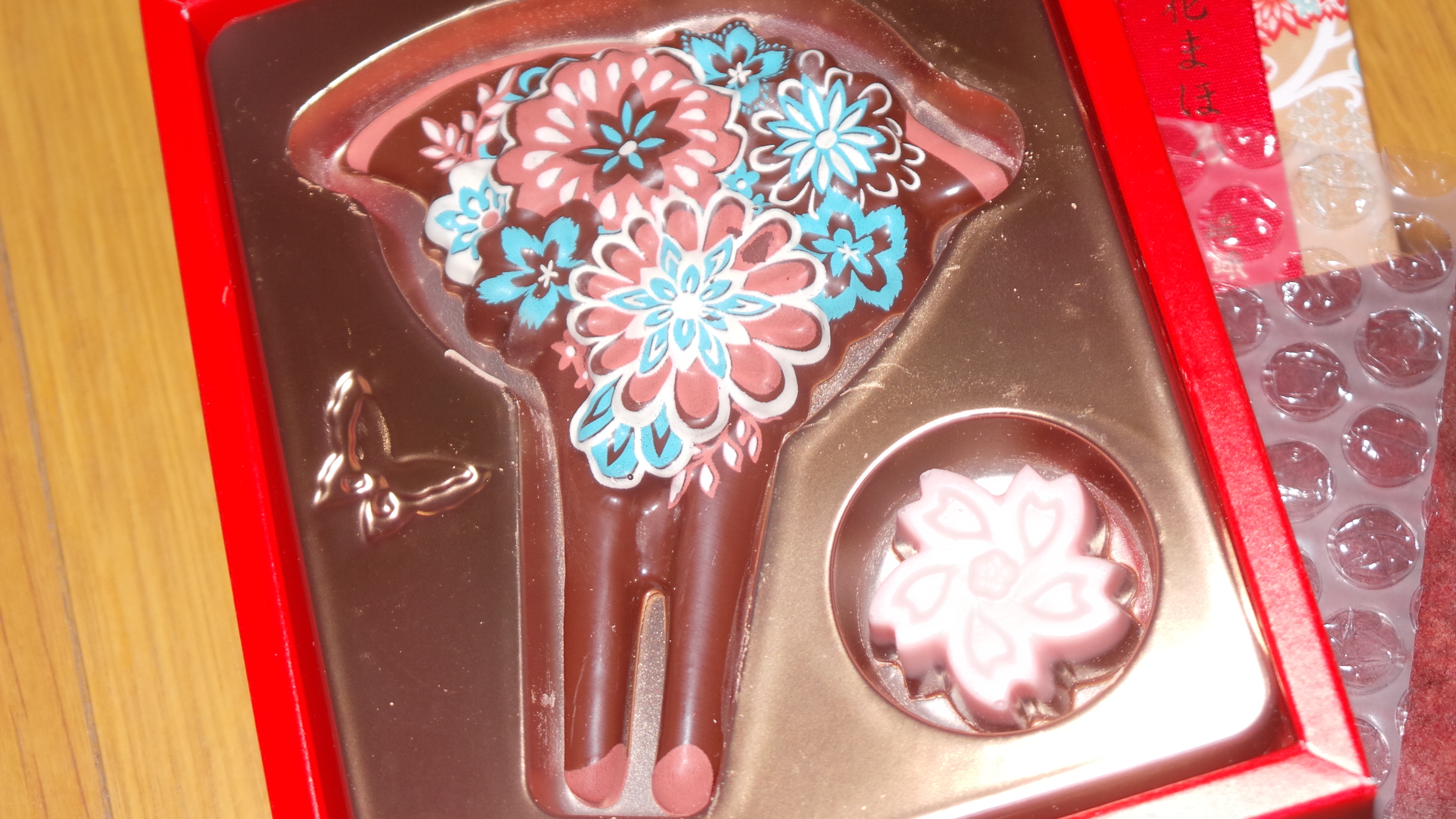
Today is Valentine’s Day in Japan. What would normally be a day of loneliness and misery is dissolved by chocolate. Unlike in England, where you are expected to buy flowers, chocolates, and take your partner for a meal, Valentine’s Day is remarkably different here. It is on this day that women buy chocolates for men. I have become very used to not receiving even a card on this day, so when I found myself unable to leave my house because of the vast quantities of chocolate blocking my path, it was a pleasant surprise. Even my dentist gave me chocolates, which is rather odd considering the high sugar content and the effect it will have on my teeth.

In Japan, one month after Valentine’s Day is White Day. On White Day, the man returns the gesture to those who gifted him by buying the women sweets. As much as I appreciate the abundance of chocolate that I received today, it becomes apparent that White Day will be extremely expensive for me.

valchocs

It is perhaps a sad part of Japanese culture that on Valentine’s Day, a man will wait with anticipation to receive chocolates from a woman that he might like, if only for the opportunity to return the gesture a month later. It is this style of gift-giving that makes the shy Japanese male miserable when no chocolate is received. I suppose that this theme remains common among all other cultures; Valentine’s Day and the misery attached to it. I can hardly complain, though. I received many gifts, despite the fact that I don’t really like the taste of chocolate. I actually preferred playing with the bubble wrap, after a nine-month absence of popping pockets of air-filled plastic.

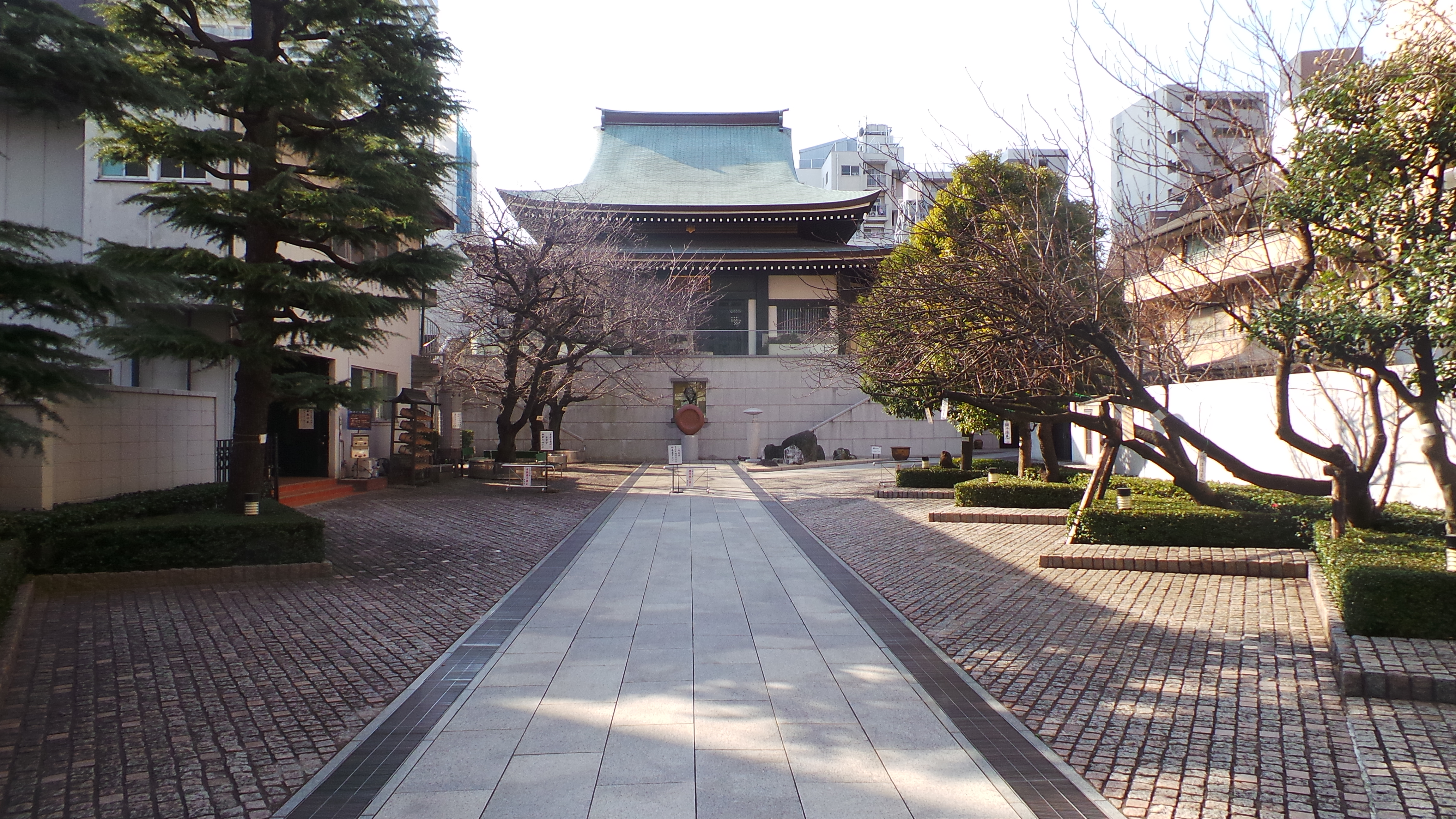
After consuming the equivalent of my weight in confectionery, I head into Asakusa. Today, I have decided to finally visit a temple that I walk past every single day but never visit. It is a temple that is always absent of people, possibly cursed, and is surrounded by some strange energy that I have previously been unable to bring myself to ingress.

dailytemple

The temple offers very little description about itself; not even a name. Before the temple sits a small rock garden where it is impossible to view all of the rocks from any one angle. It is said that if you are truly enlightened, then you are able to see the eighth rock. Despite the various viewing angles I deploy, I find it impossible to see every rock at the same time, and consider that even those that surpass the normal level of human consciousness would still find it difficult to see all of the stones at the same time. Other than a cemetery for the wealthy tucked behind the temple, nothing much else is on offer here.

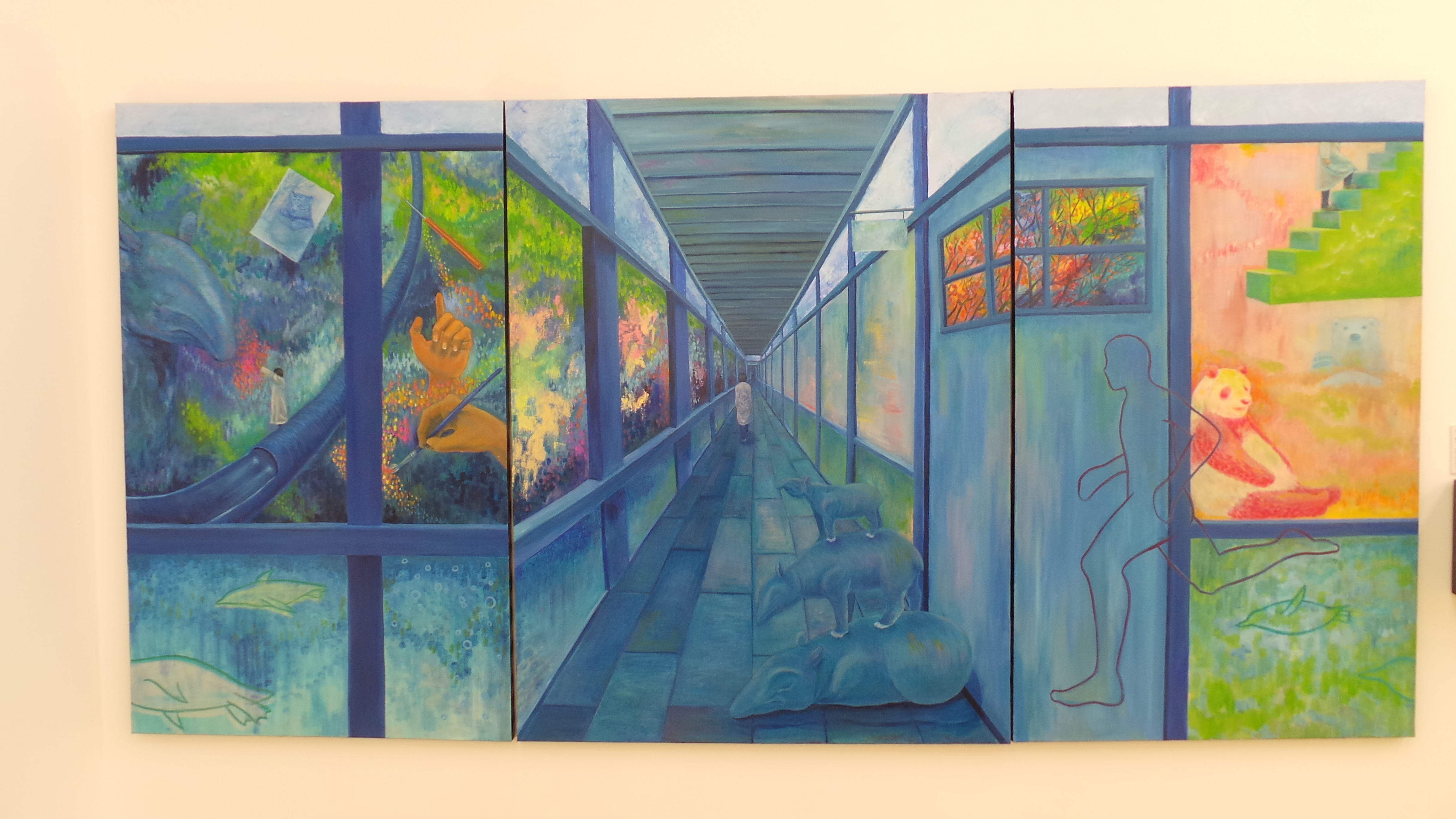
I leave the temple and head over to Akihabara. Today, there is an art exhibition taking place at 3331 Arts Chiyoda, a former high school converted into an art gallery. The exhibition features students who will graduate next month from the Takarazuka University of Art and Design. A friend of mine works for the university and has invited me along to sample the artwork of his students.

artscyd

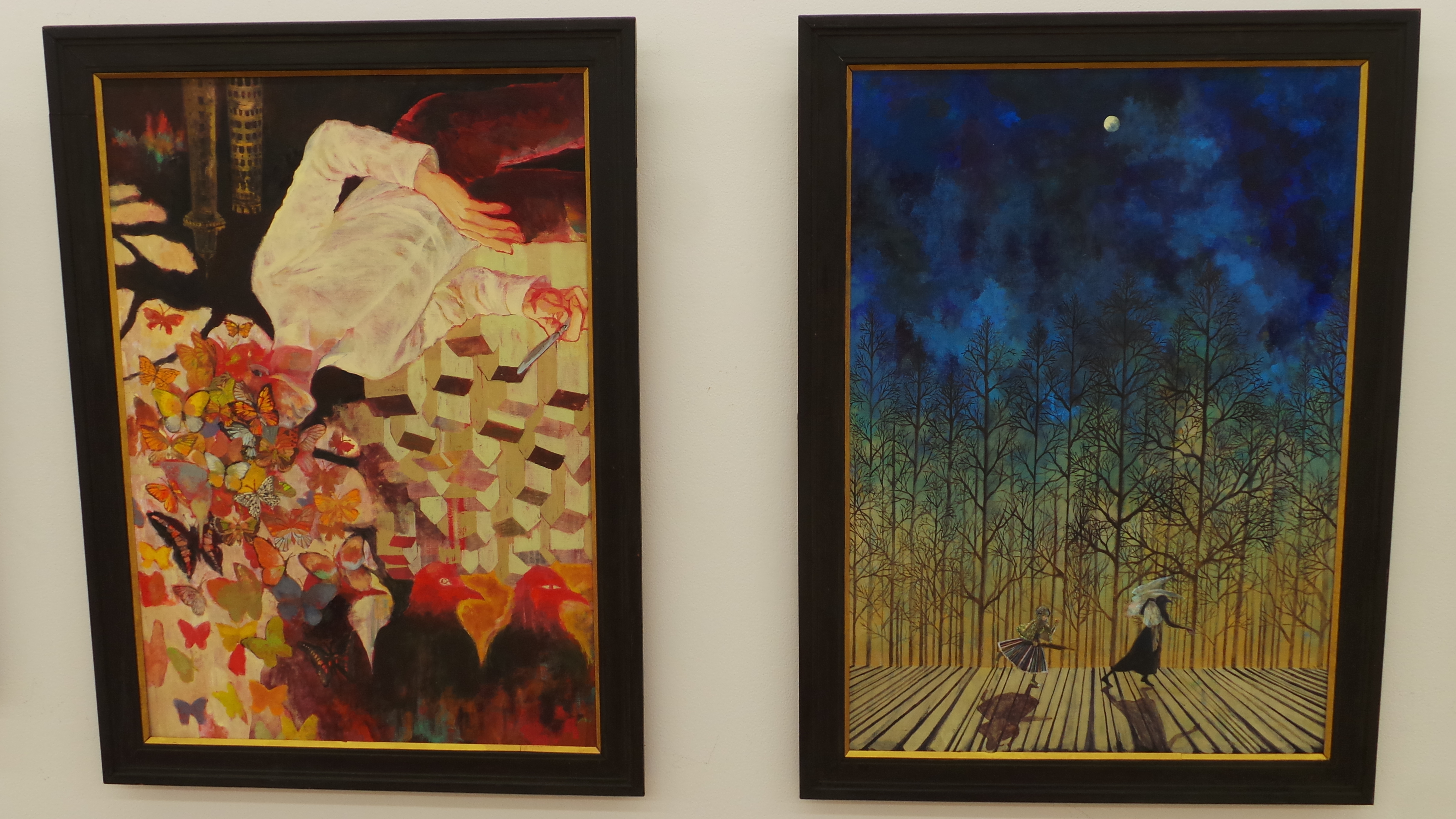
There are seventeen displays here from seventeen students, all twenty-two-year-old women. The first thing that strikes me is that a lot of the pieces have some form of macabre imagery. Paintings depict homosexual angels, others heavily feature corpses, and some are simply storyboards for books about clowns for children; obviously, the clowns look deliberately menacing and have been painted just to scare me.

Other pieces here are heavily influenced by famous stories. One piece is based on Ryunosuke Akutagawa’s ‘The Spider’s Thread,’ a story about too many people in hell (known in the story as the Pool of Blood) as they try to escape and reach the paradise above. One man walking through a forest didn’t kill a spider one day, so the silk of a spider’s web is dropped down to hell from paradise in an attempt to rescue him. Everyone reaches for the web in an attempt to climb to safety. Obviously, the weight of everyone in hell is far too heavy for the silk, and the web snaps, committing everyone to the Pool of Blood for eternity.

morearts

The highlight of the exhibition is a piece by Ozawa Yuki. Her painting depicts a dream, more specifically, the moment when you become fully awake and are only able to remember fragments of what was left behind. Another artist that I enjoy is Ogawa Sayako. These two pieces offer less of a description but are once again based on dreams. Something about places in dreams never existing anywhere in real life. I suppose these pieces are my favourite due to their abstruse and rather abstract style. After the art, I take the packed rush-hour train back to Asakusa, somewhat confused by the imagery I have just viewed.

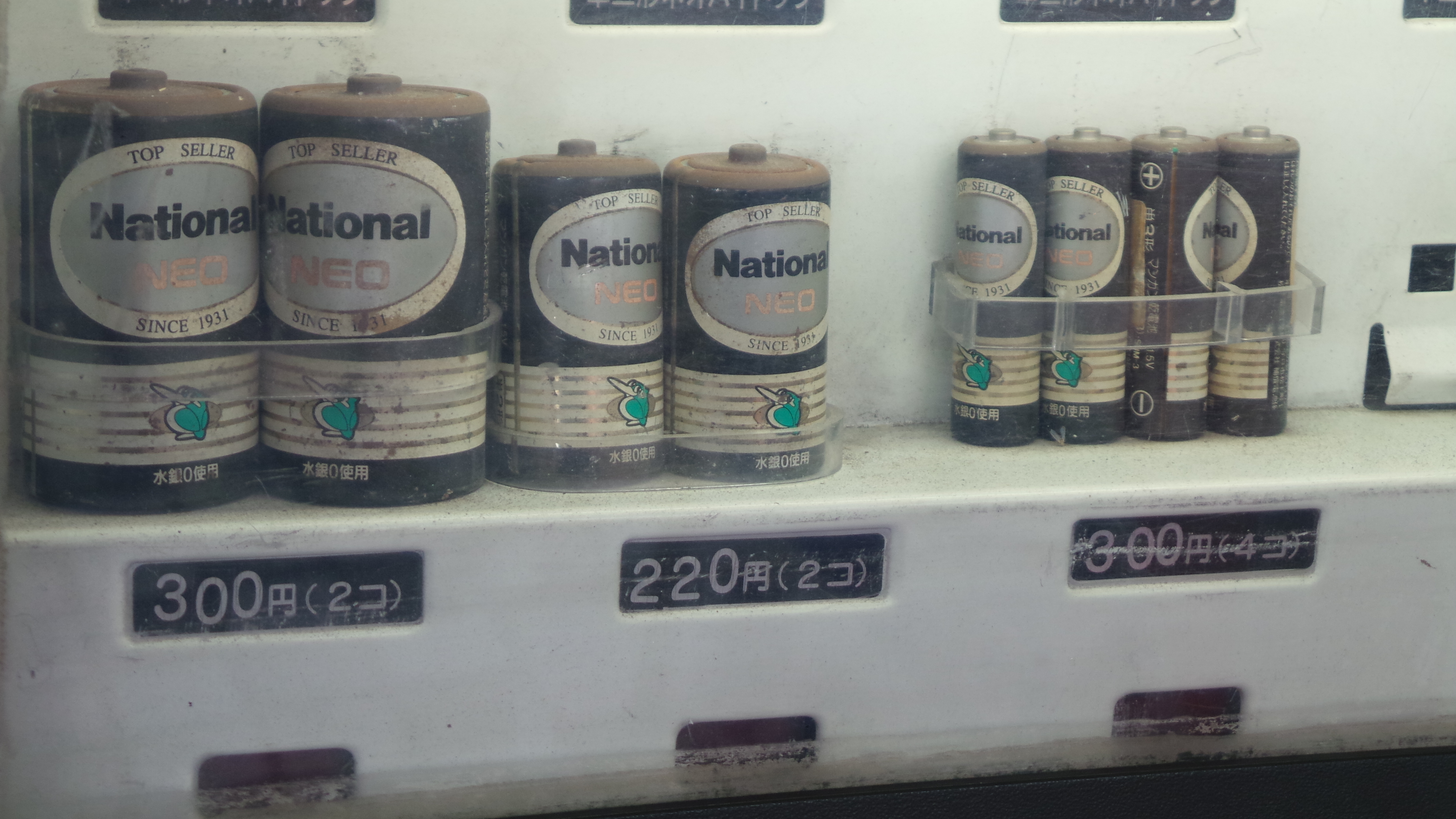
There are certain things that become written about more often than others in Japan: signs with bad English and vending machines. I am guilty of writing about both of these things, and perhaps they aren’t the most interesting to mention. But when I saw another strange vending machine, I got a little excited, so I decided to include it here.

batteriesvending

This machine, covered in dust, sells batteries from 1931. These batteries, made by Panasonic, are no longer in production. Yet, this machine sells them for around ¥300 a pair. Even though they do claim to be a ‘Top Seller,’ batteries are the very last thing I need in my life right now. The machine doesn’t actually work and seems absent of any power. Somewhat ironically, what the machine could really do with is some new batteries.

Befall Upon The Watchtower

For whatever reason, someone has suggested to me that I check out the area where the Arakawa River and the Sumida River flow into one. As I head out into what feels like a spring afternoon, I realise that my destination today might offer little excitement to anyone, including myself. Somehow, I feel drawn in the direction of Arakawa, the shackles of free will severed from my legs. Part of me feels like there is a demon possessing my very soul, controlling my destiny as I cycle at rapid speeds in the direction of Arakawa.

I see the remnants of a temple or shrine, but it looks as though perhaps it is trapped within the confines of an industrial site. Not letting that stop me for one moment, I park my bicycle and wander in. Seconds later, I am cornered by a security guard. He shouts angrily in Japanese as he waves his hand in the direction of the street. A strong urge to not give up consumes me, and I quickly find myself on the other side of the complex.

sewertemple[1]

It is a strange sight. I am standing along the Sumida River, and there is nothing but tall yellow grass stretching off in every direction. No cars pass along the road in front of the shrine. No people are walking. It is silent, yet only ten minutes away are the tall residential buildings that make up my neighbourhood. Looming over the Shinto shrine are three huge green balls, presumably part of a sewerage station. Perhaps the god of water treatment resides here.

I carry on my journey, not wanting to disturb the sewer gods, and eventually find a map. Sure enough, the place I had just visited is marked as ‘Sewer Station Shirahige Nishi Pump Place.’ However, there is no mention of any temple or shrine on the map. There is, however, one other interesting point of interest labelled as ‘Ballpark for boy Ground of using combinedly.’ I excuse the terrible English and carry on along the river.

Ten minutes later, my fanciful difficulty fades away, offering me some karmic resolve.

thewatchtower[1]

A watchtower. The best thing that has happened to me all week. It somehow feels like I am stumbling through an episode of the television drama ‘Lost’. For no apparent reason, there is a massive wooden watchtower sitting guard at the entrance to one of the bridges that traverses the Sumida River. What is it doing here? Who built it? Is this real? My mind floods with questions and possibilities, as if somehow collecting fragmented pieces of information and forming them into ideas in my head.

I park my bicycle, and ignoring the sign that tells me to stay away, I enter the wooden doorway. My body filled with an emotion that is yet to be given a name. As I climb the watchtower, I begin to wonder if all of this is just some giant metaphor for something else, something that can’t be explained with words. Each step toward the top tests me, as if life is testing me at this very moment. Eventually, as I near the top, the cracks in the surface become wider, making way for sunbeams.

insidetower[1]

The view from the top is of nothing of note. Tokyo Skytree hangs in the distance, slightly masked by concrete surroundings. In the direction I came from, I can see the water treatment plant and the barren riverbed. I stand at the top of the tower in silence for a while, watching the blue hue of the river for a time, before the sound of footsteps echo from below. A man appears. He looks devious, something very odd about him; like he means to cause trouble. He stands atop the watchtower with me, blissfully staring out into a void. The man doesn’t speak to me, and something about him makes me incredibly uneasy. I decide that I can’t stand here any longer, so I head back down the steps to my bicycle below.

I cross the river as fast as I can, somewhat unnerved. On the other side of the river, I take a right, following its path back toward what looks like civilisation. After twenty minutes of cycling, I realise I am slightly at a loss. I don’t really know where I am, and I’m not sure if the river I crossed was the Arakawa River or the Sumida River. Perhaps I have already cycled beyond the confluence.

deserted[1]

I try to check the map on my camera, but nothing appears to work. I stop for a moment, take a deep breath, and take in my surroundings. Desolate. Empty. Nothing. Everything here looks abandoned, and it begins to reflect on me. Right now, even I feel completely abandoned; which is the strangest feeling I have suffered in a while. As I stand here, lost in the middle of something that might or might not be nothingness, a certain fear destroys my usual calm demeanour, and I begin to panic.

Everything will be fine, though. As if saved, I can just make out the silhouette of Tokyo Skytree on the horizon; so I point my bicycle in the direction of the structure. After what seems like an hour of following the river, I reach a bridge and am finally free to cross. This bridge takes me over the Arakawa River, so it appears that I never reached my destination, never found what I sought out to find. Regardless, I am finally back within familiar territory, heading back toward life. I stop to photograph a sign that probably has no relevance here, but perhaps it does. The sign appears to have been written by Yoda from Star Wars.

closedsorryweare[1]

As the day continues to distract me, I inadvertently end up in Akihabara. Tired from three or four hours of intemperate exploration, I decide to leave my bicycle at the train station. Inside, I stand at the platform, waiting for the train to take me back to Minowa. It is here that I see yet another strange vending machine.

The machine offers four shelves of items, two of which are toys for children: two sets from the Nature in Japan series. Small models of various different animals native to the country. It is what is contained within the other two shelves that I find strange. At a bargain price of ¥200 per purchase, I can buy office ladies that sit on the edge of my coffee cup; legs open, underwear exposed.

noupskirting[1]

Akihabara Station famously has signs at each escalator, warning women to watch out for ‘upskirting.’ Apparently, it is a law in Japan that all cameras must make a sound when a photograph is taken. With Akihabara being the home of electronics and comic books, lonely men have often been known to pry on women as they ride the escalator, sneakily taking photographs from below.

This vending machine perhaps tries to solve that problem. These coffee cup women are clearly exposing their undergarments, with no shame. The only shame is possibly when your co-workers see you with a decorated coffee cup featuring this type of imagery. ‘Make your office fun!’ ‘Happiness in your cup!’ are just some of the explanations on offer, scrawled in Japanese across the machine.

There are certain times in my life when my mind is simply not capable of understanding something, and this is certainly one of them.

Wheel of Misfortune

Today is the day that I finish my pilgrimage. One temple, one shrine, and the final two gods. I start off in the direction of Uguisudani. My previous attempt to find Motomishima Shrine here was marred by the fact that this area is a massive red-light district and couldn’t possibly be the location of a sacred shrine. Once again, as I stumble through alleyways of neon, I see no signs of a god; just prostitutes leaving hotels with presumably married Japanese men.

Eventually, I leave the area to find wireless Internet, stolen as always from a nearby Seven Eleven. I punch the name of the shrine into my GPS and am redirected to the same area I had previously wandered. It is an unusual location for a shrine, an area littered with over seventy love hotels, but somehow I find it sandwiched between Hotel Exe and Hotel Foxy.

lovehoteltemple[1]

Motomishima Shrine is home to Jurojin, the god of longevity. This deity is always accompanied by a wild deer, believed to symbolise long life. It is said that Jurojin shares the same body as another of the Seven Gods of Fortune, Fukurokuju, which, if you ask me, is a rather unfortunate fate.

It is fair to say that to reach this shrine, I had to jump through hoops. Inside, I walk through a hoop to reach the stone steps that lead to the god. Here, I pay my respects with a deep bow before taking my fortune for the last time this month, at a cost of ¥200. With all these fortune readings, it’s a surprise that I have any money left. Not to worry, though—I have a frog in my wallet, so all is well.

hoops[1]

“Whoever caught this fortune, please read. Further increases the happiness if familiar, money will come to the body when you strive daily and today. We are been obtained by loss. Performing without effort for others is within the range of possibility, always! Rather than hit the thing with the one person that you are waiting for, poor is a small problem, this time. You do not have to worry only for those who carried out jointly because the immediate profit will go up with your results. If you move a large bowl, results should come out.

“Whatever you do for other people, always take action for things in the future. Make yourself aware. Concentrate at the entrance; are you aware of the limits of their fitness? Also, the energy from long illness in the future will see recovery gradually. Concentration will add enhancement, especially to enhance the energy. No effort should not be in vain. Come back to be sure of the joy of tomorrow.”

Confused as to what all this means, I leave the red-light district and head over to Hoshoji Temple.

hoshoji[1]

Bishamonten stands guard here, carrying a scroll. Traditionally, he is the god of warriors and war, depicted with a spear and dressed in armour. However, the statue here deviates from the expected representation. Unfortunately, it is the only photograph I have of this temple, and I am certain I am in the right place. There are no signs of other statues of gods here, leaving me with no idea about the identity of this scroll-wielding warrior—most likely Shonin or someone else. No English signs, nothing else to guide me.

With all this good fortune flowing through my veins and having completed the pilgrimage of the Seven Gods of Fortune, one would expect that I’d actually receive some fortune. In reality, the opposite has occurred. Over the last few days, I have felt like a ghost, floating through life, completely devoid of any sense of belonging. Perhaps this is just a phase. A changing of the tides could erase all that I feel at this moment, and hopefully, that will happen. Maybe I should just move a large bowl. Right now, though, I am tired of walking around temples and shrines; it fills me with this strange empty feeling that is difficult to explain.

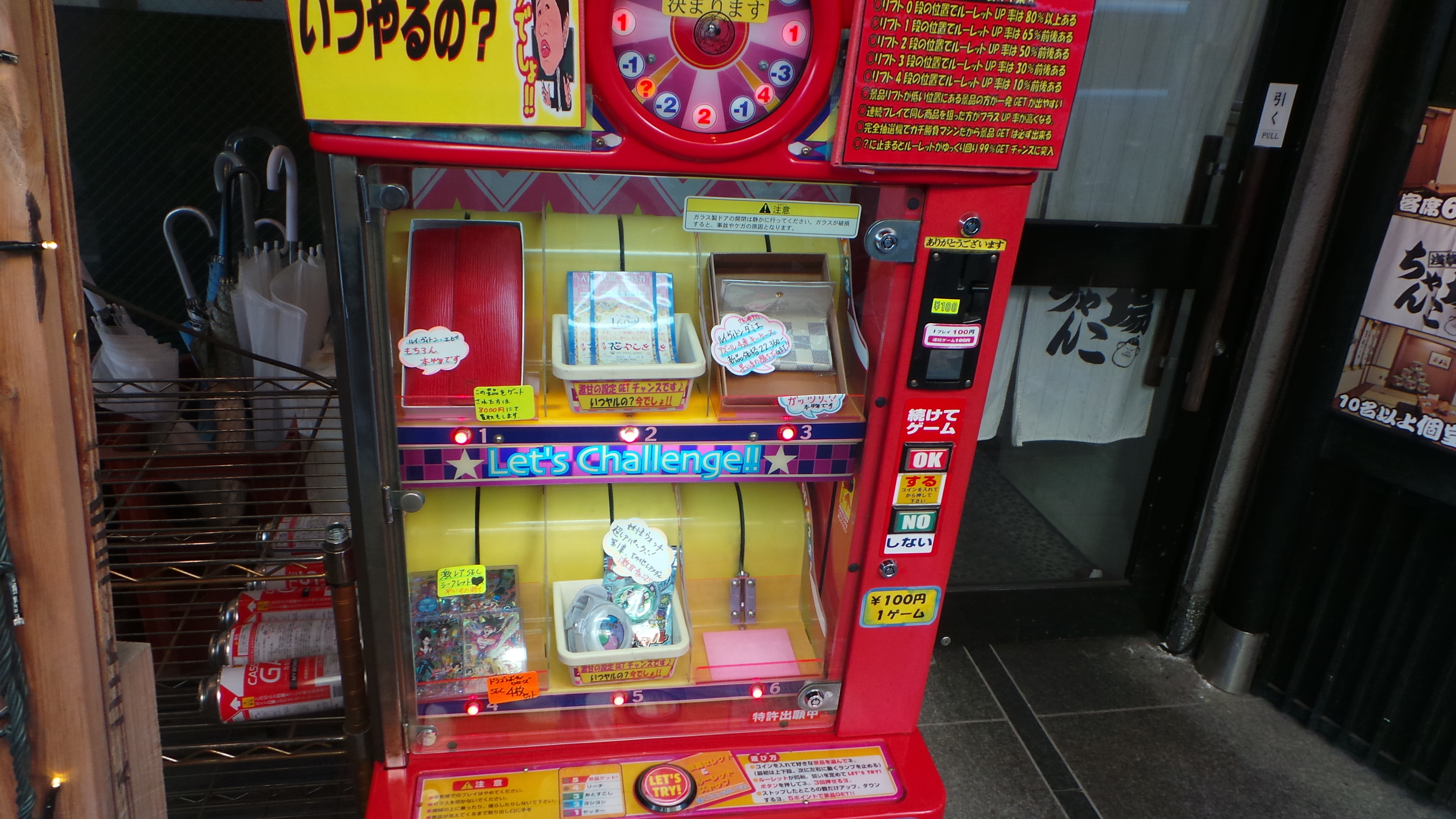
I wander back to Asakusa and am instantly drawn in by the flashing lights of a strange vending machine.

letschall

The machine costs just ¥100 and offers a chance to win excellent prizes. It’s called ‘Pocket Lifter,’ and presumably, it lifts money from my pocket by tricking me into thinking I can win one of the luxury prizes. Hidden behind its polished glass front are some trading cards, two Louis Vuitton purses, and tickets to Hanayashiki Amusement Park—the oldest amusement park in Japan. Despite seeing this park every day in Asakusa, I have yet to make the visit. However, Hanayashiki might have to wait a little while longer, as I am still somewhat traumatised by my recent visit to Tokyo Disneyland.

The machine says, ‘One-two-three-four-GET!’ Winning is as easy as counting. One of the Louis Vuitton purses can be won and sold for ¥8000 at a nearby shop, conveniently listed next to the prize—a gambling loophole once again exposed. Above the prizes, a wheel with bright flashing lights beckons, ‘Let’s Challenge!!’ How could I possibly resist? Keenly, I insert a ¥100 coin. ‘Thank you,’ the machine says as it swallows my money. The wheel spins and lands on the number one. The prize shelf moves up a fraction of an inch, then nothing happens. For a limited time only, I can get three tries for my money. I repeat the button-pressing process twice, and disappointment reoccurs twice more. No prizes, no amusement, no amusement park—just more bad fortune. Thanks, pilgrimage.