A Streetcar, Feigned Desire

I decide that despite the warm weather today, it would be a nice idea to explore the area around my own neighbourhood on foot, rather than heading further afield by bicycle. Looking at the map outside of my apartment, I notice a few points of interest that I had never previously given much thought. The first is the Toden Arakawa Streetcar, the last remaining streetcar that still operates in Tokyo. I wander five minutes from my home in that direction. As I approach, I follow the sound of silent electricity until I arrive at the tracks.

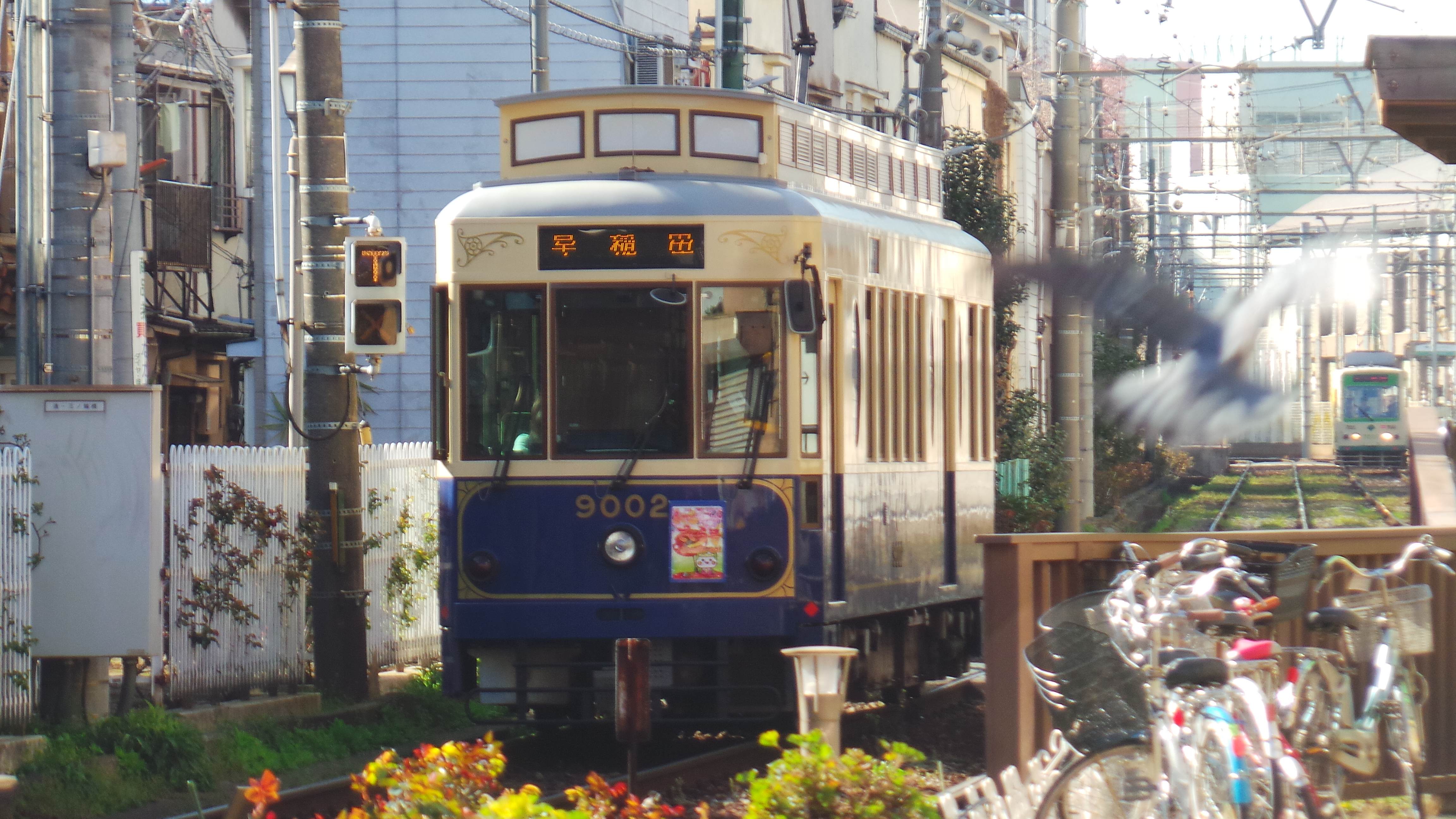
At the streetcar depot, nobody is waiting to ride. The only sign of life here, other than the movement of old trams, is a superabundance of starving pigeons waiting for their next meal. Opened in 1913, this streetcar somehow survived when all other streetcars were scrapped in Japan some fifty years ago. I consider taking the tram, but because there is no official timetable, I fear that if I do, I will end up in the middle of nowhere, with no way of getting back. Instead, I try to photograph this historic vehicle, but a blur of pigeon rudely interrupts my photography.
streetcar

My next stop is at the nearby Jokan-ji Temple, a historical site and cultural asset of Arakawa. It becomes apparent as I enter the temple grounds that this temple contains some rather dark history. The temple dates back to 1665, and with such close proximity to the nearby Yoshiwara red-light district, it became known to the locals as the throw-away temple. A place to dispose of unclaimed or discarded deceased prostitutes.

The temple itself looks like any other temple, but beyond the shiny temple walls is a memorial to the unknown dead and a hidden entrance that leads into a vast cemetery.
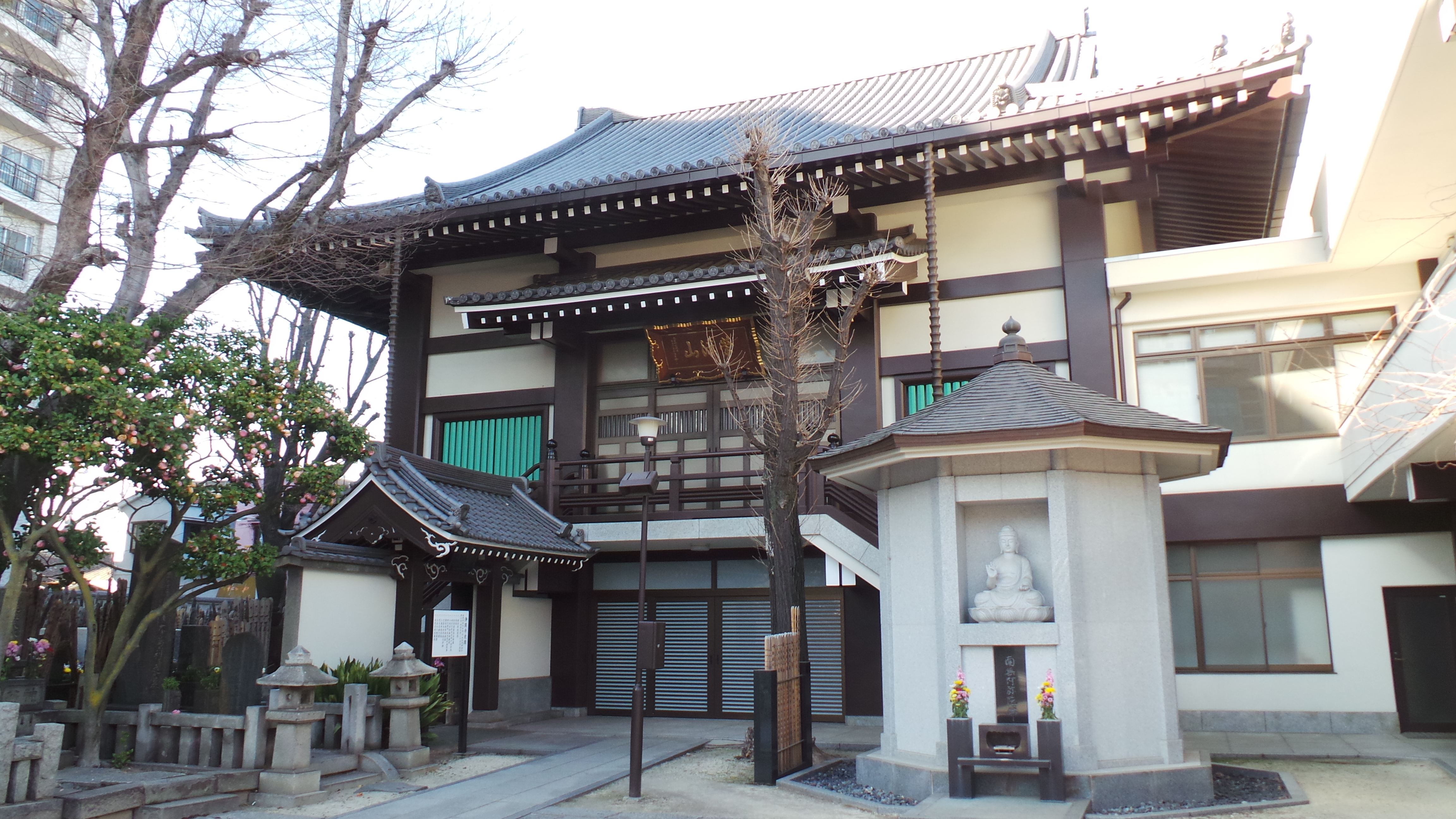
prostitutetemple

The 1854 Tokai earthquake claimed many lives, including young women who had been sold by their parents to the Yoshiwara district. These prostitutes were often forced into this trade, considering themselves as living in hell, destined to eventually die and join the other women in a mass grave at Jokan-ji Temple. The deceased women were not granted a proper funeral or burial; instead, they were wrapped in a straw mat and left outside the temple gates for someone else to collect, burn, and add to the pile of death and ash.

I stroll through the cemetery, and it becomes evident where the souls of the twenty-five thousand deceased prostitutes are laid to rest. A small tomb is adorned with artefacts related to prostitution. An inscription above the tomb reads, “Birth is pain, death is Jokan-ji.” Cosmetic products, hair clips, and makeup rest on top, leaving a haunting reminder of death. It is even possible to peer inside the tomb through an overly exposed metal grate, offering no dignity to the departed. Inside, a stacked pile of white urns extends down into oblivion.
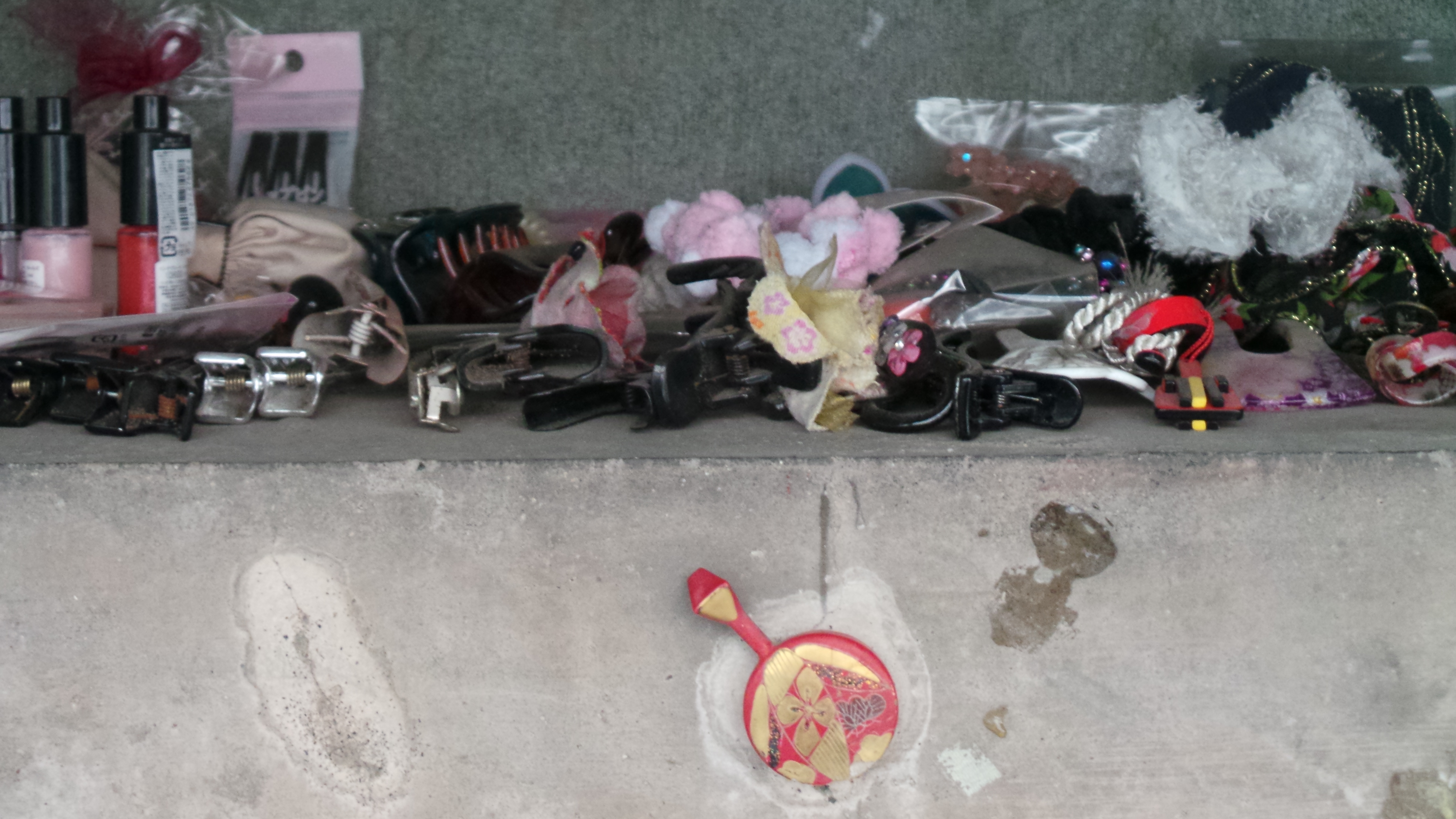
cosmeticgrave

I leave the tomb with mixed feelings. I question why I even visited here; perhaps I should have simply boarded the streetcar and escaped the sense of doom and gloom. Another notable presence is a monument dedicated to the novelist Kafu Nagai, who used these deceased women as a source for his satire. I ponder on the motivations of someone writing about such a macabre subject, only to realise that, in my own way, I am no different as I write these words.

I depart from Jokan-ji Temple and start walking toward Minami-Senju, an area my friends have deemed extremely dangerous. As I approach, it appears to be like any other place I’ve visited in Tokyo: a Seven Eleven, a few shrines, a clean park, an old woman feeding a cat, bullet holes, a train station … Bullet holes?
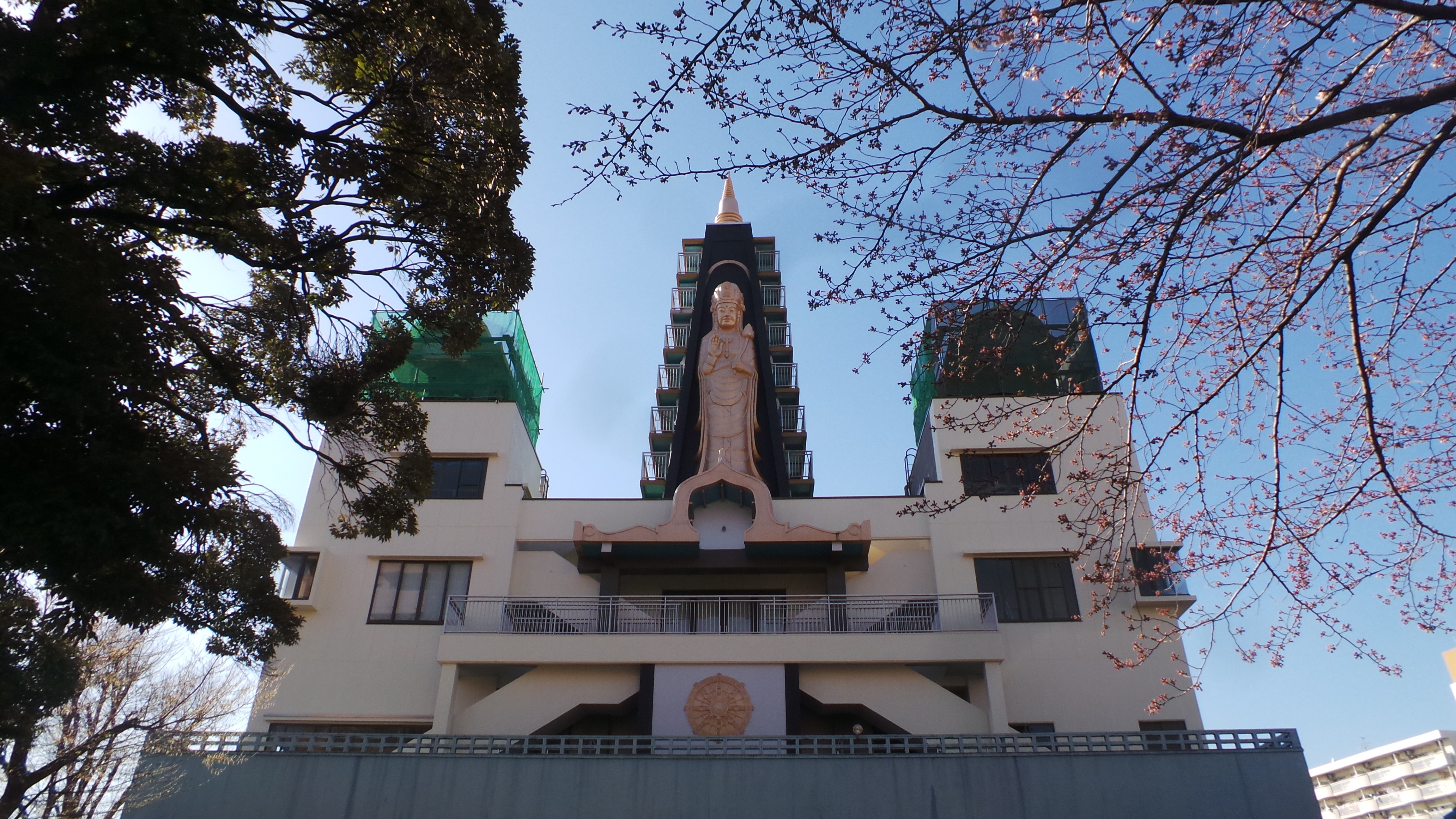
bullettemple

Entsu-ji Temple stands large, featuring a twelve-metre-tall golden statue of Kannon. What is remarkable about this temple is that it proudly serves as the new location for the Black Gate. Kuromon was previously the gate at the entrance to Akizuki Castle, but after a gunfight during the Battle of Ueno, the gate was damaged, hence the bullet holes. The gate was moved to this location in 1907. Not one to dwell on death and misery, I leave the temple in a rush and forget to take a photograph of the famous Black Gate.

I head back in the direction of Minowa, and with prostitution on my mind, I take a stroll through the Yoshiwara area. What always strikes me as odd about Yoshiwara is that at one entrance to the legalised brothel district is a police station, and at the other end, there is a shrine that houses a goddess that offers protection to women.
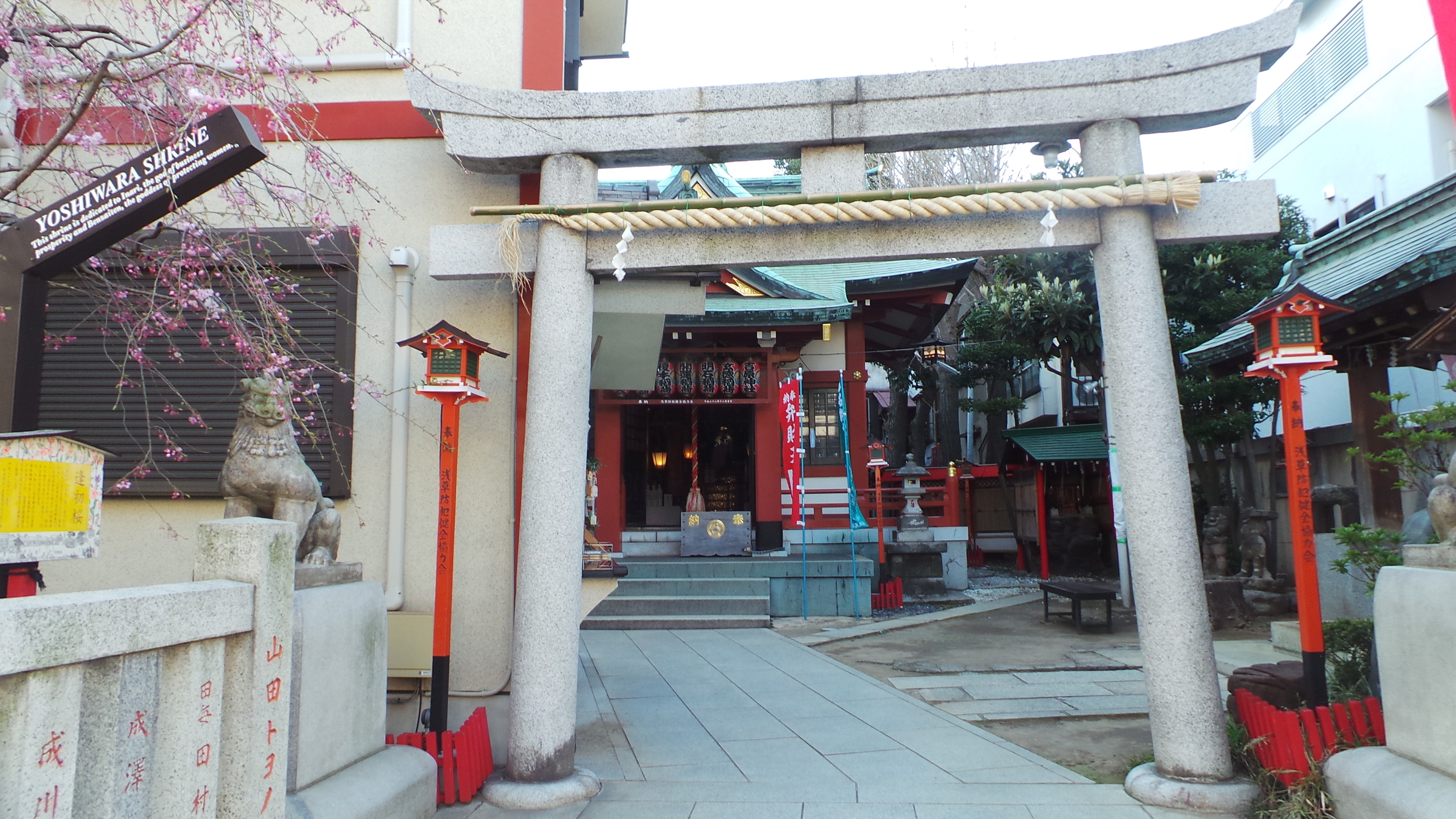
yoshiwarashrine

Every day, when a prostitute finishes her shift, she will walk past this shrine and bow deeply. I have seen it so many times, due to this shrine being on my route from my home to Asakusa. In fact, I pass this shrine twice a day, and almost always see women here, praying, bowing, and hoping to not share the same fate as those other twenty-five thousand abandoned dead women.
Murder on the Tsukuba Express

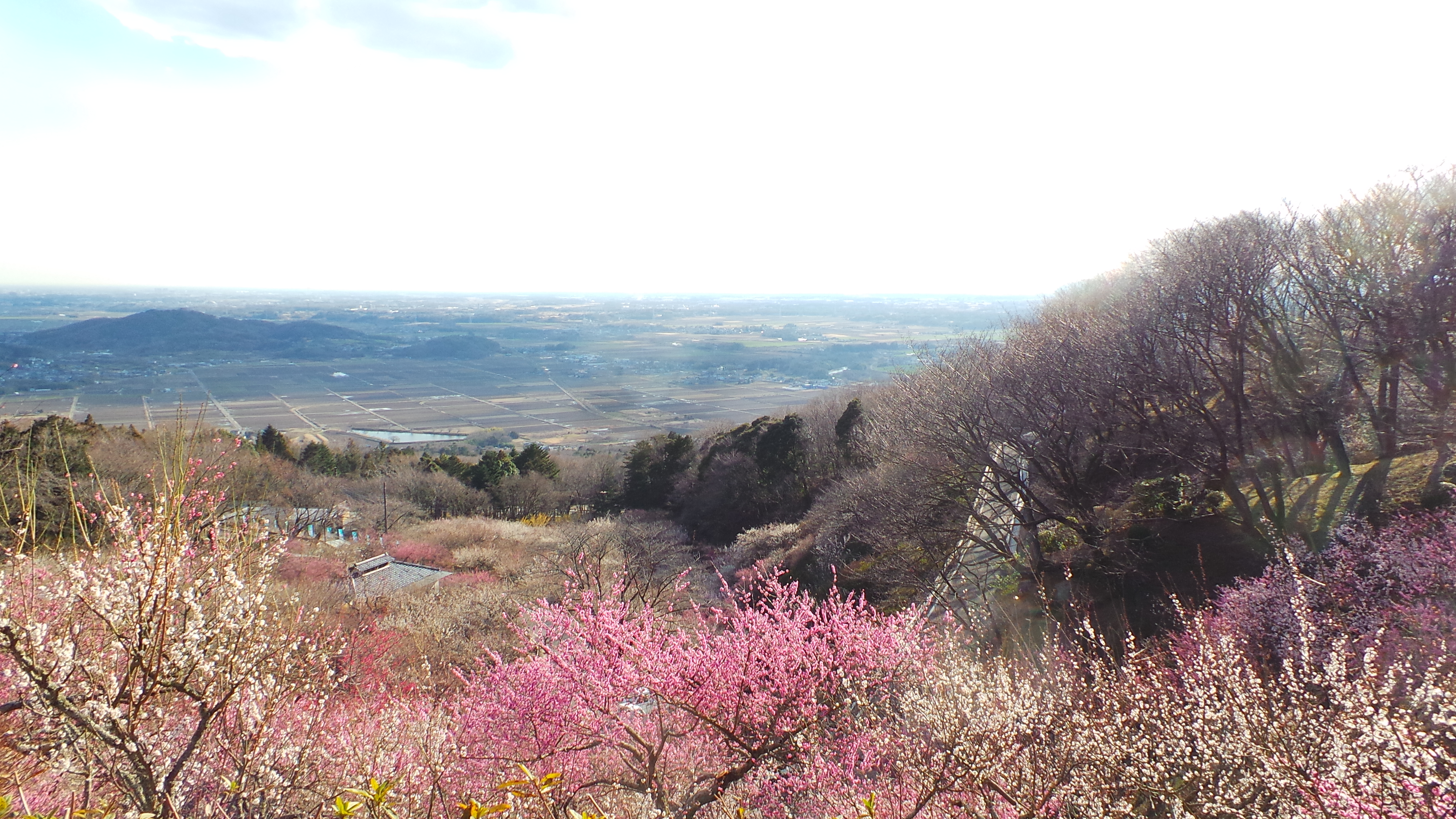
Today, the weather is very warm, so I decide to take a train to Ibaraki Prefecture, to a little place called Tsukuba. At Tsukuba Station, I take a ¥720 bus that crawls for thirty minutes toward Tsukuba Mountain. Eventually, I get off the bus. The only tourists here are old Japanese women who have made the journey to this mountain to look at flowers.

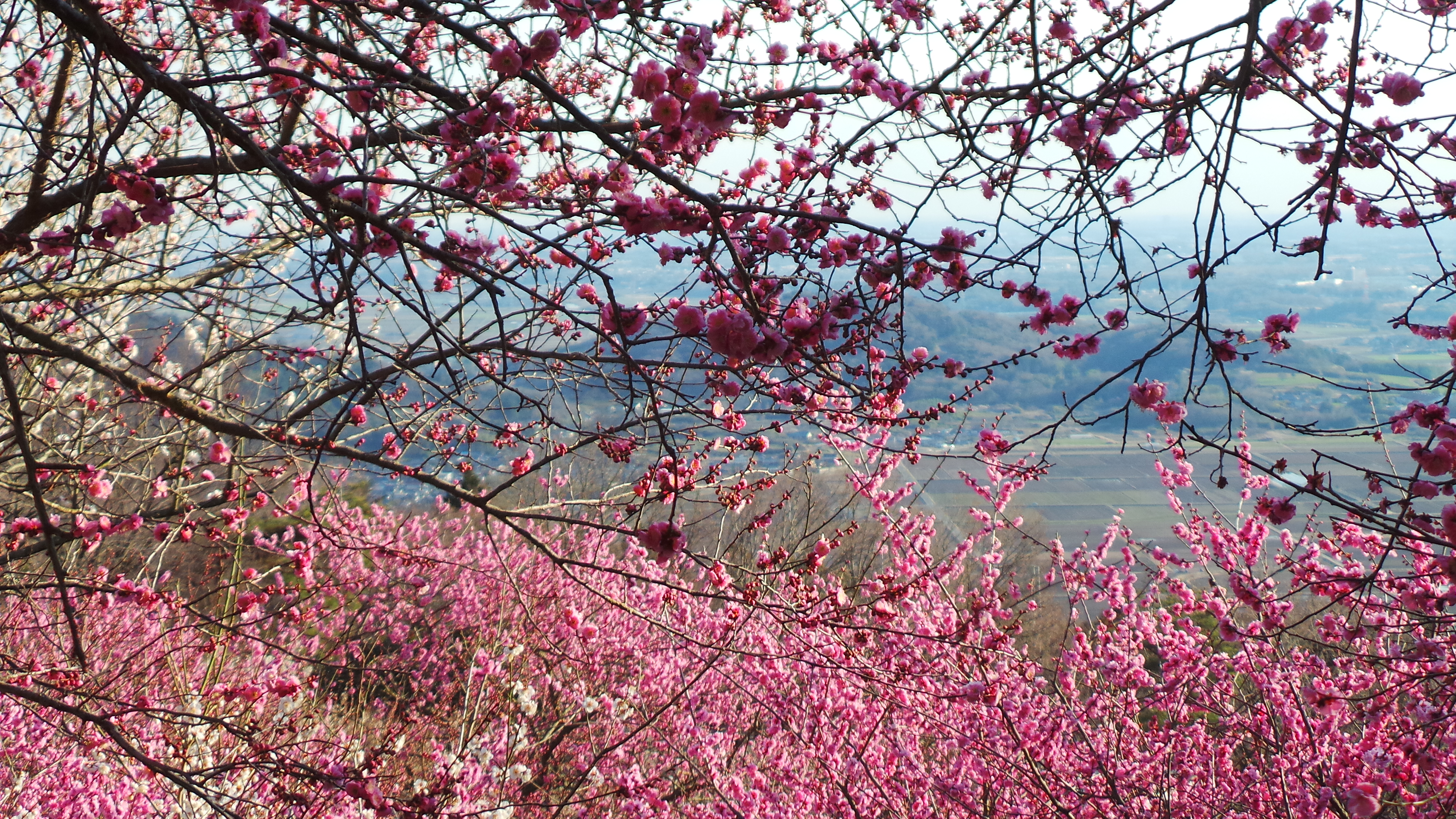
The first thing that strikes me as I stroll off the bus is the view. The day is relatively clear, and the distance is a sea of fields and countryside that seemingly spread forever before eventually blending into the whiteness of bright, sunlit clouds. One of the reasons I am here today, like the old women, is to look at flowers—flowers of beautiful pink and white. The other reason is that this steep mountain is steeped in history.

tsukuba5

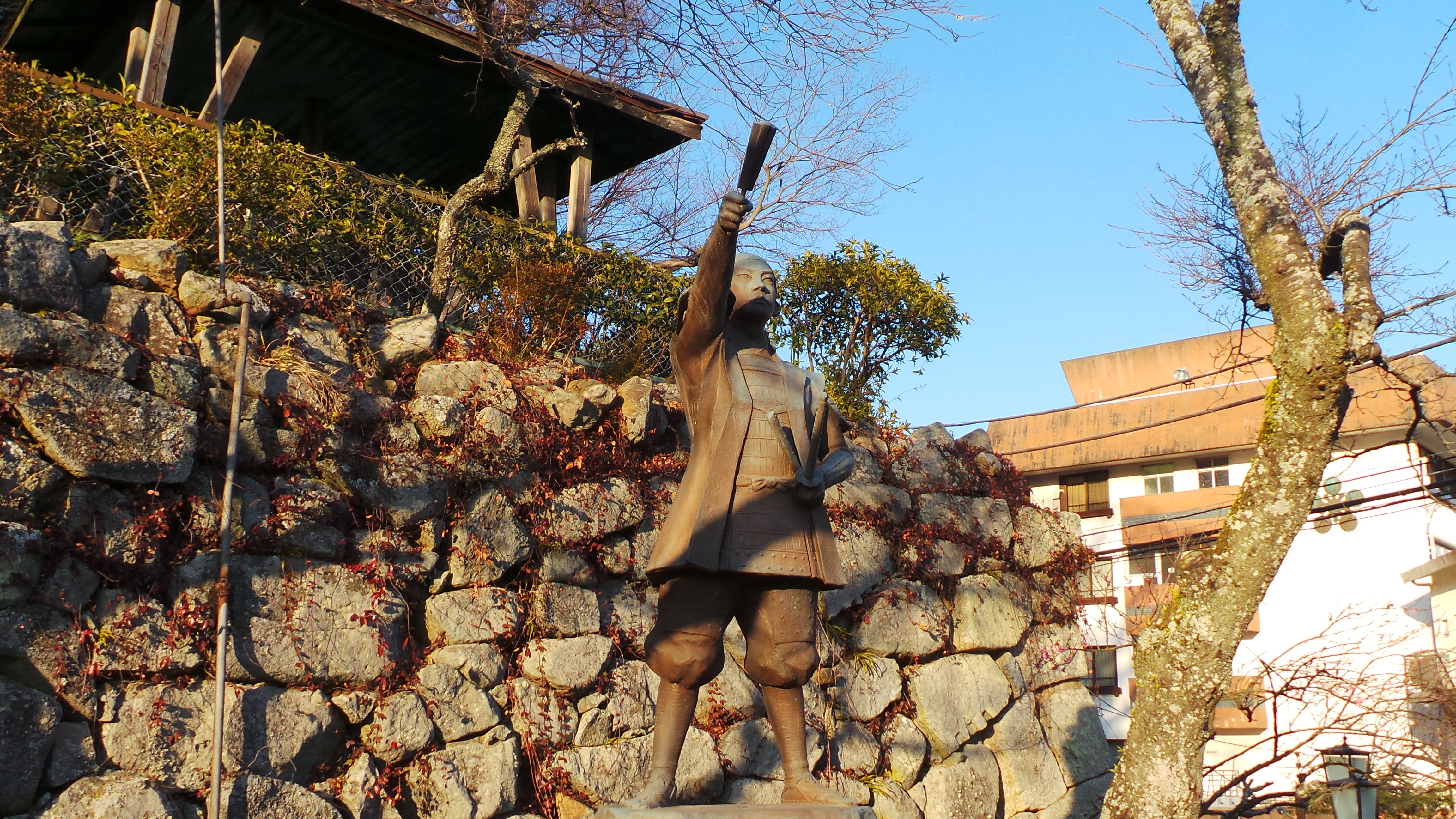
In March 1864, an army was raised on this very mountain, led by a samurai named Fujita Koshiro. The army, known as Tsukubazei, opposed plans to close Yokohama Port and exclude foreign ships from entering Japan. Even the law to stop foreigners from entering Japan was considered barbaric; it was called the ‘Order to Expel Barbarians’.

The twenty-three-year-old leader led his army of samurai and farmers in what became a war against Emperor Komei. The battle was lost, and the entire army was beheaded. This event contributed to the ending of the Edo Period and the start of the Meiji Restoration.

tsukuba1

Still considered a terrorist, a statue of Fujita Koshiro stands proudly at the entrance to Tsukuba Shrine, a shrine said to house the god and goddess that protect from evil and illness. The shrine has been a place of worship for over 3000 years. I continue my walk through the mountain paths, passing a random telephone box with a huge statue of a frog on its roof, Omido Temple with its massive bell, the cable car service that isn’t running today (as usual), and a statue seemingly standing guard in a small car park.

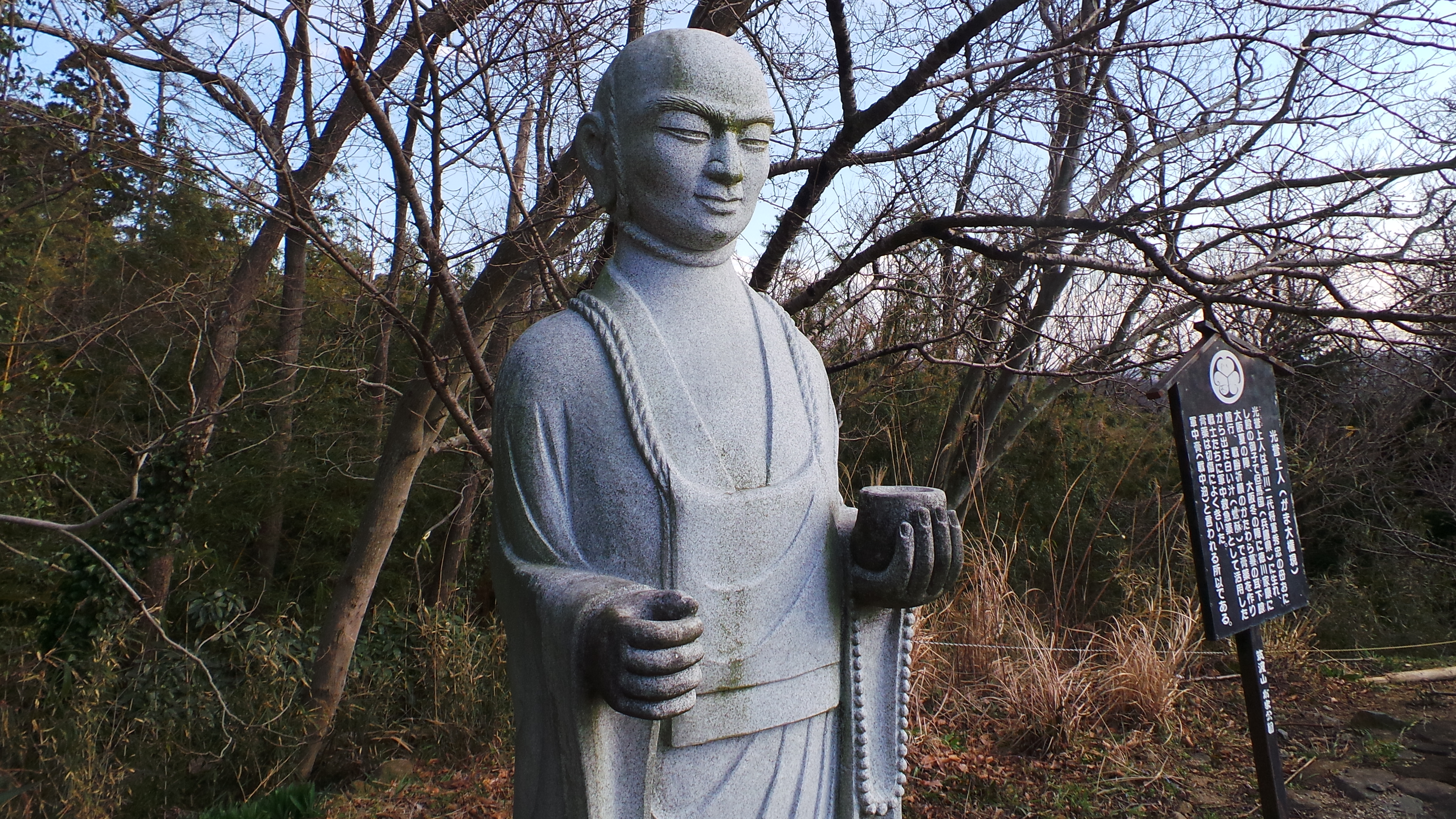
The statue is of a man carrying a cup of medicine. Using my amateur translation skills, the medicine is made from gamagairu, a giant frog said to live in this area; hence the telephone box. The medicine is taken from the ear of the frog and is said to have magical healing properties. That’s right, magical.

tsukuba9

People in England or America will be familiar with the expression ‘snake oil,’ a term used to describe health products that don’t actually work; a swindle of sorts. In Japan, a similar expression exists, and that is frog oil. Salesmen use a special sword that contains fake blood in its tip, pretend to cut their arm revealing a huge gash, then proceed to rub the frog oil on their skin. The wound disappears in an instant, and fools buy.

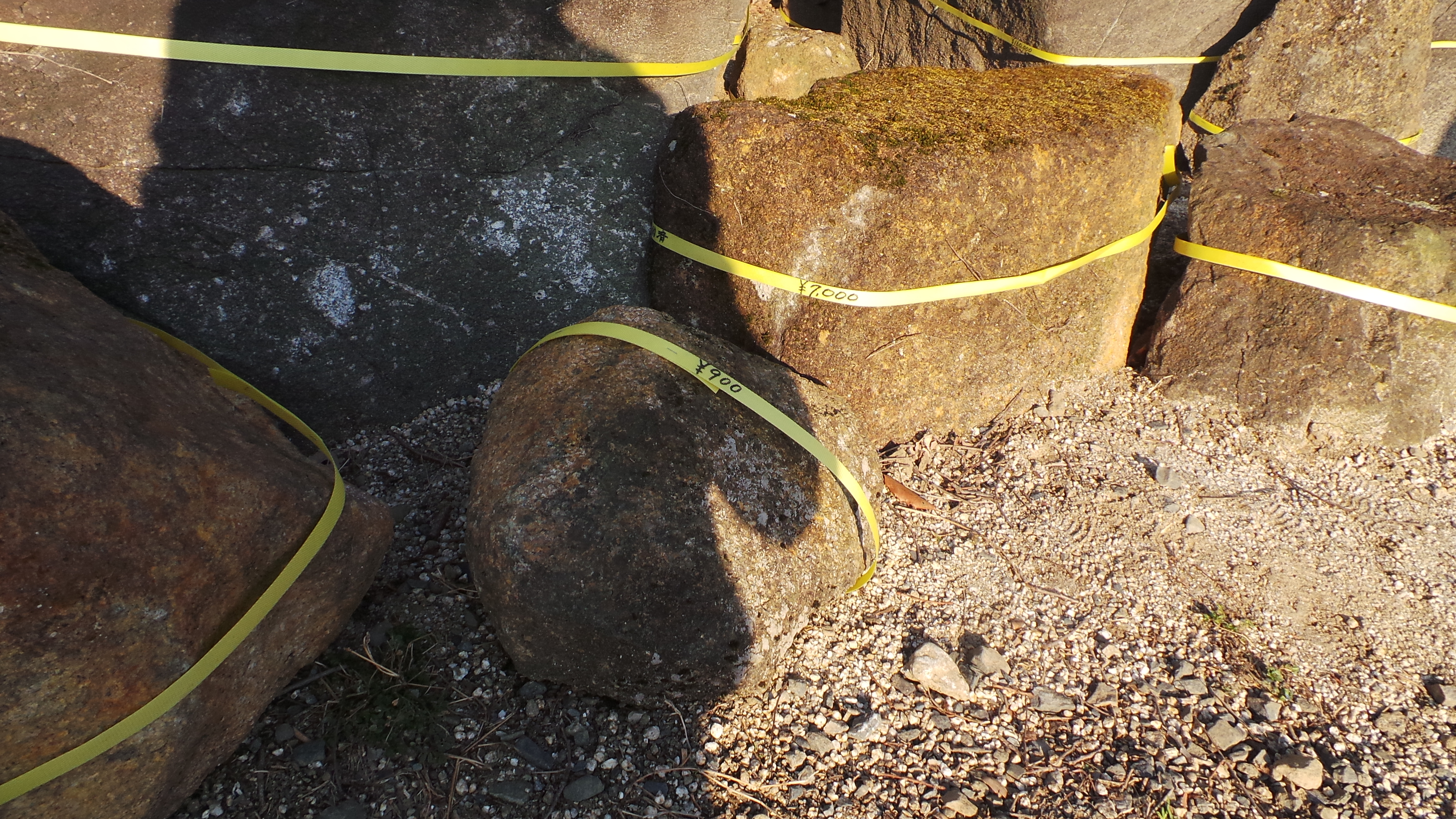
I continue my stroll and head in the direction of Mount Tsukuba Plum Blossom Gardens. These gardens are free to enter and feature over 1000 trees. Thirty kinds of flowers blossom in this area, and mixed in with the flowers are the famous rocks of Tsukuba. Rocks, I might add, that are for sale.

tsukuba2

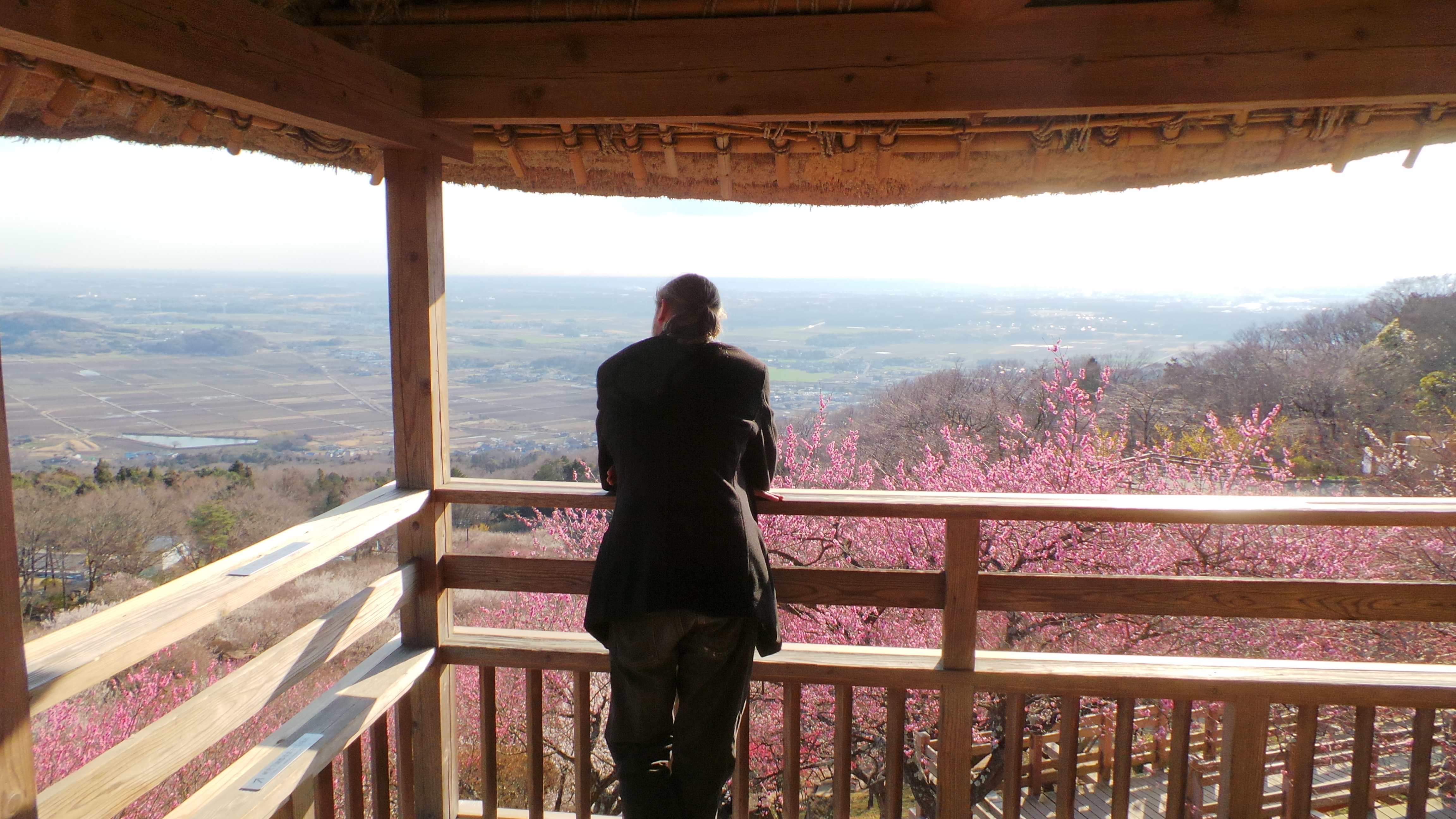
I lug my rock up the mountain path and realise that I should have probably bought it on the way down. The flowers in the mountain are beautiful to see. Red plum is in full bloom this time of year, and white plum is apparently in half bloom. I walk through sweet plum groves and fresh-smelling flowers before arriving at Lookout Point Arumaya, a small mountain hut that looks as though it was stolen from a children’s fairy tale.

I stand, gazing in the direction of Mount Fuji, 155.6 km away and visible on a clear day. Today is such a day, but for whatever reason, the mountain remains invisible, as always; forever shrouded by the white layer of clouds that blend into the distant horizon.

tsukuba4

I stand in quiet contemplation in the small hut at the top of the mountain, admiring the beauty of the flowers and the endless nature. Staring out into the distance, I begin to wonder where it all went wrong. Before the thought connects, a Japanese man taps me on the shoulder, disturbing my moment.
“We made it from bamboo and straw, squashed real hard.”
“I’m sorry?” I say, confused.
“We made it from bamboo and straw, squashed real hard,” he repeats.
“I heard you, but what are you talking about?
“The walls, here,” he points at the walls of the hut, “We made it from bamboo and straw.”
“A bit of a fire hazard,” I tell him, but he doesn’t understand. The man remains fated to repeat his set phrase, the only phrase he knows in English. Time to go, I decide.

As I walk back down the mountain, I recall a story that a friend once told me.

tsukuba3

Many years ago in Japan, people were very poor. Many families lived in one house, grandparents, parents, and children together. When times became tough, and the families couldn’t afford to feed the young children, a sacrifice was made. Children were the priority, so what happened was that the parents would carry their grandparents to Tsukuba Mountain, abandon them, and go home to their children. The grandparents would starve to death on the mountain, so that the family could continue to feed the children. A sad tale of Tsukuba Mountain, and the many poor old people that perished in its lonely grip.

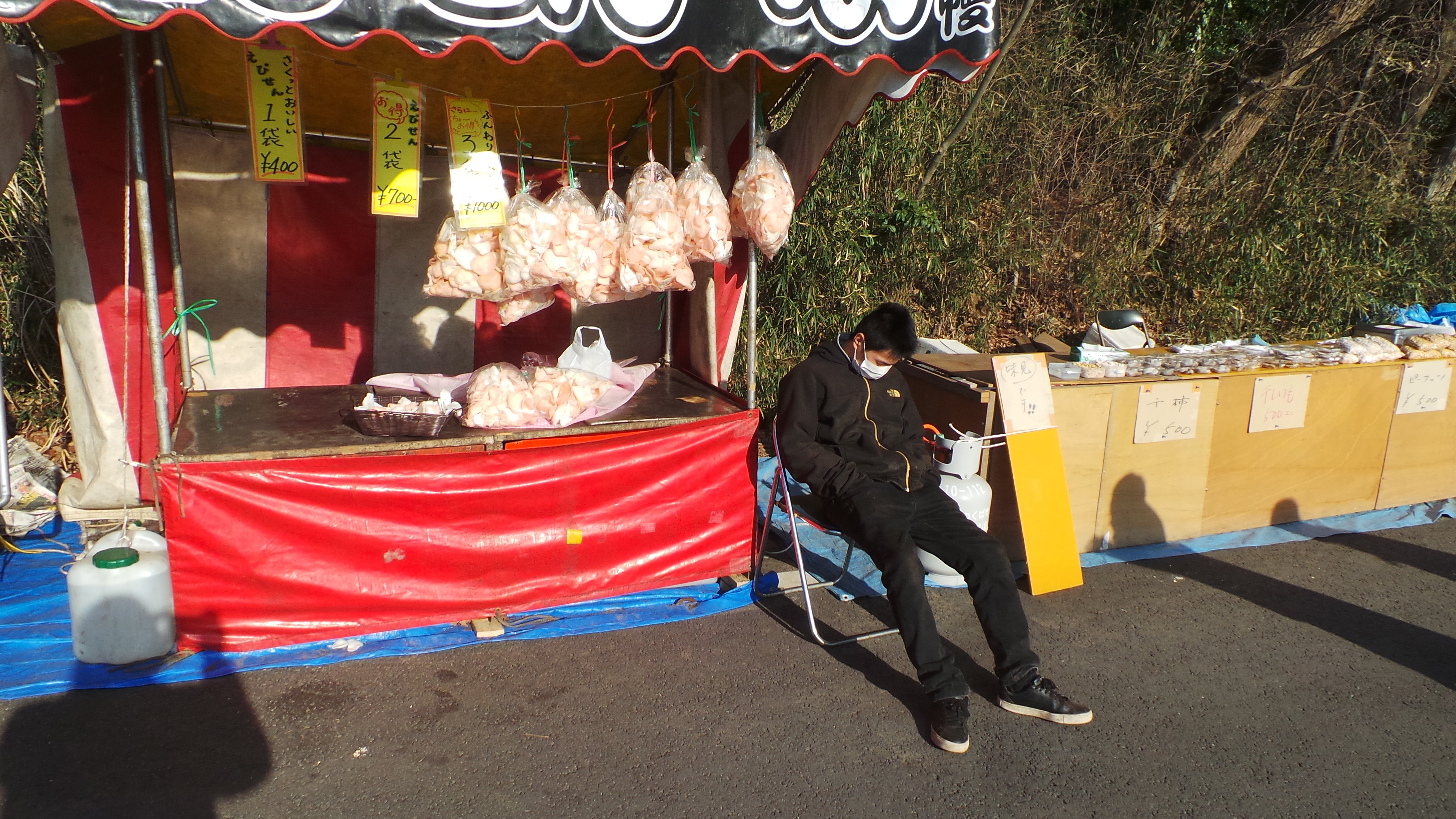
At the bottom of the mountain, most stores are closed. The men are sleeping from a hard day of selling snacks and frog oil; the only shop still selling anything is the Tsukuba Rock Shop.

tsukuba6

There are so many more sights to see on this 877-metre-tall mountain. The place is littered with things to do. Unfortunately, I wasted far too much of my limited time in the mountain hut and end up running back, rock in hand, toward the bus stop. I make the last bus with seconds to spare and head back toward Tsukuba Station.

On the Tsukuba Express train home, I read ‘The Hanging Stranger’ by Philip K. Dick and realise that this information has no relevance here, and perhaps never will.

From Rush Hour With Love

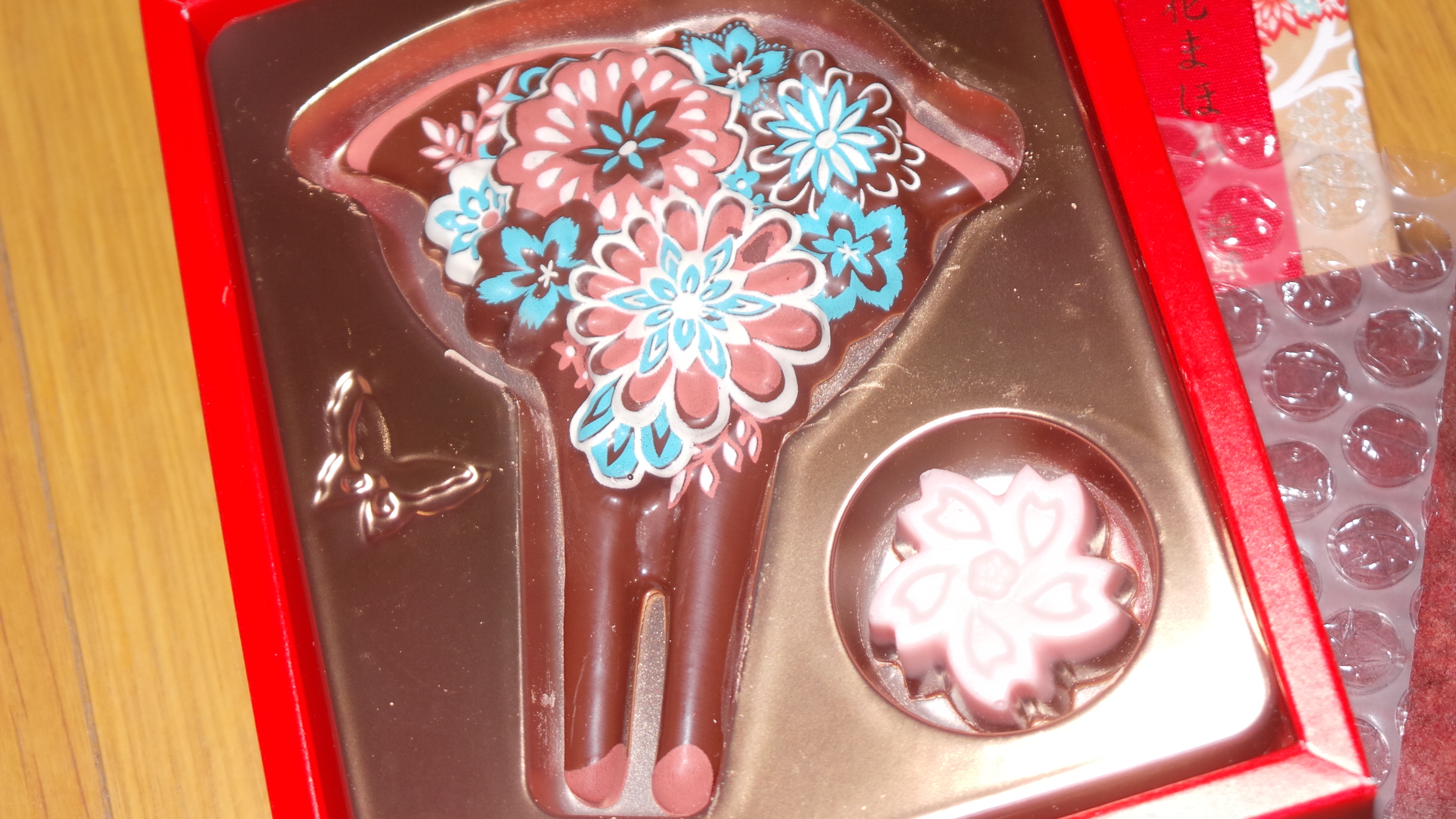
Today is Valentine’s Day in Japan. What would normally be a day of loneliness and misery is dissolved by chocolate. Unlike in England, where you are expected to buy flowers, chocolates, and take your partner for a meal, Valentine’s Day is remarkably different here. It is on this day that women buy chocolates for men. I have become very used to not receiving even a card on this day, so when I found myself unable to leave my house because of the vast quantities of chocolate blocking my path, it was a pleasant surprise. Even my dentist gave me chocolates, which is rather odd considering the high sugar content and the effect it will have on my teeth.

In Japan, one month after Valentine’s Day is White Day. On White Day, the man returns the gesture to those who gifted him by buying the women sweets. As much as I appreciate the abundance of chocolate that I received today, it becomes apparent that White Day will be extremely expensive for me.

valchocs

It is perhaps a sad part of Japanese culture that on Valentine’s Day, a man will wait with anticipation to receive chocolates from a woman that he might like, if only for the opportunity to return the gesture a month later. It is this style of gift-giving that makes the shy Japanese male miserable when no chocolate is received. I suppose that this theme remains common among all other cultures; Valentine’s Day and the misery attached to it. I can hardly complain, though. I received many gifts, despite the fact that I don’t really like the taste of chocolate. I actually preferred playing with the bubble wrap, after a nine-month absence of popping pockets of air-filled plastic.

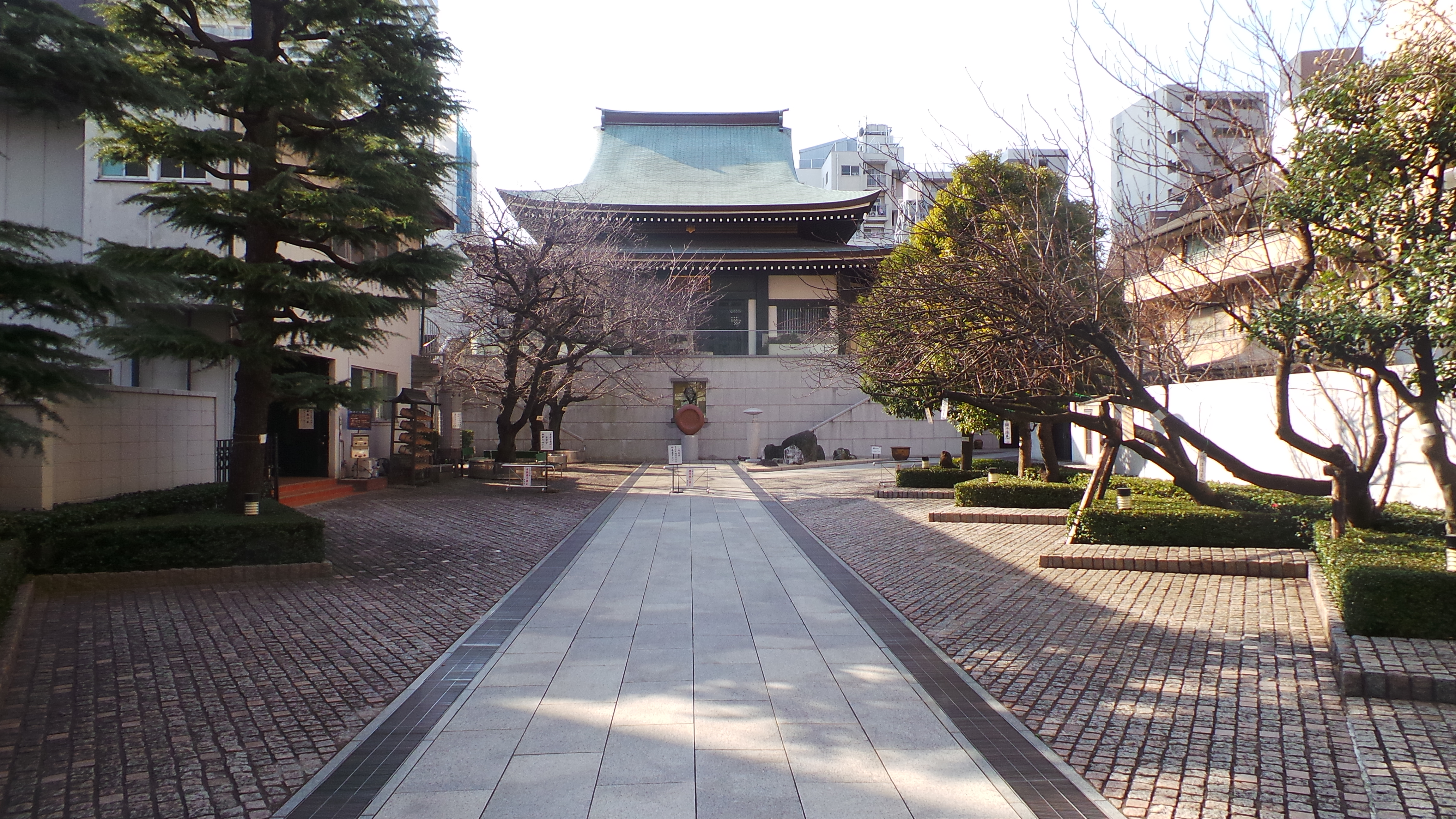
After consuming the equivalent of my weight in confectionery, I head into Asakusa. Today, I have decided to finally visit a temple that I walk past every single day but never visit. It is a temple that is always absent of people, possibly cursed, and is surrounded by some strange energy that I have previously been unable to bring myself to ingress.

dailytemple

The temple offers very little description about itself; not even a name. Before the temple sits a small rock garden where it is impossible to view all of the rocks from any one angle. It is said that if you are truly enlightened, then you are able to see the eighth rock. Despite the various viewing angles I deploy, I find it impossible to see every rock at the same time, and consider that even those that surpass the normal level of human consciousness would still find it difficult to see all of the stones at the same time. Other than a cemetery for the wealthy tucked behind the temple, nothing much else is on offer here.

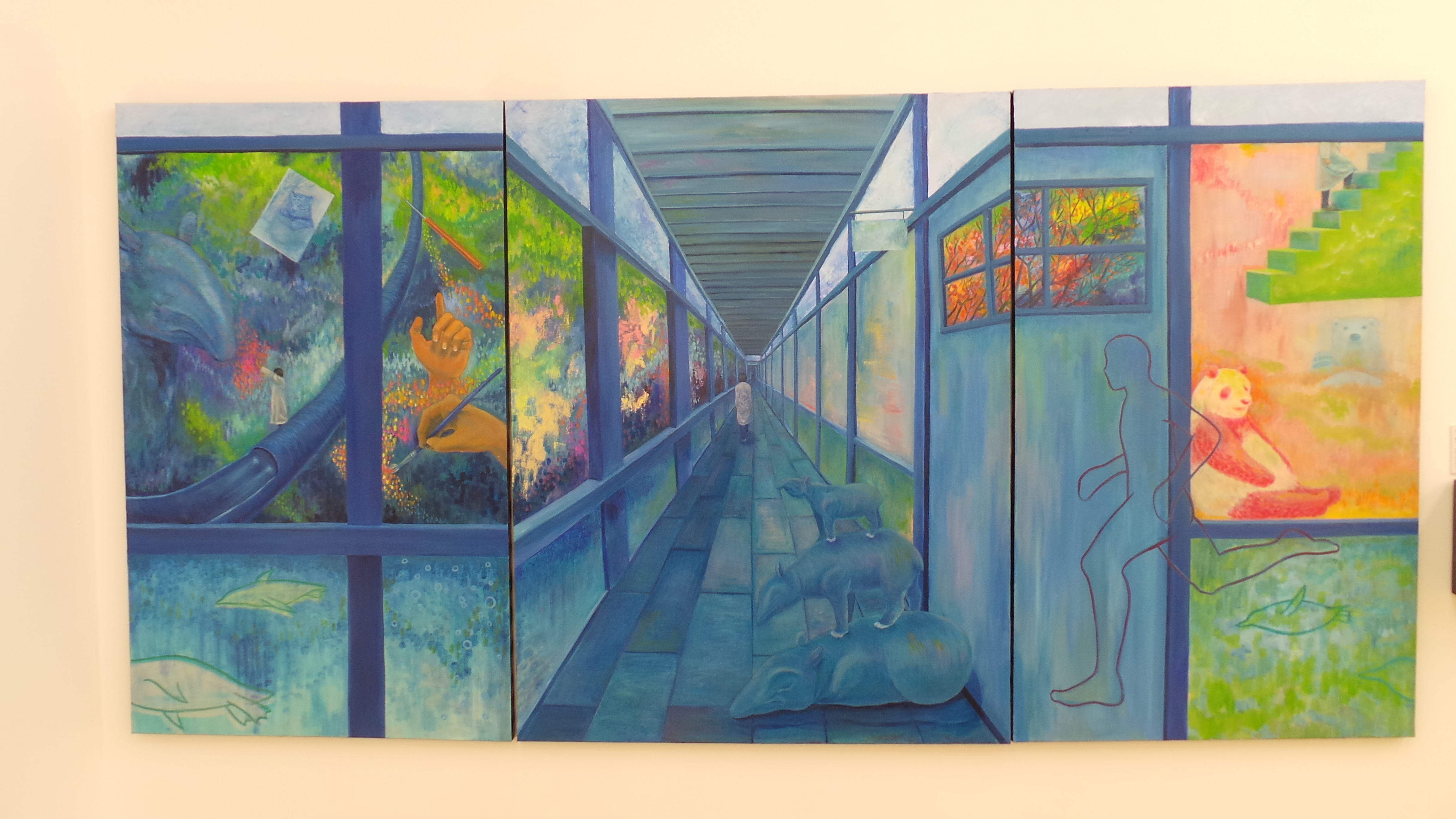
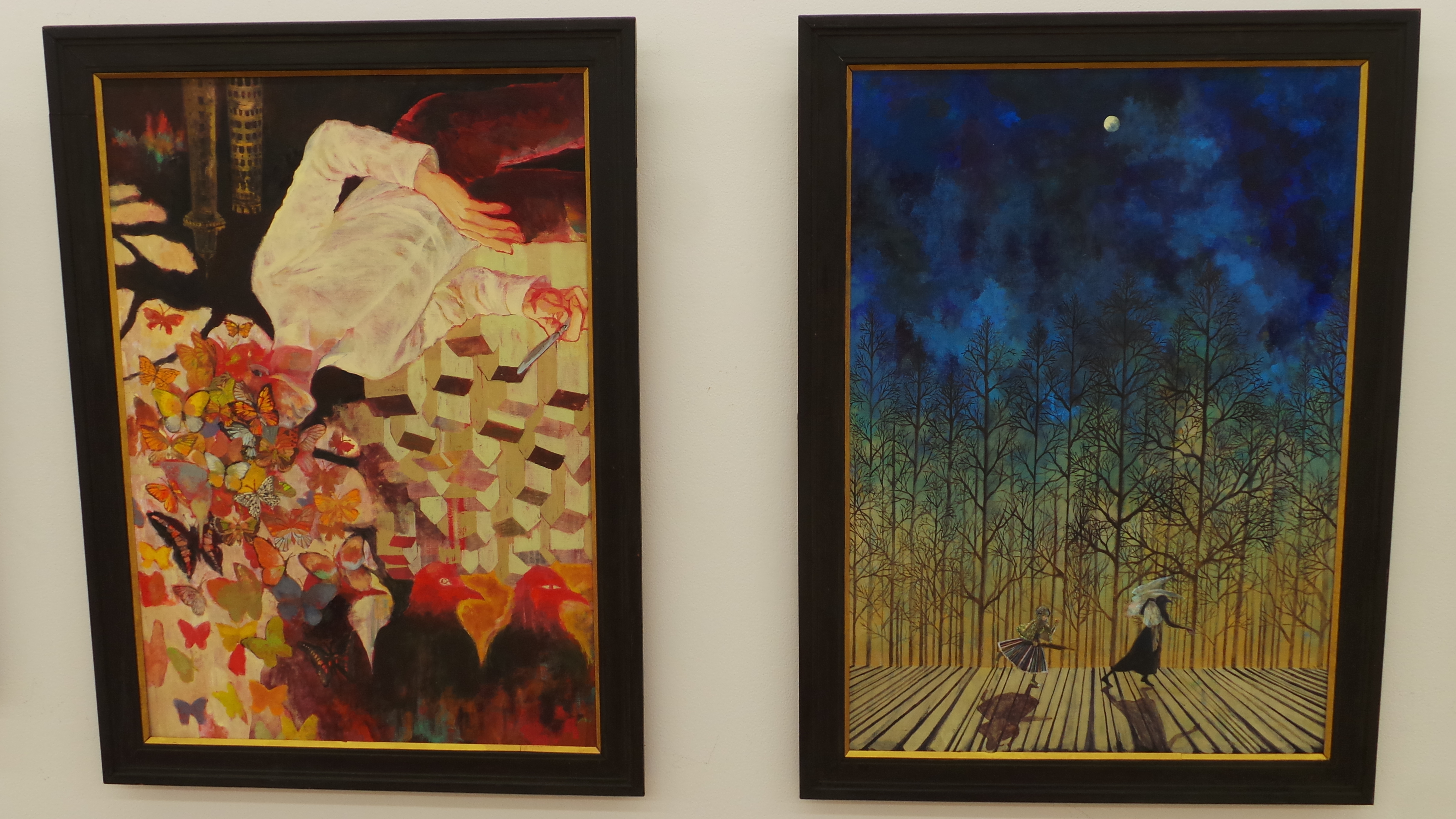
I leave the temple and head over to Akihabara. Today, there is an art exhibition taking place at 3331 Arts Chiyoda, a former high school converted into an art gallery. The exhibition features students who will graduate next month from the Takarazuka University of Art and Design. A friend of mine works for the university and has invited me along to sample the artwork of his students.

artscyd

There are seventeen displays here from seventeen students, all twenty-two-year-old women. The first thing that strikes me is that a lot of the pieces have some form of macabre imagery. Paintings depict homosexual angels, others heavily feature corpses, and some are simply storyboards for books about clowns for children; obviously, the clowns look deliberately menacing and have been painted just to scare me.

Other pieces here are heavily influenced by famous stories. One piece is based on Ryunosuke Akutagawa’s ‘The Spider’s Thread,’ a story about too many people in hell (known in the story as the Pool of Blood) as they try to escape and reach the paradise above. One man walking through a forest didn’t kill a spider one day, so the silk of a spider’s web is dropped down to hell from paradise in an attempt to rescue him. Everyone reaches for the web in an attempt to climb to safety. Obviously, the weight of everyone in hell is far too heavy for the silk, and the web snaps, committing everyone to the Pool of Blood for eternity.

morearts

The highlight of the exhibition is a piece by Ozawa Yuki. Her painting depicts a dream, more specifically, the moment when you become fully awake and are only able to remember fragments of what was left behind. Another artist that I enjoy is Ogawa Sayako. These two pieces offer less of a description but are once again based on dreams. Something about places in dreams never existing anywhere in real life. I suppose these pieces are my favourite due to their abstruse and rather abstract style. After the art, I take the packed rush-hour train back to Asakusa, somewhat confused by the imagery I have just viewed.

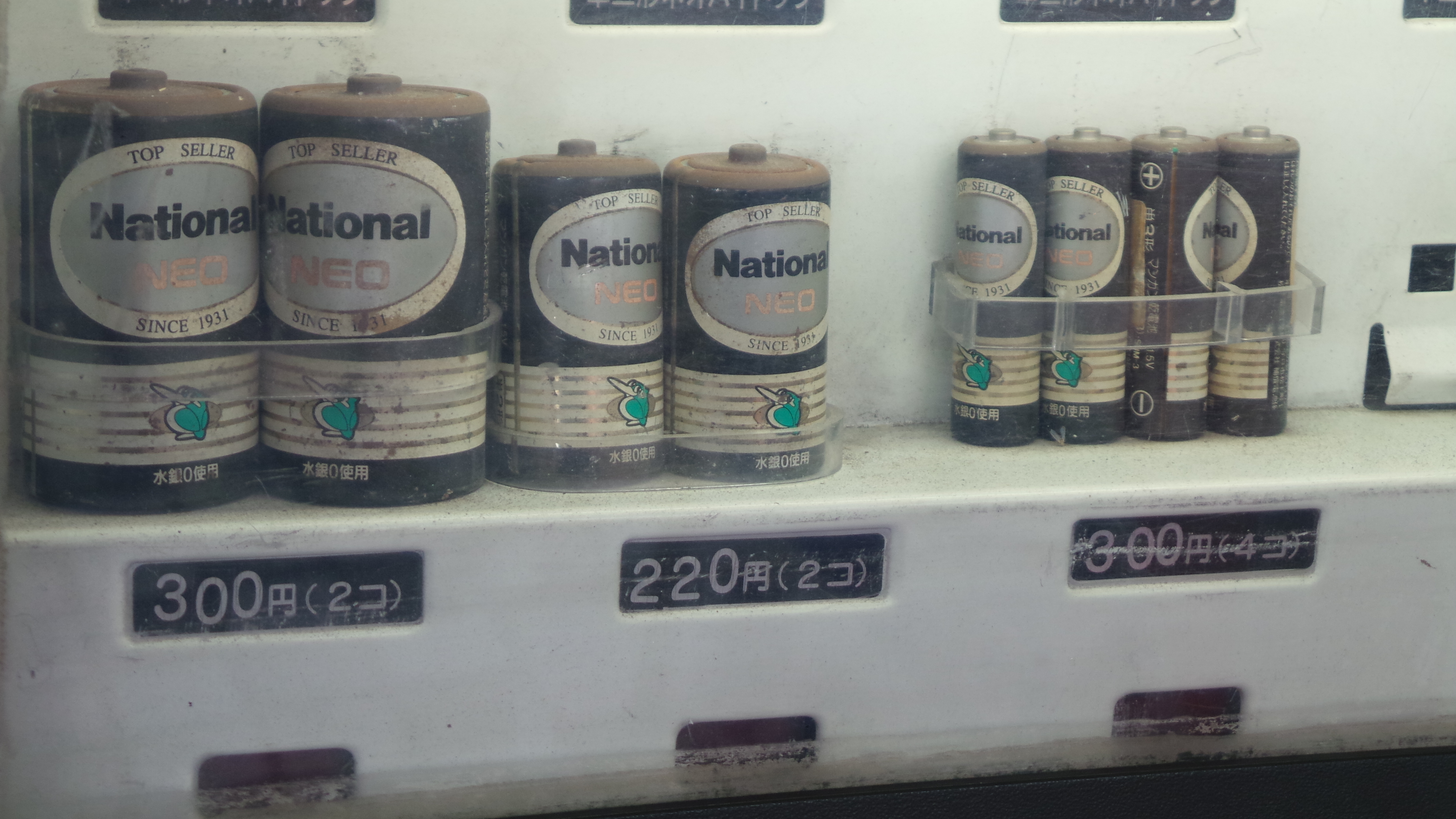
There are certain things that become written about more often than others in Japan: signs with bad English and vending machines. I am guilty of writing about both of these things, and perhaps they aren’t the most interesting to mention. But when I saw another strange vending machine, I got a little excited, so I decided to include it here.

batteriesvending

This machine, covered in dust, sells batteries from 1931. These batteries, made by Panasonic, are no longer in production. Yet, this machine sells them for around ¥300 a pair. Even though they do claim to be a ‘Top Seller,’ batteries are the very last thing I need in my life right now. The machine doesn’t actually work and seems absent of any power. Somewhat ironically, what the machine could really do with is some new batteries.

After the Form

Bang, bang-bang. Bang, bang-bang. Bang, bang-bang.

The repetitive yet timely sound of drumsticks hitting against stretched animal hide stirs me from peaceful dreams. Not one to miss out on an opportunity to write about whatever is parading by my house, emitting this loud but perfectly rhythmic noise, I decide that I will follow the source of the sound right after I wake up with a coffee.

I haven’t written for a while as I’ve been extremely busy researching and organising paperwork, the details of which will become apparent later in this post. But for now, drums. I head outside to find that whatever was causing the loud banging appears to move at astonishing speeds; either that, or I drink coffee a little too slowly. I jump on my bicycle and follow the distant echo of drums before eventually locating the source to a small shrine in Imado.

monksfuneral[1]

It seems that I have inadvertently started my day with a funeral. The five monks stand within the shrine grounds, chanting and maintaining a steady balance of drums. I head back home to pick up some paperwork before cycling over to Asakusa. Outside the train station, the same five monks pass me again. This is quite a walk from Imado, which adds confirmation to the pace of these speeding monks. I take a train over to Ueno Station. The usual random mascots are here, serving no clear purpose but to frighten me.

statuenomasc[1]

I change to the Yamanote Line and head to Shinagawa, a place I have only visited once before when I felt the need to stand inside the belly of a whale. This time, I am here to visit the Tokyo Immigration Information Centre. A note on their website claims that, ‘This is where all inquiries should first be made concerning immigration issues, wherever you are in Japan.’ Luckily for me, I am already in Tokyo; otherwise, this would have been quite the journey. Also, seeing as I am in need of information pertaining to immigration issues, it looks like I am heading to the right place; the so-called ‘centre of information.’

Much to my delight, as I leave the train, I find that a bus service regularly runs to the offices I am here to visit. Everything is running a little too smoothly.

busstopaliens[1]

I am greeted outside of the immigration office by hordes of people giving out paraphernalia advertising their respective companies or cults. A woman is spreading the joy of Christianity, a man hands me a document offering ‘Legal Support for Aliens,’ and another man is holding a sign demanding China stop the act of organ harvesting.

Inside the Immigration Centre, I head over to the Advice and Information Counter, take a ticket (147), and then find a seat. The woman at the counter is talking to a young French couple in broken English. Every few seconds, she lets out a yawn or scratches her head, illustrating her apparent boredom.

Eventually, the French couple leave. The woman at the counter presses a button, and the bright red display shows the number 145. She waits less than three seconds before pressing the button again, displaying 146. Without much delay, she presses it again, showing 147—my number. As I approach the counter, her finger hovers over the button to call the next number, her eyes filled with resentment that I might sit down before her within my three-second window. I take a seat just as she sighs. I understand that maybe I am the one hundred and forty-seventh person she has seen today, not counting the people she frantically skipped, but this is her job. To counter her obvious state of disregard, I greet her in an overly cheerful manner, smiling as I sit.

The woman I talk to speaks limited English, looks bored, and probably hates her job. I inquire about the application form that I should take in reference to the activities I want to pursue in Japan. My questions are generally ignored, and at one point, the woman randomly asks, “So you want to stay in Japan to study Judo?”
“No, I didn’t say anything about Judo.”
“Okay, but if you are studying Judo, you need to go to End Counter B, second floor.”
“Okay, I actually …” She cuts away my words with metaphorical scissors of despair.
“End Counter B,” she reiterates, “second floor.”

So much for the best place to visit for information and advice.

I head to the second floor, to End Counter B. As I approach, the woman, slightly more miserable than the last, looks me up and down and says, without any hint of emotion or benevolence, “Passport.” Just one word is all she spares me. I hand her my passport. She adds rather sternly, “What do you want?” I explain that I want to collect an application form for … Before I have a chance to finish my sentence, she says, “Application, go queue over there,” pointing to a line of about thirty people.

aliens[1]

I join the queue, wait thirty minutes, and then find out that I am in the queue for application checking. I am not here to have applications checked; I am here to collect application forms and ask for advice. So far, neither of these two things has transpired.

My third and final stop is back on the first floor. I wander over to the desk marked simply as ‘Information.’
“What?” asks the woman behind the counter.
“Excuse me, where can I collect an application form?”
“Here,” she says, as if wanting to add the word ‘obviously,’ but she conveys it only with her tone of voice. Eventually, she begrudgingly hands me an application form.
“Thank you,” I say. No response. My politeness falls on deaf ears. The woman just flashes me a frown that contains the absence of all the hope in the universe before trudging off into a sea of misery.

Three counts of rudeness in one hour. It is no surprise that the hundreds of people here, waiting with folders or loose paperwork, look so dejected. Of all my time in Japan, a country that prides itself on politeness and good customer service, this is the rudest I have been treated and the smallest I have felt. The service here is disgraceful, not helpful, and has filled me with no confidence at all going forward. Perhaps this is the hidden agenda: make everyone feel unwelcome so they never come back to complete their applications. Regardless, I have to come back, most likely next week.

Outside, I am handed more leaflets for various different things. A woman tries to give me a newspaper. I say I am fine. She asks me where in Canada I am from. I say I am not from Canada but England. She mutters something about Elton John and then walks off. After wasting what was effectively a whole day, I leave with none of the much sought-after advice I had taken the trip here to receive. Instead, just an application form that I could have quite easily downloaded online and printed out myself.

I head over to Asakusa in need of a drink. On the main road, a protest is taking place about atrocities caused by North Korea. The people here have megaphones and sound extremely angry as they shout in Japanese.

protesting[1]

Trying to take in their words, I can’t help but be distracted by the late January Christmas decorations that loom over the protest.

As I walk toward one of my favourite bars, an elderly woman on a bicycle drops her handbag but doesn’t realise it. “Excuse me!” I shout in Japanese before she has the chance to ride away. She stops her bicycle and looks back. I scoop up her bag and walk over to her, promptly passing her the handbag. She apologises and thanks me, nodding her head more times than I can actually count in Japanese. She is so thankful, so happy that I helped her, and at this moment, just a slight bit of the decency and politeness of this culture finally returns—the kind of decency that has made me love Japan but has almost been entirely washed away by the events and abhorrent treatment I had experienced this afternoon.

Ticket to (almost) Ride

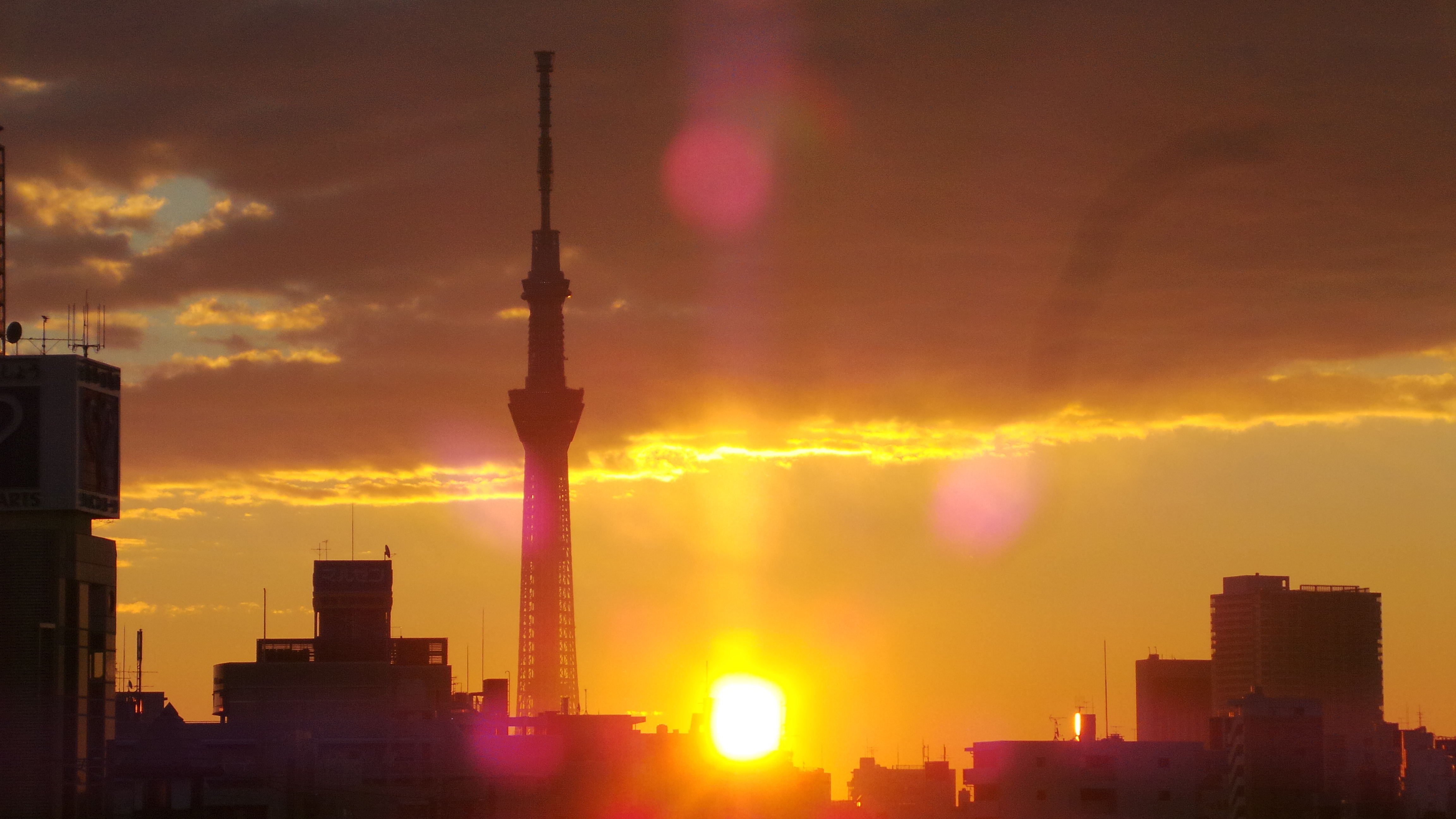
Today is Christmas Day. I wake up at 4 a.m. with a Christmas party hangover. It is too early to think, but I have things to do. Today, my friend Christine is arriving in Japan from England, and it is my job to act as a tour guide for the next few days. I walk to Nippori Station and arrive a little too early for my train. In order to kill time, I wander over the tracks to witness my second sunrise in Japan, the warm winter sun silhouetting Tokyo Skytree. My photograph is ruined by a smudge across my lens.

20141225_065945

Inside Nippori Station, it’s business as usual. Today might be Christmas, but for Japan, nothing changes. Salarymen dash to make their connections on the busy trains, Seven Eleven workers look exhausted from a heavy night shift, and ‘Let It Go’ blares from every speaker, as usual. It’s a normal business day here in Tokyo.

I take the Keisei Skyliner to Narita International Airport and wait. Eventually, my friend appears wearing a knitted Christmas jumper and a Santa hat. Despite seeing her in festive garb, it never really feels like Christmas. No trees and no snow; in fact, another clear warm day. There is no Christmas music in the airport either, just the constant drone of nonsensical announcements.

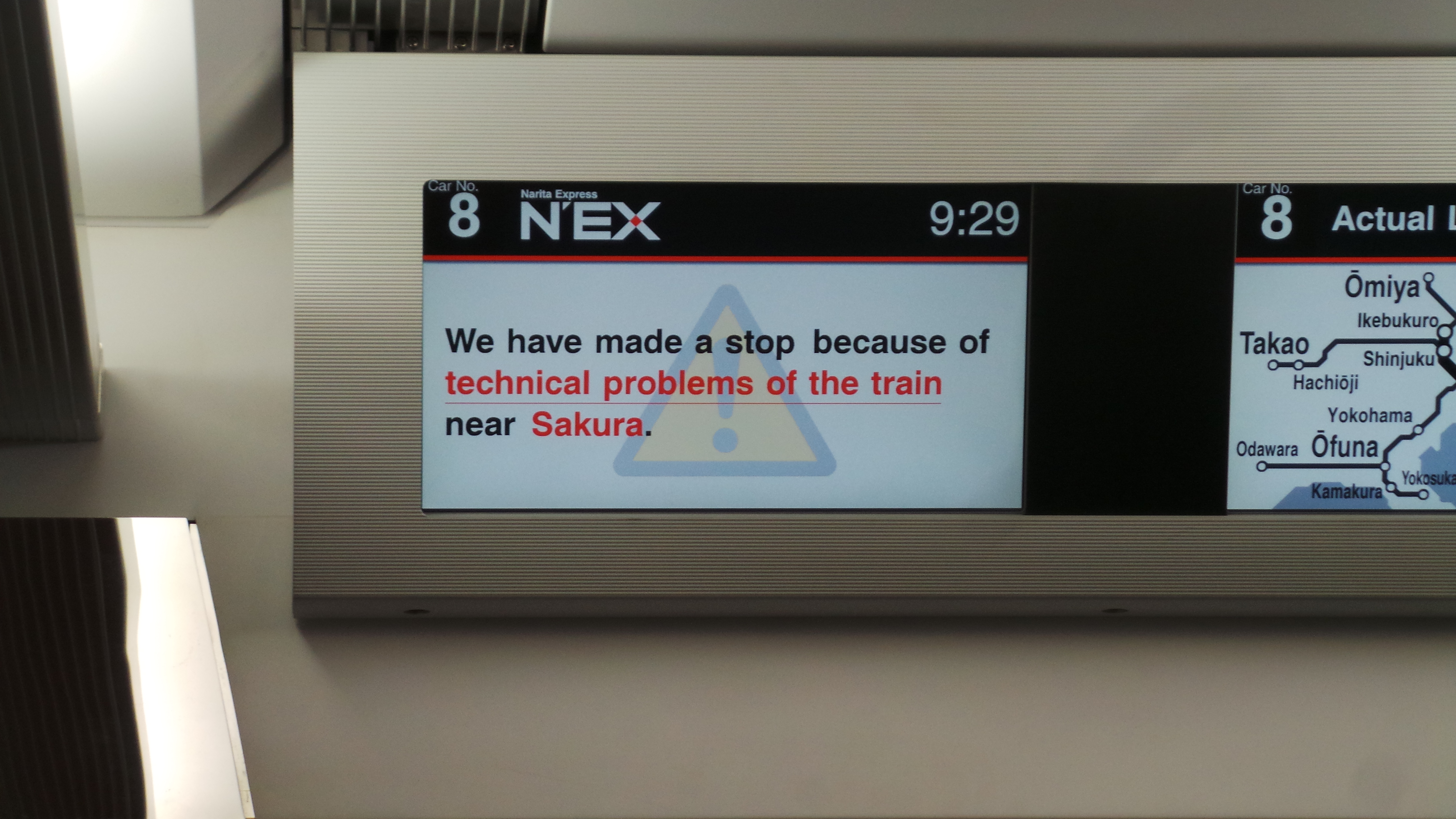
We take the Narita Express bound for Shinjuku Station. The Narita Express describes itself as ‘fast, convenient, and pleasant to ride,’ but never has a quotation been so far from the truth. On the train, Christine makes an offhand comment about whether things ever break in Japan. I tell her, ‘This is Japan,’ which translates to mean, ‘Things never break here.’ No less than five minutes later, our ‘pleasant to ride’ train crawls to a halt outside Sakura Station.

20141225_093039

We sit on the train for what seems like an hour before an announcement in Japanese tells us all to get off. A kind Japanese man sitting one row in front of us explains to us in English what is happening. We have to take a Sobu Line train from here to Chiba before continuing toward Shinjuku on local trains. For some unexplained reason, the Narita Express and the rapid line are out of action. Apparently, our ¥3390 tickets can be refunded in Shinjuku.

Not wishing to spend all day sitting on trains, we decide to get off close to Asakusa. We wander to Senso-ji Temple to get our fortune, something that I very much enjoy doing. Christine receives a ‘Bad Fortune’ and leaves it for the gods. We eat sushi at my favourite standing sushi restaurant before taking the train to Akihabara.

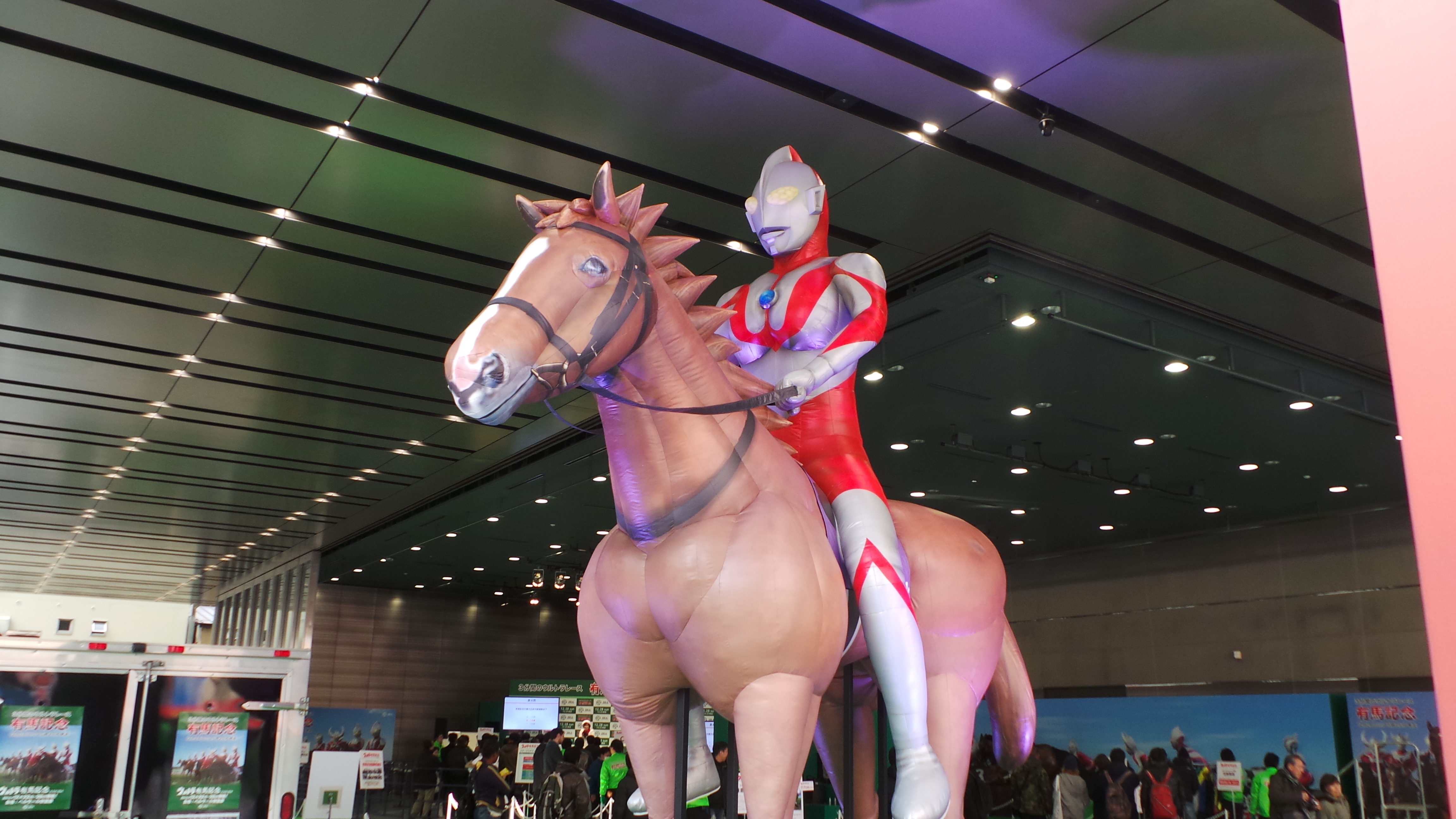
In Akihabara, for reasons that can’t be discerned, Ultraman is seen riding a horse.

20141225_133741

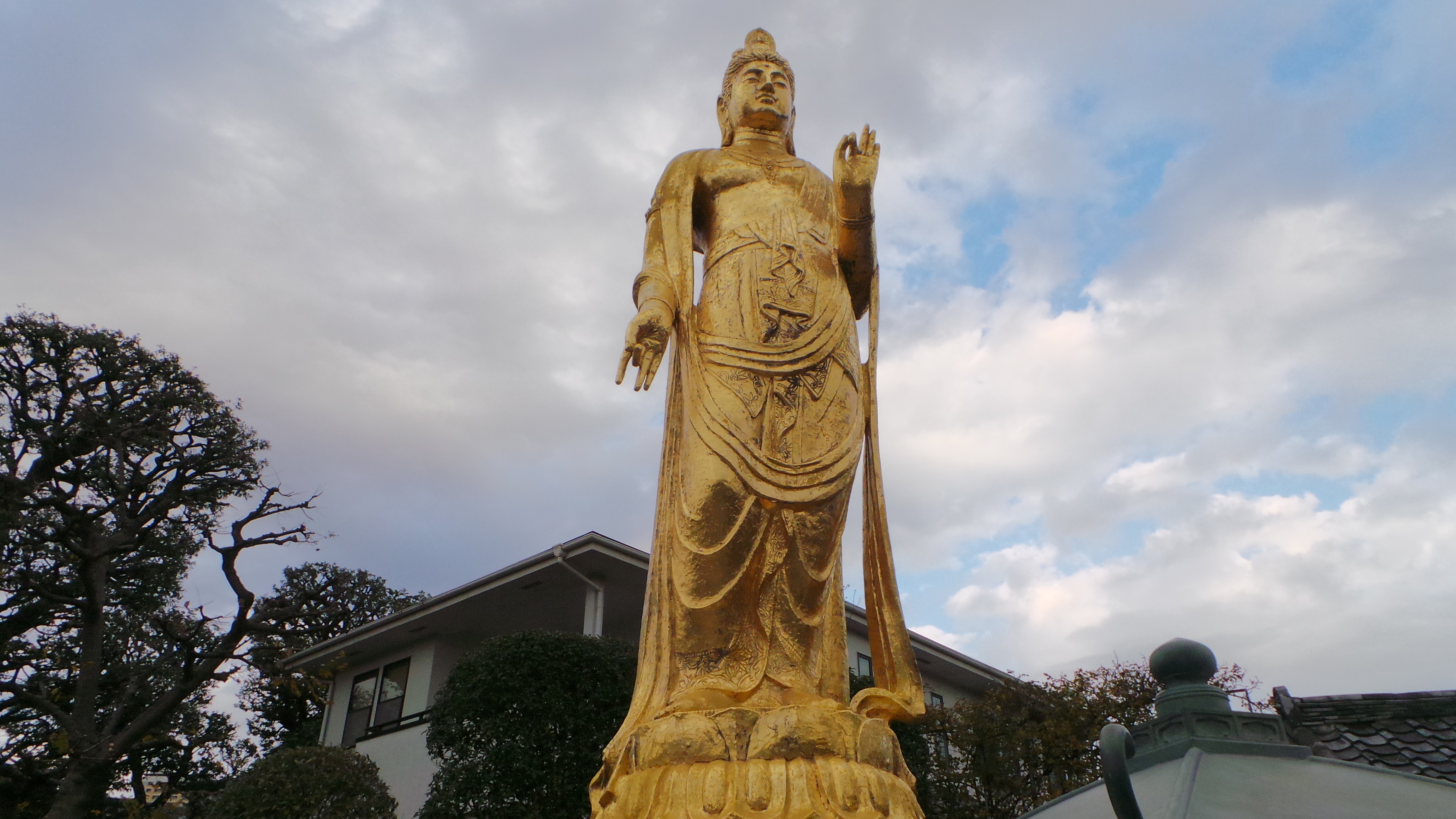
We hop on a Yamanote Line train and get off at a random station. Her choice is Nippori, my fourth visit to this station this week. We wander across the tracks and explore the many temples and shrines. Passing through Yanaka Ginza Street, we stop off at a small park. Tired and with feet hurting from too much walking, we take a breather at Zenshoan Temple. As we enter the temple grounds, in the distance stands a huge gold statue.

20141225_150326

The statue of Kannon is impressive, but what is potentially even more captivating is the Ghost Museum. Sadly, the museum featuring silk scroll paintings depicting ghosts and macabre ghost stories is only open during the summer months. There’s something about horror stories warming your blood, which is the reason for the seasonal opening hours.

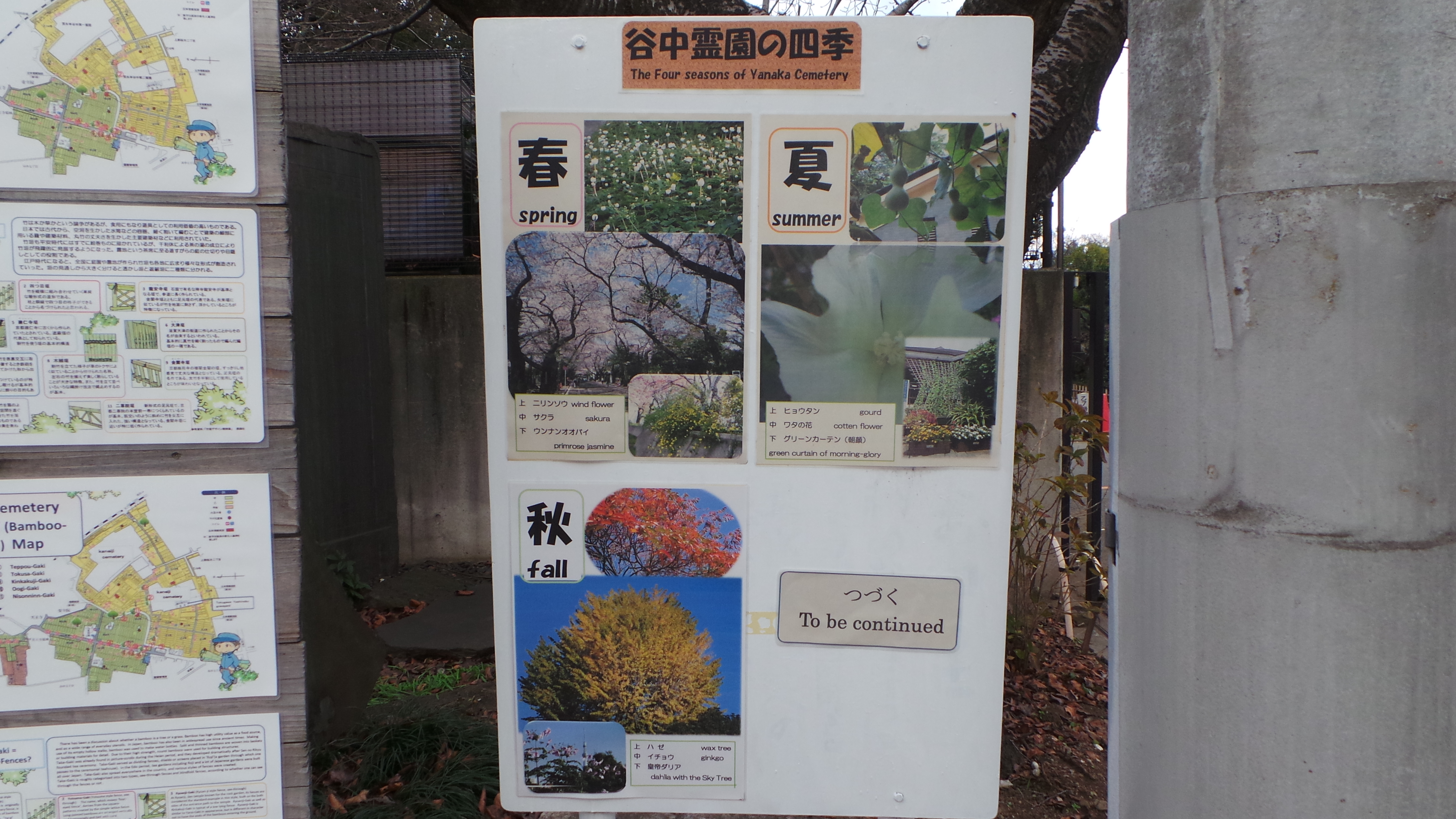
With all this talk of spirits, we take a wander through Yanaka Cemetery. I have visited here once before and found it incredibly peaceful, and do so now. There’s something about the perfect rows of decorated graves that is somewhat calming. Perhaps the quiet all around adds to this feeling. For some reason, the unfinished sign doesn’t display how winter should look here. The row of sakura trees and blossoming primrose jasmine in spring is a reason to once again walk among the dead next year.

20141225_151114

We head back to a hostel in Asakusa, the same one I had previously stayed at for eighty-two days. Tonight, the hostel is having a Christmas party, and Santa Claus will be arriving at half past eight by subway train. Exhausted from a long day and in need of my own bed, I decide to give the party a miss and head home.

Back in Minowa, I dine on Domino’s Pizza (four seasons) and a New York Cheesecake. I could post a photograph of a Japanese pizza from Domino’s, but it really isn’t any different from anywhere else. Instead, here are some instructions for Christmas decorations that I saw earlier today:

letsdecorate[1]

Merry Christmas.