Good News About Hell

In the far north of Japan, where the land is as silent as the dead, there is a mountain where nothing grows. A place where souls hesitate. Osorezan, one of the three most sacred sites in Japan, is known by another name: the Jaws of Hell.

I often find myself drawn to stories of mortality and the afterworld. Today, I will glimpse into the hellscape of a Buddhist afterlife.
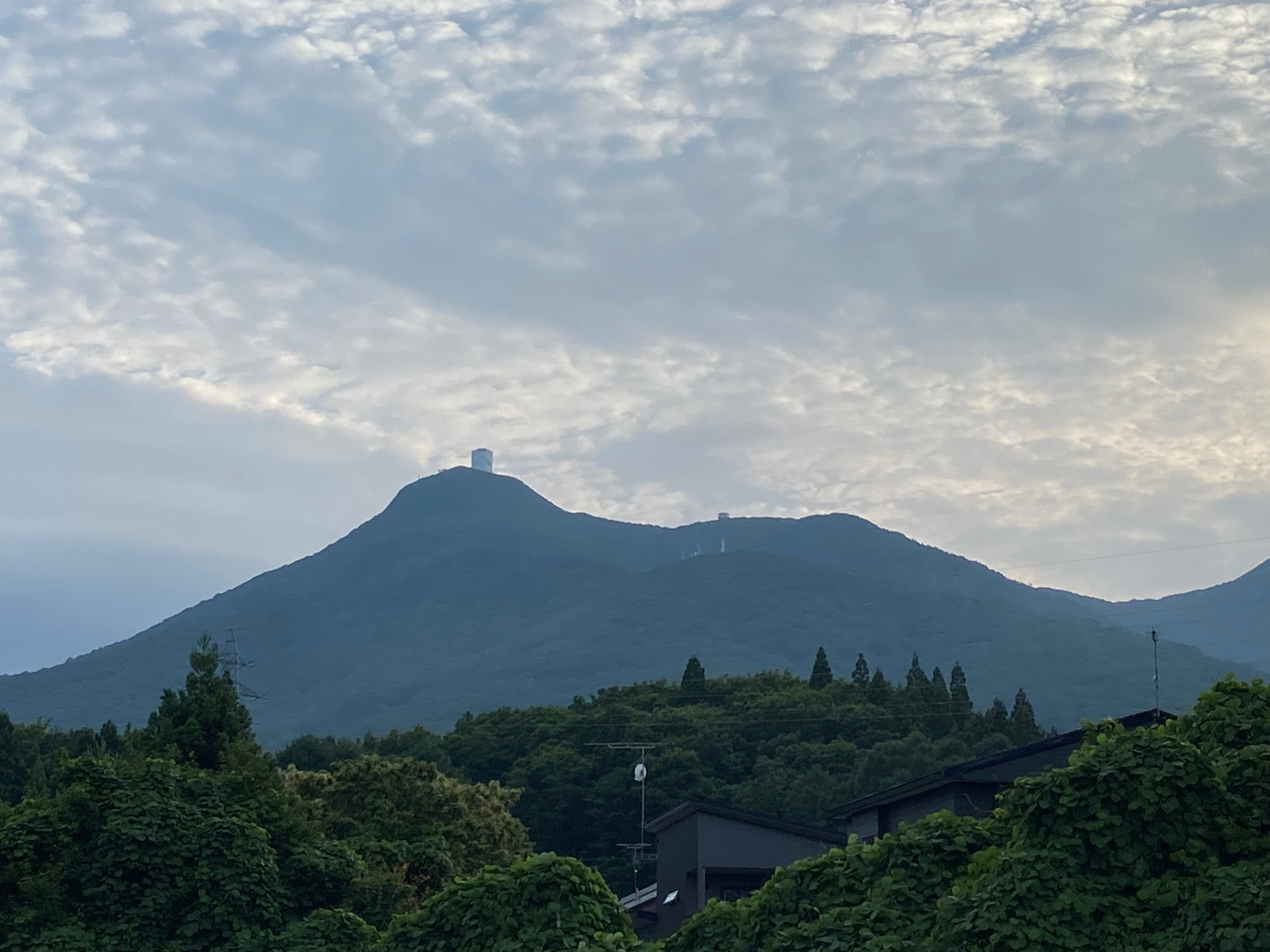
Sacred Mount Osorezan seen from the base, shrouded in cloud and myth, believed to be a path to the underworld.

Before I reach the summit, I come across Osorezan Reisui, a fountain flowing with cold, clear water. It looks like a typical purification site, but legend has it that drinking the water from this spring will make you ten years younger.

Desperate to claw back lost time, I reach for the water, drink from its flow, and fill up my water bottle before continuing the climb.
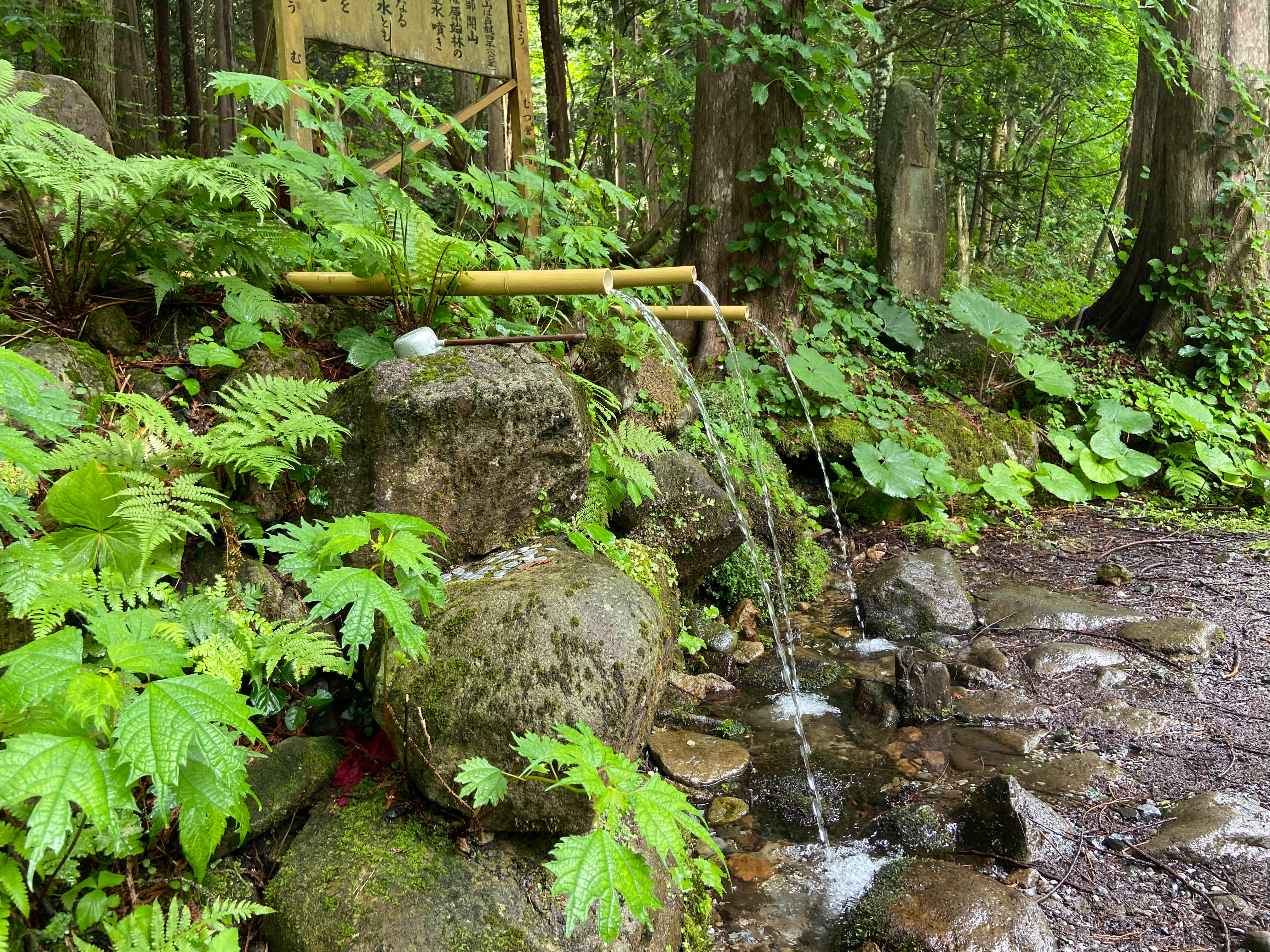
Lush spring of Osorezan Reisui, legendary fountain said to make visitors ten years younger with a single sip.

Further up, the trees and grass make way for shale and volcanic glass, and it is dry. There has been no rain of late to keep the dust down, so with every step the sulphurous ash creates clouds under my feet. Some gets into my mouth, and I choke. Luckily, I still have water from the fountain of youth, so I wash away the bitterness and the years before carrying on.

Higher up, the mountain opens its mouth wide. Nothing moves. There are no roots. There are no birds. Just the crunch of my footsteps echoes through the wasteland. Everything else is… still.
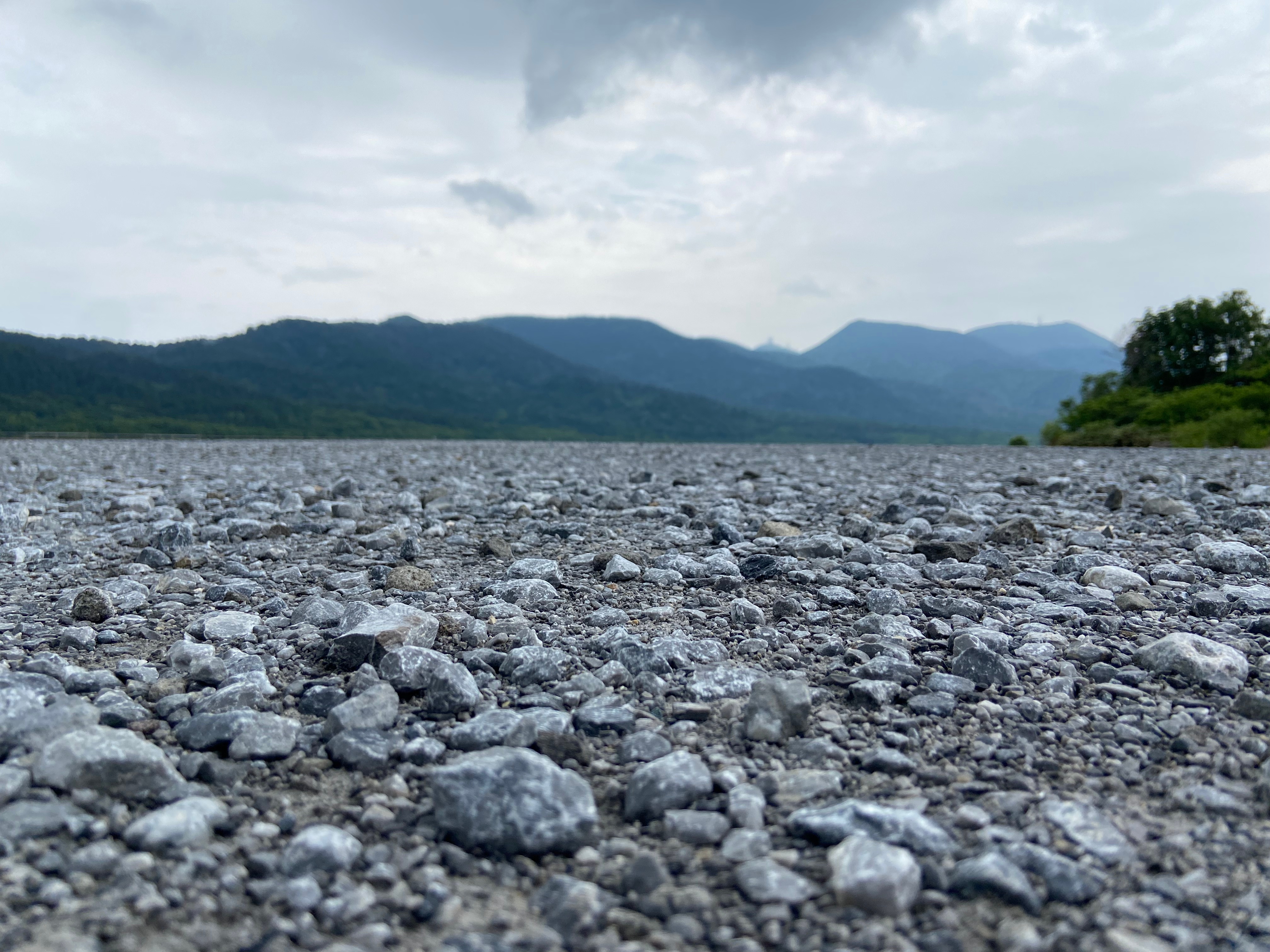
Desolate volcanic wasteland of Mount Osorezan in northern Japan, sacred Buddhist site known as the gateway to hell.

In the distance, Lake Usori lies in eerie repose, a lake of poison. The acidity is so high that nothing can live here. Even the wind seems unwilling to touch the surface, but I am.

Kneeling, I dip my hand into the water. A freezing chill shoots up my arm. For a moment, the water feels alive, tightening impossibly around my fingers. Not liquid, but something with intent. I wrench my hand away, breath unsteady, as if something almost followed me out.
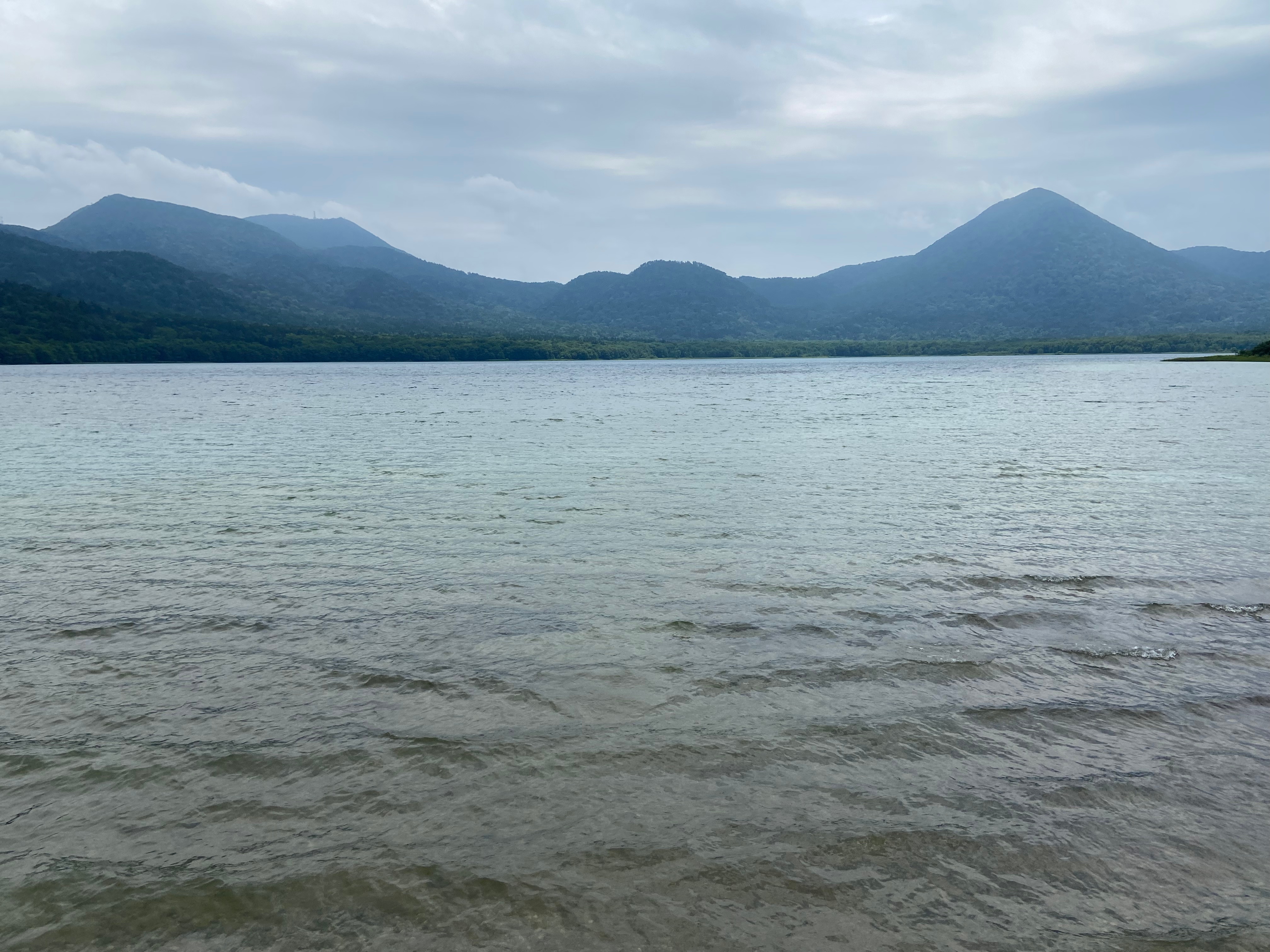
Eerie, acidic waters of Lake Usori in Aomori Prefecture, Japan—still and lifeless, at the heart of Osorezan.

I remain kneeling a while longer, lost terribly in thought. I watch as the ripples in the lake distort my own reflection. I see not just my face, but the faces of every version of myself I’ve left behind. I watch them shifting, like a shimmer of sorts. I take a deep breath, stand up, and walk away, before something walks away with me.

Draining from Lake Usori is the Sanzu River; its waters flowing silently, black and sluggish, like blood oozing from a wound that will never heal. It is at this river the dead must cross to move into the next world. The journey across this river reflects the life one has led: the good cross by bridge, the average wade through the shallows, and the bad must swim amongst the river’s monsters.
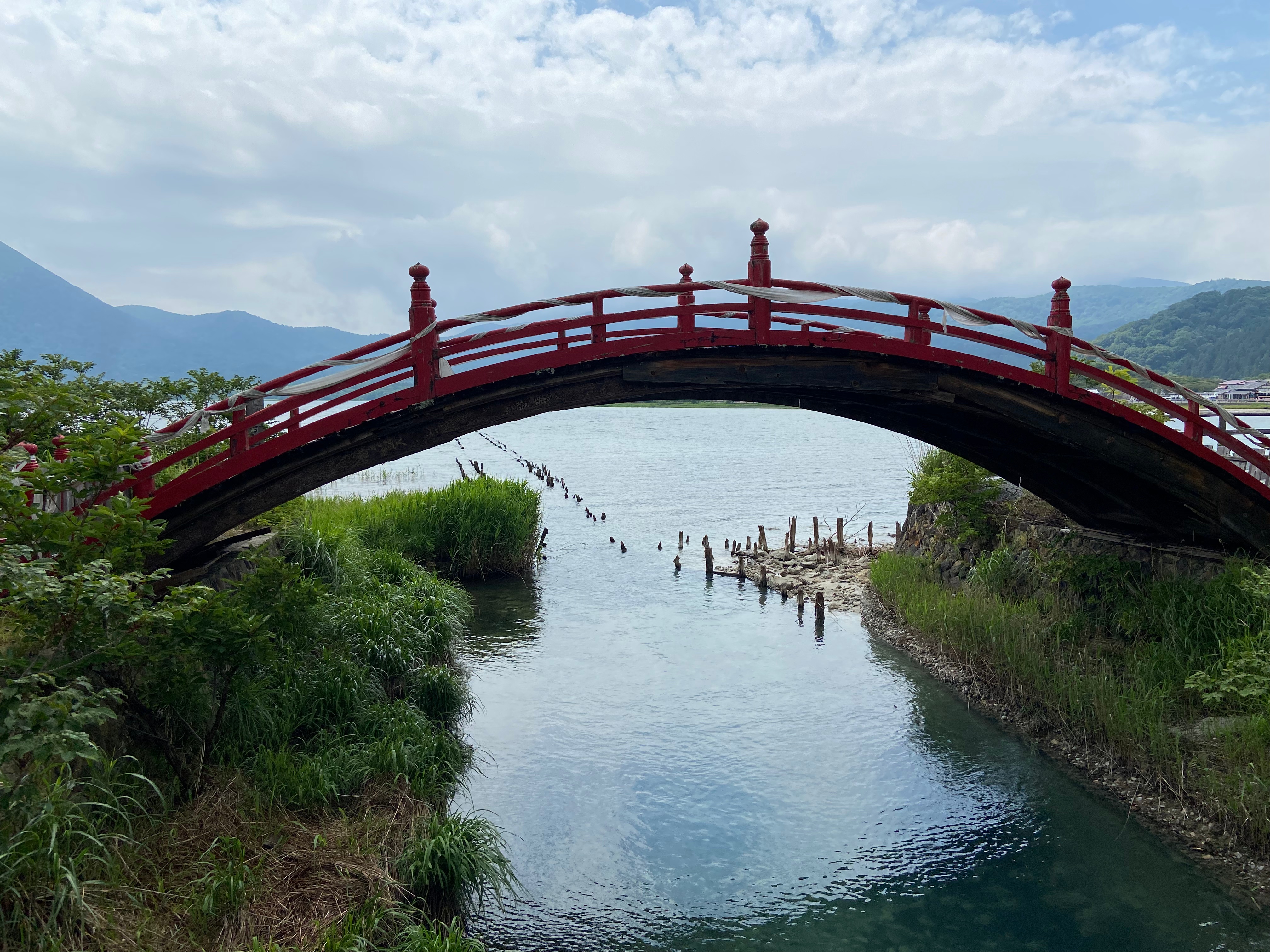
Red bridge over the Sanzu River at Osorezan, symbolising the soul’s crossing into the afterlife in Japanese Buddhist lore.

I watch the river for a time, wondering which path I would take. I approach the bridge, its red painted wood the only colour I’ve seen up on this mountain. I take a step toward it, but something inside me pulls back. Not fear or superstition; just a quiet, sinking knowledge that maybe I was here before, and I don’t think I should be here again.

Along the riverbed, piles of pebbles litter the landscape, said to have been stacked by the spirits of unborn children or those who died young. These children build piles of rocks as an offering to Buddha, only to have demons knock them down, condemning the children to rebuild over and over, for eternity; forever trapped in the netherworld, unable to transcend.
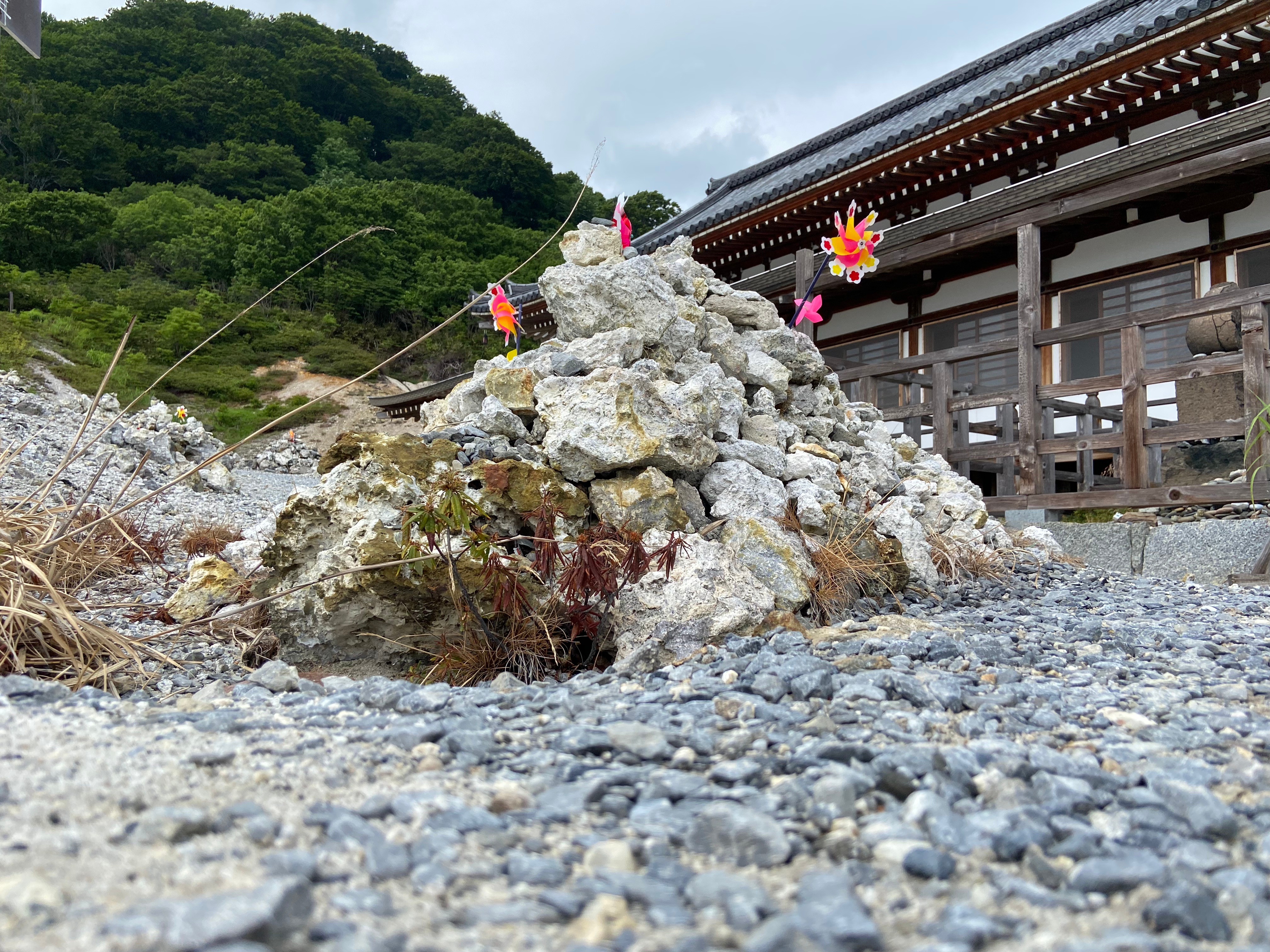
Gravel mound with windmills at Osorezan, symbolizing unborn children stacking stones in the Buddhist afterlife.

Not far from the river stands Bodaiji Temple, where monks pray for the lost souls who wander Osorezan. After all the stories of sorrow, the temple stands as the only promise of mercy.

Inside, the air hums with low chants. The scent of incense curls through the dim light, thick as fog, as if the prayers themselves are rising. The monks recite sutras; their voices steady. For all the suffering that lingers in the air, this place feels… still.
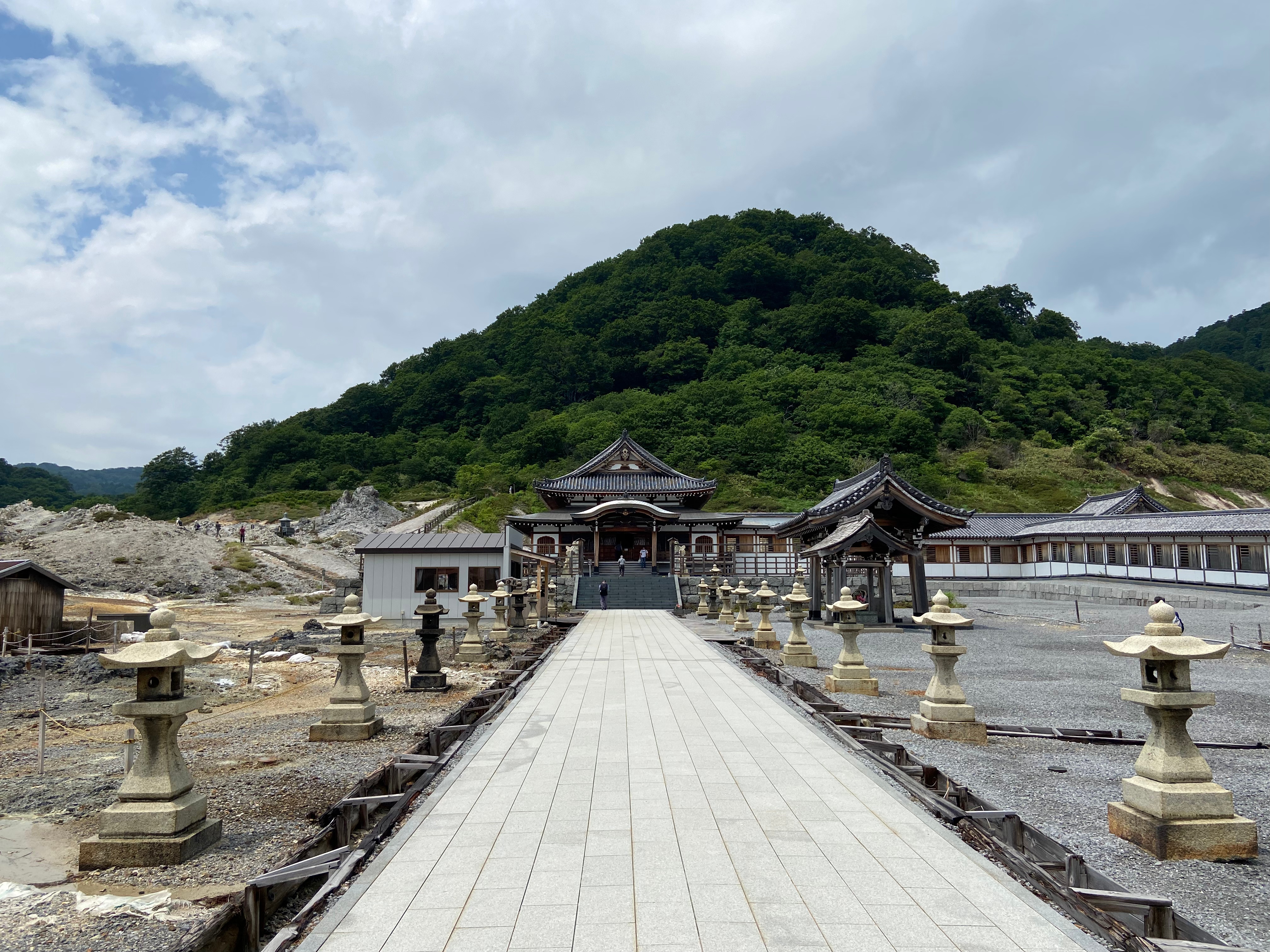
Entrance to Bodaiji Temple at Osorezan, where monks pray for lost souls in Japan’s most haunted Buddhist sanctuary.

As the sky darkens, bruised and swollen with the weight of a coming storm, I take one last look at Osorezan. The myths here aren’t just stories. They are things we carry. Things we live. The demons at the river are the silent battles fought in hospital beds. The pebbles are the burdens we carry and rebuild, again and again. And the river, the slow, black current, is the harrowing divide between despair and hope; a crossing that everyone must face.

I turn away and begin my descent.
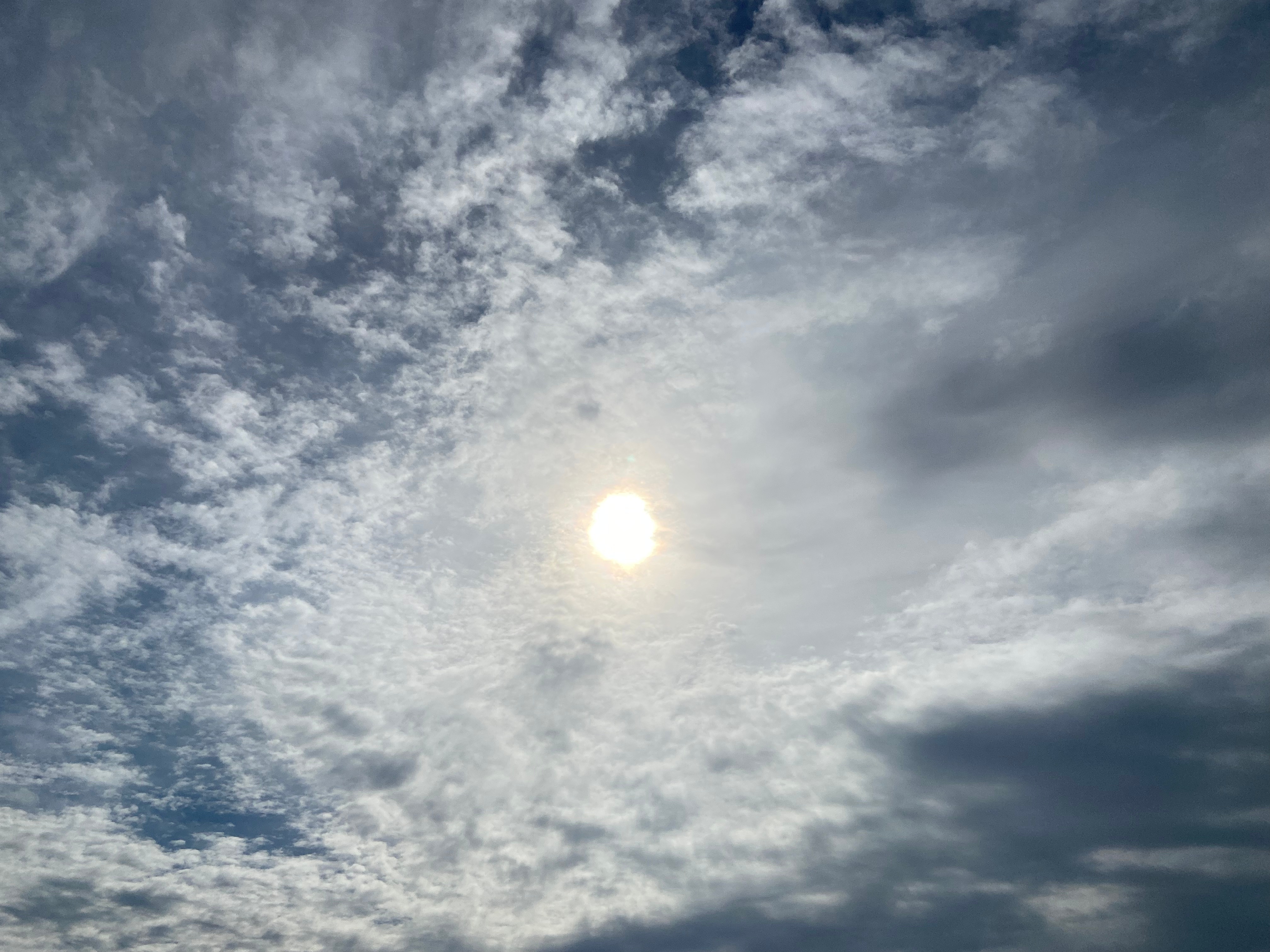
Dark storm clouds gather over Mount Osorezan—an ominous sky reflecting Japan’s Buddhist land of the dead.

Back at my hotel, an old building stitched together with crumbling wallpaper and tired walls, I try to relax, but the lights buzz like a wasp in a lampshade, and the floorboards creak even when I’m not moving, as if something beneath them is shifting.

I turn on the television. The screen blinks to life; the world rushes back in, bright, absurd, relentless. A puppet show flickers on, but the puppets are just human hands wearing tiny masks. They bow, expressionless. The audience laughs. I change the channel. Static hums for a second too long. An old woman in a blindfold stumbles through a collapsing obstacle course. Laughter again, louder this time. The world keeps moving. Always moving. And I am here… still.

I change one last time. A man in a bear costume is balancing ramen bowls on his head whilst a studio audience screams. I turn the TV off. Hell can wait.
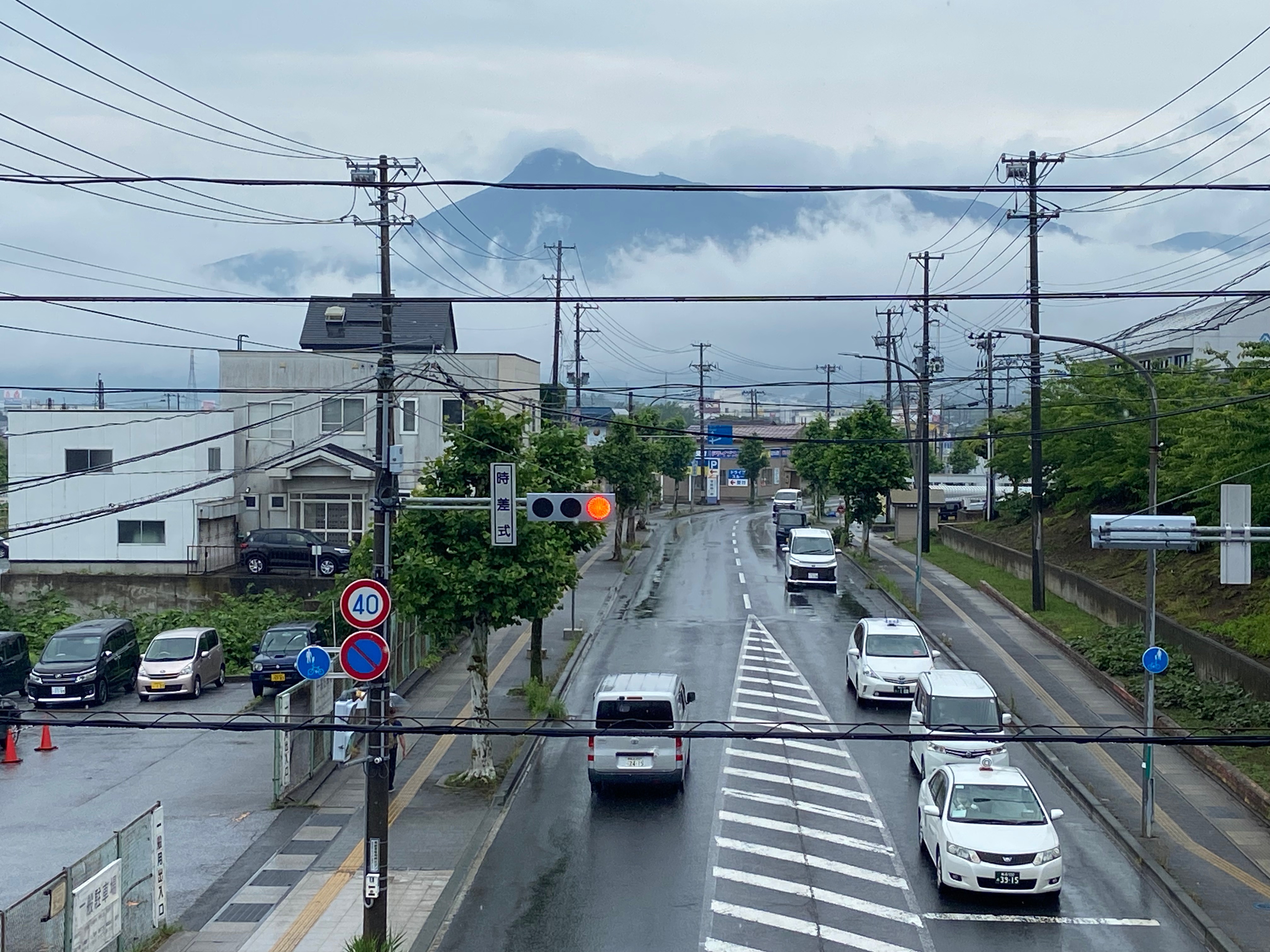
Outside my window, the mountain holds its breath. Somewhere, beneath the floorboards, the dead keep stacking stones.
Welcome to the World of Mizuki Shigeru

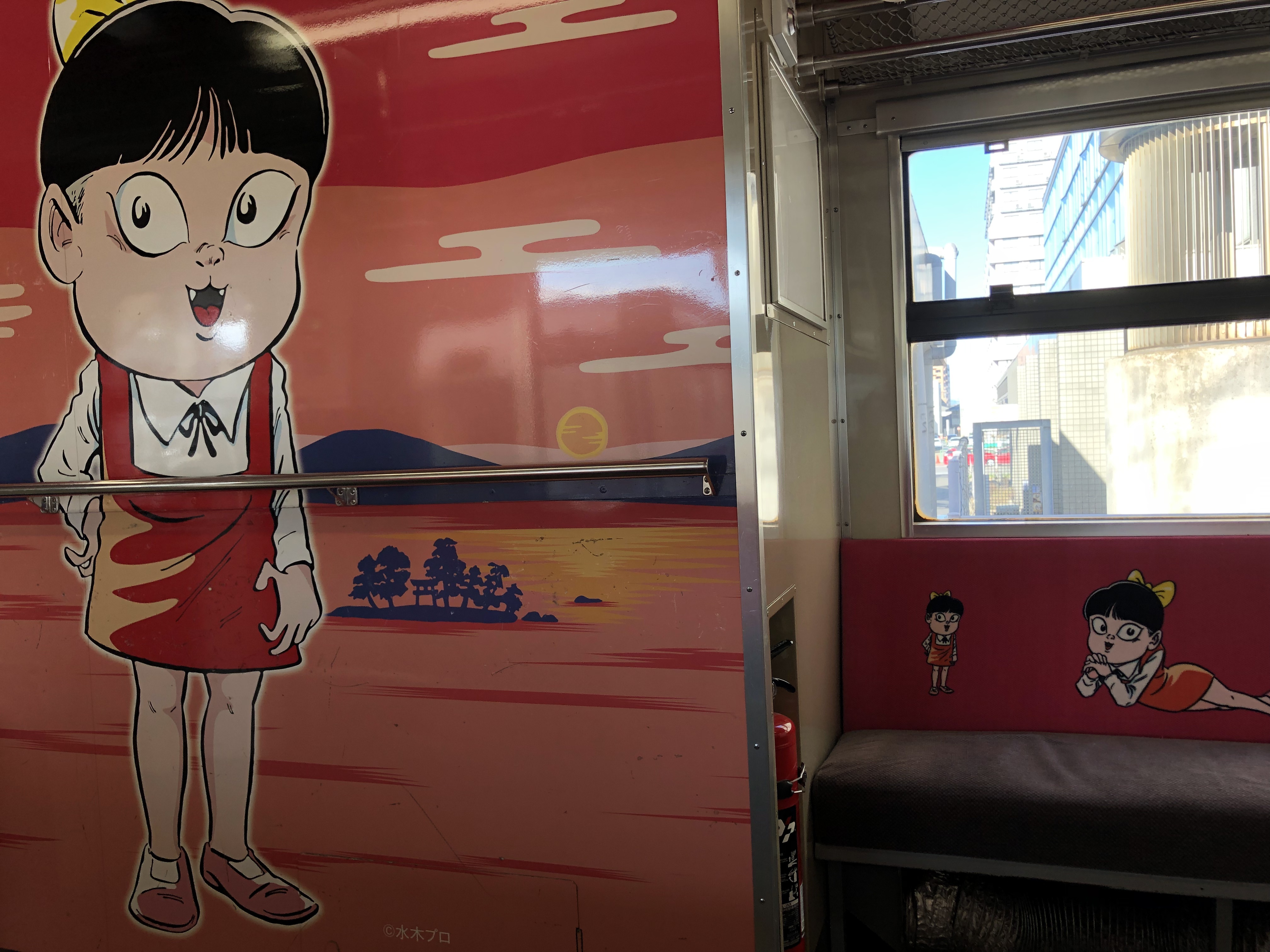
I stand at Yonago Station, my eyes fixed on the tracks as I await the arrival of my train from Track 0. This station, also known as Ratman Station, is located in Tottori Prefecture near the border of Shimane. The stations on the Sakai Line all have an alternative name, and this one is no exception. As my train arrives, I can’t help but notice the lively characters from the popular anime, GeGeGe no Kitaro, decorating its exterior. The walls are adorned with illustrations of Nekomusume, a supernatural cat known as “Cat Girl,” who, to my surprise, also serves as one of the train’s announcers.

As the train chugs along, it gently rocks back and forth, the sensation akin to being on a ship at sea. Nekomusume is normally a reserved yokai girl, however she is known to shapeshift into a fearsome catlike monster with razor-sharp fangs and piercing eyes, particularly when she is angry or hungry for fish.

Finally, I arrive at the port town of Sakaiminato and get off the train at Babasakicho Station, nicknamed ‘Kijimuna’ meaning Okinawan wood spirits. As I exit the station, I feel lost and consider whether I have made a mistake. But after a short walk, I see a sign pointing me to my destination: “Welcome to the World of Mizuki Shigeru.”

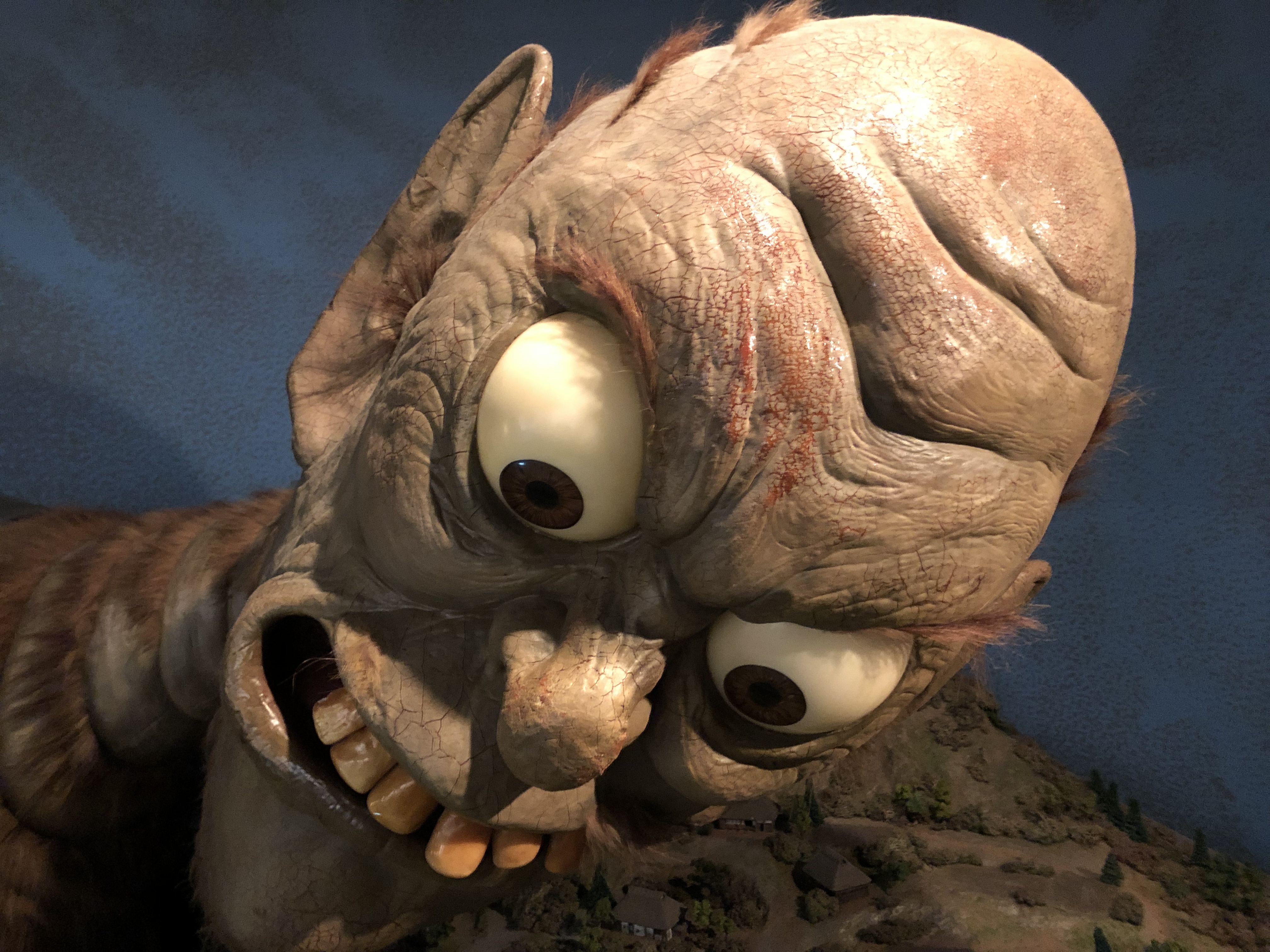
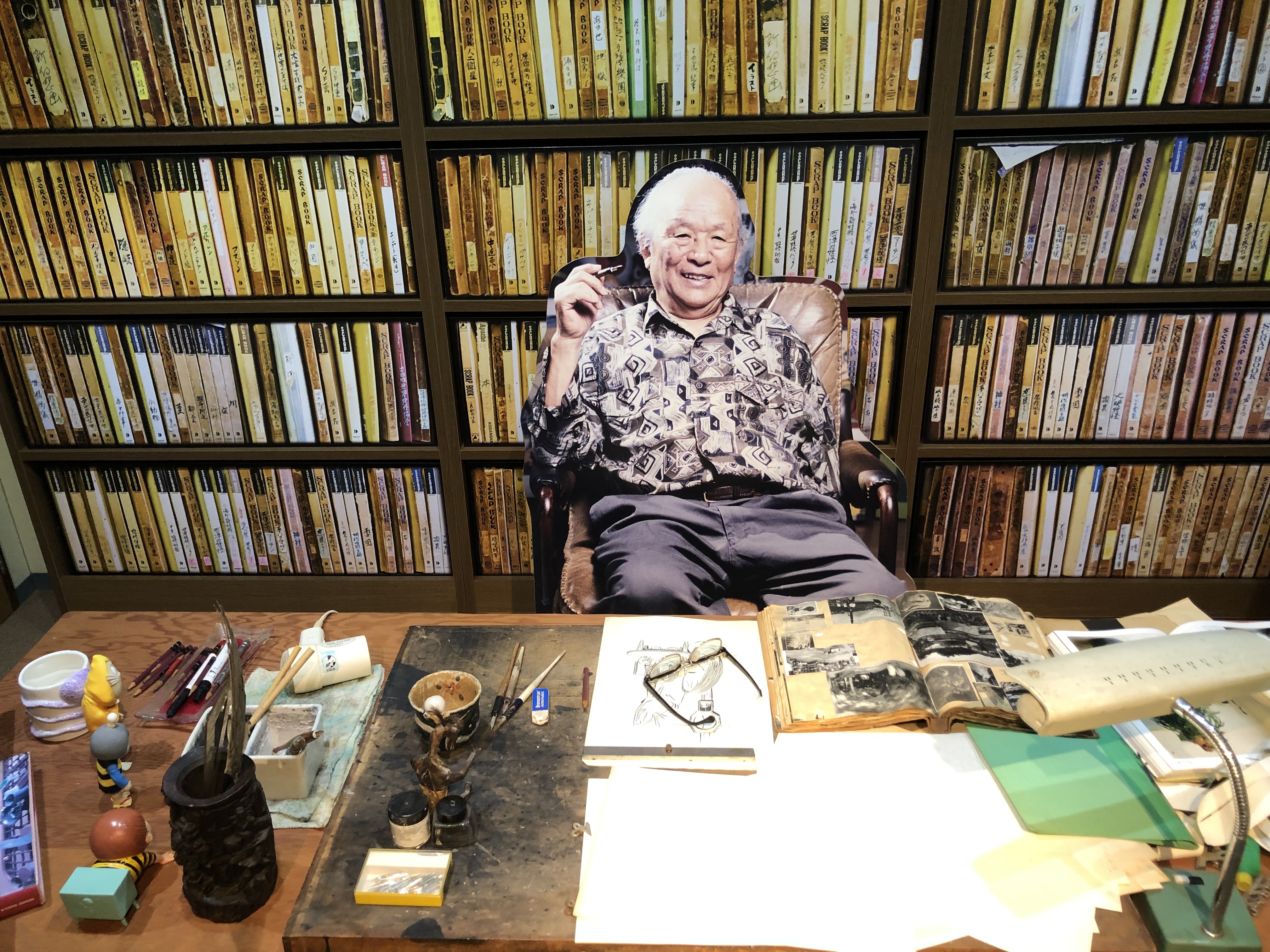
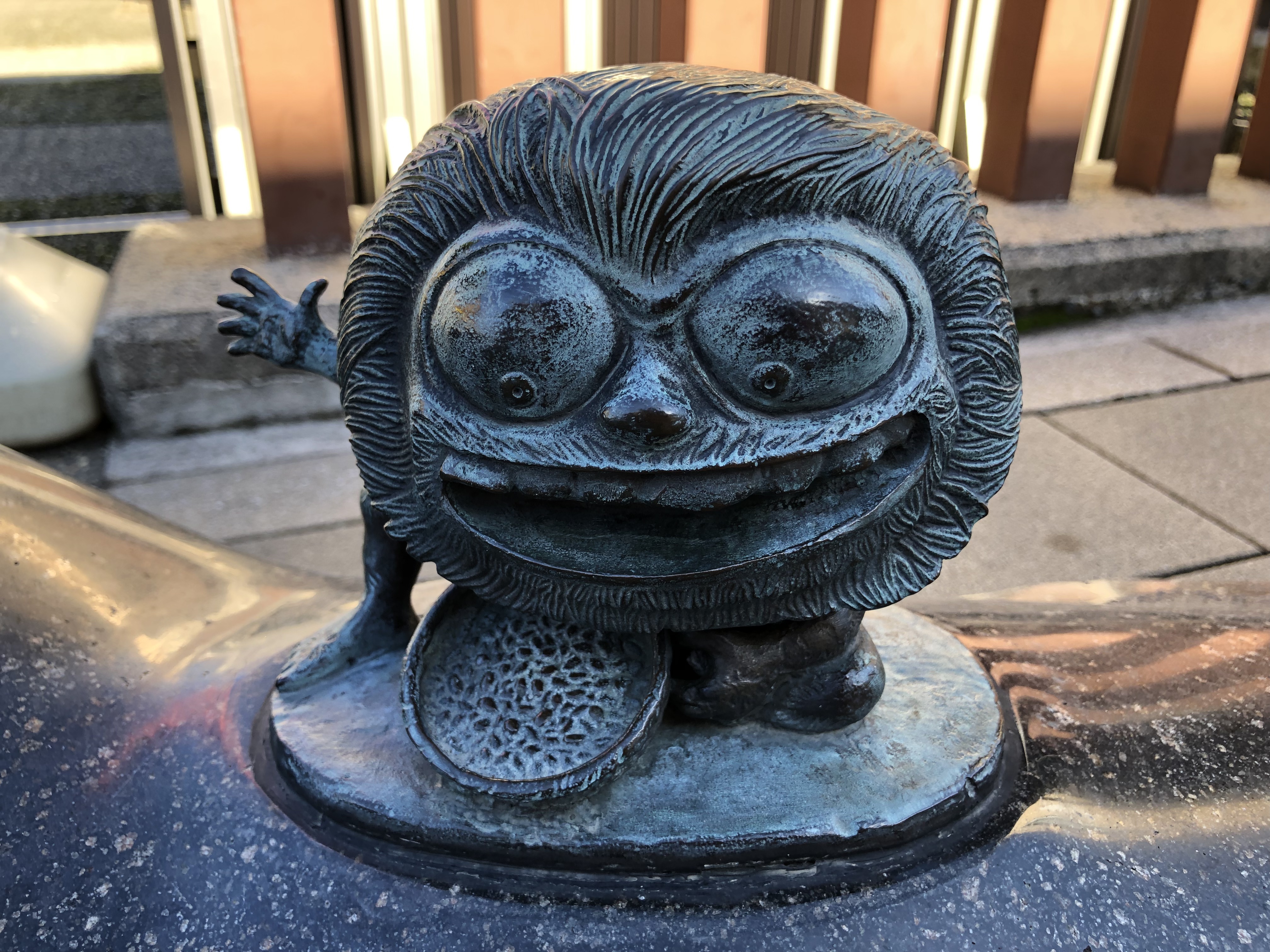
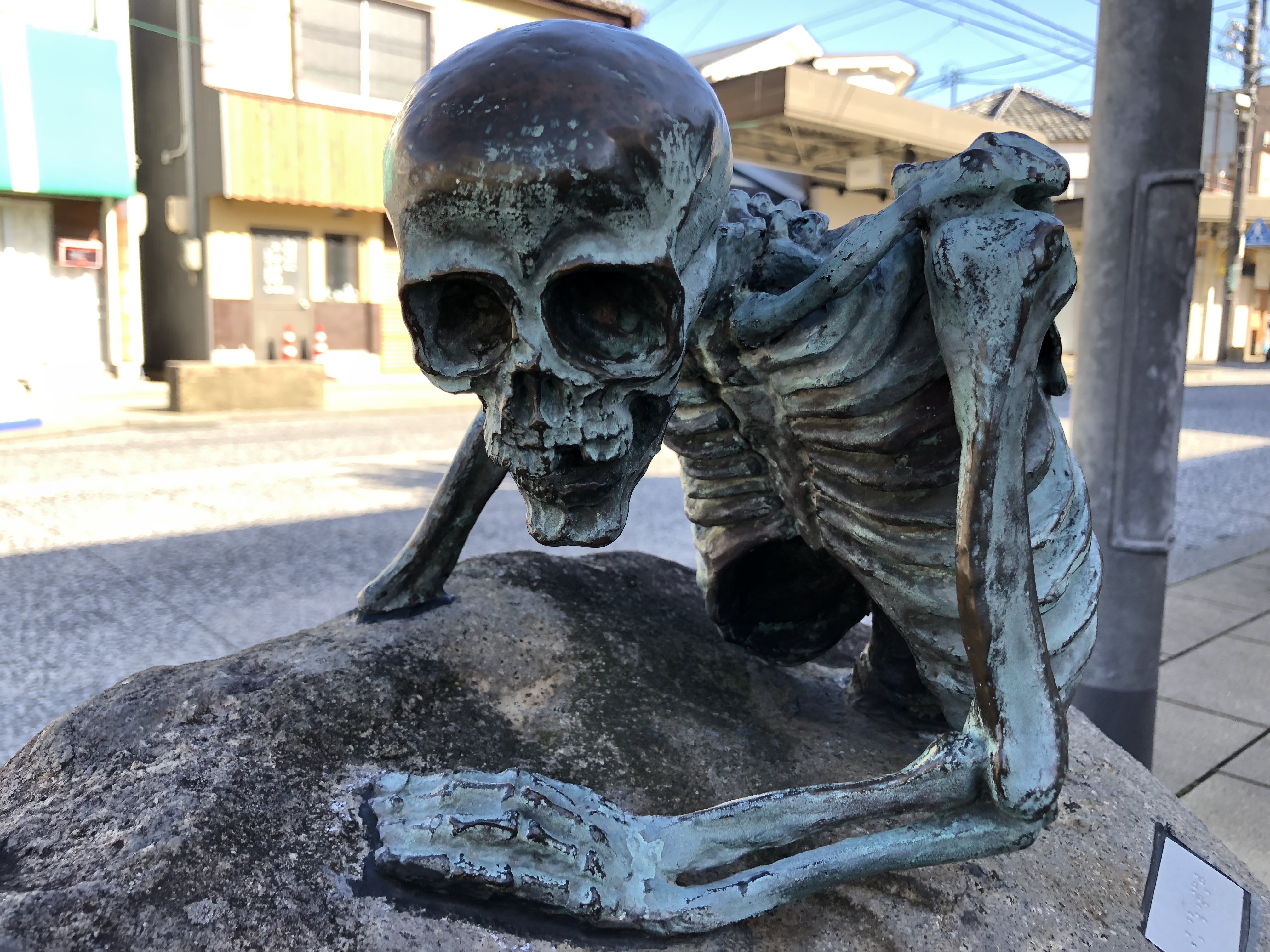
Mizuki Shigeru was a Japanese manga artist, born in 1922 and raised in the town of Sakaiminato. Upon arriving at Mizuki Shigeru Street, I am immediately struck by the abundance of weird statues that line the road. A total of 177 bronze yokai statues, each depicting a different supernatural entity from Japanese folklore, have been placed along the 800-metre street. Mizuki Shigeru made his name by portraying such entities in his work and the area here is dedicated to his legacy.

The street is filled with souvenir shops selling official Mizuki Shigeru goods, and the entire road is dedicated to the artist. It’s clear that even in death, Mizuki Shigeru has become immortalised with not only a statue, but an entire street and a train line. The vending machines are adorned with illustrations of monsters, there are photo booths where you can take a picture with yokai, there is a large museum, and even a place called Yokai Shrine.

The renowned Mizuki Shigeru Museum showcases many of Mizuki’s works, including manga books from his “only-for-rent-manga-period” and other masterpieces about yokai. The museum also displays numerous photographs and materials about the writer’s trips and his research of the yokai world. Visitors can even find yokai that lived in ancient times in Japanese households. The museum truly immerses visitors in the world of yokai and the brilliance and wonder of Mizuki Shigeru’s work.

The museum’s flyer sums it up best, “You will meet a lot of yokai. Hope you will become friends with them.”

Continuing my exploration of the museum, I pass books and board games, and a lot of comics, most of which feature imagery that depicts death. The museum spans a massive ten rooms and includes original cells, drawings, a bronze engraving of Mizuki’s palm print, his passport, and a complete timeline of his life.

Weird, creepy music plays as I pass through a haunted house. I learn in the museum of an interesting temple over in Matsue Prefecture, three hours from here by train. The temple is very much related to the story of Mizuki Shigeru’s life. As I leave the museum I pass a terrifying wall of heads in the Yokai Cave, and finally outside I discover a traditional Japanese garden littered with macabre images.

After a few hours on the train, I arrive at Ichibata-Guchi Station. The train station features a small statue of yokai. As I exit the station, a really old woman approaches me and starts chatting in Japanese. She is surprised to hear that I am planning to walk to the temple, as it is about five kilometres away and up a mountain. The walk is quite difficult, she warns me.

As I begin my hike, I walk down a conveniently straight stretch of road. The first car I see since leaving the station is driven by a Japanese man who, for no apparent reason, smiles and bows his head at me. A short distance later, I come across two stone lanterns that mark the beginning of the route, which will start to incline steeply. From this point, the footpath vanishes leaving two lanes of an empty road devoid of traffic or vehicles. As the path becomes steeper still, it meanders and curves up the mountain and I find that the further and higher I climb, the better the view becomes. At one point I can make out Lake Shinji in the distance.

As I near the top, I realise how hot it is, and it doesn’t help that I am wearing a thick winter coat. It must be 20 degrees. The breath of winter now a fiery gasp, as the planet scorches in its rage.

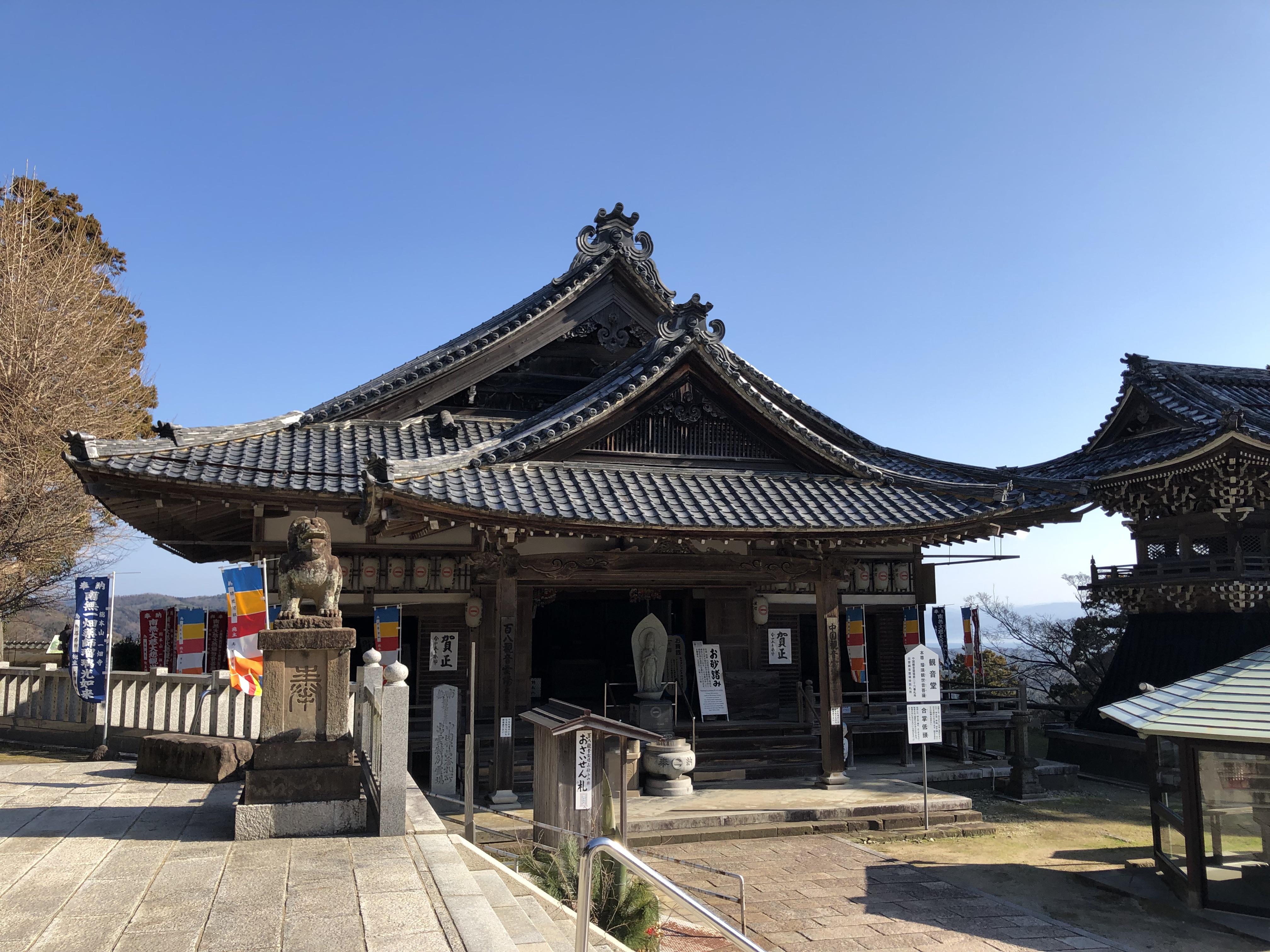
After a challenging hike I reach Ichibata Yakushi, a Zen Buddhist temple, and part of multiple pilgrimages, one of which includes visiting 108 Kannon temples in Japan. The temple was said to be founded after a monk named Yoishi followed three white foxes up this mountain, and decided to build a temple at the site where the foxes led him.

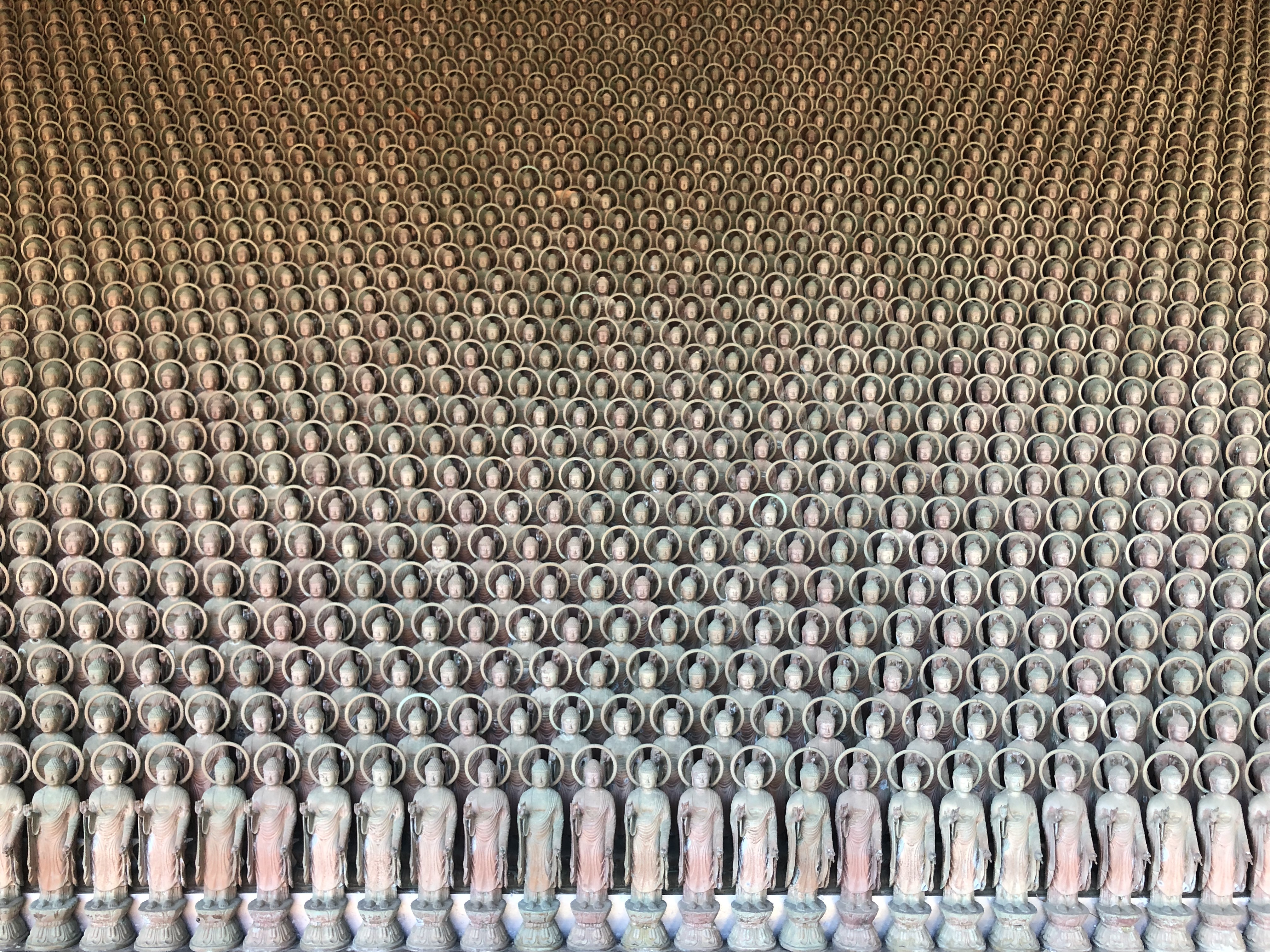
The reason for visiting this temple today is that the story goes that Shigeru Mizuki used to visit here a lot, and that a ghost of a really old woman would meet him here, whispering to him all the legends and stories he used in his creations. I explore the temple grounds, and get a feeling that someone ordered a few too many statues. It is said that there are 84,000 statues here, however, I count just 30,780.

As I continue to explore, I decide that it’s really quite beautiful up here. The area also features mountain cottages to rent for a night for as little as ¥10,000, offers stunning views of the landscape below, and for some reason, appears to be really popular with dog owners, as I count five dogs within the temple grounds.

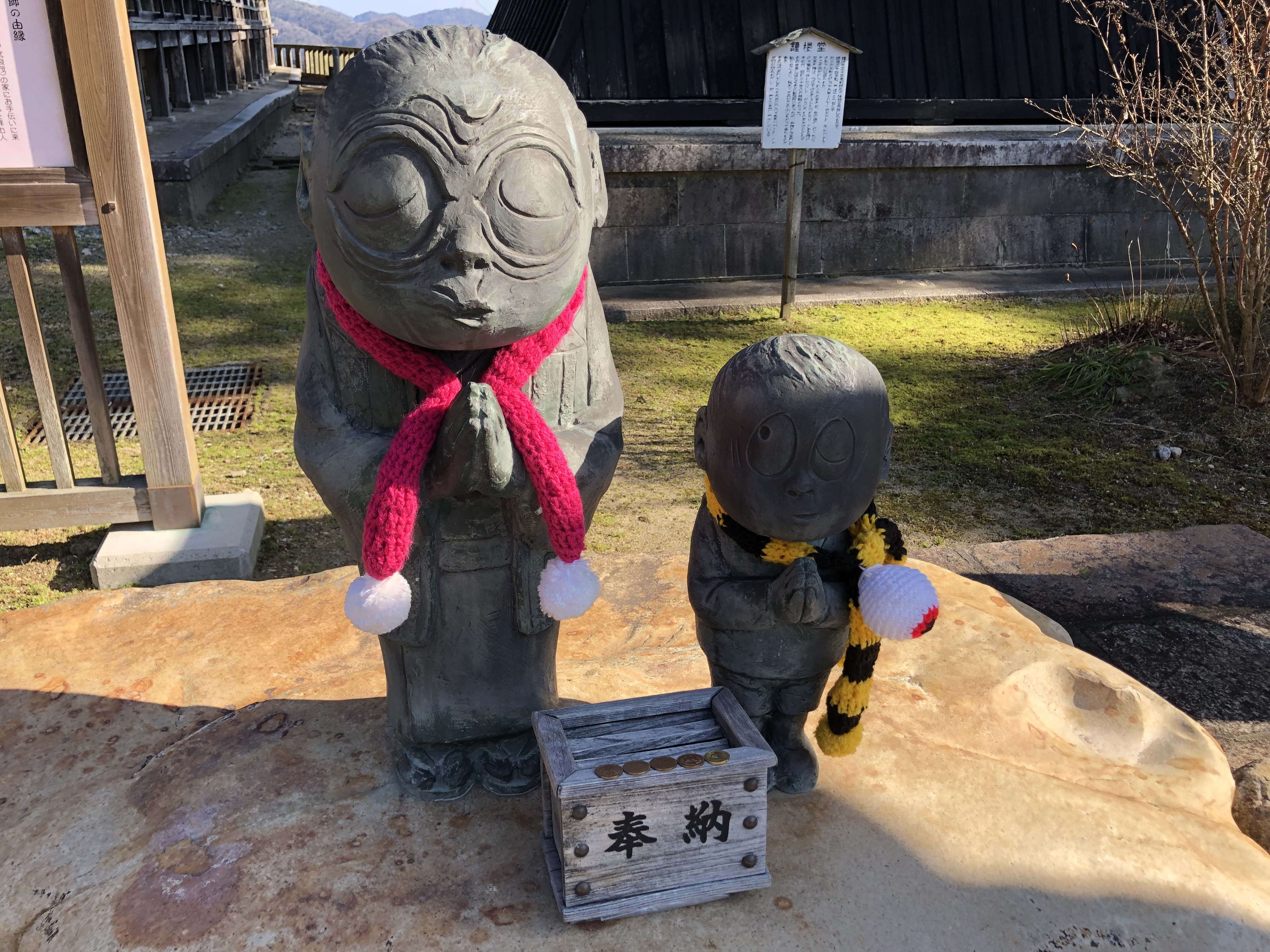
I place some coins in the box next to some statues of yokai, and decide that this is the nicest temple I’ve visited. In the future, I wouldn’t mind visiting more temples on a pilgrimage trail, but for today, I decide it’s getting late, and I head back down the mountain passing a small mountain village, before stumbling across another yokai statute, sitting unassumingly at the bottom of some stone steps.

After climbing up the 1,270 moss covered steps, I arrive back at my favourite temple, exhausted and realising this was just an alternate route. I carefully climb back down the steps to leave. The really old woman I saw at Ichibata-Guchi Station smiles at me as I pass her on the steps, and I can’t help but wonder if she might be Shigeru Mizuki’s whispering ghost.

Dead Children Playing

Halfway into my eight-hour train journey to the northern region of west Japan, I decide to take a break from sitting and get off at Kurashiki, a quaint coastal town in Okayama Prefecture. Famous for its strategic location during the Edo period, which made it a popular place to store rice, Kurashiki, literally meaning “storehouse,” is also conveniently located halfway between Tokyo and my final destination. Upon arriving at the train station, I am greeted by a sign that reads, “Welcome to Okayama, the Land of Sunshine.”

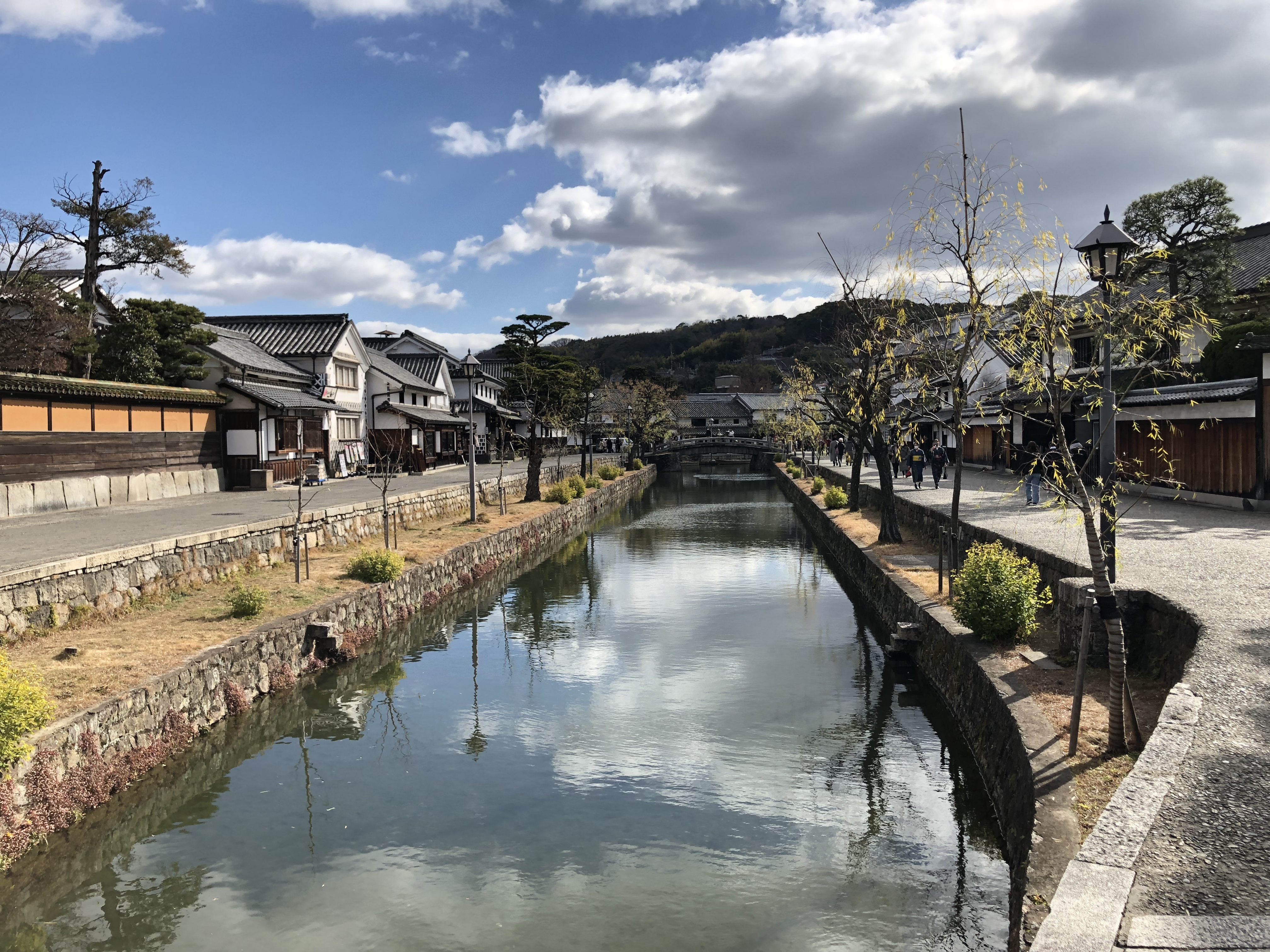
As I step out of the station, I find that the weather is not quite as sunny as the sign had promised. The sky is cloudy and grey, but that does not dampen my spirits as I begin to explore the winding streets of the Bikan Historical Quarter. Here, the buildings are old and charming, with weeping willow trees, historic godowns and canals that interconnect throughout the area. Touts eagerly await me, offering rides in their rickshaws. Just as I begin to further complain about the weather, the sun breaks through the clouds, illuminating the streets and bringing a warmth to the air.

I come across a shop called Gangukan, which has an annexed building featuring a toy museum. Intrigued, I pay the lady at the cashier, who shows me a sign in English that reads, “I will take you to the entrance.” She guides me through a maze of small alleyways to the entrance of one of the museum buildings. The door creaks as it opens, and the woman mutters something in Japanese before swanning off, leaving me to explore the museum alone.

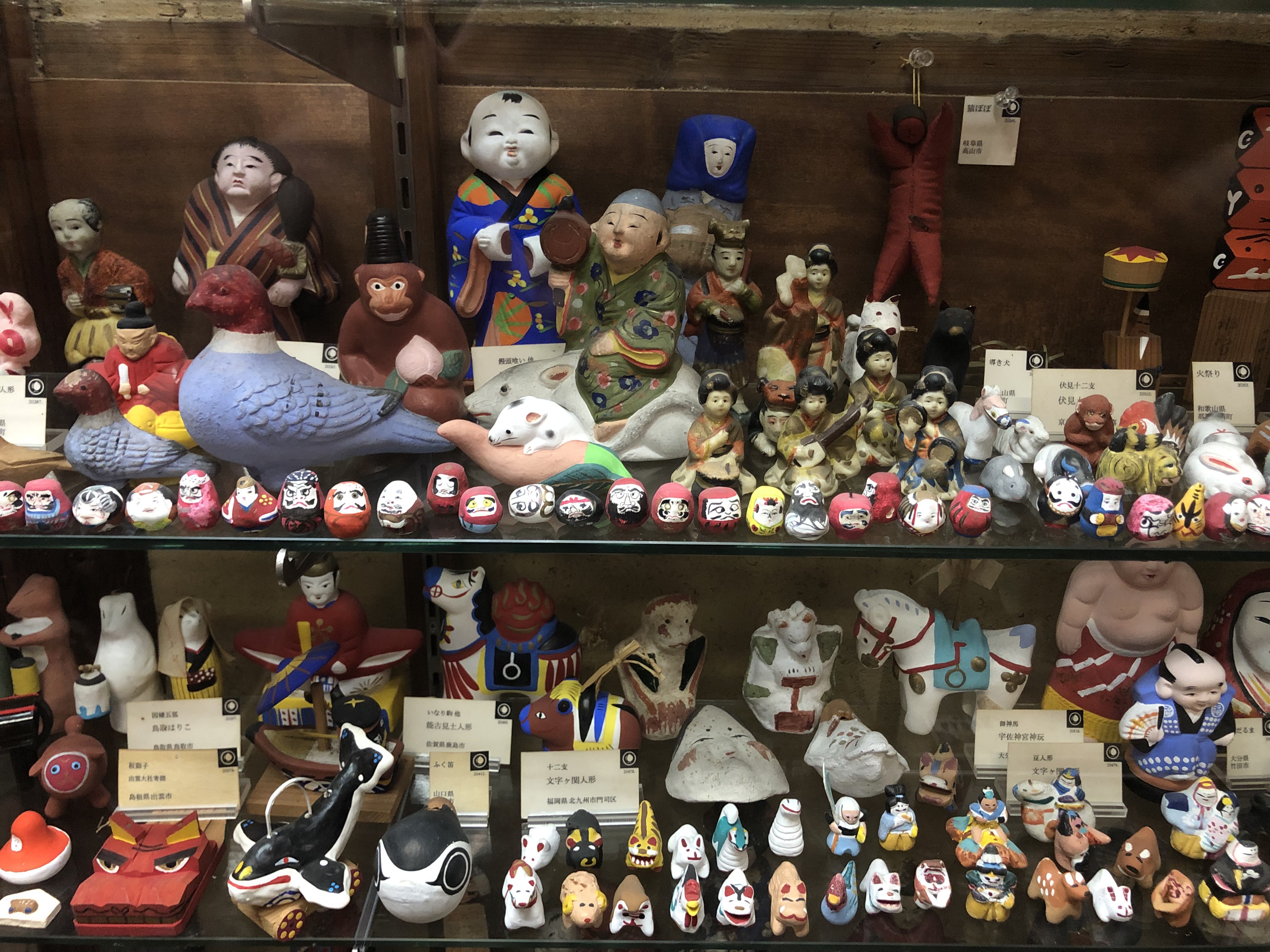
The Japan Rural Toy Museum is one-of-a-kind, housed in a beautifully renovated old rice storehouse, the museum features toys from 1600 to the 1980s. Inside the first room, I am greeted by a collection of folk-craft toys from every prefecture in Japan. In the second gallery, Daruma dolls are displayed alongside clay figures, ceramic bells, dove flutes, and wood wishing plaques.

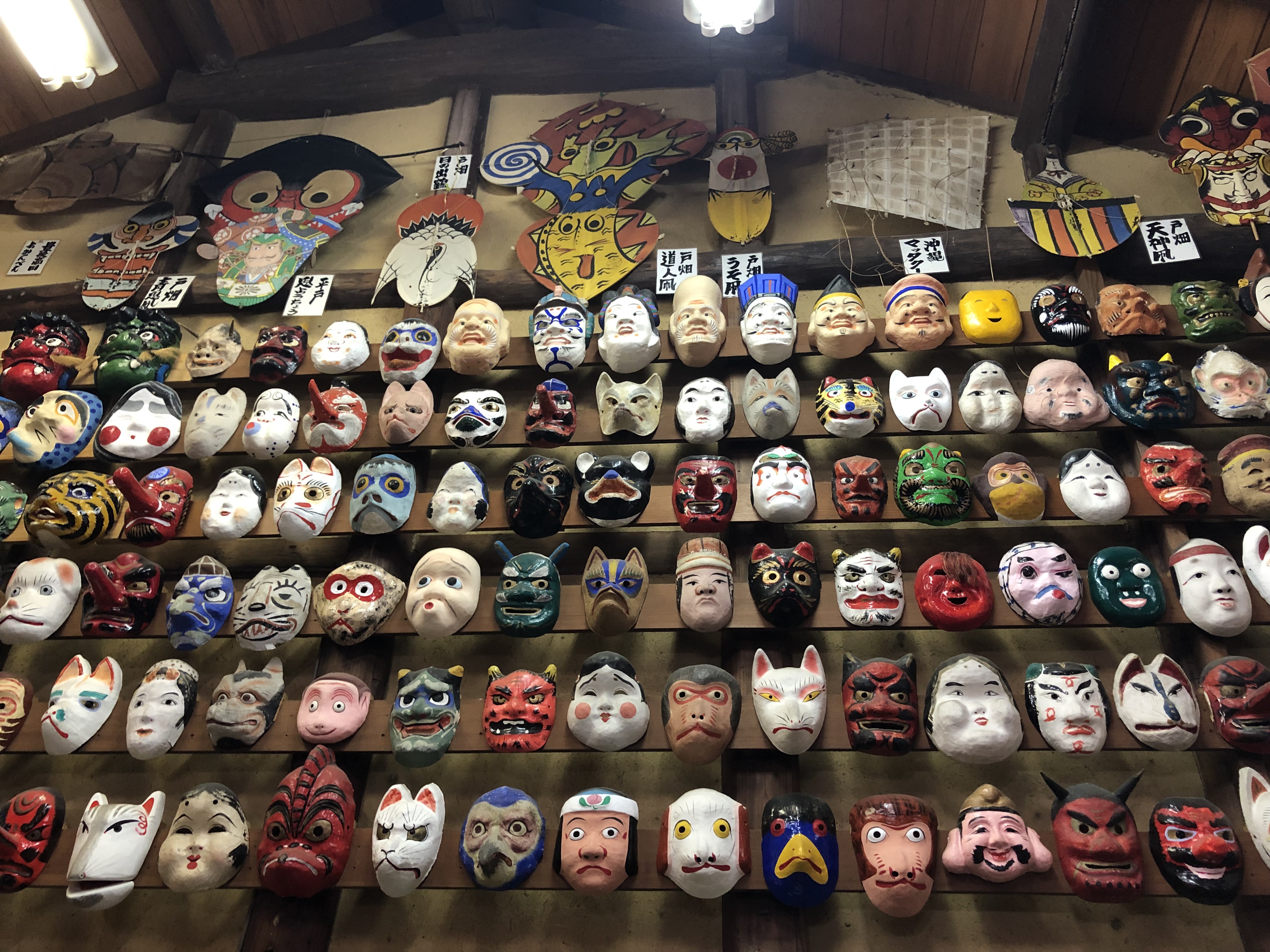
As I move to the third gallery, I am greeted by old wooden toys and spinning tops, and displays of annual New Years postage stamps from 1954 to present. In the fourth and final gallery, I see masks, a lot of masks. I’ve always wondered if masks can be classified as toys, but then again, I suppose the same question can be asked about postage stamps too. The gallery also features decorated shells, porcelain dolls, papier-mache dolls, and a large collection of old dusty books and badminton rackets.

As I step out of the museum, I find myself facing a small shrine. I can only assume that it is a tribute to the god of toys. As I think about the ancient toys, especially those dating back to the 1600s, I am struck by the enduring legacy of these simple objects of play. The children who once laughed and played with these toys, now long gone, reduced to mere memories and dust. But the toys remain, locked behind the glass walls of the museum. It’s a poignant reminder of the tragedy of death, and the beauty of the small things that outlast us. The toys, once a source of joy and laughter, now stand as silent witnesses to the fragility of existence.

As I continue my stroll through Kurashiki, I come across Denim Street, an entire street lined with shops selling the same thing. Along the way, I also pass small shops selling watercolour paintings and origami paper. The area, with its stunning canals and old shops, feels like a cross between Kyoto’s Gion district and Tokyo’s Asakusa district, but with less commercialisation. The area boasts a number of museums as well, including art, archæology, natural history, and folk-craft.

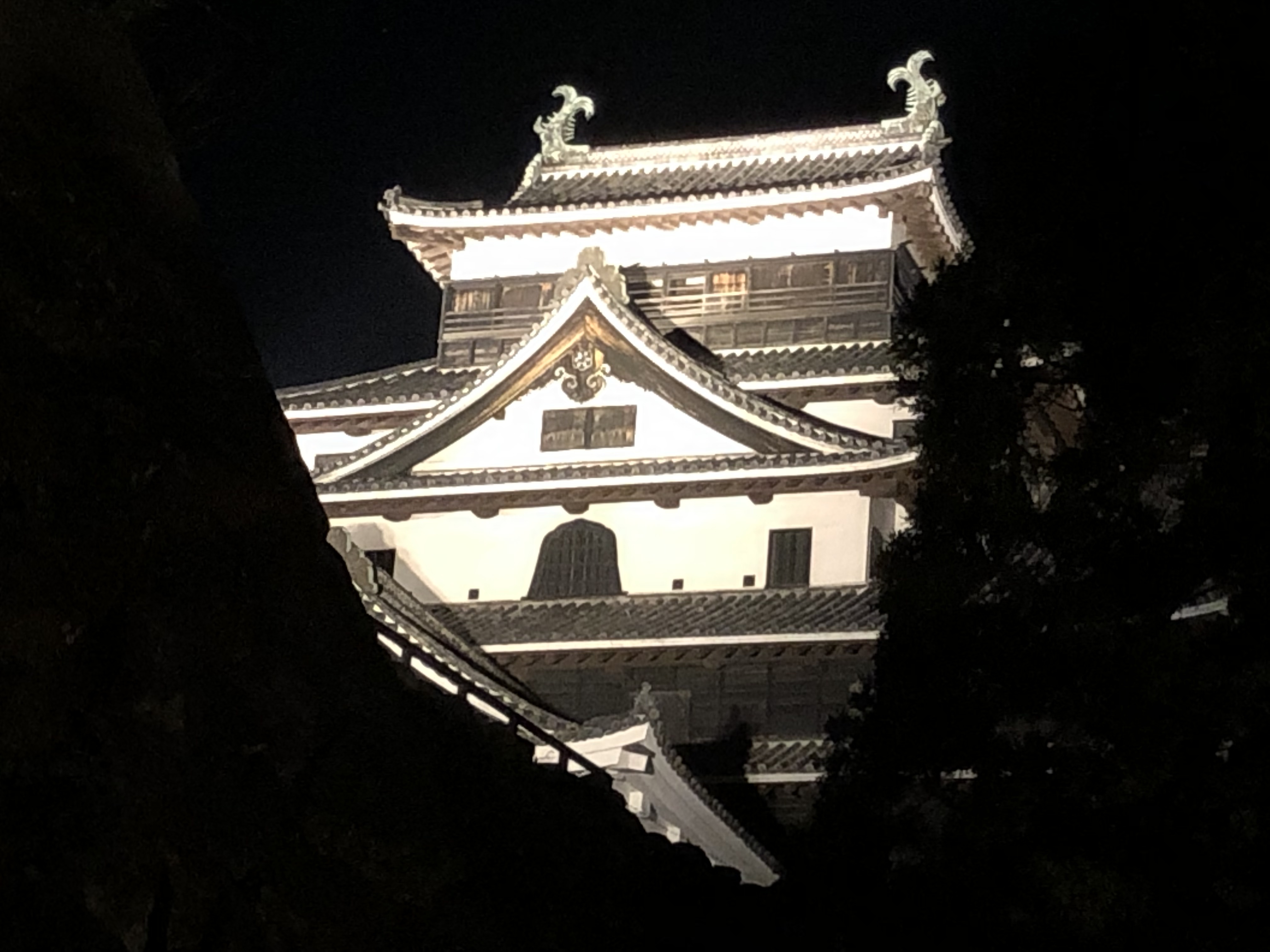
After a few hours of exploring, I leave the Land of Sunshine and embark on another four-hour train journey to the city of Matsue in Shimane Prefecture. As I arrive at dusk, I navigate the streets and make my way to Matsue Castle. Nicknamed the “black castle,” it is one of only 12 castles in Japan that have been perfectly preserved in their original state. It stands out in the darkness of the night, seeming to effortlessly float suspended in the sky. The grandeur of the castle illuminated by the moonlight, casting a mysterious and ethereal aura, making it an enchanting sight to behold.

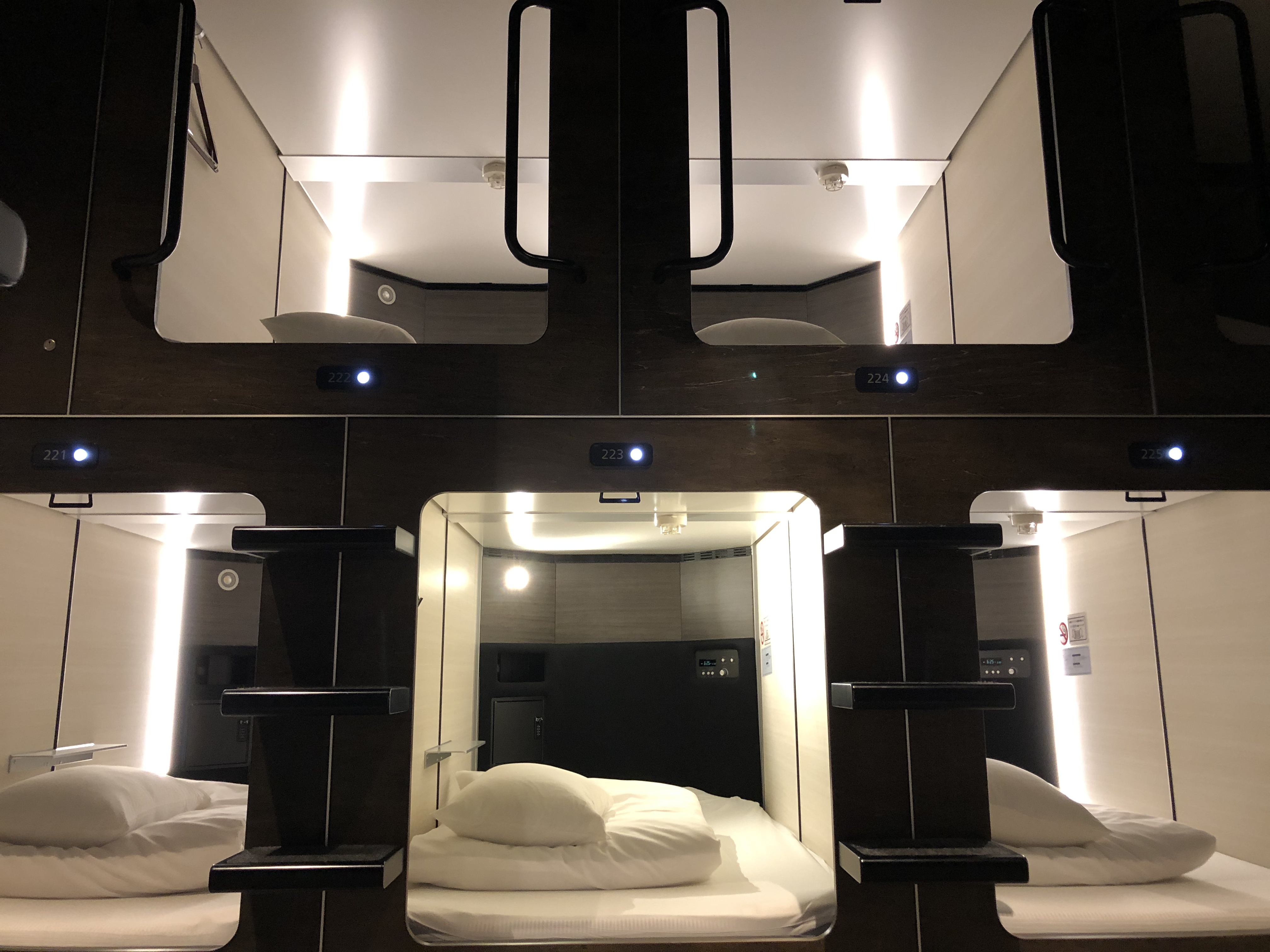
Leaving the castle, I decide to check into an iconic capsule hotel, something I’ve been meaning to do in Japan for years. After finding my “coffin” for the night, I realise that my room, if I can even call it that, is contained within a larger room with 39 other boxes stacked on top of one another. Thankfully, none of the other capsules are occupied. The hotel offers a reasonable amount of amenities, such as towels, toothbrushes, razors, earplugs, bathrobes, and nightwear. It’s also impeccably clean.

I grab some food from a nearby supermarket and head back to my hotel. Due to the limited space, it’s not possible to eat inside the room where the capsules are located. However, the hotel does offer a large common area with comfortable seating. The common area also features its own jaunty, catchy music that plays on a loop ad infinitum. It’s like being in a 1980s video game where the composer was hired on a budget. After eating my deep-fried tofu with rice and listening to the same piece of music for the twenty-third time, I retire for the evening, and crawl into bed.

As I lay in my coffin, the jaunty music swirling around my head like a relentless earworm, I think back to the toys, and thoughts on life, how we too are on a never-ending loop, chasing after fleeting moments of joy before inevitably succumbing to the silence of death.

Hell and High Slaughter

My plan today was a visit to Ukiha Inari Shrine, a remote shrine with a hillside vista over the Chikogu Plains that offer stunning views of red torii gates and the meadows beyond. However, as I finally arrive at Tosu Station to switch trains, I find that my next train, the Yufu 3 Limited Express bound for Beppu, doesn’t depart for another six hours, so in desperate need of a plan, and a sudden change of itinerary, I rush onto a random train bound for Kurume.

Kurume is a small city in Fukuoka Prefecture. I flip a coin to let fate decide my direction, but woefully fail to catch the coin and it lands in the gutter of a drain. Today isn’t going very well and it’s still morning. I choose to go south. It doesn’t take long for my optimism to return though, for in the distance standing tall and proud, a mysterious white statue captures my attention, and essentially my destination decides on itself.

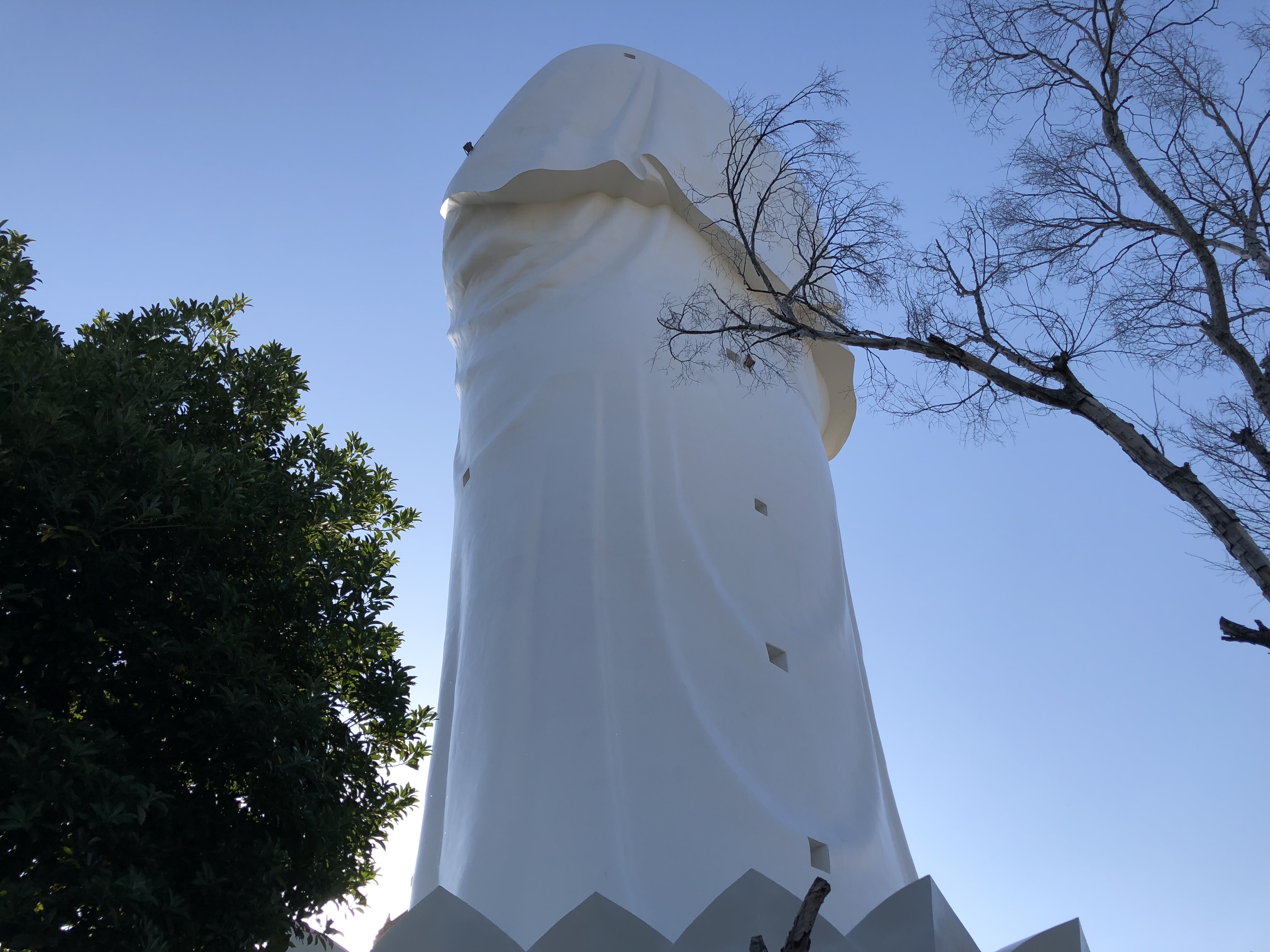
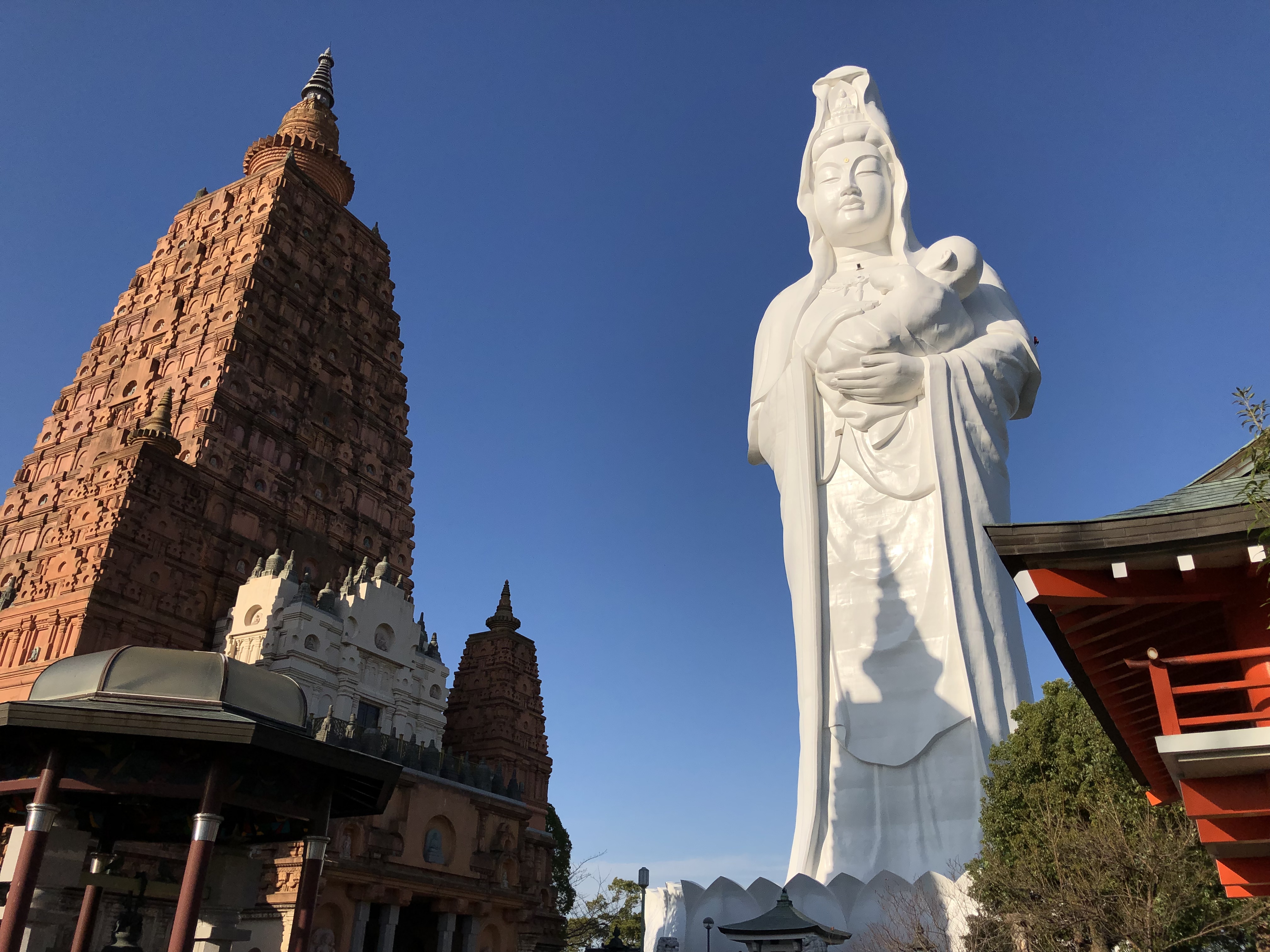
The statue can be seen from far and wide, and as I finally get close enough, it turns out to not be what I first thought, but instead a 62-metre tall statue of Kannon, the Goddess of Mercy. I always enjoy a good Kannon statue, not only does she save the souls of the suffering, but there’s often something rather unexpected to see.

The first thing that’s a little unusual is the 38-metre tall structure next to the Goddess. This replica of India’s Mahabodhi Temple, the Great Awakening Temple, is the first of its kind in Japan, and is based on the story that Buddha sat under a tree in India for seven days to meditate, became awakened, and then the original temple was built to honour that event. Why there is such a replica here in Kurume I have no idea. Also, and it may be a matter of perspective, but the Mahabodhi Temple is 24-metres shorter than Kannon, however, at every angle, the temple seems to tower over the Goddess.

As I approach the ticket office to enter Daihonzan Naritasan Kurume Temple, I inadvertently wake up a young Japanese woman; obviously this place doesn’t get a lot of visitors despite its massive car park that boasts space for 700 vehicles.

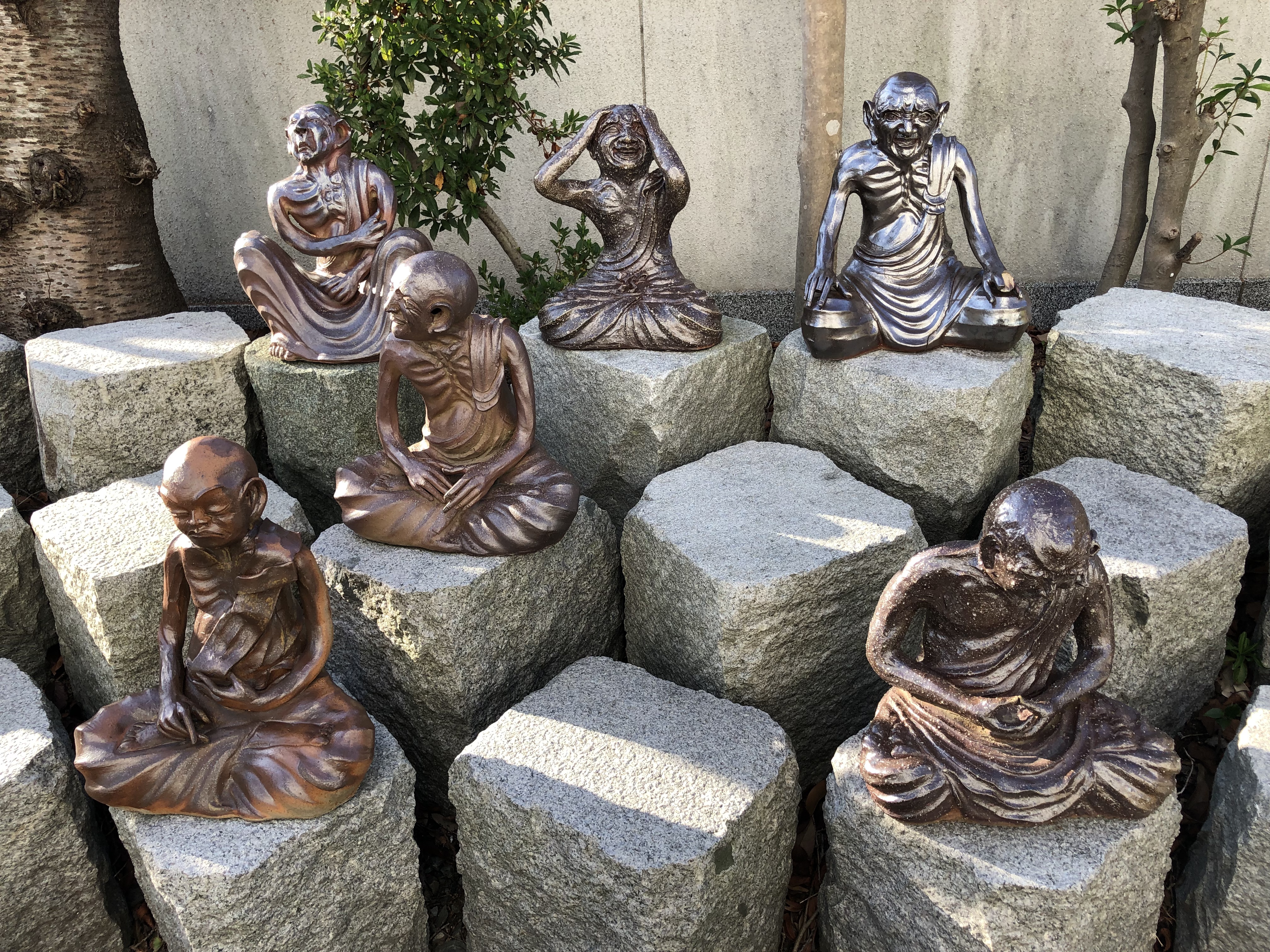
I take a seat on a small stone bench for a time, admiring the statue and contemplating, just like Buddha had once done. A statue of Ebisu disturbs my thinking, purely because he’s sitting on a cow next to a big pile of money. Distracted, I walk around the temple grounds, here there are numerous smaller statues depicting twisted souls in anguish.

I notice a shaft in the side of the Kannon statue, and decide to enter. Endless corridors greet me. Random artwork lines the walls, steep steps twist and turn through the statue, there is no elevator, and the climb to the top takes an age. From the top there are tiny windows that offer a nice view of the city below.

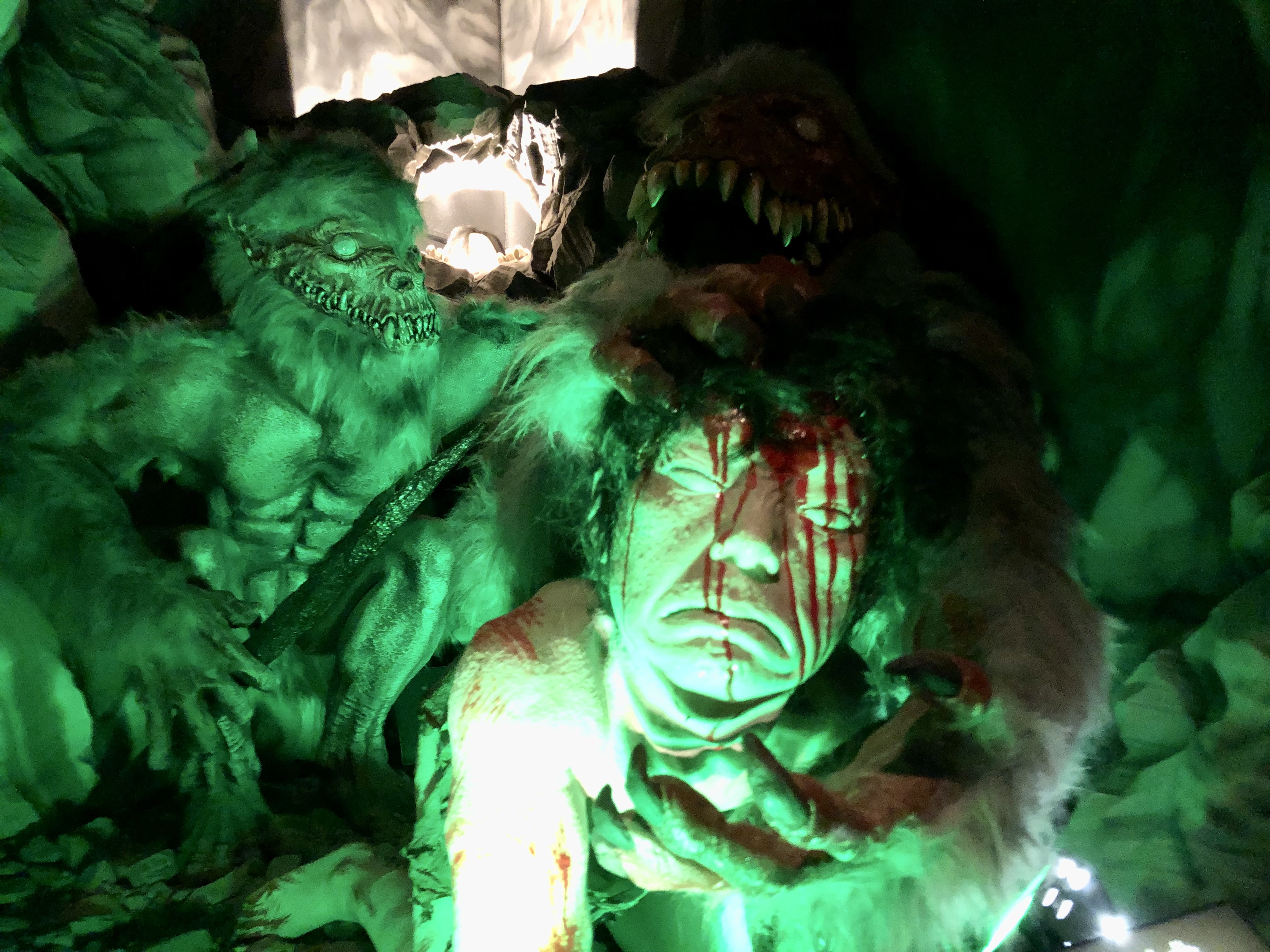
After admiring the landscape, I decide it’s probably time to leave now, and as I climb back down to the ground floor, I notice steps leading deeper down into a basement. As I further approach, I hear the creaky voices of evil spirits echoing down the lonely hall. A room here is marked either side by a pillar of skull heads. Inside are some lifeless effigies, but as I approach, I activate a sensor of sorts, and the first model begins to move.

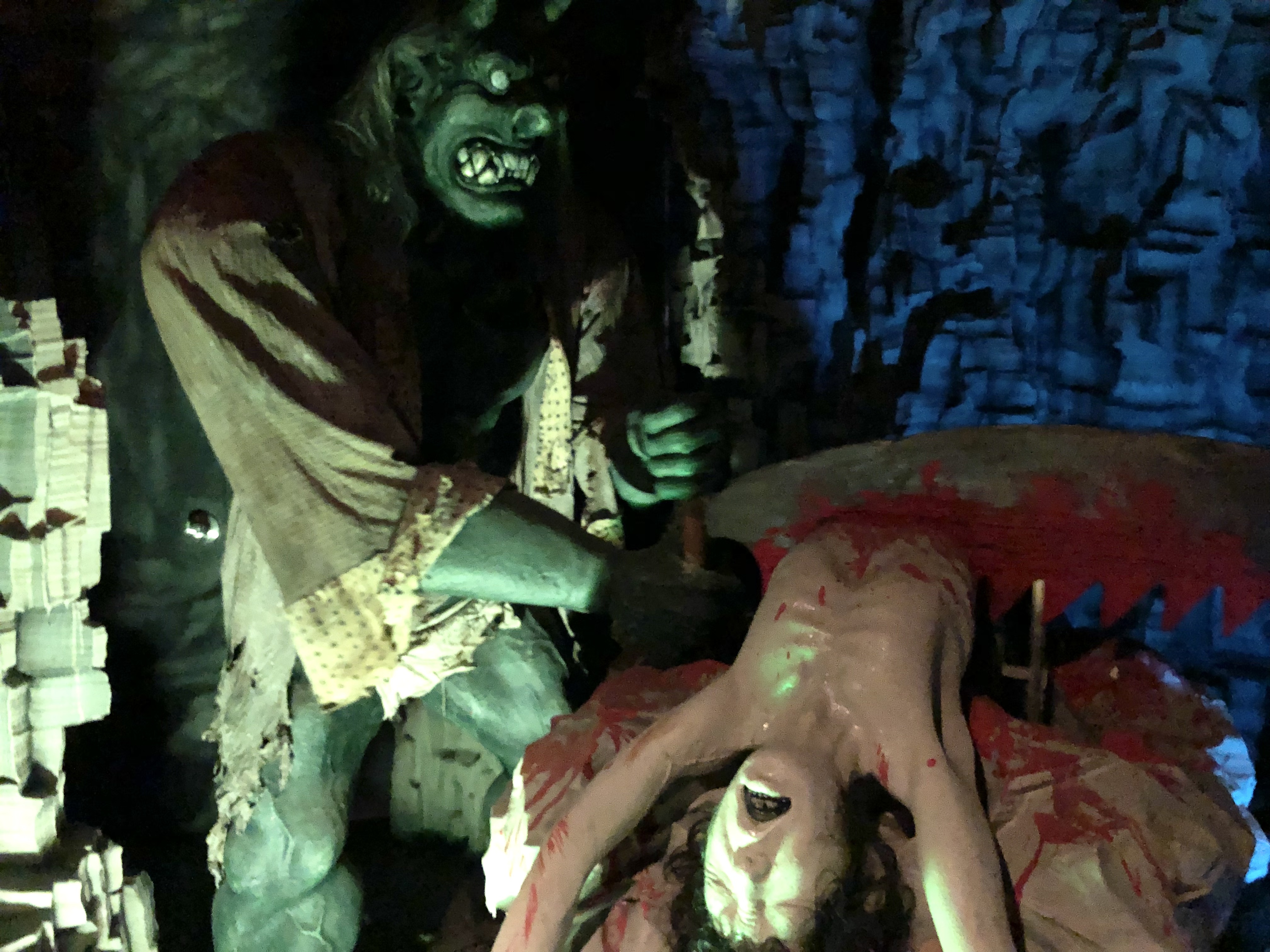
This animatronic demon is sawing a naked man in half; the saw slides back and forth for as long as I watch. The man, despite his obvious injury is still alive, his screams are piercing and chilling, the sound effects of the saw all adding to the macabre scene. An absolute show of horror.

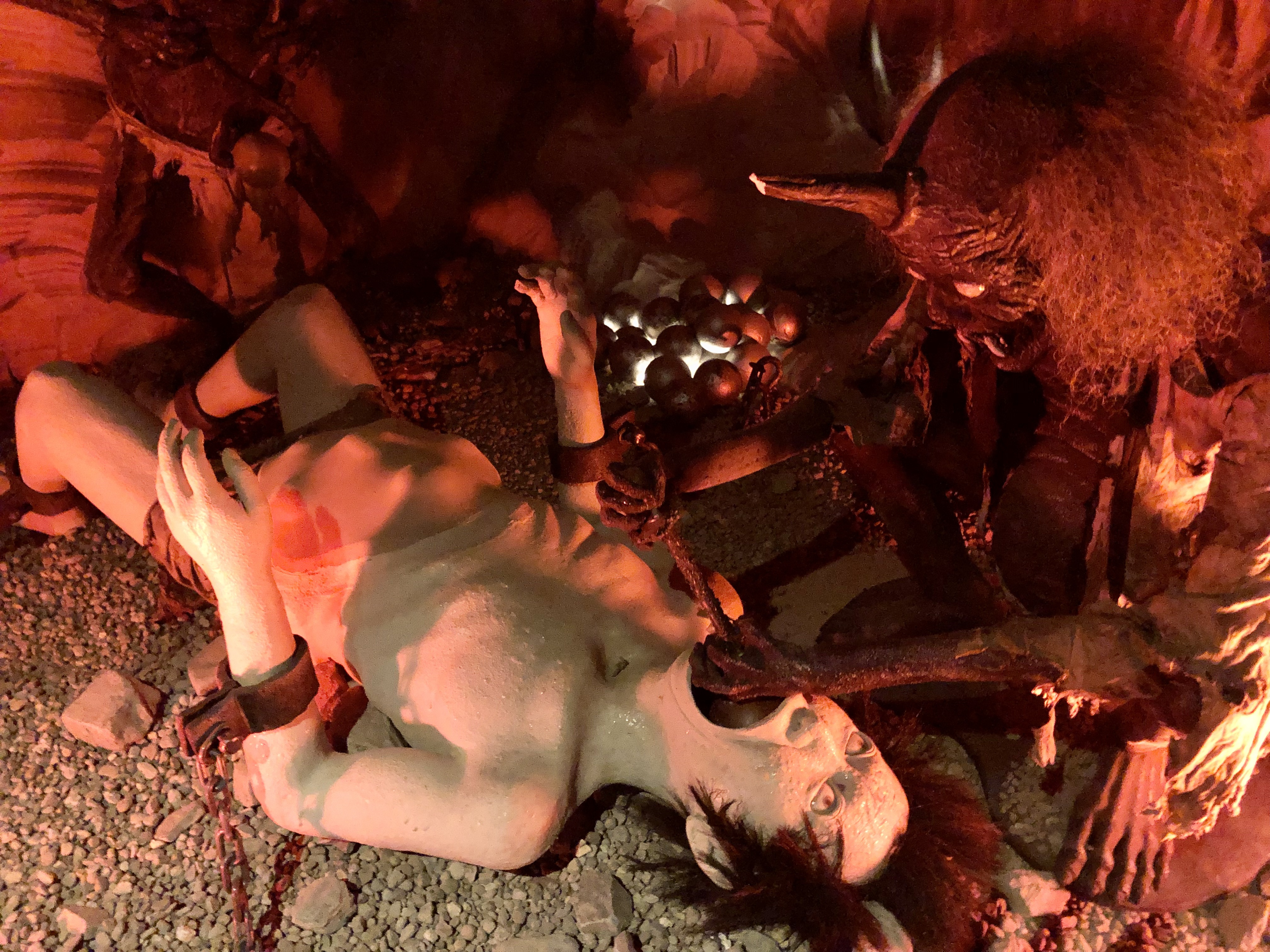
I move through the exhibits. A woman surrounded by spike traps gives me a jump scare as she screams into life. Two children covered in bruises and blood rotate on a platform as a demon with a sinister grin watches on. A man holding a huge boulder is about to smash in the head of a woman whilst a giant towers above. A chained up man is having a red-hot poker stuffed into his mouth.

I decide that this is one of the most harrowing things I’ve seen in my whole life. The passable realism of the statues blending with the authentic yet disturbing sound effects really adds to the eeriness evoked by this imagery. It seems that hidden beneath this innocent looking statue of the Goddess Kannon holding a baby, is a secret haunted house.

I take one last walk through what I learn to be the Hell Museum, before leaving the basement, the statue, and stepping quietly past the ticket gate as to not wake up the sleeping woman.

As I walk away, I look back at the statue, its phallic shape from behind visible for miles and miles, it makes me wonder if it was indeed designed that way, or just a misshaped mishap. I guess I’ll never know.

Death Becomes Here

Today is warm again, and I have arranged to go on a bicycle tour with three very close friends. We meet up at half-past one and cycle in the direction of Yanaka Cemetery. It might sound a little morbid, heading once again to this huge cemetery, but the reason we have settled on this location is that it is quiet, out of the way, and not packed full of tourists. Today might well be the last day we can view sakura, and I can’t think of a better way to enjoy the flowers than with my friends in an area that is free from the usual crowds.

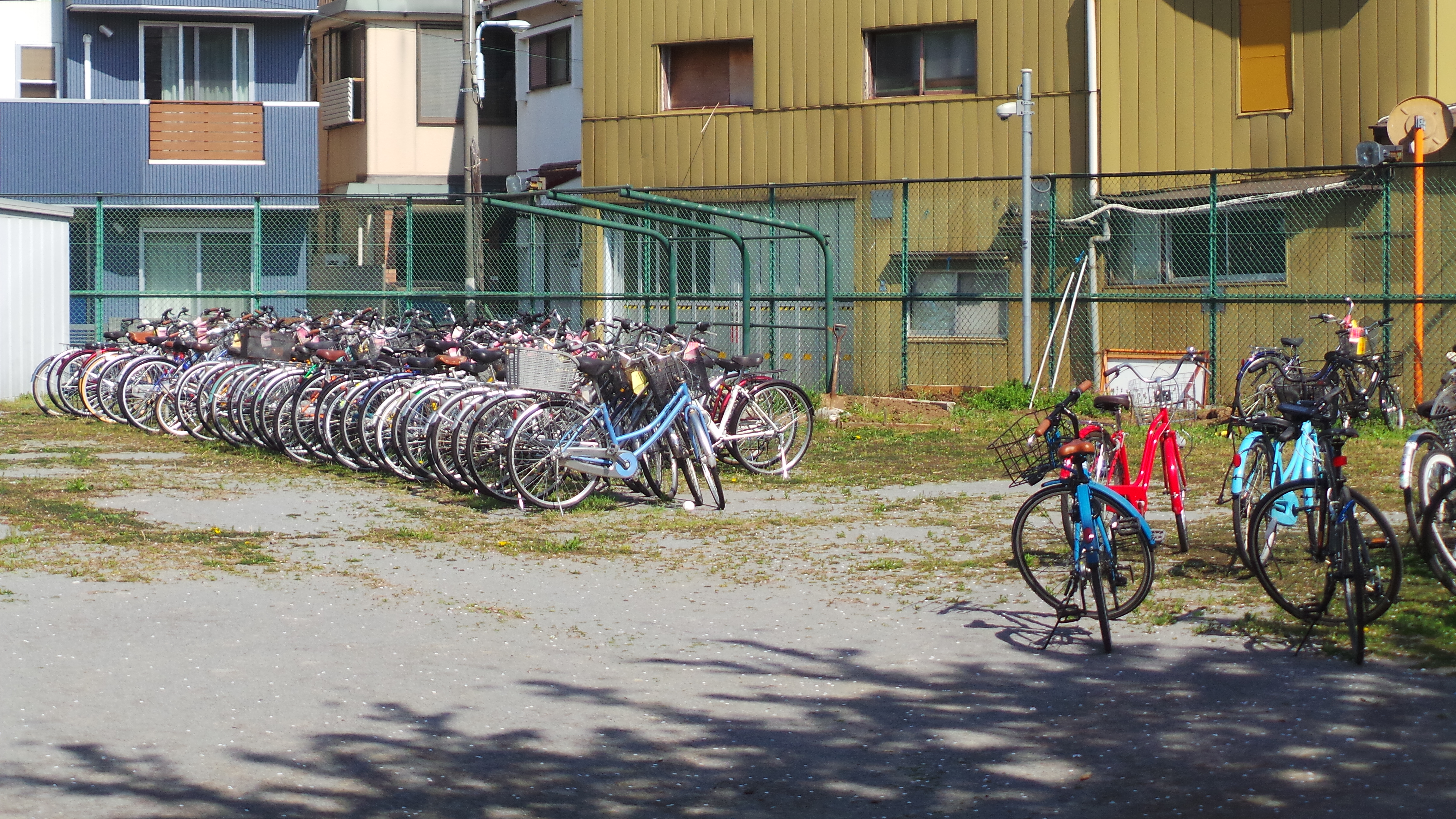
We decide, for whatever reason, to park our bikes in a zone where abandoned bicycles are collected and locked away. This fenced-off area charges a fine of ¥5000 to people who have left their bicycles illegally parked. After impounding our own bicycles, I worry that something might go wrong, and we too will have to pay the hefty fine when we return here later this afternoon. “Don’t worry about it,” says one of my friends, “we can just pretend that we don’t speak any Japanese, it’s no problem.”

illegalparking

We head through the cemetery, getting very lost in the process. The interesting thing about Yanaka Cemetery is that there are no bodies in the ground. Every grave here features a cremated corpse in an urn. Something about the blend of cherry blossom trees mixed in with the gravestones soothes me in a way that I can’t really describe. I really like this cemetery, and today is perhaps my tenth visit to this area since arriving in Japan.

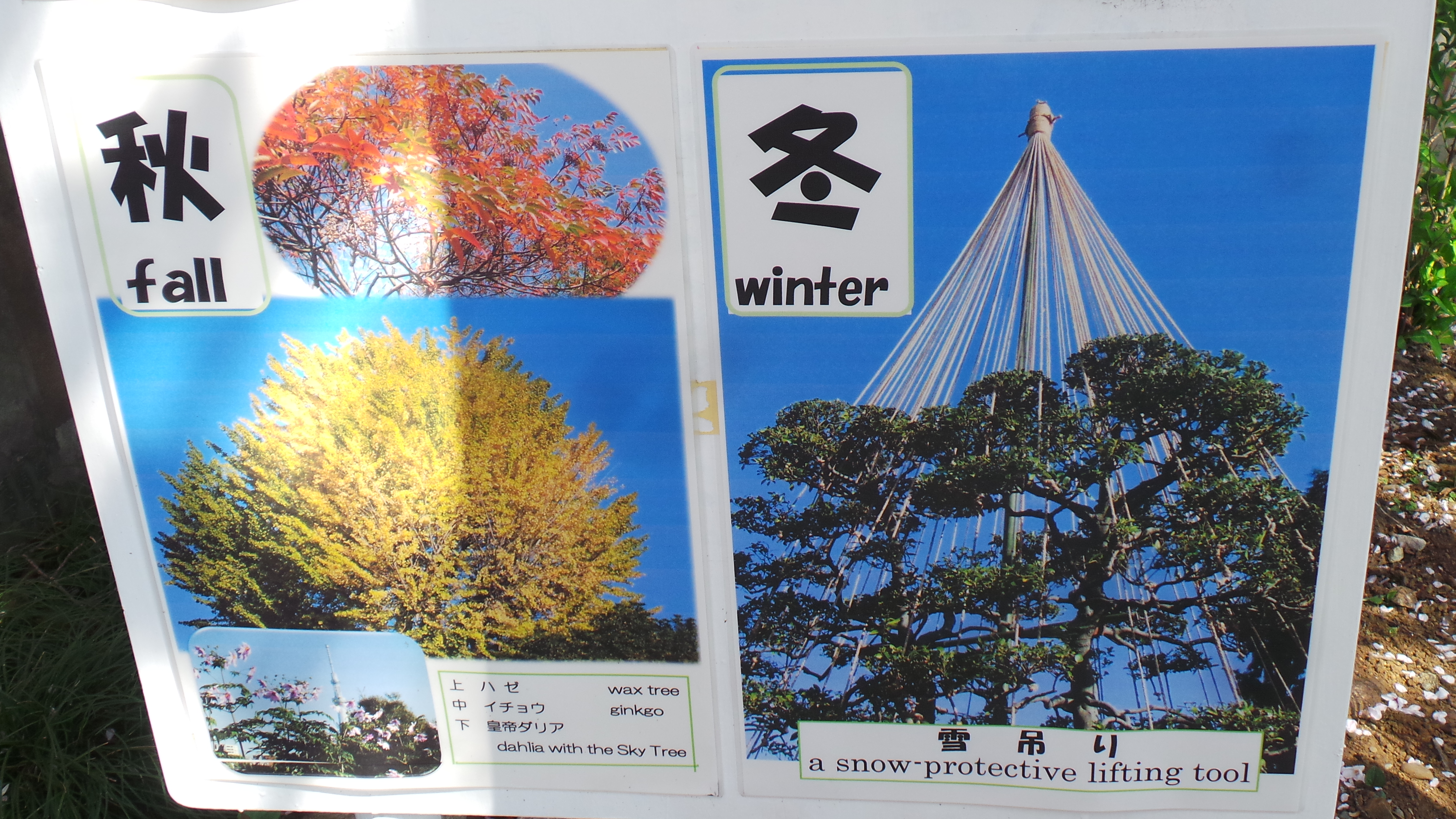
On the other side of the dead, there are some old houses and a street known as Cherry-blossom Avenue. I noticed a sign here a few months ago that displayed the four seasons of Yanaka Cemetery and various flowers. The section for winter was incomplete, but now, finding the sign, I can see that whoever is in charge here has finally updated the winter information, and it was worth the wait: a snow-protective lifting tool.

signcompleted

The photograph shows nothing resembling winter, and the sign is meant to depict the different flowers of each season (it doesn’t). I’m not certain if a snow-protective lifting tool is a genus of flowering plants or perhaps something more obscure; nevertheless, I am intrigued enough to make plans to return here next winter and investigate this peculiar seasonal tool.

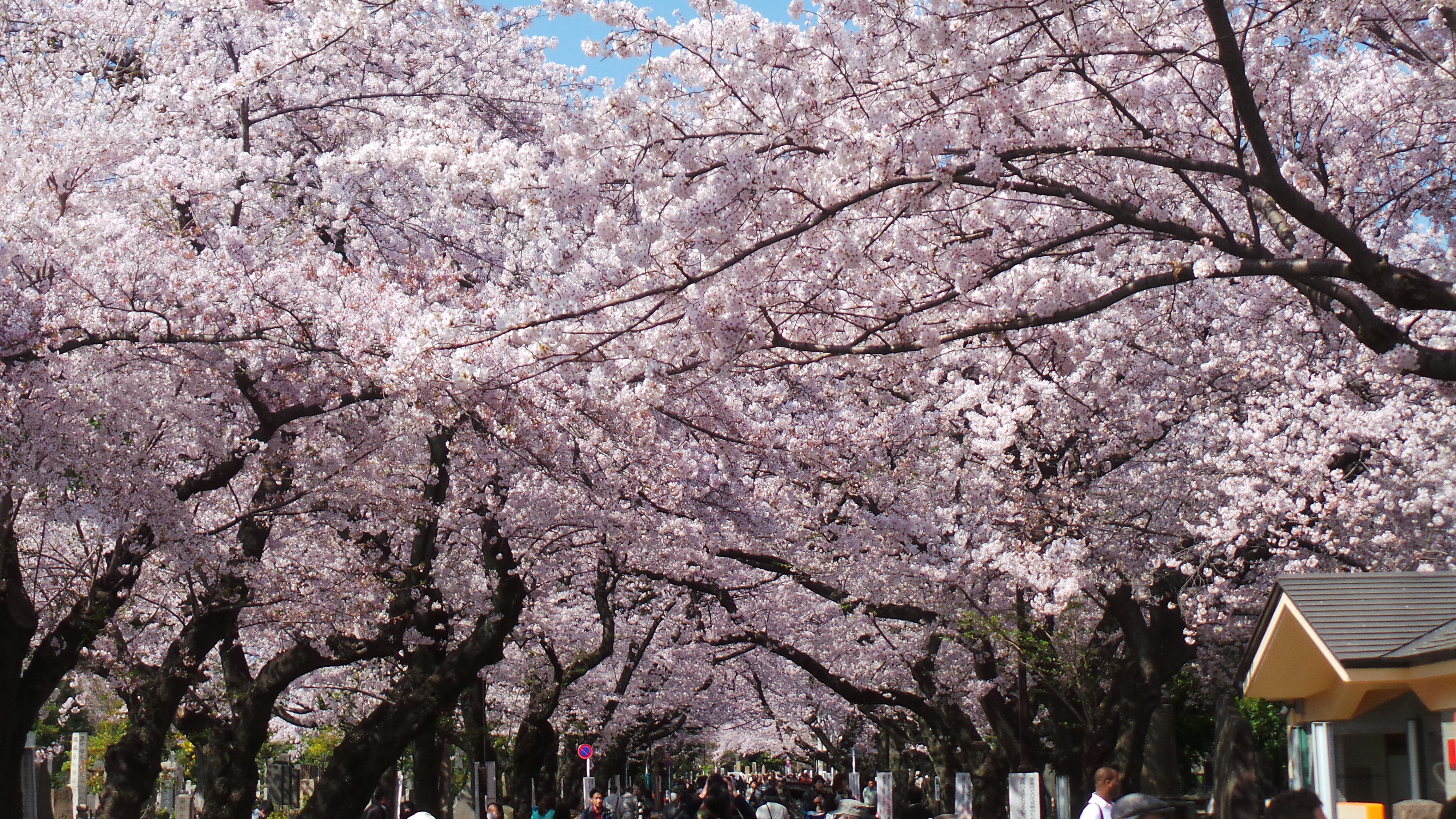
On Cherry-blossom Avenue, it is slightly more crowded than we had anticipated. Dozens of people meander the street, each side adorned with a wall of pink flowers arching over the tunnel-like path, creating an incredible sight. It’s unquestionably worth the visit, offering the most serene view of sakura I have seen so far. We continue our stroll on this lovely spring afternoon, relishing views under the canopy of blossoms.

sakuratunnel

On the other side of the street, we enter a very large temple. Tennoji Temple boasts a massive statue of Buddha and an ancient well that still functions today. One of my friends appears excessively excited about the well and immediately starts pumping water from the ground below. Apparently, the water has a metallic taste.

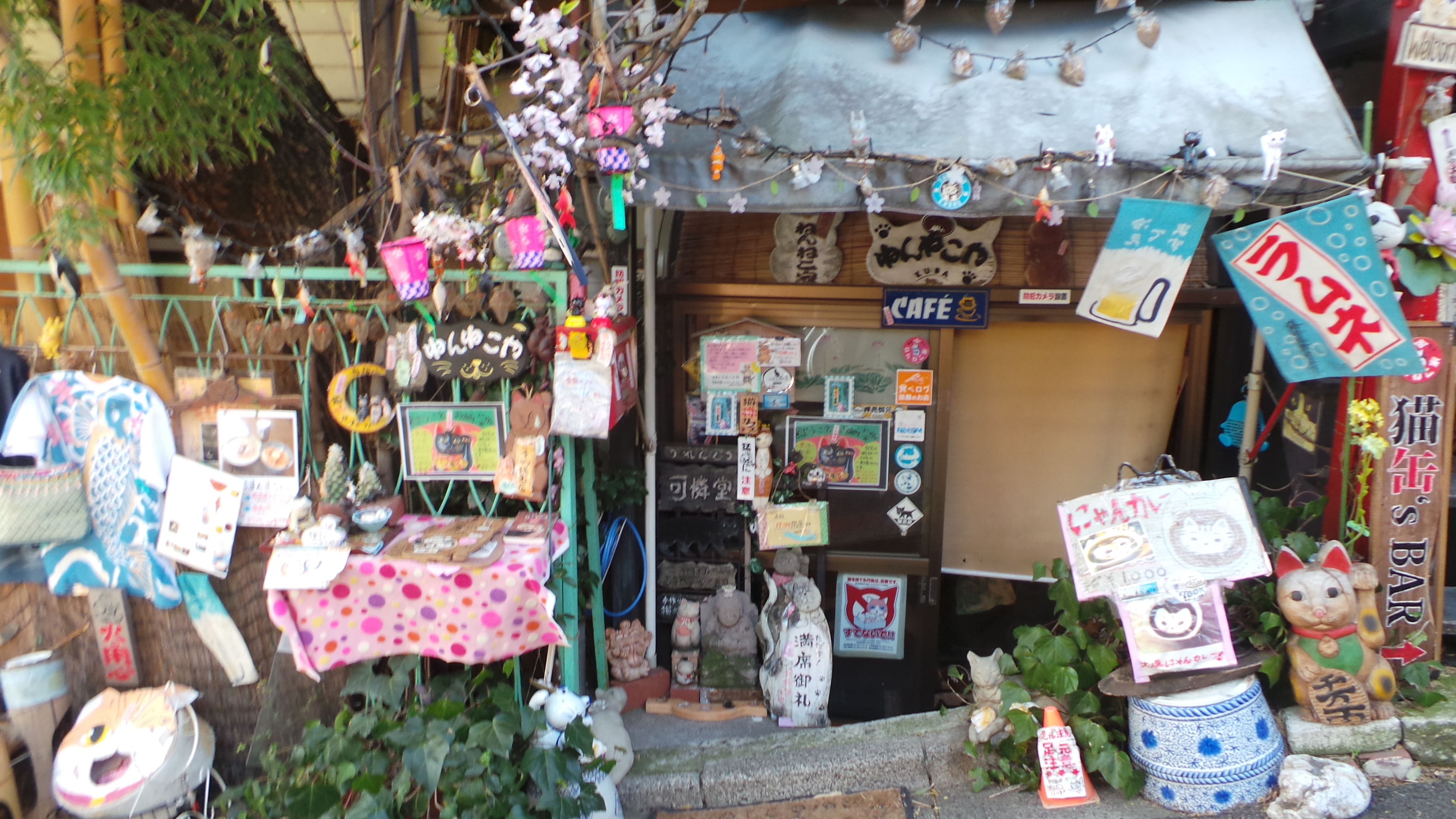
We leave the temple and the cherry blossoms behind us, heading down Yanaka Ginza Street. The market is an unusual bustle of crowds and tourists, drawn to the area for flower viewing and now wandering along this ancient street. Although tea houses, locally sourced products, and hand-made items are on sale, none of them capture our interest. In our quest for food, we stumble upon the knowledge that there’s a cat cafe nearby, and given our shared love for cats, we eagerly turn a corner and walk for ten minutes in a vague direction before finding a cafe adorned with cat paraphernalia. “Maybe this is the place?” I am told, with transparent obviousness.

catcafeagain

We wander into the deceptively small cafe and take a seat on the floor around a small table. Unlike the other cat cafe I have visited, this one doesn’t require us to pay any additional fee to eat with the cats. It feels more like someone’s living room than an actual cafe. Although the place is slightly pricey, perhaps the extra charge is used to subsidise the cost of cat food, care, and maintenance.

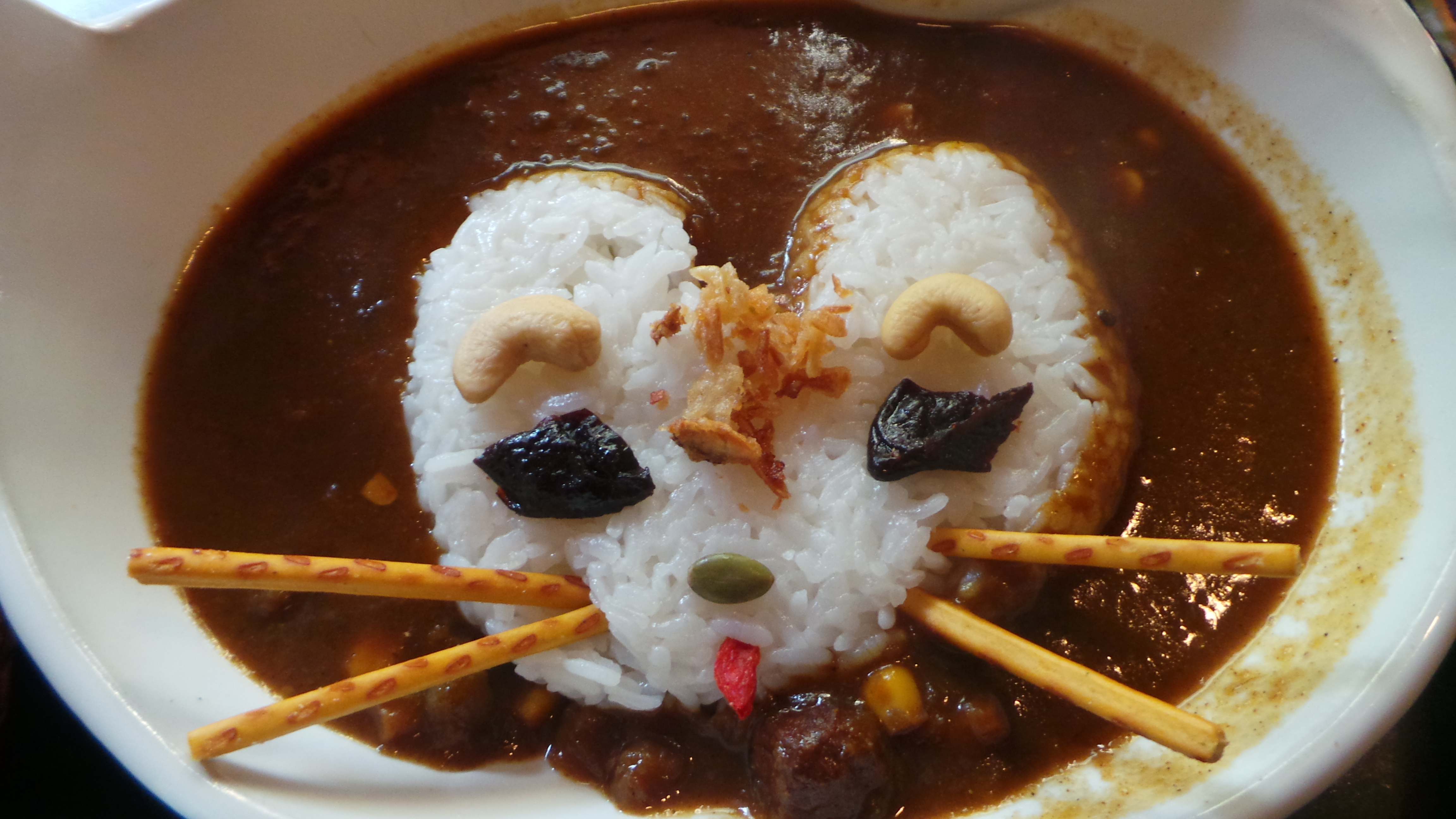
I order a vegetarian curry and wait. My friends, seemingly uninterested in real food, opt for a selection of cakes and sweets. As we sit and talk for a while, I completely forget that I am in the company of cats; perhaps the reason for this is that there is just a single cat here. Only one. Sleeping quietly under a heated table. Eventually, my food arrives, and a second cat appears from seemingly nowhere. Much to my surprise, my food looks nothing like any curry I have had before. Something is very different about it, and it takes me a while to realise exactly what it is.

catfoxcurry

As I dine on curry and rice shaped like a feline, or perhaps a fox, I begin to wonder if this is okay. Eating food in the shape of a cat, while surrounded by two actual cats, makes me feel very strange indeed. What would a cat think if it saw me eating one of its friends? Perhaps it would get angry, maybe even scratch at me. After finishing my curry, I attempt to pet the awake cat, but it runs away in fear, confirming my suspicions about eating cat-shaped food. The owner informs us that the manager of the cafe is, in fact, the sleeping cat. It makes me wonder if the cat even knows how to operate the antiquated till system (it doesn’t).

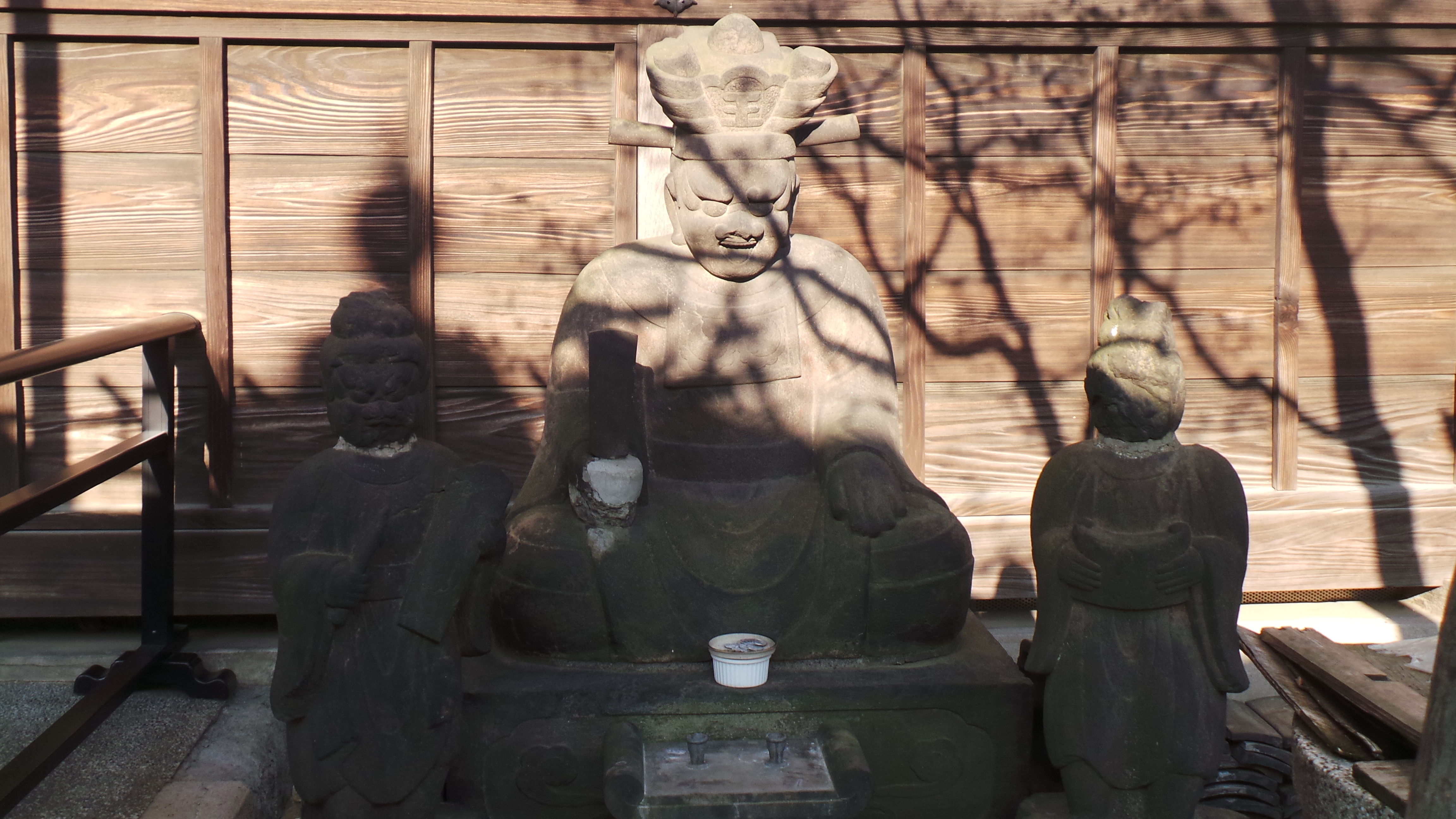
We set off in the direction of our bicycles, and along the way, we once again inadvertently stumble upon a temple. This particular temple houses the King of Hell, Enma-raja. The statue, carved from stone, depicts him with his servants sitting on either side. His servants are Shimyo and Shiroku, tasked with delivering the King’s judgment and recording it, respectively.

enma

It is believed that Enma-raja judges the conduct of the living and determines their destination after death. Rumour has it that if you tell a lie in front of the statue, the King of Hell will remove your tongue. Intrigued, I decide to test this out with a paradoxical statement, “You will cut out my tongue.” Nothing happens, indicating that I have told a lie, meaning the statue should cut out my tongue. But if it does, then I can’t have told a lie, and this creates a paradoxical loop. The logical conundrum continues endlessly. Eventually, the statue disintegrates in a quarrel of logic (it doesn’t).

It is quite fitting to find such a statue here, as the area of Yanaka is in the direction of the Ox Tiger, depicted with horns, sharp claws, and an evil demeanour. Because of this, it is considered an unlucky direction, and Yanaka shares the unfortunate possibility that it contains a demon gate—an invisible gate that leads directly to hell, known as a Kimon. Often, temples in Japan face the same direction as this Chinese zodiac symbol. This might explain why there are over thirty temples and shrines here, helping to purify the area and prevent an oni demon from showing up and killing everyone.

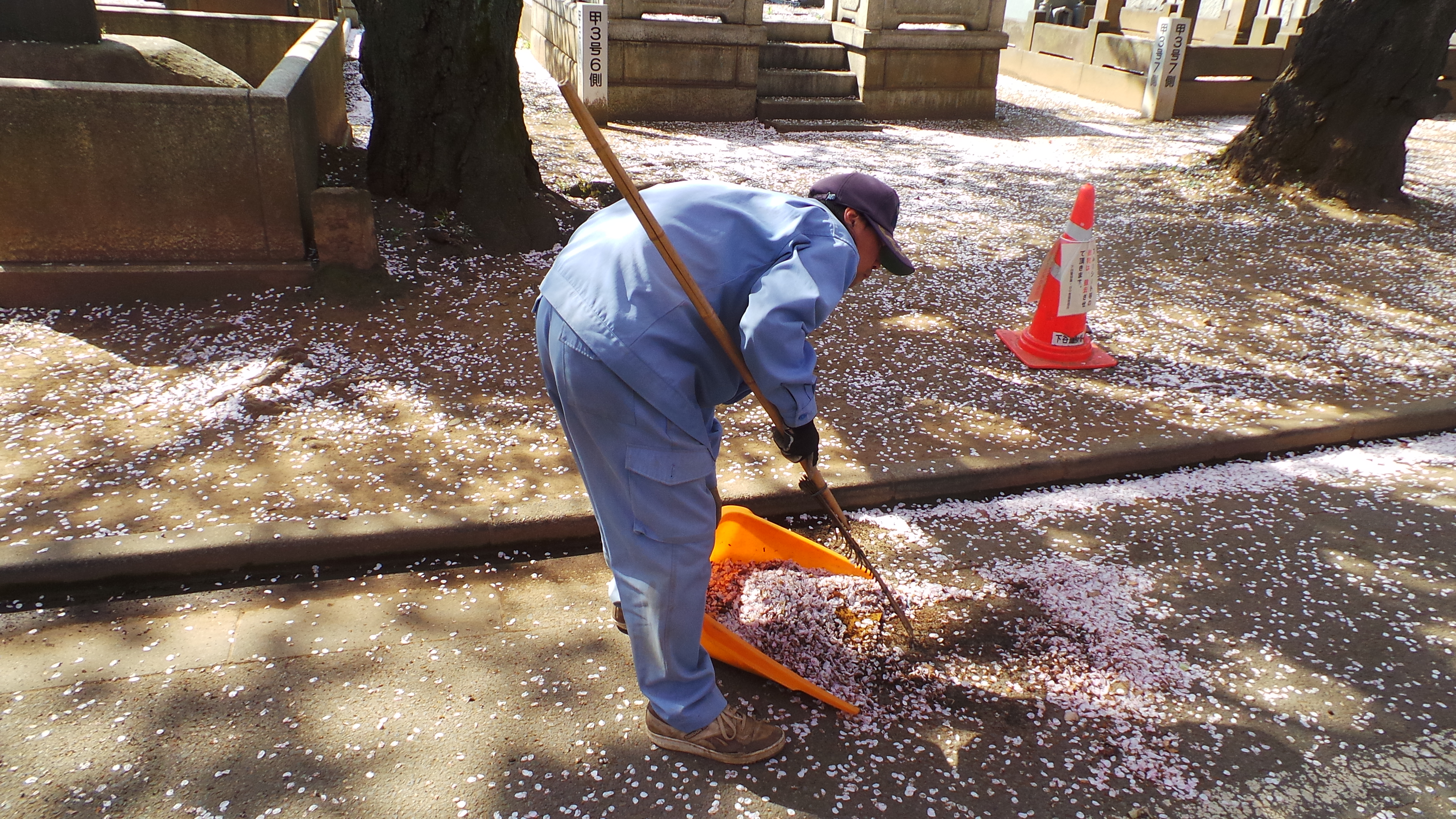
With death surrounding us, it is a pleasure to encounter something that brings a wry smile to my face. A man quietly sweeps up the fallen, dead petals of cherry blossom flowers that litter the floor. I watch eagerly as he sweeps. The area he cleans is instantly covered with petals within a minute of him finishing, and I fear for him; his job might be unavailing and endless.

foreversweeping

We eventually return to our bicycles, relieved to find them unharmed. However, a man looks confused as we stroll into the compound, unlock our bikes, and race toward the exit. Speaking in Japanese to one of my friends, he seems suspicious about our actions. “Next time, you should kindly ask for permission first,” is all he says. Fortunately, he doesn’t impose any penalties or cause any problems. As we cycle away from the cemetery towards Asakusa, it appears I had nothing to worry about, except perhaps for the sudden sharp pain that starts to shoot through my tongue.