Marriage on the Rocks

As the dawn breaks, I set out for Himeji, Hyogo Prefecture, my ultimate destination: a resplendent castle, the most visited in all of Japan and a UNESCO World Heritage Site. I had previously visited this castle back in 2012, but the main building was undergoing maintenance work at the time, and I was unable to catch a glimpse of its splendour. Instead, the cladding around the castle featured an image of its future state, once the five-year renovation of its roof and walls was finally complete. Today, I get to finally see the future for myself.

Leaving Himeji Station, I stroll along Otemae Street, a kilometre-long street running between the station and the castle. This charming street is lined with shops and restaurants, and the trees are neatly arranged on either side, their branches reaching skyward in a wild, untamed fashion. The empty roads are absent of cars, providing an unobstructed view of Himeji Castle, which rests atop a distant hill like a sentinel of the past.
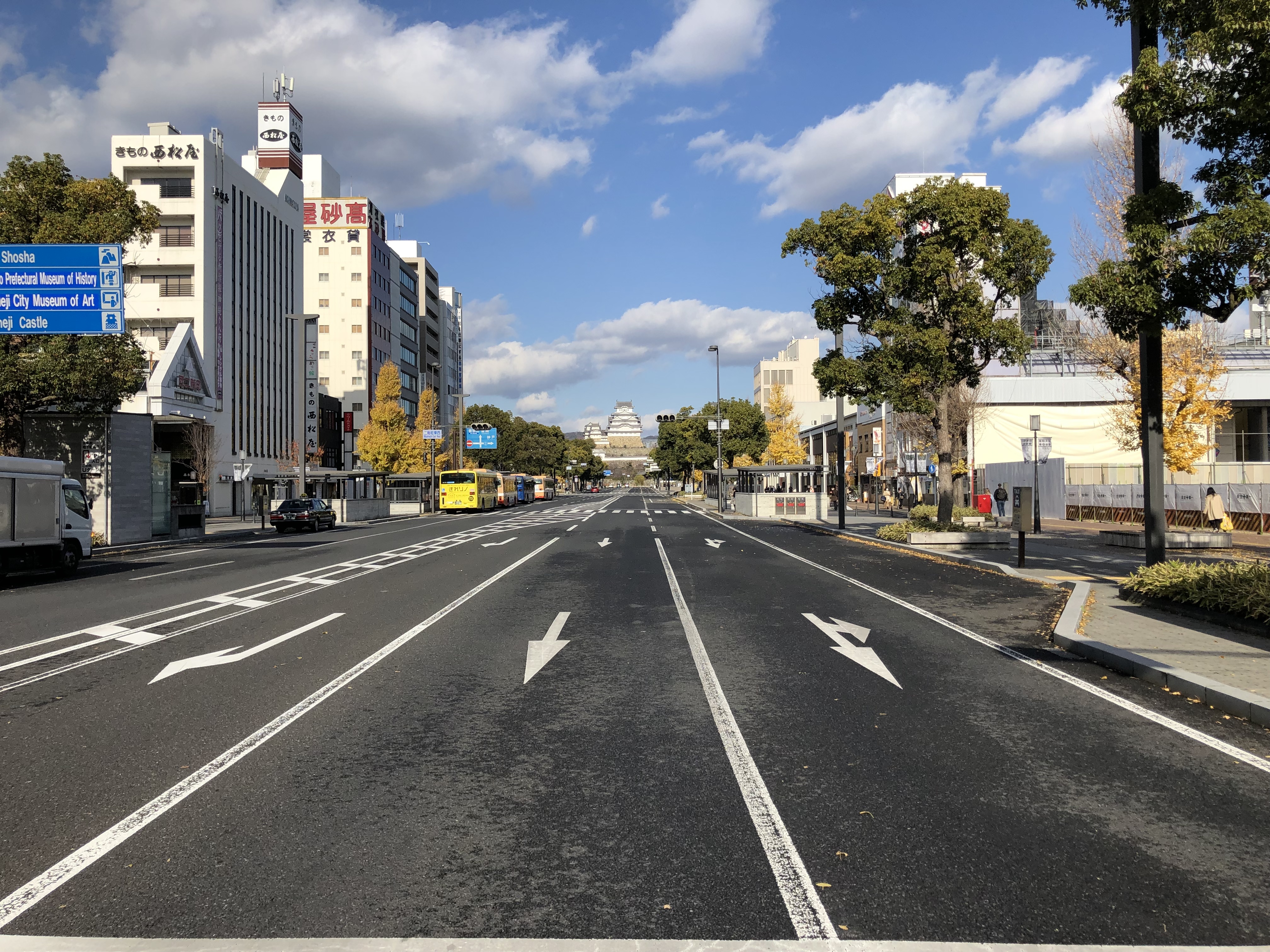
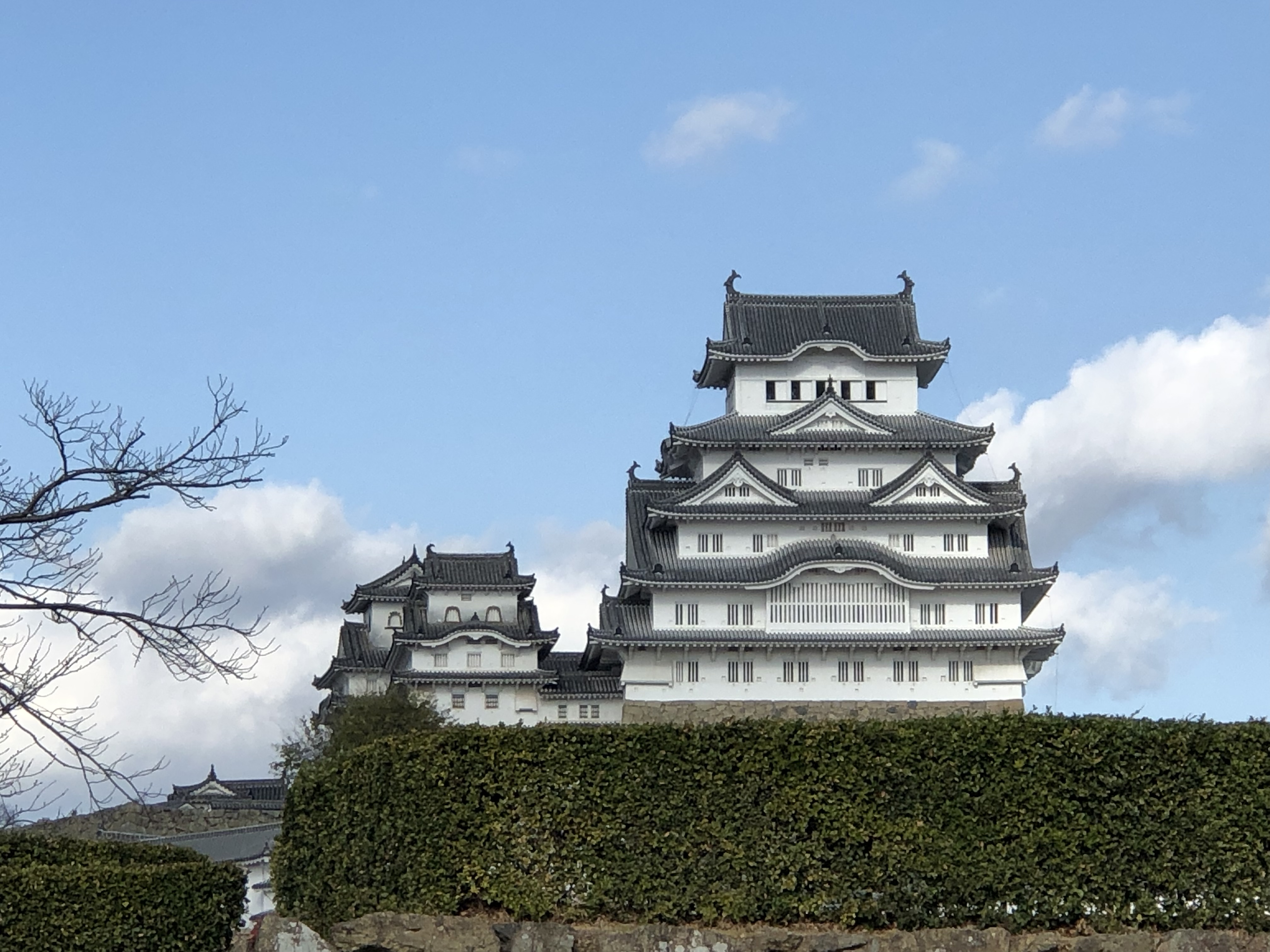
Himeji Castle has earned itself the nickname “White Heron Castle,” due to its supposed resemblance to a bird taking flight, and because it is strikingly white. For the last 400 years, Himeji Castle has survived bombing during World War II and a multitude of devastating earthquakes and typhoons. It remains one of Japan’s best examples of 17th-century castle architecture.

The castle and its sprawling network of 83 buildings and gardens stretch across a vast expanse of 233 hectares. Even though I have visited before, the sheer size of the castle, along with the impeccably maintained grounds and gardens, is nothing short of breathtaking. It is a veritable kingdom of history and beauty, a realm that leaves one feeling utterly overwhelmed by its grandeur.
I bid farewell to the castle and embark on a journey by train to Osaka. From there, I transfer to a local line train bound for Ise City, Mie Prefecture. My journey is a long and tedious one, with my train halting at each of the 73 stations along the way, incurring a hefty cost and consuming three gruelling hours. At almost every station, the train is met with silence, as not a soul disembarks or boards. It is a complete waste of time. Halfway into my journey, the train is severed in two, and I am moved to the front carriages by the staff. As my truncated train pulls away, the express train bound for Ise City arrives at the platform, leaving me to rue my misfortune and wonder why this was not disclosed to me earlier.

At last, I arrive at Ise Station, where I must transfer to a local line that operates on a limited schedule, running just once an hour. This train will bring me closer to my ultimate destination. Time is of the essence as I have only six minutes to make the switch, but as if to mock my efforts, my ticket gets swallowed up by the ticket machine at the transfer gate. A loud, flashing red notification blares out the ominous words: ‘Ticket jam! Ticket jam!’ It seems that my luck has taken a turn for the worse.
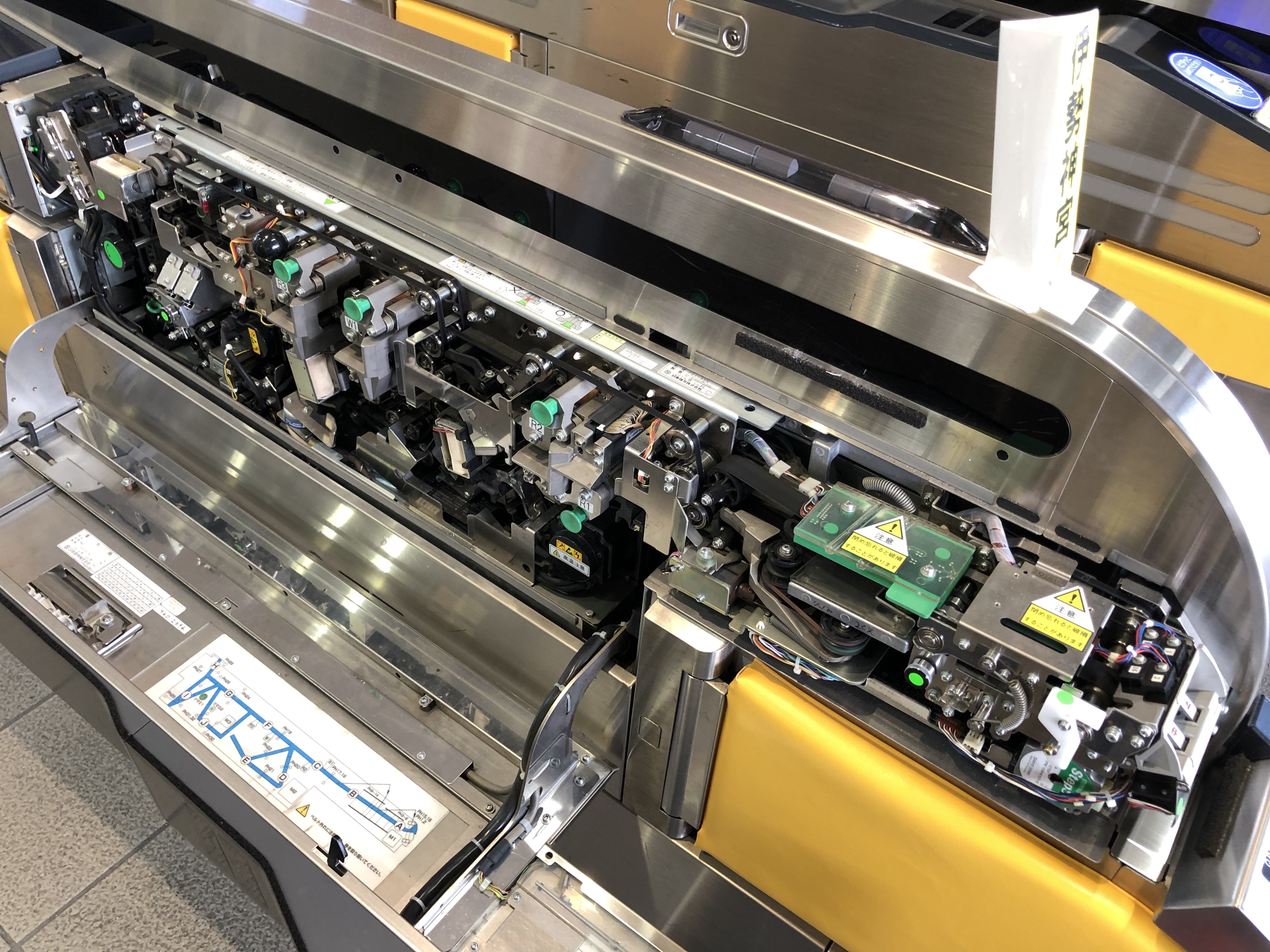
The staff member takes an age going through each and every intricate mechanism within the machine with a pair of tweezers, trying to find my lost ticket. He won’t wave me through because he can’t confirm that I have paid up to this station, I am stuck waiting for what feels like an eternity, and just as time seems to stand still, I miss my connecting train. After about ten minutes, I receive my ticket and the only solace I take is the fact that I got to see the immense inner workings of a Japanese ticket machine.

With no train for the next hour, I opt to walk the roughly eight kilometres to my destination, braving the ghostly chill in the air as I cross the Isuzu River. Eventually, I arrive at a place known by three different names: Futamiokitama Shrine, Meoto-iwa, and the Wedded Rocks. The rocks sit placidly in the water, with the small torii gate perched atop the larger rock like a crown. The gentle waves of Ise Bay add to the serene atmosphere of the scene.
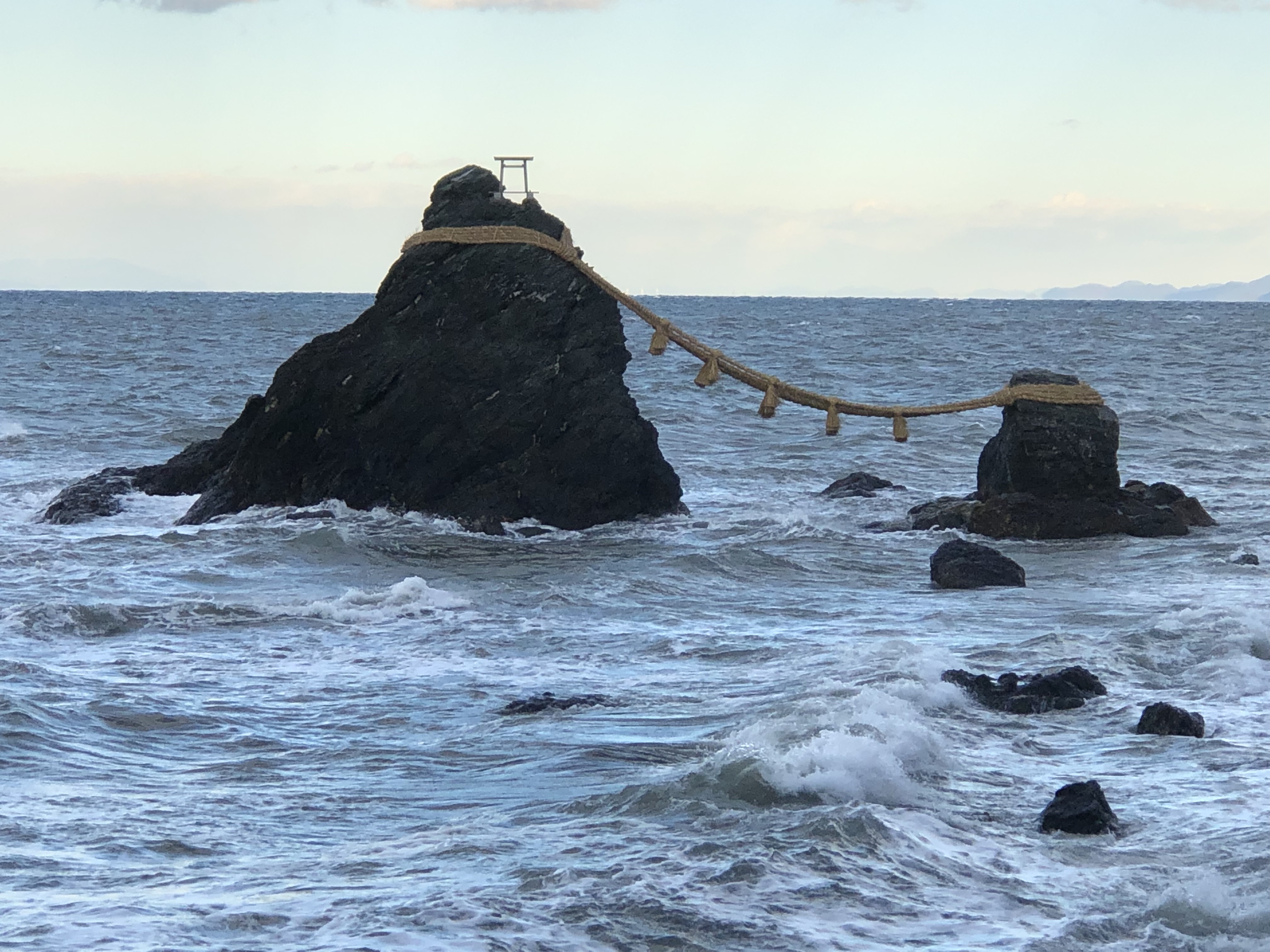
The larger of the two rocks is said to represent the husband, while the smaller rock represents the wife. These two rocks are connected by a massive, thick rope, which, according to Shintoism, symbolises the unity of marriage between the two most important gods in Japanese mythology, Izanagi and Izanami. On a clear day, one can see the majestic Mount Fuji on the distant horizon, its frosted peaks a breathtaking sight above the graceful rocks below. However, my luck continues to abandon me as Mount Fuji is nowhere to be seen today. Perhaps I’ll see it later.

Seemingly unrelated to the story of Meoto-iwa, I also notice that sculptures of frogs are incredibly popular here – in fact, they seem to be absolutely everywhere!
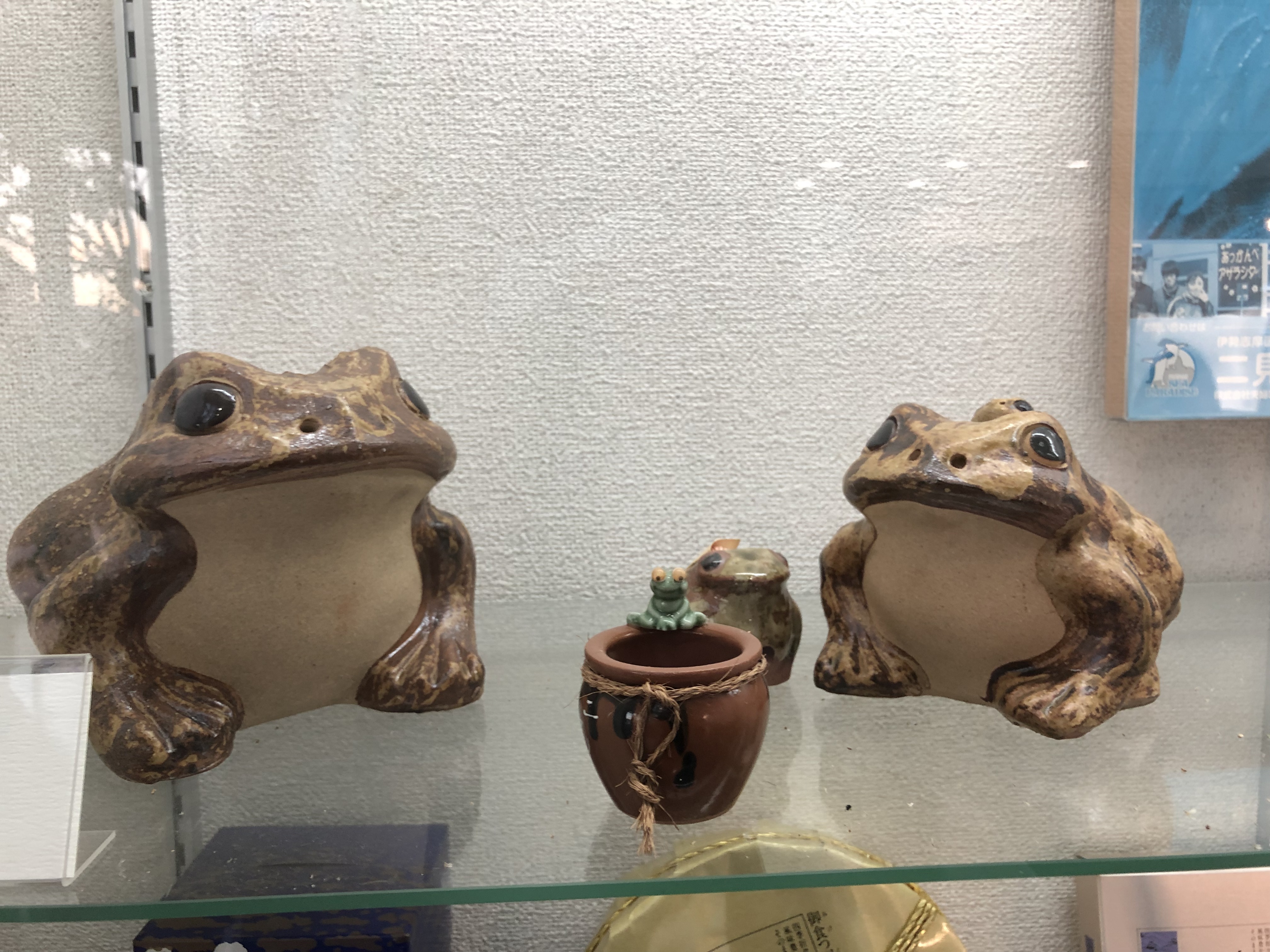
The frogs here are a rarity, believed to have the power to grant specific wishes – particularly those related to returning home or recovering lost items. The Japanese word for ‘return’ or ‘go home’ is ‘kaeru’, which also happens to be the word for ‘frog’. It seems the presence of all these frog statues is simply because of a play on words. If only I had had one at the station with my lost ticket.

After all of my recent travels, I am completely exhausted and decide to take a break in Tokyo to reconnect with some old friends and participate in the New Year’s celebrations. I board a slow local train heading north to Nagoya, before switching to the high-speed bullet train bound for Tokyo.
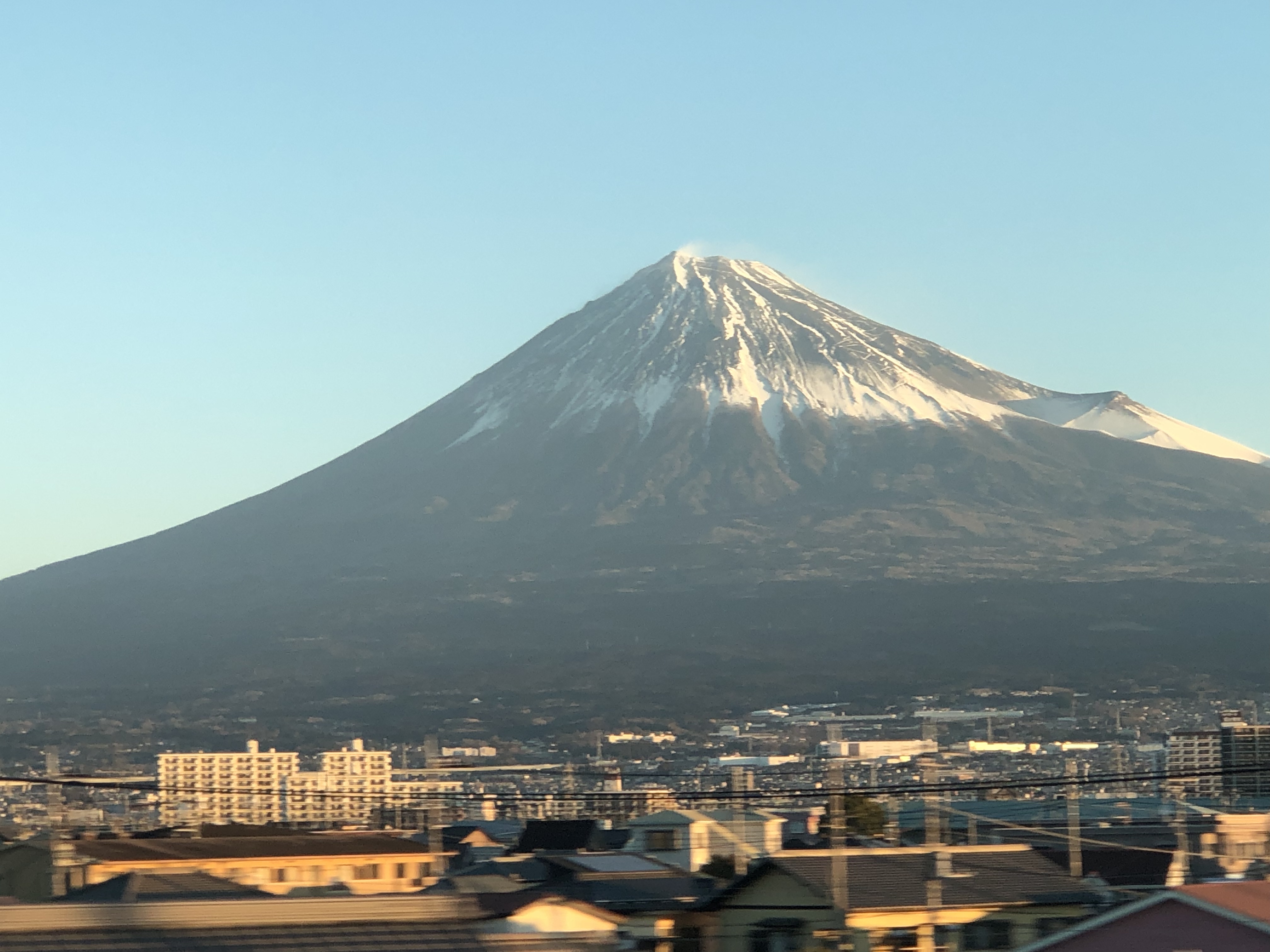
From the train, the graceful, snow-capped beauty of Mount Fuji greets me.
Walking in a Weird Wonderland

Today I’m at Huis Ten Bosch, Nagasaki Prefecture. This Netherlands themed park features life-size replicas of Dutch architecture. Opened in March 1992, this crazy theme park of 152 hectares makes it the biggest in Japan. It initially cost 3 billion dollars to build. It appears the original owners were a little wasteful with their money, especially when a solid 18-karat gold hot tub was purchased for a little over 7 million dollars; the largest solid gold hot tub in the world. The price to take a soak in the solid gold bath was just twenty dollars an hour, and taking into account the opening times of the theme park, by my calculation it would take 95 years of constant use to recoup the initial cost. This probably goes somewhere to explain why Huis Ten Bosch went bankrupt in 2003.

Regardless, the park is open again now under new ownership. I cross a rather long bridge leading into the park, the lampposts here are playing Christmas songs, It’s the Most Wonderful Time of the Year. At the entrance I pay my ¥7000 entrance fee, and make note of a sign saying no dogs allowed.

Huis Ten Bosch translates to mean House in the Woods and it even has its own Wikipedia page. I take out my map and instantly search for Thriller City, an area of the park I’ve previously read about and am excited to see, however, my map makes no mention of this terrifying zone, which was based on a Michael Jackson music video; it appears Thriller City has been removed and replaced by Fantasia City of Lights.

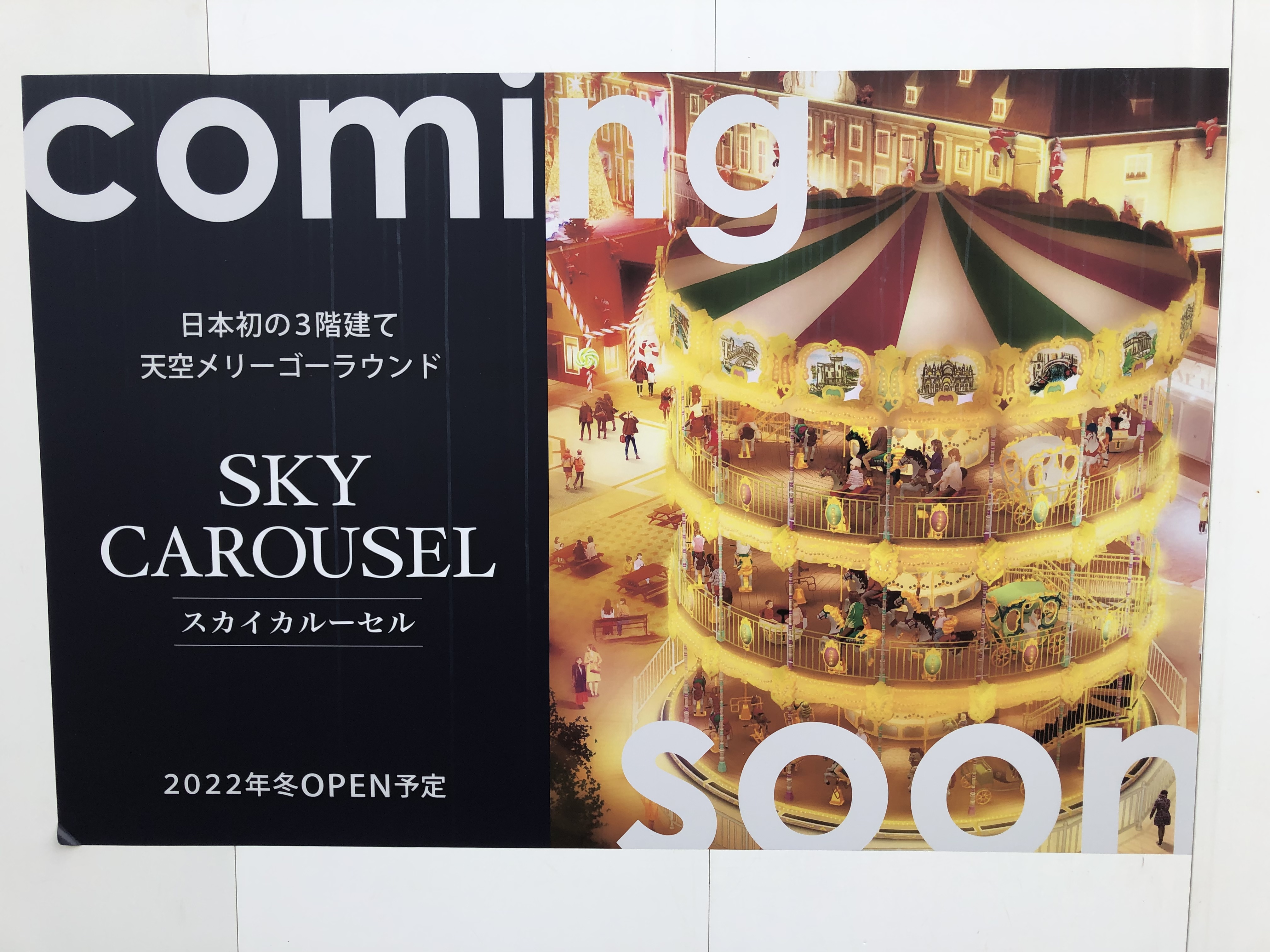
There is a second attraction I had wanted to see, the first 3-storey carousel in the world. The Huis Ten Bosch website stated that the Sky Carousel will be ready from November 11th, so I head over to Attraction Town section D-6 only to find that it’s still under construction, and by the looks of it, it won’t even be ready in time for Christmas; the labourers here still working on the first of its many storeys.

With all the things I had planned to see today not available, I decide to freely explore the park with no direction or cause. I pass gondolas floating down the many canals. Statues of Santa Claus and Christmas songs around every corner. On Van Gogh Street, a live band dressed as Christmas elves perform cover versions of the music of Elvis Presley.

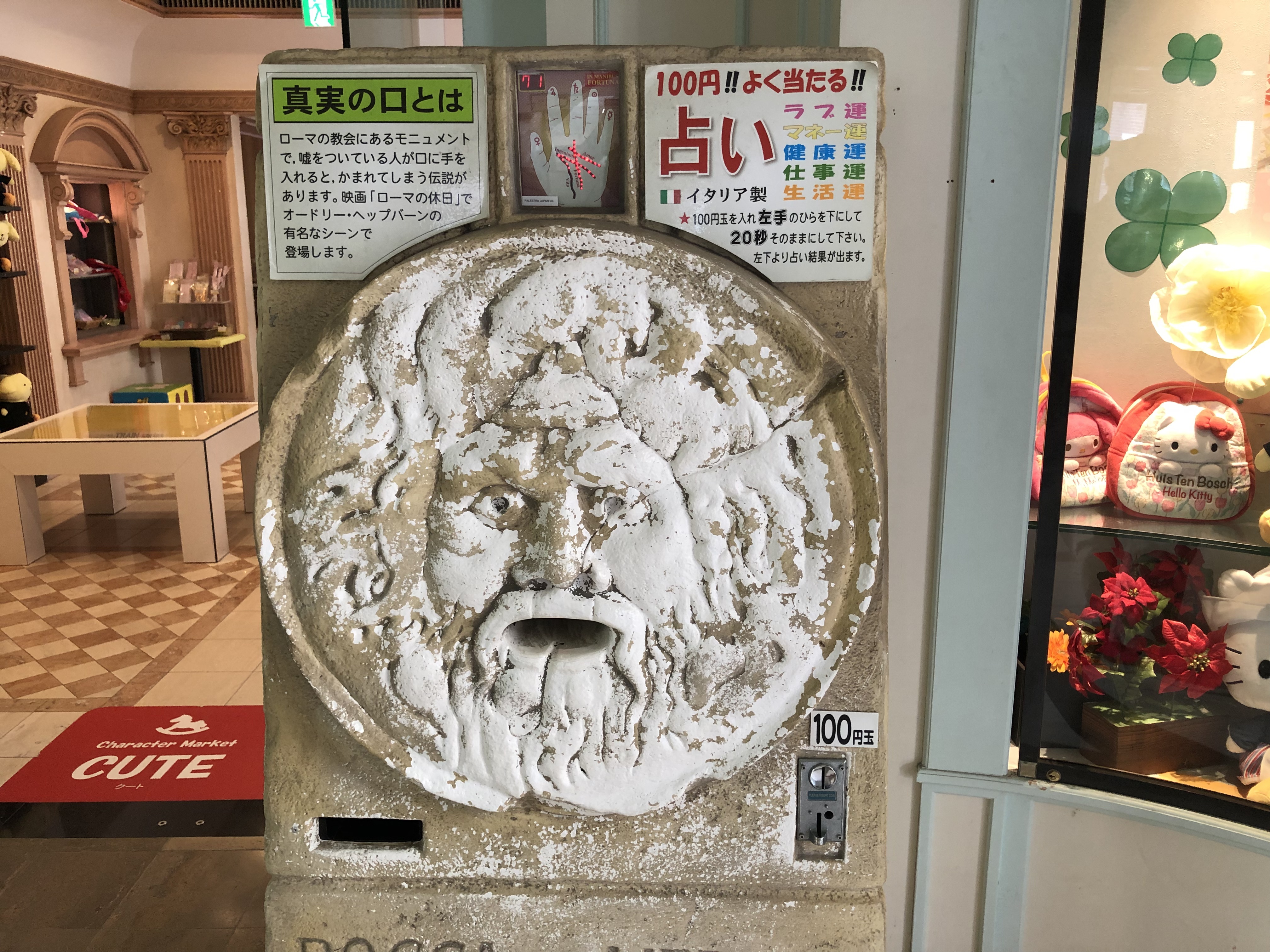
Over on Rembrandt Street, I find a marble mask that turns out to be a replica of the La Bocca della Verità, and that for ¥100 can give me a palm reading. Well as they say, when in Rome, but I’m not, and everything here so far has nothing to do with the Netherlands. The part of the statue that reads my palm is quite small, and I struggle to fit my whole hand on the screen. My reading tells me that I need to be less sardonic, and some other nonsense.

I continue to wander the park, passing a replica of Stadhuis, a building that might be a Dutch word meaning ‘City Hall’ but the building replicated here is actually found in Bruges, Belgium. I have to show my entrance ticket to enter Harbour Town, and again to enter Huis Ten Bosch Palace; it makes me wonder how these people think I even entered the park in the first place.

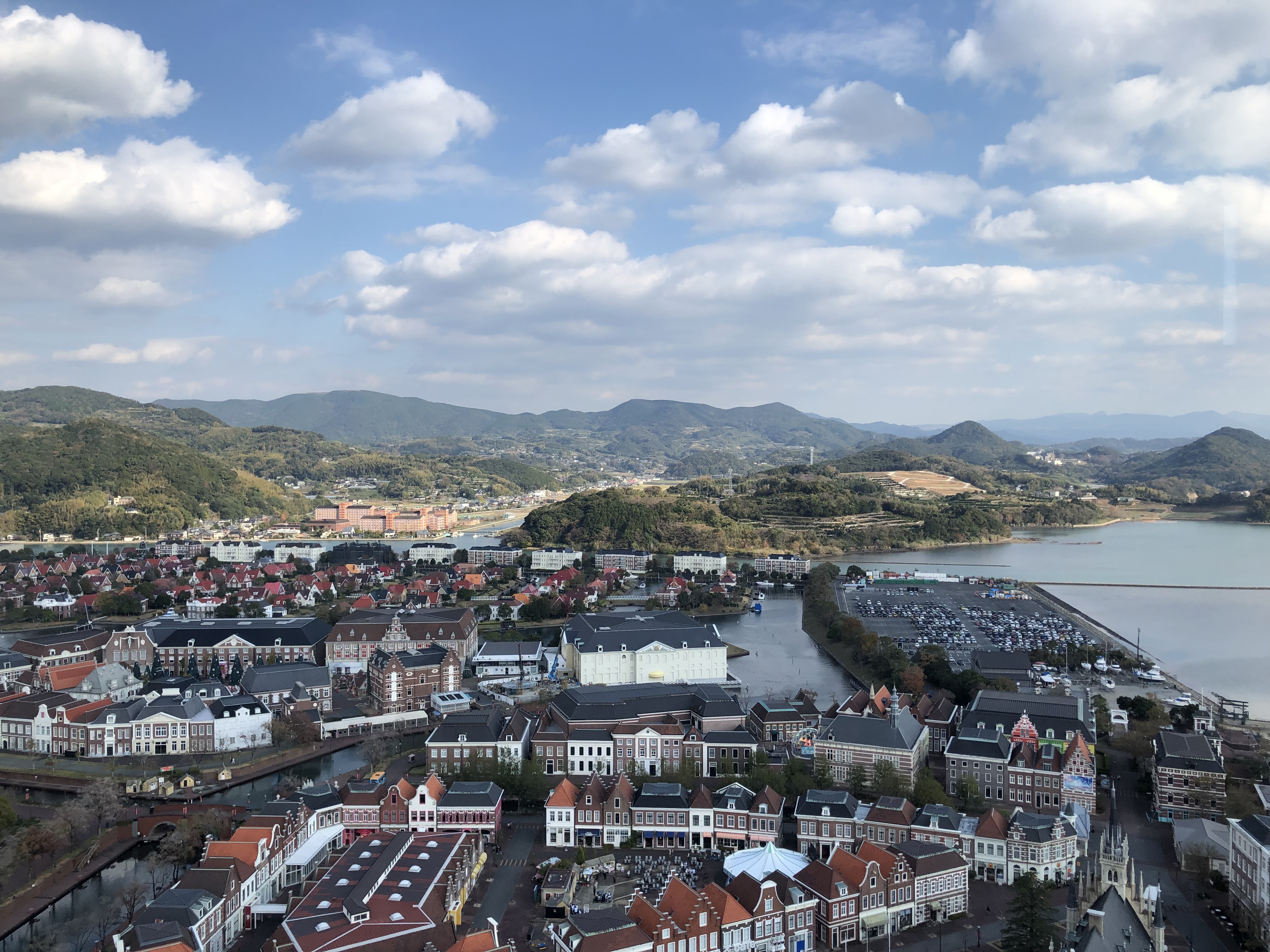
Huis Ten Bosch Palace is a replica of a palace with the same name, and I am relieved to find out is originally located in the Netherlands. I am told that it is a faithful recreation and I learn that even the bricks the Japanese used to create this building were flown in from Europe. After twice showing my ticket again to leave, I head over to yet another Dutch replica, Domtoren, a 105-metre tall tower with an observation deck.

As I continue to explore, I find even more things in this park that have absolutely nothing to do with Huis Ten Bosch, the whole place appears to be a mismatch of conflicting ideas. There is Jurassic Island, an augmented reality game but it isn’t included in the ticket price. There is a whole area dedicated to virtual reality. Horse Land. A shooting range with a fifty minute wait time. There is a chocolate mansion. A 300-metre long zipwire. There is even a trick-art museum.

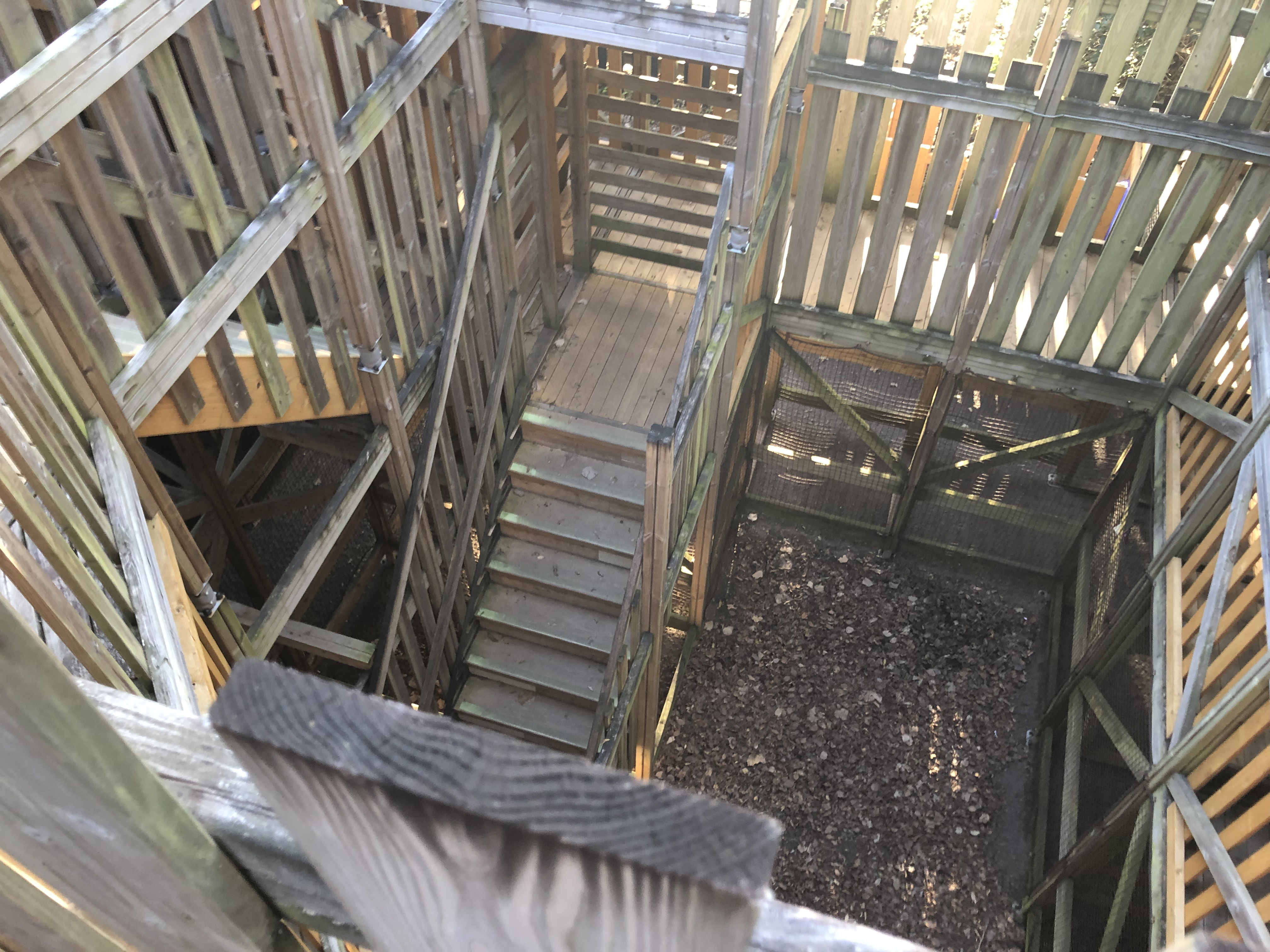
I check my map and find an attraction in Adventure Park called The Maze. The caption reads, “The biggest in the world! A huge maze inside a five-storey tree house.” The maze has a ninety kilogramme weight limit and a sign informs me that I can’t enter if I’ve been drinking. It doesn’t specify what I can’t have been drinking, I presume they mean alcohol, however, chance would be such a fine thing, as alcoholic beverages are impossible to find in this park.

The maze is rather easy and I think it’s mostly for children. I have to duck down beneath low hanging wooden beams and climb up narrow ladders and stairways. I somehow doubt the claim that it’s the largest maze in the world though, and after ten minutes of climbing up and down I reach the exit, a tunnel slide that goes from the fifth floor to the ground. Despite being reasonably below the weight limit, I can’t fit in the slide, so instead I have to follow signs for the ‘Surrendering Exit’ as there are no other ways for me to leave, thus meaning I have failed to complete the maze.

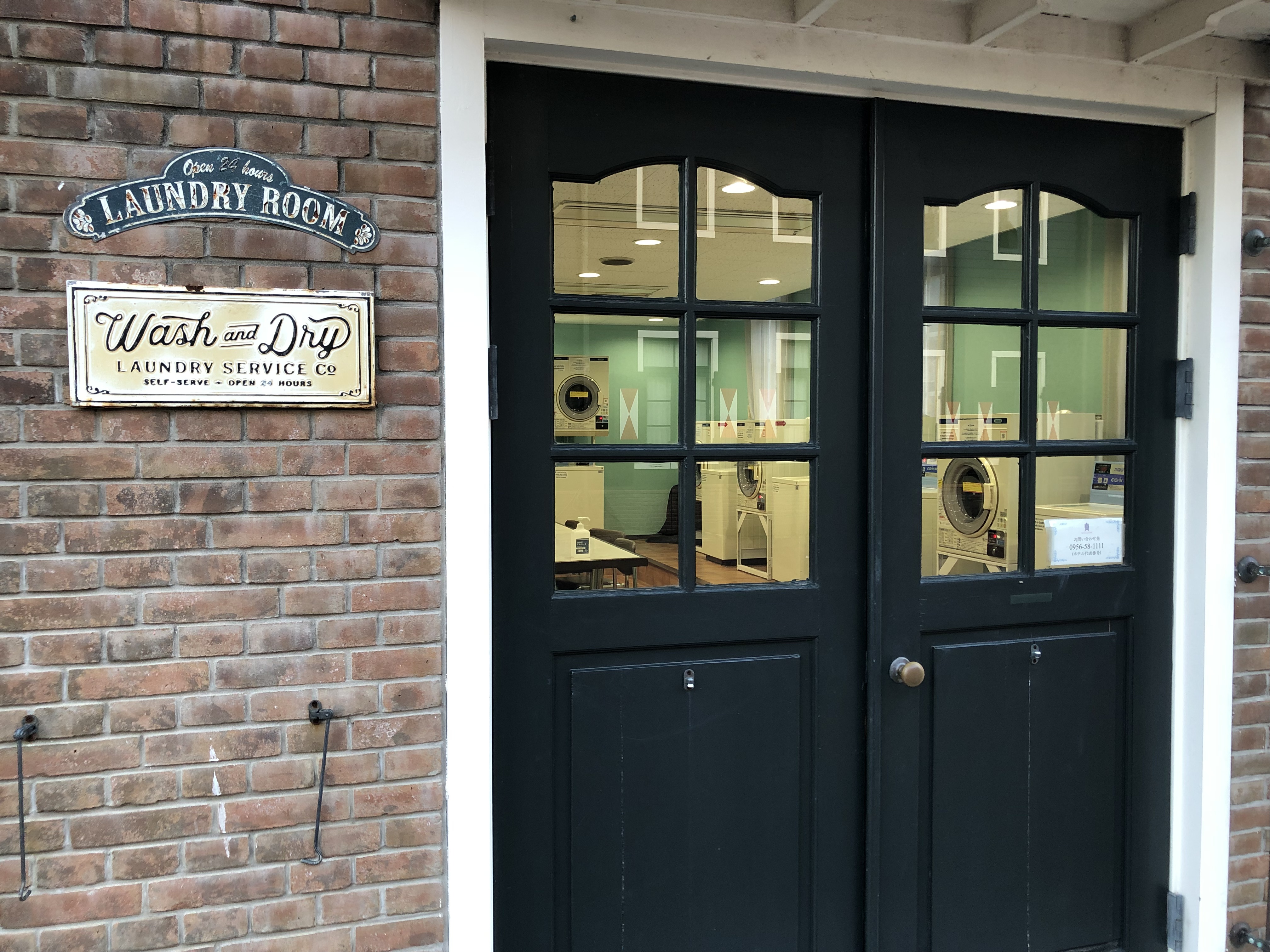
I wander a little more, exploring Fantasia City of Lights, but I’m saving that for a separate post. I consider riding the Ferris wheel, but there’s an extra charge so I decide not to bother. I pass small stalls selling cheeses and wines, decorated in fairly lights and miniature Christmas trees. I even find the most bizarre attraction of them all, a 24-hour coin laundry, in a theme park that closes at nine o’clock.

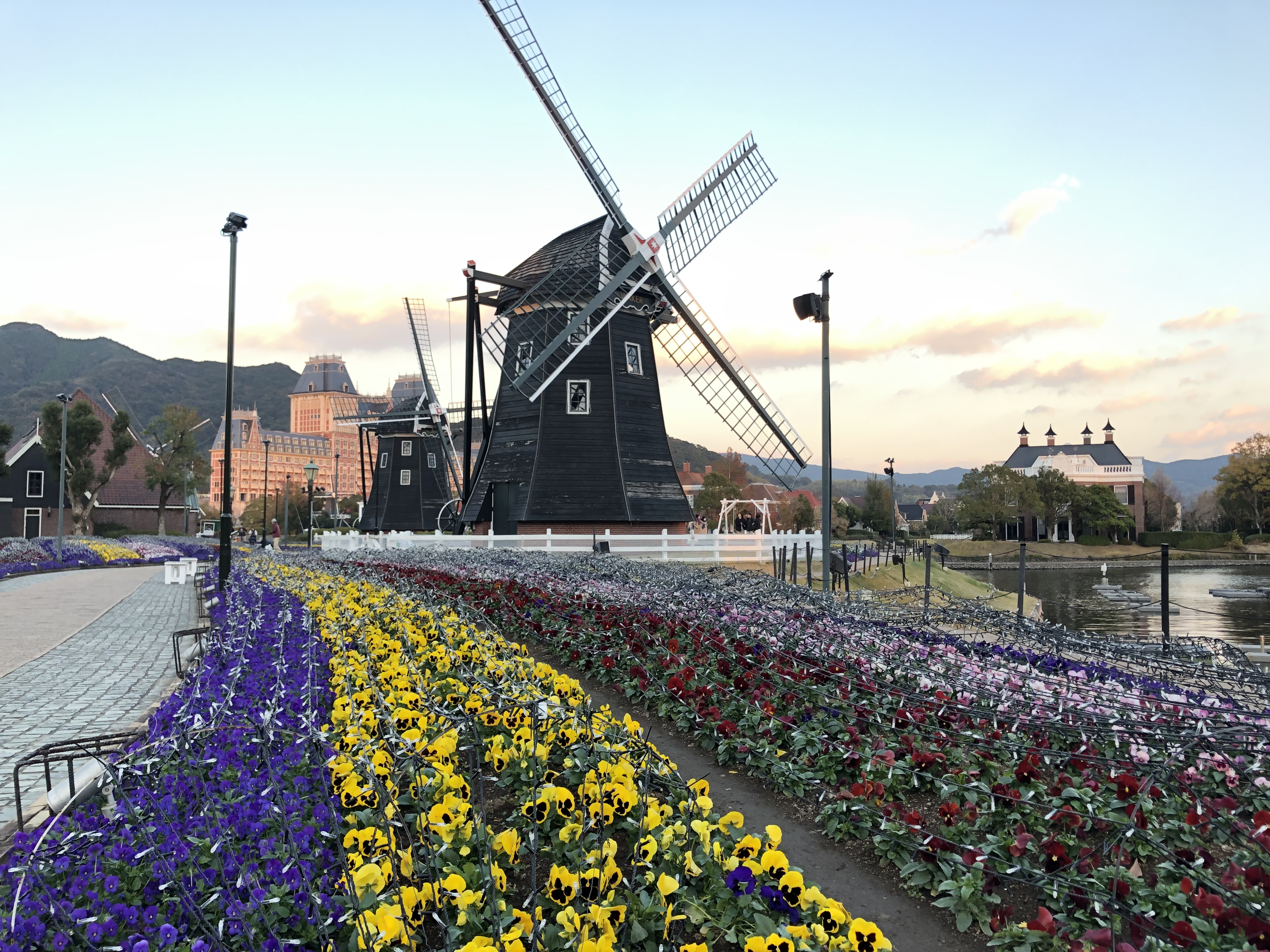
As it begins to get cold, I go to leave the park passing flowers and windmills; even the windmills here are playing Christmas songs. The route directs me into Schiphol Airport Terminal Gift Shop, I don’t buy anything. The very last shop before the exit is called ‘DogBox’ and is a dog grooming salon.

Drive My Car

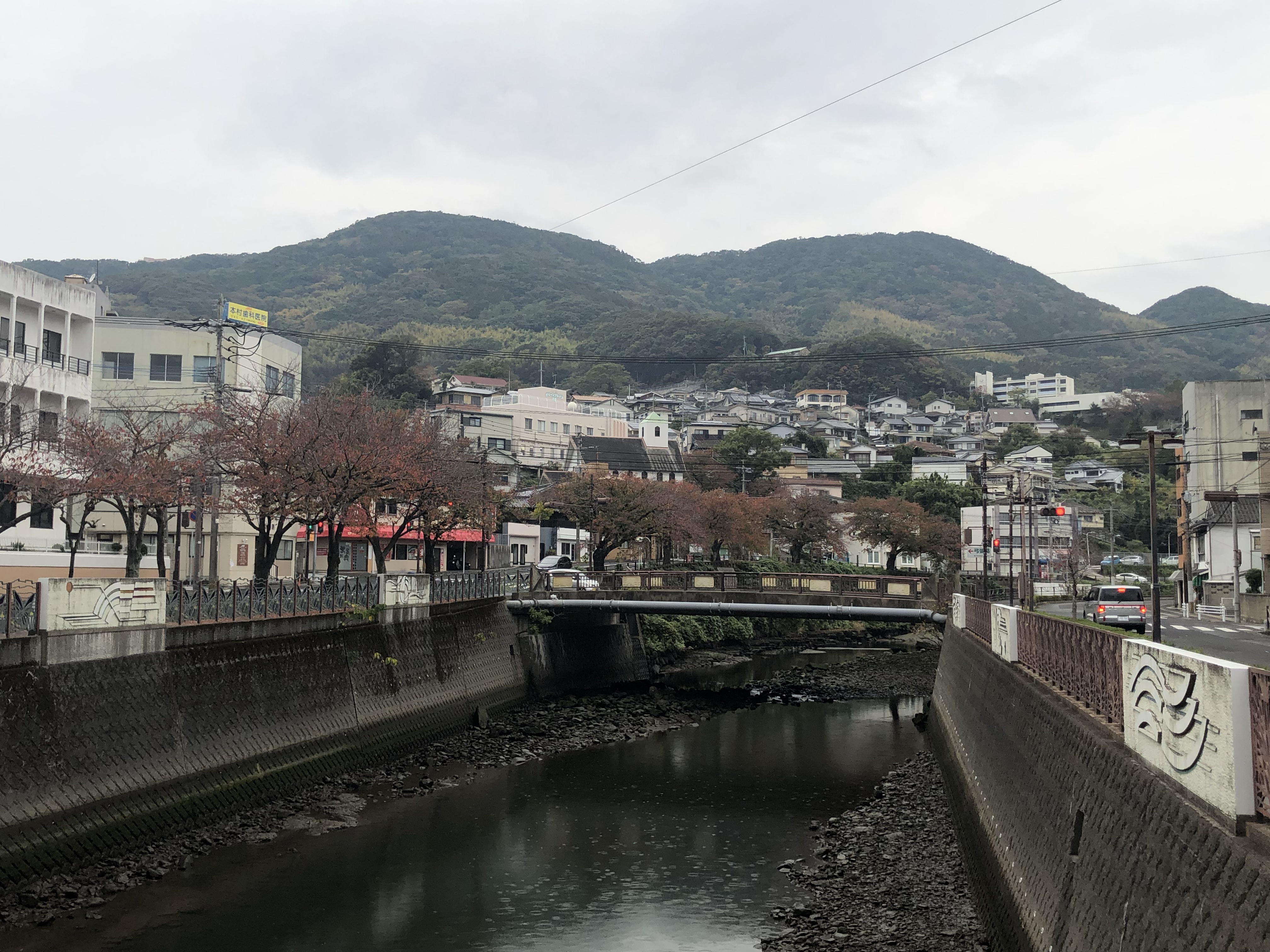
Today I’m in Sasebo, Nagasaki Prefecture, and there are mountains everywhere. I walk vaguely in the direction of Sasebo Yonkacho Shotengai, a shopping arcade so big that its kilometre-long length spans across seven different towns. It is actually the longest straight and continuous shopping arcade in Japan. Sasebo Tourist Information states: “The arcade is always crowded with shoppers. Some stores accept US dollars.”

As I begin to wander through the retro shopping arcade, I notice a complete lack of not just shoppers, but shops that are open. Everything here aside from stores like Seven Eleven and Family Mart are all but closed. The arcade boasts over 160 shops, including a multitude of restaurants, souvenir shops, clothing shops, as well as daily goods stores. This morning, however, shuttered down shops with no identity fill the margins of this shopping stretch. The shopping arcade does however offer free wireless Internet, and also offers a nice break from the low winter sun on what is a relatively warm winter morning.

At the other end of the arcade, Mount Yumiharidake hovers on the distant horizon.

As I further approach the mountain, a sign tells me that the summit is 3.4 kilometres away. Having just walked one kilometre through a shopping street with relative ease, I decide that this could be an enjoyable hike to the top. There is said to be an observation deck at the peak which offers some of the best views of Sasebo and its surrounding nature, so, off I go.

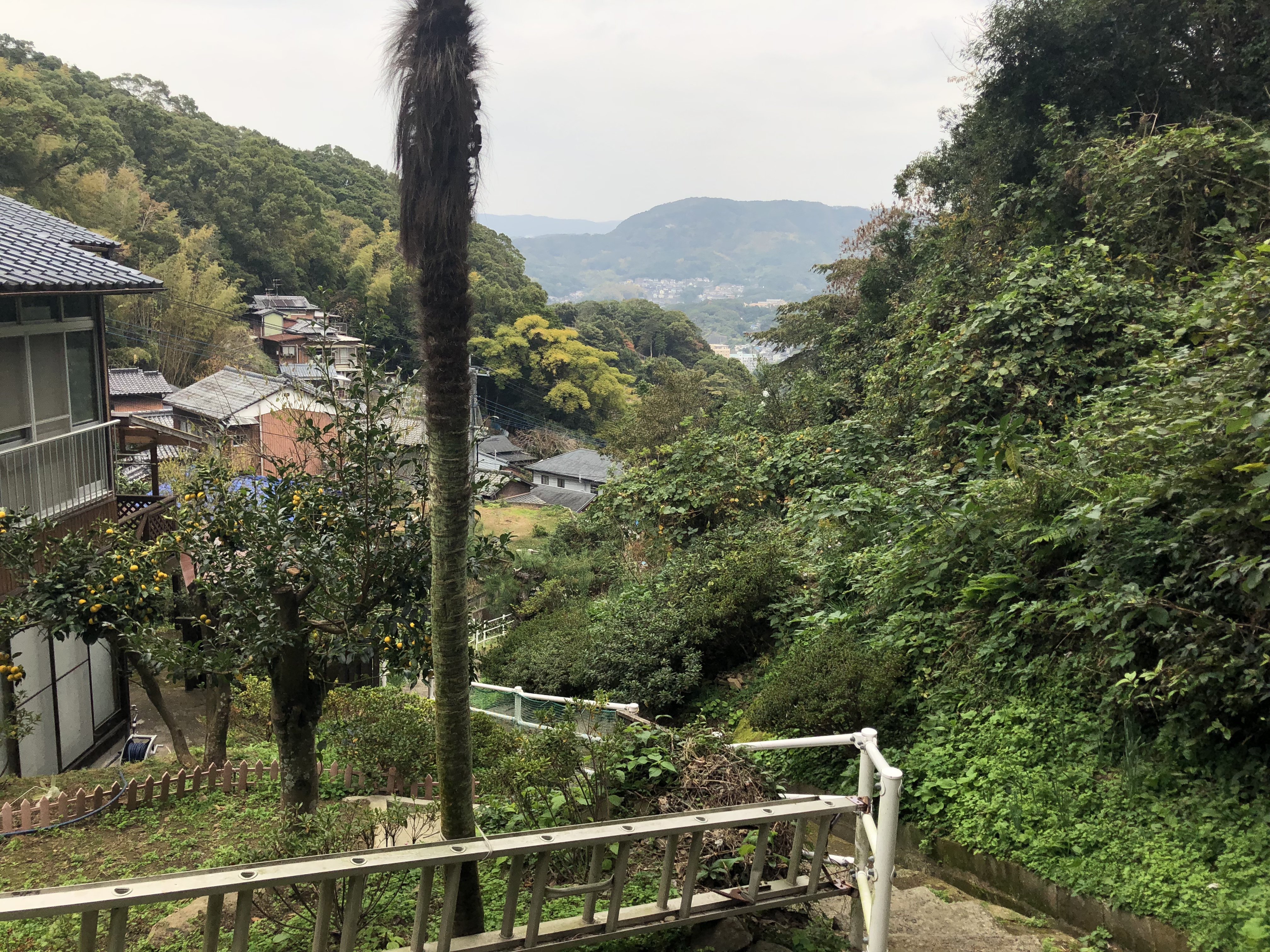
It seems there are multiple ways up the mountain. The boring option is to hike the entire route by simply following the main road, or as I do, take some of the more interesting routes up steep steps and rocky intervals. As more and more of the paths begin to fracture and split into narrow lanes that scale upwards from the base of the mountain, interwoven homes across narrow streets littered with cats make up the first twenty minutes of the climb.

As I continue on with my ascent, the route begins to snake more and more, and light rain begins to fall. Hot from the day and the steepness of the climb I find the rain to be a welcome refreshment and decide to rest for a moment, allowing the rain to cool me down, and my heart rate to climb back down to a steady crawl.

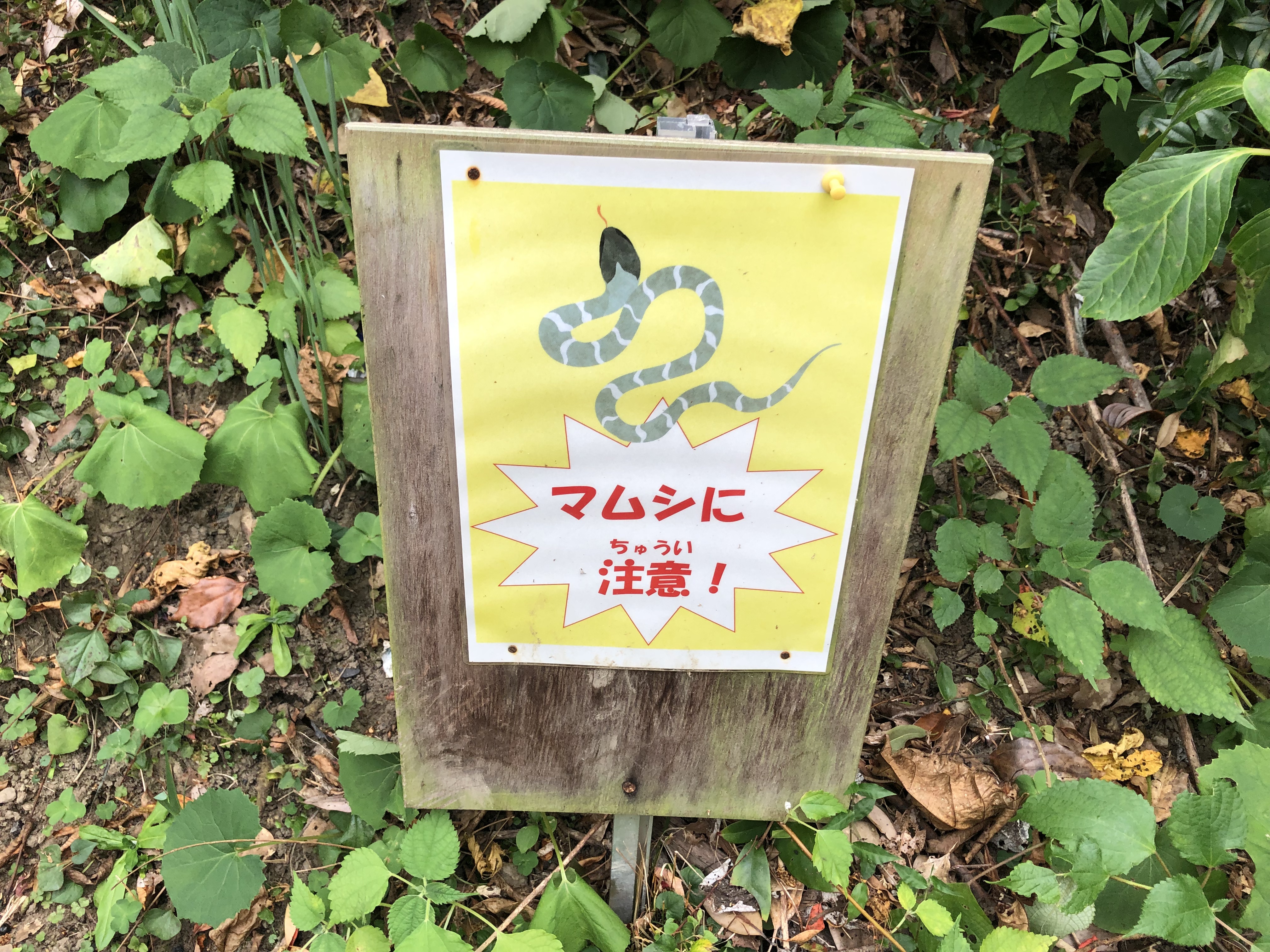
I stop suddenly when I notice a sign telling me to watch out for snakes, but not just any snakes, mamushi, the most venomous snakes in Japan.

As I watch out for snakes, I pass under low hanging cobwebs that drift between trees across the many muddy paths. I don’t see any other people, and other than the cats, I don’t expect that I ever will. The track spirals around and into a clearing through the woods for a time, before becoming a path again.

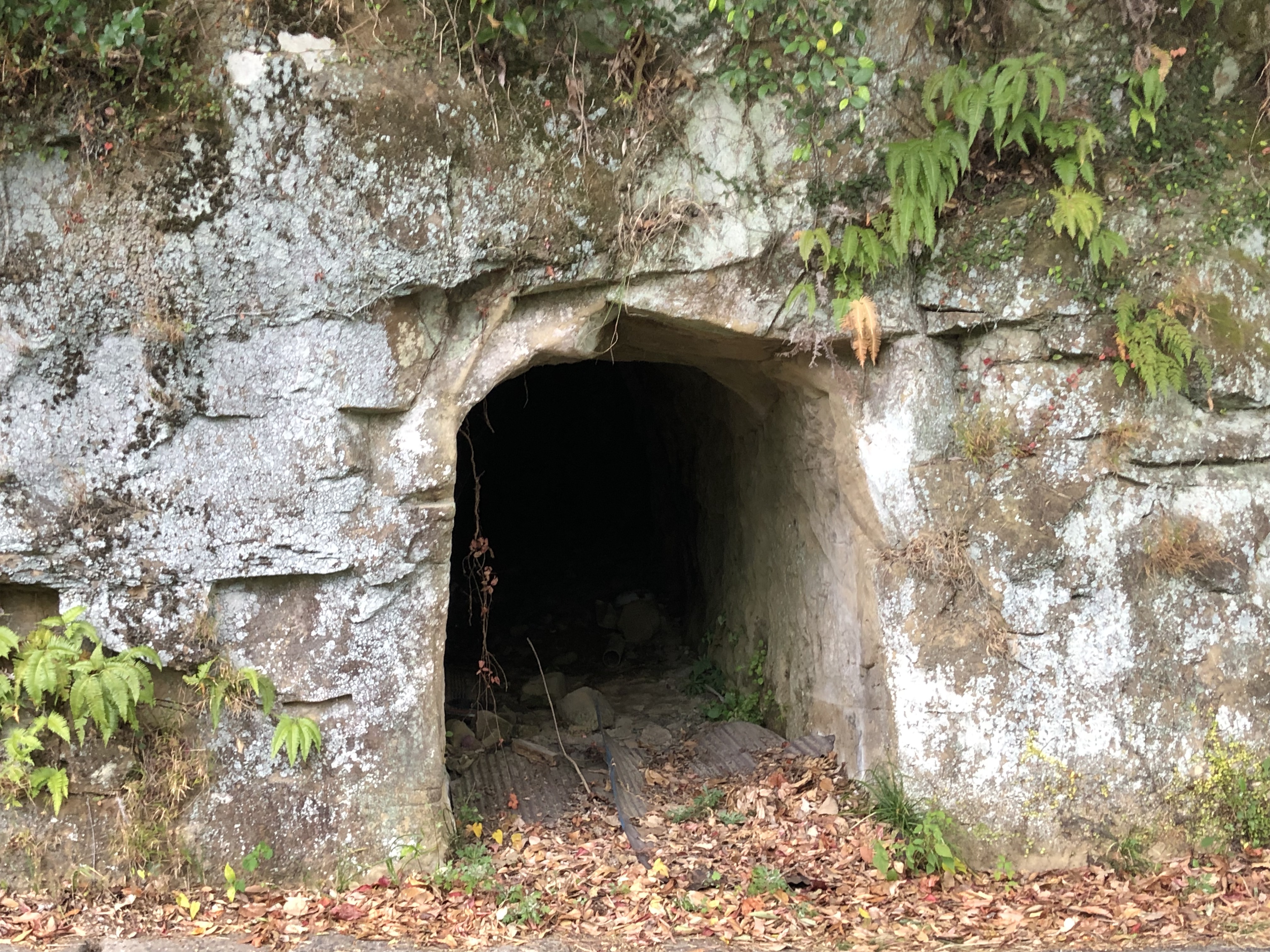
A little later, I pass a rather small cave carved into the rocks, I’m not sure if this is part of the climb or not, but it looks ominous, as if some unnamed horror is lurking inside. I take out my phone to capture the cave, before turning on my torch. As I bring the light to the entrance, I hear something inside begin to rustle around, perhaps a snake, and my heart begins to race; its beats increasing and repeating, an octave at a time, like an endlessly rising Bach canon fit for a king.

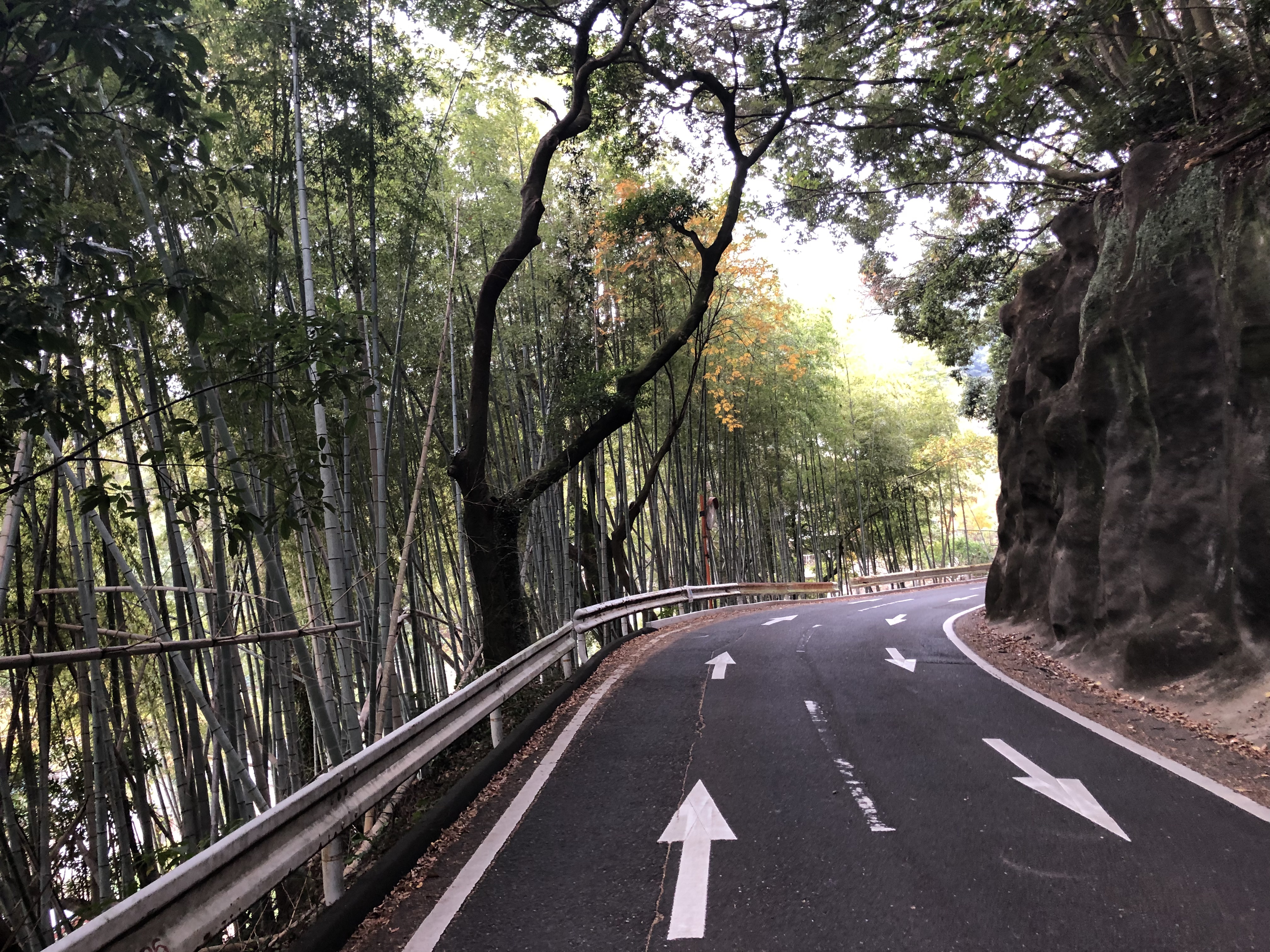
After taking an alternative route, I eventually reach a road where bamboo stretches off to the side, bamboo so tall that it descends deep below the road, stretching off into a distant obscurity.

Further along the road I see a sign telling me to, “Keep Out!” and below the sign is a huge drop, and I wonder who this sign is even for. Eventually, I see another sign for a car park, 300 metres away, and breathe a sigh of relief in knowing that I’m almost at the top. A third sign explains that gun hunting is prohibited in this area, perhaps the reason for the abundance of snakes.

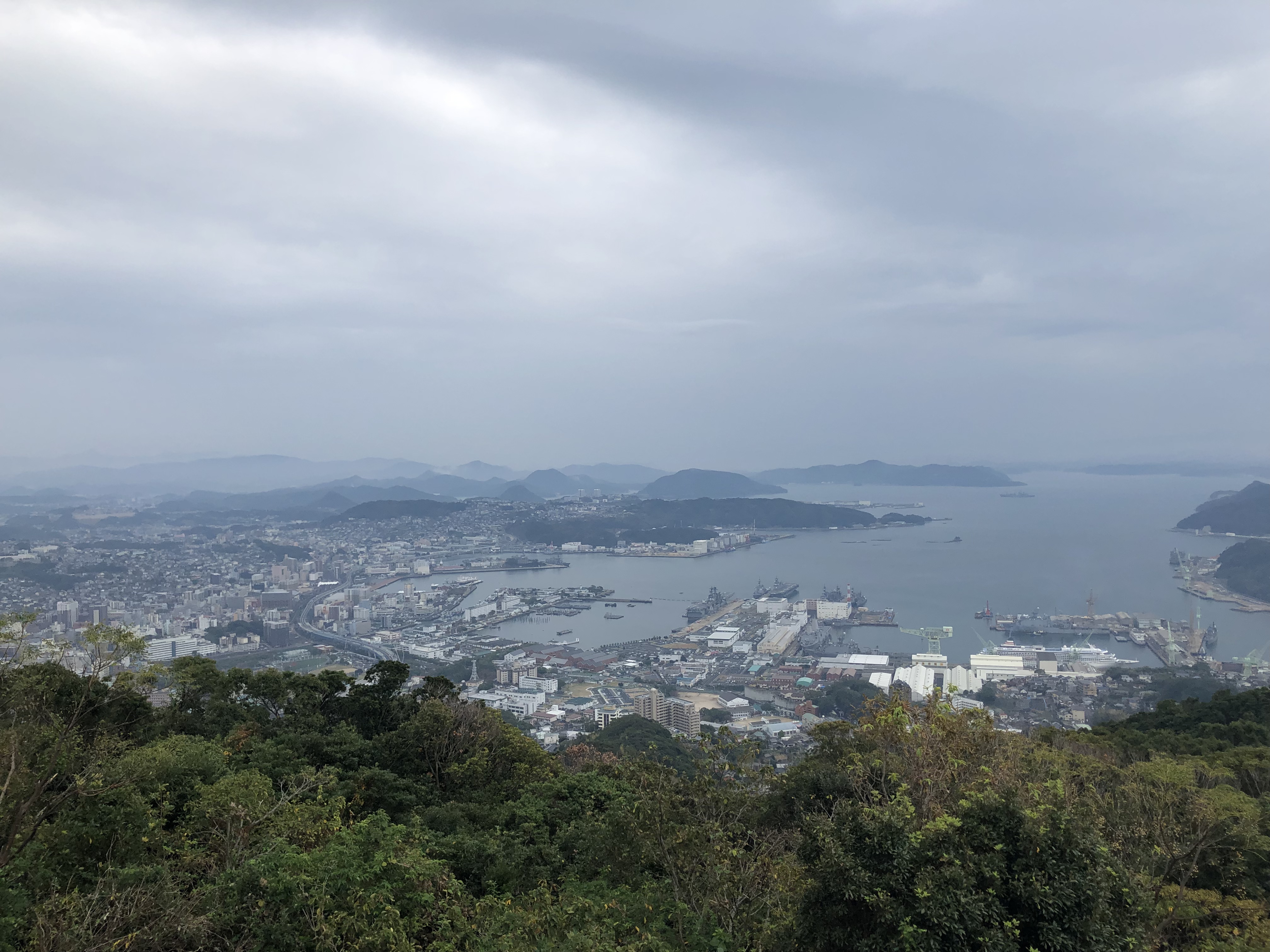
Finally the mountain path opens up, to reveal a stunning view of the city and landscapes beyond. Its US navy base below with its massive boats. Other mountains bulge up over the horizon, the view somewhat washed white by the falling rain. Over to the west, a large labyrinth of small islands, the Kujukushima Islands, its name meaning 99 islands, but also meaning too many islands to count (there are exactly 208).

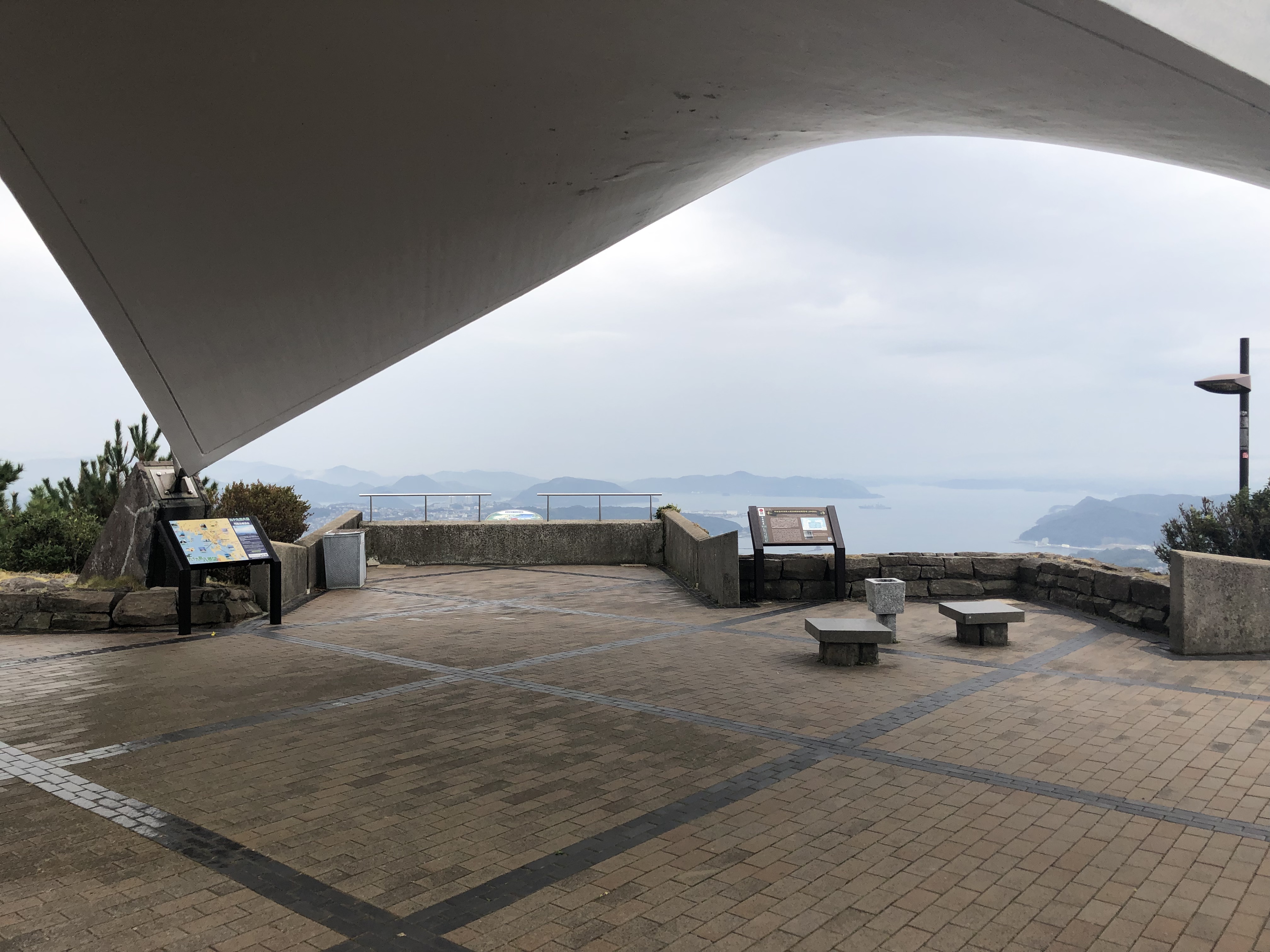
A short stroll up some stone steps, and over a small bridge, and I arrive at the Yumiharidake Observation Deck. The deck offers a nice panoramic view from atop this 364-metre tall mountain. I stand for a while, taking in the view.

A sign tells me that I can enjoy the scenery during the day as well as at night, however, I would be more fearful of climbing at night, just because it would make it especially harder to detect the snakes. The night view though is apparently amazing, and really brings out the lights of the city. There is also a free shuttle bus to the top of the mountain at regular intervals throughout the day.

I head over to the bus stop and wait. After about ten minutes, I do finally see another human being, a Japanese man pulls up beside me in his car. “No bus today,” he says. I ask him whether that’s because today is Sunday, however, he just repeats himself and says, “No bus today,” for a second time. I feel a little disappointed but before I can reply, the man points to himself and says, “Drive my car.” I tell him that I can’t drive, but this is of course not what he meant.

I sit in the back, and luckily he drives. The open window offers a refreshing breeze. After a very brief conversation in English about whether or not I know King Charles, our chat abruptly ends, so I take out my book. Men Without Women, a collection of short stories by Haruki Murakami. As we slowly descend, crawling down the mountain path, the free shuttle bus to Sasebo Station overtakes us from behind.

A Bridge, Too Far

Today I’m going to walk across the sky. I leave my hotel in Miyazaki City at 8 o’clock sharp and cross the road to the bus stop opposite. My bus isn’t quite as punctual and arrives six minutes late. It’s a one hour drive to Aya Town, a place that describes itself as one of the most beautiful villages in Japan, a title that intends to enhance the added value of sightseeing and develop the regional economy, or so the flyer explains.

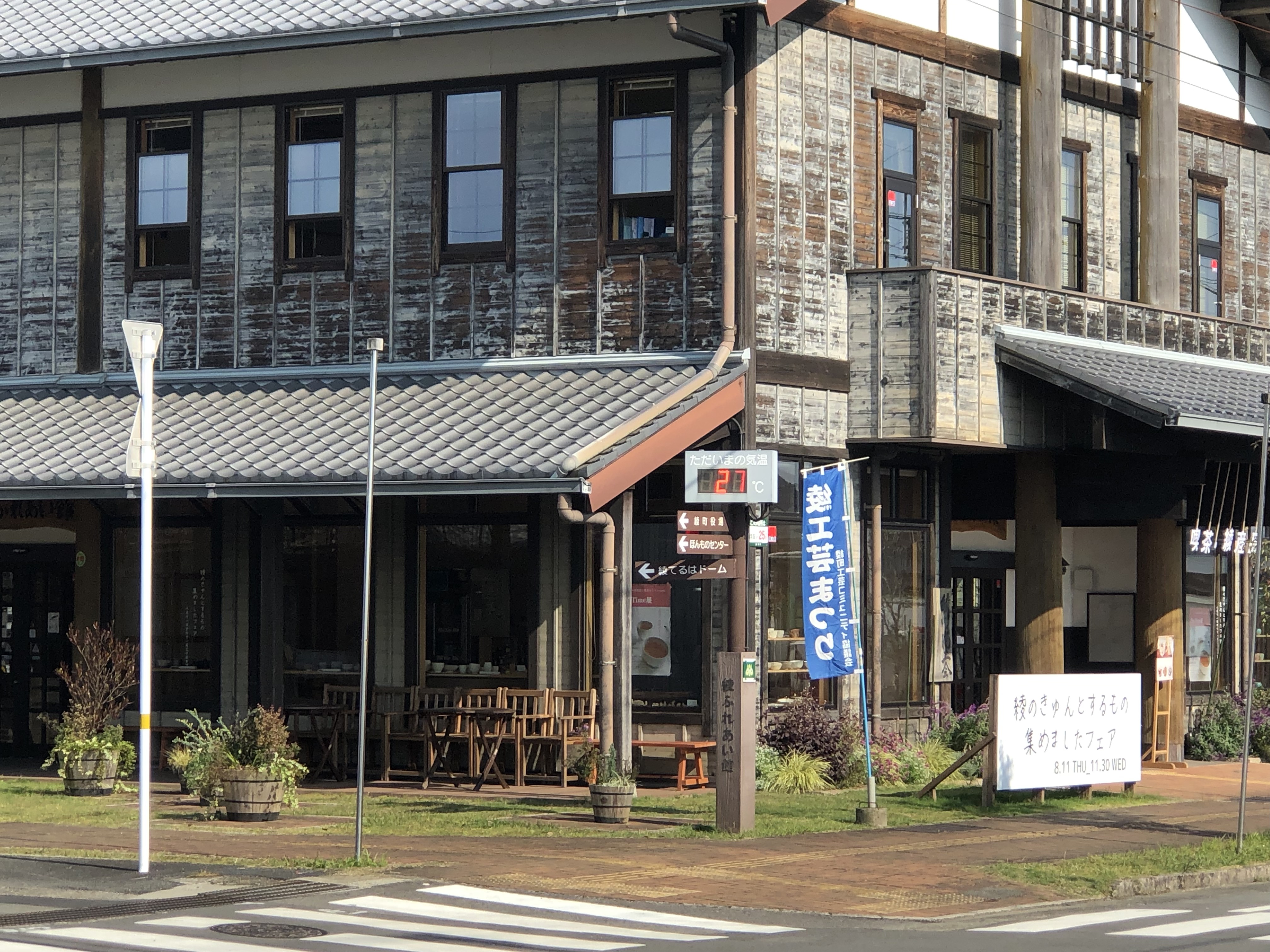
I arrive at Aya Bus Station, probably the smallest bus station I’ve ever seen. The town of Aya is located at the foot of the Kyushu Mountains, is incredibly rural, and over 75% of the total area is made up of forests, specifically warm-temperate evergreen broadleaf forests. Despite it being just after nine in the morning, and technically winter, a digital display screen accurately informs me that the temperature right now is 27°C.

I check the bus timetable but can only see buses here that go back to Miyazaki City, so I decide to walk; my destination a mere twelve kilometres away, up a mountain. The first hour of my stroll is along a straight country road passing rice fields and old houses, before it eventually turns into the aforementioned mountain forest.

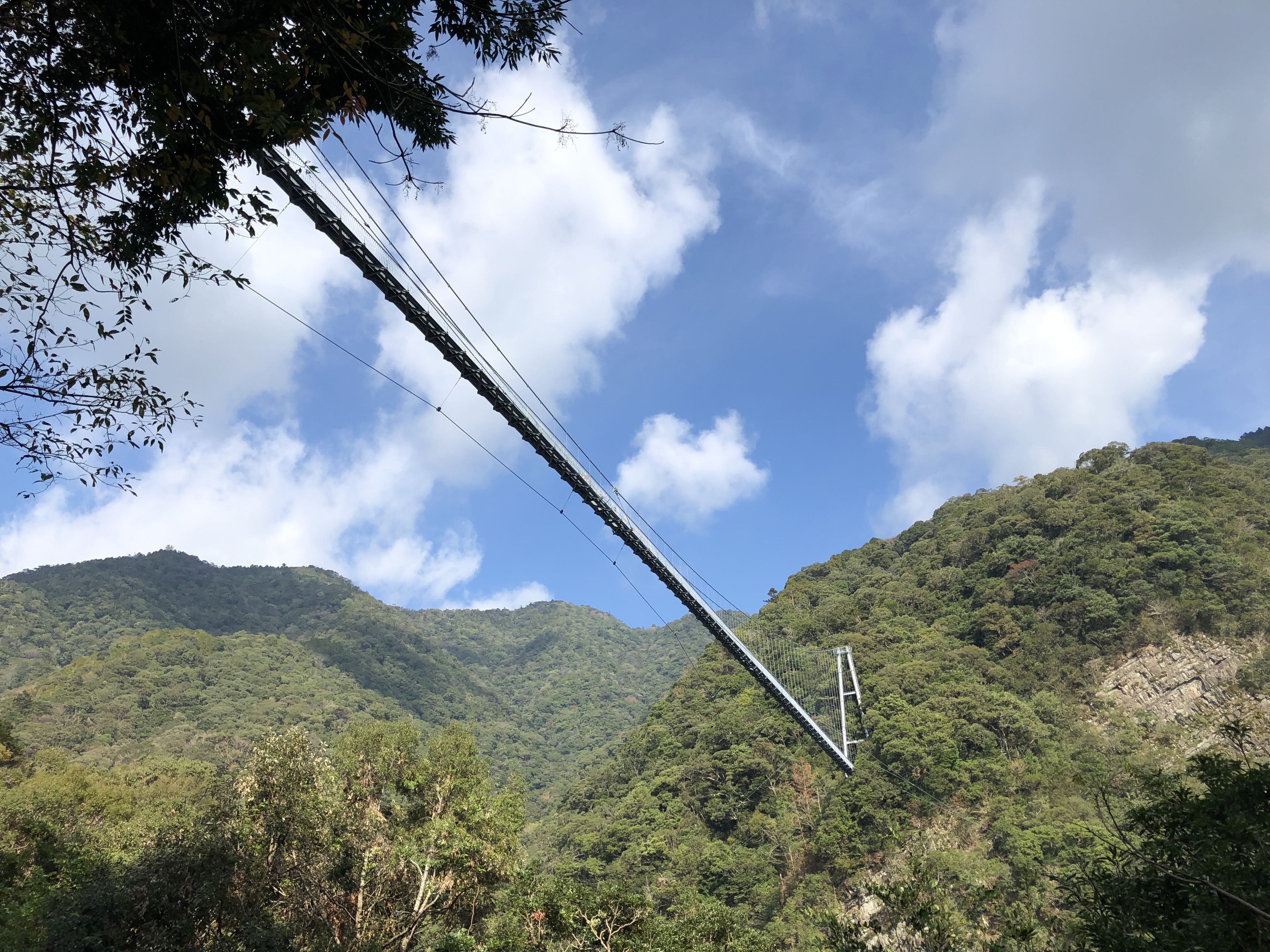
The forest is breathtaking, it meanders skywards further and higher into the mountains. Small waterfalls appear intermittently, the Hongo River below shines a cobalt blue, the track is steep but fair, and the only thing I have to complain about is the intense heat. The final kilometre becomes steeper still, but I go on, for above me, hanging majestically across the sky, sits a bridge.

To be entirely honest, I don’t like heights. Just gazing up at the bridge from below makes me unsteady. I wasn’t expecting the bridge to be so enormous. I squint and see tiny people on the bridge, their scale in comparison to its delicate metal frame is bewildering. I look up and stare and mutter to myself, “Not a chance. Not a chance.”

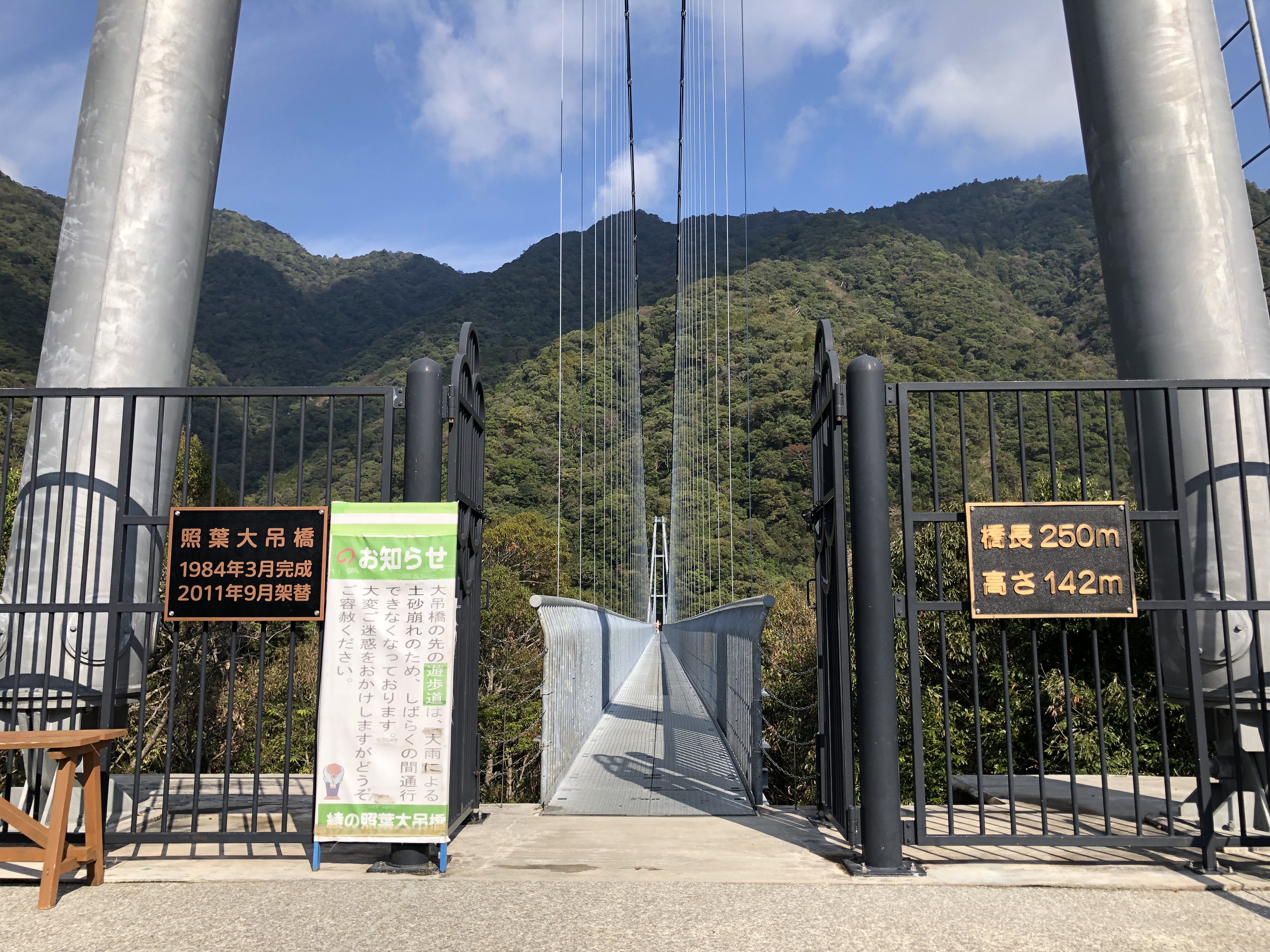
I’m not out of the woods yet, I discover that I still have another four kilometres to reach the actual entrance to the bridge, the four steepest of the kilometres. Hot, thirsty, and feeling as though I have walked for hours (I have), I long for nothing more than a vending machine, and as I finally reach the entrance to the bridge, the first thing I do is reach for a bottle of Pocari Sweat.

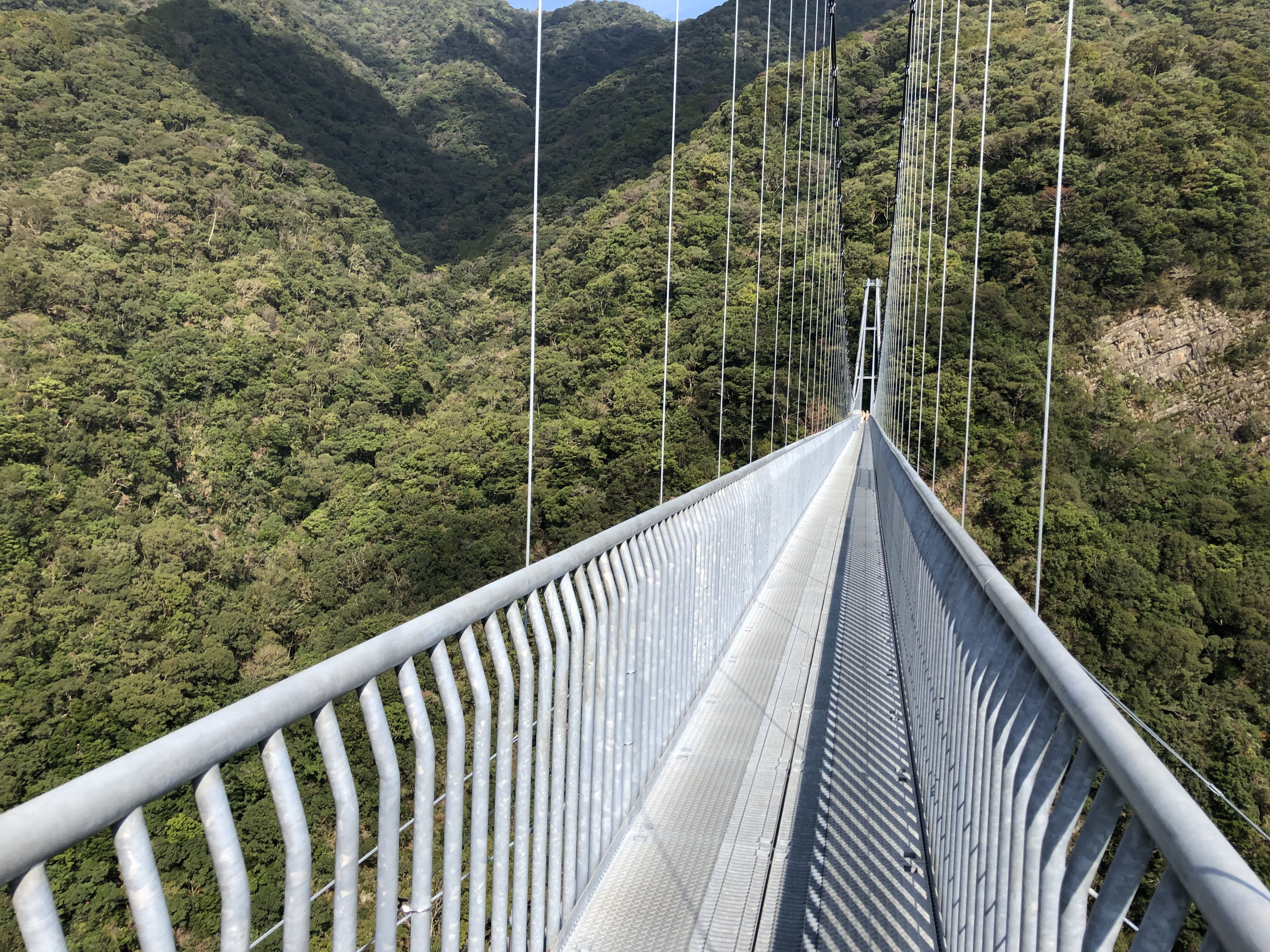
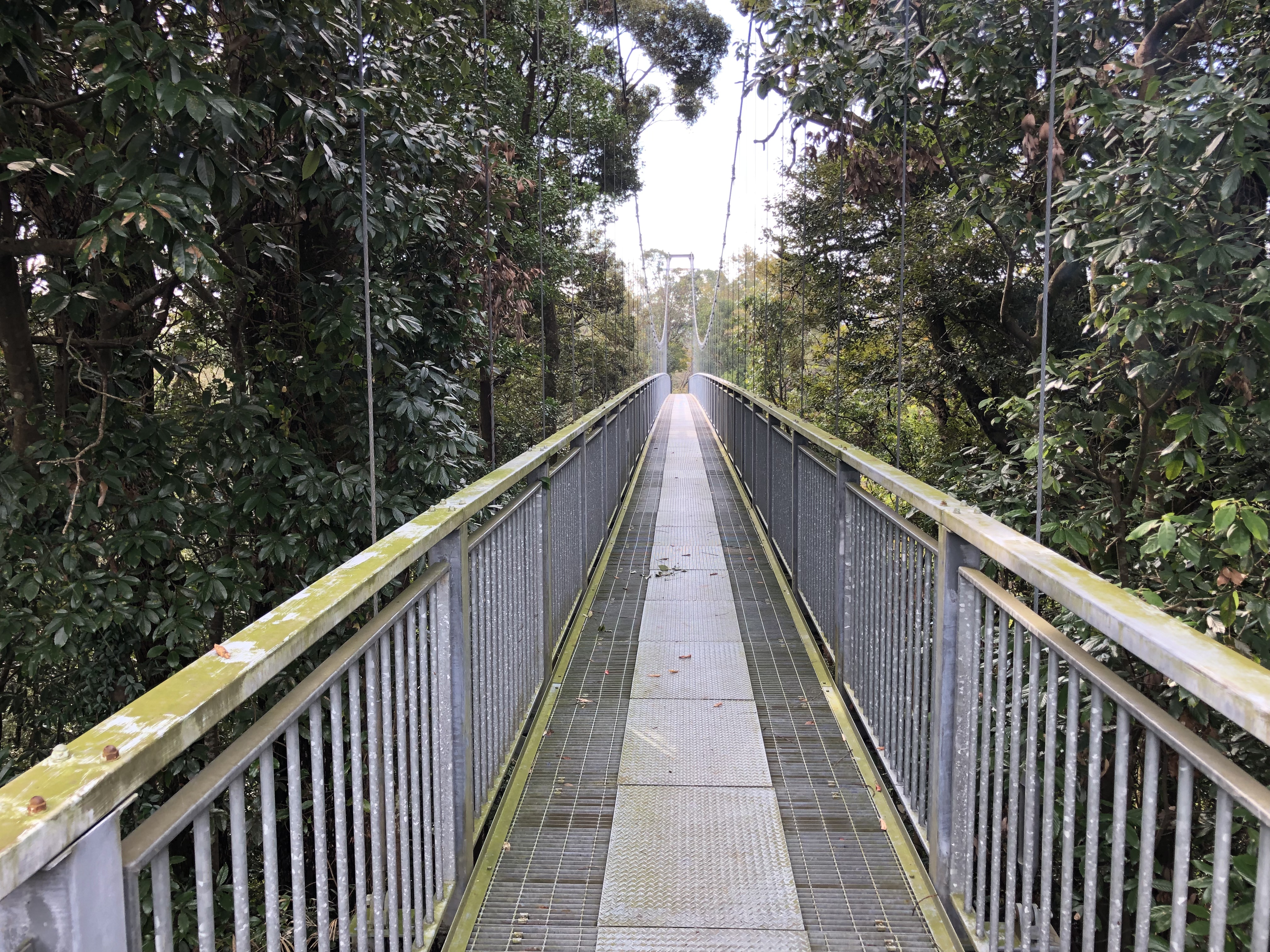
The Aya Teruha Suspension Bridge was original built in 1984, but due to safety concerns it had to be reconstructed in 2011. The bridge is a ridiculous 250 metres in length and its highest point 142 metres from the Ayaminami River below. The bridge had, up until a few years ago, held the records for being the longest bridge in the world and the highest bridge in the world.

“Not a chance,” I utter aloud once again, before stepping onto the bridge.

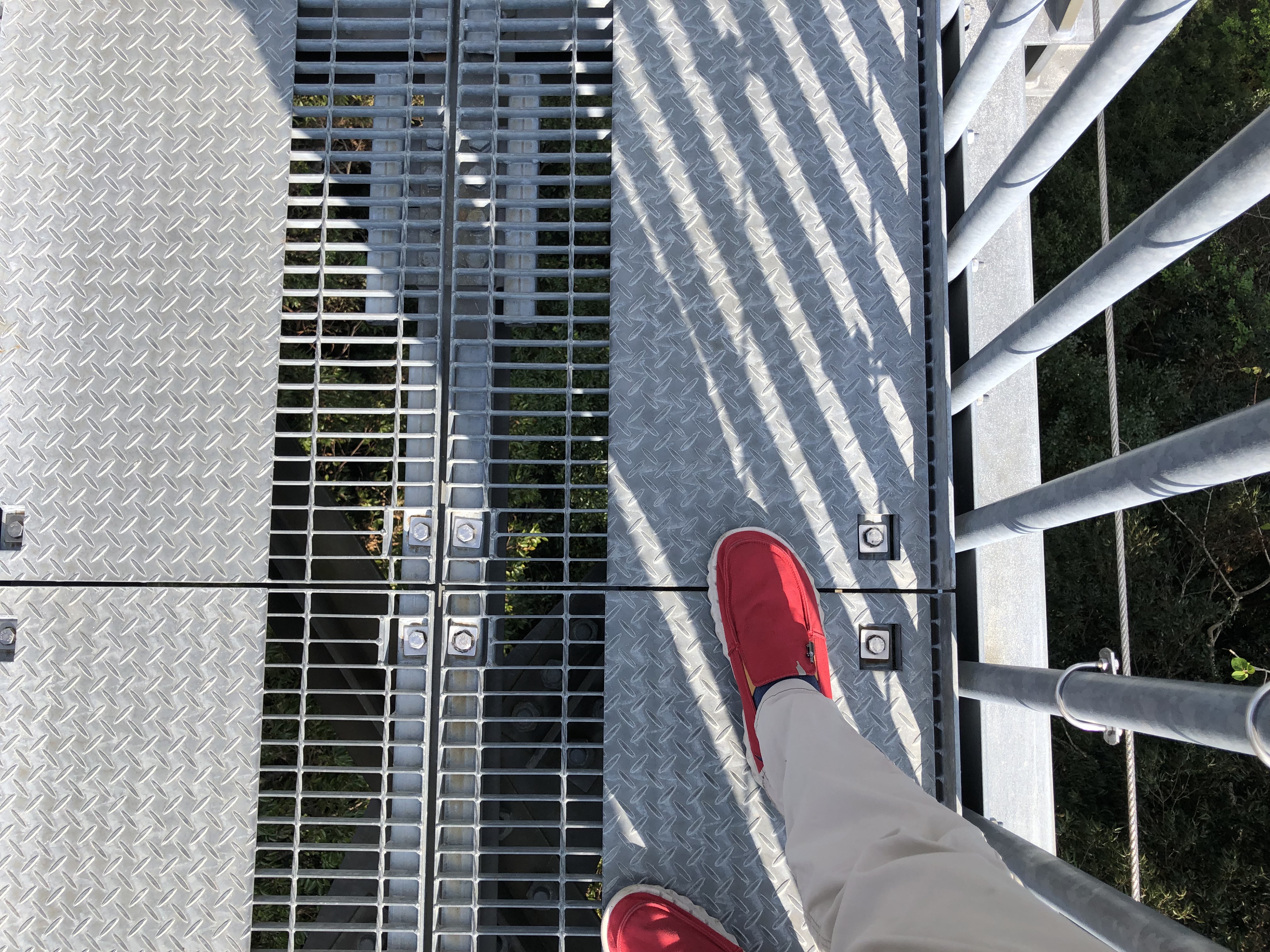
I stride along the bridge with ease. I look around and admire the view of the dark green glossy leaves that cover every inch of the mountains beyond, the hot bright sun dazzling in the blue sky above and painting the forest in its radiant glow, the bridge, with its grated walkway that spans its entire length; it makes me feel as though there is nothing beneath me, just the impending oblivion below, the anticipation of apprehension, panic washing over me, I become enveloped by the empty feeling of dread, that something here isn’t quite right. I suddenly feel lost and found in the same moment, the inevitable misery of the end, flickering in my thoughts, a cocktail of emotions swirling around, one step at a time.

I stop to let the feeling pass, it will pass, and it does. All the fear inside of me scatters away in a single moment, like a lonely sand castle collapsing on a desolate beach, suddenly, it is gone, and I return to myself.

As I reach the other side, the first thing I notice is the strong smell of the lucidophyllous trees. The second thing I notice is that the path ahead twists toward a long promenade that runs along the mountain slope then loops around, before eventually returning to its starting position, the Aya Teruha Suspension Bridge. I’m rather annoyed as I have to cross the bridge for a second time.

Back down the mountain I go, and some fifteen kilometres later I arrive at the entrance to Aya Castle.

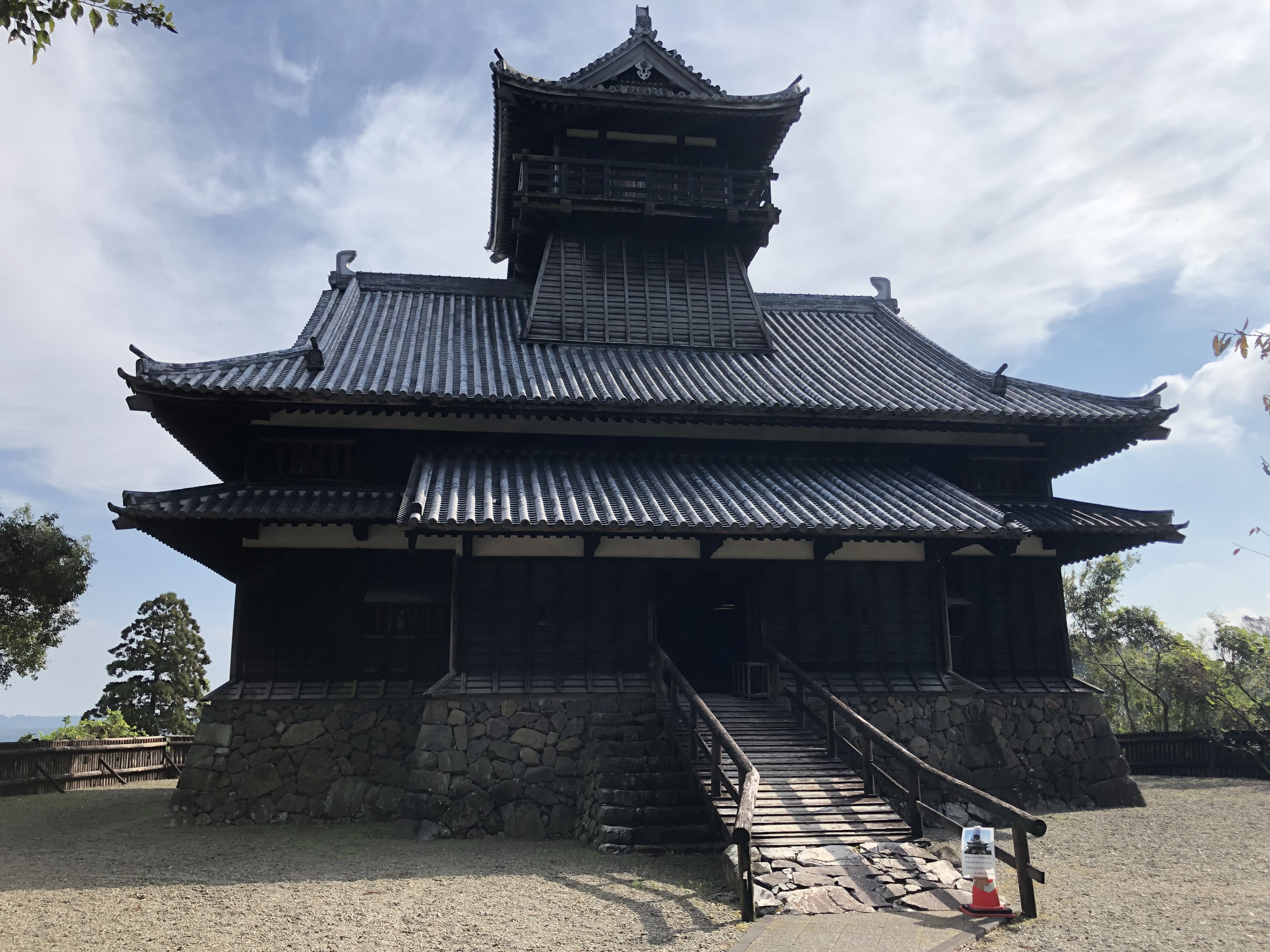
Only built in 1985, this place describes itself as Japan’s oldest mountain castle, but it’s not; it isn’t even on a mountain. This is a reconstruction of a castle that was destroyed 700 years ago. Inside this wooden castle is a small museum commemorating feudal warriors and the history of Aya Town.

Leaving Aya Castle I wander back in the direction of Aya Bus Station, however, before I can leave, for whatever reason, I have to cross over yet another suspension bridge; this one is a lot shorter, but still high enough above the ground to once again trigger my fear of heights.

I decide that this is one bridge too many, it exceeds the limits of what is reasonable and acceptable. It literally is a bridge too far.

Murder on the Tsukuba Express

Today, the weather is very warm, so I decide to take a train to Ibaraki Prefecture, to a little place called Tsukuba. At Tsukuba Station, I take a ¥720 bus that crawls for thirty minutes toward Tsukuba Mountain. Eventually, I get off the bus. The only tourists here are old Japanese women who have made the journey to this mountain to look at flowers.

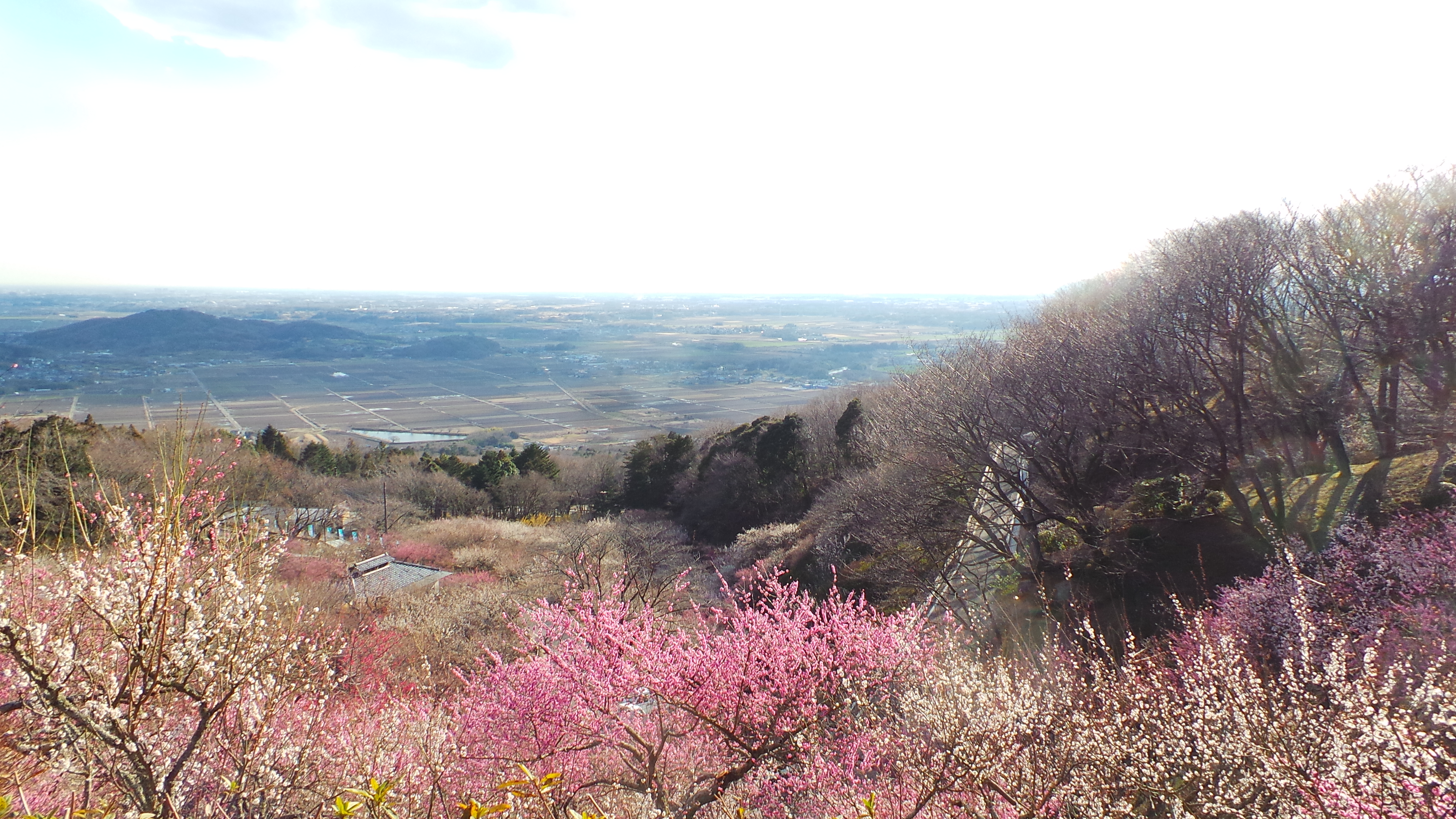
The first thing that strikes me as I stroll off the bus is the view. The day is relatively clear, and the distance is a sea of fields and countryside that seemingly spread forever before eventually blending into the whiteness of bright, sunlit clouds. One of the reasons I am here today, like the old women, is to look at flowers—flowers of beautiful pink and white. The other reason is that this steep mountain is steeped in history.

tsukuba5

In March 1864, an army was raised on this very mountain, led by a samurai named Fujita Koshiro. The army, known as Tsukubazei, opposed plans to close Yokohama Port and exclude foreign ships from entering Japan. Even the law to stop foreigners from entering Japan was considered barbaric; it was called the ‘Order to Expel Barbarians’.

The twenty-three-year-old leader led his army of samurai and farmers in what became a war against Emperor Komei. The battle was lost, and the entire army was beheaded. This event contributed to the ending of the Edo Period and the start of the Meiji Restoration.

tsukuba1

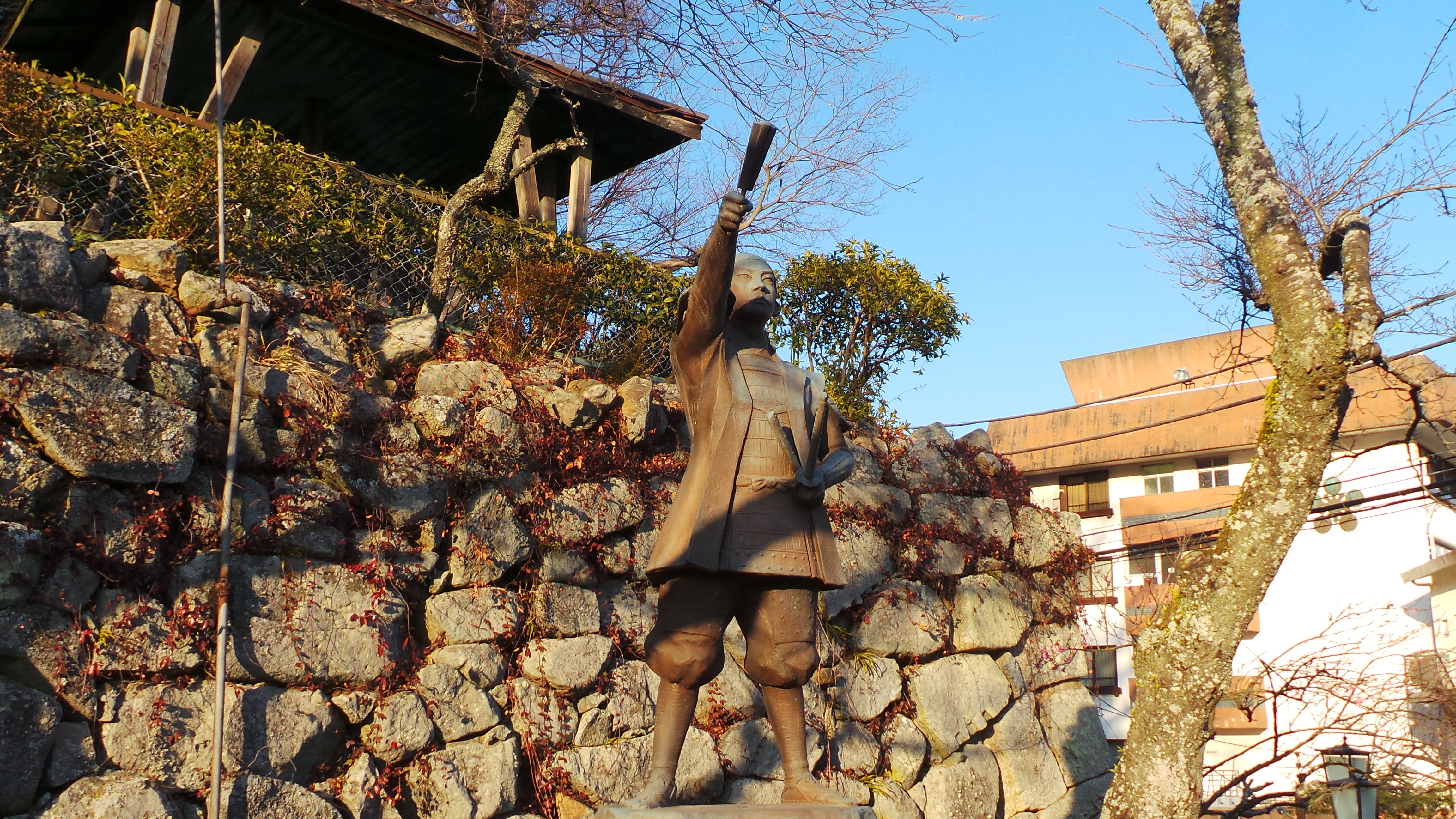
Still considered a terrorist, a statue of Fujita Koshiro stands proudly at the entrance to Tsukuba Shrine, a shrine said to house the god and goddess that protect from evil and illness. The shrine has been a place of worship for over 3000 years. I continue my walk through the mountain paths, passing a random telephone box with a huge statue of a frog on its roof, Omido Temple with its massive bell, the cable car service that isn’t running today (as usual), and a statue seemingly standing guard in a small car park.

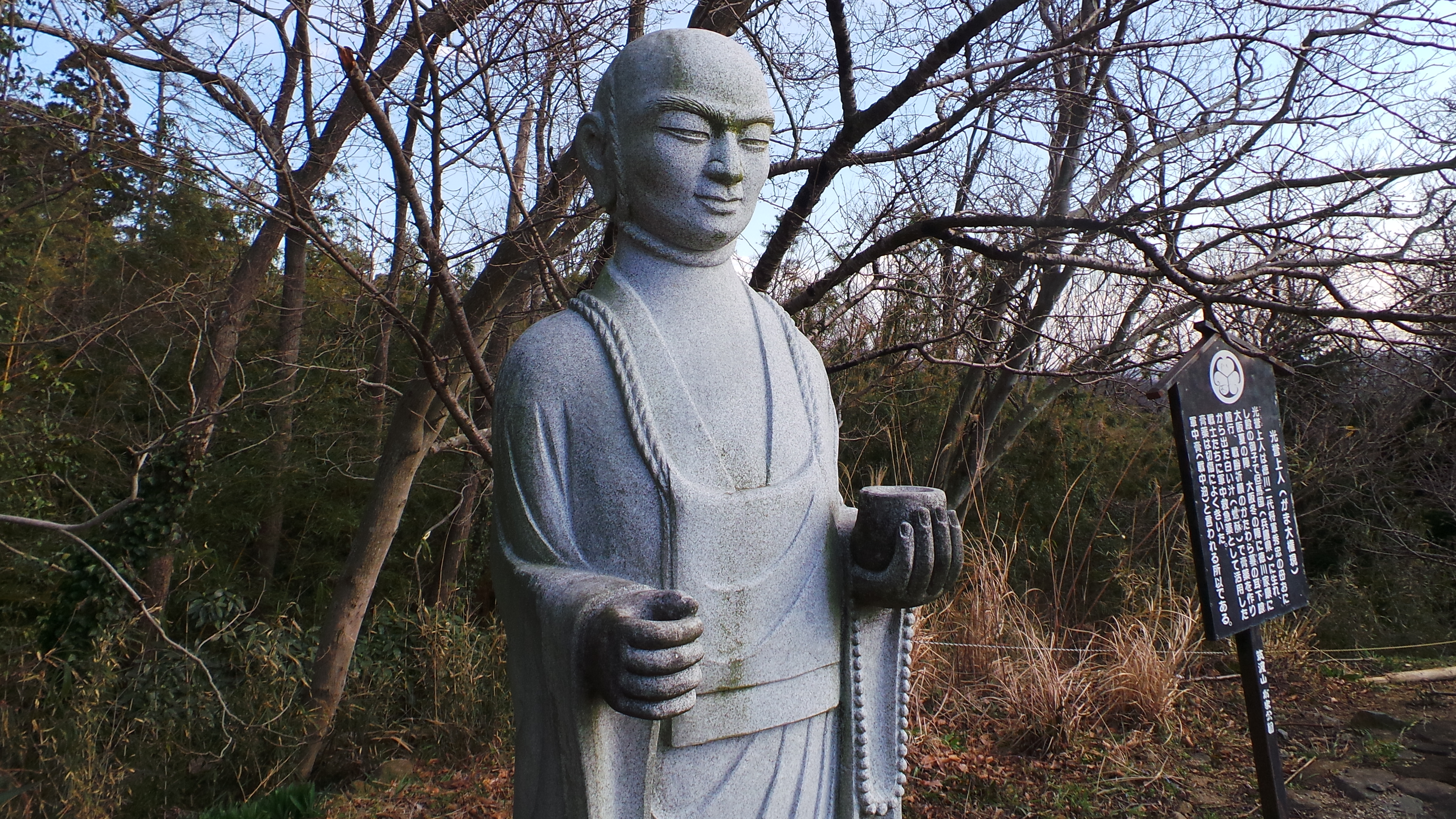
The statue is of a man carrying a cup of medicine. Using my amateur translation skills, the medicine is made from gamagairu, a giant frog said to live in this area; hence the telephone box. The medicine is taken from the ear of the frog and is said to have magical healing properties. That’s right, magical.

tsukuba9

People in England or America will be familiar with the expression ‘snake oil,’ a term used to describe health products that don’t actually work; a swindle of sorts. In Japan, a similar expression exists, and that is frog oil. Salesmen use a special sword that contains fake blood in its tip, pretend to cut their arm revealing a huge gash, then proceed to rub the frog oil on their skin. The wound disappears in an instant, and fools buy.

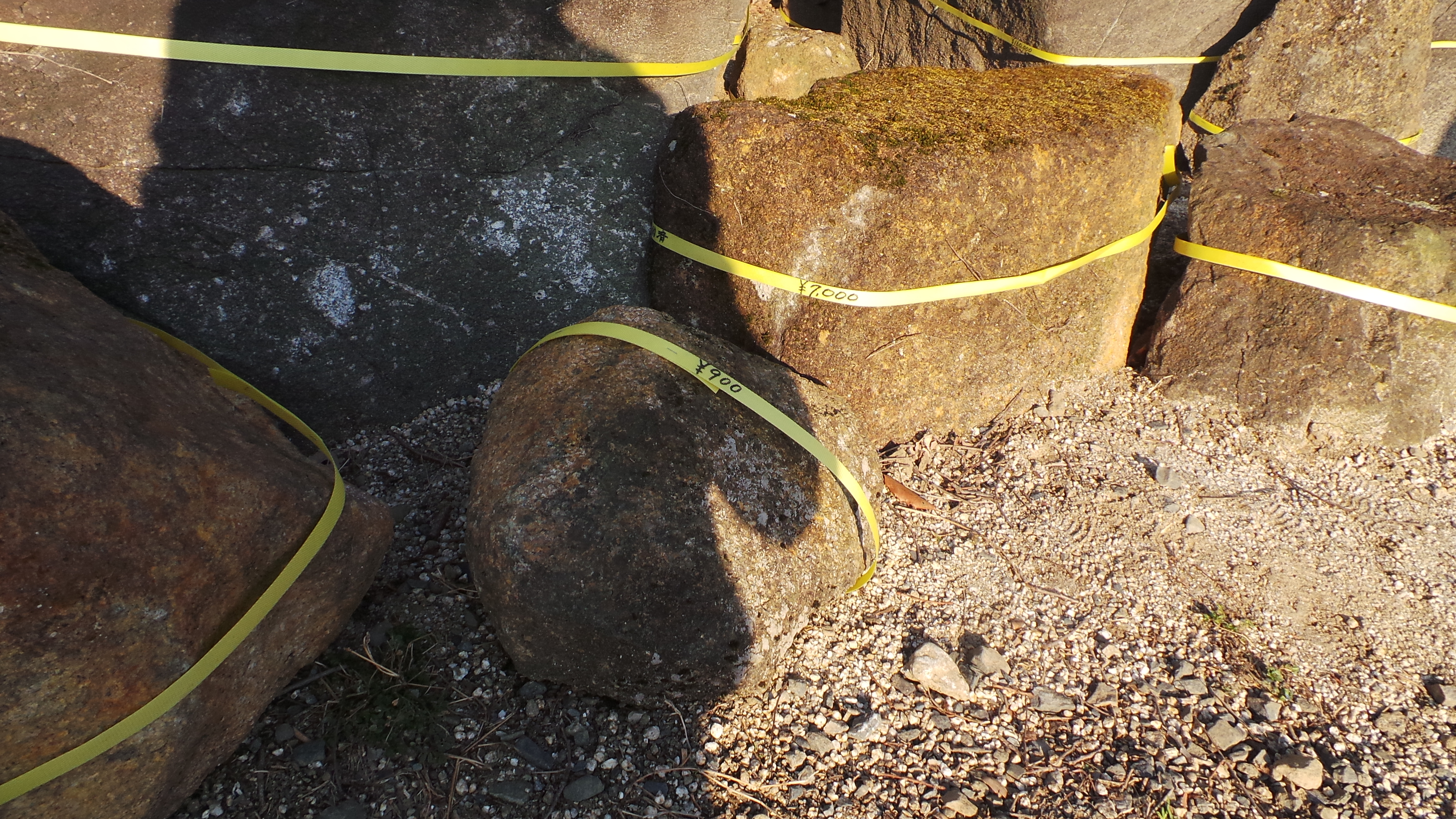
I continue my stroll and head in the direction of Mount Tsukuba Plum Blossom Gardens. These gardens are free to enter and feature over 1000 trees. Thirty kinds of flowers blossom in this area, and mixed in with the flowers are the famous rocks of Tsukuba. Rocks, I might add, that are for sale.

tsukuba2

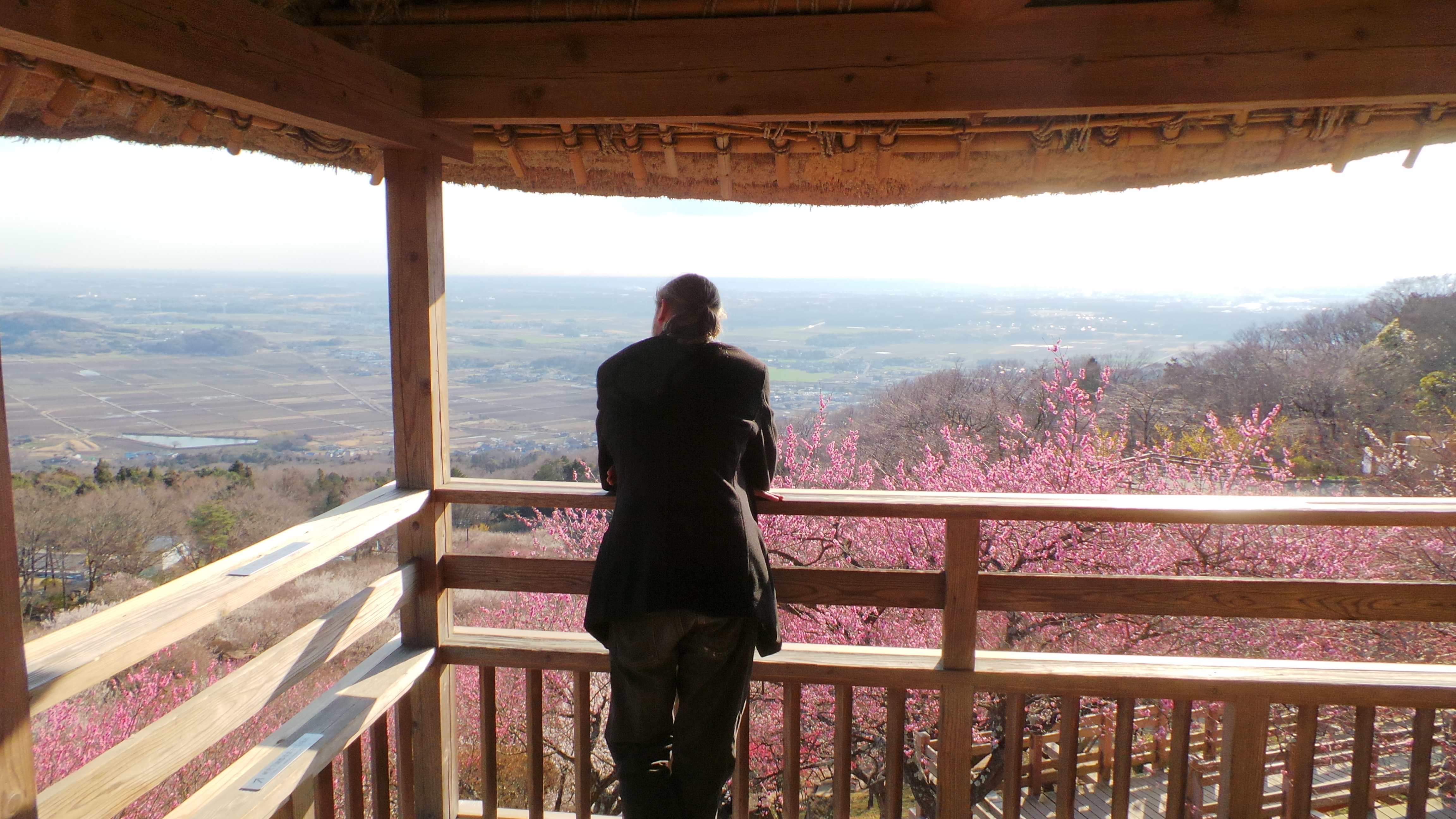
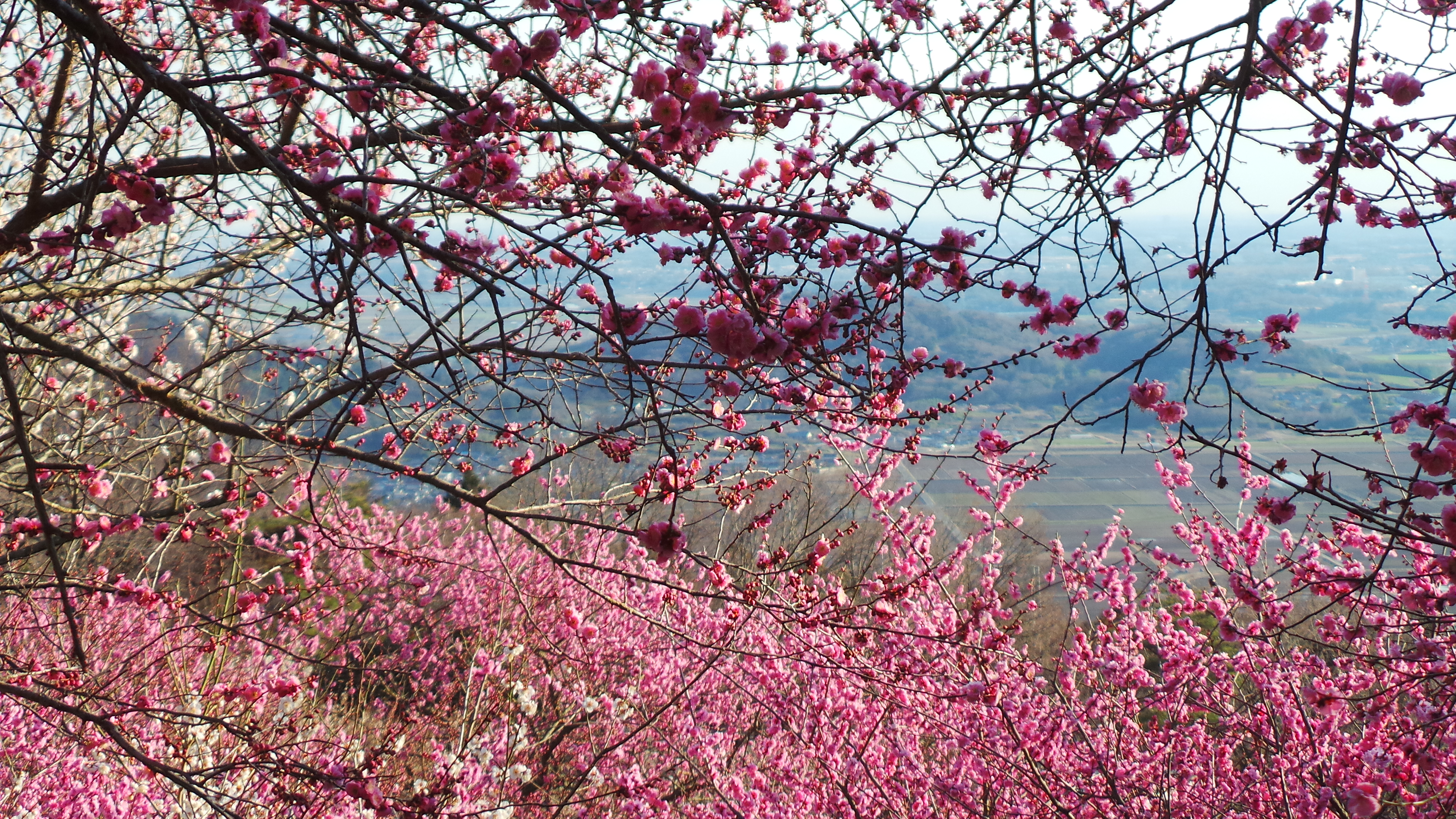
I lug my rock up the mountain path and realise that I should have probably bought it on the way down. The flowers in the mountain are beautiful to see. Red plum is in full bloom this time of year, and white plum is apparently in half bloom. I walk through sweet plum groves and fresh-smelling flowers before arriving at Lookout Point Arumaya, a small mountain hut that looks as though it was stolen from a children’s fairy tale.

I stand, gazing in the direction of Mount Fuji, 155.6 km away and visible on a clear day. Today is such a day, but for whatever reason, the mountain remains invisible, as always; forever shrouded by the white layer of clouds that blend into the distant horizon.

tsukuba4

I stand in quiet contemplation in the small hut at the top of the mountain, admiring the beauty of the flowers and the endless nature. Staring out into the distance, I begin to wonder where it all went wrong. Before the thought connects, a Japanese man taps me on the shoulder, disturbing my moment.
“We made it from bamboo and straw, squashed real hard.”
“I’m sorry?” I say, confused.
“We made it from bamboo and straw, squashed real hard,” he repeats.
“I heard you, but what are you talking about?
“The walls, here,” he points at the walls of the hut, “We made it from bamboo and straw.”
“A bit of a fire hazard,” I tell him, but he doesn’t understand. The man remains fated to repeat his set phrase, the only phrase he knows in English. Time to go, I decide.

As I walk back down the mountain, I recall a story that a friend once told me.

tsukuba3

Many years ago in Japan, people were very poor. Many families lived in one house, grandparents, parents, and children together. When times became tough, and the families couldn’t afford to feed the young children, a sacrifice was made. Children were the priority, so what happened was that the parents would carry their grandparents to Tsukuba Mountain, abandon them, and go home to their children. The grandparents would starve to death on the mountain, so that the family could continue to feed the children. A sad tale of Tsukuba Mountain, and the many poor old people that perished in its lonely grip.

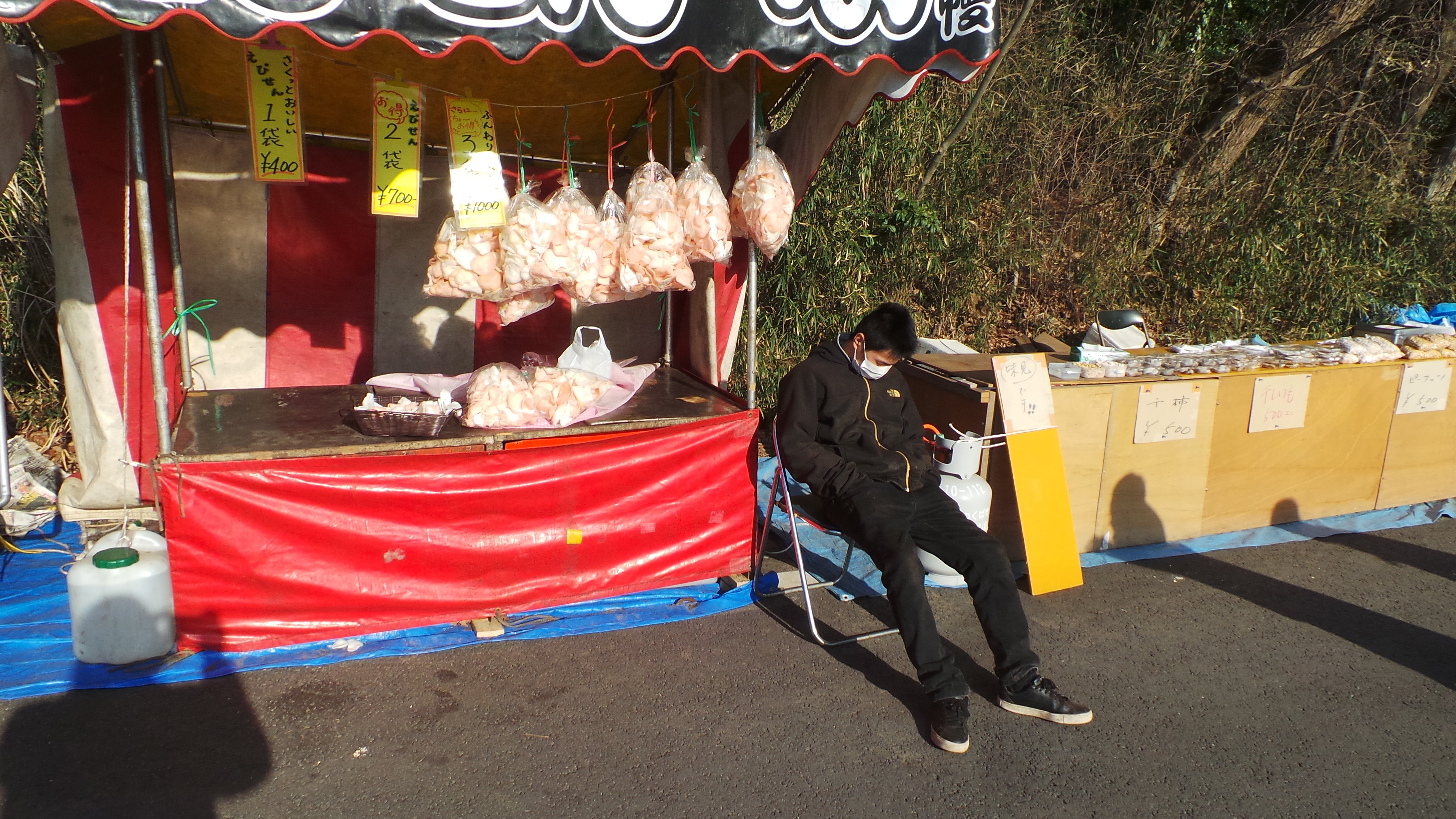
At the bottom of the mountain, most stores are closed. The men are sleeping from a hard day of selling snacks and frog oil; the only shop still selling anything is the Tsukuba Rock Shop.

tsukuba6

There are so many more sights to see on this 877-metre-tall mountain. The place is littered with things to do. Unfortunately, I wasted far too much of my limited time in the mountain hut and end up running back, rock in hand, toward the bus stop. I make the last bus with seconds to spare and head back toward Tsukuba Station.

On the Tsukuba Express train home, I read ‘The Hanging Stranger’ by Philip K. Dick and realise that this information has no relevance here, and perhaps never will.