Heart-Shaped Rocks

The jaunty jingle on the bullet train signals my arrival in Nagasaki. It’s freezing cold as I leave the station. I enter a world of chaos and construction, maze-like fences guiding people around roadworks and frameworks for what looks like a development for a new plaza and station building. It takes me about ten minutes to escape the labyrinth and get out onto a main road.

My first stop is along the Nakashima River, a river that runs through the middle of Nagasaki and divides the city into two. This river also features an abundance of historical stone bridges, including Fukuro Bridge. “It is unknown when it was built or who built it. It is said to be the second oldest stone arch bridge right after Meganebashi, but there is no evidence.”

Luckily for me, these two bridges are next to each other, so I photograph Meganebashi from Fukuro Bridge.
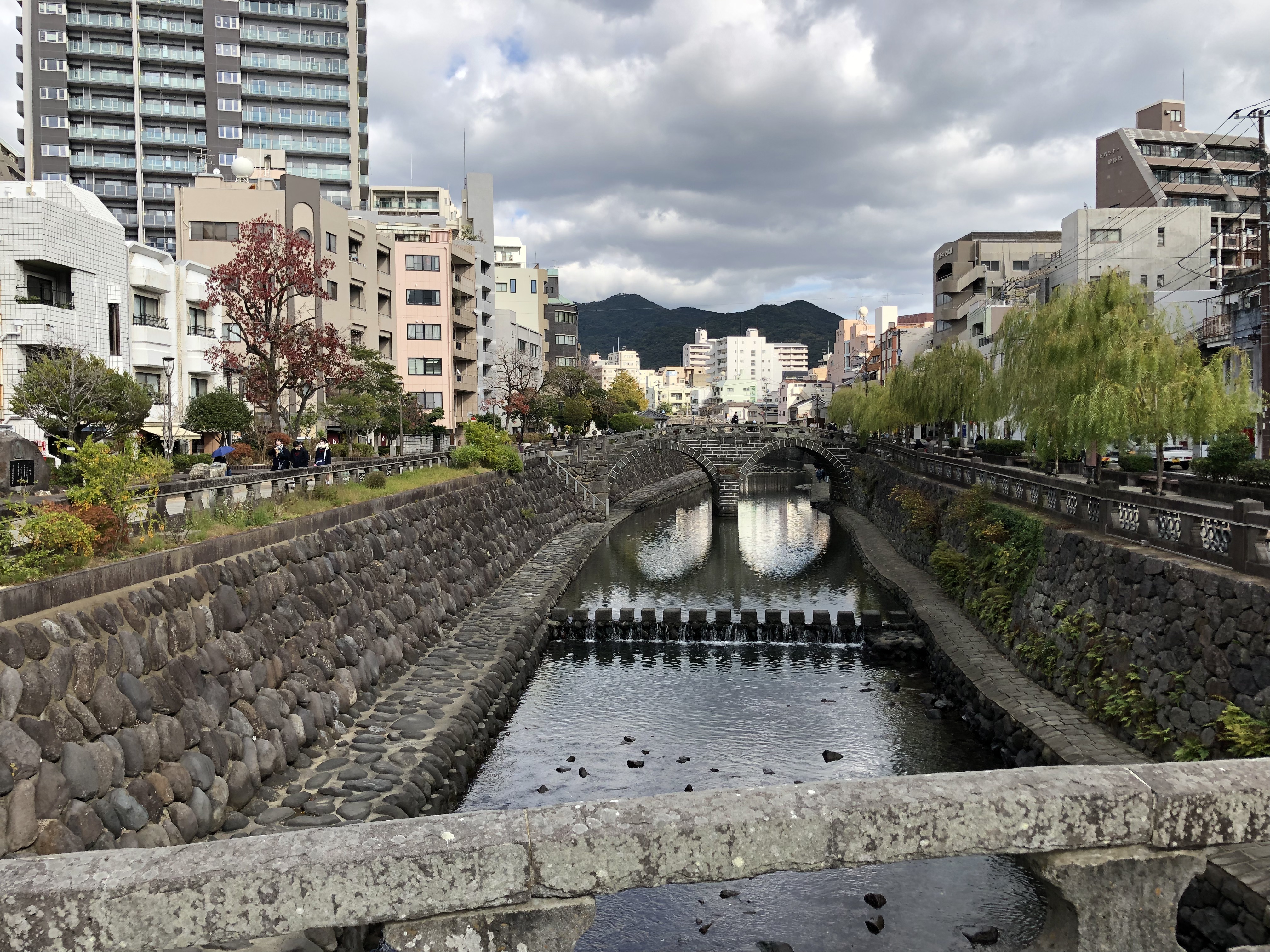
Built in 1634, Meganebashi Bridge is not only unique because it’s the oldest stone bridge in Japan, but also, because the reflection of the bridge on the river below makes it looks like a pair of glasses. Along with Nihonbashi Bridge in Tokyo and Kintai Bridge in Iwakuni, Yamaguchi Prefecture, this bridge is regarded as one of the three most famous bridges in Japan. It’s quite the spectacle.

I wander further along the river and down some stone steps. Here I find four teenage girls posing in front of a wall, so I decide to see what all the fuss is about. It turns out they are making peace signs and taking photographs in front of a chunk of rock which is shaped like a heart.
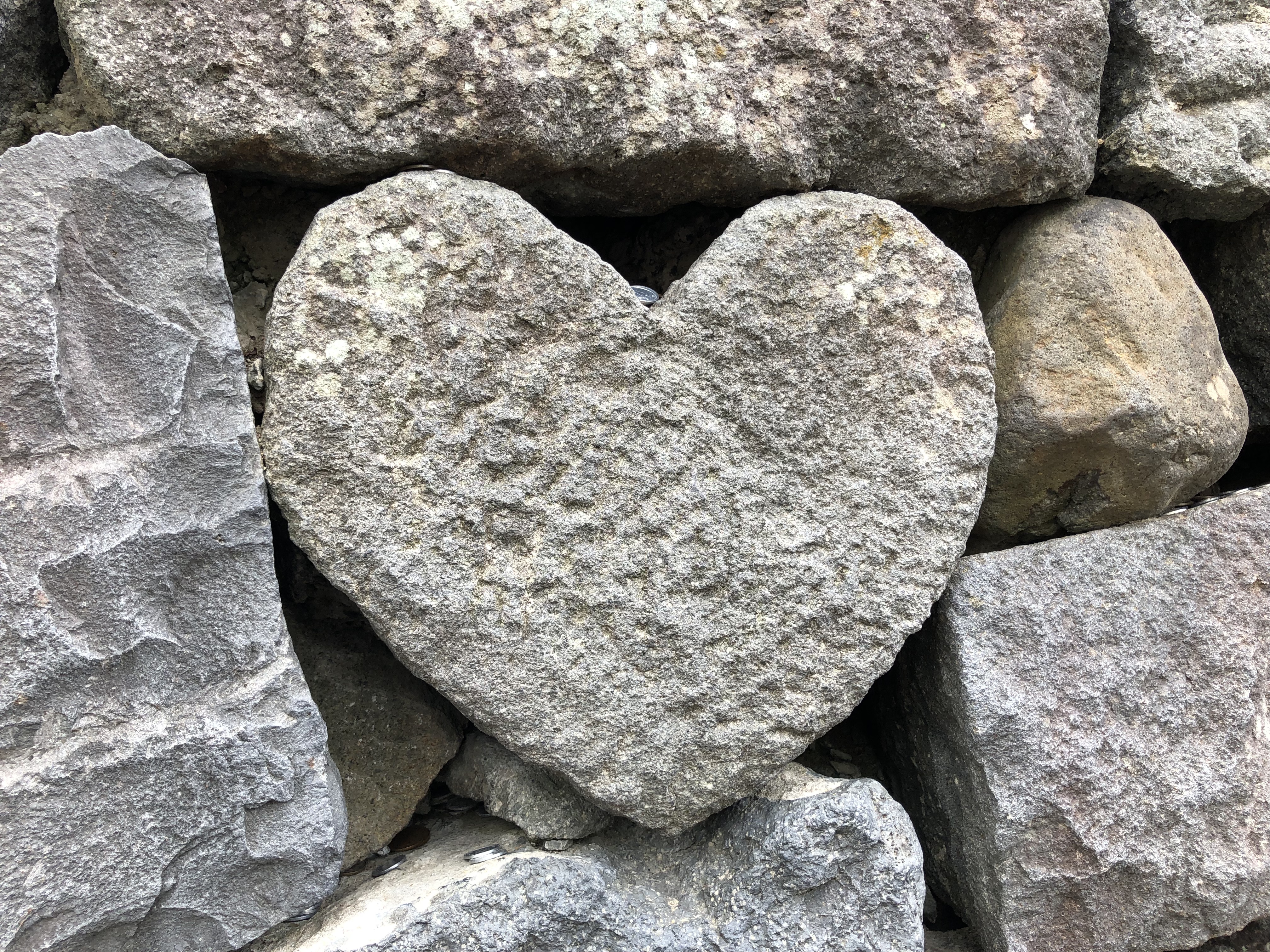
I ask the girls to step aside so I can take a photograph. One of the girls says in Japanese, “That’s so cute!” Presumably because I, a man, am taking a photograph of a stone shaped like a heart, but I can’t be too sure. I find very little information on the origin of this stone, except that it’s just one of many hidden around Nagasaki.

I walk back up the river to the entrance to Suwa Shrine. This shrine is one of the three most famous shrines in Nagasaki, and boasts a total of 277 steps that pass through four massive stone torii gates to reach the shrine complex. As I run up the 277 steps, in my head Bill Conti’s song ‘Gonna Fly Now’ spins around on my mind’s turntable.
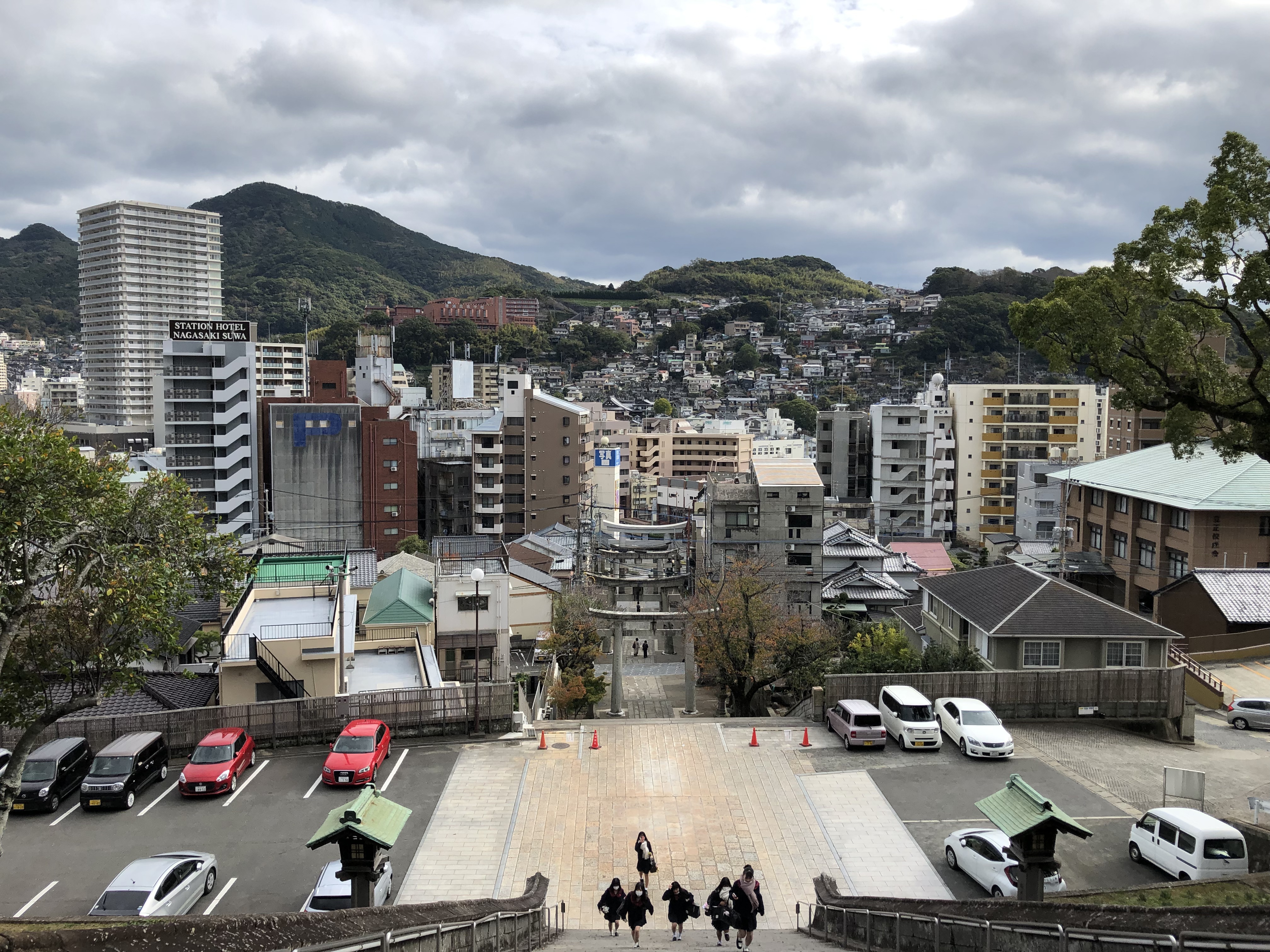
Suwa Shrine doesn’t really have much to offer me, except for a one-hundred-year-old tea house, a nice little water feature, more steps, and a stunning view of the city and mountains beyond. The shrine was constructed in 1614 as a way to stop the spread of Christianity that was happening in Nagasaki at that time.

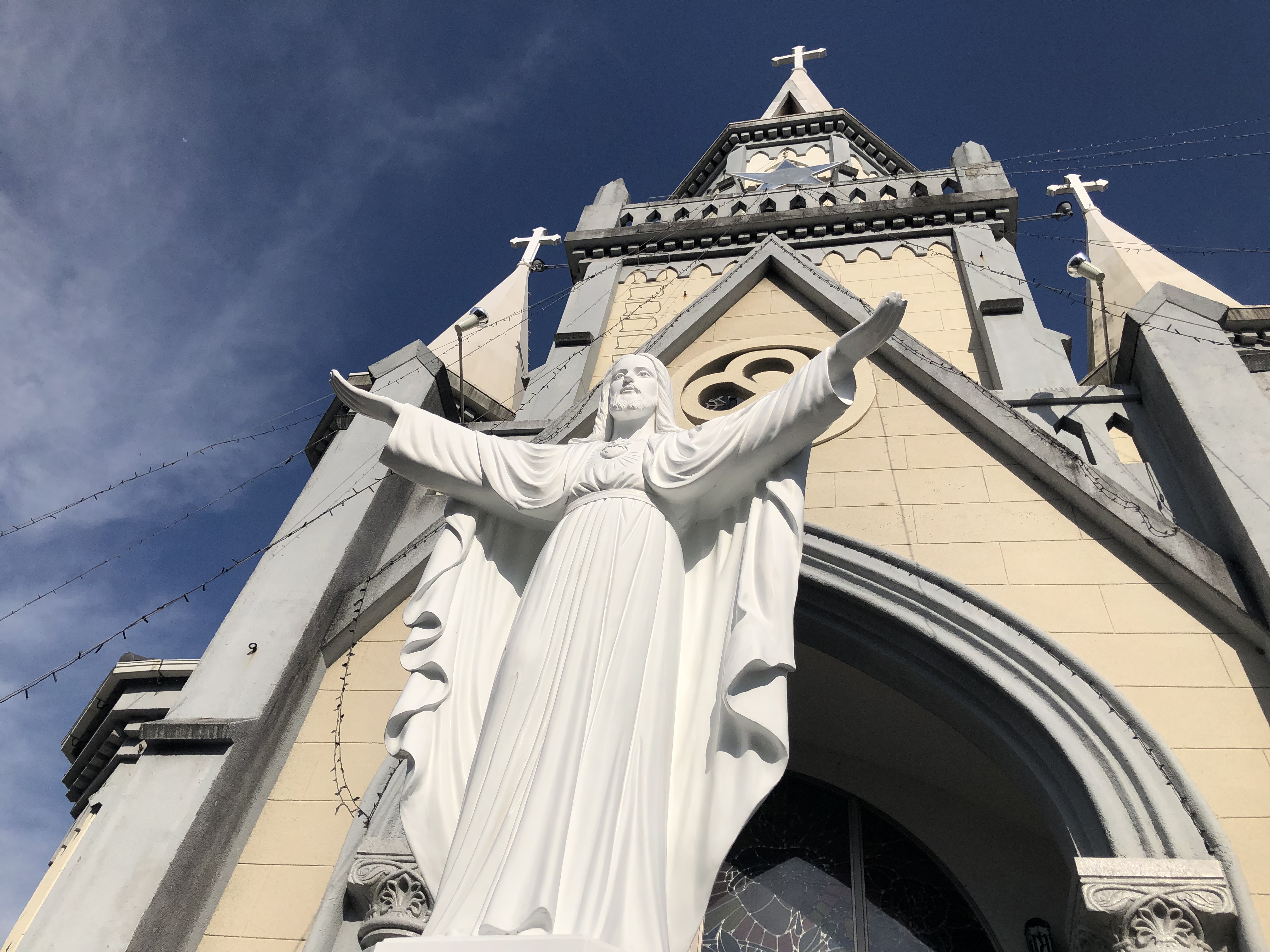
I leave the shrine down the stone steps, and wander four kilometres in the direction of Oura Catholic Church. A gothic-style church on a hill, overlooking Nagasaki Bay. I pay the steep ¥1000 entrance fee only to be greeted by signs saying no photographs. There’s a small museum, again no photographs. For whatever reason the area outside the church is extremely crowded. An extensive 28-page brochure written entirely in English is included in the ticket price, which does, in a way, make the ¥1000 cost somewhat tolerable.
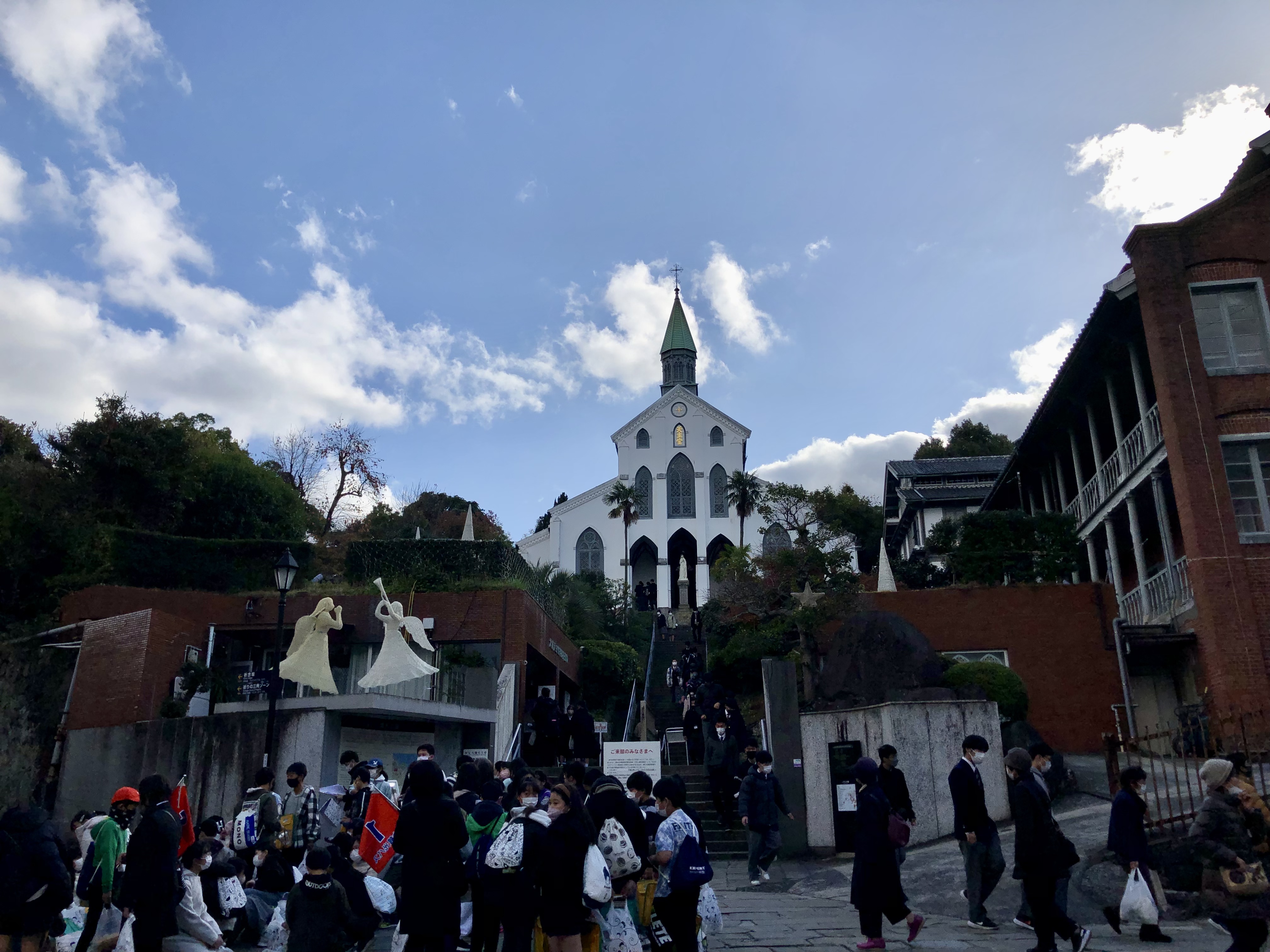
Christianity first arrived on Japanese shores in 1549, but after learning that a Christian, Okamoto Daihachi, one of the trusted advisors to Shogun leader Tokugawa Ieyasu, had been secretly keeping his Christian faith hidden, Ieyasu ordered Okamoto to death by fire. This event also led to Nagasaki being the first place in Japan to ban all Christianity in 1612. Tokugawa Ieyasu later banned all Christianity across Japan two years later in 1614, the same year that Suwa Shrine was completed.

This led to an array of hidden Christians, especially in Nagasaki. Statues of the Virgin Mary were disguised as Kannon, the Goddess of Mercy; Christians posing as Buddhists to avoid execution. In 1853, Japan ended its policy of isolationism, and the borders opened for those from overseas. Foreigners residing in Japan were, at the time of this church’s construction, allowed to be Christian, but for the Japanese it remained to be illegal. Oura Catholic Church was built for those foreigners in 1864 and is the oldest surviving Catholic church in Japan.
The Japanese government finally lifted the ban on Christianity in 1873.
Hell and High Slaughter

My plan today was a visit to Ukiha Inari Shrine, a remote shrine with a hillside vista over the Chikogu Plains that offer stunning views of red torii gates and the meadows beyond. However, as I finally arrive at Tosu Station to switch trains, I find that my next train, the Yufu 3 Limited Express bound for Beppu, doesn’t depart for another six hours, so in desperate need of a plan, and a sudden change of itinerary, I rush onto a random train bound for Kurume.

Kurume is a small city in Fukuoka Prefecture. I flip a coin to let fate decide my direction, but woefully fail to catch the coin and it lands in the gutter of a drain. Today isn’t going very well and it’s still morning. I choose to go south. It doesn’t take long for my optimism to return though, for in the distance standing tall and proud, a mysterious white statue captures my attention, and essentially my destination decides on itself.

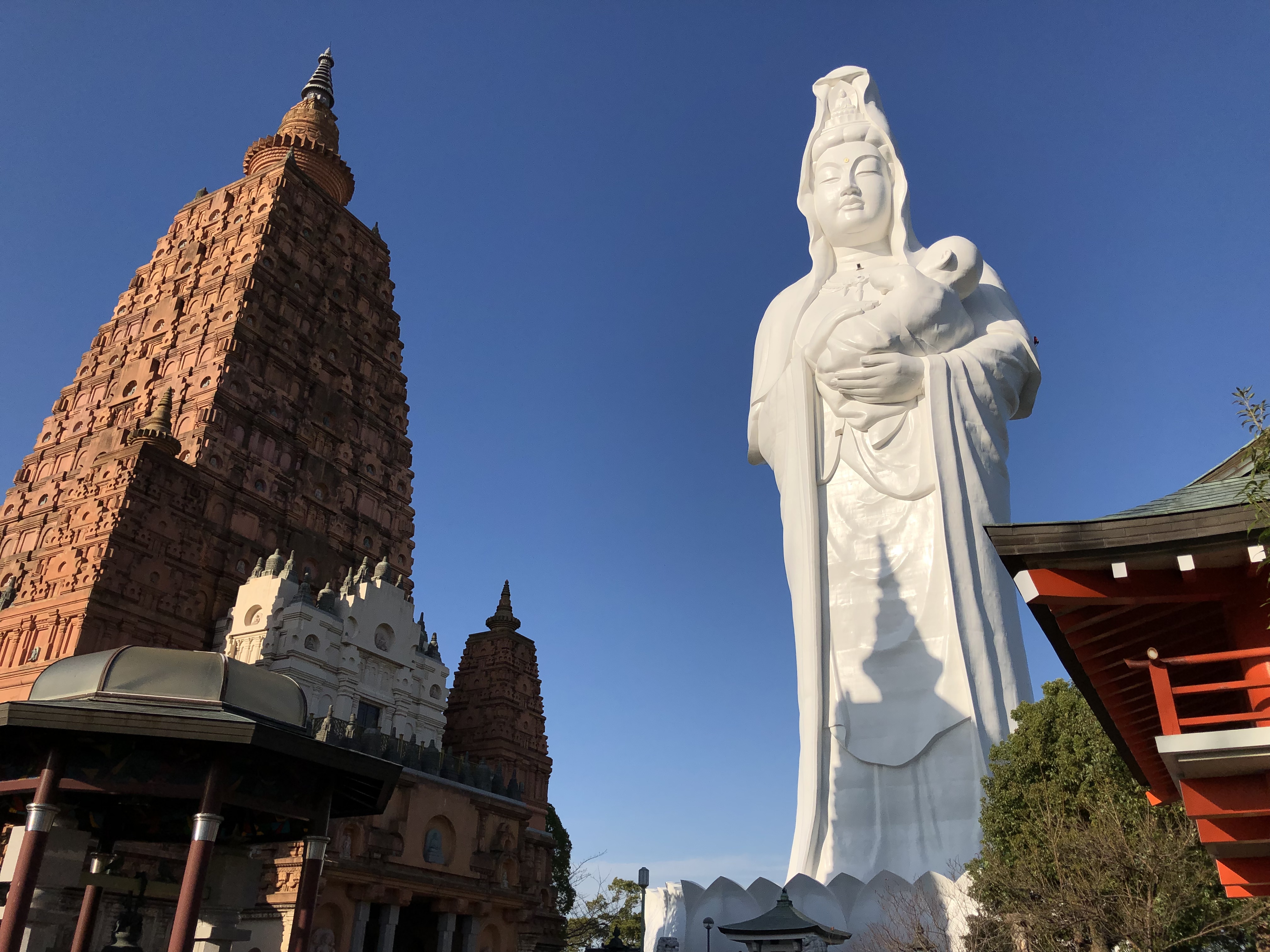
The statue can be seen from far and wide, and as I finally get close enough, it turns out to not be what I first thought, but instead a 62-metre tall statue of Kannon, the Goddess of Mercy. I always enjoy a good Kannon statue, not only does she save the souls of the suffering, but there’s often something rather unexpected to see.

The first thing that’s a little unusual is the 38-metre tall structure next to the Goddess. This replica of India’s Mahabodhi Temple, the Great Awakening Temple, is the first of its kind in Japan, and is based on the story that Buddha sat under a tree in India for seven days to meditate, became awakened, and then the original temple was built to honour that event. Why there is such a replica here in Kurume I have no idea. Also, and it may be a matter of perspective, but the Mahabodhi Temple is 24-metres shorter than Kannon, however, at every angle, the temple seems to tower over the Goddess.

As I approach the ticket office to enter Daihonzan Naritasan Kurume Temple, I inadvertently wake up a young Japanese woman; obviously this place doesn’t get a lot of visitors despite its massive car park that boasts space for 700 vehicles.

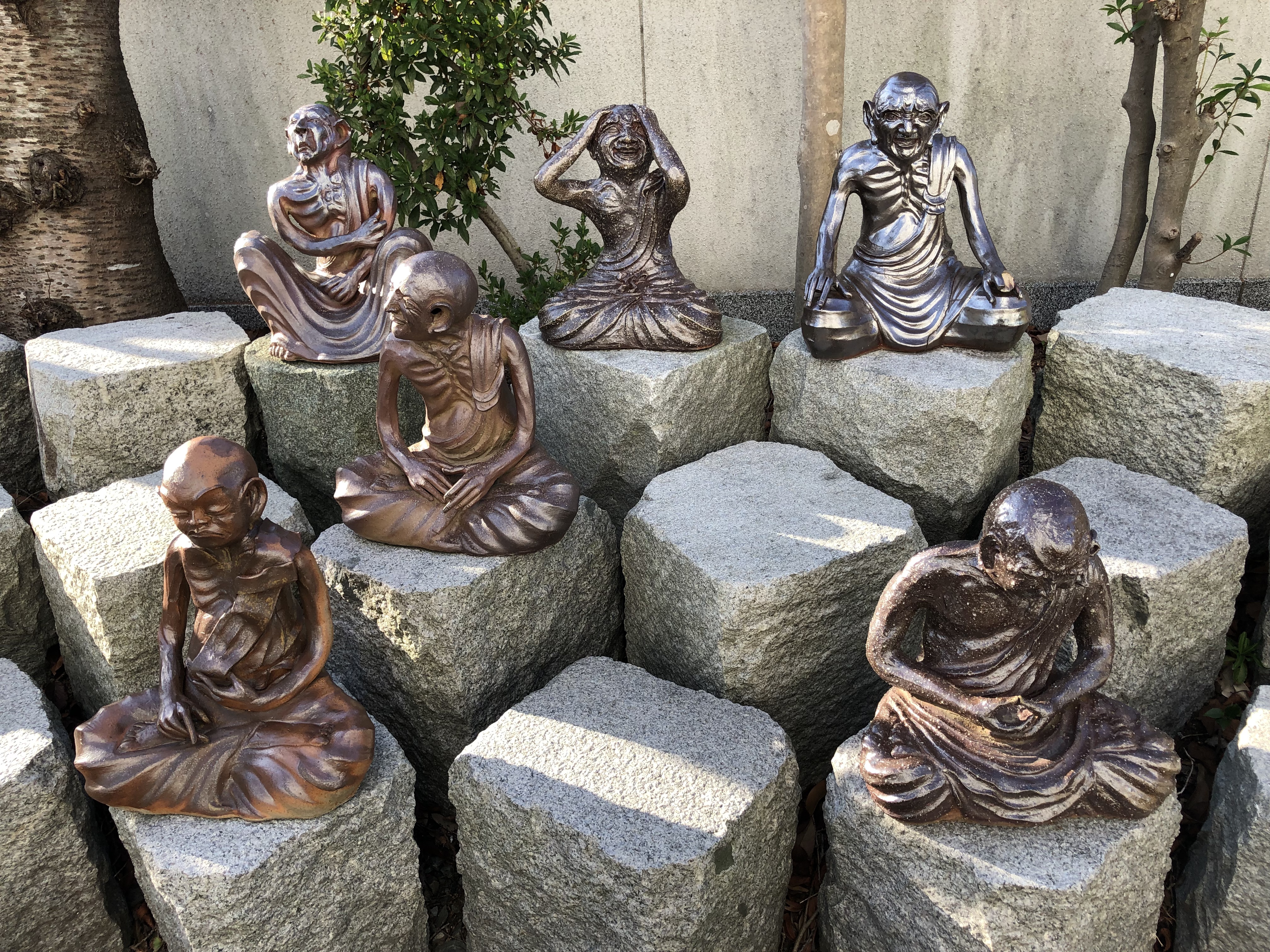
I take a seat on a small stone bench for a time, admiring the statue and contemplating, just like Buddha had once done. A statue of Ebisu disturbs my thinking, purely because he’s sitting on a cow next to a big pile of money. Distracted, I walk around the temple grounds, here there are numerous smaller statues depicting twisted souls in anguish.

I notice a shaft in the side of the Kannon statue, and decide to enter. Endless corridors greet me. Random artwork lines the walls, steep steps twist and turn through the statue, there is no elevator, and the climb to the top takes an age. From the top there are tiny windows that offer a nice view of the city below.

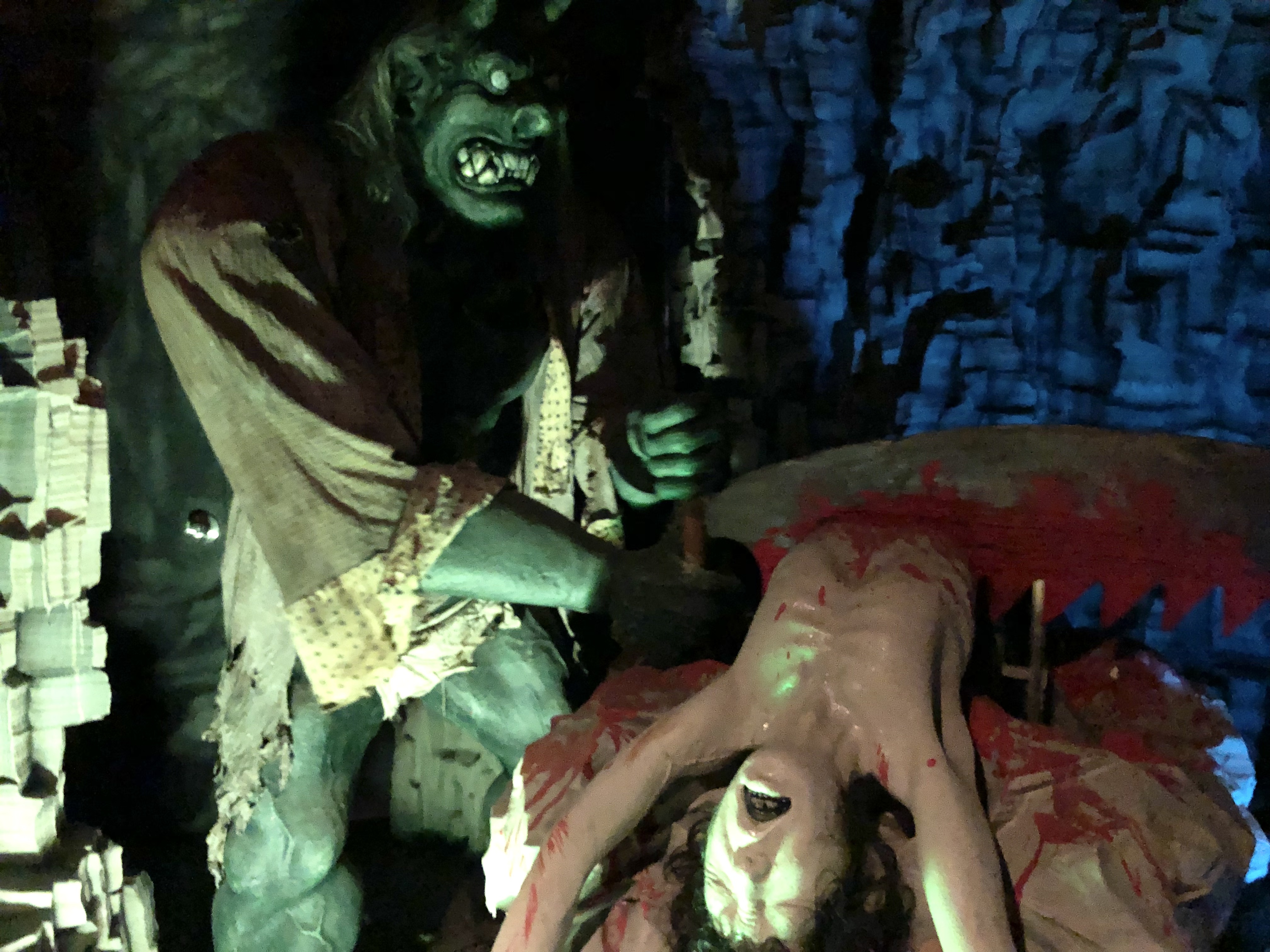
After admiring the landscape, I decide it’s probably time to leave now, and as I climb back down to the ground floor, I notice steps leading deeper down into a basement. As I further approach, I hear the creaky voices of evil spirits echoing down the lonely hall. A room here is marked either side by a pillar of skull heads. Inside are some lifeless effigies, but as I approach, I activate a sensor of sorts, and the first model begins to move.

This animatronic demon is sawing a naked man in half; the saw slides back and forth for as long as I watch. The man, despite his obvious injury is still alive, his screams are piercing and chilling, the sound effects of the saw all adding to the macabre scene. An absolute show of horror.

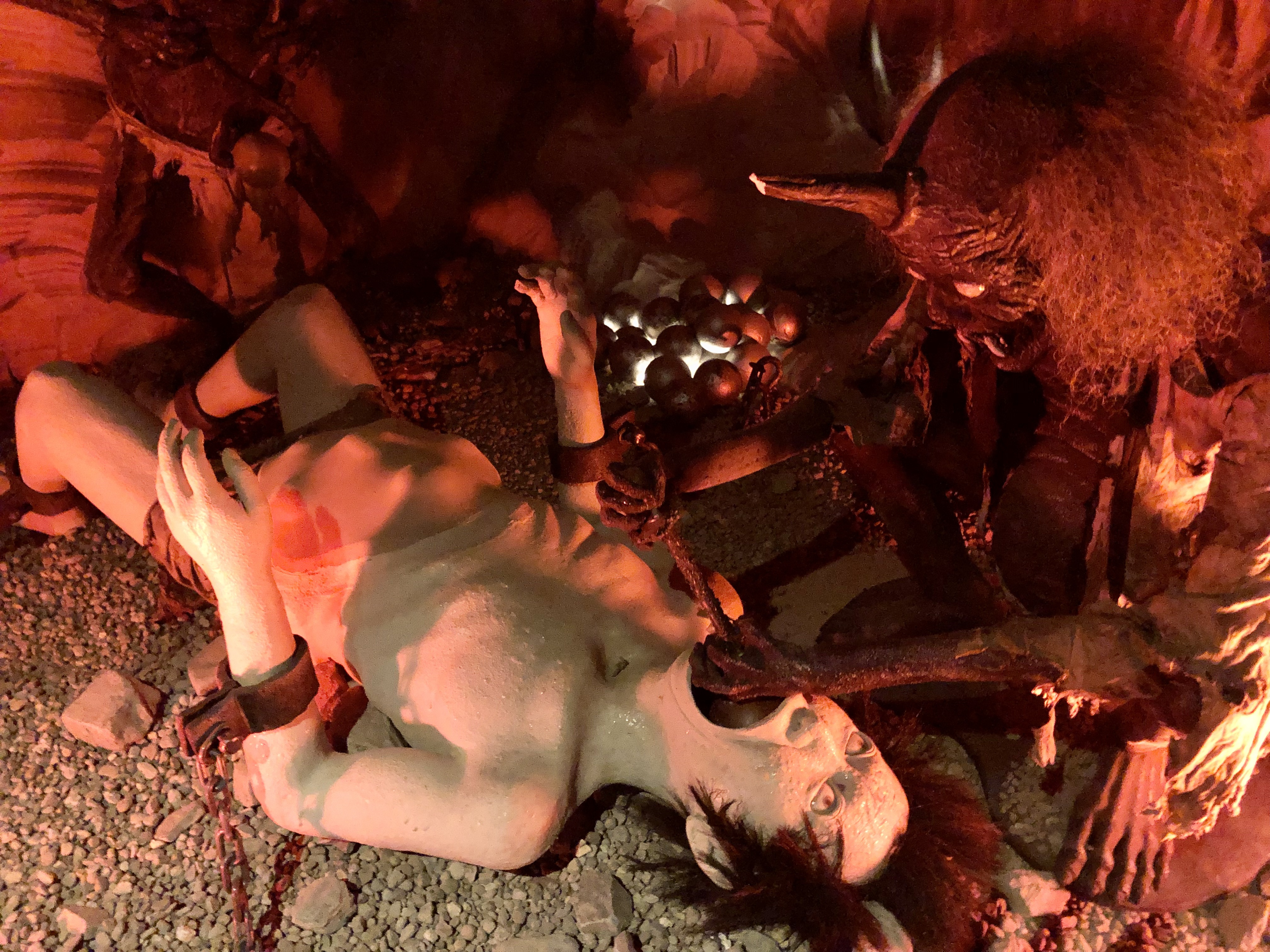
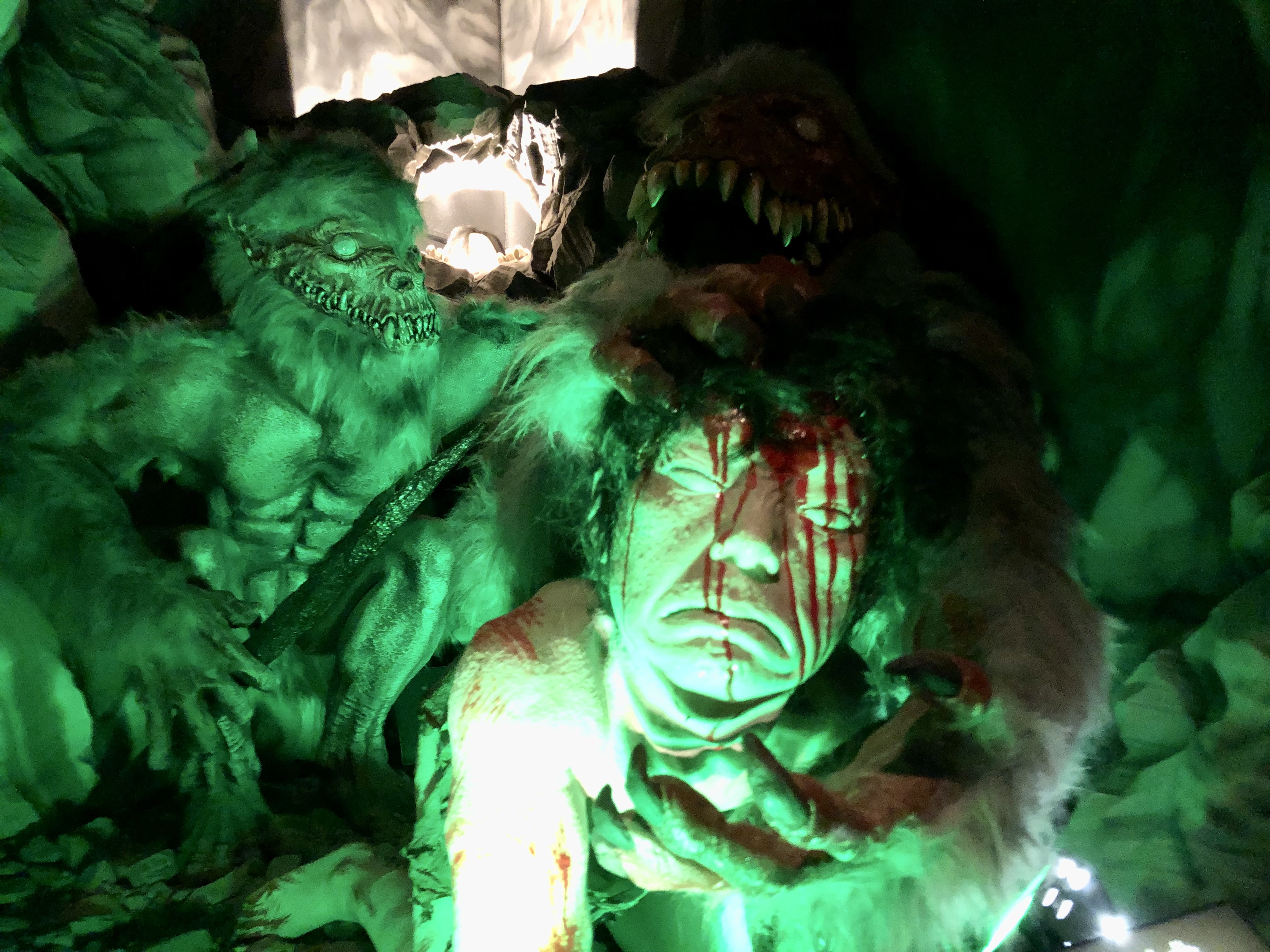
I move through the exhibits. A woman surrounded by spike traps gives me a jump scare as she screams into life. Two children covered in bruises and blood rotate on a platform as a demon with a sinister grin watches on. A man holding a huge boulder is about to smash in the head of a woman whilst a giant towers above. A chained up man is having a red-hot poker stuffed into his mouth.

I decide that this is one of the most harrowing things I’ve seen in my whole life. The passable realism of the statues blending with the authentic yet disturbing sound effects really adds to the eeriness evoked by this imagery. It seems that hidden beneath this innocent looking statue of the Goddess Kannon holding a baby, is a secret haunted house.

I take one last walk through what I learn to be the Hell Museum, before leaving the basement, the statue, and stepping quietly past the ticket gate as to not wake up the sleeping woman.

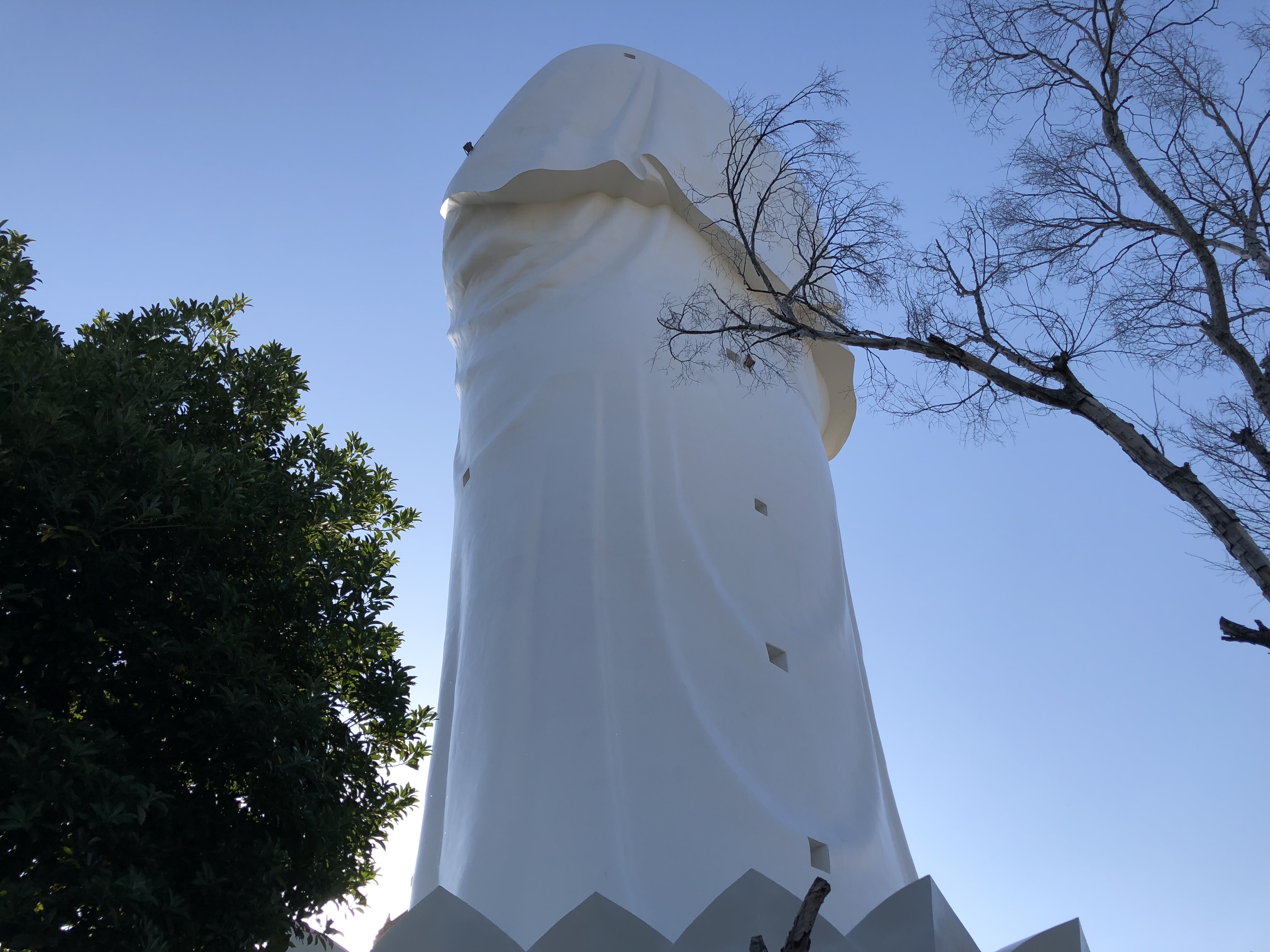
As I walk away, I look back at the statue, its phallic shape from behind visible for miles and miles, it makes me wonder if it was indeed designed that way, or just a misshaped mishap. I guess I’ll never know.

The Lost Samurai

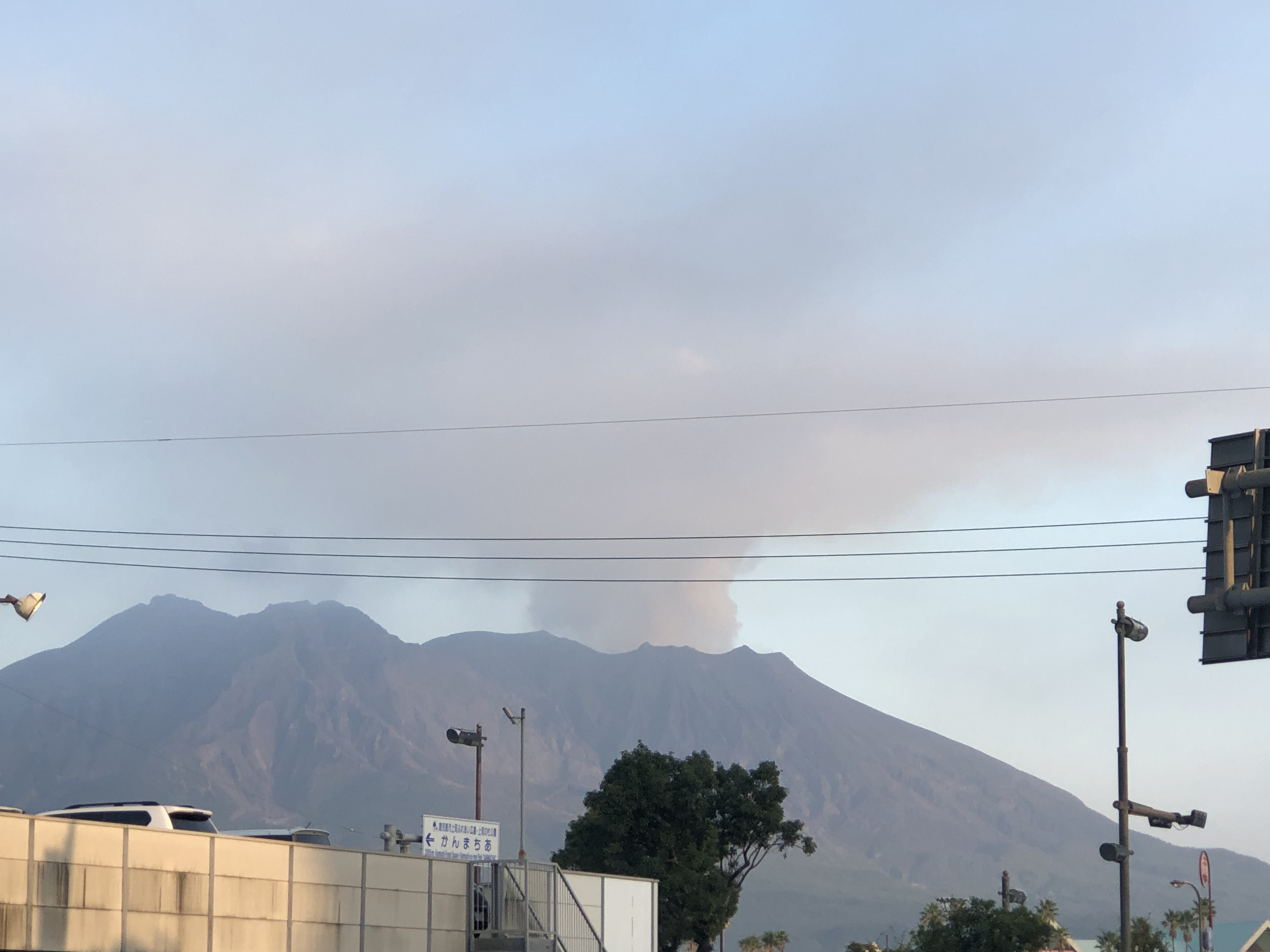
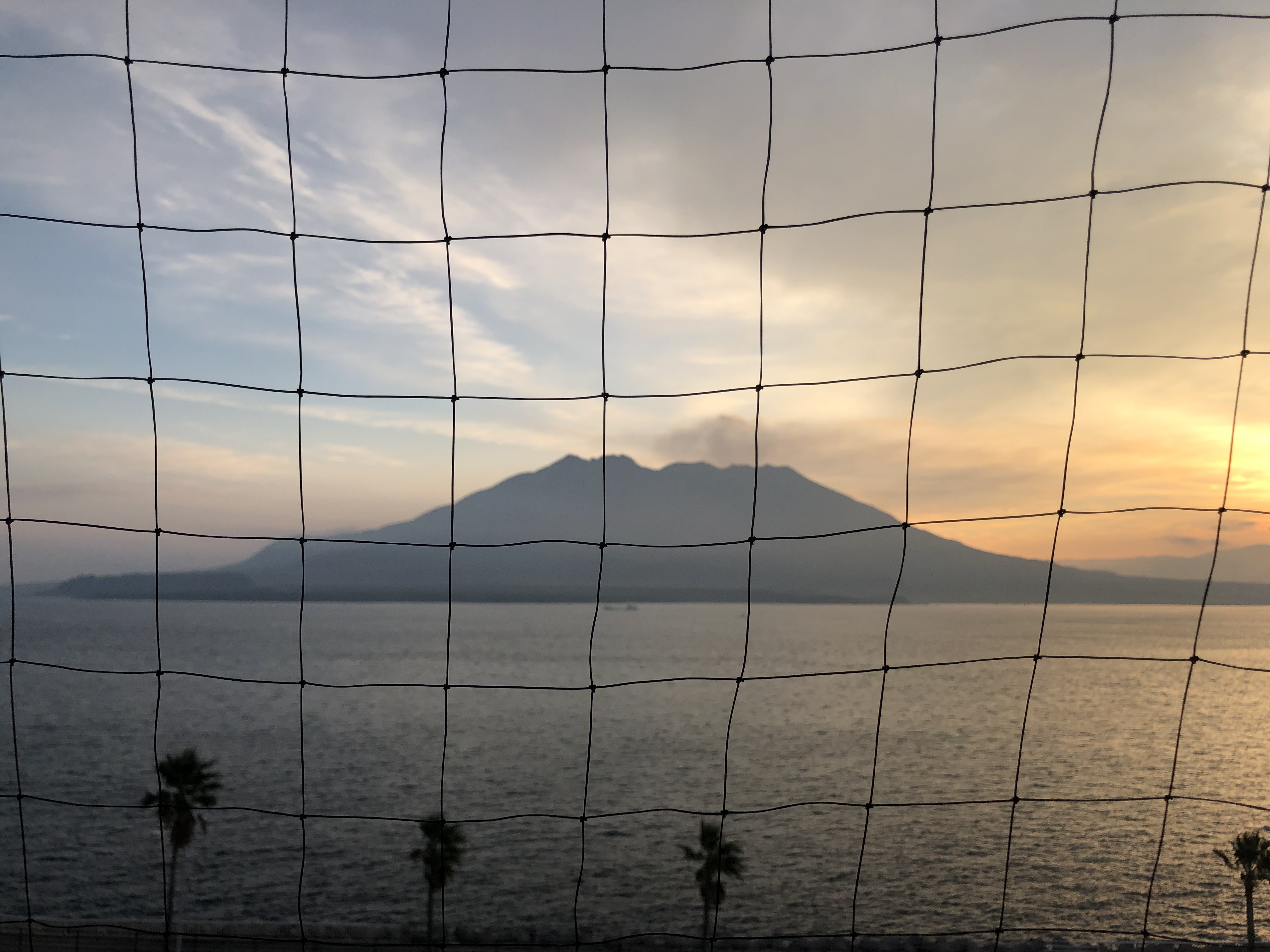
Many days fell away with nothing to show. Today, the first thing I notice as I step out of Kagoshima Station is the giant volcano that appears to be erupting in the distance. Kagoshima Prefecture is famous for Sakurajima, the most active volcano in Japan. It lurks ominously in the distance, alone, on its island surrounded by the water of Kagoshima Bay.

Sakurajima literally translates to mean Cherry Blossom Island, but don’t let the nice name fool you, this volcano is monstrous in size; standing at a colossal 1,117 metres above sea level, it can be seen from everywhere. Wherever I go in Kagoshima, the volcano seems to follow.

Today the Volcano Alert System is at level three. I am told to refrain from entering the danger zone and to pay attention to the future volcanic activity. The Volcano Alert System has five levels, they are:

5: Evacuate.
4: Evacuation of the elderly, et cætera.
3: Do not approach.
2: Do not approach the crater.
1: Caution advised around the crater.

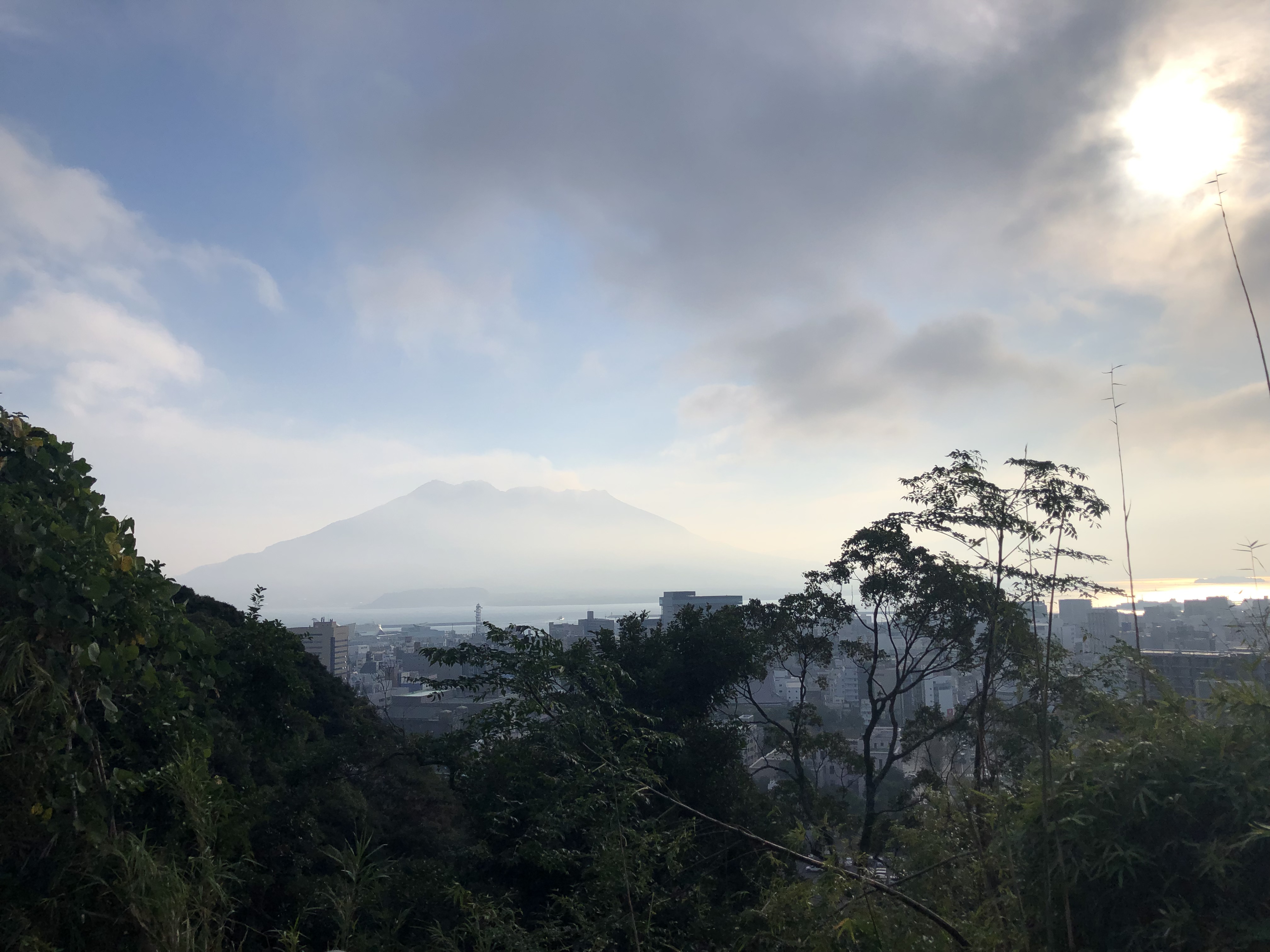
I decide to try to get a better view, so head towards the Shiroyama Park Observation Deck. As I wander, I feel the streets here are much wider than I’m used to, the roads twice the size as usual. Tram lines criss and cross through the city streets whilst foghorns blast intermittently in the distance.

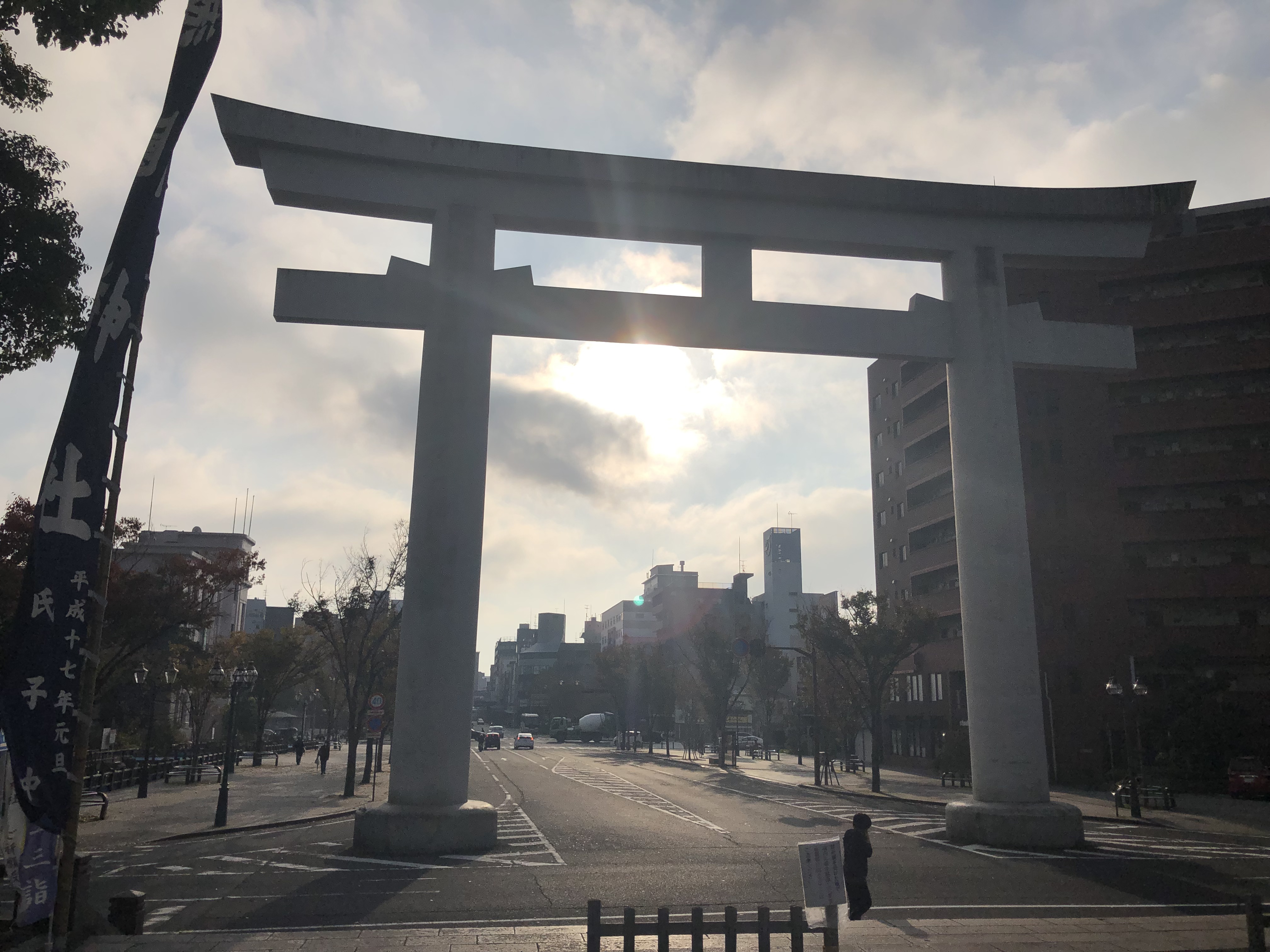
Before reaching the observation deck, I see a huge stone torii gate in the middle of one of the many large roads. I check my map to find it is simply named Big Torii. I’ve never seen such a gate before, usually torii gates are for people, it’s unusual to see traffic passing beneath.

After walking under Big Torii, I start to climb up some steep stone steps that spiral and meander, before finding myself 107-metres higher, at the top of Castle Mountain. In the distance, grey clouds roll over the hills bringing darkness from above, and I realise that I have selected the worse possible day to photograph the volcano.

I traipse back down the stone steps and into Central Park. The park isn’t that large, but somehow I can’t seem to find the statue that I’m here to see. I do another lap of the park, look for English signs, walk the park a third time only to realise that the statue isn’t even in Central Park.

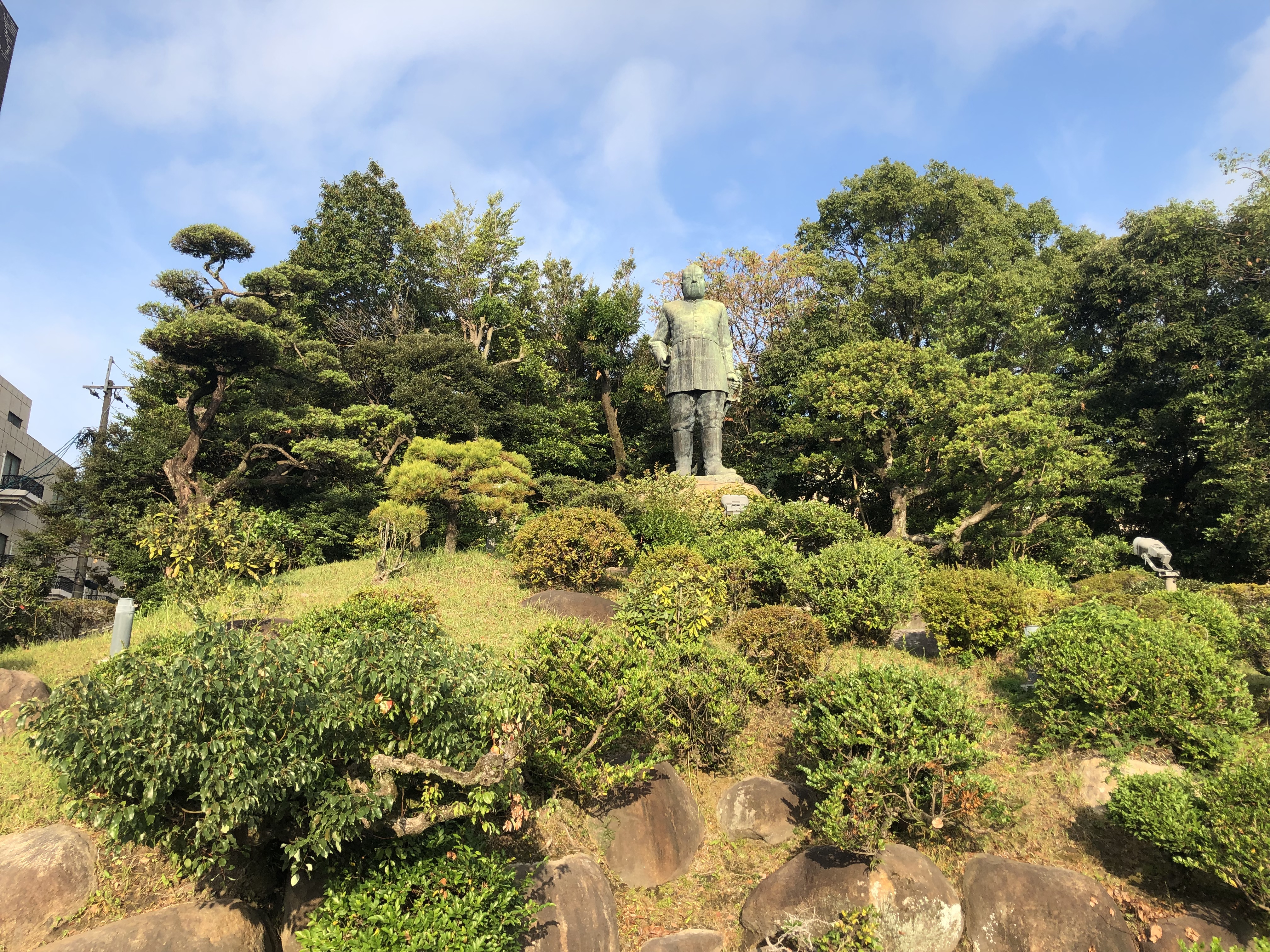
Eventually, I find the bronze statue of Saigo Takamori, betterwise known as The Last Samurai, and inspiration for the film of the same name. Saigo Takamori led the army of the Satsuma Rebellion against the Meiji government, and is one of the most influential samurai in Japanese history. The statue here is 8-metres high and took eight years to craft. There’s also a rather small statue of Hachiko the dog here, for no reason that I can ascertain.

Still desperate for a better view and a decent photograph of Sakurajima, I head on down to the Amami Okinawa Ferry Terminal, the source of the foghorns I heard earlier. I find a nearby hotel with a balcony that faces out toward the volcano. The hotel room is a little pricey, but it does offer a pour-it-yourself beer server in the lobby, and it’s totally free.

The view from my balcony is slightly spoilt by a net, but good enough.

After helping myself to some lovely free beer, I end the day by walking around Kagoshima; the ubiquitous Sakurajima volcano continues to prowl in every direction, its omnipresence ever threatening, until the darkness of the night engulfs its existence.

Death Becomes Here

Today is warm again, and I have arranged to go on a bicycle tour with three very close friends. We meet up at half-past one and cycle in the direction of Yanaka Cemetery. It might sound a little morbid, heading once again to this huge cemetery, but the reason we have settled on this location is that it is quiet, out of the way, and not packed full of tourists. Today might well be the last day we can view sakura, and I can’t think of a better way to enjoy the flowers than with my friends in an area that is free from the usual crowds.

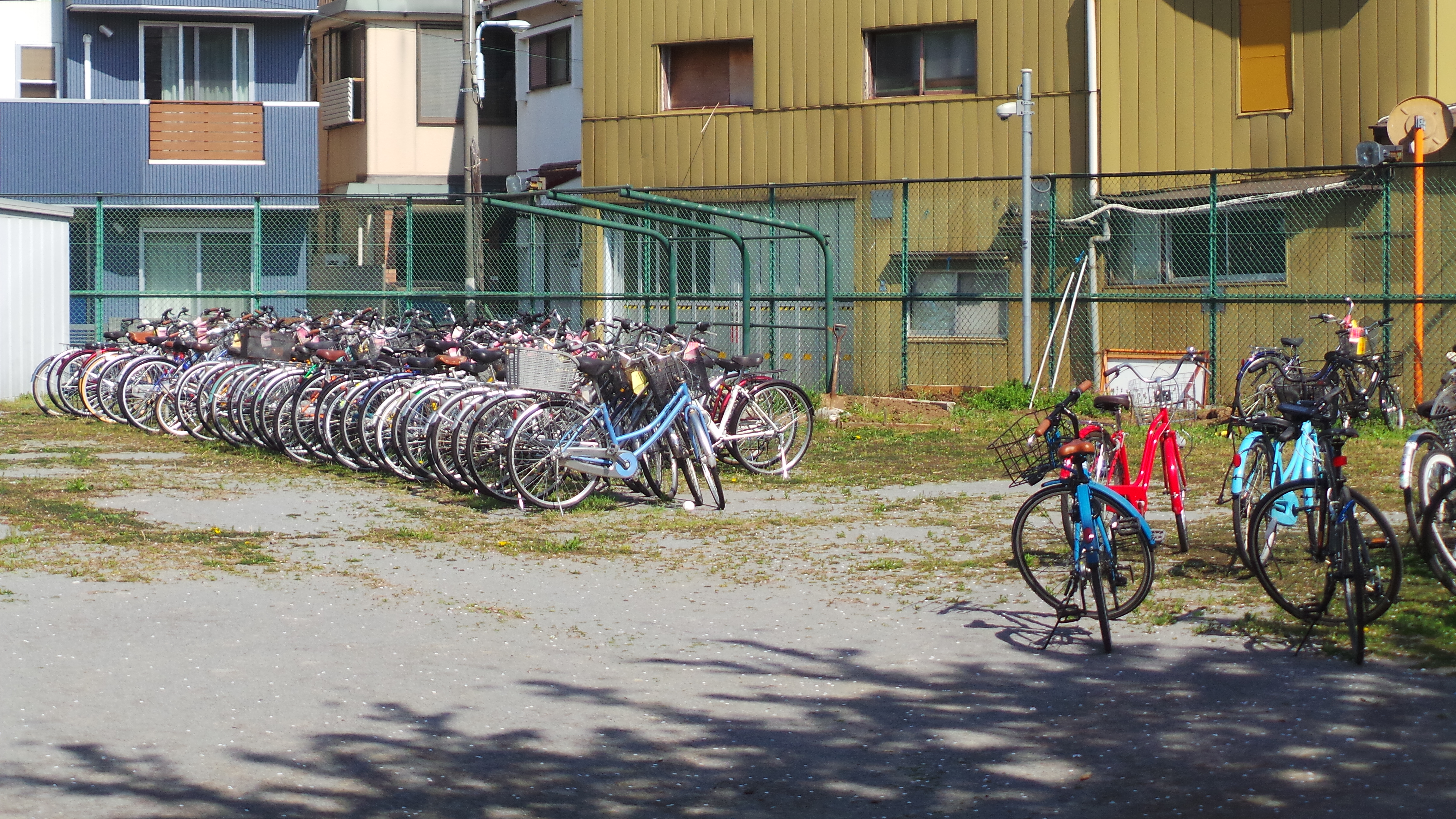
We decide, for whatever reason, to park our bikes in a zone where abandoned bicycles are collected and locked away. This fenced-off area charges a fine of ¥5000 to people who have left their bicycles illegally parked. After impounding our own bicycles, I worry that something might go wrong, and we too will have to pay the hefty fine when we return here later this afternoon. “Don’t worry about it,” says one of my friends, “we can just pretend that we don’t speak any Japanese, it’s no problem.”

illegalparking

We head through the cemetery, getting very lost in the process. The interesting thing about Yanaka Cemetery is that there are no bodies in the ground. Every grave here features a cremated corpse in an urn. Something about the blend of cherry blossom trees mixed in with the gravestones soothes me in a way that I can’t really describe. I really like this cemetery, and today is perhaps my tenth visit to this area since arriving in Japan.

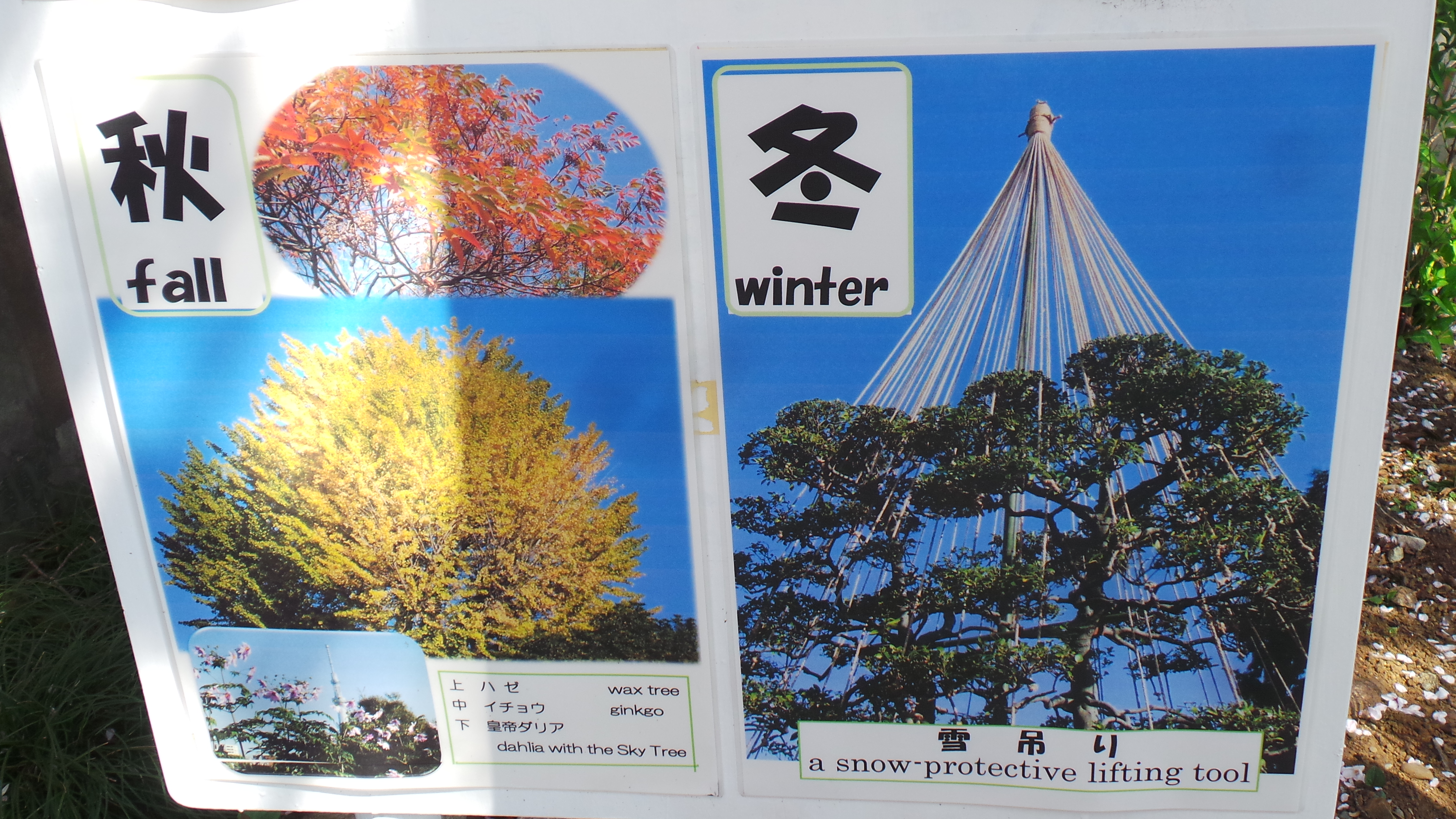
On the other side of the dead, there are some old houses and a street known as Cherry-blossom Avenue. I noticed a sign here a few months ago that displayed the four seasons of Yanaka Cemetery and various flowers. The section for winter was incomplete, but now, finding the sign, I can see that whoever is in charge here has finally updated the winter information, and it was worth the wait: a snow-protective lifting tool.

signcompleted

The photograph shows nothing resembling winter, and the sign is meant to depict the different flowers of each season (it doesn’t). I’m not certain if a snow-protective lifting tool is a genus of flowering plants or perhaps something more obscure; nevertheless, I am intrigued enough to make plans to return here next winter and investigate this peculiar seasonal tool.

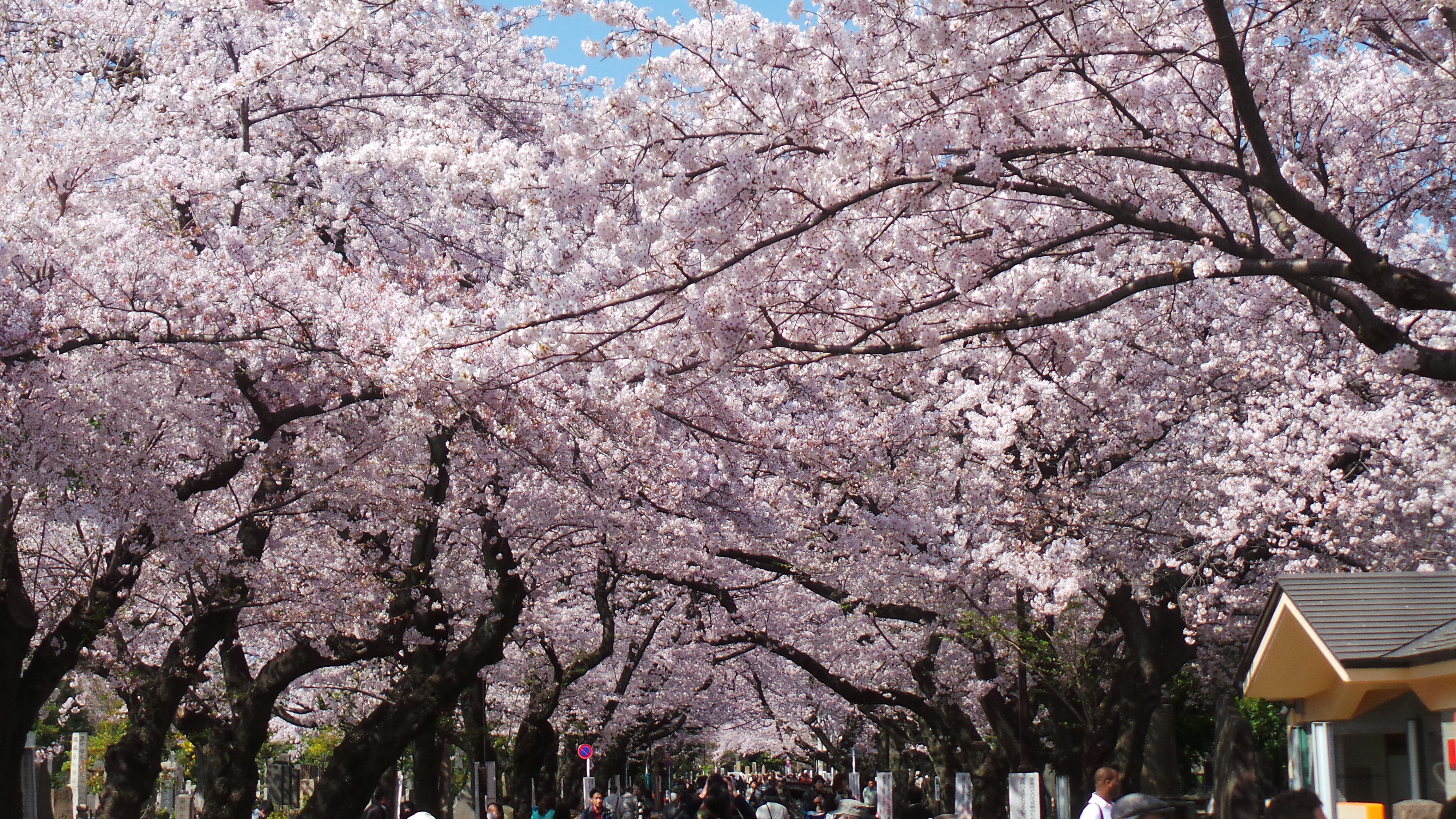
On Cherry-blossom Avenue, it is slightly more crowded than we had anticipated. Dozens of people meander the street, each side adorned with a wall of pink flowers arching over the tunnel-like path, creating an incredible sight. It’s unquestionably worth the visit, offering the most serene view of sakura I have seen so far. We continue our stroll on this lovely spring afternoon, relishing views under the canopy of blossoms.

sakuratunnel

On the other side of the street, we enter a very large temple. Tennoji Temple boasts a massive statue of Buddha and an ancient well that still functions today. One of my friends appears excessively excited about the well and immediately starts pumping water from the ground below. Apparently, the water has a metallic taste.

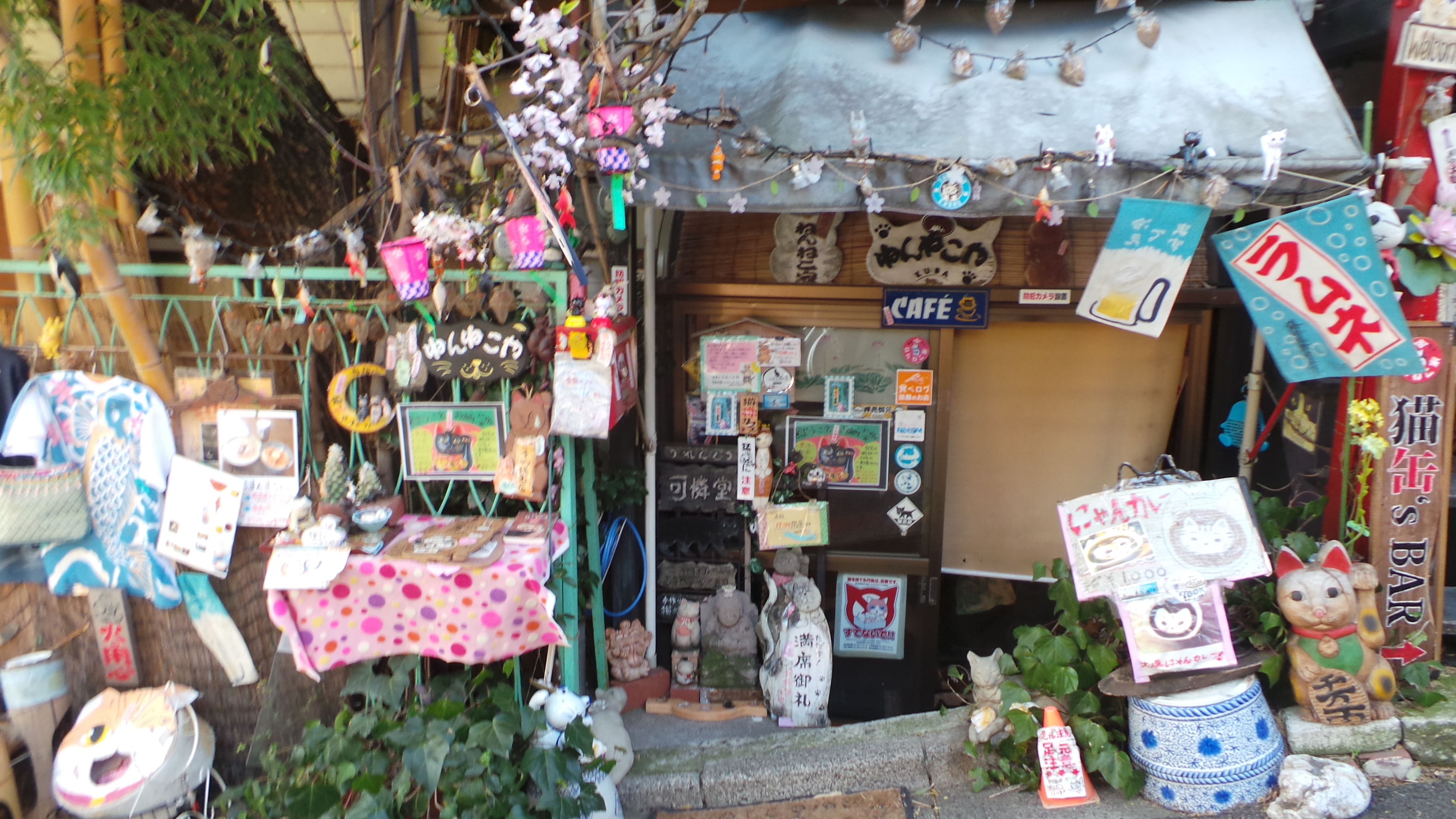
We leave the temple and the cherry blossoms behind us, heading down Yanaka Ginza Street. The market is an unusual bustle of crowds and tourists, drawn to the area for flower viewing and now wandering along this ancient street. Although tea houses, locally sourced products, and hand-made items are on sale, none of them capture our interest. In our quest for food, we stumble upon the knowledge that there’s a cat cafe nearby, and given our shared love for cats, we eagerly turn a corner and walk for ten minutes in a vague direction before finding a cafe adorned with cat paraphernalia. “Maybe this is the place?” I am told, with transparent obviousness.

catcafeagain

We wander into the deceptively small cafe and take a seat on the floor around a small table. Unlike the other cat cafe I have visited, this one doesn’t require us to pay any additional fee to eat with the cats. It feels more like someone’s living room than an actual cafe. Although the place is slightly pricey, perhaps the extra charge is used to subsidise the cost of cat food, care, and maintenance.

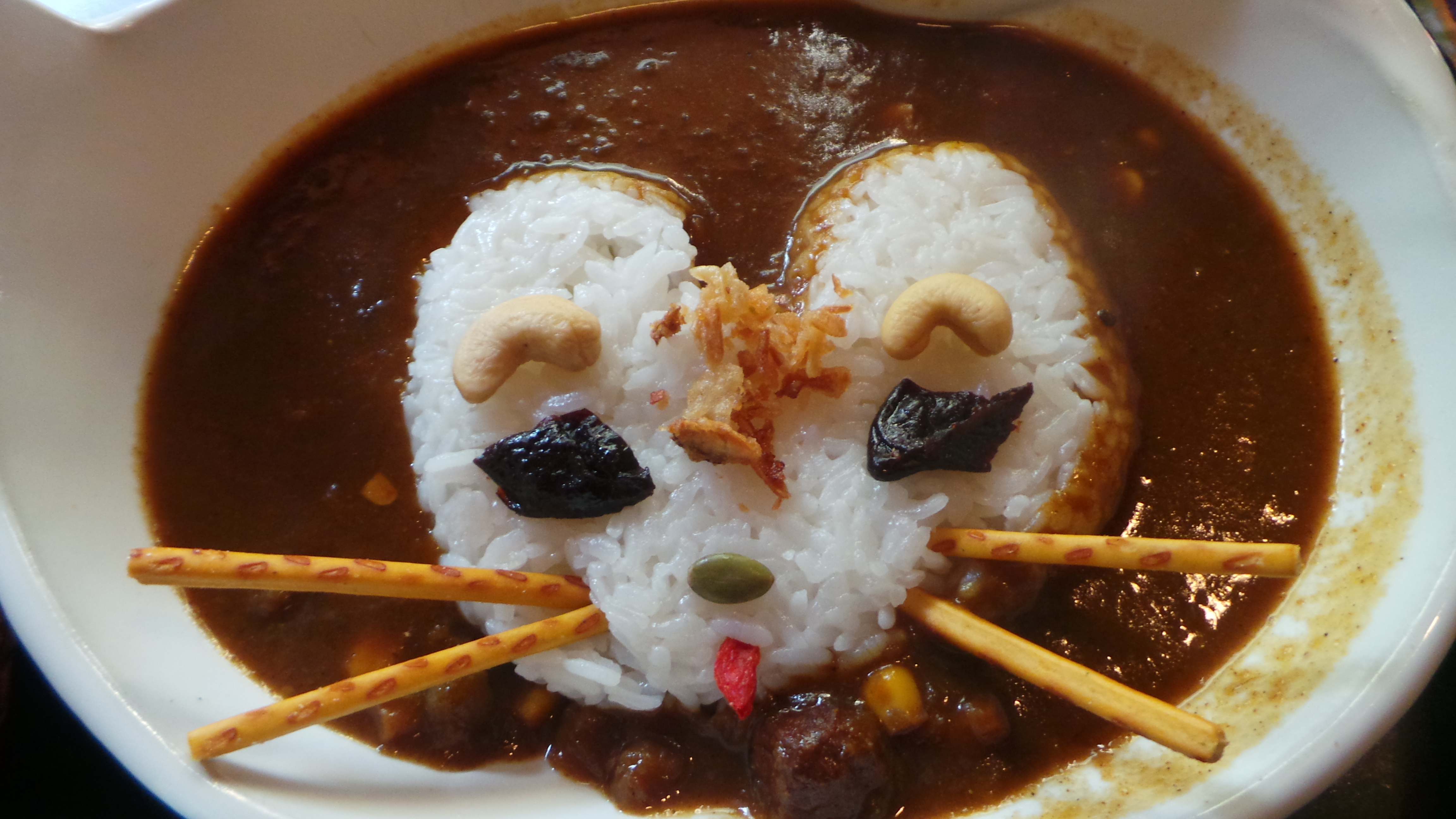
I order a vegetarian curry and wait. My friends, seemingly uninterested in real food, opt for a selection of cakes and sweets. As we sit and talk for a while, I completely forget that I am in the company of cats; perhaps the reason for this is that there is just a single cat here. Only one. Sleeping quietly under a heated table. Eventually, my food arrives, and a second cat appears from seemingly nowhere. Much to my surprise, my food looks nothing like any curry I have had before. Something is very different about it, and it takes me a while to realise exactly what it is.

catfoxcurry

As I dine on curry and rice shaped like a feline, or perhaps a fox, I begin to wonder if this is okay. Eating food in the shape of a cat, while surrounded by two actual cats, makes me feel very strange indeed. What would a cat think if it saw me eating one of its friends? Perhaps it would get angry, maybe even scratch at me. After finishing my curry, I attempt to pet the awake cat, but it runs away in fear, confirming my suspicions about eating cat-shaped food. The owner informs us that the manager of the cafe is, in fact, the sleeping cat. It makes me wonder if the cat even knows how to operate the antiquated till system (it doesn’t).

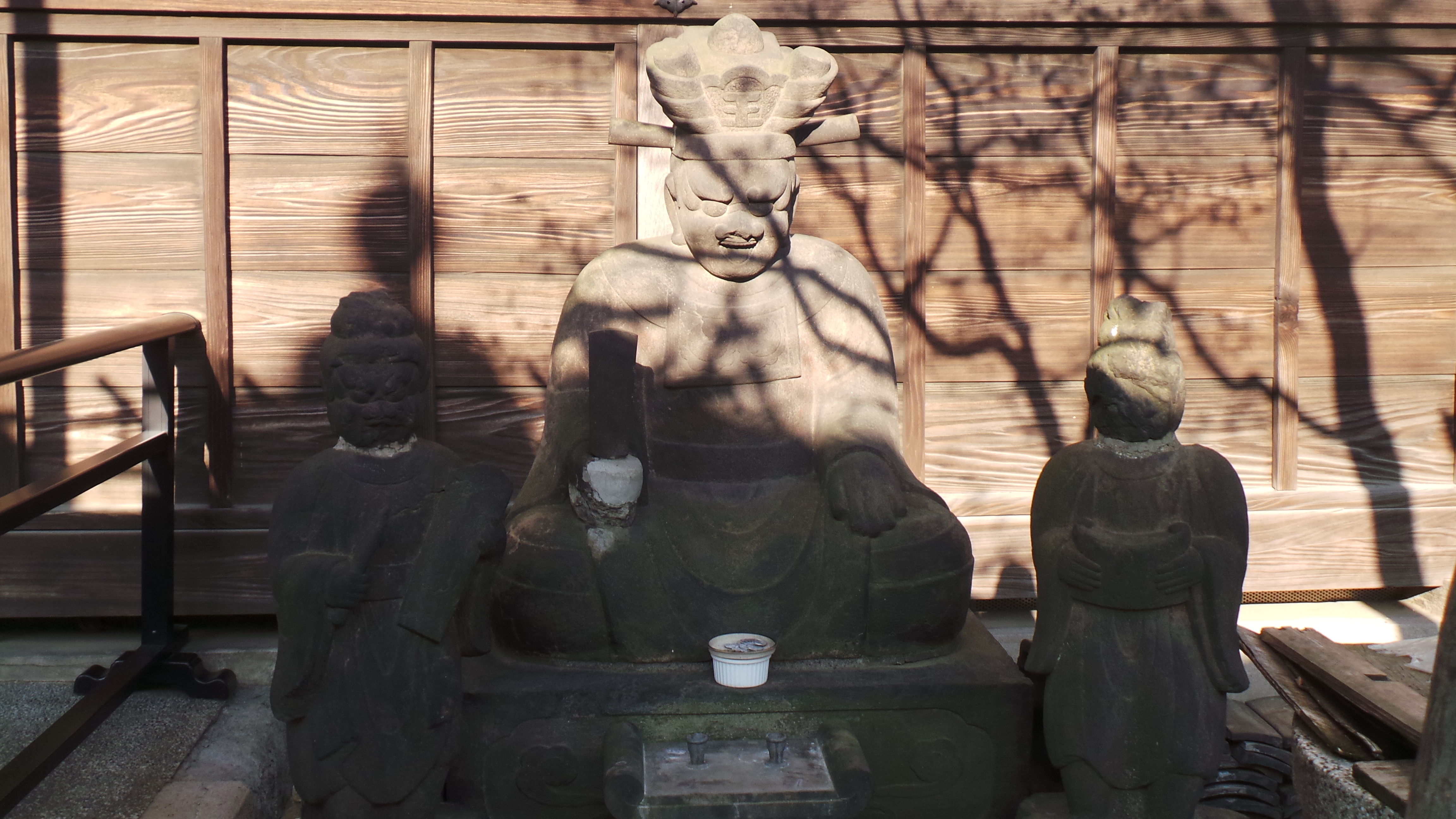
We set off in the direction of our bicycles, and along the way, we once again inadvertently stumble upon a temple. This particular temple houses the King of Hell, Enma-raja. The statue, carved from stone, depicts him with his servants sitting on either side. His servants are Shimyo and Shiroku, tasked with delivering the King’s judgment and recording it, respectively.

enma

It is believed that Enma-raja judges the conduct of the living and determines their destination after death. Rumour has it that if you tell a lie in front of the statue, the King of Hell will remove your tongue. Intrigued, I decide to test this out with a paradoxical statement, “You will cut out my tongue.” Nothing happens, indicating that I have told a lie, meaning the statue should cut out my tongue. But if it does, then I can’t have told a lie, and this creates a paradoxical loop. The logical conundrum continues endlessly. Eventually, the statue disintegrates in a quarrel of logic (it doesn’t).

It is quite fitting to find such a statue here, as the area of Yanaka is in the direction of the Ox Tiger, depicted with horns, sharp claws, and an evil demeanour. Because of this, it is considered an unlucky direction, and Yanaka shares the unfortunate possibility that it contains a demon gate—an invisible gate that leads directly to hell, known as a Kimon. Often, temples in Japan face the same direction as this Chinese zodiac symbol. This might explain why there are over thirty temples and shrines here, helping to purify the area and prevent an oni demon from showing up and killing everyone.

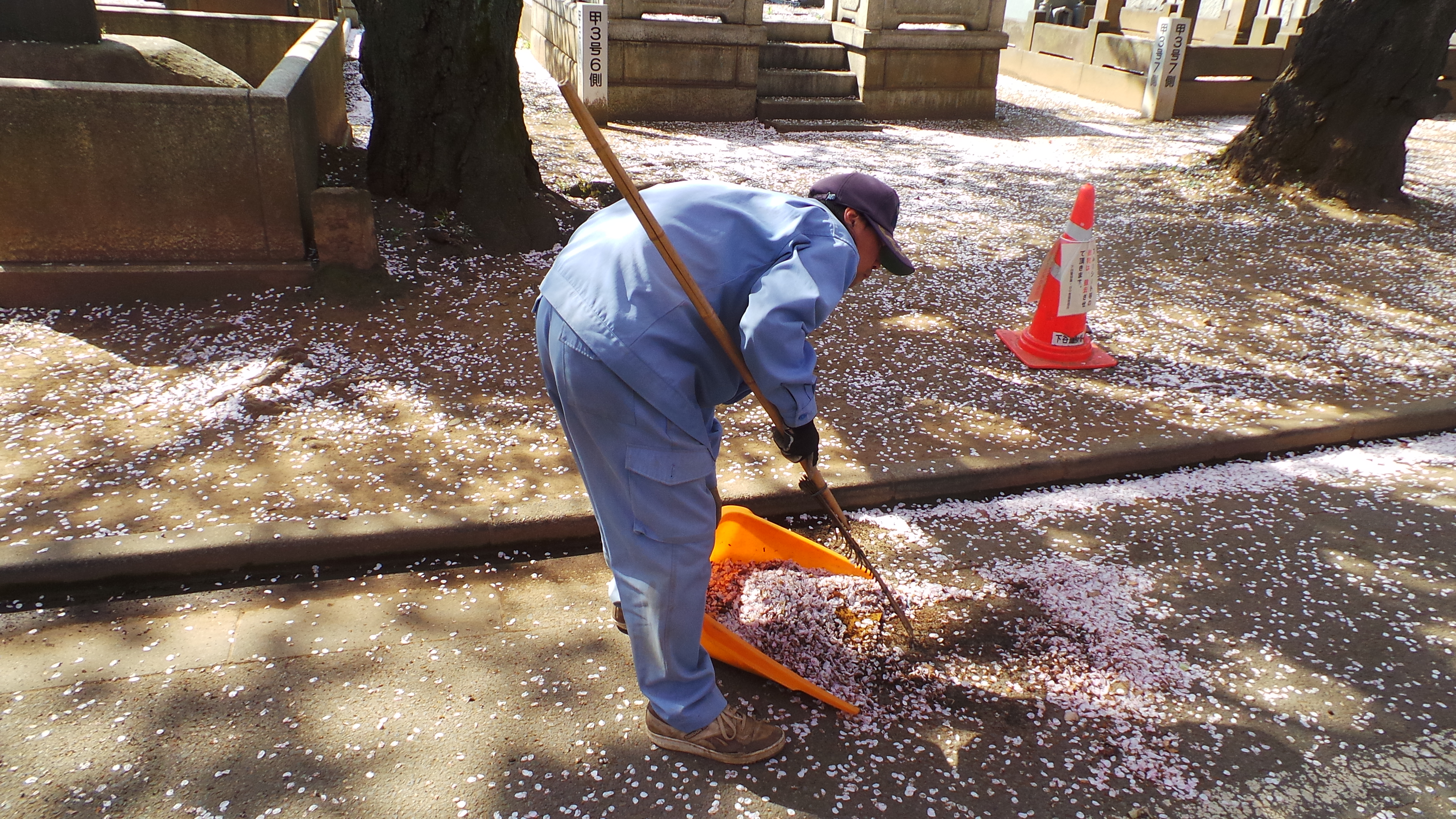
With death surrounding us, it is a pleasure to encounter something that brings a wry smile to my face. A man quietly sweeps up the fallen, dead petals of cherry blossom flowers that litter the floor. I watch eagerly as he sweeps. The area he cleans is instantly covered with petals within a minute of him finishing, and I fear for him; his job might be unavailing and endless.

foreversweeping

We eventually return to our bicycles, relieved to find them unharmed. However, a man looks confused as we stroll into the compound, unlock our bikes, and race toward the exit. Speaking in Japanese to one of my friends, he seems suspicious about our actions. “Next time, you should kindly ask for permission first,” is all he says. Fortunately, he doesn’t impose any penalties or cause any problems. As we cycle away from the cemetery towards Asakusa, it appears I had nothing to worry about, except perhaps for the sudden sharp pain that starts to shoot through my tongue.

Somewhere Oji We Know

The day is warm but grey. I head over to the Sumida River to take a look at a traditional Japanese festival known as Hina-matsuri. It’s a day dedicated to girls, celebrating the passing of ancient dolls from generation to generation. Originally, these dolls were floated along the river. However, due to issues with local fishermen, this practice was discontinued. Nowadays, the dolls are cast into the ocean before being collected and burnt. As is customary, the dolls are believed to contain evil spirits, and Japan utilises fire to cleanse them of the demons within.

Unfortunately, upon my arrival at the Sumida River, the event has already concluded, and the market stalls and stage are in the process of being taken down. With not much left to do for the day, I hop on my bicycle and once again head in the direction of Kita Ward, towards a quaint little place known as Oji.

oji1[1]

I find myself standing in Asukayama Park, a vast area designated in 1873 as one of Japan’s first public parks. Instead of climbing the steep steps for entry, feeling particularly lazy, I opted to ride for free on the monorail that crawls along the incline and into the park. Interestingly, the train station here runs alongside the park. As I look in one direction, I’m surrounded by lush greenery, while in the other, I see the familiar sights of billboards, buildings, railway tracks, and advertisements in the sky.

As I explore Asukayama Park, I’m pleasantly surprised to discover a unique playground for children, quite different from what I’m accustomed to seeing. The play area features old trains repurposed into climbing frames. Among them, two locomotives stand prominently, and my personal favourite is D51 853, a steam train donated to the park on August 31st, 1943. A nearby sign mentions something about coal, water, and charcoal, though I have no idea what it is referring to.

oji3[1]

D51 853 is awesome. Not only can I go inside and look at the old steam engine, but I can also climb onto the roof and pretend I am in a movie. I feel happy for the children who come here. Parks in Japan offer excellent facilities and interesting attractions. It makes me wish that I had such adventurous play areas in England when I was a child, but instead, all we had were rubbish swings. A sign says, ‘D51 853 is somewhat dangerous. Play carefully, duck down, or climb up on the high locomotive!’

I continue my exploration and discover that this park also boasts old waterfalls absent of water, beautiful foliage, and multiple statues and sculptures of varying shapes and sizes. One such sculpture is merely a small pile of rocks, while another is a giant rock enveloped in a small wooden shelter.

oji2[1]

A sign beside the massive rock mentions something about the ceremonial transfer of a divided tutelary deity to a new location, although the meaning escapes me. It also notes that the inscription is challenging to decipher in Japanese, as the letters were written using ancient kanji and rare calligraphy. Despite the protective wooden house, the words have succumbed to a weathered, entropic fate. A second sign, written in English, amuses me; it simply says, ‘Rock, please do not climb.’ Instead, I climb the protective wooden house.

As I leave the park, I pass by the Paper Museum and ponder how interesting it must be. Unfortunately, it’s closed today. I continue to walk, heading toward a bridge, where I follow some old stone steps down to Otonashi Shinsui Park.

Oji4[1]

Hidden beneath the bridge, Otonashi Shinsui Park is simply amazing. It boasts its own old wooden bridge, a small stream, an abundance of beautiful nature, and an opportunity for rock climbing practice on the many craggy stone structures that don’t appear to be dangerous at all. I stand for a while, deciding not to climb but only to observe, taking in the beauty of the scenery. After a while, I head back up the steps and across the bridge.

Beyond the bridge, there’s a huge torii gate and a massive shrine.

oji5[1]

Oji Shrine, one of Emperor Meiji’s Ten Shrines of Tokyo, is part of a pilgrimage trail consisting of ten shrines. Today, the shrine is devoid of visitors; perhaps they are all too busy enjoying the festivities with their dolls. Legend has it that the shrine was renamed by Toyoshima, a Japanese warlord. However, the most intriguing aspect here is a much smaller shrine dedicated to the god of hairdressing and wig-making. Quite peculiar.

I continue cycling around the area, searching for something of interest. Eventually, I stumble upon large castle walls with modern houses built above them. Steep stone slopes run along the castle wall, eventually leading to Oji Inari Shrine—a place where foxes seemingly guard the playground for children situated at the bottom of the hill.

The god of rice harvesting resides here, and so do the foxes. Among all the fox shrines in Tokyo, Oji Inari Shrine is considered the main one. Every year, at the end of the year, foxes reportedly visit from all over Japan to guard the god of the rice harvest, and presumably, to offer their prayers. It’s hard to believe that if I came here on New Year’s Eve, the shrine grounds would be filled with foxes, but that’s what the information here tells me, and who am I to argue with information.

oji7[1]

I leave the shrine and start cycling back toward Asakusa. I make a brief stop at the Banknote and Postage Stamp Museum, but unfortunately, it’s closed today. It’s a shame really because inside this free museum, it’s said that you can lift one billion yen. I would have loved to take one billion yen home with me, but sadly, that won’t be happening today.

Back in Asakusa, I finally get a chance to experience Hina-matsuri through traditional food. Chirashizushi (scattered sushi) is the dish that women typically eat on this day. It’s supposed to be sugar-flavoured, featuring vinegared sushi rice. While the toppings usually include raw fish, for some reason, my friend has given me a unique mix of rice topped with egg, cream cheese, and strawberries. Although three of the ingredients generally go well together, the addition of strawberries for the sugar-flavoured element is what I find a bit strange. While this might be a traditional food in Japan, strawberries with egg and rice is something I struggle to bring myself to enjoy.

As I cycle home with the taste of Chirashizushi scattered in my mouth, I decide that my next blog post will be primarily about food.