Height of the Lifting Tread

Today, I woke up at 4 a.m. My sleep pattern is completely messed up from spending a week in a fourteen-bedroom dormitory room, constantly being disrupted by shuffling, case repacking, and inconsiderate chicken eaters. Anyway, for the next seven nights, I’ll be enjoying the luxury of a lonely hotel.

With little else to do, I decide to take a look at Japanese television for the first time in months. Honda is launching an aeroplane, the HondaJet, which might as well be a spaceship considering its appearance. Cristiano Ronaldo is advertising some weird gadget that you roll on your body, perhaps to release muscle tension, but its exact purpose remains unclear. A baseball match is rained off. There’s a game show where a member of the girl idol band AKB48 is being chased down a street by one hundred convicts who escaped from prison vans. Hilarious. I switch the TV off.

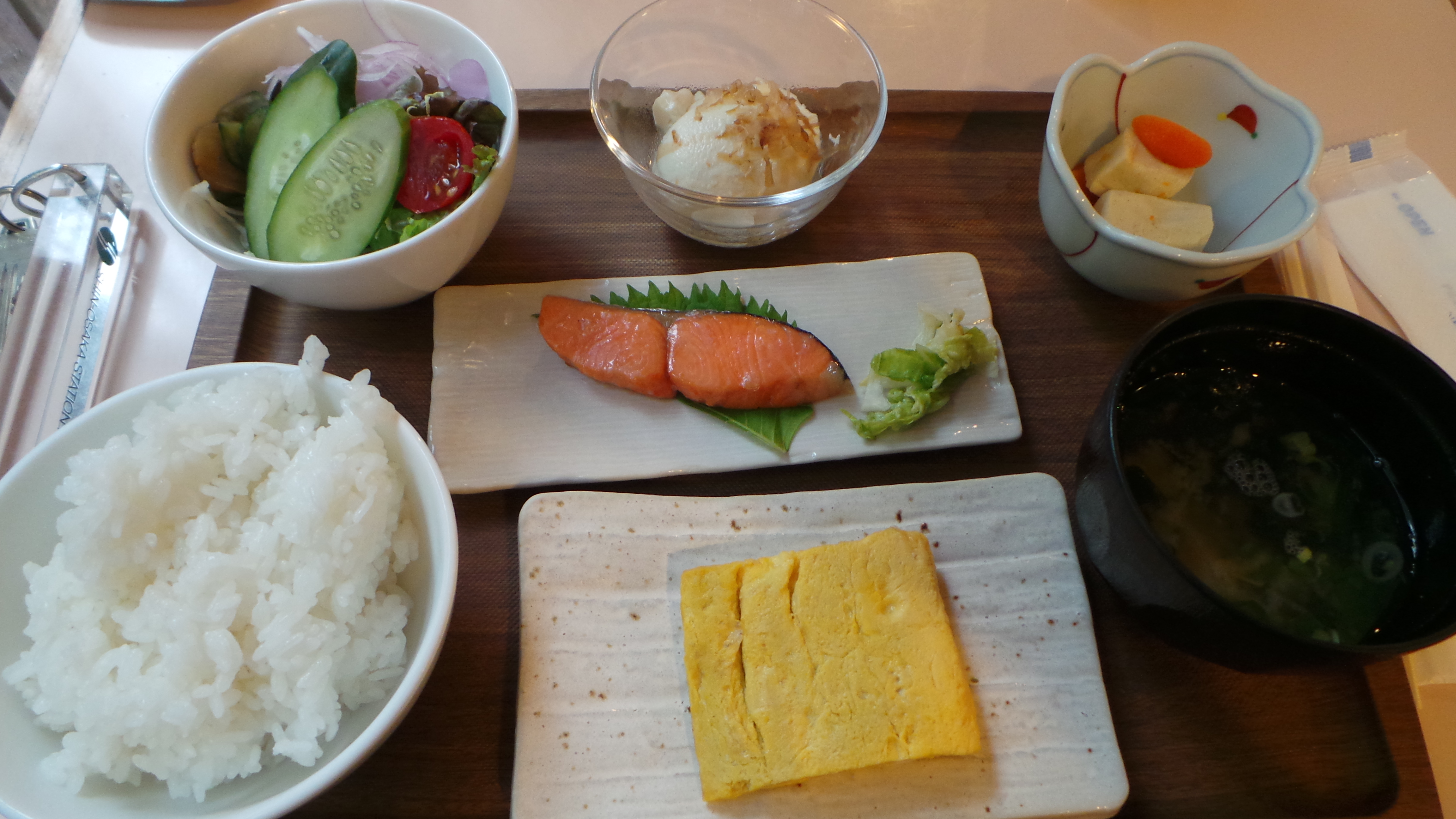
At 7 a.m. sharp, I head down for my ‘free’ breakfast. I am greeted by warm smiles, fastidious service, and first-class hospitality. My breakfast comprises a Japanese-style omelette, grilled fish of the day (salmon), salad with homemade dressing, cooked seasonal vegetables, homemade tofu, white rice, homemade pickles, and a pot of miso soup. Additionally, I help myself to drinks; opting for orange juice over coffee.
japanesebreakfast

The breakfast is a success, fitting my pescatarian diet as well. I enjoy everything except half of the tofu; it’s never been my preference. Although the rice and miso soup are self-service, allowing me to have more, I opt not to be greedy. Feeling satiated, I return to my room to read, but I find myself dozing off.

I wake up again just after 11 a.m.; I must have been really tired. I dry my shoes with a hairdryer, and ten minutes later, I’m out the hotel door, umbrella in hand. It’s the kind of hotel where you have to hand in your key at reception every time you leave. Works well for me—I hate carrying bulky hotel keys around anyway.

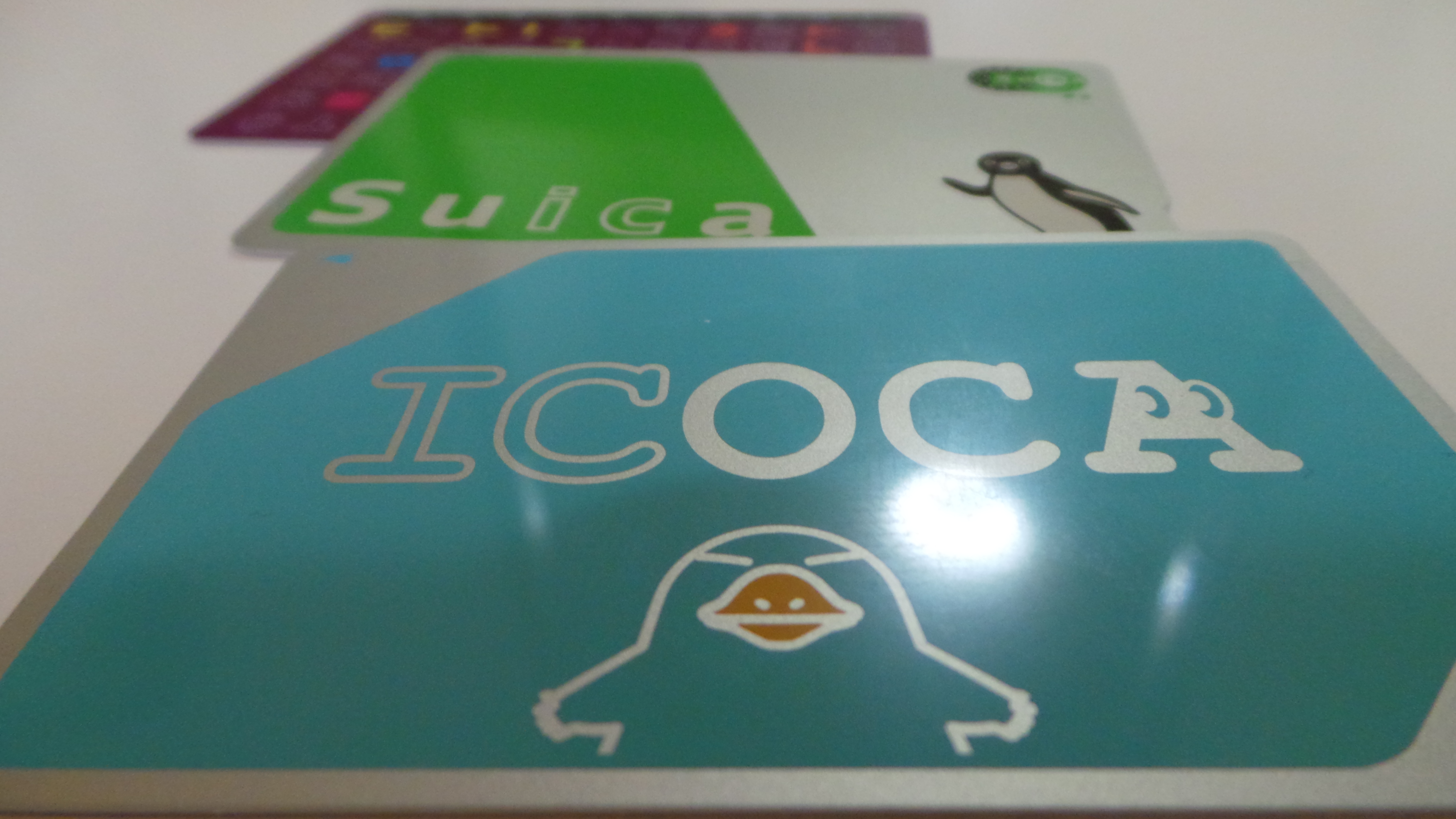
Outside, I take a train to Osaka Station for ¥160. Unfortunately, my Suica card randomly stops working, so I’m forced to buy an Icoca Card, the Osaka equivalent. The Icoca card is light blue and features Ico the Platypus. These cards often contain hidden puns. The ‘Super Urban Intelligent CArd’ is a play on the word ‘suika,’ meaning watermelon. ‘Sui sui’ is an ideophone signifying smooth movement. Much like a penguin swimming effortlessly in water, my card usually allows me to glide smoothly through the ticket gates—except when it randomly stops working at the gates.
20140806_091934

At Osaka Station, the Muzak drives me crazy. I keep hearing the same songs over and over. There’s this one Japanese song with a female vocalist and an incredibly catchy melody. I might even say I like it and want to find out its title. However, my issue is that every time it plays, it’s too quiet for me to catch any of the words. As usual, the tune will be stuck in my head for the next few hours, the jaunty music swirling around my head like a relentless earworm.

I escape the torture of the train station Muzak and head straight for the Umeda Sky Building. As I arrive, the rain stops. Just great — now I have to carry around a useless umbrella all day while humming the melody of that song. Spotting a sign for ‘Fun Fun Plaza’ cheers me right up.
skybuilding

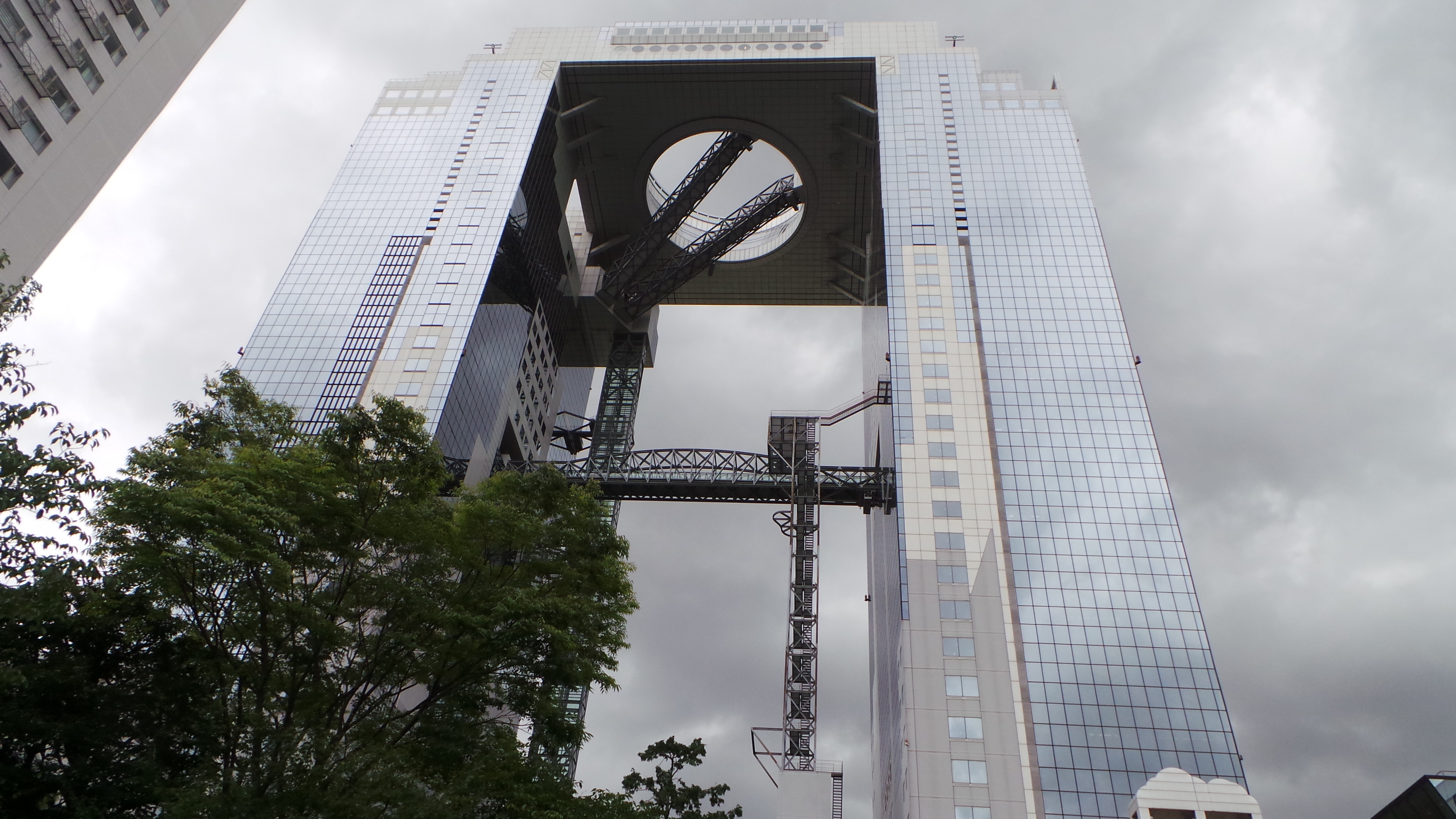
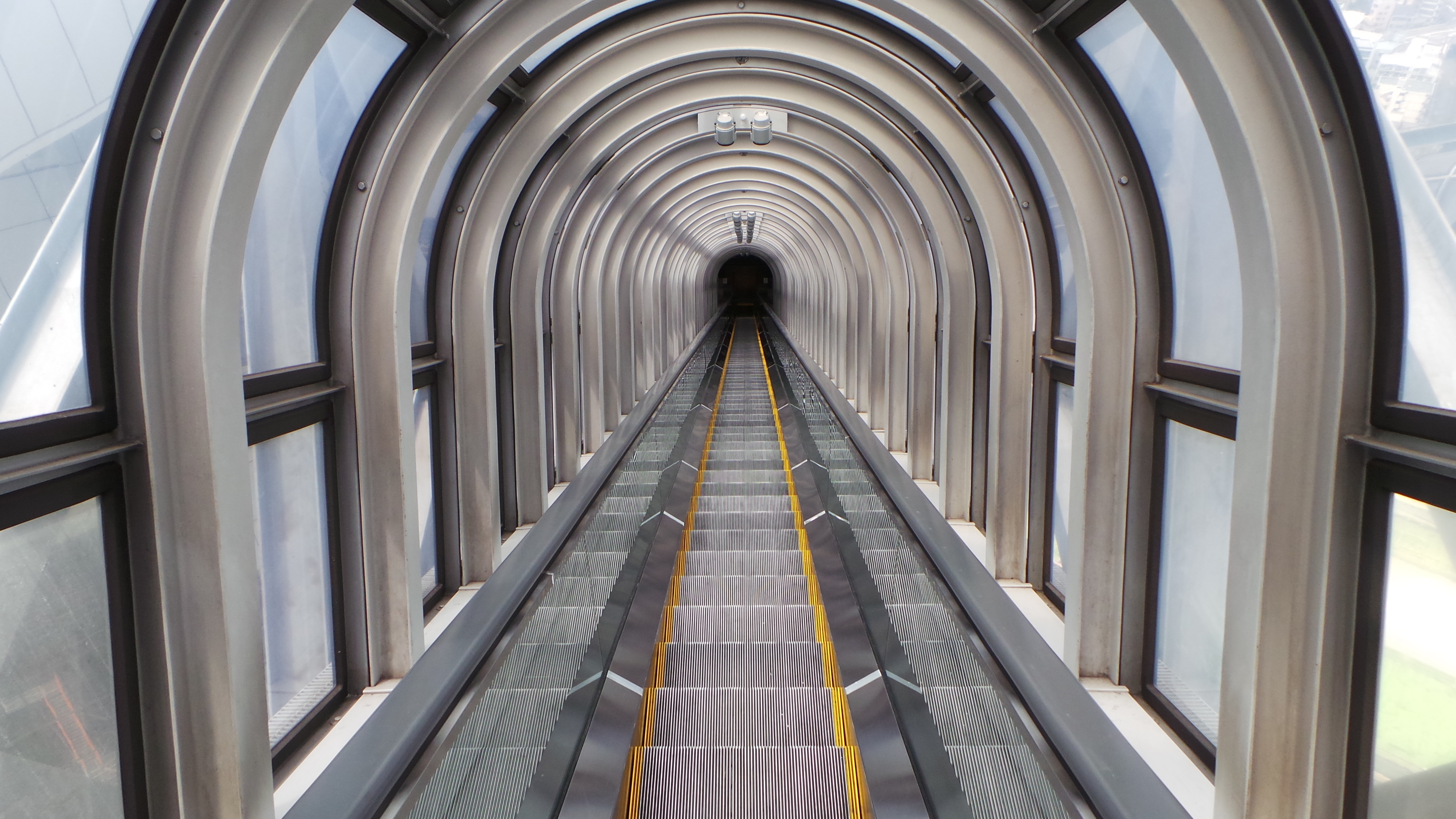
At the base of the Umeda Sky Building, there are numerous beautiful, well-cared-for gardens, and fountains. The building comprises two 40-storey skyscrapers connected near the top by two escalators that appear to float in mid-air. The rooftop terrace forms a floating sky garden.

To reach it, I have to take a glass elevator to the 39th floor. Interestingly, the building was designed by Hiroshi Hara, the same architect behind that lovely roof in Kyoto Station. Once I reach the 39th floor, I’m left with no option but to step onto the escalator. As my foot touches the moving walkway, I freeze. I could walk along the escalator and end this ordeal sooner, but I’m unable to move. The very top of the escalator stands at 173 metres above ground.
esc2

On the other side of the escalator, a woman greets me at reception, and I’m required to pay ¥700 to access the sky garden. There are various informative signs around. Interestingly, in 2008, Dorling Kindersley of ‘The Times’ newspaper mentioned that the Umeda Sky Building was among the top 20 buildings in the world, ranking it alongside the Parthenon and the Taj Mahal.

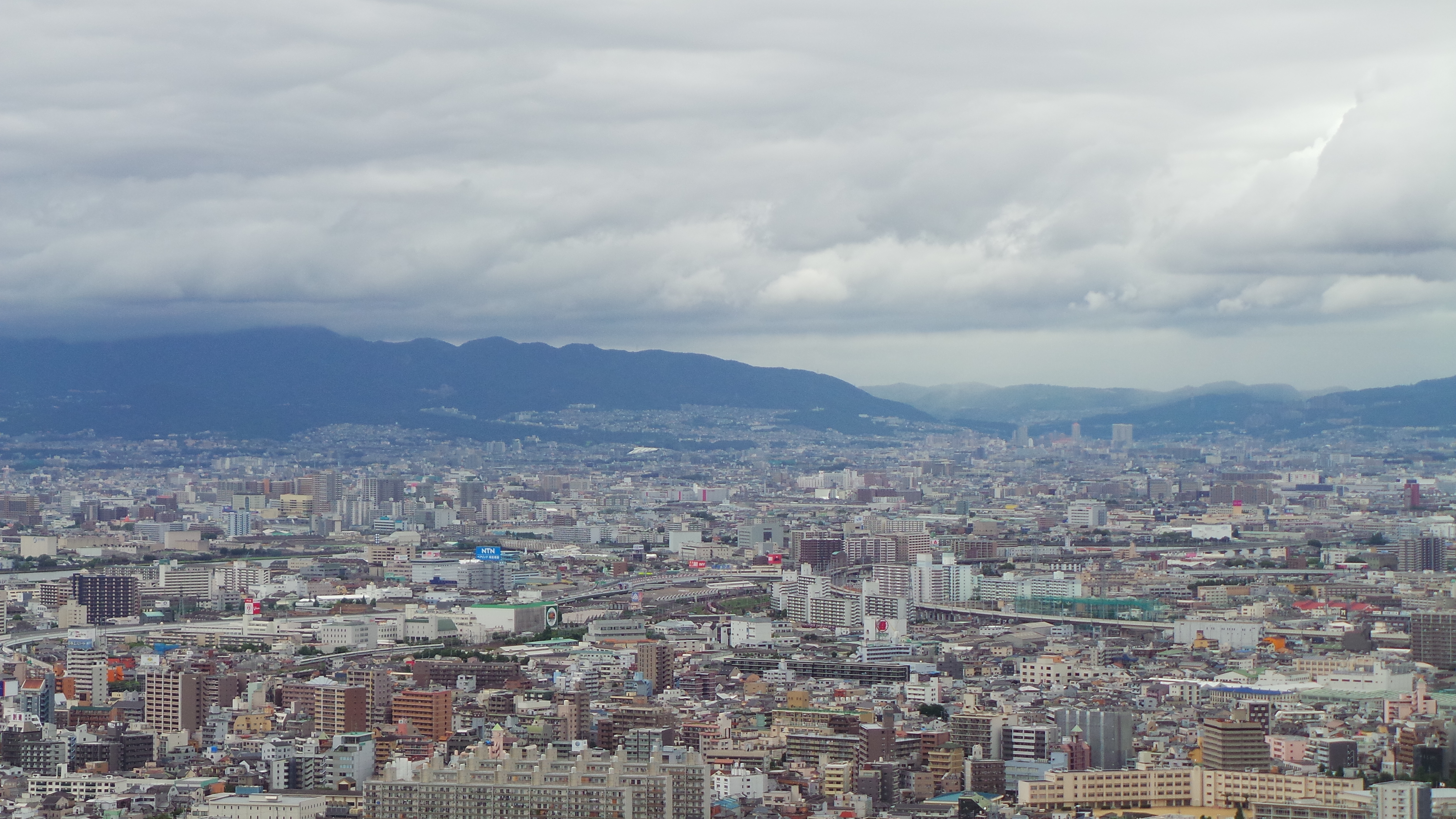
The route up to the sky garden showcases the history of tall buildings from the past, present, and, rather confusingly, the future. There’s information about a sky city in space, accompanied by to-scale models and concept artwork. The sky garden itself provides a complete 360-degree panoramic view of Osaka. Unlike other tall buildings or towers, the sky garden is outdoors, offering unobstructed views without reflective glass to spoil the magnificent scenery.
viewfromthesky

The strong winds up here feel incredibly refreshing. I snap a few photographs and leisurely stroll around, prolonging the inevitable return via the escalator. Eventually, it’s time to leave. As I traverse the slow-moving escalator steps again, surprisingly, it feels less challenging. I attempt to admire the view through the glass panels but struggle to focus. Descending in the see-through elevator, I decide that I’ve had enough of heights for the day.

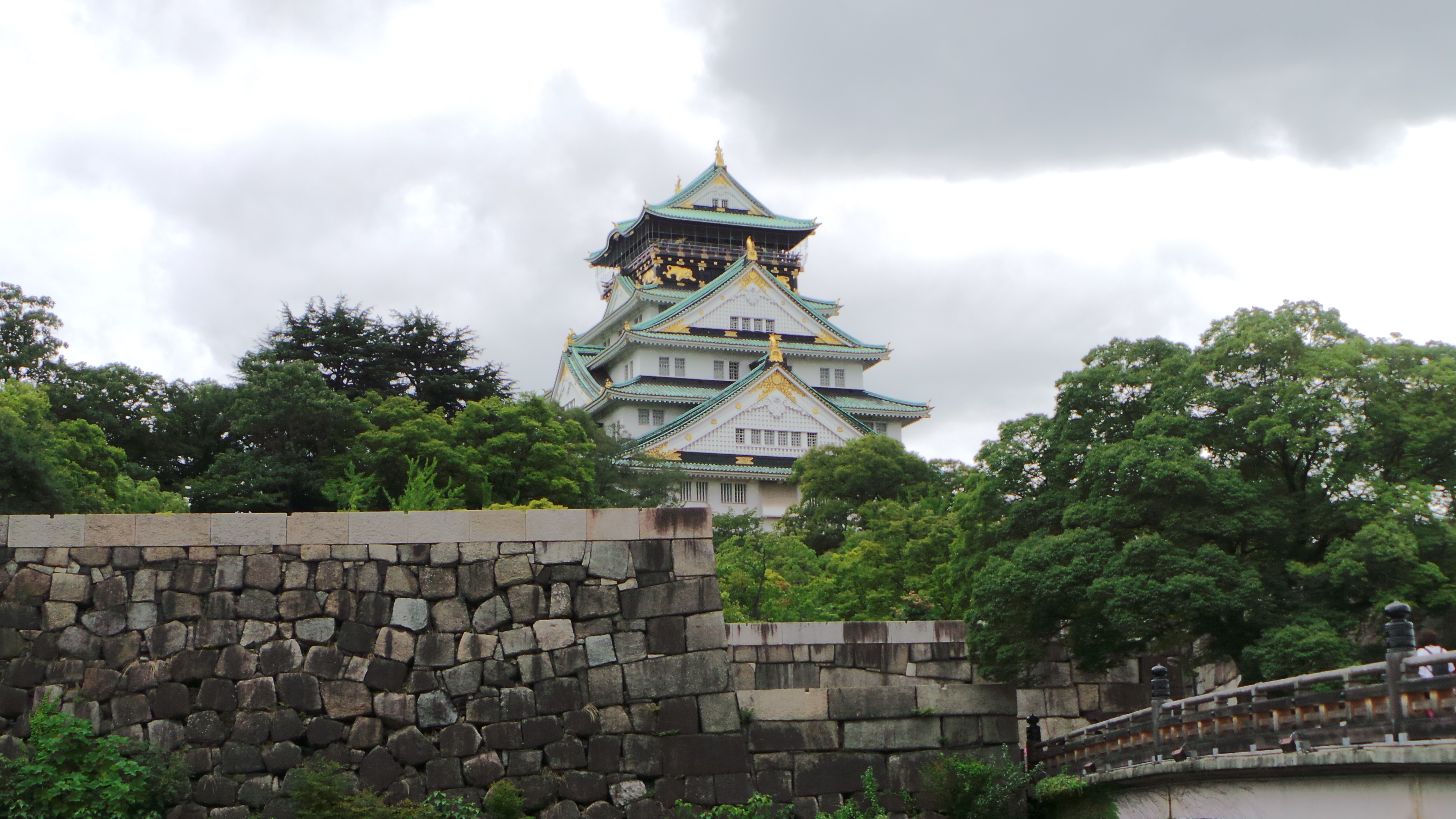
My next stop is Osaka Castle. I return to Osaka Station, take the loop line, and reach my destination, another ¥160 fare. Perched on stone and surrounded by moats, Osaka Castle sits at a considerable elevation. As usual, I climb numerous stone steps and finally reach the castle’s exterior. Unfortunately, someone has installed a small elevator and escalators that slightly obstruct the view from one side. Fortunately, I approached from the opposite direction and captured an unspoiled photograph. The castle is like a ‘TARDIS,’ appearing to have five stories on the outside but revealing eight stories inside. Very odd.
osakacastle

After visiting the castle, I take the trains back to Shin-Osaka. Upon reaching the hotel, I collect my key and am pleasantly surprised to receive a breakfast token for the next day—amazing, another free breakfast. Passing some time, I decide to take a short nap. At 6 p.m., I head out for dinner. Earlier, I had researched a nearby place that offers vegan food within walking distance. With my bearings in place, I cross the tracks and turn left at the graffiti

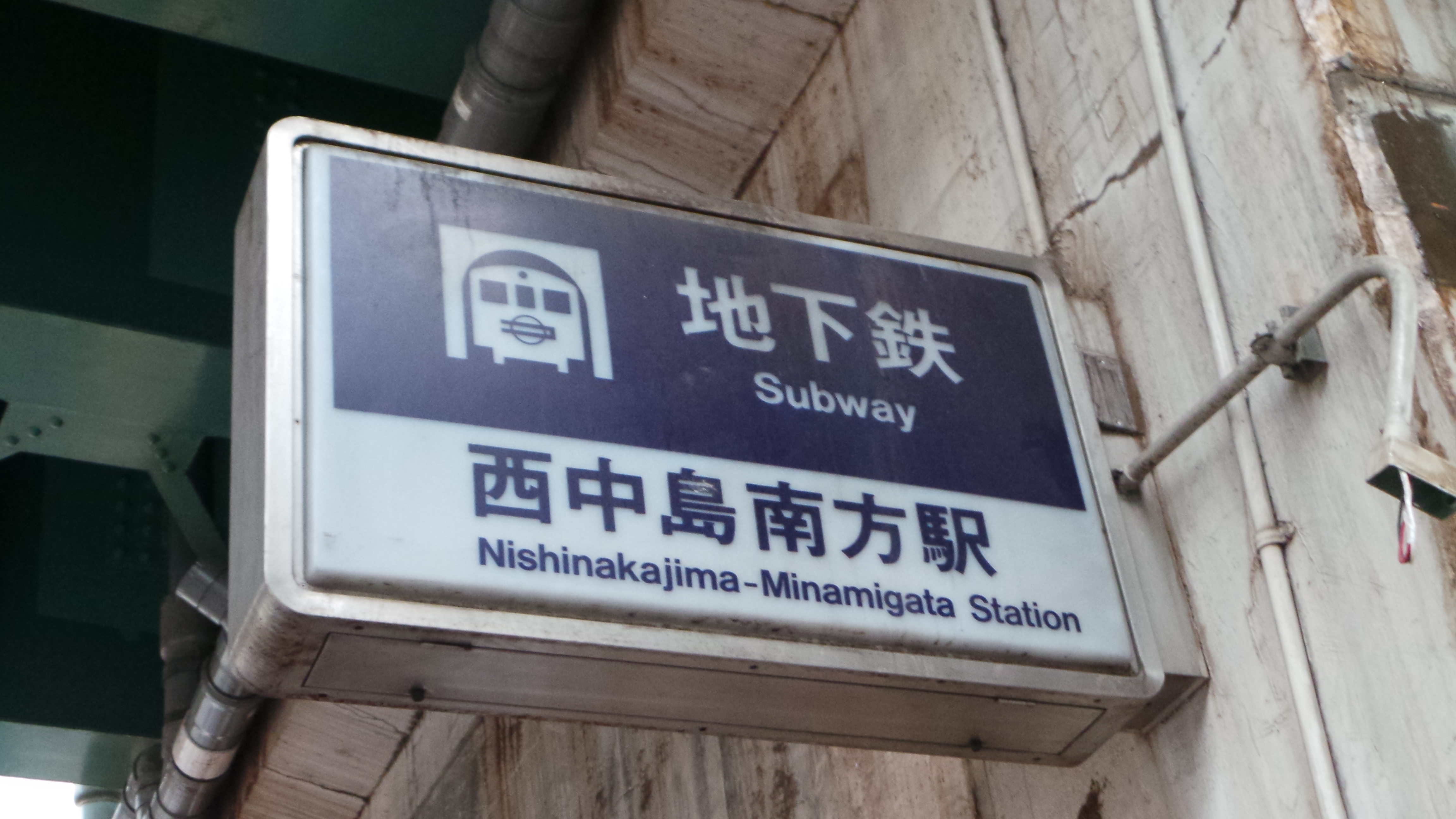
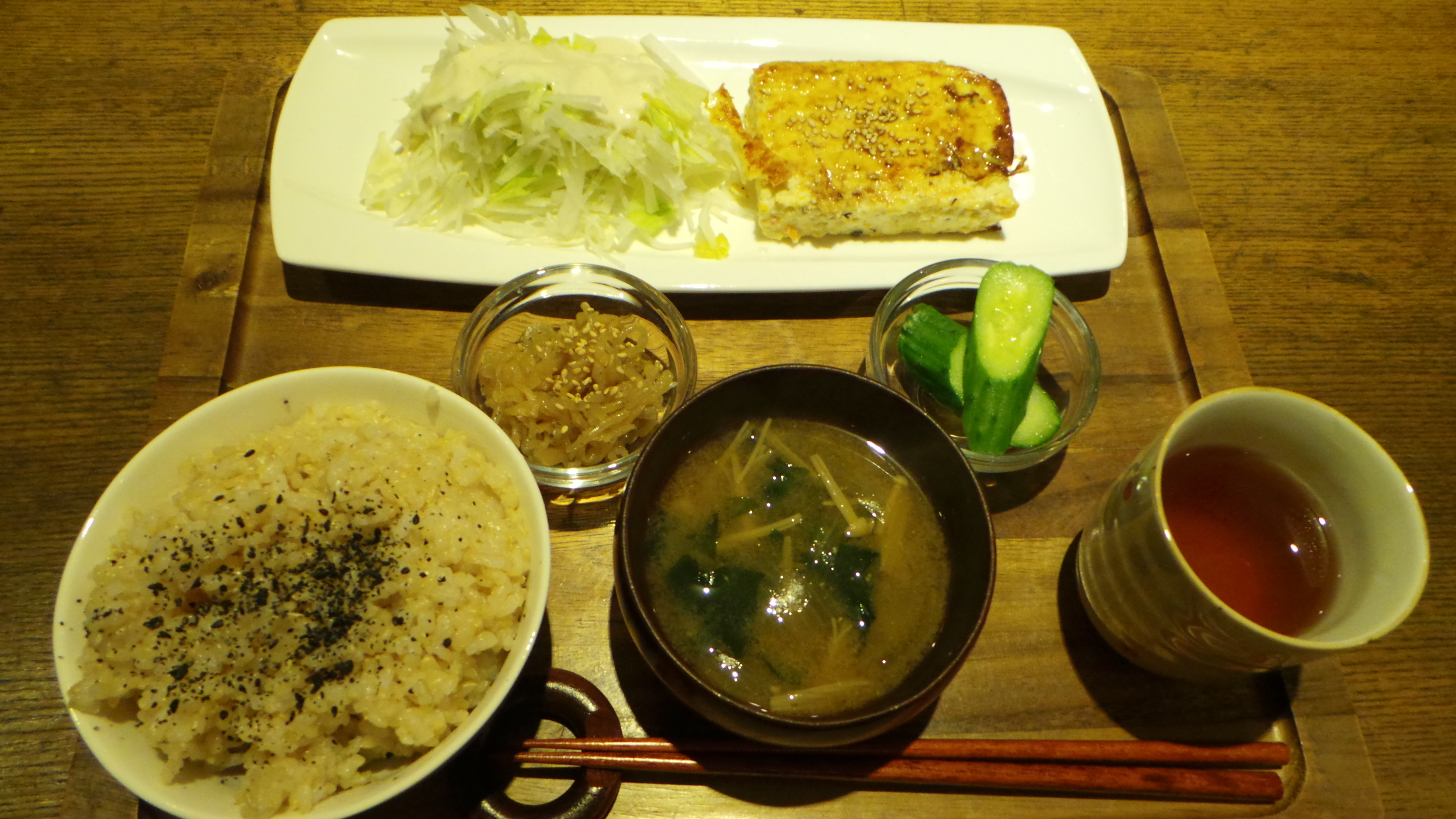
I find the restaurant with ease; it’s right next to Nishinakajimaminamigata Station. I take a seat inside, the only customer. The male owner is very welcoming but doesn’t speak English. A woman with a dog walks in, the owner’s wife. I already knew the restaurant was owned by a middle-aged couple. Independently run, organic, and vegan-friendly—although I’m not a vegan. I point vaguely at the menu, “Yasai,” I say, not quite sure what to expect.
veganosaka

The food looks amazing. As I take out my camera, the man who served me, also the chef, laughs and says, “Douzo,” indicating that I’m welcome to take a photograph. This is the first time I’ve been served brown rice, and its taste oddly reminds me of porridge, much better than the ‘dead’ white rice I’m used to. The main part of my dish puzzles me; it has a texture similar to quiche but without the pastry. It could be tofu, but I’d be very surprised; tofu could never taste this good. I pay just ¥880 for what turned out to be a really nice meal.

After eating, I head back to the hotel for another considerably early night.
O Browser, Where Art Thou?

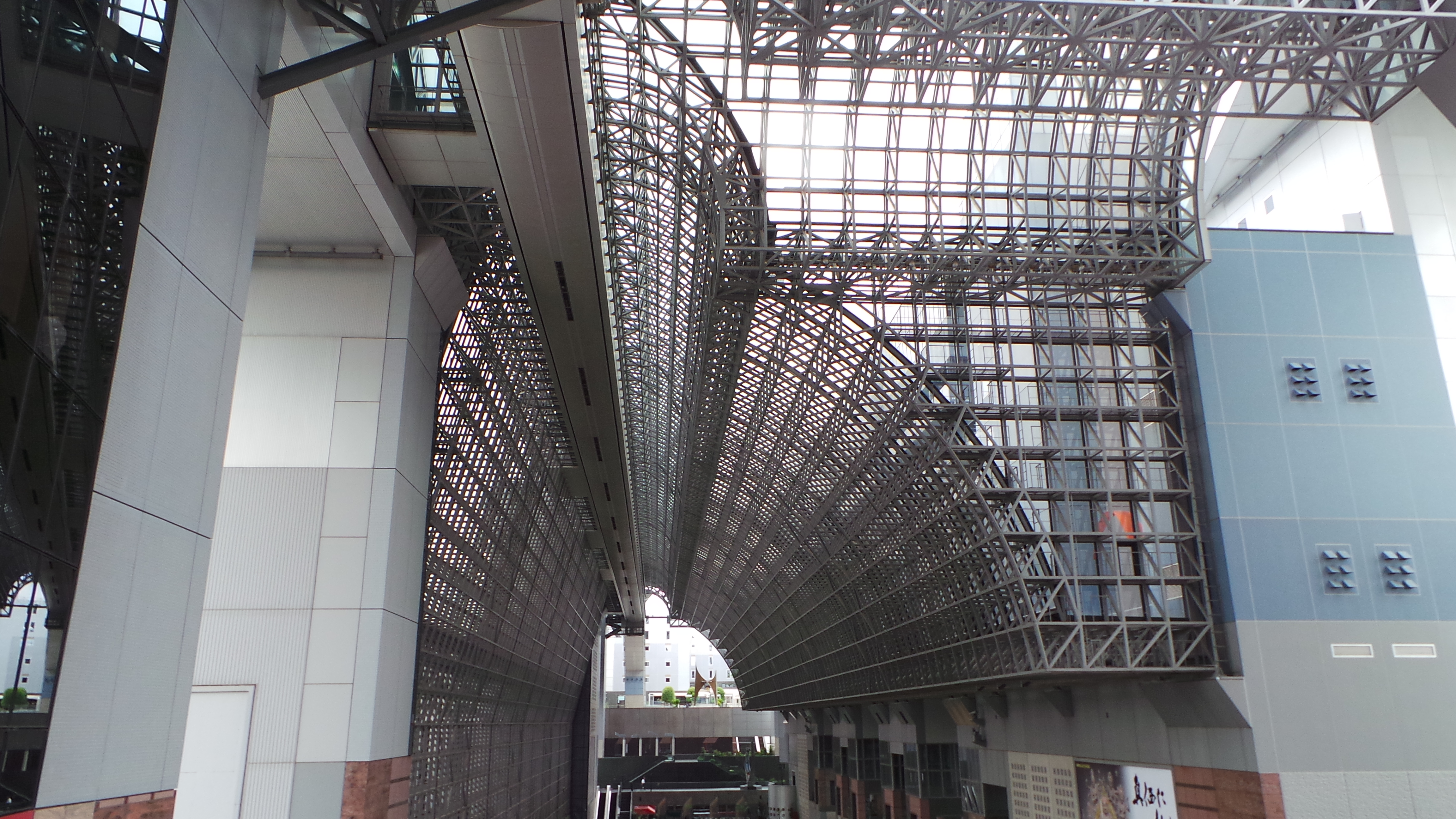
Today, I am leaving Kyoto. However, before I depart, I decide to visit the roof of Kyoto Station, specifically the sky garden known as ‘Happy Terrace.’ It requires ascending nine consecutive escalators to reach the top, where I can admire the breathtaking views of Kyoto for free. As I descend back on the endless escalators towards the train platform, I take a moment to appreciate the roof.

KyotoStnroof

At the platform, a helpful staff member asks if I need any help. I tell him I’m okay and thank him. “Where are you going? Osaka?” he inquires. I nod. He points at the train I’m waiting for, saying, “This one is faster,” seemingly checking off his good deed for the day in his mind. I thank him again and resume waiting for my train. This has happened four times this week in Kyoto—staff members or strangers offering help. I guess I should be more grateful.

At 12 p.m., I board the JR Kyoto Line to Shin-Osaka. The 23-minute train ride costs ¥560. Osaka, the capital of Osaka Prefecture, is Japan’s second-largest metropolitan area. Over one-seventh of the Japanese population lives here, ranking it as the third largest city in Japan by population. I wander around the Osaka area for a while, passing time before I can check into my hotel.

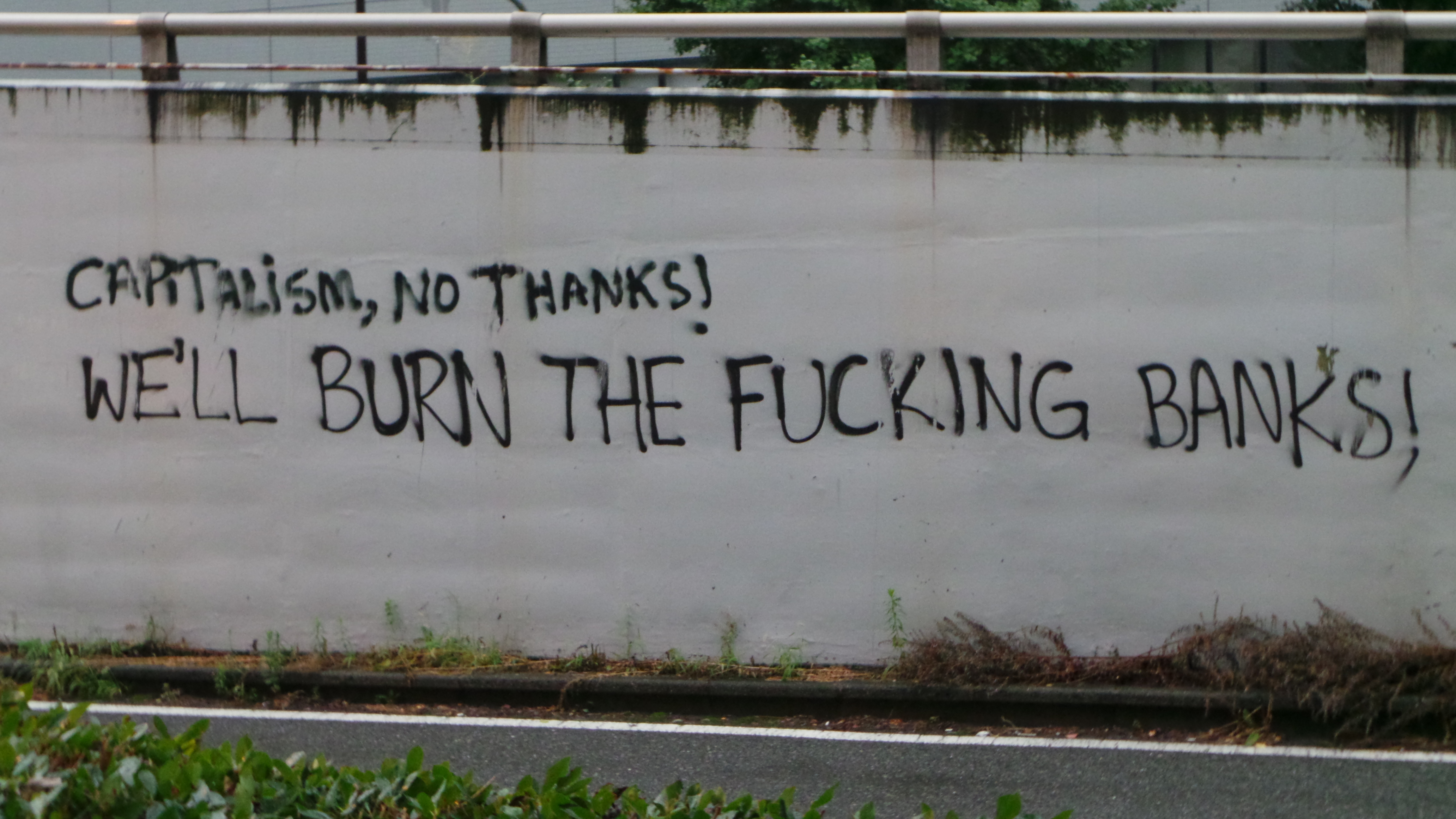
Outside Shin-Osaka Station, I see my first real piece of graffiti:

burnthebanks

At 2 p.m., I check in. I’ll be staying in Osaka for three nights. I selected this hotel based on a quote from their website: ‘For warm smiles, fastidious service, and first-class hospitality.’ Interestingly, the hotel also boasts another blatantly inauthentic motto: ‘The happiness of our guests is our happiness.’ The person checking me in hands me a breakfast ticket for a Japanese breakfast tomorrow morning. It’s odd because I don’t recall paying for any breakfast.

I am staying in Shin-Osaka, which Google says is a one-hour walk from Osaka Station. I opt to take the train to Osaka Station and walk back to my hotel, thinking it will be a pleasant way to explore the city. I stayed in Shin-Osaka two years ago, so I am familiar with the area around this station. In Osaka, people walk on the left and stand on the right side of the escalator, unlike almost everywhere else in Japan.

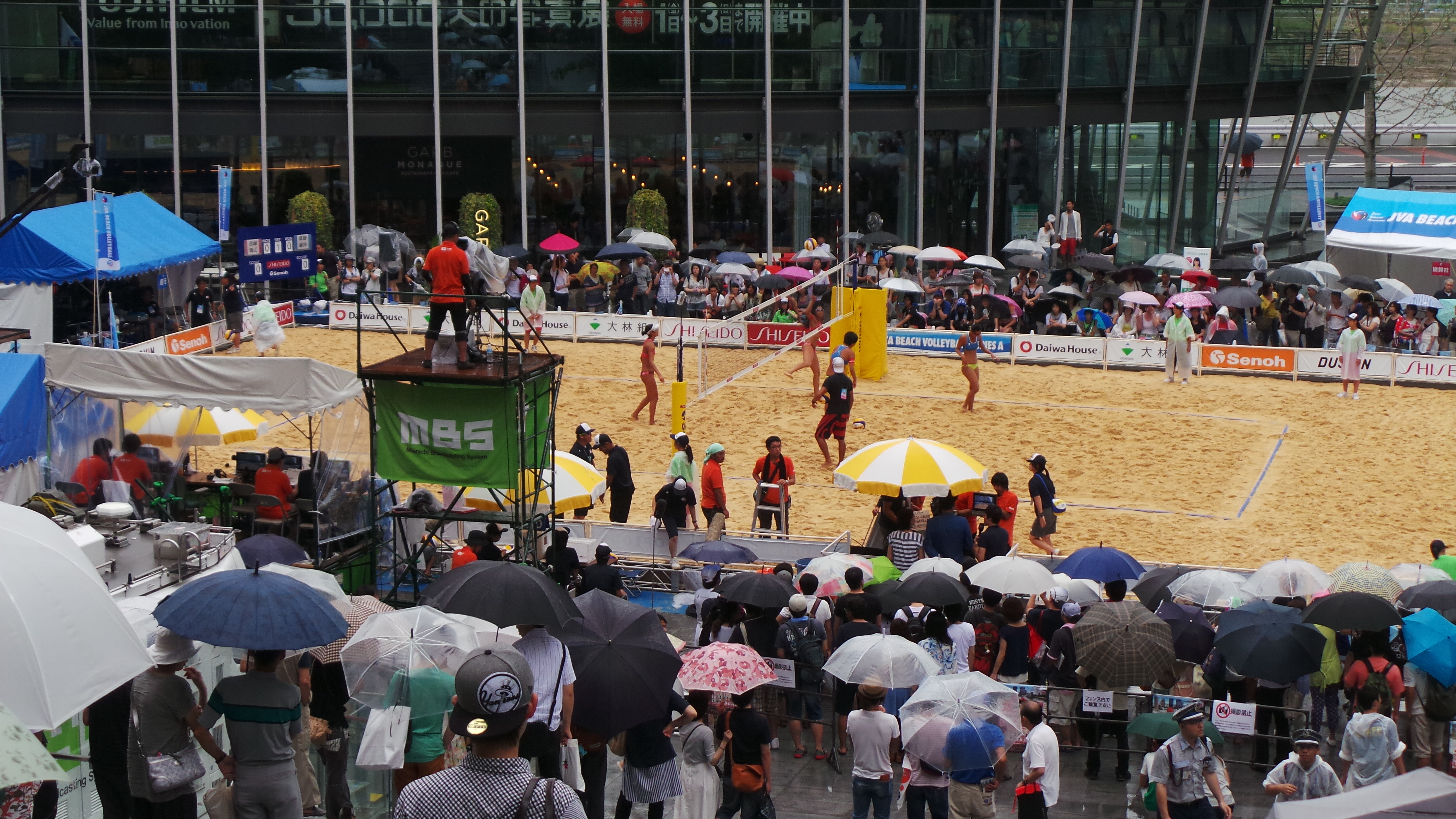
The train ride takes just six minutes with no other stops, and it costs ¥160. Exiting the station, I notice a sign indicating that cycling on the pavement is prohibited. Outside, the temperature is cool, hovering around 25°C, with a gentle rain falling—nothing to worry about, no need for an umbrella. At the foot of the station steps, there’s an outdoor beach volleyball game underway. It’s a Japan Volleyball Association match, likely being filmed, possibly for live television broadcast.

beechvolleyball

I continue my walk away from the station. To the left, there’s a massive construction site that seems to stretch for several kilometres. On the right, ‘Grand Front Osaka’ stands—a colossal building self-described as a ‘New town in a natural environment.’ Essentially a skyscraper housing numerous shops and restaurants. Adjacent to it, there’s an artificial river that spans the length of the building; it’s not exactly what I’d label a natural environment. However, concrete stepping-stones along the river add a touch of excitement.

I continue my walk through the chaotic Osaka roads. I’m accustomed to cities where streets form a grid-like pattern, always straight and easy to navigate. However, Osaka seems like someone picked it up and gave it a good shake—the city and its streets have turned into a tangled mass of concrete. The roads are chaotic, and the pavements strangely devoid of people. Suddenly, it starts raining hard—nothing to worry about, no need for an umbrella.

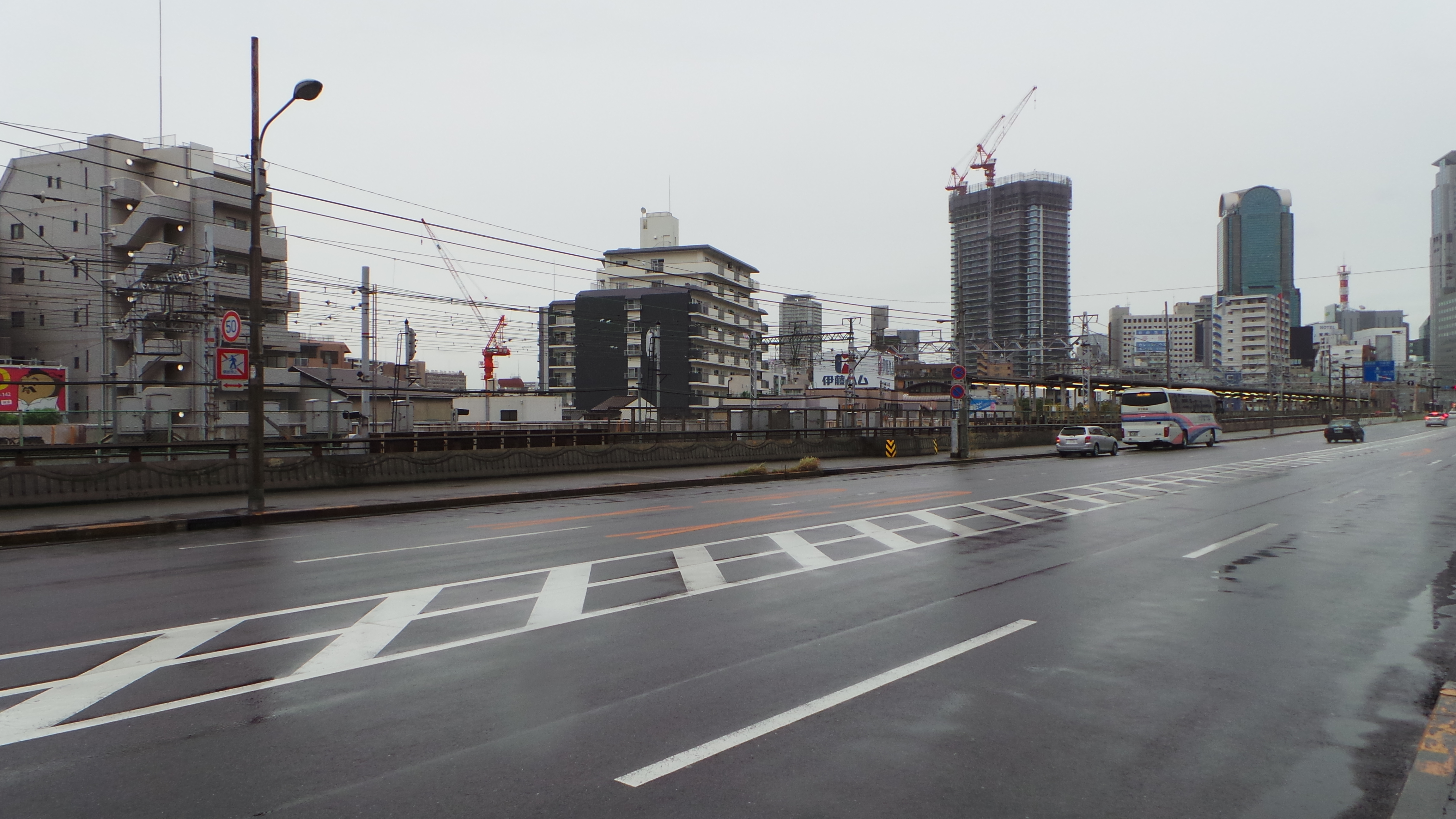
Since leaving Osaka Station, I haven’t come across a single convenience store, and I’m in desperate need of buying an umbrella. At this point, a considerable amount of time passes. I spend a good fifteen minutes attempting to reach the bridge that crosses the Yodo River, but inexplicably, an endless train platform obstructs any access. There’s no tunnel beneath it, no bridge over it.

endlessplatform

Completely soaked and frustrated, I eventually find the way to the bridge. The rain appears to be intensifying with every step, my shoes now full of water. It takes me another ten minutes to cross the Yodo River. I realise that all I’ve done since this morning is kill time. I have days like this every now and then—nothing happens at all.

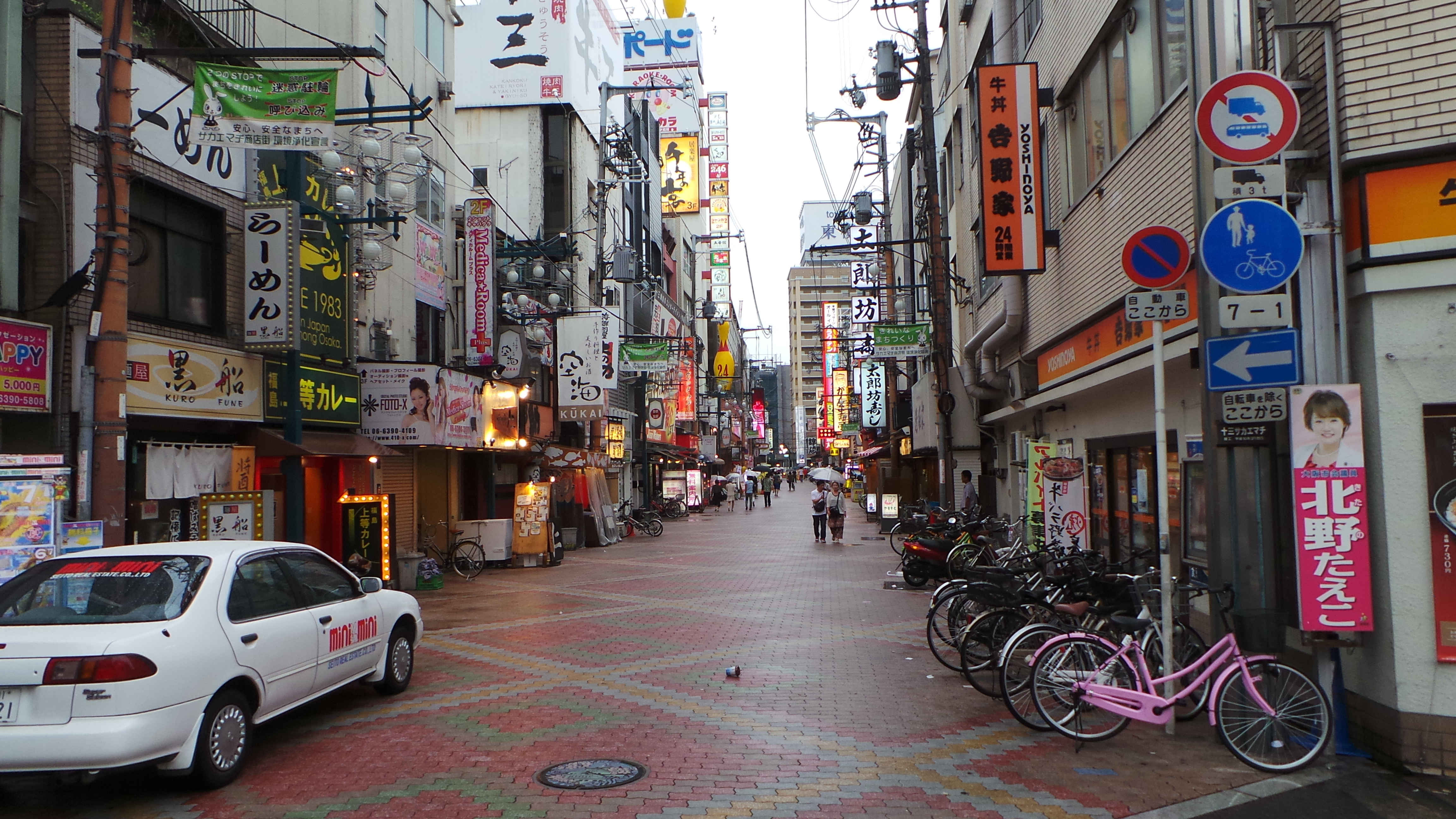
As I wander along with my wet clothes and my thoughts, I start to wonder if I’ll even have anything to write about today. Osaka Day One: Nothing Happens. I can already see the title. It’s 5 p.m. when I finally cross the bridge into Juso. A heavy sigh of relief escapes me as I spot, in the distance, the green and white lights of a Family Mart. A second sigh of relief follows at the sight of some neon. However, the path is somewhat spoiled by a single piece of rubbish on the ground.

litterandneon

I purchase an umbrella from Family Mart along with a single banana. Convenience stores appear scarce in this area, but at least I can buy just one banana. Osaka feels like a different country—people here act differently, there’s more litter on the streets, fewer bicycles around, and the locals also speak differently, using their own special dialect.

Drenched from the rain, I stroll down a street named ‘Happy Street,’ feeling as though the sign mocks me as I pass. After making a few turns, I decide to take a rest on a bus stop bench. I estimate that I’ve been walking for about two hours. Consulting the GPS on my camera, I realise I’m close to Nishinakajimaminamigata Station. It’s just one stop away from Shin-Osaka Station, so not much farther to go.

nishinakajimaminamigata

Near the station, the nightlife scene comes alive. Memories flood back as I navigate the interlocking streets filled with restaurants, bars, and neon signs. I decide to check if a bar I fondly remember, called ‘Meets,’ still exists. Finding it easily, I’m disappointed to see it closed today, or perhaps permanently shut down—I can’t discern which. It’s still early, though. Disheartened, I spot a Seven Eleven and opt to purchase a can of 5% Suntory whisky highball. Seven Eleven is the only convenience store I know that sells the 5% can; the other shops only offer the stronger 7% and 9% cans.

Upon returning to the hotel, intending to write about my day, I find that the two computers available in the hotel lobby are relics of the past. One of the machines operates on the Windows 98 operating system with an outdated Internet Explorer as the default browser, bombarding me with messages to update. It prompts for a password whenever I attempt to do anything. I try to download Google Chrome but face the same password requirement. Attempting to write becomes an exercise in patience as the machine’s slowness causes each typed letter to lag about five seconds before appearing on-screen. Frustrated, I abandon the effort and retreat to my room.

Exhausted, I fall asleep before 8 p.m.

Gion with the Finned

Today is my last day in Kyoto. Tomorrow I will go to Osaka for three days, before heading off to Nagoya. I still have one temple I want to see, a temple with a difference. I head through the arcade, the same French song is playing that I’ve heard about four other times this week. I know the song but can’t recall the name. There is a pachinko parlour with a picture of Rowan Atkinson on the advertising board. There is also a strange mascot wandering around the arcade, promoting a festival here this evening.

I start by walking through a district called Gion. Gion is the most famous place in Japan for spotting geisha, although here they use the local term ‘Geiko,’ which translates to mean a ‘person of the arts.’ Gion is filled with numerous traditional old streets lined with even older houses, alongside a mix of theatres and other traditional entertainment.

old_style_houses[1]

I head up the mountainside to my last Kyoto temple, Otowa-san Kiyomizu-dera, a UNESCO World Heritage Site and one of the seventeen Historical Monuments of Ancient Kyoto. There are some very interesting things to do here. One of them is walking from one sacred stone to the other with your eyes closed. If you succeed, you will supposedly be lucky in love. Another, which is actually prohibited now, is the chance to jump from a 13-metre-high stage. Surviving would mean your wish would be granted. This tradition dates back to the Edo period, where the survival rate was 85.4%.

The main reason I came here, though, was to experience the ‘womb’ of Daizuigu Bosatsu. This occurs not in the main temple building but in the smaller Tainai-meguri Hall. It costs me ¥100 to enter. I take off my shoes and walk down a few steps, all the while holding onto the handrail made of prayer beads. Beyond the steps, I take a right turn and enter a room of complete darkness.

wombtemple[1]

Daizuigu Bosatsu, a female Bodhisattva, possesses the mystical ability to fulfill any human wish. Alone, I navigate through a labyrinth of corridors shrouded in an abyss of blackness so consuming that it swallows all semblance of light. Oddly, it is somewhat peaceful, yet simultaneously horrifying. After an eternity of carefully navigating through the darkness, a distant glimmer pierces through the shadows—a radiant stone. It is at this stone that I make a wish.

Once outside, I continue to wander through this vast temple complex. Here, there’s a natural water spring available for ¥200, but I opt not to drink from it. After sufficient exploration, I decide it’s time to head back; the heat becomes a bit too overwhelming for me. As I descend the mountain, I catch sight of an incredible, bright red shrine: Yasaka Shrine.

lego[1]

My next destination today is along the Takase River, at The Birthplace of the Japanese Motion Pictures Industry. Inabata Katsutaro showcased the first experimental film in Japan. Following his visit to Paris in 1896 to attend the Paris Exposition, he returned to Japan with a cinematograph he acquired from the French inventor Auguste Lumière. In 1897, he screened the film in the garden of the building.

Unfortunately, the building is closed today.

I feel a little hungry and decide that today I’ll try grilled eel for the first time. After wandering for a while, I finally find the place and take a seat in the restaurant. There are probably eight or nine other people eating here. The restaurant plays no music, and there is absolutely no ambiance. Nobody talks either; everyone just sits in silence with their grilled eel, as if waiting for the end of the world.

eels[1]

The menu is a little pricey, so I opt for the small grilled eel on rice with pickles. It arrives with a teapot full of hot green tea. Had I known, I wouldn’t have ordered a beer. The dish, called ‘Unadon,’ is delicious. It’s not what I was expecting; the texture is somewhere between meat and fish, and the soy-based glaze is delicious. Even the rice is good; I savour every grain. In total, it costs me ¥2800, an expensive treat.

I head back to the hostel for a short while to write before heading out again for the Kyoto Tanabata Festival, which starts at 6 p.m.

The festival stretches all along the Kamo River, hosting around one hundred small stalls selling various Japanese snacks, little gifts, and the usual souvenirs. Dubbed the ‘Star Festival,’ it’s said that writing your wish on a special piece of paper here will magically make it come true. One side of the festival is adorned with paper lanterns, while the other side is lined with lanterns made of reflective coloured paper.

tanabatafest[1]

At the entrance to the festival, a female performer is essentially doing karaoke, while at the other end, people dance to music on a stage. For no apparent reason, one guy is dressed as a polar bear. As nothing particularly interests me about the festival, I walk its length and then leave.

I head back to the hostel, up to the roof terrace, to read my book.

The evening sky looks like the end of the world.

endoftheworld[1]

Withdrawal & I

Today, I have a rough plan: a day trip to Nara with a stop in Uji. Last night, I arranged to meet my friend Slavek at noon. He’s planning on going to Nara anyway, so we decided to travel together. I wake up at 11 a.m. with a hangover; I shouldn’t have stayed up until 4 a.m. drinking whisky and teaching people magic tricks.

Slavek and I walk to Kyoto Station. I’m pleased to find that he is a fellow fast walker, and his pace matches mine perfectly. It takes us ten minutes at a brisk stride. On the way, I stop off at Seven Eleven to withdraw a ¥10,000 note. Seven Eleven cash machines are the only ones that accept my card in Japan, and the minimum withdrawal here is ten thousand yen. We pay ¥240 and head to Uji by train. Slavek is a very clever guy with great English skills, a keen eye for both nutrition and politics, and he’s an avid Haruki Murakami reader. We have decent conversations. In Uji, we’re off to see the temple that is depicted on every ten-yen coin.

coins[1]

I’m fond of Japanese coins. The 100% aluminium ¥1 coin floats on water and sticks to any part of your face without falling off. The copper ¥10 coin brought us to Uji to see the temple. The ¥500 coin is the most valuable everyday coin globally, and it’s also the most interesting. When tilted at a certain angle, you can spot the kanji for ‘five-hundred-yen’ hidden in the grooved lines. Additionally, the word ‘Japan’ is discreetly engraved in 0.2mm across the coin’s face.

Amidst my blathering about coinage, we end up missing the stop for Uji. Getting off the train, we cross the platform and board another train bound for Kyoto Station. It’s an easy mistake, one forgiven by the Japanese train ticketing system. Finally arriving at Uji Station, we head to Byodoin Temple, the one featured on the ten-yen coin.

Byodin[1]

Byodoin is a UNESCO World Heritage Site, marking another off my list. It’s one of the few remaining examples of Heian temple architecture in Japan, dating back to its original construction in 998 AD. Surprisingly, it doesn’t seem to attract many tourists; in fact, most of the visitors I see here are Japanese. The temple features Japan’s most beautiful Pure Land Gardens among the few that remain, alongside a small museum, both covered by the entry fee.

The museum has won four architecture awards. Inside, it houses 52 wooden Bodhisattvas, the temple bell, the south-end Phoenix, and other historically noteworthy items. Additionally, the temple bell here is recognised as a national treasure. I discover that the golden phoenix here is the same one depicted on the rear side of the ¥10,000 note. More money musings. After exploring the museum, we hop onto a packed train filled with tourists heading to Nara:

emptytrain[1]

We arrive in Nara just after 3 p.m. It’s a warm afternoon, thankfully quite cloudy. Heading to Todaiji Temple, we pass a lovely pond with turtles swimming around. We also visit a few smaller temples and a five-storey pagoda. Kohfukuji Temple, part of the Historic Monuments of Ancient Nara, is sadly closed for reconstruction. Surprisingly, it closed in October 2010 and won’t be ready until 2018. Eight years to reconstruct a temple. Just nuts.

And then there are the deer. Sika Deer roam freely through the town, with an estimated 1,200 of them in Nara. You can purchase deer snacks and feed them to these creatures. I’ve been told that the deer bow when you feed them. We witness a herd waiting patiently at a red crossing light, only crossing when the light turns green. They’re remarkably tame.

deercrossing[1]

Todaiji Temple is the second-largest wooden structure on the planet. It was built during the Nara period on the instruction of Emperor Shomu. We pay our ¥600 entry fee and stroll through the gardens toward the temple. On the temple grounds, there used to be two 100-metre-tall pagodas, but they were destroyed during an earthquake. In 751 AD, these pagodas would have been the second tallest structures in the world, after the Egyptian Pyramids.

Some interesting facts about the temple: Emperor Shomu issued a law in Japan stating that the people should directly participate in the creation of new Buddhist temples across the country. Thanks to this law, 2,600,000 people were involved in the construction of the Great Buddha Hall and the statue inside.

bigwoodentemple[1]

Another interesting fact: the Great Buddha Hall is 1/3 smaller than the original, as it burnt down in 1180 AD and again in 1567 AD. That’s what you get when you build it entirely out of wood. I’ve noticed that nearly every temple I’ve visited in Kyoto has suffered the same fate of burning down and being rebuilt. Inside the hall stands the statue of the Vairocana Buddha, also known as the ‘Buddha that shines throughout the world like a sun.’

This is the world’s largest bronze image of the Buddha, towering at 14.98 metres. The construction of this Buddha nearly bankrupted the Japanese economy at the time, as it consumed all of the available bronze in the country. Sadly, behind the statue, there are many small gift shops that seem out of place and frankly spoil the ambiance of the scene.

bigbuddha[1]

It’s just after 5 p.m., so Slavek and I decide to grab some food in Nara. We end up eating far too much sushi, spending a total of ¥6436 at the restaurant. Later, we hop on the express train back to Kyoto, mistakenly using our tickets intended for the local train. During the journey, the conductor asks us to pay an additional ¥510 as a surplus charge for the express train. The express train takes about twenty minutes, half the time of the local train. Finally, we walk back to the hostel from Kyoto Station.

In the hostel bar, I enjoy ¥500 glasses of Suntory whisky highball. It’s not until my third drink that I inquire about the price of a double, as the standard highball is a bit weak for my taste. “It’s ¥500,” explains Daiki, the barman. So, after being here for five nights, I discover that a double whisky and soda costs the same as a single. If this holds true in all Japanese bars, I’m in luck. I also order some bar snacks—¥100 for mixed nuts. Daiki places a small bowl on a tiny set of scales, pouring nuts into the bowl until they reach the specified weight. Just nuts.

Let’s Go to Space, Brother!

In 1994, Rokuon-ji Temple was designated as a World Cultural Heritage Site. The Golden Pavilion is adorned with gold foil on lacquer, making it a spectacular and breathtaking structure. Gleaming brightly in gold, it peacefully rests on an island in the middle of a lake, encircled by stunning Zen gardens. Even the vending machines here offer disposable cameras, beckoning visitors to capture the Golden Pavilion’s magnificence.

golden[1]

The entry fee is just ¥400, and the ticket, crafted from beautiful paper and adorned with expert calligraphy, adds to the experience. The path meanders through the belfry, past the abbot’s chamber, the pond, the Golden Pavilion, Galaxy Spring, and the Sekka-tei Tea House, all while being enveloped by the mysterious mountains in the background. It’s a wonderful route that takes me about twenty minutes at an unhurried pace. Along the way, small wooden shacks selling souvenirs entice tourists.

After visiting Rokuon-ji Temple, I catch a bus to Kyoto Station. From there, I walk back to Kawaramachi Station, passing by Kyoto Tower on the way, although I opt not to go inside. I’ve had my fill of 360-degree panoramic views this month; it’s enough to last me a lifetime.

kyototower[1]

As I walk away from Kyoto Tower, I notice some signs. One warns that bicycles parked on Kyoto’s streets will be removed, with a ¥2300 fine upon retrieval. Another indicates that Kyoto is a ‘no smoking’ city, imposing a ¥1000 fine on anyone caught smoking on the streets. A third sign highlights a ¥30,000 fine for littering. I appreciate Kyoto for these regulations, although the frequency of enforcing these fines remains uncertain. At times, it feels as if Japan exists within a vast panopticon.

I see a sign saying, ‘Now, Life is Living You.’ Beyond the sign lies the entrance to yet another temple: Higashi Honganji Temple. I cross over a moat of water filled with lily pads and approach this marvel. The temple also features a cleansing basin adorned with a water-breathing dragon—seems to be a common sight in Kyoto.

HigashiHonganji[1]

The Goeido Hall stands as the second-largest wooden structure in Kyoto and ranks amongst the world’s largest wooden buildings. Its garden is recognised as a site of National Scenic Beauty. The temple follows the Shinran sect of Buddhism. In 1532, a Nichiren Buddhism sect felt that the Shinran sect was gaining too much influence, leading to the burning down of the temple.

As I continue my walk toward Downtown Kyoto, I recall seeing a sign on the train yesterday, advertising an art exhibition at the Museum of Kyoto. Conveniently, the museum is just a ten-minute walk from my hostel. On the way, I pass by a shop called ‘Eggs and Things,’ where a queue of at least thirty women stands outside, enduring the 33°C Kyoto heat, boiling, much like the eggs. I walk up four seemingly random steps, cross a road, and then descend another set of four random steps. Amidst this confusion, a perplexing sign catches my eye.

level_difference[1]

At the Museum of Kyoto, I attend the opening of the ‘Space Brothers’ exhibition, which will run from today until September 23rd. Men from the Koyama Astronomical Observatory are currently giving a one-off presentation. The presentation is entirely in Japanese, with a man talking and pointing at a projector with a red laser pen. Television crews are also present, with five large cameras and two microphones on sticks, capturing every image and every word.

Space Brothers is a Japanese manga narrating the tale of two brothers aspiring to become astronauts. This exhibition marks the first large-scale showcase of the author Chuya Koyama’s work. It features over two hundred pieces of original illustrations. Alongside the artwork, there’s a collection of replicas of space uniforms and models of rockets, all loaned from the Japan Aerospace Exploration Agency (JAXA).

astronaught[1]

There’s an audio guide in Japanese narrated by two voice actors from the anime series. Spread across two floors, the exhibition showcases videos of the moon landing, real satellites displayed in glass boxes, model rockets, a dedicated section about Apo the dog, and genuine meteorites. All this is available for the ticket price of ¥1000. Even the museum restaurant offers a space-themed menu. Additionally, Pocari Sweat has a stand here where you can write a message to be sent to the moon during their upcoming interstellar flight next year.

As I make my way through the gift shop, I find myself tempted to purchase something. Normally, I wouldn’t bother, but this is space stuff. At a price of ¥1296, I buy ‘Space Bread’ and ‘Space Ice Cream’—foods that astronauts actually consume during missions to space or while floating about on the International Space Station. ‘In space, no one can hear you ice scream.’

spacefood[1]

I take my space snacks back to the hostel. The ice cream feels as light as polystyrene but surprisingly tastes delightful. It’s akin to chomping on soft vanilla ice cream-flavoured chalk that turns to powder with each bite. The texture is peculiar, yet it somehow retains the taste of ice cream. On the other hand, the bread tastes rather plain, like ordinary bread. Surprisingly, it still manages to maintain a fresh taste.

I sit on the roof terrace with my book for a while until suddenly, sirens begin wailing all around—loads of them. Three fire engines, a police car, and an ambulance rush to a building on the same block as the hostel. The 20-storey building appears to have a fire on the twentieth floor. Firefighters swiftly ascend to the roof, and one courageous fireman descends from a rope, abseiling onto the balcony below.

firefight[1]

Twenty minutes later, the fire is extinguished, the sirens cease, and the vehicles depart. I linger on the roof a little while longer, engrossed in my book, ‘Dance Dance Dance.’ In the distance, the sky echoes with the rumbling of thunder, seemingly serving as an early warning for the impending rain. The precise moment the thunder halts, raindrops begin to fall. Deciding to set aside my book as I’m getting soaked, I grab a hostel umbrella and make my way for some food. Taking refuge in the arcade, I escape from the rain’s downpour. Through the speakers, a saxophone cover of ‘Yesterday’ by the Beatles fills the space.

I opt for Earth food: Kyoto-style Okonomiyaki. Often likened to a pancake or referred to as a Japanese-style pizza, Okonomiyaki is distinct from both. It’s made of batter, cabbage, Okonomiyaki sauce, and shavings of smoked bonito. To complete the dish, small flakes of aonori, a dried seaweed, are sprinkled over the top.

Okonomiyaki[1]

My table features a section in the middle with an iron griddle where the cooked ‘pizza’ is promptly placed. Due to the heat, the fish shavings seem to come alive, moving around on the dish. I squeeze some mayonnaise over the top. While the food tastes good, I’m not particularly fond of the sauce. Nonetheless, the rest of the meal is fantastic. I decide to add a sprinkle of chili powder to give it an extra kick.

Some places serve Okonomiyaki with raw ingredients, allowing you to cook it yourself. It’s a ‘what you like’ dish, where you can request any topping or filling you desire. Not wanting to navigate the ordering process in Japanese, I simply pointed at the word ‘vegetarian’ on the menu. The meal, along with a glass of whisky, totals ¥1010.

I head back to the hostel and, as usual, wrap up the night at the bar.