Cabbage Over Untroubled Water

With just two wards of Tokyo left to write about, today is the day I will complete my tour of this great city. I start my day in Nerima, the birthplace of animation. Located in western Tokyo, Nerima is known for its residential atmosphere. Outside of its connection to animation, there isn’t much else to see here.

As I make my way through the streets, the presence of the anime and manga industry is strong. The ward is home to many studios and other companies involved in the production of these popular forms of entertainment. My first stop is the Oizumi Anime Gate, where I am greeted by a number of bronze statues of beloved anime characters.
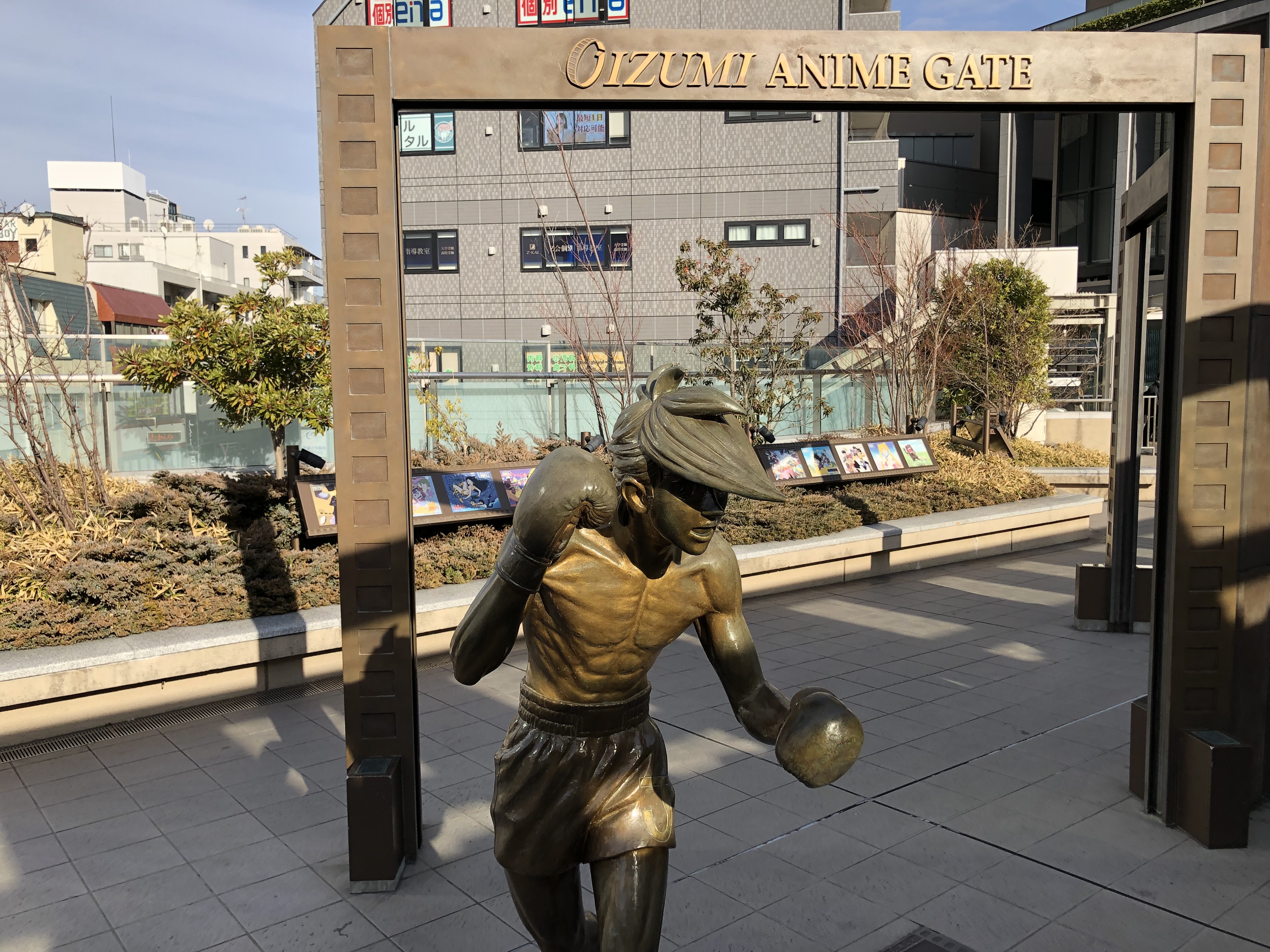
As someone who is not a fan of Japanese anime, I only recognise one of the statues, probably because there once was a statue of the same character outside my old house in Taito Ward, that of Yabuki Joe, the main protagonist of the anime “Ashita no Joe.” This character is one of five depicted in statue form at this location, revered for their role in bringing Japanese anime to the world stage.

As I continue my wanderings through Nerima, I pass by a sign that reads “No more war! Stop Putin!” Eventually, I come across a map and see a sign pointing to a Cabbage Monument. Intrigued, and with little else planned for Nerima, I decide to go and check it out.
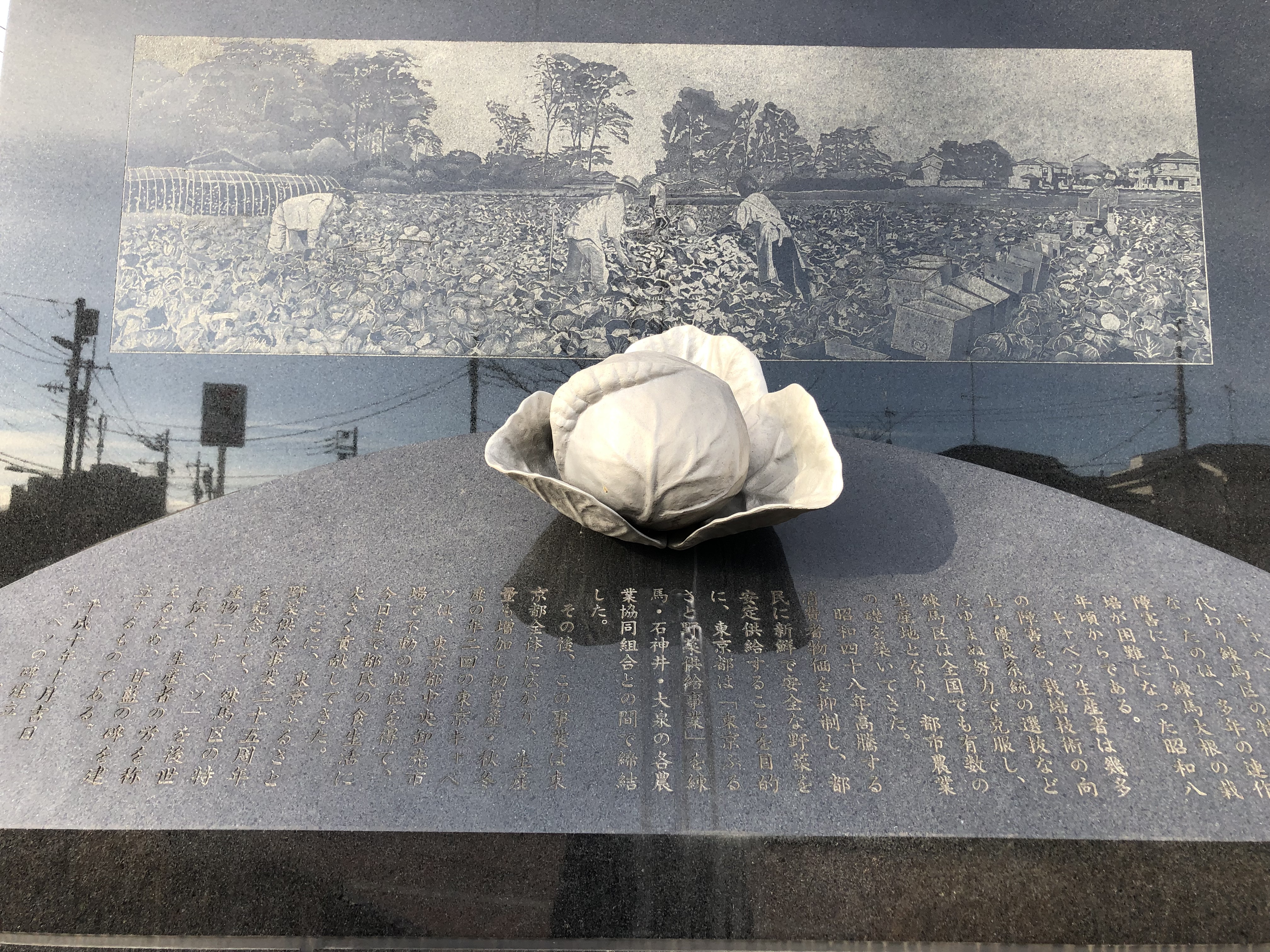
Hidden alongside the tranquil waters of the Shakujii River stands a monument of concrete adorned with an aluminium alloy sculpture of a cabbage. Erected in 1998 by the hardworking farmers of Nerima as a tribute to their resilient cabbage crops. An inscription on the monolith tells the inspiring tale of how these farmers triumphantly overcame pests and other obstacles as they transitioned from cultivating radishes to cultivating cabbage. Twice a year, these cabbages, known for their sweet and crunchy goodness, are harvested and proudly grown in Nerima to this day.

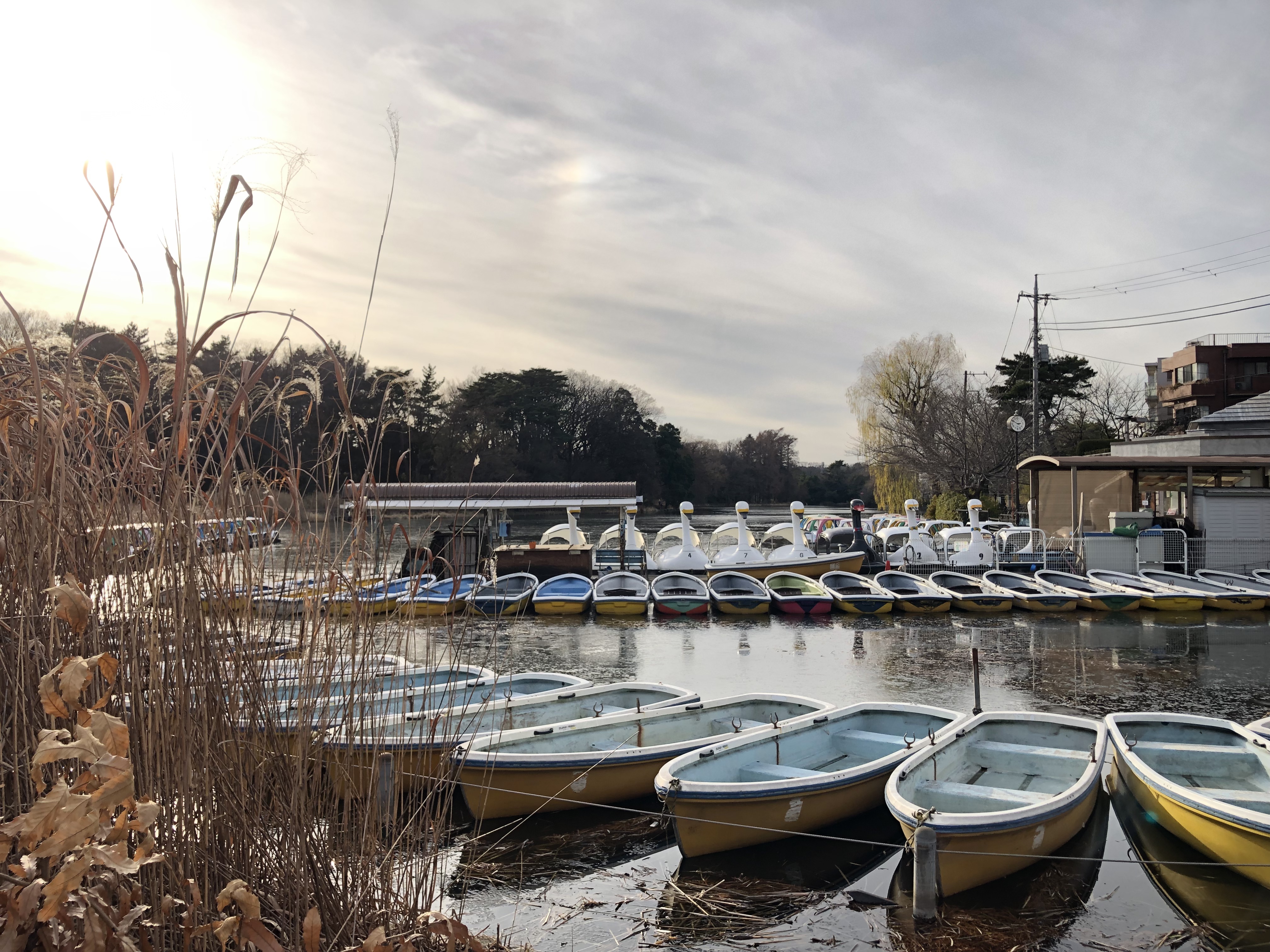
As I head towards the train station, I am struck by the delicate beauty of Shakujii Pond. This massive body of water is so still, it almost resembles a swamp. The surface of the water is completely calm and placid, not a ripple to be seen. It’s a strange, ghostly scene, made all the more surreal by the row of pagodas shaped like swans that line the pond.
With my tour of Nerima complete, it’s time to visit the final ward of Tokyo: Suginami. As I’m riding the train, my friend Marc messages me and asks what I’m doing that evening. I tell him I’m planning to visit Koenji, and he excitedly tells me that it’s his favourite place in Tokyo. He agrees to join me, and we meet halfway and get chatting on the train, accidentally missing our stop. So instead, we get off at Kichijoji, a neighbourhood that is consistently voted as the most desirable place to live in Tokyo.

As we stand at Kichijoji Station, we decide that it would be a shame not to take a quick look around the area. Marc tells me that everyone in Kichijoji exudes the scent of capitalism. We wander from the station towards Harmonica Alley, a shopping district named after its harmonica-shaped pedestrian walkway.
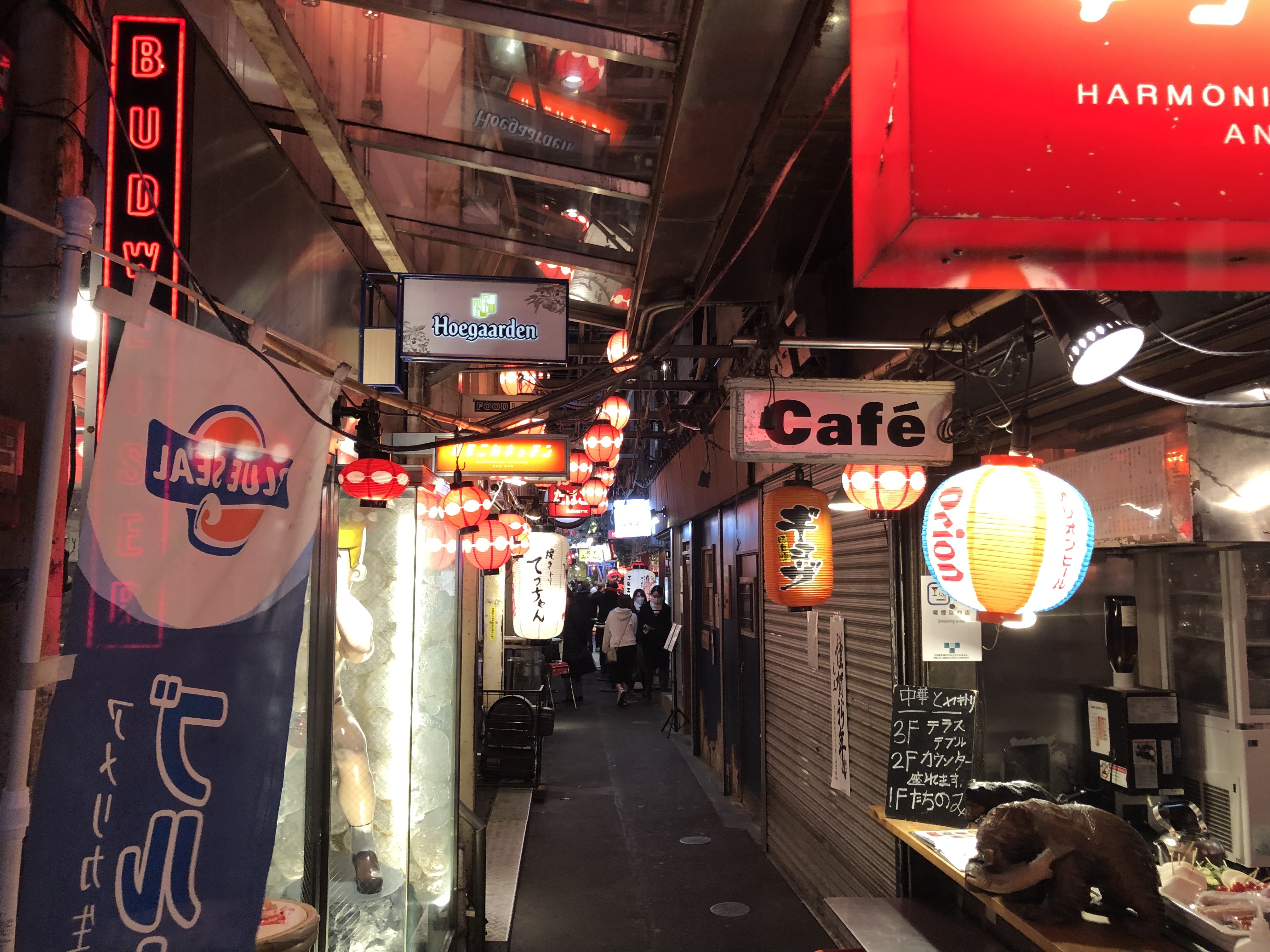
This crisscross of alleyways is home to a number of small independent restaurants and bars, and as we wind our way through the cramped streets, I really enjoy the experience. Although not all of the shops are open, I get a good sense of the area – the small stalls selling food, the bright red lanterns, and the narrow streets all contribute to a Blade Runner-esque vibe. We explore the labyrinth of old-fashioned stores and soak up the atmosphere.

After immersing ourselves in the sounds and music of Harmonica Alley, we head back to the station and finally make our way to Koenji, a district known for its vibrant, youthful atmosphere.
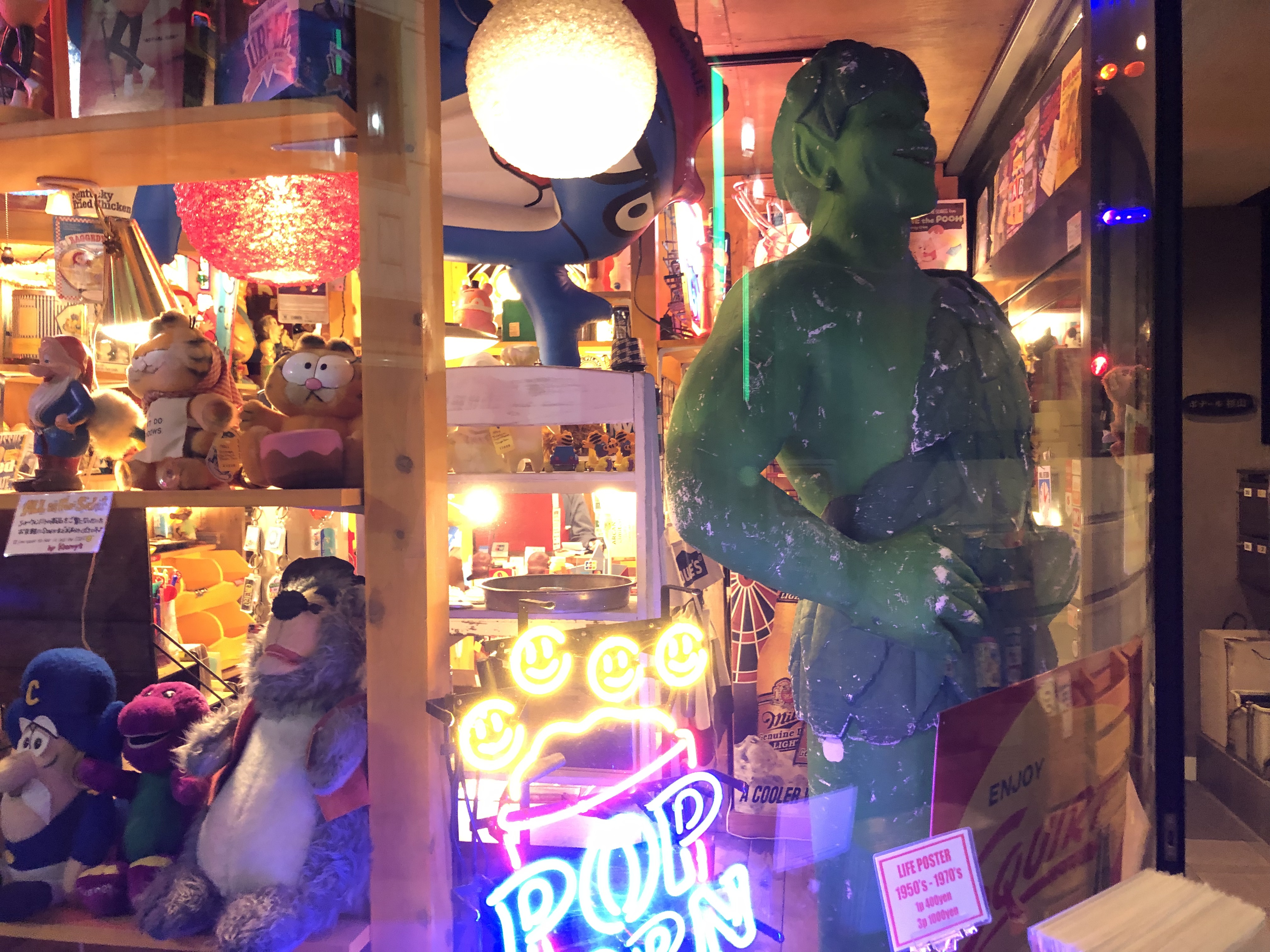
Marc takes me on a tour of the area, passing through the main shopping arcade. Despite it being early evening, I’m surprised to find many of the vintage clothing shops to be open. We pass by retro sweet shops, retro toy shops, and shops selling life posters from the 1950s. On the other side of the station, the nightlife scene in Koenji is lively, with many clubs and live music venues that attract young people from all over the city.

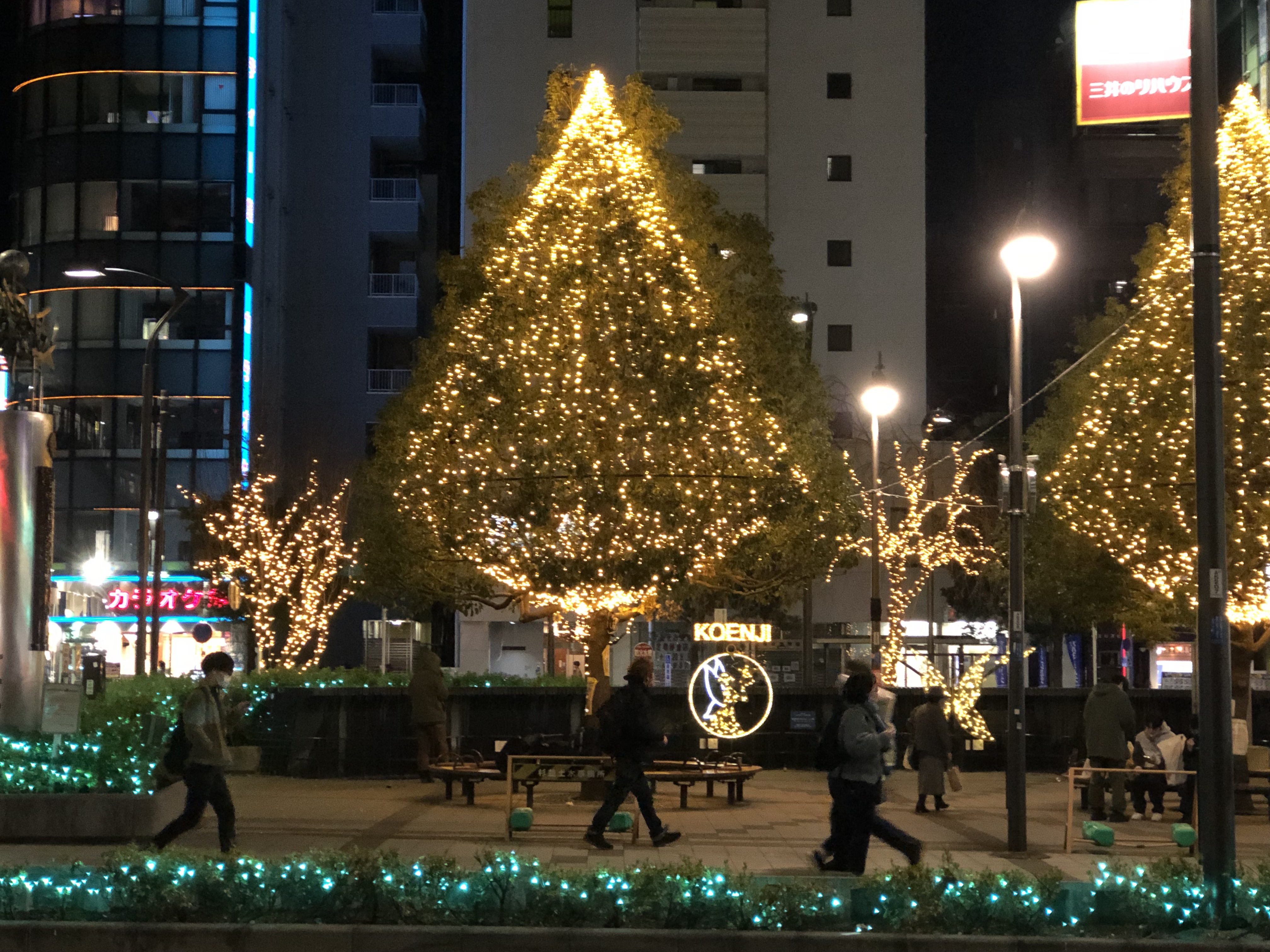
We don’t do much else of note here though, aside from trying out a few bars. As the night wears on, we move on from the trendy bars to an izakaya-style Japanese pub. We stay a while chatting, drinking Suntory whisky highballs while snacking on raw octopus, skewered meat, deep-fried tofu, and crisp, sweet cabbage from Nerima. The warm atmosphere and lively conversation make time seem to fly, and before we know it, the last train home looms near. With a sense of reluctance, we make our way back to the station, passing by out-of-season Christmas trees on the way.
As the train carries me home, a friend asks me what I’m doing on Wednesday and if I’d like to join her on a 42 kilometre walk around Tokyo. Fresh from my goal of completing the city, I am tempted by the idea of revisiting Tokyo’s streets in a different way. I agree to join her, ready to explore the city once more, entirely on foot.
Saving Primate Ryan

I aimlessly wander through Tokyo’s Adachi Ward on a cold, grey day, feeling a little bored. As I walk through a park I notice a small building that seems out of place amongst the trees and grass. As I walk up to the building, I can’t help but notice its bleak appearance. The grey concrete seems to blend in with the overcast sky, giving the place a depressing vibe. But despite my lack of enthusiasm, I decide to check it out.

As I walk through what turns out to be an animal exhibit, I can’t help but notice the perceived lack of space and variety in some of the enclosures. The Sulcata Tortoise appears to be trying to escape, possibly because it seemingly lacks access to direct sunlight, a necessity for this type of animal. It repeatedly smashes its face against the glass enclosure in frustration.

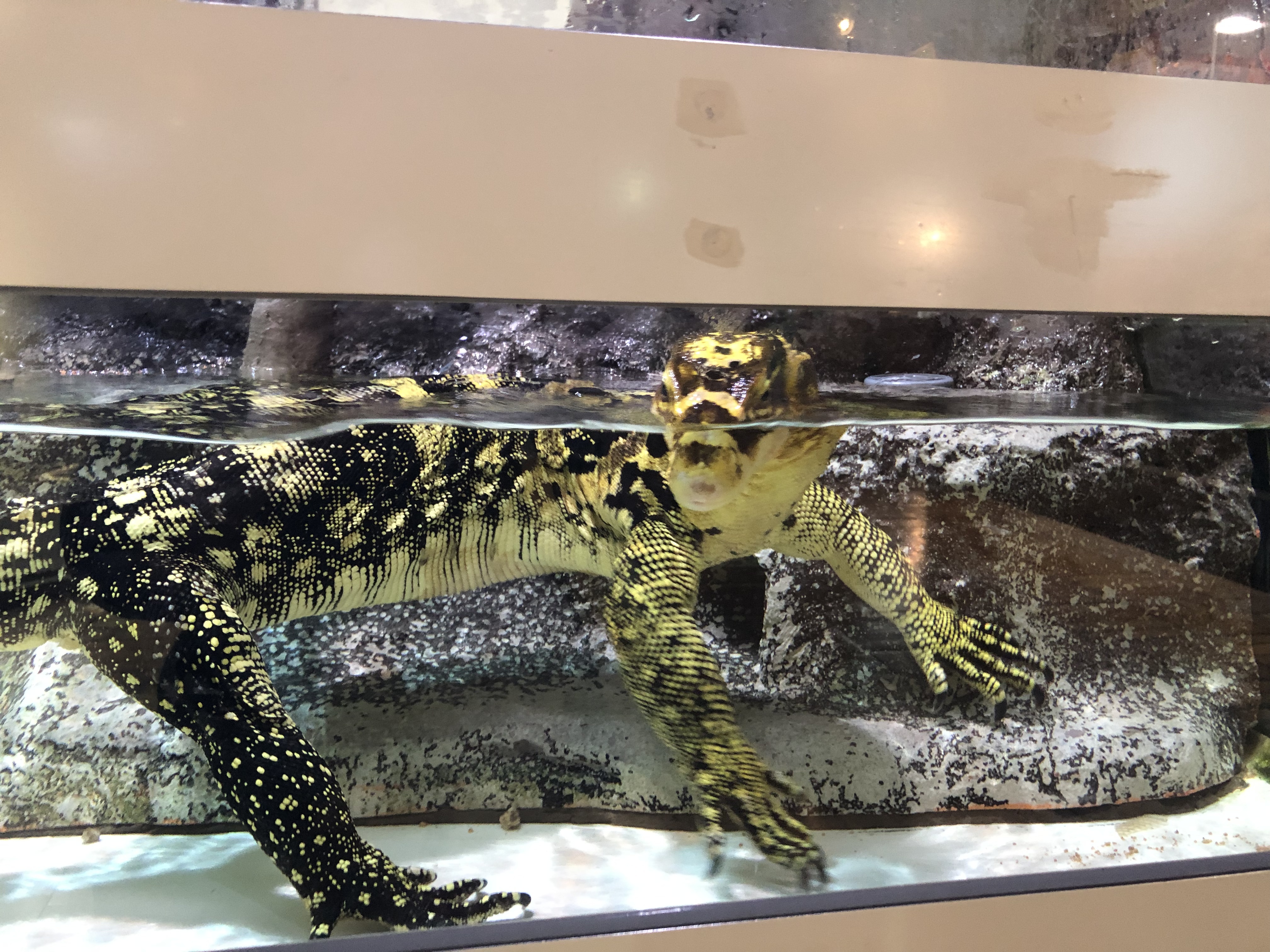
The Yellow-headed Water Monitor is a large, semi-aquatic reptile native to Africa. In my view, in this enclosure, it swims absently in a small tank that also offers a section of land. These animals are known for their powerful legs and sharp claws, which they use to climb trees and dig burrows in the wild. However, in this relatively confined space, the Yellow-headed Water Monitor seems unable to fully utilise its natural abilities, as far as I can tell.

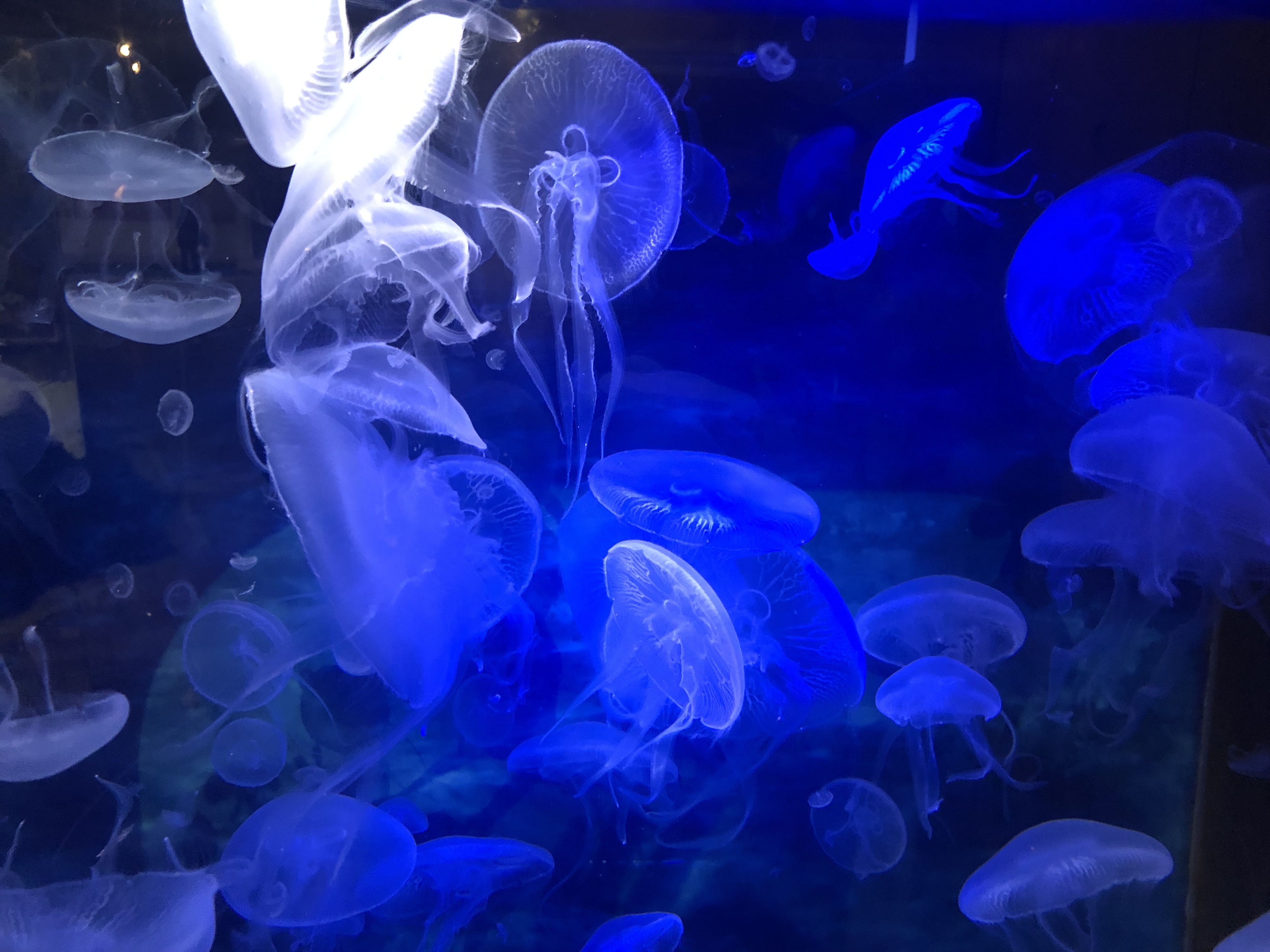
I also observe some Clownfish and Moon Jellyfish, but they seem to be lacking the vibrancy and liveliness that I would expect from these species. Clownfish, also known as anemonefish, are typically colourful and active, but these individuals seem dull and listless. Moon Jellyfish, with their translucent bells and delicate tentacles, are usually mesmerising, but in this small and crowded tank, their movement looks slow and somewhat lifeless.

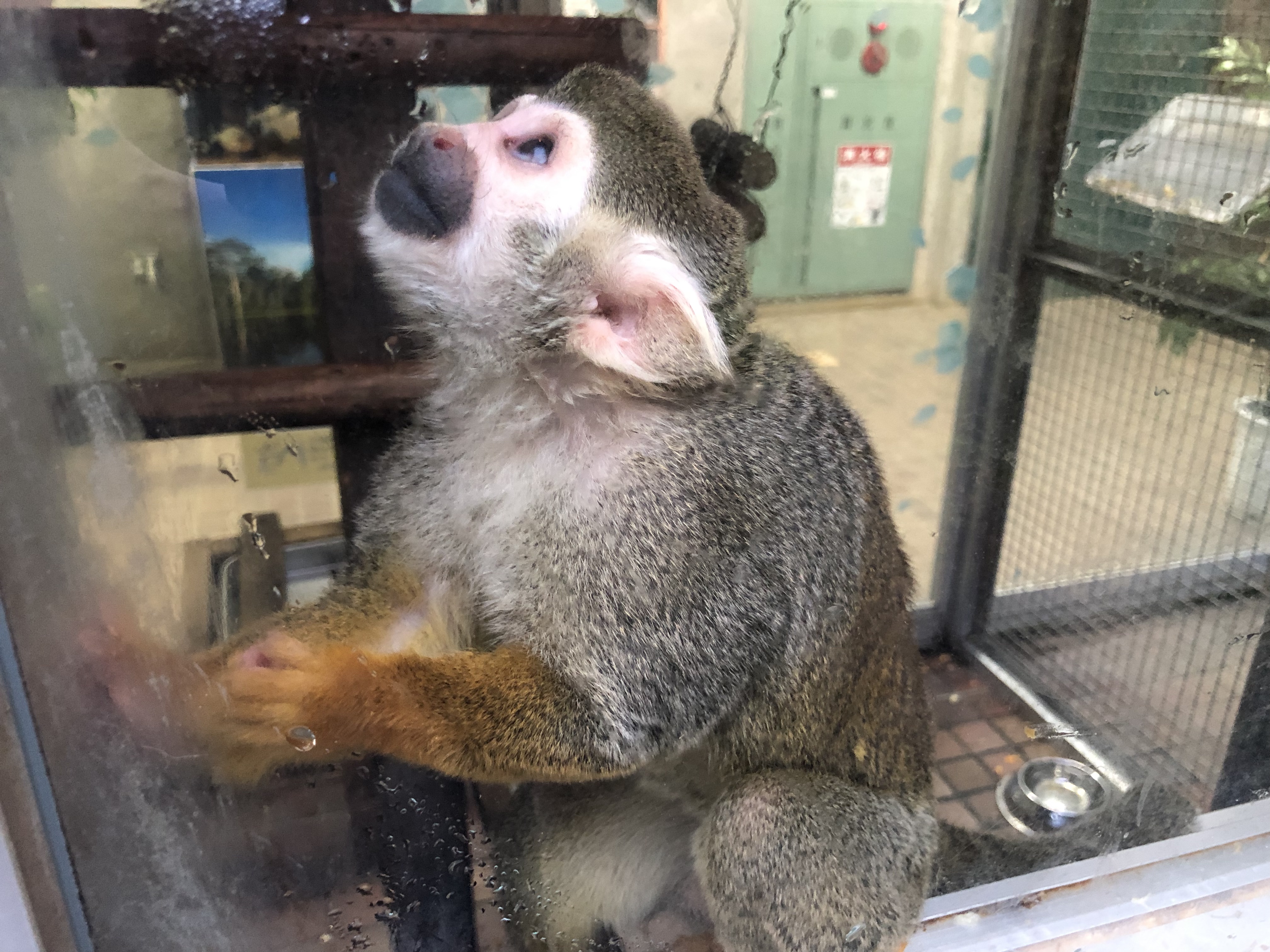
As I walk through the animal exhibit, I am startled by a group of common squirrel monkeys in cages. Seeing these animals in such small enclosures fills me with a surge of sadness, and I feel empathy for all of the animals here, even the fish, who seem to be exhibiting signs of depression.

Squirrel monkeys are social animals that live in large groups in the wild, and they are adapted to living in the rainforests of Central and South America. Because of their natural climbing abilities and long tails, squirrel monkeys are well-equipped to move through the trees in their rainforest habitat. However, one common squirrel monkey, oddly named Ryan, seems particularly drawn to me, pleading with me through its body language to let it out.

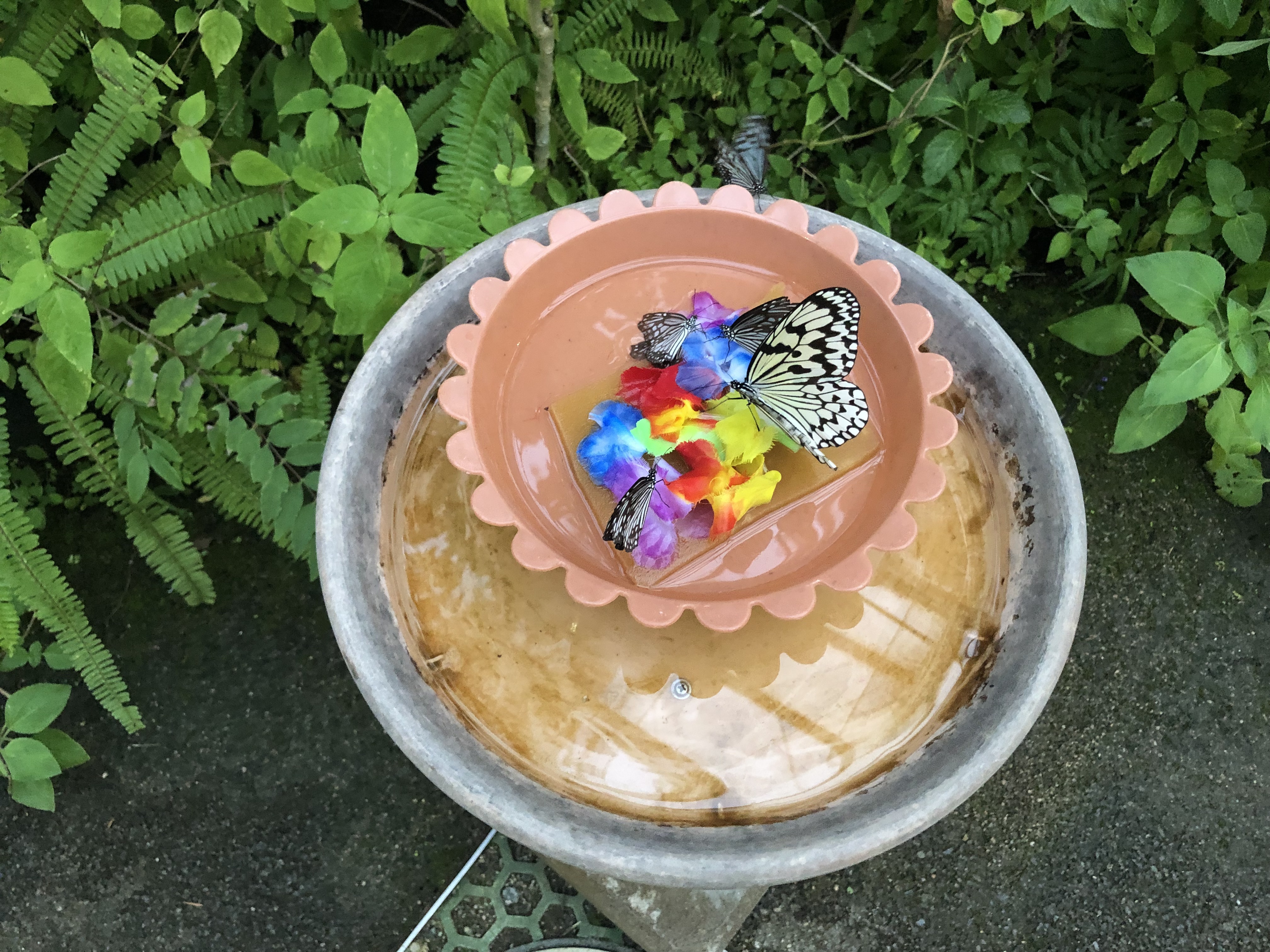
As I make my way into the butterfly enclosure, I am immediately struck by the contrast in conditions compared to the rest of the animal exhibit. Here, a lush, indoor paradise filled with plants and foliage greets me, and I am awed by the sight of Monarch butterflies, swallowtail butterflies, and red admiral butterflies fluttering freely about, their beauty on full display.

The beauty and vitality of the butterflies serves as a poignant reminder of what can be achieved when animals are given the proper care and space to thrive, in their spacious and well-maintained enclosure.

A sign reminds me to be careful not to step on any of the butterflies as I move through the space, and small dishes of honey, adorned with multi-coloured cloth, are scattered throughout the enclosure, serving as a natural attractant for the butterflies and allowing me to get a close-up view of these graceful creatures.

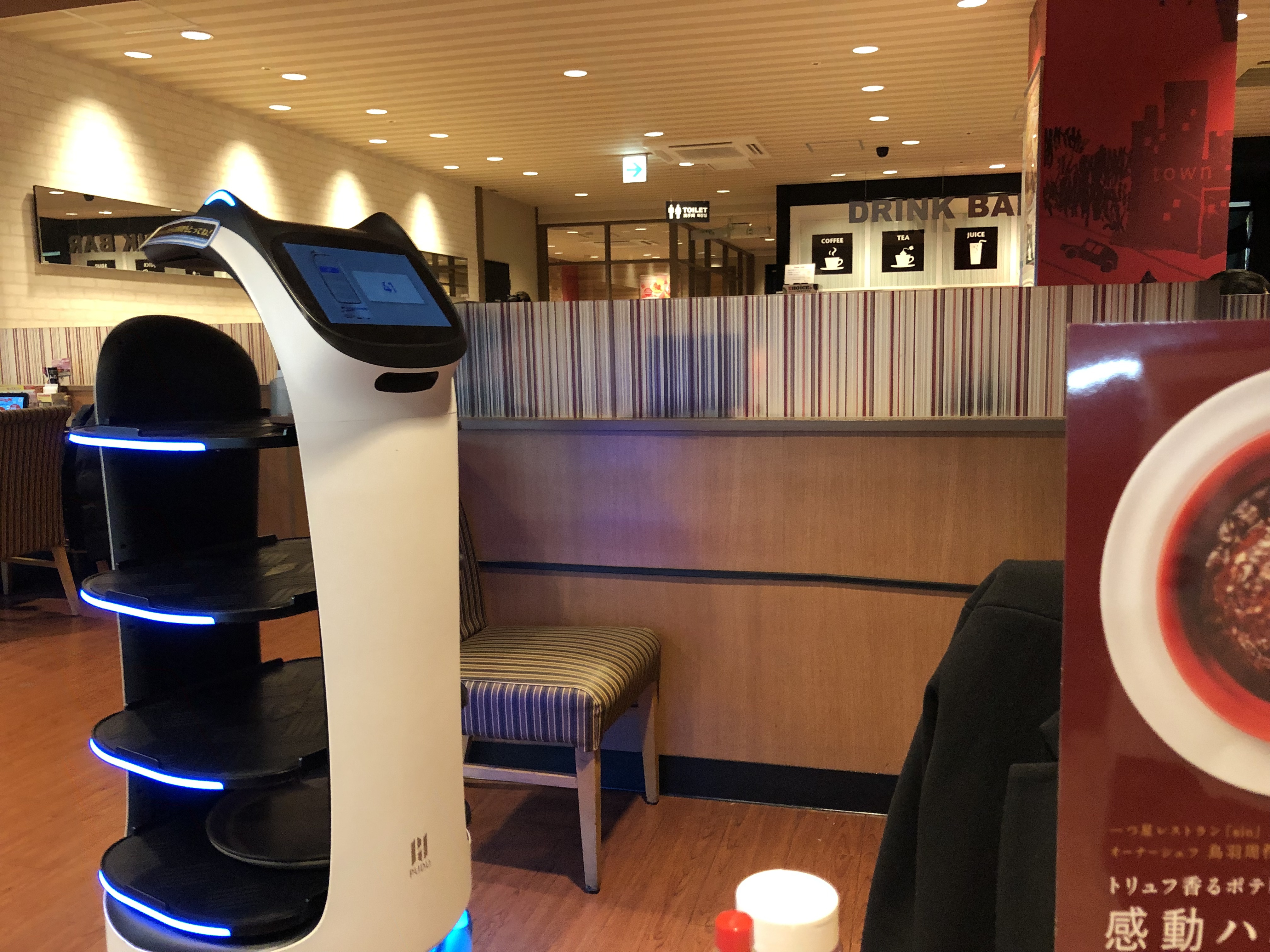
As I leave the park, a gnawing hunger overtakes me, one that I haven’t felt in a while. I head to the nearest train station in search of a restaurant. Inside, I am surprised to see that there are no waiting staff in sight, so I take a seat at a table and peruse the touchpad menu, eventually settling on a hearty gratin dish. As I wait for my order to arrive, I am intrigued by the sight of a robot with a digital cat face advancing towards me, carrying my steaming plate of gratin. I take the meal from the robot, which makes a beeping sound before gliding away with nonchalance back to the kitchen.

I briefly wonder about the impact of technology on the service industry. Despite my curiosity, I am too ravenous to dwell on these thoughts for long, and I dive into my meal with relish.

Statues of Dogs, Statues of Gods

During the reign of Tokugawa Tsunayoshi, the fifth shogun of the Tokugawa shogunate, a ban on the eating of meat and the killing of animals was enacted in Japan. This ban was part of a series of laws and regulations related to animal welfare that were put in place during Tsunayoshi’s reign. Tsunayoshi was known for his strong interest in animals, particularly dogs, and is often referred to as the “Dog Shogun” due to his efforts to protect and care for dogs during his time as shogun.

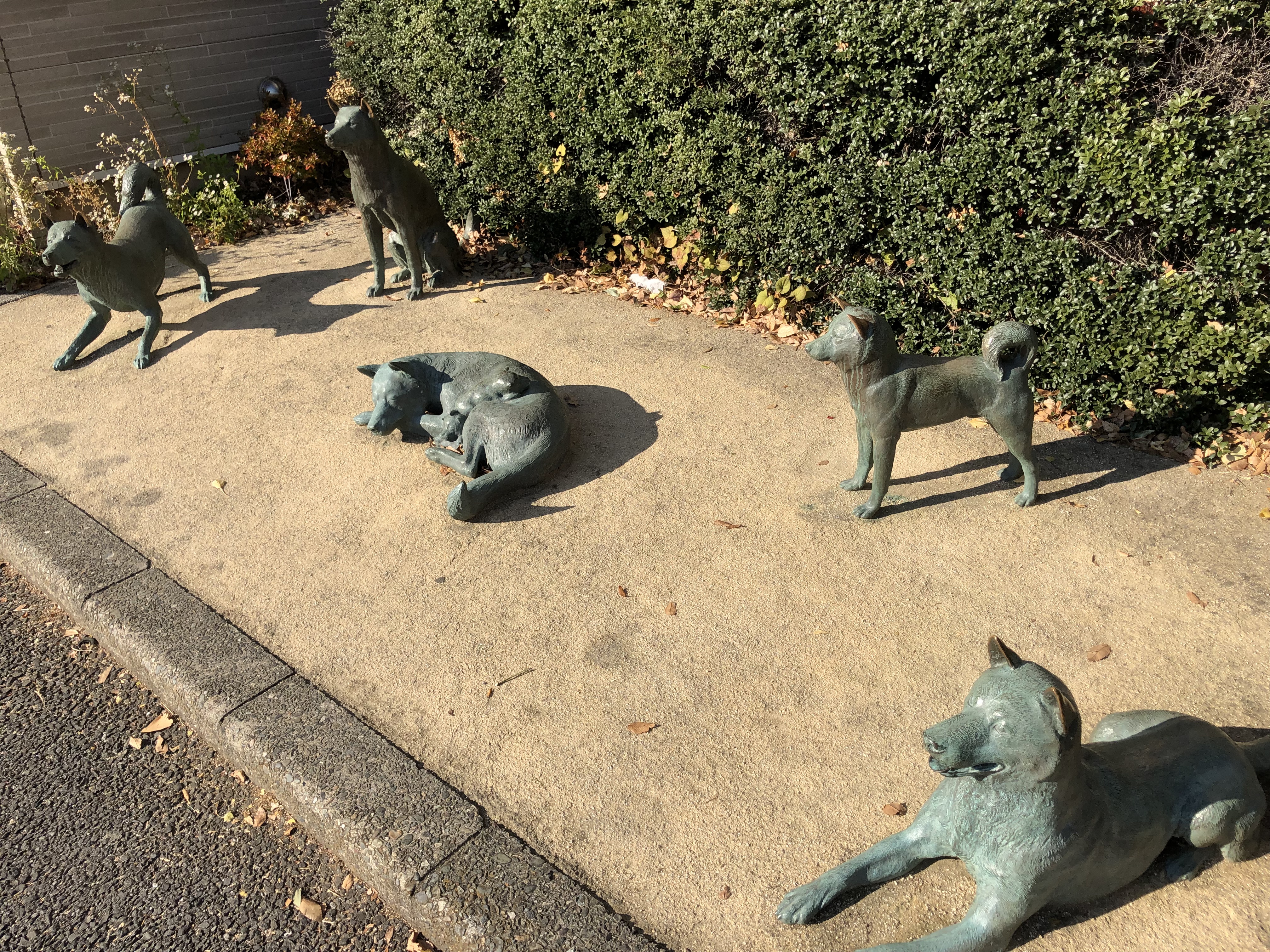
One aspect of Tsunayoshi’s efforts to protect dogs was the creation of a large sanctuary for them in the area where Nakano Station now stands. It is here that I find many statues of dogs. The ban on eating meat and killing animals was likely intended to protect and care for dogs specifically, as they were considered sacred animals in Japan at the time. Strangely, the ban did not apply to birds.

This interpretation of the ban led Buddhists in Japan to argue that rabbits, which are not birds, should be considered a type of flightless bird and therefore be eligible for consumption. This argument was granted, much to the delight of the Buddhists. This is why the system for counting rabbits and birds in Japanese is the same, and is only used for these animals.

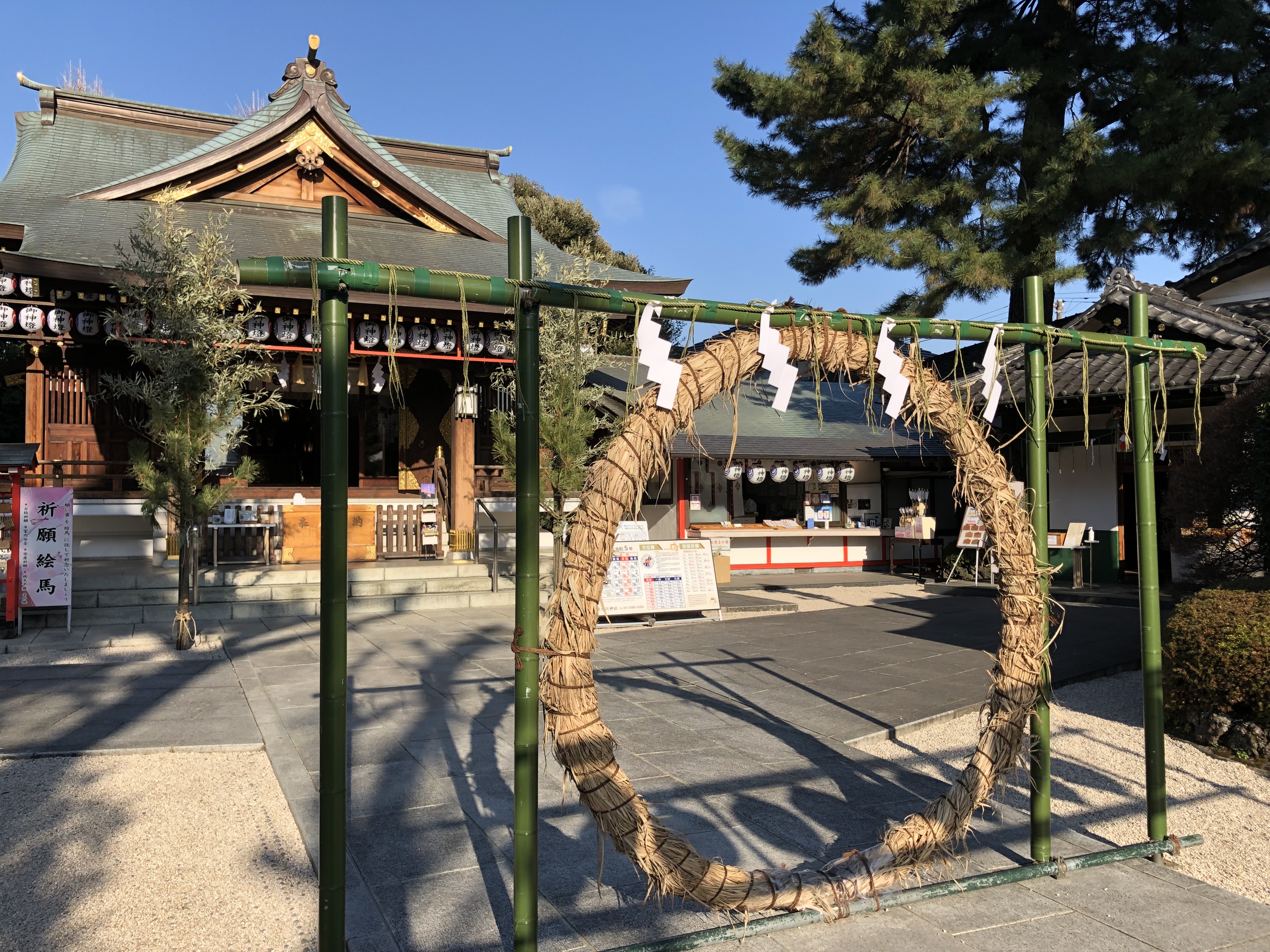
As I continue on my journey, I walk through the bustling shopping and entertainment district of Nakano Broadway. My next destination proves to be a bit more challenging to find, as it is allegedly located somewhere between the Kirin Lemon Sports Centre and Heiwanomori Park. Despite my best efforts, I am unable to locate the Nakano Prison Main Gate “Peace Gate.” It seems that it is either hidden behind a construction site or has been erased from history and replaced by a grassy meadow and a running track. After my search for the old prison proves unsuccessful, I am drawn towards the melodic sounds of a shamisen. As I follow the music, I come upon a peaceful-looking shrine.

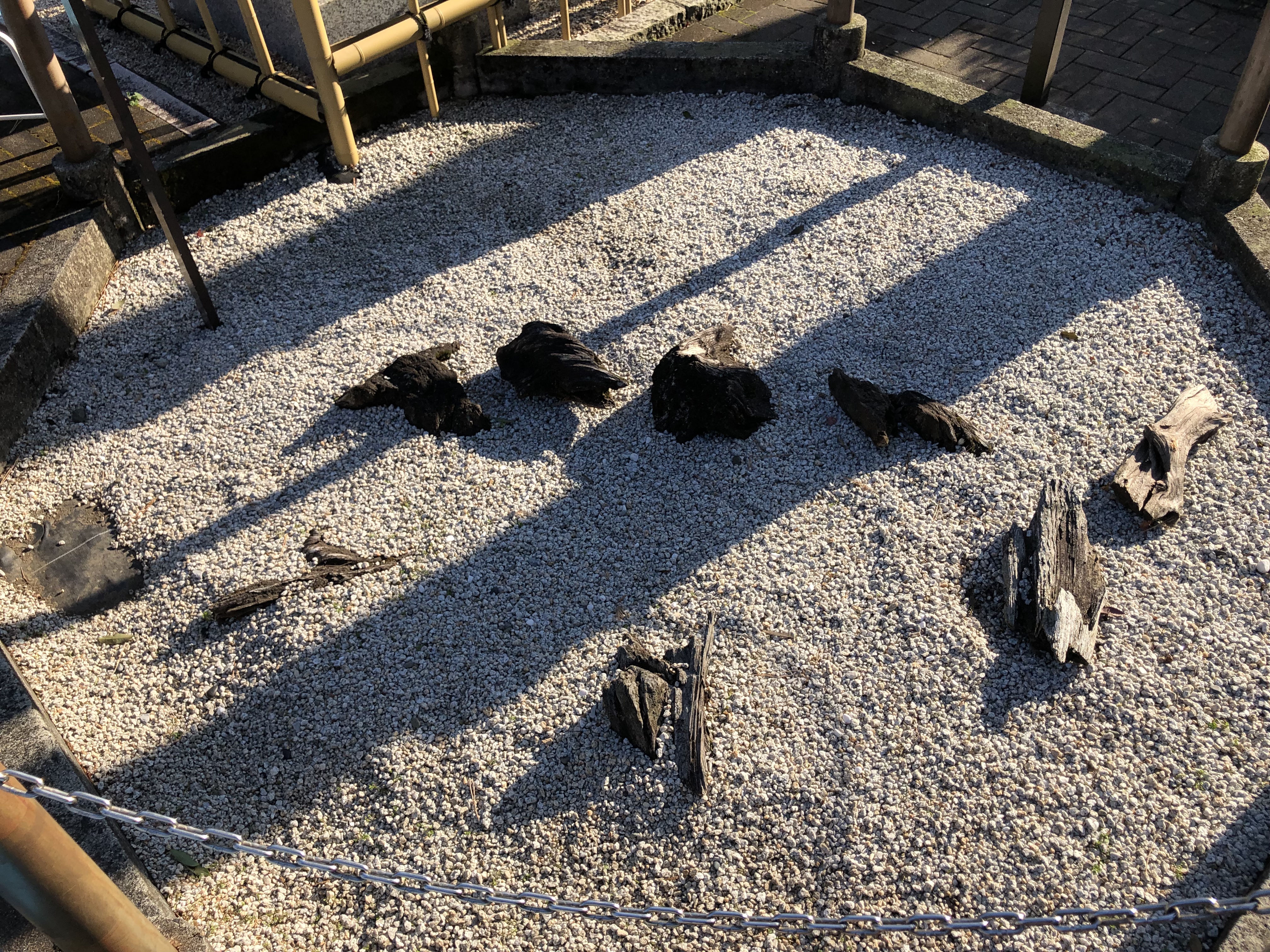
The Numabukuro Hikawa Shrine in Nakano is home to the remains of the Dokan Cedar tree, which once stood tall at a height of 30 metres. This tree passed away in 1944 due to old age, but it was a significant and beloved part of the community for centuries. The Dokan Cedar tree, also known as the Dokanzakura, was named after its owner, Dokan Ota, who planted it in the late 16th century. It was considered a natural monument and was protected by the city of Nakano.

The Dokan Cedar tree was known for its impressive size, with a circumference of approximately 14 metres. It was believed to be over 400 years old, making it one of the oldest trees in the city.

The tree was also believed to have spiritual and supernatural powers and was often visited by people seeking good fortune and blessings. Even though the tree is no longer alive, its remains serve as a poignant reminder of my own mortality and the impermanence of life. The Dokan Cedar tree stood tall for centuries, weathering the passage of time, but eventually, even it could not escape the inevitability of death. The tree’s remains remind me of the fragile and fleeting nature of life, and the profound sorrow that comes with the end of all things.

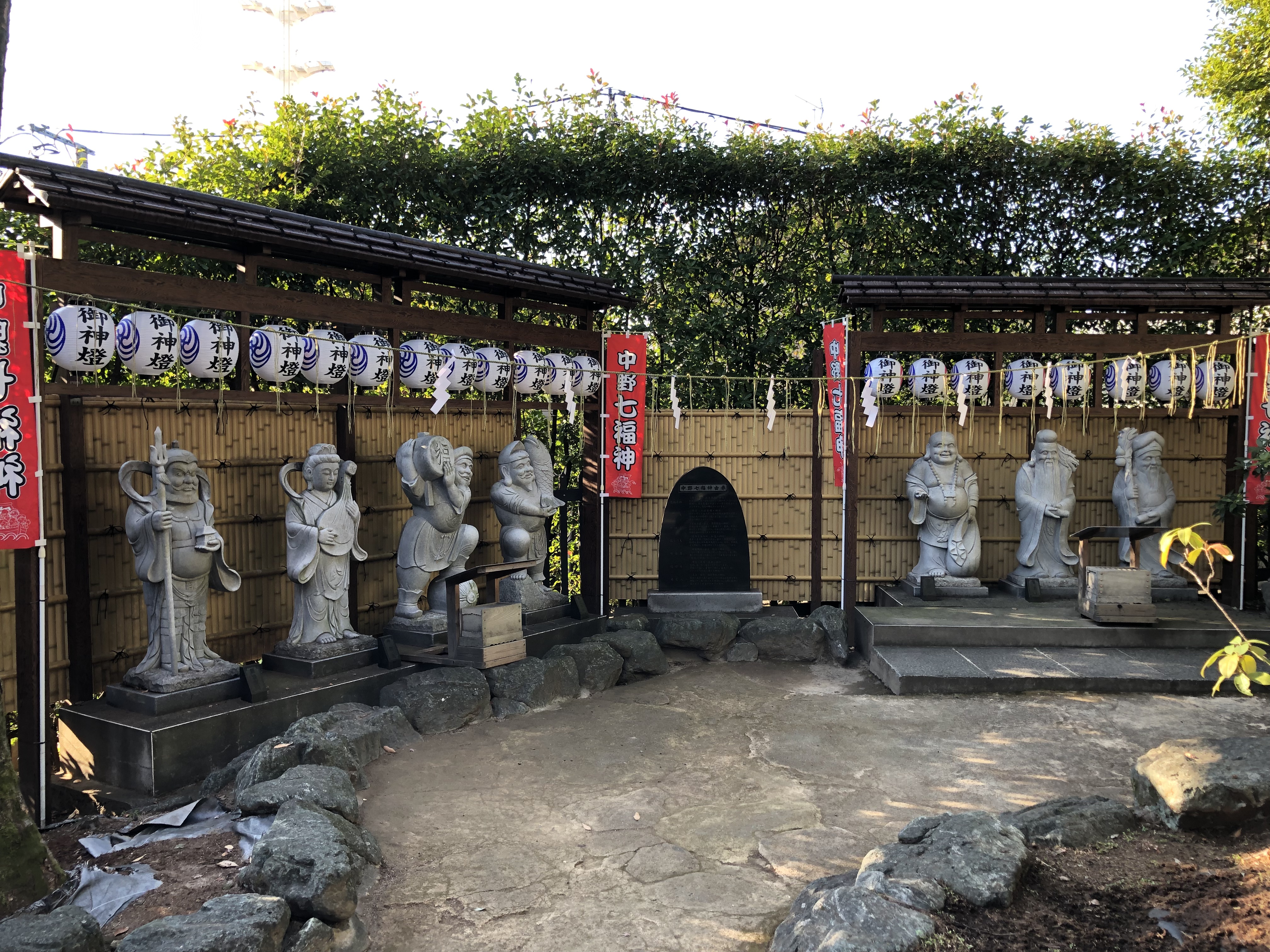
As I continue to explore the peaceful grounds of the shrine, my attention is captured by a group of statues. It is here that I discover all seven of the lucky gods of fortune

For anyone looking to complete the Pilgrimage of the Seven Lucky Gods of Fortune, a traditional cultural practice that involves visiting a series of shrines or temples dedicated to the seven lucky gods in Japan, this shrine offers a convenient shortcut. All seven of the lucky gods, who are revered as bringers of good fortune and prosperity, stand proudly on the shrine’s grounds, making it possible to pay respects to all of them in one place.

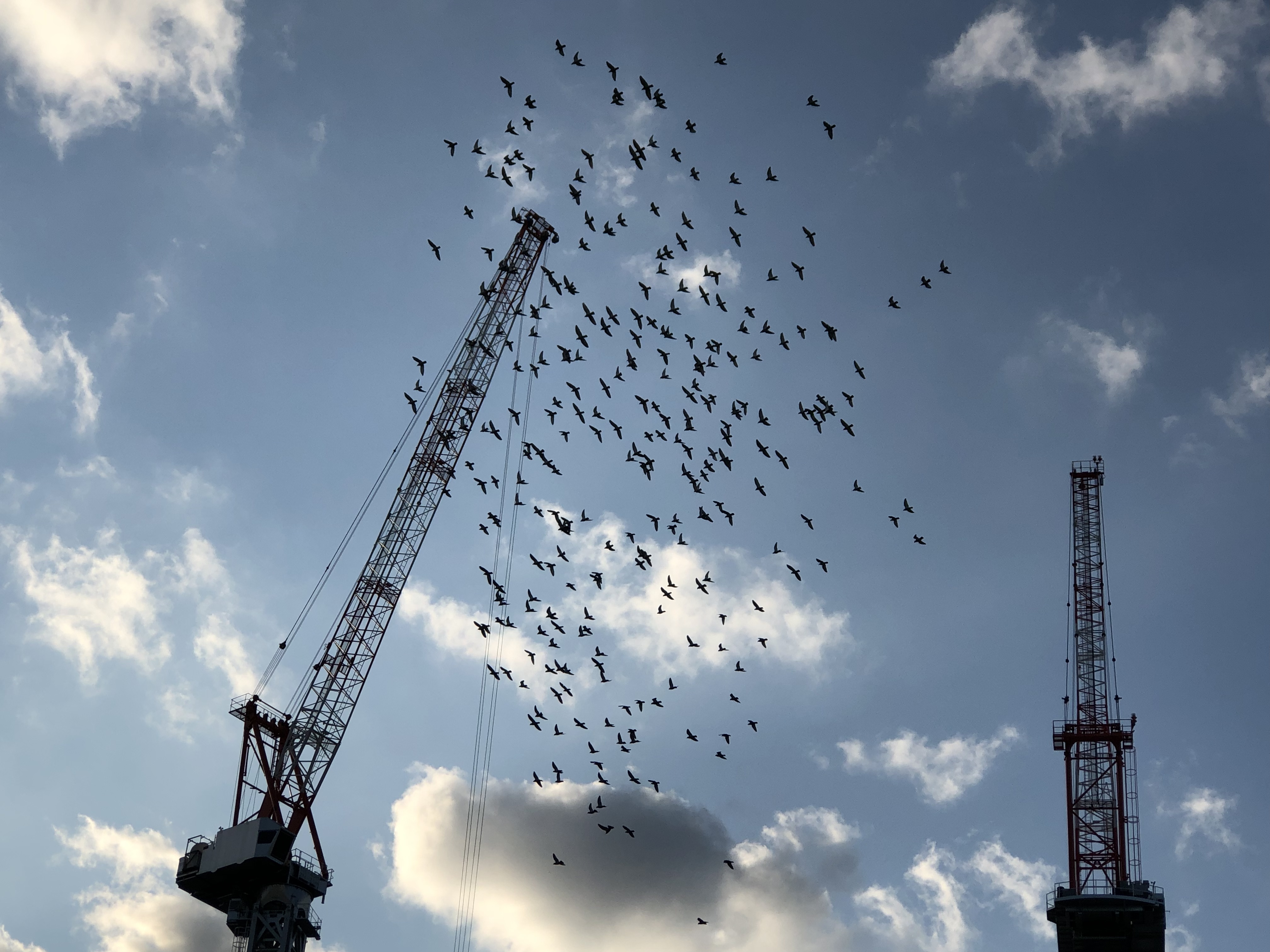
As I make my way back towards the station after a long day of sightseeing, I am pleasantly surprised by the sight of three small groups of birds soaring through the air. They fly in a seemingly chaotic but coordinated manner, their movements fluid and graceful as they weave through the sky. This phenomenon, known as murmuration, is a truly amazing and mesmerising sight. The birds dance and swirl in the air, creating intricate patterns and formations that shift and change suddenly. It’s as if they are performing a beautiful, otherworldly ballet, their wings beating in perfect unison as they move through the air.

I stand in awe, mesmerised by the beauty and grace of this natural spectacle, before considering that they might not be birds at all, but rabbits.

Drive My Car

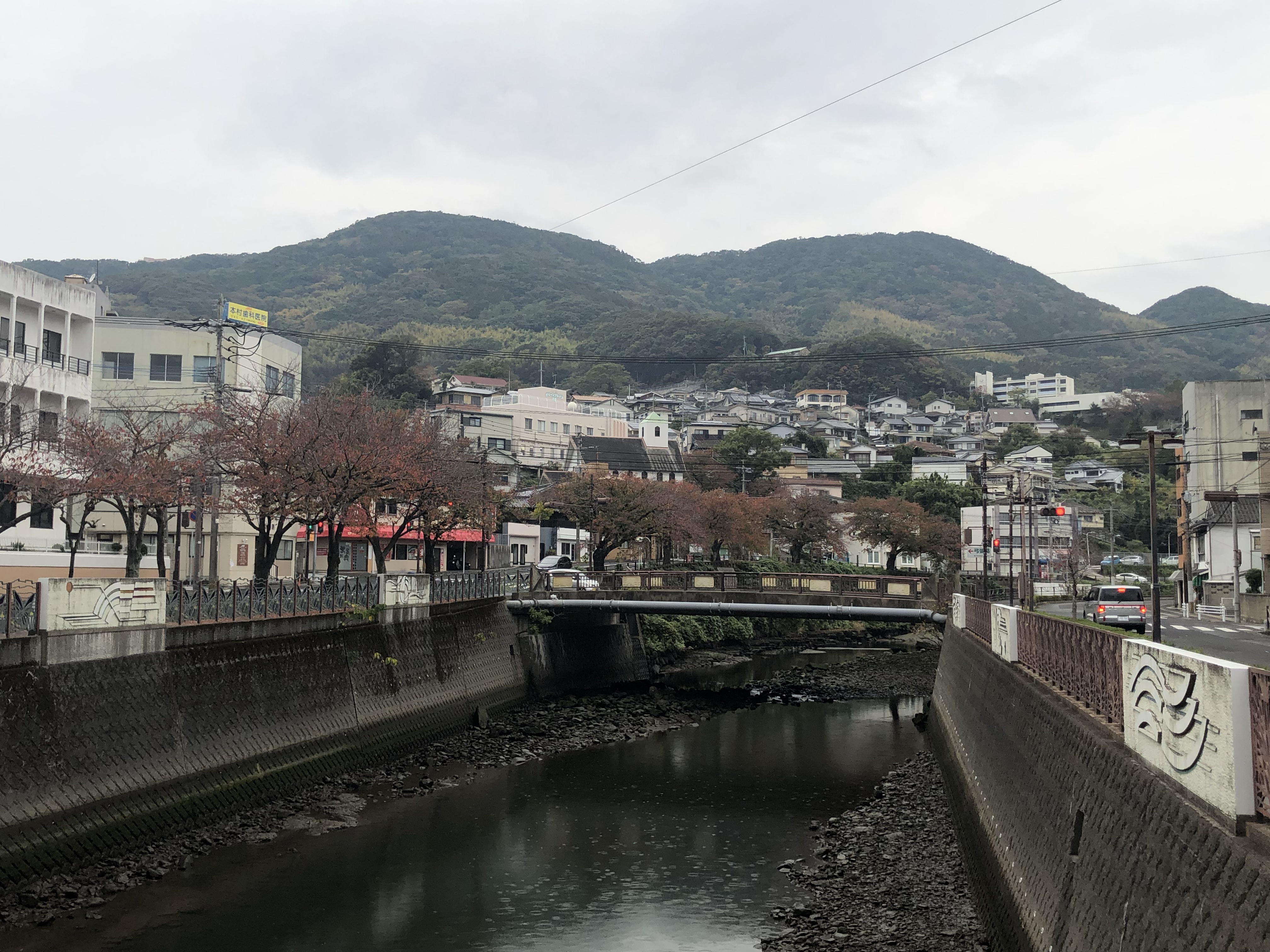
Today I’m in Sasebo, Nagasaki Prefecture, and there are mountains everywhere. I walk vaguely in the direction of Sasebo Yonkacho Shotengai, a shopping arcade so big that its kilometre-long length spans across seven different towns. It is actually the longest straight and continuous shopping arcade in Japan. Sasebo Tourist Information states: “The arcade is always crowded with shoppers. Some stores accept US dollars.”

As I begin to wander through the retro shopping arcade, I notice a complete lack of not just shoppers, but shops that are open. Everything here aside from stores like Seven Eleven and Family Mart are all but closed. The arcade boasts over 160 shops, including a multitude of restaurants, souvenir shops, clothing shops, as well as daily goods stores. This morning, however, shuttered down shops with no identity fill the margins of this shopping stretch. The shopping arcade does however offer free wireless Internet, and also offers a nice break from the low winter sun on what is a relatively warm winter morning.

At the other end of the arcade, Mount Yumiharidake hovers on the distant horizon.

As I further approach the mountain, a sign tells me that the summit is 3.4 kilometres away. Having just walked one kilometre through a shopping street with relative ease, I decide that this could be an enjoyable hike to the top. There is said to be an observation deck at the peak which offers some of the best views of Sasebo and its surrounding nature, so, off I go.

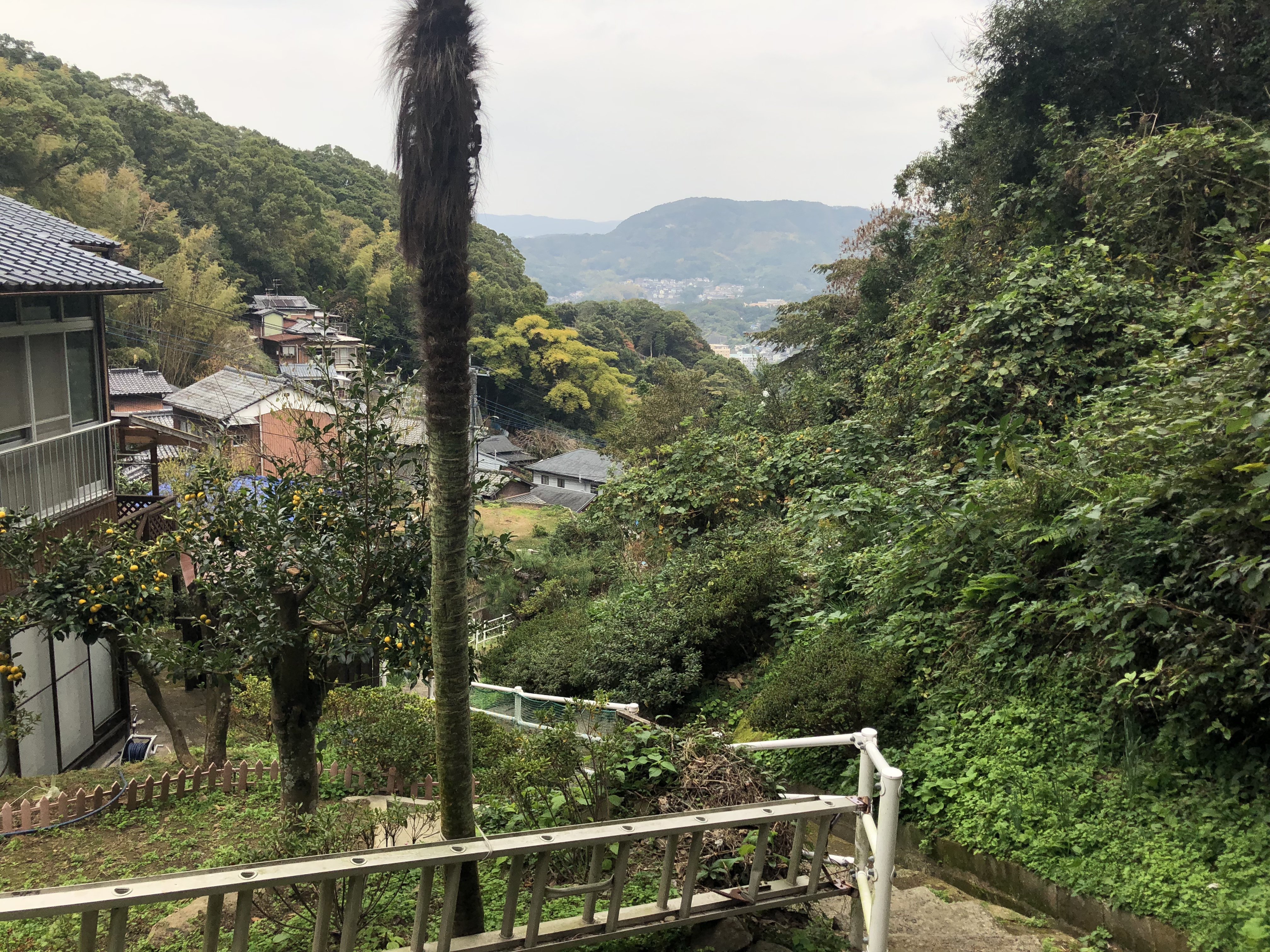
It seems there are multiple ways up the mountain. The boring option is to hike the entire route by simply following the main road, or as I do, take some of the more interesting routes up steep steps and rocky intervals. As more and more of the paths begin to fracture and split into narrow lanes that scale upwards from the base of the mountain, interwoven homes across narrow streets littered with cats make up the first twenty minutes of the climb.

As I continue on with my ascent, the route begins to snake more and more, and light rain begins to fall. Hot from the day and the steepness of the climb I find the rain to be a welcome refreshment and decide to rest for a moment, allowing the rain to cool me down, and my heart rate to climb back down to a steady crawl.

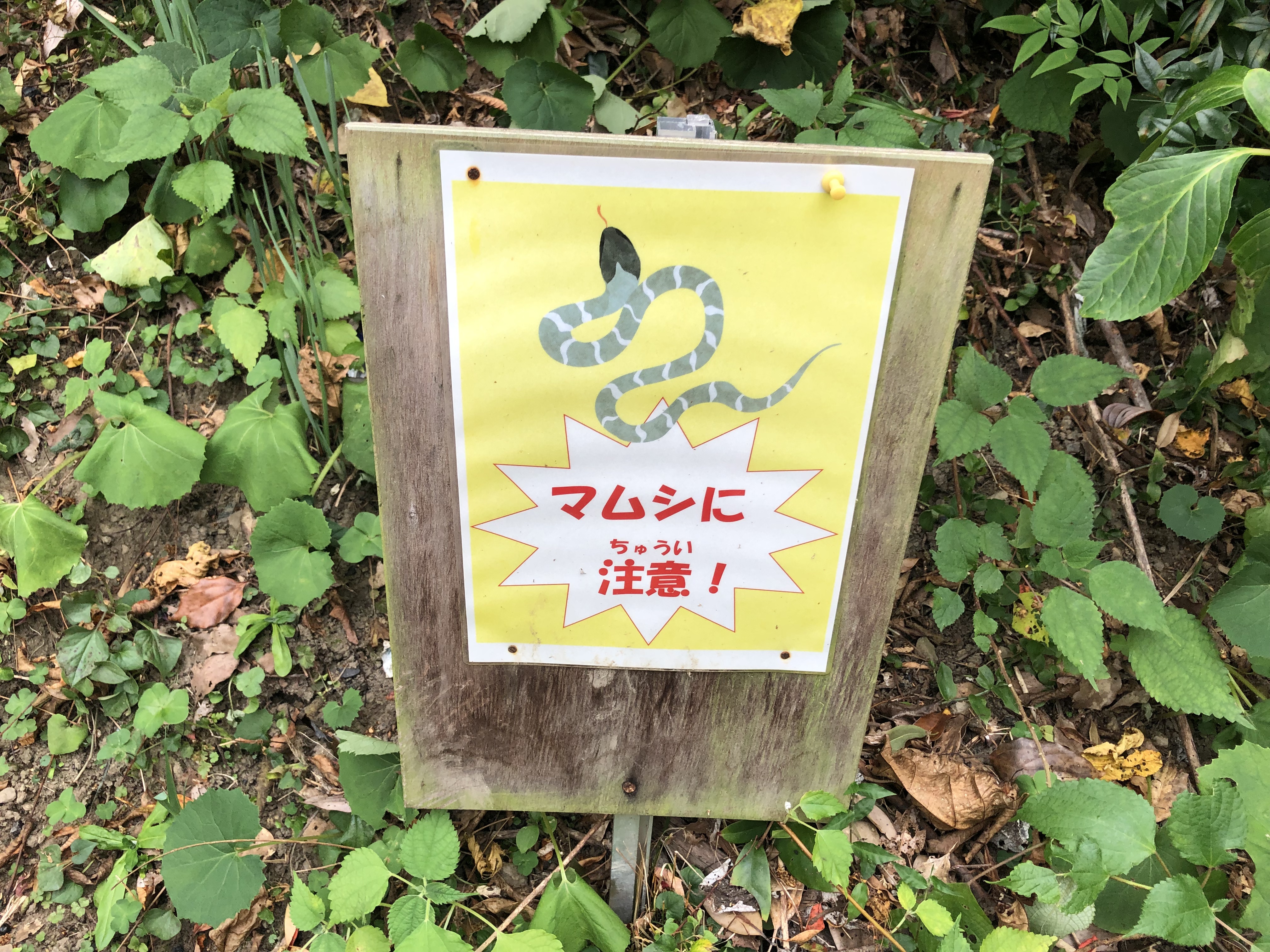
I stop suddenly when I notice a sign telling me to watch out for snakes, but not just any snakes, mamushi, the most venomous snakes in Japan.

As I watch out for snakes, I pass under low hanging cobwebs that drift between trees across the many muddy paths. I don’t see any other people, and other than the cats, I don’t expect that I ever will. The track spirals around and into a clearing through the woods for a time, before becoming a path again.

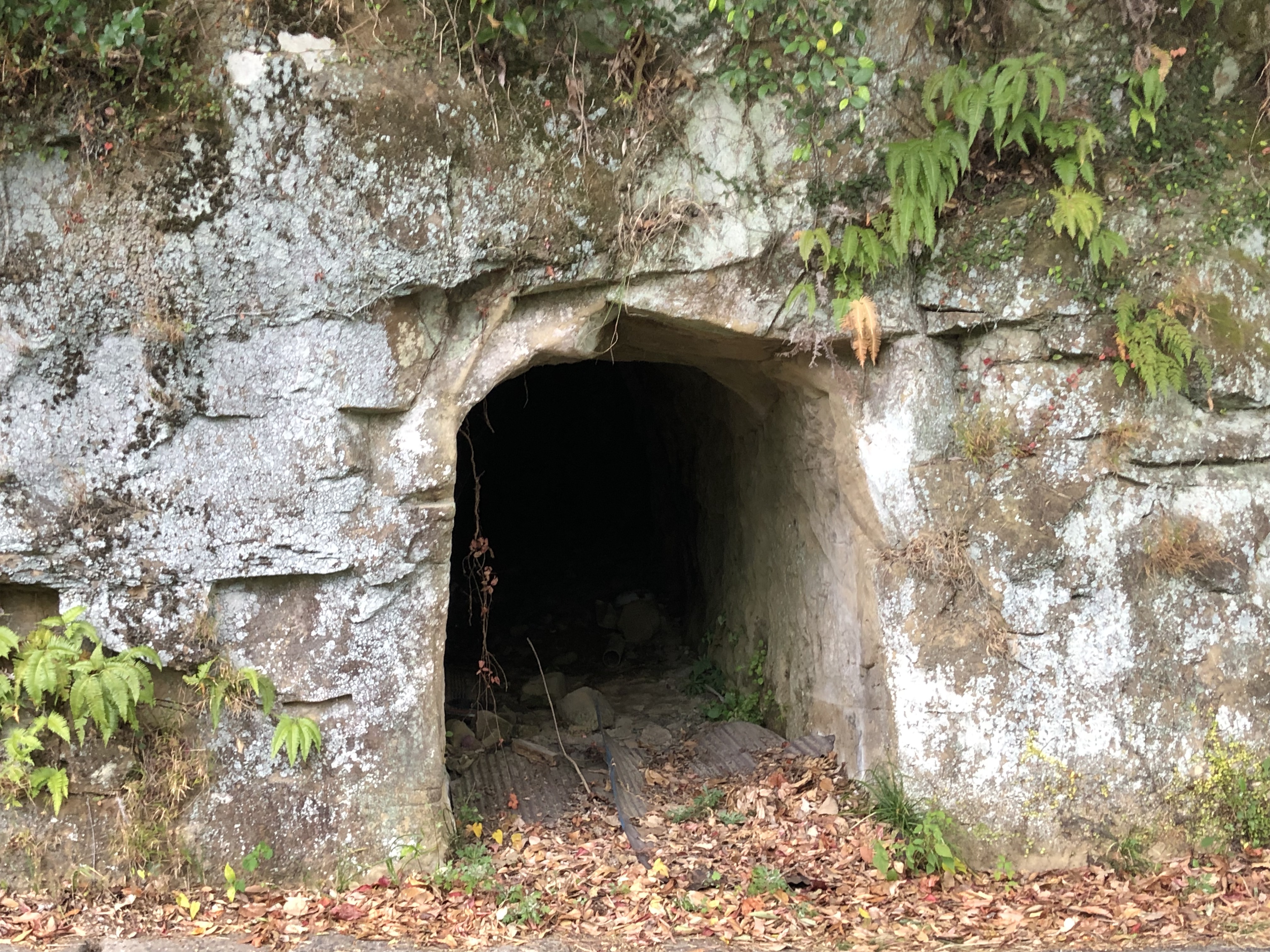
A little later, I pass a rather small cave carved into the rocks, I’m not sure if this is part of the climb or not, but it looks ominous, as if some unnamed horror is lurking inside. I take out my phone to capture the cave, before turning on my torch. As I bring the light to the entrance, I hear something inside begin to rustle around, perhaps a snake, and my heart begins to race; its beats increasing and repeating, an octave at a time, like an endlessly rising Bach canon fit for a king.

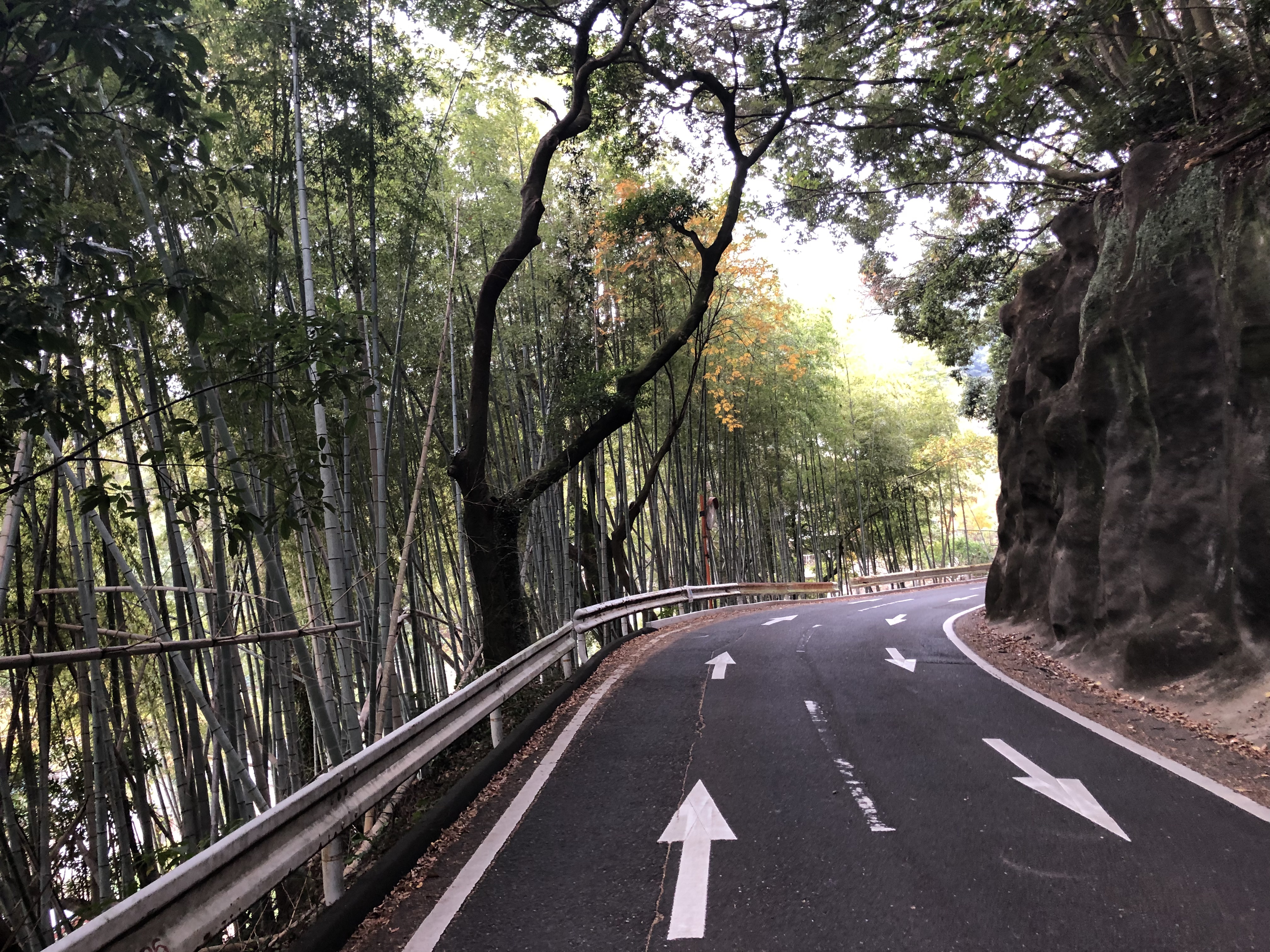
After taking an alternative route, I eventually reach a road where bamboo stretches off to the side, bamboo so tall that it descends deep below the road, stretching off into a distant obscurity.

Further along the road I see a sign telling me to, “Keep Out!” and below the sign is a huge drop, and I wonder who this sign is even for. Eventually, I see another sign for a car park, 300 metres away, and breathe a sigh of relief in knowing that I’m almost at the top. A third sign explains that gun hunting is prohibited in this area, perhaps the reason for the abundance of snakes.

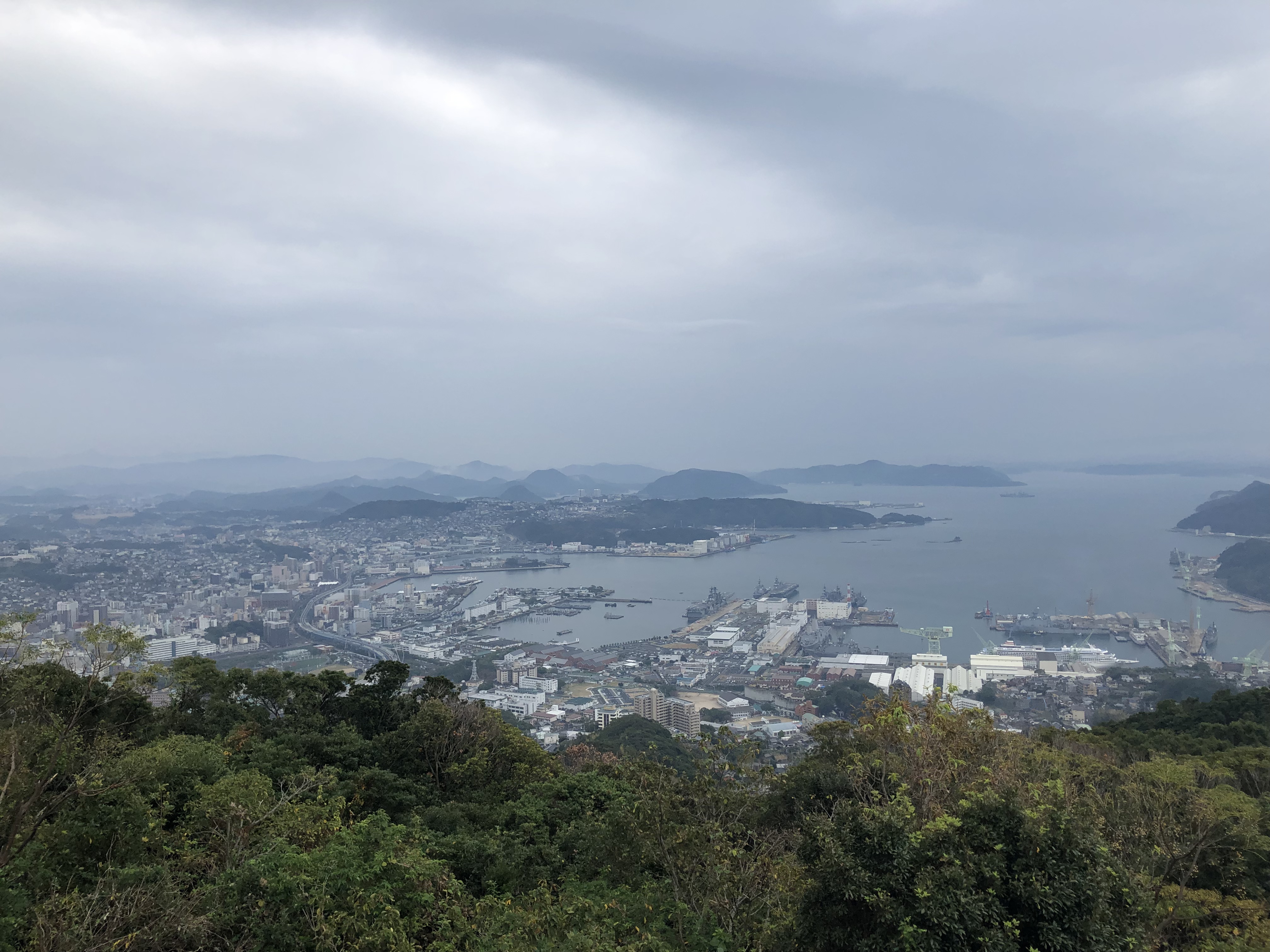
Finally the mountain path opens up, to reveal a stunning view of the city and landscapes beyond. Its US navy base below with its massive boats. Other mountains bulge up over the horizon, the view somewhat washed white by the falling rain. Over to the west, a large labyrinth of small islands, the Kujukushima Islands, its name meaning 99 islands, but also meaning too many islands to count (there are exactly 208).

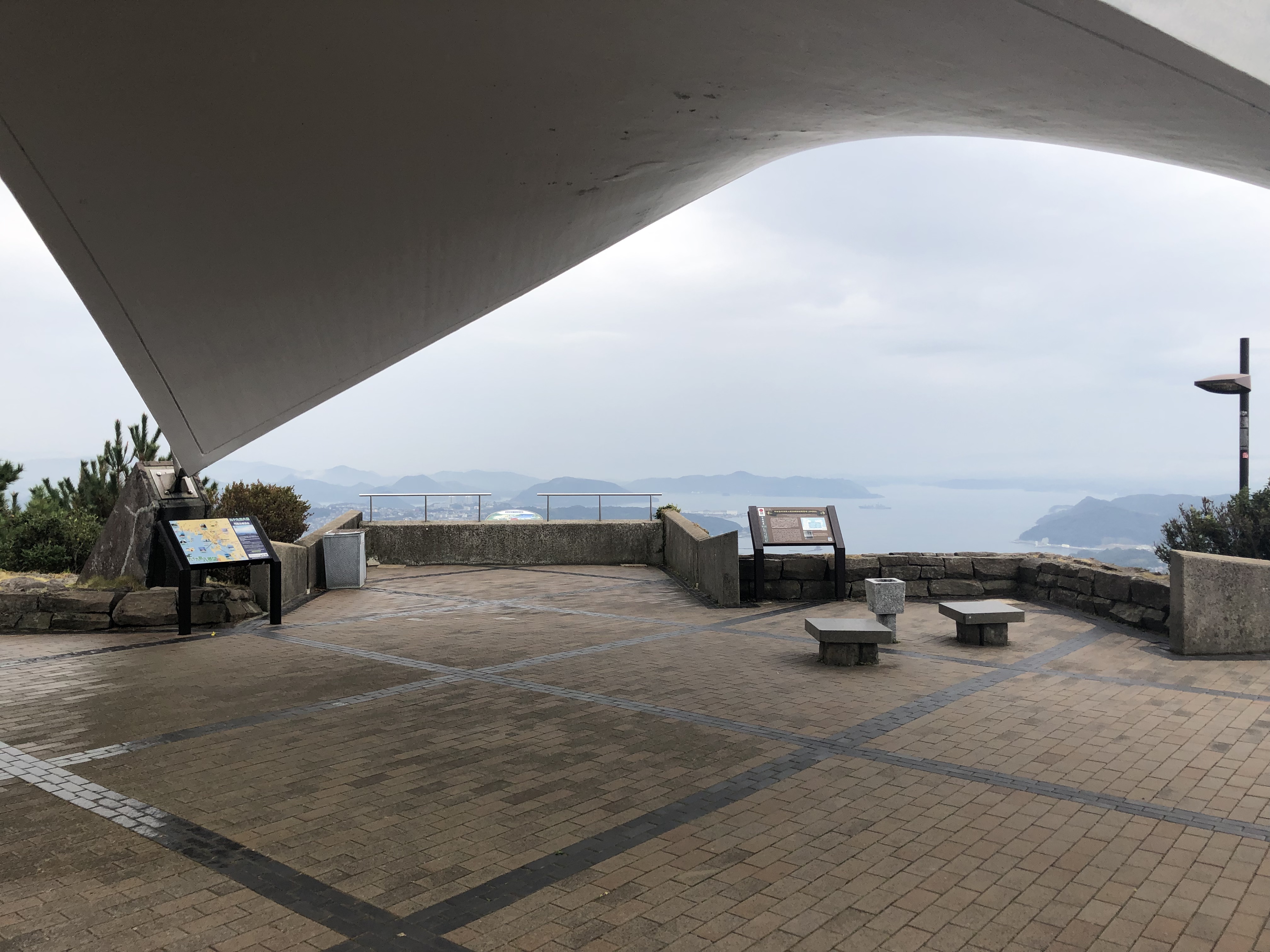
A short stroll up some stone steps, and over a small bridge, and I arrive at the Yumiharidake Observation Deck. The deck offers a nice panoramic view from atop this 364-metre tall mountain. I stand for a while, taking in the view.

A sign tells me that I can enjoy the scenery during the day as well as at night, however, I would be more fearful of climbing at night, just because it would make it especially harder to detect the snakes. The night view though is apparently amazing, and really brings out the lights of the city. There is also a free shuttle bus to the top of the mountain at regular intervals throughout the day.

I head over to the bus stop and wait. After about ten minutes, I do finally see another human being, a Japanese man pulls up beside me in his car. “No bus today,” he says. I ask him whether that’s because today is Sunday, however, he just repeats himself and says, “No bus today,” for a second time. I feel a little disappointed but before I can reply, the man points to himself and says, “Drive my car.” I tell him that I can’t drive, but this is of course not what he meant.

I sit in the back, and luckily he drives. The open window offers a refreshing breeze. After a very brief conversation in English about whether or not I know King Charles, our chat abruptly ends, so I take out my book. Men Without Women, a collection of short stories by Haruki Murakami. As we slowly descend, crawling down the mountain path, the free shuttle bus to Sasebo Station overtakes us from behind.

Hell and High Slaughter

My plan today was a visit to Ukiha Inari Shrine, a remote shrine with a hillside vista over the Chikogu Plains that offer stunning views of red torii gates and the meadows beyond. However, as I finally arrive at Tosu Station to switch trains, I find that my next train, the Yufu 3 Limited Express bound for Beppu, doesn’t depart for another six hours, so in desperate need of a plan, and a sudden change of itinerary, I rush onto a random train bound for Kurume.

Kurume is a small city in Fukuoka Prefecture. I flip a coin to let fate decide my direction, but woefully fail to catch the coin and it lands in the gutter of a drain. Today isn’t going very well and it’s still morning. I choose to go south. It doesn’t take long for my optimism to return though, for in the distance standing tall and proud, a mysterious white statue captures my attention, and essentially my destination decides on itself.

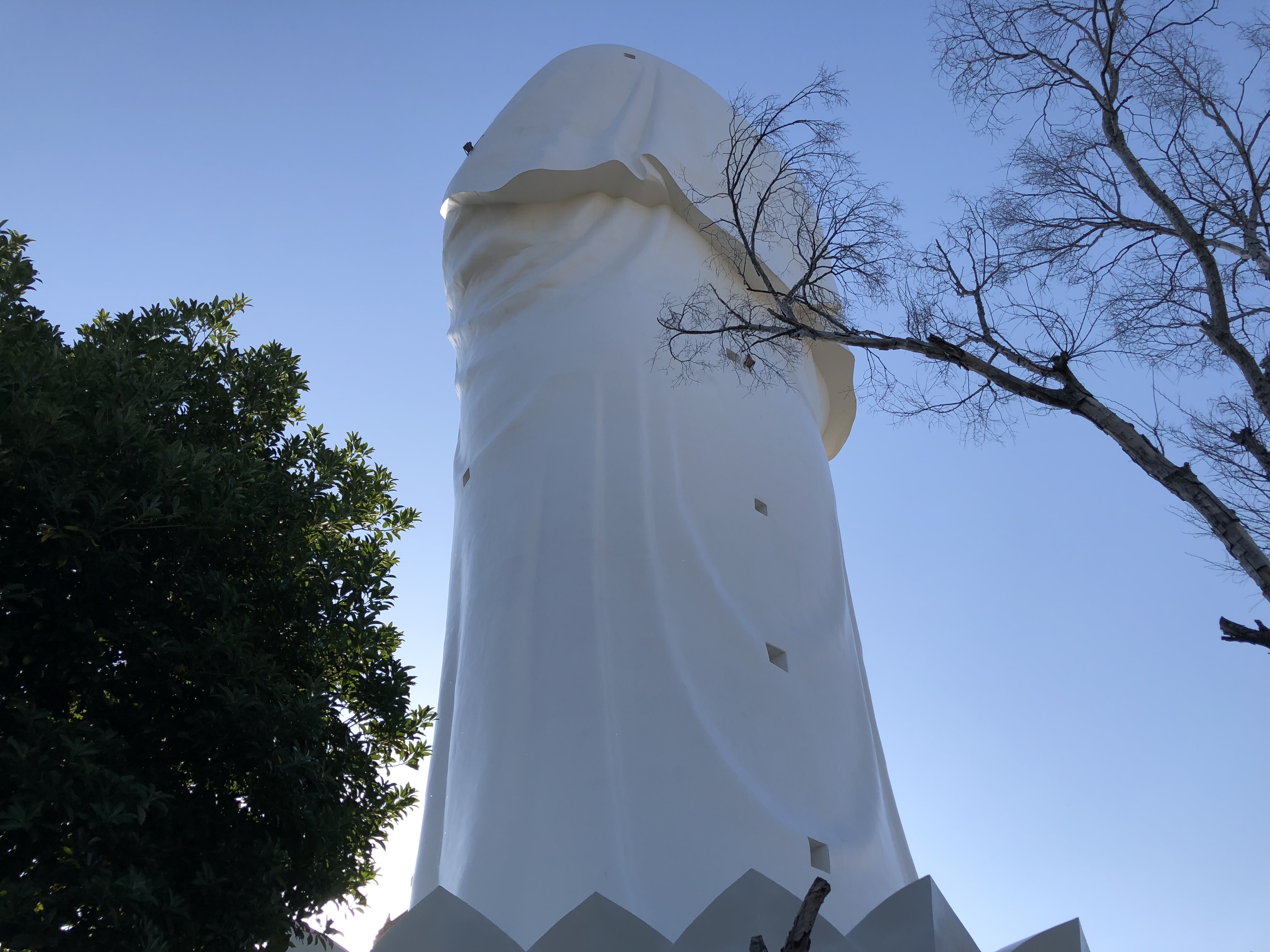
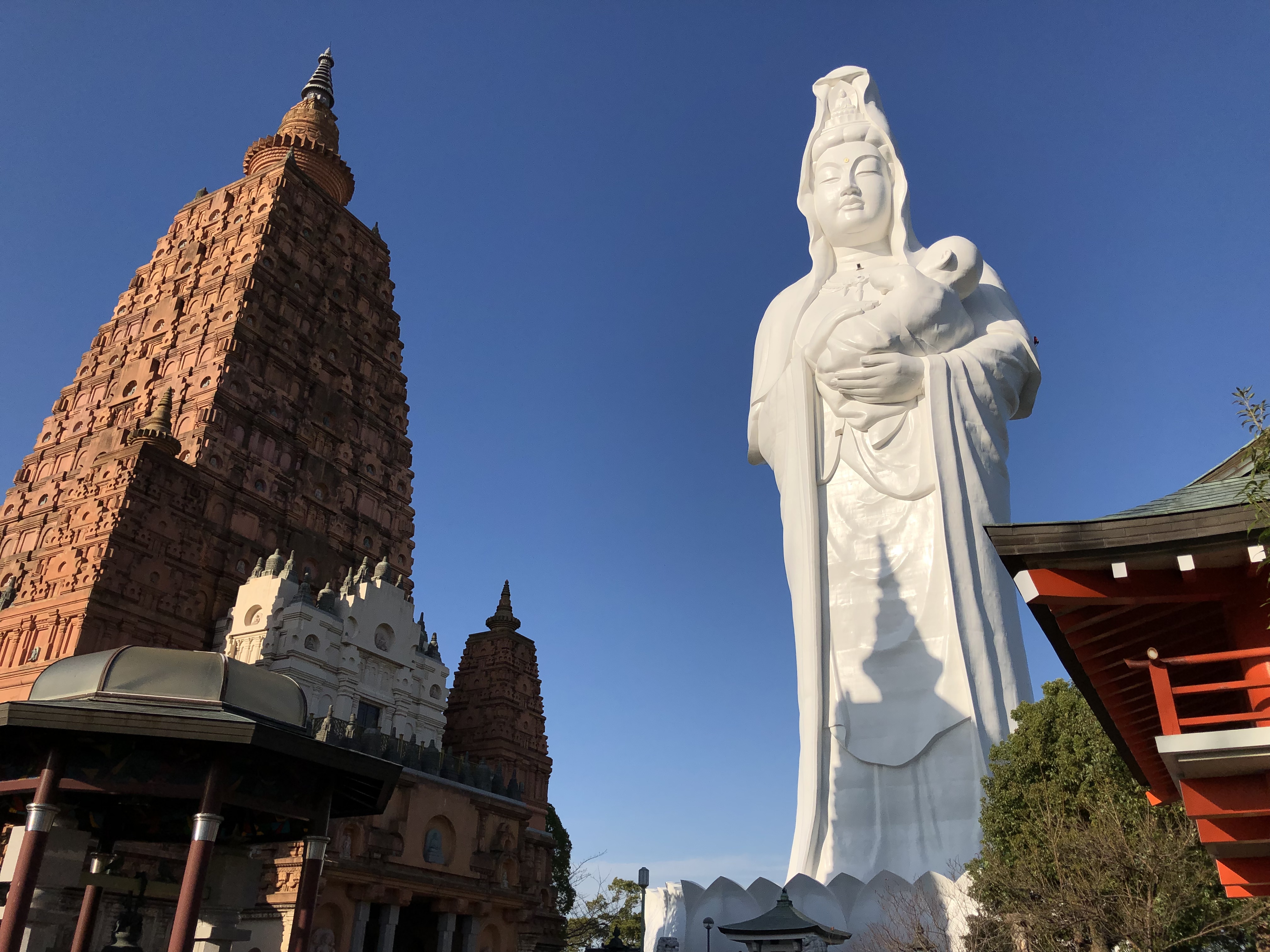
The statue can be seen from far and wide, and as I finally get close enough, it turns out to not be what I first thought, but instead a 62-metre tall statue of Kannon, the Goddess of Mercy. I always enjoy a good Kannon statue, not only does she save the souls of the suffering, but there’s often something rather unexpected to see.

The first thing that’s a little unusual is the 38-metre tall structure next to the Goddess. This replica of India’s Mahabodhi Temple, the Great Awakening Temple, is the first of its kind in Japan, and is based on the story that Buddha sat under a tree in India for seven days to meditate, became awakened, and then the original temple was built to honour that event. Why there is such a replica here in Kurume I have no idea. Also, and it may be a matter of perspective, but the Mahabodhi Temple is 24-metres shorter than Kannon, however, at every angle, the temple seems to tower over the Goddess.

As I approach the ticket office to enter Daihonzan Naritasan Kurume Temple, I inadvertently wake up a young Japanese woman; obviously this place doesn’t get a lot of visitors despite its massive car park that boasts space for 700 vehicles.

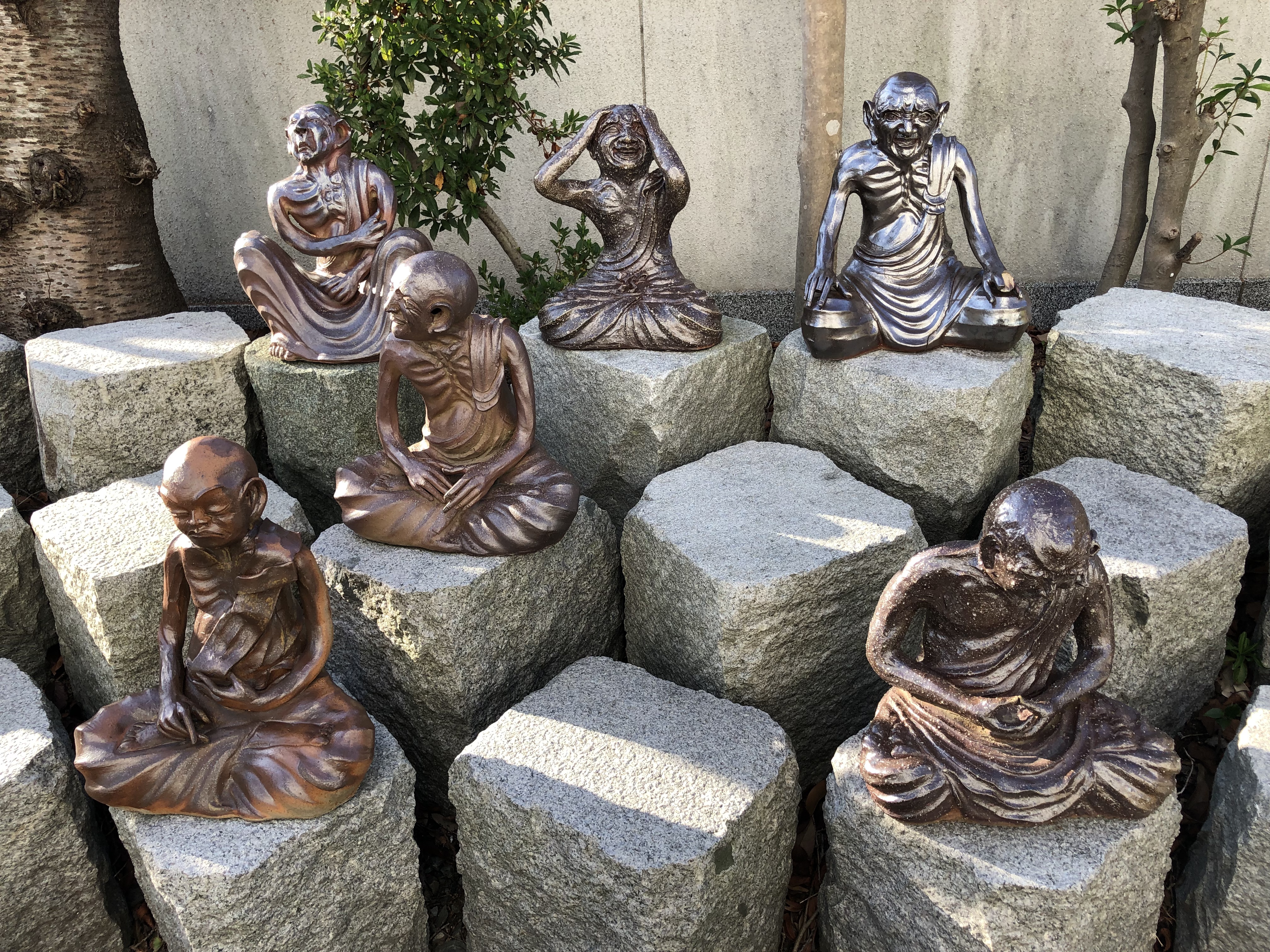
I take a seat on a small stone bench for a time, admiring the statue and contemplating, just like Buddha had once done. A statue of Ebisu disturbs my thinking, purely because he’s sitting on a cow next to a big pile of money. Distracted, I walk around the temple grounds, here there are numerous smaller statues depicting twisted souls in anguish.

I notice a shaft in the side of the Kannon statue, and decide to enter. Endless corridors greet me. Random artwork lines the walls, steep steps twist and turn through the statue, there is no elevator, and the climb to the top takes an age. From the top there are tiny windows that offer a nice view of the city below.

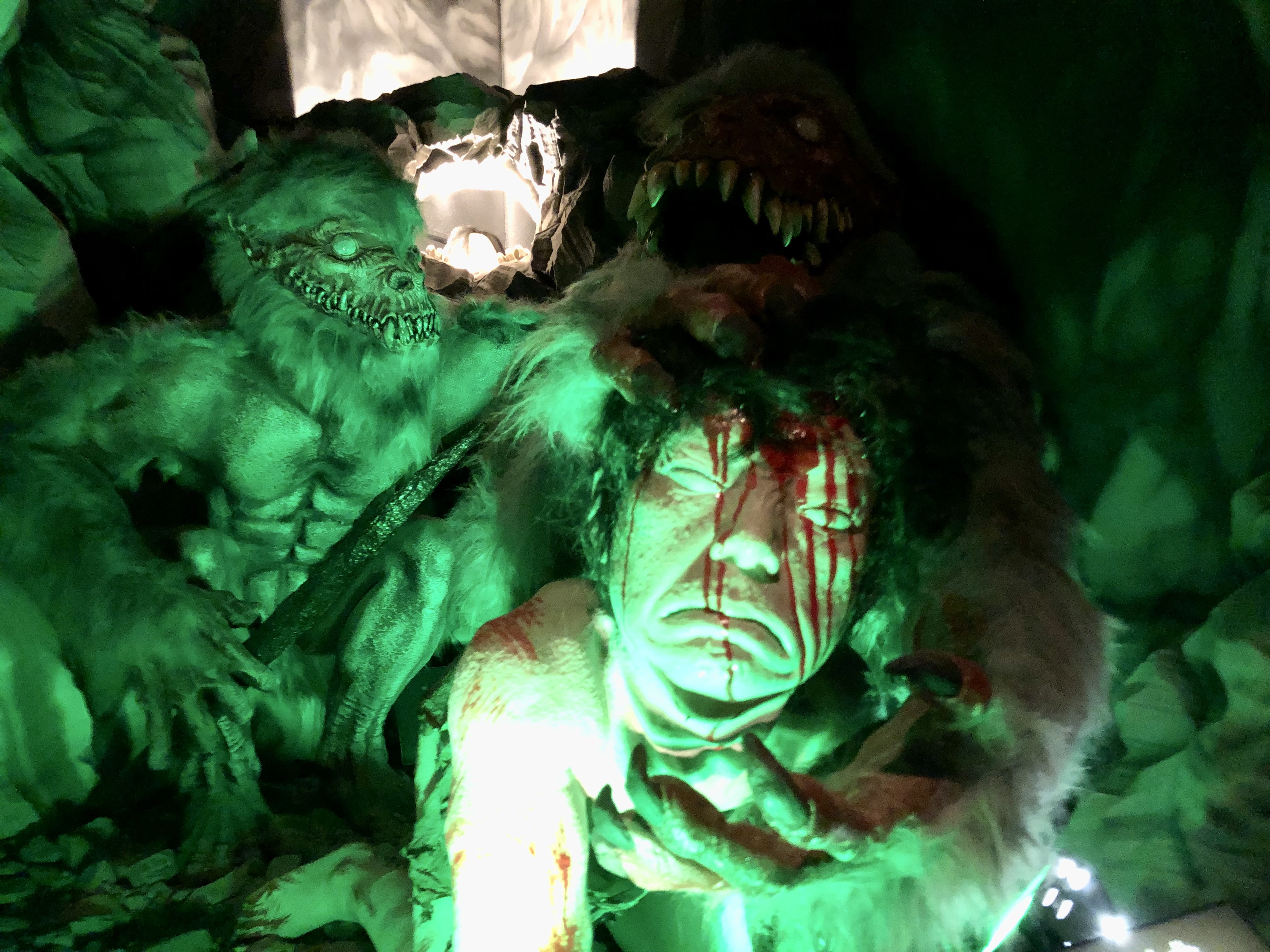
After admiring the landscape, I decide it’s probably time to leave now, and as I climb back down to the ground floor, I notice steps leading deeper down into a basement. As I further approach, I hear the creaky voices of evil spirits echoing down the lonely hall. A room here is marked either side by a pillar of skull heads. Inside are some lifeless effigies, but as I approach, I activate a sensor of sorts, and the first model begins to move.

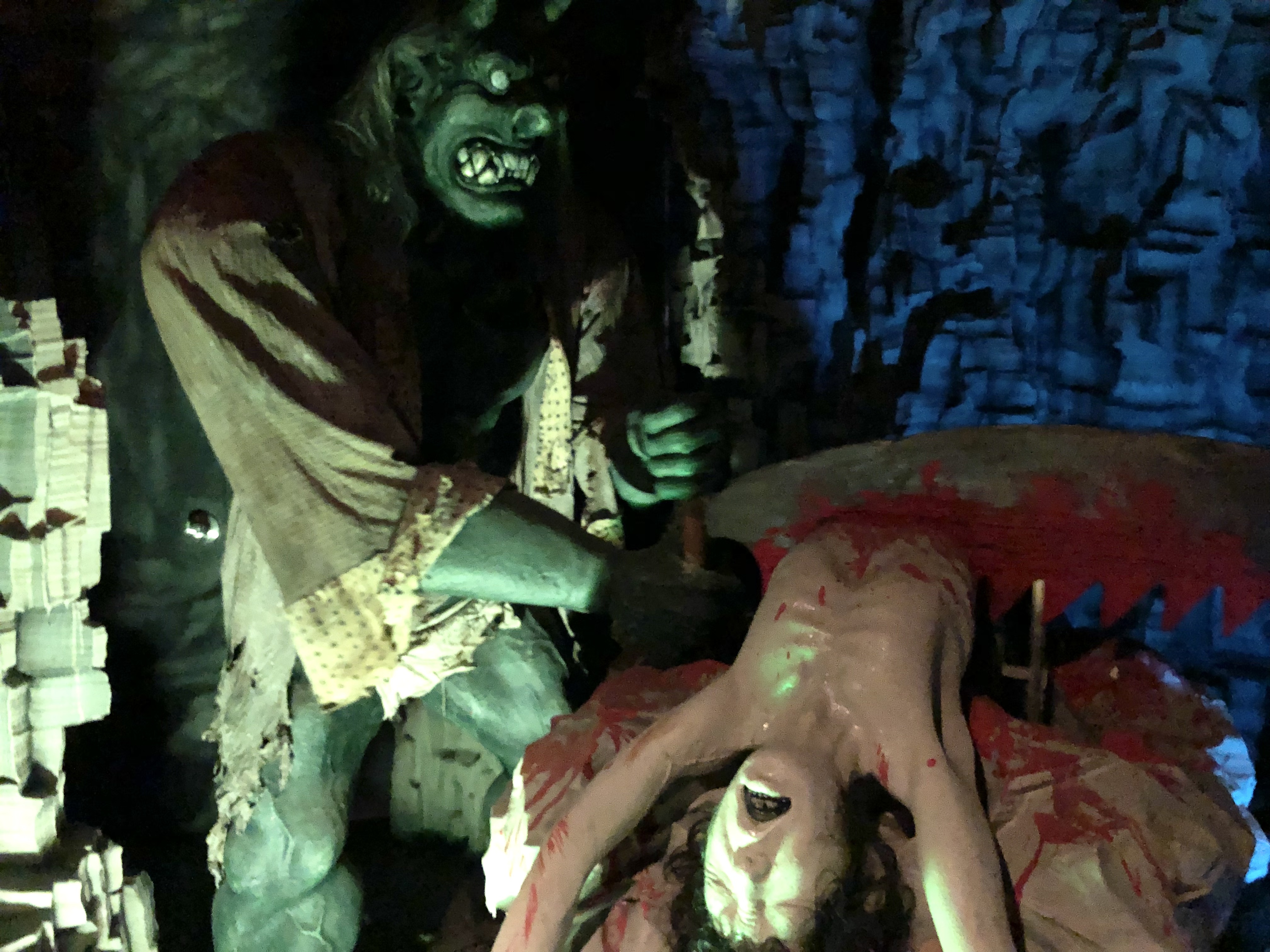
This animatronic demon is sawing a naked man in half; the saw slides back and forth for as long as I watch. The man, despite his obvious injury is still alive, his screams are piercing and chilling, the sound effects of the saw all adding to the macabre scene. An absolute show of horror.

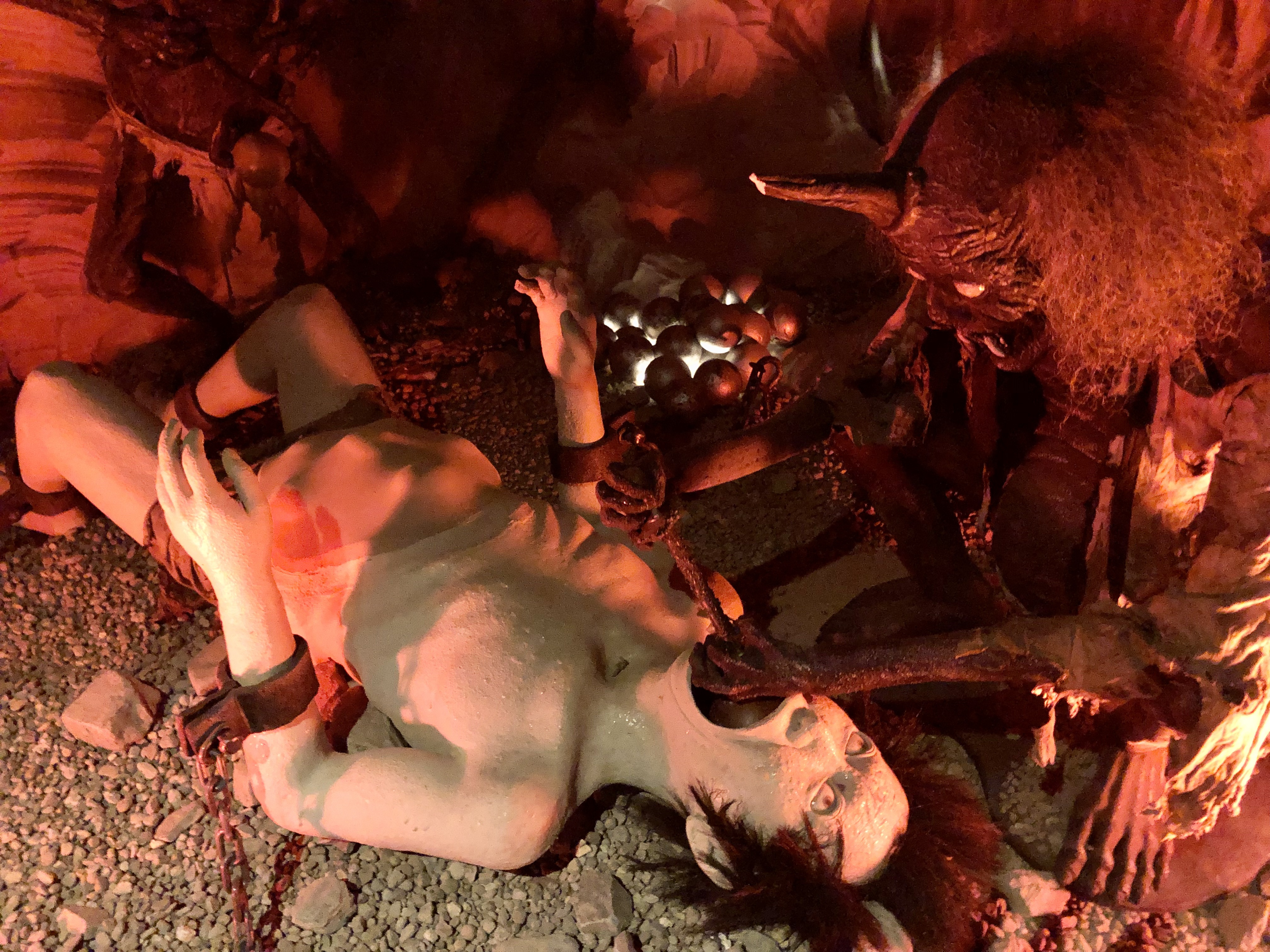
I move through the exhibits. A woman surrounded by spike traps gives me a jump scare as she screams into life. Two children covered in bruises and blood rotate on a platform as a demon with a sinister grin watches on. A man holding a huge boulder is about to smash in the head of a woman whilst a giant towers above. A chained up man is having a red-hot poker stuffed into his mouth.

I decide that this is one of the most harrowing things I’ve seen in my whole life. The passable realism of the statues blending with the authentic yet disturbing sound effects really adds to the eeriness evoked by this imagery. It seems that hidden beneath this innocent looking statue of the Goddess Kannon holding a baby, is a secret haunted house.

I take one last walk through what I learn to be the Hell Museum, before leaving the basement, the statue, and stepping quietly past the ticket gate as to not wake up the sleeping woman.

As I walk away, I look back at the statue, its phallic shape from behind visible for miles and miles, it makes me wonder if it was indeed designed that way, or just a misshaped mishap. I guess I’ll never know.