Eat Fish or Die Tryin’

I meet my friend Dagmar for breakfast at ten. At breakfast, I drink away my hangover with a bottle of a tasteless drink called ‘Delicious Water’ before heading out alone for the train. Someone told me yesterday that beneath the banks and office buildings between Mitsukoshimae Station and Otemachi Station, hidden deep underground, the Japanese government grows secret rice.

Somewhere along the Ginza Line, my train just powers down. All the lights extinguish, plunging the carriage into an abyss of darkness. The train drifts aimlessly towards Ueno Station and finally grinds to a haunting halt. The silence thickens, shrouding the dead train in an eerie stillness, an unsettling void that grips the carriage. Everyone remains silent, messing with their mobile phones, despite the obvious sorrow of the situation. It is all very worrying. About five minutes pass, and there is an announcement in Japanese, then nothing. A further five minutes, and the train starts up like nothing ever happened.

As I exit Mitsukoshimae Station, I accidentally wander into an adjacent department store.

maskmaskmask[1]

Inside the department store, there is a Mask Art Museum, and it is free. A nice but rather small exhibition. The store housing the museum is incredibly upmarket. I ask politely if I am allowed to take photographs, and lucky for me, it is fine. The exhibition actually ends today. Rather fittingly, all of the mannequins in this department store are wearing masks.

One thing I have noticed in Japan are the many strange museums. I believe I have previously mentioned the famous World Bags and Luggage Museum. A few other favourites of mine that I am yet to visit are the Gas Science Museum, the National Leprosy Museum, and the Parasite Museum.

I wander around for a while looking for the entrance to the secret underground rice bunker. It takes a while but I eventually find a huge office building that has every window on one side completely covered in plants. On the other side of the building I scare away an eagle pecking at a gold statue of Prometheus. This must be the place, I think to myself. It turns out it is.

prometheus[1]

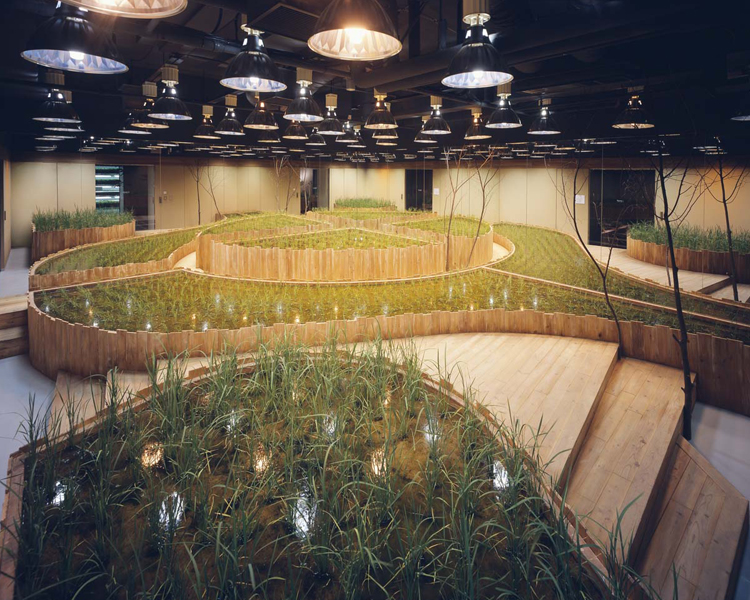
Deeply tucked away in the second basement level of a huge skyscraper, they grow rice. I am not entirely sure why they grow rice, but people are free to come and see it. Huge natural light shines from above. Rice grows. From what I was told, this area stretches under the whole business district, although it doesn’t. The size of the area was heavily exaggerated to me. The rice isn’t really that much of a secret; it’s not too well advertised, but no one is trying to hide the fact that it grows here either. In fact, I think it’s encouraged for people to come here and learn about rice cultivation. So, another urban myth shattered then.
ricetomeetyou

After looking at rice for a few minutes, I decide to walk to the Imperial Palace. I’m surprised by how close the stations are to each other in this area. Tokyo, Kanda, Shinbashi, and Nihonbashi Stations are literally within a five-minute walk of each other. Outside the Imperial Palace, about thirty elderly Japanese people are sitting and painting.

The Imperial Palace is home to Emperor Akihito, the last remaining monarch in the world to go by the name of Emperor. There isn’t really much else to see at the palace. The grass outside is cut immaculately, and the water fountains spray jets of water about two metres into the air. I notice there is a great view of Tokyo Station from the Palace car park, though. I wander to the nearby Ginza Station and take the train back to Asakusa.

tokyostation[1]

I decide to inspect a potential apartment. Small apartments in Japan are ironically referred to as “mansions.” These one-room coffin apartments offer little to no space and an equal amount of comfort. Another phenomenon in Japan is the grouping of shops, whole areas dedicated to selling one type of product. The area where the apartment is housed is completely surrounded by funeral shops. One street has eight shops in a row, all selling tombstones. I decide the area doesn’t quite feel right. Chimes sound from nowhere as I head back to the hostel, chiming five times signalling 5 p.m.

At 6 p.m., Richard, Luis, Remi, and I head to a nearby restaurant that serves fugu. Jokes are made about toxicity, tetrodotoxin, paralysis, and death. In reality, fugu poison is one-thousand two-hundred times stronger than cyanide; this is no laughing matter. The most poisonous part of the fish is the liver. Outside the restaurant, we watch our dinner for a while, graciously swimming around in a tank. In a moment, this beautiful blowfish will be killed on our behalf; we sure hope it doesn’t have a taste for revenge.

blowfishing[1]

There was a time when a fugu chef would have to pass a training course of ten years before being given certification to prepare fugu. These laws changed about three years ago, and now the rules state just a two or three-year course is required. We really hope that our chef today is of the older generation.

We take a seat in a tatami room. We order fresh blowfish sashimi. We also order diced blowfish sashimi just so I can make a pun about how we diced with death. Oddly, one of the options on the menu is hot sake with dried blowfish fin floating in the liquid. “We only serve the finest live domestic tiger blowfish,” says the menu. Served live? I certainly hope not. We wait anxiously for our food to arrive.

The poisonous fish is served in elegantly arranged translucent slices; it doesn’t look very threatening.

blowfish1[1]

A taste for revenge would be an overstatement. A taste of anything would be welcome. The food is the freshest fish I have ever tasted, of course; it has been dead just minutes. The food is also the least tasty fish I have ever had. It has no flavour at all; perhaps there is a subtle hint of death. I’m just glad we went to a cheap non-certified restaurant. It costs us just ¥5480 between the four of us for two dishes and four drinks.

I tried the sacred fugu of Japan and all I got was this lousy anecdote.

Some Like It Hot Tea

I decide to hire a bicycle. A friend from England, Damien, decides to join me. We grab two ¥300 bicycles for the day and cycle in the direction of Ueno. On the way, we pass a random stage on Kappabashi ‘kitchen’ Street. Men and women dressed in traditional taiko clothing hit massive taiko drums. A security guard stands watch, eyeing me up as I take a photograph.

kappadrums[1]

We cycle around Ueno Station and toward Ueno Park. Today and tomorrow, there is a festival here, the Philippine Festival 2014. The festival is sponsored by the international money transfer company Western Union. The space for the festival hasn’t been very well utilised. There are two rows of small stalls on both sides, and a third row through the middle, which completely obstructs the view of the small stage.

I promised a friend I would bring her a souvenir from the festival. To my dismay, all of the stalls appear to be for financial institutions or property letting companies. There is a stall offering tax refunds, there are stalls for various banks, there are stalls selling insurance. There is not one stand that seems to offer anything remotely souvenir.

philippinefest[1]

We take a seat near an ice cream shop opposite the festival. I rant to Damien about how much the festival has annoyed me; he is in agreement. A woman starts to sing from the stage that you can’t even see. The song from Frozen, ‘Let It Go.’ I almost go on another angry rant but decide to just let it go.

Back on the bikes, we head to Nippori Station, cycling through Textile Town and Fabric Town on the way. We cross the railway tracks and head to a big area of green on my map, thinking it will be some kind of park or temple.

For the second day in a row I find myself standing in a cemetery.

graveyardandtree[1]

Yanaka Reien is massive. Over 7,000 tombstones are here. The cemetery is so big that it contains a police station and a children’s swing park. The Tokugawa Family Graveyard is here too. The last shogun, Tokugawa Yoshinobu, rests here alongside fourteen other Tokugawa shoguns. There is one area that slightly confuses me; it is marked on the map as ‘The First Three-dimensional Deposit Facility’. We have no idea what this means, a Google search is like spinning our wheels, so we get back on the bicycles and do just that.

We head back toward Ueno Park, stopping off at the Daimyo Clock Museum to kill some time before returning to Asakusa. Outside the Don Quixote store, there is the Rokku Hanamichi Flower Festival taking place. Music is being performed on a small stage, but the flowers are notable by their absence.

Our next stop is over the Sumida River, to a place I visited whilst filming the cycle tour: Mukojima-Hyakkaen Gardens. The entrance fee is still ¥150. Today is Mushi-Kiki-no-Kai, which I am told means, ‘Enjoying the sound of insects.’ The event today describes itself as ‘An exhibition of various kinds of chirping insects, their chirping sounds, and the fantastic garden scenery.’ The insects aren’t quite as attractive as the description of the event, but the sounds they make are.

chirpinginsect[1]

A Japanese lady in a kimono approaches us as we stare at the crickets. “Where are you from?” … “Ah, England! Do you like tea ceremony?” Both Damien and I are yet to experience a traditional Japanese tea ceremony, so we go along with it and are invited into a tatami mat room, shoes off, kneel down, join the others. The other thirteen people attending are Japanese.

We wait a while before the process begins. When it finally does, we pass around a tray containing sweets filled with a red bean filling. I thank the person to my right for passing me the tray, I bow, I thank Damien to my left for letting me take a sweet before him, I bow, I take a sweet, I eat it. It is all very methodical. Next, it is tea time. Young women in kimonos kneel one at a time in front of people, bow, and place a bowl of green tea in front of them. They move in a clockwise order.

Before drinking, I ask the woman to my right if she would like any more tea, and politely, she refuses. No one ever says, ‘Yes,’ at this stage; it is purely a formality. I lift the bowl of tea, place it on my left hand, turn it clockwise twice, then drink it all in one go. Then when the bowl is collected, I bow once again.

The sweet was delicious, the tea was cold. I always preferred hot tea. The woman that invited us to the ceremony said that they would usually offer hot tea, but because it is a hot day, they decided to serve it cold. After the ceremony, we are allowed to inspect the beautifully crafted bowls and the container that holds the green tea powder.

greenteapowder[1]

The tea ceremony, I later find out, should have cost us ¥2000 each, but we were never asked to pay anything.

We head back to Asakusa, return our bicycles, then go our separate ways. I head to Cafe Byron Bay for a green curry and a chat with the locals. I meet a real-life ninja and a fugu chef. Fugu is a delicacy in Japan, but is somewhat poisonous. I make plans to eat the deadly fish and take down the details of the restaurant. Maybe I will be visiting my third cemetery in a week.

Height of the Lifting Tread

Today, I woke up at 4 a.m. My sleep pattern is completely messed up from spending a week in a fourteen-bedroom dormitory room, constantly being disrupted by shuffling, case repacking, and inconsiderate chicken eaters. Anyway, for the next seven nights, I’ll be enjoying the luxury of a lonely hotel.

With little else to do, I decide to take a look at Japanese television for the first time in months. Honda is launching an aeroplane, the HondaJet, which might as well be a spaceship considering its appearance. Cristiano Ronaldo is advertising some weird gadget that you roll on your body, perhaps to release muscle tension, but its exact purpose remains unclear. A baseball match is rained off. There’s a game show where a member of the girl idol band AKB48 is being chased down a street by one hundred convicts who escaped from prison vans. Hilarious. I switch the TV off.

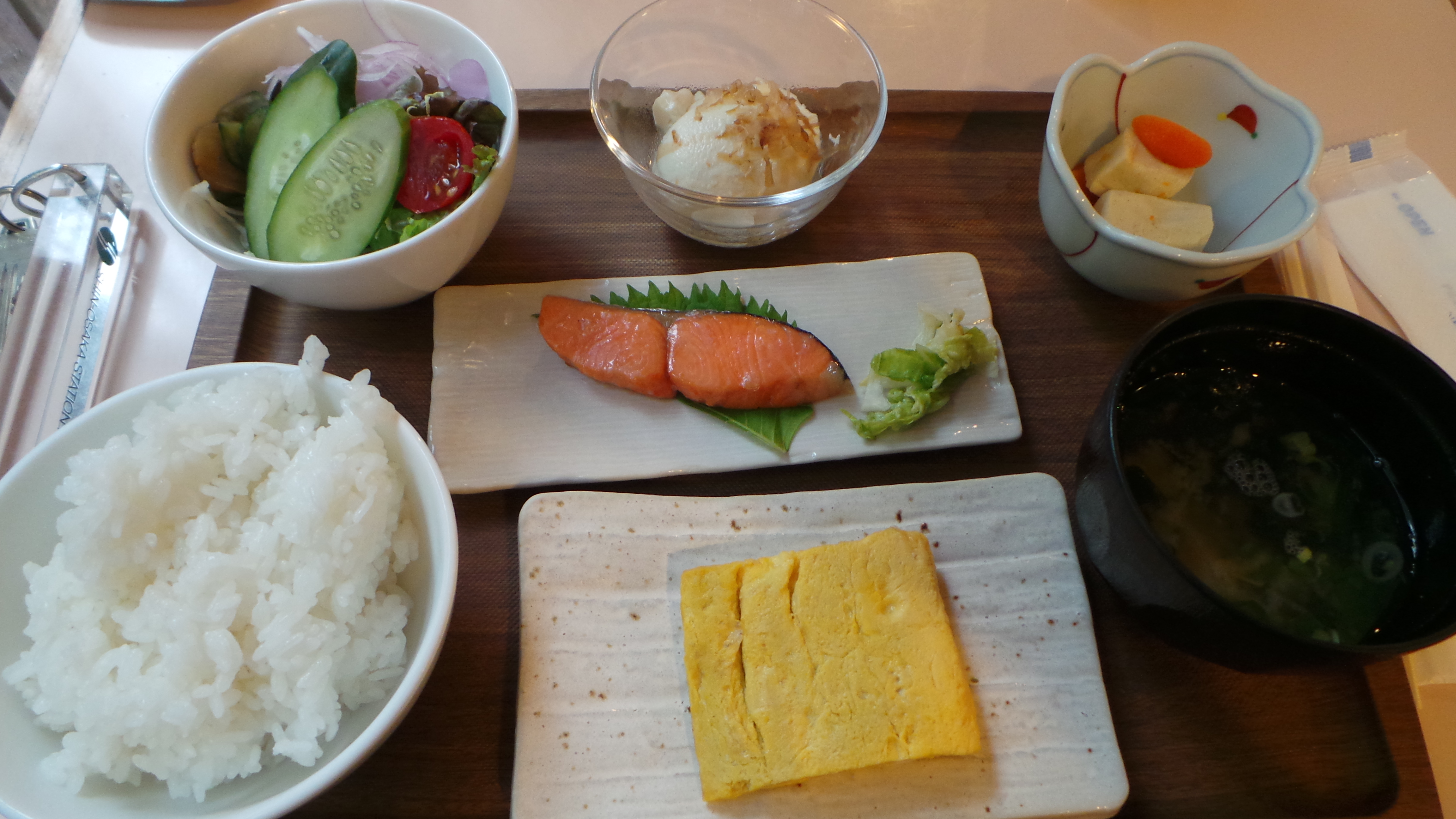
At 7 a.m. sharp, I head down for my ‘free’ breakfast. I am greeted by warm smiles, fastidious service, and first-class hospitality. My breakfast comprises a Japanese-style omelette, grilled fish of the day (salmon), salad with homemade dressing, cooked seasonal vegetables, homemade tofu, white rice, homemade pickles, and a pot of miso soup. Additionally, I help myself to drinks; opting for orange juice over coffee.

japanesebreakfast

The breakfast is a success, fitting my pescatarian diet as well. I enjoy everything except half of the tofu; it’s never been my preference. Although the rice and miso soup are self-service, allowing me to have more, I opt not to be greedy. Feeling satiated, I return to my room to read, but I find myself dozing off.

I wake up again just after 11 a.m.; I must have been really tired. I dry my shoes with a hairdryer, and ten minutes later, I’m out the hotel door, umbrella in hand. It’s the kind of hotel where you have to hand in your key at reception every time you leave. Works well for me—I hate carrying bulky hotel keys around anyway.

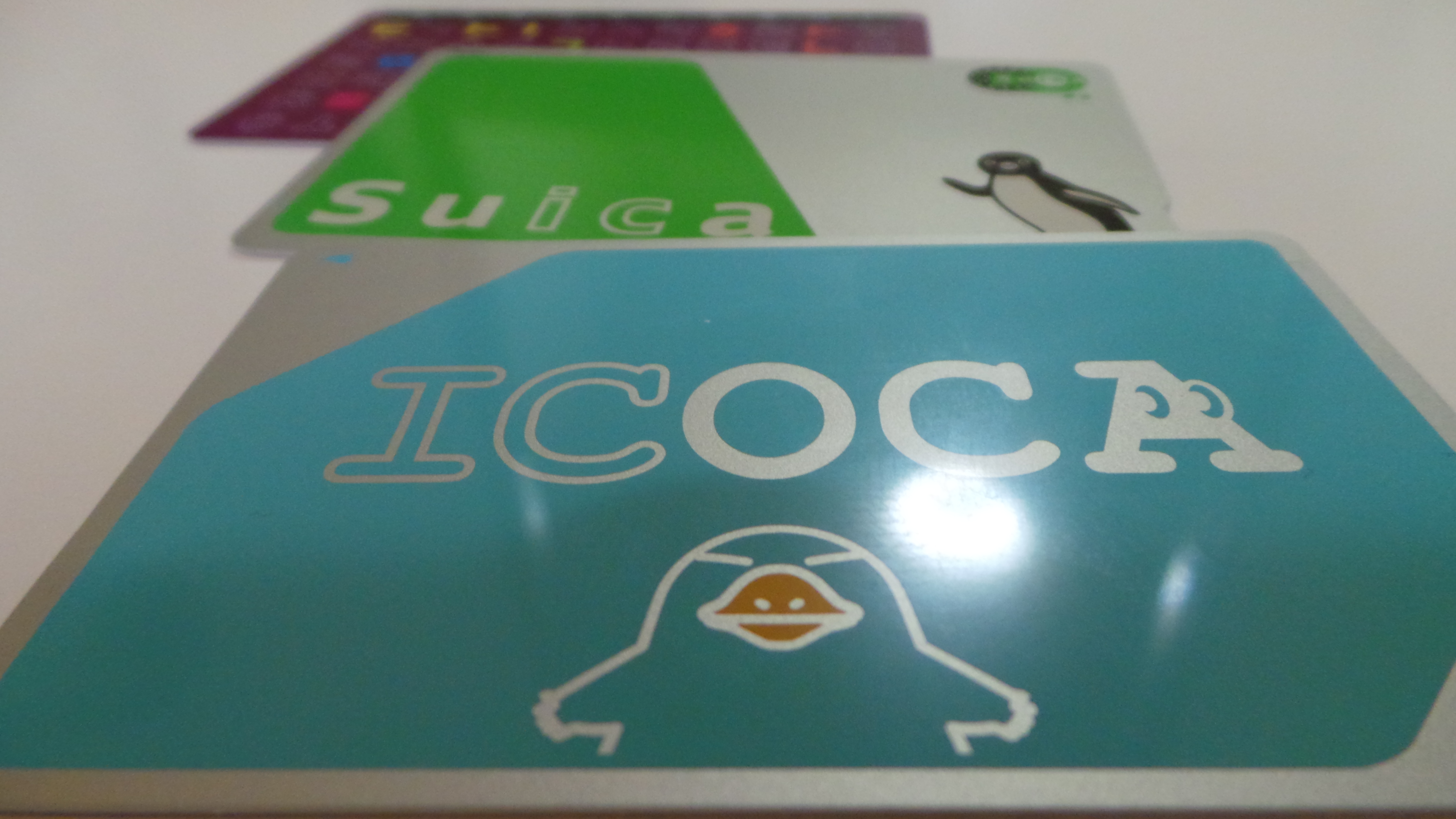
Outside, I take a train to Osaka Station for ¥160. Unfortunately, my Suica card randomly stops working, so I’m forced to buy an Icoca Card, the Osaka equivalent. The Icoca card is light blue and features Ico the Platypus. These cards often contain hidden puns. The ‘Super Urban Intelligent CArd’ is a play on the word ‘suika,’ meaning watermelon. ‘Sui sui’ is an ideophone signifying smooth movement. Much like a penguin swimming effortlessly in water, my card usually allows me to glide smoothly through the ticket gates—except when it randomly stops working at the gates.

20140806_091934

At Osaka Station, the Muzak drives me crazy. I keep hearing the same songs over and over. There’s this one Japanese song with a female vocalist and an incredibly catchy melody. I might even say I like it and want to find out its title. However, my issue is that every time it plays, it’s too quiet for me to catch any of the words. As usual, the tune will be stuck in my head for the next few hours, the jaunty music swirling around my head like a relentless earworm.

I escape the torture of the train station Muzak and head straight for the Umeda Sky Building. As I arrive, the rain stops. Just great — now I have to carry around a useless umbrella all day while humming the melody of that song. Spotting a sign for ‘Fun Fun Plaza’ cheers me right up.

skybuilding

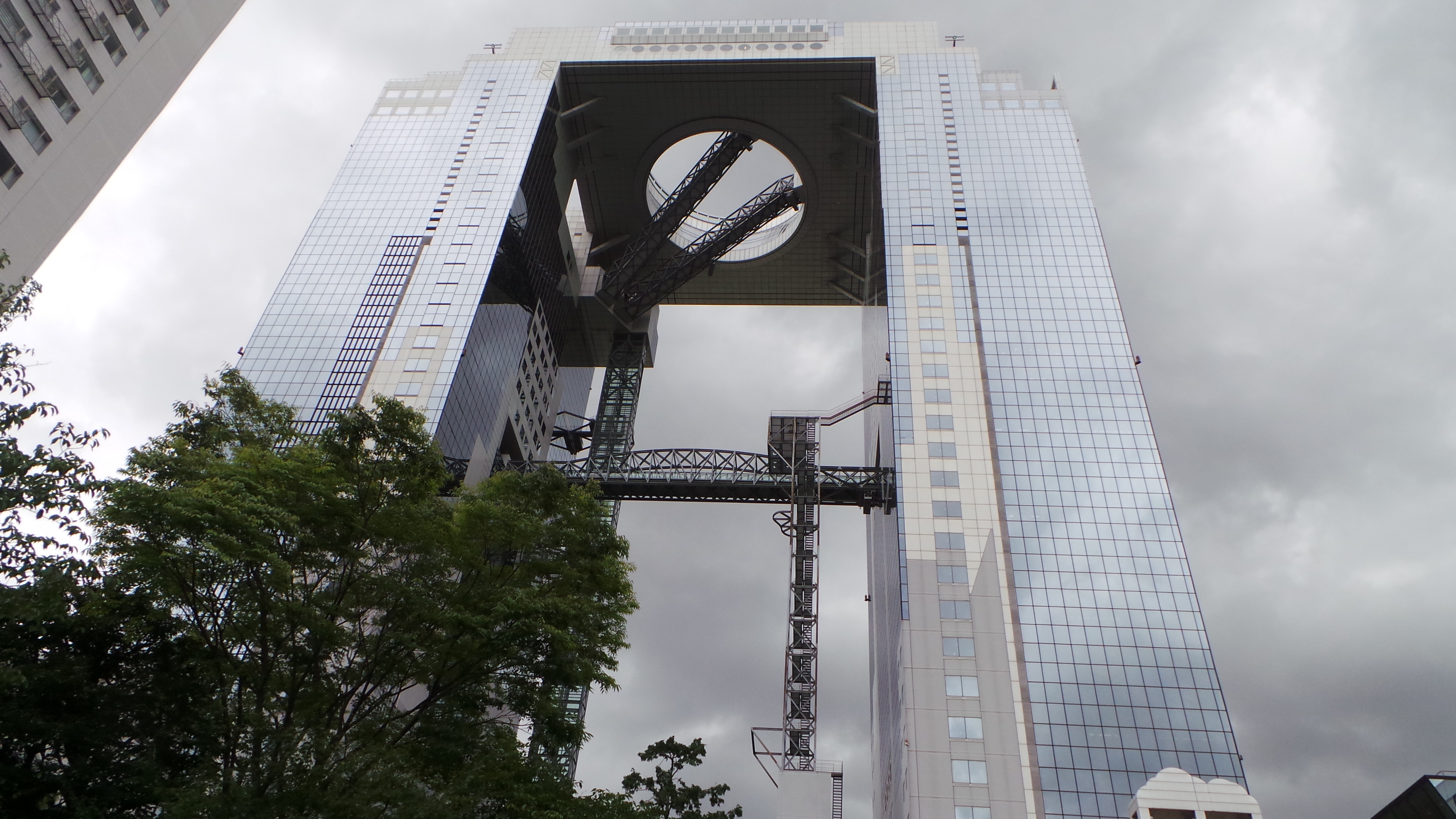
At the base of the Umeda Sky Building, there are numerous beautiful, well-cared-for gardens, and fountains. The building comprises two 40-storey skyscrapers connected near the top by two escalators that appear to float in mid-air. The rooftop terrace forms a floating sky garden.

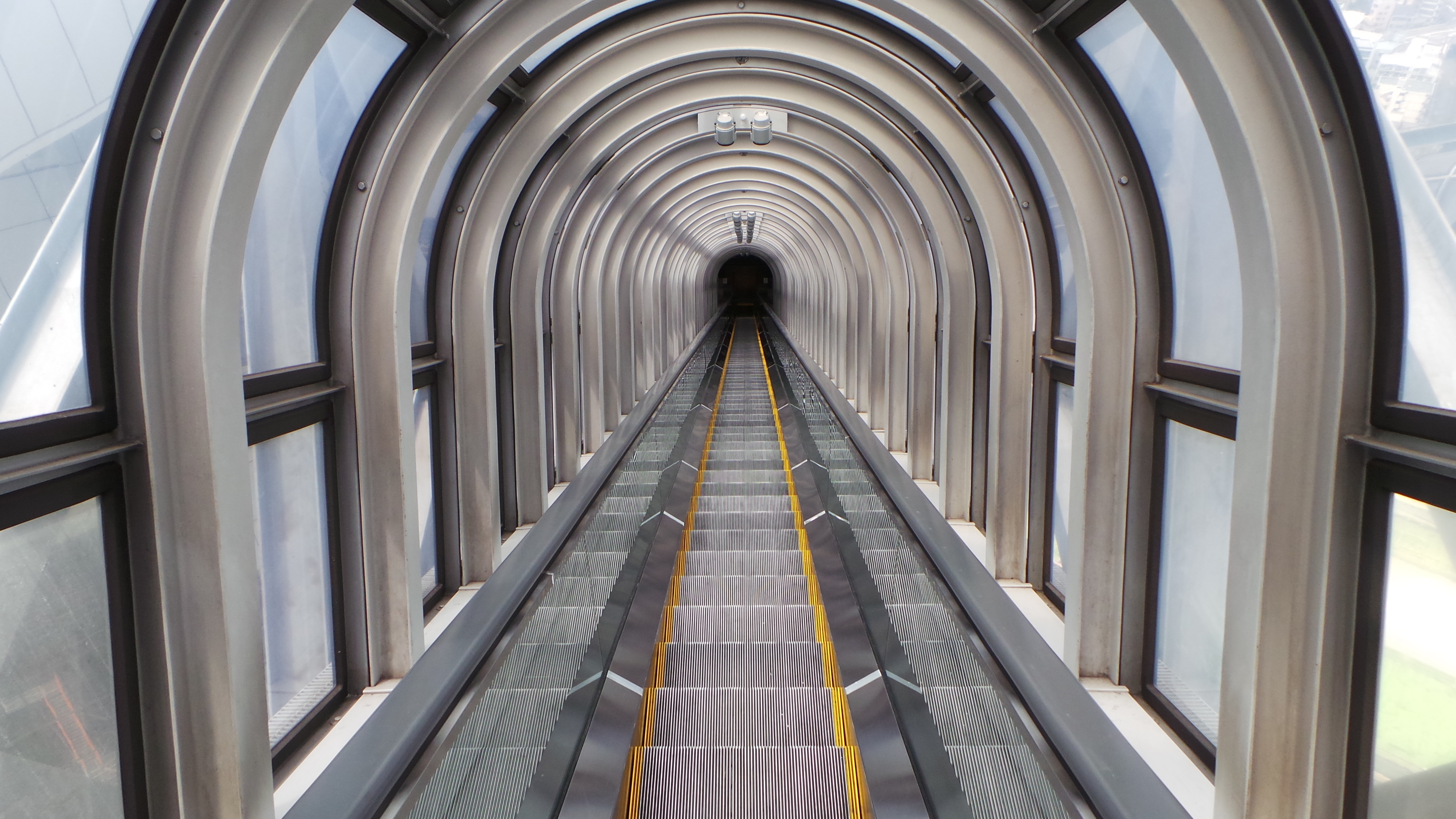
To reach it, I have to take a glass elevator to the 39th floor. Interestingly, the building was designed by Hiroshi Hara, the same architect behind that lovely roof in Kyoto Station. Once I reach the 39th floor, I’m left with no option but to step onto the escalator. As my foot touches the moving walkway, I freeze. I could walk along the escalator and end this ordeal sooner, but I’m unable to move. The very top of the escalator stands at 173 metres above ground.

esc2

On the other side of the escalator, a woman greets me at reception, and I’m required to pay ¥700 to access the sky garden. There are various informative signs around. Interestingly, in 2008, Dorling Kindersley of ‘The Times’ newspaper mentioned that the Umeda Sky Building was among the top 20 buildings in the world, ranking it alongside the Parthenon and the Taj Mahal.

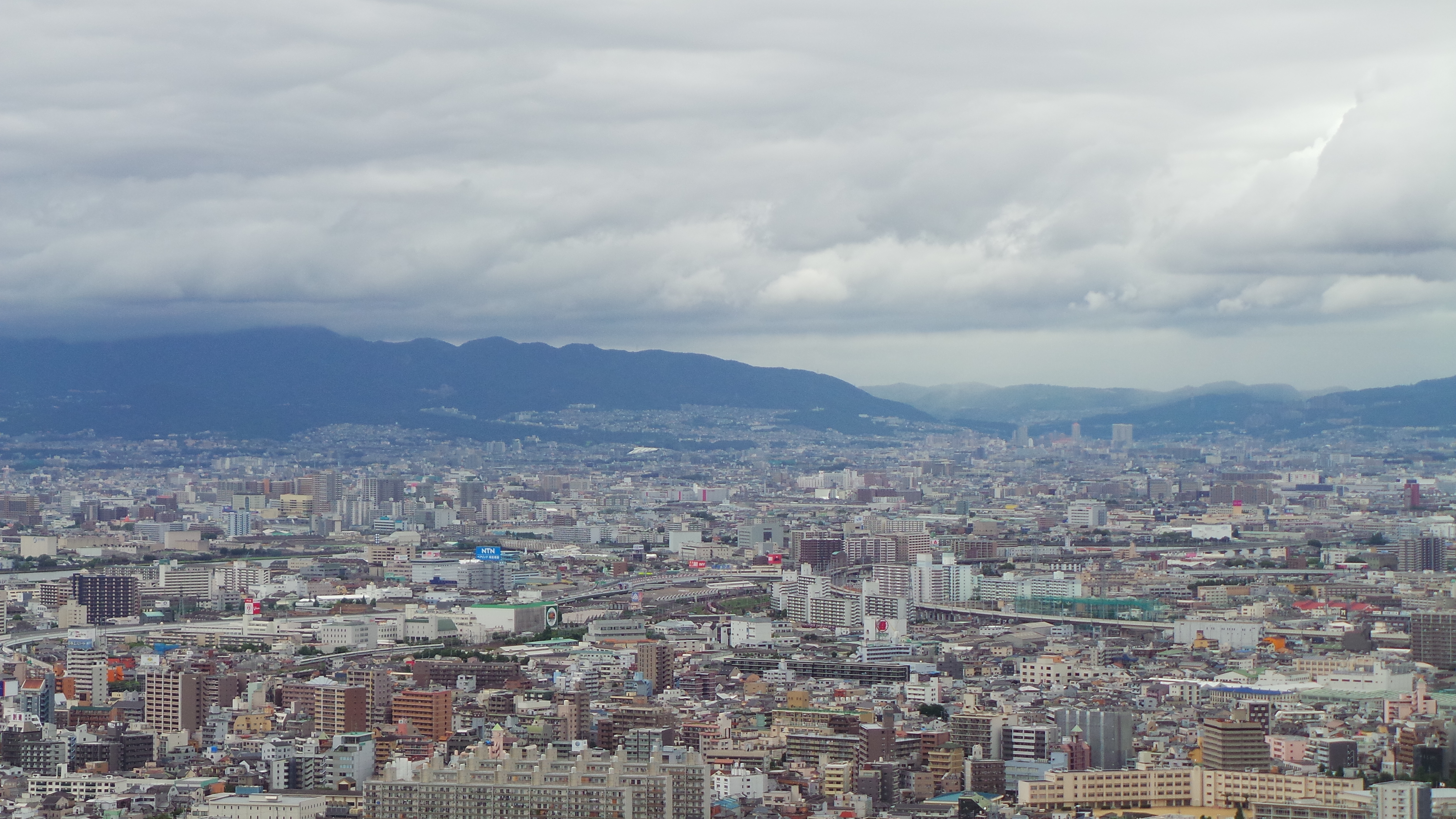
The route up to the sky garden showcases the history of tall buildings from the past, present, and, rather confusingly, the future. There’s information about a sky city in space, accompanied by to-scale models and concept artwork. The sky garden itself provides a complete 360-degree panoramic view of Osaka. Unlike other tall buildings or towers, the sky garden is outdoors, offering unobstructed views without reflective glass to spoil the magnificent scenery.

viewfromthesky

The strong winds up here feel incredibly refreshing. I snap a few photographs and leisurely stroll around, prolonging the inevitable return via the escalator. Eventually, it’s time to leave. As I traverse the slow-moving escalator steps again, surprisingly, it feels less challenging. I attempt to admire the view through the glass panels but struggle to focus. Descending in the see-through elevator, I decide that I’ve had enough of heights for the day.

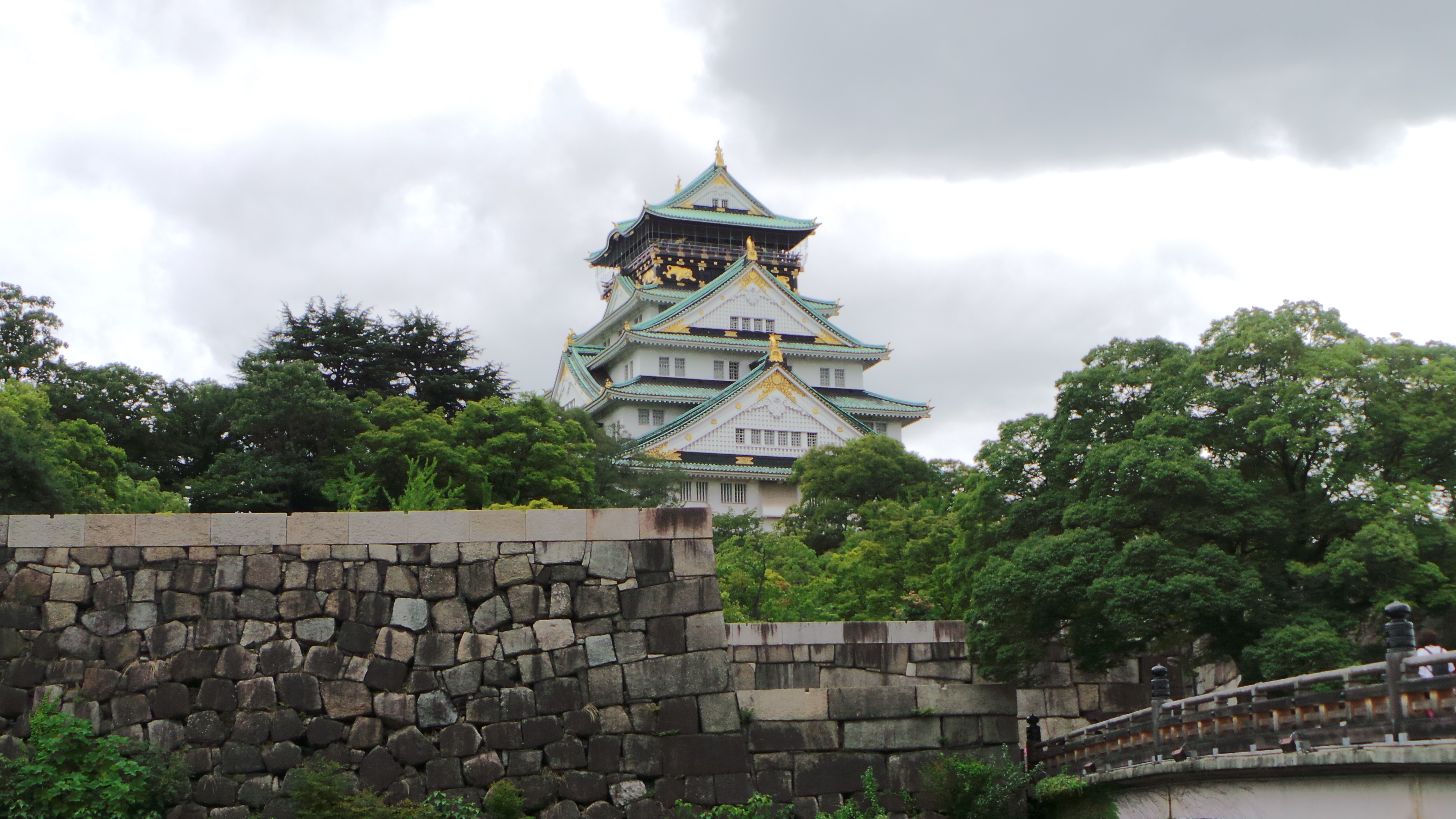
My next stop is Osaka Castle. I return to Osaka Station, take the loop line, and reach my destination, another ¥160 fare. Perched on stone and surrounded by moats, Osaka Castle sits at a considerable elevation. As usual, I climb numerous stone steps and finally reach the castle’s exterior. Unfortunately, someone has installed a small elevator and escalators that slightly obstruct the view from one side. Fortunately, I approached from the opposite direction and captured an unspoiled photograph. The castle is like a ‘TARDIS,’ appearing to have five stories on the outside but revealing eight stories inside. Very odd.

osakacastle

After visiting the castle, I take the trains back to Shin-Osaka. Upon reaching the hotel, I collect my key and am pleasantly surprised to receive a breakfast token for the next day—amazing, another free breakfast. Passing some time, I decide to take a short nap. At 6 p.m., I head out for dinner. Earlier, I had researched a nearby place that offers vegan food within walking distance. With my bearings in place, I cross the tracks and turn left at the graffiti

I find the restaurant with ease; it’s right next to Nishinakajimaminamigata Station. I take a seat inside, the only customer. The male owner is very welcoming but doesn’t speak English. A woman with a dog walks in, the owner’s wife. I already knew the restaurant was owned by a middle-aged couple. Independently run, organic, and vegan-friendly—although I’m not a vegan. I point vaguely at the menu, “Yasai,” I say, not quite sure what to expect.

veganosaka

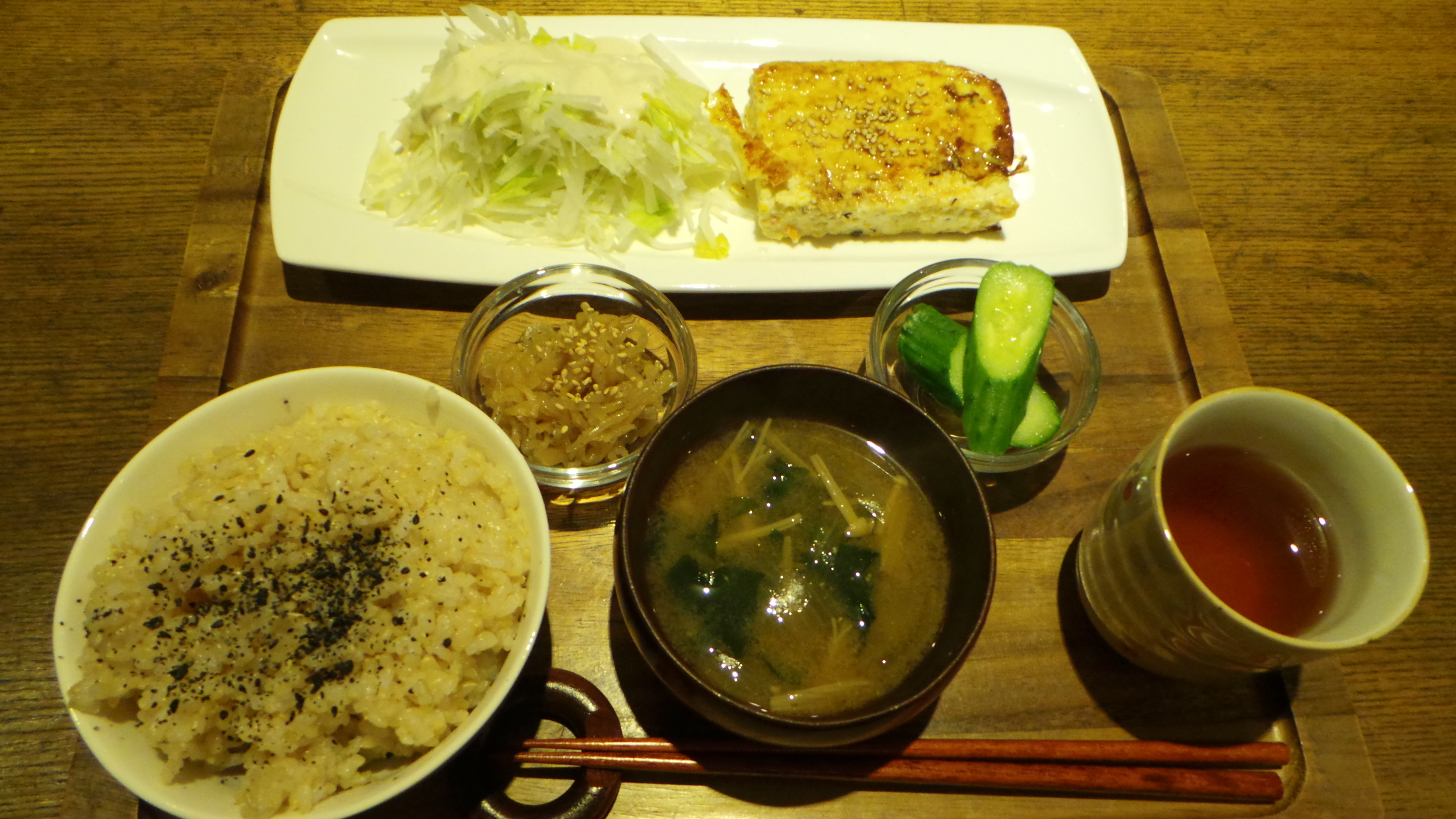
The food looks amazing. As I take out my camera, the man who served me, also the chef, laughs and says, “Douzo,” indicating that I’m welcome to take a photograph. This is the first time I’ve been served brown rice, and its taste oddly reminds me of porridge, much better than the ‘dead’ white rice I’m used to. The main part of my dish puzzles me; it has a texture similar to quiche but without the pastry. It could be tofu, but I’d be very surprised; tofu could never taste this good. I pay just ¥880 for what turned out to be a really nice meal.

After eating, I head back to the hotel for another considerably early night.

Udon in (three-hundred and) Sixty Seconds

With the sun directly above me, there’s nowhere to hide from the heat. I anticipated the scorching conditions; the seat on my bright yellow bicycle was already burning when I first set off. I had to pour a bottle of water over it to cool it down; the water began to boil on the pavement. The tarmac here blisters and broils.

As I head toward Tenjin, I realise I’ve inadvertently chosen to wear a bright yellow shirt. I must look rather peculiar: a foreigner on a yellow bike, clad in yellow. Fortunately, I find a nice cycle path with newly laid tarmac, and my destination seems to have chosen itself.

yellowbicycle[1]

Inconsiderate pedestrians often walk on the cycle path, obstructing me without a care. I make a stop to let a taxi pass, as I usually do, and the driver nods in acknowledgement, as they typically do. Interestingly, here, even when the crossing light is on a pedestrian green, motorists can still turn left, but they must yield to pedestrians first. I’ve made it a habit to let taxis turn before me, especially when they have a passenger. I like to think I’m doing everyone a favour.

I cycle for what feels like an eternity until I reach a place called Ohahsi. Not much happening in Ohashi, so I spot a sign for Hakata Station and decide to head back. On my way, I come across a woman holding a sign that says, ‘Time Sale.’ I humorously decide to ‘buy’ five minutes. Additionally, I encounter an army of crossing guards—three people directing one vehicle. Absolutely insane.

triplesaber[1]

Attempting to find some eccentric Japanese electronics to write about, I discover that everything seems rather ordinary. Instead, I end up in a music shop on the seventh floor of Hakata Station. I spend about ten minutes practicing the piano, drifting away as I try to recall how to play the only song I can fully remember: ‘To Zanarkand’ by Nobuo Uematsu. It eventually comes back to me, but it was mentally challenging. The thought crosses my mind that I might have forgotten how to play the guitar by now.

I spend a while restaurant window shopping, stopping to admire the models of plastic food. A sign outside a Chinese restaurant catches my eye.

delicious[1]

Instead of dining in Hakata, I opt for Tenjin, thinking it would be a better choice. With tired legs, I decide to hop on a subway train for the first time in nearly a month. I’m surprised by how soft and springy the seats on the train are, probably because the bicycle seat is hard and uncomfortable.

I disembark at the last stop, Fukuoka Airport, realising I’ve taken the wrong train. Not to worry, it was just a two-stop ride, and I won’t be charged for my mistake. As everyone exits the train, I wait a moment while it’s cleaned, and then I board the same train heading back to Tenjin. Surprisingly, many others do the same, presumably having made the same mistake as me. One of the things I enjoy about subway trains here is that since the tracks are separate from the ticket gates, you can effectively ride the train all day, getting on and off as many times as you like. There’s not much purpose in doing so except to rectify errors.

Ultimately, I spend a full thirty minutes on the train, the same amount of time it would have taken me to walk. The fare for this brief trip amounts to ¥200.

In Tenjin Station, there is a train made out of cardboard. The detail incredible. The photograph doesn’t do the quality of this cardboard art justice though:

cardboardtrai[1]

I explore the thirteen floors of the train station, the overwhelming feeling I experienced on my first day in Fukuoka now just a fleeting thought.

I leave the train station and make my way to an indoor shopping arcade near the much-loved Reisen Park. There, I spot an udon restaurant—a Japanese dish I’ve yet to try. I opt for a mix of healthy and slightly indulgent choices by ordering a big set meal of udon served with vegetable and seafood tempura, on rice.

After placing my order, I notice I’m not offered a towel, something I’ve grown accustomed to in Japan. Typically, when dining at a restaurant, you’re almost always handed an ‘o-shibori,’ a wet hand towel to clean your hands before eating. Surprisingly, I’m also not given any water, and I sit waiting, feeling quite thirsty.

The drink I order takes five minutes to arrive, the food takes six.

udon[1]

The food turns out to be a bit of a puzzle; I have to assemble it myself. I pour the jug of sauce onto the tempura and then crack the egg on top, just for good measure. As I start sprinkling sesame seeds over the lightly battered vegetables and seafood, a Japanese man eating nearby tells me to stop.

He lifts the tray of sesame and wasabi to reveal a dip hidden underneath. ‘This,’ he points out, ‘is for udon.’ I express my gratitude for his guidance. Hopefully, I managed the tempura correctly. Once I finish my cold tempura served on warm rice, I move on to the ice-cold udon. Interestingly, the dip meant for the udon is warm, making everything seem quite backwards.

I find these thick wheat flour noodles a bit dull. I dip them, slurping and chewing at the seemingly endless strands. As I eat, my reflection stares back at me from the sauce. Hoping for a change, I mix some wasabi into the dipping sauce for a kick, but it doesn’t seem to make much difference to the dullness.

The food didn’t quite meet the usual standards I’ve come to expect in Japan. Perhaps my expectations were too high. The total cost of ¥1060, including a drink, offers good value for what was an average meal.

As I step outside the shopping arcade, the evening has settled in, casting a dark, starless sky. Walking along the river, I’m surrounded by crowds and vibrant bars. I pause to admire the numerous izakayas lining the riverbanks, each offering its own specialty food. It seems like an ideal place to unwind after a hectic workday or a leisurely Sunday afternoon spent in the sun.

izakayas[1]

Returning to Hakata Station to retrieve my bicycle, I encounter the same busker for the third consecutive day, stationed along my familiar path. Today, we exchange pleasantries. Judging by his accent, he’s a fellow Englishman. Our interaction has been evolving: yesterday, we greeted each other with a ‘hello,’ and the day before, it was a mere nod.

Back at the hostel, I make new friends. An Australian guy tells me that he went for a walk on the beach today and the sand was so hot that it burnt the soles of his feet. Blisters and broils.

Cycling into Locals

‘Cycling into Locals’ is the name of today’s bicycle tour. The name amuses me. I head just outside the hostel to a bicycle rental shop. It costs me ¥300 to rent a bike for eight hours, dirt cheap. The minimum fare for a train is ¥170, even if I take just one stop, the lovely purple bicycle I’ve chosen today costs me less than a return train ticket. I will certainly be taking advantage of this service again in future.

There are seven hostel guests taking part in the tour, a TV crew of four people, and staff members Gomez and Keina from the hostel. We meet up at 10 a.m. for a briefing, before finally departing some ten minutes later. The thirteen of us take to our bicycles, and we begin to head in the direction of the Sumida River. Here we see Tokyo Skytree from a position where you can see a second Skytree in the reflection of the Asahi building. Apparently, people come to this spot all the time to take this famous shot.

bikes[5]

Next, we cycle over the river to Ushijima Shrine. Here we do a cleansing ritual and a prayer ritual before being invited into the main hall by the priest. He tells us about the history of the shrine and then hits a massive drum a few times. Outside the shrine there is a statue of a cow. The cow statue is said to have magical healing properties. I touch my throat, then I touch the cow’s throat. My sore throat will now heal quicker thanks to the magic statue. Cowabunga!

We stop off at a Japanese tea house for a traditional snack. For ¥300 we are served sweet bean paste wrapped in a salt-pickled cherry blossom leaf, and a cup of green tea. The leaves have been picked from the banks of the Sumida River. After being filmed eating some leaves, it is time to leave.

greenteas[6]

Hatonomachi Dori Shotengai is a historical street featuring very local shopping and various small art museums and craft houses. We visit a shop where a woman has spent the last fifty years hand making small model geisha’s, which she sells for a small fortune. Next we enter a small shop selling badminton rackets decorated with kabuki theatre performers. We are given the history of Badminton. It turns out it all began in Japan as a game called Hanetsuki, before arriving in England and becoming the sport that it is known as today.

We swing by Kira-Kira Tachibana Street. There is a local street market here, surrounded by really old houses and some interesting side streets. I see a stall selling a watermelon for ¥2200. Next our tour takes us to Mukojima-Hyakkaen Gardens, the entrance fee is ¥150. We go to a traditional cafe and eat ¥500 rice balls with a sour plum topping served with a really tasty miso soup. We are then served a complimentary glass of a bright yellow liquid. It smells like flowers and tastes very sweet.

Mukojima[1]

The cameras stop rolling and we take a short break. We are free to explore the gardens on our own for thirty minutes. I spend fifteen of the minutes trying to photograph a dragonfly in flight. We regroup and return to our bicycles. The final stop on our tour is Tokyo Skytree. Here we are each individually interviewed about the tour. We are given the option to stay and explore Tokyo Skytree Town on our own, or head back to the hostel. I decide to head back after an exhausting six hours of cycling into locals.

Back at the hostel Björk is playing through the speakers. I arrange to meet Conor, a friend from England I met almost two weeks ago. He’s back in Tokyo for two nights after travelling around Japan and South Korea. We meet at my hostel and go out in search for some food. We find a vending machine restaurant. I order hot soba noodles in a soy based broth. The noodles are topped with tempura vegetables, seaweed, and an egg. It costs just ¥480.

Vendingfood[1]

After food, we wander past a lit up Senso-ji, before heading for a drink. On the way, we see a kabuki theatre. A show has just finished and there are about ten people standing outside in full costume and makeup. I decide that I will come back here in a few days time to watch a show. After a drink I say goodbye to Conor and we head our separate ways to our hostels. At the hostel I go straight to my room to sleep off a very busy day of cycling and sightseeing.