The Northern Wind, the Sun and Me

Spring is coming, and the weather has gotten nice and warm. I head over to Asakusa, to my usual haunt for breakfast. As I leave, I hold the door open for five ravenous tourists. It turns out they are the American rock band Incubus, here in Tokyo for their current tour of Asia. With very little interest in Incubus’s music, I pass up on the opportunity to be obsequious and instead take a train over to Shinjuku.

Today, I am visiting Takarazuka University of Art and Design to see an exhibition related to video games. After four years of study, the final projects of each student are showcased inside the university, providing visitors and potential new students with a glimpse of what the campus has to offer. I head straight for the 8th-floor office area and persuade my friend to give me a guided tour. Our first stop: a look at the Unreal Engine 4.
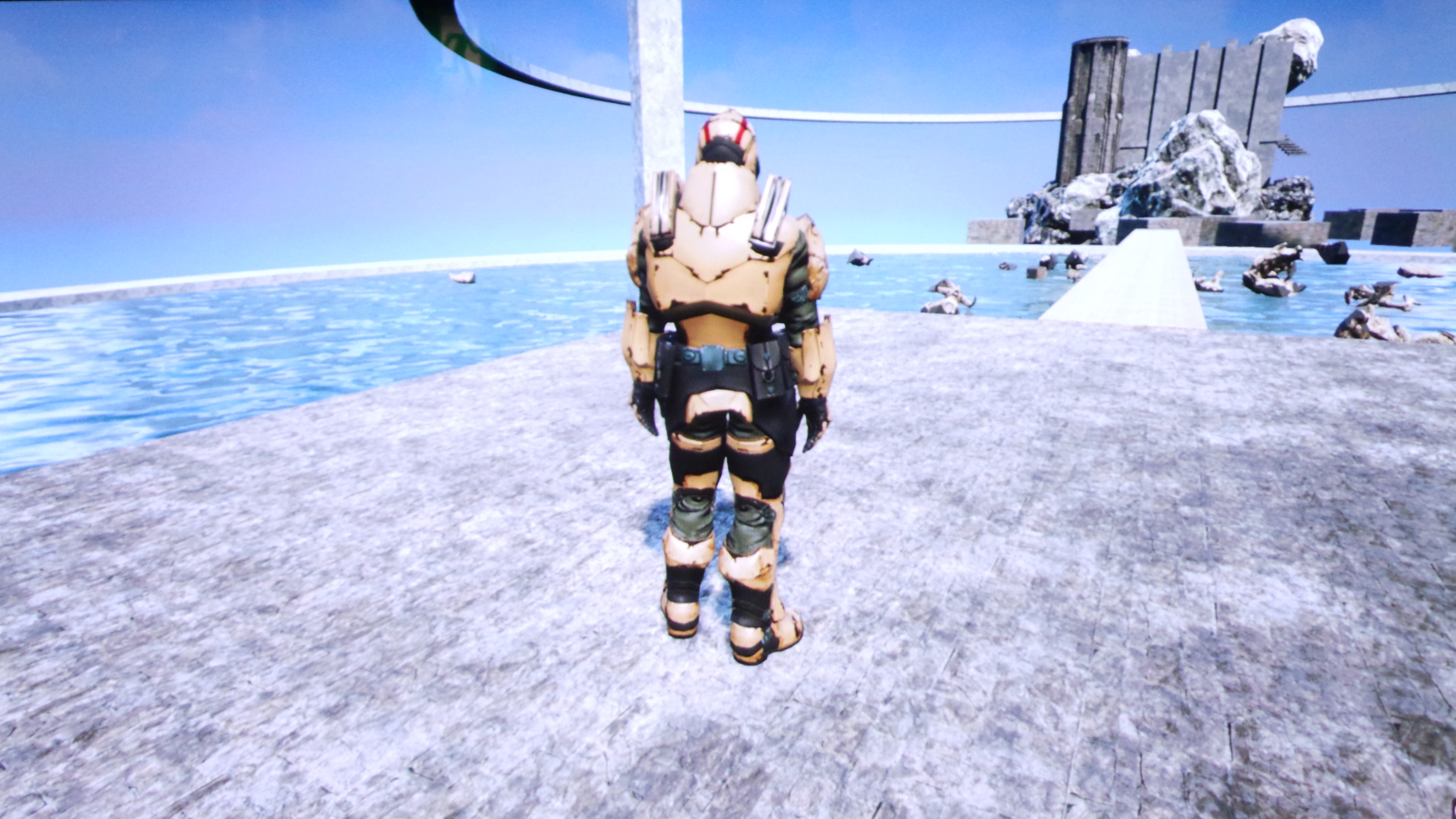
unrealengine

The game here, actually created by one of the teachers, is a simple platformer set on what appears to be a distant planet. The controls offer only movement and jumping, and while the game is somewhat basic, its main purpose is to showcase the graphics and textures that can be created with this engine. I enjoy jumping around for a while, admiring the water and landscape, before accidentally hitting a button on the controller that causes the game to stop working.

Next, we enter a room filled with iPads where we can try out actual games made by the students. Some of these delights include ‘Dancing Brain,’ ‘Fruits Panic!,’ and my favourite title, ‘Fable Sour Face.’ Apparently based on a novel, ‘Fable Sour Face’ was challenging to create as the student had to do it all alone—from scratch to the finished product. This tactical espionage operations adventure looks to me like a Doom/Quake clone. The tagline reads, ‘You get a lot of looks and can you tear it off.’
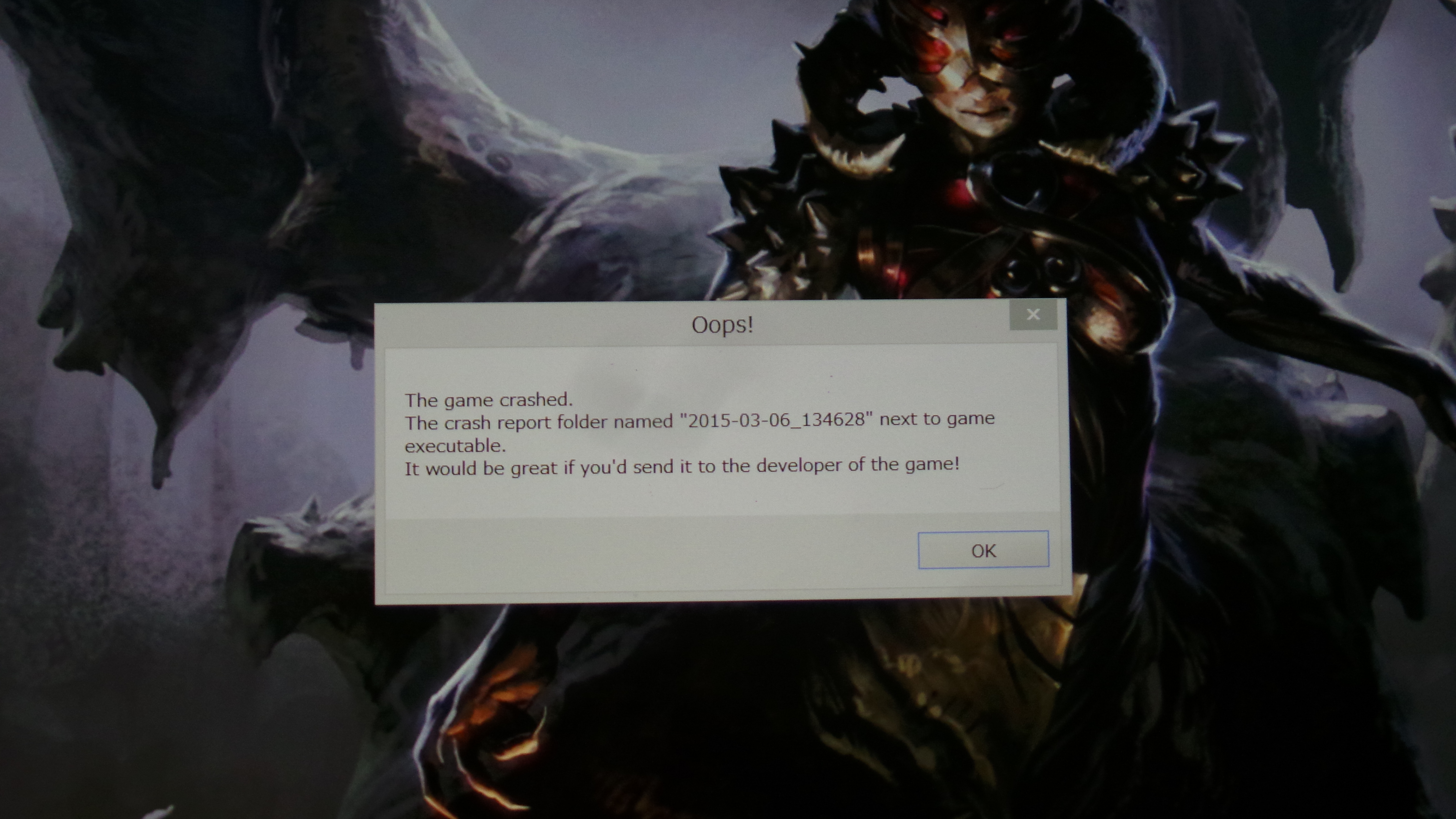
gamecrashed

I pick up the iPad to play, press the start button, but I am instantly greeted by an error message. For the second time today, I’ve managed to break something.

We continue to explore the various games—some very basic, others quite advanced. Interestingly, the video games room also features a collection of beautifully illustrated tarot cards based on German folktales, including the Pied Piper of Hamelin and the story of Rapunzel.
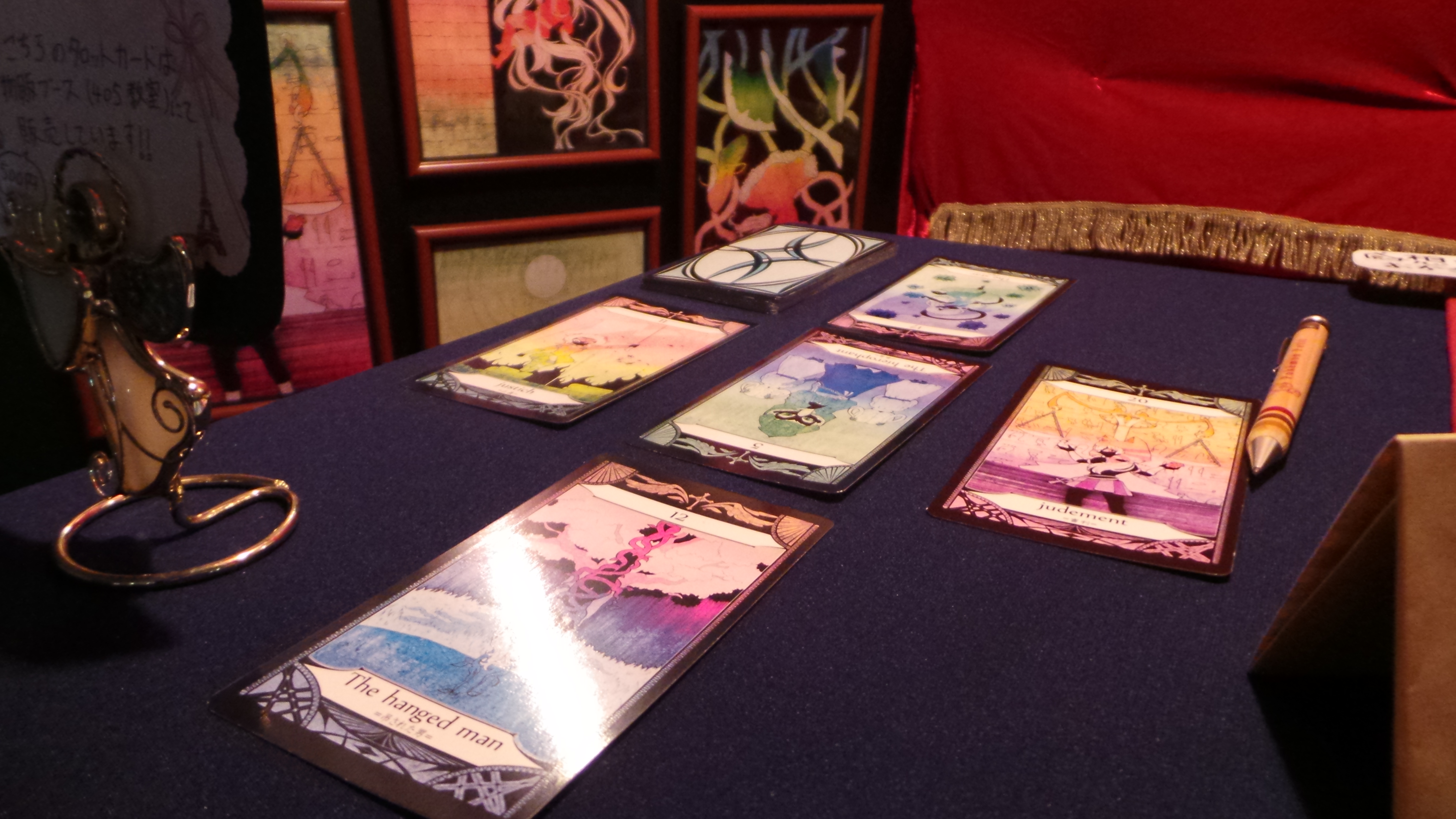
tarot

It makes me wonder, if anyone can simply make a set of tarot cards by themselves, how can they possibly be guided by a spiritual force during tarot readings? I start to think about things too much, pondering what might give the cards their mystical power, their divinatory aspect. Realising that I am being overly sceptical, I decide to instead check out the next room for more video games.

Kowloon’s Gate, a hugely popular adventure game released for the PlayStation in 1997, developed a massive cult following under the banner of the company ‘Zeque.’ Interestingly, one of the designers of the game is now a teacher at this university. He utilises the game to showcase the incredible power of the Oculus Rift.
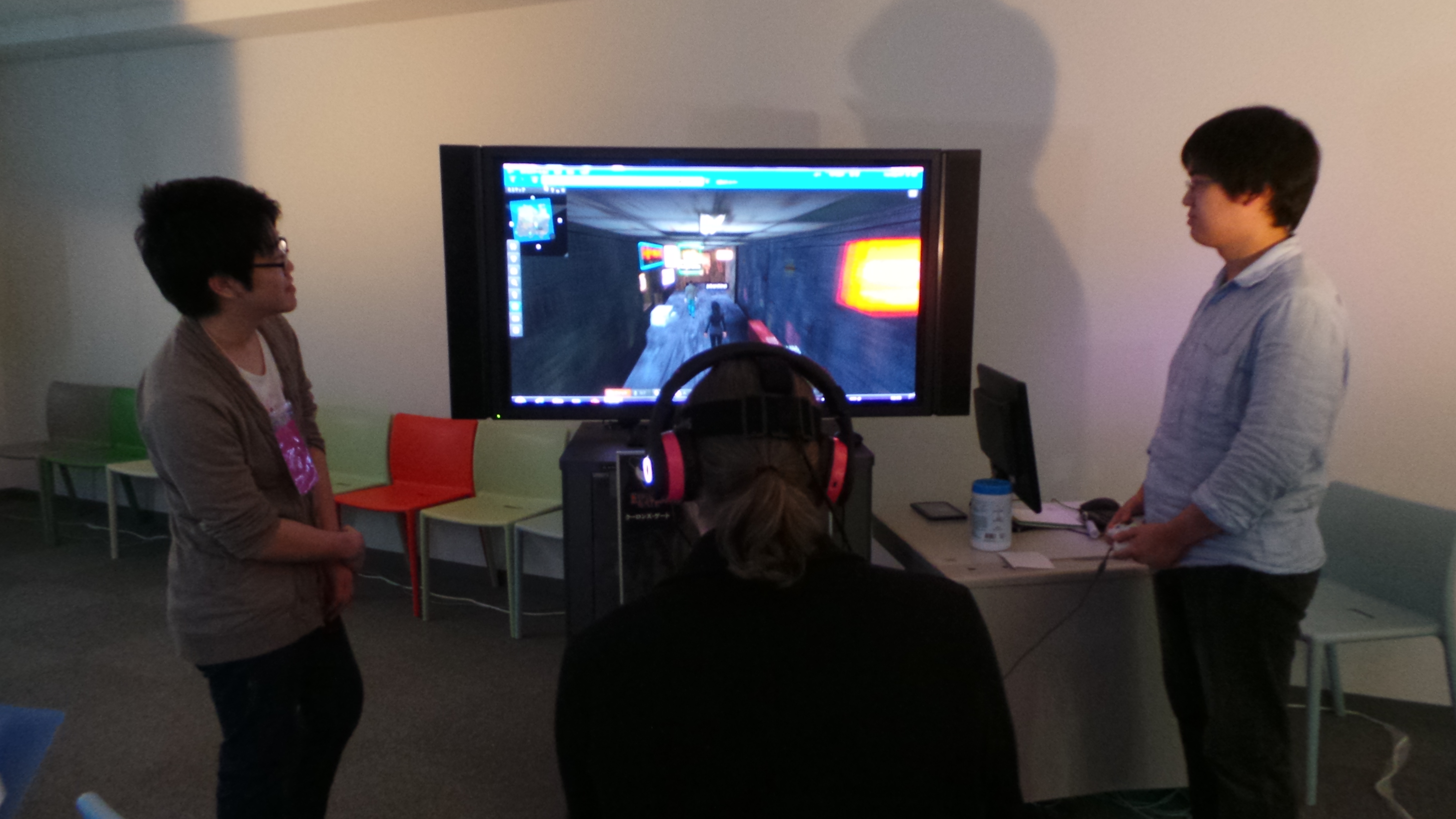
occuluskowloon

This is my first time trying Oculus, and it’s an absolutely delightful experience. Strangely, when wearing the headset, it truly feels like I am living in another world — in this case, the world of Kowloon, Hong Kong. The Oculus Rift allows me to see everything through the eyes of the protagonist. Massive headphones block out all other sounds, except that of the game, enabling me to become fully immersed. Motion sensors determine where the character is looking. I sit for about five minutes, moving my head around, in awe of the apparent realism I am experiencing. After leaving Kowloon, my head feels a little dizzy, as if I am suffering from serious motion sickness. I bid goodbye to my friend as he returns to work and leave the university.

With a head full of pixels and my thoughts lost to video games, I head over to the only place that makes any sense: Akihabara. I make a stop at Planet Sega, taking the lift to the third floor, where I play some arcade-style video games. After twenty minutes of playing BlazBlue and not doing so well, I need to use the restroom. Above the urinal is a very strange computer screen displaying a different kind of video game.
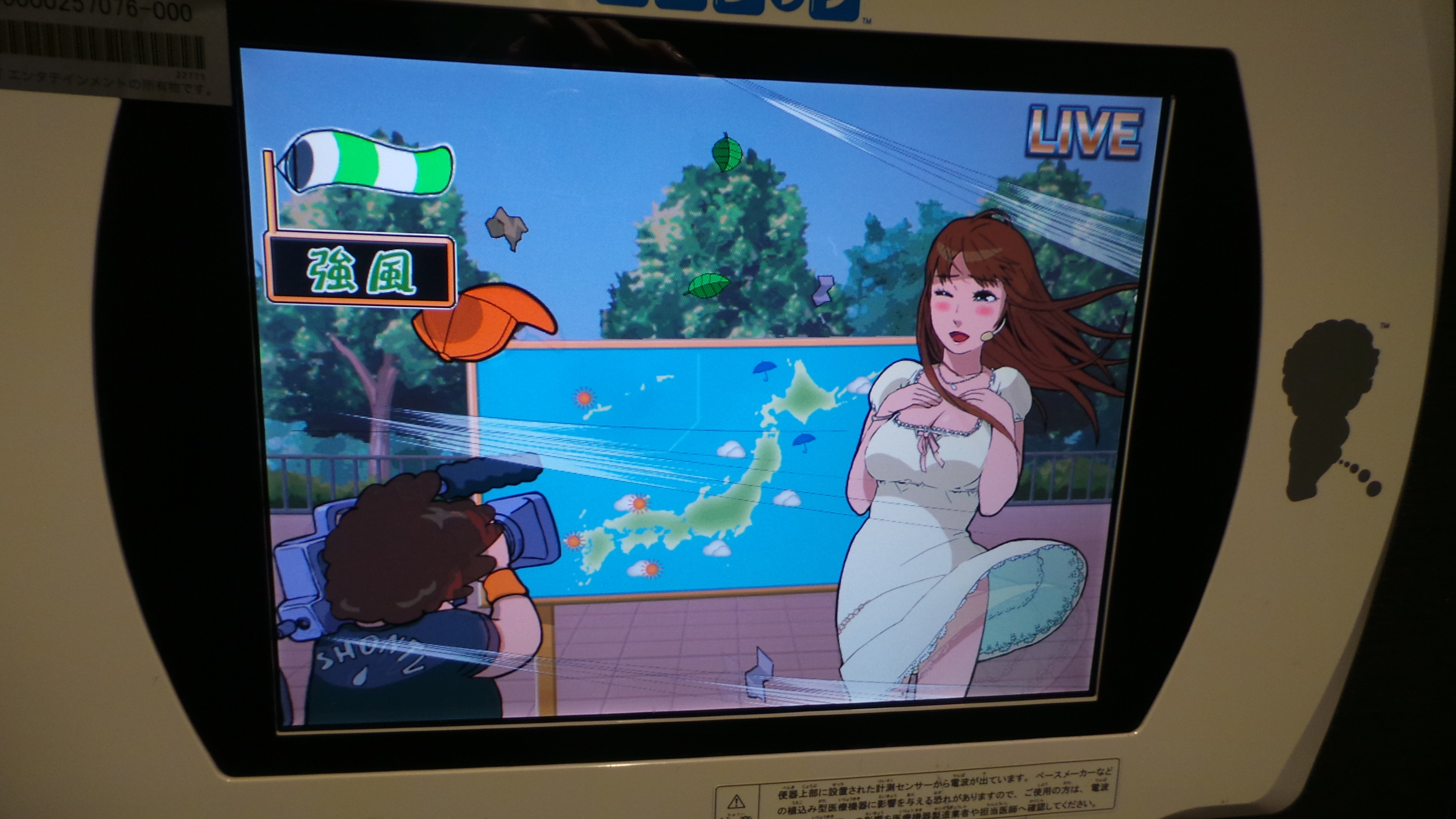
skirtup

The game is oddly titled ‘The Northern Wind, the Sun and Me’ and features a young woman presenting the weather. The urinal is fitted with a target and sensor, and the harder I urinate, the stronger the wind blows. The aim of the game is to make the wind so strong that the skirt of the young lady gets high enough to reveal her underwear. It makes me wonder what the ladies’ restroom offers for entertainment. Unfortunately, the video game arcade is populated entirely by men, so I have nobody to ask. Somewhat confused about what I have just experienced, I decide that I have had enough video games for one day and need to go home.

The Adventures of Tin Toys

Yesterday, as I was walking around Yokohama, I noticed many interesting things on the numerous maps that adorned the streets. Having visited Yokohama only once before, I decided to stay the night and spend a second day exploring this historic city. While staring at the points of interest on the signs, one thing genuinely excited me: the Tin Toy Museum.

I begin my exploration by walking through the Yamate area. This place is characterised by interlocking stone pathways that bend and crawl at various steep degrees, reminiscent of my hometown with its steep hills and Western-style houses. Despite being a popular spot for tourists, locally known as ‘The Bluff,’ I am surprised to find that most maps in this hilly terrain are in Japanese. Needless to say, I get lost and eventually stumble upon a random Spanish-style house.

flutepiano[1]

There is no charge to enter the house, but upon entry, I am required to remove my shoes. Inside, I find a woman playing the flute, accompanied by another woman on the piano, seemingly without any apparent reason. While I recognise the melody, I struggle to put a name to it. As I wander around, I am afforded the opportunity to explore a genuine Spanish kitchen, complete with old cutlery. It surprises me to learn that the house was built by an American but designed by a British architect, adding a layer of complexity to its Spanish theme that I can’t quite comprehend. The Bluff is dotted with many houses of diverse styles, allowing visitors to freely wander and experience the architecture of different countries. From the balcony window, I catch a glimpse of what locals refer to as the ‘British House’ in the distance.

I make my way into the dining room, anticipating tables and chairs, only to be surprised by the presence of strange artwork that clearly doesn’t belong in this space.

hotair[1]

I leave the house, resuming my quest for the Tin Toy Museum. I meander through a cemetery for British soldiers and emerge on the other side. Stumbling upon the oldest wooden Christian church in Japan, I find it of little interest and continue walking for about an hour through maze-like streets. Finally, I locate a map in English. The Tin Toy Museum is on the opposite side of The Bluff, close to the house I visited earlier. I navigate steep hills and winding alleyways, and after another half-hour, I arrive at the museum, half-expecting it to be closed today.

At the entrance, I pay ¥200 and race inside.

oldrobots[1]

As I step inside the Tin Toy Museum, I’m greeted by the sound of The Beatles’ album ‘Help!’ playing from the speakers—an unexpected but delightful touch. The exhibition showcases over three thousand miniature toys produced in Japan between 1890 and 1960. Most of the toys, ranging from cars and rockets to robots, form the extensive personal collection of Teruhisa Kitahara, a man with a passionate affection for all things toy.

A sign next to some rather unsettling clowns reads, “Clown and circus toys are highly comical, perfectly capturing the lively movement of the circus. They are popular for their acrobatic flair.” Inside the museum, there’s a second exhibit called the ‘Mini-Mini Museum.’ Included in the ticket price, this small shoe-box-sized exhibit initially seems like a pointless distraction. However, as I explore, I discover it features even smaller toys than I could have imagined were possible to create.

naoko[1]

Back at the main exhibition, I find that JAXA astronaut Naoko Yamazaki has visited here too, and she appears to have forgotten a signed postcard of herself, left amongst Atomic Rockets and Space Ship X-7’s. I feel tempted to buy a remote control alligator for the price of a month’s rent, but I instead opt for a wind-up robot for ¥1242; quite expensive, but full of nostalgia, and I like robots.

I leave the museum and the Yamate area, heading for Yamashita Park. The park, situated on the waterfront, is unfortunately cast in shadow by the massive Hikawa Maru, an ocean liner that blocks the sunshine and seems unnecessarily colossal. Nowadays, it serves as another museum, overshadowing the park inconsiderately. Nevertheless, the reason for my visit to this park was sparked by a sign pointing to another point of interest that intrigued me – the Statue of the Guardian God of Water.

guardianofwater[1]

It’s no secret that I enjoy irony, so I find it incredibly amusing that the statue here stands within a construction site, placed in a small pond filled with bricks and completely devoid of any water whatsoever. I can’t imagine the statue is pleased with its surroundings.

My final stop in Yokohama is also within Yamashita Park – the Statue of the Little Girl with Red Shoes On. I didn’t have specific expectations, but the description on the sign proved accurate. The girl represents a children’s song from 1922 called ‘Akai Kutsu,’ written by Ujo Noguchi, translating to mean ‘Red Shoes.’

redshoes[1]

A young girl with red shoes, was taken away by a foreigner.
She rode on a ship from Yokohama pier, taken away by a foreigner.
I imagine right now she has become blue-eyed, living in that foreigner’s land.
Every time I see red shoes, I think of her.
And every time I meet a foreigner, I think of her.

I’m not too sure what the song is about, and the only explanation offered by the sign is that Yokohama City wants this statue to become a cherished landmark for its countless visitors. Sadly, most visitors seem to just walk along, not giving the statue a second glance.

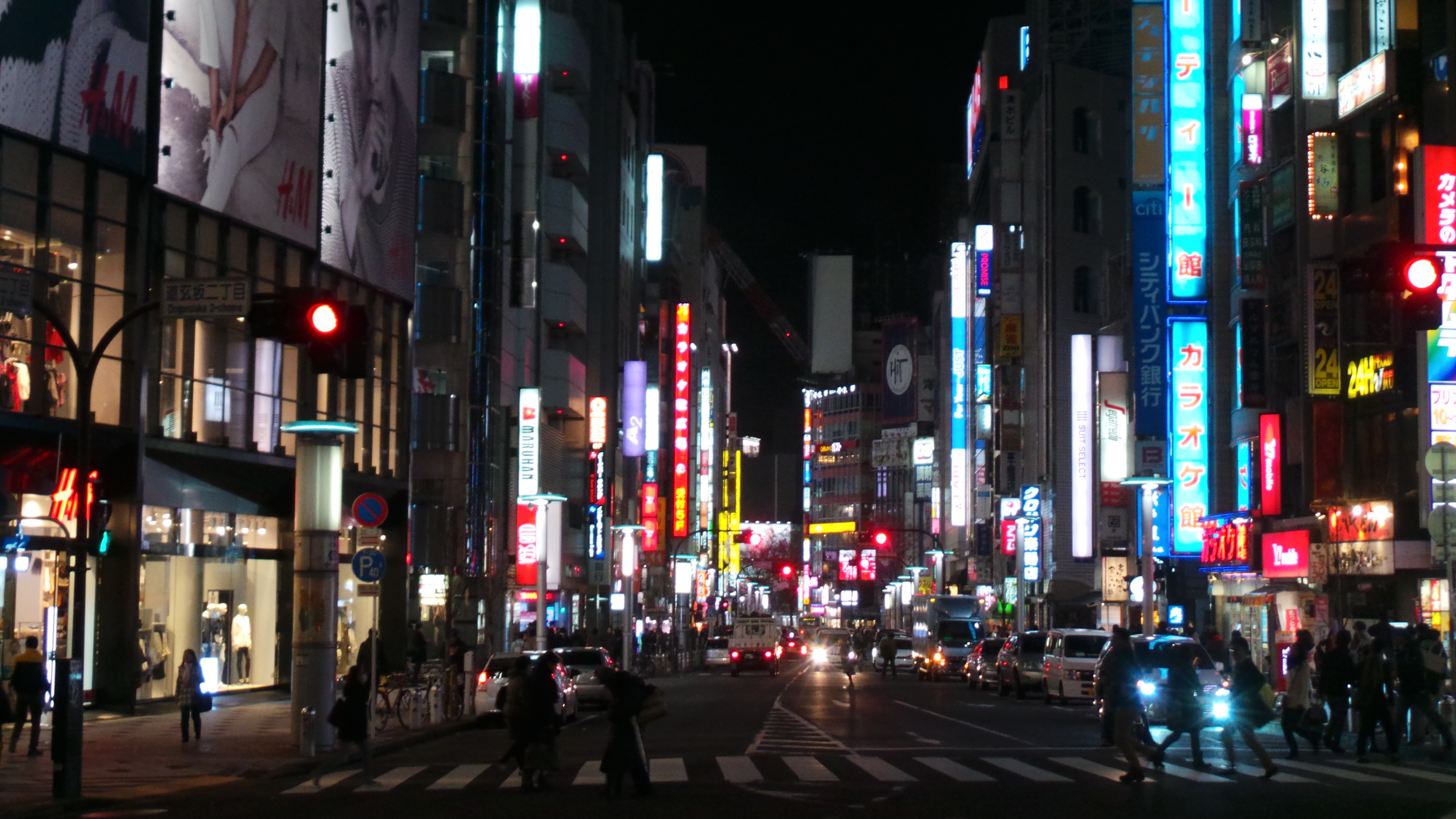
I decide that there is little else to do in Yokohama; despite having enjoyed two nice sightseeing days, it is time to head back to the reality of Tokyo. I take the train over to Shibuya. As I leave the station, I navigate through crowds of photographers capturing images of what once was and still is – just a crossing. The bright lights of Shibuya act as a neon reminder of what I was expecting Japan to look like before I arrived here nine months ago.

backtoshibuya

I wander aimlessly for a while through the busy nightlife before feeling overwhelmed by the lights and sounds, eventually making me feel dizzy. After a tiring few days, it’s time for me to go home. I buy some takeaway food for the train, taken away by a foreigner, and head back to Minowa.

From Rush Hour With Love

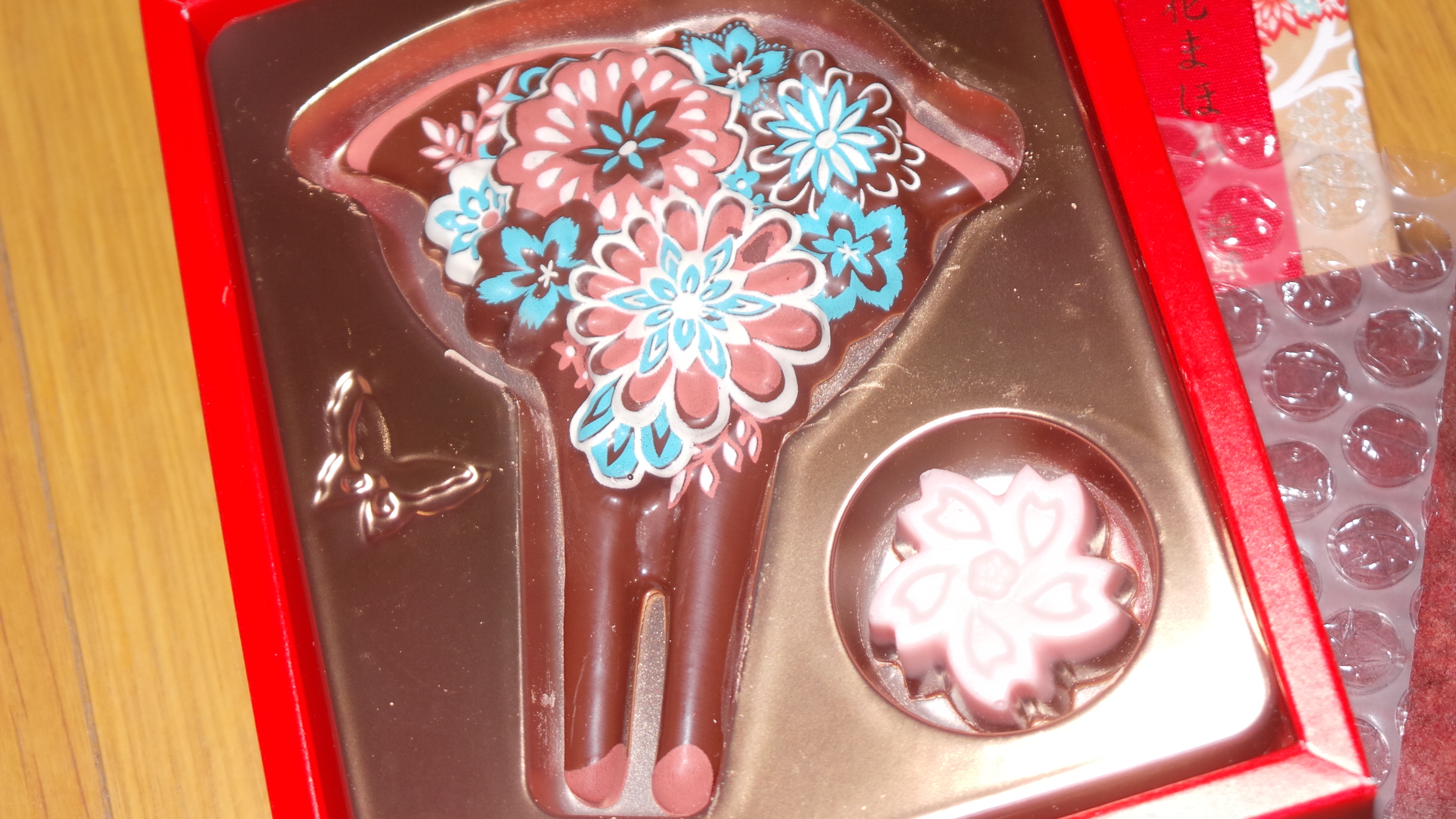
Today is Valentine’s Day in Japan. What would normally be a day of loneliness and misery is dissolved by chocolate. Unlike in England, where you are expected to buy flowers, chocolates, and take your partner for a meal, Valentine’s Day is remarkably different here. It is on this day that women buy chocolates for men. I have become very used to not receiving even a card on this day, so when I found myself unable to leave my house because of the vast quantities of chocolate blocking my path, it was a pleasant surprise. Even my dentist gave me chocolates, which is rather odd considering the high sugar content and the effect it will have on my teeth.

In Japan, one month after Valentine’s Day is White Day. On White Day, the man returns the gesture to those who gifted him by buying the women sweets. As much as I appreciate the abundance of chocolate that I received today, it becomes apparent that White Day will be extremely expensive for me.

valchocs

It is perhaps a sad part of Japanese culture that on Valentine’s Day, a man will wait with anticipation to receive chocolates from a woman that he might like, if only for the opportunity to return the gesture a month later. It is this style of gift-giving that makes the shy Japanese male miserable when no chocolate is received. I suppose that this theme remains common among all other cultures; Valentine’s Day and the misery attached to it. I can hardly complain, though. I received many gifts, despite the fact that I don’t really like the taste of chocolate. I actually preferred playing with the bubble wrap, after a nine-month absence of popping pockets of air-filled plastic.

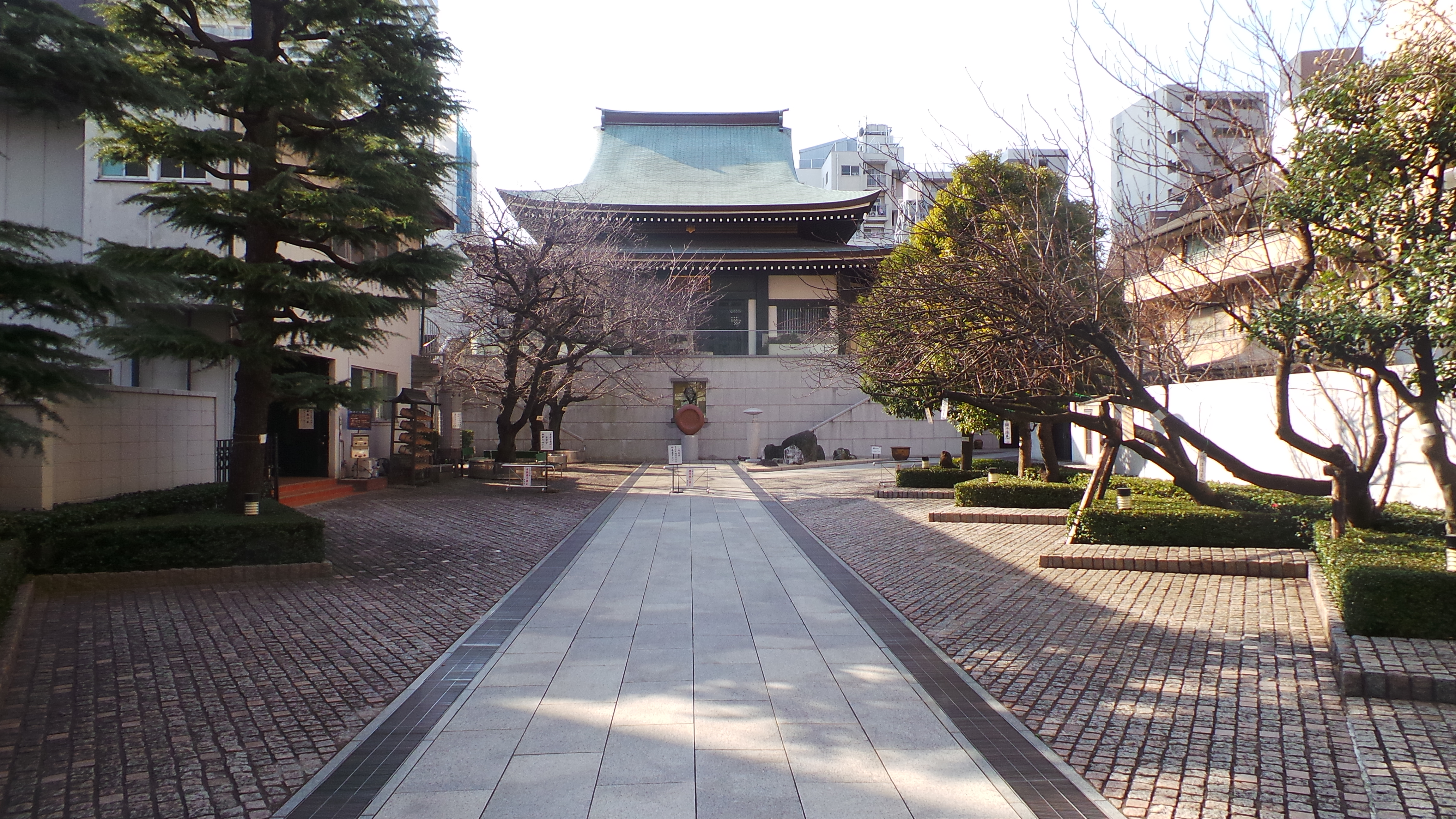
After consuming the equivalent of my weight in confectionery, I head into Asakusa. Today, I have decided to finally visit a temple that I walk past every single day but never visit. It is a temple that is always absent of people, possibly cursed, and is surrounded by some strange energy that I have previously been unable to bring myself to ingress.

dailytemple

The temple offers very little description about itself; not even a name. Before the temple sits a small rock garden where it is impossible to view all of the rocks from any one angle. It is said that if you are truly enlightened, then you are able to see the eighth rock. Despite the various viewing angles I deploy, I find it impossible to see every rock at the same time, and consider that even those that surpass the normal level of human consciousness would still find it difficult to see all of the stones at the same time. Other than a cemetery for the wealthy tucked behind the temple, nothing much else is on offer here.

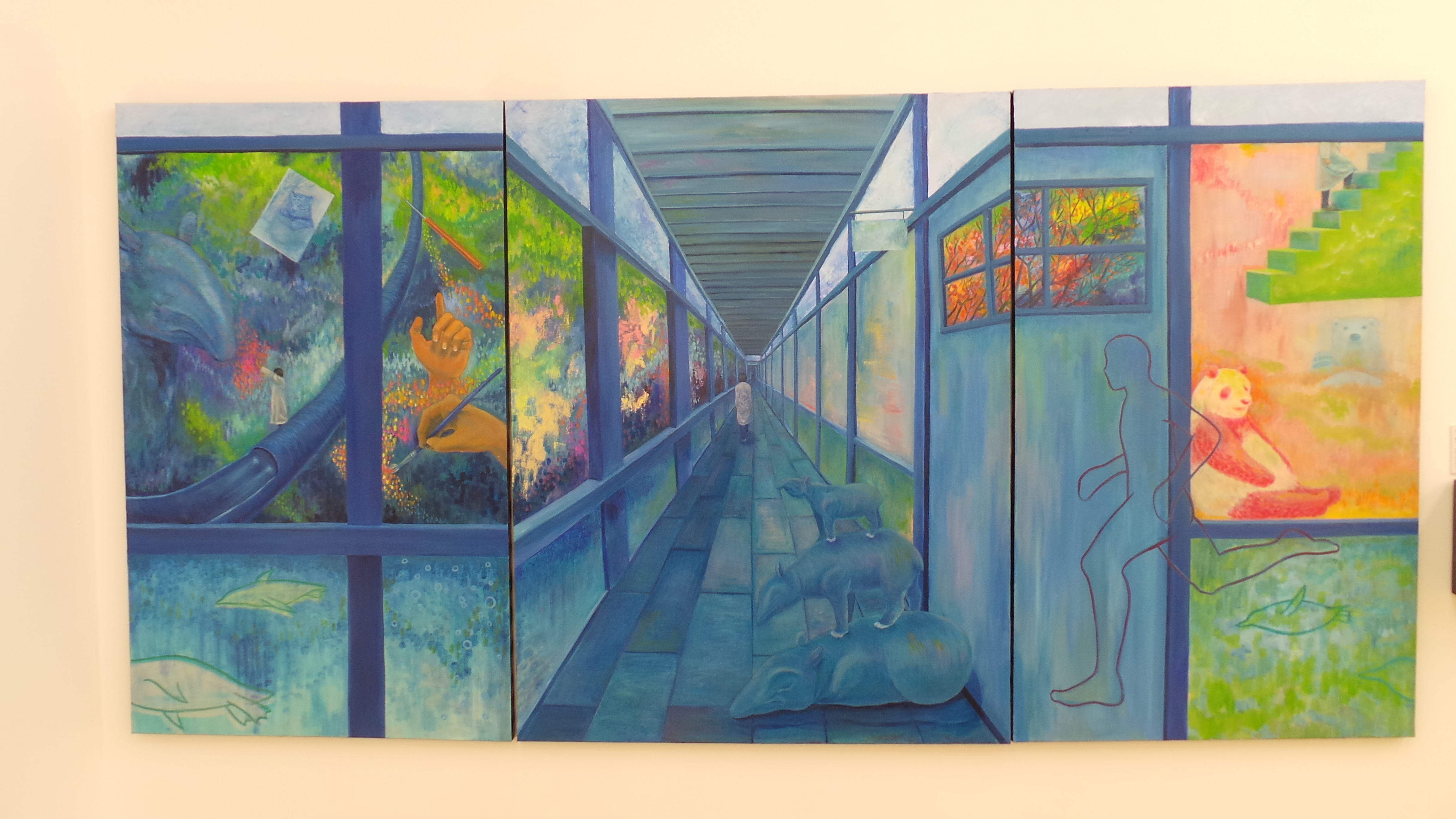
I leave the temple and head over to Akihabara. Today, there is an art exhibition taking place at 3331 Arts Chiyoda, a former high school converted into an art gallery. The exhibition features students who will graduate next month from the Takarazuka University of Art and Design. A friend of mine works for the university and has invited me along to sample the artwork of his students.

artscyd

There are seventeen displays here from seventeen students, all twenty-two-year-old women. The first thing that strikes me is that a lot of the pieces have some form of macabre imagery. Paintings depict homosexual angels, others heavily feature corpses, and some are simply storyboards for books about clowns for children; obviously, the clowns look deliberately menacing and have been painted just to scare me.

Other pieces here are heavily influenced by famous stories. One piece is based on Ryunosuke Akutagawa’s ‘The Spider’s Thread,’ a story about too many people in hell (known in the story as the Pool of Blood) as they try to escape and reach the paradise above. One man walking through a forest didn’t kill a spider one day, so the silk of a spider’s web is dropped down to hell from paradise in an attempt to rescue him. Everyone reaches for the web in an attempt to climb to safety. Obviously, the weight of everyone in hell is far too heavy for the silk, and the web snaps, committing everyone to the Pool of Blood for eternity.

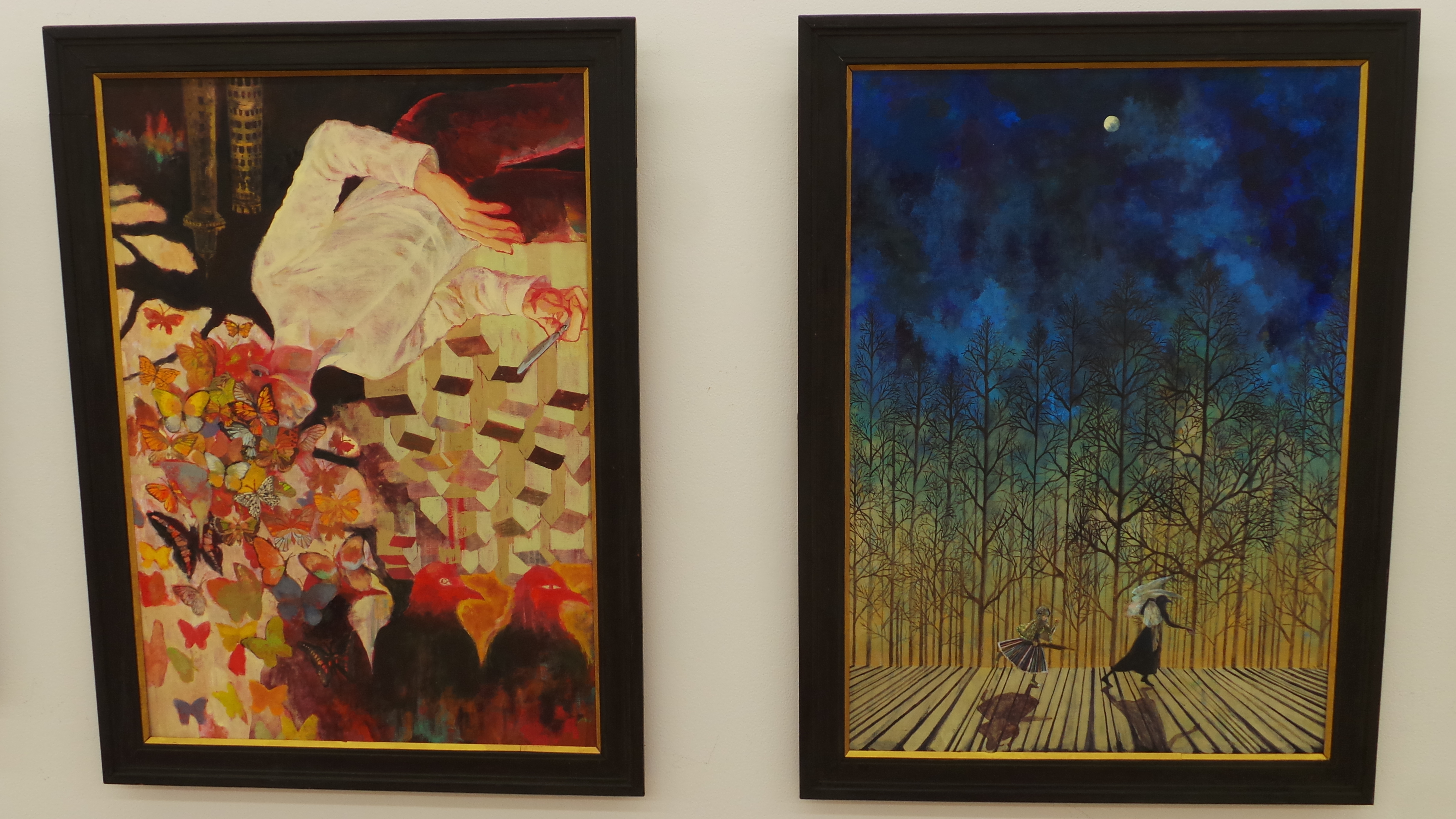
morearts

The highlight of the exhibition is a piece by Ozawa Yuki. Her painting depicts a dream, more specifically, the moment when you become fully awake and are only able to remember fragments of what was left behind. Another artist that I enjoy is Ogawa Sayako. These two pieces offer less of a description but are once again based on dreams. Something about places in dreams never existing anywhere in real life. I suppose these pieces are my favourite due to their abstruse and rather abstract style. After the art, I take the packed rush-hour train back to Asakusa, somewhat confused by the imagery I have just viewed.

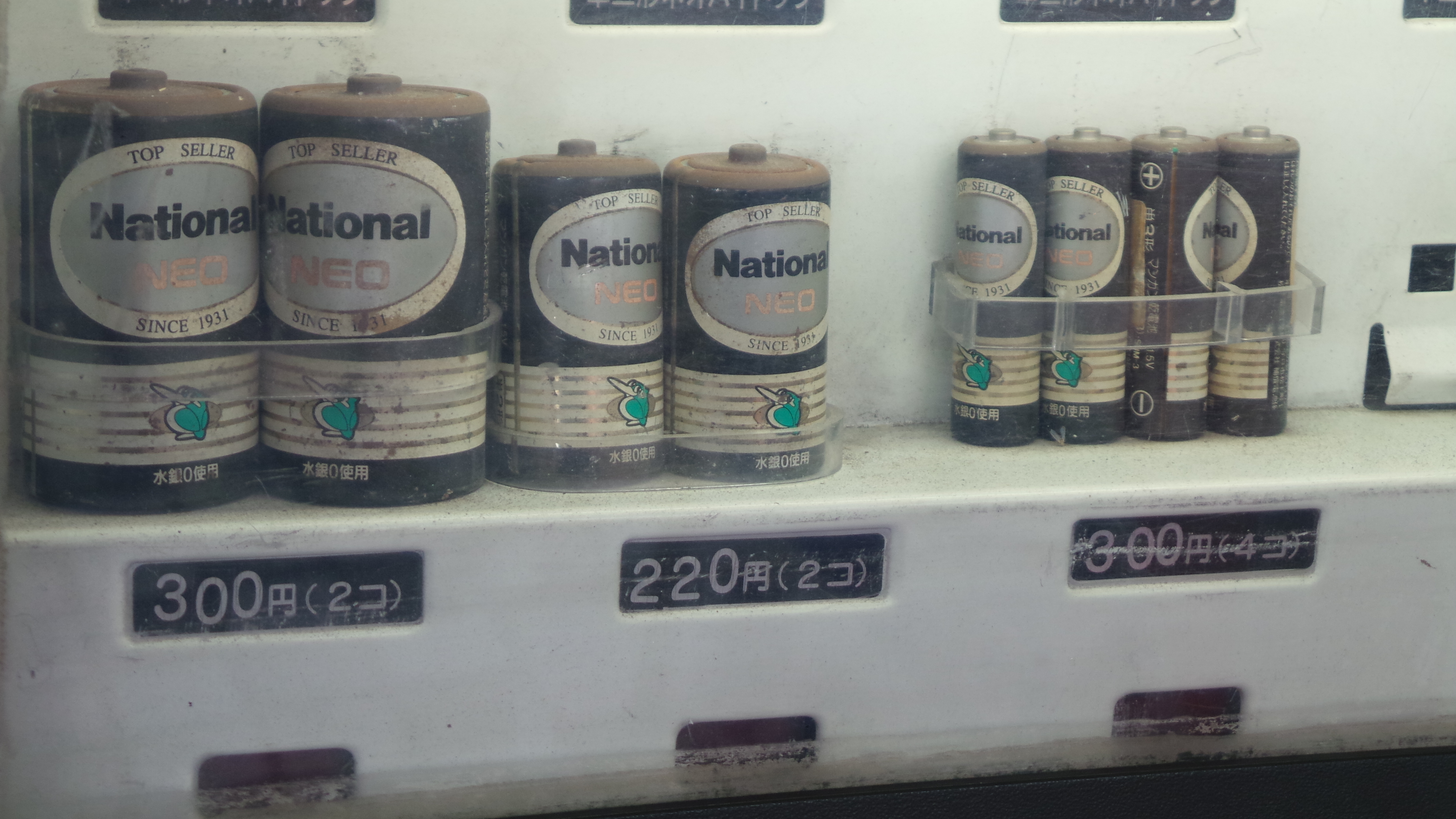
There are certain things that become written about more often than others in Japan: signs with bad English and vending machines. I am guilty of writing about both of these things, and perhaps they aren’t the most interesting to mention. But when I saw another strange vending machine, I got a little excited, so I decided to include it here.

batteriesvending

This machine, covered in dust, sells batteries from 1931. These batteries, made by Panasonic, are no longer in production. Yet, this machine sells them for around ¥300 a pair. Even though they do claim to be a ‘Top Seller,’ batteries are the very last thing I need in my life right now. The machine doesn’t actually work and seems absent of any power. Somewhat ironically, what the machine could really do with is some new batteries.

Fins Can Only Get Batter

Today, Christine and I head over to Tsukiji to visit a fish market. Outside the train station, the outer market is crowded with mostly tourists. It is fair to say that along the small streets lining the market, we are literally packed like sardines. Many small food stores sell fish caught fresh this morning, and the smell of fish is pleasant and anything but overpowering. The freshness of the food here can really be noted.

Buckets of huge tuna sit soaked in blood and ice. Live crabs try to escape their fate by crawling from weighing scales, and the hustle and bustle of the market is present at every turn.

bloodfish[1]

We wander the outer market and into what looks like a giant warehouse. This is the wholesale section of the market, and the biggest wholesale fish and seafood market in the world. People carrying huge white polystyrene boxes of frozen fish cruise past on electric bikes. Tuna that costs more than a house is on sale and on display. People are rushing. Market traders are yelling. It is all a bit overwhelming.

We wander the entire length of the wholesale market, which takes about twenty minutes at a hurried pace. At the other side of the market, we wander into a shrine to receive our fortune in the form of a sacred lot. One of the traditional cultures in Japan that you can experience at Japanese shrines and temples. We both pay ¥200 and both receive a ‘Very lucky’ fortune. We wonder if they are all the same.

After Tsukiji, we take the train over to Tokyo Big Sight. Outside Tokyo International Exhibition Centre, there are about one thousand people in cosplay, dressed as their favourite comic book characters.

comiket1[1]

Men dressed as women pose for photographs for a queue of excited otaku. A guy in a schoolgirl outfit follows us as we enter the main building. Today is Winter Comiket, a comic market event with a focus on independent manga artists. Ninety percent of the people here are men wearing glasses and conform seamlessly to the stereotype of a comic book fan.

Entry is free. Inside the West Halls, there are rows upon rows of small stands, each selling individual comic books. There is no stage. No other entertainment. Only comic books. I can understand the appeal to those who read manga, but for me, the event gives me very little satisfaction. In fact, Christine and I agree that it is all a little too much. The crowds are insane, and oddly, most of the comic books seem to feature covers that can only be described as pornography.

comiket2[1]

After ten minutes of wandering along endless rows of comics, we decide to leave. On the way out, we bump into Jeff. He is standing around playing with his ‘selfie stick’ with a disappointed look on his face. He only bought the stick today, but already, it has broken; perhaps through overuse, perhaps it was cheaply made.

We leave Tokyo Big Sight and walk across the Dream Bridge and the Teleport Bridge before arriving at Decks, Odaiba. We grab some cheap food at Yoshinoya, one of my favourite chain restaurants because it sells grilled eel with a bottle of beer at an extremely low price. After food, Jeff heads off, and Christine and I explore the area.

We are handed a flyer for the Tokyo Trick Art Museum. It looks interesting enough and is only ¥900, so we decide to take a look.

catflap[1]

The flyer says, ‘Do you want to play with Japanese ghosts and monsters? You can take funny photos. Don’t be scared. It is fun.’ The queue is mostly populated by families with children. Perhaps this isn’t for adults at all. Trapped in the queueing system, there is no going back, and eventually, we’re inside and being given a guided group tour of the museum, in Japanese.

We wander through the Edo area and the ninja house. At one point, we have to find a secret door; perhaps the most interesting thing in the museum. We take photographs in various positions, but they all turn out looking poor. We solve optical illusions, look at drawings from different angles, and get eaten by a whale. The best illusion is one of a vampire with a wine glass.

wineglass[1]

After the Tokyo Trick Art Museum, we head back to Asakusa, to Cafe Byron Bay, to drink wine. We opt for a relatively early night, tired from five days of constant walking around and sightseeing. Tomorrow, an eagerly anticipated trip to Tokyo Disneyland awaits.

Paint and Gunpowder

The four of us from last night absorb a new person into our group, a guy called Josh. We head out on foot toward Ueno Park. Today, the National Museum of Western Art is having a free admission day, and despite being in Japan, we consider it worth a look. We stroll inside and are asked to show our tickets. “Free admission day,” I tell the lady.
“You still need to get a ticket,” she informs me. We head out of the museum and to the ticket office. We ask for five tickets, and hand over no money before heading back inside and handing over the tickets to the lady. A rather trivial exercise.

museum[1]

The Museum of Western Art is the primary institution of its kind in Japan, emphasising paintings with a few sculptures thrown in for good measure. The museum is adorned with an abundance of macabre Baroque works, where death and torture seem to be popular themes. Amidst the horror, notable pieces include ‘The Last Supper’ painted by Marten de Vos, Vincent van Gogh’s ‘Roses’, and a rather disappointing collection of Claude Monet paintings. Not one to truly appreciate art, I find that Monet’s work looks terrible up close, especially ‘Water Lilies’, which, in my opinion, looks plain awful.

My favourite piece on display is Pablo Picasso’s ‘Couple’. Abstract expressionism has always been a preference of mine; I’ll take this over a bowl of fruit or a basket of flowers any day. Picasso painted this incredible piece at eighty-eight years old.

pablo[1]

We leave the museum and take a Yamanote Line train from Ueno to Ikebukuro. Outside the station, we need to head east. Josh turns out to be well-prepared, pulling out an actual compass and casually guiding us in the direction of east. This earns him the nickname ‘Compass Josh’ for the rest of the day, and he seems to take to the idea quite fondly.

The reason we are here is to visit a shop run by a company that has faced criticism for its practices, including accusations of contributing to infant mortality in underdeveloped countries due to its reluctance to spend extra profit on proper labelling for its baby milk formula. The shop sells a specific type of confectionery that is hugely popular in Japan. This two-fingered chocolate-covered wafer bar confection is available in many remarkable flavours, such as wasabi, strawberry cheesecake, and sakura.

While the others queue for their chocolate, I wander around outside and admire the street art.

ikart[1]

We head to a small coffee shop before making our way back to the train station. On the platform, two men are fighting. One guy stands up and walks away, his face dripping with blood, his eyes bruised. This is the first time I witness violence like this in Japan, and it comes as a bit of a shock.

I head home for a while to prepare for a performance this evening before meeting the others in Odaiba. Compass Josh’s partner, Jessica, has joined us, expanding our group to six. We explore the giant statue of Gundam before settling in the food court of Diver City, enjoying overpriced wine in undersized glasses. Outside Diver City, an extraordinary bus stop catches my eye, begging to be photographed.

extr[1]

Tonight in Odaiba, a special fireworks display is scheduled for 7 p.m. We wander around the area, with the evening darkness stolen by extravagant illuminations. There’s a feeling of forgotten Christmas lights here, and decorations that will likely remain year-round. Trees glisten, Tokyo Tower in the distance shines orange, and the Rainbow Bridge is bathed in a spectrum of light from red to violet.

We position ourselves on the balcony of the Decks building, a vast shopping mall offering a spectacular view of Tokyo Bay. At exactly seven o’clock, fireworks shoot into the sky, creating a dazzling display that lasts for ten minutes. Below us, boats are illuminated in various colours, their reflections shimmering on the water alongside the radiant Rainbow Bridge. Tokyo Tower continues to shine in the distance. The backdrop consists of a sea of lights from office buildings, adding to the immersive experience. In the foreground, the glow from the massive firework display warms the air, completing the enchanting scene.

odaibafireworks[1]

After the fireworks, we take the train back to Asakusa, passing by the Fuji TV building as it displays bright flashing text: ‘What a cool we are!’

Back in Asakusa, we part ways. I head to Cafe Byron Bay for a bonenkai, a ‘forget the year’ party widely celebrated here. The tap-dancing balloon artist, whom I first saw performing on the streets of Asakusa during my first week in Japan, is here to entertain. A belly dancer is also putting on a show. I perform with trumpet and guitar. Food is free and all-you-can-eat. Everyone gets very drunk. After the entertainment, we each give a speech about the year we’ve had and what we hope to achieve in 2015. My resolution and absolute aim are to publish a science-fiction novel.

After the end-of-year party, I head out with seven Japanese friends for a second night in a row of karaoke.