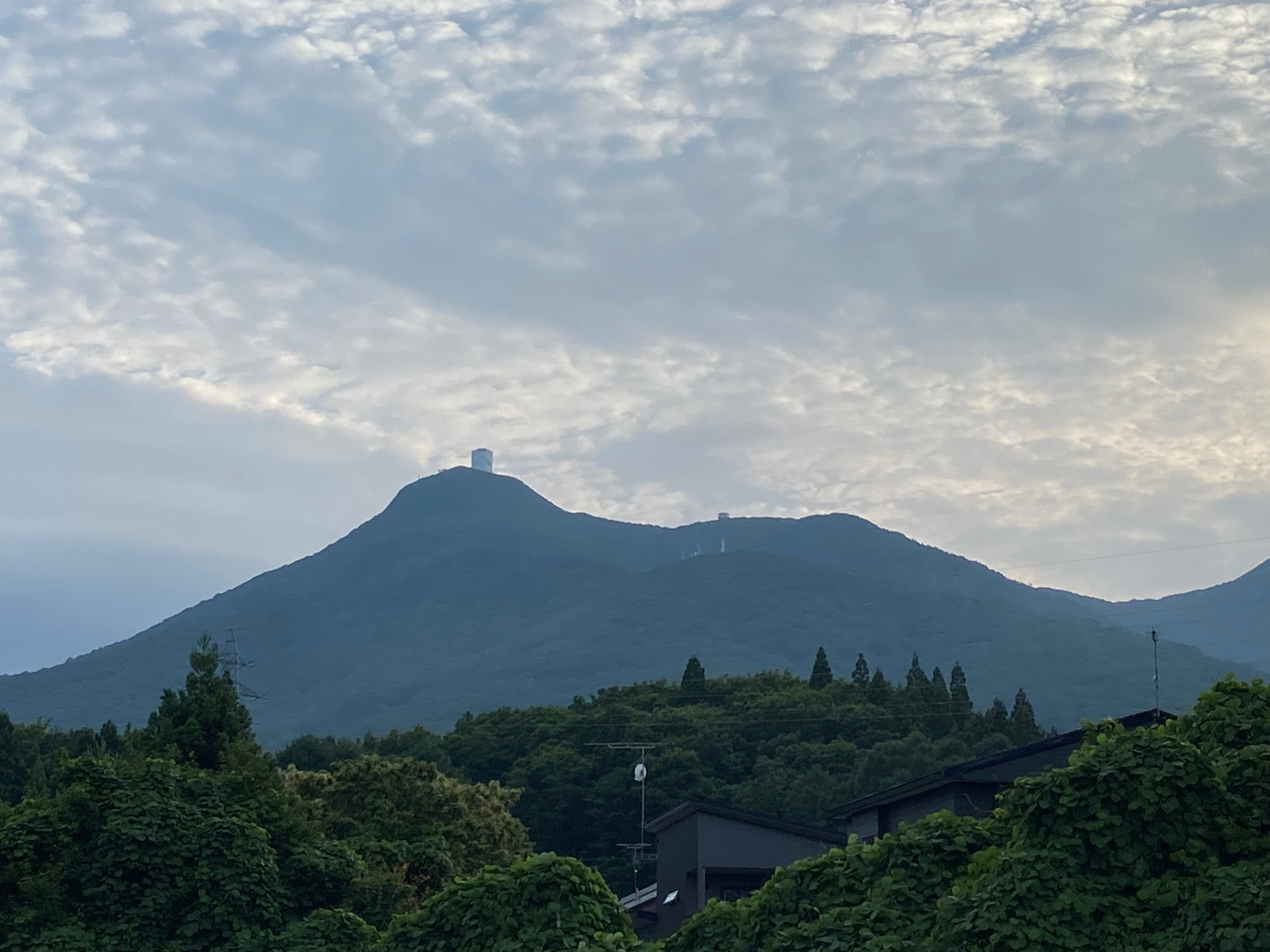
In the far north of Japan, where the land is as silent as the dead, there is a mountain where nothing grows. A place where souls hesitate. Osorezan, one of the three most sacred sites in Japan, is known by another name: the Jaws of Hell.
I often find myself drawn to stories of mortality and the afterworld. Today, I will glimpse into the hellscape of a Buddhist afterlife.
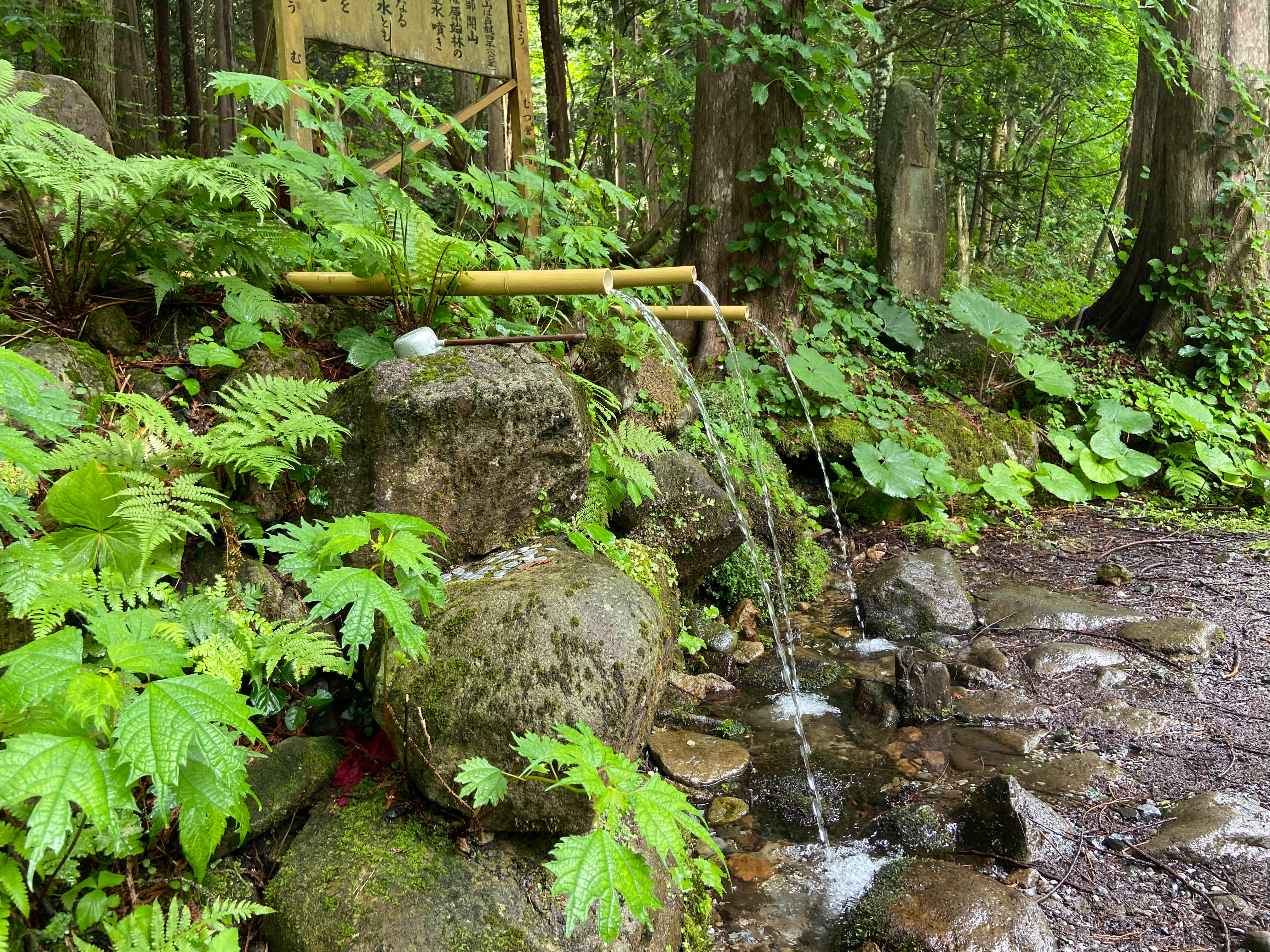
Before I reach the summit, I come across Osorezan Reisui, a fountain flowing with cold, clear water. It looks like a typical purification site, but legend has it that drinking the water from this spring will make you ten years younger.
Desperate to claw back lost time, I reach for the water, drink from its flow, and fill up my water bottle before continuing the climb.
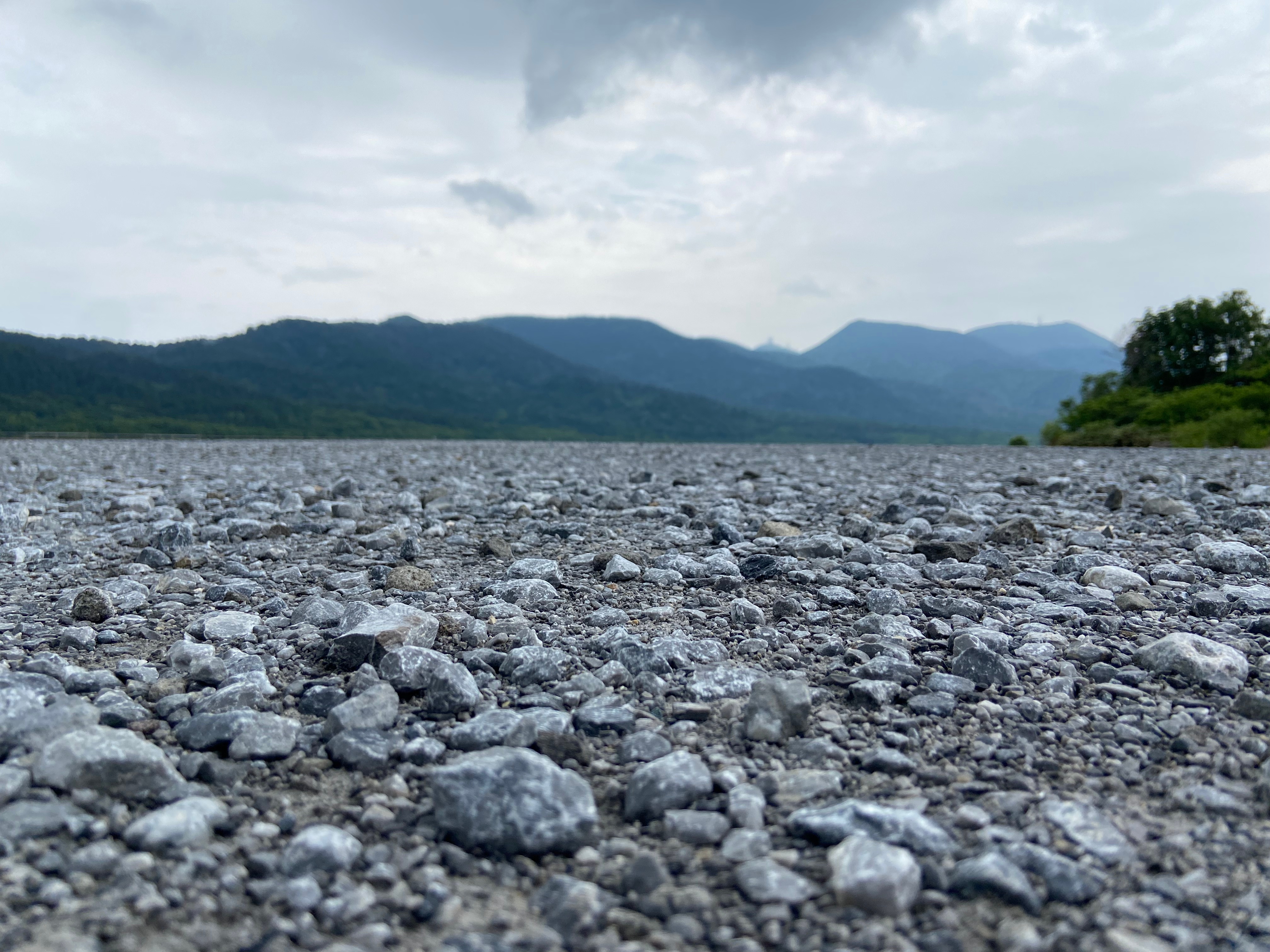
Further up, the trees and grass make way for shale and volcanic glass, and it is dry. There has been no rain of late to keep the dust down, so with every step the sulphurous ash creates clouds under my feet. Some gets into my mouth, and I choke. Luckily, I still have water from the fountain of youth, so I wash away the bitterness and the years before carrying on.
Higher up, the mountain opens its mouth wide. Nothing moves. There are no roots. There are no birds. Just the crunch of my footsteps echoes through the wasteland. Everything else is… still.
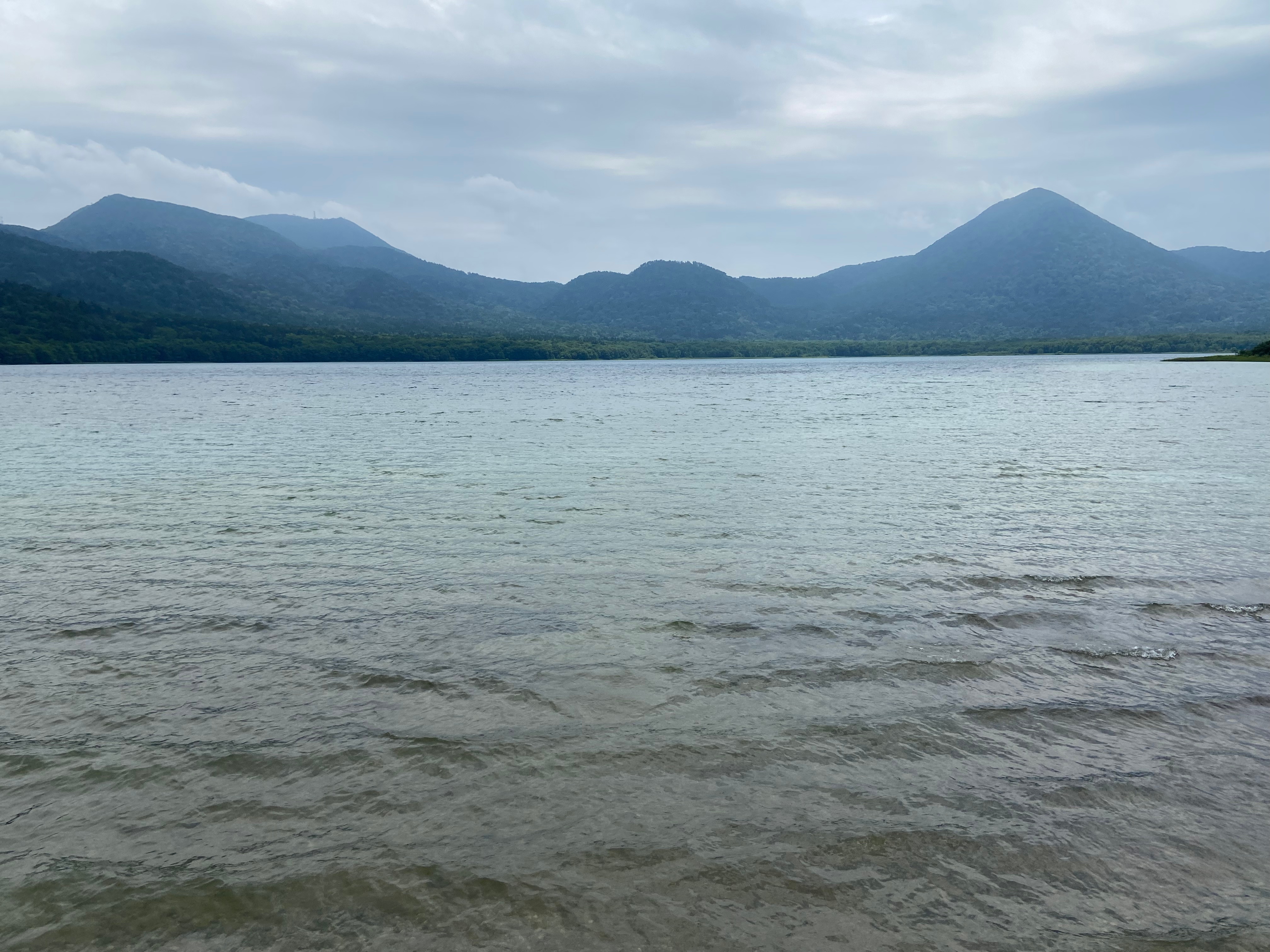
In the distance, Lake Usori lies in eerie repose, a lake of poison. The acidity is so high that nothing can live here. Even the wind seems unwilling to touch the surface, but I am.
Kneeling, I dip my hand into the water. A freezing chill shoots up my arm. For a moment, the water feels alive, tightening impossibly around my fingers. Not liquid, but something with intent. I wrench my hand away, breath unsteady, as if something almost followed me out.
I remain kneeling a while longer, lost terribly in thought. I watch as the ripples in the lake distort my own reflection. I see not just my face, but the faces of every version of myself I’ve left behind. I watch them shifting, like a shimmer of sorts. I take a deep breath, stand up, and walk away, before something walks away with me.
Draining from Lake Usori is the Sanzu River; its waters flowing silently, black and sluggish, like blood oozing from a wound that will never heal. It is at this river the dead must cross to move into the next world. The journey across this river reflects the life one has led: the good cross by bridge, the average wade through the shallows, and the bad must swim amongst the river’s monsters.
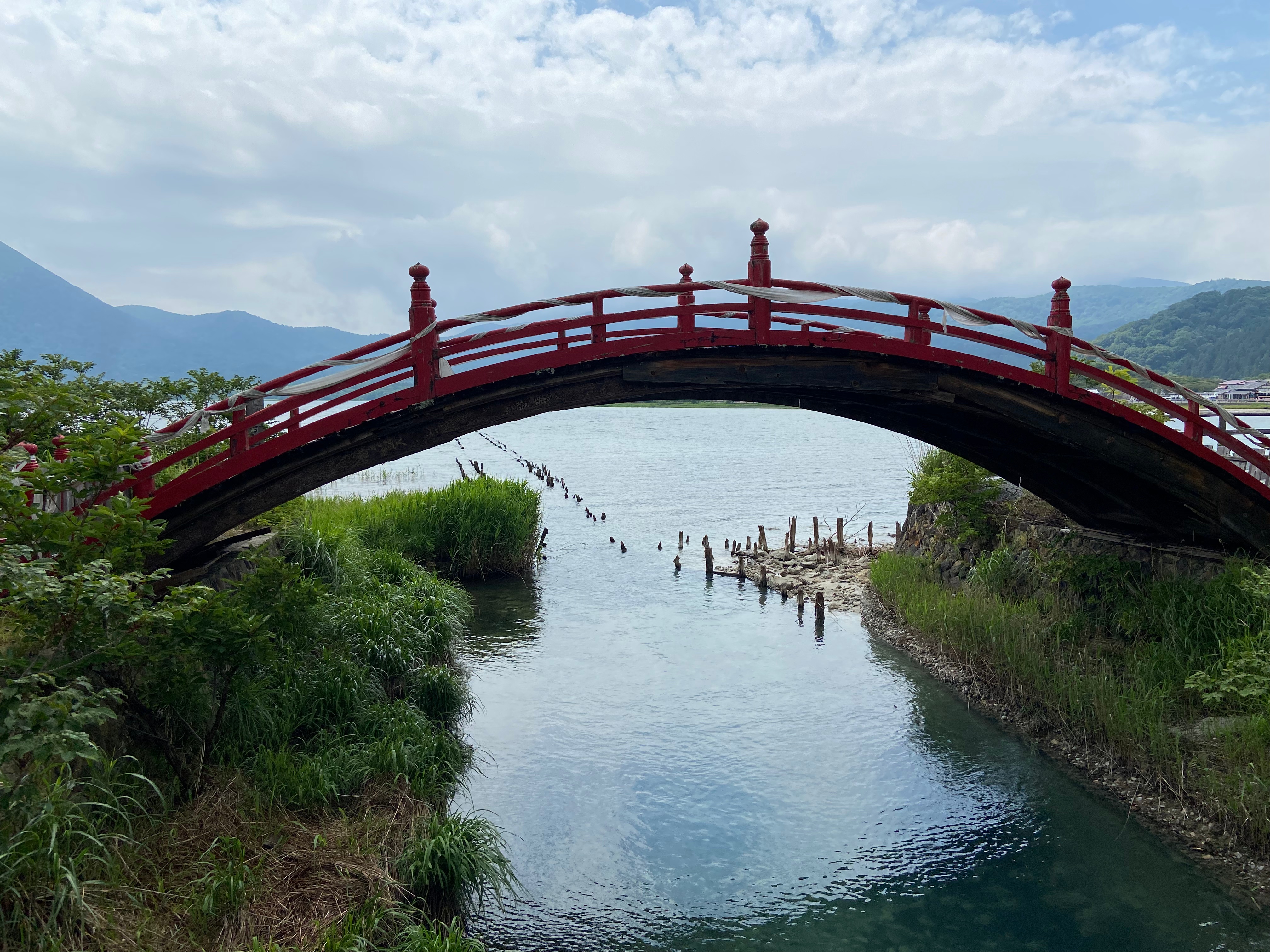
I watch the river for a time, wondering which path I would take. I approach the bridge, its red painted wood the only colour I’ve seen up on this mountain. I take a step toward it, but something inside me pulls back. Not fear or superstition; just a quiet, sinking knowledge that maybe I was here before, and I don’t think I should be here again.
Along the riverbed, piles of pebbles litter the landscape, said to have been stacked by the spirits of unborn children or those who died young. These children build piles of rocks as an offering to Buddha, only to have demons knock them down, condemning the children to rebuild over and over, for eternity; forever trapped in the netherworld, unable to transcend.
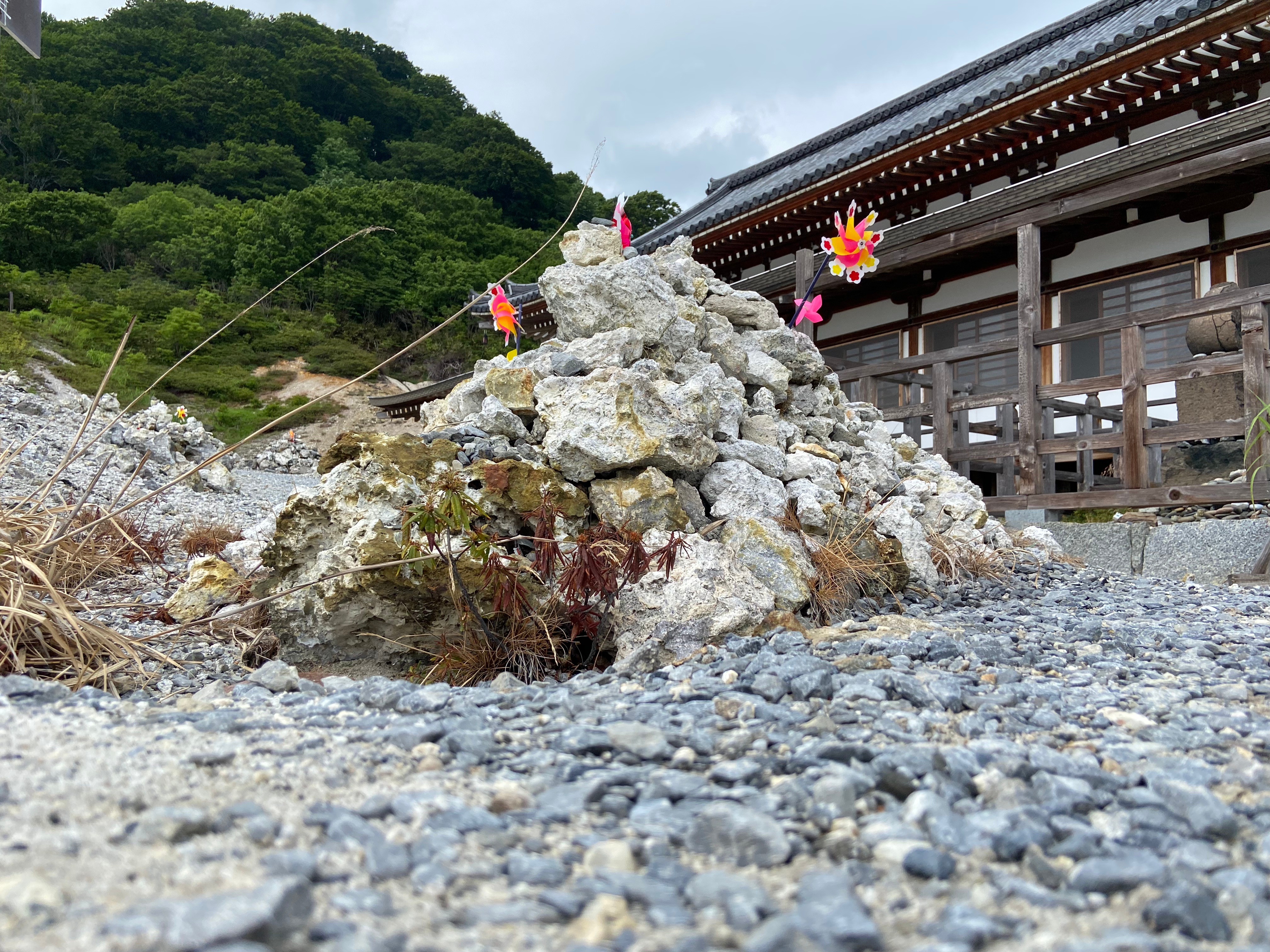
Not far from the river stands Bodaiji Temple, where monks pray for the lost souls who wander Osorezan. After all the stories of sorrow, the temple stands as the only promise of mercy.
Inside, the air hums with low chants. The scent of incense curls through the dim light, thick as fog, as if the prayers themselves are rising. The monks recite sutras; their voices steady. For all the suffering that lingers in the air, this place feels… still.
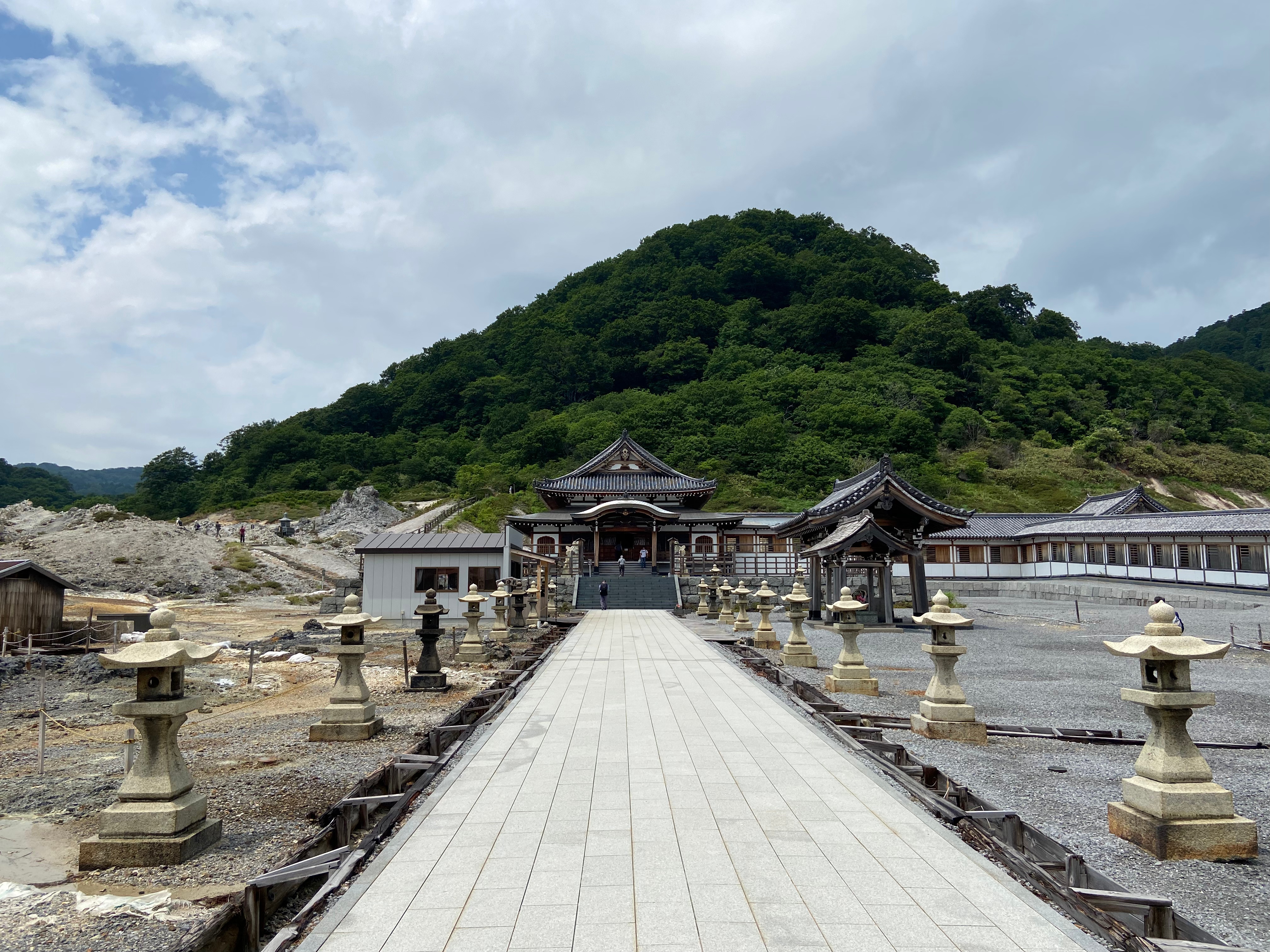
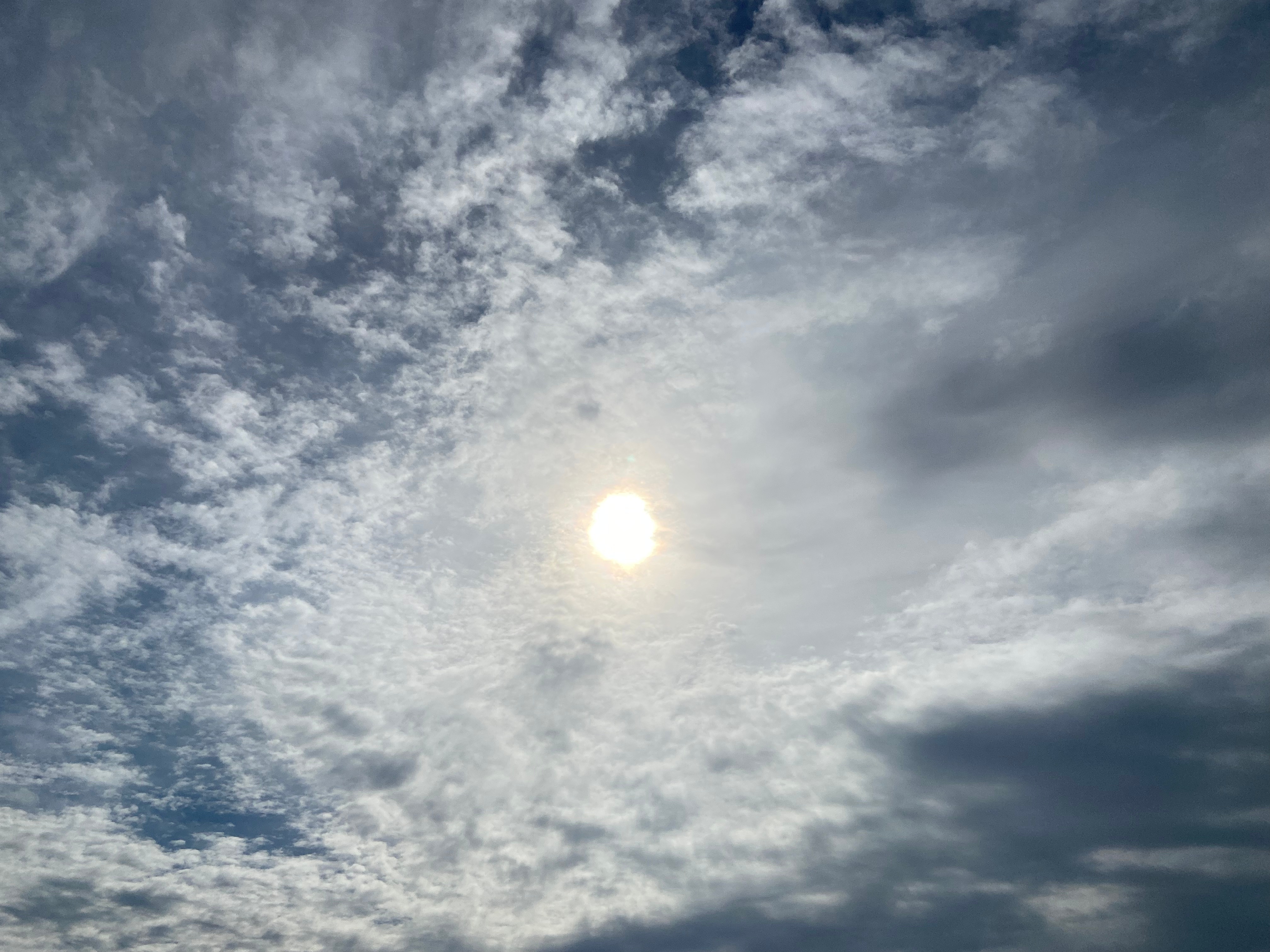
As the sky darkens, bruised and swollen with the weight of a coming storm, I take one last look at Osorezan. The myths here aren’t just stories. They are things we carry. Things we live. The demons at the river are the silent battles fought in hospital beds. The pebbles are the burdens we carry and rebuild, again and again. And the river, the slow, black current, is the harrowing divide between despair and hope; a crossing that everyone must face.
I turn away and begin my descent.
Back at my hotel, an old building stitched together with crumbling wallpaper and tired walls, I try to relax, but the lights buzz like a wasp in a lampshade, and the floorboards creak even when I’m not moving, as if something beneath them is shifting.
I turn on the television. The screen blinks to life; the world rushes back in, bright, absurd, relentless. A puppet show flickers on, but the puppets are just human hands wearing tiny masks. They bow, expressionless. The audience laughs. I change the channel. Static hums for a second too long. An old woman in a blindfold stumbles through a collapsing obstacle course. Laughter again, louder this time. The world keeps moving. Always moving. And I am here… still.
I change one last time. A man in a bear costume is balancing ramen bowls on his head whilst a studio audience screams. I turn the TV off. Hell can wait.
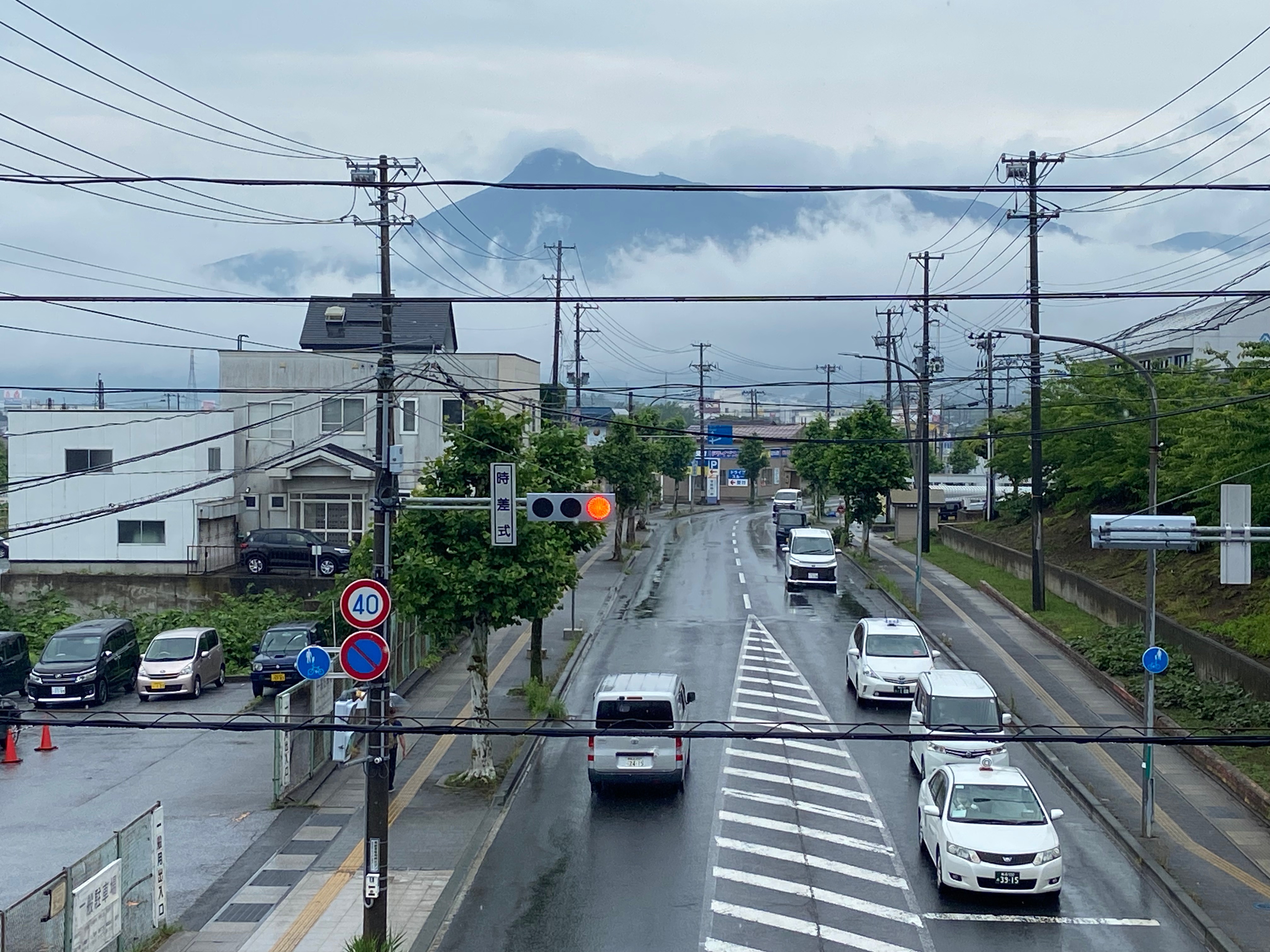
Outside my window, the mountain holds its breath. Somewhere, beneath the floorboards, the dead keep stacking stones.
 Japanising.com
You must be logged in to post a comment.