A Bear Called Kumamon

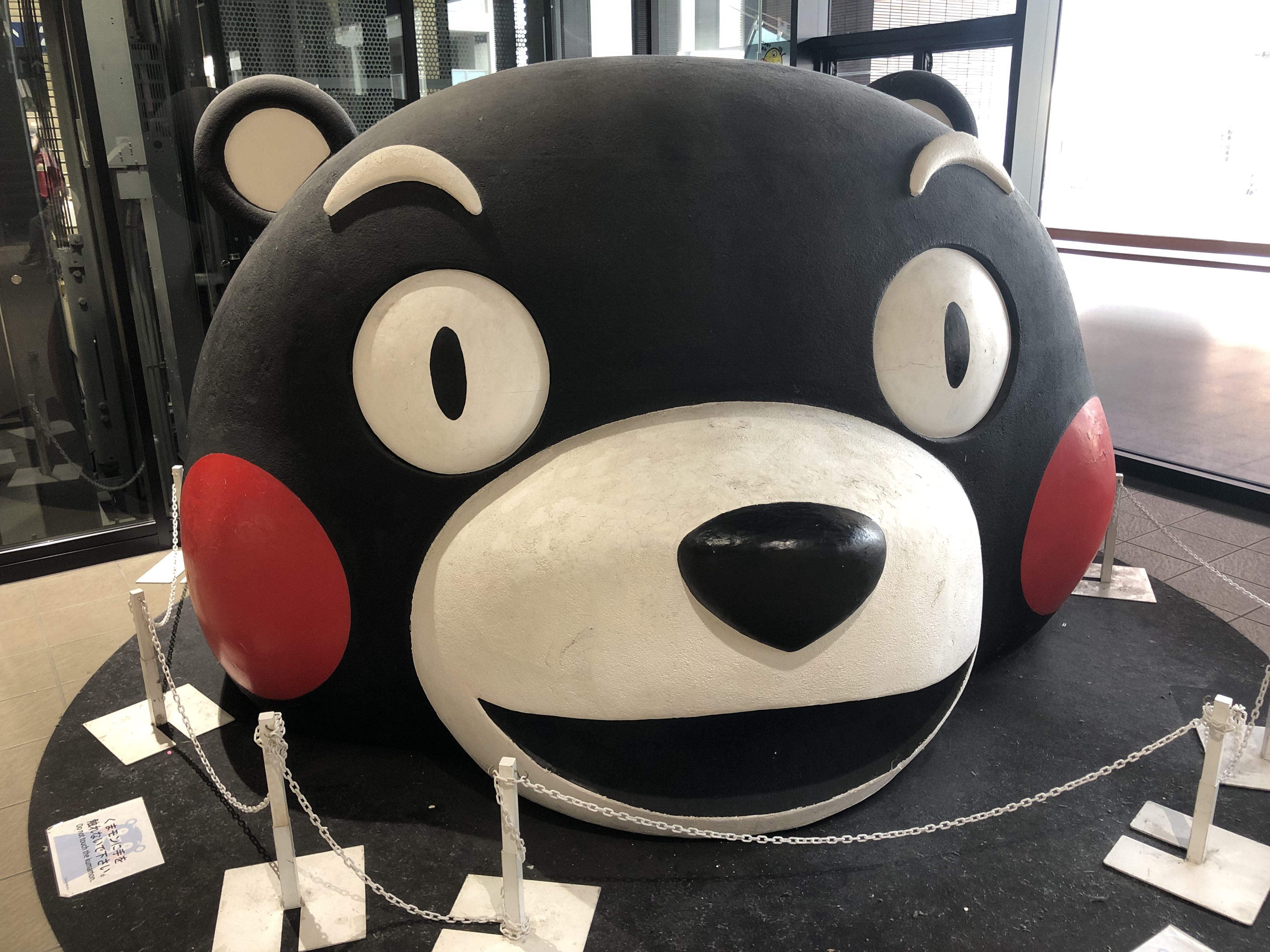
Kumamoto Prefecture is famous for mascots, and not just any mascot, the most famous mascot in all of Japan, Kumamon. In 2010, in a bid to help promote tourism in this region, Kumamon was created. His name literally means ‘Person from Kumamoto’ in the local dialect, and ‘Bear Person’ in Japanese characters. Despite Kumamon being a wide-eyed red-cheeked bear and not a person, the official website states that he is neither, and is in fact just a Kumamon.

Unsurprisingly, there are countless Kumamon within the train station, even a Family Mart doubles up as a souvenir shop selling official Kumamon goods, it’s a bit much.
Exiting Kumamoto Station, I instantly notice the cold. It feels as though I’ve entered a different climate. I start by taking a walk along the Shirakawa River, before returning to the city streets, heading in the direction of Kumamoto Castle. What strikes me as I wander is the complete lack of convenience stores in this area, I’ve been walking for about thirty minutes and I’m yet to see even one.

Eventually I do find a Seven Eleven, and as I enter the shop the heat hits me. It is so hot, the cold outside temperature contrasted to extremity. I’ve found this in Japan, in the summer the convivence stores are remarkably cold, with air conditioning turned down to a freezing blast. One cold day and they’ll switch to heating at full blast. Leaving Seven Eleven, I continue my walk, before spotting a giant statue of Kato Kiyomasa.
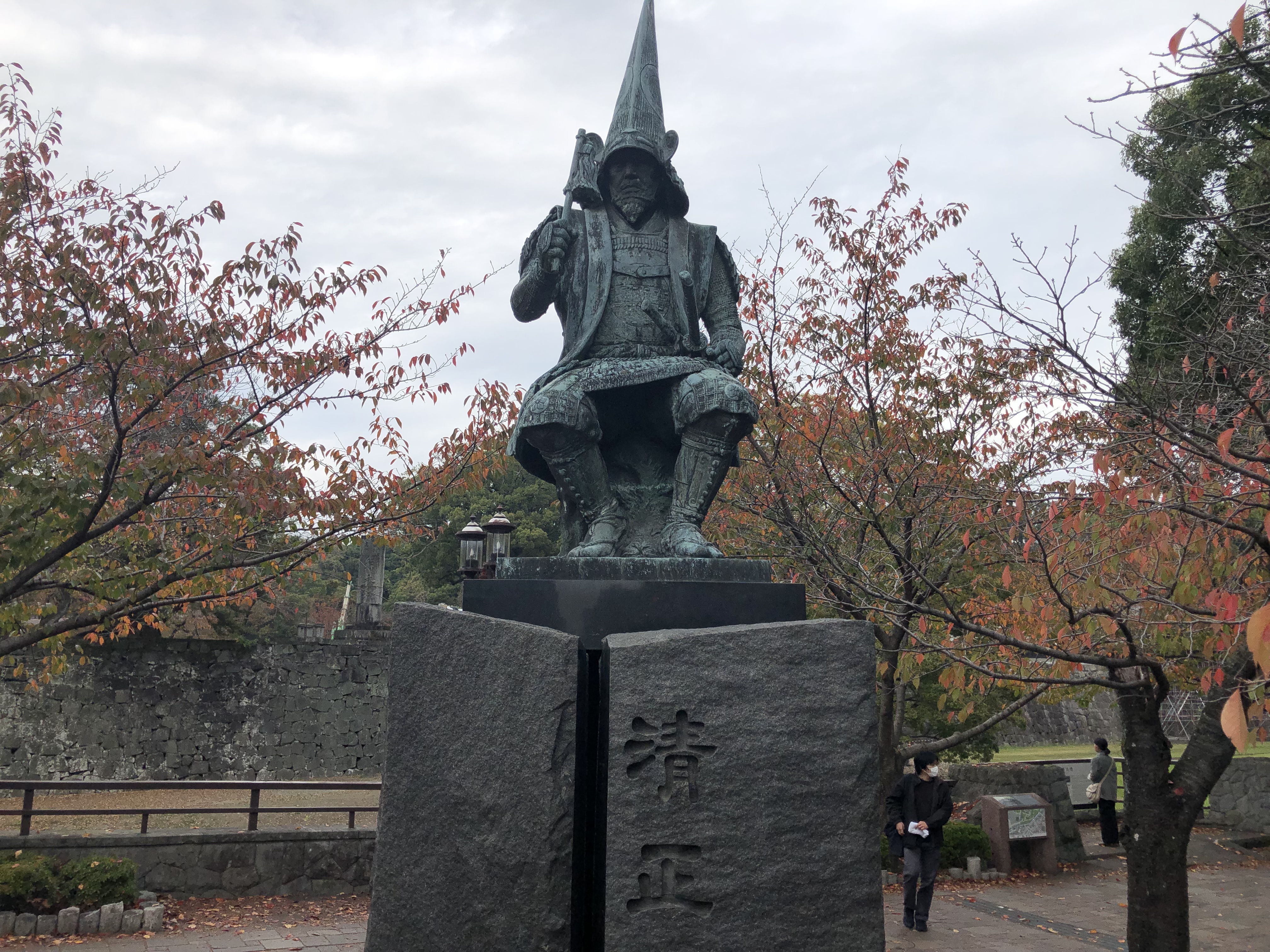
Kiyomasa was a fierce warrior, designer of castles, and was a general who led an army of 100,000 samurai into Korea. The sign next to the massive statue says, “He is wearing his trademark beard and a kind of tall black hat. The statue is slightly larger than life size.” I look back up at the Herculean statue. I look down at the tiny person next to the statue. I decide slightly larger is a huge understatement.

During the Japanese invasions of Korea (1592-1598) Kato Kiyomasa’s army were ordered to slice off the noses of those they had killed, pickle them in salt, and send them back to Japan. During the Battle of Hondo, Kiyomasa ordered his men to slice open the bellies of every pregnant Christian woman, and then to cut off their infants’ heads. Kiyomasa, it seems, was slightly barbaric. I decide to go and have a look at the castle he designed.
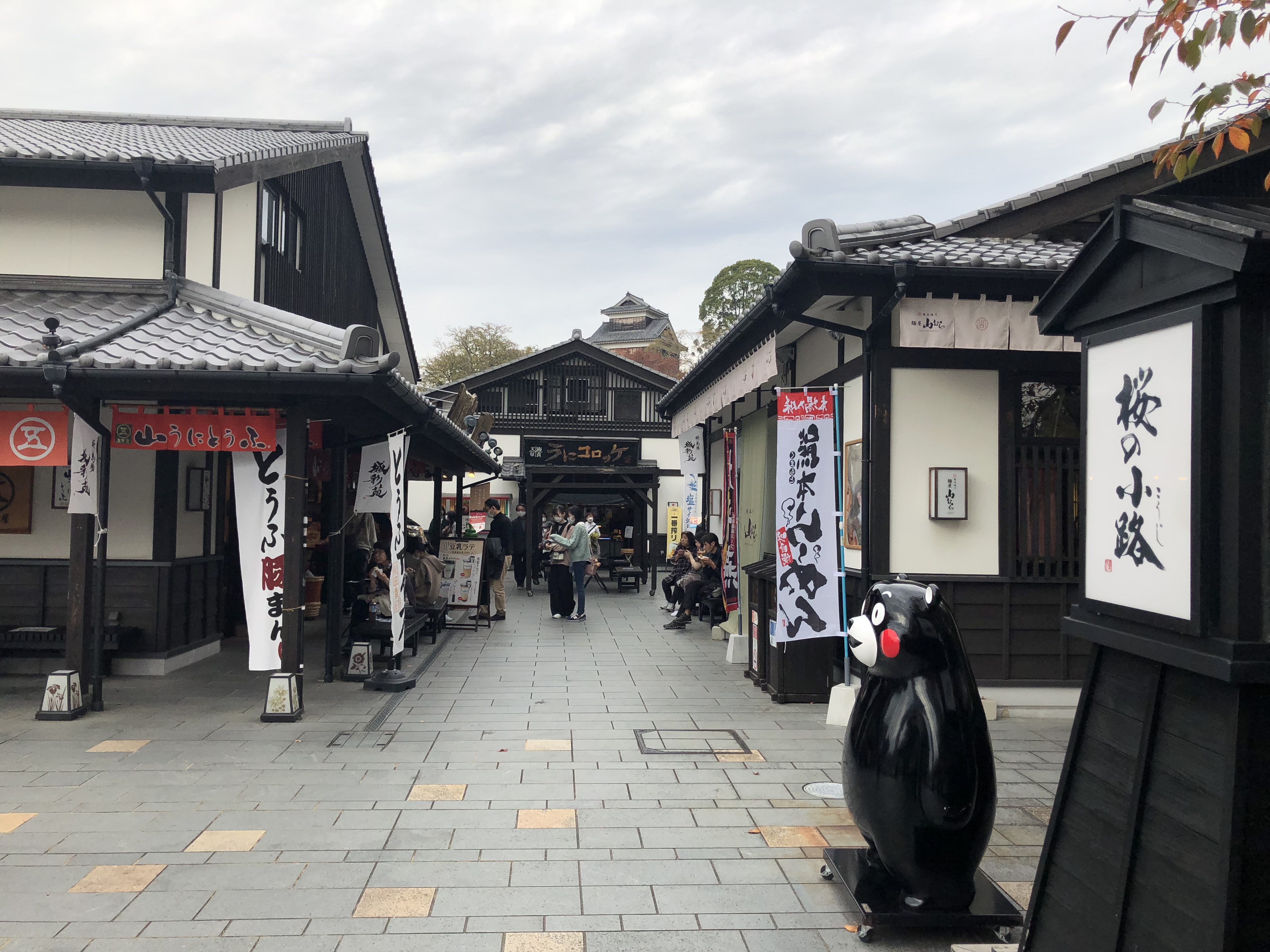
“Above the stone wall of the minor tower, there were iron spikes called shinobi-gaeshi, which were used to help keep out enemies, with various traps laid out in inconspicuous places. Searching for these is one of many ways to enjoy Kumamoto Castle,” states a sign at the entrance.

Kumamoto Castle was completed in 1607 by Kato Kiyamasa, and boasts its very own virtual reality technology. Here you can enjoy discovering Kumamoto Castle and its history through VR. You can even see the castle using virtual reality. I can see the virtual reality booths from the actual castle.

I leave the castle and head to the nearby Suizenji Jojuen Gardens.
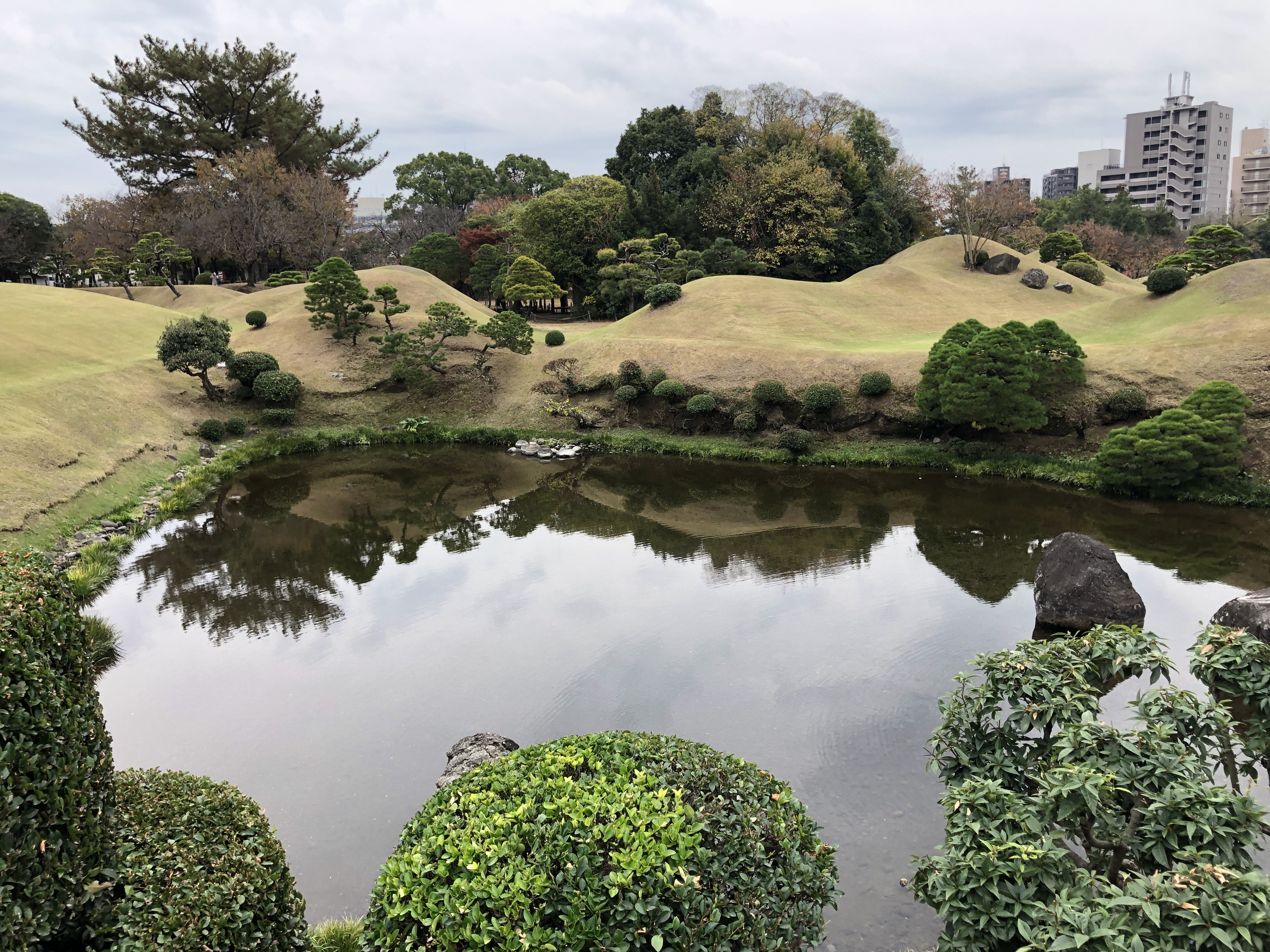
These gardens are on the southeast side of Kumamoto Castle and they are beautiful. There is a large lake in the middle, a small tea house, a Buddhist temple, and even an artificial mountain in the shape of Mount Fuji. I take a time to explore the gardens and their many attractions, lanterns, and monuments. Three old Japanese ladies stop to say hello to me as I stand reading a sign next to a tree.

Nagi, Tree of Matchmaking, regarded as an auspicious plant since ancient times, has two broad leaves that grow symmetrically like a couple at each point of the twig. The custom is for the female to keep the leaf behind her mirror; the strength of the leaf symbolising the strength of the relationship with her partner. The sign says, “A couple keeping a leaf can have a faithful married life without a two-faced relationship.”

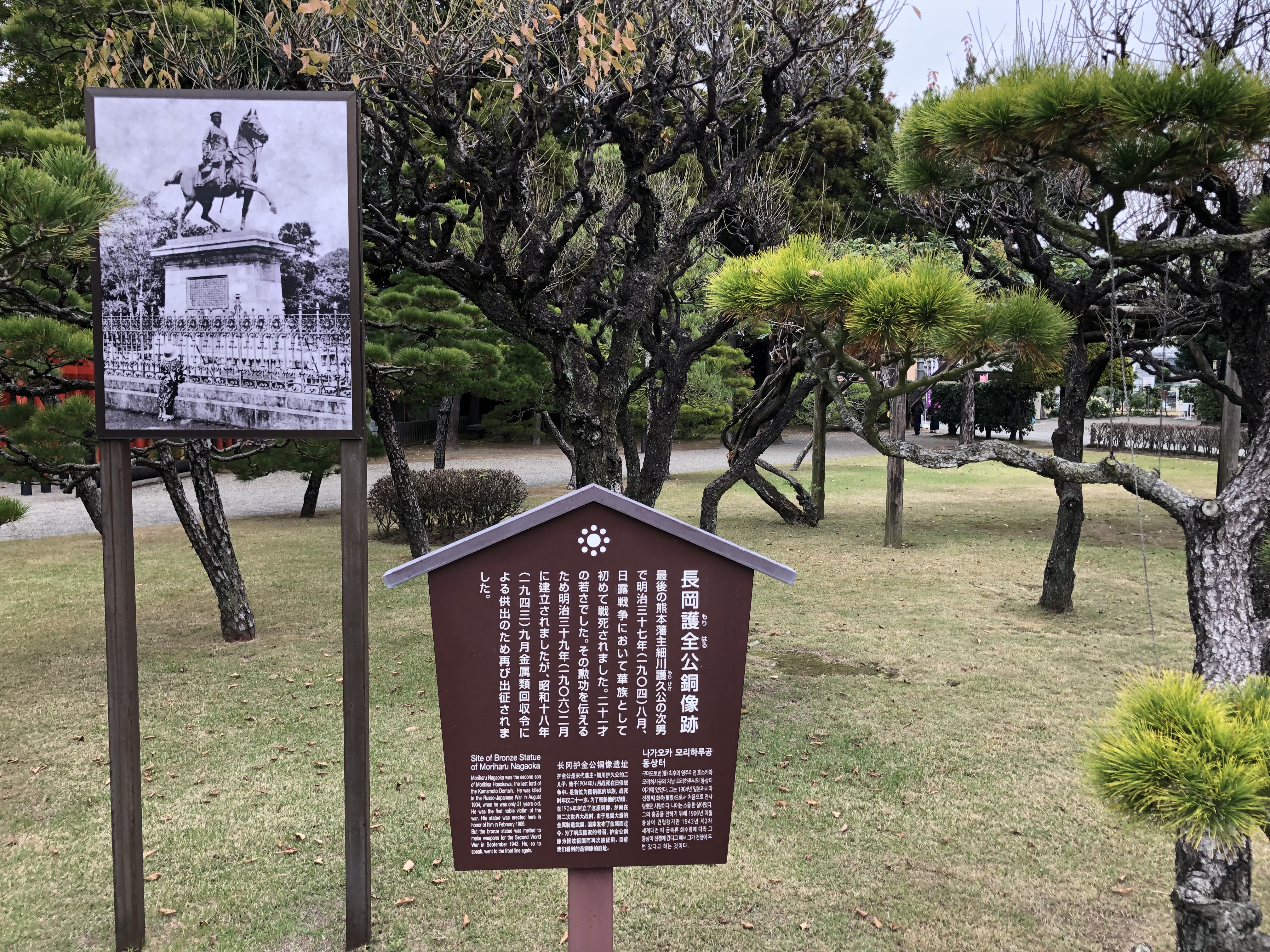
Next to the tree is the bronze statue of Moriharu Nagaoka, or at least that’s what’s supposed to be here. It seems that the enormous bronze statue has been stolen and replaced by an old photograph of the statue.
I leave the gardens and begin to walk in the direction of the Kumamoto Prefectural Government Office. I notice the pavements here are in somewhat disarray, and I keep tripping up on loose bricks. Some teenage Japanese guy approaches me and tells me he’s from Ibaraki Prefecture. He asks to take a photograph of me. I think he thinks I am somebody else.

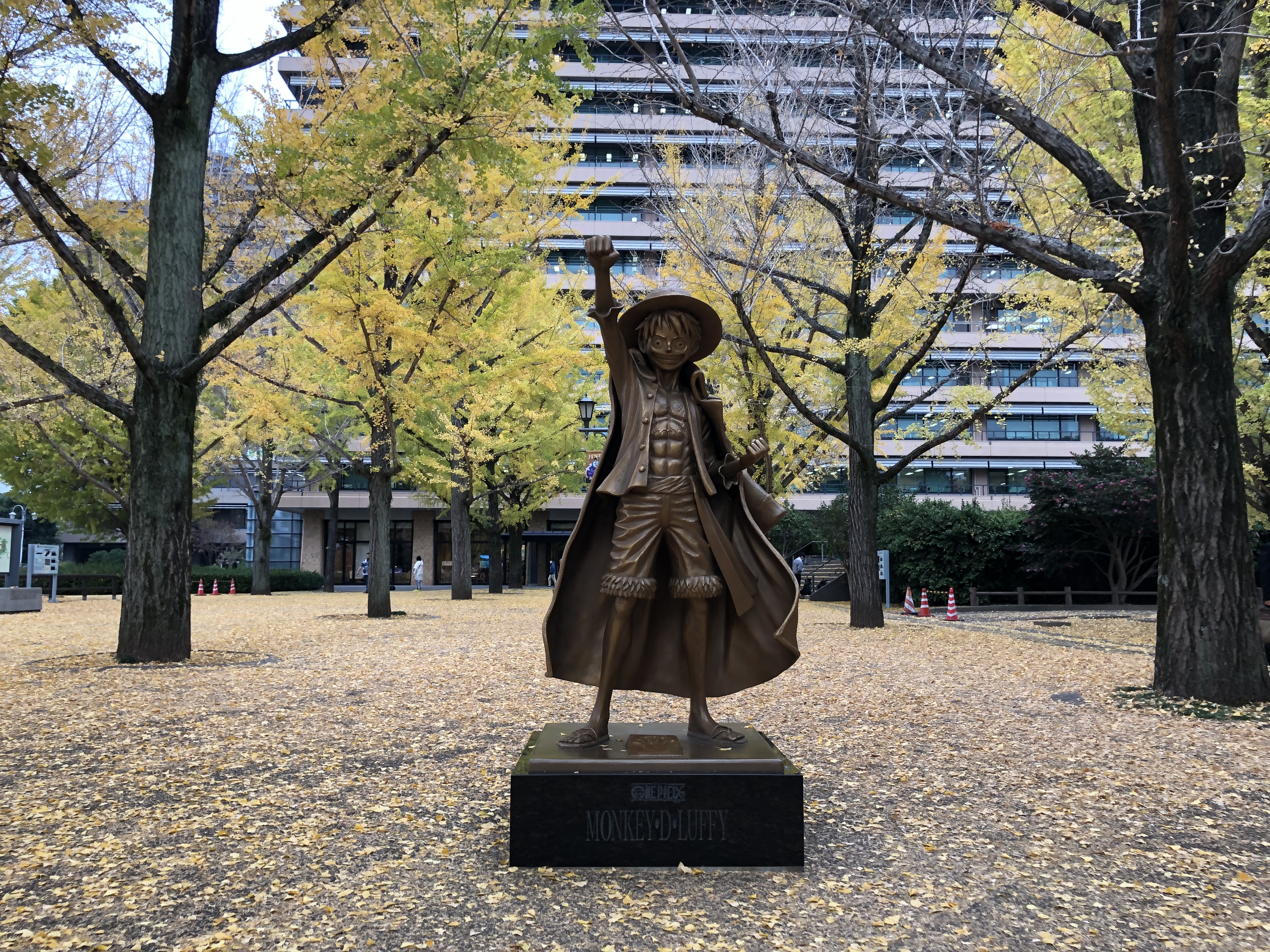
I pass police stations and car parks which are using Kumamon to advertise. I see a woman wearing a shirt that says, “Declare Bouncy Sanction,” whatever that means. I reach the grounds of the government office and wander straight over to where a crowd of people are having their photographs taken next to a statue of Monkey D. Luffy.

Luffy is the main character in One Piece, a pirate anime which first aired in 1999, and at the time of writing, there are 1,043 episodes. The show features Devil Fruits which when eaten give the characters superhuman powers. As I photograph the statue, a child approaches me and asks me how I am, “I’m very well thank you, and you?” is my reply.
“I’m happy good,” says the child.
I leave Luffy and start back in the direction of Kumamoto Station, getting a little lost in the process. My phone tells me that I have walked 40,000 steps today. My phone also tells me that I have just 3% battery remaining. After my phone dies I have no access to any maps, and it does, and I get further lost. Eventually, I do find the train station, and needless to say, I get back home in one piece.
A Bridge, Too Far

Today I’m going to walk across the sky. I leave my hotel in Miyazaki City at 8 o’clock sharp and cross the road to the bus stop opposite. My bus isn’t quite as punctual and arrives six minutes late. It’s a one hour drive to Aya Town, a place that describes itself as one of the most beautiful villages in Japan, a title that intends to enhance the added value of sightseeing and develop the regional economy, or so the flyer explains.

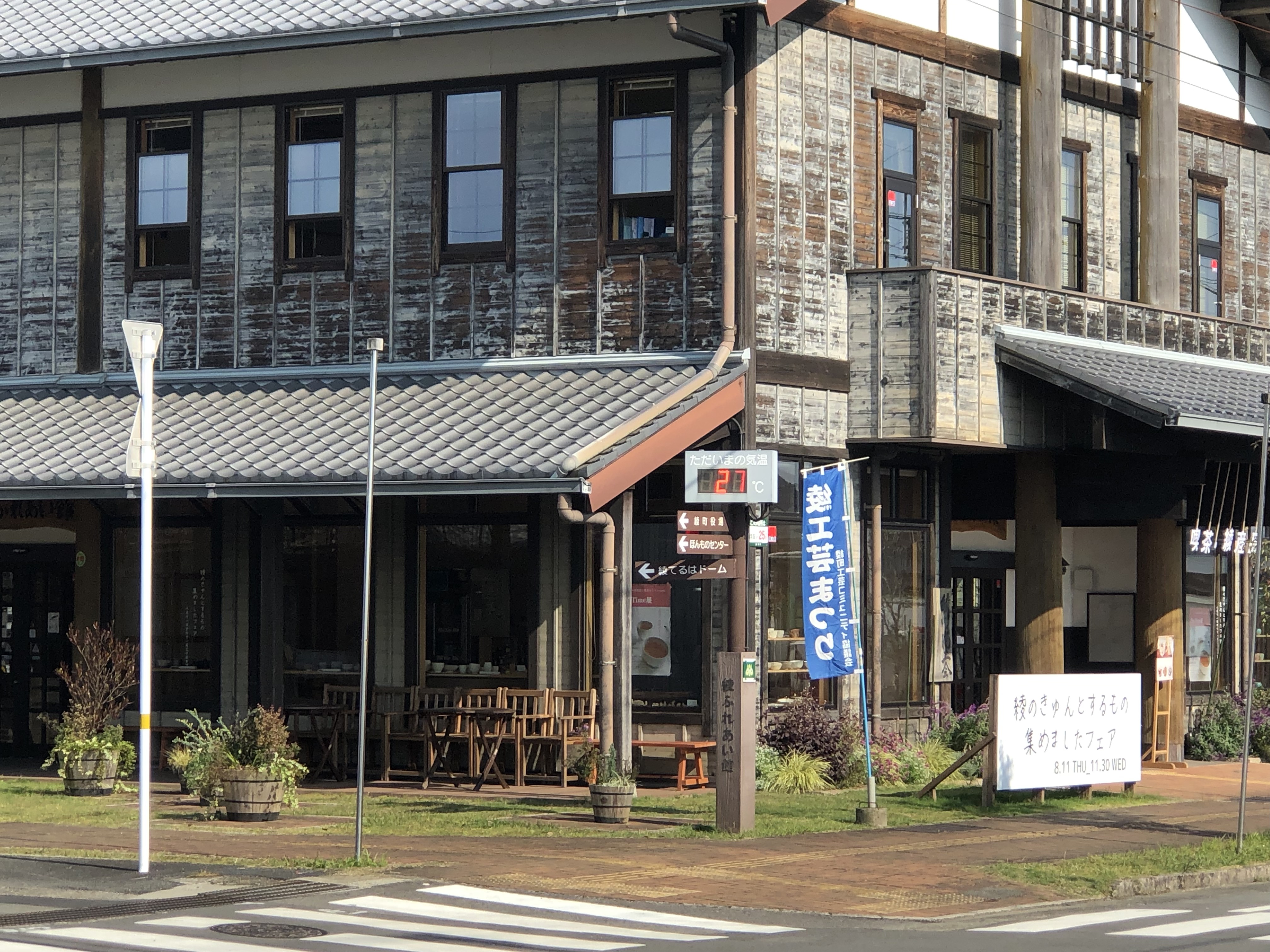
I arrive at Aya Bus Station, probably the smallest bus station I’ve ever seen. The town of Aya is located at the foot of the Kyushu Mountains, is incredibly rural, and over 75% of the total area is made up of forests, specifically warm-temperate evergreen broadleaf forests. Despite it being just after nine in the morning, and technically winter, a digital display screen accurately informs me that the temperature right now is 27°C.

I check the bus timetable but can only see buses here that go back to Miyazaki City, so I decide to walk; my destination a mere twelve kilometres away, up a mountain. The first hour of my stroll is along a straight country road passing rice fields and old houses, before it eventually turns into the aforementioned mountain forest.

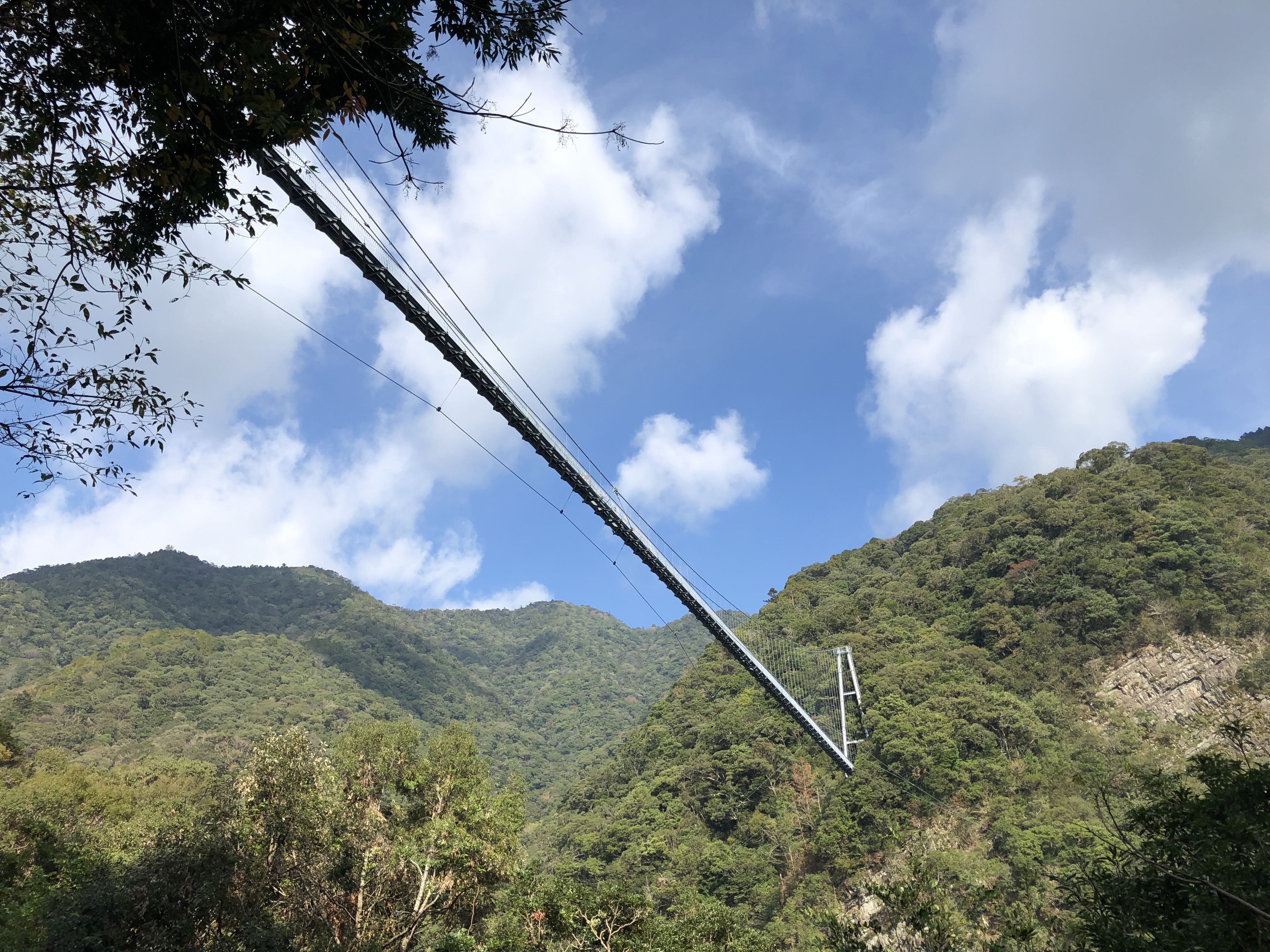
The forest is breathtaking, it meanders skywards further and higher into the mountains. Small waterfalls appear intermittently, the Hongo River below shines a cobalt blue, the track is steep but fair, and the only thing I have to complain about is the intense heat. The final kilometre becomes steeper still, but I go on, for above me, hanging majestically across the sky, sits a bridge.

To be entirely honest, I don’t like heights. Just gazing up at the bridge from below makes me unsteady. I wasn’t expecting the bridge to be so enormous. I squint and see tiny people on the bridge, their scale in comparison to its delicate metal frame is bewildering. I look up and stare and mutter to myself, “Not a chance. Not a chance.”

I’m not out of the woods yet, I discover that I still have another four kilometres to reach the actual entrance to the bridge, the four steepest of the kilometres. Hot, thirsty, and feeling as though I have walked for hours (I have), I long for nothing more than a vending machine, and as I finally reach the entrance to the bridge, the first thing I do is reach for a bottle of Pocari Sweat.

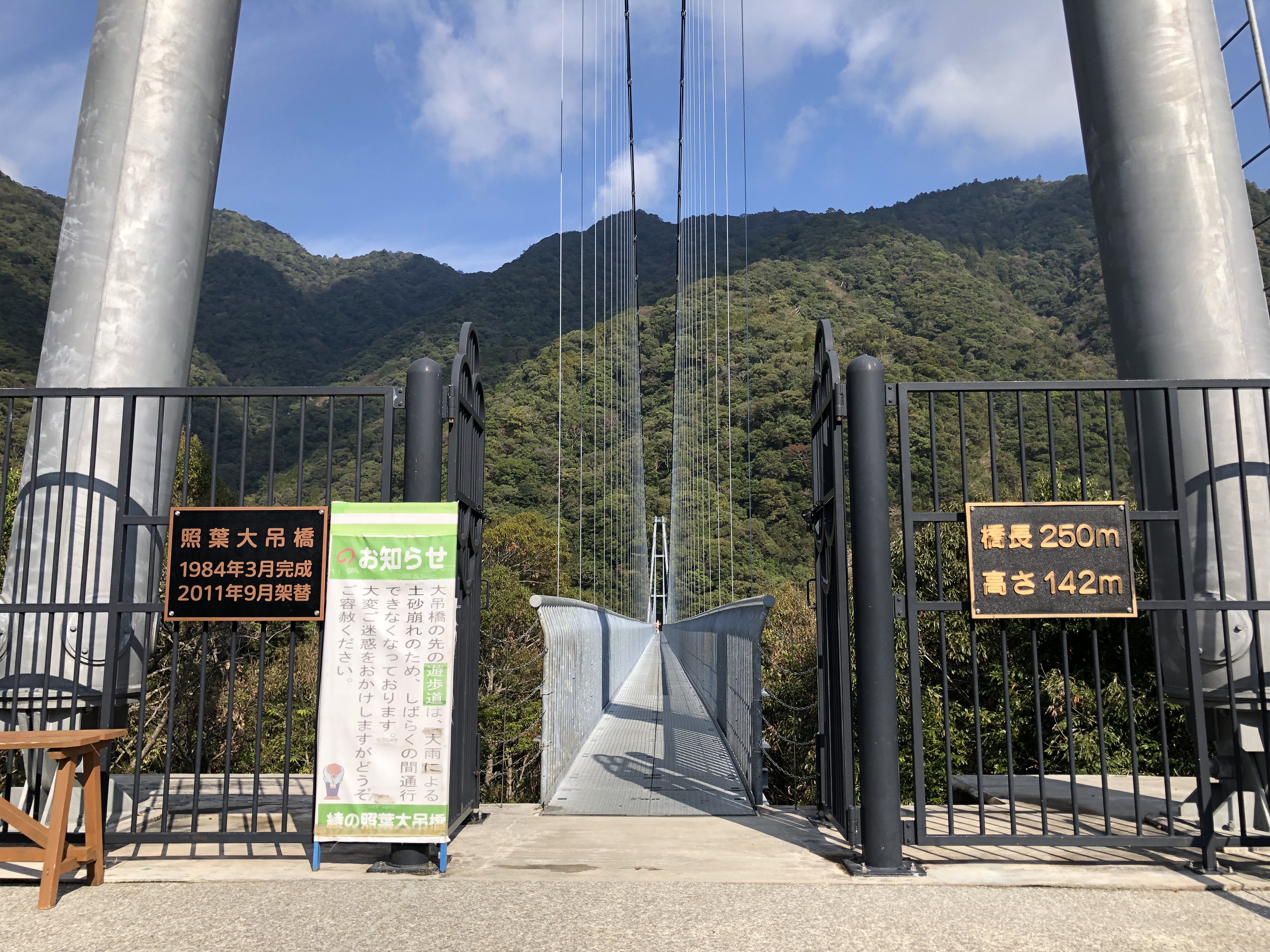
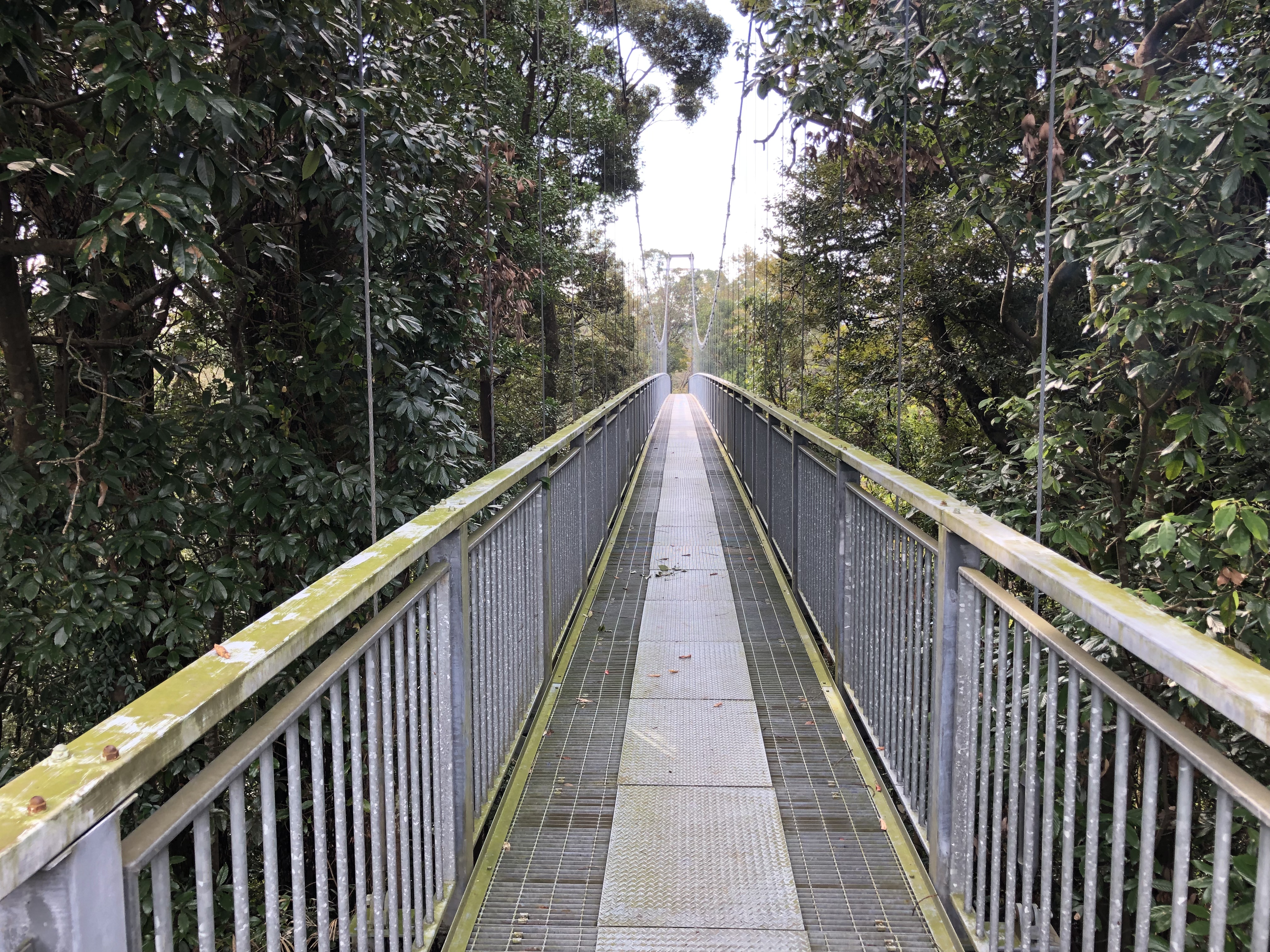
The Aya Teruha Suspension Bridge was original built in 1984, but due to safety concerns it had to be reconstructed in 2011. The bridge is a ridiculous 250 metres in length and its highest point 142 metres from the Ayaminami River below. The bridge had, up until a few years ago, held the records for being the longest bridge in the world and the highest bridge in the world.

“Not a chance,” I utter aloud once again, before stepping onto the bridge.

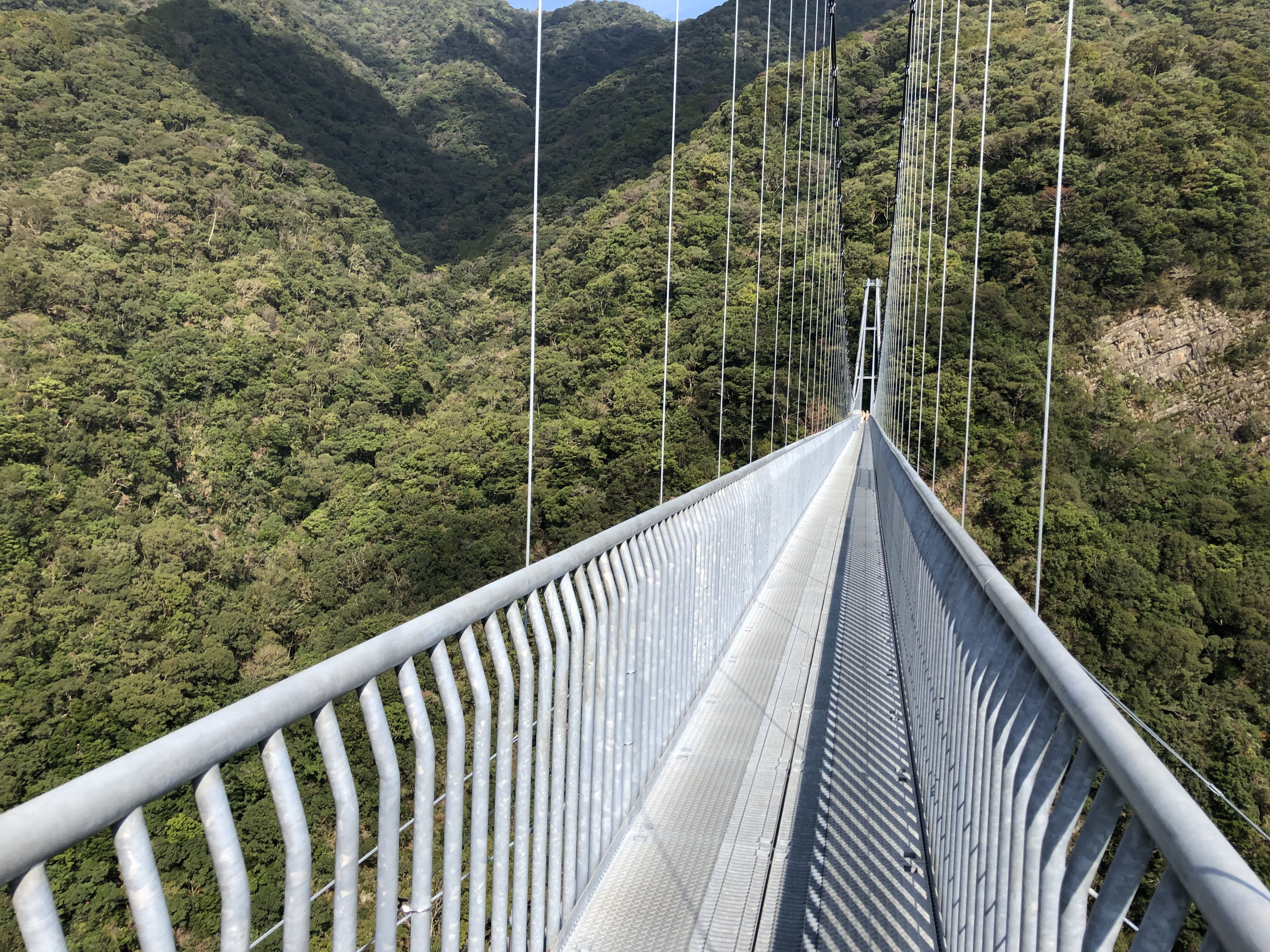
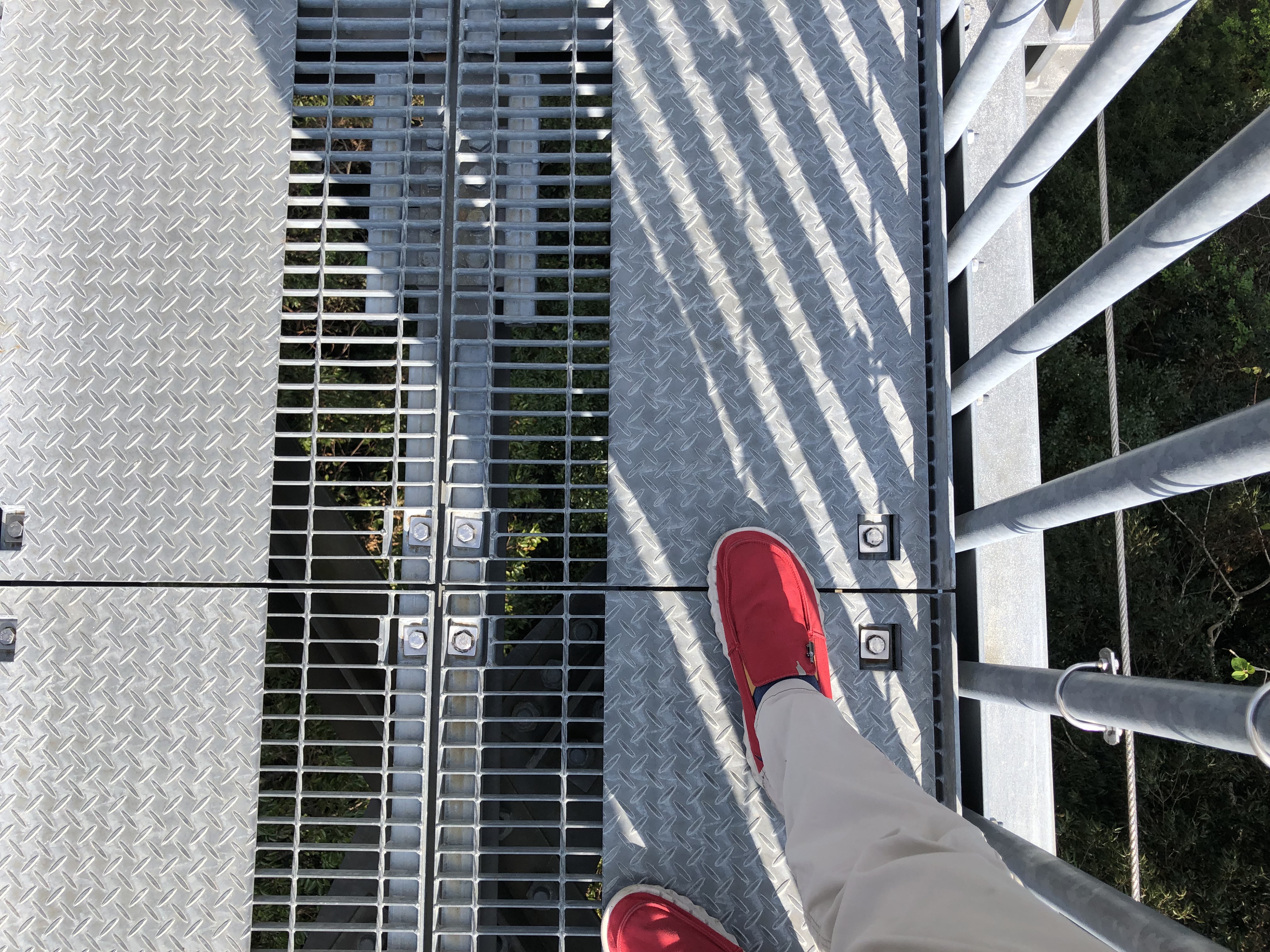
I stride along the bridge with ease. I look around and admire the view of the dark green glossy leaves that cover every inch of the mountains beyond, the hot bright sun dazzling in the blue sky above and painting the forest in its radiant glow, the bridge, with its grated walkway that spans its entire length; it makes me feel as though there is nothing beneath me, just the impending oblivion below, the anticipation of apprehension, panic washing over me, I become enveloped by the empty feeling of dread, that something here isn’t quite right. I suddenly feel lost and found in the same moment, the inevitable misery of the end, flickering in my thoughts, a cocktail of emotions swirling around, one step at a time.

I stop to let the feeling pass, it will pass, and it does. All the fear inside of me scatters away in a single moment, like a lonely sand castle collapsing on a desolate beach, suddenly, it is gone, and I return to myself.

As I reach the other side, the first thing I notice is the strong smell of the lucidophyllous trees. The second thing I notice is that the path ahead twists toward a long promenade that runs along the mountain slope then loops around, before eventually returning to its starting position, the Aya Teruha Suspension Bridge. I’m rather annoyed as I have to cross the bridge for a second time.

Back down the mountain I go, and some fifteen kilometres later I arrive at the entrance to Aya Castle.

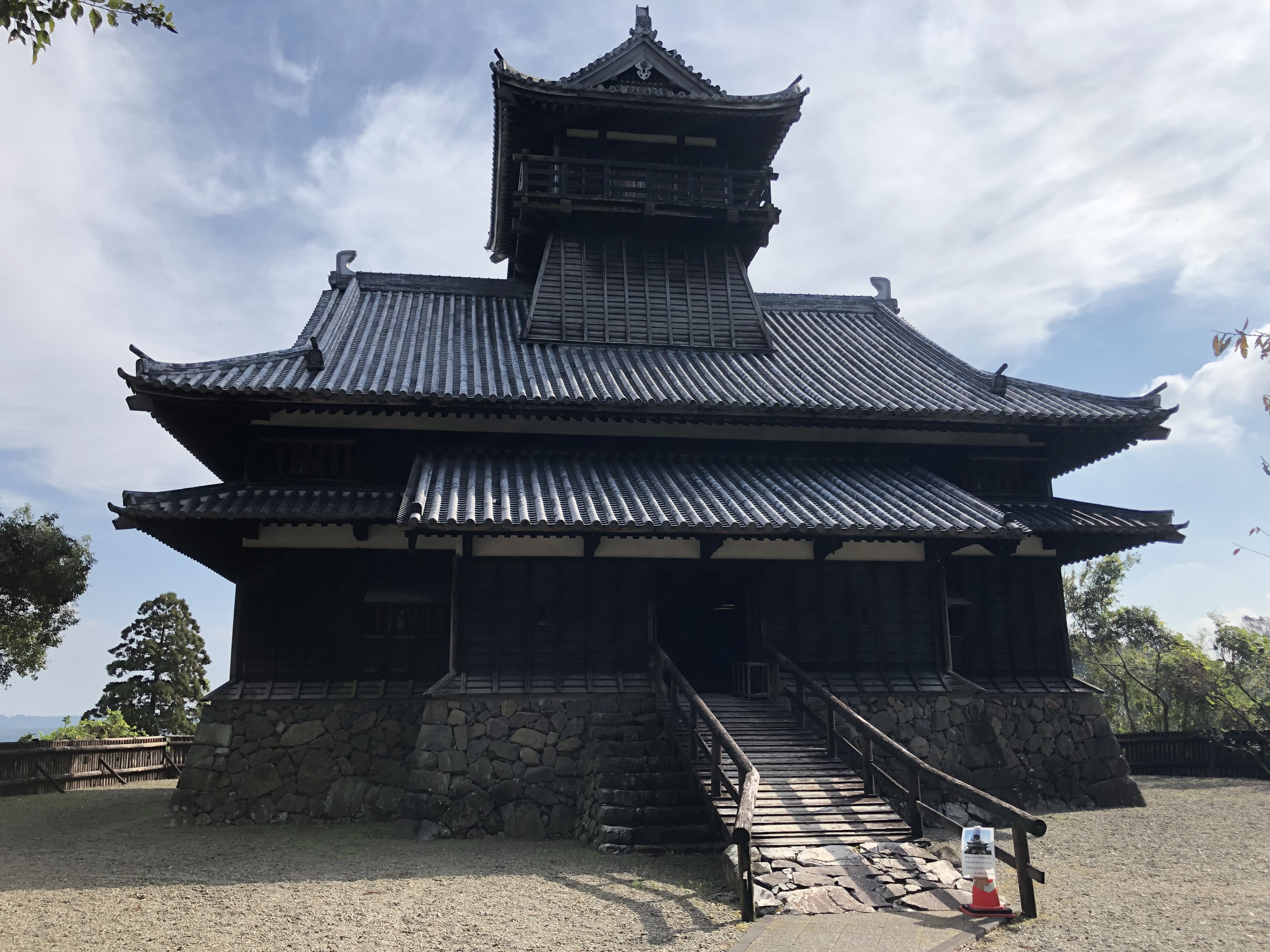
Only built in 1985, this place describes itself as Japan’s oldest mountain castle, but it’s not; it isn’t even on a mountain. This is a reconstruction of a castle that was destroyed 700 years ago. Inside this wooden castle is a small museum commemorating feudal warriors and the history of Aya Town.

Leaving Aya Castle I wander back in the direction of Aya Bus Station, however, before I can leave, for whatever reason, I have to cross over yet another suspension bridge; this one is a lot shorter, but still high enough above the ground to once again trigger my fear of heights.

I decide that this is one bridge too many, it exceeds the limits of what is reasonable and acceptable. It literally is a bridge too far.

Show My Gear, the Policeman Said

I am standing in Seven Eleven, queueing up to buy my morning coffee. The man two before me in the queue smiles and nods as our glances cross. I don’t recognise him, yet he keeps his eyes fixed on mine, quietly staring. Eventually, he points to his eyes and says, “Your eyes are blue.” He seems to be in a state of amazement, “Europa?” he asks.
I decide not to correct him, despite me not being from one of the moons of Jupiter. “Yes,” I say, “England.”
He pauses for thought for a time before asking, “Are you happy?” His question catches me off guard, and I have to give it a certain degree of thought. Perhaps I look a little miserable because I am standing in Seven Eleven at 9 a.m. I eventually reply with a yes. “Good, you should be happy, have a nice day.” With that, he pays for his can of beer and leaves the store.

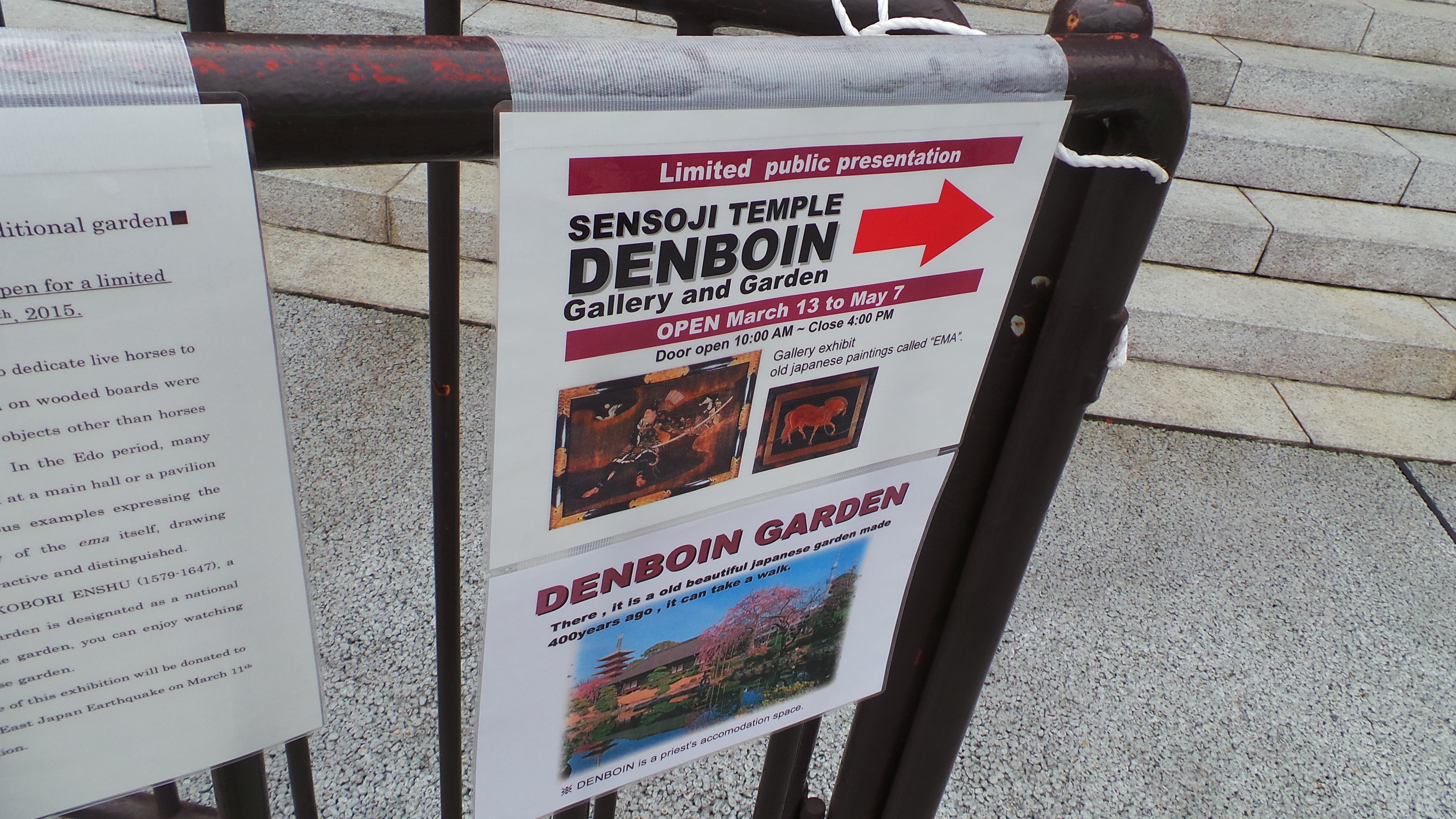
I cycle over to Asakusa, to Senso-ji Temple. To mark the four-year anniversary of the Great East Japan Earthquake, the temple has opened up its secret garden and gallery to the public. ¥300 to enter, and all the proceeds will be donated to support the ongoing recovery. A sign at the entrance says, “There, it is an old beautiful Japanese garden made 400 years ago, it can take a walk.”

takeawalk

I have often seen these gardens on the maps around the temple, and even tried to find them once or twice, but to no avail. Now it is clear to me why; they were a secret. I start queueing just before they open at 10 a.m. Waiting in line once again, but with nobody asking me about being from Jupiter, I stay calm. Eventually, the doors open, and I pay my ¥300 entry fee.

It isn’t just the gardens that are open to the public for the next two months, but also a gallery of artwork depicting samurai and legends. Good quality artwork; dated. No photography is allowed inside the gallery, but for anyone in Tokyo right now or in the coming months, I urge you to visit. It is for a great cause, and the artwork is stunning. After wandering around inside for a time, I head out into the gardens, where my breath is stolen away by the beauty.

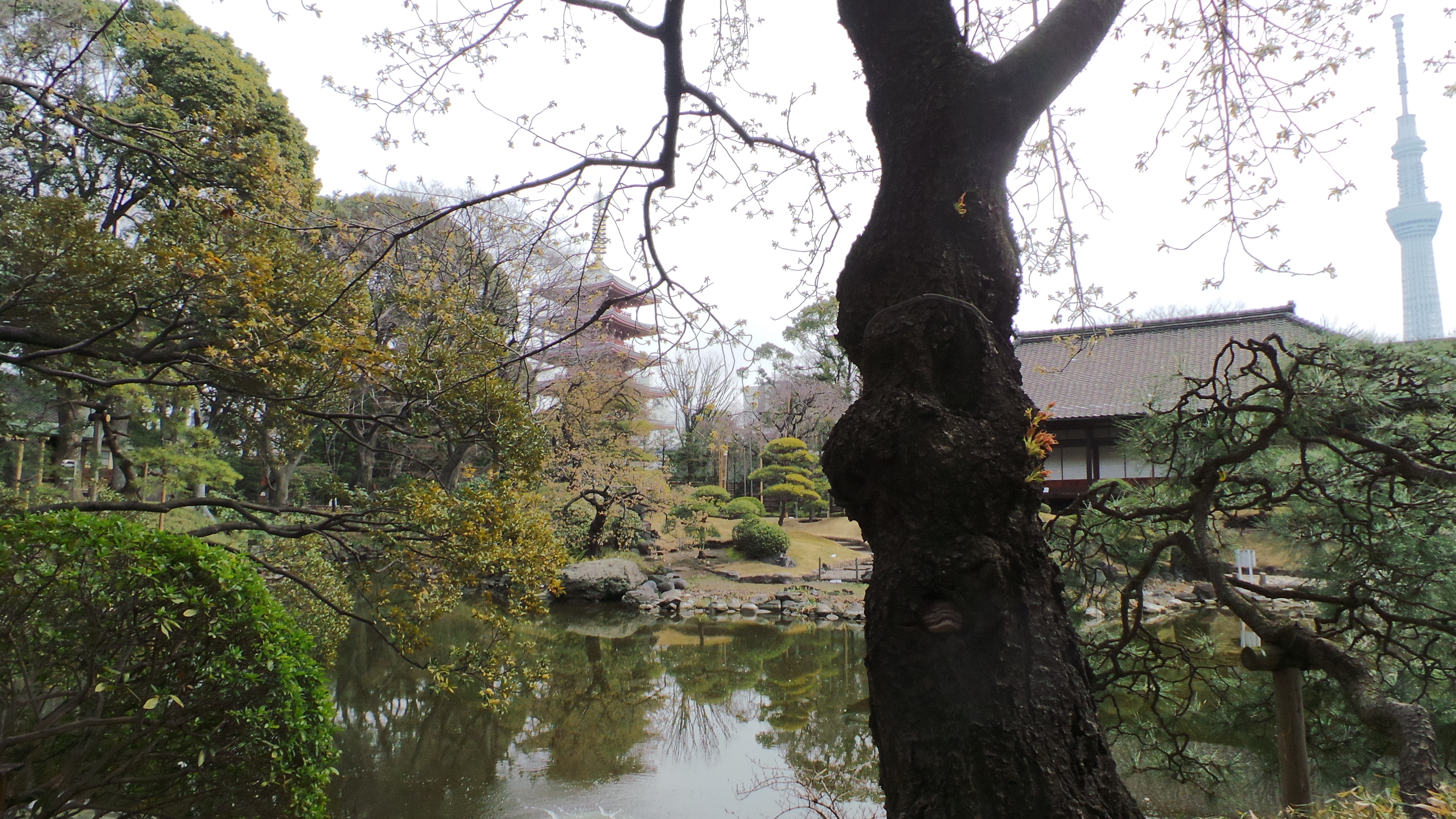
sensogard

Why these gardens are normally closed is beyond me. Prior to the earthquake, the gardens were visited exclusively by noblemen. One thousand square metres of garden, made by an eminent gardener in the early 17th century, sit behind hidden walls. A small building known as Denbou-in stands in the garden, a place where priests from the temple would train in Buddhist discipline. It also became a lodging place for the many nobles that came here to visit. I wander around the circuit, following the route of the signs, and take great care with the multiple signs instructing me to, “Please stop walking, drink in the garden!”

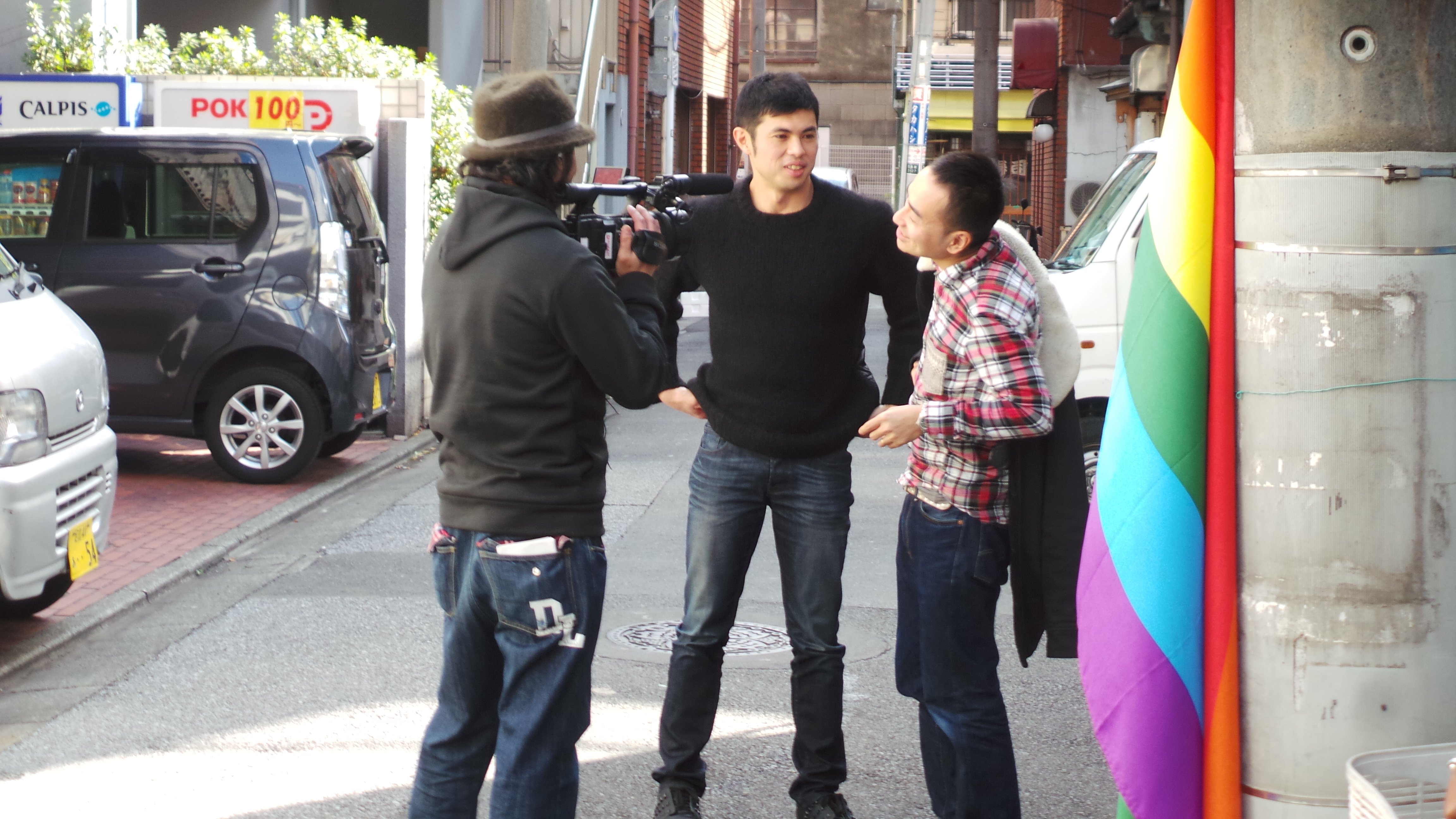
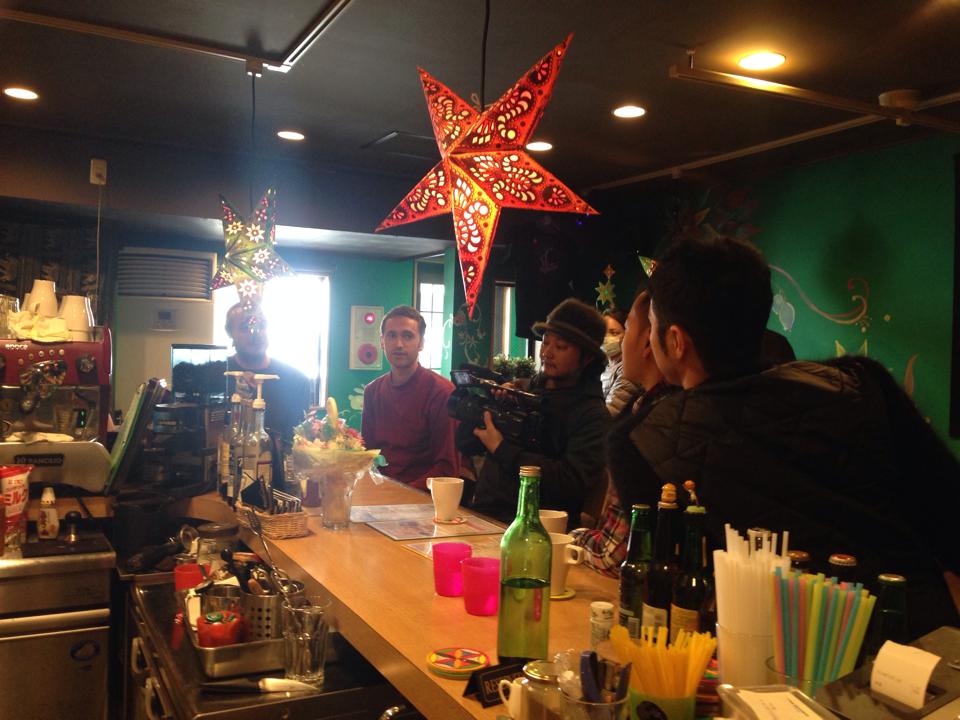
After enjoying the scenery, I head, as usual, to Cafe Byron Bay. Today, I am taking part in a television show starring Yoshio Kojima, a comedian I previously met back in August.

yoshiokojima

The show features a second comedian, Udai Iwasaki. Very little information can be found about this man. Apparently, he won an award in 2013 for being the funniest man in Japan. He is in a comedy group known as Kamomental, which translates to mean Duck Metal, and his blood type is AB. When researching Yoshio Kojima, I am not at all surprised to find a mention of his blood type, a slight obsession in Japan similar to horoscopes. For the record, his blood type is O.

The show is in English and is a tour of Yoshio Kojima’s favourite neighbourhood, Asakusa. “This coffee is very comfortable,” he says, sipping on his latte. Everyone gets interviewed about where they are from or why they came to Japan before Yoshio Kojima treats us to his famous catchphrase, performed again in English. After that, the show ends. I get a chance to talk to the comedians a little after the shooting. Both of them have excellent English ability and are both very nice people.

comedyshowagain

The show will air on CS TV Asahi on either May 10th or 24th, but the television people haven’t decided yet. Overall, the shooting was good fun, but I am not sure how much of myself will be included in the final cut.

I leave the cafe and start walking toward my house. As part of my application process to stay in Japan a little longer, I have to get my photograph taken. I find a photo booth that offers the size of photograph that I require, and after inserting my ¥900, I discover that the booth speaks two languages, Japanese and American. Call me naïve, but I didn’t know that there was a language called American. Regardless, a nice man speaks to me in English after I select this option, photographs are snapped, and finally, I am given the chance to modify my photographs. With summer just a few months away, I opt for the sun tan option. “Your photograph will be ready in nineteen seconds,” says the voice in English. Very precise.

As I near my house, two policemen surround me, and in broken English, they ask me for my identification, look at every card in my wallet, search my pockets, write things down, look at me with suspicion, then they apologise, get back on their one-speed bicycles, and disappear; presumably to harass somebody else. A part of me questions their selection process, and for whatever reason, I become adamant that it has something to do with me being from Europa.

Murder on the Tsukuba Express

Today, the weather is very warm, so I decide to take a train to Ibaraki Prefecture, to a little place called Tsukuba. At Tsukuba Station, I take a ¥720 bus that crawls for thirty minutes toward Tsukuba Mountain. Eventually, I get off the bus. The only tourists here are old Japanese women who have made the journey to this mountain to look at flowers.

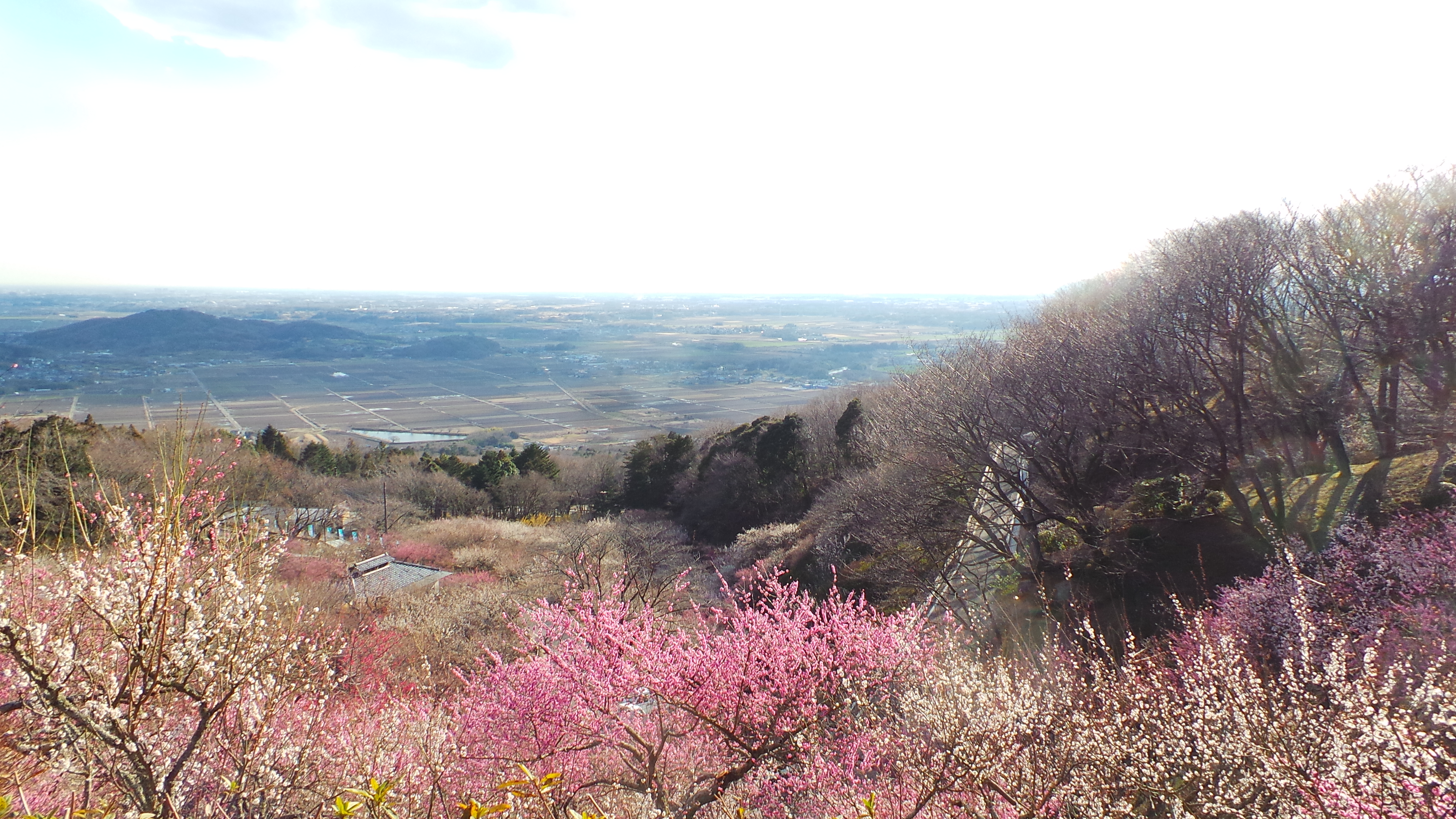
The first thing that strikes me as I stroll off the bus is the view. The day is relatively clear, and the distance is a sea of fields and countryside that seemingly spread forever before eventually blending into the whiteness of bright, sunlit clouds. One of the reasons I am here today, like the old women, is to look at flowers—flowers of beautiful pink and white. The other reason is that this steep mountain is steeped in history.

tsukuba5

In March 1864, an army was raised on this very mountain, led by a samurai named Fujita Koshiro. The army, known as Tsukubazei, opposed plans to close Yokohama Port and exclude foreign ships from entering Japan. Even the law to stop foreigners from entering Japan was considered barbaric; it was called the ‘Order to Expel Barbarians’.

The twenty-three-year-old leader led his army of samurai and farmers in what became a war against Emperor Komei. The battle was lost, and the entire army was beheaded. This event contributed to the ending of the Edo Period and the start of the Meiji Restoration.

tsukuba1

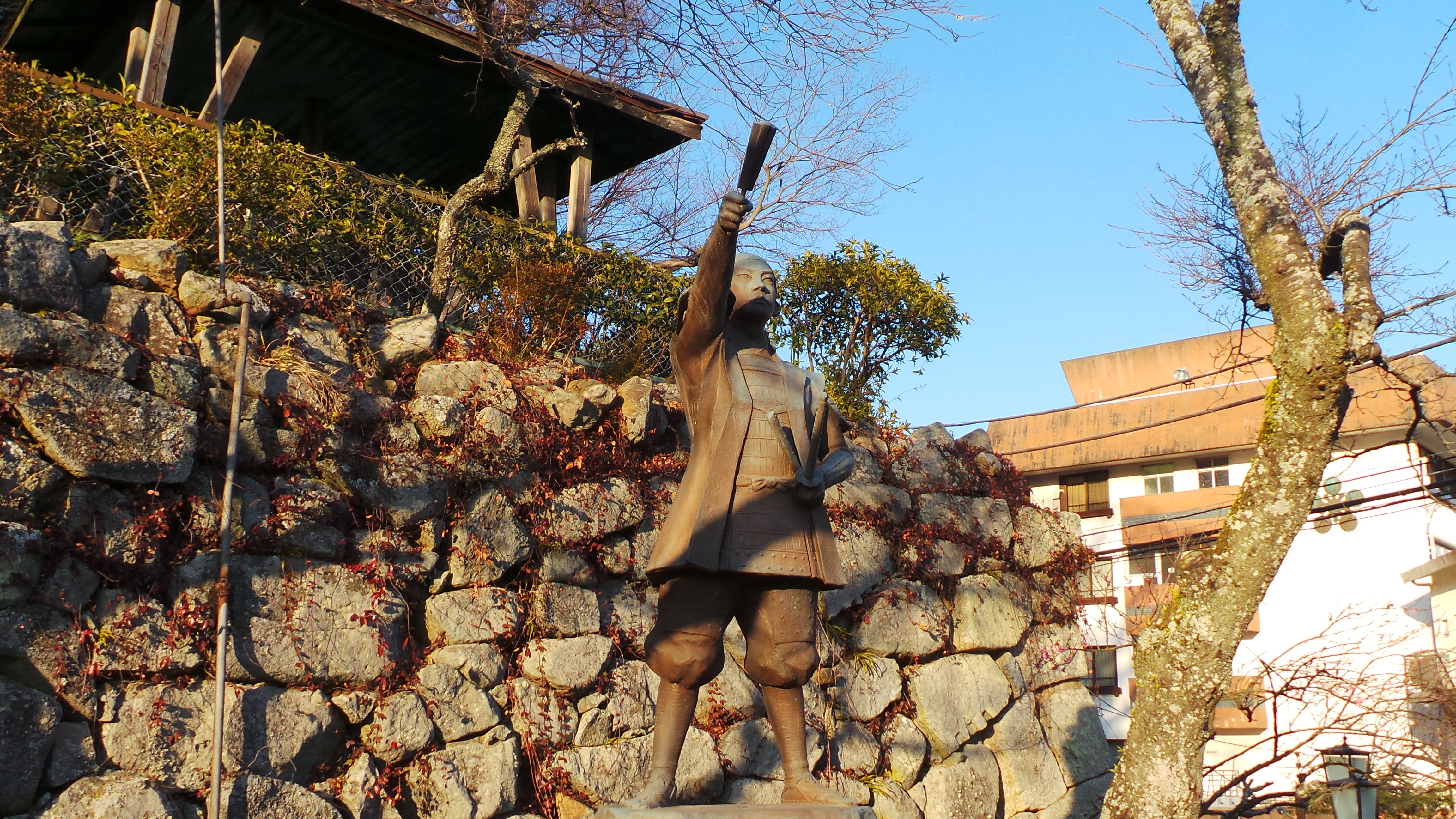
Still considered a terrorist, a statue of Fujita Koshiro stands proudly at the entrance to Tsukuba Shrine, a shrine said to house the god and goddess that protect from evil and illness. The shrine has been a place of worship for over 3000 years. I continue my walk through the mountain paths, passing a random telephone box with a huge statue of a frog on its roof, Omido Temple with its massive bell, the cable car service that isn’t running today (as usual), and a statue seemingly standing guard in a small car park.

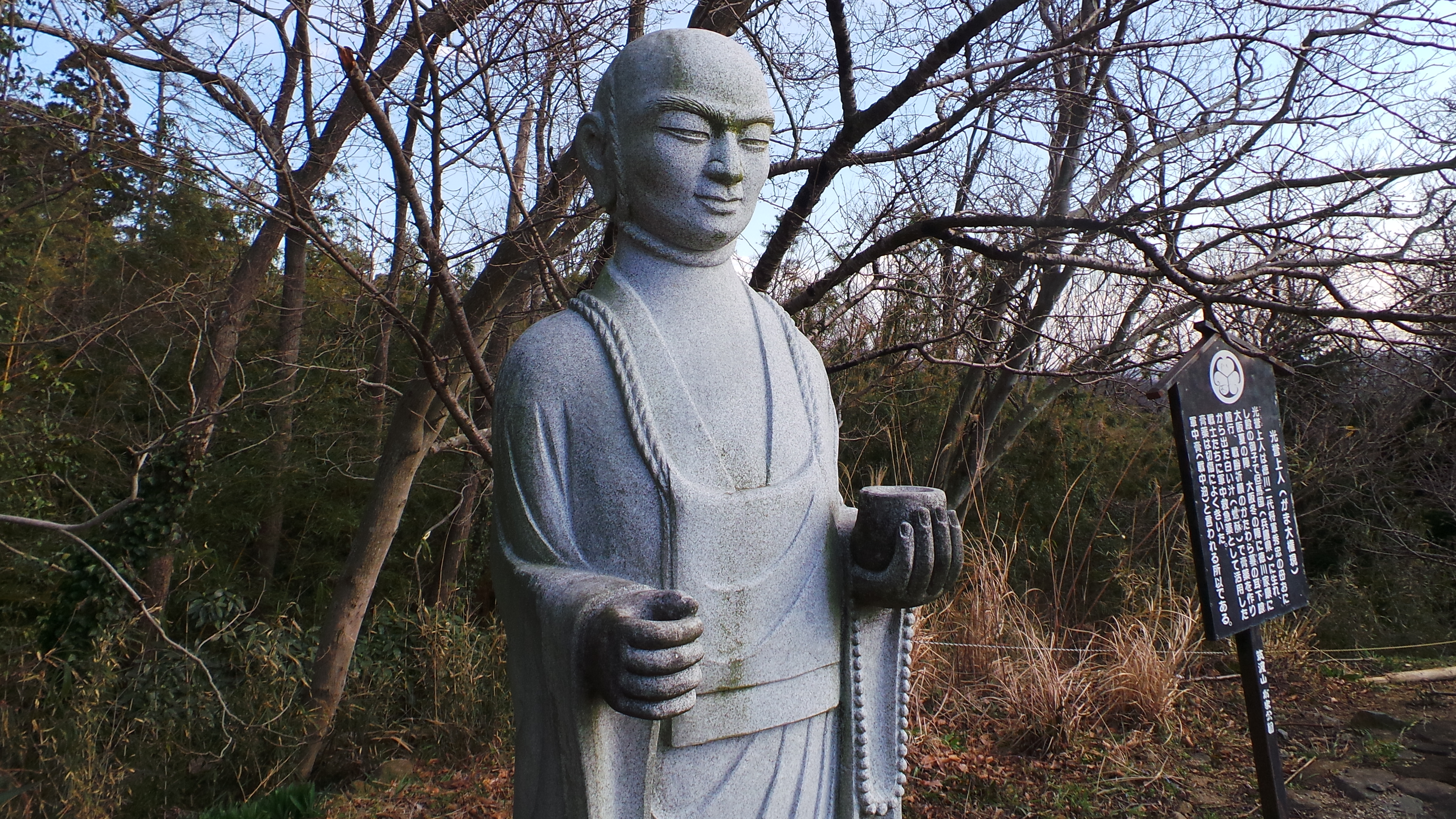
The statue is of a man carrying a cup of medicine. Using my amateur translation skills, the medicine is made from gamagairu, a giant frog said to live in this area; hence the telephone box. The medicine is taken from the ear of the frog and is said to have magical healing properties. That’s right, magical.

tsukuba9

People in England or America will be familiar with the expression ‘snake oil,’ a term used to describe health products that don’t actually work; a swindle of sorts. In Japan, a similar expression exists, and that is frog oil. Salesmen use a special sword that contains fake blood in its tip, pretend to cut their arm revealing a huge gash, then proceed to rub the frog oil on their skin. The wound disappears in an instant, and fools buy.

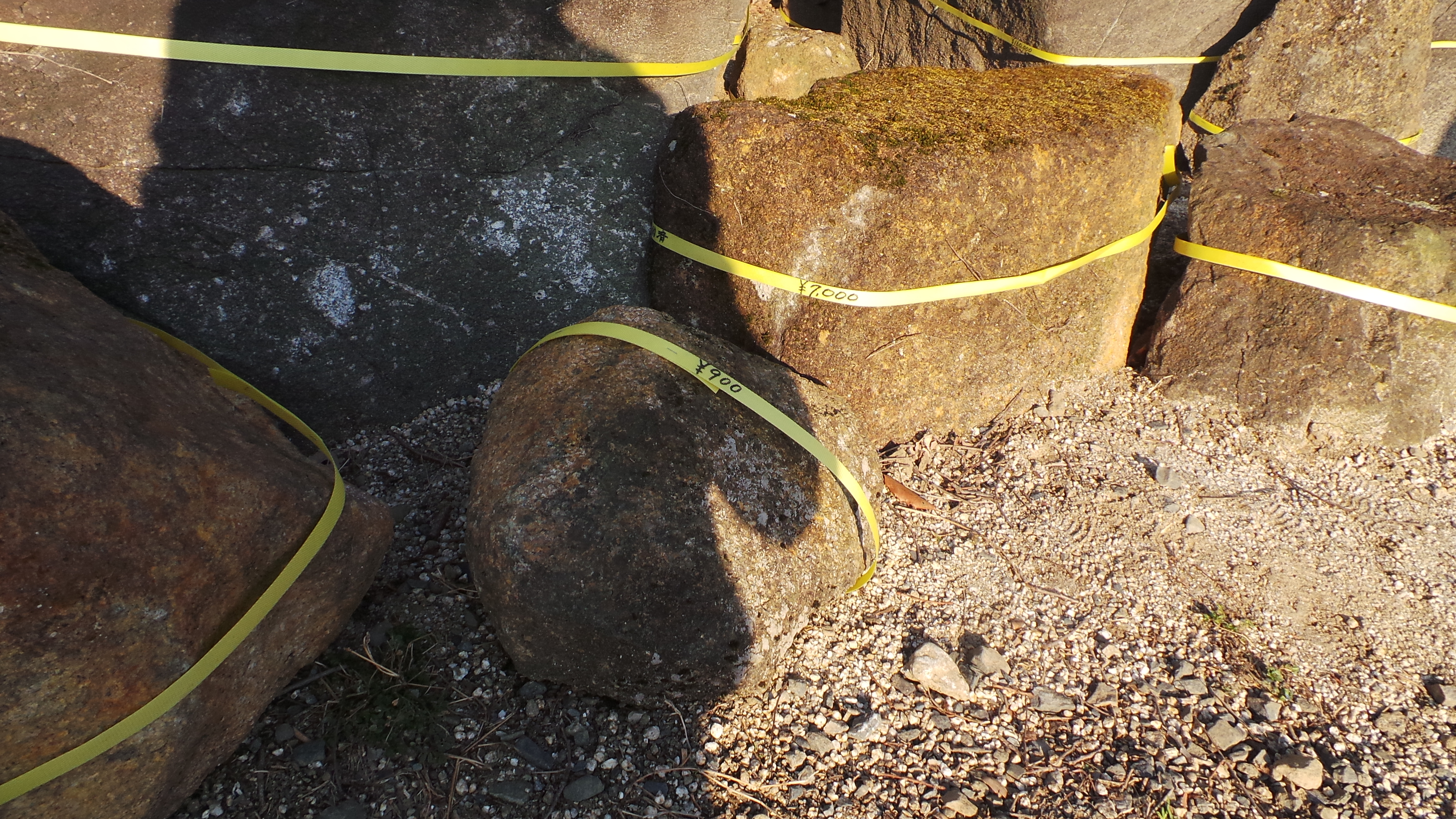
I continue my stroll and head in the direction of Mount Tsukuba Plum Blossom Gardens. These gardens are free to enter and feature over 1000 trees. Thirty kinds of flowers blossom in this area, and mixed in with the flowers are the famous rocks of Tsukuba. Rocks, I might add, that are for sale.

tsukuba2

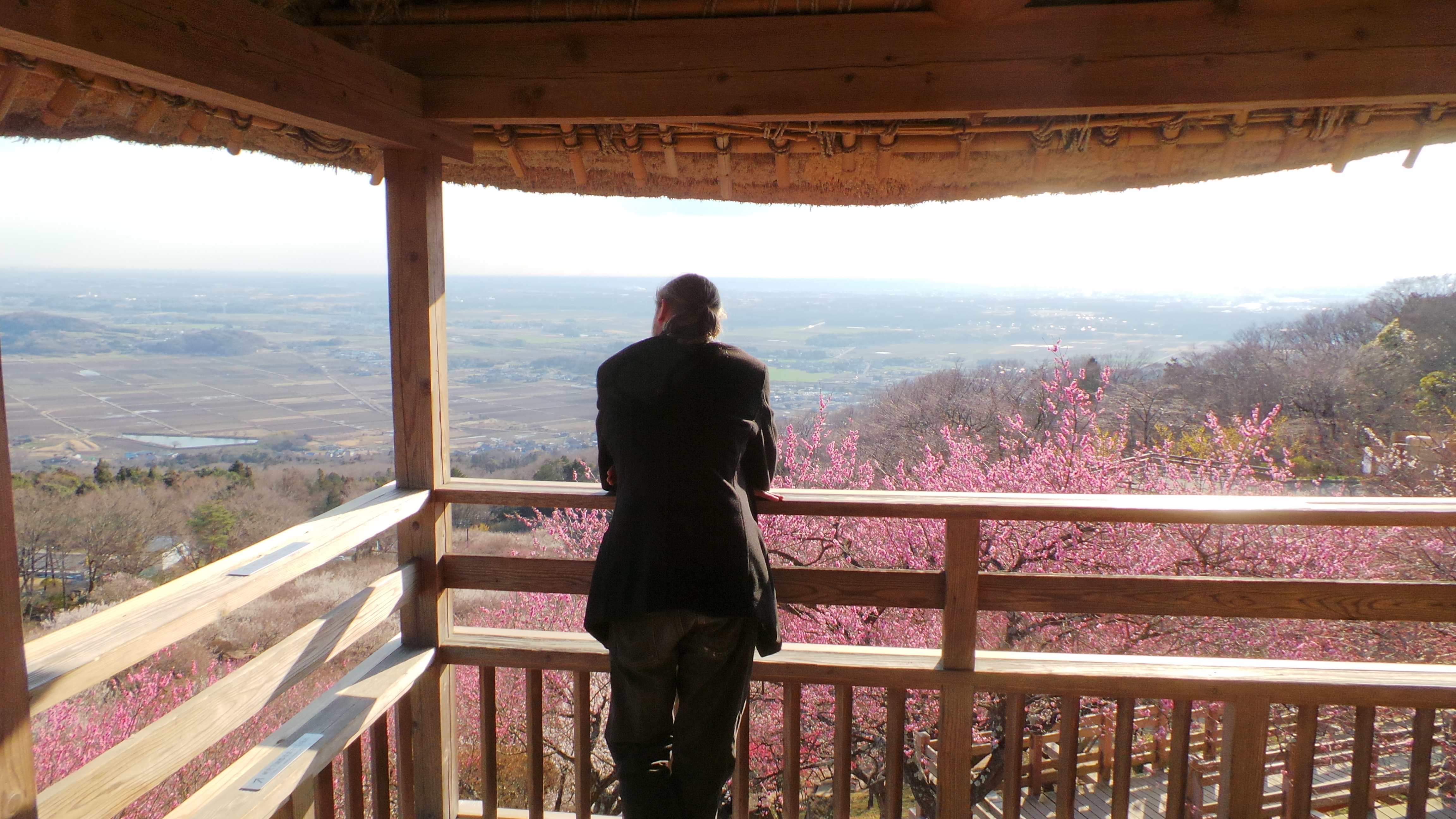
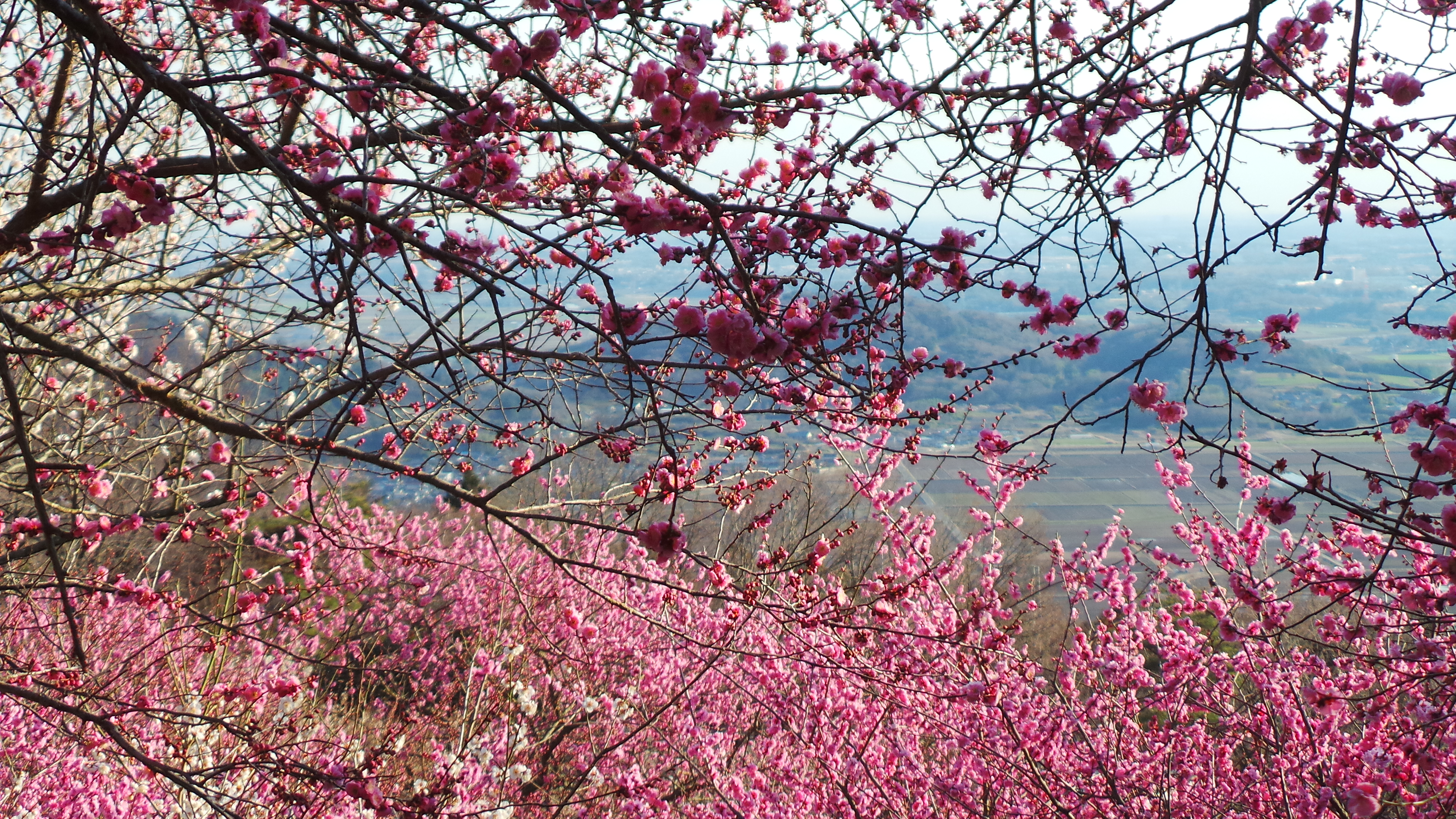
I lug my rock up the mountain path and realise that I should have probably bought it on the way down. The flowers in the mountain are beautiful to see. Red plum is in full bloom this time of year, and white plum is apparently in half bloom. I walk through sweet plum groves and fresh-smelling flowers before arriving at Lookout Point Arumaya, a small mountain hut that looks as though it was stolen from a children’s fairy tale.

I stand, gazing in the direction of Mount Fuji, 155.6 km away and visible on a clear day. Today is such a day, but for whatever reason, the mountain remains invisible, as always; forever shrouded by the white layer of clouds that blend into the distant horizon.

tsukuba4

I stand in quiet contemplation in the small hut at the top of the mountain, admiring the beauty of the flowers and the endless nature. Staring out into the distance, I begin to wonder where it all went wrong. Before the thought connects, a Japanese man taps me on the shoulder, disturbing my moment.
“We made it from bamboo and straw, squashed real hard.”
“I’m sorry?” I say, confused.
“We made it from bamboo and straw, squashed real hard,” he repeats.
“I heard you, but what are you talking about?
“The walls, here,” he points at the walls of the hut, “We made it from bamboo and straw.”
“A bit of a fire hazard,” I tell him, but he doesn’t understand. The man remains fated to repeat his set phrase, the only phrase he knows in English. Time to go, I decide.

As I walk back down the mountain, I recall a story that a friend once told me.

tsukuba3

Many years ago in Japan, people were very poor. Many families lived in one house, grandparents, parents, and children together. When times became tough, and the families couldn’t afford to feed the young children, a sacrifice was made. Children were the priority, so what happened was that the parents would carry their grandparents to Tsukuba Mountain, abandon them, and go home to their children. The grandparents would starve to death on the mountain, so that the family could continue to feed the children. A sad tale of Tsukuba Mountain, and the many poor old people that perished in its lonely grip.

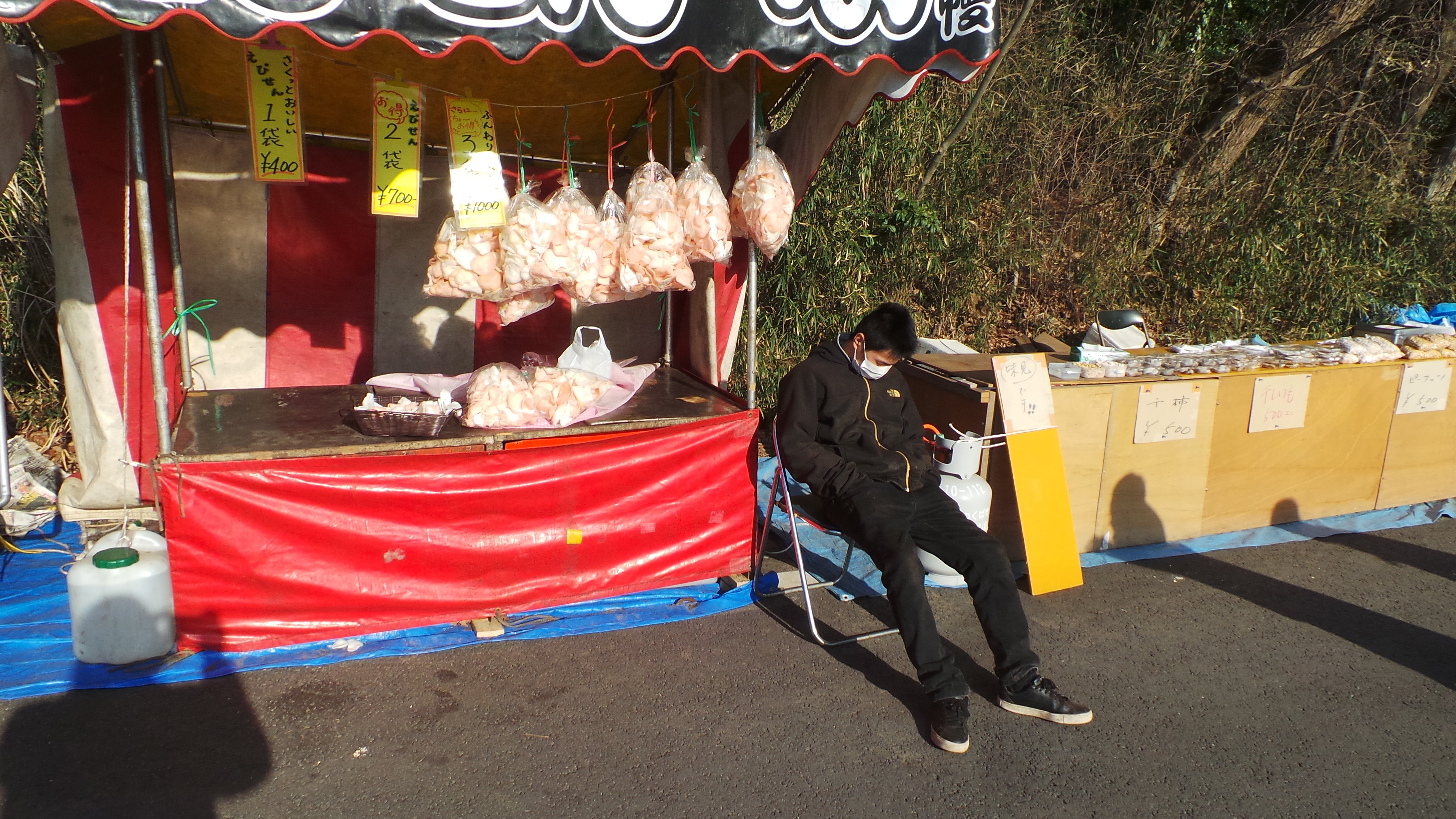
At the bottom of the mountain, most stores are closed. The men are sleeping from a hard day of selling snacks and frog oil; the only shop still selling anything is the Tsukuba Rock Shop.

tsukuba6

There are so many more sights to see on this 877-metre-tall mountain. The place is littered with things to do. Unfortunately, I wasted far too much of my limited time in the mountain hut and end up running back, rock in hand, toward the bus stop. I make the last bus with seconds to spare and head back toward Tsukuba Station.

On the Tsukuba Express train home, I read ‘The Hanging Stranger’ by Philip K. Dick and realise that this information has no relevance here, and perhaps never will.

International Food and Beverage Exhibition

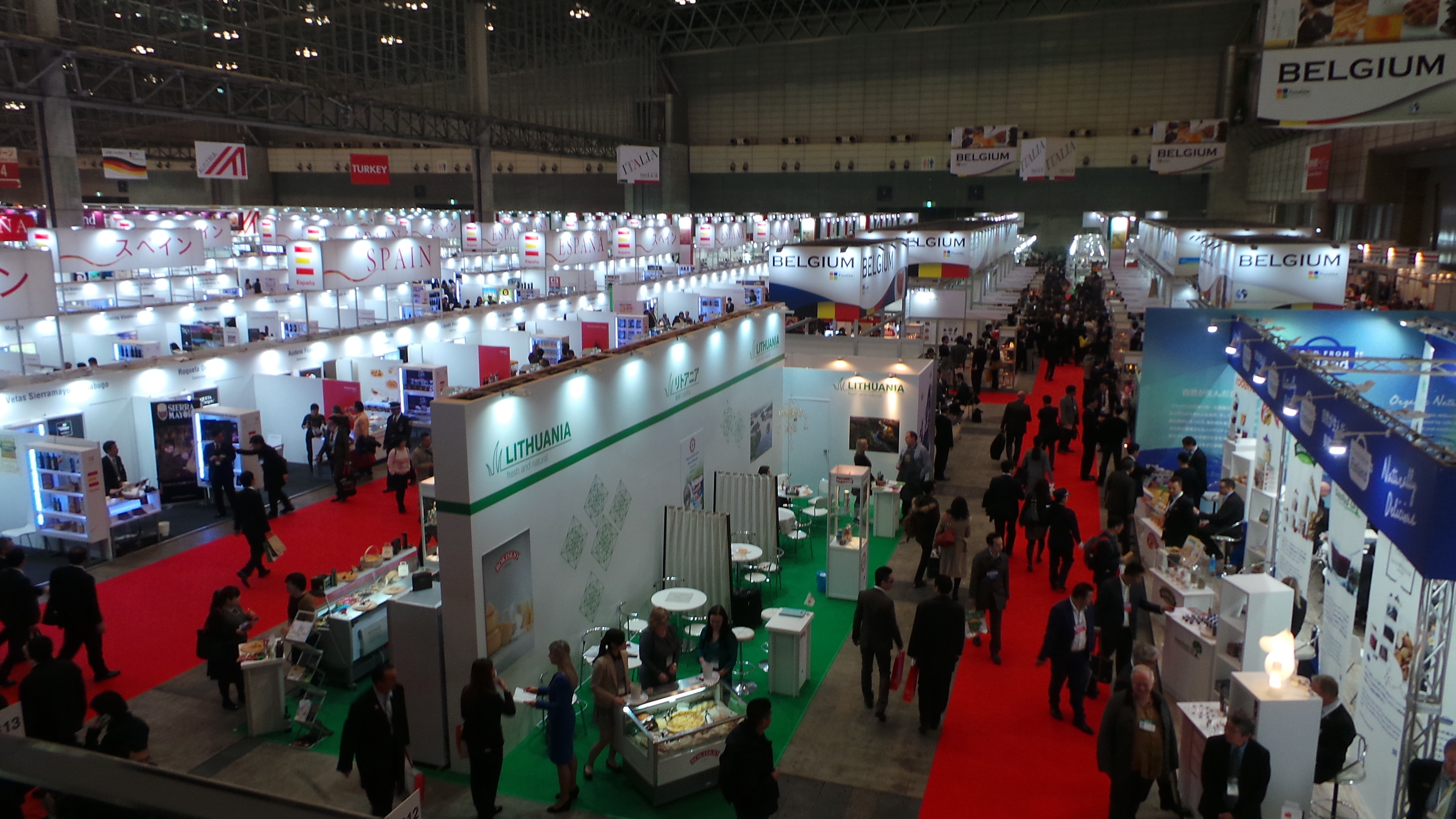
Today, I am at Makuhari Messe Convention Centre for Foodex Japan. In its 40th year, the event stands as the biggest trade show for food and beverage in Asia, featuring three thousand exhibitors from seventy-nine different countries. I received a private invitation, allowing me to hand over a business card at the entrance and receive my journalist pass, thus saving me the ¥5000 public entry fee. The first challenge I encounter at the event is their strict no-photography policy. They even threaten ejection from the event for anyone caught taking photographs, sneaking in animals, or attending solely for free food and drink.

Naturally, I adhere strictly to the rules, refraining from releasing any concealed animals into the exhibition halls or taking sneaky snaps of the event from a balcony above.  And, of course, my primary purpose for attending is certainly not to indulge in the free samples of food and drink offered by the three thousand exhibitors. Today, all food and drink are complimentary, with stallholders actively encouraging me to sample their offerings.

foodex5

I start with cheese. I seldom eat cheese in Japan, so when given the opportunity to be an official judge in a packaging and taste competition, I seize the chance. The competition involves comparing thirty-one cheeses from Japan. Just as I’m about to get serious about my judging responsibilities, the comedian in charge reminds me to take it seriously before asking me to select a wooden stick from a box. “Careful for electric shocks,” the man says, “this is high technology, like a supercomputer.” So much for taking things too seriously.

The cheese I have randomly selected is a Brazilian cream cheese made in Japan. I assess the packaging (somewhat basic) and evaluate the unique selling point of the product (non-existent). Next, I can choose any two other cheeses to rate in comparison. I opt for two cheeses that I’m eager to try. Following the rating, a taste test ensues, providing me with the opportunity to score the flavour and determine the likelihood of a future purchase. Interestingly, the cheese I selected, which appears to be the most expensive among the thirty-one, turns out to be the worst cheese I have ever tried.

After savouring the cheese, I crave a drink, prompting me to head for a cup of tea.

foodex3

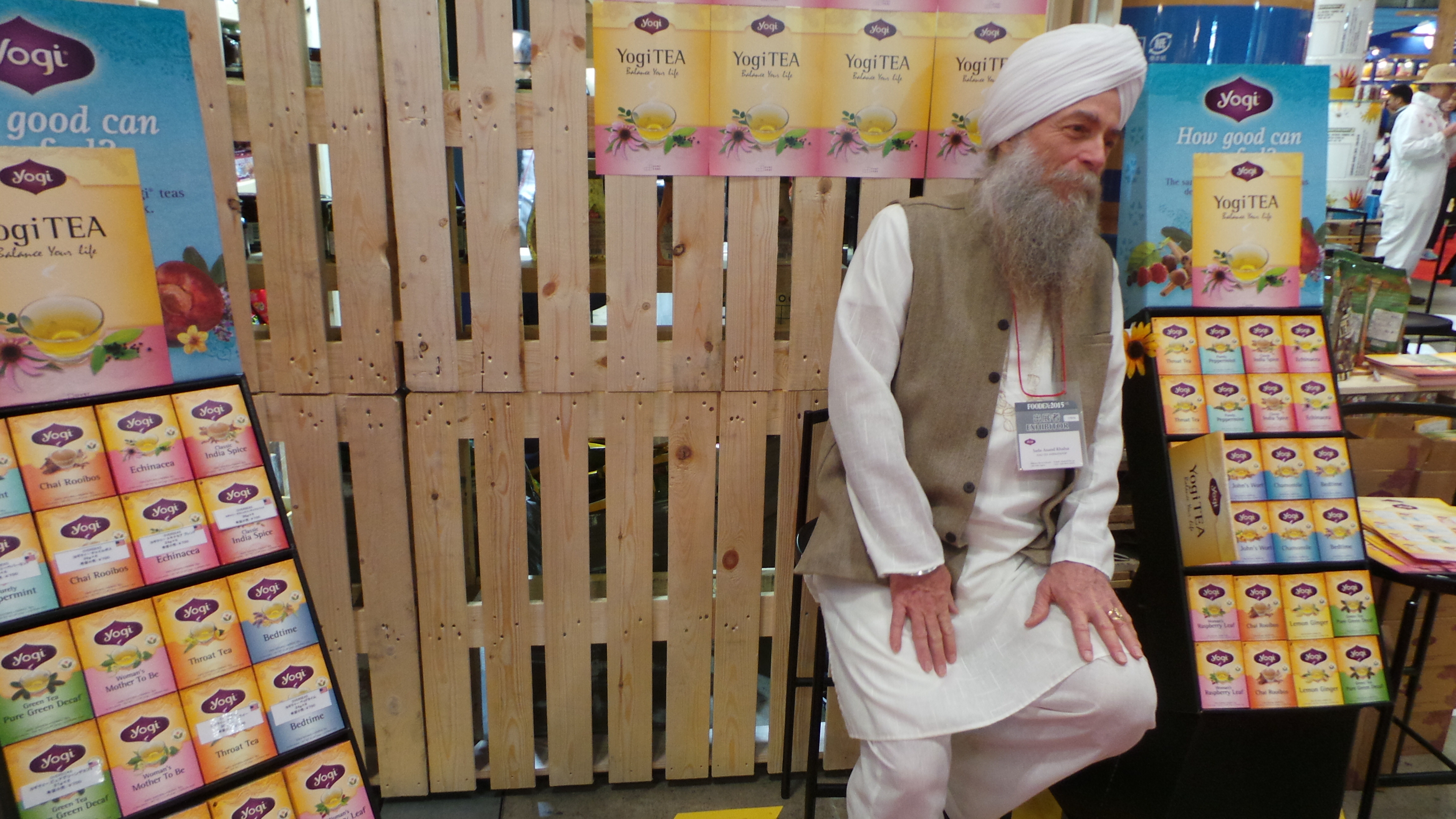
Unfortunately, the Yogi Tea stand offers their sample in the form of a tea bag. No hot water here. I have a chat with Sada-Anand Khalsa, a self proclaimed Yogi Tea Ambassador. His beard is better than mine, and his tea is apparently very wonderful. As I talk to him, he appears distracted, distant, and looks like he is about to fall off his stool. He’s probably had a few too many cups of his bedtime organic tea product, no doubt.

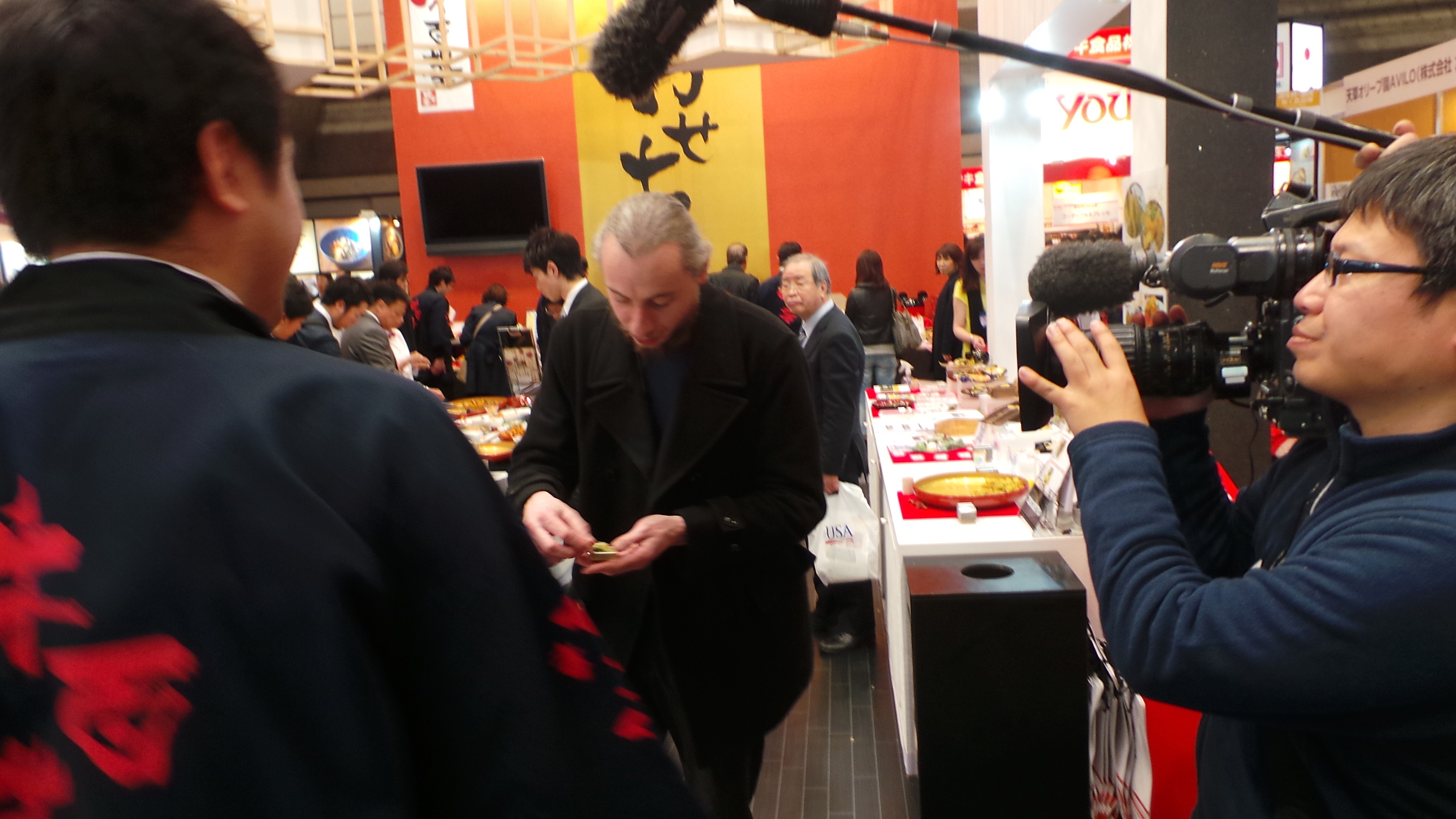
I continue exploring the red-carpeted route, treating myself to devil fruits and açaí berry smoothies. In Pakistan, I’m given the chance to try six-billion-year-old sea salt, and in Egypt, I indulge in some tasty salted peanuts. Upon reaching Japan, I find myself surrounded by microphones and cameras, as I become the subject of a television show—quite ironic, considering the event’s no photography or recording equipment policy. During the interview, I’m asked to sample Japanese food to capture my authentic reaction. However, they choose edamame, a dish I consume almost weekly, making it challenging for me to convey a genuine response to the familiar taste of beans.

foodex2

After the interview, I head to England to enjoy a scone. However, I notice that the stalls here are manned by individuals with uninviting expressions and disappointed faces. Unlike everywhere else I’ve stopped, where warm smiles and polite conversation welcomed me, it’s a different experience in England. Disheartened, I make the decision to leave and never return. Instead, I choose to visit the friendly land of Scotland for some delectable scallops. Later, I make my way to the welcoming Wales to enjoy a sample of a beer I’m already familiar with—Dark Side of the Moose.

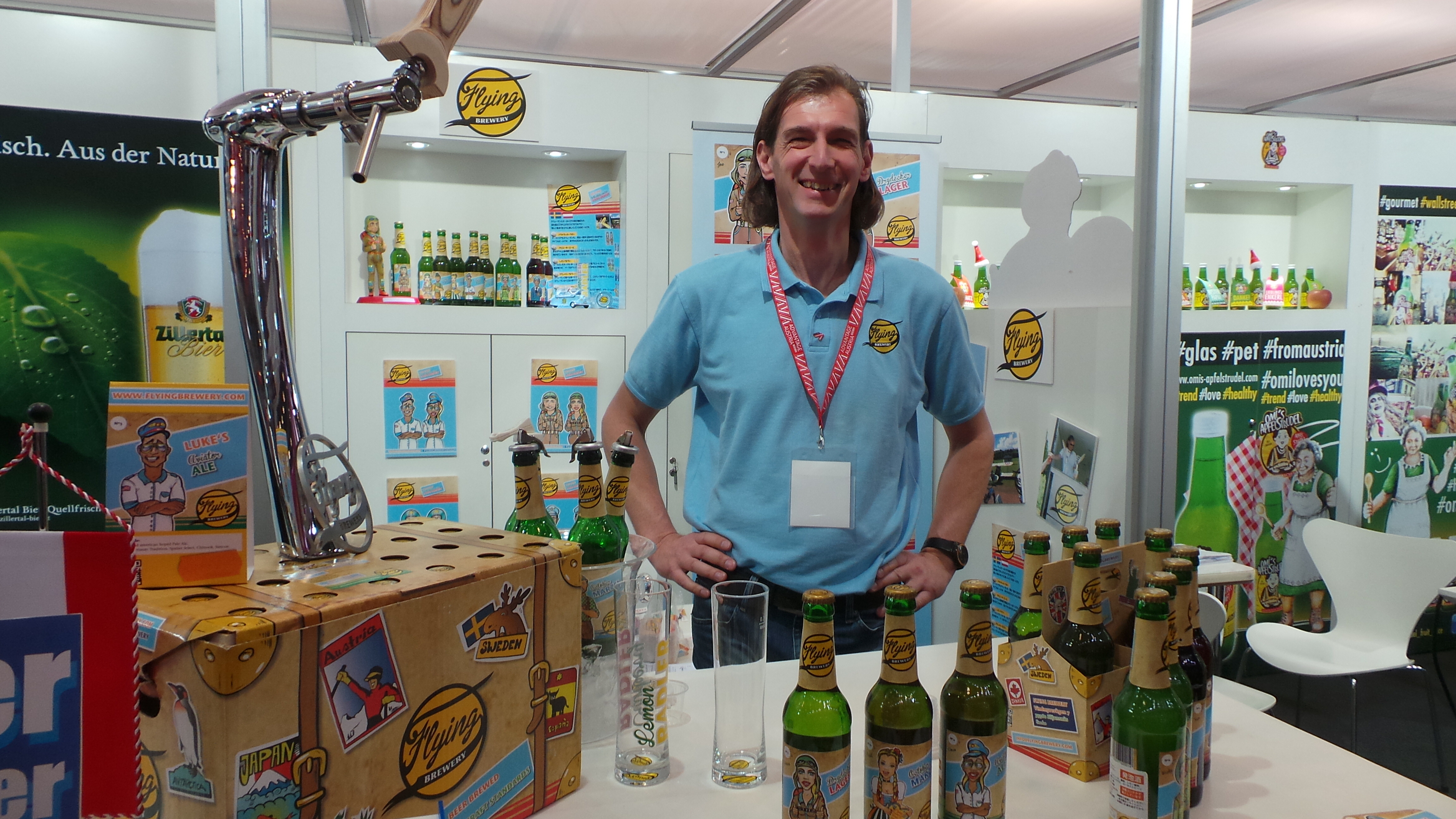
In Austria, I take a moment to chat with a friendly man about beer. The Flying Brewery proves to be wonderful and charming. After expressing a clear interest in sampling copious amounts of their free alcohol, the amiable man turns to his colleague and exclaims, “He wants to try them all!” This marks perhaps the turning point in my day, leading me into the delightful world of free alcohol. The beers here are fantastic, and I relish each and every one. The brewery even gifts me a set of twelve coasters and poses for a photograph. While a part of me considers that the journalist pass around my neck might have influenced their hospitality, another part of me believes that they are genuinely kind and passionate about their craft.

foodex4

With an ever-increasing thirst for beer, I head over to the only place that can satisfy my taste: Belgium. After wandering around in beer heaven for about an hour and sampling familiar delights such as Stella Artois and Hoegaarden, I move on to some of my favourite drinks—Delirium Tremens, Kriek, and Chimay.
“One more glass, sir?” says the man at the Chimay stand.
“Why, thank you, sir,” I reply, feeling very humbled and slightly drunk.

I continue to explore, observing snakes in bottles of miscellaneous liquid and engaging with companies solely present at the event to secure a Japanese distributor. After a bit of stumbling, I find myself in Mexico, enticed by amusingly shaped bottles of expensive tequila.

foodex1

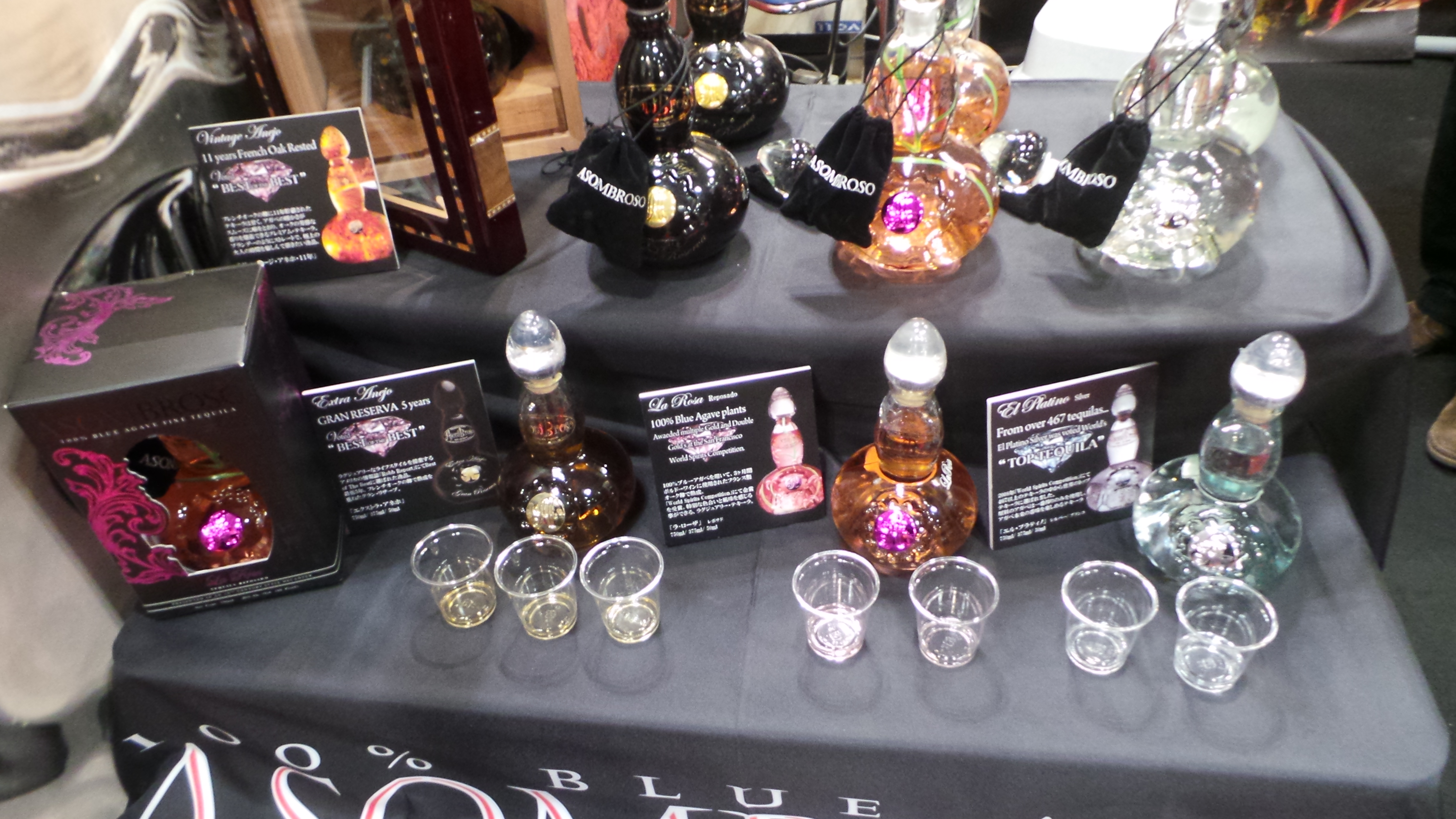
AsomBroso is a luxury tequila from Tequila, Mexico, and one bottle costs around ¥7000. After sampling a small glass, I strike up a conversation with the friendly man manning the booth. A simple mention of the word ‘journalist’ earns me a second glass and an invitation to take a photograph of his display. The tequila is, in fact, the best I have ever tasted—good quality stuff.

In Finland, I chat with a nice lady about the health benefits of bilberry. In Indonesia, I indulge in fresh tuna sashimi. Thailand offers me samples of multiple hot sauces served with various delicious canapés. However, my favourite dish of the day comes from Malaysia—shrimp noodles in a spicy sauce broth that comes with a strong warning: ‘Extremely hot, eat carefully and very slowly.’ As I wander through multiple stores offering sweets, dried fruits, organic chocolate, and health products, I somehow take a wrong turn and end up in Australia. Unfortunately, there’s no attention from the yawning people here, no free samples, only misery.

Finally, I explore what China has to offer. I am surprised by the contrast between China and Australia; the politeness expressed by the people here at such a late time in the day, and the complete lack of yawning and misery is a big surprise to me. Everyone wants to speak to me, everyone is friendly, and of course, everyone wants me to try their products. One store I particularly enjoyed was Shantou Sweet House Foodstuff.

foodex6

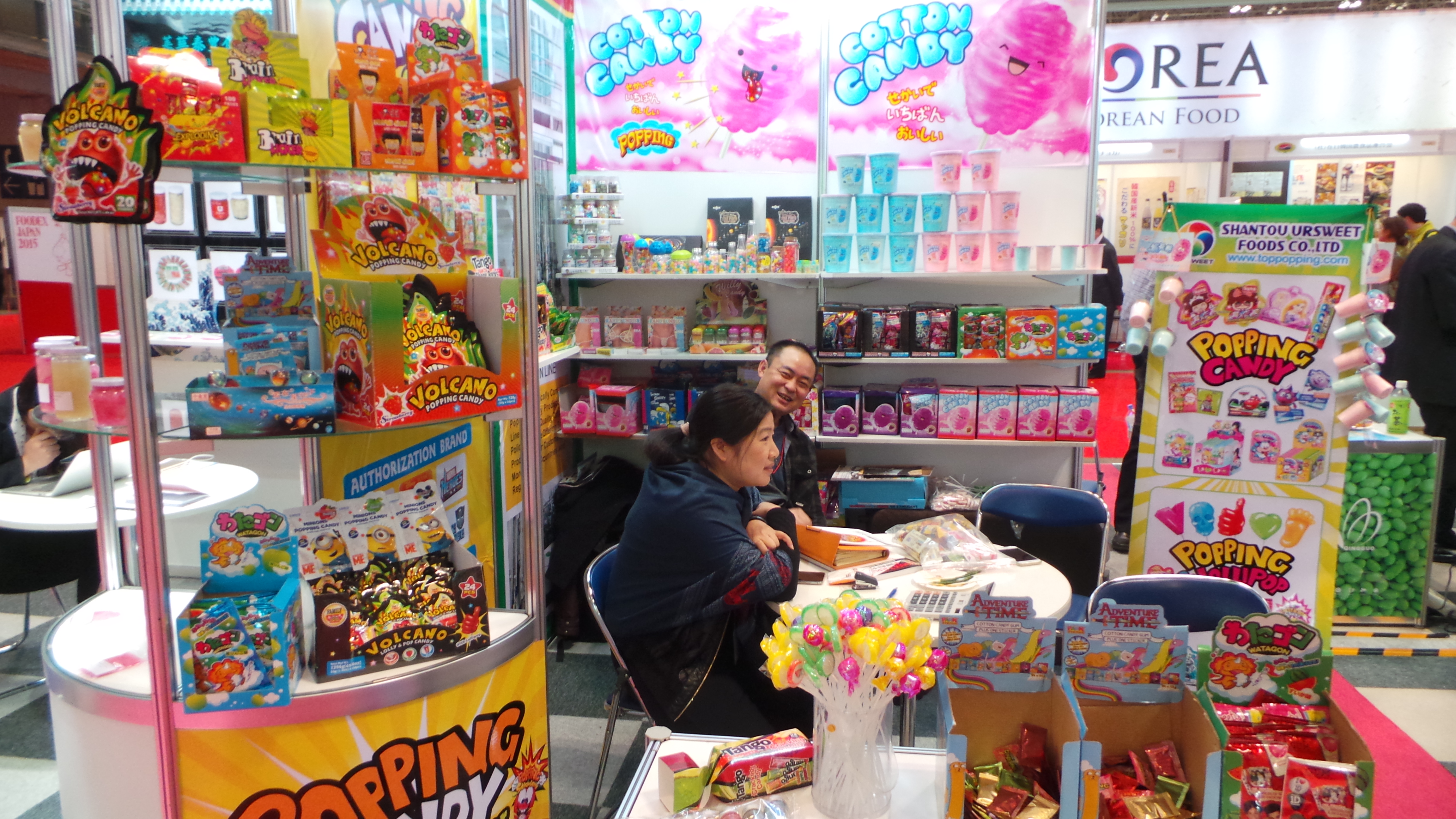
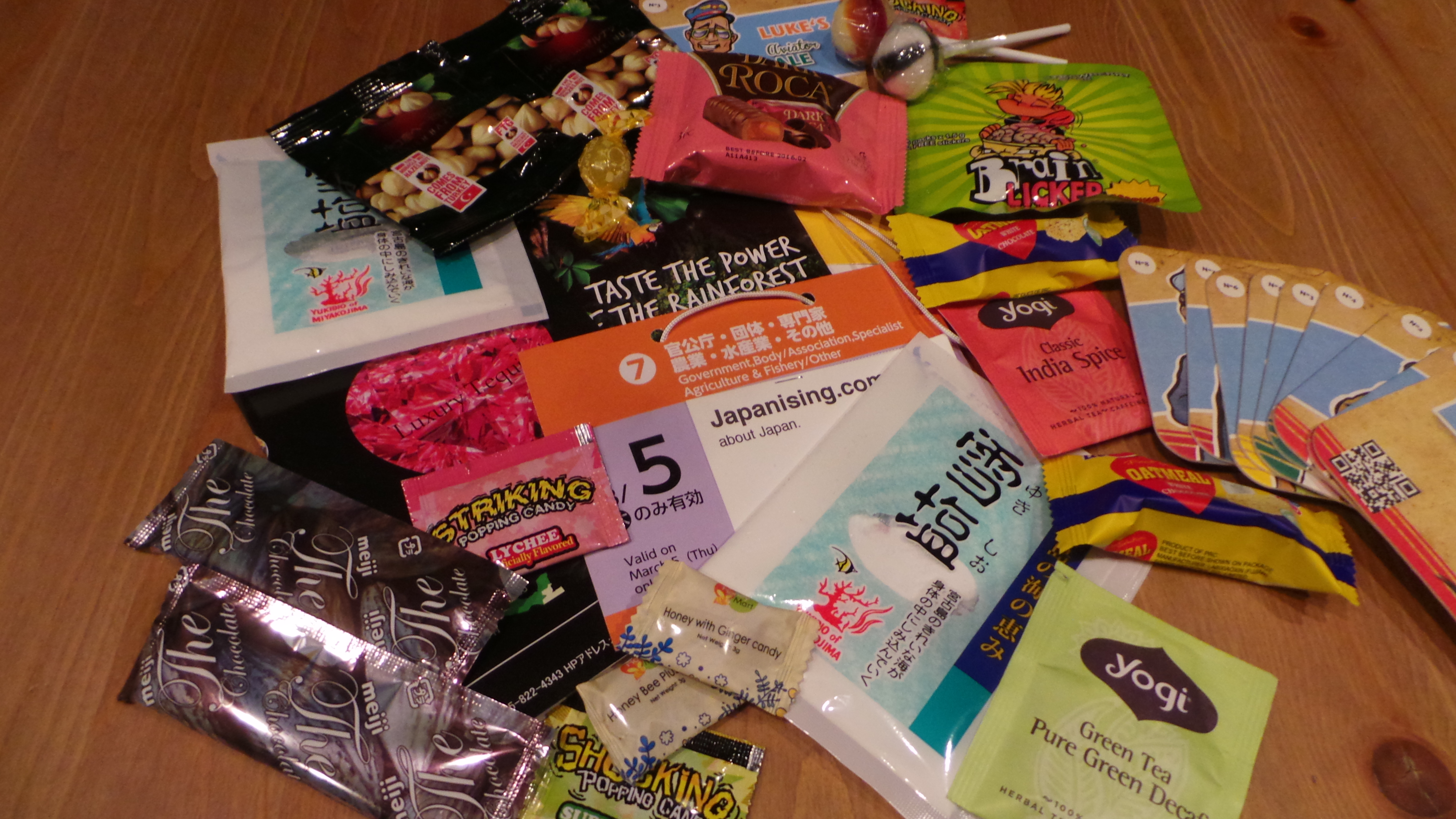
This Chinese confectioner offers many interestingly named products, such as Brain Licker, Nipple Lipstick Tooth Candy, and Plastic Fruity Sour Sour Stick. “Wait here for a moment,” says the stallholder, following our long conversation about sugar. He returns with a huge bag of sweets, including strawberry-flavoured popping candy that comes with two free stickers.

Leaving China, it feels like I’ve just been on a six-hour tour around the whole world. I exit the event and take the free shuttle bus over to Kaihin-Makuhari Station. For some reason, a woman in the train station hands me a free sample of a doughnut. Free samples are the last thing I can enjoy right now; food is the very last thing on my mind.

foodex7

Back at home, as I empty out my full pockets of the many free gifts and brochures, it reminds me of a lost childhood memory of Halloween. I still have an awful lot more food to eat, but I can’t really complain. I enjoyed the event, the food, the beverages, on what has been quite a wonderful day in Chiba.