Today I’m travelling back in time, specifically, 20,000 years in time. I’m in Miyagi Prefecture to see the Museum of the Forest of Depths of the Earth. I don’t really know what to expect. When I arrive, there’s a small outdoor garden of evergreens and summergreens. There’s a single flower in the middle of the lawn, with a sign before it stating: Be careful not to step on the flowers. The sign uses the plural form flowers, and it bothers me slightly.
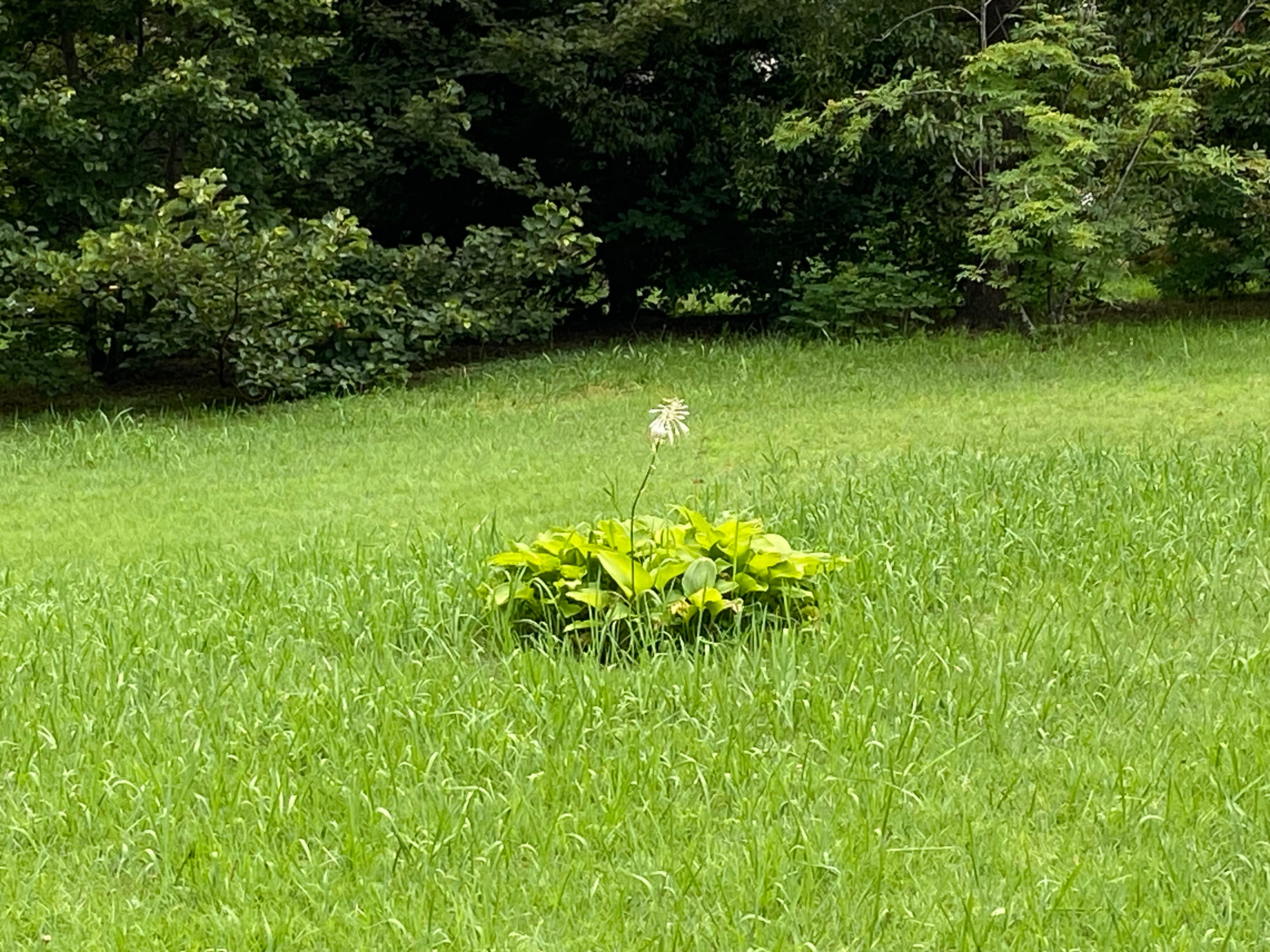
I believe the single flower is a panicled hydrangea. The garden has been recreated. “Let’s go into the grass and observe,” says another sign. The whole point of the place is to compare the vegetation of the Ice Age with that of present-day Sendai.
There’s an architecturally stunning structure in the gardens. It’s the only one of its kind in the world. Inside are the 20,000-year-old remains of a wetland coniferous forest. It might not sound very impressive, but when I walk through the doors of the museum and see the sheer size of the trees, it causes me to stagger.
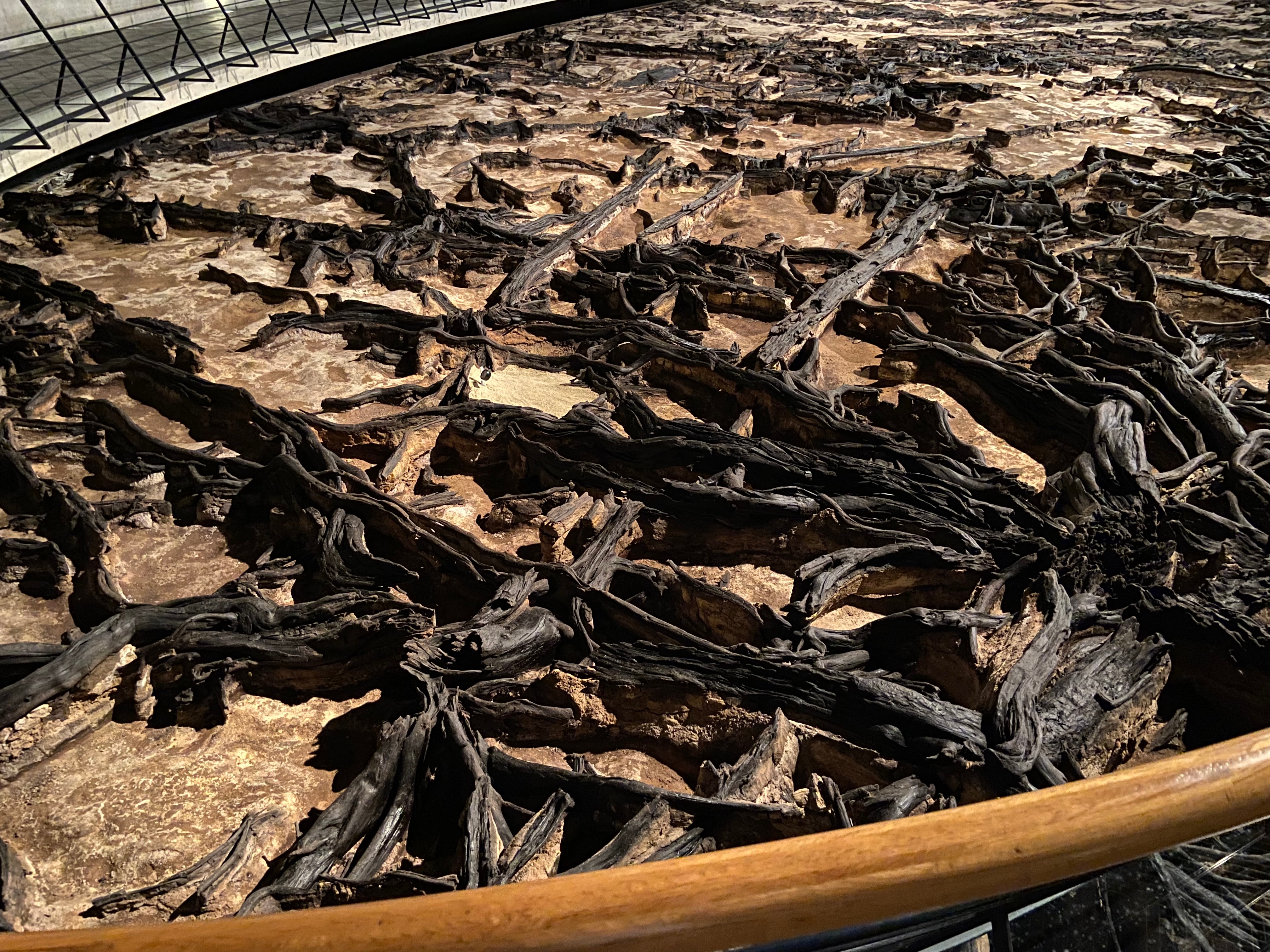
The museum is fascinating. In 1987, an archæological dig found, just five metres below the ground, the preserved remains of fossilised trees, along with artefacts from the same era. There’s a separate tree root I’m encouraged to touch and smell, and it carries some weight.
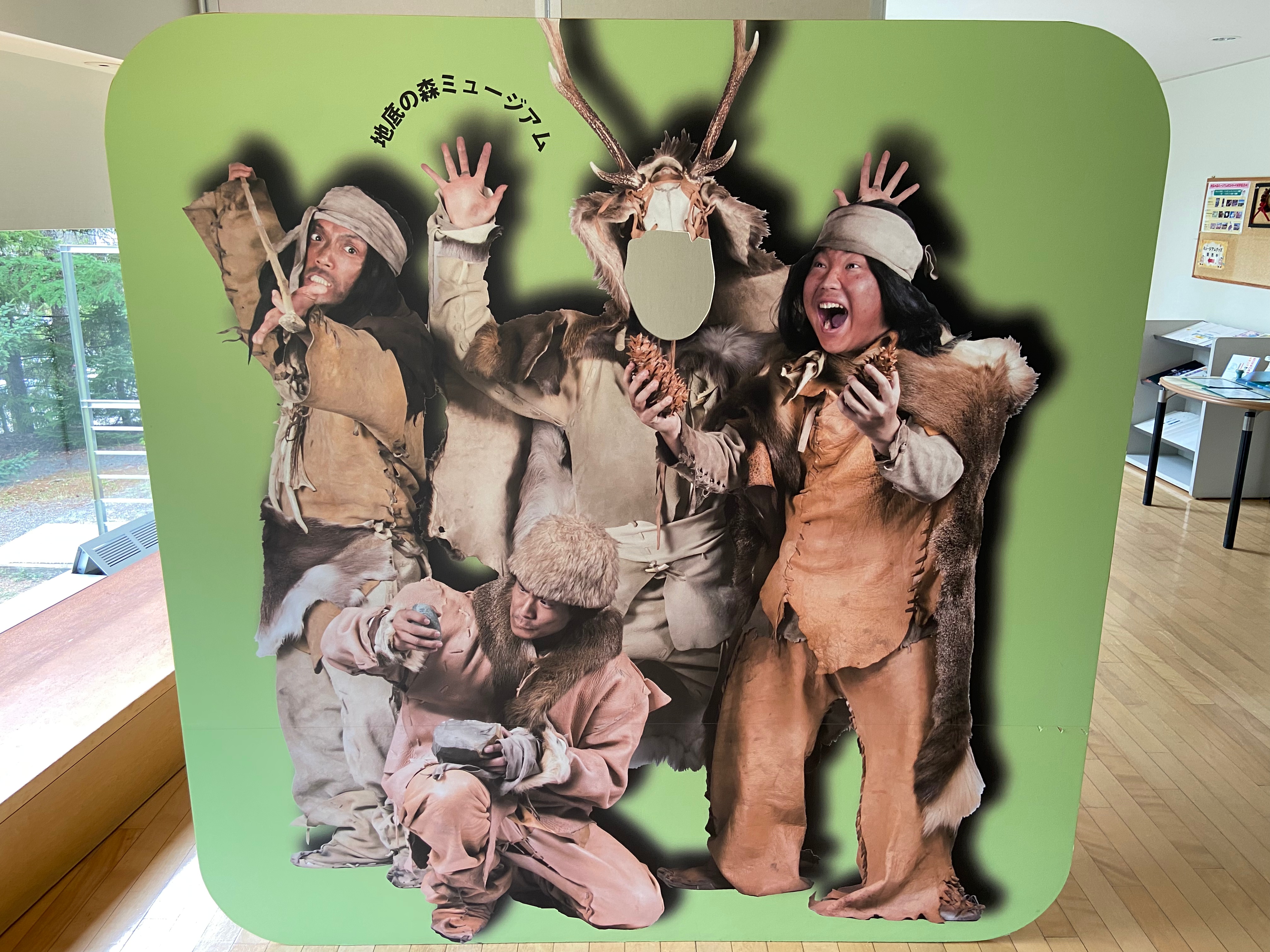
Aside from the trees, I can also learn about the Paleolithic Age. There are the remains of a campfire that was excavated here. Bits of broken pottery. Deer fæces. Arrowheads. Glass boxes of skulls. Carnival Cutouts: the breath of ancient times.
Having touched a 20,000-year-old tree root, the only thing left to do later is visit a mountain, so I decide to walk to the coastline. Along the way, I pass a tsunami evacuation tower made from steel. It can safely evacuate 300 people to a height of at least six metres.
As I stare at the tower, the sky suddenly fills with grey cloud, and it begins to pour. I run into a nearby park but find nowhere to hide, eventually sheltering beneath a small Jizo statue. The smug Jizo is smiling and holding a rain wand.
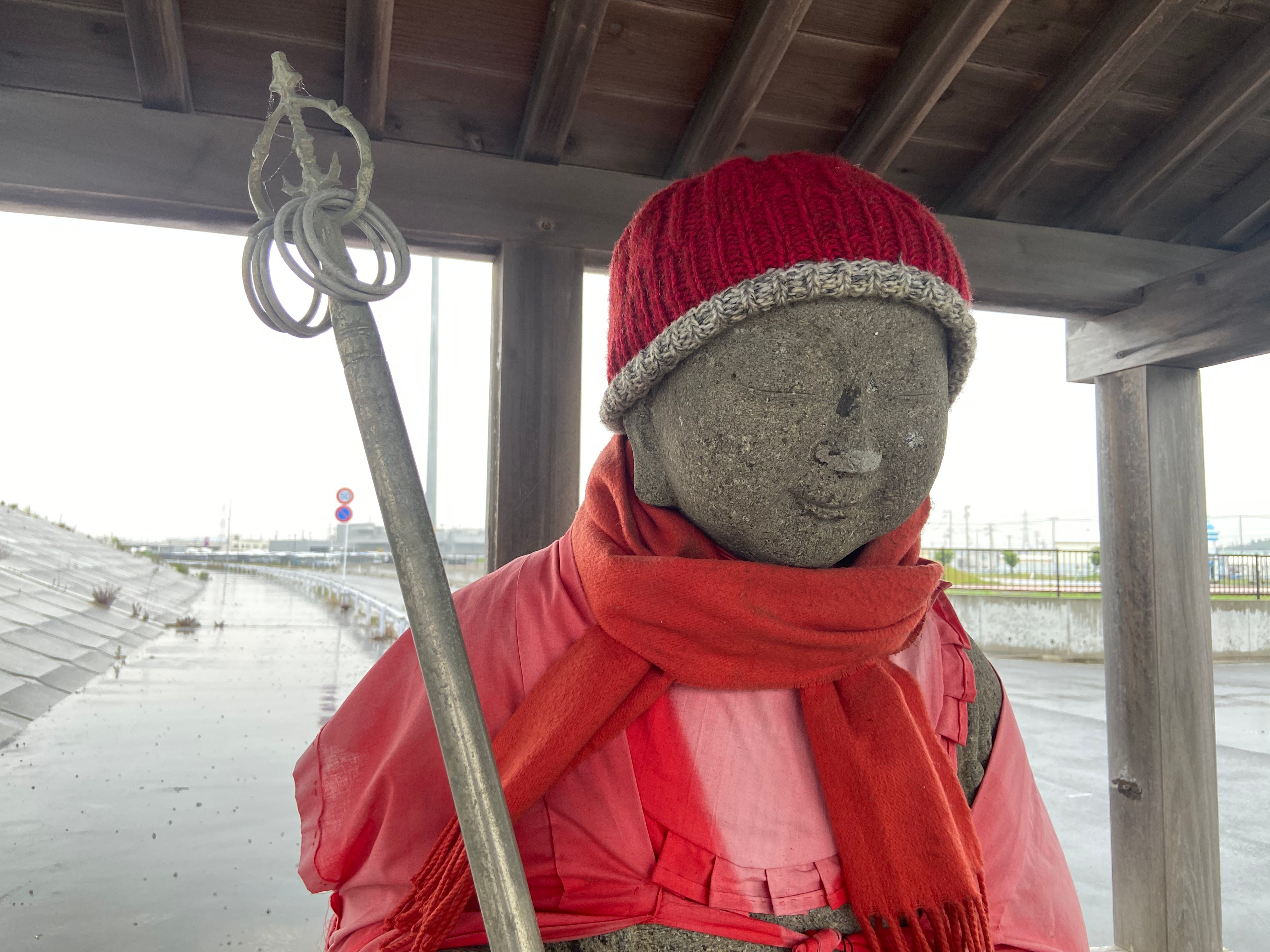
Behind the statue is an embankment highway that runs along the Nanakita River and Sendai Bay, designed to help prevent tsunami waves. The tides must get pretty high here anyway, as on my side of the barrier are dozens of dead crabs, seemingly washed over the wall and cracked open on the concrete below. The Jizo shares his little shelter with the stench from the Sendai Gamo Biomass Power Plant. It stinks.
A little further up the coastline, I try to find what I’m really looking for. Usually, it’s pretty easy to find a mountain. But when you’re searching for what’s recognised as the smallest mountain in Japan, it gets trickier. I eventually do find it, half-hidden behind a factory car park.

I climb Mount Hiyori, Japan’s smallest mountain. Well, I don’t actually climb it. I just stand next to it. It looms at three metres now. Smaller than it once was. The 2011 Tohoku earthquake and tsunami took most of it. But still, someone left a summit marker. Still, it has a name. And I’m glad for that.
Around me, the wind starts to rise. I think about the ancient forest floor, perfectly preserved in silence. The looming shadow of a tree long gone. I think about how we keep naming things, even after they’ve almost disappeared. I think about how some things vanish slowly, and some things vanish all at once.
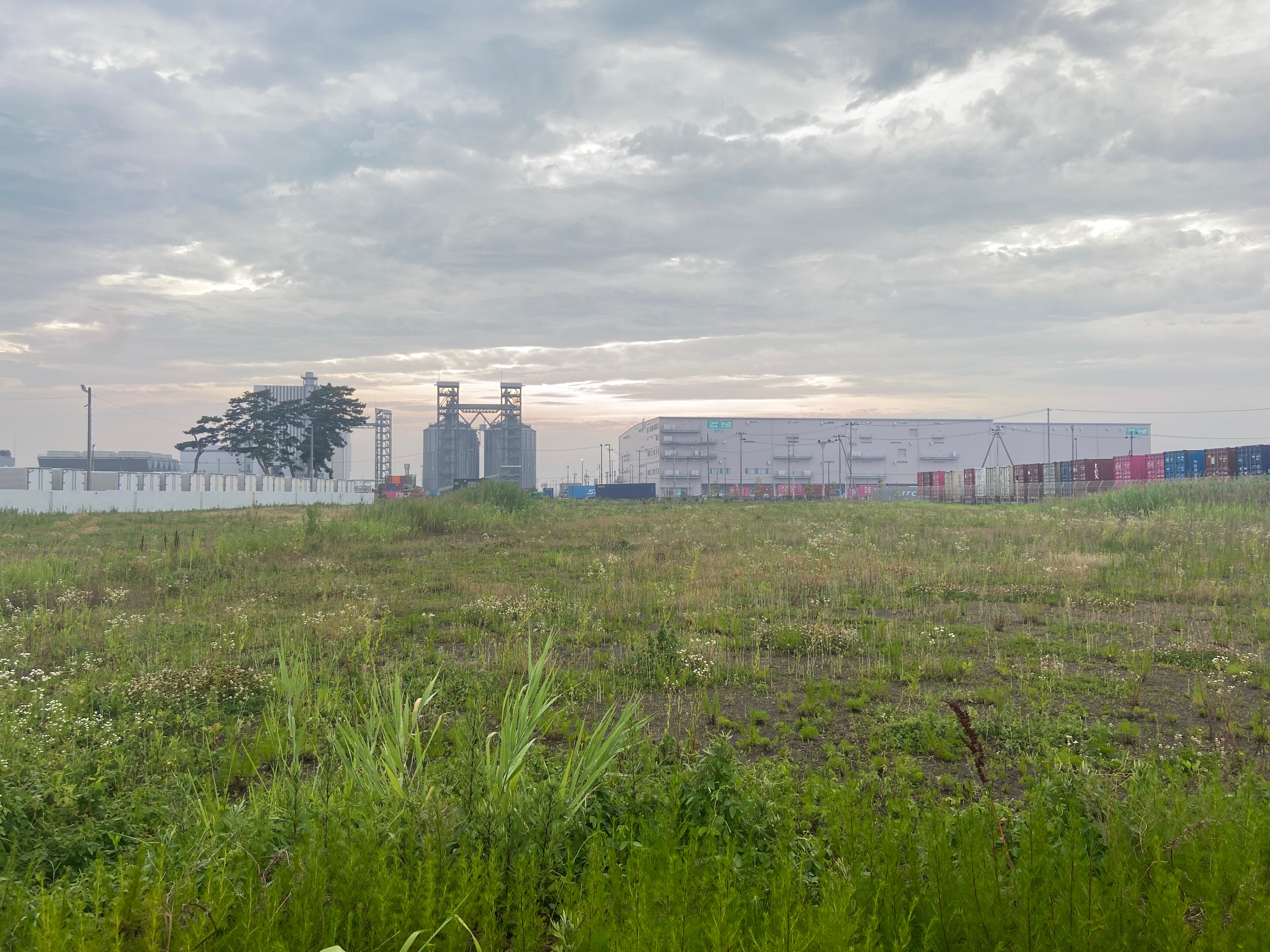
I walk away, back into the storm, careful not to step on the mountains.
 Japanising.com
You must be logged in to post a comment.