I arrive at Makomanai Takino Cemetery at the exact moment a halo appears around the sun; a 22-degree circle of refracted light caused by ice crystals high in the stratosphere.
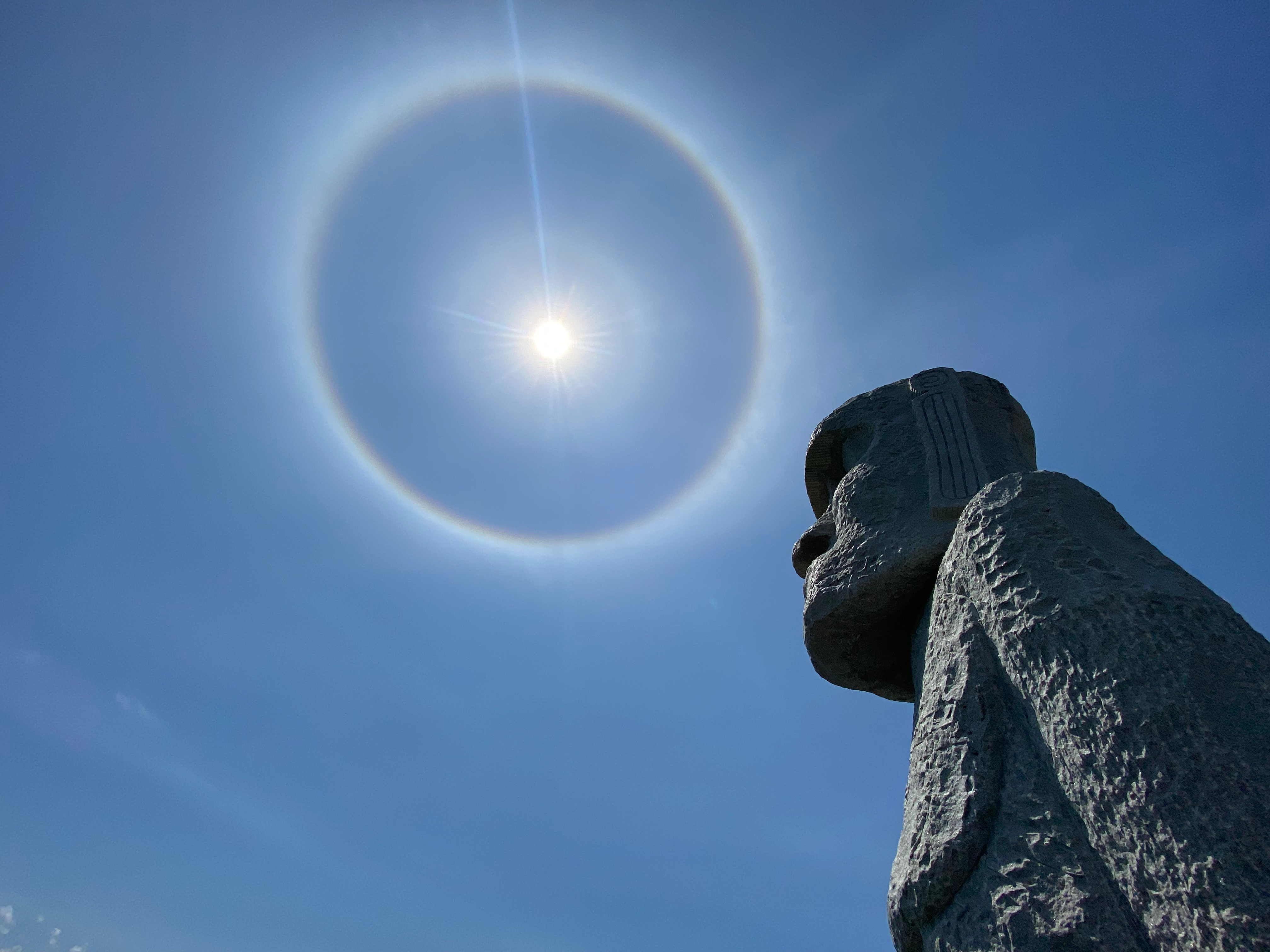
A Moai, still and solemn, gazes upward as the ring completes itself overhead; an accidental alignment of atmosphere and awe. I stare with it for a while. Both of us do. Neither of us understands.
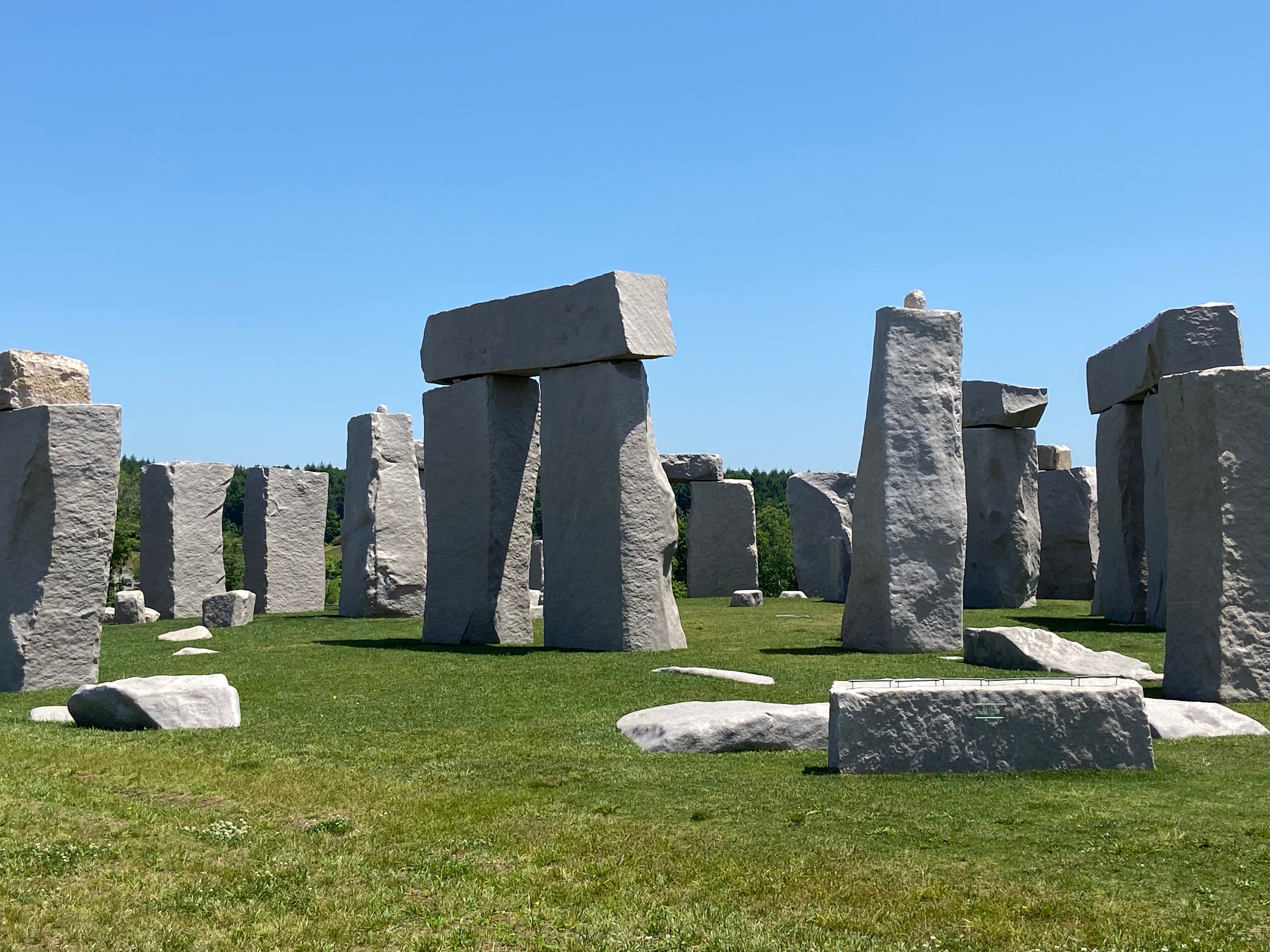
Makomanai Takino Cemetery features a skateboard park, a row of Easter Island Moai, a lavender vending machine, and a full-size replica of Stonehenge, which also contains a secret underground mausoleum. But I’m not actually here for any of that.
“If you’re going to see the Buddha, go directly there.” That’s what the sign says. That’s what the “tourist information” office tells me. Back outside, I can just about make out the head of the Buddha poking out above a hill of lavender, so I go directly there.
July in Japan is lavender season. Tens of thousands of lavender plants surround the “Hill of the Buddha”, designed by world-renowned architect Tadao Ando. They’re so magnificent I have to remind myself that I’m in a cemetery.
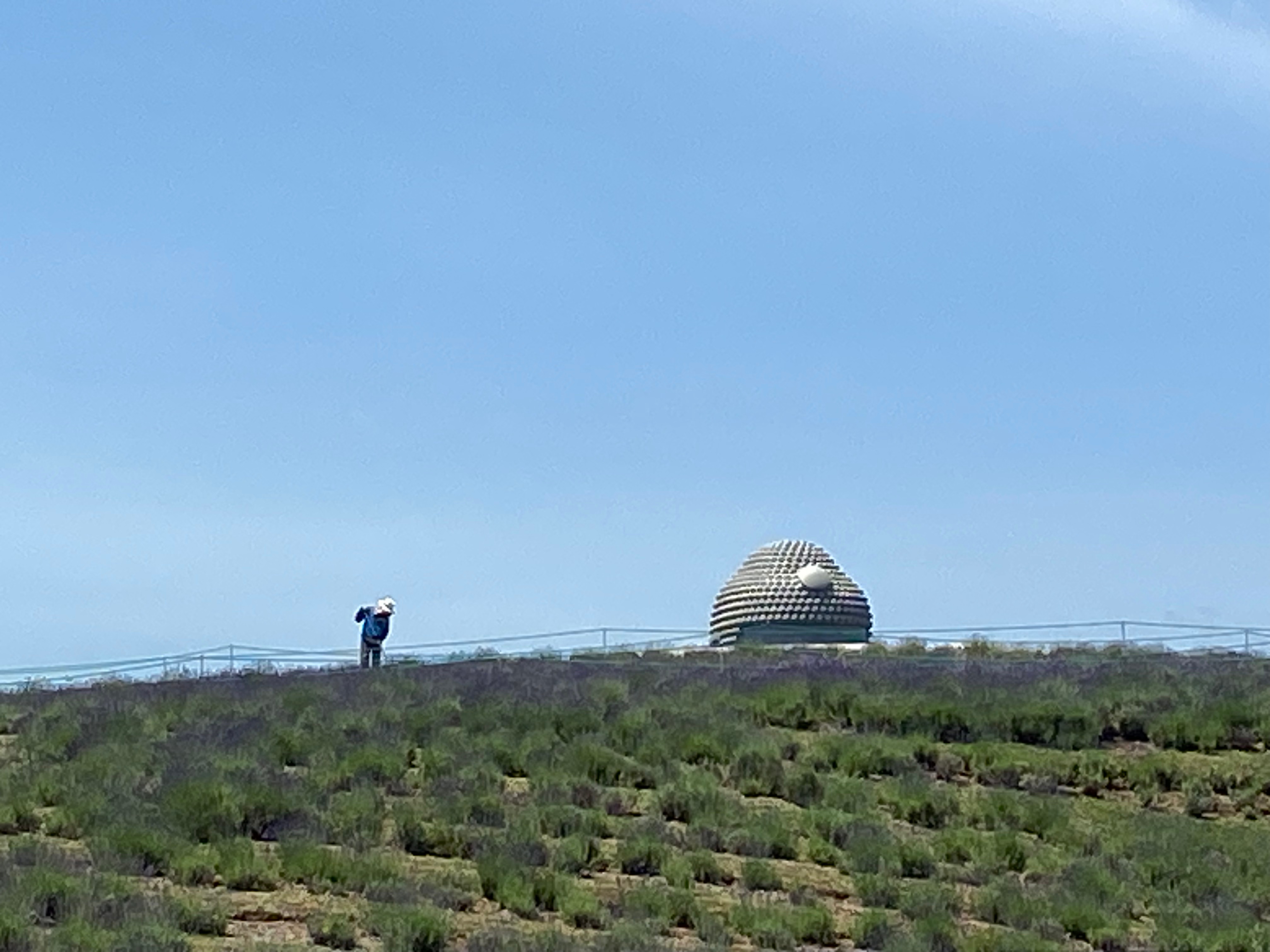
One sole member of staff has been given the arduous task of tending to the tens of thousands of lavender plants, whilst the Buddha looks on, watching over a world in slow collapse.
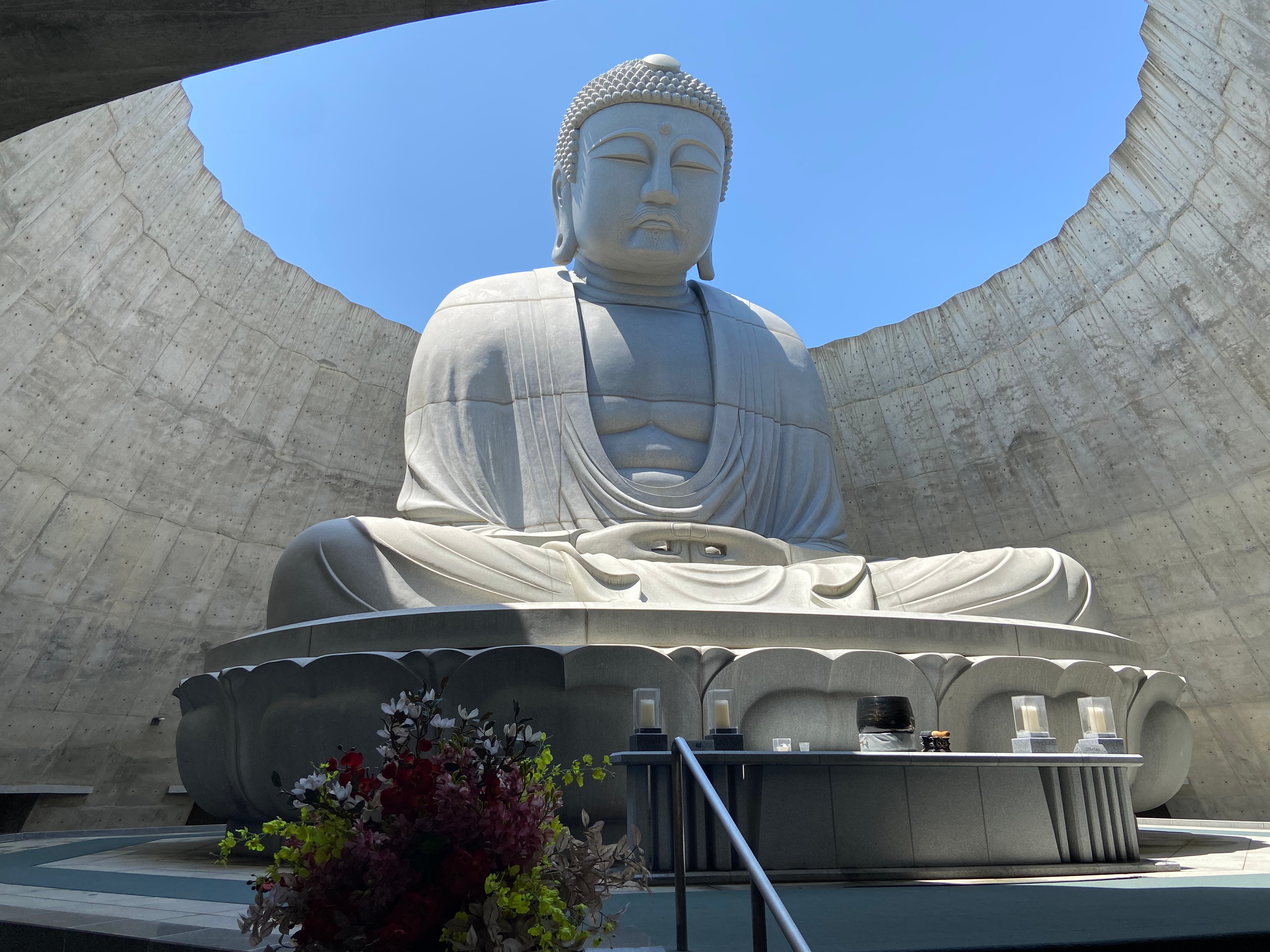
I enter the chamber that houses the Buddha and instantly notice the silence. The closest thing to silence I’ve experienced in a while. I just stand there, motionless, staring at the Buddha. It’s the kind of place that wants you to contemplate something. I’m never quite sure what. The permanence of stone. The impermanence of memory?
I pull an oracle fortune slip from a basket by the prayer wall. It says: Very Good Luck. With success anything can be accomplished. It also says that my lucky item is dried flowers. I consider making a bouquet from the ones outside but decide against it.
Makomanai Takino Cemetery is one of the largest in the country; 180 hectares of death and flowers. As I stroll through the many interconnected burial areas, I pass by multiple funeral processions in progress, and my thoughts turn to death.
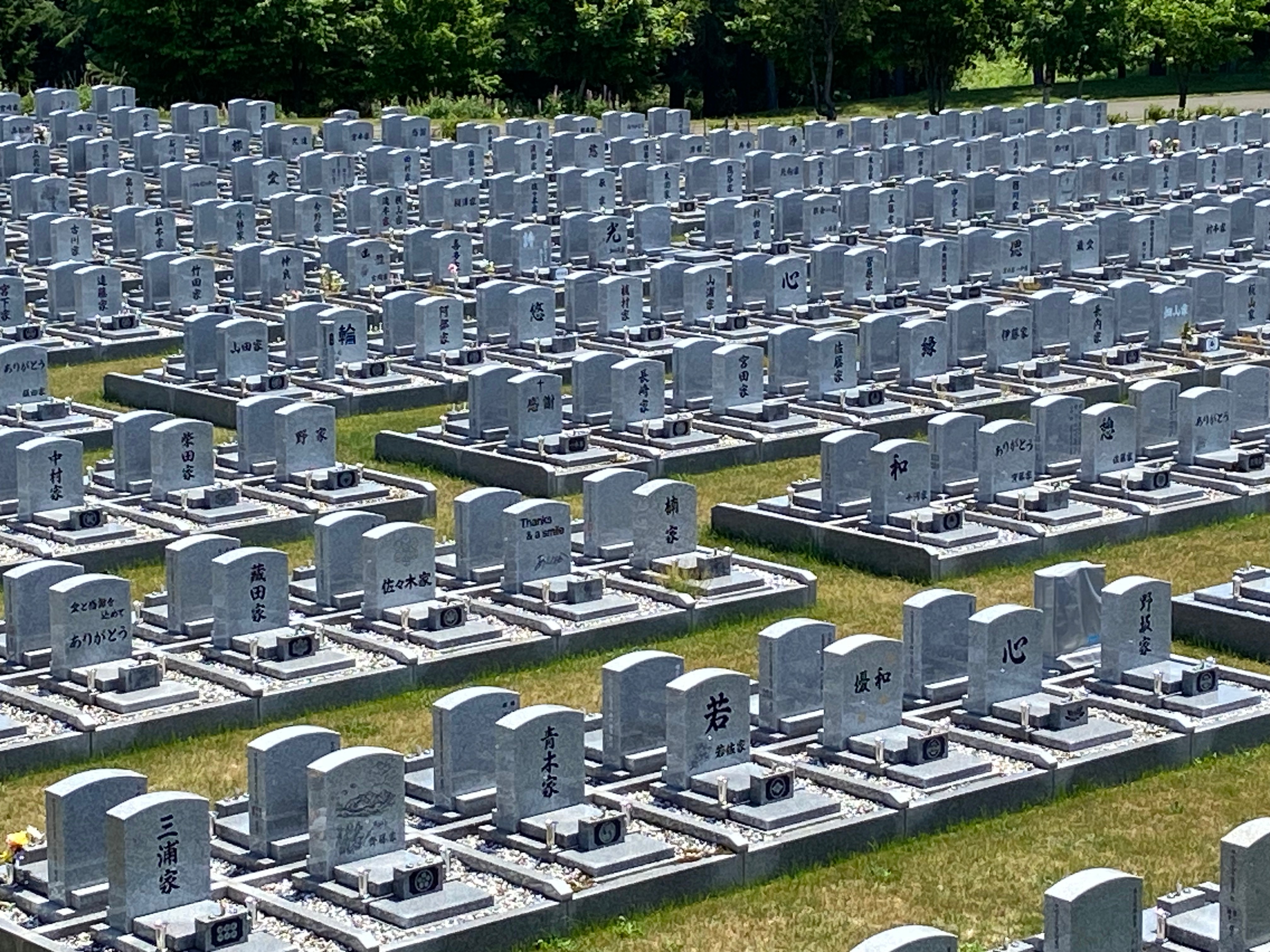
I pass a row of graves with the kanji worn away, lost to time, like everything else. I begin to wonder what memory becomes when the last person who remembers it is gone. When even the names are unreadable.
And for a while,
there is no past.
No next.
Only this.
The moment stretches, fragile and full of forgetting.
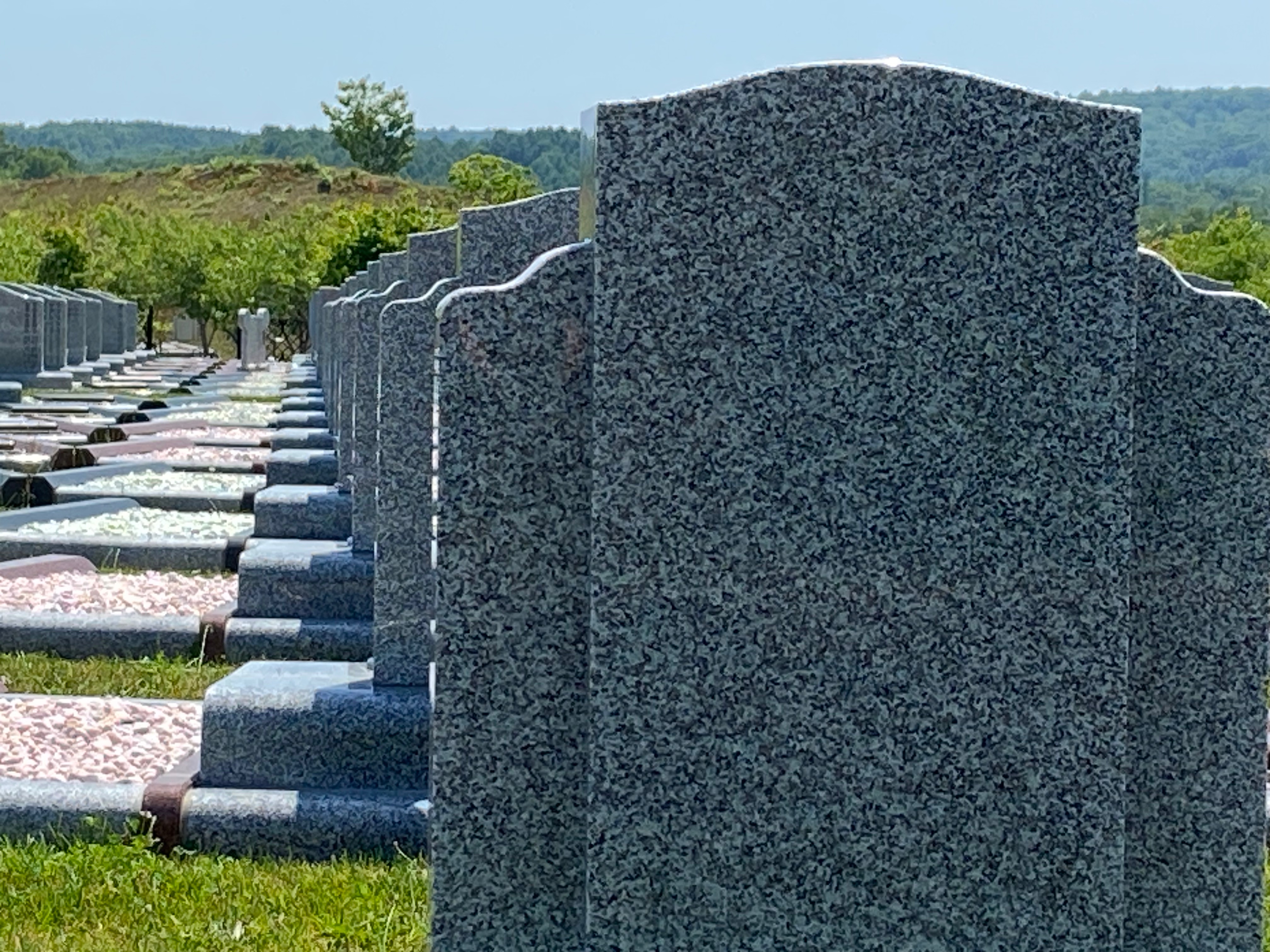
Then a memory.
Then not even that.
Then a stone.
Then not even that.
 Japanising.com
You must be logged in to post a comment.