I’ve finally decided to visit Hokkaido Prefecture, specifically Sapporo, the capital of northern Japan. The area I’m staying in over the next few days is seemingly charming. The first thing I notice about it is the open spaces. Then the neat symmetry of the streets. Then the pipes.
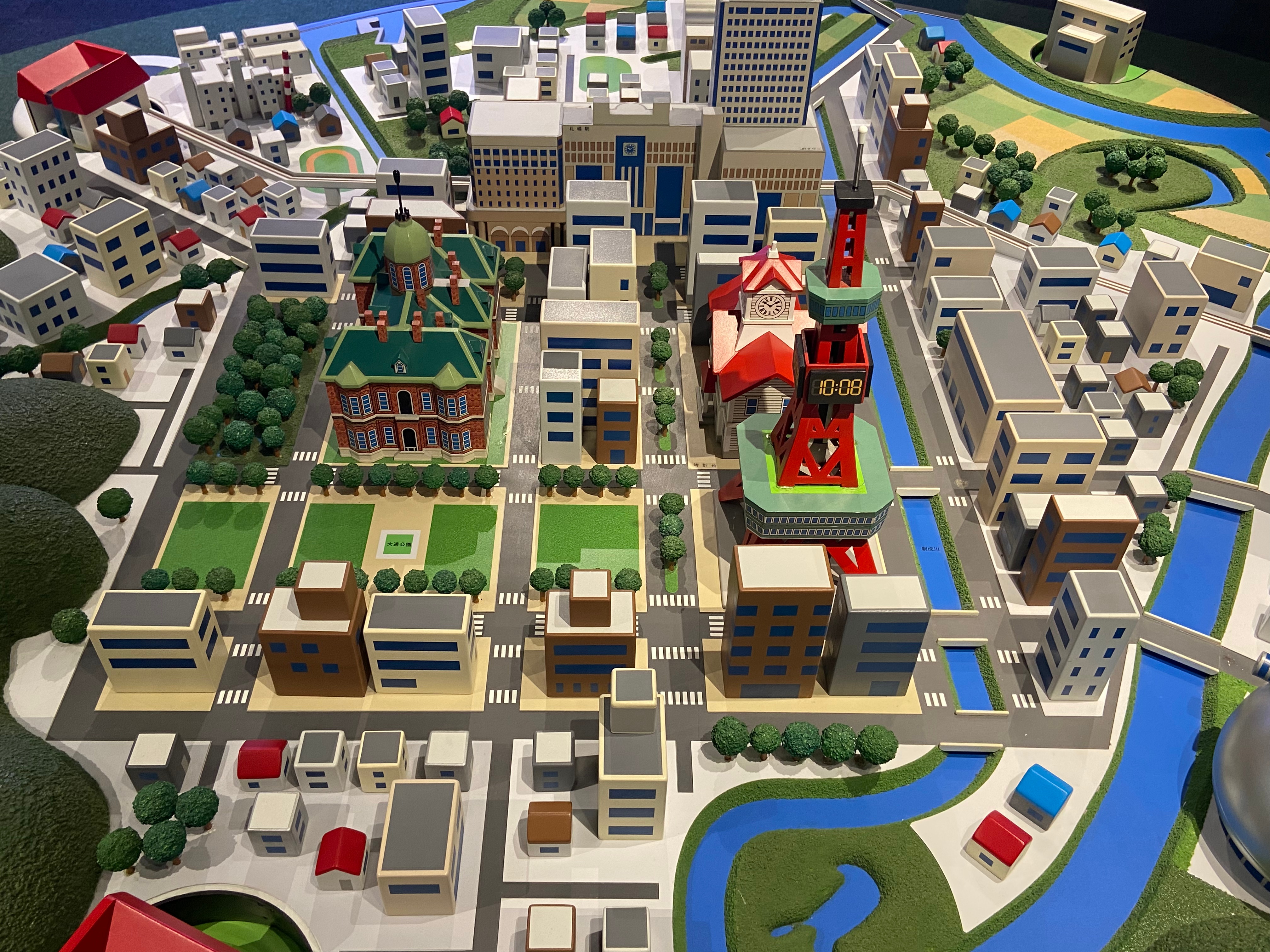
The nearby Odori Park slices across twelve neatly gridded blocks. There’s a river, a large red-brick mansion, and an illuminated TV Tower looming at exactly 147.2 metres in height: Sapporo’s artificial Polaris.
My first destination today is a bit of a hidden gem. So hidden in fact that the building itself is only identifiable by a single blue water droplet painted on its side. A grey concrete block of a structure in the middle of nowhere on the edge of the city. To find it, I am told to just follow the Soseigawa River. If you haven’t guessed it yet, the place I’m looking for is the Sapporo Sewerage Science Museum.
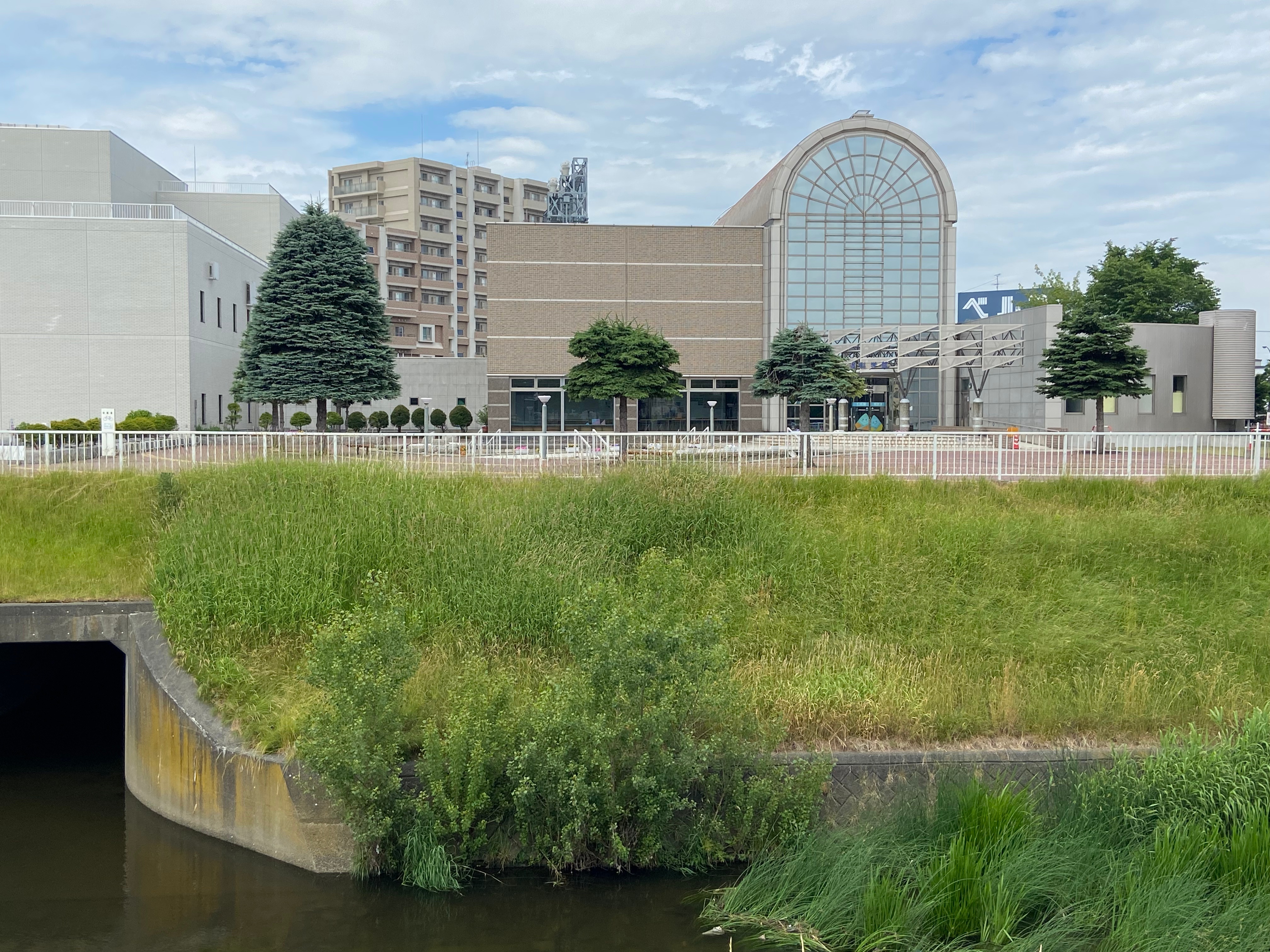
I don’t notice the single blue water droplet painted on the side of the building. What I notice instead is the stench; the kind that makes you immediately try to locate the source. Which, in this case, is the Soseigawa Wastewater Treatment Plant: right next door.
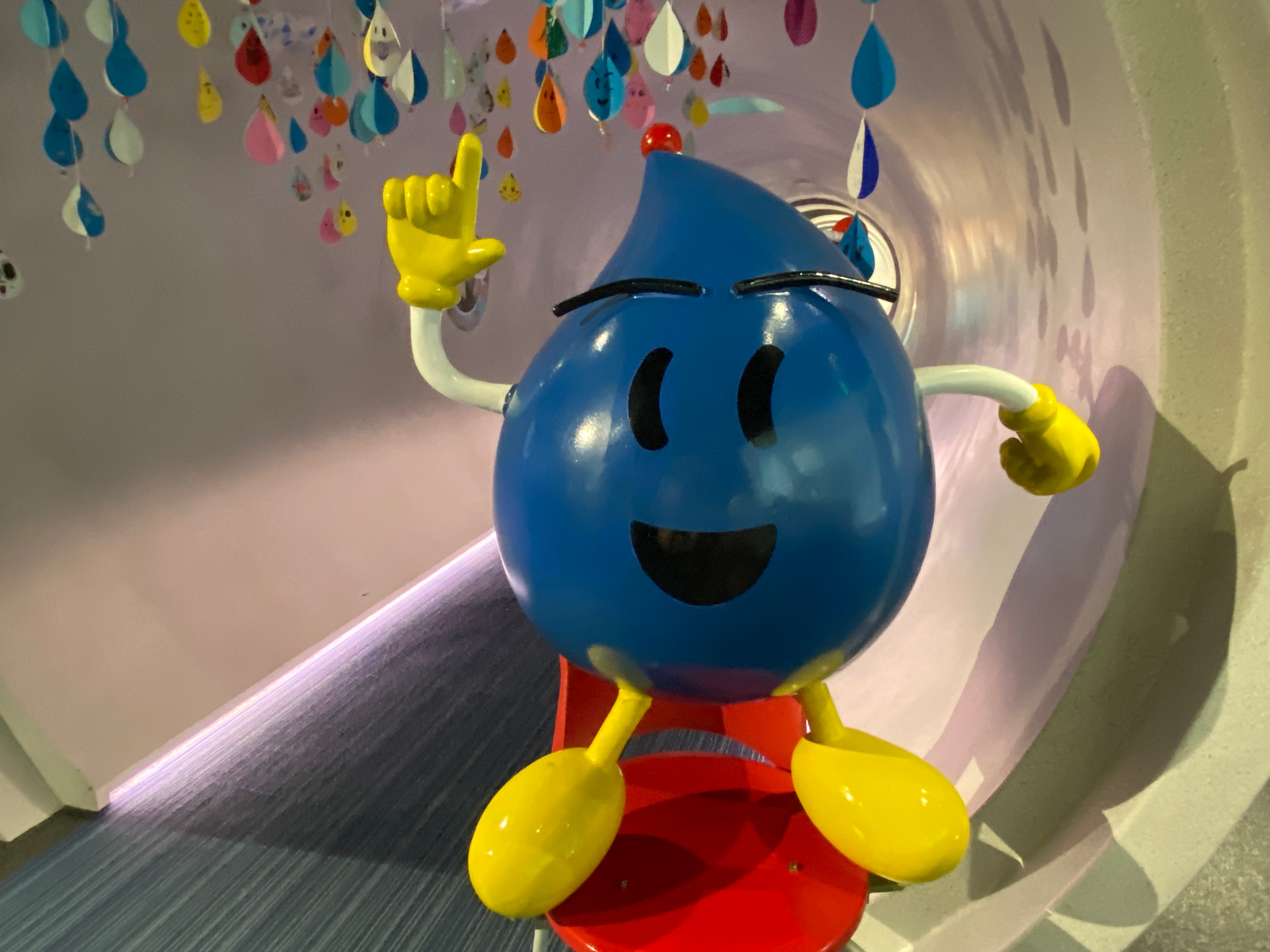
Inside the museum, there is nobody around. It’s actually free admission so I freely explore some of the exhibits. I quickly discover that there are mascots everywhere. There is a bacteria mascot, a sludge mascot, an activated sludge mascot, and a pipe-shaped mascot sporting sunglasses named Dr. Pipe. The water droplet is the star of the show and its name is Kurin-chan. There are no further details or backstories for any of the mascots.
The museum features a huge panorama theatre with empty seats, the movie they are showing today is called “Where Sewage Goes” and is an animated educational video. There’s a detailed diorama of the seemingly charming Odori area of Sapporo. Underneath the model of the city are drawers that can be pulled out to reveal the fascinating inner workings of Sapporo’s sewerage system.
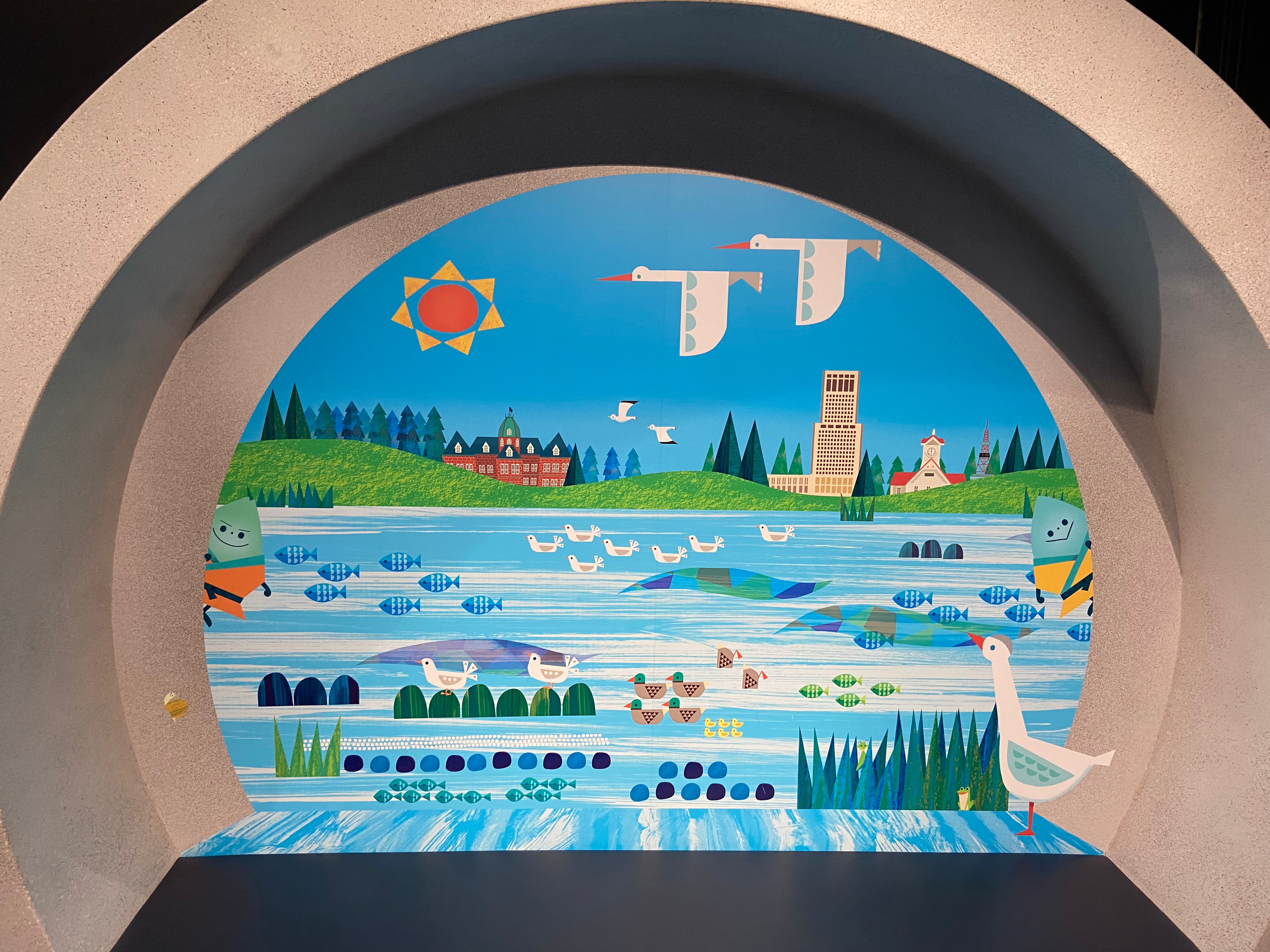
I imagine children would love this place and its various petri dishes of animal fæces and eleven interactive games (some genuinely quite fun) where you can train to be an Operations and Maintenance Master, a Sewage Pipe Cleaning Master, or even a Sludge Treatment Master. There’s also a massive decorated pipe with artwork seemingly unrelated to the other parts of the museum.
Speaking of hands-on activities and pipes, the museum also features an 800-year old decommissioned sewer pipe that you can touch anywhere you like. I decide to only touch the outside of the pipe. I sanitise my hands and wave goodbye to Kurin-chan as I leave for the station.
In a city called Sapporo, it’s almost impossible to avoid seeing signs, sponsorships, and advertisements for a beer company that shares the city’s name: Sapporo. So, moving from one thing that comes out of pipes to another, I just hope this one tastes markedly better.
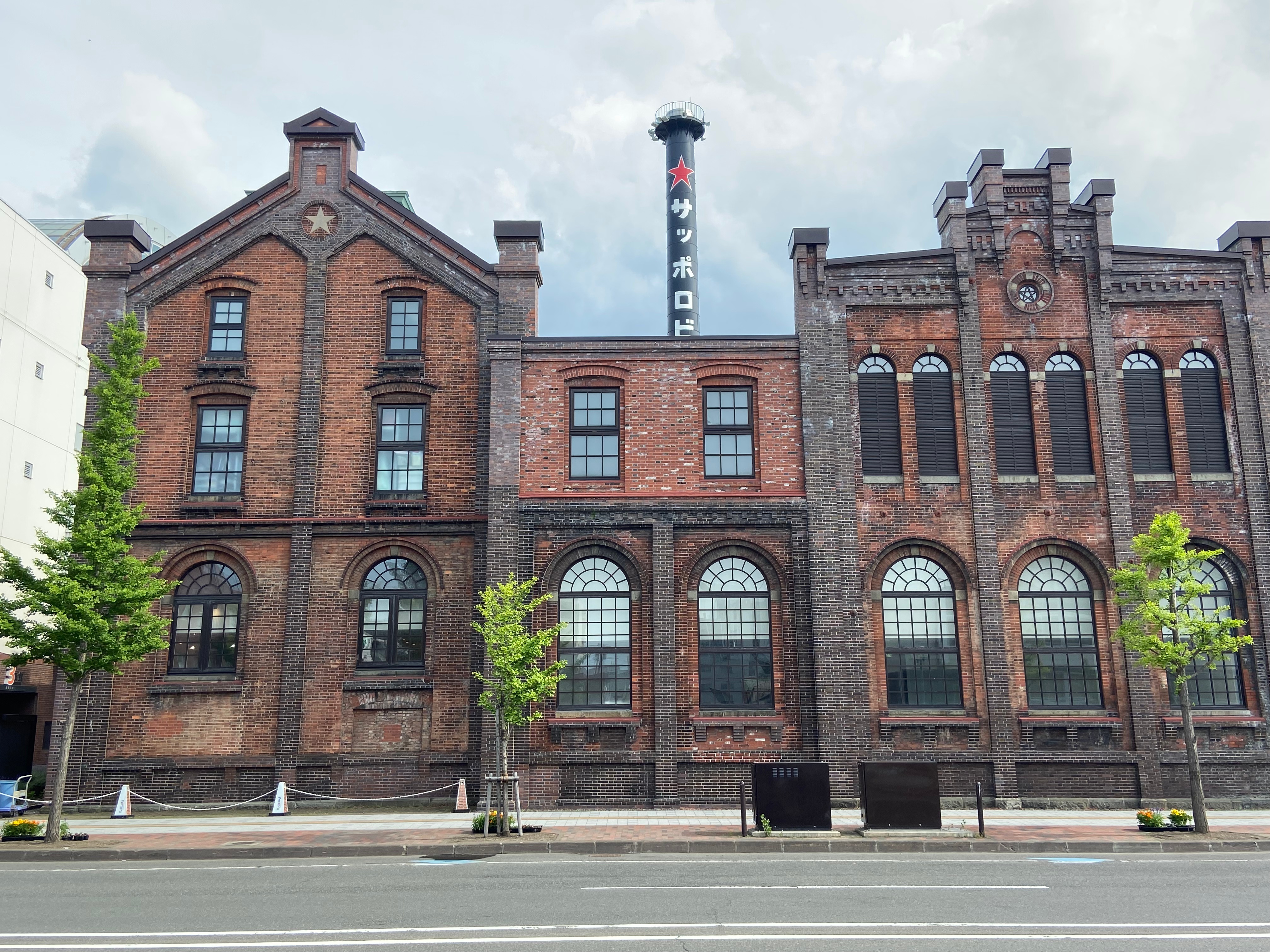
Founded in 1876 by German-trained brewers, Sapporo Beer survived relocation, stereotypes, and wartime censorship. The Tokyo facility was shut down for reasons that may or may not involve pipes. A year later, the first beer was delivered in boxes of ice back to Tokyo, and the years that followed saw Sapporo Beer’s popularity begin to soar across Japan.
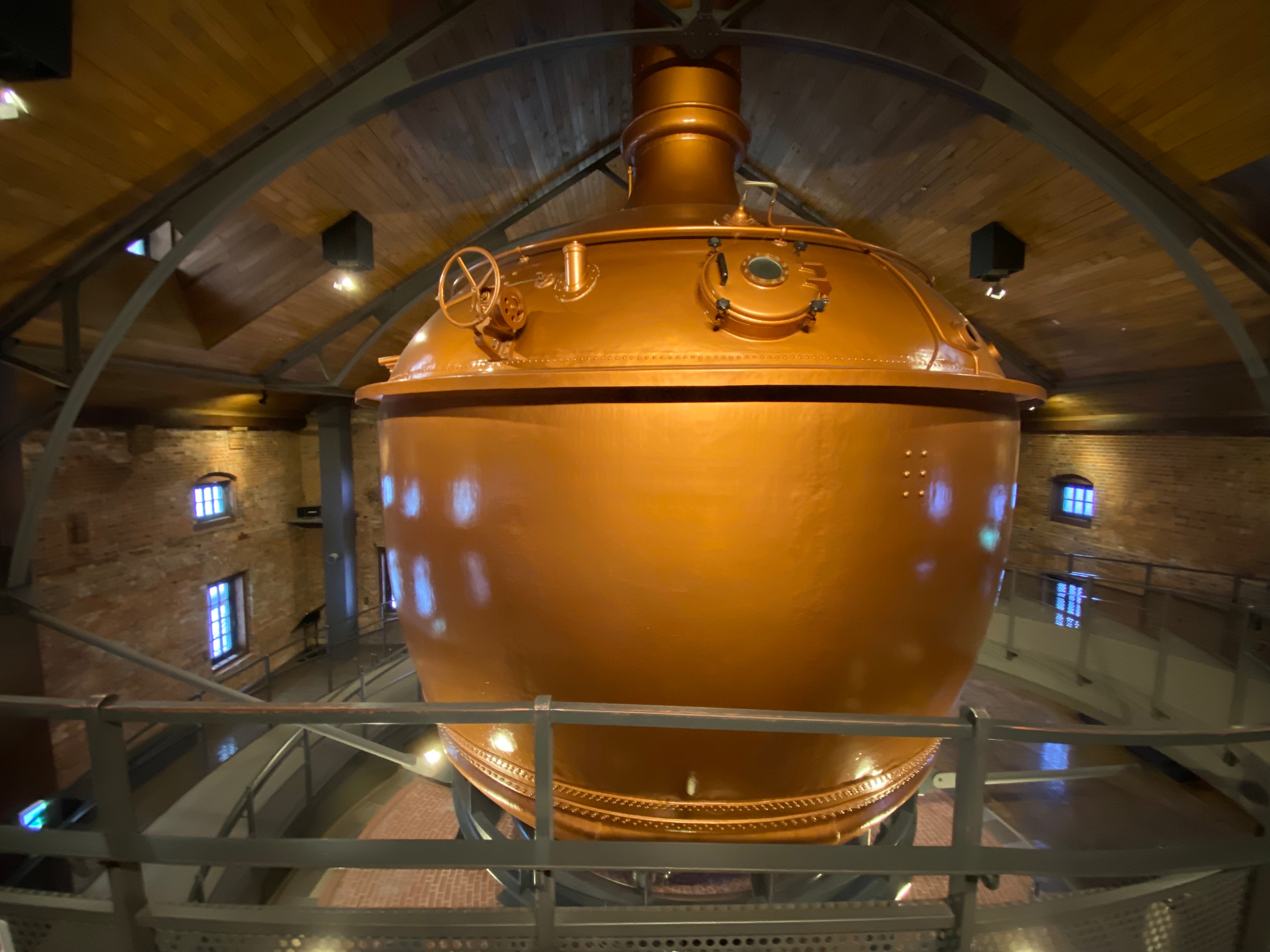
As I enter the Sapporo Beer Museum I am instantly struck by the size of the massive gold Walt Pan. Used from 1965 to 2003, this historic steel sphere is capable of brewing 280,000 cans of beer at once. For context, that’s 280,000 cans of beer. A sign at the bottom of the ramp politely asks: “Please do not climb on the Walt Pan.”
In 1908, Sapporo Beer began using geisha in its advertisements, an image later viewed as stereotypical. All advertising ceased in the late 1930s for unclear reasons. When it resumed in the mid-1940s, the geisha were gone, replaced by more glamorous and recognisable stars.
As I leave the museum I exit into a roped-off line of people queueing to buy tickets for beer at a vending machine. I pay ¥450 for a ticket that I then exchange for a small 240ml glass of beer. I don’t mind though, it tastes very good and makes for a great photograph.
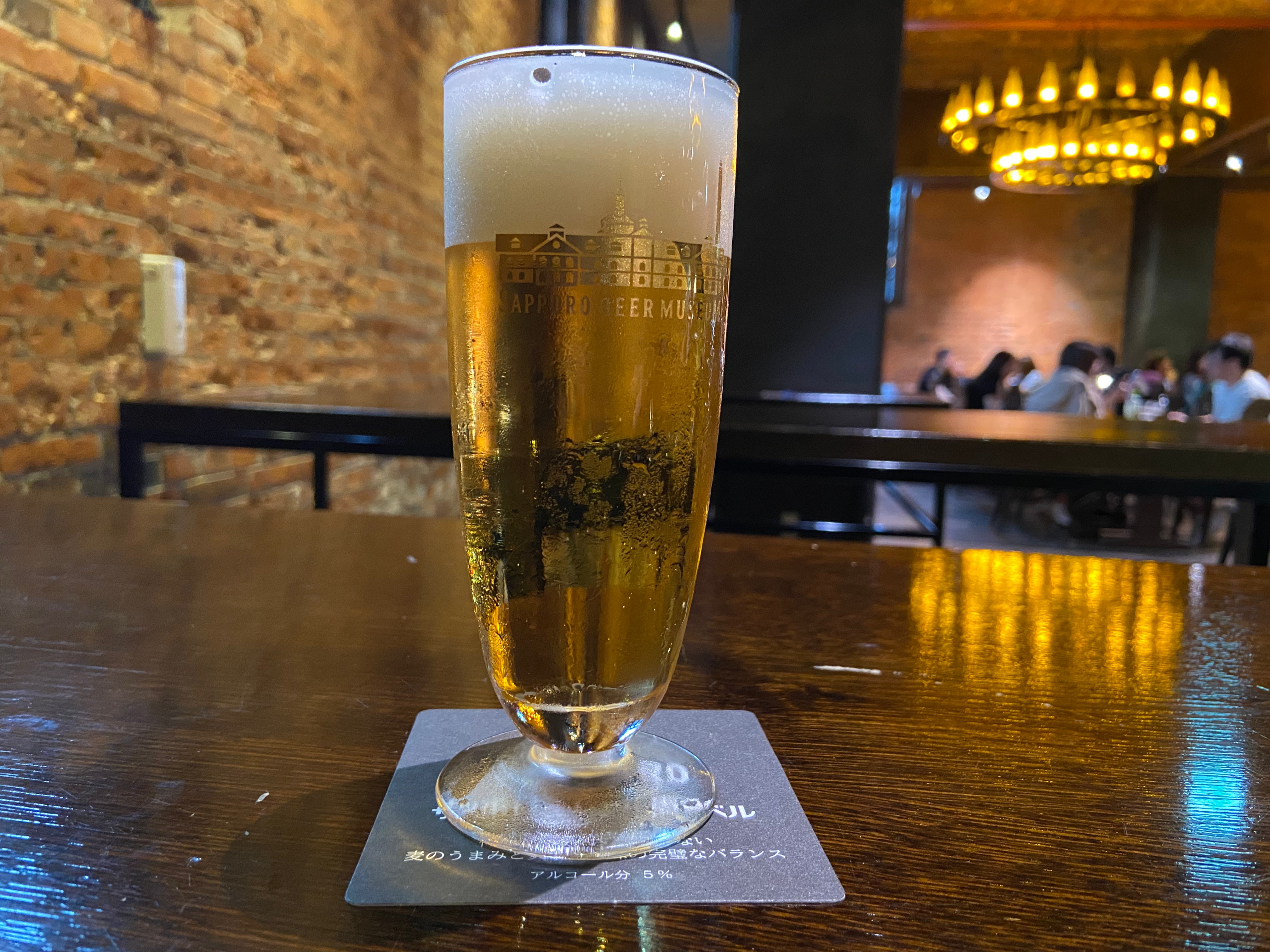
In Japan, there’s a concept called wabi-sabi. It’s hard to explain, but that photograph of my small 240ml beer does a decent job. The lighting is perfect, the glass pristine, the faded backdrop of a crowd of people in the beer hall, but something is out of place: a bubble, or the absence of a bubble. One missing pixel at the top of the glass. An imperfection. But for wabi-sabi, that bubble is a missing thing of beauty.
I take two sips of beer and realise my glass is empty, so decide to move on to my final stop of the day: the Mount Moiwa Ropeway. Unironically, right next to the ropeway is the Sapporo Waterworks Memorial Museum (more pipes). Luckily, it’s long closed today, so I admire the exterior and move on.
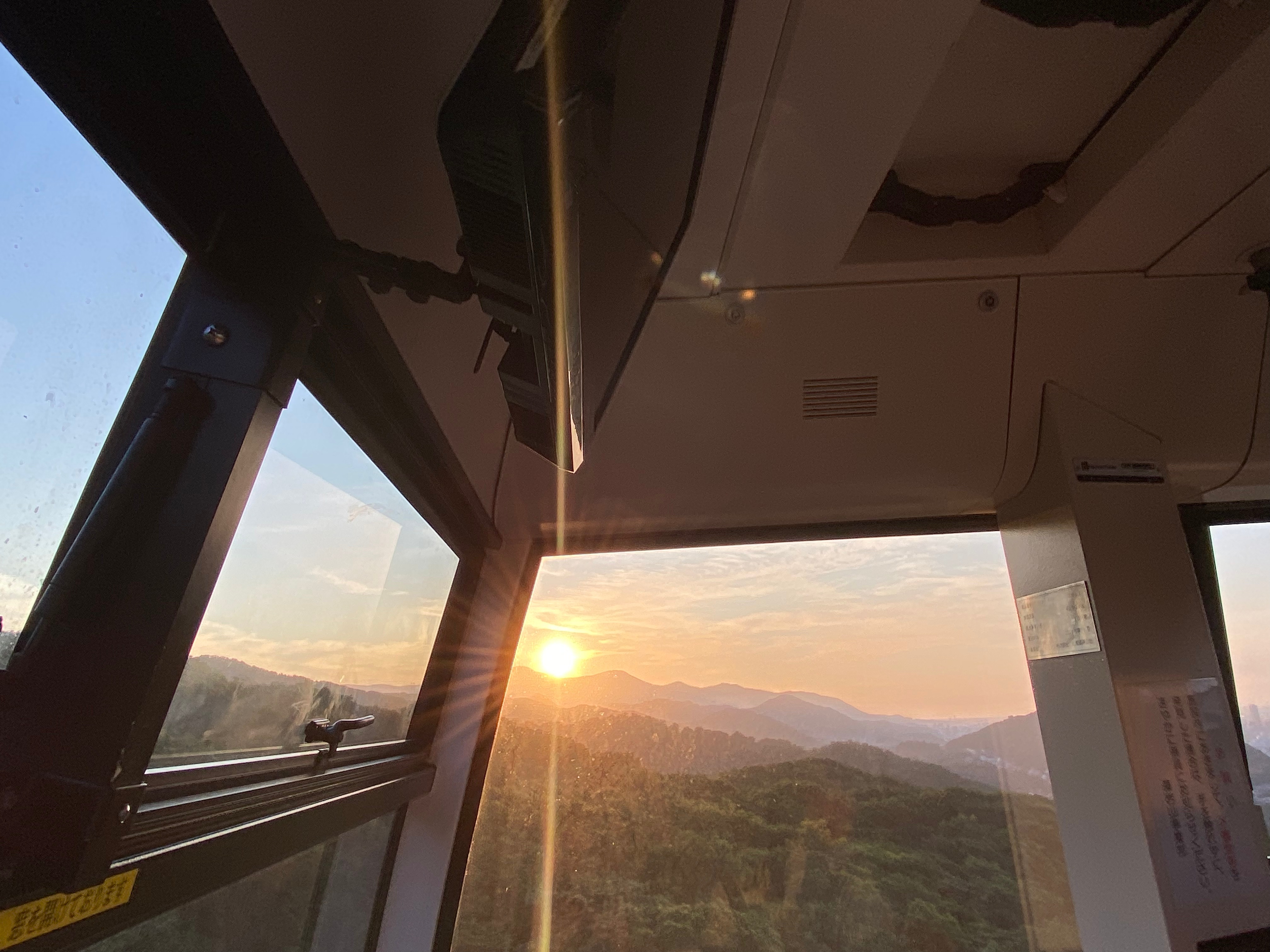
I pay ¥1900 and enter the ropeway. I am carried alone, lifted above the city, above the pipes, and past the skyline’s edges. The sun to the west sets behind the Shokanbetsu mountain range. I read a sign stating that Mount Moiwa has one of the three best night views in all Japan; at sunset, the view from the gondola is already stunning.
At the top, I await the gloaming. As the darkness of night blankets the city below, Sapporo shrinks and becomes less of a grid, and more of a circuit board of blinking lights. What makes the view even more satisfying is drinking my 500ml can of Sapporo Beer, whilst relaxing, staring down at the connected lights of my day below me, as I enjoy the moment.
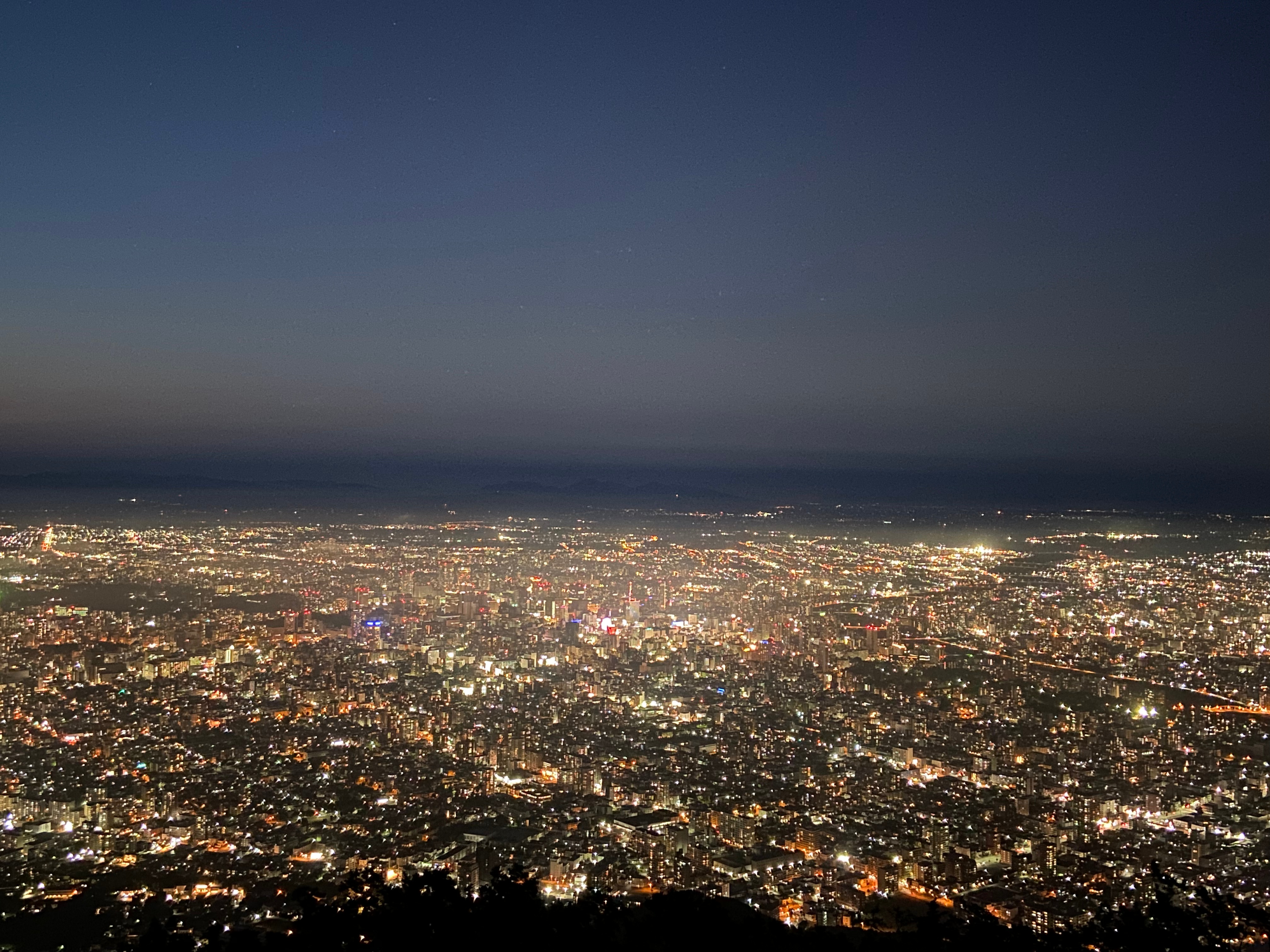
Earlier today, I touched an 800-year-old sewer pipe that once carried the waste of people who don’t exist. I watched beer pour from a golden pipe into a glass, and now, I’m looking out at a city of interconnected lights.
I take in the view. Breathtaking. Yet all I can think about is that pipe. The one with the sunglasses.
 Japanising.com
You must be logged in to post a comment.